★ 3 · last edited Aug 10, 2020
Eastern Pyrenees
Contributionsversion #5created Aug 10, 2020Report this pageLatest contributions in this guideContributors to this guide
Location verified location
 Eastern Pyrenees
Open the interactive map
Eastern Pyrenees
Open the interactive map
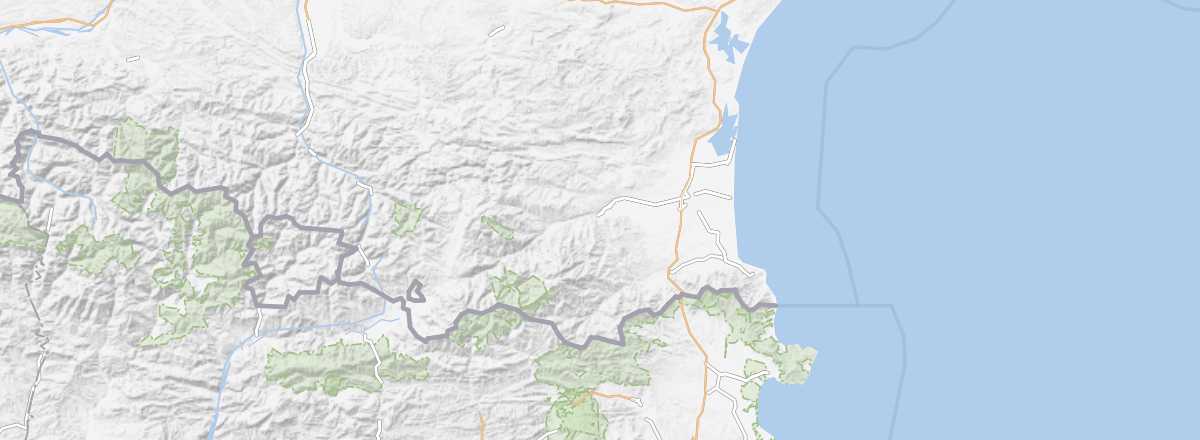
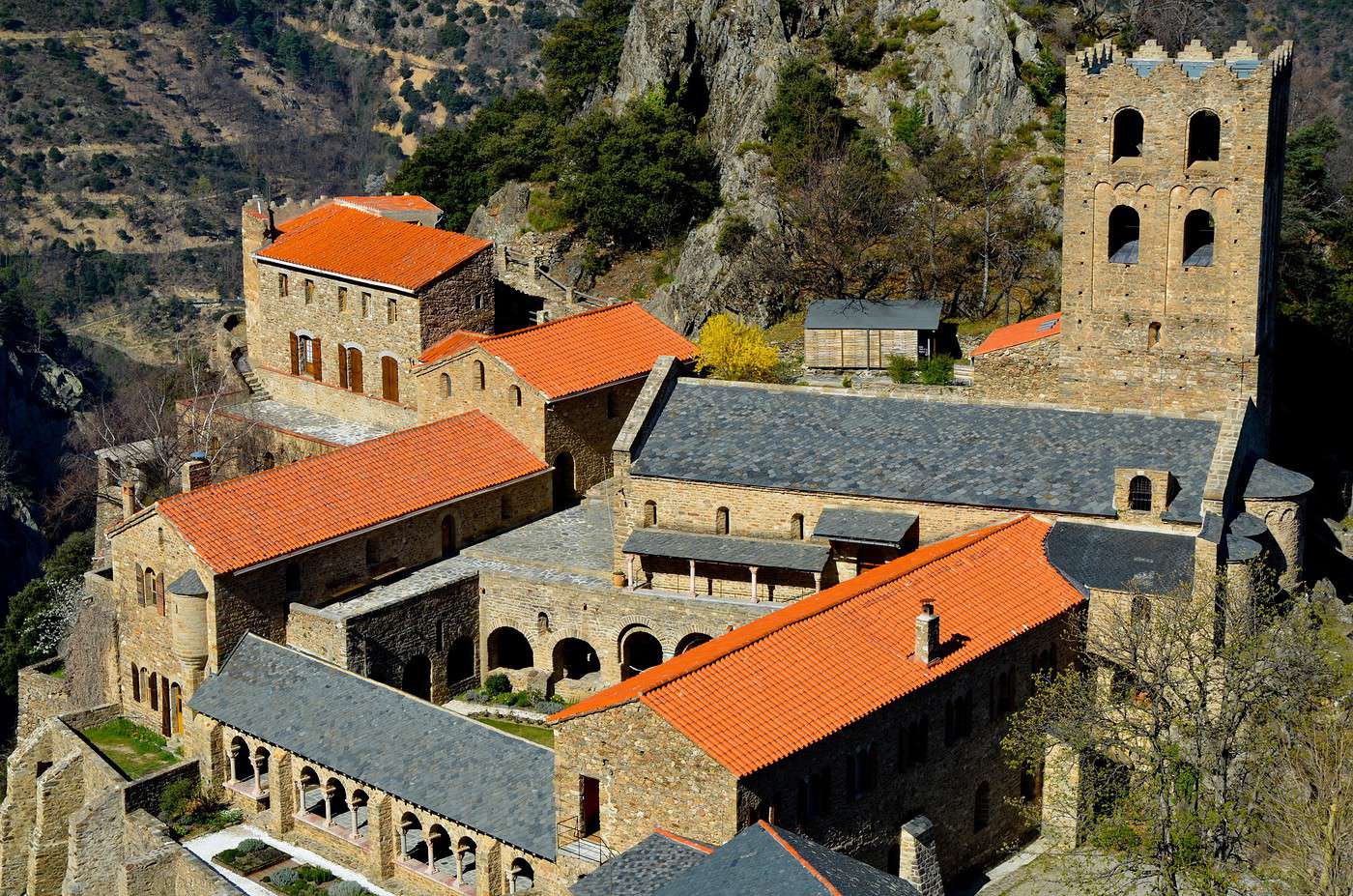
The "PO" is one of the few French departments that combines both sea and mountains, offering beach pleasures and skiing. With the seaside resorts of its Côte Vermeille (from Argelès to Spain) on one side and the Canigou massif or the Catalan Pyrenees Regional Nature Park on the other, outdoor and nature lovers usually find what they're looking for here. What's more, you can also discover beautiful abbeys, military remains from the Vauban era (Mont-Louis, Villefranche, etc.), charming villages (Castelnou, Evol, Mosset...), and all the Catalan traditions still very much alive in the region.
Overview
Key facts
- Type of place: department.
- Location: it is the last department on the Mediterranean coast before Spain.
- Department code: 66.
- Prefecture: Perpignan.
- Sub-prefectures: Céret, Prades.
- Number of municipalities: 226.
- Population: 474,452 inhabitants (2017).
- Area: 4,116 km².
- Density: 115 inhabitants/km².
- Highest point:
- Lowest point: sea level.
- Coastline:
- Highlights (out of ): Nature ; Culture ; Relaxation-holidays /
History of the Eastern Pyrenees
Geography and environment
Culture and economy
What to see in the P.O.
The "P.O." is one of the few French departments that combines both sea and mountains, offering beach pleasures and skiing. With the seaside resorts of its Vermilion Coast (from Argelès to Spain) on one side and the Canigou Massif or the Regional Natural Park of the Catalan Pyrenees on the other, outdoor and nature lovers usually find what they're looking for here. What's more, you can also discover beautiful abbeys, military remains from the Vauban era (Mont-Louis, Villefranche, etc.), charming villages (Castelnou, Evol, Mosset...), and all the Catalan traditions still very much alive in the region.
What to do in the P.O.
Climate and weather
The department has a Mediterranean climate, very sunny, with mild winters in the plains (though they can be cold at higher altitudes) and hot, dry summers. The end/beginning of the year is when rainfall is most frequent. As for the wind, the tramontane is ever-present and can sometimes blow in (very) strong gusts.
Sea temperature throughout the year
| Jan. | Feb. | Mar. | Apr. | May | Jun. | Jul. | Aug. | Sep. | Oct. | Nov. | Dec. | |
|---|---|---|---|---|---|---|---|---|---|---|---|---|
| Eastern Pyrenees | 13 | 12 | 13 | 14 | 16 | 20 | 22 | 23 | 22 | 19 | 16 | 14 |
Transport
Getting there
Getting around
Accommodation
Food
Additional information
- Perpignan
- Saint-Génis-des-Fontaines Abbey
- Saint-Martin du Canigou Abbey
- Saint-Michel de Cuxa Abbey
- Argelès-sur-Mer
- Banyuls-sur-Mer
- Canet-en-Roussillon
- Castelnou
- Cerbère
- Céret
- Collioure
- Elne
- Eus
- Evol-Olette
- Font Romeu
- Salses Fortress
- Le Barcarès
- Les Angles
- Maureillas-las-Illas
- Mont-Louis
- Mosset
- Port-Vendres
- Porté-Puymorens
- Prats-de-Mollo-la-Preste
- Serrabone Priory
- Rivesaltes
- Villefranche-de-Conflent
- Lac des Bouillouses
- Canigou Massif
- Regional Natural Park of the Catalan Pyrenees
- Cerbère-Banyuls Marine Nature Reserve
- Vermilion Coast
- Saint-Cyprien (66)