
Travel guide · Greece
Greek Islands
Greece is one of the countries with the most islands and islets in the world. There are between 3,000 and 10,000 of them, depending on the source (!), with a few dozen that have delighted holidaymakers for decades. Whether you're looking for beaches, nature, historical or ancient sites, quiet islands, or lively ones—even those dedicated to partying—there’s something for everyone.
Overview of the Greek Islands
Greece is among the countries with the most islands and islets in the world. There are between 3,000 and... 10,000 of them, depending on the source (!), with a few dozen that have delighted holidaymakers for decades. Whether you're looking for beaches,…
Geography, climate and environment of the Greek islands
Environment
Physical geography of the region
Wildlife and flora
Natural areas
Climate
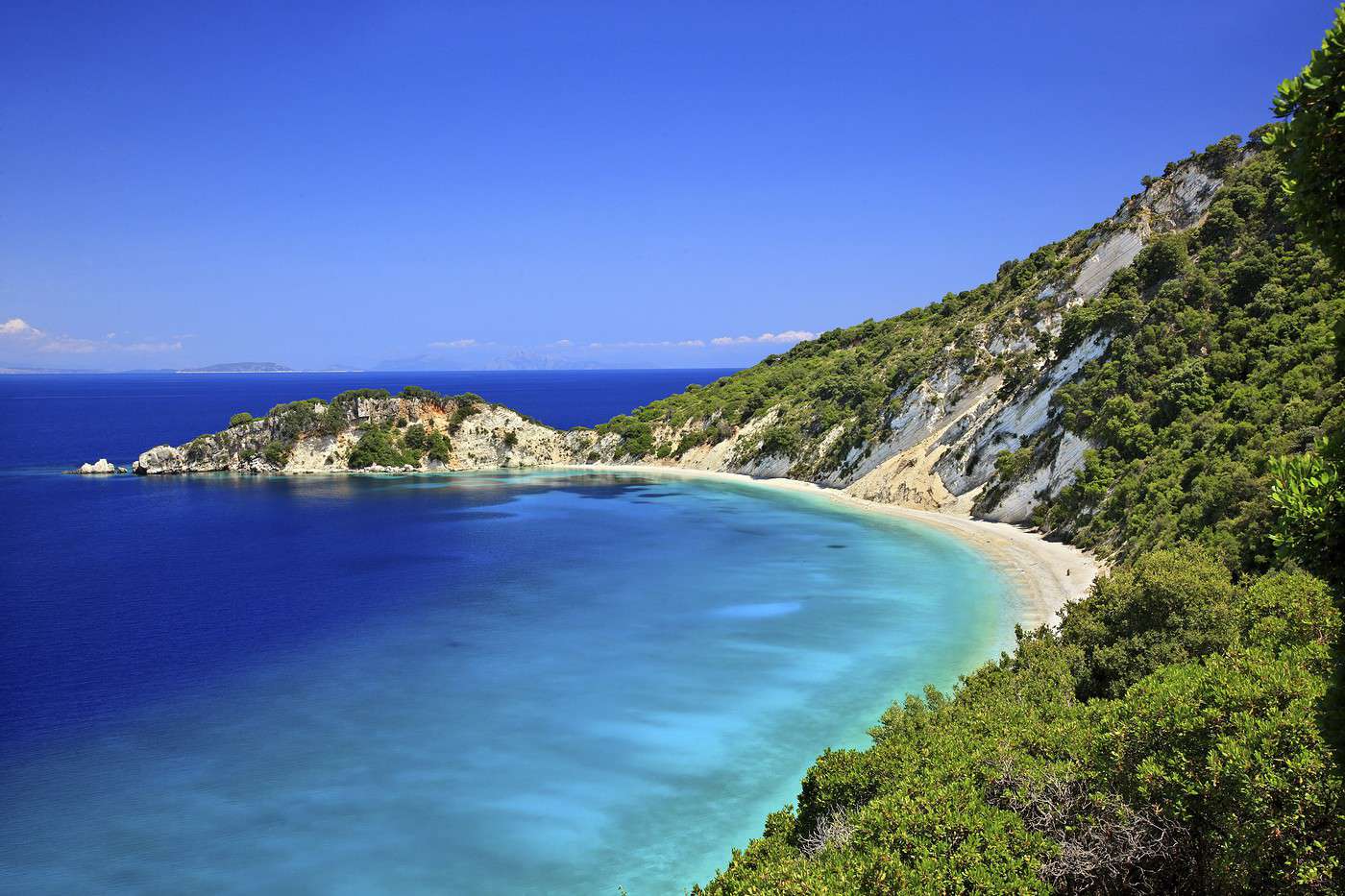
Like the rest of the country, the Greek islands have a Mediterranean climate. This is characterised by hot to very hot summers, though tempered by wind on some islands, and relatively mild winters with occasional rain. It is only on the few most mountainous islands (such as Crete) that the climate can be a little harsher.
Best time to visit
Climatically (and even in terms of crowds), the best time to visit the Greek islands is in spring or early autumn, rather than July-August, which can be very hot and particularly crowded in many places.
| Jan. | Feb. | Mar. | Apr. | May | Jun. | Jul. | Aug. | Sep. | Oct. | Nov. | Dec. | |
|---|---|---|---|---|---|---|---|---|---|---|---|---|
| Climate |
: very favourable | : favourable | : moderately favourable | : unfavourable.
Sea temperature throughout the year
| Jan. | Feb. | Mar. | Apr. | May | Jun. | Jul. | Aug. | Sep. | Oct. | Nov. | Dec. | |
|---|---|---|---|---|---|---|---|---|---|---|---|---|
| Cyclades | 16 | 15 | 16 | 17 | 19 | 21 | 24 | 25 | 24 | 23 | 20 | 18 |
Climate and weather by archipelago
Cyclades (Mykonos)
Dodecanese (Rhodes)
Ionian (Corfu)
Society, Culture and Customs of the Greek Islands
Key Dates
Arts and Architecture
Society
Population
Economy
Customs and Traditions
Local Traditions
Regional Languages
Festivals and Celebrations
Books, Films and Music
What to see in the Greek Islands
Beaches, nature, historical and ancient sites, quiet spots or lively places—even party destinations. Islands for every taste, including well-known ones like Rhodes, Mykonos, Corfu, and Santorini, among many others. The Greek Islands are home to 6 sites…
Things to do in the Greek islands
Travel themes
Interests (out of ): Nature ; Adventure ; Culture ; Relaxation-holidays .
Nature and adventure
The Greek islands offer very pretty coastal landscapes, though they don’t often feature the "sea-mountain" blend that gives some regions of mainland Greece or Crete their unique charm. Additionally, apart from hiking on a few islands and water sports on most, outdoor or adventure activities are quite limited.
Culture
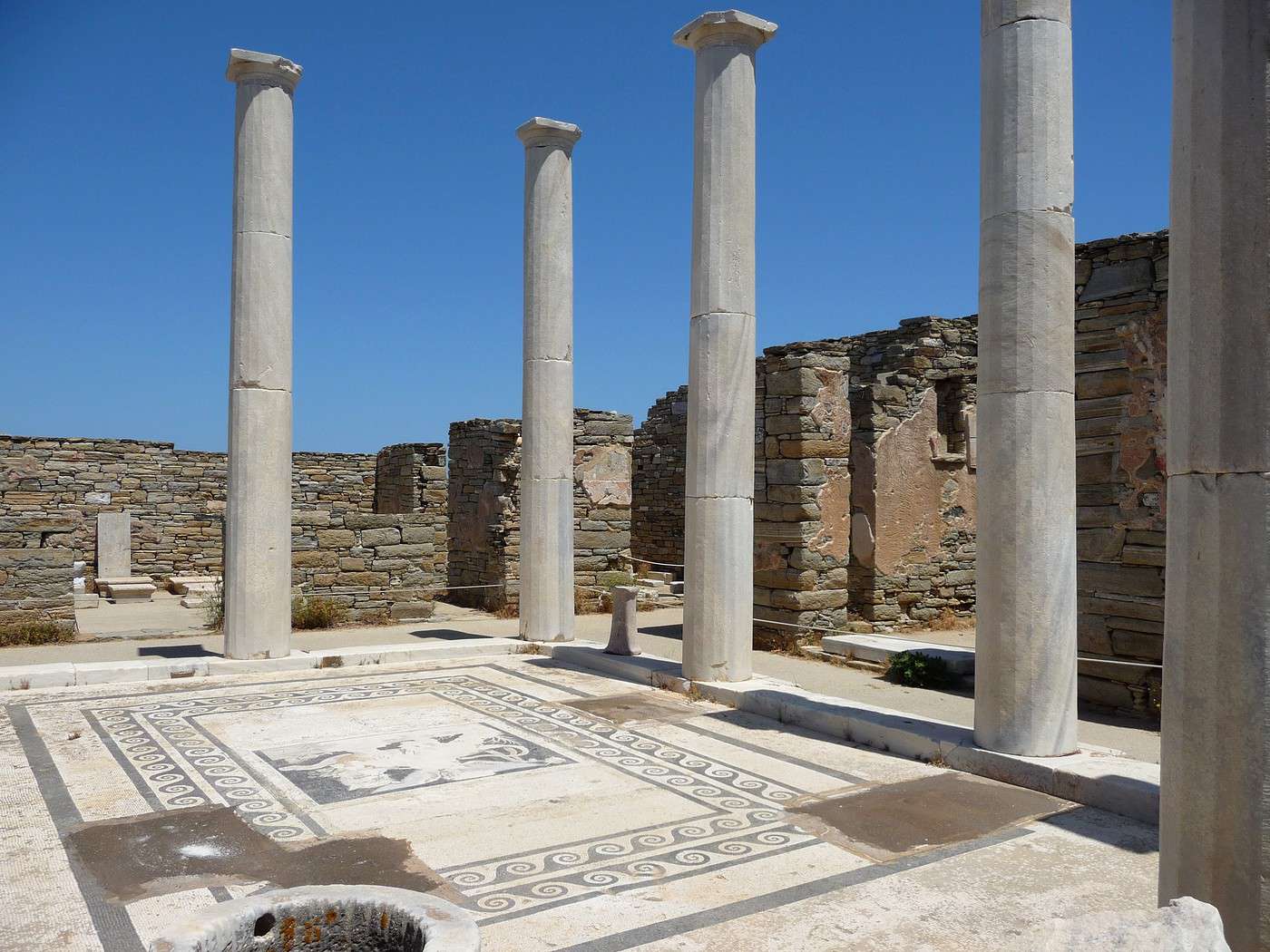
While some islands promote themselves as beach or party destinations, many others boast a rich cultural and historical heritage that will delight enthusiasts. This is particularly true of Delos and Samos for their UNESCO-listed ancient sites, the island of Patmos with its monasteries, Corfu and Rhodes with their old towns, Santorini with its unique architecture, and Chios with its various historical remains—just to name the highlights.
Relaxation and holidays
This is, in many ways, the traditional image of the Greek islands. The sea, the beach, relaxation, tranquility—or, conversely, nightlife—are indeed on offer (but not exclusively...), to the point that some islands (Zakynthos, Rhodes, Mykonos, Santorini...) have been among Europeans’ top choices for decades.
Beaches and seaside resorts

Water activities
Diving
Other activities
Fishing:
Watersports:
Sailing:
Thalassotherapy and wellness
Hiking
Hiking on foot
Cycling
Horseback riding
Other outdoor activities
Golf:
White-water sports:
Climbing and mountaineering:
Paragliding and aerial sports:
Caving:
Cultural life and activities
Nightlife and going out
Travel and suggested itineraries for the Greek islands
Best times to visit
Finding the best time to visit involves balancing climate constraints with crowd levels and the most attractive prices for travel and on-site expenses.
The climate, crowds, and prices all follow a similar pattern. The best time to visit the Greek islands is during spring (late April to mid-June) or early autumn (September to October), avoiding the hot and especially crowded months of July and August—particularly from July 15 to August 15. That said, given the number of islands worldwide, you can always find relatively quiet spots even in peak season, simply by steering clear of the most popular ones.
| Jan. | Feb. | Mar. | Apr. | May | Jun. | Jul. | Aug. | Sep. | Oct. | Nov. | Dec. | |
|---|---|---|---|---|---|---|---|---|---|---|---|---|
| Climate | ||||||||||||
| Avoid crowds | / | / | ||||||||||
| Low prices | / | / |
: very favorable | : favorable | : moderately favorable | : unfavorable.
Types of travel
Independent
Like the rest of Greece, the islands are very easy to explore independently.
Organized
All-inclusive
Since many of the islands are highly touristic beach destinations, all-inclusive packages are widely available. While these deals often attract British, German, or Scandinavian travelers, they can be worth a look—especially during promotions, as the prices may be particularly attractive.
Some itinerary ideas
Getting to the Greek Islands
By air
General information
From France
From the rest of Europe (and beyond)
From the rest of Greece
By sea
Ferries
To/from mainland Greece:
Most options depart from the Athens area, primarily the port of Piraeus, but also Rafina and Lavrio. Except for the Ionian Islands, all Greek islands are served from here. Outside Athens and its surroundings, only a few other ports offer connections, usually to nearby islands.
To/from Turkey:
Seven Greek islands are connected by regular ferries to several nearby Turkish ports—the only foreign country directly linked to the Greek islands. The small Turkish ferry companies operating these routes include Bodrum Express Lines, Ertürk Lines, Meander Travel, Tuana Maritime, and Yesil Marmaris.
- Chios: Çeşme (Ertürk Lines).
- Kalymnos: Bodrum (Bodrum Express).
- Kos: Bodrum (Yesil).
- Lesbos: Dikili and Ayvalık.
- Rhodes: Bodrum (Bodrum Express + Yesil), Fethiye (Tuana Maritime), and Marmaris (Yesil).
- Samos: Kuşadası (Meander).
- Symi: Bodrum (Bodrum Express).
Cargo ships
Cruises
Greece and its islands are a Mediterranean cruise classic. You’ll easily find countless cruises that include the destination. Crete, Rhodes, Santorini, and others are possible stops in the Greek archipelago.
Sailboats
Getting Around the Greek Islands
There’s no point bringing your own vehicle on ferries from mainland Greece if you’re only staying a few days in the archipelago. However, renting one can be marginally useful on relatively large islands like Rhodes . Motorcycle: Bicycle: Except on the very…
Accommodation and gastronomy in the Greek islands
Accommodation options in the islands
Hotels and guesthouses
All-inclusive
Camping
Other options
Which accommodation to choose?
As with the rest of the country, it all depends on the type of trip you have planned. If you're staying in one place, an all-inclusive package or, for more freedom, renting a villa or apartment could be a good option. Otherwise, if you're island-hopping, staying with locals usually offers the best value.
Gastronomy
Where to eat?
Other practical information for the Greek islands
Luggage and equipment to bring
In summer, pack light clothing plus a sweater for high altitudes on mountainous islands and for evenings. In winter, mid-season clothes are usually enough. Don’t forget sun protection—it’s intense—and rain gear for the start or end of the year.
Budget
Costs vary by island and season. Popular summer destinations like Mykonos, Santorini, and Rhodes will require a larger budget. Plan around 55 €–70 (for two), especially if you want to enjoy beach resorts. Otherwise, 45 €–60 is realistic off-season or on less touristy islands.
Precautions
As with the rest of the country, there are no major issues. Basic travel and hiking precautions will keep things smooth.
Opening hours
Laundries
Local tourist offices
French language use
Something wrong or out of date? Report this page