★ 2 · last edited Jul 2, 2020
La Ciotat
Contributionsversion #3created Jul 2, 2020Report this pageLatest contributions in this guideContributors to this guide
Location verified location
 La Ciotat
Open the interactive map
La Ciotat
Open the interactive map
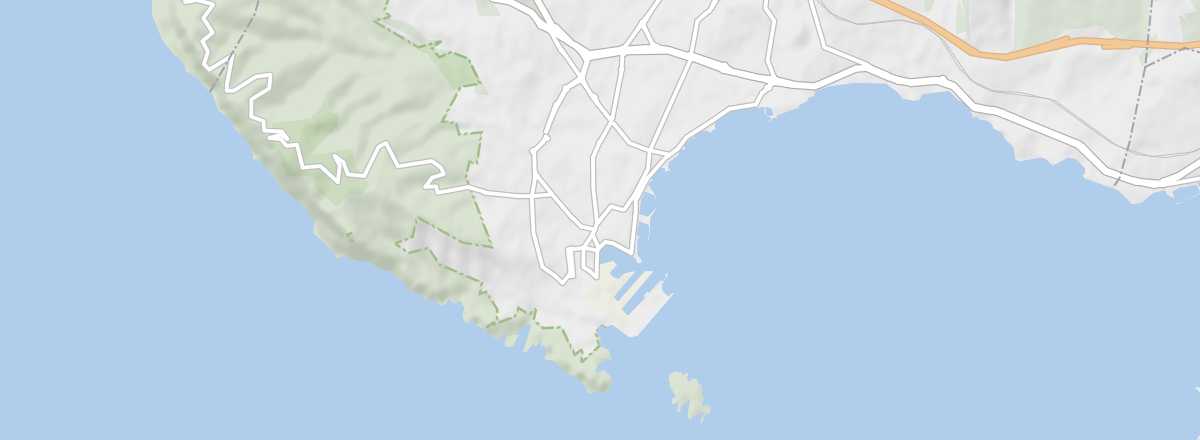
La Ciotat is a fishing port, an old town centre, and above all, its surroundings are well worth a detour, with calanques (coves), some of Europe’s highest cliffs (Cap Canaille), beaches, and diving opportunities.
Overview of La Ciotat
La Ciotat is a fishing port, an old town centre, and above all, its surroundings are well worth a detour, with calanques (coves), some of Europe’s highest cliffs (Cap Canaille), beaches, and diving opportunities.
Key Facts
- Type de lieu: small town.
- Intérêt touristique: (worth seeing).
- Localisation: at the end of the calanques when coming from Marseille, in the Bouches-du-Rhône department.
- Distances:
- Heure locale: .
- Population: 35,631 inhabitants (2014).
- Superficie: 31.46 km².
- Altitude: sea level.
- Site internet: http://www.laciotat.info
History of La Ciotat
What to See and Do in La Ciotat
Ciotaden Museum
A discovery of the city's cultural, religious, traditional, and economic heritage, along with its maritime history, the invention of cinematography, and pétanque.
A discovery of the city's cultural, religious, traditional, and economic heritage, along with its maritime history, the invention of cinematography, and pétanque.
Climate and Weather in La Ciotat
The local climate is typically Mediterranean, very sunny, with mild winters and hot, dry summers. Rainfall occurs in autumn, particularly around October-November. The wind is often present and can sometimes blow in gusts.
Sea Temperature Throughout the Year
| Jan. | Feb. | Mar. | Apr. | May | Jun. | Jul. | Aug. | Sep. | Oct. | Nov. | Dec. | |
|---|---|---|---|---|---|---|---|---|---|---|---|---|
| La Ciotat | 13 | 12 | 13 | 14 | 16 | 20 | 22 | 23 | 22 | 19 | 16 | 14 |
Transport
Getting There
Getting Around
Accommodation
Eating Out
Useful Addresses
Nearby
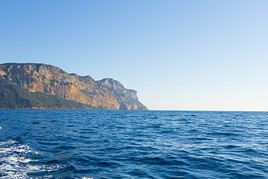
Cap Canaille and Soubeyrannes Cliffs
Between Cassis and La Ciotat, these are some of Europe’s highest sea cliffs, dropping up to 400 m into the Mediterranean.
Between Cassis and La Ciotat, these are some of Europe’s highest sea cliffs, dropping up to 400 m into the Mediterranean.
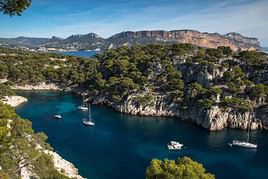
Calanques National Park
This stunning coastal area stretches over twenty kilometres from the south of Marseille to La Ciotat via Cassis. A must-visit for tourism, the calanques can be explored on foot or by boat. The location is also ideal for diving and climbing.
This stunning coastal area stretches over twenty kilometres from the south of Marseille to La Ciotat via Cassis. A must-visit for tourism, the calanques can be explored on foot or by boat. The location is also ideal for diving and climbing.
Further Reading
Worth a look / Other
Ciotaden Museum
★ A discovery of the city's cultural, religious, traditional, and economic heritage, along with its maritime history, the invention of…