★ 1 · last edited Jun 29, 2020
Lorient
Location verified location
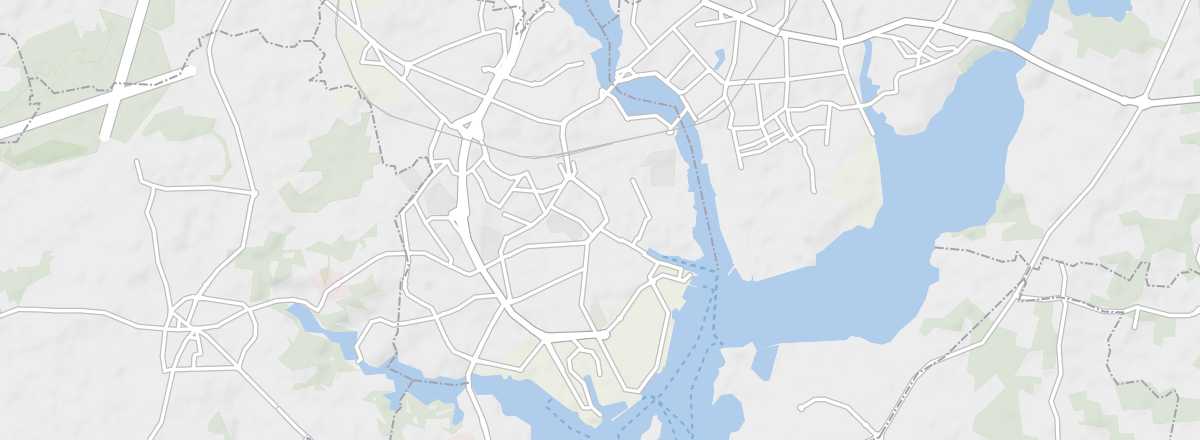 Lorient
Open the interactive map
Lorient
Open the interactive map
Almost razed in 1944, Lorient remains an important port city, best known for its annual Interceltic Festival held every August. With neighboring towns like Larmor-Plage and Guidel, Lorient also offers beautiful beaches and a wide range of water activities.
Overview of Lorient
Almost razed in 1944, Lorient remains an important port city, best known for its annual Interceltic Festival held every August. With neighboring towns like Larmor-Plage and Guidel, Lorient also offers beautiful beaches and a wide range of water activities.
Key Facts
- Type of place: small town.
- Tourist interest: (worth a stop if you are in the area).
- Location:
- Distances:
- Local time: .
- Population: 57,149 inhabitants (2017).
- Area: 17.48 km².
- Altitude: sea level.
History of Lorient
What to see in Lorient
What to do in Lorient
Climate and weather in Lorient
Like the rest of the coast, the city has an oceanic climate, mild and humid year-round, with relatively low temperature variation—neither too cold in winter nor too hot in summer. Rainfall (less intense than inland) is spread throughout the year, with a peak in autumn and winter.
Transportation
Getting there
Getting around
Where to stay
Where to eat
Useful addresses
Nearby
Some interesting sites to see around Lorient:
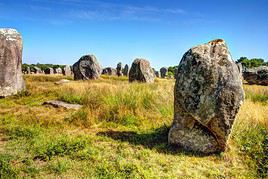
Carnac
This small seaside town between Vannes and Quiberon is famous for its alignments of nearly 3,000 standing stones. The Museum of Prehistory, which logically specialises in megaliths, is also well worth a visit.
This small seaside town between Vannes and Quiberon is famous for its alignments of nearly 3,000 standing stones. The Museum of Prehistory, which logically specialises in megaliths, is also well worth a visit.
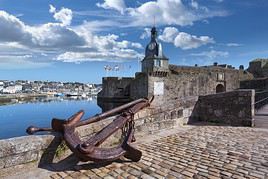
Concarneau
A major fishing port (with a museum on the subject) and shipbuilding hub, Concarneau is also a walled city surrounded by some of France’s most beautiful ramparts.
A major fishing port (with a museum on the subject) and shipbuilding hub, Concarneau is also a walled city surrounded by some of France’s most beautiful ramparts.
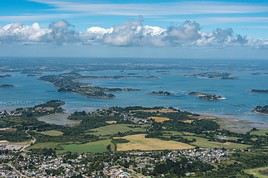
Gulf of Morbihan
Opposite Vannes, this is essentially an inland sea surrounded by heathland and marshes, with numerous islands (including Arz and Île-aux-Moines). The area offers stunning landscapes and is very popular with sailors and kayakers.
Opposite Vannes, this is essentially an inland sea surrounded by heathland and marshes, with numerous islands (including Arz and Île-aux-Moines). The area offers stunning landscapes and is very popular with sailors and kayakers.
Nevez
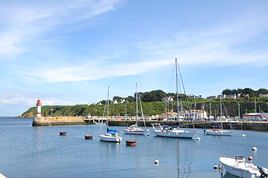
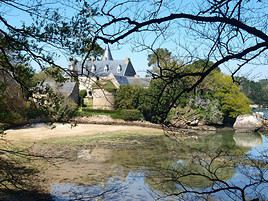
In southern Finistère, this is a seaside resort located along a rugged coastline where cliffs and small coves blend together.
In southern Finistère, this is a seaside resort located along a rugged coastline where cliffs and small coves blend together.
Pont-Aven
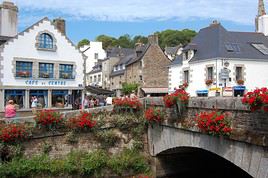
Nicknamed the "City of Painters," this small town welcomed several artists in the late 19th century (including Gauguin). Besides a fine arts museum, you can see a few old houses and several mills.
Nicknamed the "City of Painters," this small town welcomed several artists in the late 19th century (including Gauguin). Besides a fine arts museum, you can see a few old houses and several mills.
Pontivy
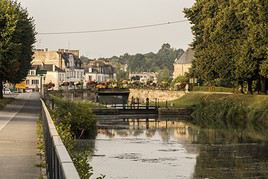
This town in the northern part of the department features a beautiful 15th-century castle (the Château de Rohan) as well as various remnants of its medieval past in its town centre.
This town in the northern part of the department features a beautiful 15th-century castle (the Château de Rohan) as well as various remnants of its medieval past in its town centre.
Port-Louis
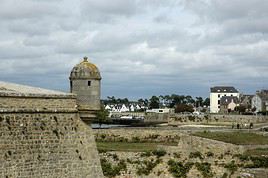
Located opposite Lorient, the town has always played a defensive role. It is home to a fine 16th-century citadel as well as various bastions and fortifications.
Located opposite Lorient, the town has always played a defensive role. It is home to a fine 16th-century citadel as well as various bastions and fortifications.
Quiberon Peninsula
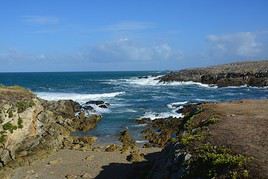
This is a stunning peninsula ending in the town of the same name. It offers beautiful coastal landscapes, featuring either beaches or cliffs depending on the area. You can explore it on foot, by bike, on horseback, or even by sea kayak.
This is a stunning peninsula ending in the town of the same name. It offers beautiful coastal landscapes, featuring either beaches or cliffs depending on the area. You can explore it on foot, by bike, on horseback, or even by sea kayak.
Vannes
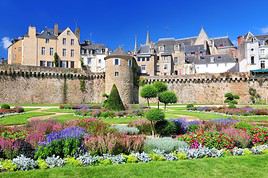
The capital of Morbihan has a fortified historic centre, a large marina, and several beaches.
The capital of Morbihan has a fortified historic centre, a large marina, and several beaches.