★ 2 · last edited Dec 11, 2019
Moselle
Contributionsversion #1created Dec 11, 2019Report this pageLatest contributions in this guideContributors to this guide
Location verified location
 Moselle
Open the interactive map
Moselle
Open the interactive map
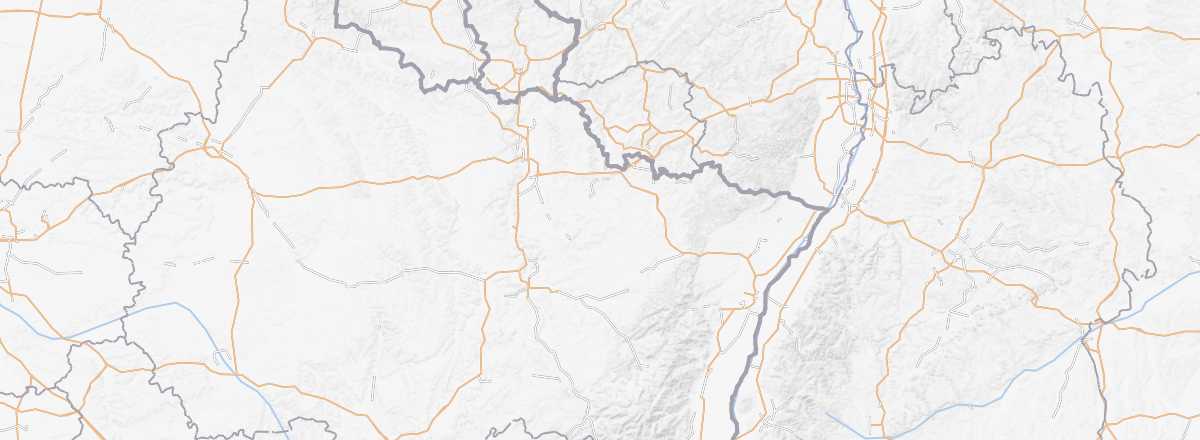
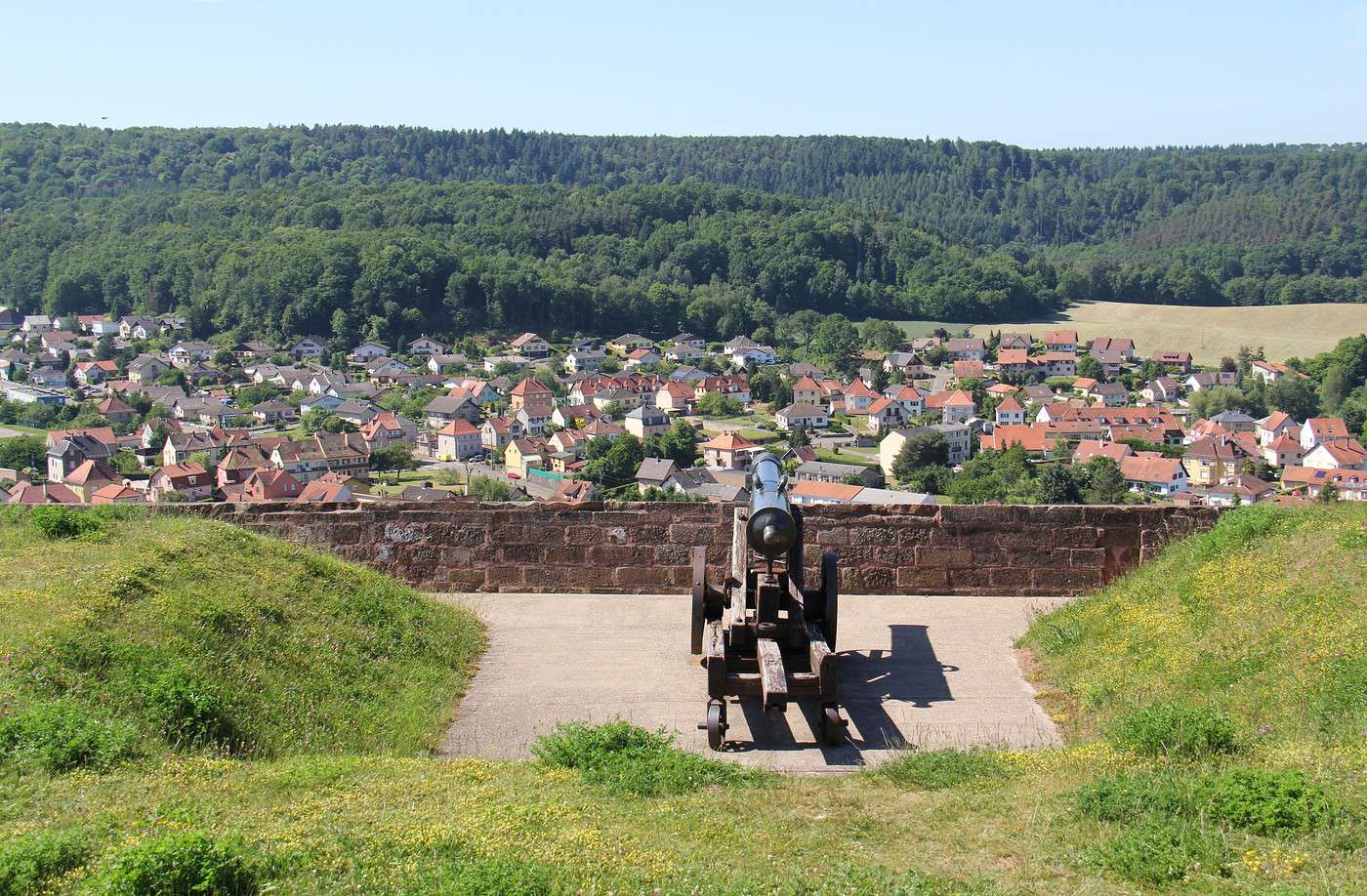
While Moselle is often associated with industry, particularly steelmaking (Uckange, the "La Mine" site, etc.), it has much more to offer visitors. Starting with traces of its past, from prehistory (Bliesbruck-Reinheim) to 20th-century conflicts (Saint-Avold, the Maginot Line), including castles and fortresses from various eras. Moselle is also home to the city of Metz, two of France’s "most beautiful villages" (Rodemack and Saint-Quirin), and several natural sites (Lorraine Park or the Northern Vosges parks).
Overview
Key Facts
- Type of place: department.
- Location:
- Department code: 57.
- Bordering departments:
- Prefecture: Metz.
- Sub-prefectures: Forbach, Sarrebourg, Sarreguemines, Thionville.
- Number of municipalities: 727.
- Population: 1,045,154 inhabitants (2014).
- Area: 6,216 km².
- Density: 168 inhabitants/km².
- Highest point:
- Lowest point:
- Coastline: 0 km; no maritime access.
- Highlights (out of ): Nature /; Culture ; Relaxation-holidays .
- Website: http://www.moselle-tourisme.com
Climate and Weather
Tourism
While Moselle is often associated with industry, particularly steelmaking (Uckange, the "La Mine" site, etc.), it has much more to offer visitors. Starting with traces of its past, from prehistory (Bliesbruck-Reinheim) to 20th-century conflicts (Saint-Avold, the Maginot Line), including castles and fortresses from various eras. Moselle is also home to the city of Metz, two of France’s "most beautiful villages" (Rodemack and Saint-Quirin), and several natural sites (Lorraine Park or the Northern Vosges parks).