last edited Aug 26, 2020
Mountaineering and High-Altitude Climbing
Location Map of Destinations
 Destinations
Open the interactive map
Destinations
Open the interactive map
A Recent Practice
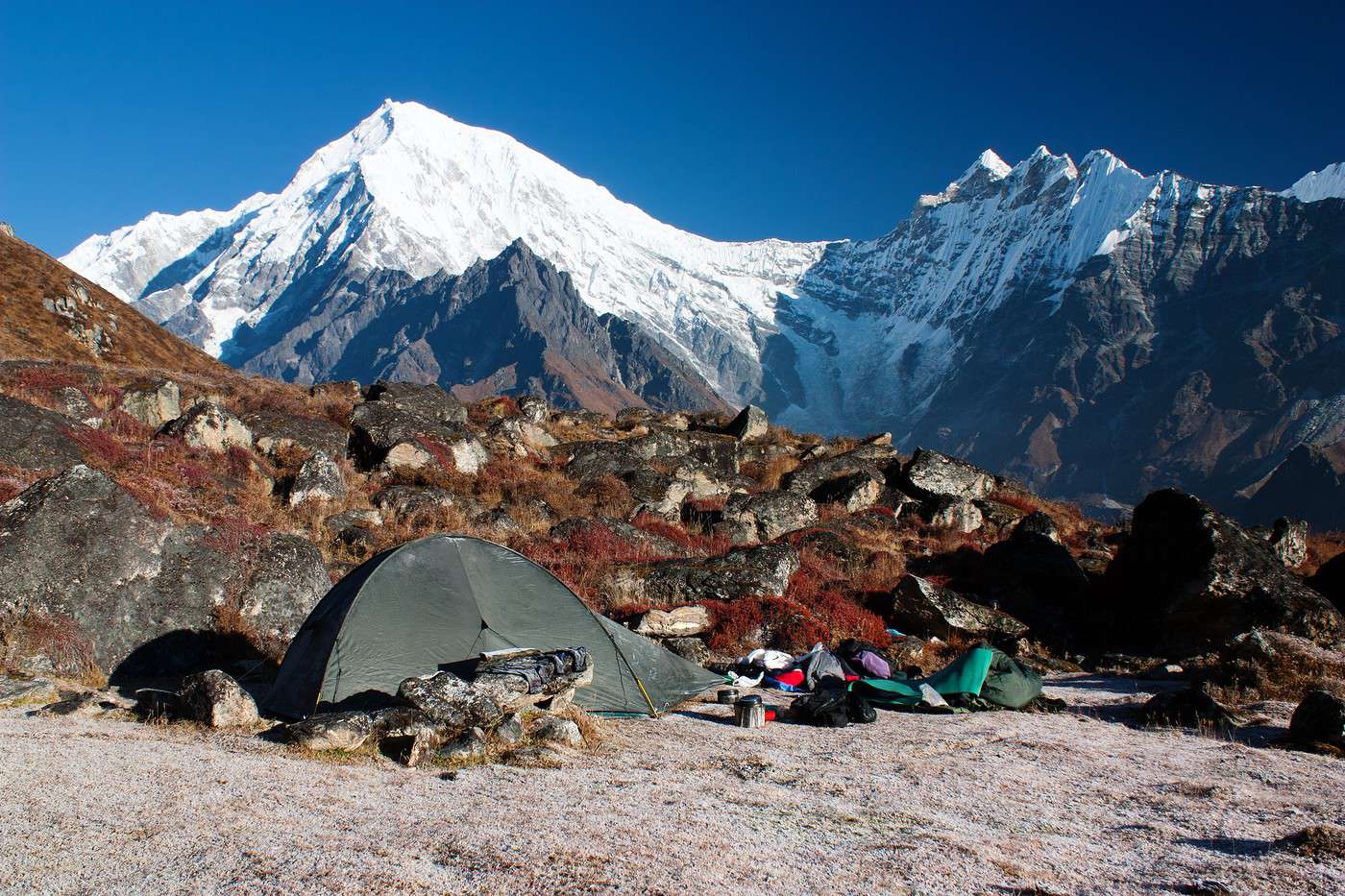
While mountaineering has existed for centuries, its "mainstream" practice is relatively recent. It was only in the late 19th century that the first European alpine clubs emerged, shortly after the major peaks of the Alps were conquered and less than a century before the same was achieved for the world’s highest summits, most of which were climbed in the 1950s and 1960s.
Thanks to the growth of tourism in recent decades, mountaineering has gradually opened up to the public—or at least to an informed minority. Ascents of various massifs in the Alps, the Himalayan range, or the Andes are now offered by specialized agencies.
What Is High-Altitude Mountaineering?
Traditionally, mountainous environments are divided into three categories based on altitude. Below 1,500 m is considered low mountain, between 1,500 and 2,500 m is mid-mountain, and above that is high mountain.
Beyond altitude, high mountain environments are typically characterized—with some exceptions—by the gradual disappearance, or at least scarcity, of various forms of life, whether human, animal, or plant. High-altitude areas are also associated with cold (temperatures drop roughly 1°C for every 100 m gained) and harsh, if not extreme, weather conditions.
As a result, precautions are essential for any activity in this setting.
Physical Condition
Your turn to expand: Climbing high summits isn’t for everyone. It requires certain physical abilities.
Technique and Safety
Your turn to expand: Challenges and precautions.
Choosing a Provider
Your turn to expand: How and what criteria to use when selecting a specialized agency? Should you book before departure or once on-site?
Major Ascents
Your turn to expand: The Alps and Pyrenees, the Himalayas, the Andes—the main ascents offered by agencies.
Altitude and Altitude Sickness
Stays at high altitudes (Andes, Himalayas, etc.) expose travelers to acute mountain sickness. It’s advisable to acclimatize and ascend slowly, respecting gradual altitude stages.