★ 2 · last edited May 6, 2020
Périgueux
Contributionsversion #3created May 6, 2020Report this pageLatest contributions in this guideContributors to this guide
Location verified location
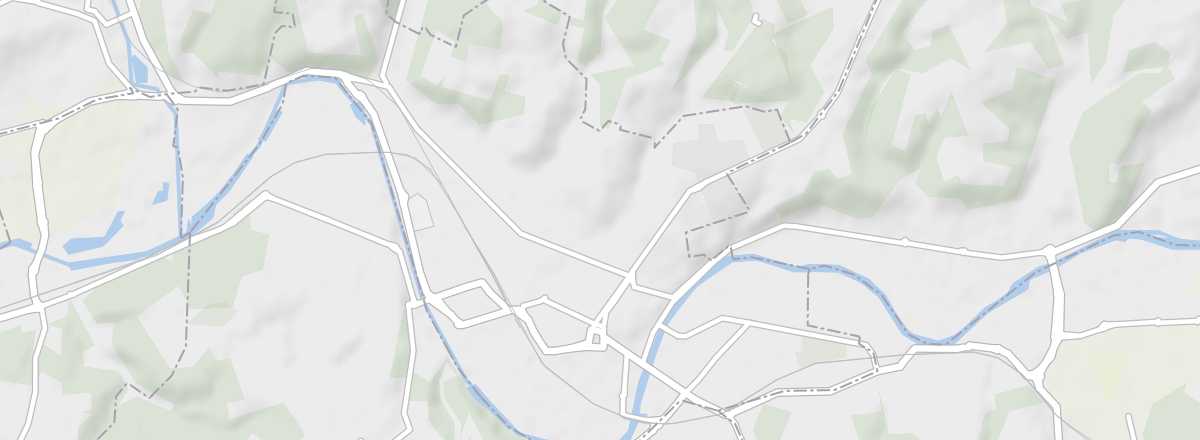 Périgueux
Open the interactive map
Périgueux
Open the interactive map
Touristically, the prefecture of Dordogne is known for its cathedral and Gallo-Roman remains.
Overview of Périgueux
Touristically, the prefecture of Dordogne is known for its cathedral and Gallo-Roman remains.
Key Facts
- Type of place: small town.
- Tourist interest: (worth seeing).
- Location:
- Distances:
- Local time: .
- Population: 29,966 inhabitants (2017).
- Area: 9.82 km².
- Altitude: from 75 to 189 m.
- Website: http://www.tourisme-perigueux.fr
History of Périgueux
What to See in Périgueux
Museums
Périgord Museum of Art and Archaeology
Founded in 1835 in the former Augustinian convent, it is primarily dedicated to archaeology, fine arts, and non-European ethnography. Its Prehistory section, particularly related to the Dordogne, is one of the most significant in France.
Founded in 1835 in the former Augustinian convent, it is primarily dedicated to archaeology, fine arts, and non-European ethnography. Its Prehistory section, particularly related to the Dordogne, is one of the most significant in France.
Périgord Military Museum
This site traces military history in Périgord and around the world, spanning from the Middle Ages to the 20th century through collections of weapons, flags, and uniforms.
This site traces military history in Périgord and around the world, spanning from the Middle Ages to the 20th century through collections of weapons, flags, and uniforms.
Vesunna
A Gallo-Roman museum site designed by architect Jean Nouvel, featuring the remains of a wealthy Gallo-Roman house covering 4,000 m², along with collections showcasing excavations in the region.
A Gallo-Roman museum site designed by architect Jean Nouvel, featuring the remains of a wealthy Gallo-Roman house covering 4,000 m², along with collections showcasing excavations in the region.
What to Do in Périgueux
Climate and Weather in Périgueux
Transport
Getting There
Getting Around
Accommodation
Eating
Useful Addresses
Nearby
Among the (fairly extensive) selection of interesting sites to see around Périgueux:
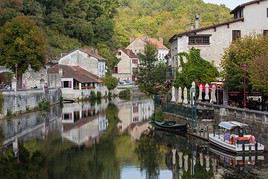
Brantôme in the Périgord
North of Périgueux, Brantôme offers a very beautiful town centre along a river (the Dronne), notably featuring the imposing Saint-Pierre Abbey.
North of Périgueux, Brantôme offers a very beautiful town centre along a river (the Dronne), notably featuring the imposing Saint-Pierre Abbey.
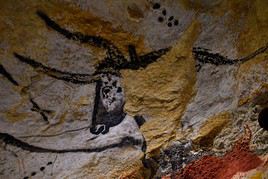
Lascaux Cave
The famous Lascaux Caves, arguably the most renowned prehistoric caves in the world, are located in the village of Montignac. Of course, it is not the original caves that are visited but their replicas.
The famous Lascaux Caves, arguably the most renowned prehistoric caves in the world, are located in the village of Montignac. Of course, it is not the original caves that are visited but their replicas.
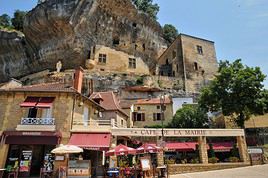
Les Eyzies
This commune, where Cro-Magnon was discovered, is home to numerous caves—some richly decorated (Font de Gaume, Combarelles) and others UNESCO-listed—as well as the National Prehistory Museum, making it a global hub for this era. Also worth seeing is the stunning Château de Commarque.
This commune, where Cro-Magnon was discovered, is home to numerous caves—some richly decorated (Font de Gaume, Combarelles) and others UNESCO-listed—as well as the National Prehistory Museum, making it a global hub for this era. Also worth seeing is the stunning Château de Commarque.
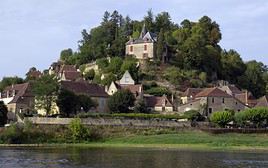
Limeuil
At the confluence of the Dordogne and Vézère rivers, this is one of France’s most beautiful villages.
At the confluence of the Dordogne and Vézère rivers, this is one of France’s most beautiful villages.
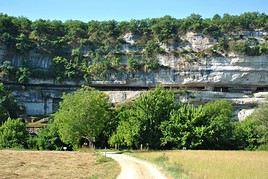
Roque Saint-Christophe
Near the village of Peyzac-le-Moustier, Roque Saint-Christophe is a sixty-metre-high cliff housing troglodytic dwellings used from prehistoric times until the Middle Ages.
Near the village of Peyzac-le-Moustier, Roque Saint-Christophe is a sixty-metre-high cliff housing troglodytic dwellings used from prehistoric times until the Middle Ages.
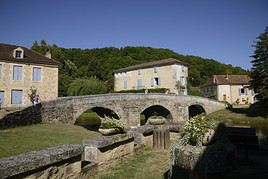
Saint-Jean de Côle
This commune in the Périgord Vert is a member of the Most Beautiful Villages of France association.
This commune in the Périgord Vert is a member of the Most Beautiful Villages of France association.
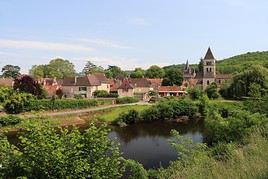
Saint-Léon-sur-Vézère
One of the very pretty villages on the banks of the Vézère, listed among the "Most Beautiful Villages of France".
One of the very pretty villages on the banks of the Vézère, listed among the "Most Beautiful Villages of France".
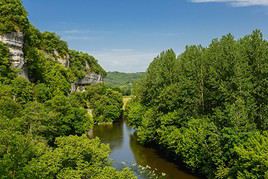
Vézère Valley
In the Périgord Noir, this valley is known for its UNESCO-listed prehistoric sites and decorated caves. The Vézère (river) is also a top spot for canoeing.
In the Périgord Noir, this valley is known for its UNESCO-listed prehistoric sites and decorated caves. The Vézère (river) is also a top spot for canoeing.
Further Reading
Worth a look / Other
Périgord Museum of Art and Archaeology
★★ Founded in 1835 in the former Augustinian convent, it is primarily dedicated to archaeology, fine arts, and non-European ethnography. Its…
Vesunna
★★ A Gallo-Roman museum site designed by architect Jean Nouvel, featuring the remains of a wealthy Gallo-Roman house covering 4,000 m², along…
Périgord Military Museum
★ This site traces military history in Périgord and around the world, spanning from the Middle Ages to the 20th century through collections…