★ 3 · last edited Dec 11, 2019
Peruvian Amazon
Contributionsversion #1created Dec 11, 2019Report this pageLatest contributions in this guideContributors to this guide
Location verified location
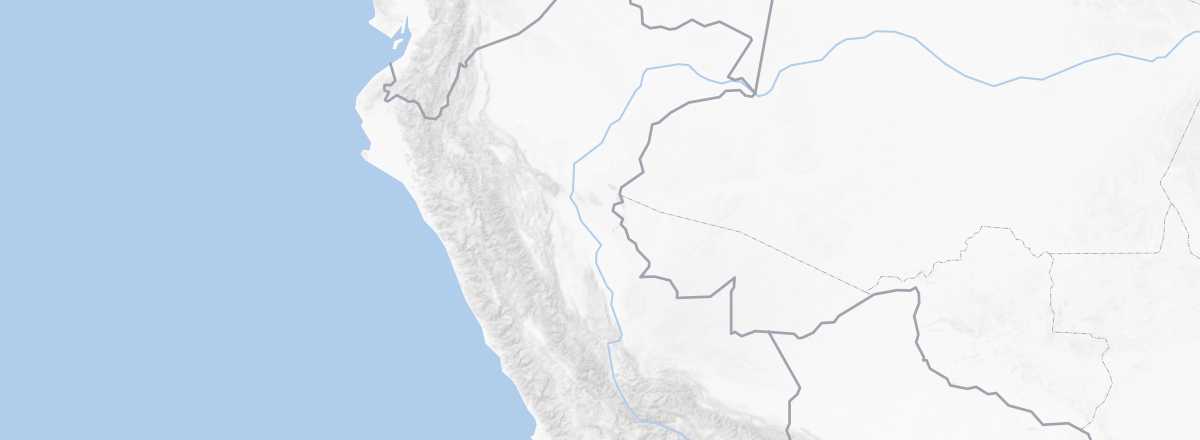 Peruvian Amazon
Open the interactive map
Peruvian Amazon
Open the interactive map
Although the Amazon rainforest covers over 60% of Peru's territory—making the country home to the second-largest portion of the Amazon after Brazil—it is largely overshadowed in tourism by the Andes and, of course, Machu Picchu or Lake Titicaca. Yet Iquitos is THE major city in the upper Amazon and offers numerous ways to organize exploration of the region.
Overview
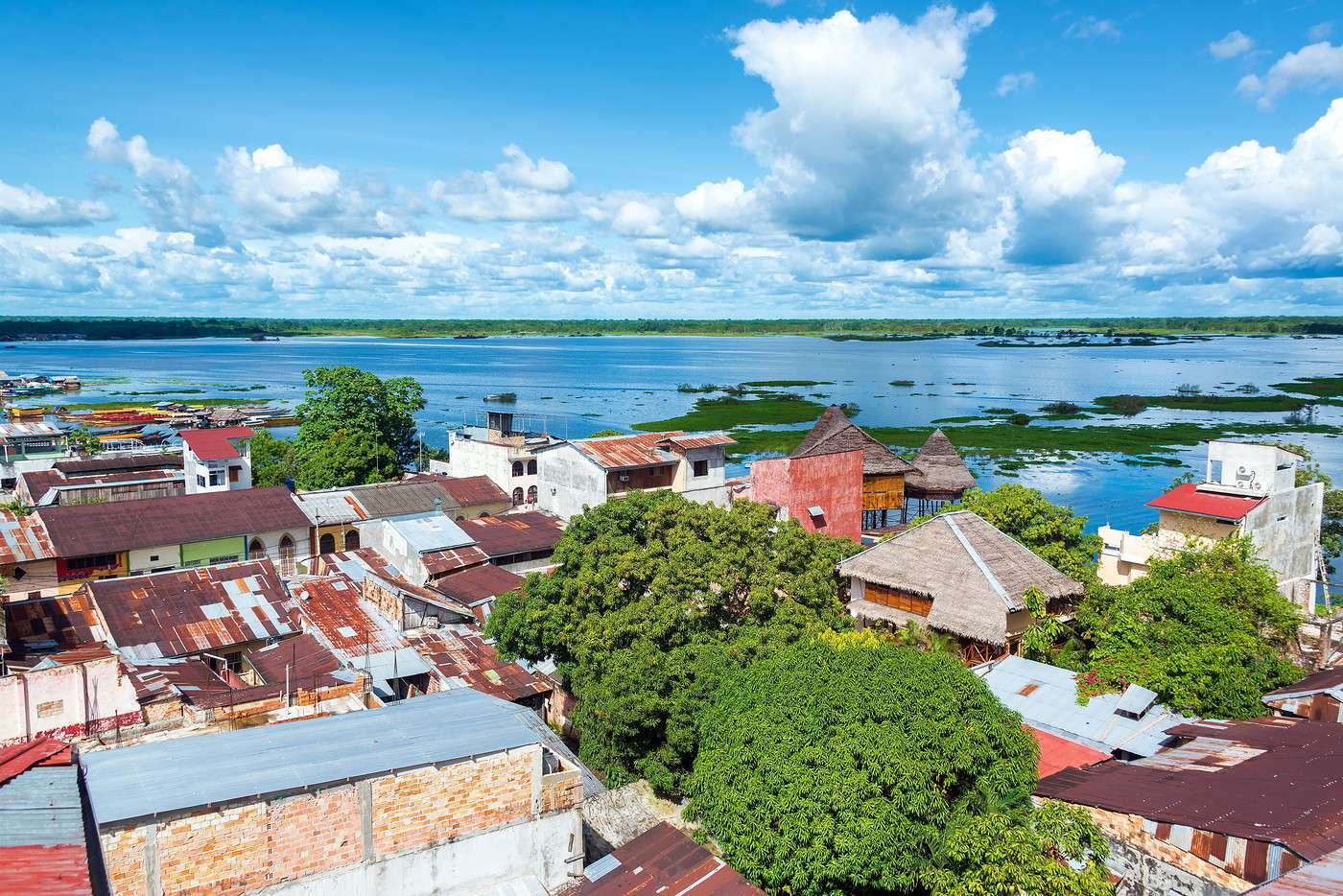
Although the Amazon rainforest covers over 60% of Peru's territory—making the country home to the second-largest portion of the Amazon after Brazil—it is largely overshadowed in tourism by the Andes and, of course, Machu Picchu or Lake Titicaca. Yet Iquitos is THE major city in the upper Amazon and offers numerous ways to organize exploration of the region.
Main Cities
Despite being Peru's largest region, it is also the least populated, with barely 5% of Peruvians living there. While the Peruvian Amazon is home to various Indigenous communities scattered throughout the forest, there are also five urban areas with populations exceeding 100,000: Iquitos (the country's fifth-largest city), Pucallpa, Tarapoto, Yurimaguas, and Puerto Maldonado, which is the major city in the southern Peruvian Amazon.
Tourist Attractions
Cities and Their Heritage
Amazon towns and villages primarily serve as gateways or supply points for those looking to explore this part of the country. There is no significant architectural heritage or an abundance of museums, but rather a different side of Peru, with the added opportunity to sometimes encounter communities with vibrant cultures and traditions. The one exception is Iquitos, which boasts well-preserved remnants from the rubber boom of the late 19th century; the city attracts around 250,000 visitors each year.
Nature and Activities
This is, logically, the region's (very) strong point, with the Amazon rainforest, its wildlife and flora, its rivers, and a variety of activities and discoveries.
Southern Peruvian Amazon
The south, around Puerto Maldonado, is not necessarily the best place to explore the Peruvian Amazon. While you can venture into the forest (Tambopata Reserve), visit gold mines, or travel down rivers by boat to reach Bolivia, the region has suffered significantly from the exploitation of its subsoil and oil. Additionally, you can visit Manu National Park, further west, which can be reached in a few days by road and boat from Cusco.
Northern Peruvian Amazon
The north is therefore more recommended, with the Iquitos area as the focal point. Since the city is not accessible by road (see "Getting around Peru by boat"), it is reached by several days of boat travel through the forest from Pucallpa to the south (with Indigenous villages nearby), Yurimaguas to the west, and Leticia to the east—a border town with Brazil and Colombia, which is also connected to Manaus by the Amazon River.
From Iquitos, there are numerous opportunities for forest excursions to discover wildlife, flora, and Indigenous communities. However, some safety precautions are necessary near the Colombian borders due to significant smuggling and various illegal activities.
Climate
The Amazon region is by far the wettest in the country, with rain falling at least every other day year-round. June to September sees slightly less rain than average, while March and April are the wettest. Although temperatures remain fairly constant—around 30°C during the day and 20°C at night—the high humidity makes the Amazonian climate feel quite oppressive. In short, there isn’t really a best time to visit, though the southern winter is generally slightly more favorable.
| Jan. | Feb. | Mar. | Apr. | May | Jun. | Jul. | Aug. | Sep. | Oct. | Nov. | Dec. | |
|---|---|---|---|---|---|---|---|---|---|---|---|---|
| Peruvian Amazon Climate |
: very favorable | : favorable | : moderately favorable | : unfavorable.