Skip to content
South America

Travel guide

South America

★ 4 · last edited Dec 11, 2019

The southern part of the American continent, beyond the Isthmus of Panama.

Countries of South America

Chutes d'Iguazu, Argentine
Chutes d'Iguazu, Argentine · © VoyageForum

Further reading on VoyageForum

Colombia

Between myth and reality, including in terms of safety (even if...), Colombia is one of the most complete and fascinating countries on the continent, with its coasts, mountain ranges, and Amazon region. Nature, adventure, ecotourism, historical heritage, local cultures, or even pure relaxation under the coconut trees—everything is on offer here... Overview of Colombia Regions of Colombia Geography and Environment of Colombia Colombia: Climate and Weather History of Colombia Society in Colombia Culture and Customs of Colombia Colombian Cuisine What to See in Colombia Things to Do in Colombia Types of Travel in Colombia When and Where to Go in Colombia Suggested Trips and Itineraries in Colombia Flying to Colombia Getting to Colombia by Land or Sea Getting Around Colombia Accommodation in Colombia Entry Requirements and Visa for Colombia Money, Budget, and Shopping in Colombia Health and Safety in Colombia Other practical information for Colombia Living in Colombia
Cartagena, Colombie
Cartagena, Colombie · © VoyageForum

Further reading on VoyageForum

View guide page: Colombia

Overview of Colombia

Preview temporarily unavailable.

Regions of Colombia

Preview temporarily unavailable.

Geography and Environment of Colombia

Preview temporarily unavailable.

Colombia: Climate and Weather

Preview temporarily unavailable.

History of Colombia

Preview temporarily unavailable.

Society in Colombia

Preview temporarily unavailable.

Culture and Customs of Colombia

Preview temporarily unavailable.

Colombian Cuisine

Preview temporarily unavailable.

What to See in Colombia

Preview temporarily unavailable.

Things to Do in Colombia

Preview temporarily unavailable.

Types of Travel in Colombia

Preview temporarily unavailable.

When and Where to Go in Colombia

Preview temporarily unavailable.

Suggested Trips and Itineraries in Colombia

Preview temporarily unavailable.

Flying to Colombia

Preview temporarily unavailable.

Getting to Colombia by Land or Sea

Preview temporarily unavailable.

Getting Around Colombia

Preview temporarily unavailable.

Accommodation in Colombia

Preview temporarily unavailable.

Entry Requirements and Visa for Colombia

Preview temporarily unavailable.

Money, Budget, and Shopping in Colombia

Preview temporarily unavailable.

Health and Safety in Colombia

Preview temporarily unavailable.

Other practical information for Colombia

Preview temporarily unavailable.

Living in Colombia

Preview temporarily unavailable.

Bolivia

It’s the highest and most "isolated" country in all of South America, but also the one that may charm visitors the most compared to what they might imagine or expect from the Andean region. Introduction to Bolivia Regions of Bolivia Geography and Environment of Bolivia Climate and Weather in Bolivia History of Bolivia Bolivian Society Culture and Customs of Bolivia Bolivian Cuisine What to See in Bolivia Things to Do in Bolivia Types of Travel in Bolivia When and Where to Go in Bolivia Suggested Trips and Itineraries in Bolivia Flying to Bolivia Getting to Bolivia by Land or River Getting Around Bolivia Accommodation in Bolivia Entry Requirements and Visa for Bolivia Money, Budget, and Shopping in Bolivia Health and Safety in Bolivia Other practical information for Bolivia Living in Bolivia
Potosi, Bolivie
Potosi, Bolivie · © VoyageForum

Additional resources on VoyageForum

View guide page: Bolivia

Introduction to Bolivia

Bolivia, or more precisely "the Plurinational State of Bolivia," is the highest and most "isolated" country in all of South America. It is divided into two distinct regions: to the west, the Andean part, the most populated, consisting of two high mountain…

Read the full guide: Introduction to Bolivia

Regions of Bolivia

The Andes

Licancabur, Bolivie
Licancabur, Bolivie

This is western Bolivia and its most populated area. The region consists of two high mountain ranges stretching along a north-south axis and bordering a vast plateau, the Altiplano. Beyond the somewhat "clichéd" image, it still closely matches what one imagines of Andean destinations. It’s also where most of the country’s tourist sites are found.
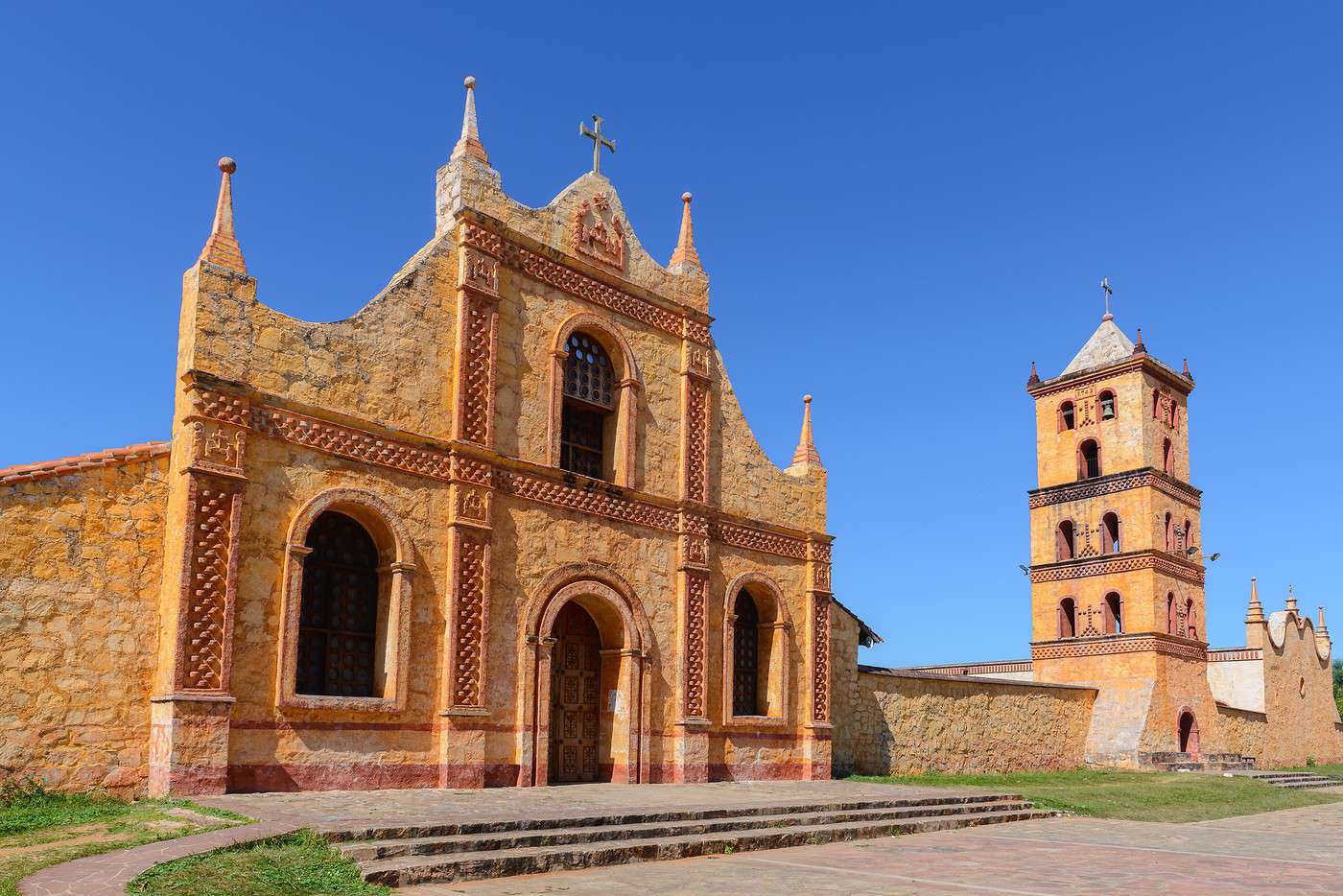
    Amazon and Eastern Plains

    Missions jésuites de Chiquitos, Bolivie
    Missions jésuites de Chiquitos, Bolivie

    Accustomed to the traditional image of Bolivia’s high plateaus, one almost forgets that to the east of the Andean region lie vast tropical plains linked to the Amazon basin in the north, and forming the regions known as the Pantanal and the Chaco in the south.

      View guide page: Regions of Bolivia

      Bolivian Andes

      Preview temporarily unavailable.

      Bolivian Amazon and Eastern Plains

      Preview temporarily unavailable.

      Geography and Environment of Bolivia

      Parc national Madidi, Bolivie · © VoyageForum Whether in the Andes, the Amazon, or the Pantanal, national parks and nature reserves cover over 15% of Bolivia's territory—and even more if you include the unclassified parts of the Amazon rainforest.…
      Read the full guide: Geography and Environment of Bolivia

      Climate and Weather in Bolivia

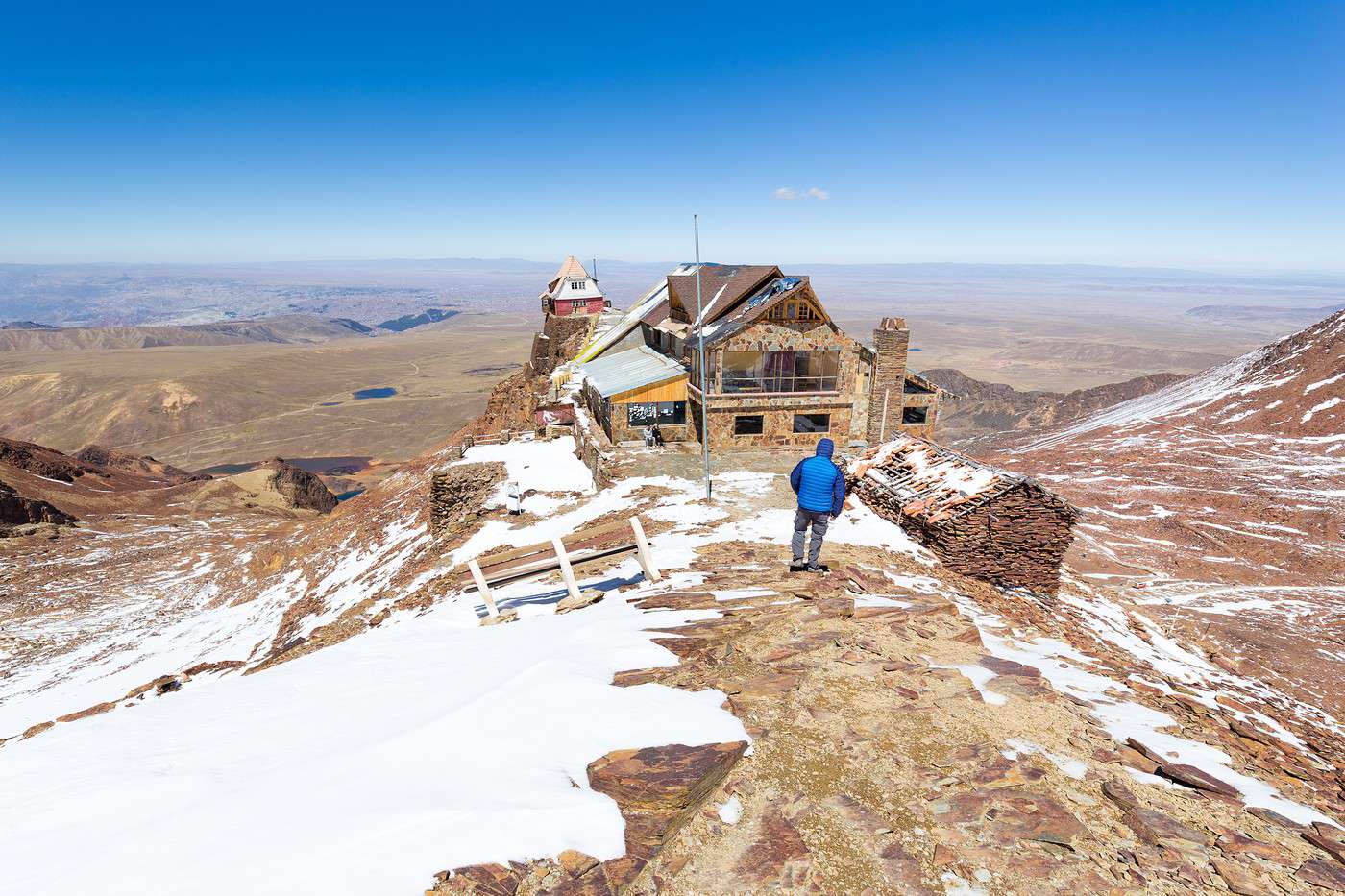
      Climate Overview

      Chacaltaya, Bolivie
      Chacaltaya, Bolivie · © VoyageForum

      Bolivia has two distinct climate zones, with the Andes and the Amazon experiencing seasons that are the reverse of those in the Northern Hemisphere.

      In the Andes, the climate is temperate year-round, with temperatures never very hot, especially during the austral winter (June–September), varying by altitude. Above 2,000/2,500 m (which covers most tourist destinations), it’s wise to pack warm clothing, even for daytime, though midday is often pleasant. Many Andean areas, particularly around Lake Titicaca, are also windy. In terms of precipitation, the highlands see light, persistent, and chilly rains from late September to April (peaking in January), making May to early September the best time to visit. This is also the ideal period for high-altitude treks.

      The eastern plains and Amazon region are wetter, especially further north. From April to September, it’s the (almost) dry season, with lower daytime and nighttime temperatures—so much so that in July, you’ll need a sweater for evenings in the lowlands. During the rainy season, the humid atmosphere becomes oppressive, particularly in the Amazon. Overall, the austral winter is the best time to visit.

      Best Climate Period for Bolivia

      Whether in the Andes or the plains/Amazon, the period from April to September is ideal.

      Jan.Feb.Mar.Apr.MayJun.Jul.Aug.Sep.Oct.Nov.Dec.
      Andes climate
      Amazon climate

      : very favorable | : favorable | : moderately favorable | : unfavorable.

      Climate by Region

      Andes (La Paz)

      Amazon/Eastern Plains (Santa Cruz)

      Additional Information

      View guide page: Climate and Weather in Bolivia

      History of Bolivia

      Tiwanaku, Bolivie · © VoyageForum 1450: The Inca civilization , arriving from the north, incorporated a large part of present-day Bolivia and its indigenous populations into its empire. The Incas controlled the territory until the arrival of the…

      Read the full guide: History of Bolivia

      Bolivian Society

      Population

      Bolivian society is quite diverse, with around 55% of the population of Amerindian origin (primarily Quechua and Aymara), 30% mestizo (a mix of White and Amerindian), 15% White (including a very small Mennonite minority), plus a few descendants of Black or Asian people.

      Political Institutions

      Economy

      Religion

      Colonised by the Spanish, Bolivia is a traditionally Catholic country, officially still 80% Catholic, even though there are many non-practitioners. There is also, and especially, a certain syncretism among the Amerindian populations, blending Christian rites with ancestral beliefs, notably the worship of the Pachamama. The rest of the population identifies as Protestant, particularly belonging to various US evangelical churches/sects, which are increasingly present on the continent.

      View guide page: Bolivian Society

      Culture and Customs of Bolivia

      Arts, Crafts, and Architecture

      Arts

      Crafts

      Architecture

      Museums

      Customs and Traditions

      Local Traditions

      Etiquette

      Dress and Behavior

      Sensitive or Taboo Topics

      Languages

      With the 2009 constitution, in addition to Spanish, which has always been the official language, the 36 indigenous languages spoken—or once spoken—in the country were also declared official. This means Bolivia has... 37 official languages!

      Overall, however, Spanish dominates, as it is spoken by three-quarters of the population. Next are Quechua (25% of speakers) and Aymara (17%), far ahead of other indigenous languages, which are used only locally. It’s also worth noting that German has 170,000 speakers, largely due to the strong Mennonite community in the Santa Cruz region. Otherwise, as is often the case, English is common in the tourism sector, while French is almost unknown.

      Phrasebook

      A few useful local words and expressions to know when traveling:

      Festivals and Celebrations

      Major Events and Public Holidays

      Books, Films, and Music

      View guide page: Culture and Customs of Bolivia

      Bolivian Cuisine

      Local Cuisine

      Other Cuisines

      Specialties

      Starters

      Main Dishes

      Desserts

      Drinks

      Where to Eat

      Depending on your cravings, budget, and stomach’s resilience, you can choose to eat at markets, small local eateries, or more "classic" restaurants—touristy or not. Markets, street vendors, and takeaway shops are the most budget-friendly options, where you can eat for under 2 €—simple, local dishes that might challenge sensitive stomachs in terms of hygiene. For just a little more, local establishments typically offer a hearty "daily special" or a "basic" menu. To enjoy a restaurant more accustomed to tourists, expect around 10 € for a full meal, and more for higher-end dining.

      Additional Information

      View guide page: Bolivian Cuisine

      What to See in Bolivia

      Bolivia has 7 sites inscribed on the UNESCO World Heritage list: Inca Trails of the Andes ★★★ (2014) Also known as Qhapaq Ñan. These are the remains of the roads (23,000 km) built by the Incas over several centuries to consolidate their economic and political…

      Read the full guide: What to See in Bolivia

      Things to Do in Bolivia

      Chacaltaya, Bolivie · © VoyageForum While Bolivia may not be as well-known for trekking as Peru , it is a great destination for hikers of all levels. The best options and most service providers are logically found in the Andean part of the…

      Read the full guide: Things to Do in Bolivia

      Types of Travel in Bolivia

      Travel Themes

      Interests (rated ): Nature ; Adventure ; Culture ; Relaxation-holidays .

      Nature-Adventure

      Like other Andean countries, Bolivia, with its peaks, high plateaus, Amazon rainforest, and the Pantanal, has all the assets of a nature destination where outdoor activities are also plentiful.

      Culture

      While not as rich as Peru in this regard, Bolivia still offers interesting insights into its pre-Columbian past (including the UNESCO-listed site of Tiwanaku) and its Spanish heritage (Potosi, Totora, Sucre...). Beyond this historical legacy, it is above all the life and traditions of the diverse local populations, from the Andes to the Amazon, that remain largely "intact" and are well worth discovering.

      Relaxation-Holidays

      There are no opportunities or infrastructure for "relaxation-holiday-leisure" stays in Bolivia. The country is primarily a "nature-adventure" destination.

      Independent Travel

      Bolivia is a relatively accessible travel destination that doesn’t require extensive experience. However, it’s helpful to know some basic Spanish, as transport can be slow and subject to various delays, and local infrastructure may sometimes be limited, including in terms of comfort. In many ways, traveling in Bolivia feels a bit like how things were in Peru a few years ago...

      Organized Travel

      Bolivia is only moderately featured in travel agency programs and remains somewhat of a "specialist" destination, with offerings primarily focused on trekking or "adventure circuits."

      Family

      To Do

      To Avoid

      Senior

      Female Traveler

      Gay, Lesbian

      Disability

      View guide page: Types of Travel in Bolivia

      When and Where to Go in Bolivia

      Best Times to Visit Bolivia

      Finding the best time to visit means balancing climate conditions with crowd levels and the most attractive prices, both on the ground and for travel.

      Whether you're heading to the Andean region or the eastern plains/Amazon, the period from April to September is climatically ideal, primarily because it's the dry season. As for crowds and prices, Bolivia isn't a "major" tourist destination, so they remain relatively low—though July and August do see their share of European vacationers, just as early in the year is the traditional holiday period across South American countries.

      All things considered, April to September remains the best time to visit, even if July and August can occasionally feel a little busy.

      Jan.Feb.Mar.Apr.MayJun.Jul.Aug.Sep.Oct.Nov.Dec.
      Climate (Andes)
      Climate (Amazon)
      Avoid crowds
      Low prices

      : very favorable | : favorable | : moderately favorable | : unfavorable.

      Where to Go Based on Travel Style and Interests

      View guide page: When and Where to Go in Bolivia

      Flying to Bolivia

      Bolivia is relatively well-served by air, at least when you consider the countless airfields across the country. It also has around ten airports that handle more or less regular commercial flights. Overall, three stand out in terms of activity: Cochabamba…

      Read the full guide: Flying to Bolivia

      Getting to Bolivia by Land or River

      Borders

      Bolivia shares borders with five neighbours: Argentina (942 km), Brazil (3,403 km), Chile (942 km), Paraguay (753 km) and Peru (1,075 km).

      From Neighbouring Countries

      Regardless of the country, there are border crossings to and from Bolivia.

      • To/from Brazil: several routes connect the two countries at Bolivian Pantanal, as well as the train (Ferroviaria Oriental) running three times a week between Santa Cruz and Puerto Quijarro on the Brazilian border. However, in the Amazonian north of Bolivia, while road and river routes exist, they are less reliable.
      • To/from Chile: multiple border crossings with northern Chile, as well as the option of arriving by train with the twice-weekly Ferroviaria Andina service, which runs from Uyuni to Avaroa in Bolivia before continuing to Chile and Calama.
      • To/from Paraguay: access is via the Chaco provinces.
      • To/from Peru: three main crossings around Lake Titicaca between Bolivia and Peru. Other, less obvious options exist on the Amazonian side.

      For public transport, several bus companies operate international routes (see networks, schedules and fares). For example, you can easily travel from Lima to La Paz in around thirty hours for just over $100.

      View guide page: Getting to Bolivia by Land or River

      Getting Around Bolivia

      Bolivia’s road network has long been a challenge. With barely over 15% of roads paved, traveling across the country requires patience and, especially when leaving the main routes, a four-wheel drive. Add to that roads and tracks cut off or damaged during the…

      Read the full guide: Getting Around Bolivia

      Accommodation in Bolivia

      Overview of the Offer

      As in other Andean countries, accommodation in Bolivia largely revolves around small hotels and family-run guesthouses, with occasional lodges or bungalows in natural settings. In the Amazon, options are more limited and thus often pricier. That said, like many other things, the rates for establishments are generally not at all excessive and can even be considered the cheapest in Latin America... though comfort and services are not always top-notch.

      Hotels

      High-End

      Unlike its neighbor Peru, which now also caters to a wealthier clientele, Bolivia has very few high-end or boutique accommodations. These are mostly found in major cities like Sucre, La Paz, Cochabamba, or Santa Cruz. Even if this "luxury and comfort" isn’t necessarily expensive (starting from just over 50 € for a double), if you’re opting for high-end, it might be better to choose establishments like historic colonial mansions in the city, countryside haciendas, or a lodge deep in the Amazon rainforest.

      Mid-Range

      This is essentially the hotel, bungalow, or guesthouse accustomed to visitors, offering comfort that should be sufficient for a pleasant stay. Depending on the location, you’ll find private bathrooms, TV, Wi-Fi, air conditioning, or heating—though the condition of these amenities can vary. Generally, for 15 € to 25 € for a double, you’ll already have a great selection.

      Budget

      These small local hotels or often family-run guesthouses provide basic comfort that’s enough if you’re not too demanding. You can sleep here for less than 10 € to 15 € for a double or 5 € in a dormitory.

      Other Options

      Camping

      Homestays

      Which Accommodation to Choose?

      As in other Andean countries, mid-range accommodation—whether hotels or guesthouses—is what you’ll likely prefer.

      View guide page: Accommodation in Bolivia

      Entry Requirements and Visa for Bolivia

      For tourist travel, no visa is required for stays of less than 3 months. A passport valid for 6 months after the entry date is sufficient. The stamp placed in your passport upon arrival in the country marks the start of your stay. Additionally, it is now…

      Read the full guide: Entry Requirements and Visa for Bolivia

      Money, Budget, and Shopping in Bolivia

      Devise: Boliviano (100 centavos). Billets: 10, 20, 50, 100 and 200 Bs. Pièces: 10, 20 and 50 centavos + 1, 2 and 5 Bs. Change: It was in 1986 that the Boliviano replaced the Bolivian Peso, which had been in circulation previously. Major foreign currencies can…

      Read the full guide: Money, Budget, and Shopping in Bolivia

      Health and Safety in Bolivia

      In France, both for individuals and professionals, the "travel advice" from the Ministry of Foreign Affairs regarding precautions for each country has legal value. A similar online travel advice system exists in several countries: Foreign Affairs Belgium…

      Read the full guide: Health and Safety in Bolivia

      Other practical information for Bolivia

      Luggage and equipment to bring

      Except for the Amazon where lightweight items are sufficient, along with a light layer for evenings and air conditioning, plan for all seasons with both warm and very warm clothing for the Altiplano. In all cases, everywhere, also think about sun protection and especially rain protection, mosquito repellent (outside high-altitude areas), and good walking shoes that are preferably water-resistant. For the Amazon rainforest, rubber boots for walking in water are most recommended.

      Communications

      Telephone

      International dialing code: (00 +) 591.

      Internet

      Post

      Time difference

      Local time: Heure : 3604.

      Bolivia is on GMT-4. This means 5 hours less in winter and 6 hours less in summer compared to France. Note that while neighboring Paraguay and Brazil share the same time, there are differences with Peru (GMT-5) and Chile and Argentina (GMT-3).

      Electricity

      230 V (50 Hz) with "American" plugs (officially type A) but also "French" plugs (officially type C). Even though both systems are often found, it’s still a good idea to bring an adapter just in case—you can buy one cheaply locally.

      Opening hours

      Laundries

      Local tourist offices

      Weights and measures

      French language use

      French is not at all common in Bolivia, and if traveling independently, it’s best to know at least some Spanish (the main official language) or English (widely spoken in tourist areas). It’s also worth noting that 170,000 people speak German in Bolivia.

      Press and media

      View guide page: Other practical information for Bolivia

      Trinidad (Bolivia)

      A major city in the Amazon basin that can serve as a base for exploring the rainforest by boat along the rivers.

      Overview of Trinidad

      It's a major city in the Amazon basin that can serve as a base for exploring the rainforest by boat along the rivers.

      Key facts

      • Type of place: city.
      • Tourist interest: (worth a stop if you are in the area).
      • Location:
      • Distances:
      • Local time: Heure : 3919.
      • Population: 120,182 inhabitants (2017).
      • Area: 35 km²
      • Altitude: 160 m.
      • Website:

      History of Trinidad

      What to see and do in Trinidad

      In the surrounding area

      Climate and weather in Trinidad

      Transportation

      Getting there

      Getting around

      Accommodation

      Food

      Useful addresses

      Further information

      View guide page: Trinidad (Bolivia)

      Ecuador

      One of the smallest countries in Latin America, yet a complete "summary" of what the continent has to offer: the Pacific coast, the Andes with high plateaus and volcanoes, the Amazon rainforest, and a unique archipelago—the Galápagos Islands. Introduction to Ecuador Regions of Ecuador Geography and Environment of Ecuador Climate and Weather in Ecuador History of Ecuador Ecuadorian Society Culture and customs of Ecuador Ecuadorian Gastronomy What to See in Ecuador Things to Do in Ecuador Types of Travel in Ecuador When and Where to Go in Ecuador Suggested Trips and Itineraries in Ecuador Flying to Ecuador Getting to Ecuador by Land or Sea Getting Around Ecuador Accommodation in Ecuador Entry Requirements and Visa for Ecuador Money, Budget, and Shopping in Ecuador Health and Safety in Ecuador Other Practical Information for Ecuador Living in Ecuador
      Bartolome, Galapagos, Équateur
      Bartolome, Galapagos, Équateur · © VoyageForum

      Additional Resources on VoyageForum

      View guide page: Ecuador

      Introduction to Ecuador

      Ecuador is the smallest of the Andean countries, which allows you to travel from the level of the Pacific Ocean to the Amazon basin in less than 300 kilometres via mountain ranges sometimes exceeding 6,000 m. The country is made up of three distinct regions:…

      Read the full guide: Introduction to Ecuador

      Regions of Ecuador

      Pacific Coast

      Bahia de Caraquez, Équateur
      Bahia de Caraquez, Équateur

      The Costa (the coast) is this vast fertile coastal plain that runs along the Pacific. It is also one of Ecuador's wealthiest regions and the most populated, with one in two Ecuadorians living here, particularly around Guayaquil, the country's largest urban area with nearly 3 million inhabitants. However, this part of the country is visited far less than the rest of the territory.

        The Andes

        Avenue des volcans, Équateur
        Avenue des volcans, Équateur

        The Sierra is the central part of the country, at high altitude with numerous volcanoes exceeding 5,000 m, arranged in two parallel cordilleras between which lies a high plateau around 2,500 m. This is where Quito was built, along with other cities like Cuenca. Rich in heritage, nature, landscapes, and all kinds of activities, the Andean part of Ecuador remains the most visited region.
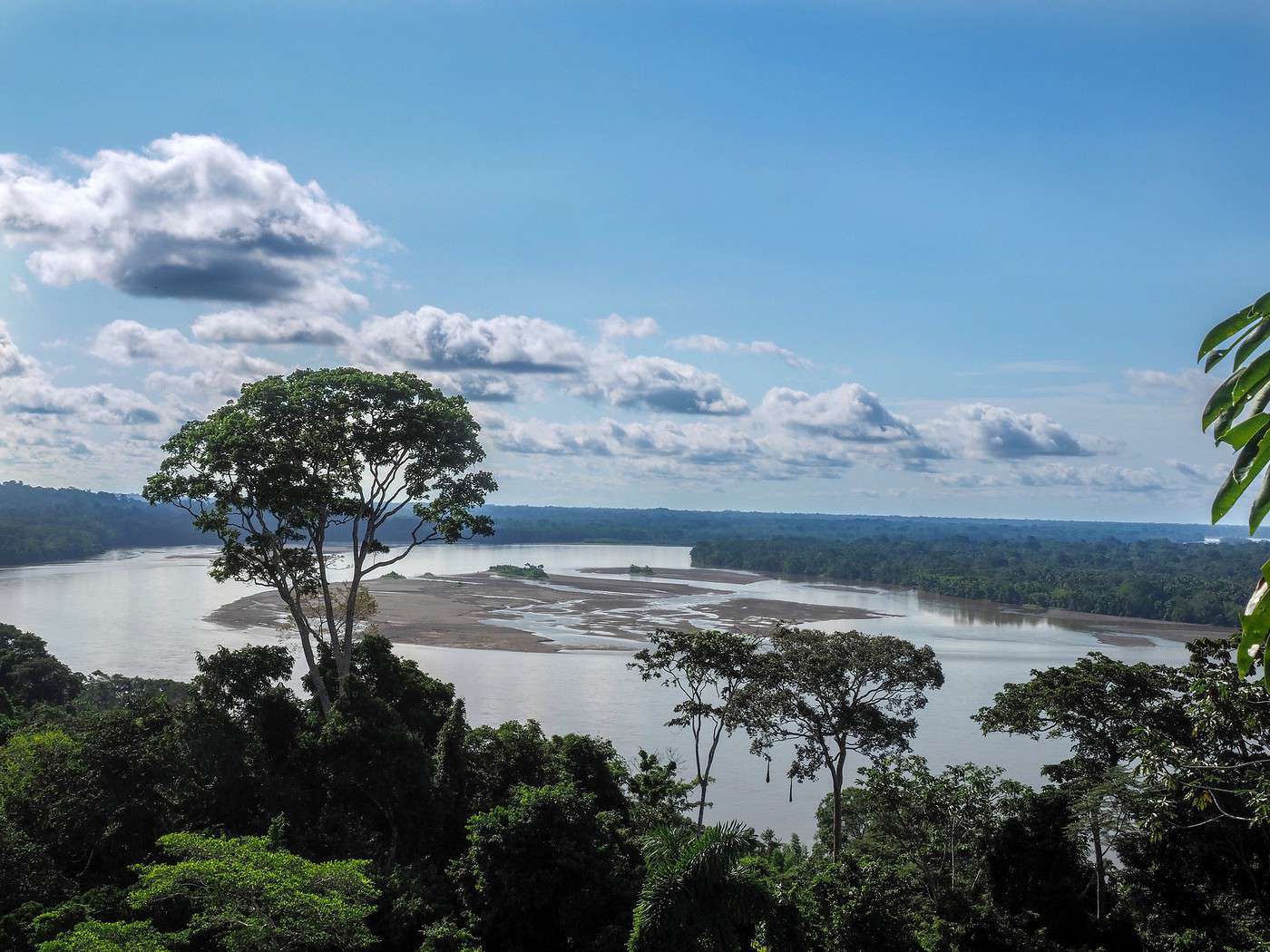
          Ecuadorian Amazon

          Parc national de Yasuni, Équateur
          Parc national de Yasuni, Équateur

          The Ecuadorian Amazon (el Oriente) covers about half of the country's surface area. A major advantage is that, since Ecuador is small, access to the jungle—at least in the north—is easier and quicker than elsewhere. A simple day's bus ride from Quito is enough to reach it, and from there, you can organize a stay with a guide or even independently at times.

            Galapagos

            Espanola, Galapagos, Équateur
            Espanola, Galapagos, Équateur

            A UNESCO World Heritage site, the Galapagos archipelago is a unique destination in terms of the marine and terrestrial wildlife it offers visitors. Located nearly a thousand kilometers off the Ecuadorian coast, this separate world bears no resemblance to the rest of the country, including in terms of tourism and especially the budget required to explore it...

              View guide page: Regions of Ecuador

              Galapagos

              Preview temporarily unavailable.

              Ecuador's Pacific Coast

              Preview temporarily unavailable.

              Ecuadorian Andes

              Preview temporarily unavailable.

              Ecuadorian Amazon

              Preview temporarily unavailable.

              Geography and Environment of Ecuador

              Country Overview

              Natural Zones

              Avenue des volcans, Équateur
              Avenue des volcans, Équateur · © VoyageForum

              Volcanoes, Andean highlands, Amazon rainforest, Pacific coastline, plus the unique Galapagos archipelago—Ecuador boasts immense natural diversity. Beyond the Galapagos or Amazon Rainforest themselves, several sites, parks, and reserves hold particular interest for visitors:

              • Avenue of Volcanoes: Known by this name, the stunning region stretching from Quito to Riobamba is home to numerous volcanoes, including Cotopaxi, Chimborazo, and Sangay.
              • Cotopaxi National Park: With its active volcano of the same name, this park has become a must-visit for trekking and nature enthusiasts.
              • Machalilla National Park: This coastal park northwest of Guayaquil offers beautiful landscapes, beaches, and various archaeological sites. Hiking is possible here.
              • Sangay National Park: A UNESCO-listed Andean park with volcanoes (including Sangay) and stunning landscapes, it’s a prime hiking destination.
              • Yasuni National Park: A beautiful Amazonian park in Napo province, though threatened by deforestation and oil extraction.
              • Cuyabeno Reserve: A breathtaking network of rivers, lagoons, mangroves, and forests, best explored by boat or on foot. The reserve is home to numerous birds, monkeys, and caimans.
              • Pululahua Reserve: North of Quito, this beautiful nature reserve offers hiking, cycling, and horseback riding.

              Wildlife and Flora

              View guide page: Geography and Environment of Ecuador

              Climate and Weather in Ecuador

              Ecuador has three distinct climate zones: the coast (Costa), the highlands (Sierra), and the Amazon (Oriente), with the Galapagos Islands as an additional region. The Pacific coast enjoys nearly constant temperatures year-round, around 30°C during the day and…

              Read the full guide: Climate and Weather in Ecuador

              History of Ecuador

              Centre historique de Cuenca, Cuenca, Équateur · © VoyageForum 6th century: Although the region already had populations, it was around the year 500 that the first organised Amerindian "settlements/states" were created. 15th century: The Incas…

              Read the full guide: History of Ecuador

              Ecuadorian Society

              Population

              Ecuador’s population is largely mixed-race: 65% have both European and Indigenous ancestry. The rest of the country is made up of 25% Indigenous people, 7% White, 3% Black, plus a few Chinese and Middle Eastern communities who settled locally in the late 19th century.

              Political Institutions

              Economy

              Religion

              Ecuador is traditionally a Catholic country, with 95% of the population identifying as such, though many are non-practicing. Indigenous groups often blend Christian rites with ancestral beliefs. The remaining population identifies as Protestant.

              View guide page: Ecuadorian Society

              Culture and customs of Ecuador

              Arts, artisanat et architecture

              Arts

              Artisanat

              Architecture

              Musées

              Coutumes et traditions

              Traditions locales

              Savoir-vivre

              Tenue et attitude

              Les sujets délicats ou tabous

              Langues

              L'espagnol est la langue officielle de l'Équateur parlée par 95% de la population. Néanmoins, avec la constitution de 2008, le kichwa et le shuar qui sont des idiomes autochtones sont reconnus aussi comme langues semi-officielles ou plus exactement comme "langues de communication interculturelle". Quant aux langues étrangères, c'est comme toujours l'anglais qui domine dans les lieux touristiques ou auprès des jeunes urbains, alors que le français est inconnu.

              Lexique

              Quelques mots ou expressions locales utiles à connaître en voyage:

              • Chiva: minibus typiques de Colombie et d'Équateur aux couleurs bariolées circulant en campagne. Mais ils ont cependant tendance à disparaître au profit de véhicules plus "classiques".
              • Costa: la costa est le littoral Pacifique de l'Équateur.
              • Oriente: un autre terme pour désigner l'Amazonie.
              • Quinoa: la céréale traditionnelle du pays depuis l'époque Inca. Elle est toujours présente dans la gastronomie locale, notamment dans les Andes.
              • Rancheras: ce sont des camions ou pickup transformés en autobus que l'on retrouve essentiellement en campagne.
              • Shuars: un des peuples autochtones plus connu sous le nom (considéré comme assez péjoratif) de Jivaros.
              • Sierra: une autre appellation pour désigner la partie andine de l'Équateur.
              • Soroche: c'est le nom donné au mal des montagnes.

              Fêtes et festivals

              Principaux événements et jours fériés

              Livres, films et musiques

              View guide page: Culture and customs of Ecuador

              Ecuadorian Gastronomy

              Local Cuisine

              Other Cuisines

              It’s mainly in the capital that you can find establishments offering cuisine from other countries. You’ll come across Italian, Chinese, Japanese, Indian, Mexican, and Argentine restaurants, as well as vegetarian options. Most charge more or less "reasonable" prices, averaging around $10–15. Outside Quito, Guayaquil and, to a lesser extent, Baños offer international cuisine. As for fast food (of all kinds), it’s available in most cities.

              Specialties

              Starters

              Dishes

              Desserts

              Drinks

              Where to Eat

              Depending on your cravings, budget, and stomach’s resilience, you can choose to eat at markets, small local spots, or more "classic" restaurants—touristy or not. Generally, restaurant prices include service (10%), though that doesn’t stop people from leaving a small tip.

              Markets, street vendors, and "takeaway shops" are the most budget-friendly options, where you can eat for under $2. The food is simple and very local, but hygiene can be a concern for sensitive stomachs. For just a bit more, local eateries typically offer a hearty "daily special" or a "basic" menu. To enjoy a restaurant more accustomed to tourists, expect to pay around $10 for a full meal, and more for higher-end dining.

              Additional Information

              View guide page: Ecuadorian Gastronomy

              What to See in Ecuador

              Ecuador has 5 sites listed as UNESCO World Heritage Sites: Inca Trails of the Andes ★★★ (2014) Also known as Qhapaq Ñan. These are the remains of the roads (23,000 km) built by the Incas over several centuries to consolidate their economic and political power…

              Read the full guide: What to See in Ecuador

              Things to Do in Ecuador

              Bahia de Caraquez, Équateur · © VoyageForum Although the country’s image isn’t strongly associated with beaches and seaside holidays, Ecuador’s Pacific coast has several locally renowned resorts. The best-known include Atacames , Manta ,…

              Read the full guide: Things to Do in Ecuador

              Types of Travel in Ecuador

              Interests (rated ★★★★ ) : Nature ★★★★ ; Adventure ★★★★ ; Culture ★★★ ; Relaxation-holidays ★ . Volcanoes, high Andean plateaus, Amazon rainforest, Pacific coastline, plus the unique Galápagos archipelago—Ecuador has all the assets of a nature destination…

              Read the full guide: Types of Travel in Ecuador

              When and Where to Go in Ecuador

              Best Times to Visit Ecuador

              Finding the best time to visit means balancing climate constraints with crowd levels and the most attractive prices, both on the ground and for travel.

              Given the country's diverse climate, the best time to visit Ecuador is quite relative. It all depends on the places you want to see, though the sierra's climate will most often dictate the visitor's choice. That said, late May to early October is often a good compromise for those looking to explore the whole country. Keep in mind that summer months bring more visitors to the cordillera (though it’s not packed), along with higher prices, just like Christmas and the start of the year on the Pacific coast.

              In short, considering all this, the best time is roughly from May to October, though July and August can be a bit busy. You’ll need to adjust based on the specific places you plan to visit or the activities you want to do.

              Jan.Feb.Mar.Apr.MayJun.Jul.Aug.Sep.Oct.Nov.Dec.
              Coast climate
              Cordillera climate
              Amazon climate
              Galapagos climate
              Avoid crowds
              Low prices

              : very favorable | : favorable | : moderately favorable | : unfavorable.

              Where to Go Based on Travel Style and Interests

              View guide page: When and Where to Go in Ecuador

              Flying to Ecuador

              While the country has a good number of airfields and a few secondary airports offering at best a regular connection to the capital, it also has two major international airports: Guayaquil (4.3 million passengers per year) and Quito (around 6 million). Though…

              Read the full guide: Flying to Ecuador

              Getting to Ecuador by Land or Sea

              By Land

              Borders

              Colombia (708 km), Peru (1,529 km).

              From Neighboring Countries

              It is entirely possible to reach Ecuador by land from neighboring countries. There are two official border crossings with Colombia and two with Peru. Note that while it is theoretically possible to cross elsewhere, in more "random" spots, it is best to avoid these for safety reasons, particularly in the Colombia-Ecuador border zone.

              For public transport, several bus companies offer international routes (see networks, schedules, and fares). You can easily travel from Quito to Bogotá or Lima in around thirty hours for roughly $100 per trip.

              To/From Colombia

              Tulcán - Ipiales (Colombia) is the main crossing on the "Panamericana." The border is open daily from 6:00 AM to 9:00 PM. Another, less conventional crossing on the Amazon side is Lago Agrio - San Miguel (Colombia), which combines a land journey with a river trip.

              To/From Peru

              Huaquillas - Tumbes (Peru) via the Pan-American Highway on the Pacific coast and Macará - Suyo (Peru) further east are the main crossing points. The border is open daily from 8:00 AM to 6:00 PM (sometimes earlier on Sundays), with a break between noon and 2:00 PM.

              Another option is to travel from Ecuador via the various rivers to the Iquitos region in Peru, then continue along the Amazon River to its mouth in Brazil.

              By Sea

              Ferries

              There are no ferry routes to Ecuador. The same applies to Galapagos and the continent.

              Cargo

              Cruises

              Sailboats

              View guide page: Getting to Ecuador by Land or Sea

              Getting Around Ecuador

              As in many regions, while Ecuador’s road network is far from fully paved, it has been steadily improving for several years. The Pan-American Highway crossing the country and the routes between major cities are in fairly good condition (and locally tolled,…

              Read the full guide: Getting Around Ecuador

              Accommodation in Ecuador

              Accommodation in Ecuador largely revolves around small hotels and guesthouses, with occasional options for camping or lodges in natural settings. In Amazon Rainforest , choices are more limited (and thus often more expensive), so it may be useful to bring…

              Read the full guide: Accommodation in Ecuador

              Entry Requirements and Visa for Ecuador

              For tourist travel, no visa is required for stays of less than 3 months. A passport valid for 6 months after the entry date is sufficient. The same applies to Canadians, Swiss nationals, citizens of the European Union, and a few other nationalities. For those…

              Read the full guide: Entry Requirements and Visa for Ecuador

              Money, Budget, and Shopping in Ecuador

              Currency: US dollar (100 cents). Banknotes: $1, $5, $10, $20, $50, and $100. Coins: 1, 5, 10, 25, and 50 cents + $1. Exchange: It was in 2000 that the US dollar replaced Ecuador’s former currency, the Sucre (named after a 19th-century South American general).…

              Read the full guide: Money, Budget, and Shopping in Ecuador

              Health and Safety in Ecuador

              In France, both for individuals and professionals, the "travel advice" from the Ministry of Foreign Affairs regarding precautions for each country has legal value. A similar online travel advice system exists in several countries: Foreign Affairs Belgium…

              Read the full guide: Health and Safety in Ecuador

              Other Practical Information for Ecuador

              For the coast and the Amazon, plan for both lightweight clothing and a light sweater for evenings and air conditioning in all seasons. For the Andes, warm clothing is of course recommended. In all cases, everywhere, also think about sun protection and…

              Read the full guide: Other Practical Information for Ecuador

              Living in Ecuador

              Living in the country

              Work

              Studies

              Like other Latin American countries, particularly Guatemala, which sets the standard, Ecuador has also (to some extent) developed a system of language schools for foreign visitors. These schools, mostly located in the capital and in Cuenca, welcome young people every year—many of them North American—who come to learn Spanish for a few days or weeks at one of the institutions in these cities. Several programs are typically available, making it possible to combine studies, homestays, activities, and exploration of the area and the country.

              Although the number of agencies in Europe and Canada offering Ecuador is smaller than for other destinations, it’s still possible to find a few providers specializing in language-study trips to the country.

              Retirement

              Humanitarian aid and volunteering

              View guide page: Living in Ecuador

              French Guiana

              This piece of France in the Americas, with 95% of its territory covered by the Amazon rainforest, is made for nature lovers and even adventure seekers, rather than those looking for a relaxing beach holiday. Introduction to French Guiana Geography and Environment of French Guiana Climate and Weather in French Guiana History of French Guiana Society in French Guiana Culture and Customs of French Guiana Guyana's Cuisine What to See in French Guiana Things to Do in French Guiana Types of Travel in French Guiana When and Where to Go in French Guiana Suggested Trips and Itineraries in French Guiana Flying to French Guiana Getting to French Guiana by Land or Sea Getting Around in French Guiana Accommodation in French Guiana Entry Requirements and Visa for French Guiana Money, Budget, and Shopping in French Guiana Health and Safety in French Guiana Other practical information for French Guiana Living in French Guiana
              Cayenne, Guyane
              Cayenne, Guyane · © VoyageForum

              Further reading on VoyageForum

              View guide page: French Guiana

              Introduction to French Guiana

              A French overseas department and region, French Guiana is a land of low relief, not exceeding 850 m near the Brazilian border in the Tumuc-Humac Mountains. Over three-quarters of its area is covered by the Amazon rainforest, which means the vast majority of…

              Read the full guide: Introduction to French Guiana

              Geography and Environment of French Guiana

              Country Physiognomy

              Natural Zones

              Marais de Kaw, Guyane
              Marais de Kaw, Guyane · © VoyageForum

              Wildlife and Flora

              View guide page: Geography and Environment of French Guiana

              Climate and Weather in French Guiana

              Climate Overview

              The climate in French Guiana, both along the coast and inland, is hot and humid. It is defined by two distinct seasons: the rainy season, which is quite long and runs from December to July (with May-June being the wettest, while March/early April offers a lull with the "little March summer"), and the dry season for the rest of the year. In both seasons, the average temperature hovers around 30°C during the day and 22°C at night. Everywhere, the heat is muggy but significantly tempered along the coast by trade winds. It’s also worth noting that rain typically falls in the late afternoon, and unlike the Caribbean, French Guiana is not prone to cyclones.

              Best Time to Visit for Climate

              The ideal time to visit is during the dry season, from August to November, though the department’s major tourist highlights—such as Carnival or the sea turtle nesting season—take place at the start of the year.

              Jan.Feb.Mar.Apr.MayJun.Jul.Aug.Sep.Oct.Nov.Dec.
              Climate

              : very favorable | : favorable | : moderately favorable | : unfavorable.

              Sea Temperatures Throughout the Year

              Jan.Feb.Mar.Apr.MayJun.Jul.Aug.Sep.Oct.Nov.Dec.
              Cayenne262727272728282828272727

              Climate and Weather in Cayenne

              Additional Information

              View guide page: Climate and Weather in French Guiana

              History of French Guiana

              Saint-Laurent du Maroni, Guyane · © VoyageForum 1498: During his third voyage to the Americas, Christopher Columbus sailed near French Guiana, then inhabited by 30,000 Amerindians. Mid-16th to mid-17th centuries: The territory saw several attempts…

              Read the full guide: History of French Guiana

              Society in French Guiana

              Population

              The population of French Guiana is concentrated along the coast, primarily in Cayenne and its surroundings, as well as along a few rivers like the Maroni. Overall, 40% of inhabitants are Guyanese Creoles, 12% are "Métros" (French from mainland France), 4% are Amerindians from six ethnic groups, 2% are descendants of the Maroons, and 1% are of Hmong origin (refugees from Laos in the 1970s). Additionally, around 40% of the population has diverse origins, mainly Chinese, Lebanese, Brazilians, Haitians, Surinamese, and Guyanese.

              Political Institutions

              Economy

              Religion

              View guide page: Society in French Guiana

              Culture and Customs of French Guiana

              Arts, Crafts, and Architecture

              Arts

              Crafts

              Architecture

              Museums

              Customs and Traditions

              Local Traditions

              Etiquette

              Dress and Behavior

              Sensitive or Taboo Topics

              Languages

              While French is the official language, French Guianese Creole is also widely spoken in the department, with 50,000 to 60,000 speakers. It is a blend of French, English, Spanish, Dutch, Portuguese and Brazilian, African dialects, and a few Amerindian words—essentially, all those who have left their mark on the region at some point. Linguistically, Guianese Creole is more or less similar to Antillean Creole but very different from the Creole spoken in Réunion, for example.

              Glossary

              A few local words and expressions useful for travelers:

              • Boucaner: the process of smoking fish or meat to preserve it.
              • Cachiri: a traditional Amerindian drink made from fermented cassava juice.
              • Carbets: wooden shelters without walls, typical of Amerindian cultures, where people sleep in hammocks communally.
              • Crique: a local term for any type of watercourse.
              • Layon: a trail in the forest, usually cleared beforehand with a machete.
              • Orpailleurs: or garimpeiros in Brazilian Portuguese. These are gold prospectors in the Amazon rainforest.
              • Saut: small waterfalls found in large numbers on Guiana’s rivers, often difficult to navigate by canoe, especially in the dry season.
              • Taxis Co: minibuses with around ten seats that leave when full and connect the main towns.
              • Touloulou: women fully disguised during Carnival who invite men to dance.

              Festivals and Events

              Major Events and Public Holidays

              Books, Films, and Music

              View guide page: Culture and Customs of French Guiana

              Guyana's Cuisine

              Local Cuisine

              Guyanese cuisine is highly varied and draws its origins from the mosaic of populations that make up the department. It remains quite spicy when it comes to purely Creole dishes.

              Other Cuisines

              Culinary options beyond local cuisine are somewhat limited in French Guiana. They primarily reflect the different communities present or the origins of the inhabitants. You’ll find establishments offering metropolitan French cuisine (generally quite expensive), as well as Brazilian, Chinese, Lebanese, or Hmong restaurants.

              Specialties

              Starters

              Main Dishes

              Desserts

              Drinks

              Where to Eat

              There are several options for dining out, each with a very different budget. The most economical choices are markets or Chinese cuisine; for 5 or 6 €, you can have a basic meal. For 10 to 15 €, you can eat at small restaurants serving local dishes. For higher-end dining or metropolitan French products (including those bought in supermarkets), expect to spend at least 20 €.

              Additional Information

              View guide page: Guyana's Cuisine

              What to See in French Guiana

              French Guiana has no sites listed as UNESCO World Heritage Sites. Awala-Yalimapo ★ With its Les Hattes beach, this Indigenous municipality on the northern coast facing Suriname is one of the last nesting sites for leatherback turtles. Cacao ★ This small Hmong…

              Read the full guide: What to See in French Guiana

              Things to Do in French Guiana

              Beaches and Seaside Resorts

              Despite its nearly 400 kilometres of coastline, much of which is occupied by mangroves, French Guiana is not a beach destination and has no proper resorts. You’ll find just a few beaches (see list), such as those in Remire-Montjoly in the Cayenne suburbs, often described as the most beautiful, or near Kourou. The Atlantic waters, though pleasantly warm year-round (26/28°C), are far from turquoise due to the proximity of the Amazon and Orinoco rivers. Alternatively, you can swim in the rivers. There’s no real danger, but the water is also murky.

              Water Activities

              Hiking

              Hiking Trails

              There are quite a few hiking trails, more or less developed, along the coast and in the forest. They cater to all levels, though the climate is more of a challenge than elevation. Outside marked trails near settlements, never venture into the Amazon rainforest or marshes without a guide—and certainly not alone. Local providers can assist. Whatever the hike or planned duration, always bring basic gear and go with others.

              Cycling

              Outdoor and Adventure Activities

              Hunting and Fishing

              Hunting and fishing are popular activities in French Guiana. Unlike in mainland France, no permit is required for hunting, but you must apply for a firearms licence at the prefecture. Fishing is most appealing in the Amazonian rivers and streams, though sea fishing is also possible.

              Whitewater and River Expeditions

              Cultural Life and Activities

              Nightlife and Going Out

              View guide page: Things to Do in French Guiana

              Types of Travel in French Guiana

              Travel Themes

              Interests (rated ): Nature ; Adventure ; Culture ; Relaxation-holidays .

              Nature-Adventure

              Nature and adventure are what best define French Guiana. The Amazon rainforest is never far away, offering all the discoveries and activities it has to offer—though at a much higher price than in other countries in the region. Aside from a few sites or occasions, ecotourism in French Guiana almost always requires local providers, if only for safety reasons.

              Culture

              While the remnants of the penal colony that marked this land are still very present, it is the diverse populations that make up Guianese society, with their unique traditions and customs, that represent the primary "cultural interest" of the destination.

              Relaxation-Holidays

              Despite its nearly 400 kilometers of coastline, French Guiana is not a beach destination and has no resorts to speak of. Opportunities for "relaxation-holidays," whether on the coast or inland, are extremely limited or nonexistent in the usual sense.

              Independent Travel

              French Guiana is an easy destination for independent travel and well-suited for beginner travelers. However, its (Amazonian) interior, the most challenging part, almost always requires guided support.

              Organized Travel

              French Guiana is not really part of the mainstream tourist circuit, and very few professionals offer organized trips from mainland France (and even fewer from elsewhere). What is most commonly proposed by travel agencies is a customizable system, where you purchase services (flights, car rentals, accommodations, day trips, etc.) as needed. That said, once on the ground, you’ll easily find the few essential local agencies that can help you explore the rainforest or marshes.

              Family

              To Do

              To Avoid

              Senior Travelers

              Women Travelers

              Gay and Lesbian Travel

              Travel with Disabilities

              View guide page: Types of Travel in French Guiana

              When and Where to Go in French Guiana

              Preview temporarily unavailable.

              Suggested Trips and Itineraries in French Guiana

              Preview temporarily unavailable.

              Flying to French Guiana

              Preview temporarily unavailable.

              Getting to French Guiana by Land or Sea

              Preview temporarily unavailable.

              Getting Around in French Guiana

              Preview temporarily unavailable.

              Accommodation in French Guiana

              Preview temporarily unavailable.

              Entry Requirements and Visa for French Guiana

              Preview temporarily unavailable.

              Money, Budget, and Shopping in French Guiana

              Preview temporarily unavailable.

              Health and Safety in French Guiana

              Preview temporarily unavailable.

              Other practical information for French Guiana

              Preview temporarily unavailable.

              Living in French Guiana

              Preview temporarily unavailable.

              Peru

              Cusco, Machu Picchu, the Nazca Lines, the Sacred Valley, Lake Titicaca, the Andes in all their glory, the Amazon rainforest—Peru can’t be discovered in a single trip with so much to do and see... Introduction to Peru Regions of Peru Geography and Environment of Peru Climate and Weather in Peru History of Peru Peruvian Society Culture and Customs of Peru Peruvian Gastronomy What to See in Peru Things to Do in Peru Types of Travel in Peru When and Where to Go in Peru Travel and suggested itineraries in Peru Flying to Peru Getting to Peru by Land or Sea Getting Around Peru Accommodation in Peru Entry Requirements and Visa for Peru Money, Budget, and Shopping in Peru Health and Safety in Peru Other practical information for Peru Living in Peru
              Cusco, Pérou
              Cusco, Pérou · © VoyageForum

              Further reading on VoyageForum

              View guide page: Peru

              Introduction to Peru

              Preview temporarily unavailable.

              Regions of Peru

              Preview temporarily unavailable.

              Geography and Environment of Peru

              Preview temporarily unavailable.

              Climate and Weather in Peru

              Preview temporarily unavailable.

              History of Peru

              Preview temporarily unavailable.

              Peruvian Society

              Preview temporarily unavailable.

              Culture and Customs of Peru

              Preview temporarily unavailable.

              Peruvian Gastronomy

              Preview temporarily unavailable.

              What to See in Peru

              Preview temporarily unavailable.

              Things to Do in Peru

              Preview temporarily unavailable.

              Types of Travel in Peru

              Preview temporarily unavailable.

              When and Where to Go in Peru

              Preview temporarily unavailable.

              Travel and suggested itineraries in Peru

              Preview temporarily unavailable.

              Flying to Peru

              Preview temporarily unavailable.

              Getting to Peru by Land or Sea

              Preview temporarily unavailable.

              Getting Around Peru

              Preview temporarily unavailable.

              Accommodation in Peru

              Preview temporarily unavailable.

              Entry Requirements and Visa for Peru

              Preview temporarily unavailable.

              Money, Budget, and Shopping in Peru

              Preview temporarily unavailable.

              Health and Safety in Peru

              Preview temporarily unavailable.

              Other practical information for Peru

              Preview temporarily unavailable.

              Living in Peru

              Preview temporarily unavailable.

              Introduction to South America

              L'Amérique du Sud est la partie méridionale du continent américain, au delà de l'isthme de Panama. Elle est constituée de quatorze pays ou territoires, Malouines et French Guiana comprises. L'ensemble est formé à l'ouest de reliefs récents et élevés (les…

              Read the full guide: Introduction to South America

              Geography and Environment of South America

              Geography

              Climate

              South America's climate is logically varied due to the continent's latitudinal range (in other words, "its length"). Broadly speaking, the northern part (up to the middle of Brazil) lies in an equatorial zone with a rainy season (roughly November to April) and a dry season; the climate there is hot and humid. In the southern part, the climate is more distinct, with an austral winter and summer (reversed compared to Europe), resulting in different average temperatures depending on the season. Of course, altitude plays a significant role in climatic conditions and precipitation.

              Best Time to Visit

              View guide page: Geography and Environment of South America

              History, Society, and Culture of South America

              Key Historical Dates

              Populations

              Economy

              Culture and Customs

              Arts, Crafts, and Architecture

              Customs and Traditions

              Languages

              Outside of the Guianas, the Falkland Islands, and Brazil, Spanish is the official language of South American countries. Alongside it, many local languages and dialects are widely used, such as Quechua in Andean countries.

              While French remains rarely spoken (except, of course, in French Guiana), English is more or less understood by younger people, especially in urban areas and tourist hotspots. In short, to travel in South America, it’s best to have some basics in Spanish—and Portuguese for Brazil.

              Cuisine

              View guide page: History, Society, and Culture of South America

              What to See and Do in South America

              Major Highlights

              Nature and Adventure

              From the Andean heights to the jungles of Amazon Rainforest, via the volcanoes of the cordilleras or the countless national parks and nature reserves, South America offers a superb and diverse sample of wild nature. Almost everywhere, you can enjoy it to the fullest, with a wide range of nature and adventure activities—trekking being the first among them.

              Culture

              This part of the American continent is also a land of culture. It is rich in pre-Columbian sites (starting in Peru), and colonial-era testimonies are still numerous throughout. Additionally, specific local cultures and traditions remain very much alive, particularly in the Andean countries.

              Relaxation and Vacation

              Latin America is not the Caribbean, and exclusive "relaxation-vacation" or all-inclusive stays are relatively limited, though each country with a coastline generally offers a few beach resorts. Overall, the coastline stretching from the north of Argentina to the Brazilian coast, via (especially) Uruguay, offers the best opportunities in this regard.

              By Country

              Level of "interest" for each South American country:

              NatureAdventureCultureRelaxation-Vacation
              Argentina
              Bolivia
              Brazil/
              Chile/
              Colombia
              Ecuador
              Guyana
              French Guiana/
              Falkland Islands
              Paraguay
              Peru
              Suriname
              Uruguay
              Venezuela
              View guide page: What to See and Do in South America

              Inca Trails of the Andes

              Preview temporarily unavailable.

              Suggested Travel Routes in South America

              For those who want to explore all of Latin America, six months is the absolute minimum, and a full sabbatical year is even better to fully enjoy the journey. With just 3 or 4 months, it’s best to focus on a specific part of the continent, such as the Andean…

              Read the full guide: Suggested Travel Routes in South America

              Getting Around and Accommodation in South America

              Accommodation

              Overview of Options

              Hotels

              Other Accommodation

              Travelling Between Countries

              While some border crossings between countries are few and far between, overall there are very few issues when moving between different regions. Just take the usual precautions at Amazonian borders or when entering or leaving Colombia.

              Colombia and Neighbours

              • Brazil or Peru: via the Amazon, there are border crossings, but most, if not all, of the frontier zones with Colombia are considered dangerous. If you must enter Colombia, it’s best to do so via the river port of Leticia on the Amazon, at the tri-border point.
              • Ecuador or Venezuela: here too, the border areas are sometimes advised against due to risks linked to Colombian guerrilla groups and traffickers.

              The Guianas

              • Venezuela - Guyana: impossible, as there are no roads between the two (Amazon rainforest). Additionally, there is an old territorial dispute between the countries.
              • Guiana(s) - Brazil: rivers and the Amazon rainforest serve as borders. No issues between the Guianas themselves or between Guiana and Brazil, with possibilities via frontier rivers. However, via the Amazon (southern part of the Guianas), only Guyana offers a way to connect to Brazil—and even then, it’s not straightforward!
              • Brazil - neighbouring countries (Amazonian zones): crossings (by road or river) are possible at various points. But be cautious—natural challenges and risks linked to trafficking of all kinds are traditionally present in these regions.

              Getting Around

              Overland

              By Sea or River

              By Air

              Distances Between Cities

              Distances (km) between the main cities in South America:

              BogotaB.AiresCarac.Caye.IguazuLa PazLimaQuitoRioSalv.Sant.Ushuaia
              Bogota
              Buenos Aires
              Caracas
              Cayenne
              Iguazu
              La Paz
              Lima
              Quito
              Rio
              Salvador
              Santiago
              Ushuaia
              View guide page: Getting Around and Accommodation in South America

              Entry Requirements and Money in South America

              Entry Requirements and Visa

              French Citizens

              Other Nationalities

              Vehicles

              Money and Budget

              Currency Exchange

              Which Currency to Bring?

              Payment Methods

              Budget

              Overall, South America isn’t too expensive to travel in, though it’s true that the many outdoor and adventure activities (diving, surfing, mountaineering, canopy tours, etc.) can quickly inflate your budget, as can visiting some must-see spots like Machu Picchu or Galapagos. Generally, the Andean countries—Bolivia in particular—remain the most affordable destinations.

              Daily "backpacker" budget for two people:

              • Peru: 30 to 50 € per person.

              What can be expensive:

              • Flights to get there in high season.
              • Certain guided excursions or services (Amazon, mountaineering, salt flats, etc.) that require a minimum budget.

              What can be inexpensive:

              • Eating local food.
              • Public transport.
              • Generally, budget hostels and guesthouses.

              Bargaining and Tipping:

              Bargaining is common in Latin American countries, especially in markets or with street vendors. Tipping isn’t usually mandatory, but it’s always appreciated if you’re happy with a service or experience, especially given local wages.

              View guide page: Entry Requirements and Money in South America

              Health and Safety in South America

              In France, both for individuals and professionals, the "travel advice" from the Ministry of Foreign Affairs regarding precautions for each country has legal weight. A similar online travel advice system exists in several countries: Foreign Affairs Belgium…

              Read the full guide: Health and Safety in South America

              Other practical information for South America

              Luggage and equipment to bring

              Light clothing plus a light sweater for evenings or air conditioning should be packed for equatorial regions or the southern summer. Also bring rain protection for the season and mosquito repellent for Amazon Rainforest. And of course, for stays at high altitudes and, in a way, the southern winter, appropriate clothing will be necessary. Since South America involves a lot of walking, good, suitable shoes are also a must.

              Communications

              Phone

              Internet

              Mail

              Time difference

              Electricity

              Hours

              Weights and measures

              French language use

              French is very rarely spoken in Latin America, except obviously in French Guiana. English, as usual, is more or less spoken by young people, especially in urban areas and the most tourist-heavy zones. In short, to travel in South America, it’s best to have some basic Spanish, and for Brazil, Portuguese rather than relying on French.

              View guide page: Other practical information for South America

              Amazon Rainforest

              The planet's largest forest, spanning nine countries, boasts rich and diverse wildlife and plant life that can be explored (alongside local communities) through treks or boat trips on the Amazon and other rivers. Introduction to the Amazon Geography and Environment of the Amazon Climate and Weather in the Amazon Society, Culture and Customs of the Amazon Types of Trips in the Amazon The Amazon: A Guide Transport and Accommodation in the Amazon Health and Safety in the Amazon Other Practical Information for the Amazon

              Further reading on VoyageForum

              View guide page: Amazon Rainforest

              Introduction to the Amazon

              Preview temporarily unavailable.

              Geography and Environment of the Amazon

              Preview temporarily unavailable.

              Climate and Weather in the Amazon

              Preview temporarily unavailable.

              Society, Culture and Customs of the Amazon

              Preview temporarily unavailable.

              Types of Trips in the Amazon

              Preview temporarily unavailable.

              Transport and Accommodation in the Amazon

              Preview temporarily unavailable.

              Health and Safety in the Amazon

              Preview temporarily unavailable.

              Other Practical Information for the Amazon

              Preview temporarily unavailable.

              The Amazon: A Guide

              Preview temporarily unavailable.

              Getting to South America

              Getting there by air

              From elsewhere in the Americas

              From Europe

              Other

              Getting there by land

              Because of the Darién, this vast area of swamps and forests that blocks all land access, it is not possible to travel from Panama to Colombia or vice versa by land. You must therefore take either a flight or a ferry/boat between the two countries.

              Getting there by sea

              Cargo ships

              Panama-Colombia crossing

              Cargo ships, "coastal shipping", "charters", and especially now ferries—there are several ways to connect the two countries by sea.

              Sailing

              View guide page: Getting to South America

              Suriname

              Like its Guianese neighbor, Suriname is largely covered by the Amazon rainforest, which is its main tourist attraction. Naturally, the destination will appeal primarily to nature lovers and even those seeking off-the-beaten-path adventure. Introduction to Suriname Geography and Environment of Suriname Suriname Climate and Weather History of Suriname Surinamese Society Culture and Customs of Suriname Surinamese Cuisine What to See in Suriname Things to Do in Suriname Types of Trips to Suriname When and Where to Go in Suriname Suggested Trips and Itineraries in Suriname Flying to Suriname Getting to Suriname by Land or Sea Getting Around Suriname Accommodation in Suriname Entry Requirements and Visa for Suriname Money, budget, and shopping in Suriname Health and Safety in Suriname Other practical information for Suriname Living in Suriname
              Paramaribo, Surinam
              Paramaribo, Surinam · © VoyageForum

              Further reading on VoyageForum

              View guide page: Suriname

              Introduction to Suriname

              Preview temporarily unavailable.

              Geography and Environment of Suriname

              Preview temporarily unavailable.

              Suriname Climate and Weather

              Preview temporarily unavailable.

              History of Suriname

              Preview temporarily unavailable.

              Surinamese Society

              Preview temporarily unavailable.

              Culture and Customs of Suriname

              Preview temporarily unavailable.

              Surinamese Cuisine

              Preview temporarily unavailable.

              What to See in Suriname

              Preview temporarily unavailable.

              Things to Do in Suriname

              Preview temporarily unavailable.

              Types of Trips to Suriname

              Preview temporarily unavailable.

              When and Where to Go in Suriname

              Preview temporarily unavailable.

              Suggested Trips and Itineraries in Suriname

              Preview temporarily unavailable.

              Flying to Suriname

              Preview temporarily unavailable.

              Getting to Suriname by Land or Sea

              Preview temporarily unavailable.

              Getting Around Suriname

              Preview temporarily unavailable.

              Accommodation in Suriname

              Preview temporarily unavailable.

              Entry Requirements and Visa for Suriname

              Preview temporarily unavailable.

              Money, budget, and shopping in Suriname

              Preview temporarily unavailable.

              Health and Safety in Suriname

              Preview temporarily unavailable.

              Other practical information for Suriname

              Preview temporarily unavailable.

              Living in Suriname

              Preview temporarily unavailable.

              Brazil

              Rio, Salvador, Iguaçu Falls, the Amazon rainforest, Atlantic beaches, football, music—Brazil is a legendary destination in its own right on the continent, one that rarely disappoints travellers... Overview of Brazil Regions of Brazil Geography and Environment of Brazil Climate and Weather in Brazil History of Brazil Brazilian Society Culture and Customs of Brazil Brazilian Gastronomy What to See in Brazil Things to Do in Brazil Types of Travel in Brazil When and Where to Go in Brazil Travel and suggested itineraries in Brazil Flying to Brazil Getting to Brazil by Land or Sea Getting Around Brazil Accommodation in Brazil Entry Requirements and Visa for Brazil Money, Budget, and Shopping in Brazil Health and Safety in Brazil Other Practical Information for Brazil Living in Brazil
              Amazone, Brésil
              Amazone, Brésil · © VoyageForum

              Further reading on VoyageForum

              View guide page: Brazil

              Overview of Brazil

              Preview temporarily unavailable.

              Regions of Brazil

              Preview temporarily unavailable.

              Geography and Environment of Brazil

              Preview temporarily unavailable.

              Climate and Weather in Brazil

              Preview temporarily unavailable.

              History of Brazil

              Preview temporarily unavailable.

              Brazilian Society

              Preview temporarily unavailable.

              Culture and Customs of Brazil

              Preview temporarily unavailable.

              Brazilian Gastronomy

              Preview temporarily unavailable.

              What to See in Brazil

              Preview temporarily unavailable.

              Things to Do in Brazil

              Preview temporarily unavailable.

              Types of Travel in Brazil

              Preview temporarily unavailable.

              When and Where to Go in Brazil

              Preview temporarily unavailable.

              Travel and suggested itineraries in Brazil

              Preview temporarily unavailable.

              Flying to Brazil

              Preview temporarily unavailable.

              Getting to Brazil by Land or Sea

              Preview temporarily unavailable.

              Getting Around Brazil

              Preview temporarily unavailable.

              Accommodation in Brazil

              Preview temporarily unavailable.

              Entry Requirements and Visa for Brazil

              Preview temporarily unavailable.

              Money, Budget, and Shopping in Brazil

              Preview temporarily unavailable.

              Health and Safety in Brazil

              Preview temporarily unavailable.

              Other Practical Information for Brazil

              Preview temporarily unavailable.

              Living in Brazil

              Preview temporarily unavailable.

              Chile

              From the vast deserts of the north to the fjords and glaciers of Patagonia, Chile—despite its occasional European feel—is undeniably a "nature destination" and perhaps the one offering the greatest diversity in this regard across all of South America. Overview of Chile Geography and Environment of Chile Climate and Weather in Chile History of Chile Chilean Society Culture and Customs of Chile Chilean Cuisine Chile highlights Things to Do in Chile Types of Travel in Chile When and Where to Go in Chile Travel and suggested itineraries in Chile Flying to Chile Reaching Chile by Land or Sea Getting Around Chile Accommodation in Chile Entry Requirements and Visa for Chile Money, budget and shopping in Chile Health and Safety in Chile Other practical information for Chile Living in Chile
              Désert d'Atacama, Chili
              Désert d'Atacama, Chili · © VoyageForum

              Applies only to the mainland part of the country, not Easter Island, which is covered separately.

              Further reading on VoyageForum

              View guide page: Chile

              Overview of Chile

              Preview temporarily unavailable.

              Geography and Environment of Chile

              Preview temporarily unavailable.

              Climate and Weather in Chile

              Preview temporarily unavailable.

              History of Chile

              Preview temporarily unavailable.

              Chilean Society

              Preview temporarily unavailable.

              Culture and Customs of Chile

              Preview temporarily unavailable.

              Chilean Cuisine

              Preview temporarily unavailable.

              Chile highlights

              Preview temporarily unavailable.

              Things to Do in Chile

              Preview temporarily unavailable.

              Types of Travel in Chile

              Preview temporarily unavailable.

              When and Where to Go in Chile

              Preview temporarily unavailable.

              Travel and suggested itineraries in Chile

              Preview temporarily unavailable.

              Flying to Chile

              Preview temporarily unavailable.

              Reaching Chile by Land or Sea

              Preview temporarily unavailable.

              Getting Around Chile

              Preview temporarily unavailable.

              Accommodation in Chile

              Preview temporarily unavailable.

              Entry Requirements and Visa for Chile

              Preview temporarily unavailable.

              Money, budget and shopping in Chile

              Preview temporarily unavailable.

              Health and Safety in Chile

              Preview temporarily unavailable.

              Other practical information for Chile

              Preview temporarily unavailable.

              Living in Chile

              Preview temporarily unavailable.

              Argentina

              Despite its European feel, the country offers a complete change of scenery with its landscapes and vast open spaces. From the high Andean peaks to the rugged lands of Patagonia, through the unique environment of the northwest or Iguazu, and even the Atlantic beaches, the options are vast. Overview of Argentina Geography and Environment of Argentina Argentina: Climate and Weather History of Argentina Society in Argentina Culture and Customs of Argentina Argentine Cuisine What to See in Argentina Things to Do in Argentina Types of Travel in Argentina When and Where to Go in Argentina Travel and suggested itineraries in Argentina Flying to Argentina Getting to Argentina by Land or Sea Getting around Argentina Accommodation in Argentina Entry Requirements and Visa for Argentina Money, Budget, and Shopping in Argentina Health and Safety in Argentina Other Practical Information for Argentina Living in Argentina
              Chutes d'Iguazu, Argentine
              Chutes d'Iguazu, Argentine · © VoyageForum

              Further reading on VoyageForum

              View guide page: Argentina

              Overview of Argentina

              Preview temporarily unavailable.

              Geography and Environment of Argentina

              Preview temporarily unavailable.

              Argentina: Climate and Weather

              Preview temporarily unavailable.

              History of Argentina

              Preview temporarily unavailable.

              Society in Argentina

              Preview temporarily unavailable.

              Culture and Customs of Argentina

              Preview temporarily unavailable.

              Argentine Cuisine

              Preview temporarily unavailable.

              What to See in Argentina

              Preview temporarily unavailable.

              Things to Do in Argentina

              Preview temporarily unavailable.

              Types of Travel in Argentina

              Preview temporarily unavailable.

              When and Where to Go in Argentina

              Preview temporarily unavailable.

              Travel and suggested itineraries in Argentina

              Preview temporarily unavailable.

              Flying to Argentina

              Preview temporarily unavailable.

              Getting to Argentina by Land or Sea

              Preview temporarily unavailable.

              Getting around Argentina

              Preview temporarily unavailable.

              Accommodation in Argentina

              Preview temporarily unavailable.

              Entry Requirements and Visa for Argentina

              Preview temporarily unavailable.

              Money, Budget, and Shopping in Argentina

              Preview temporarily unavailable.

              Health and Safety in Argentina

              Preview temporarily unavailable.

              Other Practical Information for Argentina

              Preview temporarily unavailable.

              Living in Argentina

              Preview temporarily unavailable.

              Paraguay

              Not the most well-known or most visited country on the continent, Paraguay is primarily a destination for those who love traveling off the beaten path. Overview of Paraguay Geography and Environment of Paraguay Climate and Weather in Paraguay History of Paraguay Paraguay Society Culture and Customs of Paraguay Paraguayan Cuisine What to See in Paraguay Things to Do in Paraguay Types of Travel in Paraguay When and Where to Go in Paraguay Travel and suggested itineraries in Paraguay Flying to Paraguay Reaching Paraguay by Land or River Getting Around Paraguay Accommodation in Paraguay Entry Requirements and Visa for Paraguay Money, Budget, and Shopping in Paraguay Health and Safety in Paraguay Other practical information for Paraguay Living in Paraguay
              Barrage d'Itaipu, Paraguay
              Barrage d'Itaipu, Paraguay · © VoyageForum

              Further reading on VoyageForum

              View guide page: Paraguay

              Overview of Paraguay

              Preview temporarily unavailable.

              Geography and Environment of Paraguay

              Preview temporarily unavailable.

              Climate and Weather in Paraguay

              Preview temporarily unavailable.

              History of Paraguay

              Preview temporarily unavailable.

              Paraguay Society

              Preview temporarily unavailable.

              Culture and Customs of Paraguay

              Preview temporarily unavailable.

              Paraguayan Cuisine

              Preview temporarily unavailable.

              What to See in Paraguay

              Preview temporarily unavailable.

              Things to Do in Paraguay

              Preview temporarily unavailable.

              Types of Travel in Paraguay

              Preview temporarily unavailable.

              When and Where to Go in Paraguay

              Preview temporarily unavailable.

              Travel and suggested itineraries in Paraguay

              Preview temporarily unavailable.

              Flying to Paraguay

              Preview temporarily unavailable.

              Reaching Paraguay by Land or River

              Preview temporarily unavailable.

              Getting Around Paraguay

              Preview temporarily unavailable.

              Accommodation in Paraguay

              Preview temporarily unavailable.

              Entry Requirements and Visa for Paraguay

              Preview temporarily unavailable.

              Money, Budget, and Shopping in Paraguay

              Preview temporarily unavailable.

              Health and Safety in Paraguay

              Preview temporarily unavailable.

              Other practical information for Paraguay

              Preview temporarily unavailable.

              Living in Paraguay

              Preview temporarily unavailable.

              Venezuela

              A diverse country with its Andean highlands, Caribbean coast, vast Amazon rainforest, and llanos plains, plus remnants of its colonial past. Everything to offer—yet "marred" by recurring insecurity and socio-political unrest that hardly encourage tourism. Overview of Venezuela Geography and Environment of Venezuela Climate and Weather in Venezuela History of Venezuela Venezuelan Society Culture and Customs of Venezuela Venezuelan Cuisine What to See in Venezuela Things to Do in Venezuela Types of Travel in Venezuela When and Where to Go in Venezuela Travel and suggested itineraries in Venezuela Flying to Venezuela Getting to Venezuela by Land or Sea Getting Around Venezuela Accommodation in Venezuela Entry Requirements and Visa for Venezuela Money, Budget, and Shopping in Venezuela Health and Safety in Venezuela Other practical information for Venezuela Living in Venezuela
              Gran Sabana, Venezuela
              Gran Sabana, Venezuela · © VoyageForum

              Further reading on VoyageForum

              View guide page: Venezuela

              Overview of Venezuela

              Preview temporarily unavailable.

              Geography and Environment of Venezuela

              Preview temporarily unavailable.

              Climate and Weather in Venezuela

              Preview temporarily unavailable.

              History of Venezuela

              Preview temporarily unavailable.

              Venezuelan Society

              Preview temporarily unavailable.

              Culture and Customs of Venezuela

              Preview temporarily unavailable.

              Venezuelan Cuisine

              Preview temporarily unavailable.

              What to See in Venezuela

              Preview temporarily unavailable.

              Things to Do in Venezuela

              Preview temporarily unavailable.

              Types of Travel in Venezuela

              Preview temporarily unavailable.

              When and Where to Go in Venezuela

              Preview temporarily unavailable.

              Travel and suggested itineraries in Venezuela

              Preview temporarily unavailable.

              Flying to Venezuela

              Preview temporarily unavailable.

              Getting to Venezuela by Land or Sea

              Preview temporarily unavailable.

              Getting Around Venezuela

              Preview temporarily unavailable.

              Accommodation in Venezuela

              Preview temporarily unavailable.

              Entry Requirements and Visa for Venezuela

              Preview temporarily unavailable.

              Money, Budget, and Shopping in Venezuela

              Preview temporarily unavailable.

              Health and Safety in Venezuela

              Preview temporarily unavailable.

              Other practical information for Venezuela

              Preview temporarily unavailable.

              Living in Venezuela

              Preview temporarily unavailable.

              Guyana

              One of the least-known countries in the Americas. Like its immediate neighbors, however, it offers opportunities for ecotourism, including the discovery of the Amazon and particularly some stunning waterfalls, foremost among them Kaieteur Falls. Introduction to Guyana Geography and Environment of Guyana Climate and Weather in Guyana History of Guyana Guyanese Society Culture and Customs of Guyana Guyana's Cuisine What to see in Guyana Things to Do in Guyana Types of Travel in Guyana When and Where to Go in Guyana Travel and suggested itineraries in Guyana Flying to Guyana Getting to Guyana by Land or Sea Getting Around Guyana Accommodation in Guyana Entry Requirements and Visa for Guyana Money, Budget, and Shopping in Guyana Health and Safety in Guyana Other practical information for Guyana Living in Guyana
              Chutes de Kaieteur, Guyana
              Chutes de Kaieteur, Guyana · © VoyageForum

              Further reading on VoyageForum

              View guide page: Guyana

              Introduction to Guyana

              Preview temporarily unavailable.

              Geography and Environment of Guyana

              Preview temporarily unavailable.

              Climate and Weather in Guyana

              Preview temporarily unavailable.

              History of Guyana

              Preview temporarily unavailable.

              Guyanese Society

              Preview temporarily unavailable.

              Culture and Customs of Guyana

              Preview temporarily unavailable.

              Guyana's Cuisine

              Preview temporarily unavailable.

              What to see in Guyana

              Preview temporarily unavailable.

              Things to Do in Guyana

              Preview temporarily unavailable.

              Types of Travel in Guyana

              Preview temporarily unavailable.

              When and Where to Go in Guyana

              Preview temporarily unavailable.

              Travel and suggested itineraries in Guyana

              Preview temporarily unavailable.

              Flying to Guyana

              Preview temporarily unavailable.

              Getting to Guyana by Land or Sea

              Preview temporarily unavailable.

              Getting Around Guyana

              Preview temporarily unavailable.

              Accommodation in Guyana

              Preview temporarily unavailable.

              Entry Requirements and Visa for Guyana

              Preview temporarily unavailable.

              Money, Budget, and Shopping in Guyana

              Preview temporarily unavailable.

              Health and Safety in Guyana

              Preview temporarily unavailable.

              Other practical information for Guyana

              Preview temporarily unavailable.

              Living in Guyana

              Preview temporarily unavailable.

              Uruguay

              Though not spectacular, this small country with a European feel is one of the most visited in Latin America... primarily for its beaches and the stunning colonial city of Colonia del Sacramento. Introduction to Uruguay Geography and Environment of Uruguay Uruguay: Climate and Weather History of Uruguay Uruguayan Society Uruguayan Culture and Customs Uruguayan Cuisine What to See in Uruguay Things to Do in Uruguay Types of Travel in Uruguay When and Where to Go in Uruguay Travel and suggested itineraries in Uruguay Flying to Uruguay Getting to Uruguay by Land or Sea Getting Around Uruguay Accommodation in Uruguay Entry Requirements and Visa for Uruguay Money, budget, and shopping in Uruguay Health and Safety in Uruguay Other practical information for Uruguay Living in Uruguay
              Cabo Polonio, Uruguay
              Cabo Polonio, Uruguay · © VoyageForum

              Additional resources on VoyageForum

              View guide page: Uruguay

              Introduction to Uruguay

              Preview temporarily unavailable.

              Geography and Environment of Uruguay

              Preview temporarily unavailable.

              Uruguay: Climate and Weather

              Preview temporarily unavailable.

              History of Uruguay

              Preview temporarily unavailable.

              Uruguayan Society

              Preview temporarily unavailable.

              Uruguayan Culture and Customs

              Preview temporarily unavailable.

              Uruguayan Cuisine

              Preview temporarily unavailable.

              What to See in Uruguay

              Preview temporarily unavailable.

              Things to Do in Uruguay

              Preview temporarily unavailable.

              Types of Travel in Uruguay

              Preview temporarily unavailable.

              When and Where to Go in Uruguay

              Preview temporarily unavailable.

              Travel and suggested itineraries in Uruguay

              Preview temporarily unavailable.

              Flying to Uruguay

              Preview temporarily unavailable.

              Getting to Uruguay by Land or Sea

              Preview temporarily unavailable.

              Getting Around Uruguay

              Preview temporarily unavailable.

              Accommodation in Uruguay

              Preview temporarily unavailable.

              Entry Requirements and Visa for Uruguay

              Preview temporarily unavailable.

              Money, budget, and shopping in Uruguay

              Preview temporarily unavailable.

              Health and Safety in Uruguay

              Preview temporarily unavailable.

              Other practical information for Uruguay

              Preview temporarily unavailable.

              Living in Uruguay

              Preview temporarily unavailable.

              Falkland Islands

              This little piece of England in the South Atlantic, best known for the 1982 war, will delight those seeking off-the-beaten-track destinations or anyone interested in ornithology or marine mammals. Overview of the Falkland Islands Geography and Environment of the Falkland Islands Climate and Weather in the Falkland Islands History of the Falkland Islands Falkland Islands Society Culture and Customs of the Falkland Islands Falkland Islands Cuisine What to See in the Falkland Islands Things to Do in the Falkland Islands Types of Trips to the Falkland Islands Flying to the Falkland Islands Reaching the Falkland Islands by Sea Getting Around the Falkland Islands Accommodation in the Falkland Islands Entry Requirements and Visas for the Falkland Islands Money, Budget, and Shopping for the Falkland Islands Health and Safety in the Falkland Islands Other practical information for the Falklands Living in the Falkland Islands
              Saunders Island, Malouines
              Saunders Island, Malouines · © VoyageForum

              Further reading on VoyageForum

              View guide page: Falkland Islands

              Overview of the Falkland Islands

              Preview temporarily unavailable.

              Geography and Environment of the Falkland Islands

              Preview temporarily unavailable.

              Climate and Weather in the Falkland Islands

              Preview temporarily unavailable.

              History of the Falkland Islands

              Preview temporarily unavailable.

              Falkland Islands Society

              Preview temporarily unavailable.

              Culture and Customs of the Falkland Islands

              Preview temporarily unavailable.

              Falkland Islands Cuisine

              Preview temporarily unavailable.

              What to See in the Falkland Islands

              Preview temporarily unavailable.

              Things to Do in the Falkland Islands

              Preview temporarily unavailable.

              Types of Trips to the Falkland Islands

              Preview temporarily unavailable.

              Flying to the Falkland Islands

              Preview temporarily unavailable.

              Getting Around the Falkland Islands

              Preview temporarily unavailable.

              Accommodation in the Falkland Islands

              Preview temporarily unavailable.

              Entry Requirements and Visas for the Falkland Islands

              Preview temporarily unavailable.

              Money, Budget, and Shopping for the Falkland Islands

              Preview temporarily unavailable.

              Health and Safety in the Falkland Islands

              Preview temporarily unavailable.

              Other practical information for the Falklands

              Preview temporarily unavailable.

              Living in the Falkland Islands

              Preview temporarily unavailable.

              Reaching the Falkland Islands by Sea

              Preview temporarily unavailable.

              Something wrong or out of date? Report this page