★ 3 · last edited Dec 11, 2019
Peruvian Pacific Coast
Contributionsversion #1created Dec 11, 2019Report this pageLatest contributions in this guideContributors to this guide
Location verified location
 Peruvian Pacific Coast
Open the interactive map
Peruvian Pacific Coast
Open the interactive map
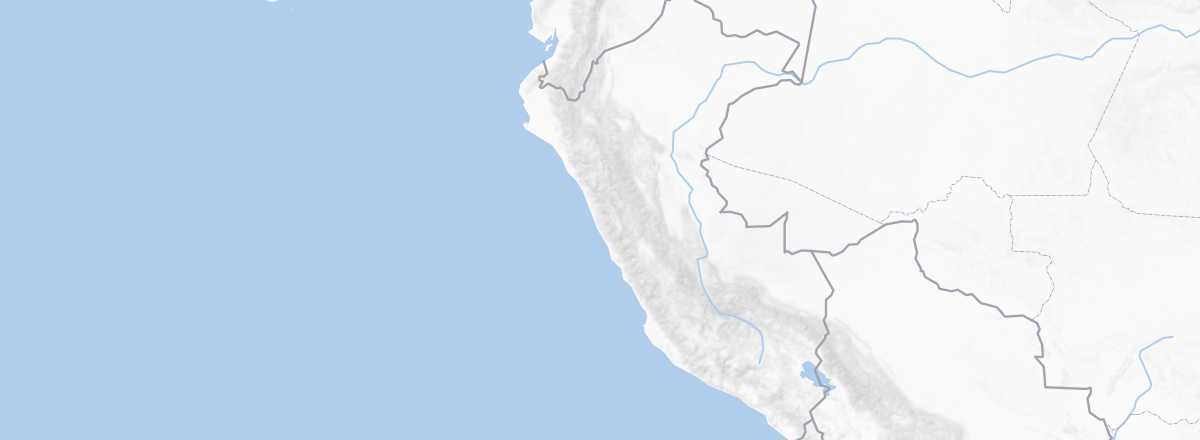
The *Costa* (the coast) is this long desert coastal plain that runs along the Pacific and occupies barely 10% of the country. Paradoxically, it is also the most populated region, home to 60% of the inhabitants, particularly around a few fertile valleys. The capital is located here, along with several interesting tourist sites such as Nazca, the Paracas National Reserve, various pre-Columbian sites, and renowned beach resorts for surfing, like those around Lima or beyond Trujillo.
Overview
The Costa (the coast) is this long desert coastal plain that runs along the Pacific and occupies barely 10% of the country. Paradoxically, it is also the most populated region, home to 60% of the inhabitants, particularly around a few fertile valleys. It is on the coast that the capital is located, along with several interesting tourist sites such as Nazca, Paracas National Reserve, various pre-Columbian sites, or renowned beach resorts for surfing, like those around Lima or beyond Trujillo.
Main Cities
The capital, Lima, and its dozen million inhabitants at the metropolitan level, was built on the coast. In addition to the capital, the coastline is also home to other major cities such as Trujillo, Chiclayo, Piura, Chimbote, and Tacna, all exceeding 250,000 inhabitants.
Tourist Attractions
Cities and Their Heritage
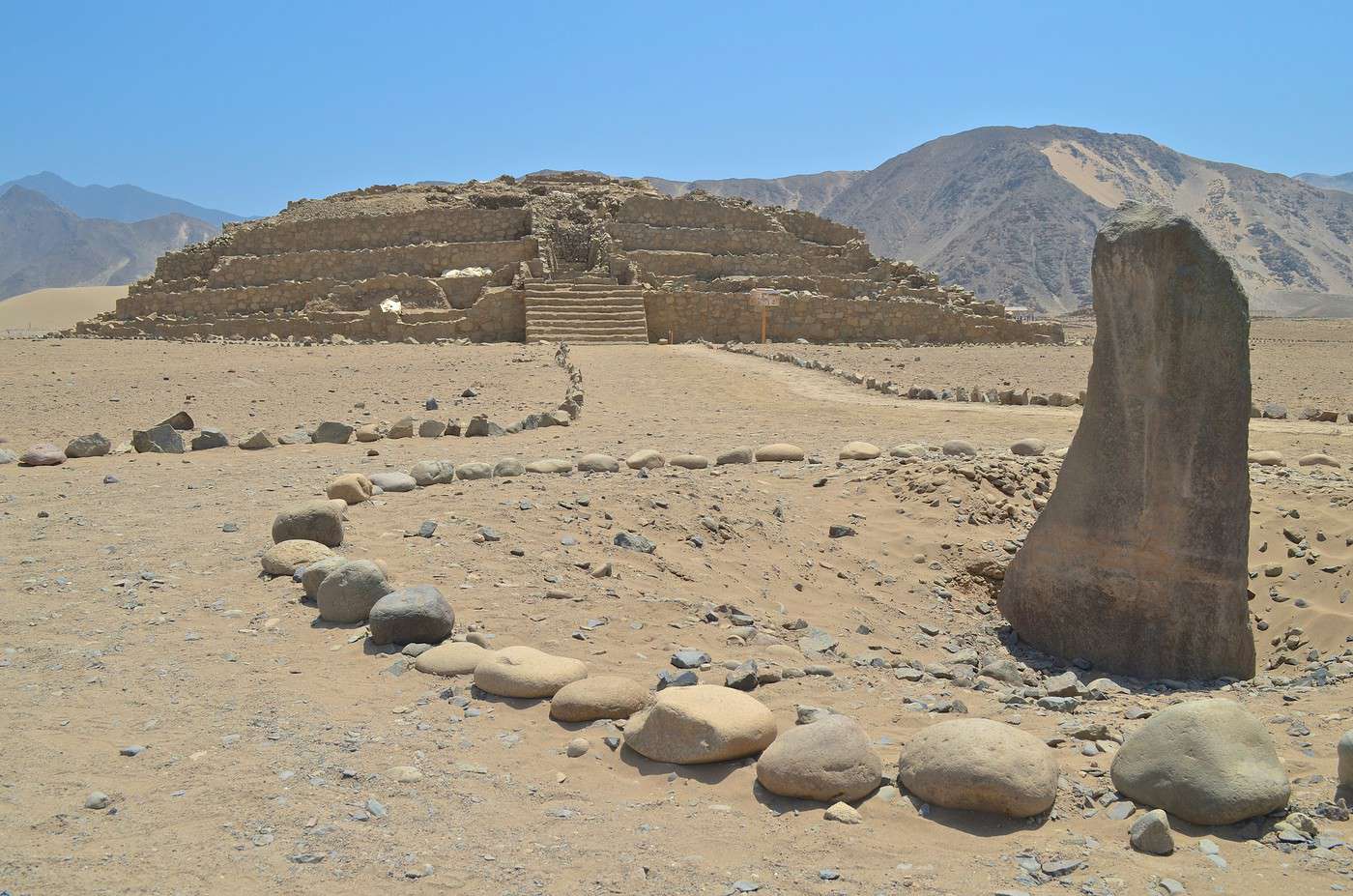
Several coastal cities, starting with the capital, have remnants of their colonial past. While not necessarily transcendent, these are worth a visit. However, more than the cities themselves, it is the various scattered pre-Columbian sites along the coast that draw attention. Among the most well-known or UNESCO-listed sites, you can visit Caral (the oldest pre-Columbian city in the Americas), Chan Chan (UNESCO World Heritage), Chauchilla (this cemetery is known for its mummies), not to mention the famous Nazca Lines and geoglyphs, best seen from the sky.
Beaches and Seaside
This is one of the region's highlights, with several beach resorts of varying local renown. However, the coast lies at the intersection of the cold Humboldt Current and the seasonal warm current El Niño, which means the northern coastline has the most pleasant water temperatures. Thus, beyond Trujillo (Piura, Tumbes, Máncora...), you will find the best beaches and resorts.
Further south, while the stark landscapes can be stunning and the beaches vast, the sites are more suited for walks than swimming. Nevertheless, the areas around Lima offer a few resorts and beaches popular with locals during the austral summer (Ancón, Punta Hermosa, Santa María, etc.). The same goes for the area around Arequipa (or from Tacna to the Chilean border), primarily catering to city residents in season.
As for water activities, while diving is nearly nonexistent, surfing offers excellent spots recognized by specialists, particularly beyond Trujillo (Chicama, Huanchaco, Máncora...) and around the capital (Punta Hermosa, Punta Rocas...). Thanks to winds blowing in certain coastal areas, kitesurfing and windsurfing are also possible. The Bay of Paracas, not far south of Lima, and the Piura region in the north are the most renowned spots for these activities.
Nature and Activities
Beyond the desert coastal landscapes, two protected natural areas are worth visiting: San Fernando National Reserve for its stunning scenery, colonies of birds, penguins, and sea lions, and especially Paracas, which is explored by boat and known for its marine wildlife and a giant 120-meter geoglyph. It is also on the coast, near Ica, that Huacachina, a beautiful oasis with immense dunes where you can walk or sandboard, is located.
Climate
The Pacific coast is characterized by relatively mild and pleasant year-round temperatures (around 20°C during the austral winter), and especially by an almost total absence of rain in its central and southern parts, while the northern coastline receives some rainfall at the start of the year. Unfortunately, the coast, particularly around the capital, is prone to what is known as garúa, a damp fog that settles daily from May to October along the coast and the foothills of the Andes. The result: sunshine is nearly absent, and the atmosphere is "quite gray" and not particularly inviting. In short, this is the period to avoid, with the rest of the year, especially December to April when temperatures are warmest, being preferable.
Best Climate Period for the Coast
| Jan. | Feb. | Mar. | Apr. | May | Jun. | Jul. | Aug. | Sep. | Oct. | Nov. | Dec. | |
|---|---|---|---|---|---|---|---|---|---|---|---|---|
| Coast climate |
: very favorable | : favorable | : moderately favorable | : unfavorable.
Sea Temperature Throughout the Year
The Peruvian coast lies at the intersection of the cold Humboldt Current and the seasonal warm current El Niño, which means the northern coastline is the most pleasant.
| Jan. | Feb. | Mar. | Apr. | May | Jun. | Jul. | Aug. | Sep. | Oct. | Nov. | Dec. | |
|---|---|---|---|---|---|---|---|---|---|---|---|---|
| Lima | 23 | 24 | 24 | 22 | 22 | 20 | 19 | 19 | 18 | 20 | 21 | 22 |