last edited Aug 27, 2020
Precautions for Trekking or Hiking
Location Map of Destinations
 Destinations
Open the interactive map
Destinations
Open the interactive map
Motivation, Health, and Safety
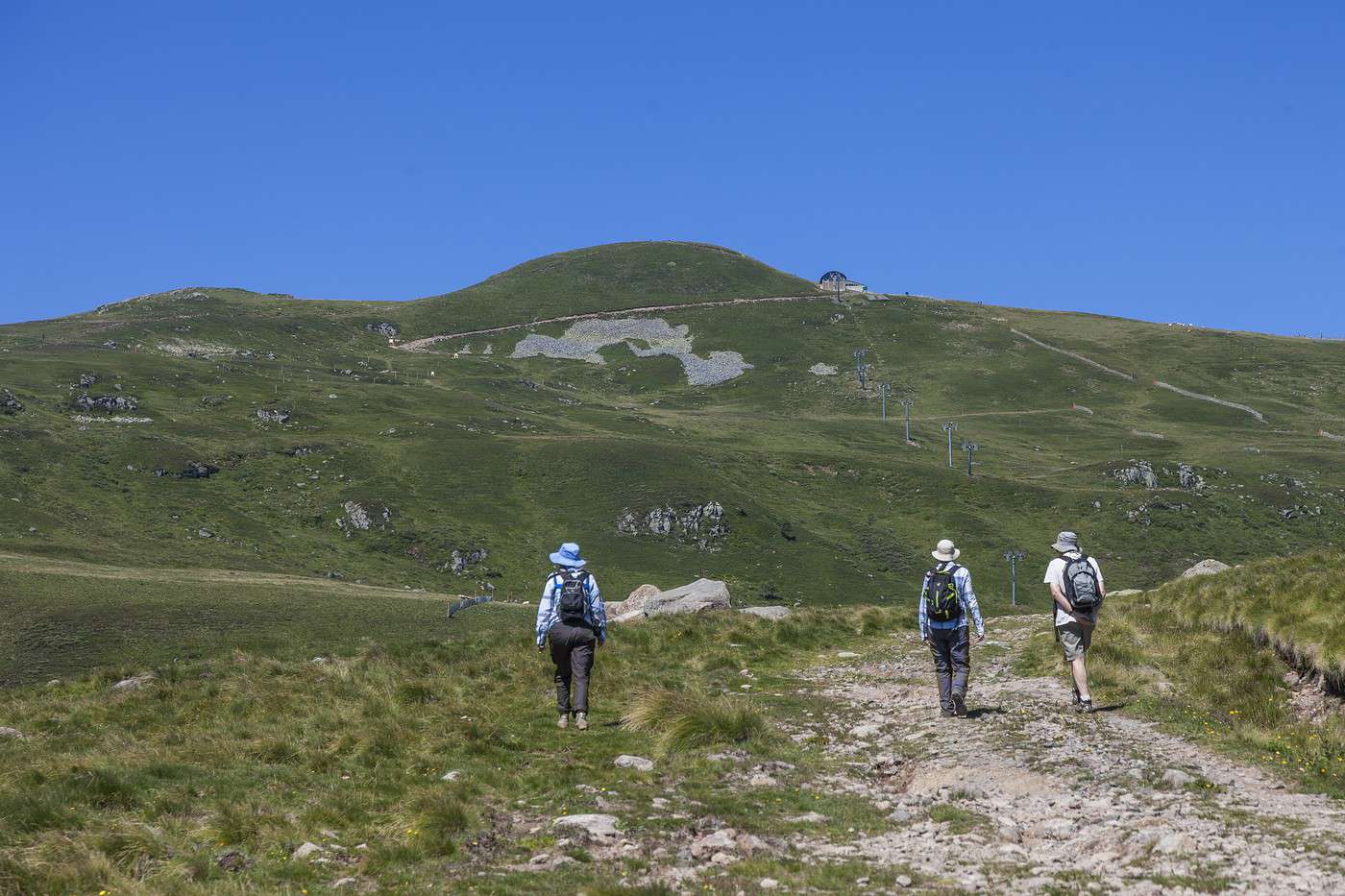
Motivation, physical condition, natural hazards, dangerous encounters, and other safety concerns... While these may only be of relative importance for short walks, they are all factors to consider for more challenging treks and hikes.
Motivation
Before detailing the necessary precautions for a hike or trek, it’s worth remembering that it’s clearly better to be motivated before embarking on any journey, even a short one. Beyond the obvious lack of enjoyment in discovering your surroundings, a lack of motivation can easily increase fatigue—or the feeling of it—and the physical risks that may follow if you’ve taken on a difficult walk. Not to mention the psychological aspect, which can lead to tensions with fellow hikers or team members, especially on multi-day trips.
So, as always, it’s best to stick to what you feel like doing and start with easy hikes or short walks if motivation isn’t quite there.
The Hiker’s Health
Physical Condition
Beyond environmental risks, you’ll also need to take care of yourself and your body.
In any case, it’s essential to know or define what type of walk you’re undertaking, its duration, the elevation changes, the weight you’ll carry, and any special conditions you might encounter (altitude, climate, etc.). Based on this, you can determine the physical (and even mental) condition needed to successfully complete your hike.
In short, it’s best to already be in good shape or at least ensure your fitness matches what you’ll experience. At the very least, a little preparation beforehand is rarely unnecessary, and for some trips, a visit to your doctor is advisable, especially if there’s a risk of contraindications.
Different Levels
Schematically, in professional circles, five physical levels are generally defined, each associated with possible trek categories.
- Beginner hiker: someone capable of walking at least 3 or 4 hours a day and managing a minimum of 150 m of elevation gain per hour. This is roughly what anyone with normal fitness, even if not used to hiking, can do.
- Experienced hiker: 4 to 6 hours a day with 250 m of elevation gain per hour.
- Very experienced hiker: 6 to 8 hours of walking per day with 250 m of elevation gain per hour, all possible over several consecutive days.
- Athletic hiker: at this level, you should be able to walk at least 8 hours a day with 300 m of elevation gain per hour and 1,000 to 1,300 m per day over several days.
- Elite athlete: the top level physically (and mentally), with the ability to trek 8 to 12 hours a day over several days and handle significant elevation changes.
Physical Discomforts
For all categories of hikes and hikers, there are minor issues (foot problems, hunger, etc.) and more serious ones (injuries, heatstroke, hypothermia...). The same goes for nutrition, the essential fuel for hikers that is too often overlooked.
Risks of All Kinds
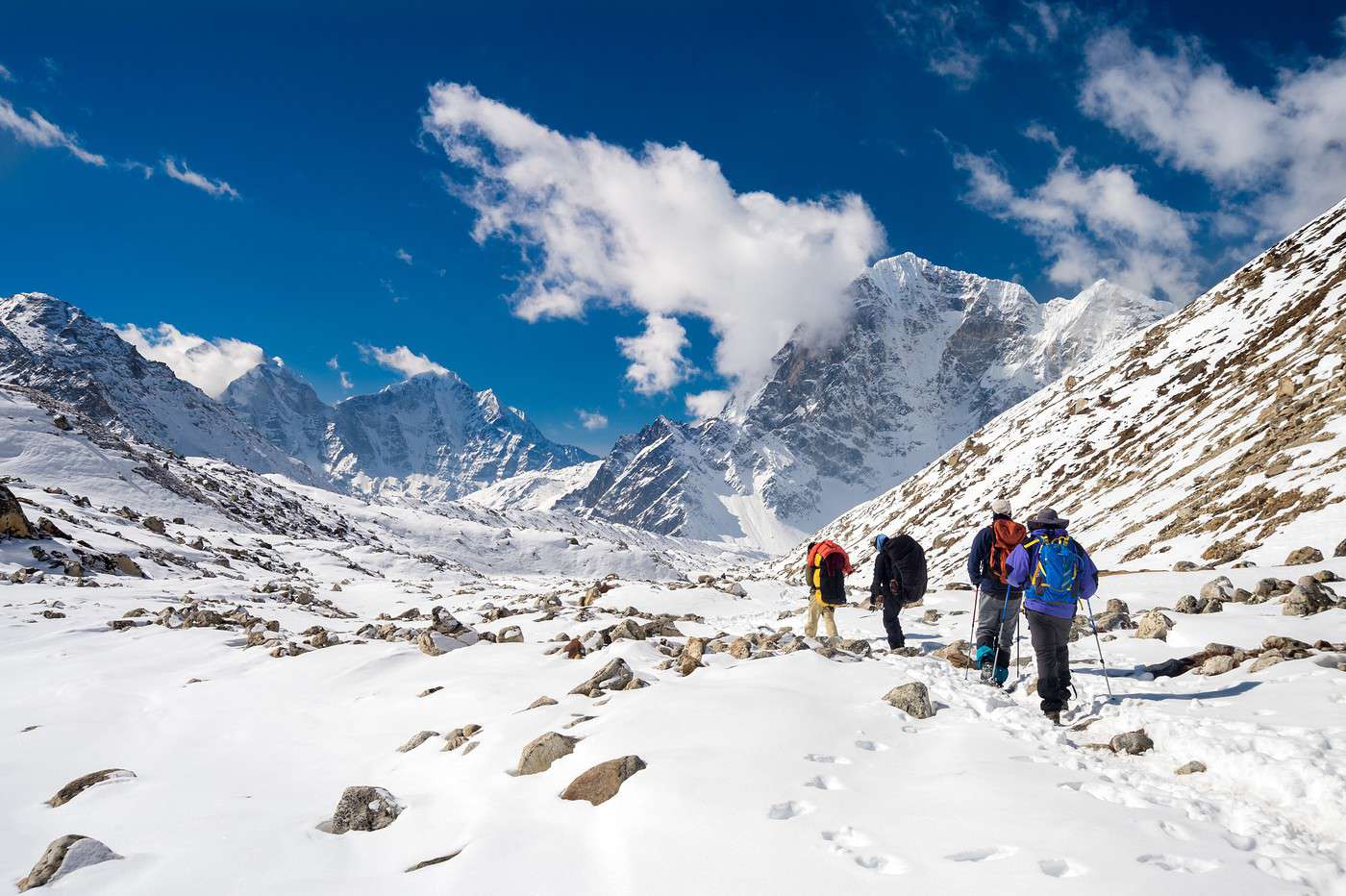
Even for seasoned hikers, walking comes with its share of risks and dangers. Among other things: poor assessment of the hike, getting lost, cold, heat, altitude, various weather risks, and the ever-present possibility of dangerous encounters.
Natural Risks
"Poor Assessment"
In short, it’s essential to always be aware that conditions can change rapidly during a hike, even a short one, and to plan and act accordingly. Don’t forget that the weather or natural conditions at your starting point won’t necessarily be what you encounter later.
The Sun
Danger! On sand, water, or snow, the effects of reflection can be severe. Protect your skin, lips, and especially your eyes. Wear a hat and drink frequently.
Heat
Here too, it’s logically advisable to drink plenty of water (and consume enough salt) to compensate for sweat loss and prevent heatstroke, exhaustion, or dehydration. Just like with altitude, it’s best to gradually adapt your body and efforts to high temperatures.
Wind
Another major issue. Protecting yourself from it is important, especially since it lowers the ambient temperature. Be wary of strong gusts at night when camping; in this case, make sure your tent is securely anchored to avoid it blowing away.
Rain and Thunderstorms
Equip yourself with a poncho and watch out for sudden downpours that can occur in the mountains. When bivouacking, choose your shelter carefully to avoid landslides or rising water. And of course, pack your belongings in plastic bags inside your backpack.
Cold
Another enemy of the hiker. Be mindful of temperature swings, especially between day and night (including and especially in deserts). Always bring very warm gear, especially if you plan to bivouac. Beyond the risk of death from hypothermia, the main danger is frostbite that can lead to gangrene.
Altitude and Mountain Sickness
It’s advisable to acclimatize and ascend slowly, gradually respecting rest stops. Descend without hesitation if you experience headaches, vomiting, or fatigue lasting more than 24 hours. Also, when already at altitude and covering short stages, don’t chain them too quickly to avoid excessive elevation gain. Every year in the Himalayas, hikers die on short treks because of this.
Falls
Getting Lost
Along with nature, this is the other main source of danger for hikers, even in areas or conditions that seem easy. However, a minimum of equipment (including a GPS and mobile phone if necessary), common sense, and basic navigation skills will always reduce the risks.
First, avoid going alone or without someone who knows the area if the trek is more perilous. Always check the weather to see if you’ll encounter fog, snow, or storms that could increase the chances of getting lost.
Plan your route and, using your maps, estimate the distances and walking times to key landmarks you’ll encounter. All while considering your abilities or those of your group (no unnecessary overestimation!).
Bring at least one warm layer. Always allow a margin for food and water, as well as time, to avoid being caught out after dark.
Always follow paths, trails, and other landmarks, and avoid shortcuts that could increase the risk of getting lost.
In Case of Problems
If you feel lost, the first thing is to stay calm and assess the situation. Then, three options are available: turn back, move forward, or find a spot to sleep or wait for help.
Animals
Large Animals
This is a relatively rare risk, though encounters with bears in the Far North or certain mountains, as well as with other large creatures in Africa or jungles, are always possible. Follow your guide’s advice on precautions and how to behave. In reserves, always stay in permitted areas and follow rangers’ or locals’ recommendations to the letter.
At Camp
It’s always safer to carefully inspect the areas where you plan to stop, especially for sleeping. Check for fresh animal tracks nearby and, if necessary, move a little further away. Also, be cautious of paths leading to water sources or migration routes. Moreover, and perhaps most importantly, never leave "smelly" food in your tent or nearby, as it can attract animals. The same goes for trash. It’s better to wrap everything up and keep it away, or even hang it from trees in some cases.
Conversely, keep all your other belongings inside your tent to prevent them from being ransacked overnight by animals that are usually more curious than dangerous, like monkeys. Also, know that a fire or a lamp left on all night will generally keep animals away.
Finally, if you encounter an animal, try to stay calm, don’t run, back away slowly without turning your back, and make as little noise as possible. Animals only attack humans when they feel truly threatened. So, of course, avoid provoking them or approaching them, especially if they’re with their young.
Dogs
A real scourge for hikers and trekkers, and not just at the other end of the world! From lone dogs, including domestic ones, to actual packs (especially in some parts of Asia or Africa), it’s best to be cautious. So, take a detour or wait a bit if you’re unsure about the encounter. And if you feel threatened (no need to unnecessarily provoke the animal), don’t hesitate to throw a stone, kick, or use your hiking pole if you have one. Additionally, if you plan to do certain hikes, a rabies vaccine may be advisable.
Small Venomous Creatures
In this venomous, even deadly, category, you’ll obviously find snakes, scorpions, and spiders, but also a host of other "local" critters—from venomous fish to shellfish, certain frogs, and various insects (and even plants) that may appear harmless but can pose a real danger. Again, ask and trust guides and locals who will tell you the risks and what to do in case of a bad encounter.
Precautions
Meanwhile, a few tips can always come in handy. A wide-brimmed hat during a jungle trek will prevent unwanted animals from falling on your head.
Always check at wake-up, and even the rest of the time, to ensure nothing has crawled into your shoes, clothes, bags, or other containers. Shake everything before use and, if in doubt, poke around with a stick rather than using your hands.
Basic rule: avoid open shoes at camp if you think there are risks. As always, only kill an animal if absolutely necessary. It’s better to take a detour or wait for it to leave. And once dead, don’t touch it with your fingers—even dead, some species are still venomous. For bites, you can always bring an aspivenin.
Annoying Little Creatures
By far the most numerous, with mosquitoes, flies, and other bees at the top of the list. While most pose no risk other than ruining your day, it’s still best to take precautions, especially against mosquitoes. If you’re traveling in a malaria zone (transmitted by certain mosquitoes), plan accordingly for prophylaxis. Also, remember that mosquitoes bite mainly in the evening (so wear closed clothing after dark), and using repellents on your skin, clothes, and tent reduces the risk of bites. A hat with an integrated mosquito net can also be useful.
"Dangerous Encounters"
Crime and Guerrillas
To wrap up, a few words on the possibility of assaults and other dangers that can occur while hiking, especially in remote areas or when traveling solo.
While not frequent, the risks of bad encounters exist, and some countries or places—like the area around Lake Atitlán in Guatemala—are known for this. Fortunately, most of the time, thieves will only want your money and belongings. So, as always, there’s no need to play the hero; it’s better to comply, even if you later have to replace your documents and/or recover financially or in terms of stolen gear.
More serious are the political risks and guerrilla threats that exist in some trekking regions, like parts of the Himalayas. Beyond being robbed, hikers can sometimes risk their lives.
The "Tourist" Status
Regarding safety, it’s worth remembering that being a tourist abroad often comes with both advantages and disadvantages.
As a source of foreign currency for governments, you’re often better protected (e.g., Egypt) and sometimes even shielded from local political disputes (some guerrilla groups also spare tourism as a potential revenue source). On the other hand, it’s clear that for many people worldwide, "Western" often—rightly or wrongly—means "wealth," and the temptations are there. Not to mention groups of all kinds seeking publicity through robbery, kidnapping, or even the murder of foreigners, which in the long run can reduce tourism revenue for the powers they oppose.
In short, whatever the nature of the risks, always check the current situation in the areas you plan to visit. Before leaving, consult the French Ministry of Foreign Affairs website, but also and especially on-site through consular representations, NGOs, and other organizations, as well as locals and fellow travelers. And if things don’t seem safe, don’t go!
Wild Camping
More than anyone else, hikers and trekkers will have the opportunity to practice wild camping. Useful tips and precautions.