last edited Dec 11, 2019
Preparing for a Round-the-World Trip
Location Map of Destinations
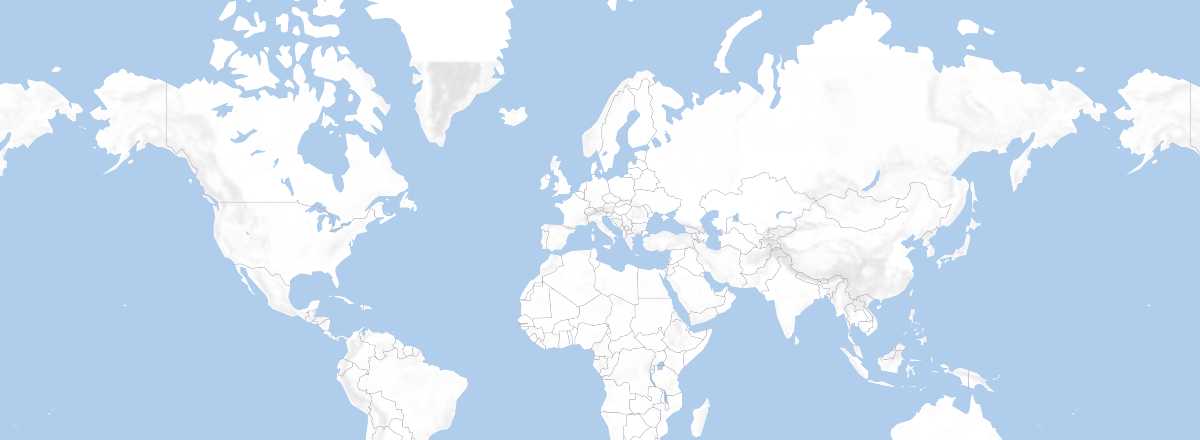 Destinations
Open the interactive map
Destinations
Open the interactive map
Guides and Maps
Guides
Which guides to choose and what to take? It’s tough to set off with 10 kilos of books for a journey lasting several months. Logically, you’ll first need practical information for your trip, though other cultural or thematic guides can also be useful. Don’t forget, too, that beyond guidebooks, you can prepare for your travels by reading other types of books (novels, essays, etc.).
Printed Guides
While each series has its own strengths, most long-term travellers opt for guides covering multiple countries. In fact, they often travel with English-language collections (primarily Lonely Planet), which offer many "continent-wide" titles. However, keep in mind that such guides will always cover a country in less detail than a dedicated title from the same publisher. Still, this is often the best choice.
Otherwise, you might only need specific guides if you plan to explore a destination in depth or engage in a particular activity like trekking.
What to Bring
Generally, in terms of bulk, don’t carry more than two guides at a time (unless they’re hard to find). Take the ones you’ll use first and buy the next ones as you go (sell or send back the previous ones). Major series are usually easy to find new or second-hand almost anywhere in the world.
Last tip: even if guidebooks can be a significant expense (and take up space), don’t skimp on quality. Remember, the most important thing is the content—good content can actually save you money once you’re there...
Digital Guides
This refers to what the internet offers, starting with all the online guides from VoyageForum.
Compared to print, the web allows for constant updates and the ability to choose exactly what you need for your trip, whether by destination or theme. Then it’s just a matter of printing to create YOUR personal guide—unless you opt to use/read it via mobile internet. Either way, this is now the ideal solution for many people on many occasions.
Maps
The same principle applies as for guides. Unless you need very precise maps (for trekking, for example), the web is full of online maps and plans, often customisable, as well as more and more apps designed for this purpose.
Equipment, Insurance, Health
The essentials. Three aspects of travel worth thinking about beforehand. For each, we refer you to guides on these topics, which also include information and tips for long-term travel:
A Few Quick Reminders
-# Check or update the condition of your gear, from your bag to your camera. Replace anything if necessary to start your trip in the best conditions. Choose practical, lightweight equipment, keeping in mind you can buy/sell some items along the way.
-# Renew or check the validity of your documents (passport, international driving permit, credit card, etc.). Remember, it’ll be harder to renew them while travelling. If useful, bring a student card, youth hostel card, etc.
-# Choose travel insurance best suited to your long-term trip (some companies specialise in this). Also check what your rights are regarding health insurance, social security, etc.
-# Get a health check-up before you leave. Visit the dentist, bring spare glasses or contact lenses, and prepare your first-aid kit based on the countries you’ll visit and any ongoing treatments (find out what you can get on the road and at what cost). Don’t forget your vaccinations and any boosters.
-# Consider learning some first-aid basics, especially what to do (or not do) to prevent or manage common travel issues (jet lag, traveller’s diarrhoea, etc.). Also, be aware of health risks in the countries you’ll visit.
Money and Budget
For more information on this topic, see the chapter "Money and Budget While Travelling".
Principles
What should you bring, in what form, and should you take all your money before departure?
For a long-term trip, you can forget about postal cheques (limited to a few countries and requiring a CCP account) and holiday vouchers (valid almost exclusively in France). That leaves credit cards, traveller’s cheques (as a secondary option), and cash, which you’ll often want to combine for a long trip. Whether for a short trip or a round-the-world journey, the principles for each payment method remain the same. The same goes for currency choices.
Quantities
For a long trip, there’s no point in carrying all your money with you (loss, theft, exchange rate fluctuations, etc.), especially if it’s invested. A bank card (and occasionally sending money while travelling) will give you the most freedom. It’s up to you to manage your account or have someone else do it.
As a general rule, it’s best to always have at least 4 or 5 days’ worth of cash (foreign currency or local money) on you, while carrying large sums in cash is not recommended (increases theft risks).
As for how many traveller’s cheques to bring, some will take the minimum—or none at all—prioritising card transactions, while others will opt for a budget primarily in this form.
Budget
Plan a Minimum
First rule: a budget that’s too tight will ruin your trip 9 times out of 10 and bring daily frustrations. So, save more or adjust the duration and/or route—even if you plan to work on the road. But for a trip lasting a few months, is that really the best solution? And where, what, and how? It’s tough if you haven’t researched it beforehand. At most, look for grants and sponsors in advance if your trip has a theme.
As for those hoping to travel for nothing or just 1 € or 2 € a day, that’s mostly naive—or worse, a tendency to live off the people you meet, including the poorest.
How Much?
Finances depend on your preferences, lifestyle, modes of transport, and countries visited.
For example, a recent graduate (no taxes or housing costs), travelling solo by road with local transport and accommodation, mostly in Asia, might get by on around 9,000 € for a year. Meanwhile, someone choosing expensive countries (e.g., North America, Southern Africa, the Pacific), travelling by boat and plane without skimping, should budget around 25,000 €.
Overall, for most travellers, 12,000 € per person for a year—all included—seems a good average for budget travel. That’s roughly 30 € to 35 € per day, especially if you’re travelling as a couple (lower accommodation costs per person), prioritising local transport and lodging, and focusing on regions like Asia or Latin America, which are traditionally more affordable for travellers than North America or the Pacific.
Budget Breakdown
Alongside any income you might earn on the road (work) or at home (selling assets, subletting, etc.), you’ll need to account for all expenses, including:
-# Taxes and other bills that will keep coming while you’re away, plus costs for reintegrating into a sedentary life upon return.
-# Upfront expenses for equipment, guides, and maps.
-# Costs for travel documents (passport, visas, insurance) and health (vaccinations).
-# The price of main transport (usually flights), plus estimates for local transport, connections, and any packages.
-# The daily budget on the ground, which you can break down by category (accommodation, food, visits, local transport, miscellaneous). From experience, when staying in one place, accommodation costs often match those of three daily meals, which are similar to other daily expenses. This assumes comparable categories—no luxury restaurants with budget hotels, or vice versa.
-# Souvenirs you’ll buy (and sometimes send home), plus unexpected treats you won’t resist. Estimate costs for photos and communication (postcards, phone, internet).
-# If you plan special activities (trekking, diving, etc.), get an idea of prices. Unless the location is key, do them in the most affordable spots. It’s almost essential to budget for these extras upfront, as their costs can seem exorbitant compared to your daily spending (e.g., paying 50 € for an activity in India when you usually spend 15 € a day). For some things, compare what it would cost in your home country.
-# Always set aside a small reserve (hence the usefulness of a bank card).
-# Don’t forget exchange fees and currency fluctuations when converting money.
Saving Money
-# Consider investing part of your budget to earn returns, even while travelling. Talk to your banker about low-risk options that don’t lock up your money, plus how to transfer funds to your account when it’s empty.
-# Travel during off-peak periods for major trips.
-# Avoid peak season in popular spots, and don’t stay too long in expensive areas. Instead, spend more time in budget-friendly places, especially if you like them.
-# Always check prices first and compare. Ask if the same thing or service is available cheaper elsewhere.
-# If travelling solo, try to share accommodation and vehicle rentals. For transport, if staying long in large countries (USA, Australia, etc.), consider buying a vehicle and selling it later.
-# Prioritise value for money over price alone, and watch for hidden costs in seemingly great deals.
-# Avoid "bad deals" or offers that seem "too good to be true." You might lose money or run into problems.
-# Think carefully and research before making big expenses.
-# But remember, travel should be about pleasure, not a series of constraints and frustrations...