last edited Dec 11, 2019
Health and Safety in Northern Cyprus
Location Map of Northern Cyprus
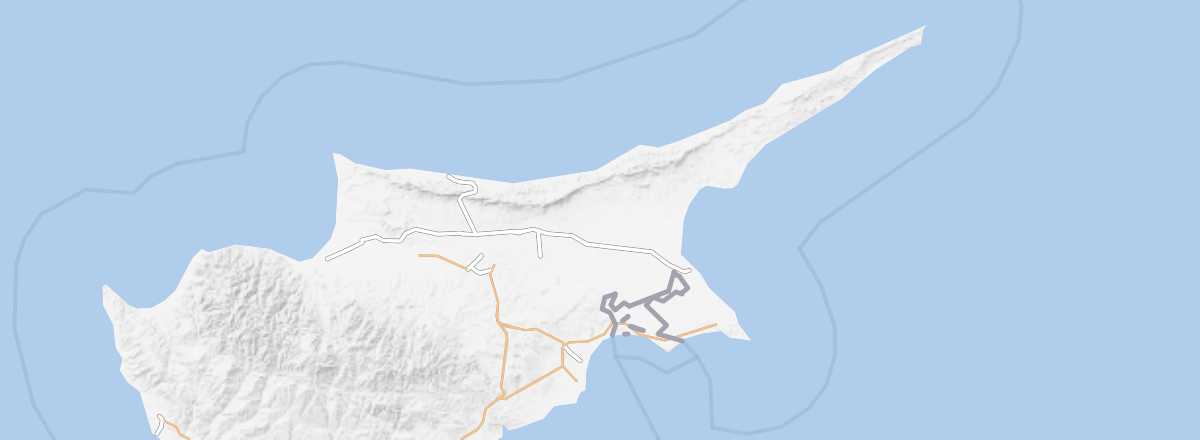 Northern Cyprus
Open the interactive map
Official Recommendations
In France, both for individuals and professionals, the "travel advice" from the Ministry of Foreign Affairs regarding precautions for each country has legal value. A similar online travel advice system exists in several countries:
Health
No vaccinations are mandatory to enter the country, though it is still advisable to be up to date with your "basic vaccines."
Illnesses and Hygiene
There are relatively few health risks when traveling in the country. However, it is best to maintain good hygiene and wash your hands regularly. Avoid tap water as well as dishes or foods that do not guarantee freshness, as they may lead to traveler’s diarrhea or worse.
Healthcare Facilities on Site
Safety
Crime and Delinquency
Cyprus (both the south and the north) is a safe destination, though like anywhere else, there is some petty crime targeting tourists, such as pickpocketing or occasional theft from vehicles. However, with basic precautions and a bit of common sense, there is little risk.
Socio-Political Risks
The territorial division since 1974 remains a sensitive issue on the island. While tensions have eased and reunification may one day occur, the topic can still provoke strong reactions among the population, though this is very rare. Practically speaking, always respect authorized crossing points between the two zones and follow the instructions of the authorities (especially in the north) arising from this situation.
Climate, Nature, and Animals
Foreign Consulates on Site
Since the Turkish Republic of Northern Cyprus is recognized by almost no one, no foreign countries are officially represented in the north except for Turkey. In fact, the embassies and consulates in Republic of Cyprus (the south) are theoretically responsible for the entire island, though in practice they have little to no power to intervene or assist their nationals in the north. Given the situation, the "two Cypruses" also maintain no diplomatic relations.