last edited Mar 10, 2026
Health and Safety in Japan
Location Map of Japan
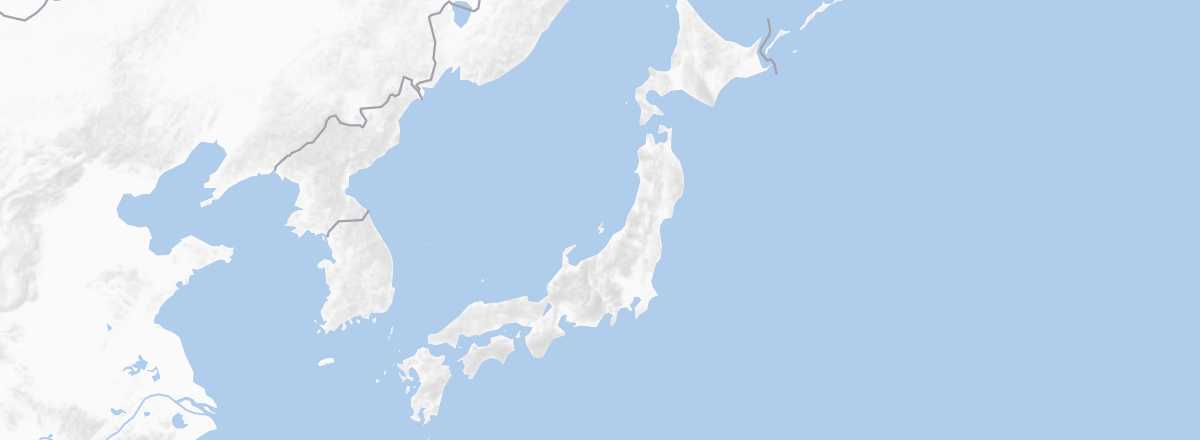 Japan
Open the interactive map
Official Recommendations
In France, both for individuals and professionals, the "travel advice" from the Ministry of Foreign Affairs regarding precautions for each country has legal value. A similar online travel advice system exists in several countries:
Health
Diseases
The risk of catching a disease in Japan is extremely low, as the country is considered very safe in terms of health. Even Japanese encephalitis, which is transmitted by mosquito bites, is rare, with only a few cases reported in rural areas and rice-growing regions between June and October.
While no vaccines are required—except theoretically for yellow fever if arriving directly from certain areas (including French Guiana)—keeping up to date with routine vaccinations is always advisable.
Hygiene
Just the usual precautions.
Local Healthcare Facilities
The standard is excellent throughout the country, though the system follows an "American-style" model where even minor care can be very costly. This makes it essential to have good travel insurance when visiting Japan.
Safety
Crime and Delinquency
Japan remains one of the safest countries in the world, with very low crime rates. Visitors may encounter minor risks like theft, including bicycle theft, or occasional scams in nightlife venues where touts "promise more than the establishment delivers." That said, it’s still wise to stay alert, even though the police are both visible and helpful.
Sociopolitical Risks and Terrorism
While certain events occasionally make headlines, and regional tensions exist, visitors face minimal risks in this regard.
Climate, Nature, and Animals
This is undeniably the biggest danger in Japan, for both locals and visitors. The country is known for its high seismic activity, tsunamis, floods, storms, typhoons, and even extreme cold in its northernmost regions or mountainous areas—where getting lost should be avoided at all costs (in any season). It’s worth staying informed by downloading the government’s "Safety Tips" app, which sends real-time alerts in English and French. Learning basic disaster safety procedures is also a good idea. As for Fukushima, access to the area around the nuclear plant remains restricted.
A final note on animals: bear attacks have increased in the northwest and rural, mountainous areas of Hokkaido. Be aware if you plan to hike in those regions.
Foreign Consulates in Japan
If you encounter problems while traveling abroad, your country’s consular services can assist you. Note that if you’re an EU citizen and your country isn’t represented, you can contact any other EU member state’s consulate.
France
- Consulate General: 4-11-44 Minami-Azabu, Minato-ku, Tokyo. Tel.: +81 3 45 78 41 74. There is also a consulate in Kyoto.