last edited Feb 23, 2026
Health and Safety in Sri Lanka
Location Map of Sri Lanka
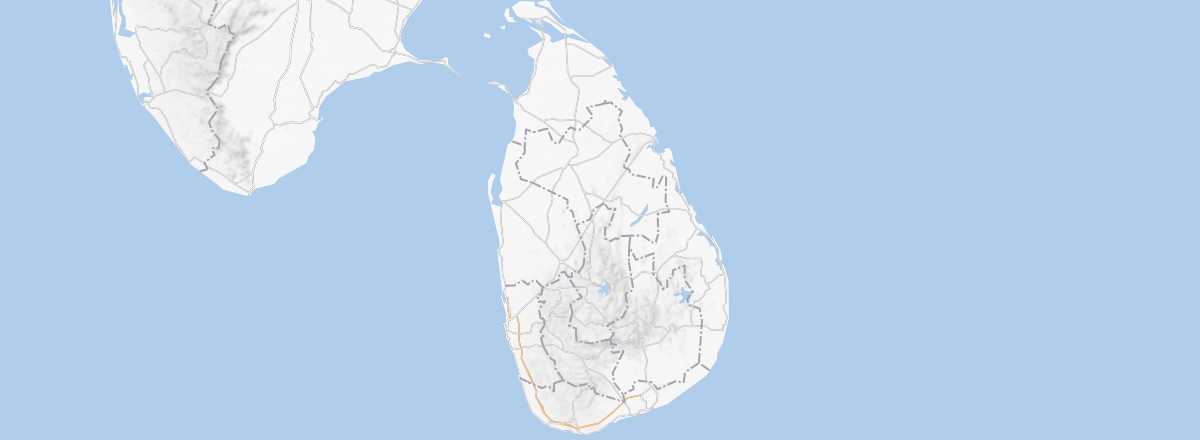 Sri Lanka
Open the interactive map
Official Recommendations
In France, both for individuals and professionals, the "travel advice" from the Ministry of Foreign Affairs regarding precautions for each country has legal value. A similar online travel advice system exists in several countries:
Health
Diseases
As in many tropical countries, mosquitoes are the main concern. Dengue is quite prevalent in Sri Lanka, as are chikungunya and sometimes Zika, while Japanese encephalitis can be found in rural areas. Malaria, however, has been considered eradicated in the country for about ten years. Since all these diseases are transmitted by mosquito bites, it is essential to protect yourself with repellents and appropriate clothing, especially in the evening.
While no vaccines are officially required to enter the country, being up to date is advisable. For those staying in rural areas for extended periods, especially off the beaten track, some authorities recommend vaccines against rabies and Japanese encephalitis, both of which are endemic here.
Hygiene
Basic travel hygiene applies: good personal and especially food hygiene is necessary if you’re not used to "eating local." Avoid tap water, which is not potable, and dishes or foods that don’t appear fresh, particularly in markets. This helps prevent traveler’s diarrhea, a common issue for visitors.
Healthcare Facilities on Site
As almost everywhere, there is a significant difference between the private and public sectors. In Colombo (primarily), you’ll find private healthcare facilities meeting international standards, though they come at a cost. Elsewhere, public clinics and hospitals are widely available and free for everyone, including foreigners. Unfortunately, many lack resources and staff, leading to long wait times due to high demand. Generally, comprehensive travel insurance is recommended for Sri Lanka, as it is elsewhere.
Safety
Crime and Delinquency
Petty crime, particularly snatch thefts, as well as harassment or even assault against female travelers, is on the rise on beaches, in transport, and in tourist-heavy areas. While not extreme, this situation calls for daily vigilance and common sense. Fake guides and individuals with "insistent solicitations" are also common in certain places.
Sociopolitical Risks
Sri Lanka is a mosaic of communities, and tensions between groups can flare up frequently. Some may escalate into violence, so it’s best to stay clear and stay informed about the current situation wherever you are or plan to go. Additionally, some landmines (marked) from the civil war remain in parts of the east coast and the north.
Climate, Nature, and Animals
Sri Lanka is a monsoon country (and occasionally hit by cyclones), with two distinct monsoon seasons depending on the region. During the rainy season, floods, rising waters, and landslides can cause road closures, affecting travel. Another danger not to be underestimated is the extremely strong currents along Sri Lankan coasts, which can easily sweep away swimmers, even when the sea appears calm.
As for animals, stray dogs and aggressive monkeys carrying diseases like rabies are the main concerns. In some areas, bees and hornets are also present, as are leeches, which you might encounter during treks.
Foreign Consulates on Site
If you encounter problems while traveling abroad, your country’s consular services can assist you. Note that if you are a citizen of the European Union and your country is not represented, you can contact any other EU member state’s representation.
France
- Consulate General: 89 Rosmead Place 7, Colombo. There are also two consulates in Kandy and Matara.