last edited Dec 11, 2019
Health and Safety in Ireland
Location Map of Ireland
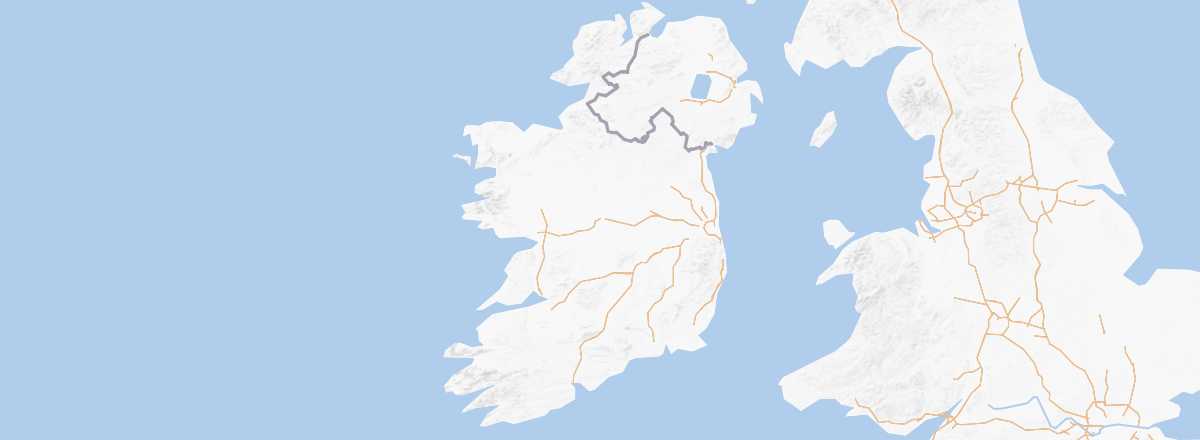 Ireland
Open the interactive map
Official Recommendations
In France, both for individuals and professionals, the "travel advice" from the Ministry of Foreign Affairs regarding precautions for each country has legal value. A similar online travel advice system exists in several countries:
Health
No vaccinations are mandatory to enter the country, though it is still advisable to be up to date with your "basic vaccines."
Illnesses and Hygiene
Nothing particular to report.
Local Healthcare Facilities
Local infrastructure is excellent. For healthcare, nationals of countries in the European Economic Area must present their European Health Insurance Card (formerly form E-111), which guarantees the same rights to everyone—otherwise, they may have to pay their medical expenses. Other visitors will need to rely on their insurance or pay the full cost of care.
Safety
Crime and Delinquency
Ireland is a very safe destination but, like anywhere else, has minor delinquency targeting tourists, particularly pickpocketing. However, with a few basic precautions and common sense, there is no risk.
Climate, Nature, and Animals
There are hardly any issues here either, except for swarms of midges that can be encountered in certain places and at certain times, often at dusk. A good repellent and appropriate clothing can be useful.
Other
Whether in terms of tourist scams, harassment, or socio-political risks, there is nothing particular to fear.
Foreign Consulates on Site
If you encounter problems while traveling abroad, your country’s consular services can assist you. It’s also worth noting that if you are a national of the European Union and your country is not represented, you can contact any other EU member state’s representation.
France
Consulate General: 66 Fitzwilliam Lane, Dublin. Tel.: +353 1 277 5000. There are also four other French (honorary) consulates in Ireland (Cork, Galway, Limerick, and Dunmore East).
Other Countries
- Belgium:
- Canada:
- Switzerland: