last edited Apr 6, 2026
Things to Do in Nepal
Location Map of Nepal
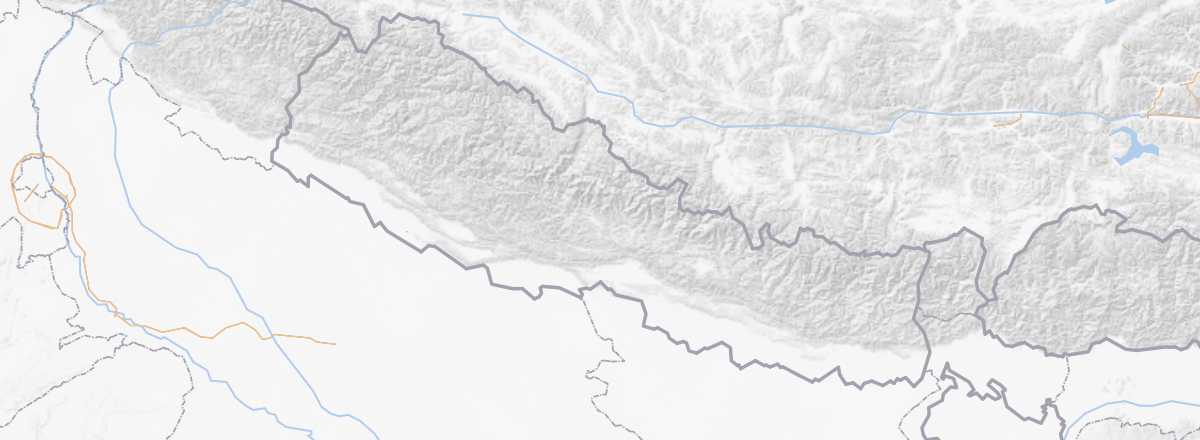 Nepal
Open the interactive map
Nepal
Open the interactive map
Trekking and Mountaineering
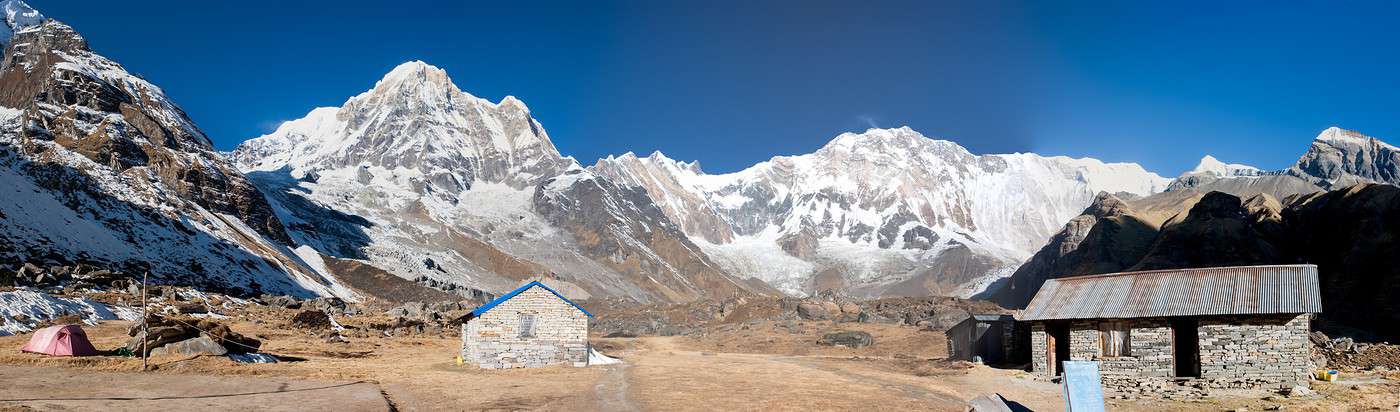
From the tropical plains of the Terai to the world's highest mountains, Nepal is famous for its vast trekking, mountaineering, and outdoor activity opportunities. This is what draws the vast majority of tourists and supports a large part of the Nepali population.
Based on this, Nepali authorities recently introduced new procedures for hikers and trekkers. Except for short walks, for "real treks," you must now hire a licensed guide (count on at least $25–30 USD per day) and obtain a TIMS permit ("Trekking Information Management System") from government-recognized agencies before hitting the country's trails. In short, you can no longer trek alone in Nepal as 40,000 to 50,000 people used to do each year. Still, this is a step forward for safety.
Main Trekking Areas
Annapurna
In the west-central part of Nepal, bordering Tibet, this stunning region has become a must-visit for trekking enthusiasts (especially the famous "Annapurna Circuit") and mountaineers, thanks to its many peaks over 7,000 meters.
Everest Base Camp
If there’s a "classic" Himalayan trek, this is it! It takes you to the base camp of the world’s highest peak at 5,340 meters—while trekkers stop here, it’s just the first step for climbers attempting the summit.
Dolpo
Dolpo is an arid, hard-to-reach area with a Tibetan majority, located west of Annapurna. You can trek here to discover traditional villages and monasteries surrounded by truly breathtaking landscapes.
Helambu
This small region near the capital, Kathmandu, is home to many monasteries. It’s also a trekking area offering shorter and less challenging hikes than other parts of the country.
Khumbu
This is the heart of the Sherpa region in the Himalayas, at the foot of Everest. It includes Sagarmatha National Park, a UNESCO World Heritage site, and is a favorite among trekkers for its stunning Himalayan scenery and remote mountain villages.
Manaslu
This high Himalayan peak (8,163 meters) has become a classic for both mountaineering and trekking, with nearly 200 kilometers of trails around the massif.
Mustang
This former autonomous kingdom, closed to foreigners until 2008, still has restricted (or rather, taxed) access. Nevertheless, it remains a premier trekking destination with well-preserved local traditions and culture.
Langtang National Park
Between Kathmandu and China, along the Tibetan border, this was the first protected Himalayan area in the 1970s. As expected, it’s also a remarkable region for trekking.
Sagarmatha National Park
Located in Khumbu, on the Tibetan border, this park includes the southern side of Everest. It’s a UNESCO World Heritage site for its landscape and environment, making it a top choice for trekkers with its magnificent Himalayan views and remote mountain hamlets.
Mustang
This former autonomous kingdom, closed to foreigners until 2008, still has restricted (or rather, taxed) access. Nevertheless, it remains a premier trekking destination with well-preserved local traditions and culture.
Langtang National Park
Between Kathmandu and China, along the Tibetan border, this was the first protected Himalayan area in the 1970s. As expected, it’s also a remarkable region for trekking.
Sagarmatha National Park
Located in Khumbu, on the Tibetan border, this park includes the southern side of Everest. It’s a UNESCO World Heritage site for its landscape and environment, making it a top choice for trekkers with its magnificent Himalayan views and remote mountain hamlets.
Other Types of Hiking
Cycling
Where there’s hiking, there’s often cycling—or rather, mountain biking. This is certainly the case in Nepal, where the sport has grown in recent years, offering everything from easy rides to challenging routes requiring gear, fitness, and motivation.
For the easiest options, the Kathmandu Valley offers the best choices, with day trails in its surroundings. The same goes for Pokhara and its outskirts. For something more demanding, head to Upper Mustang or the Annapurna Circuit for multi-day rides through stunning high-altitude landscapes.
Horseback Riding
A niche activity, but one that might appeal for its uniqueness. Here too, the areas around Kathmandu and Pokhara offer the most accessible rides, while regions like the Langtang Valley or Upper Mustang provide longer, more challenging expeditions.
Outdoor and Adventure Sports
Whitewater Activities
Given the terrain and rivers, Nepal offers plenty of rafting, canyoning, and kayaking opportunities for all levels, with a good selection of providers available.
Paragliding and Aerial Sports
Another niche activity, but one worth trying—paragliding, ultralight flights, or skydiving, primarily around Pokhara. For a broader audience, there are also hot-air balloon rides, also departing from Pokhara, offering a unique aerial view of Nepal’s landscapes.
Swimming
No sea means no beaches in Nepal, but there are still some unique swimming experiences—hot springs across the country, lakes around Pokhara, and waterfalls or rivers (with chilly water) found almost everywhere in nature. For something more relaxed, some large hotels have pools open to the public, including a few with direct Himalayan views.
Cultural Life and Activities
Those seeking cultural experiences will mostly find them in Kathmandu and its valley, home to historic landmarks from Nepal’s past. Not just any landmarks—seven sites, including royal cities and giant stupas, are UNESCO World Heritage sites within a 20 km radius of the capital. Beyond that, Nepal remains rich in culture, traditions, and festivals, especially religious ones, waiting to be discovered.
Nightlife and Going Out
As expected, Nepal offers very few nightlife options. Only Pokhara and Kathmandu, particularly the famous tourist district of Thamel, have anything to offer.