last edited Dec 11, 2019
Tips for Brussels
Location Map of Brussels
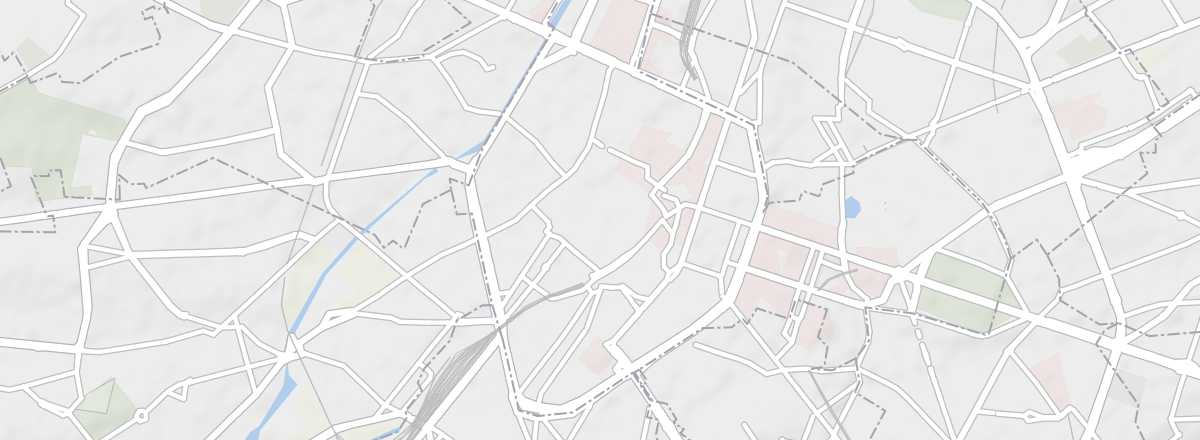 Brussels
Open the interactive map
Brussels
Open the interactive map
Best Times to Visit
If you want to enjoy the most pleasant temperatures, June to September is ideal, in contrast to late October to March, which is the coldest, cloudiest, and rainiest period. That said, more than the weather, it’s often the city’s tourist crowds and the associated prices that determine the best time to visit.
During every school holiday—especially summer—the city sees a surge of visitors. Even outside these periods, weekends are almost always busy. In short, the best option is to choose the shoulder seasons—spring and autumn—while avoiding weekends and school holidays if possible.
Exploring the City
Must-See
Unique Experiences
Family-Friendly
Depending on Length of Stay
Nearby Attractions
The country isn’t very large, and Brussels is fairly central, so there’s plenty to see within a fifty-kilometre radius of the capital.
- Villers Abbey: : These are the beautiful remains of a 12th-century Cistercian abbey.
- Antwerp: : Located at the mouth of the Scheldt, the city is both a major port, the diamond traders' hub, and an urban area boasting fine architecture and numerous remarkable sites and monuments, such as its Grand Place.
- Beersel Castle: : This 14th-century fortress was part of the castles tasked with defending Brussels in the late Middle Ages.
- Corroy Castle: : A beautifully preserved 13th-century fortified castle located in Corroy-le-Château.
- Horst Castle: : It's a charming 13th-century castle by the lakeside in the province of Brabant.
- Ghent: : Between Antwerp and Bruges, the city is a port, university, and cultural hub. Steeped in history, it boasts many medieval buildings, particularly religious ones.
- Heverlee: : On the outskirts of Leuven, the town is home to a beautiful 15th-century castle (Arenberg Castle) and a 12th-century abbey.
- Lier: : Southeast of Antwerp, the town features a beautiful Gothic collegiate church and, most notably, one of the thirteen Flemish beguinages classified as a UNESCO World Heritage site.
- Leuven: : This city is primarily known for its universities, though it also has a beautiful UNESCO-listed béguinage.
- Louvain-la-Neuve: : Just a few kilometres from its Flemish counterpart (Leuven), which it owes its existence to in the early 1960s. It is also renowned for its universities.
- Mechelen: : Located between Antwerp and Brussels, Mechelen has preserved many traces of its past (starting with its impressive cathedral), which can be discovered in its old quarters.
- Waterloo: : This small town near Brussels is where the famous 1815 battle took place. Several museums and a mound topped with a lion statue commemorate the event.