Skip to content
Belgium

Travel guide · Belgium

Belgium

★ 4 · last edited Dec 11, 2019

Between Flanders and Wallonia, this "flat country" is more than just its capital and a few clichés. It’s a full-fledged tourist destination that will delight culture lovers above all.
Anvers, Belgique
Anvers, Belgique · © VoyageForum

Further reading on VoyageForum

Introduction to Belgium

Type of place: country. Location: between France and Netherlands , with a small outlet on the North Sea. Latitude/longitude: 50.51' N, 4.21' E Local time: Heure : 4445 Capital: Brussels Nature of the state: constitutional monarchy. Official languages: French,…

Read the full guide: Introduction to Belgium

Regions of Belgium

Brussels-Capital

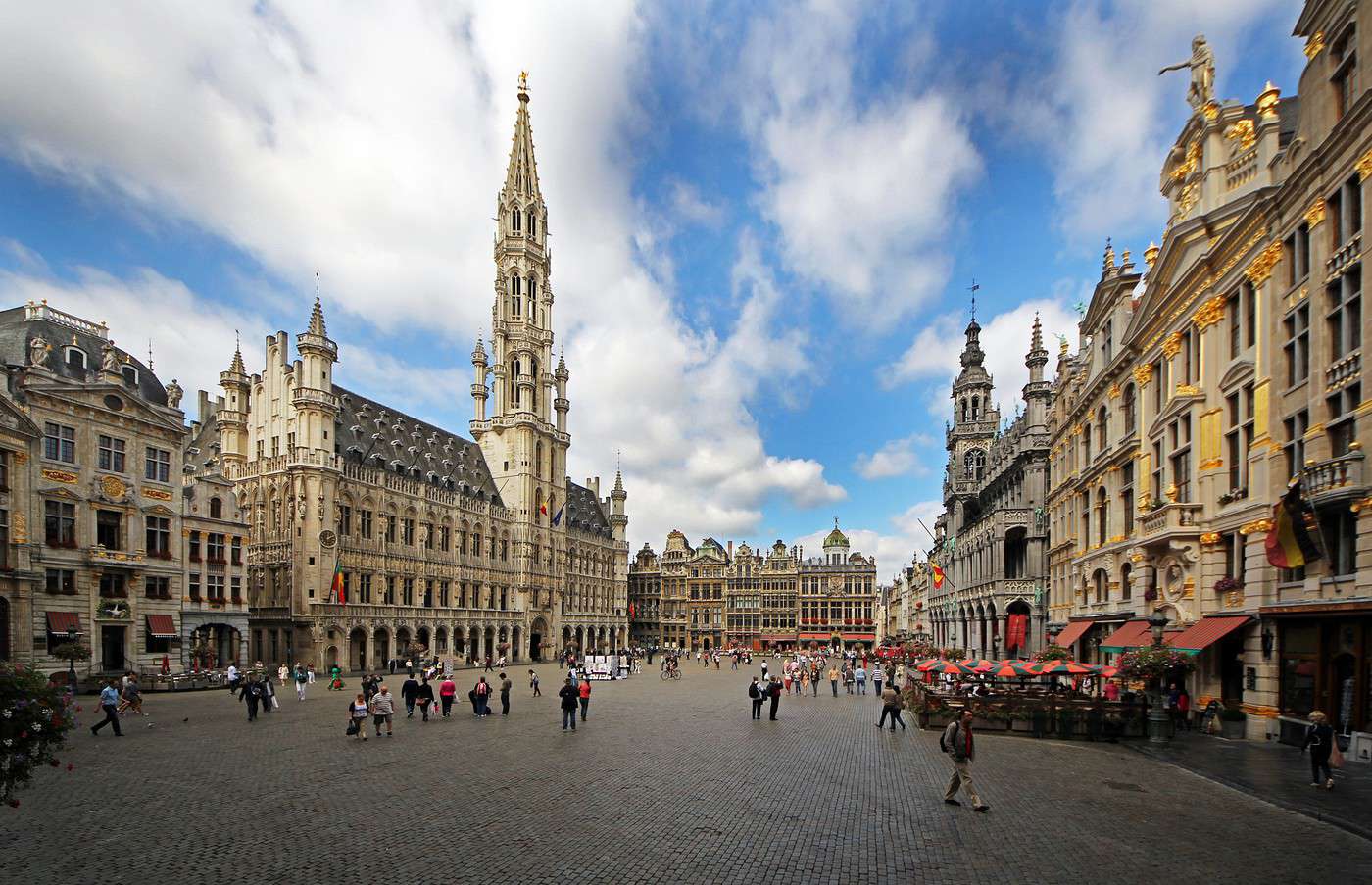
Grand-Place de Bruxelles, Bruxelles, Belgique

This is the Brussels metropolitan area. It consists of around twenty municipalities enclaved in Flanders. Officially bilingual, though predominantly French-speaking, it is home to a tenth of the country's population. The city of Brussels with its stunning architecture, museums, and monuments remains its main tourist attraction.

    Flanders

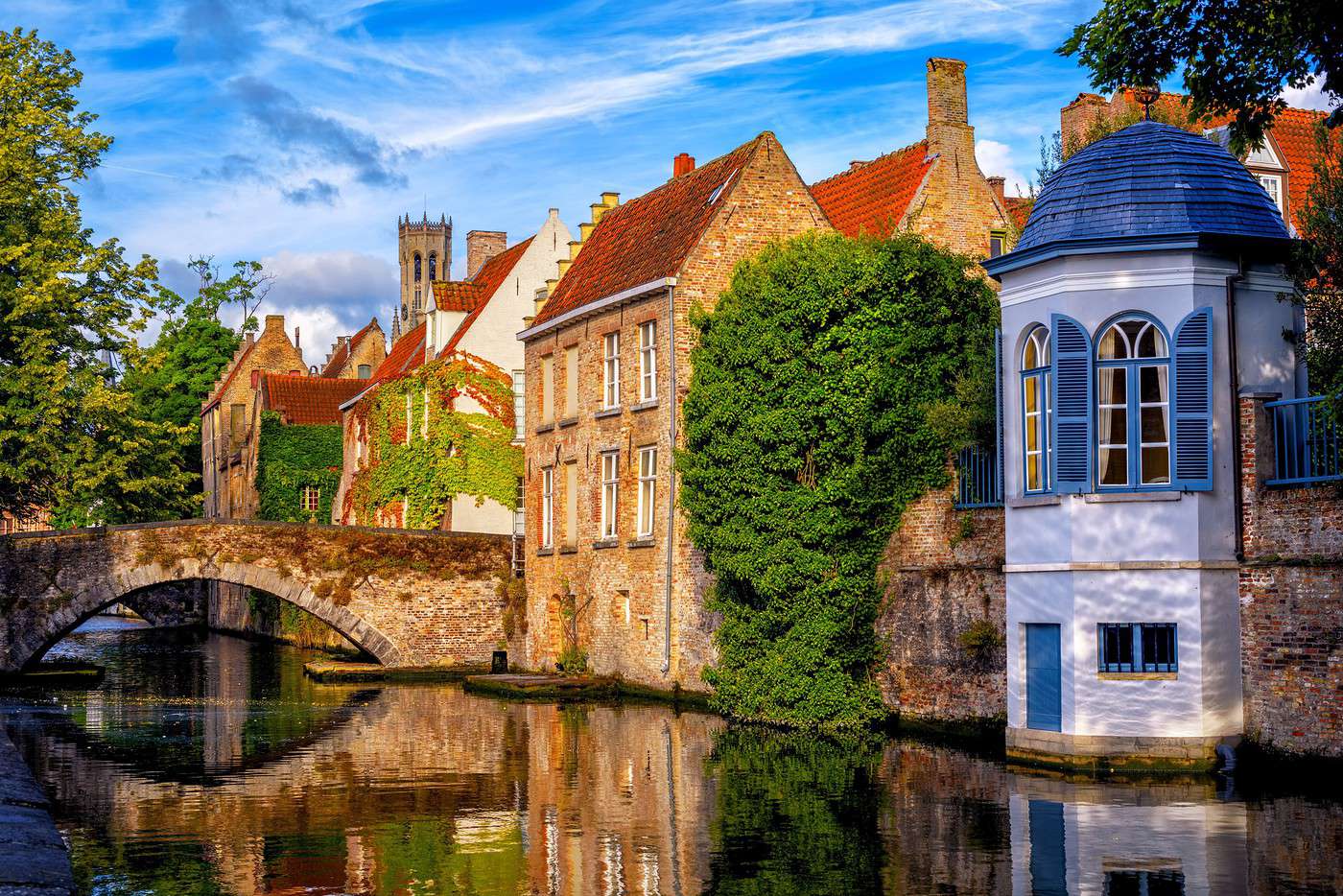
    Bruges, Belgique
    Bruges, Belgique

    Flanders is the Dutch-speaking part of the country. It occupies the entire north of Belgium, bordering the North Sea, which, with its seaside resorts (La Panne, Knokke, Ostende, etc.), attracts many holidaymakers in the summer. Beyond its coastline, the region is especially rich culturally. You can discover the beautiful city of Bruges, as well as traces of ancient history with the Flemish Beguinages and Belfries, or more recent history around Ypres and its surroundings.

      Wallonia

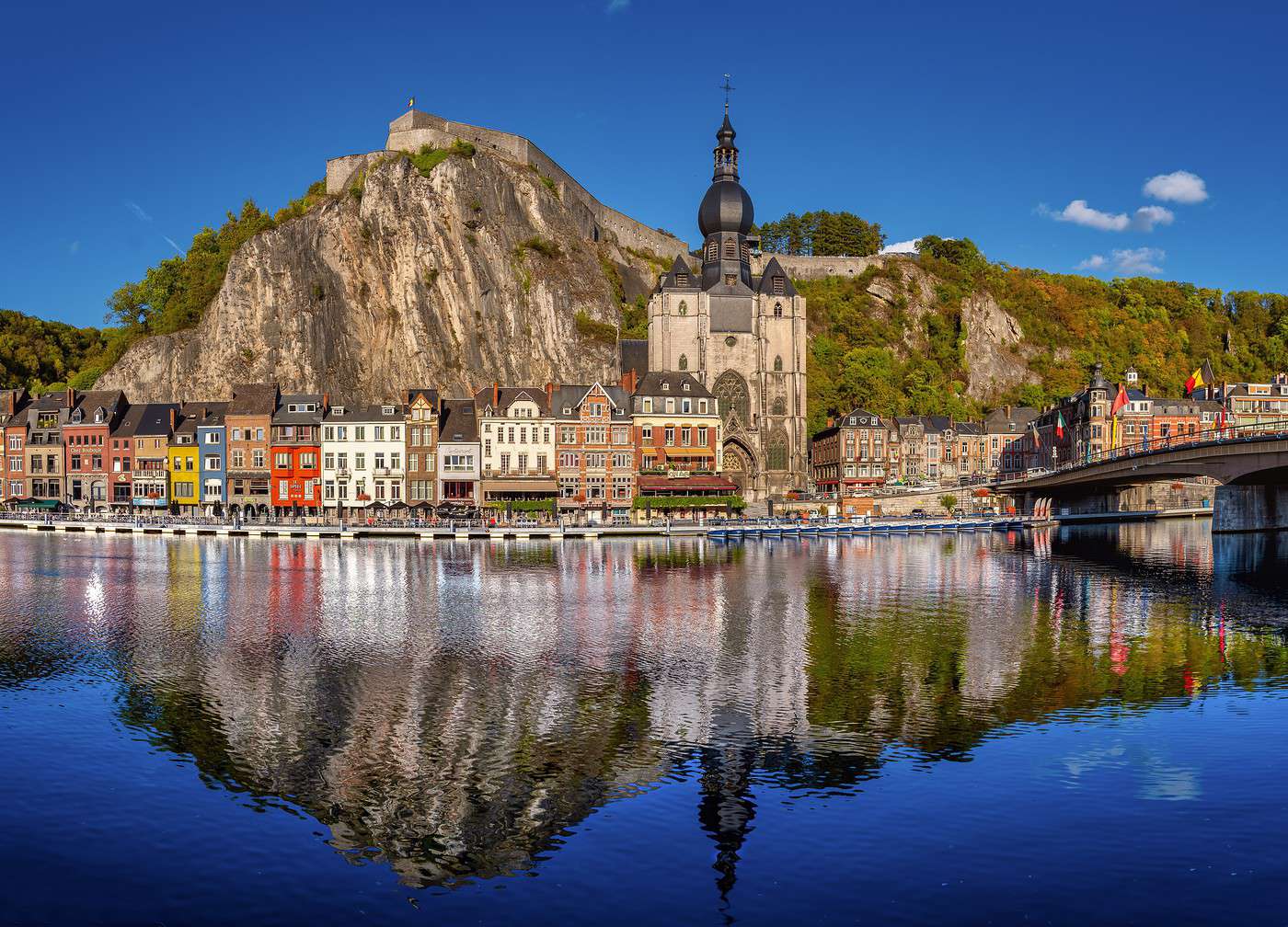
      Dinant, Belgique
      Dinant, Belgique

      This is the largest region of Belgium, covering 60% of the territory. Predominantly French-speaking, it is also home to the small German-speaking minority bordering Germany. For tourism, Wallonia offers abbeys (Orval, Villers-la-Ville, etc.), castles (Bouillon, Corroy, etc.), and various towns worth a detour (Mons, Tournai, etc.). But it is also "Belgium’s natural side," with the Ardennes, ideal for all kinds of hikes, caves to visit (Han-sur-Lesse), and above all the Meuse Valley, a major tourist destination with its beautiful landscapes that can be explored by river cruises.

        View guide page: Regions of Belgium

        Brussels-Capital

        The Brussels metropolitan area is a cluster of around twenty municipalities enclosed within Flanders. Officially bilingual but predominantly French-speaking, it is home to a tenth of Belgium's population. The city of Brussels, with its stunning architecture, museums, and monuments, remains its main tourist attraction.

        Overview

        Bruxelles, Belgique
        Bruxelles, Belgique · © VoyageForum

        The Brussels metropolitan area is one of the three regions that make up Belgium, along with Flanders and Wallonia. It consists of around twenty municipalities enclosed within Flanders. Officially bilingual, though predominantly French-speaking, it is home to a tenth of the country's population spread over just over 160 km².

        Main Cities

        The Brussels-Capital Region comprises 19 municipalities, ranging from 20,000 to nearly 200,000 inhabitants. Together, they form the Brussels metropolitan area, which exceeds one million residents.

        Tourist Attractions

        Cities and Their Heritage

        The city of Brussels, with its stunning architecture, museums, and monuments, remains the region's main tourist draw.

        Nature and Activities

        Climate and Weather in Brussels

        View guide page: Brussels-Capital

        Brussels

        With its stunning architecture, museums, and monuments (several of which are UNESCO-listed), the capital of Belgium—and in many ways of the European Union—offers plenty of attractions for visitors, including in its outlying districts (Woluwe-Saint-Pierre, Ixelles, Saint-Gilles). Overview of Brussels History, Culture and Society of Brussels Brussels Cuisine Brussels Climate and Weather What to See in Brussels Things to Do in Brussels Tips for Brussels Flying to Brussels Getting to Brussels by Land Getting Around Brussels Accommodation in Brussels Other Practical Information for Brussels Living in Brussels

        Further reading on VoyageForum

        View guide page: Brussels

        Overview of Brussels

        Overview of the city

        Landmarks

        • Type of place: main city.
        • Tourist interest: (must-see or highly recommended).
        • Location: in the centre or nearly so of Belgium.
        • Latitude/longitude: 50.50' N, 4.21' E.
        • Local time: Heure : 9807.
        • Population: 179,277 inhabitants for the city and over a million for the metropolitan area (2018).
        • Area: 32.6 km².
        • Altitude:

        Tourism

        With its superb architecture, museums, and monuments (several of which are UNESCO-listed), the capital of Belgium—and in many ways also of the European Union—offers plenty of attractions for visitors, including in its outlying districts (Woluwe-Saint-Pierre, Ixelles, Saint-Gilles).

        Travel essentials

        • Tourist interest: (must-see or highly recommended).
        • By air: France-Brussels.
        • Backpacker daily budget:
        • Best for accommodation:
        • Best for getting around: on foot, by bike, or using public transport.
        • Best time for climate/crowds/prices: the ideal remains the shoulder seasons, spring and autumn, avoiding weekends and school holiday periods if possible.

        Additional information

        View guide page: Overview of Brussels

        History, Culture and Society of Brussels

        Key Historical Dates

        Porte de Hal, Bruxelles, Belgique
        Porte de Hal, Bruxelles, Belgique · © VoyageForum

        Society

        Population

        Economy

        Local Culture and Traditions

        Further Reading

        View guide page: History, Culture and Society of Brussels

        Brussels Climate and Weather

        Climate Overview

        Like the rest of the country, Brussels has a temperate oceanic climate. It is characterized by fairly cool summers and quite pronounced winters that are not, however, freezing. Regardless of the season, showers and drizzle are quite common (slightly less in spring and a bit more at the end of the year), with an average of around 200 rainy days per year. Conversely, the level of sunshine is relatively low.

        Best Climate Period for Brussels

        If you want to enjoy the most pleasant temperatures, June to September is the best time, as opposed to October to March, which is the coldest, cloudiest, and rainiest period.

        Jan.Feb.Mar.Apr.MayJun.Jul.Aug.Sep.Oct.Nov.Dec.
        Climate

        Climate and Forecast

        Additional Information

        View guide page: Brussels Climate and Weather

        What to See in Brussels

        Brussels is a must-visit on any trip to Belgium and even this part of Europe. With its rich cultural heritage, museums, and lively atmosphere, the city deserves at least two full days of exploration—even more if you want to discover its nearby surroundings.…

        Read the full guide: What to See in Brussels

        Tips for Brussels

        If you want to enjoy the most pleasant temperatures, June to September is ideal, in contrast to late October to March, which is the coldest, cloudiest, and rainiest period. That said, more than the weather, it’s often the city’s tourist crowds and the…

        Read the full guide: Tips for Brussels

        Flying to Brussels

        Name: officially Brussels Airport but commonly called Zaventem Airport. IATA code: BRU Hub: Brussels Airlines, TUI fly Belgium, and Thomas Cook Airlines. Number of terminals: 2. Annual passenger capacity: 35 million. Passenger traffic: 25,685,939 (2018).…

        Read the full guide: Flying to Brussels

        Getting to Brussels by Land

        By Road

        Distances

        Distances (km) between Brussels and the main cities in the country:

        AntwerpBastogneBrugesCharleroiKortrijkGhentLiègeLeuvenMonsNamurYpres
        Brussels4515010070955595308070125

        By Train

        Less well-known than the Eurostar, the Thalys is the train line that connects France (Paris) to Belgium (Brussels) and beyond to Germany (Cologne) and the Netherlands (Amsterdam).

        Additional Information

        View guide page: Getting to Brussels by Land

        Getting Around Brussels

        Getting Your Bearings

        Public Transport

        Other Transport Options

        Car

        Taxis

        Two Wheels

        Bicycle

        Scooter

        On Foot

        Since Brussels isn’t a large city and most sights and activities are fairly close together, walking is a great option for getting around. If you get tired or the weather turns bad, you can always switch to public transport.

        What to Choose for Getting Around?

        Almost anything but a car! You can walk (especially if the weather’s nice or you’re in the centre), cycle (same, or to explore slightly out-of-the-way spots), or use public transport as a backup (if the weather’s really bad).

        View guide page: Getting Around Brussels

        Other Practical Information for Brussels

        Luggage and Equipment to Bring

        Nothing more or less than what the different seasons require in a European country with a continental climate. Just remember to pack a light sweater for summer as well (some days can be quite cool, not to mention the evenings), plus something to protect yourself from the rain, which falls quite often throughout the year.

        Budget

        Precautions

        Consulates

        Most foreign countries have a representation in Brussels.

        Opening Hours

        Communication

        Tourist Office

        It is located at 2 Rue Royale, near the Royal Palace. It is open daily from 9:00 AM (10:00 AM on weekends) to 6:00 PM.

        Telephone and Internet

        Post Office

        Laundromats

        French in Practice

        Additional Information

        View guide page: Other Practical Information for Brussels

        Flanders

        Flanders is the Dutch-speaking part of the country. It occupies the entire north of Belgium, bordering the North Sea, which with its seaside resorts (La Panne, Knokke, Ostend, etc.) attracts many holidaymakers in the summer. But beyond its coastline, the region is especially rich culturally. You’ll discover the stunning city of Bruges, as well as traces of ancient history with the Flemish Beguinages and Belfries of Flanders, or more recent history around Ypres and its surroundings.

        Overview

        Anvers, Belgique
        Anvers, Belgique · © VoyageForum

        Flanders is the Dutch-speaking part of the country. It occupies the entire north of Belgium, bordering the North Sea, which with its seaside resorts (La Panne, Knokke, Ostend, etc.) attracts many holidaymakers in the summer. But beyond its coastline, the region is especially rich culturally. You’ll discover the stunning city of Bruges, as well as traces of ancient history with the Flemish Beguinages and Belfries of Flanders, or more recent history around Ypres and its surroundings.

        Key facts

        • Type of place: tourist region.
        • Location: the northern part of the country, bordering the North Sea.
        • Local time: Heure : 9809
        • Main city:
        • Population:
        • Area:
        • Highest point:
        • Lowest point: sea level.
        • Coastline: 73 km.
        • Highlights (out of ): Nature / ; Adventure ; Culture ; Relaxation-holidays

        Main cities

        Tourist attractions

        Cities and heritage

        Beaches and coastline

        Nature and activities

        Climate and weather in Flanders

        Additional information

        View guide page: Flanders

        Antwerp

        Located at the mouth of the Scheldt, the city is both a major port, the diamond traders' hub, and an urban area boasting fine architecture and numerous remarkable sites and monuments, such as its Grand Place. Introduction to Antwerp Antwerp Weather and Climate What to see in Antwerp Things to Do in Antwerp Flying to Antwerp Getting to Antwerp by Land or Sea Getting around Antwerp Sleeping and Eating in Antwerp Living in Antwerp

        Further information

        View guide page: Antwerp

        Introduction to Antwerp

        Overview of Antwerp

        Located at the mouth of the Scheldt, the city is both a major port, the diamond district, and an urban area with beautiful architecture and numerous remarkable sites and monuments, such as its Grand Place.

        Key Facts

        • Type of place: large city.
        • Tourist interest: (recommended).
        • Flemish name: Antwerpen.
        • Location:
        • Distances:
        • Local time: Heure : 9812.
        • Population: 517,042 inhabitants (2016).
        • Area: 204.51 km².
        • Altitude:

        History of Antwerp

        Useful Addresses

        • Tourist Office:

        Services

        • Local agencies:
        • Banks:
        • Hospital:
        • Internet:
        • Laundries:
        • Vehicle rental:
        • Post office:
        View guide page: Introduction to Antwerp

        Antwerp Weather and Climate

        Climate Overview

        Best Time to Visit Antwerp

        Jan.Feb.Mar.Apr.MayJun.Jul.Aug.Sep.Oct.Nov.Dec.
        Climate

        Climate and Forecast

        Additional Information

        View guide page: Antwerp Weather and Climate

        What to see in Antwerp

        Overview

        UNESCO World Heritage

        Plantin-Moretus Printing Museum
        Located in Antwerp, this UNESCO-listed site is valued for its architecture and as a testament to printing techniques and labor in the late 16th century.

        Neighborhoods

        Sites, monuments and architectural ensembles

        Religious buildings

        Museums

        Parks and gardens

        In the surrounding area

        Further reading

        View guide page: What to see in Antwerp

        Plantin-Moretus Printing Museum

        Preview temporarily unavailable.

        Flying to Antwerp

        Antwerp Airport

        The city of Antwerp has its own airport, though it faces stiff competition from that of Brussels, which is only about forty kilometres away. As a result, traffic is very limited, consisting mainly of "holiday flights", particularly to Spain.

        Airport details

        • Name: Antwerp International Airport (Deurne).
        • IATA code: ANR
        • Hub:
        • Number of terminals: 1.
        • Annual passenger capacity:
        • Passenger traffic: 221,153 (2015).
        • Distance from city centre: 5.5 km south of the city.

        Services

        Sleeping at the airport

        Transport to the city centre

        Other nearby airports

        From France

        From elsewhere

        Additional information

        View guide page: Flying to Antwerp

        Bruges

        One of the "Venices of the North" and one of Belgium’s most beautiful cities, with its canals and stunning UNESCO-listed historic centre. Overview of Bruges Bruges Weather and Climate What to See in Bruges Things to Do in Bruges Flying to Bruges Getting to Bruges by Land or Sea Getting around Bruges Sleeping and Eating in Bruges Living in Bruges
        Bruges, Belgique
        Bruges, Belgique · © VoyageForum

        Further information

        View guide page: Bruges

        Overview of Bruges

        Preview temporarily unavailable.

        Bruges Weather and Climate

        Preview temporarily unavailable.

        What to See in Bruges

        Preview temporarily unavailable.

        Things to Do in Bruges

        Preview temporarily unavailable.

        Flying to Bruges

        Preview temporarily unavailable.

        Getting to Bruges by Land or Sea

        Preview temporarily unavailable.

        Getting around Bruges

        Preview temporarily unavailable.

        Sleeping and Eating in Bruges

        Preview temporarily unavailable.

        Living in Bruges

        Preview temporarily unavailable.

        Kortrijk

        An old Flemish city not far from Lille, known for its UNESCO-listed belfry and béguinage, both recognized under these monument categories in Flanders and/or Wallonia.

        Overview of Kortrijk

        It's an old Flemish city not far from Lille, known for its UNESCO-listed belfry and béguinage, both recognized under these monument categories in Flanders and/or Wallonia.

        Key Facts

        • Type of place: city.
        • Tourist interest: (worth seeing).
        • Flemish name: Kortrijk.
        • Location:
        • Distances:
        • Local time: Heure : 9814.
        • Population: 75,645 inhabitants (2015).
        • Area: 80 km².
        • Altitude:

        History of Kortrijk

        What to see and do in Kortrijk

        In the surrounding area

        Climate and weather in Kortrijk

        Transport

        Getting there

        Getting around

        Accommodation

        Food and drink

        Useful addresses

        Further reading

        View guide page: Kortrijk

        Koksijde

        This is a large seaside resort located almost at the French border.

        Overview of Koksijde

        Koksijde is a large seaside resort located almost at the French border.

        Key facts

        • Type of place: small town.
        • Tourist interest: (worth a stop if you are in the area).
        • Flemish name: Koksijde.
        • Location: almost at the French border, in the Flemish region.
        • Distances:
        • Local time: Heure : 9815.
        • Population: 21,957 inhabitants (2018).
        • Area: 43.96 km².
        • Altitude: sea level.

        History of Koksijde

        What to see and do in Koksijde

        Paul Delvaux Museum
        A museum dedicated to this 20th-century post-impressionist painter, located in the village of Sint-Idesbald, part of the municipality of Koksijde.
        Beaches of Koksijde
        As is often the case in the region, these are long sandy beaches and dunes. You can also see a tradition that has somewhat become a tourist attraction with shrimp fishermen on horseback.

        In the surrounding area

        Climate and weather in Koksijde

        Sea temperature throughout the year

        The town has a temperate oceanic climate that is "changeable", windy, and humid, with temperatures sometimes a bit low in winter and not too high in summer. Rainfall is spread throughout the year, with a peak in autumn and winter. The period from late May to mid-September is the most suitable for visiting.

        Jan.Feb.Mar.Apr.MayJun.Jul.Aug.Sep.Oct.Nov.Dec.
        Koksijde7779111316171614119

        Transport

        Getting there

        Getting around

        Accommodation

        Eating

        Useful addresses

        Further information

        View guide page: Koksijde

        Beaches of Koksijde

        Preview temporarily unavailable.

        Paul Delvaux Museum

        Preview temporarily unavailable.

        Diest

        A town in Brabant with several churches and, above all, a béguinage that is one of the most significant and best-preserved in Belgium.

        Overview of Diest

        Diest is a town in Brabant with several churches and, above all, a béguinage that is one of the most significant and best-preserved in Belgium.

        Key Facts

        • Type of place: small town.
        • Tourist interest: (worth a stop if you are in the area).
        • Flemish name: Diest.
        • Location: east of Brussels, in the Flanders region.
        • Distances:
        • Local time: Heure : 9816.
        • Population: 23,328 inhabitants (2015).
        • Area: 58.20 km².
        • Altitude:

        History of Diest

        What to See and Do in Diest

        Religious Heritage of Diest
        The town's top tourist draw, featuring several churches and, most notably, one of Belgium's largest and best-preserved béguinages.

        In the Surrounding Area

        Climate and Weather in Diest

        Transport

        Getting There

        Getting Around

        Accommodation

        Food

        Useful Addresses

        Further Information

        View guide page: Diest

        Religious Heritage of Diest

        Preview temporarily unavailable.

        Ghent

        Between Antwerp and Bruges, the city is a port, university, and cultural hub. Steeped in history, it boasts many medieval buildings, particularly religious ones. Introduction to Ghent Climate and Weather in Ghent What to See in Ghent Things to Do in Ghent Getting to Ghent Getting Around Ghent Sleeping and Eating in Ghent Living in Ghent

        Further reading

        View guide page: Ghent

        Introduction to Ghent

        Preview temporarily unavailable.

        Climate and Weather in Ghent

        Preview temporarily unavailable.

        What to See in Ghent

        Preview temporarily unavailable.

        Things to Do in Ghent

        Preview temporarily unavailable.

        Getting to Ghent

        Preview temporarily unavailable.

        Getting Around Ghent

        Preview temporarily unavailable.

        Sleeping and Eating in Ghent

        Preview temporarily unavailable.

        Living in Ghent

        Preview temporarily unavailable.

        Hasselt

        Capital of Limburg, the city offers a charming old centre.

        Overview of Hasselt

        Capital of Limburg, the city offers a charming old centre to explore.

        Key facts

        • Type of place: city.
        • Tourist interest: (worth a stop if you are in the area).
        • Flemish name: Hasselt.
        • Location:
        • Distances:
        • Local time: Heure : 9818.
        • Population: 74,694 (2015).
        • Area: 102.24 km².
        • Altitude:

        History of Hasselt

        What to see and do in Hasselt

        In the surrounding area

        Climate and weather in Hasselt

        Transport

        Getting there

        Getting around

        Where to stay

        Where to eat

        Useful addresses

        1. == Additional information
        View guide page: Hasselt

        Knokke-Le Zoute

        This is the seaside part of the Knokke-Heist municipality and remains a premier Belgian tourist destination, known for its rather upscale clientele. The Zwin Nature Reserve is located within its territory.

        Overview of Knokke-Le Zoute

        Knokke-Le Zoute is the seaside part of the Knokke-Heist municipality and remains a premier Belgian tourist destination, known for its rather upscale clientele.

        Key Details

        • Type of place: small town.
        • Tourist interest: (worth a stop if you are in the area).
        • Flemish name: Het Zoute.
        • Location: between Zeebrugge and the Dutch border, in the Flemish region.
        • Distances:
        • Local time: Heure : 9820.
        • Population: 34,052 inhabitants (2015).
        • Area: 56.44 km².
        • Altitude: sea level.

        History of Knokke-Le Zoute

        What to See and Do in Knokke-Le Zoute

        In the Surrounding Area

        Le Zoute
        This is the seaside part of the municipality, "chic and showy"...
        Zwin Nature Reserve
        By the sea, serving as the border between Belgium and the Netherlands, this mudflat and salt marsh area is the traditional habitat of many birds.

        Climate and Weather in Knokke-Le Zoute

        The municipality has a changeable, windy, and humid temperate oceanic climate, with temperatures sometimes a bit low in winter and not too high in summer. Rainfall is spread throughout the year. The best time to visit is from late May to mid-September.

        Sea Temperature Throughout the Year

        Jan.Feb.Mar.Apr.MayJun.Jul.Aug.Sep.Oct.Nov.Dec.
        Knokke-Le Zoute7779111316171614119

        Transportation

        Getting There

        Getting Around

        Accommodation

        Dining

        Useful Addresses

        Additional Information

        View guide page: Knokke-Le Zoute

        Le Zoute

        Preview temporarily unavailable.

        Lier

        Southeast of Antwerp, the town features a beautiful Gothic collegiate church and, most notably, one of the thirteen Flemish beguinages classified as a UNESCO World Heritage site.

        Overview of Lier

        Southeast of Antwerp, Lier boasts a beautiful Gothic collegiate church and, above all, one of the thirteen Flemish beguinages classified as a UNESCO World Heritage site.

        Key Facts

        • Type of place: small town.
        • Tourist interest: (worth seeing).
        • Flemish name: Lier.
        • Location: southeast of Antwerp, in the Flemish Region.
        • Distances:
        • Local time: Heure : 9823.
        • Population: 34,392 inhabitants (2015).
        • Area: 49.70 km².
        • Altitude:

        History of Lier

        What to See and Do in Lier

        With its riverside setting and charming "typical" architecture, the town offers a lovely atmosphere. Its main square, Collegiate Church, Clock Tower, and especially its beguinage—one of the thirteen Flemish beguinages classified as a UNESCO World Heritage site—are its most iconic features.

        Museums in Lier:

        Bruegelland
        A museum dedicated to the Flemish painter Bruegel and his "disciples.".
        Abarth Works Museum
        This is a collection of around 200 sports and rally cars.
        Timmermans-Opsomer Museum
        Works by local writers and artists who contributed to the cultural influence of the town and its region.
        Zimmer Museum
        Named after the artist, this small museum is dedicated to time and space.

        In the Surrounding Area

        Climate and Weather in Lier

        Transportation

        Getting There

        Getting Around

        Accommodation

        Eating Out

        Useful Addresses

        Further Information

        View guide page: Lier

        Timmermans-Opsomer Museum

        Preview temporarily unavailable.

        Bruegelland

        Preview temporarily unavailable.

        Abarth Works Museum

        Preview temporarily unavailable.

        Zimmer Museum

        Preview temporarily unavailable.

        Leuven

        This city is primarily known for its universities, though it also has a beautiful UNESCO-listed béguinage.

        Overview of Leuven

        The city is primarily known for its universities, though it also boasts a beautiful UNESCO-listed béguinage. Note that the Flemish city of Leuven is distinct from the Walloon city of Louvain-la-Neuve (a few kilometres away), which was established in the 1960s following a linguistic crisis within the local university.

        Key Facts

        • Type of place: city.
        • Tourist interest: (worth a stop if you are in the area).
        • Flemish name: Leuven.
        • Location:
        • Distances:
        • Local time: Heure : 9824.
        • Population: 100,291 inhabitants (2017).
        • Area: 56.63 km².
        • Altitude:

        History of Leuven

        What to See and Do in Leuven

        In the Surrounding Area

        Climate and Weather in Leuven

        Transportation

        Getting There

        Getting Around

        Accommodation

        Dining

        Useful Addresses

        Further Reading

        View guide page: Leuven

        Mechelen

        Located between Antwerp and Brussels, Mechelen has preserved many traces of its past (starting with its impressive cathedral), which can be discovered in its old quarters.

        Introduction to Mechelen

        Located between Antwerp and Brussels, Mechelen has preserved many traces of its past (starting with its impressive cathedral), which can be discovered in its old quarters.

        Key Facts

        • Type of place: city.
        • Tourist interest: (worth seeing).
        • Flemish name: Mechelen.
        • Location:
        • Distances:
        • Local time: Heure : 9825.
        • Population: 85,665 inhabitants (2017).
        • Area: 65.19 km².
        • Altitude:

        History of Mechelen

        What to See and Do in Mechelen

        In the Surrounding Area

        Climate and Weather in Mechelen

        Transportation

        Getting There

        Getting Around

        Accommodation

        Eating Out

        Useful Addresses

        Further Information

        View guide page: Mechelen

        Ostend

        A busy port and seaside town in summer for its beaches.

        Overview of Ostend

        A port and seaside town not far from Bruges, quite busy in summer for its beaches.

        Key facts

        • Type de lieu: city.
        • Intérêt touristique: (worth a stop if you are in the area).
        • Nom flamand: Oostende
        • Localisation:
        • Distances:
        • Heure locale: Heure : 9826.
        • Population: 70,994 inhabitants (2017).
        • Superficie: 37.72 km².
        • Altitude: sea level.

        History of Ostend

        What to see and do in Ostend

        In the surrounding area

        Climate and weather in Ostend

        The town has a "changeable" temperate oceanic climate—windy and humid, with temperatures sometimes a little low in winter and not too high in summer. Rainfall is spread throughout the year. The best time to visit is from late May to mid-September.

        Sea temperature throughout the year

        Jan.Feb.Mar.Apr.MayJun.Jul.Aug.Sep.Oct.Nov.Dec.
        Ostend7779111316171614119

        Transport

        Getting there

        Getting around

        Accommodation

        Food

        Useful addresses

        Further information

        View guide page: Ostend

        Tongeren

        This town in the province of Limburg features a charming UNESCO-listed begijnhof and several interesting religious buildings.

        Overview of Tongeren

        Tongeren is a town in the province of Limburg. It boasts a charming UNESCO-listed begijnhof and several interesting religious buildings.

        Key Facts

        • Type of place: small town.
        • Tourist interest: (worth a stop if you are in the area).
        • Flemish name: Tongeren.
        • Location:
        • Distances:
        • Local time: Heure : 9827.
        • Population: 30,650 inhabitants (2015).
        • Area: 87.56 km².
        • Altitude:

        History of Tongeren

        What to See and Do in Tongeren

        Beyond the Basilica of Our Lady and a few old houses, the town’s charming begijnhof is the main attraction. It is one of the 13 Flemish begijnhoven listed as UNESCO World Heritage sites.

        Gallo-Roman Museum of Tongres
        The site displays various archaeological objects from the Roman period discovered in the city and its surroundings during excavations.

        In the Surrounding Area

        Climate and Weather in Tongeren

        Transport

        Getting There

        Getting Around

        Accommodation

        Eating Out

        Useful Addresses

        Further Information

        View guide page: Tongeren

        Gallo-Roman Museum of Tongres

        Preview temporarily unavailable.

        Turnhout

        East of Antwerp, the town is home to one of the 13 UNESCO-listed beguinages of Flanders, as well as a small 12th-century castle.

        Introduction to Turnhout

        East of Antwerp, Turnhout is home to one of the 13 UNESCO-listed beguinages of Flanders, as well as a small 12th-century castle.

        Key facts

        • Type of place: small town.
        • Tourist interest: (worth a stop if you are in the area).
        • Flemish name: Turnhout.
        • Location: in Flanders, on the Antwerp-Eindhoven axis.
        • Distances:
        • Local time: Heure : 9828.
        • Population: 41,708 inhabitants (2015).
        • Area: 56.06 km².
        • Altitude:

        History of Turnhout

        What to see and do in Turnhout

        The Castle of the Dukes of Brabant and the beguinage, which is one of the 13 Flemish beguinages listed by UNESCO, are the town’s two main attractions.

        Turnhout Playing Card Museum
        Housed in a former card-manufacturing plant, the museum showcases the history, machinery, and card games from around the world.
        Taxandria Museum
        It is dedicated to the archaeology, history, art, and folklore of the region.

        In the surrounding area

        Climate and weather in Turnhout

        Transport

        Getting there

        Getting around

        Accommodation

        Eating

        Useful addresses

        Further information

        View guide page: Turnhout

        Taxandria Museum

        Preview temporarily unavailable.

        Turnhout Playing Card Museum

        Preview temporarily unavailable.

        Ypres

        Close to the French border, Ypres is primarily known for the battles that took place here during World War I. Several memorials, museums, and monuments commemorate the events, as does its charming rebuilt city centre in its own way.

        Overview of Ypres

        Close to the French border, Ypres is primarily known for the battles that took place here during World War I. Several memorials, museums, and monuments commemorate the events, as does its charming rebuilt city centre in its own way.

        Key facts

        • Type de lieu: small town.
        • Intérêt touristique: (worth seeing).
        • Nom flamand: Ieper.
        • Localisation:
        • Distances:
        • Heure locale: Heure : 9829.
        • Population: 35,242 inhabitants (2015).
        • Superficie: 130.61 km².
        • Altitude:

        History of Ypres

        What to see and do in Ypres

        Nearby

        Climate and weather in Ypres

        Transport

        Getting there

        Getting around

        Accommodation

        Eating

        Useful addresses

        Further information

        View guide page: Ypres

        Zeebrugge

        Essentially Bruges' port, including ferries to England, as well as a seaside resort.

        Overview Zeebrugge

        Zeebrugge is essentially the port of Bruges, including ferries to England, as well as a seaside resort.

        Key facts

        • Type of place: small town.
        • Tourist interest: (worth a stop if you are in the area).
        • Flemish name: Zeebrugge.
        • Location:
        • Distances:
        • Local time: Heure : 9830.
        • Population:
        • Area:
        • Altitude: sea level.

        History Zeebrugge

        What to see and do in Zeebrugge

        Beaches of Zeebrugge
        They stretch south of the port for several kilometres.

        In the surrounding area

        Climate and weather in Zeebrugge

        The town has a changeable, windy, and humid temperate oceanic climate, with temperatures sometimes a bit low in winter and not too high in summer. Rainfall is spread throughout the year. The best time to visit is from late May to mid-September.

        Sea temperature throughout the year

        Jan.Feb.Mar.Apr.MayJun.Jul.Aug.Sep.Oct.Nov.Dec.
        Zeebrugge7779111316171614119

        Transport

        Getting there

        Getting around

        Sleep

        Eat

        Useful addresses

        Further information

        View guide page: Zeebrugge

        Beaches of Zeebrugge

        Preview temporarily unavailable.

        Beersel Castle

        This 14th-century fortress was part of the castles tasked with defending Brussels in the late Middle Ages.

        Overview of the castle

        This 14th-century fortress was part of the castles tasked with defending Brussels in the late Middle Ages.

        • Tourist interest: (worth seeing).

        History of the castle

        What to see and do

        Practical information

        • Location:
        • Address: Lotsestraat 65, 1650 Beersel.
        • Opening hours:
        • Price:
        • How to get there:

        What to see nearby

        1. == In addition
        View guide page: Beersel Castle

        Horst Castle

        It's a charming 13th-century castle by the lakeside in the province of Brabant.

        Overview of the castle

        It's a charming 13th-century castle by the lakeside in the province of Brabant.

        • Tourist interest: (worth seeing).

        History of the castle

        What to see and do

        Practical information

        • Location:
        • Address: Horststraat 28, 3220 Holsbeek.
        • Opening hours:
        • Price:
        • How to get there:

        What to see nearby

        1. == En complément
        View guide page: Horst Castle

        Hoge Kempen National Park

        This is a region of heathland and pine forests located east of Flanders.

        Overview

        This is a region of heathland and pine forests located east of Flanders.

        Key points

        • Tourist interest: (worth a stop if you are in the area).
        • Features:
        • Area: 57.5 km².
        • Altitude:

        Environment

        Wildlife and flora

        Precautions

        Climate and weather

        What to see and do

        Practical information

        • Location:
        • How to get there:
        • Distances:

        Accommodation and dining

        What to see nearby

        1. == En complément
        View guide page: Hoge Kempen National Park

        Zoom-Kalmthoutse Heide Nature Reserve

        This shared park between Belgium and the Netherlands consists mainly of heathlands.

        Overview of the reserve

        This is a shared park between Belgium and the Netherlands, consisting mainly of heathlands.

        Key details

        • Tourist interest: (worth a stop if you are in the area).
        • Features:
        • Area: 37.5 km².
        • Altitude:

        Environment

        Landscape of the reserve

        Wildlife and flora

        What to see and do

        Climate and weather

        Practical information

        • Location:
        • How to get there:
        • Distances:

        Accommodation and dining

        What to see nearby

        1. == En complément
        View guide page: Zoom-Kalmthoutse Heide Nature Reserve

        Zwin Nature Reserve

        By the sea, serving as the border between Belgium and the Netherlands, this mudflat and salt marsh area is the traditional habitat of many birds.

        Overview of the bird park

        By the sea, serving as the border between the Belgium and the Netherlands, this mudflat and salt marsh area is the traditional habitat of many birds.

        • Tourist interest: (worth seeing).
        • Features:
        • Area: 1.5 km².
        • Altitude: sea level.

        Environment

        Wildlife and flora

        What to see and do

        Practical information

        • Location:
        • Opening hours:
        • Price:
        • How to get there:

        What to see nearby

        1. == In addition
        View guide page: Zwin Nature Reserve

        Heverlee

        On the outskirts of Leuven, the town is home to a beautiful 15th-century castle (Arenberg Castle) and a 12th-century abbey.

        Overview of Heverlee

        On the outskirts of Leuven, to which it belongs, the town is home to a beautiful 15th-century castle (Arenberg Castle) and a 12th-century abbey.

        Key Facts

        • Type of place: small town.
        • Tourist interest: (worth a stop if you are in the area).
        • Flemish name: Heverlee.
        • Location:
        • Distances:
        • Local time: Heure : 10301.
        • Population:
        • Area: 21.60 km².
        • Altitude:
        • Website:

        History of Heverlee

        What to See and Do in Heverlee

        Nearby

        Climate and Weather in Heverlee

        Transportation

        Getting There

        Getting Around

        Accommodation

        Dining

        Useful Addresses

        1. == Additional Information
        View guide page: Heverlee

        De Panne

        A seaside resort on the French border famous for sand yachting. It also boasts the most beautiful dunes on the North Sea, along with some stunning late 19th-century villas.

        Overview of De Panne

        De Panne is a seaside resort on the French border famous for sand yachting. It also boasts the most beautiful dunes on the North Sea, along with some stunning late 19th-century villas.

        Key facts

        • Type de lieu: small town.
        • Intérêt touristique: (worth seeing).
        • Nom flamand: De Panne.
        • Localisation: on the French border, in the Flemish region.
        • Distances:
        • Heure locale: Heure : 22341.
        • Population: 10,772 inhabitants (2015).
        • Superficie: 23.90 km².
        • Altitude: sea level.

        History of De Panne

        What to see and do in De Panne

        Dumont District
        This district, named after its architects, has around 500 villas (often quite beautiful) from the late 19th to early 20th century.
        Beaches of La Panne
        These are long sandy beaches plus dunes considered here to be the most beautiful on the North Sea, discovered along trails. La Panne is also a prime spot for land sailing.

        In the surrounding area

        Climate and weather in De Panne

        The town has a changeable, windy, and humid temperate oceanic climate, with temperatures sometimes a little low in winter and not too high in summer. Rainfall is spread throughout the year, with a peak in autumn and winter. The best time to visit is from late May to mid-September.

        Sea temperature throughout the year

        Jan.Feb.Mar.Apr.MayJun.Jul.Aug.Sep.Oct.Nov.Dec.
        De Panne7779111316171614119

        Transport

        Getting there

        Getting around

        Accommodation

        Food

        Useful addresses

        Further reading

        View guide page: De Panne

        Beaches of La Panne

        Preview temporarily unavailable.

        Dumont District

        Preview temporarily unavailable.

        Le Coq

        A popular seaside resort near Bruges, known for its beautiful villas and hotels from the early 20th century. It’s also home to Belgium’s longest beach.

        Overview of Le Coq

        Le Coq (De Haan in Flemish) is a popular seaside resort near Bruges, known for its beautiful villas and hotels dating from the early 20th century. It’s also where you can enjoy Belgium’s longest beach.

        Key Facts

        • Type of place: small town.
        • Tourist interest: (worth seeing).
        • Flemish name: De Haan.
        • Distances:
        • Local time: Heure : 22342.
        • Population: 12,482 inhabitants (2015).
        • Area: 42.17 km².
        • Altitude: sea level.

        History of Le Coq

        What to See and Do in Le Coq

        Like other seaside resorts in northern France and Belgium, Le Coq is home to beautiful Belle Époque villas and private hotels from the late 19th to early 20th century.

        Le Coq Beaches
        These are tall dunes and popular sandy beaches that rank among the longest in Belgium and even the North Sea.

        In the Surrounding Area

        Climate and Weather in Le Coq

        The town has a temperate oceanic climate—changeable, windy, and humid—with slightly cooler temperatures in winter and not overly hot summers. Rainfall is spread throughout the year. The best time to visit is from late May to mid-September.

        Sea Temperature Throughout the Year

        Jan.Feb.Mar.Apr.MayJun.Jul.Aug.Sep.Oct.Nov.Dec.
        Le Coq7779111316171614119

        Transportation

        Getting There

        Getting Around

        Accommodation

        Dining

        Useful Addresses

        Further Reading

        View guide page: Le Coq

        Le Coq Beaches

        Preview temporarily unavailable.

        Wallonia

        The largest region of Belgium, covering 60% of the territory. Predominantly French-speaking, it is also home to a small German-speaking minority near the German border. For tourists, Wallonia offers abbeys (Orval, Villers-la-Ville...), castles (Bouillon, Corroy...), and charming towns worth a detour (Mons, Tournai...). It’s also Belgium’s "nature side," with the Ardennes ideal for all kinds of hikes, caves to explore (Han-sur-Lesse), and above all the Meuse Valley, a major tourist destination with beautiful landscapes best discovered on river cruises.

        Overview

        Bastogne War Museum, Bastogne, Belgique
        Bastogne War Museum, Bastogne, Belgique · © VoyageForum

        The largest region of Belgium, covering 60% of the territory. Predominantly French-speaking, it is also home to a small German-speaking minority near the German border. For tourists, Wallonia offers abbeys (Orval, Villers-la-Ville...), castles (Bouillon, Corroy...), and charming towns worth a detour (Mons, Tournai...). It’s also Belgium’s "nature side," with the Ardennes perfect for all kinds of hikes, caves to explore (Han-sur-Lesse), and above all the Meuse Valley, a major tourist destination with beautiful landscapes best discovered on river cruises.

        Key facts

        • Type of place: tourist region.
        • Location:
        • Local time: Heure : 9810
        • Main city:
        • Population:
        • Area:
        • Highest point: Signal de Botrange (694 m).
        • Lowest point:
        • Coastline: 0 km; no maritime access.
        • Highlights (out of ): Nature ; Adventure ; Culture ; Relaxation/holidays .

        Main cities

        Tourist attractions

        Towns and heritage

        Nature and activities

        Climate and weather in Wallonia

        View guide page: Wallonia

        Waterloo

        This small town near Brussels is where the famous 1815 battle took place. Several museums and a mound topped with a lion statue commemorate the event.

        Overview of Waterloo

        This small town near Brussels is where the famous 1815 battle took place. Several museums and a mound topped with a lion statue commemorate the event.

        Key Facts

        • Type of place: small town.
        • Tourist interest: (worth a stop if you are in the area).
        • Location:
        • Distances:
        • Local time: Heure : 8313.
        • Population: 29,959 inhabitants (2017).
        • Area: 21.03 km².
        • Altitude:

        History of Waterloo

        What to See and Do in Waterloo

        Nearby

        Climate and Weather in Waterloo

        Transportation

        Getting There

        Getting Around

        Accommodation

        Dining

        Useful Addresses

        Further Information

        View guide page: Waterloo

        Bastogne

        This town near Luxembourg is home to one of the key "secondary" museums on the same theme: an important memorial museum dedicated to the Battle of the Bulge, which took place here during the winter of 1944-45.

        Overview of Bastogne

        Close to Luxembourg, Bastogne is home to one of the key "secondary" museums on the same theme: an important memorial museum dedicated to the Battle of the Bulge, which took place here during the winter of 1944-45.

        Key Facts

        • Type of place: small town.
        • Tourist interest: (worth a stop if you are in the area).
        • Location: in the east of the Walloon region, very close to Luxembourg.
        • Distances:
        • Local time: Heure : 9831.
        • Population: 15,127 inhabitants (2015).
        • Area: 172.03 km².
        • Altitude:

        History of Bastogne

        What to See and Do in Bastogne

        Museums and memorials in Bastogne:

        Ardenne Country
        The lives of German and American soldiers, as well as local populations by occupation, during the war in the region.
        Bastogne Barracks
        This is an Interpretation Centre for World War II (and the Battle of the Bulge) through exhibits and reenactments.
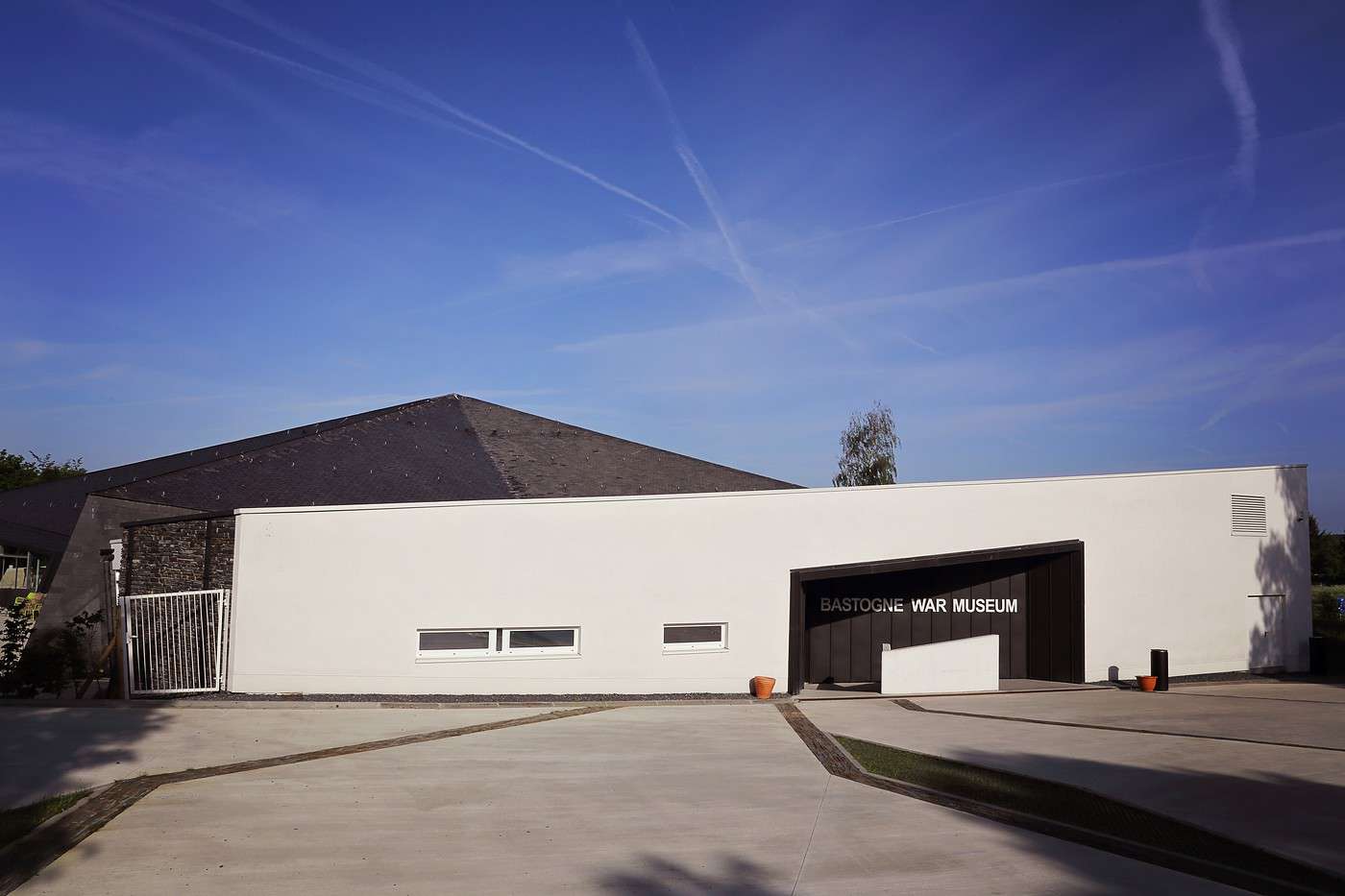
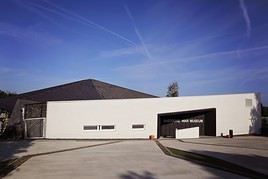
        Bastogne War Museum, Bastogne, Belgique
        Bastogne War Museum
        Next to the Mardasson Memorial, the site highlights the events and consequences of the Second World War through the Battle of the Bulge. It is one of the main memorial sites dedicated to 1939–1945 in Belgium and northern France.
        Piconrue Museum
        A museum dedicated to ethnology, legends, religious art, and popular beliefs in the Ardennes and Luxembourg.
        Museum of the 1st Field Artillery Regiment
        A museum dedicated to this unit of the U.S. Army, from its creation (1836) to the present day.
        101st Airborne Museum
        This museum covers the key events of the Battle of the Bulge.

        In the Surrounding Area

        Climate and Weather in Bastogne

        Transport

        Getting There

        Getting Around

        Accommodation

        Food

        Useful Addresses

        Further Information

        View guide page: Bastogne

        Piconrue Museum

        Preview temporarily unavailable.

        Bastogne War Museum

        Preview temporarily unavailable.

        Bastogne Barracks

        Preview temporarily unavailable.

        Museum of the 1st Field Artillery Regiment

        Preview temporarily unavailable.

        Ardenne Country

        Preview temporarily unavailable.

        101st Airborne Museum

        Preview temporarily unavailable.

        Binche

        The city in Hainaut is known for its carnival, which is the most famous in Belgium. It is also its only tourist attraction.

        Overview of Binche

        The city in Hainaut is known for its carnival, which is the most famous in Belgium. It is also its only tourist attraction.

        Key Facts

        • Type of place: small town.
        • Tourist interest: (worth a stop if you are in the area).
        • Location:
        • Distances:
        • Local time: Heure : 9832.
        • Population: 33,614 inhabitants (2015).
        • Area: 60.66 km².
        • Altitude:

        History of Binche

        What to See and Do in Binche

        In the Surrounding Area

        Climate and Weather in Binche

        Transportation

        Getting There

        Getting Around

        Accommodation

        Food

        Useful Addresses

        Further Information

        View guide page: Binche

        Charleroi

        This major city in the heart of the former coal-mining region is not particularly touristy. It is best known for its airport, Charleroi Brussels-South, the country’s second-busiest with around 6 million passengers (low-cost).

        Overview of Charleroi

        This major city in the heart of the former coal-mining region is not particularly touristy. It is best known for its airport, Charleroi Brussels-South, the country’s second-busiest with around 6 million passengers (low-cost).

        Key facts

        • Type of place: city.
        • Tourist interest: (worth a stop if you are in the area).
        • Location:
        • Distances:
        • Local time: Heure : 9833.
        • Population: 201,256 inhabitants (2017).
        • Area: 102.08 km².
        • Altitude:

        History of Charleroi

        What to see and do in Charleroi

        In the surrounding area

        Climate and weather in Charleroi

        Transport

        Getting there

        Getting around

        Accommodation

        Eating

        Useful addresses

        Further information

        View guide page: Charleroi

        Dinant

        On the banks of the Meuse, the town is visited for its hilltop citadel, its 13th-century collegiate church, and the Grotte la Merveilleuse. You can also enjoy the many river cruises on the Meuse departing from Dinant.

        Overview of Dinant

        On the banks of the Meuse, Dinant is visited for its hilltop citadel, its 13th-century collegiate church, and the Grotte la Merveilleuse. You can also enjoy the many river cruises on the Meuse departing from Dinant.

        Key Facts

        • Type of place: small town.
        • Tourist interest: (worth seeing).
        • Location:
        • Distances:
        • Local time: Heure : 9834.
        • Population: 13,544 inhabitants (2018).
        • Area: 99.80 km².
        • Altitude:

        History of Dinant

        What to See and Do in Dinant

        On the banks of the Meuse, in a picturesque setting dominated by the Citadel and rocky spires like the Rocher Bayard, the town offers a certain religious heritage (Collegiate Church, Abbey of Notre-Dame de Leffe...) as well as some charming houses.

        La Merveilleuse Cave
        One of Belgium's main show caves.
        Mosan Medieval Heritage House
        In a beautiful building, a rendezvous with the Meuse, its castles, its towns, and its history.

        In the Surrounding Area

        Vallée de la Meuse, Belgique
        Meuse Valley
        The Meuse flowing through Wallonia is a major tourist destination, with its beautiful landscapes that can be explored on cruises—particularly from Dinant—or by bike.

        Climate and Weather in Dinant

        Transportation

        Getting There

        Getting Around

        Accommodation

        Dining

        Useful Addresses

        Further Information

        View guide page: Dinant

        Mosan Medieval Heritage House

        Preview temporarily unavailable.

        La Merveilleuse Cave

        Preview temporarily unavailable.

        Durbuy

        Its tourist slogan claims Durbuy is "the smallest city in the world". But this is mainly a marketing tagline.

        Overview of Durbuy

        Its tourist slogan claims Durbuy is "the smallest city in the world". But this is mainly a marketing tagline.

        Key facts

        • Type of place: small town.
        • Tourist interest: (worth a stop if you are in the area).
        • Location:
        • Distances:
        • Local time: Heure : 9835.
        • Population: 11,459 inhabitants (2017).
        • Area: 156.61 km².
        • Altitude:

        History of Durbuy

        What to see and do in Durbuy

        In the surrounding area

        Climate and weather in Durbuy

        Transport

        Getting there

        Getting around

        Accommodation

        Food

        Useful addresses

        Further information

        View guide page: Durbuy

        La Louvière

        This industrial city is home to the four UNESCO-listed boat lifts of the Canal du Centre, located on its outskirts.

        Overview of La Louvière

        This industrial city is home to the four UNESCO-listed boat lifts of the Canal du Centre, located on its outskirts.

        Key Facts

        • Type of place: city.
        • Tourist interest: (worth a stop if you are in the area).
        • Location:
        • Distances:
        • Local time: Heure : 9836.
        • Population: 80,719 (2017).
        • Area: 64.24 km².
        • Altitude:

        History of La Louvière

        What to See and Do in La Louvière

        Ascenseurs à bateaux du Canal du Centre, La Louvière, Belgique
        Boat Lifts of the Canal du Centre
        Located in La Louvière (and Le Roeulx), these four "locks" from the late 19th to early 20th century are UNESCO World Heritage sites for their technological significance at the time.

        In the Surrounding Area

        Climate and Weather

        Transportation

        Getting There

        Getting Around

        Accommodation

        Dining

        Useful Addresses

        1. == Additional Information
        View guide page: La Louvière

        Boat Lifts of the Canal du Centre

        Preview temporarily unavailable.

        Liège

        Belgium’s third-largest city boasts historic quarters and a rich religious heritage. It’s also a lively university town. Overview of Liège Climate and Weather in Liège What to See in Liège Things to Do in Liège Flying to Liège Getting to Liège by Land Getting Around Liège Sleeping and Eating in Liège Living in Liège

        Further Information

        View guide page: Liège

        Overview of Liège

        Preview temporarily unavailable.

        Climate and Weather in Liège

        Preview temporarily unavailable.

        What to See in Liège

        Preview temporarily unavailable.

        Things to Do in Liège

        Preview temporarily unavailable.

        Flying to Liège

        Preview temporarily unavailable.

        Getting to Liège by Land

        Preview temporarily unavailable.

        Getting Around Liège

        Preview temporarily unavailable.

        Sleeping and Eating in Liège

        Preview temporarily unavailable.

        Living in Liège

        Preview temporarily unavailable.

        Louvain-la-Neuve

        Preview temporarily unavailable.

        Mons

        Preview temporarily unavailable.

        Namur

        Preview temporarily unavailable.

        Spa

        Preview temporarily unavailable.

        Torgny

        Preview temporarily unavailable.

        Tournai

        Preview temporarily unavailable.

        Neolithic Flint Mines of Spiennes

        Preview temporarily unavailable.

        Orval Abbey

        Preview temporarily unavailable.

        Villers Abbey

        Preview temporarily unavailable.

        Bouillon Castle

        Preview temporarily unavailable.

        Corroy Castle

        Preview temporarily unavailable.

        Lavaux Castle - Sainte Anne

        Preview temporarily unavailable.

        Vêves Castle

        Preview temporarily unavailable.

        Belgian Ardennes

        Preview temporarily unavailable.

        Han-sur-Lesse Caves

        Preview temporarily unavailable.

        Hautes Fagnes Nature Reserve

        Preview temporarily unavailable.

        Meuse Valley

        Preview temporarily unavailable.

        Mining Sites of Wallonia

        Preview temporarily unavailable.

        Geography and Environment of Belgium

        Country Landscape

        Natural Areas

        Réserve naturelle des Hautes Fagnes, Belgique
        Réserve naturelle des Hautes Fagnes, Belgique · © VoyageForum

        Wildlife and Flora

        View guide page: Geography and Environment of Belgium

        Climate and Weather in Belgium

        Climate Overview

        Belgium has a temperate oceanic climate with fairly cool summers and quite pronounced winters, though they are not freezing except when approaching the Ardennes. Regardless of the season, showers are quite common (slightly less so in spring), with roughly one in three days being rainy each month.

        Best Climate Period for Belgium

        For the most pleasant temperatures, June to September is the best period.

        Jan.Feb.Mar.Apr.MayJun.Jul.Aug.Sep.Oct.Nov.Dec.
        Climate

        : very favorable | : favorable | : moderately favorable | : unfavorable.

        Sea Temperature Throughout the Year

        The water temperature in the North Sea remains quite cool, even bordering on cold in summer.

        Jan.Feb.Mar.Apr.MayJun.Jul.Aug.Sep.Oct.Nov.Dec.
        Zeebrugge6668111316171614119

        Climate and Weather in Brussels

        Additional Information

        View guide page: Climate and Weather in Belgium

        History of Belgium

        History of Belgium

        Château de Bouillon, Belgique
        Château de Bouillon, Belgique · © VoyageForum

        Key Dates

        View guide page: History of Belgium

        Culture and Customs of Belgium

        Arts, Crafts, and Architecture

        Arts

        Crafts

        Architecture

        Museums

        Customs and Traditions

        Local Traditions

        Etiquette

        Dress and Behavior

        Sensitive or Taboo Topics

        Languages

        Glossary

        A few local words or expressions useful to know when traveling:

        Festivals and Celebrations

        Major Events and Public Holidays

        Books, Films, and Music

        View guide page: Culture and Customs of Belgium

        What to See in Belgium

        Belgium has eleven sites inscribed on the UNESCO World Heritage list, including several "ensembles": Belfries of Flanders and Wallonia (1999): A total of 33 belfries in Belgium (plus others in northern France) are classified by UNESCO for their architectural…

        Read the full guide: What to See in Belgium

        Things to Do in Belgium

        Beaches and Seaside Resorts

        Coxyde, Belgique
        Coxyde, Belgique · © VoyageForum

        Water Activities

        Thalassotherapy and Wellness

        Hiking

        Hiking on Foot

        Cycling

        Horseback Riding

        Outdoor Sports

        Golf

        Skiing

        It's in the area of the Belgian Ardennes, the highest part of the country, where you can go cross-country skiing and even downhill skiing at several small resorts (Baraque de Fraiture, Val de Wanne...).

        Other Activities

        Canoeing and kayaking:

        Paragliding and aerial sports:

        Caving:

        Cultural Life and Activities

        Nightlife and Going Out

        View guide page: Things to Do in Belgium

        Types of Travel in Belgium

        Travel Themes

        • Interests (on ): Nature ; Adventure / ; Culture ; Relaxation-holidays / .

        Nature-Adventure

        Culture

        Like many European countries, Belgium offers visitors a rich cultural heritage to discover in its cities and villages. The numerous museums, religious buildings, stunning structures, and monuments from different eras, as well as specific cultures and traditions, are all highlights that will delight cultural travel enthusiasts. Cities like Brussels or Bruges alone justify a visit to the country.

        Relaxation-Holidays

        Independent Travel

        Belgium is a very easy destination for independent travel, perfect for beginner travelers, and poses no problems.

        Organized Travel

        There are hardly any—or very few—package tours offered by tour operators, but rather a selection of à la carte services.

        Family

        To Do

        To Avoid

        Senior

        Female Traveler

        Gay, Lesbian

        Disability

        View guide page: Types of Travel in Belgium

        When and Where to Go in Belgium

        Best Times to Visit Belgium

        Finding the best time to visit involves balancing climate conditions with crowd levels and the most attractive prices for travel and on-site expenses.

        While June to September offers the best weather, it also attracts the most visitors—especially in July and August—as do spring holidays and long weekends, which draw crowds too, particularly to Brussels and Bruges. In short, the ideal time to travel is between late April and late September, prioritizing periods outside school holidays and public holidays—mainly May-June and September. As for winter, while the weather isn’t ideal for exploring nature, it’s perfect for visiting cities and their museums in peace, far from the crowds.

        Jan.Feb.Mar.Apr.MayJun.Jul.Aug.Sep.Oct.Nov.Dec.
        Climate
        Avoid crowds
        Low prices

        : very favorable | : favorable | : moderately favorable | : unfavorable.

        Where to Go by Travel Style and Interest

        View guide page: When and Where to Go in Belgium

        Flying to Belgium

        Due to its proximity to Belgium and especially the competition from trains, Paris only has one direct route to Brussels. It is operated from Roissy Airport by Brussels Airlines, notably as a feeder service to the airline's Brussels hub. Unlike Paris, the…

        Read the full guide: Flying to Belgium

        Getting to Belgium by Land or Sea

        By Land

        Belgium shares 645 km of common border with France, 478 km with Netherlands, 153 km with Germany and 150 km with Luxembourg. Road and rail crossing points between the countries are numerous and pose no problems. Moreover, as all are members of the Schengen Area, there is no border control under "normal circumstances".

        By Road

        By Train

        Less well-known than the Eurostar, Thalys is the train line connecting France (Paris) to Belgium (Brussels) and beyond to Germany (Cologne) and the Netherlands (Amsterdam).

        By Sea

        Ferries

        Cargo

        Cruises

        Sailboats

        View guide page: Getting to Belgium by Land or Sea

        Getting Around Belgium

        Road Network, Traffic

        Car, Camper Van

        Personal Vehicle

        Rental

        Bus

        Two Wheels

        Motorcycle

        Bicycle

        Hitchhiking and Carpooling

        Trains

        Boats

        Domestic Flights

        Given Belgium’s small size, its good road and public transport networks, there are no domestic flights in the country.

        In Town

        Taxis

        Public Transport

        Urban buses:

        Metro:

        Tram:

        On Foot or by Bike

        What to Choose for Getting Around?

        Distances Between Cities

        Distances (km) between the main cities and tourist sites in the country:

        AntwerpBast.BrugesBrusselsCharleroiKortrijkGhentLiègeLeuvenMonsNamurYpres
        Antwerp45
        Bastogne150
        Bruges100
        Brussels4515010070955595308070125
        Charleroi70
        Kortrijk95
        Ghent55
        Liège95
        Leuven30
        Mons80
        Namur70
        Ypres125
        View guide page: Getting Around Belgium

        Entry Requirements and Visa for Belgium

        Travelers

        For a trip with a tourist purpose.

        For French Citizens

        A valid passport or national identity card is sufficient. That said, Belgium is part of the Schengen Area and is therefore theoretically border-control-free when arriving from another member country.

        Other Nationalities

        The same applies to Canadians (stay of less than 3 months), Swiss nationals, European Union citizens, and a few other nationalities. For other visitors, a Schengen visa valid for the 26 member states is required for a tourist stay of less than 3 months.

        Long Stays

        In Case of Offense

        Vehicles

        No special requirements for vehicles already circulating within the Schengen Area.

        Consulates

        In France

        Consulates in Regions and Overseas Territories

        Other Countries

        Canada:

        Luxembourg:

        Switzerland:

        View guide page: Entry Requirements and Visa for Belgium

        Money, Budget, and Shopping in Belgium

        Money

        Currency

        • Currency: Euro (100 cents).
        • Banknotes: 5, 10, 20, 50, 100, 200 and 500 €.
        • Coins: 1, 2, 5, 10, 20 and 50 cents + 1 and 2 €.
        • Exchange:

        Exchange

        For those outside the eurozone, banks and exchange bureaus accept major currencies. ATMs are also widely available.

        Payment methods

        You can pay in cash or by card (no fees for euro-denominated accounts), just like in France. Note that 500 € banknotes are often refused by merchants, as are 100 € and 200 € notes in some cases.

        Budget

        What can be expensive

        What can be inexpensive

        Price range

        • Budget accommodation::
        • Mid-range double room:
        • Mid-range restaurant meal:
        • Budget car rental:
        • 100 km by bus:
        • 100 km by train:
        • Urban taxi:
        • Urban bus:

        Bargaining and tipping

        Shopping and souvenirs

        What to bring back

        View guide page: Money, Budget, and Shopping in Belgium

        Health and Safety in Belgium

        Official Recommendations

        In France, both for individuals and professionals, the "travel advice" from the Ministry of Foreign Affairs regarding precautions for each country has legal value. A similar online travel advice system exists in several countries:

        Health

        No vaccinations are mandatory to enter the country, though it’s still best to be up to date with your "basic vaccinations."

        Illnesses and Hygiene

        Nothing particular to report.

        Local Healthcare Facilities

        Local infrastructure is excellent. For healthcare, nationals of countries in the European Economic Area must present their European Health Insurance Card (formerly form E-111), which guarantees the same rights to everyone—otherwise, they may have to pay their medical expenses. Other visitors will need to rely on their insurance or pay the full cost of care.

        Safety

        Crime and Delinquency

        Scams and "Tourist" Harassment

        Socio-Political Risks

        Climate and Nature

        Foreign Consulates on Site

        If you encounter problems while traveling abroad, your country’s consular services can assist you. It’s also worth noting that if you’re an EU national and your country isn’t represented, you can contact any other EU member state’s representation.

        France

        Other Countries

        Canada:

        Luxembourg:

        Switzerland:

        View guide page: Health and Safety in Belgium

        Other practical information for Belgium

        Luggage and equipment to pack

        From June to September, you can consider fairly light clothing for the day and something warmer for evenings or mornings, which can sometimes be chilly. From November to March, opt for warm clothing, and in between (April-May and October), pack mid-season clothes that still offer good protection. It’s also useful to bring rain gear year-round, as rain is common at any time of year.

        Communications

        Phone

        International dialing code: (00 +) 32.

        Internet

        As in the rest of Europe, the internet is well-developed, and Wi-Fi is widely available in many hotels, bars, restaurants, and other public places.

        Post

        Time difference

        Local time: Heure : 4445.

        Belgium, like its neighbors including France, is on UTC+1 with daylight saving time. There is therefore no time difference with them.

        Electricity

        230 V (50 Hz) with "French" plugs (officially type E), which will require an adapter for North American plugs.

        Opening hours

        Laundromats

        Local tourist offices

        Weights and measures

        Belgium uses the metric and decimal system.

        Using French

        Press and media

        View guide page: Other practical information for Belgium

        Something wrong or out of date? Report this page