last edited Dec 11, 2019
What to See in Belarus
Contributionsversion #1created Dec 11, 2019Report this pageLatest contributions in this guideContributors to this guide
Location Map of Belarus
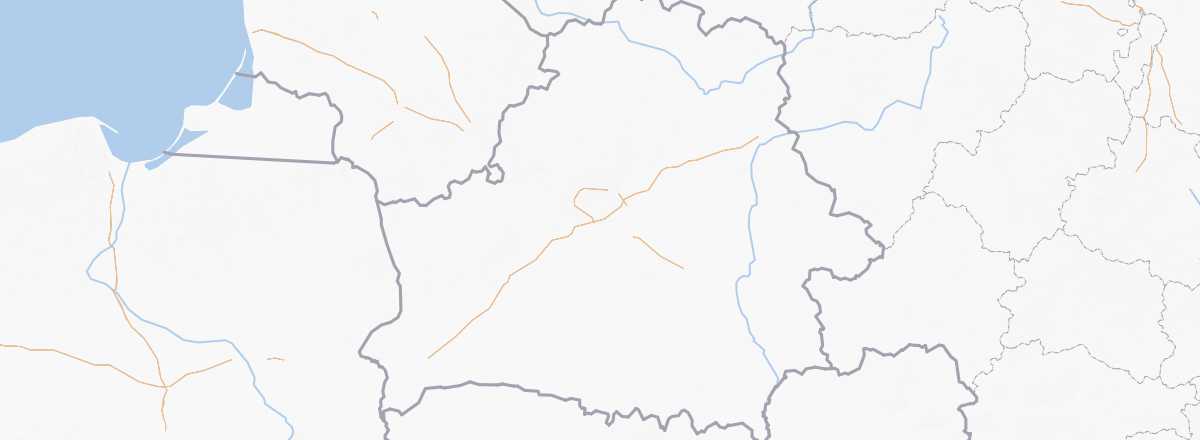 Belarus
Open the interactive map
Belarus
Open the interactive map
UNESCO World Heritage Sites
In addition to the Struve Geodetic Arc that crosses the country, Belarus has three sites inscribed on the UNESCO World Heritage list:
Białowieża Forest (1979)
This vast forest park spanning both Poland and Belarus is a UNESCO World Heritage site. It is home to populations of horses, wolves, birds, and especially European bison.
This vast forest park spanning both Poland and Belarus is a UNESCO World Heritage site. It is home to populations of horses, wolves, birds, and especially European bison.
Mir Castle (2000)
This medieval fortress in the village of the same name is part of the UNESCO World Heritage List.
This medieval fortress in the village of the same name is part of the UNESCO World Heritage List.
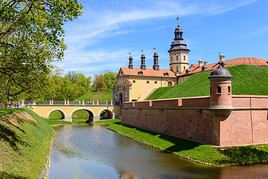
Nesvizh (2005)
The town, with its residential palace, is a UNESCO World Heritage Site for its "architectural, residential, and cultural ensemble". It is one of the highlights of Belarusian tourism.
The town, with its residential palace, is a UNESCO World Heritage Site for its "architectural, residential, and cultural ensemble". It is one of the highlights of Belarusian tourism.
Cities and Cultural Heritage
Brest
The city, on the Polish border, boasts a charming architectural blend where Russian, Soviet, and Polish influences intersect. Brest is also home to an old fortress from the Russian Empire and a striking memorial commemorating the 1941 battle fought here. The Białowieża Forest, with its bison, is not far away.
The city, on the Polish border, boasts a charming architectural blend where Russian, Soviet, and Polish influences intersect. Brest is also home to an old fortress from the Russian Empire and a striking memorial commemorating the 1941 battle fought here. The Białowieża Forest, with its bison, is not far away.
Kosava Castle
An impressive neo-Gothic edifice from the early 19th century, now more or less in ruins, in the town of the same name.
An impressive neo-Gothic edifice from the early 19th century, now more or less in ruins, in the town of the same name.
Mir Castle
This medieval fortress in the village of the same name is part of the UNESCO World Heritage List.
This medieval fortress in the village of the same name is part of the UNESCO World Heritage List.
Grodno
A major city near the border with Poland and Lithuania, Grodno features a variety of historical and religious buildings from different eras and architectural styles.
A major city near the border with Poland and Lithuania, Grodno features a variety of historical and religious buildings from different eras and architectural styles.
Khatyn Memorial
On the site of this village, whose population was massacred by the Nazis in 1943, stands a striking memorial commemorating the event. Not to be confused with the Katyn memorial in Russia, where thousands of Poles were also massacred by the Soviet secret police in 1940.
On the site of this village, whose population was massacred by the Nazis in 1943, stands a striking memorial commemorating the event. Not to be confused with the Katyn memorial in Russia, where thousands of Poles were also massacred by the Soviet secret police in 1940.
Minsk
The capital and largest city of the country, Minsk was largely rebuilt after the Second World War in the purest Stalinist style. There are a few museums and churches to see, along with opportunities for outdoor activities in the surrounding area (swimming and boating at Minskaje Mora or skiing at the Silichy resort in Lahojsk).
The capital and largest city of the country, Minsk was largely rebuilt after the Second World War in the purest Stalinist style. There are a few museums and churches to see, along with opportunities for outdoor activities in the surrounding area (swimming and boating at Minskaje Mora or skiing at the Silichy resort in Lahojsk).
Nesvizh
The town, with its residential palace, is a UNESCO World Heritage Site for its "architectural, residential, and cultural ensemble". It is one of the highlights of Belarusian tourism.
The town, with its residential palace, is a UNESCO World Heritage Site for its "architectural, residential, and cultural ensemble". It is one of the highlights of Belarusian tourism.
Ruzhany Palace
A partly restored 17th-century grand palace in the village of the same name, between Brest and Minsk.
A partly restored 17th-century grand palace in the village of the same name, between Brest and Minsk.
Pinsk
A charming city with its religious buildings and historic structures dating from the 17th to 19th centuries.
A charming city with its religious buildings and historic structures dating from the 17th to 19th centuries.
Polotsk
A mid-sized city in northern Belarus with a few interesting buildings, such as its cathedral.
A mid-sized city in northern Belarus with a few interesting buildings, such as its cathedral.
Synkavichy
The village is known for housing a fine example of a fortified church, similar to those still found in a few other towns in the country, such as Muranaka.
The village is known for housing a fine example of a fortified church, similar to those still found in a few other towns in the country, such as Muranaka.
Vitebsk
A city traditionally known for art and culture, Vitebsk is the birthplace of the painter Chagall, to whom it has dedicated a museum.
A city traditionally known for art and culture, Vitebsk is the birthplace of the painter Chagall, to whom it has dedicated a museum.
Natural Heritage
Augustów Canal
This canal with locks spanning around a hundred kilometres, running from Poland (Augustów) to Belarus (Grodno), serves a partly tourist purpose. You can hike along its banks or explore it by canoe, kayak, or houseboat.
This canal with locks spanning around a hundred kilometres, running from Poland (Augustów) to Belarus (Grodno), serves a partly tourist purpose. You can hike along its banks or explore it by canoe, kayak, or houseboat.
Białowieża Forest
This vast forest park spanning both Poland and Belarus is a UNESCO World Heritage site. It is home to populations of horses, wolves, birds, and especially European bison.
This vast forest park spanning both Poland and Belarus is a UNESCO World Heritage site. It is home to populations of horses, wolves, birds, and especially European bison.
Braslaw Lakes
This area features around thirty small lakes and forests surrounding the town of the same name. The site is a designated nature reserve with a rich wildlife (bears, lynx, birds, etc.) and is also popular for outdoor activities (swimming, canoeing, hiking, etc.).
This area features around thirty small lakes and forests surrounding the town of the same name. The site is a designated nature reserve with a rich wildlife (bears, lynx, birds, etc.) and is also popular for outdoor activities (swimming, canoeing, hiking, etc.).
Lake Narach
The largest lake in Belarus, not far from Lithuania. It has become a nature park and a popular recreational area for locals.
The largest lake in Belarus, not far from Lithuania. It has become a nature park and a popular recreational area for locals.
Prypyatski National Park
A park of forests, lakes, and marshes in the southern part of the country, with rich aquatic wildlife and flora.
A park of forests, lakes, and marshes in the southern part of the country, with rich aquatic wildlife and flora.
Recommended
Nesvizh
★★★ The town, with its residential palace, is a UNESCO World Heritage Site for its "architectural, residential, and cultural ensemble". It is…
Worth a look / Other
Brest (Belarus)
★★ The city, on the Polish border, boasts a charming architectural blend where Russian, Soviet, and Polish influences intersect. Brest is also…
Kosava Castle
★★ An impressive neo-Gothic edifice from the early 19th century, now more or less in ruins, in the town of the same name.
Mir Castle
★★ This medieval fortress in the village of the same name is part of the UNESCO World Heritage List.
Białowieża Forest
★★ This vast forest park spanning both Poland and Belarus is a UNESCO World Heritage site. It is home to populations of horses, wolves, birds…
Braslaw Lakes
★★ This area features around thirty small lakes and forests surrounding the town of the same name. The site is a designated nature reserve…
Ruzhany Palace
★★ A partly restored 17th-century grand palace in the village of the same name, between Brest and Minsk.
Pinsk
★★ A charming city with its religious buildings and historic structures dating from the 17th to 19th centuries.
Augustów Canal
★ This canal with locks spanning around a hundred kilometres, running from Poland (Augustów) to Belarus (Grodno), serves a partly tourist…
Gomel
★ The country’s second-largest city (also called Homiel) is hardly touristy at all.
Grodno
★ A major city near the border with Poland and Lithuania, Grodno features a variety of historical and religious buildings from different eras…
Lake Narach
★ The largest lake in Belarus, not far from Lithuania. It has become a nature park and a popular recreational area for locals.
Lida
★ A fairly large city near Lithuania with a 14th-century citadel.
Khatyn Memorial
★ On the site of this village, whose population was massacred by the Nazis in 1943, stands a striking memorial commemorating the event. Not…
Minsk
★ The capital and largest city of the country, Minsk was largely rebuilt after the Second World War in the purest Stalinist style. There are…
Navahrudak
★ A small town with several churches and the ruins of a medieval castle.
Prypyatski National Park
★ A park of forests, lakes, and marshes in the southern part of the country, with rich aquatic wildlife and flora.
Polotsk
★ A mid-sized city in northern Belarus with a few interesting buildings, such as its cathedral.
Synkavichy
★ The village is known for housing a fine example of a fortified church, similar to those still found in a few other towns in the country…
Vitebsk
★ A city traditionally known for art and culture, Vitebsk is the birthplace of the painter Chagall, to whom it has dedicated a museum.