last edited Dec 11, 2019
What to See in Berlin
Contributionsversion #1created Dec 11, 2019Report this pageLatest contributions in this guideContributors to this guide
Location Map of Berlin
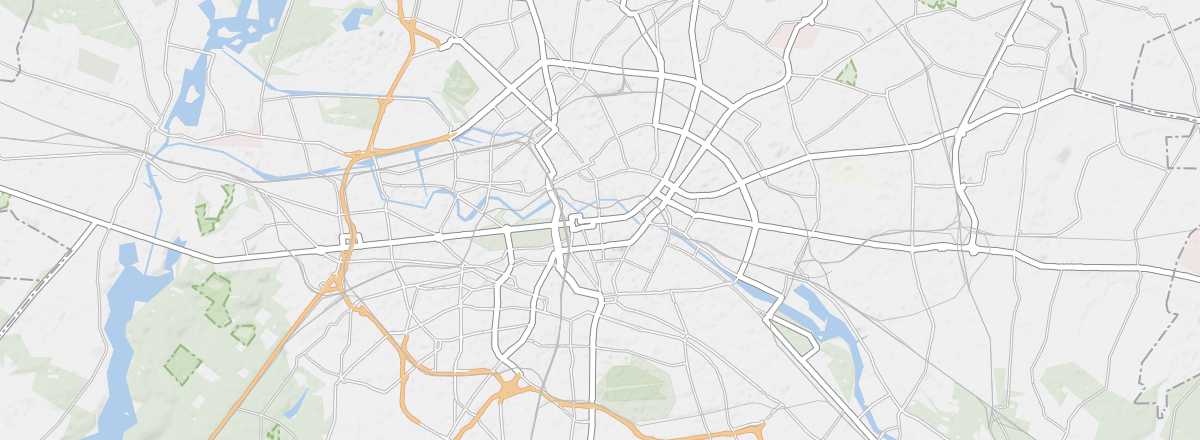 Berlin
Open the interactive map
Overview
UNESCO World Heritage Sites
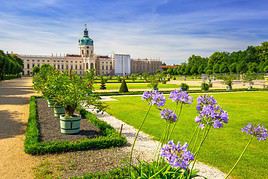
Palaces and Parks of Berlin
Spread across Berlin and especially Potsdam, these include 500 hectares of parks and 150 structures (including several palaces) built between 1730 and 1916, all listed as UNESCO World Heritage sites.
Spread across Berlin and especially Potsdam, these include 500 hectares of parks and 150 structures (including several palaces) built between 1730 and 1916, all listed as UNESCO World Heritage sites.
Berlin Modernism Housing Estates
A collection of six social housing estates built between 1913 and 1934 in Berlin's outer districts. The entire complex is a UNESCO World Heritage site.
A collection of six social housing estates built between 1913 and 1934 in Berlin's outer districts. The entire complex is a UNESCO World Heritage site.
Museum Island Berlin
Or in English, Museum Island. It comprises five museums on a site established in the early 19th century, housing one of the world's richest art collections.
Or in English, Museum Island. It comprises five museums on a site established in the early 19th century, housing one of the world's richest art collections.
Neighborhoods and Tourist Areas
Berlin-Mitte
Berlin’s city centre, with its eclectic mix of architecture. It’s home to many of the city’s tourist sites and historical landmarks (Brandenburg Gate, Alexanderplatz, Checkpoint Charlie, Berlin Cathedral, and more), as well as several museums.
Berlin’s city centre, with its eclectic mix of architecture. It’s home to many of the city’s tourist sites and historical landmarks (Brandenburg Gate, Alexanderplatz, Checkpoint Charlie, Berlin Cathedral, and more), as well as several museums.
Berlin: Prenzlauer Berg
This is one of those districts in the capital that has gone from working-class and alternative to "trendy" in just a few years.
This is one of those districts in the capital that has gone from working-class and alternative to "trendy" in just a few years.
Kreuzberg
This former working-class district (with a large Turkish minority) and alternative hub has gentrified somewhat in recent years, becoming a trendy and lively spot day and night, popular with Berlin’s youth.
This former working-class district (with a large Turkish minority) and alternative hub has gentrified somewhat in recent years, becoming a trendy and lively spot day and night, popular with Berlin’s youth.
Kurfürstendamm
At 3.5 kilometres long, Ku'damm is one of Berlin’s main shopping streets (and an upscale one at that). It draws quite a crowd, both locals and tourists.
At 3.5 kilometres long, Ku'damm is one of Berlin’s main shopping streets (and an upscale one at that). It draws quite a crowd, both locals and tourists.
Scheunenviertel
Once a poor district, it has now become one of the trendiest spots in the capital, with its art galleries, boutiques, bars, and restaurants. It’s also home to the New Synagogue, a testament to Scheunenviertel’s Jewish past.
Once a poor district, it has now become one of the trendiest spots in the capital, with its art galleries, boutiques, bars, and restaurants. It’s also home to the New Synagogue, a testament to Scheunenviertel’s Jewish past.
Monuments and Architectural Ensembles

Alexanderplatz
One of the city's main activity hubs, it was the center of East Berlin during the GDR era. Its architecture still clearly reflects the socialist style of the period.
One of the city's main activity hubs, it was the center of East Berlin during the GDR era. Its architecture still clearly reflects the socialist style of the period.
Palaces and Parks of Berlin
Spread across Berlin and especially Potsdam, these include 500 hectares of parks and 150 structures (including several palaces) built between 1730 and 1916, all listed as UNESCO World Heritage sites.
Spread across Berlin and especially Potsdam, these include 500 hectares of parks and 150 structures (including several palaces) built between 1730 and 1916, all listed as UNESCO World Heritage sites.

Charlottenburg Palace
One of Berlin’s most beautiful palaces, built in the late 17th century in the Baroque-Rococo style and surrounded by stunning gardens. Charlottenburg also houses a porcelain museum and a prehistory museum.
One of Berlin’s most beautiful palaces, built in the late 17th century in the Baroque-Rococo style and surrounded by stunning gardens. Charlottenburg also houses a porcelain museum and a prehistory museum.
Berlin Modernism Housing Estates
A collection of six social housing estates built between 1913 and 1934 in Berlin's outer districts. The entire complex is a UNESCO World Heritage site.
A collection of six social housing estates built between 1913 and 1934 in Berlin's outer districts. The entire complex is a UNESCO World Heritage site.

Berlin TV Tower
Or Television Tower. Once a pride of East Berlin at 368 metres tall, the structure offers a remarkable view from its observation deck. It is one of the city's most visited sites.
Or Television Tower. Once a pride of East Berlin at 368 metres tall, the structure offers a remarkable view from its observation deck. It is one of the city's most visited sites.

Karl-Marx Allee
It was the socialist-era equivalent of Unter den Linden during the time of the two Germanies. You can still see GDR-style architecture here.
It was the socialist-era equivalent of Unter den Linden during the time of the two Germanies. You can still see GDR-style architecture here.

Brandenburg Gate
Along with the Berlin Wall, it is the symbol – including of the division during the era of the two Berlins – of the city.
Along with the Berlin Wall, it is the symbol – including of the division during the era of the two Berlins – of the city.

Potsdamer Platz
Once divided by the Berlin Wall, this square is now home to numerous buildings from the 1990s and 2000s. Alongside several cinemas (including a dedicated museum and the Boulevard of Stars), shopping centres, bars, and restaurants, you’ll find three massive glass-and-steel structures, including the Sony Center. Over time, Potsdamer Platz has become a lively and highly touristic spot.
Once divided by the Berlin Wall, this square is now home to numerous buildings from the 1990s and 2000s. Alongside several cinemas (including a dedicated museum and the Boulevard of Stars), shopping centres, bars, and restaurants, you’ll find three massive glass-and-steel structures, including the Sony Center. Over time, Potsdamer Platz has become a lively and highly touristic spot.

Reichstag
Restored a few decades ago, this building (best known for the 1933 fire) that houses the German Parliament can be visited in part.
Restored a few decades ago, this building (best known for the 1933 fire) that houses the German Parliament can be visited in part.
Radio Tower
From the platform (126 m) of this "visual symbol of Berlin" for a century now, you get a lovely panorama of the city.
From the platform (126 m) of this "visual symbol of Berlin" for a century now, you get a lovely panorama of the city.

Unter den Linden
Lined with lime trees (hence the name), this is one of Berlin’s main thoroughfares—and the most famous. It’s flanked by some of the city’s finest buildings and monuments before ending at the Brandenburg Gate.
Lined with lime trees (hence the name), this is one of Berlin’s main thoroughfares—and the most famous. It’s flanked by some of the city’s finest buildings and monuments before ending at the Brandenburg Gate.
Religious Buildings

Berlin Cathedral
This imposing building in the Italian Renaissance style is just over a century old. It is recognisable by its domes.
This imposing building in the Italian Renaissance style is just over a century old. It is recognisable by its domes.

Friedrichswerder Church
This is an imposing 19th-century neo-Gothic building. It houses the K.F. Schinkel Museum, featuring classical sculptures and, above all, a presentation of the work of this architect, who left a significant mark on the city and Prussia through his designs.
This is an imposing 19th-century neo-Gothic building. It houses the K.F. Schinkel Museum, featuring classical sculptures and, above all, a presentation of the work of this architect, who left a significant mark on the city and Prussia through his designs.

Kaiser Wilhelm Memorial Church
This late 19th-century church stands out for its destroyed spire—left as it was after World War II. The building was completed in the 1960s with a memorial to the destruction caused by the conflict.
This late 19th-century church stands out for its destroyed spire—left as it was after World War II. The building was completed in the 1960s with a memorial to the destruction caused by the conflict.

New Synagogue
Built in the mid-19th century in an "original" style blending Moorish and Indian architecture, the site, beyond its religious purpose, hosts various exhibitions on the history of the synagogue and Berlin's Jewish community.
Built in the mid-19th century in an "original" style blending Moorish and Indian architecture, the site, beyond its religious purpose, hosts various exhibitions on the history of the synagogue and Berlin's Jewish community.
Museums
Among the many museums in the city that make Berlin one of Europe's top cultural destinations, notable ones include:

Alte Nationalgalerie
Despite its appearance as an ancient temple, the "Old National Gallery" is a museum. It showcases 19th-century German paintings and sculptures, as well as a collection of French Impressionists.
Despite its appearance as an ancient temple, the "Old National Gallery" is a museum. It showcases 19th-century German paintings and sculptures, as well as a collection of French Impressionists.

Bode Museum
This is a museum on Museum Island. The beautiful riverside building houses two thousand works of art, from antiquity to the early 19th century, including Old Master paintings and a renowned sculpture collection. It is also a museum of Byzantine art.
This is a museum on Museum Island. The beautiful riverside building houses two thousand works of art, from antiquity to the early 19th century, including Old Master paintings and a renowned sculpture collection. It is also a museum of Byzantine art.
Berlin Bunker
This massive World War II air-raid shelter has been converted into a contemporary art exhibition space.
This massive World War II air-raid shelter has been converted into a contemporary art exhibition space.
Brücke Museum
This place is dedicated to German Expressionism, featuring works from the early 20th century.
This place is dedicated to German Expressionism, featuring works from the early 20th century.

Checkpoint Charlie
During the Berlin Wall era, this was the main crossing point between East and West Berlin. Right next to it, the Wall Museum recounts its history and, indirectly, that of the thousand people who died trying to escape the socialist dictatorship.
During the Berlin Wall era, this was the main crossing point between East and West Berlin. Right next to it, the Wall Museum recounts its history and, indirectly, that of the thousand people who died trying to escape the socialist dictatorship.

East Side Gallery
This is actually the longest remaining section of the Berlin Wall, stretching 1,300 metres. Since its fall in 1989, it has served as an open-air gallery for street art (118 works in total) by established artists.
This is actually the longest remaining section of the Berlin Wall, stretching 1,300 metres. Since its fall in 1989, it has served as an open-air gallery for street art (118 works in total) by established artists.
Hamburg Station
This mid-19th-century station has housed a museum of contemporary and modern art since 1996.
This mid-19th-century station has housed a museum of contemporary and modern art since 1996.
Gemäldegalerie
Located in the Kulturforum, this art gallery is one of the world's most important museums of European painting from the 13th to the 18th century.
Located in the Kulturforum, this art gallery is one of the world's most important museums of European painting from the 13th to the 18th century.
Kulturforum
This is a complex of cultural buildings in the heart of the city. You can visit half a dozen museums here, including the Gemäldegalerie and the Berlin Museum of Decorative Arts.
This is a complex of cultural buildings in the heart of the city. You can visit half a dozen museums here, including the Gemäldegalerie and the Berlin Museum of Decorative Arts.

Holocaust Memorial
A field of 2,711 concrete stelae commemorating Jewish victims of the Holocaust, supplemented by an information centre. Berlin also has three other similar memorials dedicated to homosexuals, Roma, and victims of Nazi euthanasia.
A field of 2,711 concrete stelae commemorating Jewish victims of the Holocaust, supplemented by an information centre. Berlin also has three other similar memorials dedicated to homosexuals, Roma, and victims of Nazi euthanasia.
Berlin Wall Memorial
Even though little remains of the Wall today, this memorial, opened in 2011, traces its history and thus part of the city’s story. Right next to it is the Chapel of Reconciliation.
Even though little remains of the Wall today, this memorial, opened in 2011, traces its history and thus part of the city’s story. Right next to it is the Chapel of Reconciliation.
Museum of Decorative Arts in Berlin
This venue, part of the Kulturforum, showcases European decorative arts, featuring numerous pieces of furniture, porcelain, silverware, carpets, and other tapestries.
This venue, part of the Kulturforum, showcases European decorative arts, featuring numerous pieces of furniture, porcelain, silverware, carpets, and other tapestries.

Bauhaus Archive Museum
This striking building, with its original forms, aims to showcase the artistic contributions of the Bauhaus, one of the most influential art movements of the 20th century, in architecture, design, photography, and furniture.
This striking building, with its original forms, aims to showcase the artistic contributions of the Bauhaus, one of the most influential art movements of the 20th century, in architecture, design, photography, and furniture.
Bröhan Museum
Opposite Charlottenburg Palace, the museum is dedicated to Art Nouveau, Art Deco, and pre-war design.
Opposite Charlottenburg Palace, the museum is dedicated to Art Nouveau, Art Deco, and pre-war design.
German Historical Museum
Established during the era of the Federal Republic of Germany (FRG), this museum occupies the former arsenals of King Frederick I of Prussia and presents the country's history in chronological order. It is one of the most visited museums in the capital.
Established during the era of the Federal Republic of Germany (FRG), this museum occupies the former arsenals of King Frederick I of Prussia and presents the country's history in chronological order. It is one of the most visited museums in the capital.
Jewish Museum Berlin
This site, inaugurated in 2001, is one of Europe’s largest museums. It traces two millennia of Jewish history in Germany through permanent and temporary exhibitions.
This site, inaugurated in 2001, is one of Europe’s largest museums. It traces two millennia of Jewish history in Germany through permanent and temporary exhibitions.
Pergamon Museum
This is the main museum on Museum Island. Dedicated to archaeology (Antiquity and Islamic Art), it is famous for its monumental historical reproductions, such as the Market Gate of Miletus.
This is the main museum on Museum Island. Dedicated to archaeology (Antiquity and Islamic Art), it is famous for its monumental historical reproductions, such as the Market Gate of Miletus.
DDR Museum
This is one of many sites dedicated to "Berlin during the Wall" and, more broadly, to East Germany. It focuses on daily life and popular culture in the former GDR.
This is one of many sites dedicated to "Berlin during the Wall" and, more broadly, to East Germany. It focuses on daily life and popular culture in the former GDR.
Stasi Museum
In the former headquarters of the sinister Stasi, the East German secret police, the site is now a museum and research centre dedicated to the political system of the former East Germany.
In the former headquarters of the sinister Stasi, the East German secret police, the site is now a museum and research centre dedicated to the political system of the former East Germany.
Museum Island Berlin
Or in English, Museum Island. It comprises five museums on a site established in the early 19th century, housing one of the world's richest art collections.
Or in English, Museum Island. It comprises five museums on a site established in the early 19th century, housing one of the world's richest art collections.
Neues Museum
One of the museums on Museum Island. It is dedicated to the Roman world, ancient Egypt (including the famous bust of Nefertiti), and partly to Prehistory.
One of the museums on Museum Island. It is dedicated to the Roman world, ancient Egypt (including the famous bust of Nefertiti), and partly to Prehistory.
Parks, Gardens, and Natural Spaces

Grunewald
Berlin’s largest forested area, covering 3,000 hectares. A favourite with locals for outdoor activities, even in winter.
Berlin’s largest forested area, covering 3,000 hectares. A favourite with locals for outdoor activities, even in winter.
Peacock Island
In the middle of Lake Wannsee, this is a nature-reserve island that is home to peacocks that have lived there freely for centuries. You can also see a beautiful castle and its English-style landscaped garden.
In the middle of Lake Wannsee, this is a nature-reserve island that is home to peacocks that have lived there freely for centuries. You can also see a beautiful castle and its English-style landscaped garden.
Berlin Botanical Garden and Museum
A vast garden with 22,000 plant species, paired with a dedicated museum and home to the world’s largest greenhouse.
A vast garden with 22,000 plant species, paired with a dedicated museum and home to the world’s largest greenhouse.

Berlin Zoological Garden
It is the oldest zoo in Germany and one of the most significant in the world, with 20,000 animals representing 1,400 species. In addition to this one, there is another zoo in the east of the city (Berlin-Friedrichsfelde) that is affiliated with it.
It is the oldest zoo in Germany and one of the most significant in the world, with 20,000 animals representing 1,400 species. In addition to this one, there is another zoo in the east of the city (Berlin-Friedrichsfelde) that is affiliated with it.

Landwehr Canal
This shaded canal, stretching about twelve kilometres, offers great opportunities for walks on foot, by bike, or by boat.
This shaded canal, stretching about twelve kilometres, offers great opportunities for walks on foot, by bike, or by boat.

Friedrichshain Park
In the neighborhood of the same name, this wooded park is crisscrossed by trails climbing toward two hills formed by World War II rubble.
In the neighborhood of the same name, this wooded park is crisscrossed by trails climbing toward two hills formed by World War II rubble.

Tiergarten
It is the second-largest green space in the capital, spanning 210 hectares and extending from the Brandenburg Gate. A favorite among Berliners, it is also home to several monuments, including the Victory Column and the Soviet Memorial.
It is the second-largest green space in the capital, spanning 210 hectares and extending from the Brandenburg Gate. A favorite among Berliners, it is also home to several monuments, including the Victory Column and the Soviet Memorial.
Further Reading
Must-see & highly recommended
Berlin-Mitte
★★★★ Berlin’s city centre, with its eclectic mix of architecture. It’s home to many of the city’s tourist sites and historical…
Charlottenburg Palace
★★★★ One of Berlin’s most beautiful palaces, built in the late 17th century in the Baroque-Rococo style and surrounded by stunning…
Recommended
Palaces and Parks of Berlin
★★★ Spread across Berlin and especially Potsdam, these include 500 hectares of parks and 150 structures (including several palaces) built…
Pergamon Museum
★★★ This is the main museum on Museum Island. Dedicated to archaeology (Antiquity and Islamic Art), it is famous for its monumental historical…
Jewish Museum Berlin
★★★ This site, inaugurated in 2001, is one of Europe’s largest museums. It traces two millennia of Jewish history in Germany through…
Brandenburg Gate
★★★ Along with the Berlin Wall, it is the symbol – including of the division during the era of the two Berlins – of the city.
Worth a look / Other
Alexanderplatz
★★ One of the city's main activity hubs, it was the center of East Berlin during the GDR era. Its architecture still clearly reflects the…
Checkpoint Charlie
★★ During the Berlin Wall era, this was the main crossing point between East and West Berlin. Right next to it, the Wall Museum recounts its…
East Side Gallery
★★ This is actually the longest remaining section of the Berlin Wall, stretching 1,300 metres. Since its fall in 1989, it has served as an…
Berlin TV Tower
★★ Or Television Tower. Once a pride of East Berlin at 368 metres tall, the structure offers a remarkable view from its observation deck. It…
Gemäldegalerie
★★ Located in the Kulturforum, this art gallery is one of the world's most important museums of European painting from the 13th to the 18th…
Berlin Botanical Garden and Museum
★★ A vast garden with 22,000 plant species, paired with a dedicated museum and home to the world’s largest greenhouse.
Berlin Zoological Garden
★★ It is the oldest zoo in Germany and one of the most significant in the world, with 20,000 animals representing 1,400 species. In addition…
Kreuzberg
★★ This former working-class district (with a large Turkish minority) and alternative hub has gentrified somewhat in recent years, becoming a…
Kulturforum
★★ This is a complex of cultural buildings in the heart of the city. You can visit half a dozen museums here, including the Gemäldegalerie and…
Holocaust Memorial
★★ A field of 2,711 concrete stelae commemorating Jewish victims of the Holocaust, supplemented by an information centre. Berlin also has…
Berlin Wall Memorial
★★ Even though little remains of the Wall today, this memorial, opened in 2011, traces its history and thus part of the city’s story…
German Historical Museum
★★ Established during the era of the Federal Republic of Germany (FRG), this museum occupies the former arsenals of King Frederick I of…
Museum Island Berlin
★★ Or in English, Museum Island. It comprises five museums on a site established in the early 19th century, housing one of the world's richest…
Neues Museum
★★ One of the museums on Museum Island. It is dedicated to the Roman world, ancient Egypt (including the famous bust of Nefertiti), and partly…
Potsdamer Platz
★★ Once divided by the Berlin Wall, this square is now home to numerous buildings from the 1990s and 2000s. Alongside several cinemas…
Scheunenviertel
★★ Once a poor district, it has now become one of the trendiest spots in the capital, with its art galleries, boutiques, bars, and…
Alte Nationalgalerie
★ Despite its appearance as an ancient temple, the "Old National Gallery" is a museum. It showcases 19th-century German paintings and…
Berlin: Prenzlauer Berg
★ This is one of those districts in the capital that has gone from working-class and alternative to "trendy" in just a few years.
Bode Museum
★ This is a museum on Museum Island. The beautiful riverside building houses two thousand works of art, from antiquity to the early 19th…
Brücke Museum
★ This place is dedicated to German Expressionism, featuring works from the early 20th century.
Berlin Bunker
★ This massive World War II air-raid shelter has been converted into a contemporary art exhibition space.
Berlin Cathedral
★ This imposing building in the Italian Renaissance style is just over a century old. It is recognisable by its domes.
Berlin Modernism Housing Estates
★ A collection of six social housing estates built between 1913 and 1934 in Berlin's outer districts. The entire complex is a UNESCO World…
Friedrichswerder Church
★ This is an imposing 19th-century neo-Gothic building. It houses the K.F. Schinkel Museum, featuring classical sculptures and, above all, a…
Kaiser Wilhelm Memorial Church
★ This late 19th-century church stands out for its destroyed spire—left as it was after World War II. The building was completed in the…
Hamburg Station
★ This mid-19th-century station has housed a museum of contemporary and modern art since 1996.
Grunewald
★ Berlin’s largest forested area, covering 3,000 hectares. A favourite with locals for outdoor activities, even in winter.
Peacock Island
★ In the middle of Lake Wannsee, this is a nature-reserve island that is home to peacocks that have lived there freely for centuries. You can…
Karl-Marx Allee
★ It was the socialist-era equivalent of Unter den Linden during the time of the two Germanies. You can still see GDR-style architecture here.
Kurfürstendamm
★ At 3.5 kilometres long, Ku'damm is one of Berlin’s main shopping streets (and an upscale one at that). It draws quite a crowd, both…
Landwehr Canal
★ This shaded canal, stretching about twelve kilometres, offers great opportunities for walks on foot, by bike, or by boat.
Bauhaus Archive Museum
★ This striking building, with its original forms, aims to showcase the artistic contributions of the Bauhaus, one of the most influential…
Bröhan Museum
★ Opposite Charlottenburg Palace, the museum is dedicated to Art Nouveau, Art Deco, and pre-war design.
DDR Museum
★ This is one of many sites dedicated to "Berlin during the Wall" and, more broadly, to East Germany. It focuses on daily life and popular…
Stasi Museum
★ In the former headquarters of the sinister Stasi, the East German secret police, the site is now a museum and research centre dedicated to…
Museum of Decorative Arts in Berlin
★ This venue, part of the Kulturforum, showcases European decorative arts, featuring numerous pieces of furniture, porcelain, silverware…
Müggelsee
★ This is the largest of Berlin’s many lakes and a favorite among Berliners.
New Synagogue
★ Built in the mid-19th century in an "original" style blending Moorish and Indian architecture, the site, beyond its religious purpose…
Friedrichshain Park
★ In the neighborhood of the same name, this wooded park is crisscrossed by trails climbing toward two hills formed by World War II rubble.
Reichstag
★ Restored a few decades ago, this building (best known for the 1933 fire) that houses the German Parliament can be visited in part.
Tiergarten
★ It is the second-largest green space in the capital, spanning 210 hectares and extending from the Brandenburg Gate. A favorite among…
Radio Tower
★ From the platform (126 m) of this "visual symbol of Berlin" for a century now, you get a lovely panorama of the city.
Unter den Linden
★ Lined with lime trees (hence the name), this is one of Berlin’s main thoroughfares—and the most famous. It’s flanked by…
- Berlin Modernism Housing Estates
- Palaces and Parks of Berlin
- Museum Island Berlin
- Alexanderplatz
- Berlin Zoological Garden
- Charlottenburg Palace
- Berlin-Mitte
- Pergamon Museum
- Jewish Museum Berlin
- Potsdamer Platz
- Gemäldegalerie
- Kulturforum
- Neues Museum
- Berlin Wall Memorial
- Müggelsee
- Hamburg Station
- German Historical Museum
- Museum of Decorative Arts in Berlin
- Scheunenviertel
- Kurfürstendamm
- Peacock Island
- Brücke Museum
- Landwehr Canal
- Holocaust Memorial
- Kreuzberg
- Grunewald
- Brandenburg Gate
- Reichstag
- Berlin: Prenzlauer Berg
- Berlin Botanical Garden and Museum
- Bode Museum
- Unter den Linden
- East Side Gallery
- Alte Nationalgalerie
- Tiergarten
- Berlin Bunker
- Stasi Museum
- Friedrichshain Park
- New Synagogue
- Bröhan Museum
- Friedrichswerder Church
- Bauhaus Archive Museum
- Karl-Marx Allee
- Checkpoint Charlie
- Radio Tower
- Kaiser Wilhelm Memorial Church
- Berlin Cathedral
- DDR Museum
- Berlin TV Tower