last edited Dec 11, 2019
What to See in Lisbon
Contributionsversion #1created Dec 11, 2019Report this pageLatest contributions in this guideContributors to this guide
Location Map of Lisbon
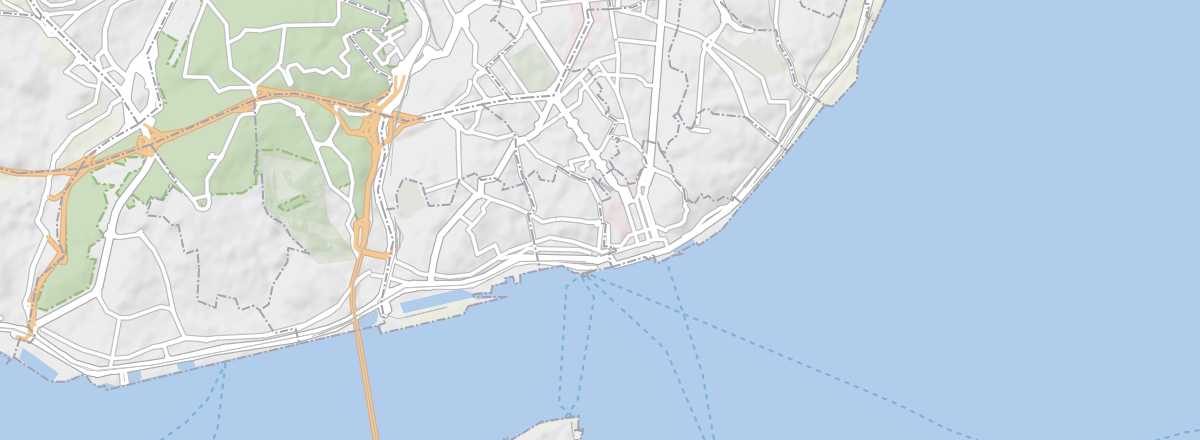 Lisbon
Open the interactive map
Overview
UNESCO World Heritage Sites
Of the fifteen Portuguese sites inscribed on the UNESCO World Heritage List, the city of Lisbon has two (linked):

Hieronymites Monastery (1983)
A masterpiece of Manueline architecture (16th century), it stands as a monumental testament to the wealth generated by Portugal’s global discoveries. It is a UNESCO World Heritage site, jointly listed with the nearby Belém Tower.
A masterpiece of Manueline architecture (16th century), it stands as a monumental testament to the wealth generated by Portugal’s global discoveries. It is a UNESCO World Heritage site, jointly listed with the nearby Belém Tower.

Tower of Belém (1983)
The small tower was built in the 16th century on the banks of the Tagus to guard the entrance to the city’s port. It is a UNESCO World Heritage Site, jointly listed with the Jerónimos Monastery.
The small tower was built in the 16th century on the banks of the Tagus to guard the entrance to the city’s port. It is a UNESCO World Heritage Site, jointly listed with the Jerónimos Monastery.
Neighborhoods and Tourist Areas

Alfama
One of Lisbon's oldest and most typical neighbourhoods, overlooking Castelo São Jorge. Here you’ll find the city’s popular charm with its old buildings, patios, steep medieval alleys, restaurants, and fado bars.
One of Lisbon's oldest and most typical neighbourhoods, overlooking Castelo São Jorge. Here you’ll find the city’s popular charm with its old buildings, patios, steep medieval alleys, restaurants, and fado bars.
Bairro Alto
With its cobbled streets, this is a district traditionally made up of old houses and small shops. It’s also a hotspot for nightlife, with its bars, clubs of all kinds, and numerous restaurants.
With its cobbled streets, this is a district traditionally made up of old houses and small shops. It’s also a hotspot for nightlife, with its bars, clubs of all kinds, and numerous restaurants.
Baixa
This is the heart of the city, rebuilt after the 1755 earthquake in the Pombaline style. It features several monuments, beautiful squares like the stunning Praça do Comércio, and above all, numerous shops that keep the area lively during the day.
This is the heart of the city, rebuilt after the 1755 earthquake in the Pombaline style. It features several monuments, beautiful squares like the stunning Praça do Comércio, and above all, numerous shops that keep the area lively during the day.
Belém
This riverside district along the Tagus is known for its many museums and historic monuments, including Belém Tower, the Monument to the Discoveries, and the UNESCO-listed Jerónimos Monastery.
This riverside district along the Tagus is known for its many museums and historic monuments, including Belém Tower, the Monument to the Discoveries, and the UNESCO-listed Jerónimos Monastery.
Cais do Sodré
This riverside port area is a hotspot of Lisbon nightlife, with bars, clubs, and restaurants drawing crowds, especially Rua Nova do Carvalho (also known as "Pink Street").
This riverside port area is a hotspot of Lisbon nightlife, with bars, clubs, and restaurants drawing crowds, especially Rua Nova do Carvalho (also known as "Pink Street").
Chiado
Restored after a fire in 1988, Chiado is Lisbon’s upscale district, known for its designer boutiques. It’s also a cultural hub with numerous museums and theaters.
Restored after a fire in 1988, Chiado is Lisbon’s upscale district, known for its designer boutiques. It’s also a cultural hub with numerous museums and theaters.

Parque das Nações
The "Parque das Nações" (Park of Nations) was built for Expo '98. This urban project, slightly futuristic, includes housing, green spaces and pedestrian walkways, as well as "architect-designed buildings", the Vasco da Gama Tower (the tallest in the city), a cable car running along the Tagus, and the Oceanarium.
The "Parque das Nações" (Park of Nations) was built for Expo '98. This urban project, slightly futuristic, includes housing, green spaces and pedestrian walkways, as well as "architect-designed buildings", the Vasco da Gama Tower (the tallest in the city), a cable car running along the Tagus, and the Oceanarium.
Monuments and Architectural Ensembles

Lisbon's Elevators and Funiculars
Lavra, Bica, Gloria, and Santa Justa (the most famous) are among Lisbon’s several urban funiculars and elevators, over a century old, that have become part of the city’s landscape and tourist attractions.
Lavra, Bica, Gloria, and Santa Justa (the most famous) are among Lisbon’s several urban funiculars and elevators, over a century old, that have become part of the city’s landscape and tourist attractions.
Avenue of Liberty
Avenida da Liberdade in Portuguese. It’s a bit like the local Champs-Élysées: 1.3 km long, 90 m wide, with beautiful 19th-century buildings and upscale shops.
Avenida da Liberdade in Portuguese. It’s a bit like the local Champs-Élysées: 1.3 km long, 90 m wide, with beautiful 19th-century buildings and upscale shops.
Viewpoints of Lisbon
These are (officially) 16 viewpoints located on the various hills of Lisbon, offering beautiful panoramas of the city. Among the best-known are those of Graça, Santa Catarina, Santa Luzia, and São Jorge.
These are (officially) 16 viewpoints located on the various hills of Lisbon, offering beautiful panoramas of the city. Among the best-known are those of Graça, Santa Catarina, Santa Luzia, and São Jorge.

Saint George's Castle
This originally Visigothic fortress overlooks the Alfama district. From here, you get one of the best views of the city and the estuary.
This originally Visigothic fortress overlooks the Alfama district. From here, you get one of the best views of the city and the estuary.

Monument to the Discoveries
Quite photogenic, the "Padrão dos Descobrimentos" is a monument built in memory of the Portuguese navigators of the 15th and 16th centuries and Prince Henry the Navigator.
Quite photogenic, the "Padrão dos Descobrimentos" is a monument built in memory of the Portuguese navigators of the 15th and 16th centuries and Prince Henry the Navigator.
Palace of the Marquises of Fronteira
On the edge of Monsanto Park, this beautiful 17th-century Baroque building is enhanced by a remarkable Italian-style garden decorated with azulejos.
On the edge of Monsanto Park, this beautiful 17th-century Baroque building is enhanced by a remarkable Italian-style garden decorated with azulejos.

25 April Bridge - Pilar 7
The 25 April Bridge spans the Tagus River, connecting Lisbon to Almada. Since 2017, you can combine a virtual and real-life visit by exploring its Pilar 7 and ascending to the 80-metre-high panoramic viewpoint.
The 25 April Bridge spans the Tagus River, connecting Lisbon to Almada. Since 2017, you can combine a virtual and real-life visit by exploring its Pilar 7 and ascending to the 80-metre-high panoramic viewpoint.

Praça do Comércio
Considered one of Europe's most beautiful squares, "Praça do Comércio" lies at the heart of Lisbon's downtown. Facing the Tagus River, it is surrounded by stunning saffron-yellow arcaded buildings and features a magnificent Baroque triumphal arch opening onto pedestrianised Rua Augusta.
Considered one of Europe's most beautiful squares, "Praça do Comércio" lies at the heart of Lisbon's downtown. Facing the Tagus River, it is surrounded by stunning saffron-yellow arcaded buildings and features a magnificent Baroque triumphal arch opening onto pedestrianised Rua Augusta.
Belém Tower
The small tower was built in the 16th century on the banks of the Tagus to guard the entrance to the city’s port. It is a UNESCO World Heritage Site, jointly listed with the Jerónimos Monastery.
The small tower was built in the 16th century on the banks of the Tagus to guard the entrance to the city’s port. It is a UNESCO World Heritage Site, jointly listed with the Jerónimos Monastery.
Religious Buildings

Estrela Basilica
This is a Portuguese Baroque-style basilica dating from the late 18th century. It offers a beautiful view from its panoramic terrace.
This is a Portuguese Baroque-style basilica dating from the late 18th century. It offers a beautiful view from its panoramic terrace.

Lisbon Cathedral
Santa Maria Maior dates from the 12th century and is one of those typical fortress-cathedrals of Portugal.
Santa Maria Maior dates from the 12th century and is one of those typical fortress-cathedrals of Portugal.

Carmelite Convent of Lisbon
Destroyed by the 1755 earthquake, this Gothic church was never rebuilt. Today, its imposing ruins remain as witnesses to the disaster. The site also houses a small archaeological museum.
Destroyed by the 1755 earthquake, this Gothic church was never rebuilt. Today, its imposing ruins remain as witnesses to the disaster. The site also houses a small archaeological museum.

Santa Engracia Church - National Pantheon
This church, never truly completed, has served as a pantheon since 1916. Twelve notable figures are buried here, and you can also see six funerary monuments dedicated to the great explorers, such as Vasco da Gama and Cabral.
This church, never truly completed, has served as a pantheon since 1916. Twelve notable figures are buried here, and you can also see six funerary monuments dedicated to the great explorers, such as Vasco da Gama and Cabral.
Hieronymites Monastery
A masterpiece of Manueline architecture (16th century), it stands as a monumental testament to the wealth generated by Portugal’s global discoveries. It is a UNESCO World Heritage site, jointly listed with the nearby Belém Tower.
A masterpiece of Manueline architecture (16th century), it stands as a monumental testament to the wealth generated by Portugal’s global discoveries. It is a UNESCO World Heritage site, jointly listed with the nearby Belém Tower.
Museums

MAAT
Opened in 2016 in a resolutely modern-style building, this museum is dedicated to art, architecture, and technology.
Opened in 2016 in a resolutely modern-style building, this museum is dedicated to art, architecture, and technology.
Amalia Rodrigues House-Museum
The house where the famous fado singer lived is now a place dedicated to her.
The house where the famous fado singer lived is now a place dedicated to her.
Lisbon Archaeology Museum
Housed in the former monks' dormitories of the Jerónimos Monastery, this museum features Roman and Egyptian antiquities, as well as artifacts found in the country.
Housed in the former monks' dormitories of the Jerónimos Monastery, this museum features Roman and Egyptian antiquities, as well as artifacts found in the country.
Museum of Decorative Arts
Housed in a former palace, the Ricardo Espirito Santo da Silva Foundation showcases daily life in Lisbon during the 17th and 18th centuries.
Housed in a former palace, the Ricardo Espirito Santo da Silva Foundation showcases daily life in Lisbon during the 17th and 18th centuries.
Berardo Museum
This is a modern and contemporary art museum located in the Belém district. The venue aims to represent the fine arts, primarily European and American, from the 20th century and the early 21st century.
This is a modern and contemporary art museum located in the Belém district. The venue aims to represent the fine arts, primarily European and American, from the 20th century and the early 21st century.
Calouste Gulbenkian Museum
Set in a lovely green space, this foundation houses 6,000 pieces from Antiquity, medieval sacred art, Asian and European art, as well as paintings from the 15th to 19th centuries.
Set in a lovely green space, this foundation houses 6,000 pieces from Antiquity, medieval sacred art, Asian and European art, as well as paintings from the 15th to 19th centuries.
Fado Museum
For lovers of this highly popular musical genre from Portugal, featuring instruments, objects, and audio or visual media dedicated to fado.
For lovers of this highly popular musical genre from Portugal, featuring instruments, objects, and audio or visual media dedicated to fado.
Lisbon Maritime Museum
It offers insight into the Age of Discovery (15th–17th centuries) through the history of Portugal’s navy and shipbuilding.
It offers insight into the Age of Discovery (15th–17th centuries) through the history of Portugal’s navy and shipbuilding.
Museum of the Orient
Opened in 2008, the museum reflects Portugal’s presence in Asia over the centuries through various collections and exhibitions.
Opened in 2008, the museum reflects Portugal’s presence in Asia over the centuries through various collections and exhibitions.
National Museum of Ancient Art
One of Lisbon's main museums both in size and collections, covering painting, sacred art, and decorative arts.
One of Lisbon's main museums both in size and collections, covering painting, sacred art, and decorative arts.
National Azulejo Museum
A major collection of decorated ceramic tiles from all periods—namely, the famous "azulejos," a symbol of Portugal.
A major collection of decorated ceramic tiles from all periods—namely, the famous "azulejos," a symbol of Portugal.
National Coach Museum
A space dedicated exclusively to coaches from the 16th to the 20th century. One of the city’s most visited museums.
A space dedicated exclusively to coaches from the 16th to the 20th century. One of the city’s most visited museums.
Ajuda Palace
This former royal palace is now largely a museum dedicated to decorative arts, with collections spanning from the 15th to the 20th century. It also houses the royal apartments and other period state rooms.
This former royal palace is now largely a museum dedicated to decorative arts, with collections spanning from the 15th to the 20th century. It also houses the royal apartments and other period state rooms.
Parks and Gardens

Lisbon Botanical Garden
Established in 1878 on 40 hectares, this lovely garden sprawls across a hillside and is renowned for its tropical species. It offers pleasant and peaceful strolls.
Established in 1878 on 40 hectares, this lovely garden sprawls across a hillside and is renowned for its tropical species. It offers pleasant and peaceful strolls.

Oceanarium
Built in Nations Park for Expo 98, Oceanário de Lisboa is one of the most visited sites in the capital. It features five tanks, each representing a different marine ecosystem.
Built in Nations Park for Expo 98, Oceanário de Lisboa is one of the most visited sites in the capital. It features five tanks, each representing a different marine ecosystem.

Eduardo VII Park
26 hectares in the city centre for this French-style park, which also offers a beautiful view of the lower city and the Tagus River.
26 hectares in the city centre for this French-style park, which also offers a beautiful view of the lower city and the Tagus River.
Monsanto Forest Park
Covering 1,000 hectares, it is one of the largest urban parks in the world (three times the size of Central Park). It offers walks, activities, and recreational facilities, as well as several panoramic viewpoints. This is also where Lisbon’s campsite is located.
Covering 1,000 hectares, it is one of the largest urban parks in the world (three times the size of Central Park). It offers walks, activities, and recreational facilities, as well as several panoramic viewpoints. This is also where Lisbon’s campsite is located.
Ribeira das Naus
A great spot for walking or cycling along the Tagus River, between Praça do Comércio and Cais do Sodré train station. Particularly pleasant in the late afternoon, with a beautiful view of the river and the 25 de Abril Bridge.
A great spot for walking or cycling along the Tagus River, between Praça do Comércio and Cais do Sodré train station. Particularly pleasant in the late afternoon, with a beautiful view of the river and the 25 de Abril Bridge.
Additional Resources
Must-see & highly recommended
Alfama
★★★★ One of Lisbon's oldest and most typical neighbourhoods, overlooking Castelo São Jorge. Here you’ll find the city’s popular…
Recommended
Lisbon's Elevators and Funiculars
★★★ Lavra, Bica, Gloria, and Santa Justa (the most famous) are among Lisbon’s several urban funiculars and elevators, over a century old…
Bairro Alto
★★★ With its cobbled streets, this is a district traditionally made up of old houses and small shops. It’s also a hotspot for nightlife…
Baixa
★★★ This is the heart of the city, rebuilt after the 1755 earthquake in the Pombaline style. It features several monuments, beautiful squares…
Belém (Lisbon)
★★★ This riverside district along the Tagus is known for its many museums and historic monuments, including Belém Tower, the Monument to the…
Hieronymites Monastery
★★★ A masterpiece of Manueline architecture (16th century), it stands as a monumental testament to the wealth generated by Portugal’s…
Praça do Comércio
★★★ Considered one of Europe's most beautiful squares, "Praça do Comércio" lies at the heart of Lisbon's downtown. Facing the Tagus River, it…
Worth a look / Other
Viewpoints of Lisbon
★★ These are (officially) 16 viewpoints located on the various hills of Lisbon, offering beautiful panoramas of the city. Among the best-known…
Cais do Sodré
★★ This riverside port area is a hotspot of Lisbon nightlife, with bars, clubs, and restaurants drawing crowds, especially Rua Nova do…
Saint George's Castle
★★ This originally Visigothic fortress overlooks the Alfama district. From here, you get one of the best views of the city and the estuary.
Chiado
★★ Restored after a fire in 1988, Chiado is Lisbon’s upscale district, known for its designer boutiques. It’s also a cultural hub…
Monument to the Discoveries
★★ Quite photogenic, the "Padrão dos Descobrimentos" is a monument built in memory of the Portuguese navigators of the 15th and 16th centuries…
Calouste Gulbenkian Museum
★★ Set in a lovely green space, this foundation houses 6,000 pieces from Antiquity, medieval sacred art, Asian and European art, as well as…
Museum of the Orient
★★ Opened in 2008, the museum reflects Portugal’s presence in Asia over the centuries through various collections and exhibitions.
National Museum of Ancient Art
★★ One of Lisbon's main museums both in size and collections, covering painting, sacred art, and decorative arts.
National Coach Museum
★★ A space dedicated exclusively to coaches from the 16th to the 20th century. One of the city’s most visited museums.
Oceanarium
★★ Built in Nations Park for Expo 98, Oceanário de Lisboa is one of the most visited sites in the capital. It features five tanks, each…
Ajuda Palace
★★ This former royal palace is now largely a museum dedicated to decorative arts, with collections spanning from the 15th to the 20th century…
Palace of the Marquises of Fronteira
★★ On the edge of Monsanto Park, this beautiful 17th-century Baroque building is enhanced by a remarkable Italian-style garden decorated with…
Ribeira das Naus
★★ A great spot for walking or cycling along the Tagus River, between Praça do Comércio and Cais do Sodré train station. Particularly pleasant…
Belém Tower
★★ The small tower was built in the 16th century on the banks of the Tagus to guard the entrance to the city’s port. It is a UNESCO…
Avenue of Liberty
★ Avenida da Liberdade in Portuguese. It’s a bit like the local Champs-Élysées: 1.3 km long, 90 m wide, with beautiful 19th-century…
Estrela Basilica
★ This is a Portuguese Baroque-style basilica dating from the late 18th century. It offers a beautiful view from its panoramic terrace.
Lisbon Cathedral
★ Santa Maria Maior dates from the 12th century and is one of those typical fortress-cathedrals of Portugal.
Carmelite Convent of Lisbon
★ Destroyed by the 1755 earthquake, this Gothic church was never rebuilt. Today, its imposing ruins remain as witnesses to the disaster. The…
Santa Engracia Church - National Pantheon
★ This church, never truly completed, has served as a pantheon since 1916. Twelve notable figures are buried here, and you can also see six…
Lisbon Botanical Garden
★ Established in 1878 on 40 hectares, this lovely garden sprawls across a hillside and is renowned for its tropical species. It offers…
MAAT
★ Opened in 2016 in a resolutely modern-style building, this museum is dedicated to art, architecture, and technology.
Amalia Rodrigues House-Museum
★ The house where the famous fado singer lived is now a place dedicated to her.
Berardo Museum
★ This is a modern and contemporary art museum located in the Belém district. The venue aims to represent the fine arts, primarily European…
Lisbon Archaeology Museum
★ Housed in the former monks' dormitories of the Jerónimos Monastery, this museum features Roman and Egyptian antiquities, as well as…
Lisbon Maritime Museum
★ It offers insight into the Age of Discovery (15th–17th centuries) through the history of Portugal’s navy and shipbuilding.
Museum of Decorative Arts (Lisbon)
★ Housed in a former palace, the Ricardo Espirito Santo da Silva Foundation showcases daily life in Lisbon during the 17th and 18th centuries.
Fado Museum
★ For lovers of this highly popular musical genre from Portugal, featuring instruments, objects, and audio or visual media dedicated to fado.
National Azulejo Museum
★ A major collection of decorated ceramic tiles from all periods—namely, the famous "azulejos," a symbol of Portugal.
Eduardo VII Park
★ 26 hectares in the city centre for this French-style park, which also offers a beautiful view of the lower city and the Tagus River.
Monsanto Forest Park
★ Covering 1,000 hectares, it is one of the largest urban parks in the world (three times the size of Central Park). It offers walks…
Parque das Nações
★ The "Parque das Nações" (Park of Nations) was built for Expo '98. This urban project, slightly futuristic, includes housing, green spaces…
25 April Bridge - Pilar 7
★ The 25 April Bridge spans the Tagus River, connecting Lisbon to Almada. Since 2017, you can combine a virtual and real-life visit by…
Lisbon Zoo
★ It’s both a public garden and a well-frequented zoological park.
- Hieronymites Monastery
- Belém Tower
- Viewpoints of Lisbon
- Alfama
- Bairro Alto
- Belém (Lisbon)
- Baixa
- Chiado
- Calouste Gulbenkian Museum
- Berardo Museum
- Lisbon Maritime Museum
- National Azulejo Museum
- Oceanarium
- Museum of the Orient
- National Museum of Ancient Art
- Eduardo VII Park
- Praça do Comércio
- Cais do Sodré
- Saint George's Castle
- Lisbon Cathedral
- Carmelite Convent of Lisbon
- Santa Engracia Church - National Pantheon
- Estrela Basilica
- Parque das Nações
- Amalia Rodrigues House-Museum
- Fado Museum
- National Coach Museum
- Lisbon Botanical Garden
- Monsanto Forest Park
- Lisbon Zoo
- MAAT
- 25 April Bridge - Pilar 7
- Avenue of Liberty
- Ajuda Palace
- Lisbon Archaeology Museum
- Palace of the Marquises of Fronteira
- Lisbon's Elevators and Funiculars
- Monument to the Discoveries
- Museum of Decorative Arts (Lisbon)