UNESCO World Heritage Sites
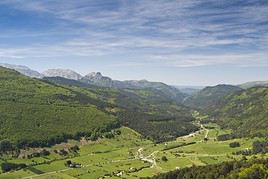
Northern Spain has 4 sites inscribed on the UNESCO World Heritage list:
- Mudéjar Architecture of Aragon (1986)
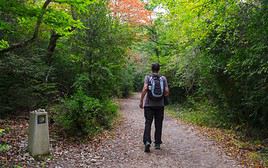
Camino de Santiago (1993)
This UNESCO-listed mythical route has become a renowned hiking itinerary over time. It crosses the region before continuing on to end in Santiago de Compostela.
This UNESCO-listed mythical route has become a renowned hiking itinerary over time. It crosses the region before continuing on to end in Santiago de Compostela.
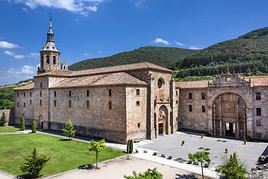
San Millán de Yuso and Suso Monasteries (1997)
Located in the municipality of San Millán, this monastic complex is a UNESCO World Heritage site. It lies on the Camino de Santiago routes.
Located in the municipality of San Millán, this monastic complex is a UNESCO World Heritage site. It lies on the Camino de Santiago routes.
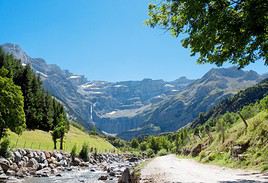
Mont Perdu Massif (1997)
This Franco-Spanish Pyrenean massif, primarily composed of the cirques of Gavarnie, Estaubé, and Troumouse, is a UNESCO-listed natural heritage site. Hiking and tackling numerous peaks over 3,000 meters are popular activities here.
This Franco-Spanish Pyrenean massif, primarily composed of the cirques of Gavarnie, Estaubé, and Troumouse, is a UNESCO-listed natural heritage site. Hiking and tackling numerous peaks over 3,000 meters are popular activities here.
Aragon
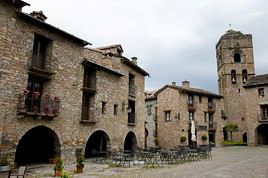
Aínsa-Sobrarbe
A charming medieval town not far from Huesca. The municipality is part of the "Most Beautiful Villages of Spain", like several others in the Aragon region.
A charming medieval town not far from Huesca. The municipality is part of the "Most Beautiful Villages of Spain", like several others in the Aragon region.
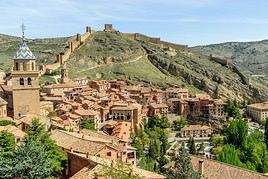
Albarracín
This stunning old village west of Teruel is surrounded by hills that give it a certain charm.
This stunning old village west of Teruel is surrounded by hills that give it a certain charm.
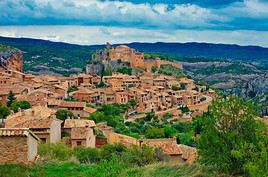
Alquezar
This medieval village, bordering the Guara Canyon Park, is an excellent base for white-water enthusiasts (rafting, hydrospeed, canyoning). Other nearby villages like Campo or Murillo also offer these activities, for which Aragon is renowned.
This medieval village, bordering the Guara Canyon Park, is an excellent base for white-water enthusiasts (rafting, hydrospeed, canyoning). Other nearby villages like Campo or Murillo also offer these activities, for which Aragon is renowned.
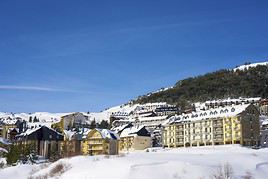
Astun-Candanchu
This winter sports resort, located on the French border, is one of the most significant in the Pyrenees. Two other resorts, Formigal and Panticosa, are nearby. In summer, the region offers hiking, rafting, canyoning, and climbing.
This winter sports resort, located on the French border, is one of the most significant in the Pyrenees. Two other resorts, Formigal and Panticosa, are nearby. In summer, the region offers hiking, rafting, canyoning, and climbing.
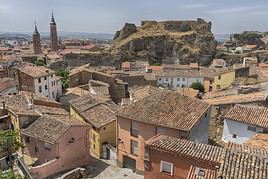
Calatayud
Between Madrid and Zaragoza, the town features remnants of Arab fortifications, the ruins of the ancient city of Biblis, and especially beautiful examples of Mudéjar architecture, a style that is UNESCO-listed.
Between Madrid and Zaragoza, the town features remnants of Arab fortifications, the ruins of the ancient city of Biblis, and especially beautiful examples of Mudéjar architecture, a style that is UNESCO-listed.
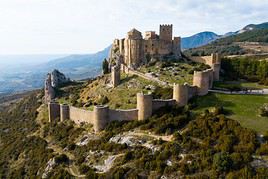
Loarre Castle
An 11th-century fortress-abbey built on a desert plateau at 1,000 m altitude near Huesca.
An 11th-century fortress-abbey built on a desert plateau at 1,000 m altitude near Huesca.
Camino de Santiago
This UNESCO-listed mythical route has become a renowned hiking itinerary over time. It crosses the region before continuing on to end in Santiago de Compostela.
This UNESCO-listed mythical route has become a renowned hiking itinerary over time. It crosses the region before continuing on to end in Santiago de Compostela.
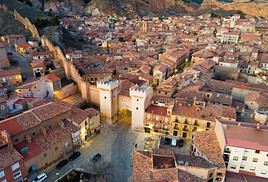
Daroca
At 800 m altitude, Daroca is a charming fortified village surrounded by 4 kilometres of ramparts. It is located south of Zaragoza.
At 800 m altitude, Daroca is a charming fortified village surrounded by 4 kilometres of ramparts. It is located south of Zaragoza.
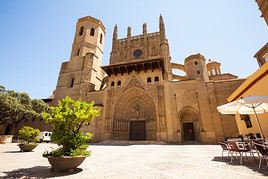
Huesca
A cathedral and a few historic buildings for this city, which is above all a great gateway to the Pyrenees massif and its outdoor sports (hiking, canyoning, skiing).
A cathedral and a few historic buildings for this city, which is above all a great gateway to the Pyrenees massif and its outdoor sports (hiking, canyoning, skiing).
Jaca
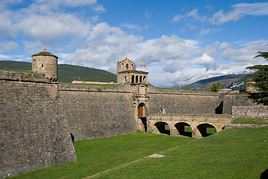
A small town in northern Aragon, in the heart of the Pyrenees, with a cathedral and a citadel. It’s a great base for hiking and skiing in the surrounding area.
A small town in northern Aragon, in the heart of the Pyrenees, with a cathedral and a citadel. It’s a great base for hiking and skiing in the surrounding area.
San Juan de la Peña Monastery
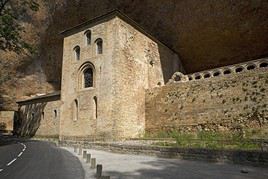
A few kilometres from Jaca, a beautiful 10th-century building perched at 1,200 m altitude in a spectacular setting.
A few kilometres from Jaca, a beautiful 10th-century building perched at 1,200 m altitude in a spectacular setting.
Monegros
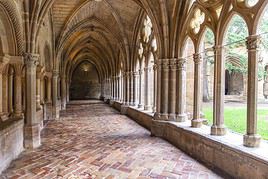
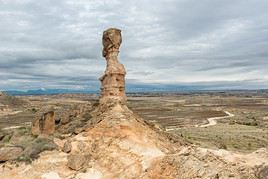
A desert region in Huesca where you can explore monasteries like Sigena and Nuestra Señora de la Fuentes.
A desert region in Huesca where you can explore monasteries like Sigena and Nuestra Señora de la Fuentes.
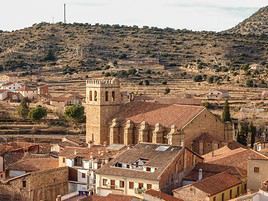
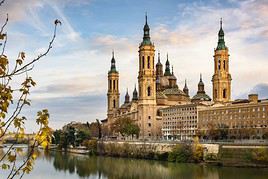
Zaragoza
The capital of Aragon offers a charming centre with its cathedral, churches, and historic quarters.
The capital of Aragon offers a charming centre with its cathedral, churches, and historic quarters.
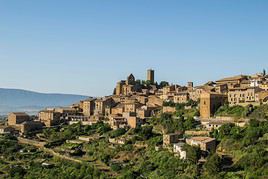
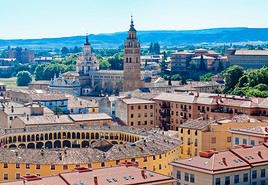
Teruel
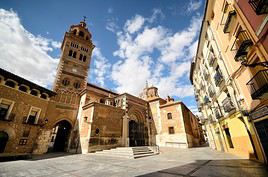
A small town with an old centre featuring beautiful architecture dominated by the UNESCO-listed Mudéjar style.
A small town with an old centre featuring beautiful architecture dominated by the UNESCO-listed Mudéjar style.
Natural Heritage
Ordesa and Monte Perdido National Park
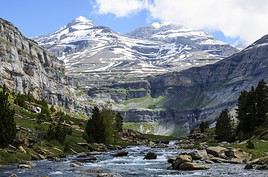
A stunning Pyrenean park, also a UNESCO World Heritage Site for the Monte Perdido massif. You can hike and enjoy other outdoor activities amid landscapes of lakes, glacial valleys, canyons, and peaks exceeding 3,000 m.
A stunning Pyrenean park, also a UNESCO World Heritage Site for the Monte Perdido massif. You can hike and enjoy other outdoor activities amid landscapes of lakes, glacial valleys, canyons, and peaks exceeding 3,000 m.
Sierra y Cañones de Guara Nature Park
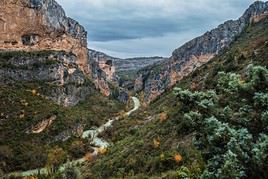
Ce parc de la région de Huesca est un haut lieu du canyoning (y compris au niveau mondial) et autres activités outdoor (randonnée, grimpe…).
Ce parc de la région de Huesca est un haut lieu du canyoning (y compris au niveau mondial) et autres activités outdoor (randonnée, grimpe…).
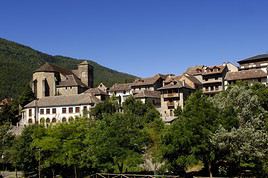
Anso and Hecho Valleys
Two small adjacent valleys in the Pyrenees where you can hike or explore the villages they’re named after.
Two small adjacent valleys in the Pyrenees where you can hike or explore the villages they’re named after.
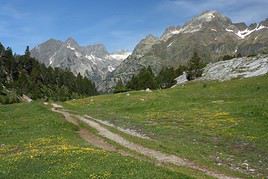
Benasque Valley
A stunning Pyrenean valley encompassing the Posets-Maladeta Natural Park. The village of the same name serves as a base for treks in the area and especially for climbing Aneto Peak (3,404 m), the highest summit in the Pyrenees. You can also ski at the Aramon-Cerler resort.
A stunning Pyrenean valley encompassing the Posets-Maladeta Natural Park. The village of the same name serves as a base for treks in the area and especially for climbing Aneto Peak (3,404 m), the highest summit in the Pyrenees. You can also ski at the Aramon-Cerler resort.
La Rioja
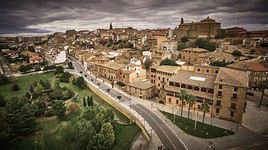
Calahorra
Not exactly a tourist hotspot, the second-largest town in La Rioja nevertheless boasts a beautiful cathedral.
Not exactly a tourist hotspot, the second-largest town in La Rioja nevertheless boasts a beautiful cathedral.
Camino de Santiago
This UNESCO-listed mythical route has become a renowned hiking itinerary over time. It crosses the region before continuing on to end in Santiago de Compostela.
This UNESCO-listed mythical route has become a renowned hiking itinerary over time. It crosses the region before continuing on to end in Santiago de Compostela.
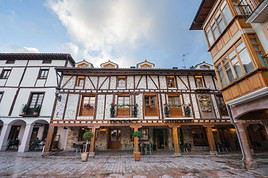
Ezcaray
It's a charming town, slightly elevated. You can hike in the surrounding mountains or ski at the nearby Valdezcaray resort.
It's a charming town, slightly elevated. You can hike in the surrounding mountains or ski at the nearby Valdezcaray resort.
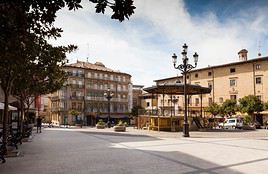
Haro
This small town boasts quite beautiful architecture and is famous for its "Wine Battle". You can visit numerous wineries and estates in the surrounding area via a journey along the "Wine Route", which covers this part of La Rioja and the south of the Basque Country.
This small town boasts quite beautiful architecture and is famous for its "Wine Battle". You can visit numerous wineries and estates in the surrounding area via a journey along the "Wine Route", which covers this part of La Rioja and the south of the Basque Country.
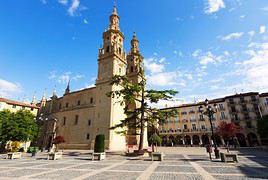
Logroño
The capital of La Rioja offers a charming urban centre to visit, with many religious buildings.
The capital of La Rioja offers a charming urban centre to visit, with many religious buildings.
San Millán de Yuso and Suso Monasteries
Located in the municipality of San Millán, this monastic complex is a UNESCO World Heritage site. It lies on the Camino de Santiago routes.
Located in the municipality of San Millán, this monastic complex is a UNESCO World Heritage site. It lies on the Camino de Santiago routes.
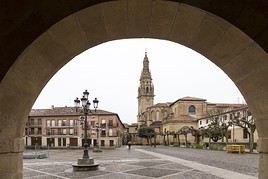
Santo Domingo de la Calzada
Between Burgos and Logroño, on the Camino de Santiago, this town boasts a beautiful cathedral and several other fine religious buildings.
Between Burgos and Logroño, on the Camino de Santiago, this town boasts a beautiful cathedral and several other fine religious buildings.
Navarre
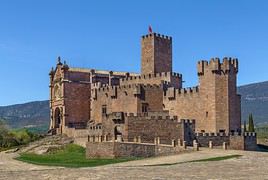
Javier Castle
In the municipality of the same name, a medieval castle dating back to the 10th century.
In the municipality of the same name, a medieval castle dating back to the 10th century.
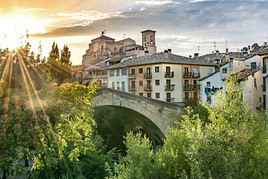
Estella
A small town with several religious buildings and one of the palaces of the Kings of Navarre, located on the Camino de Santiago.
A small town with several religious buildings and one of the palaces of the Kings of Navarre, located on the Camino de Santiago.
Camino de Santiago
This UNESCO-listed mythical route has become a renowned hiking itinerary over time. It crosses the region before continuing on to end in Santiago de Compostela.
This UNESCO-listed mythical route has become a renowned hiking itinerary over time. It crosses the region before continuing on to end in Santiago de Compostela.
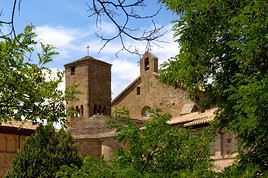
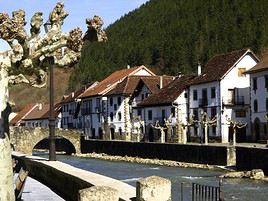
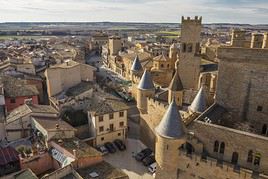
Olite
This large town is home to the imposing Palace of the Kings of Navarre, dating from the 15th century.
This large town is home to the imposing Palace of the Kings of Navarre, dating from the 15th century.
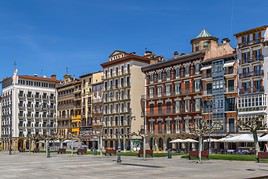
Pamplona
World-famous for its San Fermín festival (July), the capital of Navarre also boasts a rather pretty historic centre with its citadel and cathedral.
World-famous for its San Fermín festival (July), the capital of Navarre also boasts a rather pretty historic centre with its citadel and cathedral.
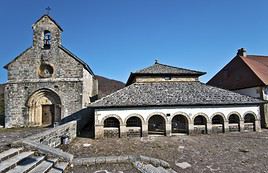
Roncesvalles
This tiny Pyrenees village linked to the "Legend of Roland" has a few old houses and a beautiful 13th-century royal collegiate church.
This tiny Pyrenees village linked to the "Legend of Roland" has a few old houses and a beautiful 13th-century royal collegiate church.
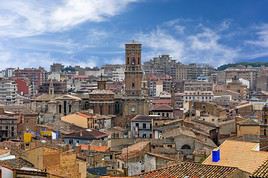
Tudela
The second city of Navarre offers a cathedral and several historic buildings for visitors. The Bardenas Reales desert is also just nearby.
The second city of Navarre offers a cathedral and several historic buildings for visitors. The Bardenas Reales desert is also just nearby.
Natural Heritage
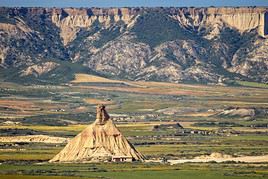
Bardenas Reales Desert
An arid landscape and unique rock formations give this part of southeastern Navarre a hint of Monument Valley.
An arid landscape and unique rock formations give this part of southeastern Navarre a hint of Monument Valley.
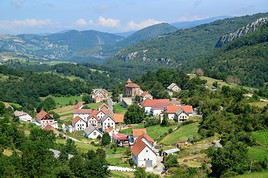
Navarran Pyrenees
This is the northern part of the province, bordering France. Peaks over 2,000 m, small villages, and plenty of great hikes and other outdoor activities to enjoy.
This is the northern part of the province, bordering France. Peaks over 2,000 m, small villages, and plenty of great hikes and other outdoor activities to enjoy.