
Travel guide · Spain
Northern Spain
Between Catalonia and the Basque Country, nestled against the Pyrenees, the regions of La Rioja, Navarre, and Aragon. This is Spain for lovers of mountains, outdoor activities, and nature.
Overview of Northern Spain
Quick Overview
Northern Spain consists of the three autonomous communities of La Rioja (324,000 inhabitants over 5,045 km²), Navarre (645,000 inhabitants over 10,391 km²), and Aragon (1,332,000 inhabitants over 47,719 km²). This region is quite different from the usual image of the rest of the country. It’s Spain for lovers of mountains, outdoor activities, and nature.
Key Facts
- Type of place: tourist region.
- Location: between Catalonia and the Basque Country, nestled against the Pyrenees.
- Local time: .
- Main cities: Huesca and Zaragoza (Aragon), Logroño (La Rioja), Pamplona (Navarre).
- Official language: Spanish and Basque in part of Navarre.
- Population: 2,301,000 inhabitants (2014).
- Area: 63,155 km².
- Density: 36 inhabitants/km².
- Highest point: Aneto Peak (3,404 m).
- Lowest point:
Tourism
Travel Essentials
- Destination: for beginner travelers.
- By air:
- Backpacker daily budget:
- Accommodation:
- Getting around:
- Risks: almost none in terms of health and safety.
- Best time for climate/crowds/prices: from May to September.
- Interests (out of ): Nature ; Adventure ; Culture ; Relaxation/Holidays .
Geography, Climate, and Environment of Northern Spain
Environment
Physical Features of the Region
Wildlife and Vegetation
Natural Areas
Climate
Best Time to Visit
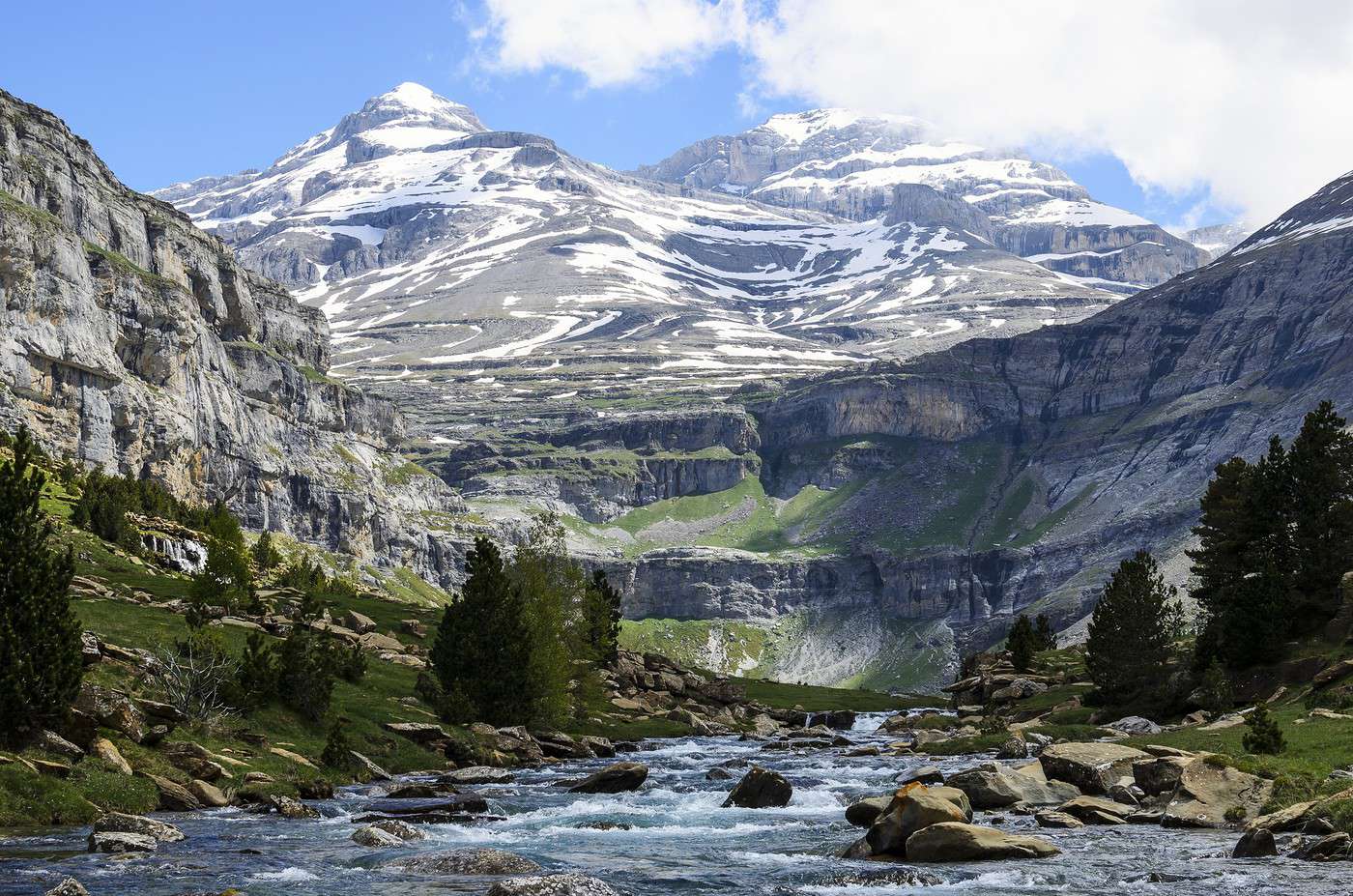
For the Pyrenean part of the region, the period from May to September remains the best for outdoor activities.
| Jan. | Feb. | Mar. | Apr. | May | Jun. | Jul. | Aug. | Sep. | Oct. | Nov. | Dec. | |
|---|---|---|---|---|---|---|---|---|---|---|---|---|
| Northern region |
: very favorable | : favorable | : moderately favorable | : unfavorable.
Climate and Weather in Zaragoza
What to See in Northern Spain
Aragon, La Rioja, and Navarre, including Pamplona, Zaragoza, and Ordesa y Monte Perdido National Park. Northern Spain has 4 sites inscribed on the UNESCO World Heritage list: Mudéjar Architecture of Aragon (1986) Camino de Santiago ★★★ (1993) This…
Things to Do in Northern Spain
Travel Themes
- Interests (rated ): Nature ; Adventure ; Culture ; Relaxation-holidays .
Nature and Adventure
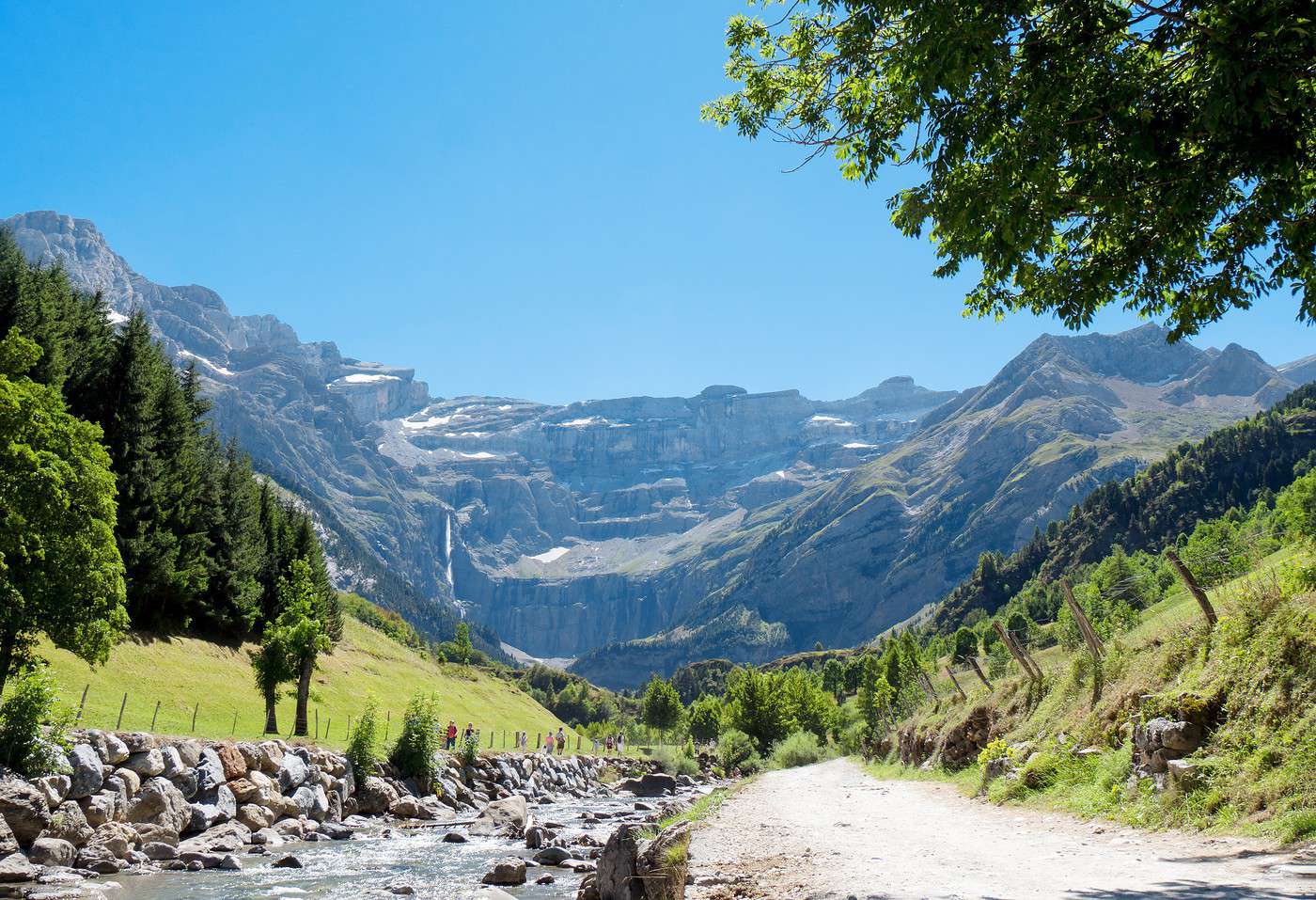
This is Spain for mountain lovers, outdoor activities, and nature, with the Pyrenees parks and valleys, including the UNESCO-listed Ordesa and Monte Perdido, or the striking Bardenas Reales Desert. The region offers countless hiking opportunities, several ski resorts, and, with Aragon, a world-renowned playground for white-water and outdoor enthusiasts (rafting, canyoning, etc.).
Culture
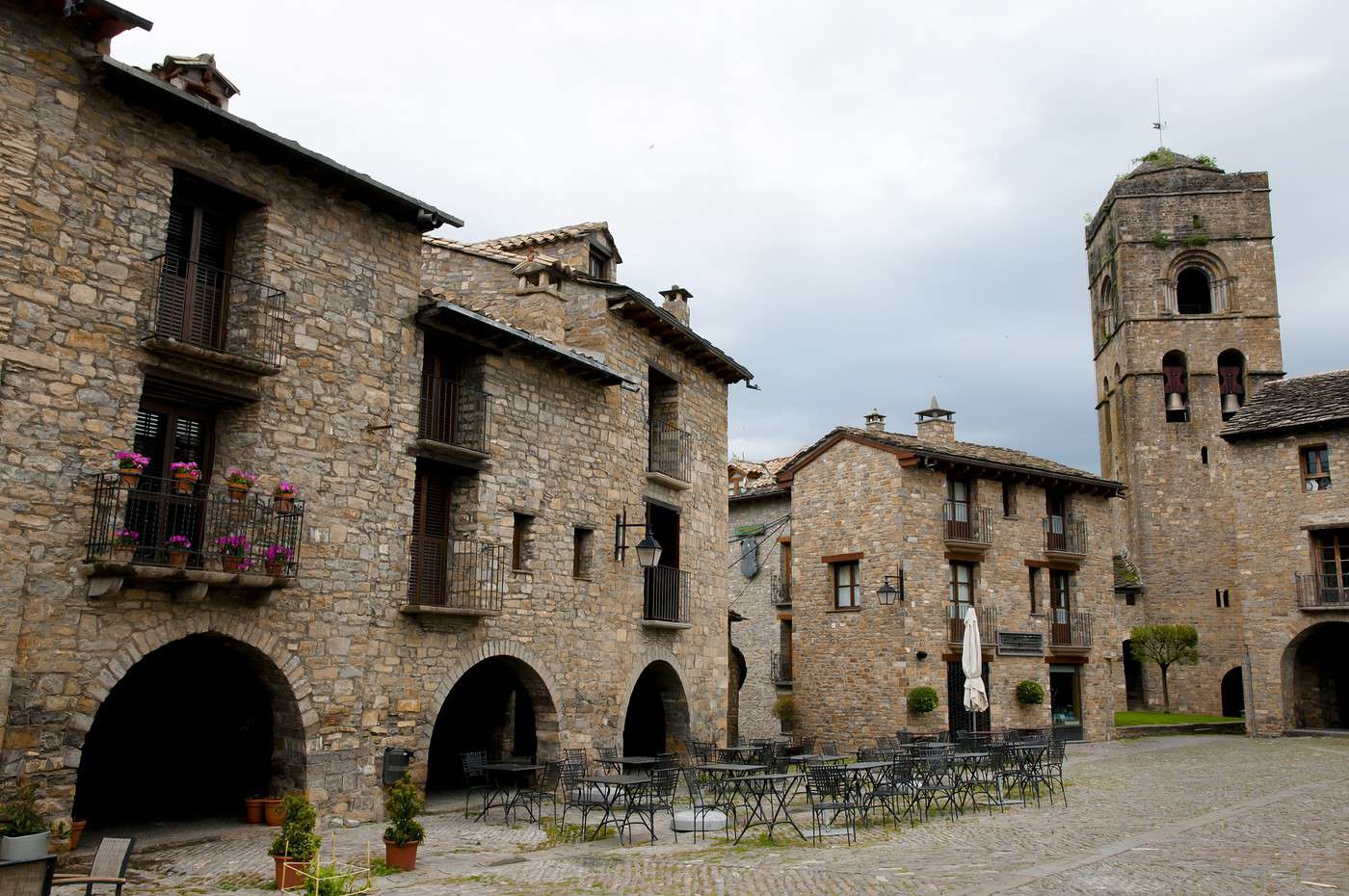
While not "transcendent," the region’s cultural heritage holds definite appeal, especially for those interested in the medieval period. Many towns still feature old buildings from this era, along with numerous monasteries and religious sites to explore in Navarre and Aragon. In a different vein, Pamplona hosts one of the country’s biggest festivals every July with the San Fermín celebrations.
Relaxation and Holidays
Northern Spain isn’t a "relaxation-holiday" destination in the usual sense, especially given the country’s traditional image. Still, the countryside and mountains have their own holiday charm...
Hiking
Hiking
Cycling
Horseback Riding
White-Water Activities
Winter Sports

Other Outdoor Activities
Swimming: While there’s no sea, the Pyrenean lakes and streams offer swimming—though the water can be chilly, even in summer.
Climbing and Mountaineering:
Golf:
Paragliding and Aerial Sports:
Fishing: The Spanish Pyrenees offer excellent trout fishing, just like the French side.
Caving:
Cultural Life and Activities
Nightlife and Going Out
Travel and suggested itineraries in Northern Spain
Best times to visit
Finding the best time to visit means balancing climate conditions with crowd levels and the most attractive prices for travel and on-site expenses.
For the Pyrenean part of the region, the period from May to September remains the most climatically favorable for all outdoor activities. Even though some spots can get busy in July and August, the tourist pressure remains "manageable" compared to many other tourist destinations in the country. The only exception is Pamplona and its summer San Fermín festivals, which draw truly large crowds during the event.
| Jan. | Feb. | Mar. | Apr. | May | Jun. | Jul. | Aug. | Sep. | Oct. | Nov. | Dec. | |
|---|---|---|---|---|---|---|---|---|---|---|---|---|
| Climate | ||||||||||||
| Avoid crowds | ||||||||||||
| Low prices |
: very favorable | : favorable | : moderately favorable | : unfavorable.
Types of travel
Independent
Like the rest of Spain, this area is very easy to explore independently.
Organized
Rafting, hiking, canyoning, and more—you’ll always find local (or non-local) specialists offering outdoor activities, which are a major specialty of this part of Spain, particularly in Aragon.
Some itinerary ideas
Getting to Northern Spain
By Land
By Road
By Train
By Air
Sandwiched between Bilbao, Madrid, Barcelona and even Toulouse, air traffic has always struggled to develop in the region. Although there are several small commercial airports such as Zaragoza, Logroño and Pamplona, traffic remains very low with only essential domestic connections and a few holiday destinations for locals. In short, there’s little chance of flying directly into the area.
Getting Around Northern Spain
Road Network, Traffic
Car, Camper Van
Personal Vehicle
Having your own vehicle is an excellent way to explore this part of the country. It’s even the best option thanks to the freedom and time saved compared to public transport.
Rental
Bus
Two Wheels
Motorcycle
Bicycle
Hitchhiking
Train
In Town
Choosing Your Transport
Other Practical Information for Northern Spain
Luggage and Equipment to Bring
Budget
Precautions
No particular health or safety issues, just the usual precautions when hiking or engaging in other activities in the Pyrenees, which remain the region's main attraction with its many outdoor activities in both summer and winter.
Opening Hours
Laundries
Local Tourist Offices
French Language Use
Something wrong or out of date? Report this page