
UNESCO World Heritage Sites
Oman has 5 sites inscribed on the UNESCO World Heritage list:
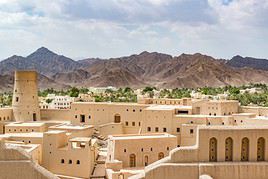
Bahla Fort (1987)
This is the beautiful 13th-century adobe fortress, a UNESCO World Heritage site, towering over the Bahla Oasis.
This is the beautiful 13th-century adobe fortress, a UNESCO World Heritage site, towering over the Bahla Oasis.
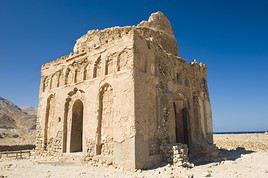
Qalhat (2018)
These are the last remnants of an ancient port city near Sour, now a UNESCO World Heritage site.
These are the last remnants of an ancient port city near Sour, now a UNESCO World Heritage site.
Archaeological Sites of Bat, Al-Khutm and Al-Ayn (1988)
These are three sites of small ancient cities near Ibri listed together as a UNESCO World Heritage Site.
These are three sites of small ancient cities near Ibri listed together as a UNESCO World Heritage Site.
- Aflaj Irrigation Systems of Oman: (2006): these are traditional irrigation systems found in several oases across the country.
- Land of Frankincense (2000): sites and locations in the Dhofar province (oases, ports, etc.) that were once of great importance for the medieval frankincense trade. The archaeological site of Khor Rori, near Salalah, is the most visible element.
The Coast
Duqm
A port city with tourism projects, thanks in particular to its beautiful beaches and a few old forts surrounding it.
A port city with tourism projects, thanks in particular to its beautiful beaches and a few old forts surrounding it.
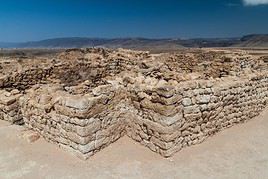
Khor Rori
This archaeological site near Salalah is the most visible element of the UNESCO-listed "Land of Frankincense.".
This archaeological site near Salalah is the most visible element of the UNESCO-listed "Land of Frankincense.".
Madha
A geographical oddity, Madha is a small Omani territory enclaved within the UAE, which itself contains a tiny Emirati enclave. Apart from that, there’s nothing in particular to see or do.
A geographical oddity, Madha is a small Omani territory enclaved within the UAE, which itself contains a tiny Emirati enclave. Apart from that, there’s nothing in particular to see or do.
Muscat
Also known as Muscat, the sultanate's capital offers visitors an old city with fortresses and palaces, museums, and a corniche popular with walkers.
Also known as Muscat, the sultanate's capital offers visitors an old city with fortresses and palaces, museums, and a corniche popular with walkers.
Qalhat
These are the last remnants of an ancient port city near Sour, now a UNESCO World Heritage site.
These are the last remnants of an ancient port city near Sour, now a UNESCO World Heritage site.
Salalah
On the southern coast, not far from the Yemeni border. The city offers a small old centre and opportunities for diving or excursions into the desert and the nearby Dhofar mountains, where frankincense trees grow. The coast towards Yemen features beautiful landscapes and deserted beaches.
On the southern coast, not far from the Yemeni border. The city offers a small old centre and opportunities for diving or excursions into the desert and the nearby Dhofar mountains, where frankincense trees grow. The coast towards Yemen features beautiful landscapes and deserted beaches.
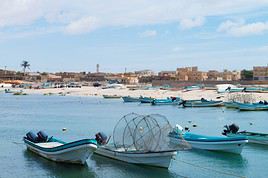
Sohar
This former capital, the birthplace of Sinbad, is primarily a port and commercial city with interesting souks.
This former capital, the birthplace of Sinbad, is primarily a port and commercial city with interesting souks.
Sur
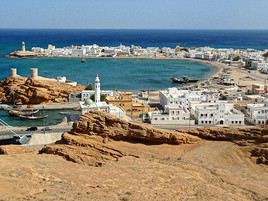
A port city primarily known for dhow construction. The town still has an old quarter and three small fortresses. Several beautiful beaches along the road from Sur to Muscat and excellent diving opportunities.
A port city primarily known for dhow construction. The town still has an old quarter and three small fortresses. Several beautiful beaches along the road from Sur to Muscat and excellent diving opportunities.
Natural Heritage
Masirah Island
This large desert island is renowned for its landscapes, beaches (and shipwrecks), turtles, and opportunities for water sports like surfing, kitesurfing, and windsurfing.
This large desert island is renowned for its landscapes, beaches (and shipwrecks), turtles, and opportunities for water sports like surfing, kitesurfing, and windsurfing.
Musandam Peninsula
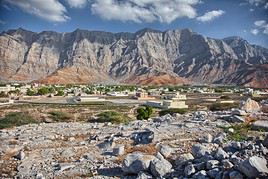
This is the tip of Arabia, facing Iran across the Strait of Hormuz. A stunning landscape of cliffs and fjords, it can be explored on cruises from the city of Khasab. Hiking, diving, dolphin watching, and a few old forts are also highlights.
This is the tip of Arabia, facing Iran across the Strait of Hormuz. A stunning landscape of cliffs and fjords, it can be explored on cruises from the city of Khasab. Hiking, diving, dolphin watching, and a few old forts are also highlights.
Salalah Coastal Reserve
This is a collection of small "coastal lagoons" in the area around the city of the same name. Here, you’ll find beautiful landscapes, numerous bird species, and a few historical or archaeological remains.
This is a collection of small "coastal lagoons" in the area around the city of the same name. Here, you’ll find beautiful landscapes, numerous bird species, and a few historical or archaeological remains.
The Interior
Al Buraimi
A border oasis with the United Arab Emirates. Several old forts in varying states of repair in the surrounding area, along with an abundance of fossils.
A border oasis with the United Arab Emirates. Several old forts in varying states of repair in the surrounding area, along with an abundance of fossils.
Bahla
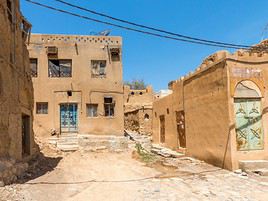
An oasis located about fifty kilometres from Nizwa, known for its UNESCO-listed fort, souks, and pottery.
An oasis located about fifty kilometres from Nizwa, known for its UNESCO-listed fort, souks, and pottery.
Jabrin Castle
A 17th-century "fortified residential palace" overlooking the village of Jabrin, a few kilometres southwest of Bahla.
A 17th-century "fortified residential palace" overlooking the village of Jabrin, a few kilometres southwest of Bahla.
Nakhal Fort
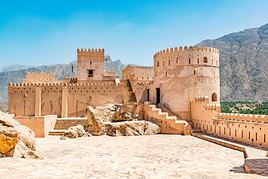
In the eponymous town, a good hundred kilometers from the capital, you can see one of the most imposing fortresses on the Arabian Peninsula.
In the eponymous town, a good hundred kilometers from the capital, you can see one of the most imposing fortresses on the Arabian Peninsula.
Ibri
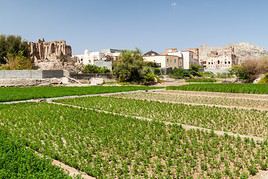
The town is primarily interesting for its surroundings, with its villages, old forts, and the UNESCO-listed ruins of the city of Bat.
The town is primarily interesting for its surroundings, with its villages, old forts, and the UNESCO-listed ruins of the city of Bat.
Nizwa
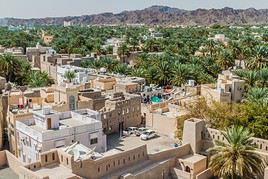
This ancient city, once the capital, has an old fort in its historic quarter and interesting souks. Nizwa is surrounded by the Jebel Akhdar mountains, where you can trek.
This ancient city, once the capital, has an old fort in its historic quarter and interesting souks. Nizwa is surrounded by the Jebel Akhdar mountains, where you can trek.
Rustaq
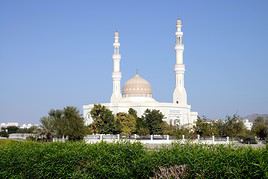
This northern city boasts an impressive fort. Several caves and wadis are waiting to be explored in the surrounding area.
This northern city boasts an impressive fort. Several caves and wadis are waiting to be explored in the surrounding area.
Archaeological Sites of Bat, Al-Khutm and Al-Ayn
These are three sites of small ancient cities near Ibri listed together as a UNESCO World Heritage Site.
These are three sites of small ancient cities near Ibri listed together as a UNESCO World Heritage Site.
Natural Heritage
Jebel Akhdar
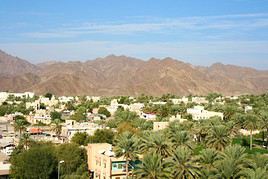
This mountain range in the Hajar, around the city of Nizwa, is a favorite among hikers. You can visit several ancient villages like Tanuf, a few forts, and enjoy the "wadis". It’s also home to Jebel Shams, the highest point (3,075 m) in the sultanate.
This mountain range in the Hajar, around the city of Nizwa, is a favorite among hikers. You can visit several ancient villages like Tanuf, a few forts, and enjoy the "wadis". It’s also home to Jebel Shams, the highest point (3,075 m) in the sultanate.
Hajar Mountains
In these beautiful mountains, found in both the Sultanate of Oman and the Emirate of Ras Al Khaimah, many bird species live. Hiking is possible here.
In these beautiful mountains, found in both the Sultanate of Oman and the Emirate of Ras Al Khaimah, many bird species live. Hiking is possible here.
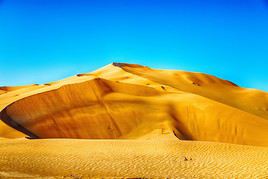
Rub al-Khali
Straddling Oman and neighboring countries, this is the world's largest continuous sand desert. Magnificent dune landscapes and a few Bedouins to discover on organized tours.
Straddling Oman and neighboring countries, this is the world's largest continuous sand desert. Magnificent dune landscapes and a few Bedouins to discover on organized tours.
Arabian Oryx Sanctuary
This desert area, once a UNESCO World Heritage site, is home to one of the last herds of Arabian oryx (gazelles).
This desert area, once a UNESCO World Heritage site, is home to one of the last herds of Arabian oryx (gazelles).
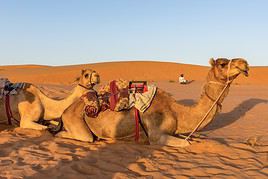
Wahiba Sands
This desert region in the northeast, stretching 180 km by 80 km, features stunning dunes where Bedouins still live with strong cultural traditions. You can hike or take camel treks here.
This desert region in the northeast, stretching 180 km by 80 km, features stunning dunes where Bedouins still live with strong cultural traditions. You can hike or take camel treks here.