
UNESCO World Heritage Sites
This part of Australia is home to six UNESCO World Heritage Sites:
Blue Mountains (2000)
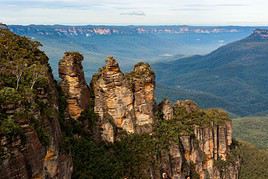
West of Sydney, a stunning mountain range that remains quite wild, where you can hike, climb, or go canyoning. The entire region is a UNESCO World Heritage site and includes several national parks, the main ones being Blue Mountains, Wollemi, Kanangra-Boyd, and Nattai National Park.
West of Sydney, a stunning mountain range that remains quite wild, where you can hike, climb, or go canyoning. The entire region is a UNESCO World Heritage site and includes several national parks, the main ones being Blue Mountains, Wollemi, Kanangra-Boyd, and Nattai National Park.
Gondwana Rainforests (1994)
This vast expanse of rainforests in Queensland and NSW is a UNESCO World Heritage site. It includes 44 parks and reserves across the two states, offering stunning mountainous landscapes, waterfalls, and local opportunities for outdoor sports and nature activities.
This vast expanse of rainforests in Queensland and NSW is a UNESCO World Heritage site. It includes 44 parks and reserves across the two states, offering stunning mountainous landscapes, waterfalls, and local opportunities for outdoor sports and nature activities.
Lord Howe Island (1982)
Over 500 km off the coast, this island attached to NSW is a UNESCO World Heritage site. Though access is regulated, it’s visited for its flora, birds, coral reefs, and diving.
Over 500 km off the coast, this island attached to NSW is a UNESCO World Heritage site. Though access is regulated, it’s visited for its flora, birds, coral reefs, and diving.
Melbourne Exhibition Centre and Carlton Gardens (2004)
Built for the 1880 World Expo, this beautiful "very British" complex is a UNESCO World Heritage site.
Built for the 1880 World Expo, this beautiful "very British" complex is a UNESCO World Heritage site.
Sydney Opera House (2007)
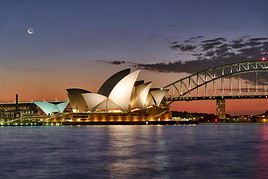
With its distinctive shape (sailboat or seashell, depending on who you ask), this is the city's most famous building and one of its most visited sites. It is a UNESCO World Heritage Site for its architectural value.
With its distinctive shape (sailboat or seashell, depending on who you ask), this is the city's most famous building and one of its most visited sites. It is a UNESCO World Heritage Site for its architectural value.
Willandra Lakes Region (1981)
This region west of Sydney encompasses around twenty salt lakes and various small archaeological sites, earning it UNESCO World Heritage status. Part of it lies within Mungo National Park.
This region west of Sydney encompasses around twenty salt lakes and various small archaeological sites, earning it UNESCO World Heritage status. Part of it lies within Mungo National Park.
New South Wales and Canberra
Jervis Bay
This beautiful bay on the south coast with the special status of "territory" is popular for its beaches, diving, fishing, and boat or canoe trips. Whales can also be spotted offshore.
This beautiful bay on the south coast with the special status of "territory" is popular for its beaches, diving, fishing, and boat or canoe trips. Whales can also be spotted offshore.
Batemans Bay
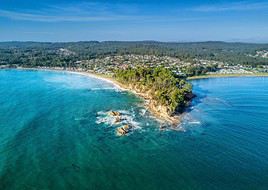
It's the closest seaside resort to Canberra. Naturally, it draws crowds on weekends and during holidays.
It's the closest seaside resort to Canberra. Naturally, it draws crowds on weekends and during holidays.
Bathurst
The city is at the heart of what was a gold rush in the 1860s. Some remnants of that era—including ghost towns—can still be seen in the surrounding area. It is also a wine-growing region.
The city is at the heart of what was a gold rush in the 1860s. Some remnants of that era—including ghost towns—can still be seen in the surrounding area. It is also a wine-growing region.
Broken Hill
A historic mining town in the Australian outback. Though mining activity has significantly declined, its tourism revolves around this theme and the presence of numerous artists who have settled there.
A historic mining town in the Australian outback. Though mining activity has significantly declined, its tourism revolves around this theme and the presence of numerous artists who have settled there.
Byron Bay
Just near the border with Queensland, the town is pleasant and sought-after for its beaches, diving and surfing opportunities, and even whale watching. All along the coast, especially north towards the Gold Coast, several seaside villages (Kingscliff, Tweed Heads, Lennox Head, etc.) share the same tourist appeal.
Just near the border with Queensland, the town is pleasant and sought-after for its beaches, diving and surfing opportunities, and even whale watching. All along the coast, especially north towards the Gold Coast, several seaside villages (Kingscliff, Tweed Heads, Lennox Head, etc.) share the same tourist appeal.
Central Coast
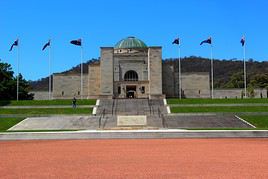
This is the coastal area north of Sydney, extending to the vicinity of Newcastle. Though largely urbanised, it still features several beaches and small national parks (Bouddhi, Ku-ring-gai, Brisbane Water...) where hiking is usually possible.
This is the coastal area north of Sydney, extending to the vicinity of Newcastle. Though largely urbanised, it still features several beaches and small national parks (Bouddhi, Ku-ring-gai, Brisbane Water...) where hiking is usually possible.
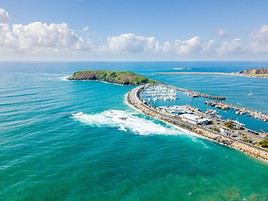
Coffs Harbour
A seaside resort, mainly family-friendly, between Newcastle and the Gold Coast. Beaches, diving, and boat trips to see dolphins and whales.
A seaside resort, mainly family-friendly, between Newcastle and the Gold Coast. Beaches, diving, and boat trips to see dolphins and whales.
Goulburn
"Old" inland town between Canberra and Sydney, with beautiful 19th-century-style buildings and a traditional economy focused on agriculture and sheep farming.
"Old" inland town between Canberra and Sydney, with beautiful 19th-century-style buildings and a traditional economy focused on agriculture and sheep farming.
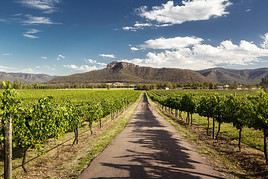
Hunter Valley
This is the rural region around Newcastle and a highly reputed area for its vineyards and horse breeding. It is also one of the most tourist-friendly parts of New South Wales.
This is the rural region around Newcastle and a highly reputed area for its vineyards and horse breeding. It is also one of the most tourist-friendly parts of New South Wales.
Lord Howe Island
Over 500 km off the coast, this island attached to NSW is a UNESCO World Heritage site. Though access is regulated, it’s visited for its flora, birds, coral reefs, and diving.
Over 500 km off the coast, this island attached to NSW is a UNESCO World Heritage site. Though access is regulated, it’s visited for its flora, birds, coral reefs, and diving.
Norfolk Island
This beautiful volcanic island, with its special status, is located over 1,600 km off the Australian coast. It attracts visitors for its landscapes, beaches, remnants of its penal colony, and duty-free products.
This beautiful volcanic island, with its special status, is located over 1,600 km off the Australian coast. It attracts visitors for its landscapes, beaches, remnants of its penal colony, and duty-free products.
Kiama
South of Wollongong, Kiama attracts many visitors with its blowhole, rock formations, and surfing beaches.
South of Wollongong, Kiama attracts many visitors with its blowhole, rock formations, and surfing beaches.
Lightning Ridge
This large outback mining town has all its activity—including tourism—focused on opal production. The surrounding area is also rich in fossils.
This large outback mining town has all its activity—including tourism—focused on opal production. The surrounding area is also rich in fossils.
Mid-North Coast
This is the name of the coastal area stretching from Newcastle to Coffs Harbour over roughly 300 km. A popular tourist destination, it attracts visitors for its beaches and water activities, as well as its lakes ("Great Lakes Council"), forests, and nature reserves in the hinterland. Key coastal towns include Foster, Coffs Harbour, and Port Macquarie...
This is the name of the coastal area stretching from Newcastle to Coffs Harbour over roughly 300 km. A popular tourist destination, it attracts visitors for its beaches and water activities, as well as its lakes ("Great Lakes Council"), forests, and nature reserves in the hinterland. Key coastal towns include Foster, Coffs Harbour, and Port Macquarie...
Narooma
A small coastal town in the south, with its beaches, serving as a base for exploring the surrounding parks and reserves, as well as Montague Island, home to colonies of penguins and dolphins. Nearby is the historic village of Tilba.
A small coastal town in the south, with its beaches, serving as a base for exploring the surrounding parks and reserves, as well as Montague Island, home to colonies of penguins and dolphins. Nearby is the historic village of Tilba.
Newcastle
It's the second-largest city in NSW, with nearby beaches, natural reserves for walking, Lake Macquarie and its water activities, and numerous renowned vineyards.
It's the second-largest city in NSW, with nearby beaches, natural reserves for walking, Lake Macquarie and its water activities, and numerous renowned vineyards.
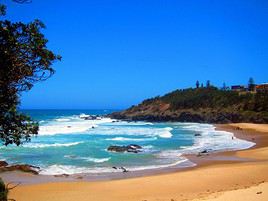
Port Macquarie
Like its neighbour Coffs Harbour, this town on the Mid-North Coast offers beaches and water activities.
Like its neighbour Coffs Harbour, this town on the Mid-North Coast offers beaches and water activities.
Willandra Lakes Region
This region west of Sydney encompasses around twenty salt lakes and various small archaeological sites, earning it UNESCO World Heritage status. Part of it lies within Mungo National Park.
This region west of Sydney encompasses around twenty salt lakes and various small archaeological sites, earning it UNESCO World Heritage status. Part of it lies within Mungo National Park.
Shoalhaven
A coastal urban area, quite touristy, with its many beaches, water activities, and Jervis Bay nearby.
A coastal urban area, quite touristy, with its many beaches, water activities, and Jervis Bay nearby.
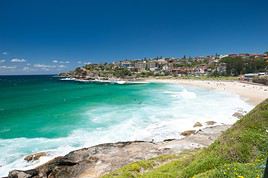
Sydney
Australia’s largest and oldest city, with its iconic harbour, UNESCO-listed Opera House, striking architecture and landmarks, vibrant atmosphere, and beaches (including the famous Bondi Beach), is a must-visit on any trip to Australia.
Australia’s largest and oldest city, with its iconic harbour, UNESCO-listed Opera House, striking architecture and landmarks, vibrant atmosphere, and beaches (including the famous Bondi Beach), is a must-visit on any trip to Australia.
Wollongong
An hour from Sydney, connected by a scenic coastal road, the city is best known for its beaches, surfing, diving, and various other water activities.
An hour from Sydney, connected by a scenic coastal road, the city is best known for its beaches, surfing, diving, and various other water activities.
Yamba
A large, tourist-oriented town on the northern coast. Beaches and water activities by the sea, and a few small parks and nature reserves inland.
A large, tourist-oriented town on the northern coast. Beaches and water activities by the sea, and a few small parks and nature reserves inland.
Natural Heritage
Blue Mountains
West of Sydney, a stunning mountain range that remains quite wild, where you can hike, climb, or go canyoning. The entire region is a UNESCO World Heritage site and includes several national parks, the main ones being Blue Mountains, Wollemi, Kanangra-Boyd, and Nattai National Park.
West of Sydney, a stunning mountain range that remains quite wild, where you can hike, climb, or go canyoning. The entire region is a UNESCO World Heritage site and includes several national parks, the main ones being Blue Mountains, Wollemi, Kanangra-Boyd, and Nattai National Park.
Budawang Range
This mountain range near the coast is home to two national parks: Budawang and Morton National Park. The area is popular with "bush walkers" and features the impressive Fitzroy Falls.
This mountain range near the coast is home to two national parks: Budawang and Morton National Park. The area is popular with "bush walkers" and features the impressive Fitzroy Falls.
Gondwana Rainforests (1994)
This vast expanse of rainforests in Queensland and NSW is a UNESCO World Heritage site. It includes 44 parks and reserves across the two states, offering stunning mountainous landscapes, waterfalls, and local opportunities for outdoor sports and nature activities.
This vast expanse of rainforests in Queensland and NSW is a UNESCO World Heritage site. It includes 44 parks and reserves across the two states, offering stunning mountainous landscapes, waterfalls, and local opportunities for outdoor sports and nature activities.
Murray River
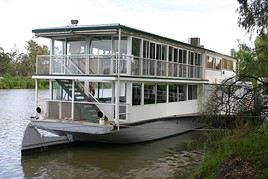
Australia’s longest river forms the border between New South Wales and Victoria before flowing into the sea in South Australia. Paddle steamers and canoe trips are offered, particularly from Mildura or Echuca.
Australia’s longest river forms the border between New South Wales and Victoria before flowing into the sea in South Australia. Paddle steamers and canoe trips are offered, particularly from Mildura or Echuca.
Jenolan Caves
A beautiful set of caves located in the Blue Mountains. It is one of the most visited tourist sites in southeastern Australia.
A beautiful set of caves located in the Blue Mountains. It is one of the most visited tourist sites in southeastern Australia.
Bald Rock National Park
On the border with Queensland, this park is known for its granite formations and notably one of Australia’s largest monoliths.
On the border with Queensland, this park is known for its granite formations and notably one of Australia’s largest monoliths.
Deua National Park
One of the many parks stretching along the southern coast. Forests, waterfalls, caves, birds, and trekking opportunities in this somewhat remote site.
One of the many parks stretching along the southern coast. Forests, waterfalls, caves, birds, and trekking opportunities in this somewhat remote site.
Kinchega National Park
This outback park located by lakes and rivers is known for its Aboriginal rock art.
This outback park located by lakes and rivers is known for its Aboriginal rock art.
Kosciuszko National Park
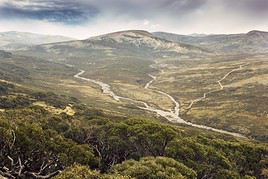
One of the largest parks in this part of mainland Australia, it borders others like Namadgi and Snowy River. It is home to the country’s highest peak and is prized for its landscapes, trekking, and skiing opportunities. The park and its neighbors also contain some Aboriginal heritage sites.
One of the largest parks in this part of mainland Australia, it borders others like Namadgi and Snowy River. It is home to the country’s highest peak and is prized for its landscapes, trekking, and skiing opportunities. The park and its neighbors also contain some Aboriginal heritage sites.
Mount Kaputar National Park
Surrounding an ancient volcano, the site is popular with climbers and hikers.
Surrounding an ancient volcano, the site is popular with climbers and hikers.
Mutawintji National Park
This isolated and arid outback park near Broken Hill is home to countless Aboriginal petroglyphs.
This isolated and arid outback park near Broken Hill is home to countless Aboriginal petroglyphs.
Royal National Park
About forty kilometres south of Sydney, this place is used as a "recreational area" by locals who come to walk, swim, canoe, or cycle.
About forty kilometres south of Sydney, this place is used as a "recreational area" by locals who come to walk, swim, canoe, or cycle.
Wollemi National Park
On the doorstep of Sydney, this is the second-largest park in the state, offering numerous opportunities for hiking, rock climbing, canoeing, and canyoning. It also contains many small Aboriginal sites.
On the doorstep of Sydney, this is the second-largest park in the state, offering numerous opportunities for hiking, rock climbing, canoeing, and canyoning. It also contains many small Aboriginal sites.
Snowy Mountains
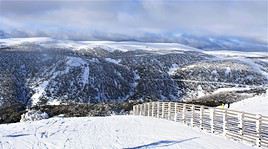
Just below Canberra, these are the highest mountains in Australia, with Mount Kosciuszko as their peak (2,228 m). Visitors come for the landscapes, caves, wildlife (wallabies, wombats, possums...), hiking or outdoor activities, and skiing in the resorts of Thredbo, Selwyn, Perisher, or Charlotte Pass.
Just below Canberra, these are the highest mountains in Australia, with Mount Kosciuszko as their peak (2,228 m). Visitors come for the landscapes, caves, wildlife (wallabies, wombats, possums...), hiking or outdoor activities, and skiing in the resorts of Thredbo, Selwyn, Perisher, or Charlotte Pass.
Warrumbungles
A pretty mountain range about 200 to 300 km northwest of Sydney, offering great opportunities for trekking and outdoor activities.
A pretty mountain range about 200 to 300 km northwest of Sydney, offering great opportunities for trekking and outdoor activities.
Victoria
Ballarat
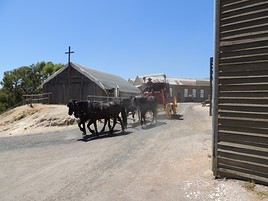
The major city marks the gateway to the "Goldfields" region. Like other nearby towns, it boasts fine mid-19th-century architecture and a tourism scene centered around mining and the gold rush (including Sovereign Hill, an open-air museum on the theme).
The major city marks the gateway to the "Goldfields" region. Like other nearby towns, it boasts fine mid-19th-century architecture and a tourism scene centered around mining and the gold rush (including Sovereign Hill, an open-air museum on the theme).
Beechworth
One of the many towns that flourished during the gold rush era and has since developed a tourist industry through its historical remnants. There are also quite a few vineyards to explore in the surrounding area.
One of the many towns that flourished during the gold rush era and has since developed a tourist industry through its historical remnants. There are also quite a few vineyards to explore in the surrounding area.
Bendigo
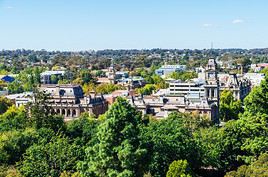
A charming city with Victorian architecture that also benefited from the gold rush in its time. Tourism here revolves around the former mining activity and vineyards.
A charming city with Victorian architecture that also benefited from the gold rush in its time. Tourism here revolves around the former mining activity and vineyards.
Geelong
The second-largest city in Victoria has a lively waterfront and some historic buildings. But it’s primarily the gateway to several tourist areas like the Great Ocean Road or the Bellarine Peninsula.
The second-largest city in Victoria has a lively waterfront and some historic buildings. But it’s primarily the gateway to several tourist areas like the Great Ocean Road or the Bellarine Peninsula.
Goldfields
This region northwest of Melbourne experienced its Gold Rush in the 1850s. It is home to several towns with beautiful architecture that benefited from the prosperity of the era (Ballarat, Bendigo, Castlemaine), as well as a few small ghost towns and various attractions or sites centered around mining. The Goldfields are also well-known for their vineyards.
This region northwest of Melbourne experienced its Gold Rush in the 1850s. It is home to several towns with beautiful architecture that benefited from the prosperity of the era (Ballarat, Bendigo, Castlemaine), as well as a few small ghost towns and various attractions or sites centered around mining. The Goldfields are also well-known for their vineyards.
Great Ocean Road
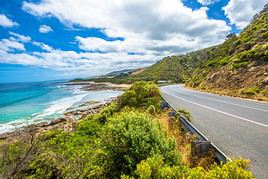
This is the name of the coastal road running from Torquay to Warrnambool, spanning 250 km. It’s a highly popular tourist destination, renowned for its stunning landscapes (including the famous "Twelve Apostles"), seaside resorts (Lorne, Anglesea...), beaches, surf spots, hiking, and other outdoor activities.
This is the name of the coastal road running from Torquay to Warrnambool, spanning 250 km. It’s a highly popular tourist destination, renowned for its stunning landscapes (including the famous "Twelve Apostles"), seaside resorts (Lorne, Anglesea...), beaches, surf spots, hiking, and other outdoor activities.
Phillip Island
This small island connected by a bridge to the mainland is a favorite spot for Melbourne residents due to its proximity to the city. You can swim, dive, surf, take short walks, or observe colonies of penguins and sea lions.
This small island connected by a bridge to the mainland is a favorite spot for Melbourne residents due to its proximity to the city. You can swim, dive, surf, take short walks, or observe colonies of penguins and sea lions.
Melbourne
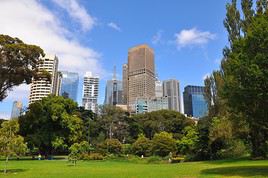
Nestled in its bay, this is Australia’s second-largest city and the vibrant capital of Victoria. Melbourne boasts a charming centre with numerous Victorian-style buildings and interesting museums. Several beaches (notably on the Mornington Peninsula) offer surfing opportunities, along with small parks (hiking) and nearby vineyards (the "Yarra Valley").
Nestled in its bay, this is Australia’s second-largest city and the vibrant capital of Victoria. Melbourne boasts a charming centre with numerous Victorian-style buildings and interesting museums. Several beaches (notably on the Mornington Peninsula) offer surfing opportunities, along with small parks (hiking) and nearby vineyards (the "Yarra Valley").
Port Fairy
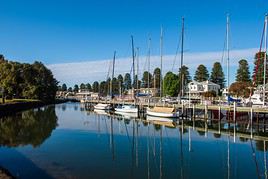
Large fishing village on the west coast of Victoria. Known locally for its folk festival and around fifty "historic" buildings from its late 19th-century whaling era.
Large fishing village on the west coast of Victoria. Known locally for its folk festival and around fifty "historic" buildings from its late 19th-century whaling era.
Torquay
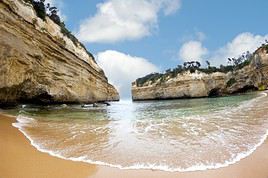
It marks the start of the Great Ocean Road when coming from Melbourne, and is especially renowned as a surfing spot, much like nearby Lorne or Bells Beach.
It marks the start of the Great Ocean Road when coming from Melbourne, and is especially renowned as a surfing spot, much like nearby Lorne or Bells Beach.
Walhalla
A former mining village repurposed for tourism, with its old buildings and former mines to visit.
A former mining village repurposed for tourism, with its old buildings and former mines to visit.
Wonthaggi
Another former mining town in southern Victoria where you can visit the underground mines.
Another former mining town in southern Victoria where you can visit the underground mines.
Natural Heritage
Buchan Caves
A set of caves in the town of the same name and a tourist attraction in the Gippsland region.
A set of caves in the town of the same name and a tourist attraction in the Gippsland region.
Gippsland Lakes
This is a region of lakes, marshes, and lagoons east of Melbourne. It’s visited for its landscapes, beaches, birdlife, and outdoor activities.
This is a region of lakes, marshes, and lagoons east of Melbourne. It’s visited for its landscapes, beaches, birdlife, and outdoor activities.
Murray River
Australia’s longest river forms the border between New South Wales and Victoria before flowing into the sea in South Australia. Paddle steamers and canoe trips are offered, particularly from Mildura or Echuca.
Australia’s longest river forms the border between New South Wales and Victoria before flowing into the sea in South Australia. Paddle steamers and canoe trips are offered, particularly from Mildura or Echuca.
Croajingolong National Park
At the far east of Victoria, this coastal park offers beautiful landscapes, particularly thanks to its dunes. It’s also a destination for hiking, camping, birdwatching, and outdoor sports.
At the far east of Victoria, this coastal park offers beautiful landscapes, particularly thanks to its dunes. It’s also a destination for hiking, camping, birdwatching, and outdoor sports.
Grampians National Park
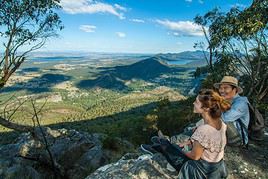
This mountain range west of Melbourne is known for its flora and fauna (kangaroos, emus, koalas...), its stunning wild landscapes, its waterfalls (Mackenzies, Silverband), its Aboriginal heritage (rock paintings), and above all its hiking and climbing opportunities.
This mountain range west of Melbourne is known for its flora and fauna (kangaroos, emus, koalas...), its stunning wild landscapes, its waterfalls (Mackenzies, Silverband), its Aboriginal heritage (rock paintings), and above all its hiking and climbing opportunities.
Mount Eccles National Park
This small park near the coast, west of Melbourne, is home to what was Australia’s last active volcano, complete with the landscape that "goes with it." A few kilometres away, Mount Napier State Park offers the same features.
This small park near the coast, west of Melbourne, is home to what was Australia’s last active volcano, complete with the landscape that "goes with it." A few kilometres away, Mount Napier State Park offers the same features.
Murray-Sunset National Park
A vast arid park on the edge of the state of Victoria, popular with bush walkers.
A vast arid park on the edge of the state of Victoria, popular with bush walkers.
Snowy River National Park
Extending from Kosciuszko National Park (NSW), this is a beautiful site featuring stunning gorges (Little River Gorge). You can enjoy rafting, trekking, and other outdoor activities, and discover some Aboriginal sites in the park and its surroundings.
Extending from Kosciuszko National Park (NSW), this is a beautiful site featuring stunning gorges (Little River Gorge). You can enjoy rafting, trekking, and other outdoor activities, and discover some Aboriginal sites in the park and its surroundings.
Bellarine Peninsula
South-west of Melbourne, the peninsula is popular for its vineyards, beaches, and small seaside resorts like Queenscliff.
South-west of Melbourne, the peninsula is popular for its vineyards, beaches, and small seaside resorts like Queenscliff.
Mornington Peninsula
The other peninsula surrounding Melbourne and its bay, like Bellarine. It's also renowned for its vineyards, beaches, and water activities.
The other peninsula surrounding Melbourne and its bay, like Bellarine. It's also renowned for its vineyards, beaches, and water activities.
Wilsons Promontory
This peninsula is the southernmost point of mainland Australia. It’s a destination for stunning landscapes, camping, hiking, beaches, and diving.
This peninsula is the southernmost point of mainland Australia. It’s a destination for stunning landscapes, camping, hiking, beaches, and diving.
Twelve Apostles
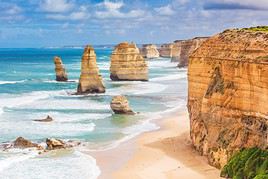
This set of limestone stacks rising from the sea along the coast is the most famous landmark of the Great Ocean Road. These "Twelve Apostles" are located in the small coastal park of Port Campbell.
This set of limestone stacks rising from the sea along the coast is the most famous landmark of the Great Ocean Road. These "Twelve Apostles" are located in the small coastal park of Port Campbell.
Victorian Alps
Also known as High Country. The region northeast of Melbourne attracts visitors with its landscapes, trekking opportunities, nature activities, and especially skiing at several resorts (Falls Creek, Mount Hotham, Mount Buller, etc.).
Also known as High Country. The region northeast of Melbourne attracts visitors with its landscapes, trekking opportunities, nature activities, and especially skiing at several resorts (Falls Creek, Mount Hotham, Mount Buller, etc.).
Wyperfeld, Big Desert, Ngarkat
A group of three parks spanning two states, known for certain bird species and fairly large sand dunes that form part of a relatively flat landscape.
A group of three parks spanning two states, known for certain bird species and fairly large sand dunes that form part of a relatively flat landscape.