last edited Jun 29, 2020
What to See in Valencia
Contributionsversion #5created Jun 29, 2020Report this pageLatest contributions in this guideContributors to this guide
Location Map of Valencia (Spain)
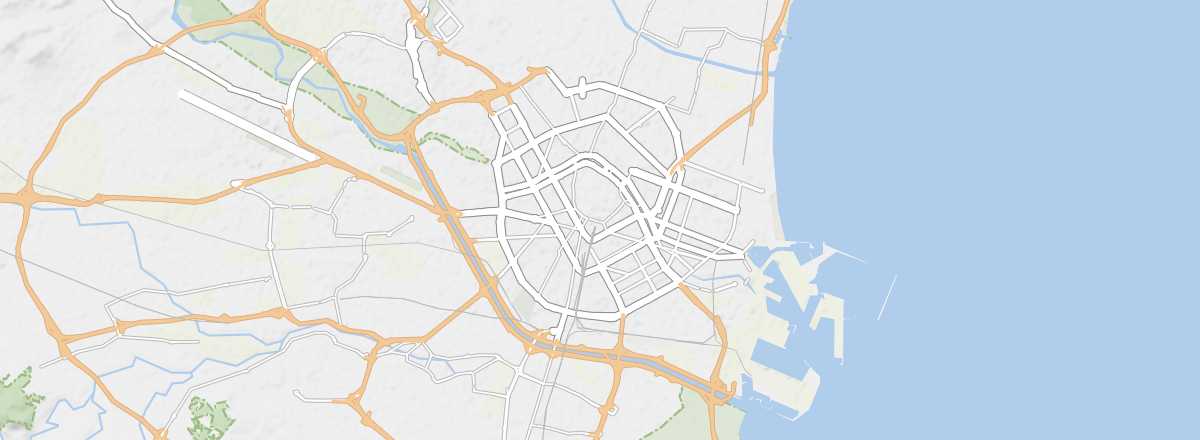 Valencia (Spain)
Open the interactive map
Valencia (Spain)
Open the interactive map
Overview
UNESCO World Heritage Sites
Valencia has one site inscribed on the UNESCO list:
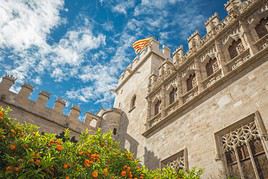
Silk Exchange
This "Merchants' Exchange" is a 15th-century commercial exchange symbolising the city's power at the time. The Valencian Gothic-style building is a UNESCO World Heritage site.
This "Merchants' Exchange" is a 15th-century commercial exchange symbolising the city's power at the time. The Valencian Gothic-style building is a UNESCO World Heritage site.
Sites, Monuments, and Architectural Ensembles
Silk Exchange
This "Merchants' Exchange" is a 15th-century commercial exchange symbolising the city's power at the time. The Valencian Gothic-style building is a UNESCO World Heritage site.
This "Merchants' Exchange" is a 15th-century commercial exchange symbolising the city's power at the time. The Valencian Gothic-style building is a UNESCO World Heritage site.
Valencia Central Market
One of the largest covered markets in Europe, spanning 8,000 m². It showcases Valencian Modernist architecture from the early 20th century.
One of the largest covered markets in Europe, spanning 8,000 m². It showcases Valencian Modernist architecture from the early 20th century.
Colón Market
This downtown market is considered one of the main works of Valencian Art Nouveau. In addition to shops, the place hosts plenty of bars and restaurants, making it a lively spot.
This downtown market is considered one of the main works of Valencian Art Nouveau. In addition to shops, the place hosts plenty of bars and restaurants, making it a lively spot.
Redonda Square
This small circular square is also known as El Clot. It dates from 1837 and is surrounded by small shops, particularly selling Valencian products or haberdashery.
This small circular square is also known as El Clot. It dates from 1837 and is surrounded by small shops, particularly selling Valencian products or haberdashery.
Maritime Quarter
The Marina, beaches, and the Cabanal fishermen's district make up the heart of this part of the city, facing the sea. The area is lively with its bars and restaurants, perfect for a stroll or water activities.
The Marina, beaches, and the Cabanal fishermen's district make up the heart of this part of the city, facing the sea. The area is lively with its bars and restaurants, perfect for a stroll or water activities.
Ruzafa
This is the name of one of the liveliest districts in the city, with its bars, restaurants, trendy shops, and art galleries.
This is the name of one of the liveliest districts in the city, with its bars, restaurants, trendy shops, and art galleries.
Serranos Towers
In addition to symbolising a triumphal arch, they were one of the two city gates (along with the still-visible Quart Towers) during the medieval period. From the top, there’s a great view of the historic centre and the Turia Gardens.
In addition to symbolising a triumphal arch, they were one of the two city gates (along with the still-visible Quart Towers) during the medieval period. From the top, there’s a great view of the historic centre and the Turia Gardens.
Old Town
Valencia's historic centre is quite extensive and houses most of the city's valuable monuments and buildings worth visiting, such as the cathedral, the Generalitat, the UNESCO-listed Lonja, and the Serrano Towers. Particularly in the El Carmen district, you can also enjoy its narrow streets, bars, and restaurants.
Valencia's historic centre is quite extensive and houses most of the city's valuable monuments and buildings worth visiting, such as the cathedral, the Generalitat, the UNESCO-listed Lonja, and the Serrano Towers. Particularly in the El Carmen district, you can also enjoy its narrow streets, bars, and restaurants.
Religious Buildings
Valencia Cathedral
Built in the late 13th century, the building has undergone quite a few modifications over the years. Its façade is rather original and is highlighted by its forecourt.
Built in the late 13th century, the building has undergone quite a few modifications over the years. Its façade is rather original and is highlighted by its forecourt.
San Nicolás Church
This is one of the oldest churches in the city, dating back to 1240. It is renowned for its exuberant and richly decorated Baroque interior.
This is one of the oldest churches in the city, dating back to 1240. It is renowned for its exuberant and richly decorated Baroque interior.
Museums
City of Arts and Sciences
This is a 350,000 m² complex organized around three main themes: arts, sciences, and nature. It includes the Agora (a vast covered plaza), the Hemisfèric (cinema and planetarium), the Príncipe Felipe Science Museum, the Umbracle (a garden promenade), the Oceanogràfic (aquarium), and the Reina Sofia Palace (arts and culture).
This is a 350,000 m² complex organized around three main themes: arts, sciences, and nature. It includes the Agora (a vast covered plaza), the Hemisfèric (cinema and planetarium), the Príncipe Felipe Science Museum, the Umbracle (a garden promenade), the Oceanogràfic (aquarium), and the Reina Sofia Palace (arts and culture).
IVAM
Also known as the Valencian Institute of Modern Art. It hosts permanent and temporary exhibitions dedicated to modern and contemporary art, particularly Spanish.
Also known as the Valencian Institute of Modern Art. It hosts permanent and temporary exhibitions dedicated to modern and contemporary art, particularly Spanish.
Museum of Fine Arts
Housed in a centuries-old building, the Saint Pius V College, the museum displays a rich collection of paintings spanning from the 14th to the 20th century. It is one of Spain’s leading museums in its category.
Housed in a centuries-old building, the Saint Pius V College, the museum displays a rich collection of paintings spanning from the 14th to the 20th century. It is one of Spain’s leading museums in its category.
Fallas Museum
This place is dedicated to the popular festival of fallas (torches), during which cardboard figurines are burned. In addition to explanations about this local tradition, the museum displays those "pardoned" by popular vote since its inception in 1934.
This place is dedicated to the popular festival of fallas (torches), during which cardboard figurines are burned. In addition to explanations about this local tradition, the museum displays those "pardoned" by popular vote since its inception in 1934.
National Ceramics Museum
Dedicated to ceramics, porcelain, and other decorative arts such as textile art, traditional costumes, and furniture. The museum is housed in the remarkable Palace of the Marquis of Dos Aguas, considered one of the finest examples of Baroque art in Spain.
Dedicated to ceramics, porcelain, and other decorative arts such as textile art, traditional costumes, and furniture. The museum is housed in the remarkable Palace of the Marquis of Dos Aguas, considered one of the finest examples of Baroque art in Spain.
Príncipe Felipe Science Museum
This natural science museum with futuristic architecture (shaped like the long skeleton of a prehistoric animal) is part of the City of Arts and Sciences complex. It is Europe’s largest interactive museum for exploring the world of science.
This natural science museum with futuristic architecture (shaped like the long skeleton of a prehistoric animal) is part of the City of Arts and Sciences complex. It is Europe’s largest interactive museum for exploring the world of science.
Valencian Museum of Ethnology
It explores the lifestyle and customs of the Valencians through collections of traditional objects. The site also houses the Museum of Prehistory, showcasing the results of excavations carried out in the region.
It explores the lifestyle and customs of the Valencians through collections of traditional objects. The site also houses the Museum of Prehistory, showcasing the results of excavations carried out in the region.
Valencia City Museum
Housed in the Marquis del Campo palace, it features an archaeological collection tracing the city's origins.
Housed in the Marquis del Campo palace, it features an archaeological collection tracing the city's origins.
Parks, Gardens, and Natural Spaces
Bioparc Valencia
A sprawling eight-hectare zoo seamlessly connected to the Turia Gardens and Cabecera Park. It is home to hundreds of animals, specialising in African wildlife with four distinct ecosystems.
A sprawling eight-hectare zoo seamlessly connected to the Turia Gardens and Cabecera Park. It is home to hundreds of animals, specialising in African wildlife with four distinct ecosystems.
Botanical Garden
A site with over two centuries of history, serving as both a place of study and research as well as a spot for leisurely walks.
A site with over two centuries of history, serving as both a place of study and research as well as a spot for leisurely walks.
Jardines del Real
This is a landscaped urban park built around a large fountain, featuring sculptures and tree-lined pedestrian paths. It is part of the "ensemble" of the Turia Gardens.
This is a landscaped urban park built around a large fountain, featuring sculptures and tree-lined pedestrian paths. It is part of the "ensemble" of the Turia Gardens.
Turia Gardens
A 110-hectare park built in the bed of the eponymous river. It runs through the city and is popular for the activities you can do there. It’s also home to several key attractions, including the City of Arts and Sciences, the Music Palace (cultural spaces), the Bioparc (zoo), and the Oceanogràfic (aquarium), among others.
A 110-hectare park built in the bed of the eponymous river. It runs through the city and is popular for the activities you can do there. It’s also home to several key attractions, including the City of Arts and Sciences, the Music Palace (cultural spaces), the Bioparc (zoo), and the Oceanogràfic (aquarium), among others.
The Umbracle
A small public garden that is part of the City of Arts and Sciences. It features a 300-metre-long "futuristic" palm promenade covered by a series of fixed or floating arches.
A small public garden that is part of the City of Arts and Sciences. It features a 300-metre-long "futuristic" palm promenade covered by a series of fixed or floating arches.

Oceanogràfic
It’s one of Europe’s largest ocean parks. Spread over 10 hectares representing different habitats, it showcases marine mammals, 500 species of fish, reptiles, and aquatic birds.
It’s one of Europe’s largest ocean parks. Spread over 10 hectares representing different habitats, it showcases marine mammals, 500 species of fish, reptiles, and aquatic birds.
Nearby
Places to see around Valencia, both along the coast and inland:
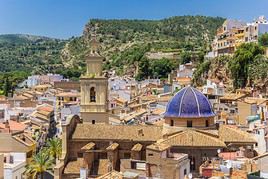
Buñol
This small town is internationally famous for its "Tomatina", a massive tomato battle held every last Wednesday of August, lasting all day and attracting tens of thousands of participants.
This small town is internationally famous for its "Tomatina", a massive tomato battle held every last Wednesday of August, lasting all day and attracting tens of thousands of participants.
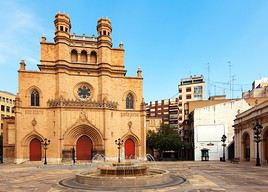
Castellón de la Plana
A cathedral, a few historic buildings, and beaches for this city north of Valencia.
A cathedral, a few historic buildings, and beaches for this city north of Valencia.
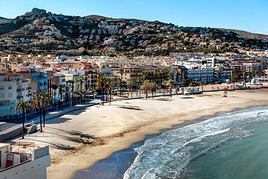
Costa del Azahar
This is the name given to the tourist coast north of Valencia. Among the main seaside resorts and their 120 km of beaches, Benicàssim, Castellón, and Peñíscola are among the most popular.
This is the name given to the tourist coast north of Valencia. Among the main seaside resorts and their 120 km of beaches, Benicàssim, Castellón, and Peñíscola are among the most popular.
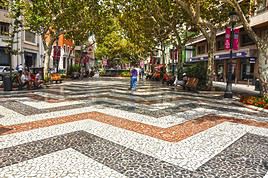
Gandia
A major seaside resort south of Valencia. The city also has a medieval quarter with many beautiful buildings. Hiking is possible in the surrounding area.
A major seaside resort south of Valencia. The city also has a medieval quarter with many beautiful buildings. Hiking is possible in the surrounding area.
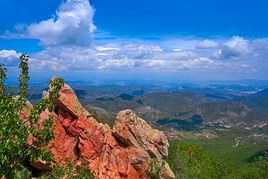
Serra d'Espadà Natural Park
A vast natural area on mountainous foothills where countless olive trees grow. Hiking trails have been developed here.
A vast natural area on mountainous foothills where countless olive trees grow. Hiking trails have been developed here.

Sagunto
A few kilometres north of Valencia, a town with a charming historic centre dominated by a fortress and a beautiful Roman theatre, plus nearby beaches.
A few kilometres north of Valencia, a town with a charming historic centre dominated by a fortress and a beautiful Roman theatre, plus nearby beaches.
Additional Resources
Must-see & highly recommended
City of Arts and Sciences (Valencia)
★★★★ This is a 350,000 m² complex organized around three main themes: arts, sciences, and nature. It includes the Agora (a vast covered plaza)…
Recommended
Turia Gardens
★★★ A 110-hectare park built in the bed of the eponymous river. It runs through the city and is popular for the activities you can do there…
Old Town (Valencia)
★★★ Valencia's historic centre is quite extensive and houses most of the city's valuable monuments and buildings worth visiting, such as the…
Worth a look / Other
Valencia Cathedral
★★ Built in the late 13th century, the building has undergone quite a few modifications over the years. Its façade is rather original and is…
Costa del Azahar
★★ This is the name given to the tourist coast north of Valencia. Among the main seaside resorts and their 120 km of beaches, Benicàssim…
San Nicolás Church (Valencia)
★★ This is one of the oldest churches in the city, dating back to 1240. It is renowned for its exuberant and richly decorated Baroque interior.
Gandia
★★ A major seaside resort south of Valencia. The city also has a medieval quarter with many beautiful buildings. Hiking is possible in the…
The Umbracle
★★ A small public garden that is part of the City of Arts and Sciences. It features a 300-metre-long "futuristic" palm promenade covered by a…
Fine Arts Museum (Valencia)
★★ Housed in a centuries-old building, the Saint Pius V College, the museum displays a rich collection of paintings spanning from the 14th to…
Príncipe Felipe Science Museum
★★ This natural science museum with futuristic architecture (shaped like the long skeleton of a prehistoric animal) is part of the City of…
Oceanogràfic
★★ It’s one of Europe’s largest ocean parks. Spread over 10 hectares representing different habitats, it showcases marine mammals…
Albufera Natural Park
★★ A natural area on the outskirts of Valencia where numerous bird species nest.
Maritime District (Valencia)
★★ The Marina, beaches, and the Cabanal fishermen's district make up the heart of this part of the city, facing the sea. The area is lively…
Ruzafa
★★ This is the name of one of the liveliest districts in the city, with its bars, restaurants, trendy shops, and art galleries.
Sagunto
★★ A few kilometres north of Valencia, a town with a charming historic centre dominated by a fortress and a beautiful Roman theatre, plus…
Bioparc Valencia
★ A sprawling eight-hectare zoo seamlessly connected to the Turia Gardens and Cabecera Park. It is home to hundreds of animals, specialising…
Buñol
★ This small town is internationally famous for its "Tomatina", a massive tomato battle held every last Wednesday of August, lasting all day…
Castellón de la Plana
★ A cathedral, a few historic buildings, and beaches for this city north of Valencia.
IVAM
★ Also known as the Valencian Institute of Modern Art. It hosts permanent and temporary exhibitions dedicated to modern and contemporary art…
Botanical Garden (Valencia)
★ A site with over two centuries of history, serving as both a place of study and research as well as a spot for leisurely walks.
Jardines del Real
★ This is a landscaped urban park built around a large fountain, featuring sculptures and tree-lined pedestrian paths. It is part of the…
Silk Exchange
★ This "Merchants' Exchange" is a 15th-century commercial exchange symbolising the city's power at the time. The Valencian Gothic-style…
Valencia Central Market
★ One of the largest covered markets in Europe, spanning 8,000 m². It showcases Valencian Modernist architecture from the early 20th century.
Colón Market
★ This downtown market is considered one of the main works of Valencian Art Nouveau. In addition to shops, the place hosts plenty of bars and…
Valencia City Museum
★ Housed in the Marquis del Campo palace, it features an archaeological collection tracing the city's origins.
Fallas Museum
★ This place is dedicated to the popular festival of fallas (torches), during which cardboard figurines are burned. In addition to…
National Ceramics Museum (Valencia)
★ Dedicated to ceramics, porcelain, and other decorative arts such as textile art, traditional costumes, and furniture. The museum is housed…
Valencian Museum of Ethnology
★ It explores the lifestyle and customs of the Valencians through collections of traditional objects. The site also houses the Museum of…
Oliva
★ A small town in the south of Valencia with a historic old quarter and surrounding beaches.
Serra d'Espadà Natural Park
★ A vast natural area on mountainous foothills where countless olive trees grow. Hiking trails have been developed here.
Redonda Square
★ This small circular square is also known as El Clot. It dates from 1837 and is surrounded by small shops, particularly selling Valencian…
Serranos Towers
★ In addition to symbolising a triumphal arch, they were one of the two city gates (along with the still-visible Quart Towers) during the…
- Silk Exchange
- Oceanogràfic
- Botanical Garden (Valencia)
- Jardines del Real
- Bioparc Valencia
- Turia Gardens
- Príncipe Felipe Science Museum
- City of Arts and Sciences (Valencia)
- Fine Arts Museum (Valencia)
- IVAM
- Valencian Museum of Ethnology
- National Ceramics Museum (Valencia)
- The Umbracle
- Fallas Museum
- Valencia City Museum
- Colón Market
- Valencia Cathedral
- Valencia Central Market
- Old Town (Valencia)
- Serranos Towers
- San Nicolás Church (Valencia)
- Ruzafa
- Maritime District (Valencia)
- Redonda Square