last edited Mar 10, 2020
What to see in Vilnius
Contributionsversion #3created Mar 10, 2020Report this pageLatest contributions in this guideContributors to this guide
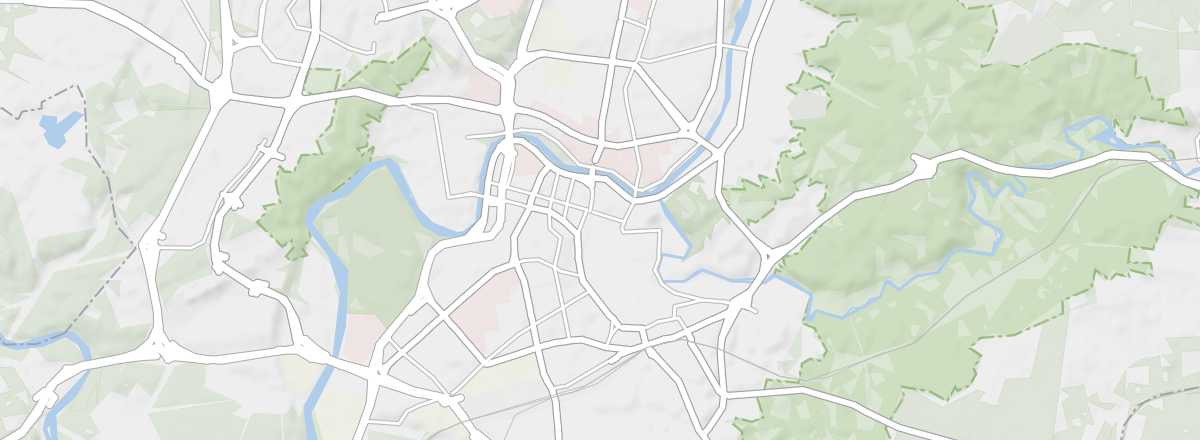
Location Map of Vilnius
 Vilnius
Open the interactive map
Overview
UNESCO World Heritage
Historic Centre of Vilnius
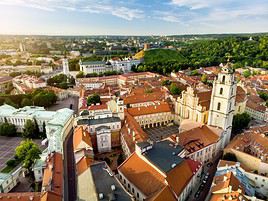
One of the most significant examples of medieval cities in Northern Europe, with over 1,500 period buildings or those from subsequent centuries. This is why the district is a UNESCO World Heritage site.
One of the most significant examples of medieval cities in Northern Europe, with over 1,500 period buildings or those from subsequent centuries. This is why the district is a UNESCO World Heritage site.
Sites, monuments and architectural ensembles
Historic Centre of Vilnius
One of the most significant examples of medieval cities in Northern Europe, with over 1,500 period buildings or those from subsequent centuries. This is why the district is a UNESCO World Heritage site.
One of the most significant examples of medieval cities in Northern Europe, with over 1,500 period buildings or those from subsequent centuries. This is why the district is a UNESCO World Heritage site.

Gate of Dawn
This is the last remaining testament to the gates and walls built in the 16th century that once surrounded the city. A chapel and an icon of the Virgin Mary were added in the 17th century; they remain there to this day and have become a place of pilgrimage.
This is the last remaining testament to the gates and walls built in the 16th century that once surrounded the city. A chapel and an icon of the Virgin Mary were added in the 17th century; they remain there to this day and have become a place of pilgrimage.

Republic of Užupis
This district of the capital is actually a micronation founded in 1997 by its residents. It’s home to many artists, gallery owners, and craftspeople, and aims to be an alternative and lively spot.
This district of the capital is actually a micronation founded in 1997 by its residents. It’s home to many artists, gallery owners, and craftspeople, and aims to be an alternative and lively spot.

Gediminas Tower
All that remains of Vilnius Castle, dating from the 15th century. It is still one of Lithuania’s symbols and houses a museum and local archaeological collections. There’s a rather nice viewpoint from the hill where the site is located.
All that remains of Vilnius Castle, dating from the 15th century. It is still one of Lithuania’s symbols and houses a museum and local archaeological collections. There’s a rather nice viewpoint from the hill where the site is located.
Religious buildings

Vilnius Cathedral
This is the main Catholic place of worship in Lithuania and the site where royal coronations and weddings once took place. The crypts and catacombs of this beautiful building are the final resting place of several notable figures from the country.
This is the main Catholic place of worship in Lithuania and the site where royal coronations and weddings once took place. The crypts and catacombs of this beautiful building are the final resting place of several notable figures from the country.


Church of St. Anne
A late Gothic masterpiece, it is one of the most iconic landmarks in Vilnius’s historic centre. Construction began in 1495.
A late Gothic masterpiece, it is one of the most iconic landmarks in Vilnius’s historic centre. Construction began in 1495.
Museums
Amber Gallery-Museum
The venue is dedicated to Baltic amber, covering its mineralogical, historical, and cultural significance for the countries of the region.
The venue is dedicated to Baltic amber, covering its mineralogical, historical, and cultural significance for the countries of the region.

National Museum of Lithuania
The country's culture and customs from its origins. Exhibits and collections are spread across around ten different locations in the city.
The country's culture and customs from its origins. Exhibits and collections are spread across around ten different locations in the city.

Museum of Occupations and Freedom Struggles
Housed in the former KGB headquarters, the site recounts half a century of Soviet occupation and Russian repression (following Nazi occupation) against the Baltic peoples.
Housed in the former KGB headquarters, the site recounts half a century of Soviet occupation and Russian repression (following Nazi occupation) against the Baltic peoples.
Parks and gardens

Vingis Park
This is the largest green space in Vilnius, covering 162 hectares. It hosts various events and festivities and is even used for cross-country skiing in winter.
This is the largest green space in Vilnius, covering 162 hectares. It hosts various events and festivities and is even used for cross-country skiing in winter.
In the surrounding area
Kernavė
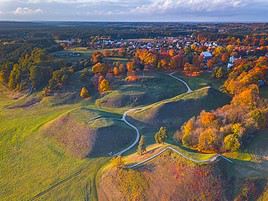
A UNESCO-listed site, Kernavė is a major archaeological area featuring traces of what was Lithuania’s first capital in the late Middle Ages.
A UNESCO-listed site, Kernavė is a major archaeological area featuring traces of what was Lithuania’s first capital in the late Middle Ages.
Europe Park
This park, also known as Europos Parkas, is an open-air modern art museum located 20 km north of Vilnius. It owes its existence to the fact that this spot is the geographical centre of Europe, as defined by the IGN in 1989.
This park, also known as Europos Parkas, is an open-air modern art museum located 20 km north of Vilnius. It owes its existence to the fact that this spot is the geographical centre of Europe, as defined by the IGN in 1989.
Trakai
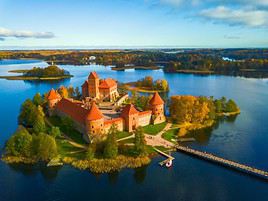
The medieval capital of Lithuania is located in a lake region west of the capital. It is known for its two castles.
The medieval capital of Lithuania is located in a lake region west of the capital. It is known for its two castles.
Further reading
Recommended
Vilnius Cathedral
★★★ This is the main Catholic place of worship in Lithuania and the site where royal coronations and weddings once took place. The crypts and…
Historic Centre of Vilnius
★★★ One of the most significant examples of medieval cities in Northern Europe, with over 1,500 period buildings or those from subsequent…
Trakai
★★★ The medieval capital of Lithuania is located in a lake region west of the capital. It is known for its two castles.
Worth a look / Other
St. Anne's Church (Vilnius)
★★ A late Gothic masterpiece, it is one of the most iconic landmarks in Vilnius’s historic centre. Construction began in 1495.
Museum of Occupations and Freedom Struggles
★★ Housed in the former KGB headquarters, the site recounts half a century of Soviet occupation and Russian repression (following Nazi…
National Museum of Lithuania
★★ The country's culture and customs from its origins. Exhibits and collections are spread across around ten different locations in the city.
Republic of Užupis
★★ This district of the capital is actually a micronation founded in 1997 by its residents. It’s home to many artists, gallery owners…
Gediminas Tower
★★ All that remains of Vilnius Castle, dating from the 15th century. It is still one of Lithuania’s symbols and houses a museum and…
Church of Saints Peter and Paul (Vilnius)
★ Built in 1688, it is considered a masterpiece of Baroque art.
Amber Gallery-Museum (Vilnius)
★ The venue is dedicated to Baltic amber, covering its mineralogical, historical, and cultural significance for the countries of the region.
Kernavė
★ A UNESCO-listed site, Kernavė is a major archaeological area featuring traces of what was Lithuania’s first capital in the late…
Europe Park
★ This park, also known as Europos Parkas, is an open-air modern art museum located 20 km north of Vilnius. It owes its existence to the fact…
Vingis Park
★ This is the largest green space in Vilnius, covering 162 hectares. It hosts various events and festivities and is even used for…
Gate of Dawn
★ This is the last remaining testament to the gates and walls built in the 16th century that once surrounded the city. A chapel and an icon…