last edited Dec 11, 2019
World Tour Checklist
Location Map of Destinations
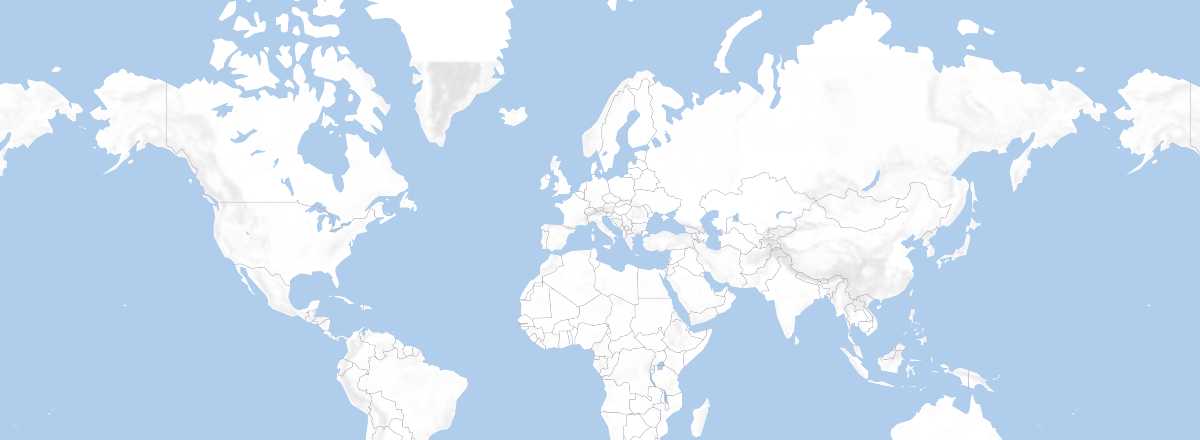 Destinations
Open the interactive map
Destinations
Open the interactive map
Pre-Departure Planning
For an idea of what to do or see before leaving, here’s a quick checklist:
1 - If during your trip you’ll need to engage in physical activities (trekking, diving, etc.) or technical ones (sailing, mechanics, etc.), plan some training or a few "refresher" sessions. The same goes for languages, especially English—without it, your journey could get complicated at times.
2 - Get a health check-up before leaving. Visit the dentist, bring spare glasses or contact lenses, and prepare your medical kit based on the countries you’ll visit and any ongoing treatments (find out what you can get on the road and at what price).
3 - Choose the insurance-assistance best suited for your long-term trip and don’t forget your vaccinations and their boosters.
4 - If possible, learn some first-aid basics and, most importantly, what to do (or not do) to prevent or handle common travel issues (jet lag, traveler’s diarrhea, etc.). Also, get an idea of the health risks in the countries you’ll visit.
5 - Gather all the information and firsthand accounts you need to prepare your trip, especially practical details, and outline your itinerary.
6 - Check or update your gear, from your bag to your camera. Replace anything if needed to start your trip in the best conditions. Choose smart, lightweight equipment, keeping in mind you can buy or sell some items along the way.
7 - Clearly establish your world tour budget and how you’ll handle currency—the cost of the trip as well as expenses (and possibly income) back home while you’re away. It’s also useful to know where and how to receive money abroad and to have someone you trust who can handle such transactions (explain how to do it). Notify your bank of your plans.
8 - On a practical and financial level, plan for anything that might happen while you’re away and its consequences (bills, deadlines, etc.). If you’re considering it, don’t wait until the last minute to rent out your home, sell your vehicle, or any other belongings.
9 - Renew or check the validity of your documents (passport, international driver’s permit, credit card, etc.). Remember, it’ll be harder to renew them on the road. If it seems useful, get a student card, youth hostel card, etc.
10 - Since visas and their validity will likely be an issue, plan wisely. Get the ones that are straightforward from home and research where and how to obtain the others, as well as their costs. The same goes for air travel arrangements.
11 - If you plan to work along the way, think about the documents you’ll need (often just an English CV and business cards) and have a rough idea of what you want to do and where. You can even start looking before you leave.
12 - If you have a sponsored project or plan to write a book, etc., don’t leave anything to chance regarding the steps to take before, during, and after your trip.
13 - Even if you’re not an internet addict, get an email address you can easily access anywhere in the world. Share it, and if possible, make a list of cybercafés you might find along the way.
14 - Importantly, find someone you trust to act as your liaison in France and handle certain things while you’re away. If they’re internet-savvy, email contact will make things even easier, and they can serve as an intermediary for those in your circle who aren’t online.
15 - If you want to ease your return, let your loved ones know well in advance and keep in touch with them (also tell them how to reach you). Visit some before you leave, or better yet, organize a pre-departure gathering.
16 - If you’re working before and after the trip, give yourself some breathing room. Avoid leaving the day after you stop working or returning the day before you start again.
17 - If needed, look for travel companions well in advance.
18 - Finally, start thinking about what you’ll do when you return.