
11th and final stop: Tulum
There’s obviously something for everyone here, but as far as we’re concerned, we didn’t like Tulum. Its only real draw is its archaeological site, which most of us have probably seen in photos all over the place—often presented as iconic of the Yucatán.
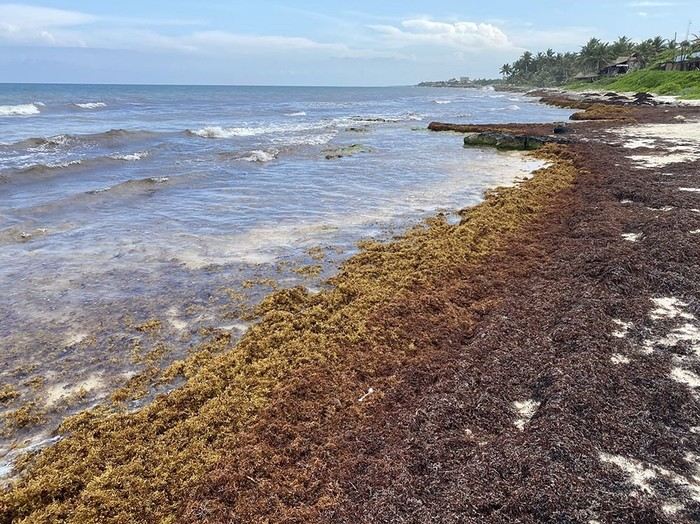
Tulum is a town where the coast is literally taken over by hotels: beach access is almost entirely private. The town itself has zero authenticity. And yet, tourists—many of them American—seem to love crowding into these charm-free hotels, on beaches that are regularly overrun by sargassum.
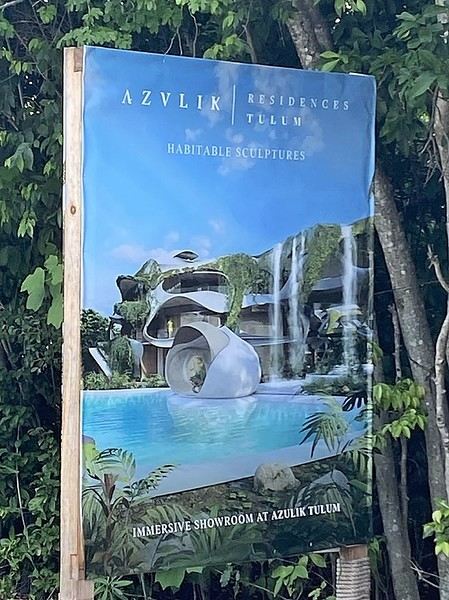
Luxury (and often bizarre) hotel projects keep popping up along the coastline for I don’t even know how many miles, alternating with the ones already there.
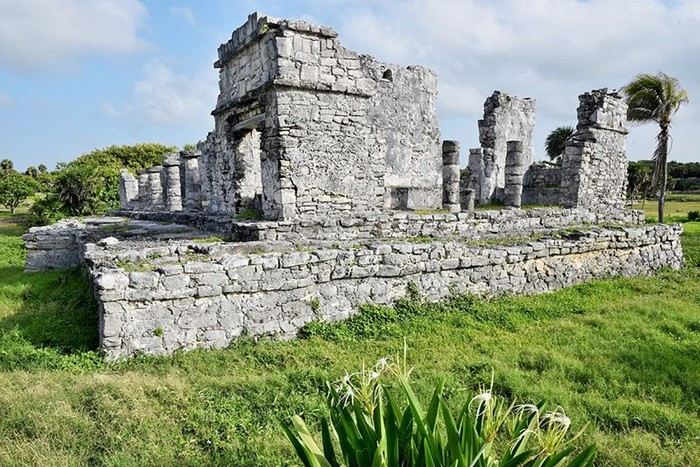
Anyway, we visited the Mayan city of Tulum, which was actually interesting, even if you can explore it pretty quickly.
The city was fortified (Tulum means "fence" in Mayan) and located at the highest point on the coast. This allowed it to control maritime trade routes while being virtually impregnable.
The most iconic building on the site is El Castillo.
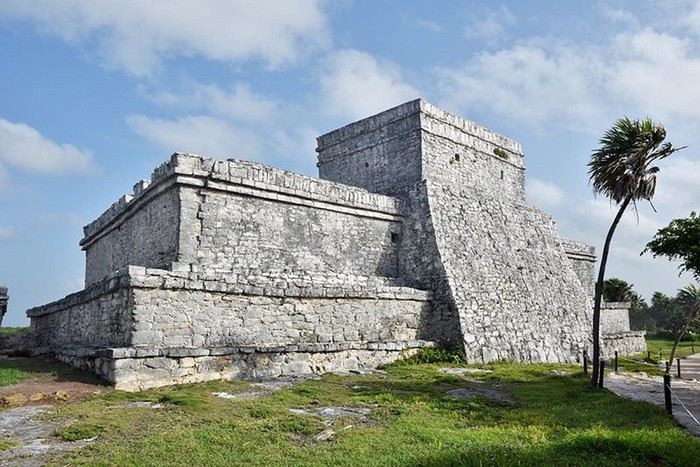
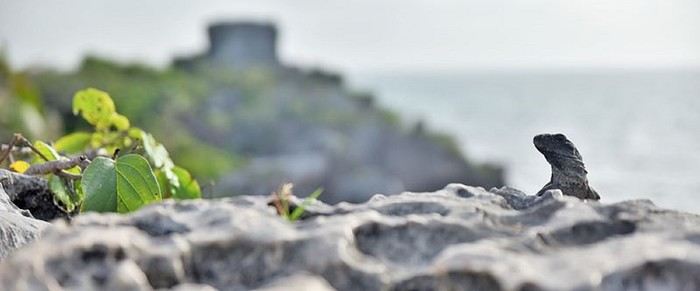
The second structure overlooking the Caribbean Sea, smaller than El Castillo, is the Temple of the Wind God.
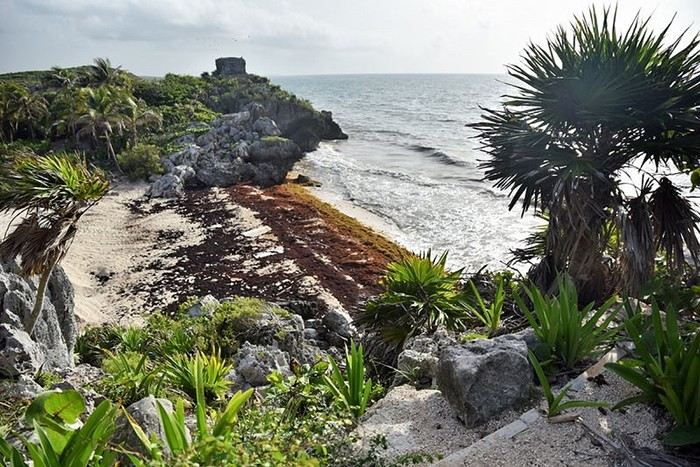
This walk among Mayan ruins overlooking the sea is where our Yucatán journey comes to an end.
Thanks for following along with this travel journal! 😎
Adios amigos...
There’s obviously something for everyone here, but as far as we’re concerned, we didn’t like Tulum. Its only real draw is its archaeological site, which most of us have probably seen in photos all over the place—often presented as iconic of the Yucatán.
Tulum is a town where the coast is literally taken over by hotels: beach access is almost entirely private. The town itself has zero authenticity. And yet, tourists—many of them American—seem to love crowding into these charm-free hotels, on beaches that are regularly overrun by sargassum.
Luxury (and often bizarre) hotel projects keep popping up along the coastline for I don’t even know how many miles, alternating with the ones already there.
Anyway, we visited the Mayan city of Tulum, which was actually interesting, even if you can explore it pretty quickly.
The city was fortified (Tulum means "fence" in Mayan) and located at the highest point on the coast. This allowed it to control maritime trade routes while being virtually impregnable.
The most iconic building on the site is El Castillo.
The second structure overlooking the Caribbean Sea, smaller than El Castillo, is the Temple of the Wind God.
This walk among Mayan ruins overlooking the sea is where our Yucatán journey comes to an end.
Thanks for following along with this travel journal! 😎
Adios amigos...