

Re: From Southern Shikoku, between land and sea, to the blue waters of Miyakojima and finally the megalopolis T
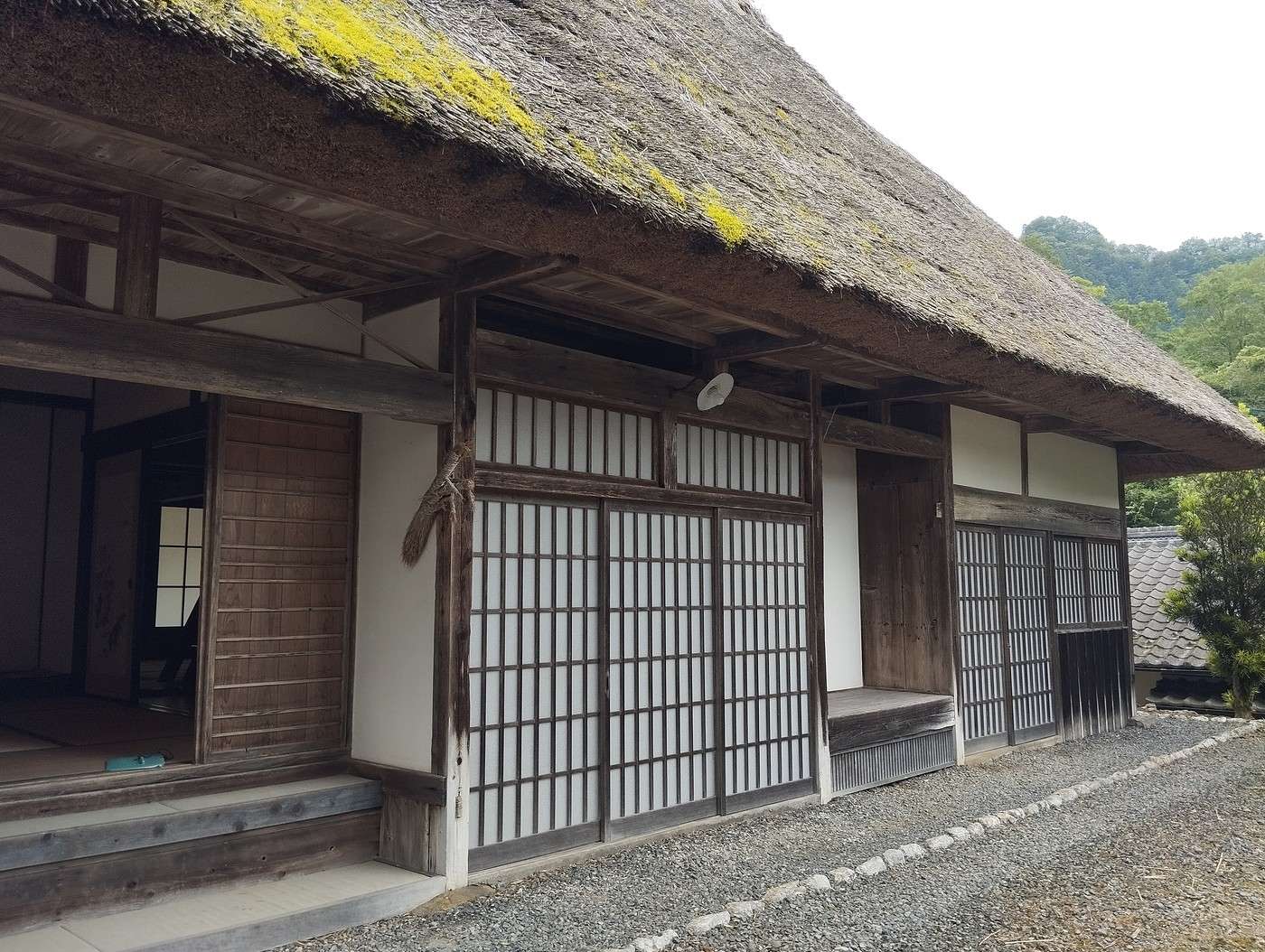
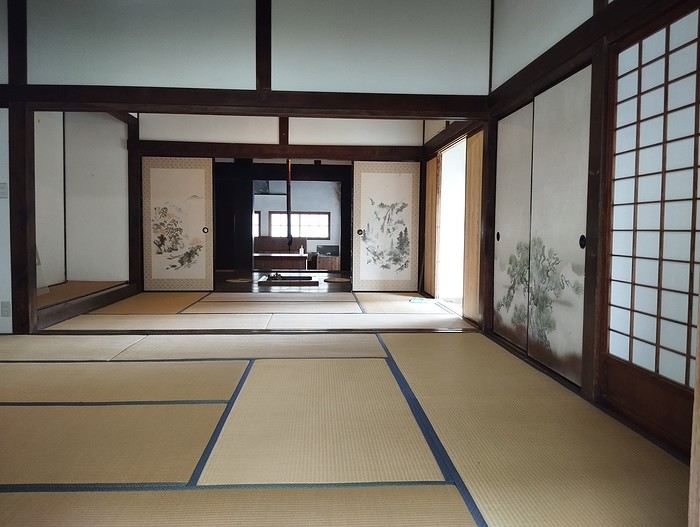
The walk continued with a visit to an old thatched-roof house.
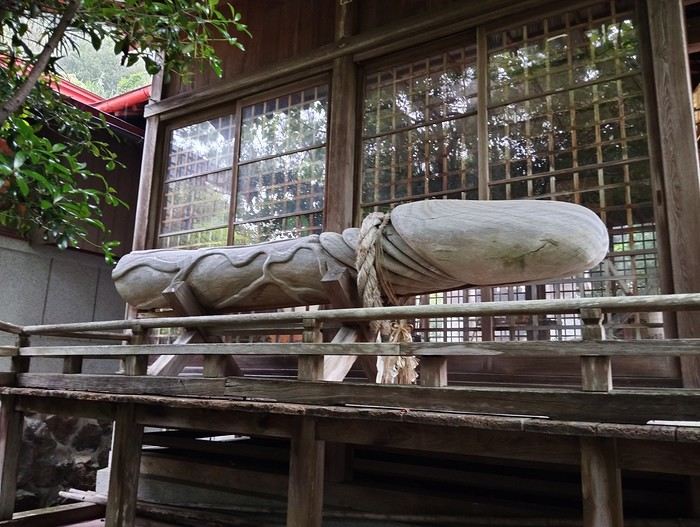
We had originally planned to take the scenic route to Shikoku Karst, but the sky wasn’t clear. We decided not to venture onto a mountain road with limited visibility to make the most of our walk. So, we cut our visit short and headed back to Uwajima. We wanted to go to yesterday’s café, so we took the same route back. Before heading to the café, we stopped at a very special shrine in Uwajima: Taga Shrine, where people pray for good health and fertility—hence the objects related to the latter.
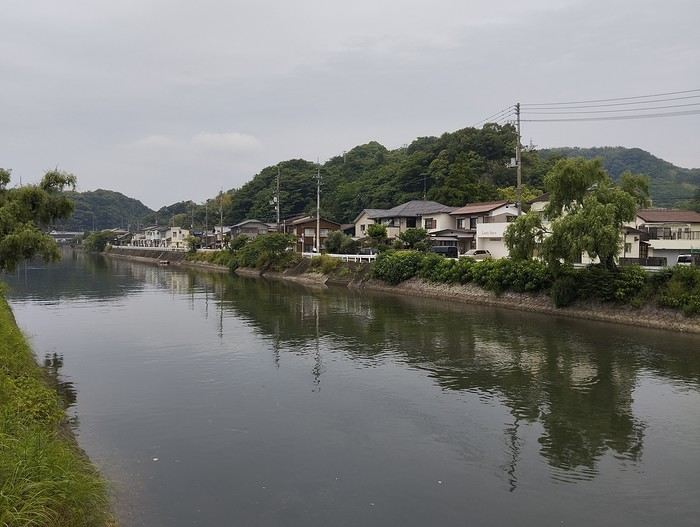
We reached the shrine from our hotel, where we’d left the car in the parking lot. It was about a 10-minute walk. We passed through a residential neighborhood and along a river. A florist’s child seemed intrigued by our presence.
We then returned to the café, which had been closed yesterday but was open this time. A sign at the bottom of the hill indicated to leave the car there since there were only two parking spots, reserved for those who had made reservations.
So, we walked up to the restaurant overlooking the sea, even though we could’ve parked since there were no other customers.
The restaurant/café felt like stepping into a house blending Japanese, English, and Irish styles. The woman who greeted us seemed surprised to see us but welcomed us after a few moments of hesitation at the sight of foreigners.
You have to order before sitting down. There were a few barriers due to mutual understanding and some items not being available at that hour, but we managed to place our order and headed upstairs (the only option) to settle in. It was small and quirky but charming.
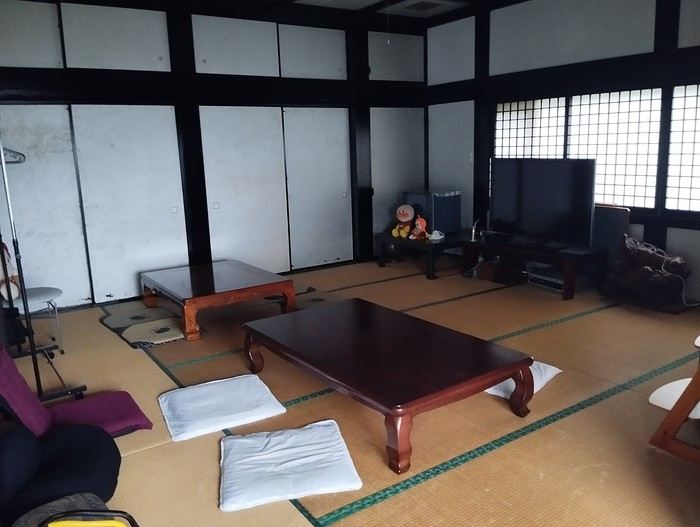
Since there were no other customers, we had our pick of spots. There was a family area with sofas and a TV, like being at home.
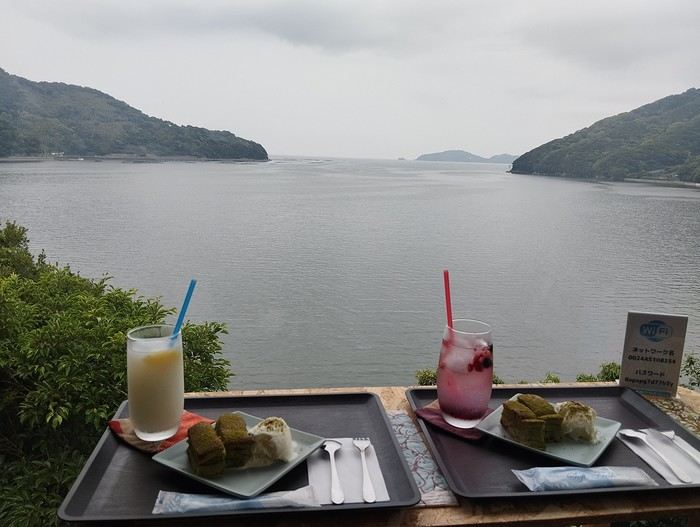
There was also a bar area overlooking the sea, but we chose the veranda with two armchairs facing the ocean. The view through the window was very zen, despite the gray sky. The vegetation was right at the foot of the building, so we could see all sorts of insects and birds passing by through the glass.
The woman brought us our colorful cold drinks and sweet treats—a kind of matcha tiramisu, soft and sweet.
Everything was perfect, or almost—the air conditioning was blasting, making it chilly even though it was warm outside, but the view and the treats made up for that small detail.
The sweets whetted our appetite, so back at the hotel, we took the time to look for a restaurant for dinner before heading out on foot. We opted for a sushi master’s place.
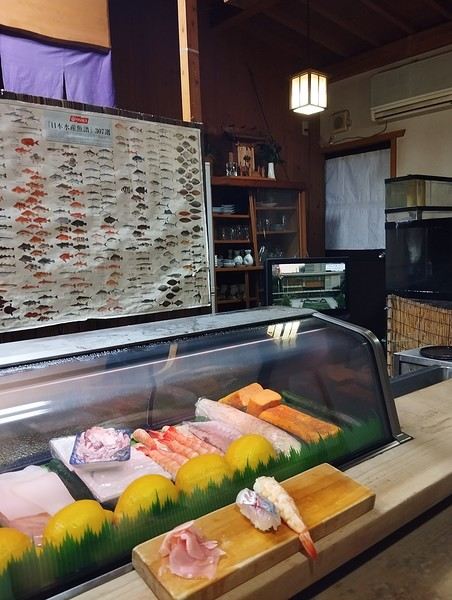
Walking in, it felt like stepping back in time to the Showa era, with the sushi grandpa welcoming us without fuss and inviting us to sit down. Grandpa sushi was a master at his craft, as shown by his dexterity in cutting fish, the speed of service, his extreme concentration on each task, and the quality of the dishes (fish/seaweed, omelet). At first, conversation wasn’t really flowing because he was so focused and probably hesitant to speak to foreigners given his age. Grandpa was assisted by his wife and their adult daughter. Honestly, this family seemed worn out by work—his wife was hunched over, the daughter looked depressed, and every movement seemed to cause them pain. Grandpa often had to step in to help. For example, the daughter was very slow, absent-minded, and struggled to answer the phone correctly. I don’t know how old grandpa was, but I’d easily guess over 80. Seeing them work so hard that they could barely keep going made me sad, and I wondered why they kept working like this. To make ends meet? Because work is everything? Or for another reason?
About 15-20 minutes after us, a couple walked into the restaurant. A little surprised to see us, they still came in and sat to my left. The counter had six seats, so there were four of us. We had ordered omakase—it’s simpler when you don’t know the fish, and I like the idea of being guided by the chef’s suggestions. Plus, grandpa spoke very quickly and wore a mask, so understanding him was really difficult.
We could still specify a few things for the omakase. In this case, we mentioned we didn’t want any cuttlefish, for example.
We enjoyed our sushi while the couple next to us ordered. Seeing them get an onigiri, I remembered it was one of the restaurant’s specialties, so I ordered the same by pointing at their plate, but grandpa didn’t understand us. The couple’s husband helped us out, and that’s how a long conversation and many laughs began.
He recommended the miso soup, and it was indeed delicious—one of the best I’ve had so far, with a strong but not overpowering fish flavor. We also asked for plum and shiso maki, like the couple. Interesting. We also tried a sushi with Hajzi fish (not sure about the spelling), a white fish with gray skin, firm yet melting in the mouth.
As for the couple, the man was a former fugu restaurant chef. He closed his restaurant this February. It’s a shame because we would’ve loved to eat at his place—he showed us photos of the dishes he’d cooked, and they looked delicious.
He asked how we found this little restaurant tucked away on a poorly lit street, as it’s an excellent spot, according to him. He explained to grandpa sushi that we found it online. Thanks to these exchanges with the couple, grandpa relaxed and connected with us more, though he still maintained his posture and extreme focus. The atmosphere shifted in just a few minutes—it just takes a little to break down barriers and share good moments.
We even teased the fugu chef about his supposed wealth from fugu, and it didn’t cause any awkwardness. He got our joking spirit! The man owns a Porsche, knows ambassadors from some countries (Estonia), and has a boat. Just to clarify, none of this necessarily indicates their standard of living—it’s just what we teased him about. The couple had also traveled in Europe, especially Italy and France, and as a good chef, Mr. loves Chianti and Burgundy wine.
Another person sat at the counter next to my companion, and Mr. struck up a conversation with them too. The evening continued like this, with chit-chat and delicious food. A special mention for the nori seaweed, which was soft and tender.
But all good things must come to an end, and the couple wanted a photo. The man asked grandpa to take a picture of us with his phone. It was hilarious—grandpa didn’t even seem to know what the device was and called his wife for help, but she didn’t know either, as they’re still living in the past. After 10 minutes of explaining how to take a photo, the souvenir shot was finally taken, and it was time to say goodbye. The couple told us they had a great time and wished us a good trip. Now it was just us with grandpa and his wife—their daughter had gone to lie down as soon as she could. Grandpa even asked us more freely if we’d enjoyed our meal. We reassured him, and a big smile appeared on his face. All in all, an excellent culinary and sharing experience.
Plus, we paid very little for a sushi restaurant, especially given the quality and quantity we enjoyed—less than 13,000 yen for two, or about 40 € per person.
We ended the evening by returning to the hotel in a light rain.
We had originally planned to take the scenic route to Shikoku Karst, but the sky wasn’t clear. We decided not to venture onto a mountain road with limited visibility to make the most of our walk. So, we cut our visit short and headed back to Uwajima. We wanted to go to yesterday’s café, so we took the same route back. Before heading to the café, we stopped at a very special shrine in Uwajima: Taga Shrine, where people pray for good health and fertility—hence the objects related to the latter.
We reached the shrine from our hotel, where we’d left the car in the parking lot. It was about a 10-minute walk. We passed through a residential neighborhood and along a river. A florist’s child seemed intrigued by our presence.
We then returned to the café, which had been closed yesterday but was open this time. A sign at the bottom of the hill indicated to leave the car there since there were only two parking spots, reserved for those who had made reservations.
So, we walked up to the restaurant overlooking the sea, even though we could’ve parked since there were no other customers.
The restaurant/café felt like stepping into a house blending Japanese, English, and Irish styles. The woman who greeted us seemed surprised to see us but welcomed us after a few moments of hesitation at the sight of foreigners.
You have to order before sitting down. There were a few barriers due to mutual understanding and some items not being available at that hour, but we managed to place our order and headed upstairs (the only option) to settle in. It was small and quirky but charming.
Since there were no other customers, we had our pick of spots. There was a family area with sofas and a TV, like being at home.
There was also a bar area overlooking the sea, but we chose the veranda with two armchairs facing the ocean. The view through the window was very zen, despite the gray sky. The vegetation was right at the foot of the building, so we could see all sorts of insects and birds passing by through the glass.
The woman brought us our colorful cold drinks and sweet treats—a kind of matcha tiramisu, soft and sweet.
Everything was perfect, or almost—the air conditioning was blasting, making it chilly even though it was warm outside, but the view and the treats made up for that small detail.
The sweets whetted our appetite, so back at the hotel, we took the time to look for a restaurant for dinner before heading out on foot. We opted for a sushi master’s place.
Walking in, it felt like stepping back in time to the Showa era, with the sushi grandpa welcoming us without fuss and inviting us to sit down. Grandpa sushi was a master at his craft, as shown by his dexterity in cutting fish, the speed of service, his extreme concentration on each task, and the quality of the dishes (fish/seaweed, omelet). At first, conversation wasn’t really flowing because he was so focused and probably hesitant to speak to foreigners given his age. Grandpa was assisted by his wife and their adult daughter. Honestly, this family seemed worn out by work—his wife was hunched over, the daughter looked depressed, and every movement seemed to cause them pain. Grandpa often had to step in to help. For example, the daughter was very slow, absent-minded, and struggled to answer the phone correctly. I don’t know how old grandpa was, but I’d easily guess over 80. Seeing them work so hard that they could barely keep going made me sad, and I wondered why they kept working like this. To make ends meet? Because work is everything? Or for another reason?
About 15-20 minutes after us, a couple walked into the restaurant. A little surprised to see us, they still came in and sat to my left. The counter had six seats, so there were four of us. We had ordered omakase—it’s simpler when you don’t know the fish, and I like the idea of being guided by the chef’s suggestions. Plus, grandpa spoke very quickly and wore a mask, so understanding him was really difficult.
We could still specify a few things for the omakase. In this case, we mentioned we didn’t want any cuttlefish, for example.
We enjoyed our sushi while the couple next to us ordered. Seeing them get an onigiri, I remembered it was one of the restaurant’s specialties, so I ordered the same by pointing at their plate, but grandpa didn’t understand us. The couple’s husband helped us out, and that’s how a long conversation and many laughs began.
He recommended the miso soup, and it was indeed delicious—one of the best I’ve had so far, with a strong but not overpowering fish flavor. We also asked for plum and shiso maki, like the couple. Interesting. We also tried a sushi with Hajzi fish (not sure about the spelling), a white fish with gray skin, firm yet melting in the mouth.
As for the couple, the man was a former fugu restaurant chef. He closed his restaurant this February. It’s a shame because we would’ve loved to eat at his place—he showed us photos of the dishes he’d cooked, and they looked delicious.
He asked how we found this little restaurant tucked away on a poorly lit street, as it’s an excellent spot, according to him. He explained to grandpa sushi that we found it online. Thanks to these exchanges with the couple, grandpa relaxed and connected with us more, though he still maintained his posture and extreme focus. The atmosphere shifted in just a few minutes—it just takes a little to break down barriers and share good moments.
We even teased the fugu chef about his supposed wealth from fugu, and it didn’t cause any awkwardness. He got our joking spirit! The man owns a Porsche, knows ambassadors from some countries (Estonia), and has a boat. Just to clarify, none of this necessarily indicates their standard of living—it’s just what we teased him about. The couple had also traveled in Europe, especially Italy and France, and as a good chef, Mr. loves Chianti and Burgundy wine.
Another person sat at the counter next to my companion, and Mr. struck up a conversation with them too. The evening continued like this, with chit-chat and delicious food. A special mention for the nori seaweed, which was soft and tender.
But all good things must come to an end, and the couple wanted a photo. The man asked grandpa to take a picture of us with his phone. It was hilarious—grandpa didn’t even seem to know what the device was and called his wife for help, but she didn’t know either, as they’re still living in the past. After 10 minutes of explaining how to take a photo, the souvenir shot was finally taken, and it was time to say goodbye. The couple told us they had a great time and wished us a good trip. Now it was just us with grandpa and his wife—their daughter had gone to lie down as soon as she could. Grandpa even asked us more freely if we’d enjoyed our meal. We reassured him, and a big smile appeared on his face. All in all, an excellent culinary and sharing experience.
Plus, we paid very little for a sushi restaurant, especially given the quality and quantity we enjoyed—less than 13,000 yen for two, or about 40 € per person.
We ended the evening by returning to the hotel in a light rain.