

Re: From Southern Shikoku, between land and sea, to the blue waters of Miyakojima and finally the megacity T
Beach, beach, beach, day after day. It's the 5th day, and we still can't get enough because the sun combined with a slow pace makes for a perfect break in the middle of the trip. I know many of you readers aren’t into this beachy side, so just a little more patience—we’ll be in Tokyo in two days.
Wearing flip-flops all day is a joy, and even Monsieur seems to be starting to appreciate it. Who would’ve thought!
With our feet dressed like this, we get into our car parked right at the foot of the residence—so convenient!
As usual, we drive toward a destination and make a stop to admire the view of Yonaha Bay. We’ve been here before at the start of the trip, but the sky was gray. Let’s see if the landscape is more charming under a blue sky.
It’s much better. You can walk along the bay or even have a picnic if you don’t need a table.
The sea water is a milky blue color. You can’t see through it.
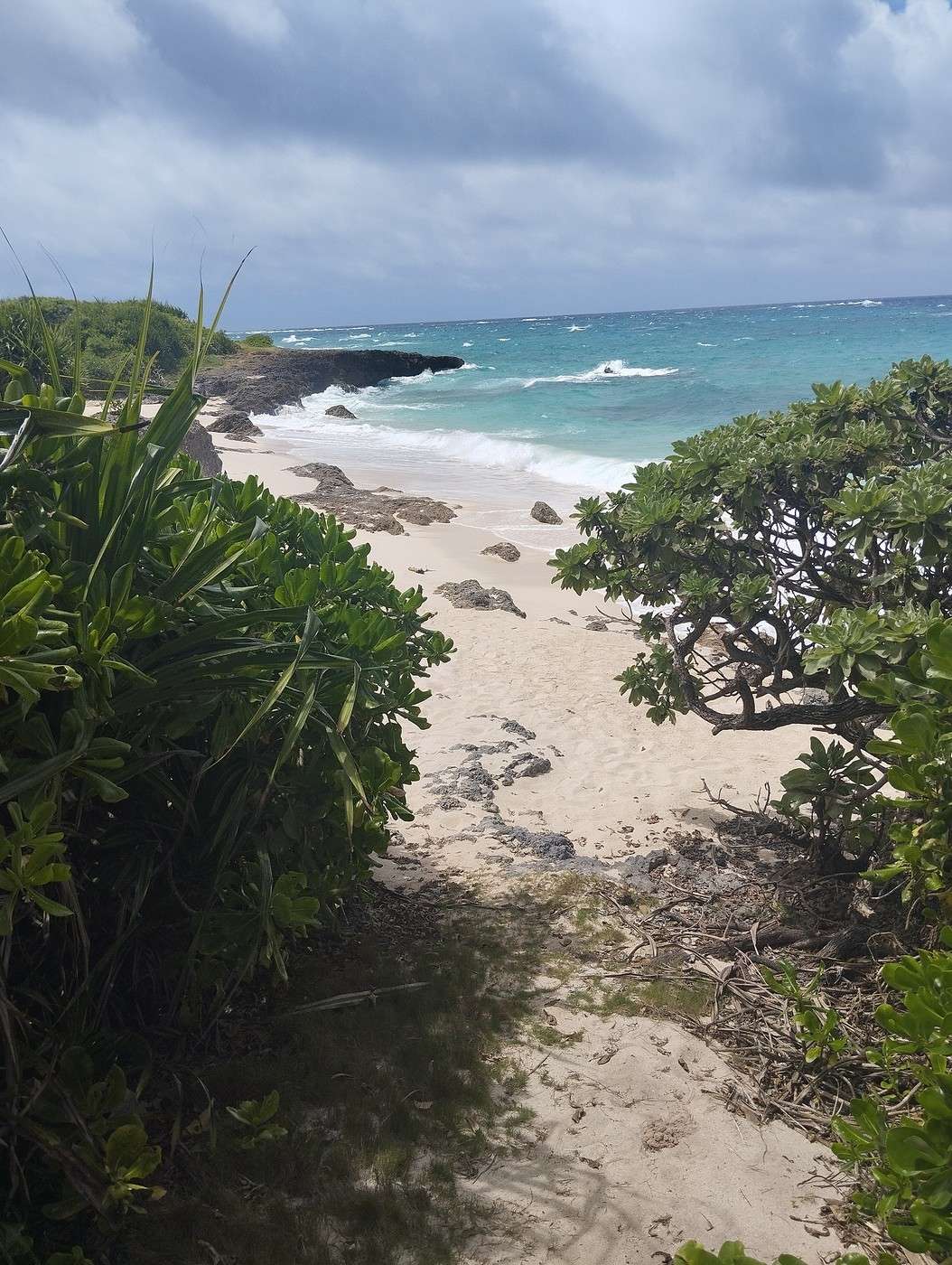
We hit the road again toward one of my favorite islands for its rural and preserved vibe: Kurimajima. It has a rustic charm. To get there, you also have to cross a bridge by car—the same one you can see from Yonaha Beach (the first beach mentioned). Our goal is to visit a part of the island that’s a bit less crowded than on previous trips: the western side. We head to three beaches. The first is a sort of rocky cove with immaculate white sand. It’s high tide, and there’s a lot of wind, so the waves are really strong. They crash against the cliffs, creating water jets in some spots. The beach is stunning. It’s labeled a "wedding photo beach," which you can tell by the "wedding" sign posted there. There are only a few people—two men when we arrive and a couple when we leave. We stayed for a while, enjoying the wild landscape made up of cliffs, the sea, the waves, and the sound of them crashing, along with hummingbirds or butterflies flying around. We wanted to swim, but the current seemed strong, and the beach slopes down. We settled for contemplation, which was rewarded by the few seconds I spotted a baby turtle emerging from the water.
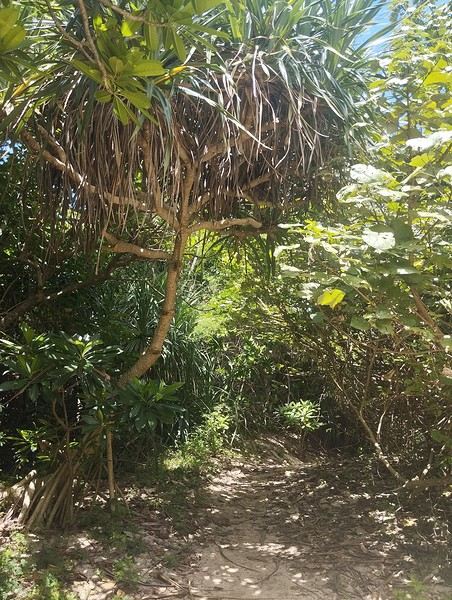
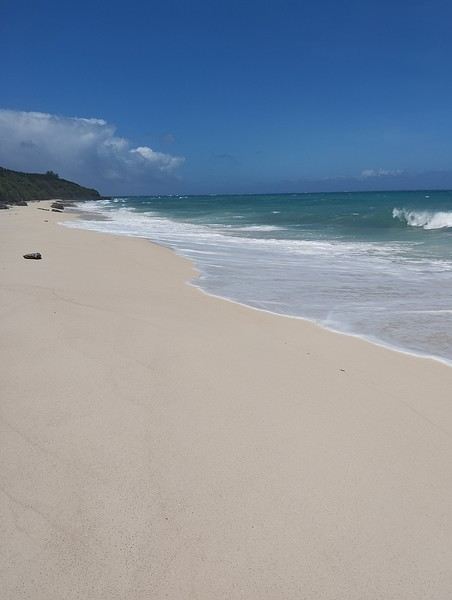
We continued to another beach not far away, also at high tide. There’s barely any beach, and what we saw from the car made us stop for a few minutes to check it out before moving on to a beach we’d visited during our first trip in 2019. We’d seen a gorgeous sunset there. (See https://forumvoyage.forumactif.com/t2646-carnet-de-voyage-automne-2019-japon-de-tokyo-a-okinawa) Like the first beach today, to get to the parking lot, you have to find the small paved road—narrow and not well-maintained—drive very slowly to avoid branches and leaves scratching the rental car, and park in a lot with a maximum of three spaces. The parking lot is completely surrounded by the island’s typical vegetation. A Japanese family—older parents with their son—is coming back from the beach. We exchange a few words. They tell us the sea is a beautiful blue. The jungle path leading to the beach takes about 5 minutes, and flip-flops aren’t the ideal shoes here, but if you walk slowly, there’s no danger. Walking through this tunnel of greenery transports you to another world when the light at the end leads you to a long, immaculate white-sand beach. This beach is mesmerizing. It feels lost at the end of the world. We didn’t think we’d be able to swim, but the call was too strong. We decided to brave the waves anyway. With our stuff in tow, we picked a spot with a bit of shade. Since Japanese people don’t swim much, the only couple who arrived a few minutes after us left after about 10 minutes. We had the beach almost all to ourselves. Later, I spotted a Japanese guy in a corner—unusually tanned! He even swam as we were leaving. At the far end of the beach, you can also see a Japanese couple taking wedding photos in their outfits. We stayed at the beach for a long time, enjoying the absolute calm in this completely preserved environment. The waves were strong but not dangerous if you didn’t go too far from the shore or get too close. We spotted turtles poking their heads out of the water twice more.
 We left this enchanted beach with a bit of regret, but hunger—it’s already 3 PM—was calling.
We headed to what you could call the "center": a few narrow streets and small, low houses. There are a few places to eat, but as I’ve mentioned before, finding food at this hour can be tricky.
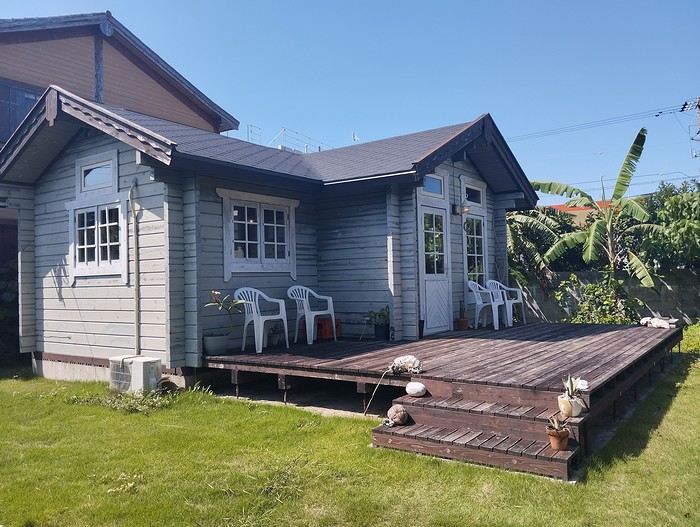
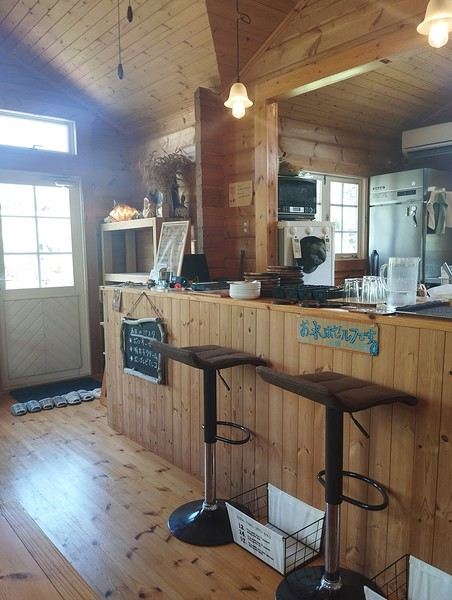
We did find a really nice little spot, though. It’s a wooden café that looks lovely from the outside.
And even cuter inside. It’s tiny but cozy, with all that wood, the view of the greenery, and the care put into the decor.
The restaurant is run by a laid-back Japanese guy with a rasta style, and reggae music is playing.
While chatting with him, we learned he built this house himself. He’s been living here for 20 years and comes from Tokyo. He has no desire to go back. He spent some time in Africa doing humanitarian work and learned a few French words there.
The kitchen is open, as is often the case in Japan.
You can watch the chef cook.
In cafés, it’s not uncommon to find Western dishes. We gave in to pasta and pizza. However, the portion sizes are Japanese—meaning small. We also enjoyed iced tea and a nice cold beer since the heat is still here today.
 After this meal, we visited the Ryugu Observatory, just a minute away by car.
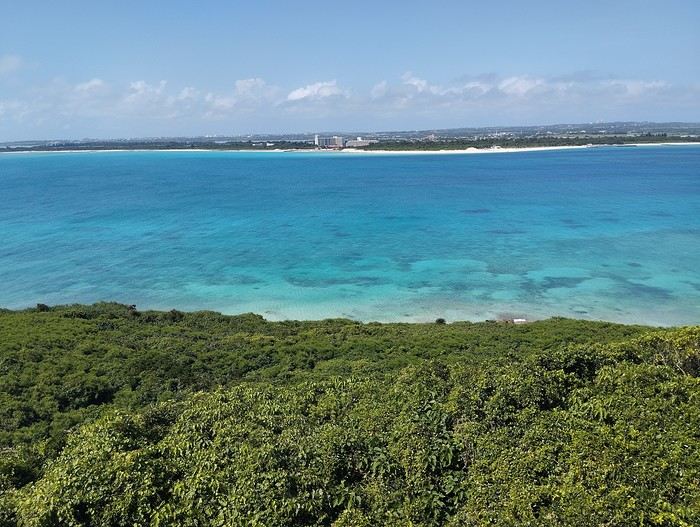
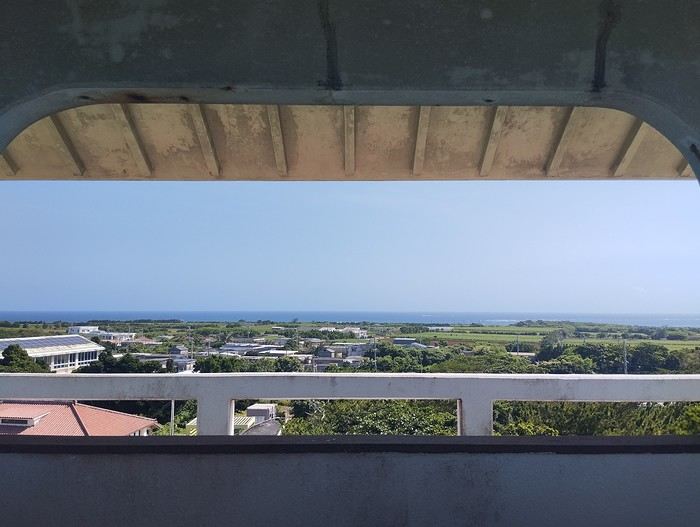
We’ve been here before, but the view is still amazing. You can see the bridge connecting the island to Miyakojima, Yonaha Beach, and the endless sea.
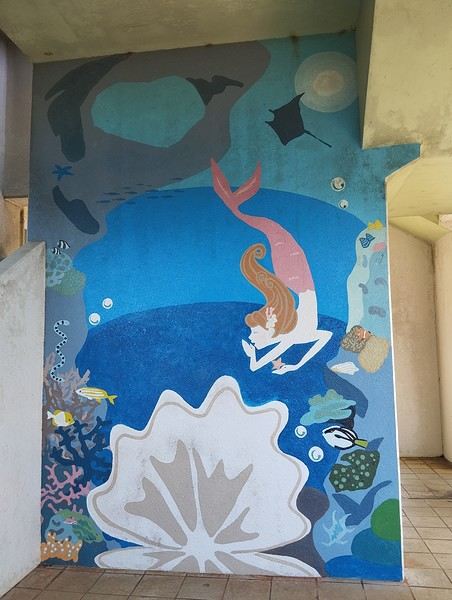
A few changes have been made to the observatory, with two sea-themed murals—one on each floor.
The spiders, though, are still there.
 To be honest, we thought we’d walk more, but the heat sapped our energy. So, we headed to the beach near the island’s port, just before the bridge. But there were too many people for our taste.
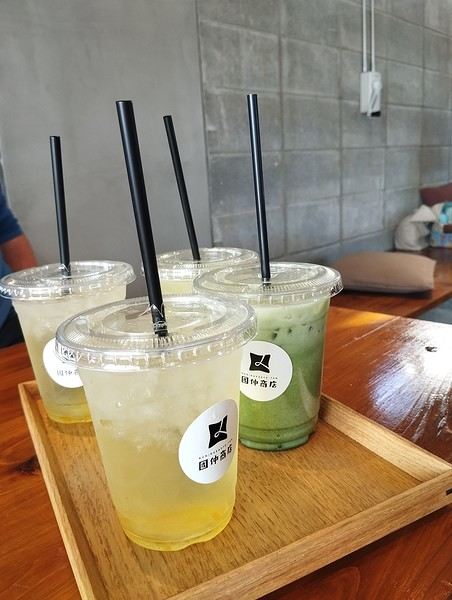
So, we went to a café on Irabu Island. It’s in a less touristy area that you have to search for, but it offers a nice space. Many customers are there for coworking. It’s located by a canal. We enjoyed some great fruit juices with different lemon flavors, as well as a matcha latte. And since we weren’t far, we went for our second swim of the day at the "wedding beach" we’ve mentioned several times.
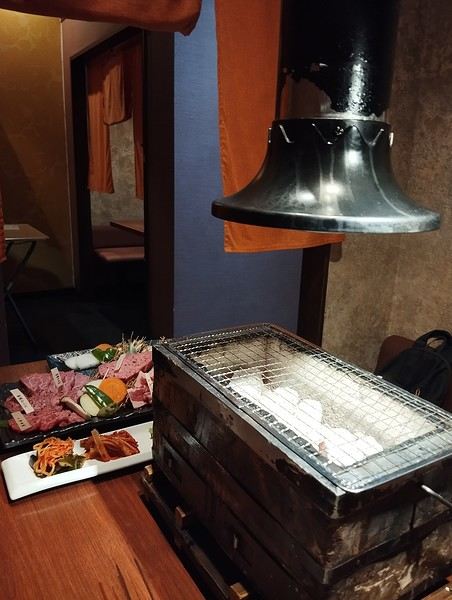
To wrap up this intense day, a tasting of Miyakojima wagyu was a must, so we headed to a yakiniku restaurant. Strangely, we were seated in the same private room as during our first visit in 2019. We know the place, so no surprises—we ate well. We also had sushi made with wagyu, torched in front of us.
We feasted and headed back home.
We hit the road again toward one of my favorite islands for its rural and preserved vibe: Kurimajima. It has a rustic charm. To get there, you also have to cross a bridge by car—the same one you can see from Yonaha Beach (the first beach mentioned). Our goal is to visit a part of the island that’s a bit less crowded than on previous trips: the western side. We head to three beaches. The first is a sort of rocky cove with immaculate white sand. It’s high tide, and there’s a lot of wind, so the waves are really strong. They crash against the cliffs, creating water jets in some spots. The beach is stunning. It’s labeled a "wedding photo beach," which you can tell by the "wedding" sign posted there. There are only a few people—two men when we arrive and a couple when we leave. We stayed for a while, enjoying the wild landscape made up of cliffs, the sea, the waves, and the sound of them crashing, along with hummingbirds or butterflies flying around. We wanted to swim, but the current seemed strong, and the beach slopes down. We settled for contemplation, which was rewarded by the few seconds I spotted a baby turtle emerging from the water.
We continued to another beach not far away, also at high tide. There’s barely any beach, and what we saw from the car made us stop for a few minutes to check it out before moving on to a beach we’d visited during our first trip in 2019. We’d seen a gorgeous sunset there. (See https://forumvoyage.forumactif.com/t2646-carnet-de-voyage-automne-2019-japon-de-tokyo-a-okinawa) Like the first beach today, to get to the parking lot, you have to find the small paved road—narrow and not well-maintained—drive very slowly to avoid branches and leaves scratching the rental car, and park in a lot with a maximum of three spaces. The parking lot is completely surrounded by the island’s typical vegetation. A Japanese family—older parents with their son—is coming back from the beach. We exchange a few words. They tell us the sea is a beautiful blue. The jungle path leading to the beach takes about 5 minutes, and flip-flops aren’t the ideal shoes here, but if you walk slowly, there’s no danger. Walking through this tunnel of greenery transports you to another world when the light at the end leads you to a long, immaculate white-sand beach. This beach is mesmerizing. It feels lost at the end of the world. We didn’t think we’d be able to swim, but the call was too strong. We decided to brave the waves anyway. With our stuff in tow, we picked a spot with a bit of shade. Since Japanese people don’t swim much, the only couple who arrived a few minutes after us left after about 10 minutes. We had the beach almost all to ourselves. Later, I spotted a Japanese guy in a corner—unusually tanned! He even swam as we were leaving. At the far end of the beach, you can also see a Japanese couple taking wedding photos in their outfits. We stayed at the beach for a long time, enjoying the absolute calm in this completely preserved environment. The waves were strong but not dangerous if you didn’t go too far from the shore or get too close. We spotted turtles poking their heads out of the water twice more.
So, we went to a café on Irabu Island. It’s in a less touristy area that you have to search for, but it offers a nice space. Many customers are there for coworking. It’s located by a canal. We enjoyed some great fruit juices with different lemon flavors, as well as a matcha latte. And since we weren’t far, we went for our second swim of the day at the "wedding beach" we’ve mentioned several times.
To wrap up this intense day, a tasting of Miyakojima wagyu was a must, so we headed to a yakiniku restaurant. Strangely, we were seated in the same private room as during our first visit in 2019. We know the place, so no surprises—we ate well. We also had sushi made with wagyu, torched in front of us.
We feasted and headed back home.