

Re: From Southern Shikoku, between land and sea, to the blue waters of Miyakojima and finally to the megacity T
All good things must come to an end, and our stay in Miyakojima is already drawing to a close. For this last day, no packed schedule—just enjoying the island one last time, revisiting a few spots we loved, and savoring these final moments before heading to Tokyo.
The morning’s first mission: finding a repair shop for my phone, which suffered a water leak the day before despite its supposedly waterproof case. The verdict was clear—parts wouldn’t be available for days. We’ll try our luck in Tokyo. Luckily, we have a second phone to keep capturing the end of our trip.
As has often been the case since we arrived, the day begins with… a hearty meal. For days, the delicious smells wafting from a tiny restaurant near Bocca Burger had been calling to us. This time, we couldn’t resist.
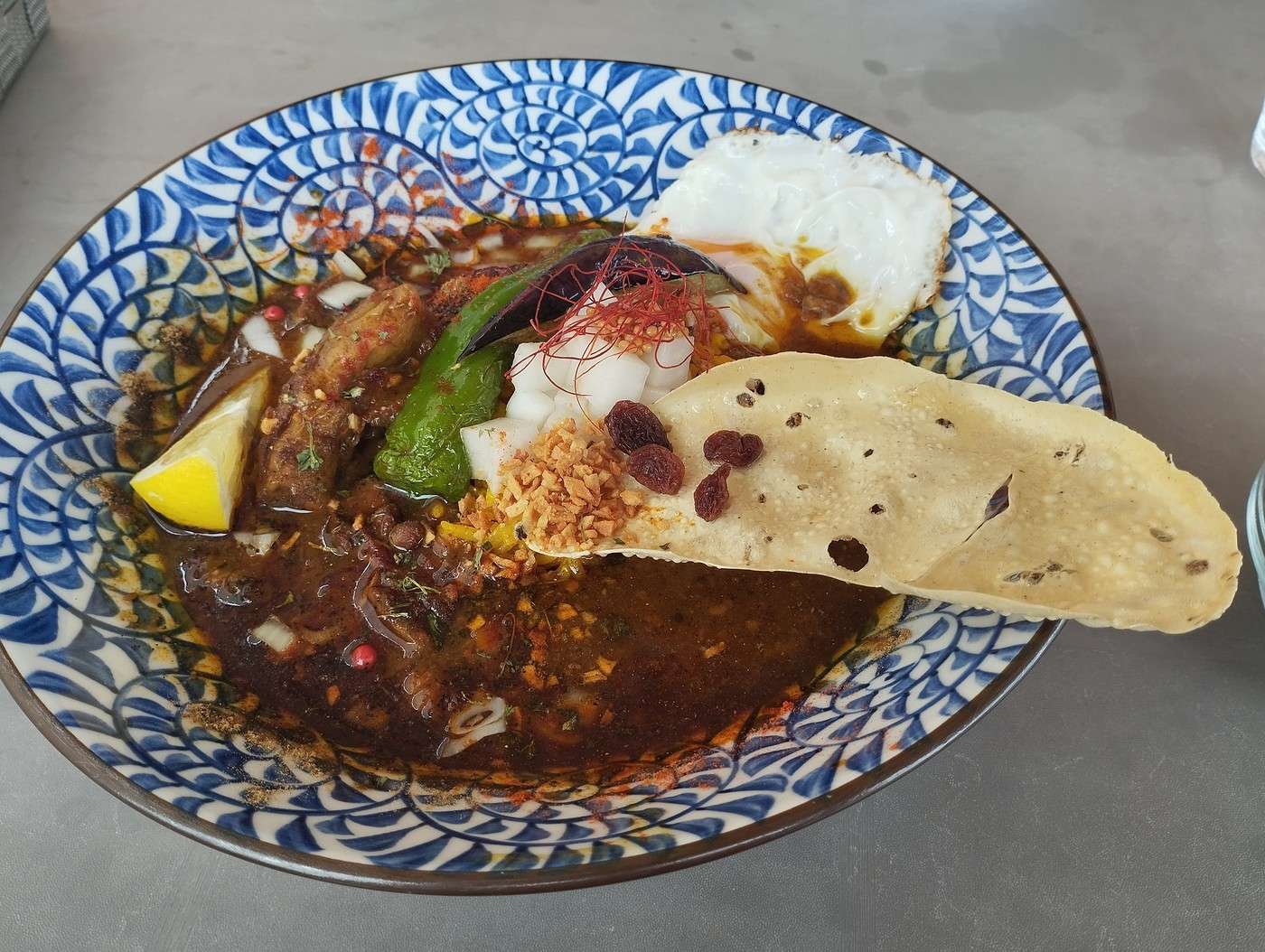
The place is minuscule, almost like a mobile home, but from the moment we step inside, it’s clear this isn’t just another curry spot. Dozens of spice jars line the kitchen shelves. The owner explains that at breakfast, there’s only one menu: Okinawa pork curry or shrimp curry. We order both to compare.
Seated on the small terrace, cooled by a giant fan, we watch the plates arrive directly through a sliding window connecting the kitchen to the outdoors. A simple detail, but full of charm.
The meal is a true revelation. Nothing like the more classic Japanese curries. Here, the spices are plentiful but perfectly balanced. The small cubes of apple, raisins, pomegranate seeds, lemon, chili, and strands reminiscent of saffron create a surprisingly harmonious blend. The Okinawa pork is melt-in-your-mouth tender. One of the best curries we’ve ever tasted.
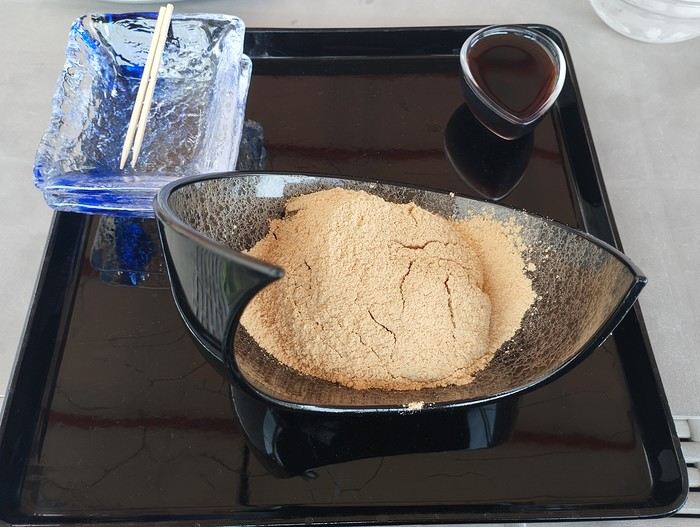
For dessert, another discovery: warabi mochi. This traditional treat, served with kinako and black syrup, has an incredibly soft, melt-in-your-mouth texture. Light, refreshing, and not too sweet—it’s a real favorite.
A spot we’d recommend without hesitation.
The rest of the morning is spent on a final stroll along Yonaha Maehama. We first look for some wilder access points, hidden behind the woods. The place is peaceful, but unfortunately, a few pieces of litter spoil the scenery. We eventually head back to the main access point, where the water still displays that unreal turquoise color Miyakojima is famous for.
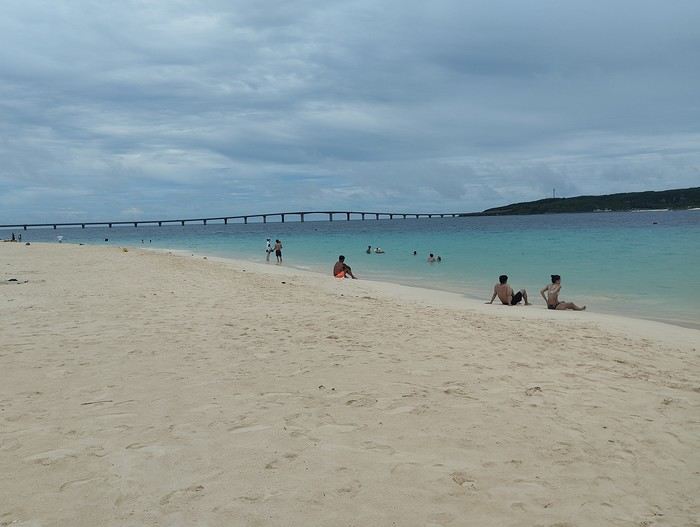
A small curiosity: we finally spot a few Western tourists. Just a handful, but enough to make us think the island is slowly gaining recognition outside Asia.
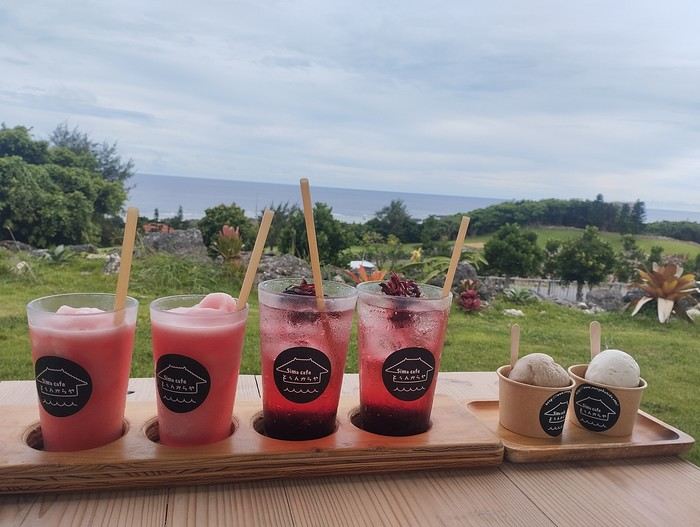
In the early afternoon, we revisit a café we’d discovered on a previous trip but found closed the day before. The wait was well worth it. Facing the sea, lulled by soft bossa nova music, we enjoy a watermelon smoothie, hibiscus soda, and several artisanal ice creams—especially banana and sweet potato. Another excellent spot where the welcome is as warm as the drinks are refreshing.
We continue our walk to the small port of Hakuai Yuri. Quiet and windswept, it’s the perfect place to enjoy the peace. Locals say that on clear nights, you can even see the Milky Way here.
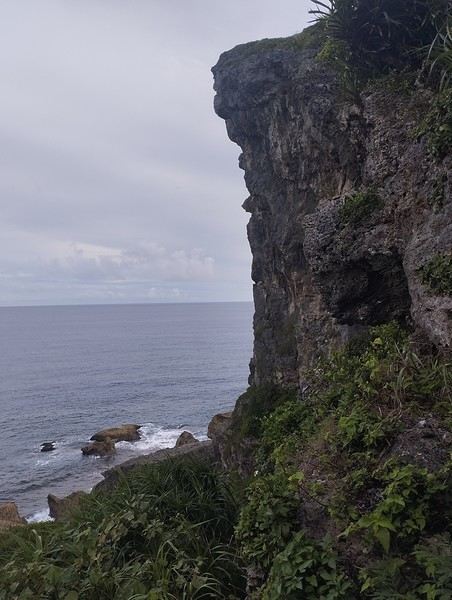
A little farther on, a sign pointing to a waterfall piques our curiosity. After a steep descent through dense vegetation, dodging several giant hermit crabs, we discover… a waterfall that isn’t really a waterfall. The walk is still pleasant, but the effort feels a bit disproportionate to the payoff.
On the way back, a stop at a konbini is a must for a quick snack of spicy fried chicken. One last indulgence before heading to Sunset Beach.
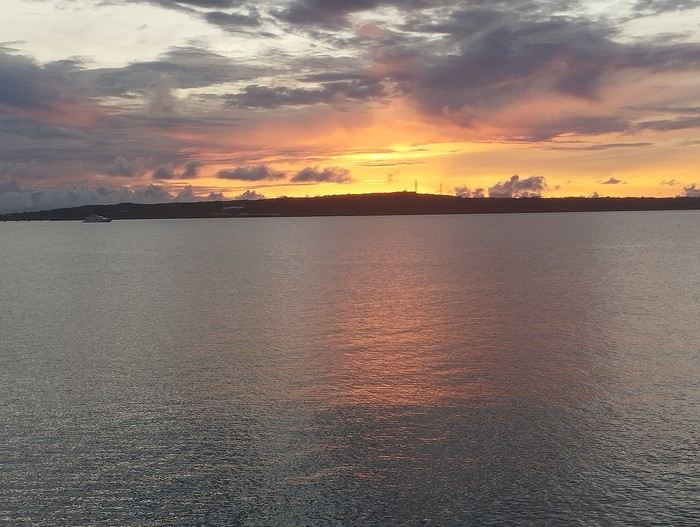
The sun begins its slow descent behind the Irabu Bridge. Despite a few particularly persistent insects, the view is stunning. A beautiful way to say goodbye to Miyakojima’s landscapes.
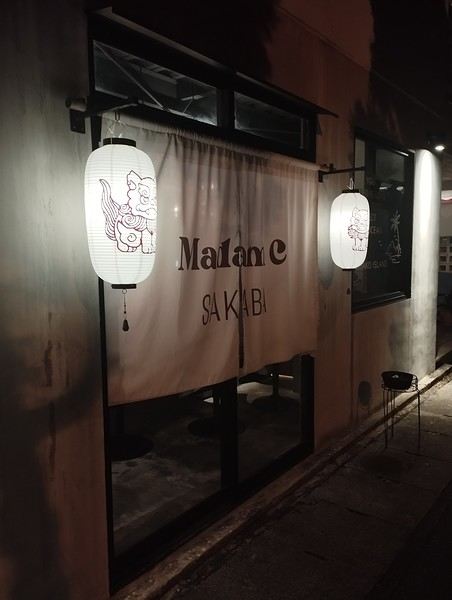
For our last dinner on the island, there’s no question—we have to return to Madame Sakaba. It’s our third visit, but this time we sit at the counter. The atmosphere is different, more intimate. The waitress and cook recognize us immediately and take the time to chat between orders. In just a few days, we almost feel like regulars.
Meanwhile, my partner strikes up a conversation with a Miyakojima local near the outdoor restrooms. He proudly tells him he’s already tried a French dish in sauce—probably beef bourguignon, based on his description.
A final evening, simple and uneventful, but just like our stay: warm, delicious, and filled with spontaneous encounters.
The morning’s first mission: finding a repair shop for my phone, which suffered a water leak the day before despite its supposedly waterproof case. The verdict was clear—parts wouldn’t be available for days. We’ll try our luck in Tokyo. Luckily, we have a second phone to keep capturing the end of our trip.
As has often been the case since we arrived, the day begins with… a hearty meal. For days, the delicious smells wafting from a tiny restaurant near Bocca Burger had been calling to us. This time, we couldn’t resist.
The place is minuscule, almost like a mobile home, but from the moment we step inside, it’s clear this isn’t just another curry spot. Dozens of spice jars line the kitchen shelves. The owner explains that at breakfast, there’s only one menu: Okinawa pork curry or shrimp curry. We order both to compare.
Seated on the small terrace, cooled by a giant fan, we watch the plates arrive directly through a sliding window connecting the kitchen to the outdoors. A simple detail, but full of charm.
The meal is a true revelation. Nothing like the more classic Japanese curries. Here, the spices are plentiful but perfectly balanced. The small cubes of apple, raisins, pomegranate seeds, lemon, chili, and strands reminiscent of saffron create a surprisingly harmonious blend. The Okinawa pork is melt-in-your-mouth tender. One of the best curries we’ve ever tasted.
For dessert, another discovery: warabi mochi. This traditional treat, served with kinako and black syrup, has an incredibly soft, melt-in-your-mouth texture. Light, refreshing, and not too sweet—it’s a real favorite.
A spot we’d recommend without hesitation.
The rest of the morning is spent on a final stroll along Yonaha Maehama. We first look for some wilder access points, hidden behind the woods. The place is peaceful, but unfortunately, a few pieces of litter spoil the scenery. We eventually head back to the main access point, where the water still displays that unreal turquoise color Miyakojima is famous for.
A small curiosity: we finally spot a few Western tourists. Just a handful, but enough to make us think the island is slowly gaining recognition outside Asia.
In the early afternoon, we revisit a café we’d discovered on a previous trip but found closed the day before. The wait was well worth it. Facing the sea, lulled by soft bossa nova music, we enjoy a watermelon smoothie, hibiscus soda, and several artisanal ice creams—especially banana and sweet potato. Another excellent spot where the welcome is as warm as the drinks are refreshing.
We continue our walk to the small port of Hakuai Yuri. Quiet and windswept, it’s the perfect place to enjoy the peace. Locals say that on clear nights, you can even see the Milky Way here.
A little farther on, a sign pointing to a waterfall piques our curiosity. After a steep descent through dense vegetation, dodging several giant hermit crabs, we discover… a waterfall that isn’t really a waterfall. The walk is still pleasant, but the effort feels a bit disproportionate to the payoff.
On the way back, a stop at a konbini is a must for a quick snack of spicy fried chicken. One last indulgence before heading to Sunset Beach.
The sun begins its slow descent behind the Irabu Bridge. Despite a few particularly persistent insects, the view is stunning. A beautiful way to say goodbye to Miyakojima’s landscapes.
For our last dinner on the island, there’s no question—we have to return to Madame Sakaba. It’s our third visit, but this time we sit at the counter. The atmosphere is different, more intimate. The waitress and cook recognize us immediately and take the time to chat between orders. In just a few days, we almost feel like regulars.
Meanwhile, my partner strikes up a conversation with a Miyakojima local near the outdoor restrooms. He proudly tells him he’s already tried a French dish in sauce—probably beef bourguignon, based on his description.
A final evening, simple and uneventful, but just like our stay: warm, delicious, and filled with spontaneous encounters.