

Re: From Southern Shikoku, between land and sea, to the blue waters of Miyakojima and finally the megacity T
This 3rd installment in Tokyo has no tourist pretensions other than to "capture" the city's vibe by wandering through different neighborhoods. So today, we opted for a stroll in Kichijōji, a supposedly popular district west of Tokyo, in the suburbs.
The sun and its scorching heat are still in full force...
From Akasaka, which is central, we reach Kichijōji Station in about 30 minutes.
The station is large, with multiple exits and lots of passersby. The crowd moves at a brisk pace, creating a certain liveliness that can sometimes be a bit challenging when your eyes need to find a landmark to figure out where to go, but at the same time, you don’t want to disrupt the flow of people who know exactly where they’re headed.
In the end, we go where we can and find ourselves in the station’s basement (or at least, I think it’s the basement), which is packed with all sorts of shops where our eyes land...
I appreciate how every square meter is optimized and how the various products—whether they interest me or not—are displayed. There’s a certain aesthetic in the colors and the harmonious order. No doubt, marketing works even on minds that aren’t particularly shopping-oriented!
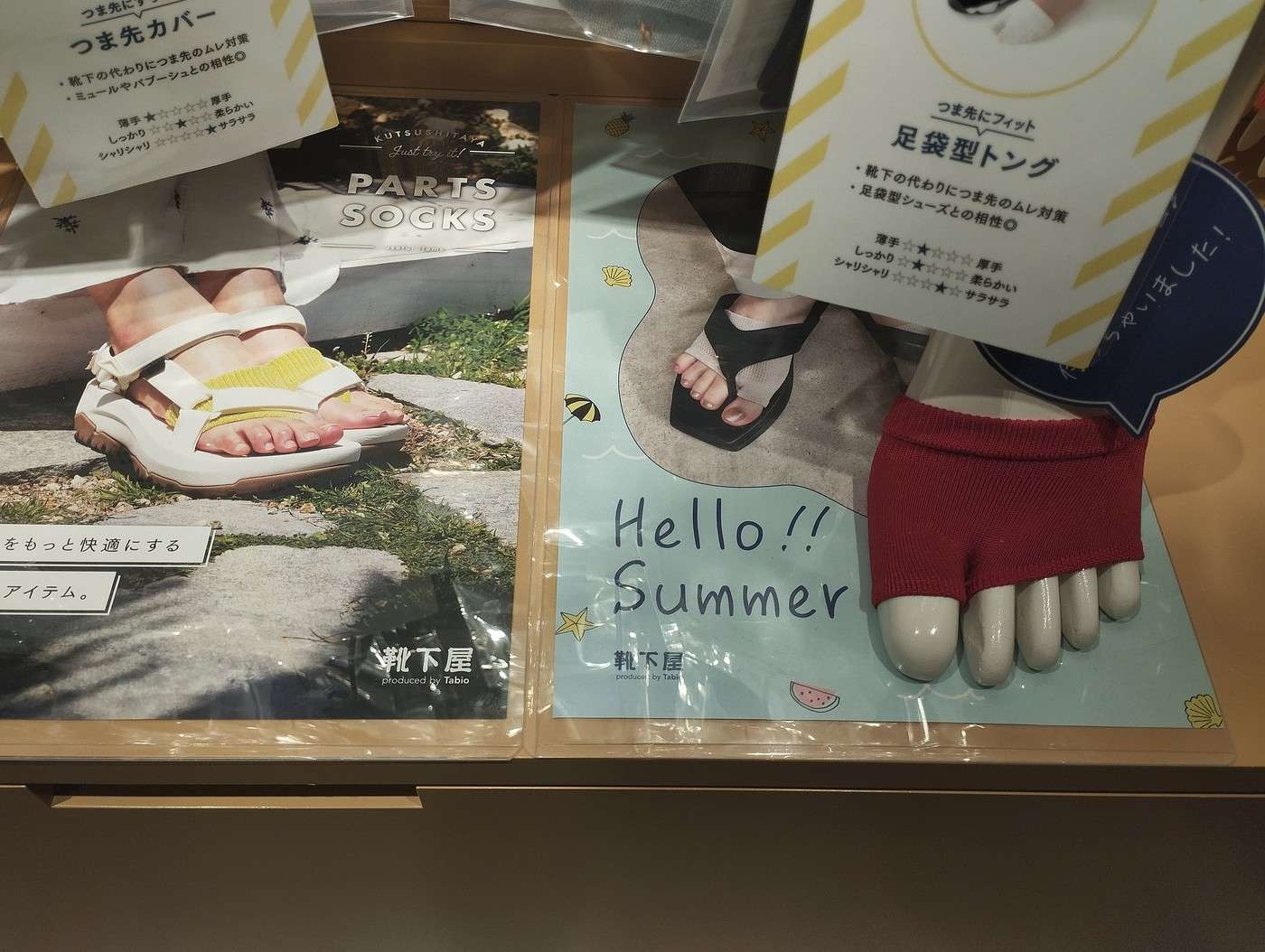
But it’s also interesting to observe the products sold, which reflect Japanese fashion, like these summer socks.
We managed to navigate this maze without spending a single yen and made it to the dreaded underground food market in the station. A paradise for the eyes, nose, and taste buds. Many stalls offer various Japanese culinary specialties, but not only that.
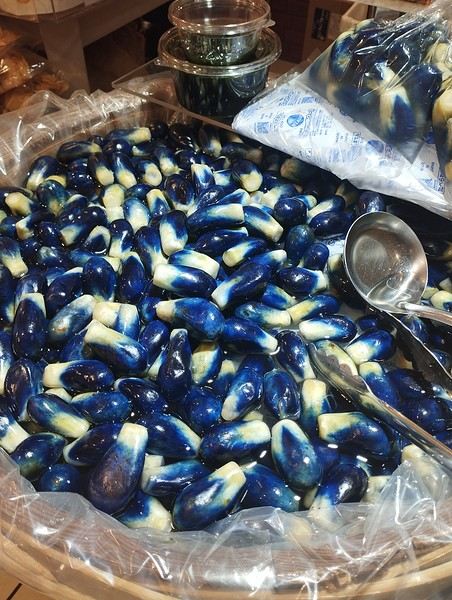
At many stalls, you can taste the food, making the choice even harder because everything is absolutely delicious (at least what we were able to nibble on). All these colorful, ultra-fresh foods really whet our appetite. We hadn’t planned anything, but it led us to decide to grab some takeout. We then headed to Inokashira Park, about a 5-minute walk away. It’s Sunday, a day for walks for both Japanese locals and tourists. The streets and the park are quite busy. All the spots with even a little shade are taken. We had to walk deeper into the park to find a bench by the lake near a small playground for kids. We had lunch with the food we bought—fish salad, ginger chicken with eggplant, and some Chinese steamed buns.
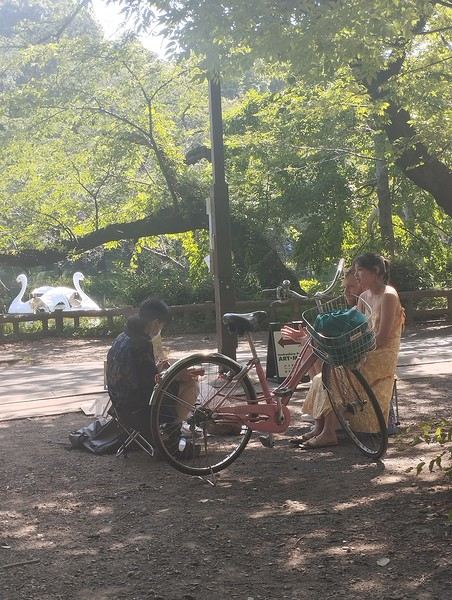
We enjoyed our meal while watching the activity in the park. Near our bench, an artist had set up to offer portrait drawings. Families with kids or couples stopped to capture the moment. A mixed couple sat on the bench to our left. The woman lay down with her head on her partner’s lap, each reading a book. A Korean family, seemingly on vacation, took a break with their baby in a stroller; the perfect opportunity to enjoy a burger and take some photos. Japanese grandmas and grandpas, alone or with friends, passed by chatting and laughing or admiring the surrounding nature.
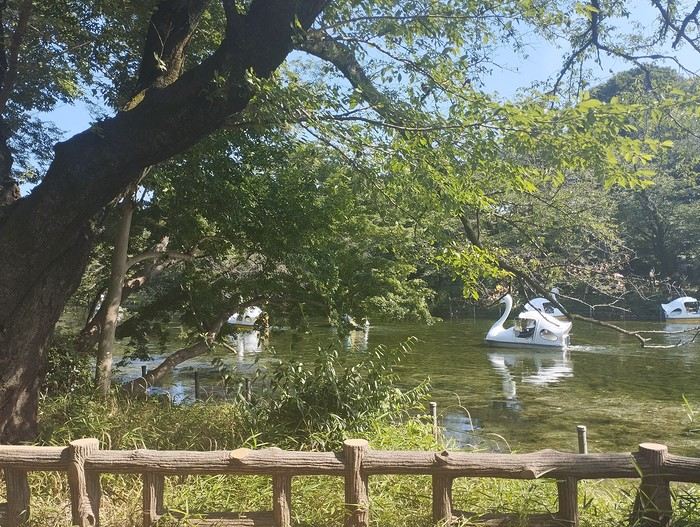
After this meal break, we continued our walk in the park, which is quite large. You can rent a pedal boat on the lake, pray at a shrine, or visit the zoo, among other things. Everyone can find something to enjoy. The walk is pleasant.
We also wanted to throw away our trash. Naively, we hoped that in such a park there would be "Gomibako" (trash cans), but no—absolutely none! Not in the restrooms, not at the stall selling salty or sweet snacks, which just directed us back to where we bought the products. So we returned to the underground food market, but there too, it was impossible to find a trash can, even when asking the vendors, who didn’t even understand the question! I’m not talking about the meaning of the question but the very idea of looking for a trash can. Their surprised faces were priceless—you’d think we were filming a hidden-camera prank. We resumed our walk, this time in the adjacent shopping streets. The neighborhood is full of various shops. We took Sunroad shotengai. It was packed with people, but we managed to move further along.
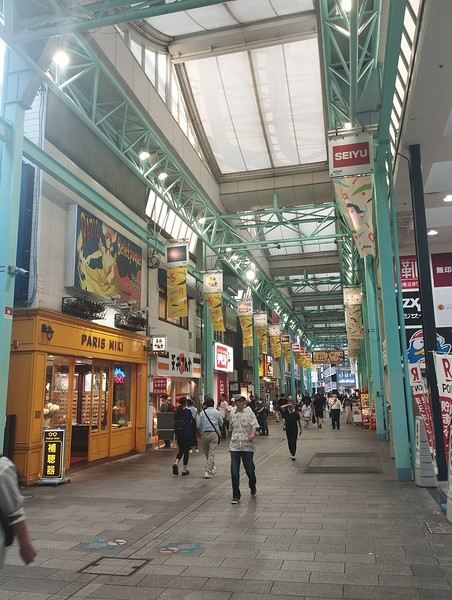
A search for a specific product led us to BIC CAMERA, an electronics store where we spent quite some time. The store is huge, and we had to make ourselves understood to the staff. Even inside the store, you can find drink vending machines and a few tables to sit down. We then continued our leisurely stroll through the streets. You really have to go beyond the first few streets to find quieter but equally charming streets, as well as temples and shrines.
We took a break in a slightly retro shopping center to enjoy a fruit juice.
By the time we left, night had fallen, and the atmosphere was different with the various lights.
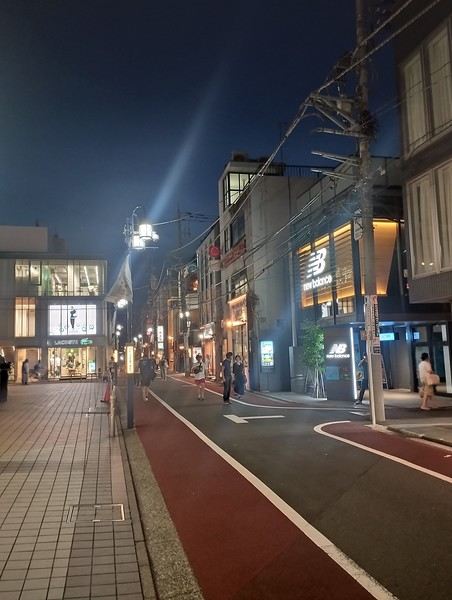
Ichiban Japan actually talks about the nightlife in this neighborhood. Here’s the link for those interested: https://ichiban-japan.com/errance-nocturne-a-kichijoji/?srsltid=AfmBOoo0Eyx3hxA19eTK2QRZvBjlc8NAUxnXcyUOjrXd4co0CBSTrBcM
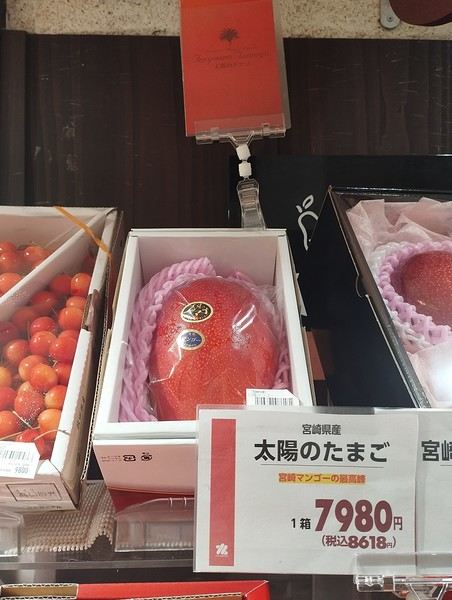
It was time for us to move on. We returned to the station and made some purchases for later, including a Miyazaki mango that’s worth its weight in gold. We tasted it later, and I have to admit, the flavor is incredible! I don’t usually like this fruit, but one like this, I’d gladly eat more. First, the texture is soft and dense, with an exotic coconut taste and a slightly tangy touch. Mango lovers, don’t hesitate! 13 € (at the 2026 exchange rate of 1 € = 160 yen) is expensive, but once in a lifetime, for an unforgettable memory, it’s worth more than thousands of clothes or shoes in your closet. What do you think? Give it a try—this fruit is amazing. The one on the right, the most expensive, wasn’t tested.
We took the subway to Shinjuku to see the Tokyo Metropolitan Government Building towers. There’s a free sound and light show (Tokyo Night & Light) every evening. We expected a crowd, but to our surprise, there were only about 15-20 people at most. Some were sitting, others lying on the small patches of grass. We arrived a little early, just enough time to settle in comfortably. Then the show started—30 minutes of music and images projected onto the towers on different themes. It’s worth coming for; it’s really well done.
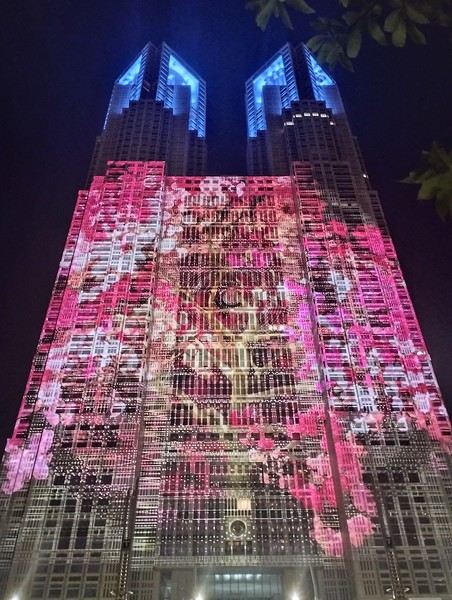
The show is always accessible and changes depending on the day. For more info, check here: https://tokyoprojectionmappingproject.jp/en/
And that’s how another day in Tokyo comes to an end.
I appreciate how every square meter is optimized and how the various products—whether they interest me or not—are displayed. There’s a certain aesthetic in the colors and the harmonious order. No doubt, marketing works even on minds that aren’t particularly shopping-oriented!
But it’s also interesting to observe the products sold, which reflect Japanese fashion, like these summer socks.
We managed to navigate this maze without spending a single yen and made it to the dreaded underground food market in the station. A paradise for the eyes, nose, and taste buds. Many stalls offer various Japanese culinary specialties, but not only that.
At many stalls, you can taste the food, making the choice even harder because everything is absolutely delicious (at least what we were able to nibble on). All these colorful, ultra-fresh foods really whet our appetite. We hadn’t planned anything, but it led us to decide to grab some takeout. We then headed to Inokashira Park, about a 5-minute walk away. It’s Sunday, a day for walks for both Japanese locals and tourists. The streets and the park are quite busy. All the spots with even a little shade are taken. We had to walk deeper into the park to find a bench by the lake near a small playground for kids. We had lunch with the food we bought—fish salad, ginger chicken with eggplant, and some Chinese steamed buns.
We enjoyed our meal while watching the activity in the park. Near our bench, an artist had set up to offer portrait drawings. Families with kids or couples stopped to capture the moment. A mixed couple sat on the bench to our left. The woman lay down with her head on her partner’s lap, each reading a book. A Korean family, seemingly on vacation, took a break with their baby in a stroller; the perfect opportunity to enjoy a burger and take some photos. Japanese grandmas and grandpas, alone or with friends, passed by chatting and laughing or admiring the surrounding nature.
After this meal break, we continued our walk in the park, which is quite large. You can rent a pedal boat on the lake, pray at a shrine, or visit the zoo, among other things. Everyone can find something to enjoy. The walk is pleasant.
We also wanted to throw away our trash. Naively, we hoped that in such a park there would be "Gomibako" (trash cans), but no—absolutely none! Not in the restrooms, not at the stall selling salty or sweet snacks, which just directed us back to where we bought the products. So we returned to the underground food market, but there too, it was impossible to find a trash can, even when asking the vendors, who didn’t even understand the question! I’m not talking about the meaning of the question but the very idea of looking for a trash can. Their surprised faces were priceless—you’d think we were filming a hidden-camera prank. We resumed our walk, this time in the adjacent shopping streets. The neighborhood is full of various shops. We took Sunroad shotengai. It was packed with people, but we managed to move further along.
A search for a specific product led us to BIC CAMERA, an electronics store where we spent quite some time. The store is huge, and we had to make ourselves understood to the staff. Even inside the store, you can find drink vending machines and a few tables to sit down. We then continued our leisurely stroll through the streets. You really have to go beyond the first few streets to find quieter but equally charming streets, as well as temples and shrines.
We took a break in a slightly retro shopping center to enjoy a fruit juice.
By the time we left, night had fallen, and the atmosphere was different with the various lights.
Ichiban Japan actually talks about the nightlife in this neighborhood. Here’s the link for those interested: https://ichiban-japan.com/errance-nocturne-a-kichijoji/?srsltid=AfmBOoo0Eyx3hxA19eTK2QRZvBjlc8NAUxnXcyUOjrXd4co0CBSTrBcM
It was time for us to move on. We returned to the station and made some purchases for later, including a Miyazaki mango that’s worth its weight in gold. We tasted it later, and I have to admit, the flavor is incredible! I don’t usually like this fruit, but one like this, I’d gladly eat more. First, the texture is soft and dense, with an exotic coconut taste and a slightly tangy touch. Mango lovers, don’t hesitate! 13 € (at the 2026 exchange rate of 1 € = 160 yen) is expensive, but once in a lifetime, for an unforgettable memory, it’s worth more than thousands of clothes or shoes in your closet. What do you think? Give it a try—this fruit is amazing. The one on the right, the most expensive, wasn’t tested.
We took the subway to Shinjuku to see the Tokyo Metropolitan Government Building towers. There’s a free sound and light show (Tokyo Night & Light) every evening. We expected a crowd, but to our surprise, there were only about 15-20 people at most. Some were sitting, others lying on the small patches of grass. We arrived a little early, just enough time to settle in comfortably. Then the show started—30 minutes of music and images projected onto the towers on different themes. It’s worth coming for; it’s really well done.
The show is always accessible and changes depending on the day. For more info, check here: https://tokyoprojectionmappingproject.jp/en/
And that’s how another day in Tokyo comes to an end.