

Re: From Southern Shikoku, between land and sea, to the blue waters of Miyakojima and finally the megalopolis T
We exit through the same entrance, the south gate of the garden. We follow the Kanda River as we head toward another garden right next door. However, the entrance is on another street behind and well above our current spot.
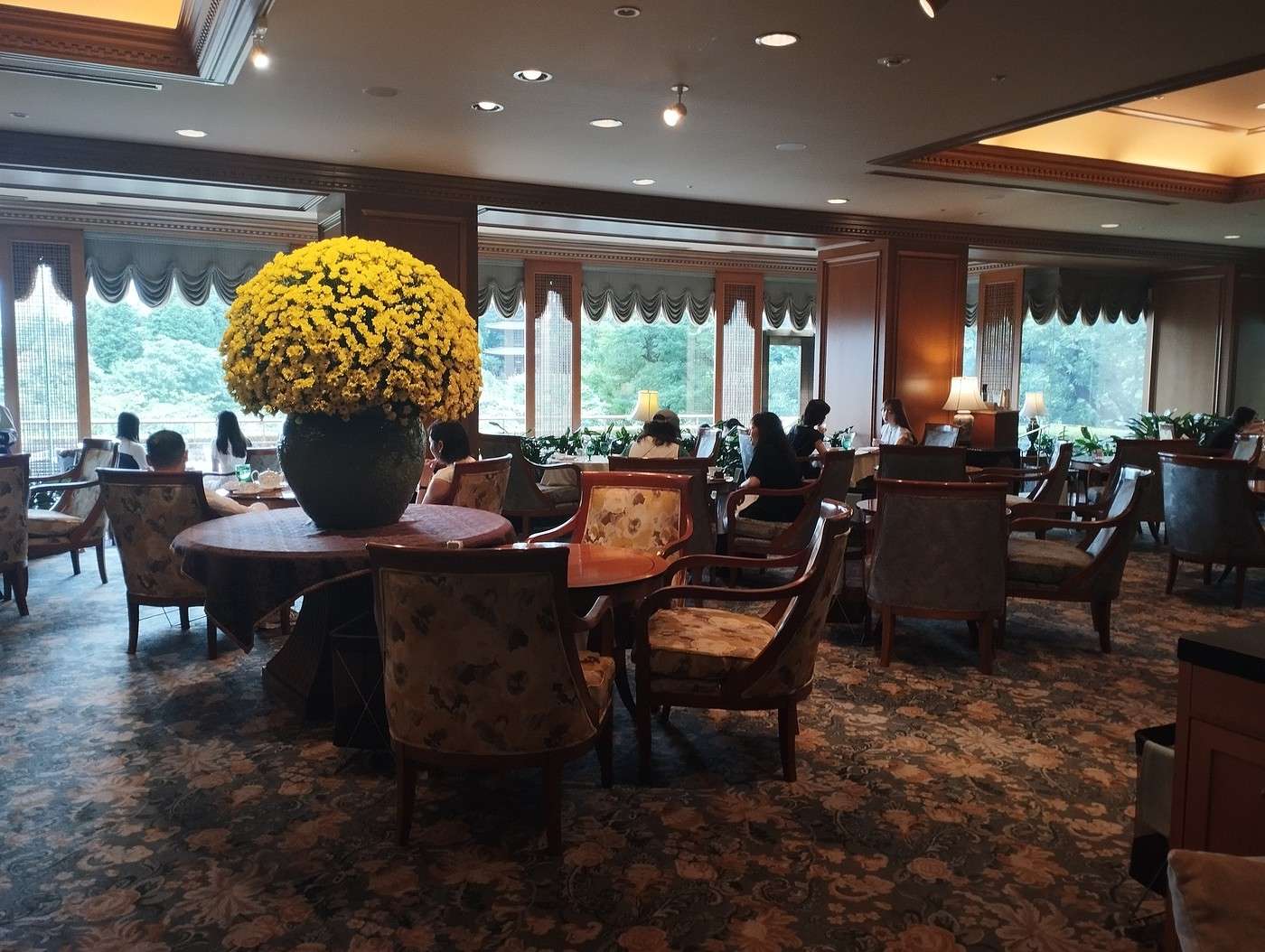
As we walk along a small "park," a local hangout (jogging, homeless people, kids playing), we notice a steep path that’ll probably take us to the street we’re looking for. We climb up. Success! Then, a few hundred meters later, we find ourselves in front of what seems to be the entrance to the Chizanso Hotel. It’s a large, rather old luxury hotel right in the heart of Tokyo. This used to be the residence of Aritomo Yamagata, a former samurai and military leader who became a key figure in power during the Meiji era (1868–1912). He bought this land in 1878 to establish his private residence in the capital. A huge garden enthusiast, he personally helped design the Chinzan-so as it can still be admired today. And it turns out this garden is open to the public for free. The hotel is grand, with lots of staff. The staff cater to their luxury clientele—and even to those who aren’t, like us that day. They open doors for us, rush to meet our needs. We were planning to have a cocktail at the bar, but it only opens in the evening. They suggest we sit in the lounge/restaurant facing the garden. We give in. They even pull out chairs for us to sit.
It’s hot today, and I want to freshen up in the restroom before ordering. When I ask where it is, a woman accompanies me. She recognized my French accent and, as it turns out, she speaks French. When I return to the table, the young woman has become our dedicated waitress. Explaining that we’d initially wanted a cocktail, she offers to have the bartender make us one. I’ve forgotten the name, but it referenced fireflies at night in the garden. We order that. The cocktails arrive with three little treats: candied cherry tomatoes, candied yuzu, and green olives. The candied yuzu was divine.
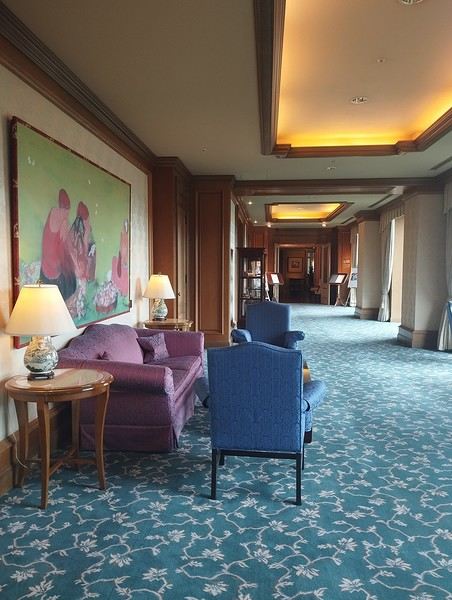
We have fun people-watching around us. The clientele is clearly upscale, judging by their outfits, posture, and mannerisms. The women were especially elegant. We chatted with our dedicated waitress in French. She went to Paris, Bordeaux, and Dijon 20 years ago for 15 days. She keeps up her French by speaking with the few clients who come here. She explains that the garden is free except after 6 PM. Plus, every hour or so, mist appears over the pond, giving the garden a mystical vibe. We enjoyed our pleasant cocktail. When our glasses were cleared, they asked for our room number to charge us... We appreciated the staff treating us like any other guests, despite our casual, non-chic outfits (and definitely not underdressed). Afterward, we took the chance to explore the hotel, which is huge. To our surprise, you can wander around freely even if you’re not a guest. And let me tell you, it’s worth the detour—the hotel is old, with an equally old-fashioned style, but it’s absolutely stunning inside. The furniture, art objects displayed here and there, even the restrooms are gorgeous. The hallways with their lounges, the carpets on the floor, and that view of the garden and its pagoda... A simple immersion in beauty.
We then went to visit the garden, which had very few visitors—just four other people besides us.
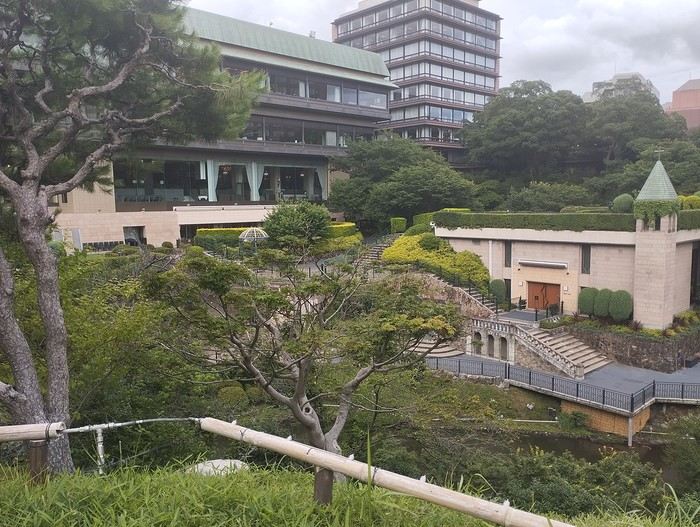
We stayed for a while, soaking in the place before leaving. The staff rushed to open the automatic doors for us as we went.
As we walk along a small "park," a local hangout (jogging, homeless people, kids playing), we notice a steep path that’ll probably take us to the street we’re looking for. We climb up. Success! Then, a few hundred meters later, we find ourselves in front of what seems to be the entrance to the Chizanso Hotel. It’s a large, rather old luxury hotel right in the heart of Tokyo. This used to be the residence of Aritomo Yamagata, a former samurai and military leader who became a key figure in power during the Meiji era (1868–1912). He bought this land in 1878 to establish his private residence in the capital. A huge garden enthusiast, he personally helped design the Chinzan-so as it can still be admired today. And it turns out this garden is open to the public for free. The hotel is grand, with lots of staff. The staff cater to their luxury clientele—and even to those who aren’t, like us that day. They open doors for us, rush to meet our needs. We were planning to have a cocktail at the bar, but it only opens in the evening. They suggest we sit in the lounge/restaurant facing the garden. We give in. They even pull out chairs for us to sit.
It’s hot today, and I want to freshen up in the restroom before ordering. When I ask where it is, a woman accompanies me. She recognized my French accent and, as it turns out, she speaks French. When I return to the table, the young woman has become our dedicated waitress. Explaining that we’d initially wanted a cocktail, she offers to have the bartender make us one. I’ve forgotten the name, but it referenced fireflies at night in the garden. We order that. The cocktails arrive with three little treats: candied cherry tomatoes, candied yuzu, and green olives. The candied yuzu was divine.
We have fun people-watching around us. The clientele is clearly upscale, judging by their outfits, posture, and mannerisms. The women were especially elegant. We chatted with our dedicated waitress in French. She went to Paris, Bordeaux, and Dijon 20 years ago for 15 days. She keeps up her French by speaking with the few clients who come here. She explains that the garden is free except after 6 PM. Plus, every hour or so, mist appears over the pond, giving the garden a mystical vibe. We enjoyed our pleasant cocktail. When our glasses were cleared, they asked for our room number to charge us... We appreciated the staff treating us like any other guests, despite our casual, non-chic outfits (and definitely not underdressed). Afterward, we took the chance to explore the hotel, which is huge. To our surprise, you can wander around freely even if you’re not a guest. And let me tell you, it’s worth the detour—the hotel is old, with an equally old-fashioned style, but it’s absolutely stunning inside. The furniture, art objects displayed here and there, even the restrooms are gorgeous. The hallways with their lounges, the carpets on the floor, and that view of the garden and its pagoda... A simple immersion in beauty.
We then went to visit the garden, which had very few visitors—just four other people besides us.
We stayed for a while, soaking in the place before leaving. The staff rushed to open the automatic doors for us as we went.