

Re: From Southern Shikoku, between land and sea, to the blue waters of Miyakojima and finally to the megacity T
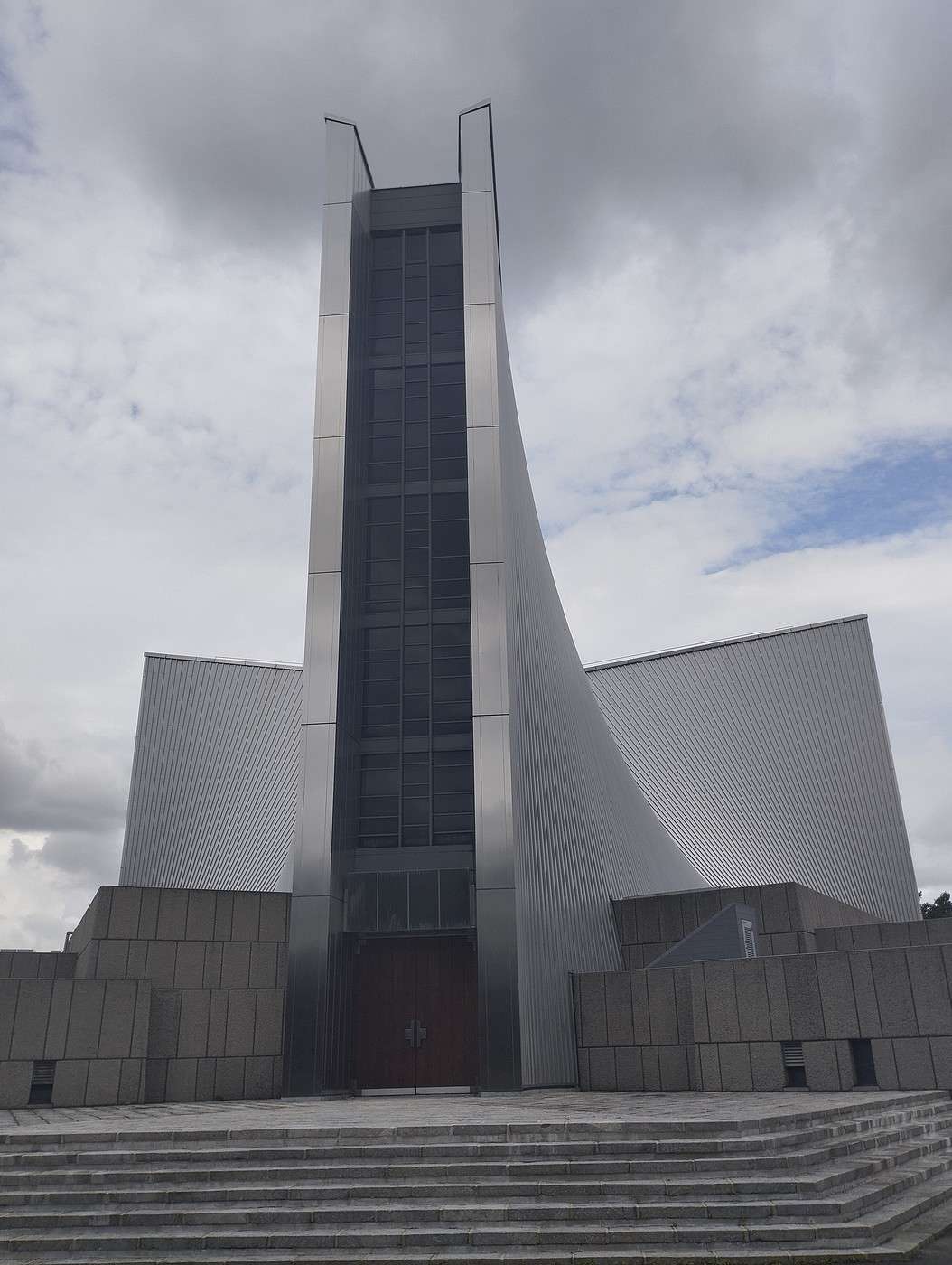
The hotel is right across from St. Mary's Cathedral in Tokyo, designed by Kenzō Tange—the same Kenzō Tange behind the city hall...
This very modern, even futuristic Catholic building dates back to 1964, as it was destroyed in 1945. However, the original structure was built in 1899 in a more traditional Gothic style. We wanted to visit the interior, but unfortunately, we arrived just as the staff was stepping out to close the cathedral. And in Japan, time is time—no chance of getting in, even for five minutes. We settled for admiring this surprising architectural work from the outside. It stands 39 meters tall, with a 60-meter bell tower and a length of 55 meters. A mix of gray tones in concrete and steel.
The street just behind features a few religious mosaics.

After this surprising blend of spiritual and contemporary architecture, we found ourselves transported to another place, another neighborhood—just as astonishing. Welcome to Azabudai Hills! Right at the subway exit, Azabudai Hills makes its ambitions clear: immaculate white, soaring ceilings, and staff everywhere. The luxury starts before you even set foot in the district. I knew this place was all about opulence. A dedicated article in the specialized Japan Magazine about this eco-urban village, inaugurated in November 2023, described it well. But seeing the photos of the buildings—all curves and ultra-modern design—piqued my curiosity enough to bring us here today. That said, reading about it and experiencing it are two very different things. Azabudai Hills is a city within a city, a labyrinth of steel and gentle curves. Our eyes and senses struggled to make sense of it. We moved from one building to another but would’ve been lost trying to retrace our steps. Navigating it is an adventure in itself.
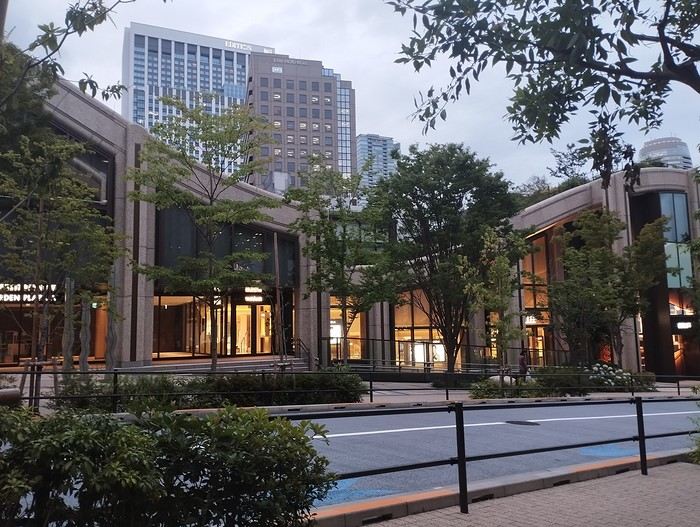
We entered the sprawling commercial zone wherever we could. The massive corridors allowed for easy movement despite the crowd, their hurried steps reflecting the neighborhood’s buzzing energy. From clothing stores to gourmet boutiques, no matter what you choose, a heavier wallet is a must here. A little hungry and armed with konbini snacks, we searched for a place to eat but got lost in the maze. We didn’t spot any accessible indoor seating, so we had to resort to something not exactly typical in Japan... I could almost read the judgment in the eyes of passing locals as we grabbed a quick bite sitting on something in the street. Our setting? A street lined with contemporary, greenery-covered buildings. The gardens seemed to flow along with the street—surprising and beautiful at the same time. Still, we ate quickly, feeling out of place eating on the street. It’s not the norm in Japan, or at least not in well-defined areas where it’s allowed.
Back to our chic stroll through the shopping gallery.
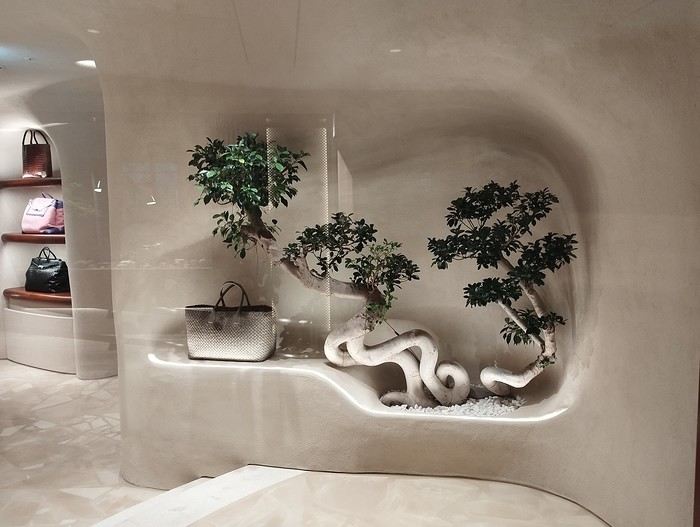
This boutique’s decor is original—I’ll let the picture speak for itself.
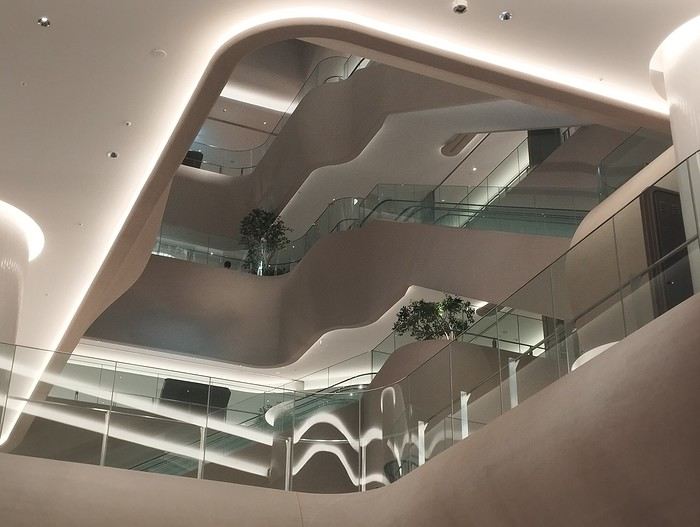
Since we love viewpoints, we set off in search of the panoramic view from Mori Tower. Labyrinthine, you said? That’s an understatement. Finding the observatory felt like a scavenger hunt. The signs were subtle, and the elevators were scattered across different buildings. Thankfully, the reviews we read beforehand saved us from going in circles. But first, check out this architectural staircase space where escalators flow. All volume and curves.
At the top of these escalators on the first floor, you have to go to the end of a hallway leading to more elevators. Hidden on the right, a transparent panel with white lettering finally points to the panoramic view. Hallelujah! A quick, silent ride took us up to the 33rd floor. However, we didn’t realize access to the space was reserved only for those who ordered something at the bar up there. After all that effort, we weren’t about to leave, so we gave in. That said, don’t expect a proper cocktail bar—it’s more like a snack bar on a TGV train, with basic drinks and overpriced snacks that aren’t terrible but aren’t great either. As for the panoramic view, it didn’t offer an unobstructed cityscape like the one at Tokyo City Hall but a nice view of Tokyo Tower. And since it was evening, the tower was lit up in its signature red, as I’ve mentioned before in this travel journal.
After grabbing a drink, you can sit on the large staircase facing the huge windows, letting Tokyo’s urban lights shine through.
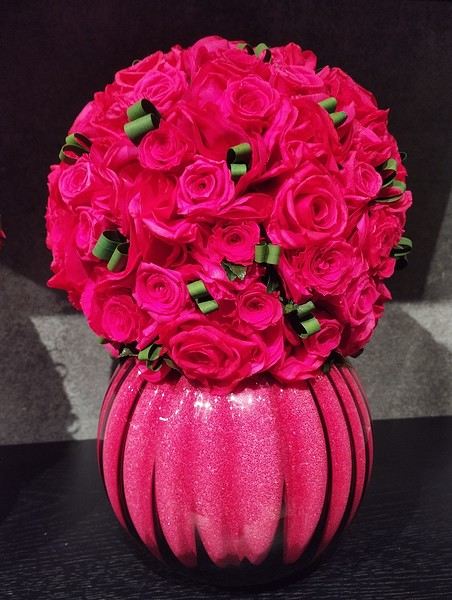
I mentioned the upscale boutiques—one in particular blew me away. What’s so special about it? Elegant, colorful, and delicate floral bouquets that supposedly last up to one or two years without watering. I’ll share a few of these stunning arrangements. Unsurprisingly, the price matches the vibrancy of the flowers. Way more than I imagined, but let’s keep in mind the artistry behind it.
There’s also a popular burger chain here—SHOGUN BURGERS. We had dinner there. It was good, but nothing compared to Bocca Burgers in Miyakojima. Still, it was nice to experience those little practical touches the Japanese excel at, like the paper wrap to keep your burger from falling apart while eating.
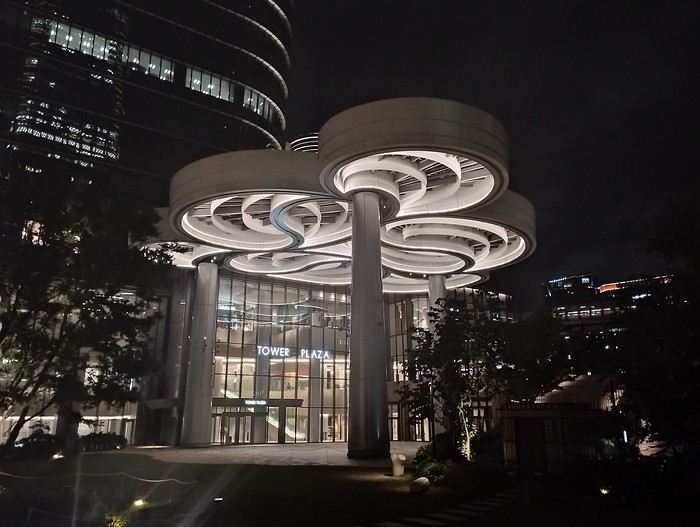
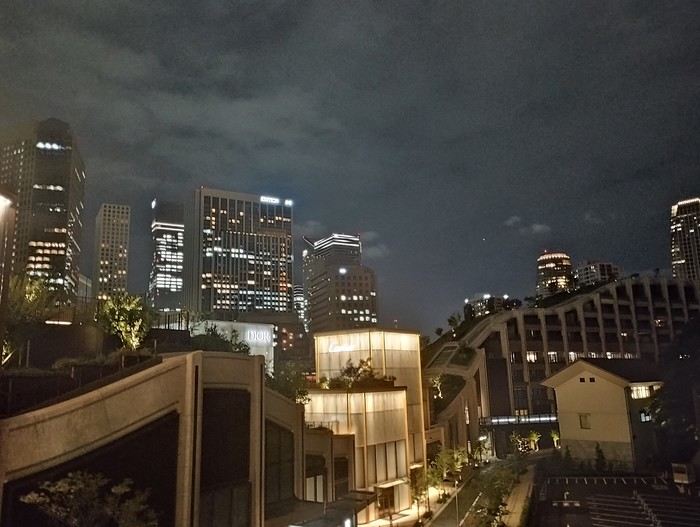
Finally, we ended with a nighttime view of the urban garden, Tokyo Tower, and the glowing storefronts—Hermès among them. Honestly, the design is impressive. It’s a pleasant place to walk around, full of life. A brand had organized a sneaker-testing run, joggers were returning from their workout, and another group was doing yoga under the giant rose-shaped archway. The result is sculptural. You can really feel the blend of functions—residential, commercial, and green spaces.
This very modern, even futuristic Catholic building dates back to 1964, as it was destroyed in 1945. However, the original structure was built in 1899 in a more traditional Gothic style. We wanted to visit the interior, but unfortunately, we arrived just as the staff was stepping out to close the cathedral. And in Japan, time is time—no chance of getting in, even for five minutes. We settled for admiring this surprising architectural work from the outside. It stands 39 meters tall, with a 60-meter bell tower and a length of 55 meters. A mix of gray tones in concrete and steel.
The street just behind features a few religious mosaics.
After this surprising blend of spiritual and contemporary architecture, we found ourselves transported to another place, another neighborhood—just as astonishing. Welcome to Azabudai Hills! Right at the subway exit, Azabudai Hills makes its ambitions clear: immaculate white, soaring ceilings, and staff everywhere. The luxury starts before you even set foot in the district. I knew this place was all about opulence. A dedicated article in the specialized Japan Magazine about this eco-urban village, inaugurated in November 2023, described it well. But seeing the photos of the buildings—all curves and ultra-modern design—piqued my curiosity enough to bring us here today. That said, reading about it and experiencing it are two very different things. Azabudai Hills is a city within a city, a labyrinth of steel and gentle curves. Our eyes and senses struggled to make sense of it. We moved from one building to another but would’ve been lost trying to retrace our steps. Navigating it is an adventure in itself.
We entered the sprawling commercial zone wherever we could. The massive corridors allowed for easy movement despite the crowd, their hurried steps reflecting the neighborhood’s buzzing energy. From clothing stores to gourmet boutiques, no matter what you choose, a heavier wallet is a must here. A little hungry and armed with konbini snacks, we searched for a place to eat but got lost in the maze. We didn’t spot any accessible indoor seating, so we had to resort to something not exactly typical in Japan... I could almost read the judgment in the eyes of passing locals as we grabbed a quick bite sitting on something in the street. Our setting? A street lined with contemporary, greenery-covered buildings. The gardens seemed to flow along with the street—surprising and beautiful at the same time. Still, we ate quickly, feeling out of place eating on the street. It’s not the norm in Japan, or at least not in well-defined areas where it’s allowed.
Back to our chic stroll through the shopping gallery.
This boutique’s decor is original—I’ll let the picture speak for itself.
Since we love viewpoints, we set off in search of the panoramic view from Mori Tower. Labyrinthine, you said? That’s an understatement. Finding the observatory felt like a scavenger hunt. The signs were subtle, and the elevators were scattered across different buildings. Thankfully, the reviews we read beforehand saved us from going in circles. But first, check out this architectural staircase space where escalators flow. All volume and curves.
At the top of these escalators on the first floor, you have to go to the end of a hallway leading to more elevators. Hidden on the right, a transparent panel with white lettering finally points to the panoramic view. Hallelujah! A quick, silent ride took us up to the 33rd floor. However, we didn’t realize access to the space was reserved only for those who ordered something at the bar up there. After all that effort, we weren’t about to leave, so we gave in. That said, don’t expect a proper cocktail bar—it’s more like a snack bar on a TGV train, with basic drinks and overpriced snacks that aren’t terrible but aren’t great either. As for the panoramic view, it didn’t offer an unobstructed cityscape like the one at Tokyo City Hall but a nice view of Tokyo Tower. And since it was evening, the tower was lit up in its signature red, as I’ve mentioned before in this travel journal.
After grabbing a drink, you can sit on the large staircase facing the huge windows, letting Tokyo’s urban lights shine through.
I mentioned the upscale boutiques—one in particular blew me away. What’s so special about it? Elegant, colorful, and delicate floral bouquets that supposedly last up to one or two years without watering. I’ll share a few of these stunning arrangements. Unsurprisingly, the price matches the vibrancy of the flowers. Way more than I imagined, but let’s keep in mind the artistry behind it.
There’s also a popular burger chain here—SHOGUN BURGERS. We had dinner there. It was good, but nothing compared to Bocca Burgers in Miyakojima. Still, it was nice to experience those little practical touches the Japanese excel at, like the paper wrap to keep your burger from falling apart while eating.
Finally, we ended with a nighttime view of the urban garden, Tokyo Tower, and the glowing storefronts—Hermès among them. Honestly, the design is impressive. It’s a pleasant place to walk around, full of life. A brand had organized a sneaker-testing run, joggers were returning from their workout, and another group was doing yoga under the giant rose-shaped archway. The result is sculptural. You can really feel the blend of functions—residential, commercial, and green spaces.