



Re: Mexico: The Magic of the Yucatan
Las Coloradas is located 25 minutes by car east of Rio Lagartos.
Originally, the current site of Las Coloradas was a place where the Mayas produced salt. This activity continues today: seawater is stored in large basins, then gradually evaporates under the region's scorching sun while its salt crystallizes.
This water is also rich in algae, plankton, and small pink shrimp: it's these that give the water its unique color (as well as the pink flamingos that eat them, by the way). Visually, this landscape is quite spectacular.
A few years ago, this site was almost untouched by tourists. You could even swim in these pink waters to take incredible photos. But since a tourist's drone crashed into one of these basins, polluting it for a while, swimming has been banned.
During our visit (July 2023), the entrance was paid, but above all, it was mandatory to be accompanied by a guide: you can no longer wander freely around here.
And that's nothing compared to what's brewing: the authorities are heavily investing in this site by building large-scale tourist infrastructure all around the salt production plant. The stated goal is clear: to achieve record tourist revenues...
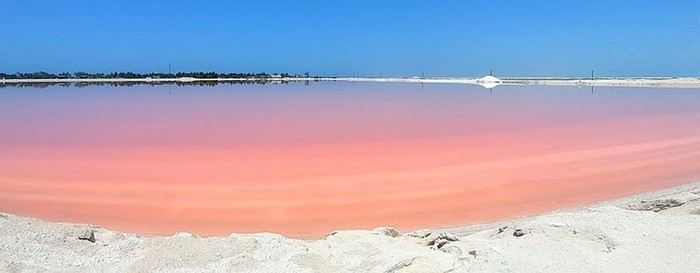
Once these works are completed and the tourist capacity is multiplied tenfold, the question will be whether it's worth it: in our opinion, no.
Indeed, the color of these basins, which you can tour in half an hour, is amazing and photogenic, that's undeniable, but not enough to justify the prices and lack of authenticity that will inevitably come with it.
Okay, I'll stop here for today—I'll publish the rest very soon.
If you've made it this far, thanks for reading! 😎
Originally, the current site of Las Coloradas was a place where the Mayas produced salt. This activity continues today: seawater is stored in large basins, then gradually evaporates under the region's scorching sun while its salt crystallizes.
This water is also rich in algae, plankton, and small pink shrimp: it's these that give the water its unique color (as well as the pink flamingos that eat them, by the way). Visually, this landscape is quite spectacular.
A few years ago, this site was almost untouched by tourists. You could even swim in these pink waters to take incredible photos. But since a tourist's drone crashed into one of these basins, polluting it for a while, swimming has been banned.
During our visit (July 2023), the entrance was paid, but above all, it was mandatory to be accompanied by a guide: you can no longer wander freely around here.
And that's nothing compared to what's brewing: the authorities are heavily investing in this site by building large-scale tourist infrastructure all around the salt production plant. The stated goal is clear: to achieve record tourist revenues...
Once these works are completed and the tourist capacity is multiplied tenfold, the question will be whether it's worth it: in our opinion, no.
Indeed, the color of these basins, which you can tour in half an hour, is amazing and photogenic, that's undeniable, but not enough to justify the prices and lack of authenticity that will inevitably come with it.
Okay, I'll stop here for today—I'll publish the rest very soon.
If you've made it this far, thanks for reading! 😎
