Episode 5 – Senegal, from Rosso to Saloulou
The final leg of a month-long journey by train, bus, and boat. After Spain, Morocco, Western Sahara, and Mauritania, here I am in Senegal. A return 13 years later for me, a first-time discovery for my friend and travel companion Hadrien, who’s been with me from Dakhla to Dakar.
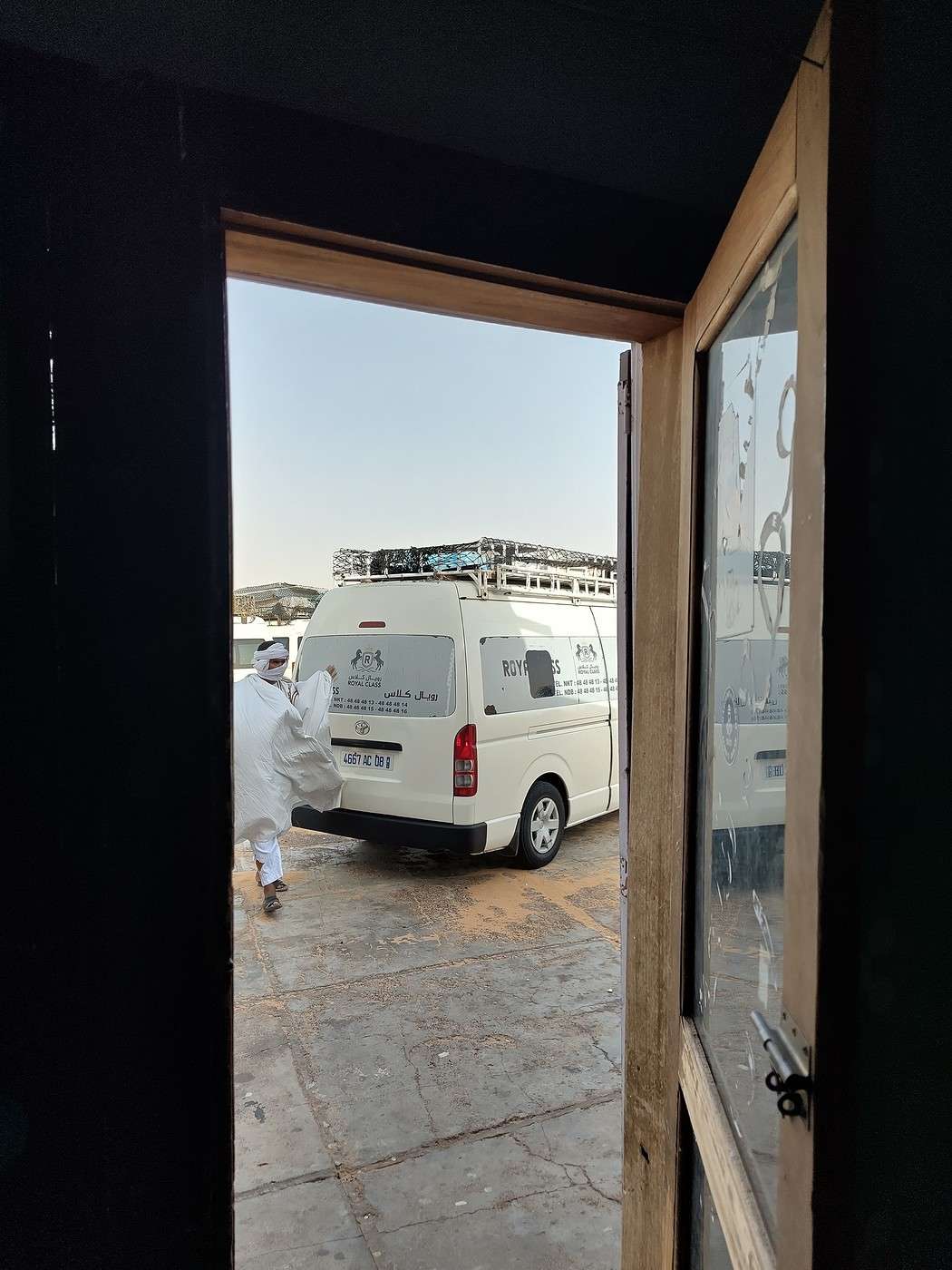
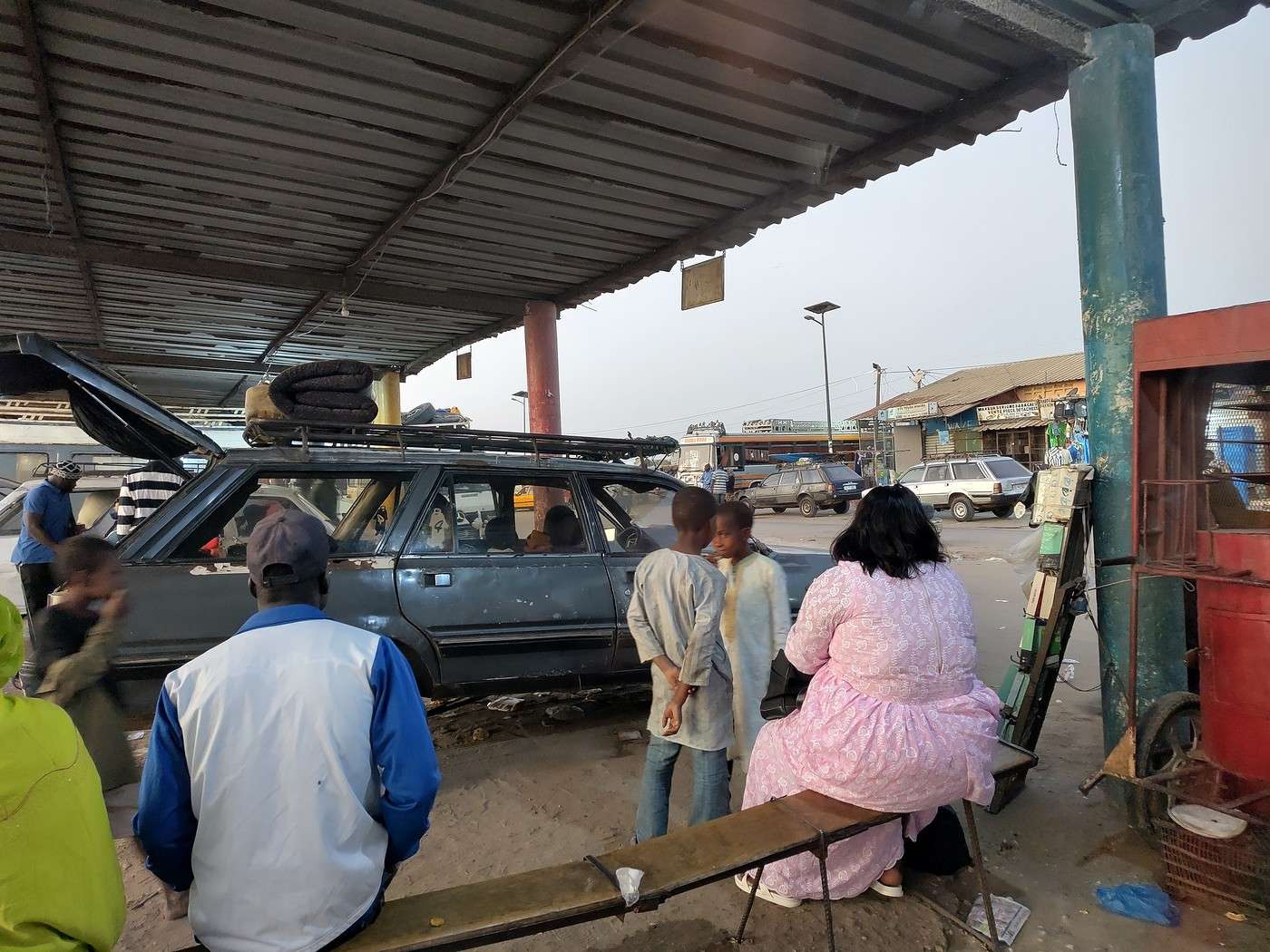
To leave Nouakchott heading south, you just need to reach the "Carrefour Nancy," where most minibus companies gather. We quickly find one that’s almost full, so it’s about to leave. In Mauritania, as everywhere further south, shared taxis and minibuses only depart when they’re full.
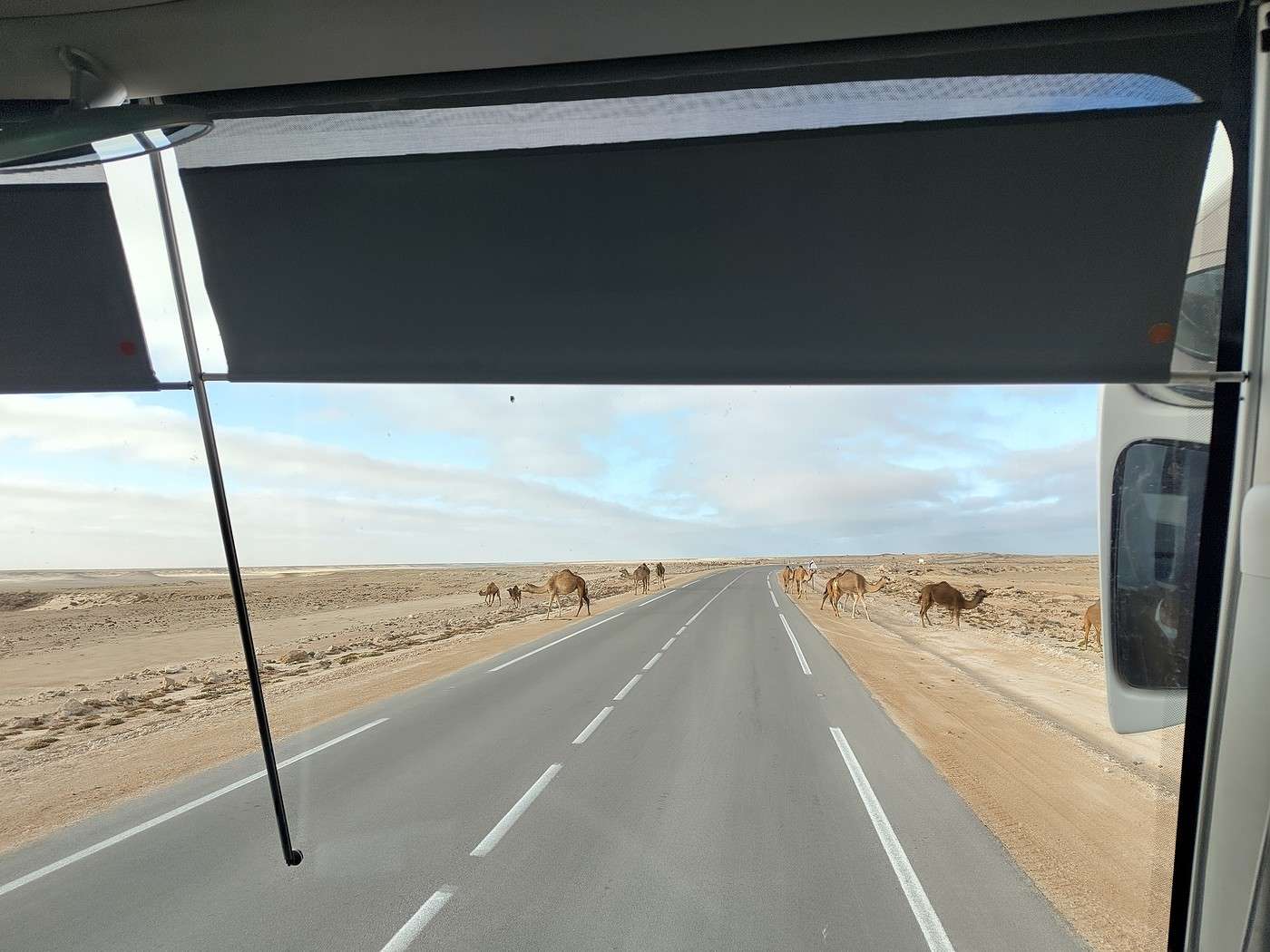
From France to Senegal, my route is an opportunity to observe gradual changes in the organization of each country’s internal transport systems. Trains in Europe and northern Morocco become buses in the Sahara, minibuses in Mauritania, and "7-seater" taxis (also called "bush taxis") in Senegal. Schedules become less and less fixed as you move south through Mauritania and Senegal—departures generally only happen once the vehicle is full. Prices, however, follow a different logic: the idea of influencing travelers to spread out across less busy times with a "price signal" (the "yield management" concept applied in Europe) doesn’t seem to be on the agenda yet. Fares are fixed in all the African countries I’ve crossed—except for minor adjustments on the recent high-speed rail line in northern Morocco. These differences highlight the technological and cultural dimensions of our mobility systems, but they also reflect the capacity of public actors to manage and fund their networks, as these aren’t universally part of public policy. In many places, they’re the result of more or less regulated private initiatives.
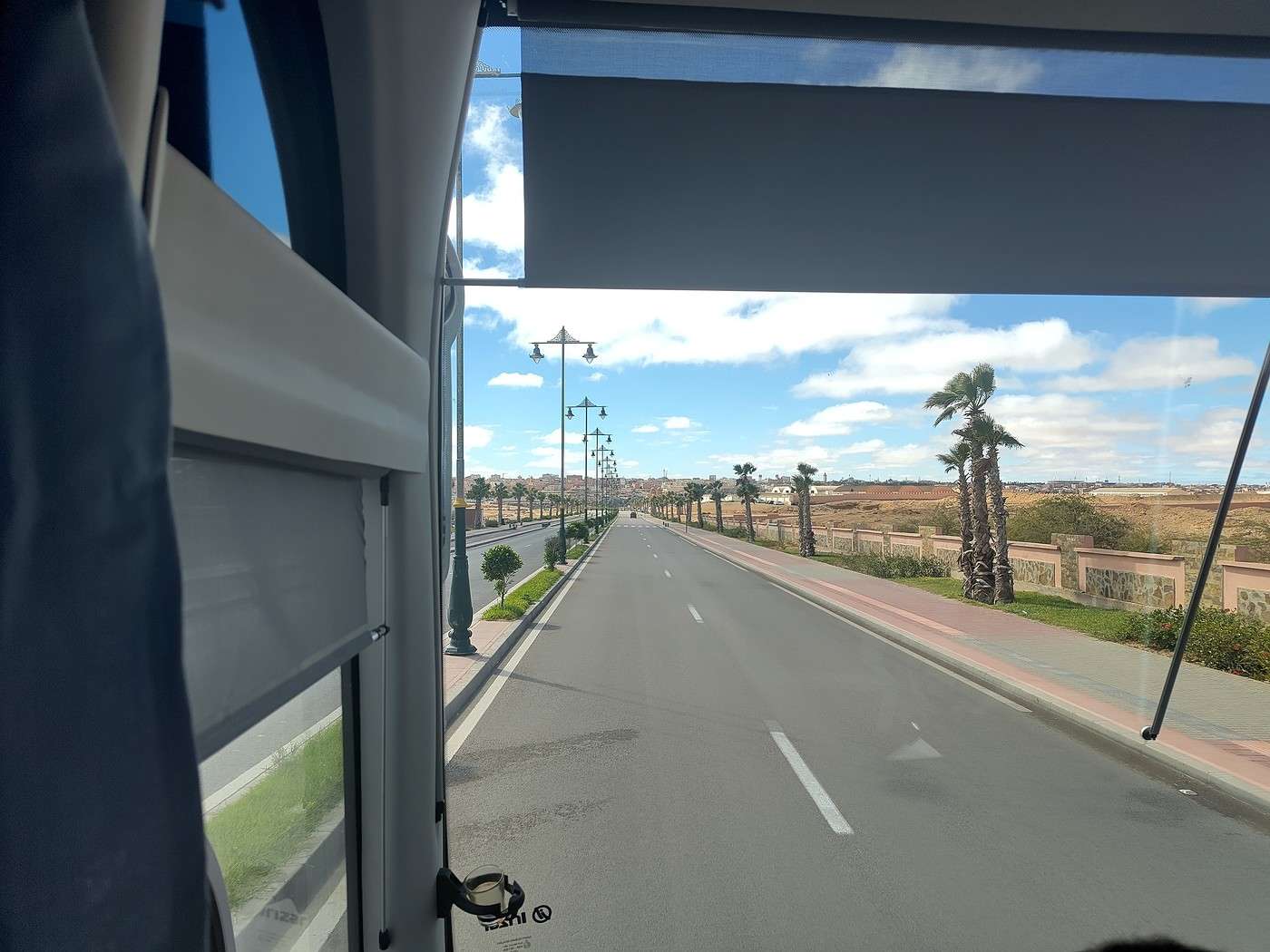
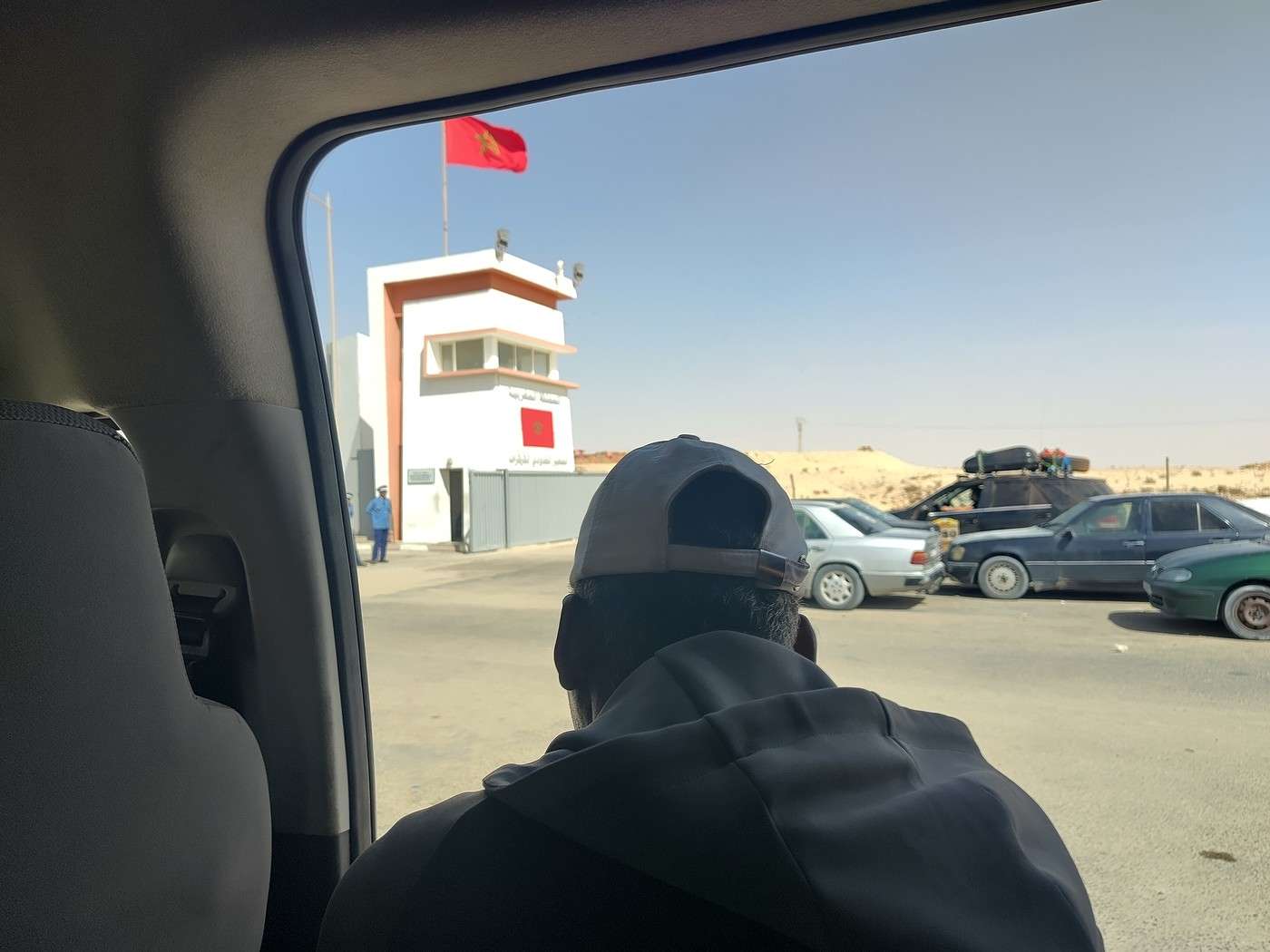
To reach Rosso, it’ll cost 300 ouguiyas (6.5 €), 200 kilometers, and three hours on the road. The small border town welcomes us with the expected chaos, where hustlers pounce on travelers to exchange money, sell SIM cards, or simply point them toward the border post. Crossing into the neighboring country requires crossing the Senegal River. Nearby, a massive bridge is under construction. A Chinese company (Poly Changda) is working hard to connect the two countries by road. For now, a ferry links the two banks every hour, and pirogues offer their services for those who want to avoid waiting for the overloaded ferry’s unpredictable departure.
Saint-Louis, Senegal
We reach Saint-Louis a few hours later, aboard an ancient 505 that struggles to exceed 60 kilometers per hour (though the driver still manages to get pulled over for speeding during a police check). I know the city well, having spent a year here as an exchange student in 2012-2013. It seems to have sprawled considerably, so much so that between Gaston Berger University and the city center, I don’t recognize the road I used to take daily by motorcycle. At the city’s entrance, an auxiliary branch of the BCEAO (Central Bank of West African States) has moved into a large new building near the old house I lived in. A new Auchan supermarket has opened (previously, there was only the market and small grocery stores in this city of nearly 250,000 people). The center of Saint-Louis, located on an island in the Senegal River, hasn’t changed much, preserving its quaint colonial charm and pretty colors. In recent years, a "museum archipelago" has sprung up all over the island. Under the impetus of Amadou Diaw, a Senegalese businessman who founded the country’s first private business school in the 1990s, the "Mupho" has settled into 8 large colonial houses in the city. You can explore the country’s history and admire works by contemporary photographers. The owner, just back from Paris where he lives and works, is happy to welcome us and chat that day in one of these grand houses.
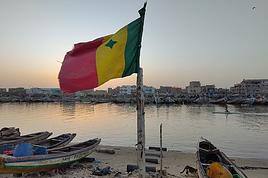
The last stop on this museum marathon is in a huge building overlooking the fishing village just a few dozen meters away, on the other side of the river branch. I’m there alone in this vast house displaying hundreds of traditional art objects—statuettes, sculptures, ornaments—and on the other side, fishing families are crammed into precarious conditions. On the Langue de Barbarie, Guet Ndar is known as Africa’s most densely populated neighborhood, and even one of the most densely populated in the world. 25,000 people live on a tiny 90-hectare strip of sand. In the gathering evening, surrounded by the memory of Africa’s peoples on one side and the powerful hubbub of a packed neighborhood on the other, hemmed in by my many memories of life here 13 years ago, I’m dizzy and stay there, stunned, by the window. Long minutes pass before the guard comes to signal the site’s closing.
Dakar
I reach Dakar the next day, betting on the only daily bus leaving at 7 AM to avoid the endless bush taxi ride. No luck: I learn on the spot that I should’ve booked and that today’s trip is already full. The bus leaves before my eyes, and I wait nearly two hours for a "7-seater" to fill up.
At the bus station, street children, so common in Senegal, are even more numerous than elsewhere. These "talibés" (from "students") are mostly children entrusted by poor families to marabouts who handle their religious education—and send them begging for much of the day. Undernourished and poorly dressed, these children are the subject of heated debate in Senegal. Their fate regularly makes headlines when abuses are revealed or a fire kills several kids. Yet, year after year, this system continues. Refusing to give money, I share some provisions with two starving children. But that’s enough to attract a dozen other talibés and spark a fierce fight among them for the biscuits and fruit. Deeply annoyed and upset, I lock myself in the 505 with my biscuits as it slowly fills up. But what can you do?
During this trip, I learn that a highway is under construction between Saint-Louis and Dakar and should be operational next year, which will significantly shorten the journey. For now, we have to make do with the RN2, which crosses Louga, Kébémer, and Thiès and seems to have gotten much busier since 2013. On the outskirts of the Senegalese capital, the driver avoids the already operational highway section and plunges into endless traffic jams. Exhausted after 4 hours on the road, I take advantage of passing the Bargny TER station to escape the taxi and continue by train. Since 2021, Dakar has had a very efficient suburban train line, and the opening of its second phase (extending to the airport) is announced for this year. For 1000 FCFA (1.5 €), I reach the city center station in a few dozen minutes on a new train where zealous conductors ensure no luggage blocks the aisles. The TER takes its standards seriously.
These new infrastructures (highway, TER) have accompanied Dakar’s development and its expansion eastward (the international airport, previously on the narrow peninsula, moved in 2017, and the coastal demographic boom continues). Dakar’s transformation doesn’t stop there: impressive BRT lines (rapid buses on dedicated lanes, comparable to express trams) have appeared, and much of the urban transport network, once organized quite informally around "rapid cars" (old Renault Goélette minibuses), has been largely replaced by brand-new large buses. These changes clearly show the close link between transport infrastructure and the development of southern megacities. Mobility is the key to urbanization in the Global South.
On this first evening of Ramadan, Hadrien and I wander the city, drifting from bars to chance encounters. At the Viking Pub on Georges Pompidou Avenue (!), Sa��d tells us about his import-export business with Morocco. An expert in fruits and vegetables, he knows growers, transporters, and the best regions by heart. He ships tomatoes and oranges across the Sahara one way, and watermelons and mangoes fill the trucks the other way. Saïd assures me: Casamance is a real breadbasket. Its potential is huge, but the supply chains struggle to get organized. Southern Senegal, with its more humid climate and fertile lands, works agronomic wonders, but the lack of infrastructure still largely leaves it on the sidelines of globalization.
On the other side of Independence Square, a French-run wine cellar intrigues us. Once inside, everything reminds us of a Parisian wine cellar—even the bottle prices. Talking with the owners and regulars, we don’t have to wait ten minutes before Jacques Foccart’s name comes up (the Élysée’s secretary-general for African affairs from 1960 to 1974, who played a major role in maintaining French dominance after independence), tied to their own personal history. It doesn’t take long before we hear that "Françafrique will never end." Faced with such nonsense, we take comfort in our compatriots’ advanced age. We leave to taste the nightlife at a nearby club: young French people, probably students, dance lazily while prostitutes wait for clients around the bar. Quite an evening.
The next day, I explore the city on foot and observe the country’s changes since my nearly year-long stay between 2012 and 2013. First, I’m struck by the prominence of a payment app I’d never heard of before: Wave. Only 23% of Senegalese have a bank account (compared to 99% in France and 58% in Morocco, with the banking rate being another development indicator), and the sector is known for its bureaucracy. So digital has outpaced banks, and nearly everyone here uses this app, which offers online accounts, money transfers, bill payments, and—most importantly—the ability to pay for any purchase by scanning the merchant’s QR code. Simple as can be, banking in Africa. The same goes for taxis: everyone here uses Yango, Senegal’s Uber. No need to negotiate your fare. In a decade, digital has changed many habits. Conversely, the stark inequalities structuring society don’t seem to have evolved much. Dakar is like other major cities in emerging countries: a paradise for a few (private beach clubs and upscale neighborhoods attest to this) and a hell for many (pollution, poverty). In between, a small middle class struggles to emerge.
This middle class includes Moïse. This former student I met at UGB (Gaston Berger University in Saint-Louis) in 2012 is now an English professor at the University of Dakar. His wife is a teacher, and they’re raising their two children in Ouakam, an intermediate neighborhood in the city—neither very rich nor very poor. We meet at a café in Plateau, Dakar’s historic city center where national institutions are concentrated. Moïse, whom I haven’t seen since 2013, tells me about his life today and gives me news of his family in Gambia. We talk about the political situation in our countries, what’s become of our old classmates from UGB, and then about Casamance, where he’s from and where I’ll spend the last days of my trip. That’s when I learn his story, putting words and realities to a past that had always intrigued me but that a certain restraint had kept me from asking about at the time. Moïse’s Casamance family was scarred by a conflict that marked southern Senegal from the 1980s to the mid-2000s: the fight for Casamance’s independence. A soldier in the Senegalese forces, Moïse’s father was kidnapped by rebels in 1999. His family, refugees in Gambia, never saw him again. Moïse was 15. The modesty of his words, the simplicity of his tone, the overwhelming reality of a past that never passed—everything he tells me moves me deeply.
Ziguinchor
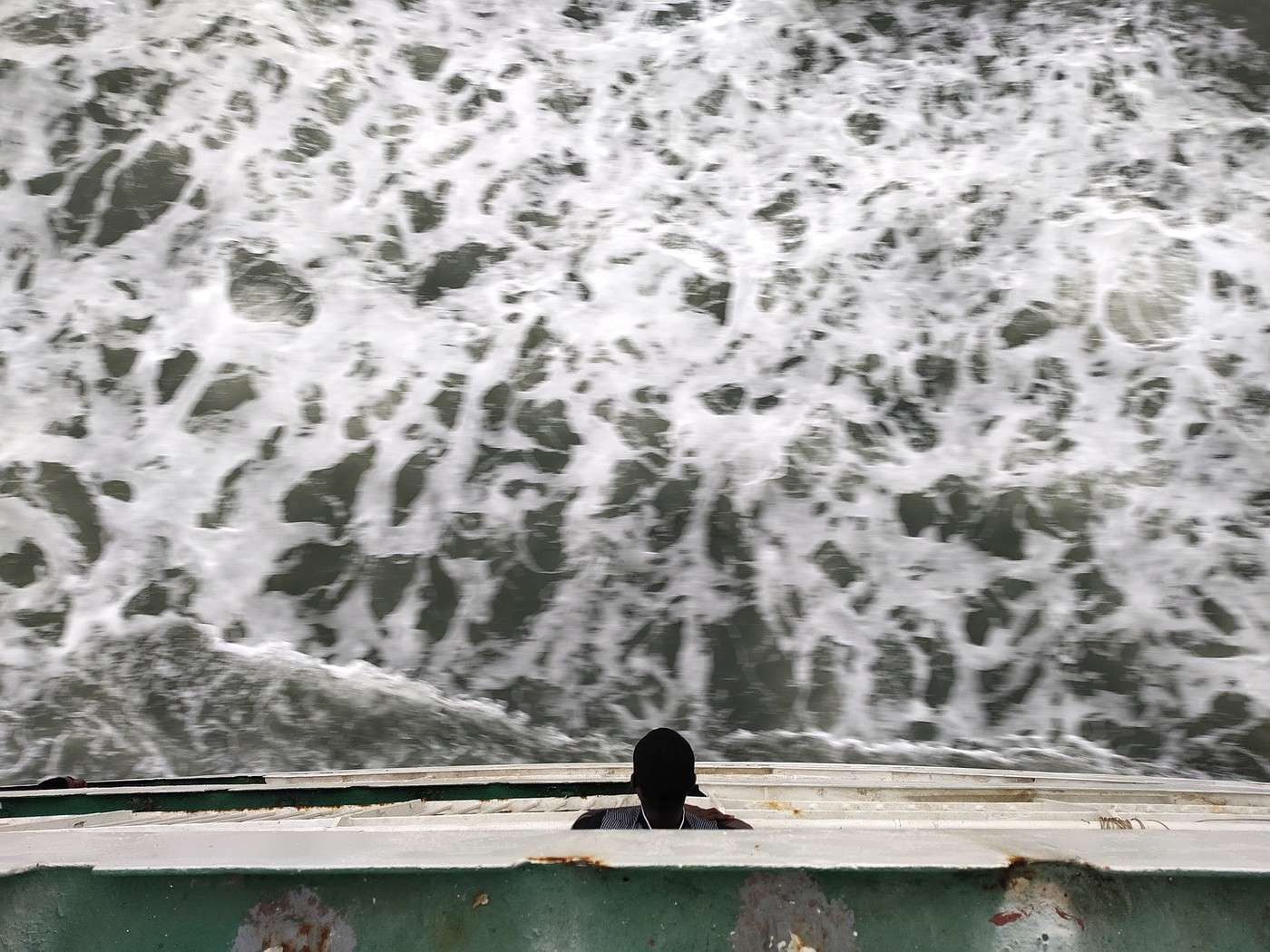
On the evening of February 20, Hadrien flies back to Paris while I leave Dakar’s port aboard the *Aline Sitoé Diatta*. This is the last leg of the journey. The boat will take me to Ziguinchor, the capital of Casamance, a region I’ve never visited. I share my cabin with a couple, Marina and Alpha, two fun-loving birds who party all night on the boat’s deck, and Marie-Célestine, a very elegant Casamance woman who’s much more reserved. A sales rep in the livestock feed sector, Marie-Célestine is going home to see her family for barely two days: vacations are a rare commodity in her job, a luxury she can’t really afford. The boat offers her the tranquility of a restful night, and it’s true that you sleep particularly well here—the gentle rocking lulls me into nearly ten hours of uninterrupted sleep.
Between Dakar and Casamance, history is marked by the independence conflict, which I’ll hear about again in Ziguinchor, but also by another tragedy that occurred on the night of September 26, 2002. That night, around 11 PM, the *Joola*, which connects the country’s south to the capital, was caught in a "tropical squall" off the coast of Gambia. Wind and rain suddenly lashed the boat. In less than ten minutes, the ferry, designed for 580 people, capsized with nearly 2,000 passengers on board. Rescue only arrived the next afternoon. It was a massacre: only 64 survivors. Ziguinchor alone lost 971 inhabitants. 444 students on their way to the start of the university year perished. There are no words to describe what remains the worst civilian maritime disaster in history. It traumatized an entire country, and restoring the connections years later came at the cost of strict passenger controls.
In his novel *A Tomb for Kinne Gaajo*, Boubacar Boris Diop tells this story, which haunts my journey. Through the character of Njéeme Pay, a political journalist who sees her childhood friend die in the *Joola* shipwreck, the story skillfully blurs reality and fiction, particularly showing the cynicism of power in the face of disasters it’s responsible for. This reading also reminds me of Mohammed Mbougar Sarr’s novels, especially *Pure Men* (2018), where the author dared to tackle Senegalese society’s taboos, focusing on the treatment of homosexuals in the country. Nearly a decade later, the subject is very current: parliament is preparing to vote on tougher repression against these "unnatural acts" (ten years in prison for simply being different). With overwhelming public support.
After stopping in Karabane at breakfast time, the ferry sails up the Casamance River. It’s escorted by dozens of dolphins that brush against the boat, provoking cries of joy from the many children on board who run from port to starboard to watch them better.
In Ziguinchor, I’m overwhelmed by the heat. I explore the city in the late afternoon, from the river to what seems to be the nerve center: the "Marché Saint-Maur-des-Fossés." As night falls, I take refuge in a maquis I found by chance and receive such a warm welcome that I decide to spend the whole evening there. Léon, Théophile, Jean, Moussa, and others open the bar’s door to me—and a part of their lives. Moussa, in his thirties, proudly tells me about installing electrical networks in villages and insists on sending me photos of himself high up on power poles. Still in the energy sector, Léon talks about the solar panels he sells and installs in the region. After 12 years as a cashier at Total, earning 109,000 FCFA per month (185 €), he left the French multinational to equip villages with solar panels (at least those Moussa hasn’t yet connected to the grid!). With no upfront investment, in exchange for a subscription, his company offers villagers decarbonized, low-cost electricity. He travels the region’s countryside on his little Jakarta (low-cost motorbikes that arrive in parts from Southeast Asia), identical to the one I owned 13 years ago—110 cc, max speed 100 km/h, 2 liters of gas per 100 kilometers. Happy with his new job, this 42-year-old father of three still dreams of returning to his hometown, Joal Fadiouth, a gem nicknamed the "shell island" in the Sine-Saloum, north of Gambia. There, he tells me, he already owns land. With 5 million FCFA (7,500 €), he could start a market garden and settle there with his family. Investors welcome!
As we dine on a simple warthog dish, Ramadan and Lent join the conversation. This year, they conveniently started at the same time. Théophile, who just turned 70, explains what Lent should be: a posture of humility and sharing. You eat only one meal a day and feed those who are hungry. I point out that Muslims are guided by roughly the same principles, but he corrects me: their fast-breaking is lavish and leads to eating excessive amounts. As for the supposed sharing, it’s nothing like that, since it’s the leftovers that are distributed. The others at the table all agree with what everyone calls "Grand," and I prefer not to push the debate too far. Behind the good relations between communities (Casamance is home to 30% Christians, 60% Muslims, and 10% animists), there are obvious differences that oscillate between misunderstanding and negative judgment.
After a few beers, Léon tells me about the Casamance independence conflict. In the countryside, he discovers chilling realities, twenty or thirty years later. Because tongues are loosening. Villagers are talking. And stories of rapes and tortures of unimaginable violence emerge. Things that "defy understanding," Léon tells me, enunciating each syllable. Children discover that their father isn’t the man who raised them, marking their lives with horror and destroying honor. I listen, there in front of this little bar on a sandy street in Ziguinchor, to these stories, and I see Léon’s eyes fill with tears. It’s no longer his mouth speaking—it’s his eyes, Léon’s eyes telling the horror. Théophile is also moved but says nothing. He lived through this period in his flesh. He was an adult; he could speak, describe. But his misty eyes, lost in the void, and the silence he keeps, so far from his cheerful, talkative tone at the start of the evening, perhaps say even more.
Could the conflict ever flare up again? "When you’ve known war, peace has no price," the two men conclude. I leave a little dazed, slightly tipsy, walking through the sand and the night.
Saloulou
This is the very last stop on my journey. From Ziguinchor, on Sunday, February 25, a bush taxi takes me to Kafountine, a small town in northern Casamance. While a highway is being built in the north of the country, here in the south, the main road is in critical condition. "The road is ruined," my neighbor for the day, Alpha Diallo, who’s coming from Conakry, tells me. Between brief conversations, exhausted after 24 hours of travel, he dozes off, his body swaying with the movements of this potholed road. One day, one night, and another half-day—that’s the price to cover the 800 kilometers between Guinea’s capital and Kafountine, where he’s from. In addition to the potholes, police checkpoints dot our route, and every pretext is good for extorting our poor driver: 3,000 FCFA for a cracked windshield, 2,000 for excess luggage...
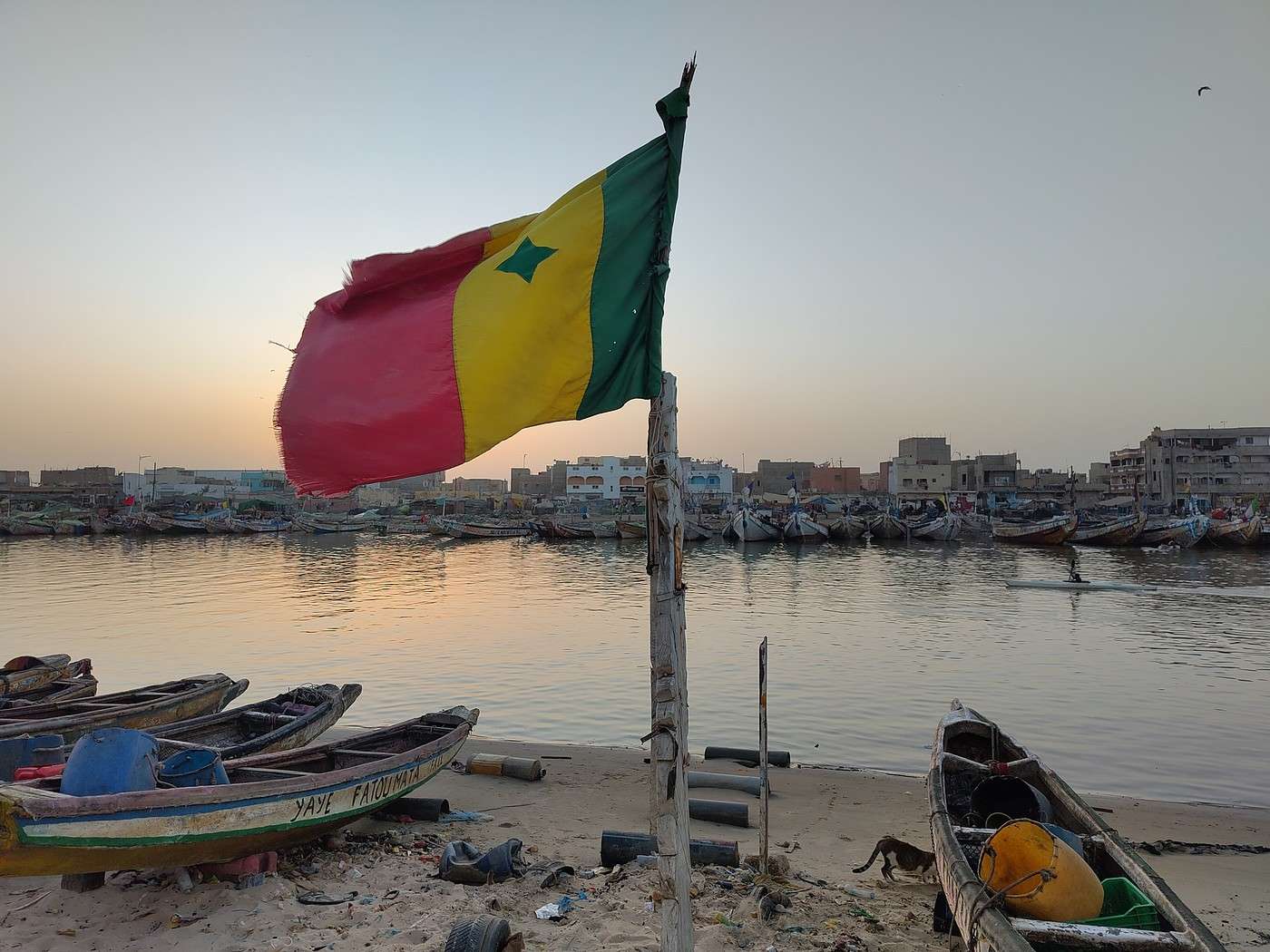
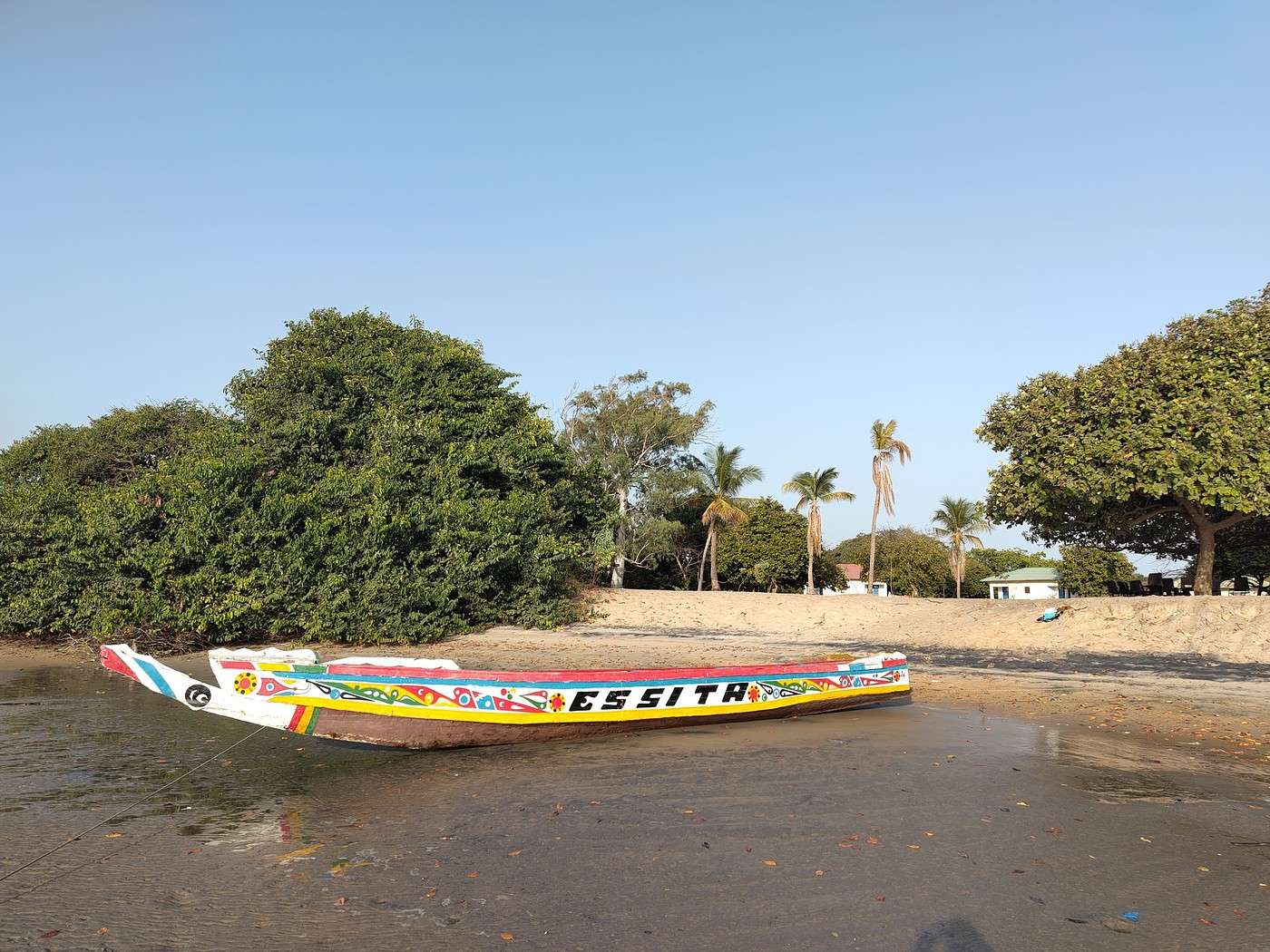
In Kafountine, I board the only daily public pirogue (called the "mail pirogue") that serves the isolated islands of the Casamance River estuary. For two hours, the pirogue navigates the bolongs, these rivers mingling with the ocean that wind through the mangrove. I arrive at the end of the day in Saloulou, where a small village camp has been built to welcome passing tourists. The last ones left several days ago, and I’ll be the only one for three days. Three sturdy cabins facing the beach and a central building serving as a restaurant are surrounded by tall palm and cashew trees (which produce cashew nuts) and, by the water, the inevitable mangroves. During the day, the many birds dominate the soundscape; at nightfall, crickets take over. In the afternoon, the crushing heat and burning sand discourage any outing. There’s nothing to do, no mobile network, and that suits me perfectly.
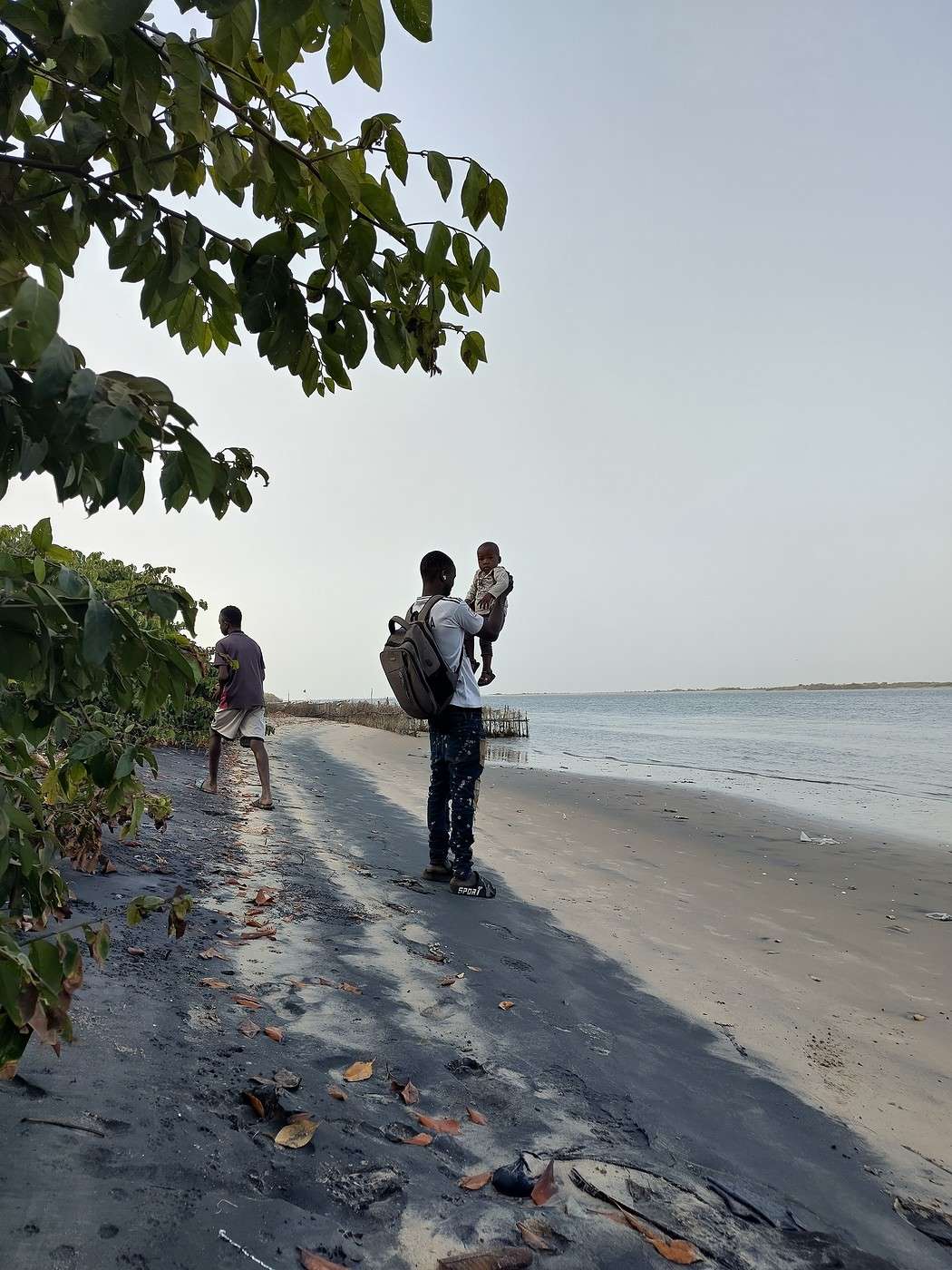
On the beach, in the sublime evening light, I chat with the fishermen. Alassane comes from Sierra Leone. He explains that working conditions are better here and so is the fish. Others come from Guinea-Conakry, Guinea-Bissau, Liberia. Saloulou actually hosts a battalion of fishermen on its beach, reminding me that migration to the north is a giant domino effect that starts here and ends in Europe (Senegalese go to work in Mauritania, Mauritanians in Morocco, Moroccans in Spain...).
In the restaurant, a mix of locals and fishermen watch France 24 on a TV powered by solar panels. I hear my host preparing the evening meal we’ll share: fresh fish, rice, vegetables. Paradise in three elements. Etienne was born the same year as me, and he’s the one the village chose to manage the camp. With Florence, his wife, and their young son Philippe, they returned to the village not long ago after an unsuccessful experience in the big city. A trained cook, Etienne did find work in Dakar and Saly, but his salary, which never exceeded 150,000 FCFA (230 €) at best, didn’t allow him to house his family properly. In Saloulou, he has an unpredictable income depending on passing tourists, but most importantly, he has no rent. Market gardening, fishing, and small-scale livestock farming cover most food needs, and life can unfold without risk. Etienne and Florence’s story, Léon’s in Ziguinchor, and others I’ve heard along the way all express the same refusal of forced urbanization. Everywhere on the planet, cities bring both progress and misery, freedom and constraint. But everywhere, for those who reject that life, escaping the grip of metropolises is far from easy. By stripping individuals of control over their own existence and their means of subsistence, urbanization is also a form of colonization.
In Saloulou, in addition to fishing, cashew nuts and mangoes form a natural wealth that the village exports. I also discover that the mangrove is full of oysters: at low tide, you can see them clinging to the mangrove trunks. The temperature and lack of a proper refrigeration system force people to dry and smoke the oysters when they’re harvested. Due to these constraints, but also the lack of an organized supply chain, this almost limitless resource is far from being exploited as it could be.
One morning, I help Etienne water his little field. The water table is only a few meters down, allowing irrigation with watering cans for the many surprising crops. In the afternoon, I explore the village with my guide for the day, which you can reach in a few minutes by quad (the island has only two motorized vehicles). Etienne shows me his house, still under construction. That day, the entire village of 400 inhabitants is in mourning. They lost one of their own three days ago, and since then, meals have been shared communally in the middle of the village. The women, dressed in magnificent boubous, gather on large mats and cook in big pots.
Perched on a generous water table, Saloulou, like everywhere else in the country, is under a blazing sun most of the year. It’s the sun that powers the village, thanks to a small solar panel field. Since there’s no electricity meter, everyone pays the same: 6,000 FCFA per month (9 €), 15,000 FCFA (23 €) for heavy users (artisans, merchants...). There are few energy-intensive appliances anyway, and usage conflicts remain very limited.
At the camp, the days pass identically. Only the fish that ends up on the plate changes from one day to the next, depending on the night’s catch. For the last meal, it’s a big captain fish, similar to sea bass, which I grill on a makeshift barbecue.
The next day, I’ll take the public pirogue again, then a motorcycle taxi, a first bush taxi, then a second one through Gambia before reaching Dakar. And, a day later, France by air.





 2- Around San Pedro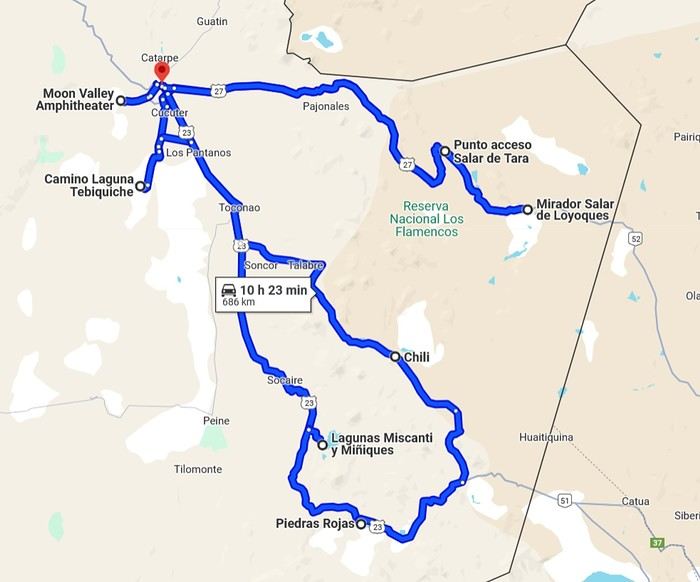
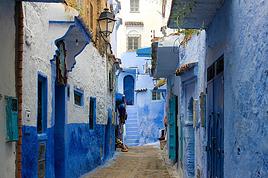
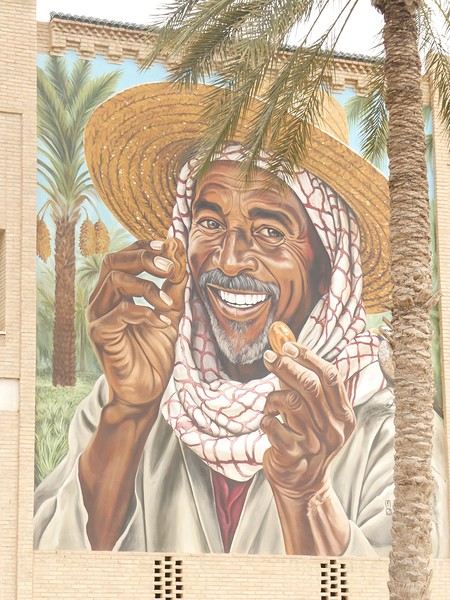
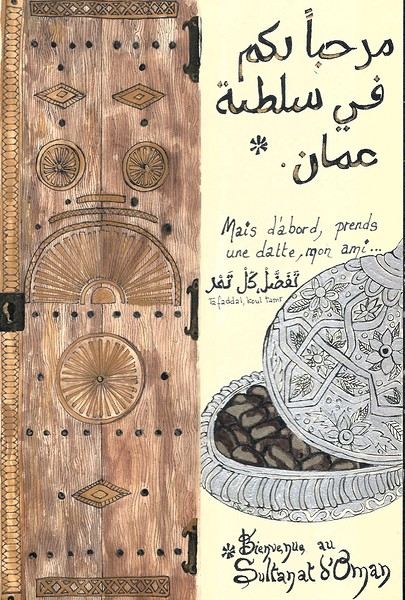 On the right, the "welcome marker"—those dates offered everywhere as a sign of hospitality. On the left, a tribute to those stunning doors worn by time, admired all over the old quarters, including the abandoned ones.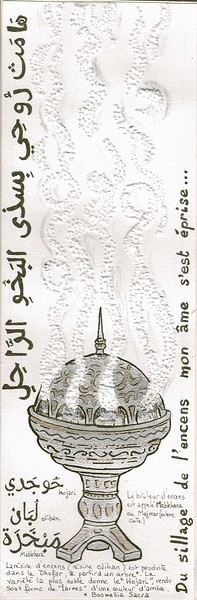
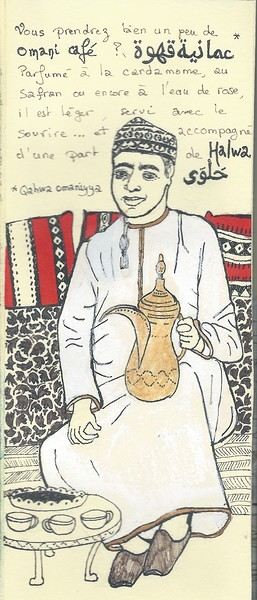 Hospitality will often lead you to accept a small coffee, an "Omani coffee," very light, subtly flavored with cardamom, maybe a touch of saffron, and occasionally rosewater.
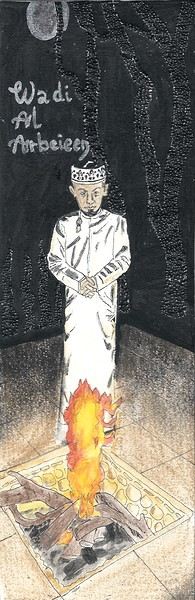
Here, I’ve depicted a man in the common everyday attire of Omanis: the dishdasha, mostly white (during the week and daytime; colors are more common in the evening or on Fridays and Saturdays). While you’ll see some men dressed in Western clothes, they’re very few. The white dishdasha is truly the shared attire of all men. The dishdasha, which has no hood, is distinguished by a small pom-pom attached to the collar, the furakha, which is soaked in perfume. And believe me, Omanis go overboard with it! "It smells like the pom-pom" is an expression that’s now part of our shared language, my husband and I.
Another must of men’s attire is the kuma, a small round head covering, usually white with brightly colored patterns. The keffiyeh is also worn (but without the cord called an agal in Arab countries), and it’s mostly worn by those with roots in the desert, from what I understood.
And what about the women, you might ask? Some are veiled, some in full black (but not a burka—more like a chador + abaya), due to the influence of Saudi Arabia and the United Arab Emirates, whereas the traditional outfit used to be a layering of very colorful dresses. Most of the women we saw wore neutral clothing, a plain veil over their hair, but with their faces uncovered. We also saw many saris and colorful veils—don’t forget that 40% of the population consists of Indian, Nepalese, and Bangladeshi immigrants, who work a lot in tourism, hospitality, restaurants, services, and construction.
Just to clarify, as a tourist, there’s no pressure to wear a veil, and never any disapproving looks. Of course, you’ll save the mini shorts, plunging necklines, bare shoulders, and midriffs for the hotel terrace—but I’d say that’s the same for men and women, and with the sun being strong, it’s better for your skin too.
Here’s the introduction! In the next post, I’ll tell you about my itinerary, and we can dive in!
Hospitality will often lead you to accept a small coffee, an "Omani coffee," very light, subtly flavored with cardamom, maybe a touch of saffron, and occasionally rosewater.
Here, I’ve depicted a man in the common everyday attire of Omanis: the dishdasha, mostly white (during the week and daytime; colors are more common in the evening or on Fridays and Saturdays). While you’ll see some men dressed in Western clothes, they’re very few. The white dishdasha is truly the shared attire of all men. The dishdasha, which has no hood, is distinguished by a small pom-pom attached to the collar, the furakha, which is soaked in perfume. And believe me, Omanis go overboard with it! "It smells like the pom-pom" is an expression that’s now part of our shared language, my husband and I.
Another must of men’s attire is the kuma, a small round head covering, usually white with brightly colored patterns. The keffiyeh is also worn (but without the cord called an agal in Arab countries), and it’s mostly worn by those with roots in the desert, from what I understood.
And what about the women, you might ask? Some are veiled, some in full black (but not a burka—more like a chador + abaya), due to the influence of Saudi Arabia and the United Arab Emirates, whereas the traditional outfit used to be a layering of very colorful dresses. Most of the women we saw wore neutral clothing, a plain veil over their hair, but with their faces uncovered. We also saw many saris and colorful veils—don’t forget that 40% of the population consists of Indian, Nepalese, and Bangladeshi immigrants, who work a lot in tourism, hospitality, restaurants, services, and construction.
Just to clarify, as a tourist, there’s no pressure to wear a veil, and never any disapproving looks. Of course, you’ll save the mini shorts, plunging necklines, bare shoulders, and midriffs for the hotel terrace—but I’d say that’s the same for men and women, and with the sun being strong, it’s better for your skin too.
Here’s the introduction! In the next post, I’ll tell you about my itinerary, and we can dive in!



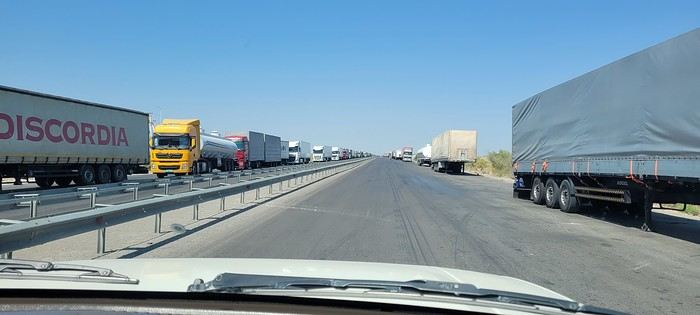
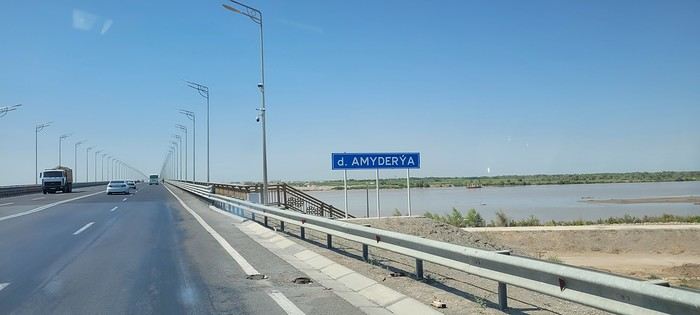
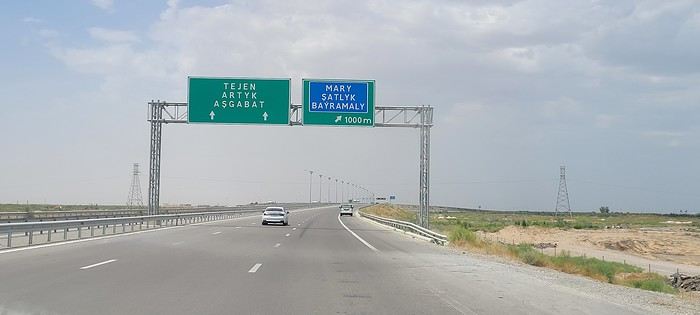
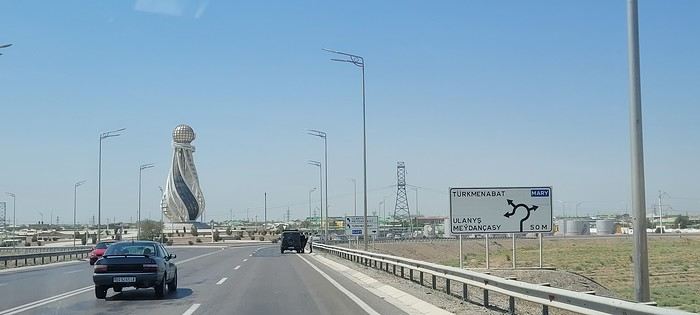
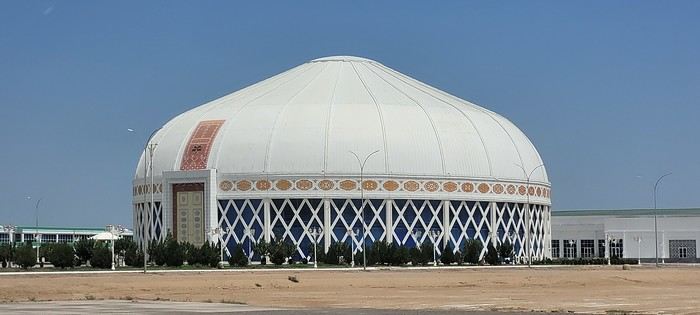
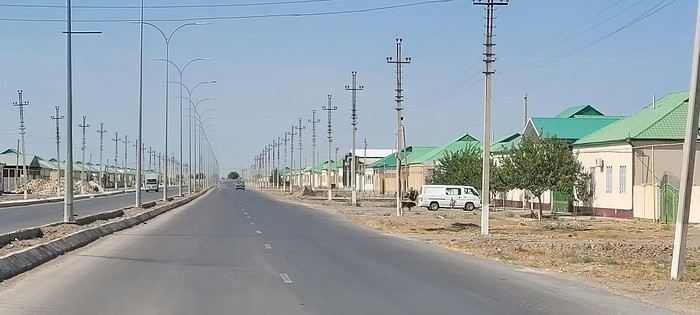 Roundabouts are particularly interesting because they feature emblems of Turkmen culture, like the dog, a carpet, the Ahal Teke horse, or Muslim symbols, even though the presence of Islamic artifacts is quite limited.



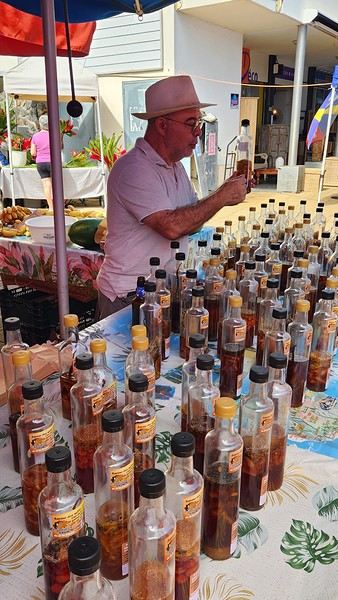
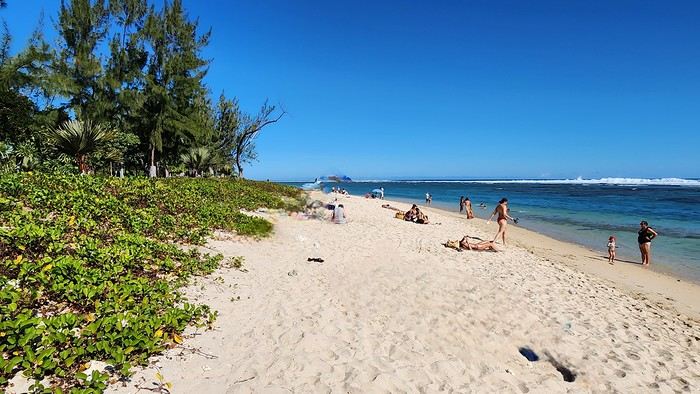
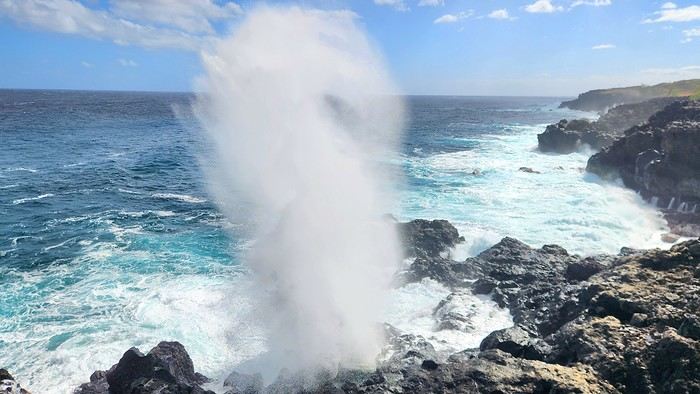
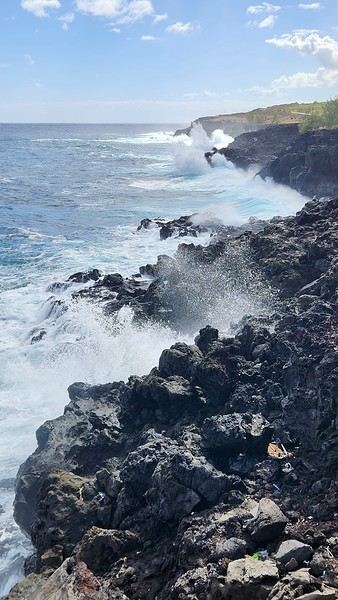
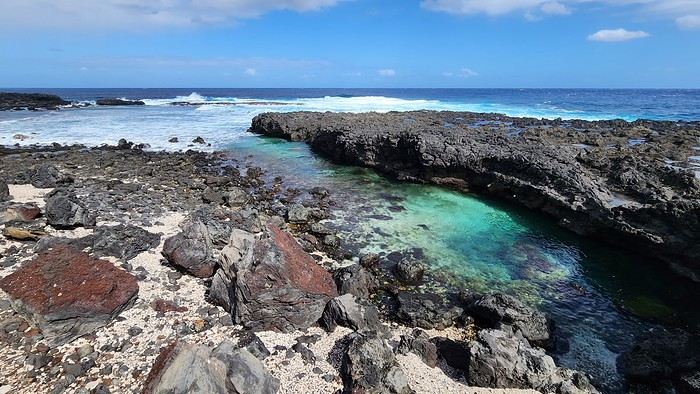
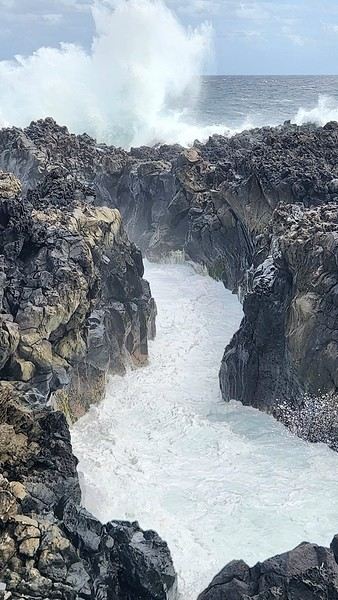

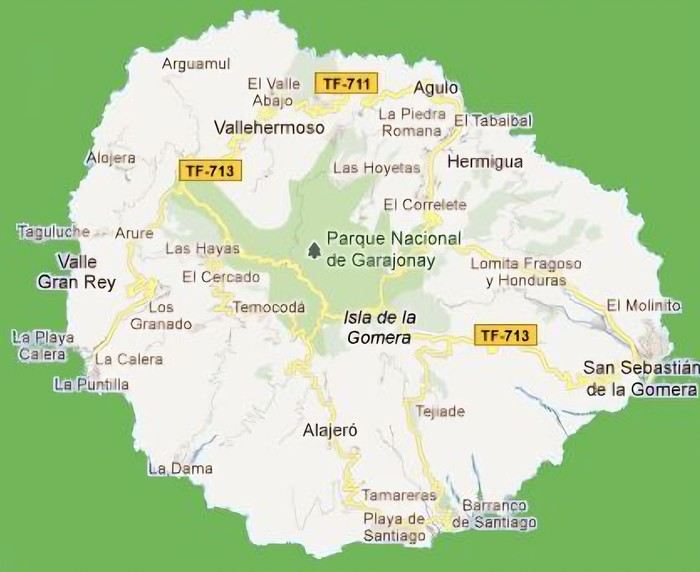 The large solidified magma massifs that shape the heart of the island have created a large depression more protected from the sun at its center, allowing the growth of a vast laurel forest, today grouped within the Garajonay National Park, La Gomera’s green lung, which has earned it the status of a World Biosphere Reserve. Its completely European appearance contrasts sharply with the rocky and tropical landscapes of the rest of the island. Thus, the climate varies greatly from one point to another on the island: in summer, you can quickly go from a dry and sunny valley at 35°C to a humid forest area at altitude at 18°C.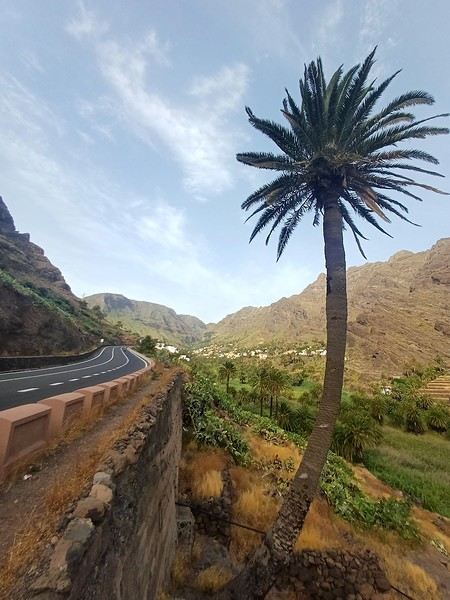
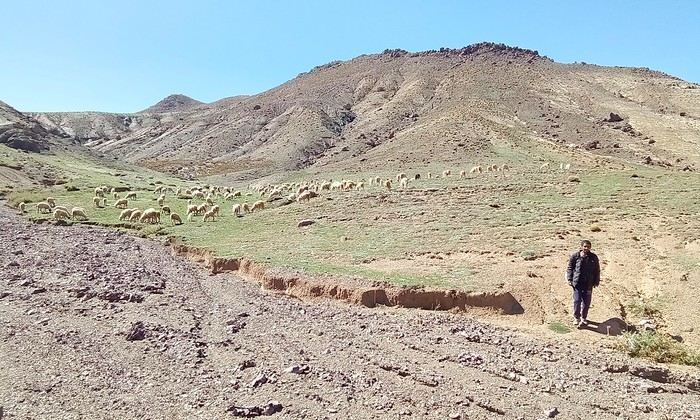
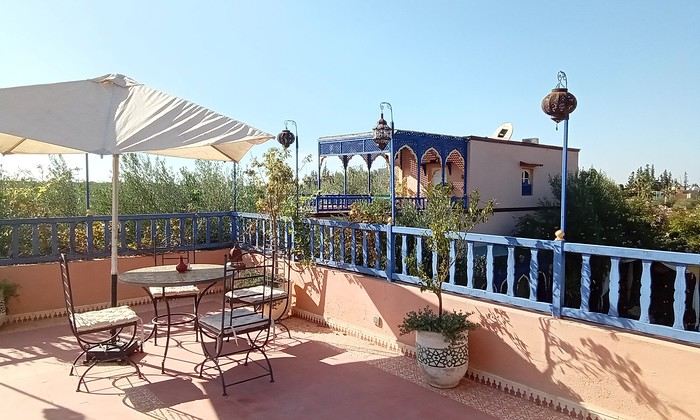
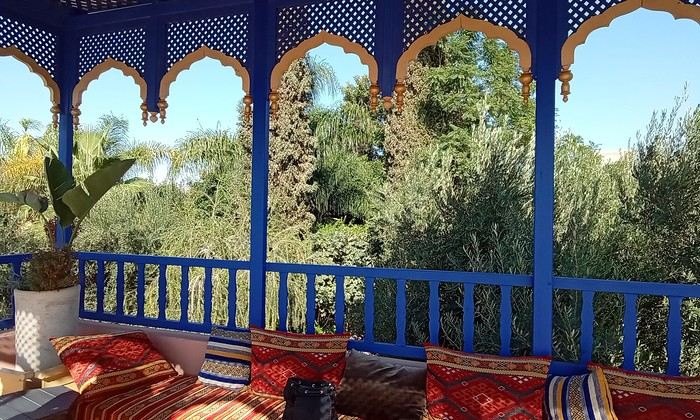 Last October, we landed in Marrakech to spend a few days with family exploring Morocco’s roads.
Transport: a rented Dacia.
Accommodations: small guesthouses.
Last October, we landed in Marrakech to spend a few days with family exploring Morocco’s roads.
Transport: a rented Dacia.
Accommodations: small guesthouses.
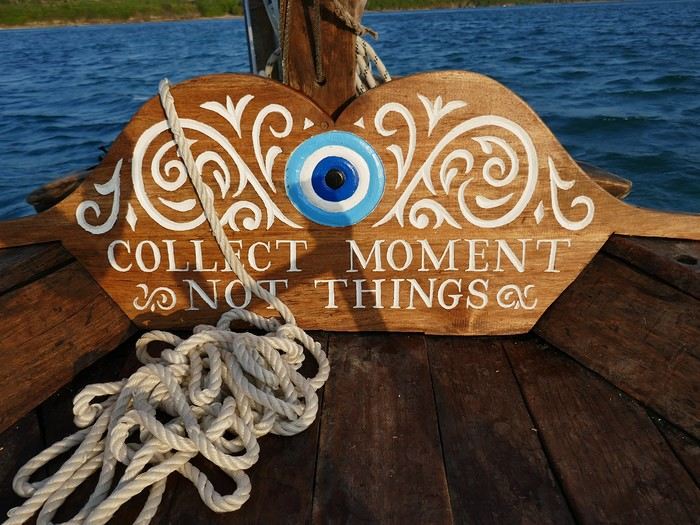
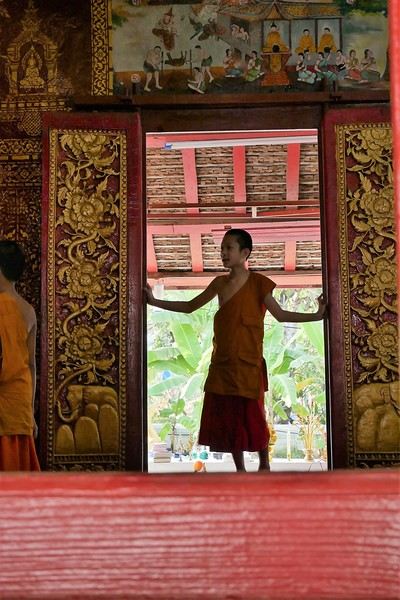 Come along, I'm taking you to this country where it's so nice to wander and slow down...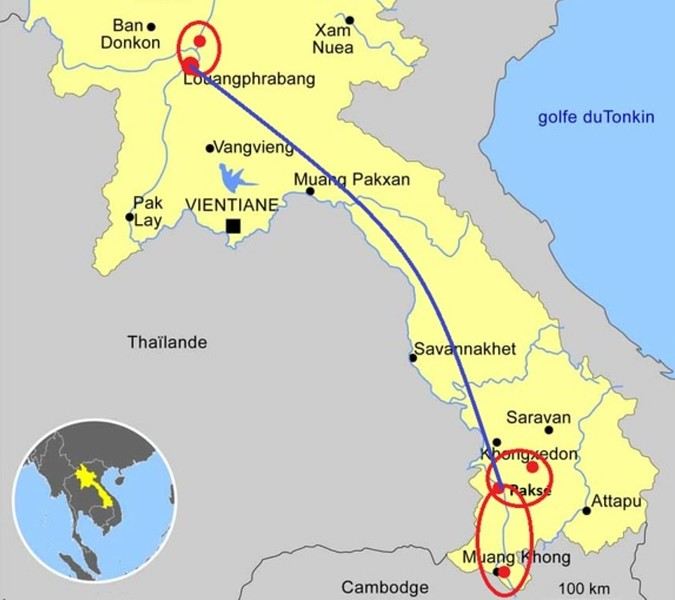
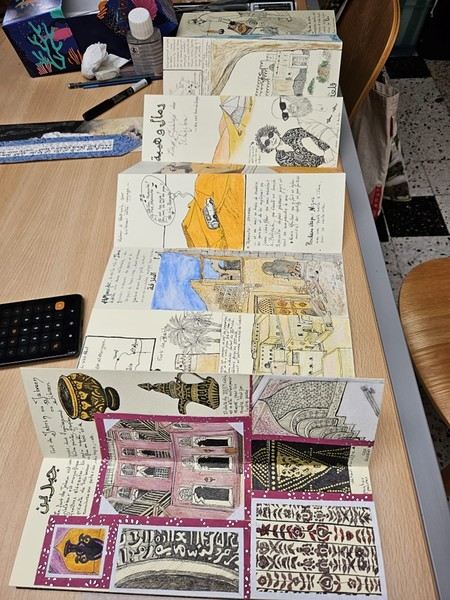
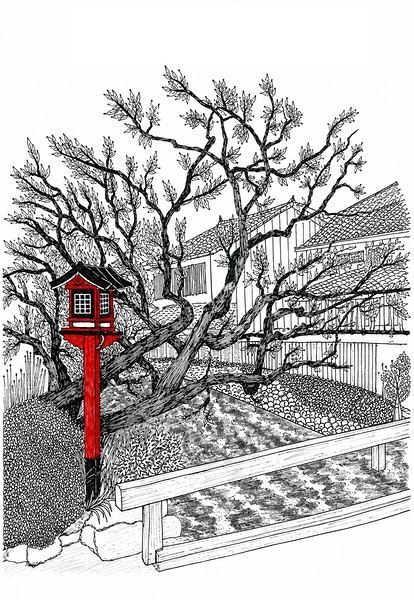 I’m inviting you on a stroll through my drawings—a completely subjective, far from exhaustive, and totally personal take, since it’s based on my own sketches. I put this travel journal together after returning in late 2024, mostly using felt-tip pens and pencils, with a few collages thrown in. I worked from our personal photos.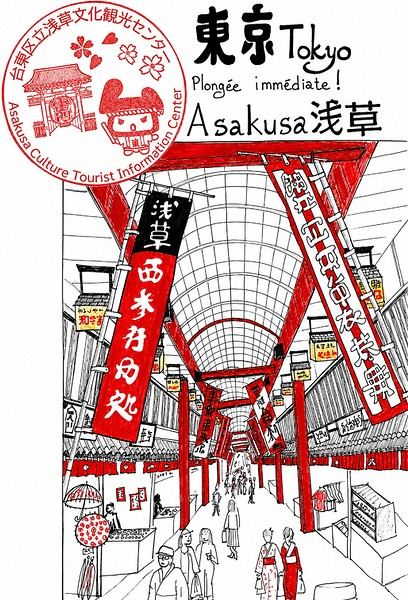
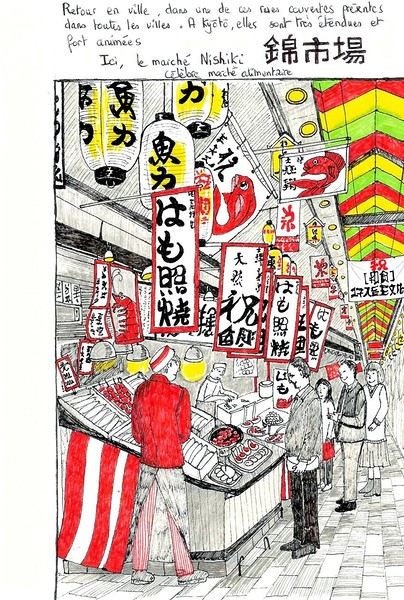
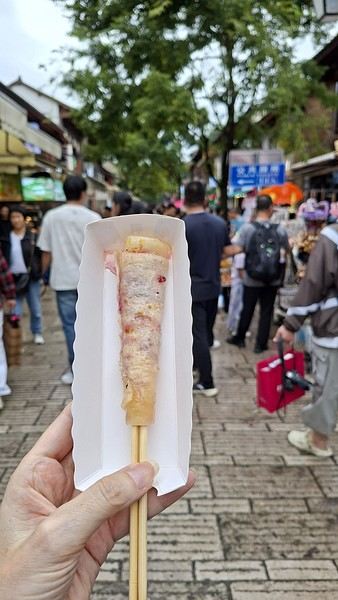
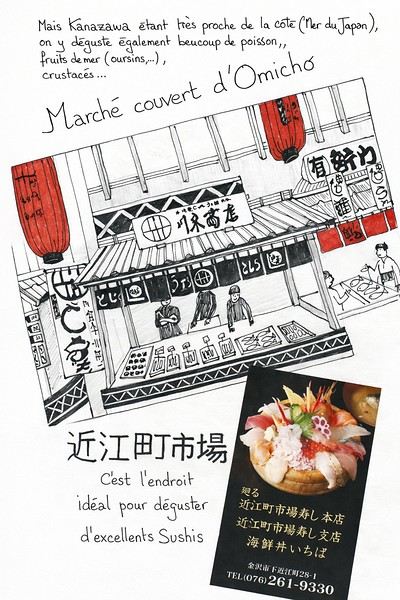 And in Kyoto, Nishiki Market: