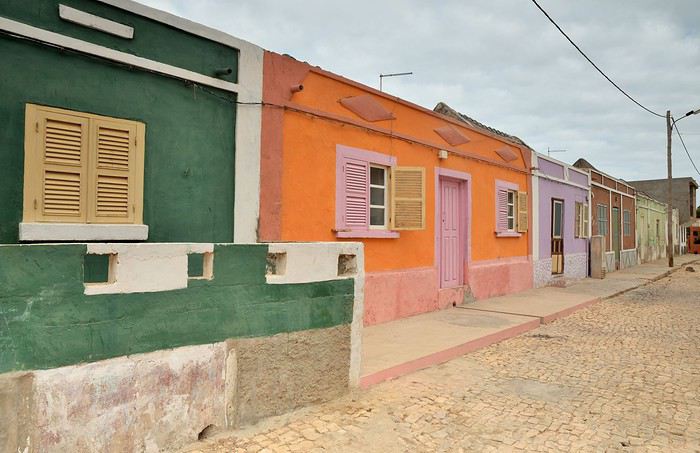
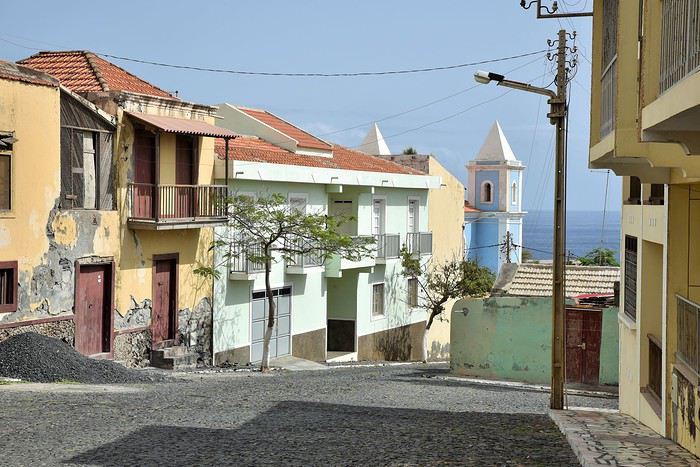
 The colorful houses of Vila de Maio
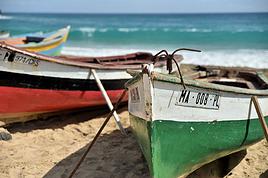
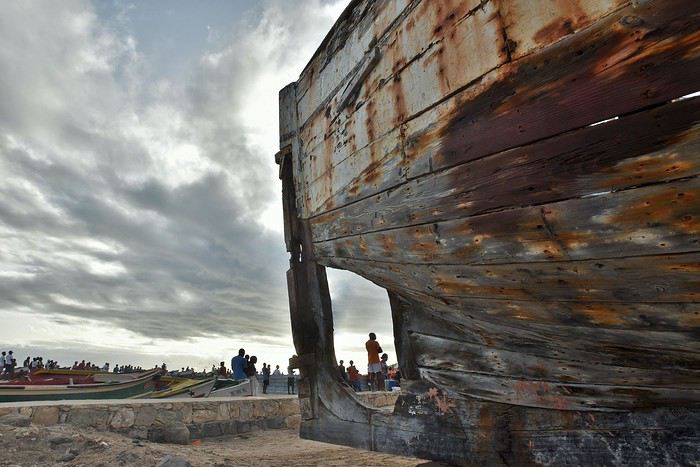
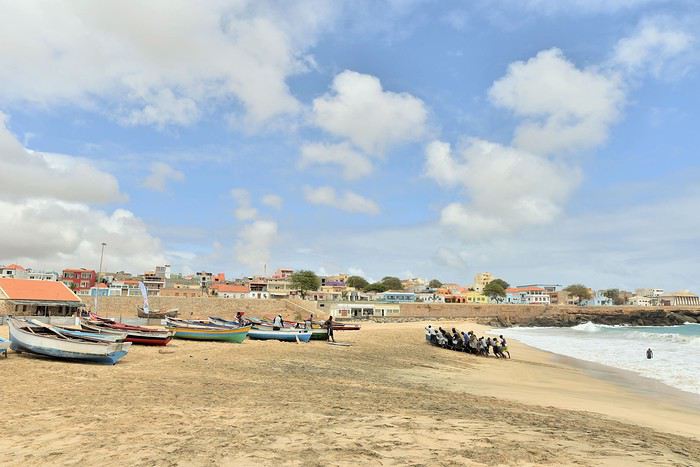
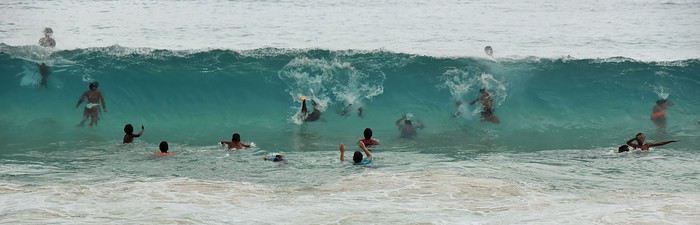
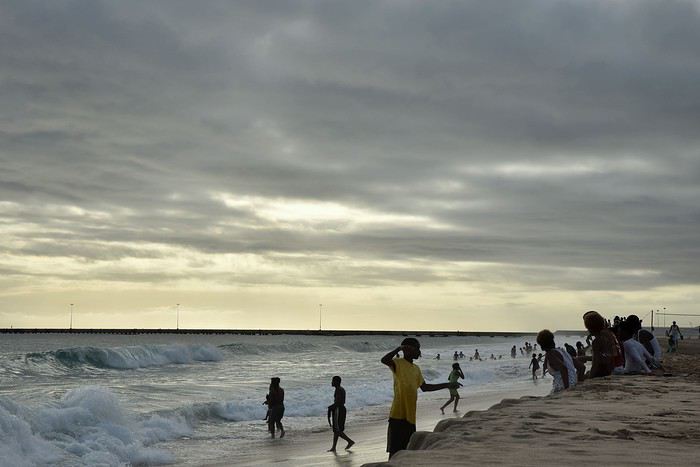
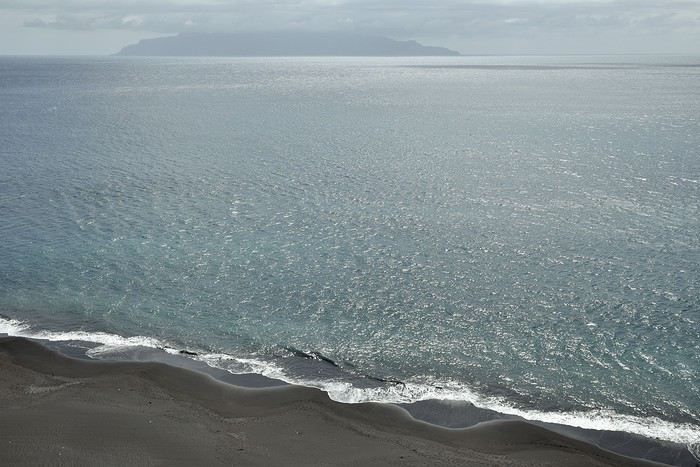
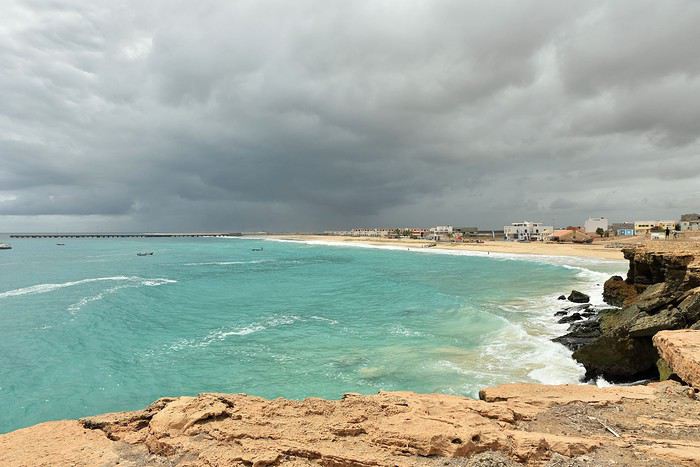 The beach bordering the village of Vila de Maio
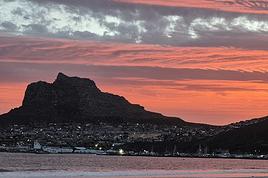
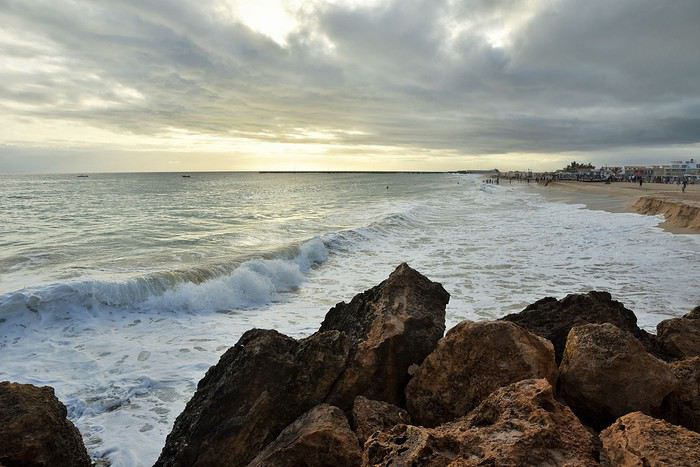
 Sunset at Stella Maris Village

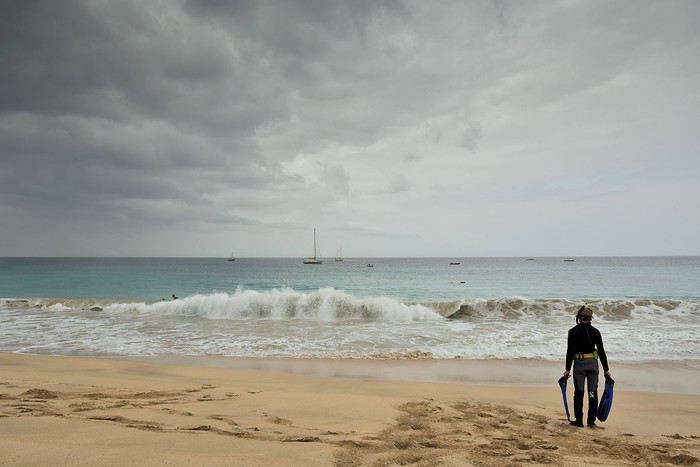
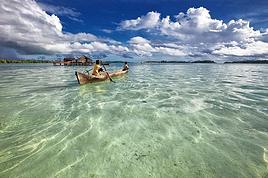
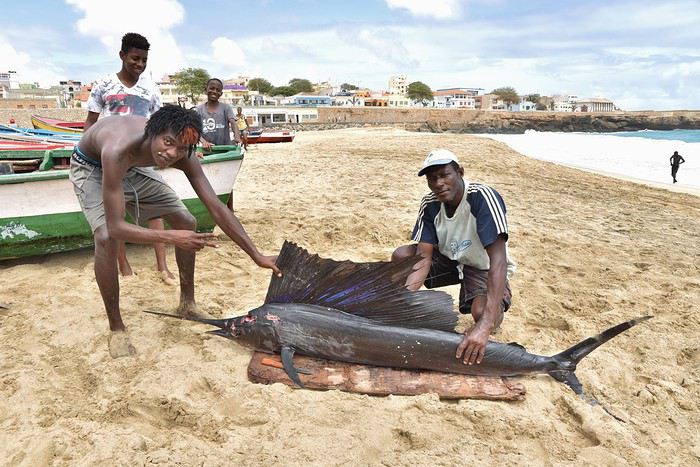
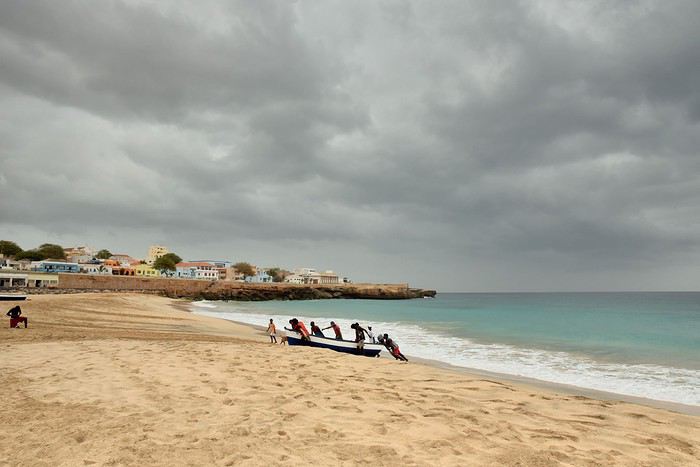 Return from fishing

Read on...
> The "capital": Vila de Maio and its inhabitants
During our week in Maio, not a single day went by without us heading to that beach. Yet, as pleasant as it is, there are fortunately other places to discover on the island. Starting with its main town: Vila de Maio.
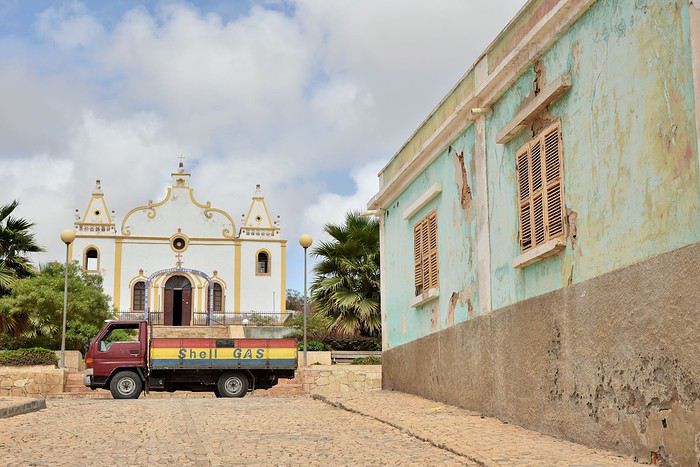
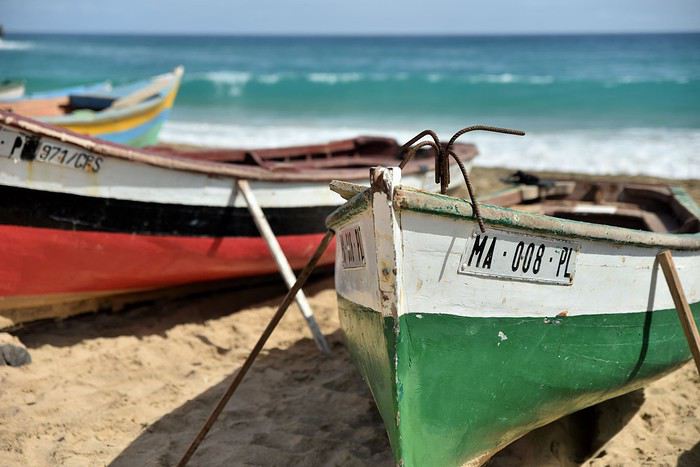
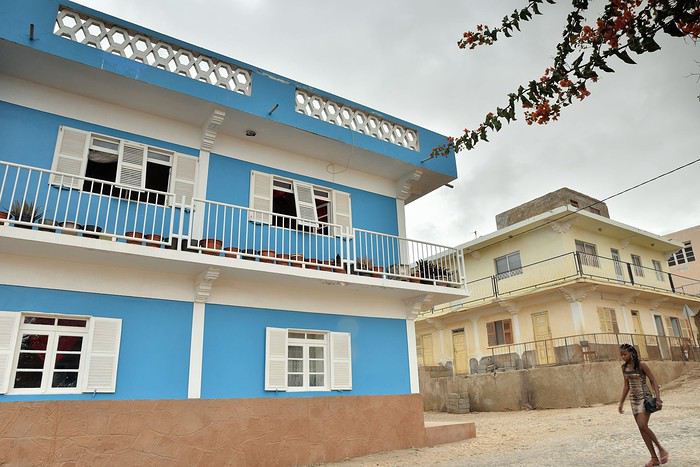
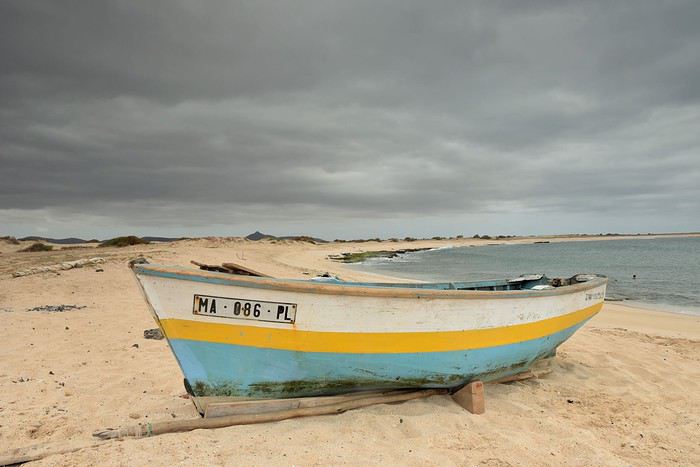
In Maio, just like almost everywhere in Cape Verde, the houses share something in common with the fishing boats: they’re cheerful and colorful.
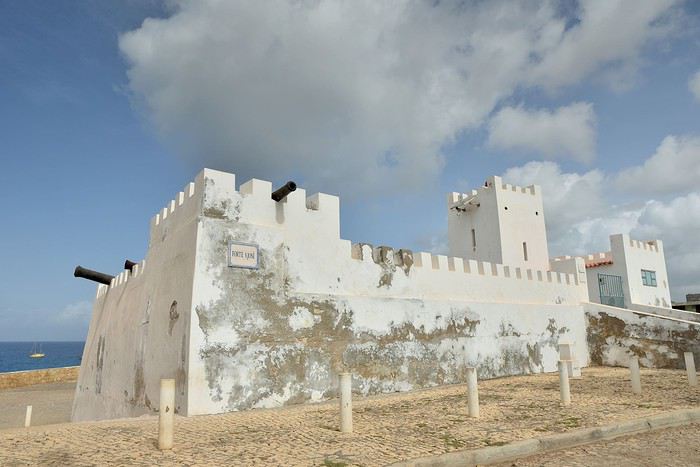
Overlooking the sea, the small Fort San José and its old cannons remind us that two or three hundred years ago, it was vital to fight against the pirates who sailed these waters.
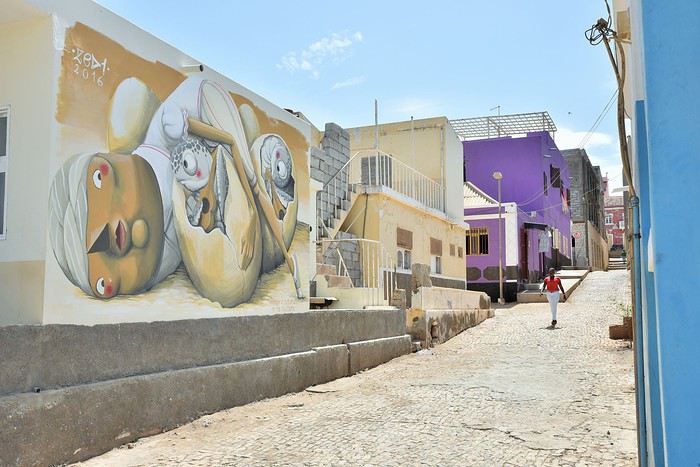
Times change, and so does the decor! Today, some houses are tagged by artists (see the recap at the end of the article).
Vila has barely 3,000 inhabitants, and when you stroll through its streets, you quickly get the feeling that everyone knows everyone.
That’s why we greet every local we pass in Portuguese, the local language. In return, it’s rare for them not to reward us with a big smile.
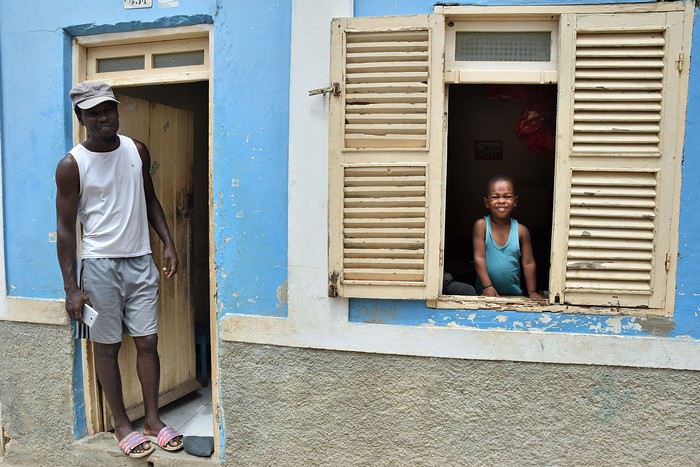
They don’t seem to pay much attention to us, but as soon as we greet them and try to start a conversation, they always respond with great kindness. For someone like me who loves chatting with the people I meet while traveling—and then taking their photo when they agree—this island is pure bliss.
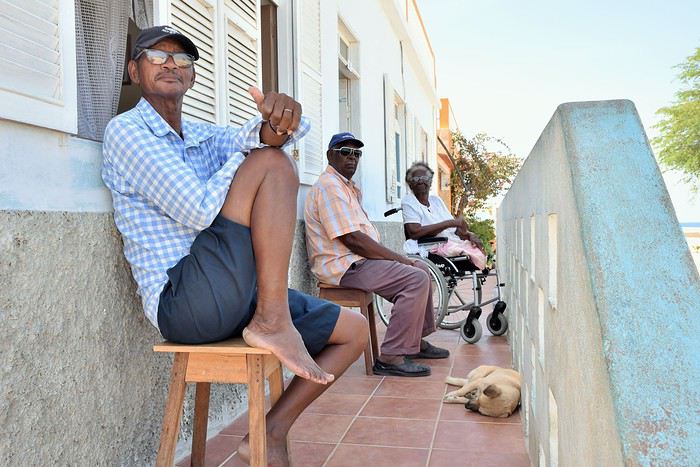
One morning, while wandering through the colorful streets, I greet a man who’s calmly enjoying the breeze at his window. He replies in English and immediately strikes up a conversation. His name is Mario, and he proudly tells me he’s visited many far-off countries like Sweden, Russia, and even Canada. Now retired, he spent his entire career as a long-haul sailor, which took him all over the globe. This well-traveled Cape Verdean is friendly and open, and I’ll thoroughly enjoy chatting with him almost every day, since I’ll run into him regularly in Vila’s streets.
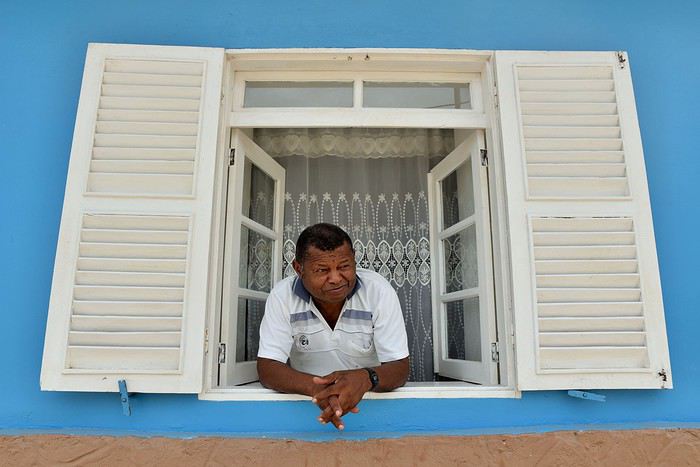 Mario, retired long-haul sailor
The day after this encounter, while turning another corner, I get reeled in by a fisherman named Manuel: he’s spotted my camera and asks me to take his picture.
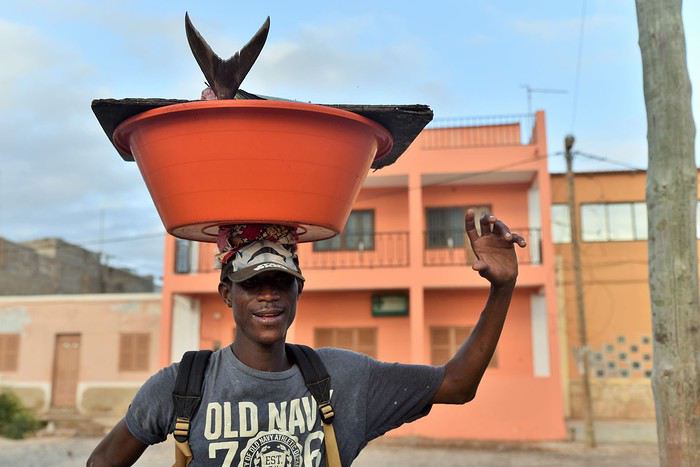 Manuel
Cheerful and theatrical, he dares a few dance steps with the day’s catch balanced precariously on his head, nearly dropping everything several times. Then he proudly shows off the beautiful dorado he’s caught in front of my lens.
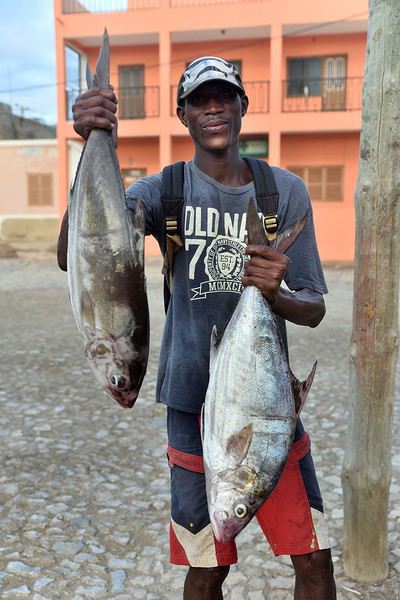
Then Manuel leaves as suddenly as he arrived, humming quietly, his basin of dorado more or less balanced on his head...
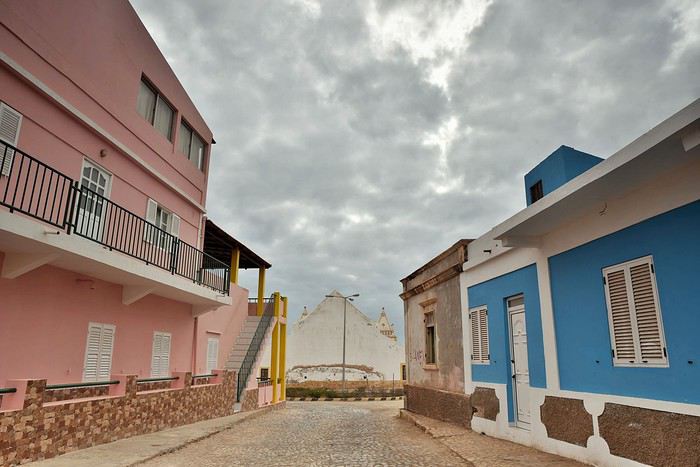
I head off too, and as I wander through the streets and meet people, I capture the places and the locals.
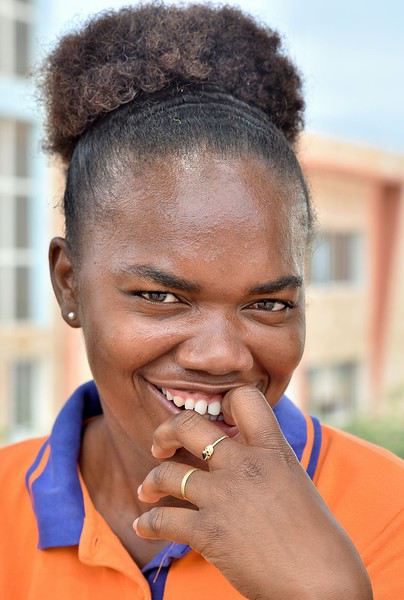 Isandra and her mischievous eye
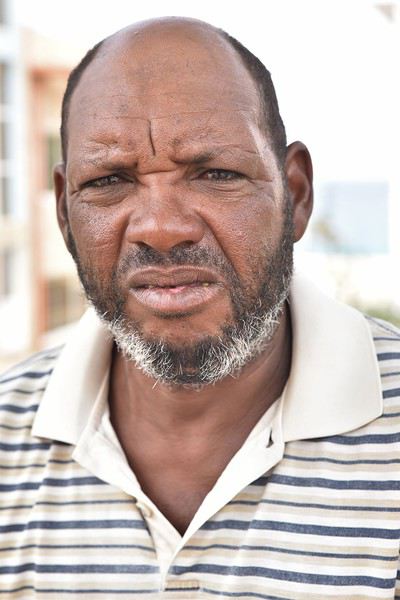 Kalao
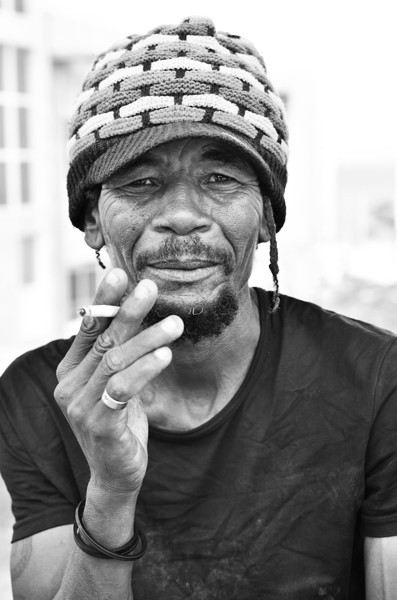 Branco
When I take portraits of the locals, the best moment is always when I show them the photos I’ve taken. And with Sandra, Kalao, and Branco, as always, the comments fly and so do the bursts of laughter. Isandra gives me her email address so I can send her the three photos, which I’ll actually do once I’m back in France.
> The "capital": Vila de Maio and its inhabitants
During our week in Maio, not a single day went by without us heading to that beach. Yet, as pleasant as it is, there are fortunately other places to discover on the island. Starting with its main town: Vila de Maio.
In Maio, just like almost everywhere in Cape Verde, the houses share something in common with the fishing boats: they’re cheerful and colorful.
Overlooking the sea, the small Fort San José and its old cannons remind us that two or three hundred years ago, it was vital to fight against the pirates who sailed these waters.
Times change, and so does the decor! Today, some houses are tagged by artists (see the recap at the end of the article).
Vila has barely 3,000 inhabitants, and when you stroll through its streets, you quickly get the feeling that everyone knows everyone.
That’s why we greet every local we pass in Portuguese, the local language. In return, it’s rare for them not to reward us with a big smile.
They don’t seem to pay much attention to us, but as soon as we greet them and try to start a conversation, they always respond with great kindness. For someone like me who loves chatting with the people I meet while traveling—and then taking their photo when they agree—this island is pure bliss.
One morning, while wandering through the colorful streets, I greet a man who’s calmly enjoying the breeze at his window. He replies in English and immediately strikes up a conversation. His name is Mario, and he proudly tells me he’s visited many far-off countries like Sweden, Russia, and even Canada. Now retired, he spent his entire career as a long-haul sailor, which took him all over the globe. This well-traveled Cape Verdean is friendly and open, and I’ll thoroughly enjoy chatting with him almost every day, since I’ll run into him regularly in Vila’s streets.
Mario, retired long-haul sailorThe day after this encounter, while turning another corner, I get reeled in by a fisherman named Manuel: he’s spotted my camera and asks me to take his picture.
ManuelCheerful and theatrical, he dares a few dance steps with the day’s catch balanced precariously on his head, nearly dropping everything several times. Then he proudly shows off the beautiful dorado he’s caught in front of my lens.
Then Manuel leaves as suddenly as he arrived, humming quietly, his basin of dorado more or less balanced on his head...
I head off too, and as I wander through the streets and meet people, I capture the places and the locals.
Isandra and her mischievous eye
Kalao
BrancoWhen I take portraits of the locals, the best moment is always when I show them the photos I’ve taken. And with Sandra, Kalao, and Branco, as always, the comments fly and so do the bursts of laughter. Isandra gives me her email address so I can send her the three photos, which I’ll actually do once I’m back in France.
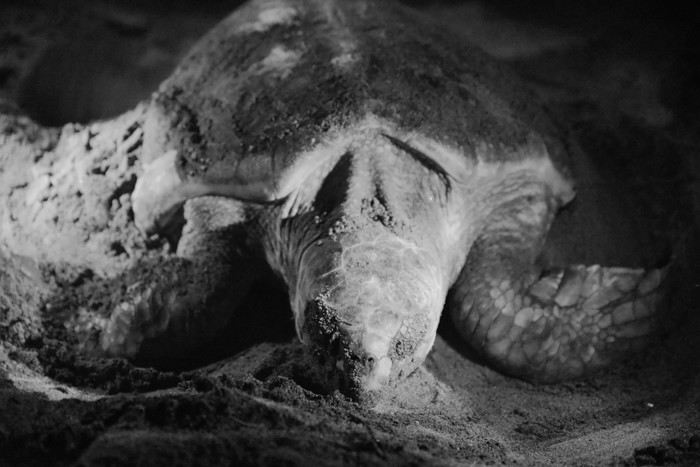
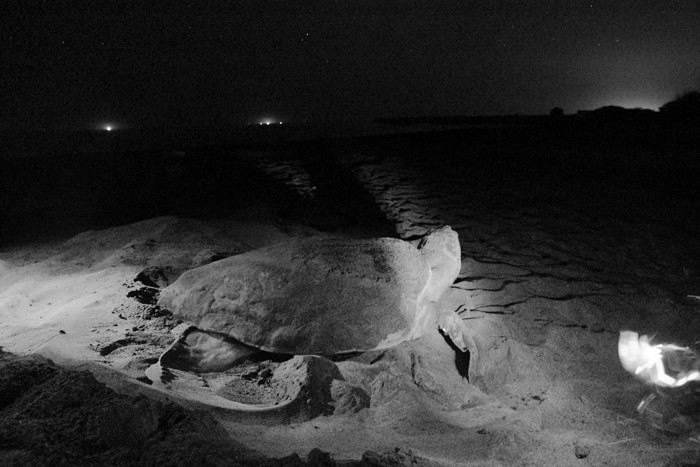 Back to the sea
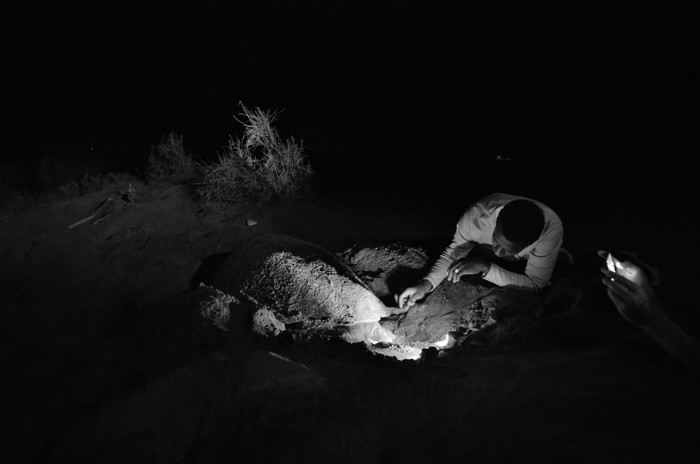
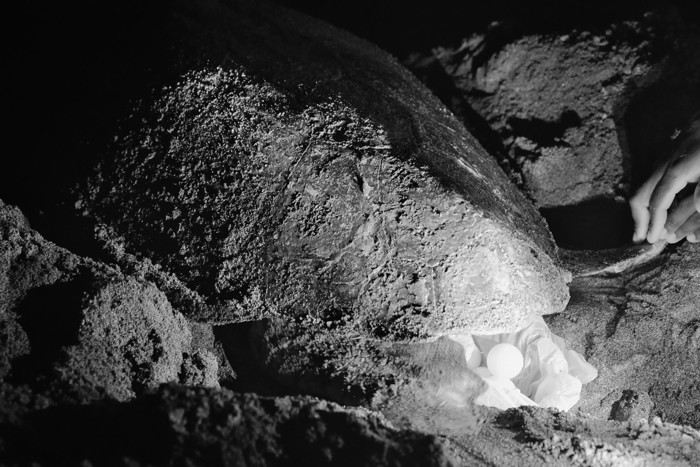
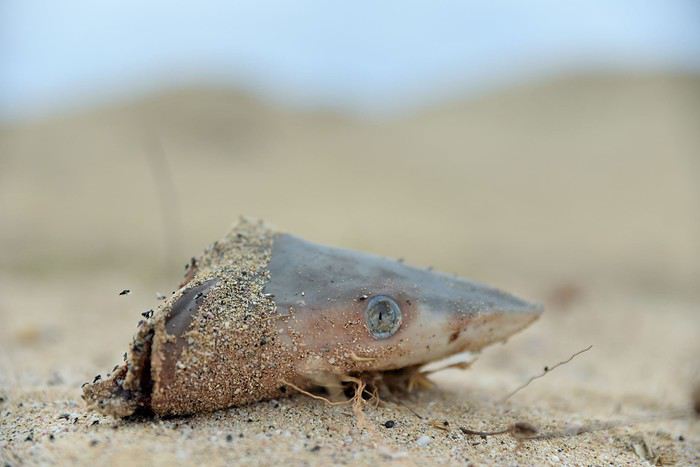
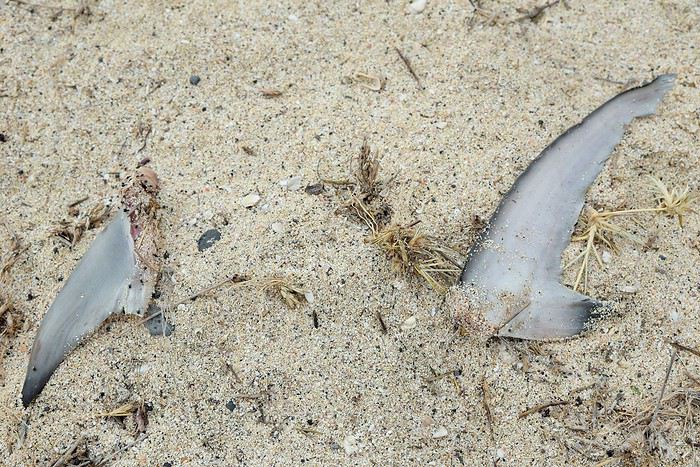
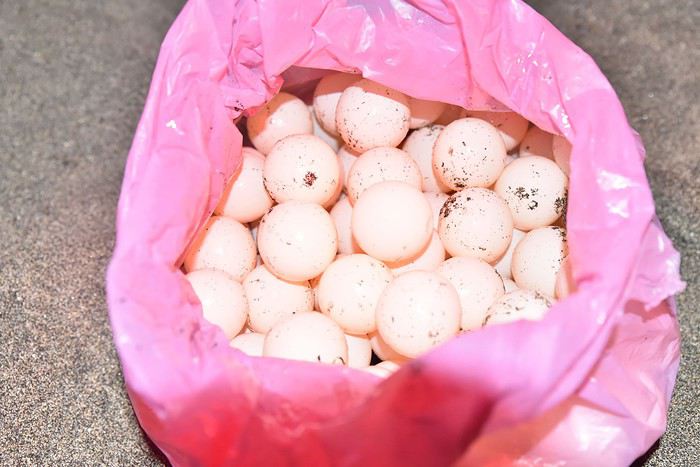 Nesting results: 101 eggs!
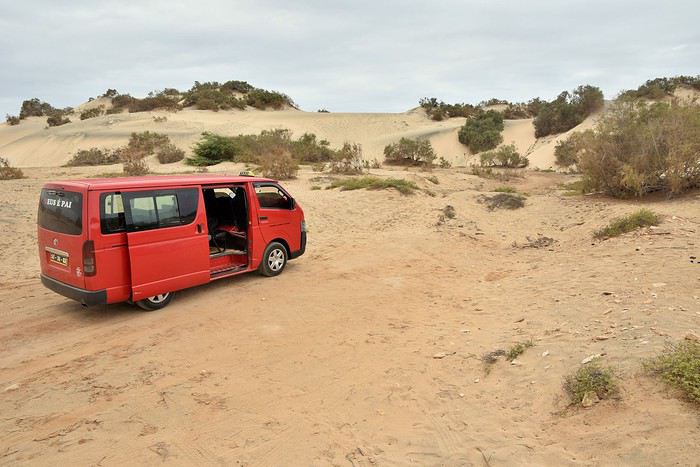
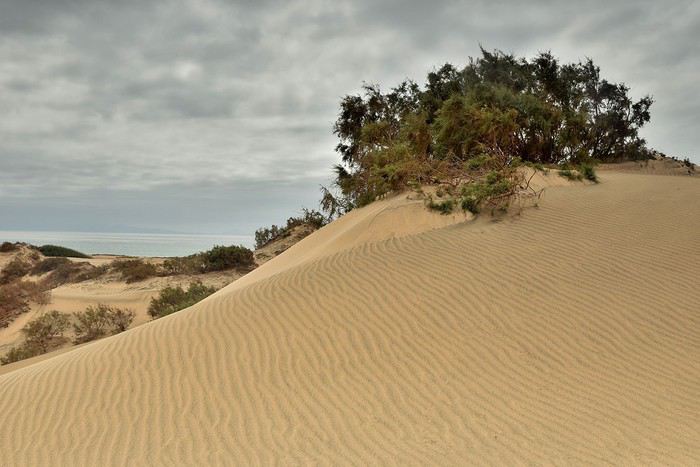
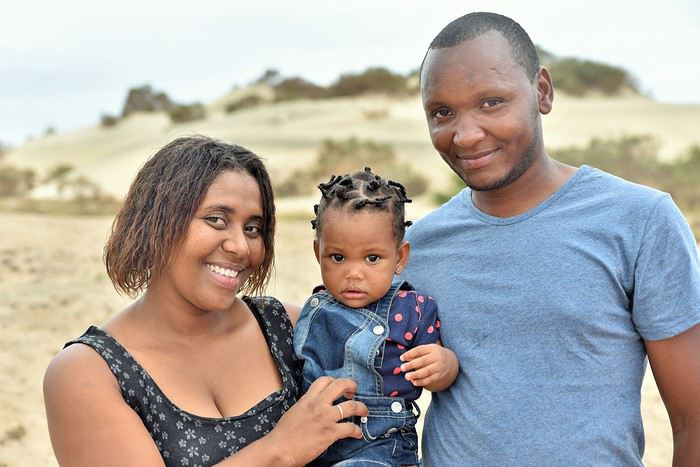 Little Nilsa and her parents
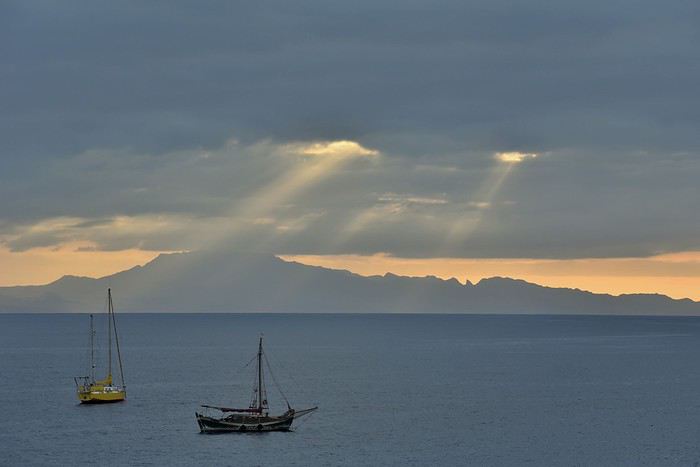 The island of Santiago seen from Maio


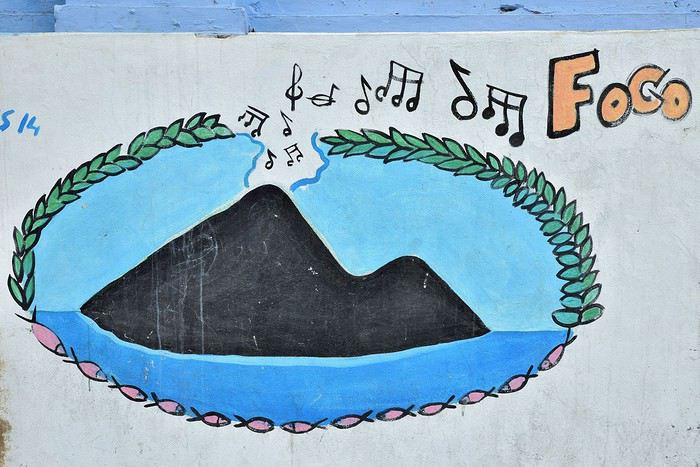 Expressive graffiti (São Filipe)
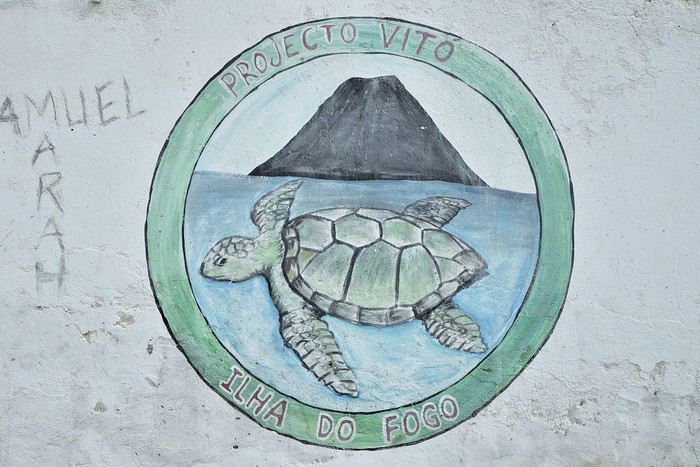 Graffiti (São Filipe)
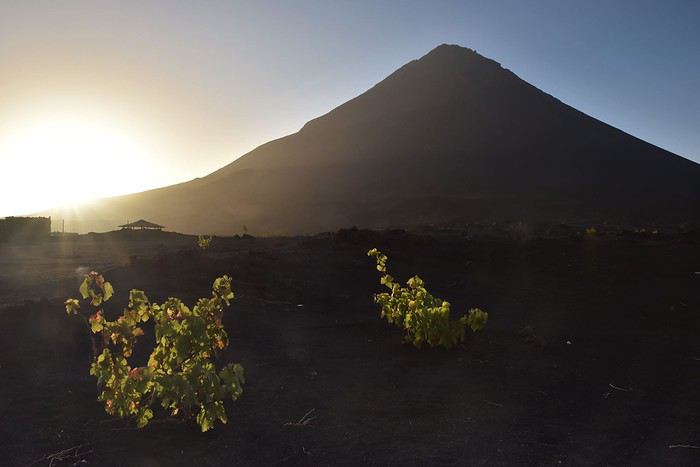 Photo: Pico do Fogo between two eruptions—the devastating 2014 one and the next to come...
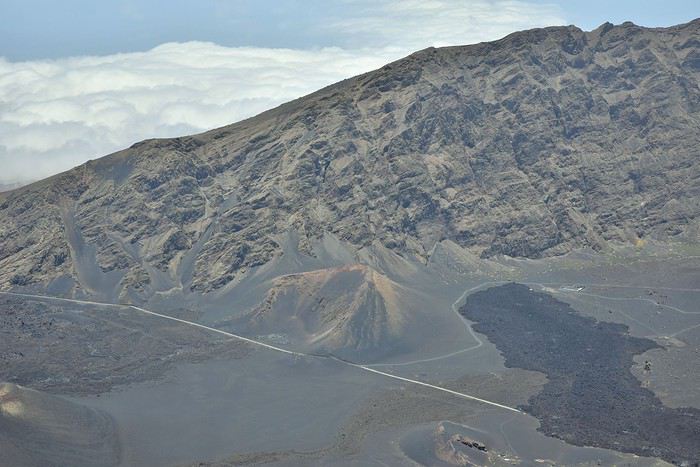 Photo: Arrival in the caldera, seen from the Grand Pico—the white line is the road blocked by lava; the gray one is the detour track.
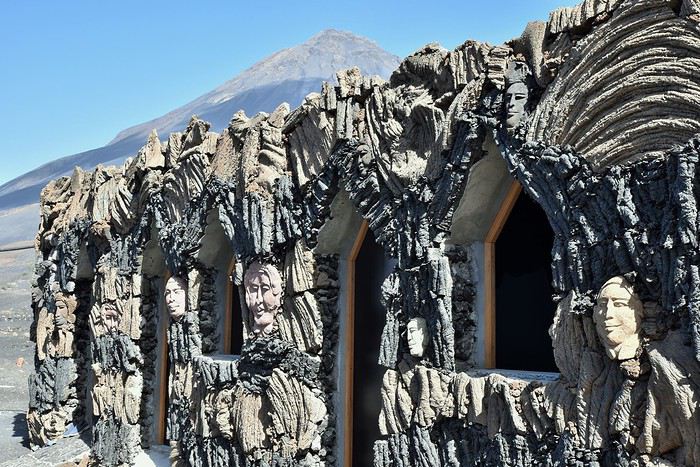
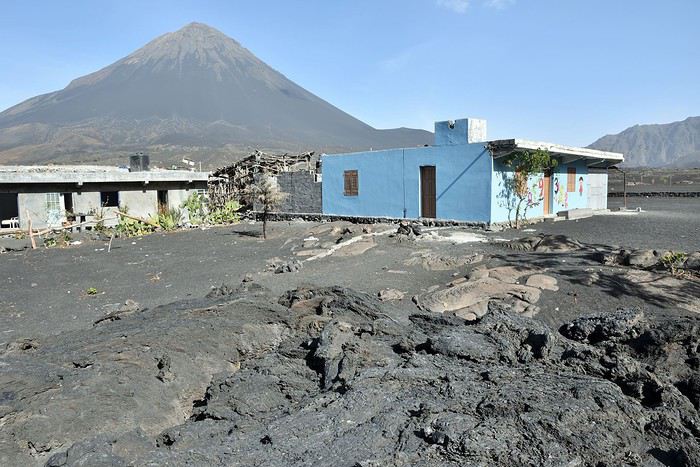
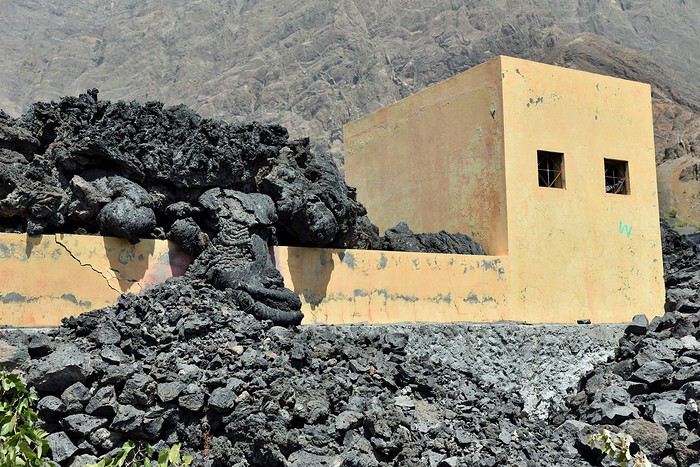
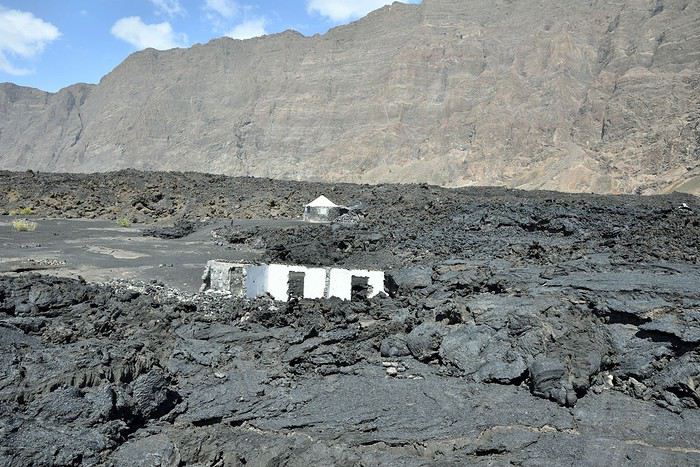
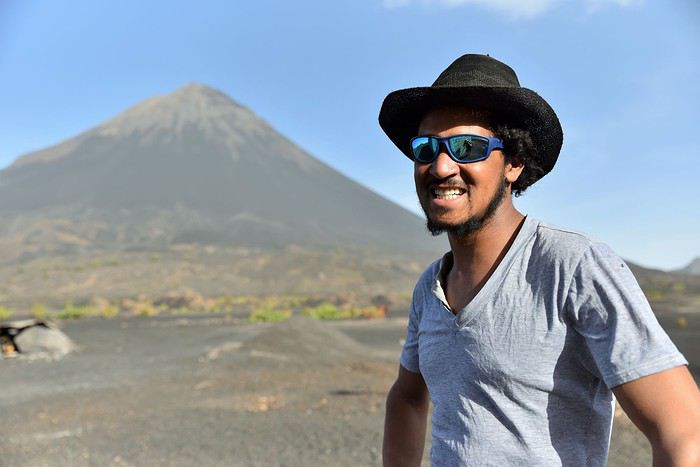
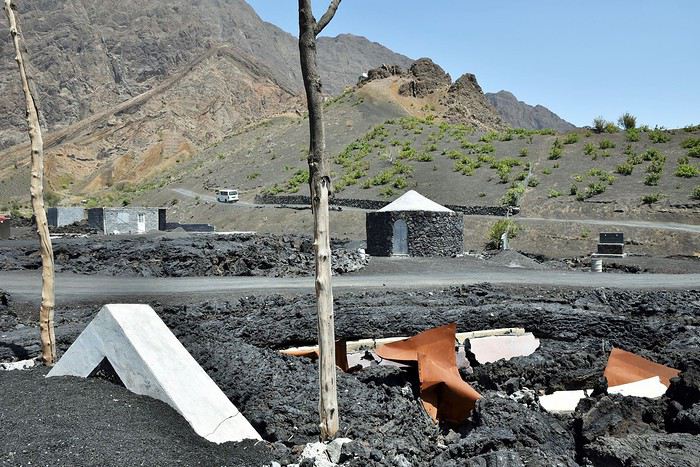
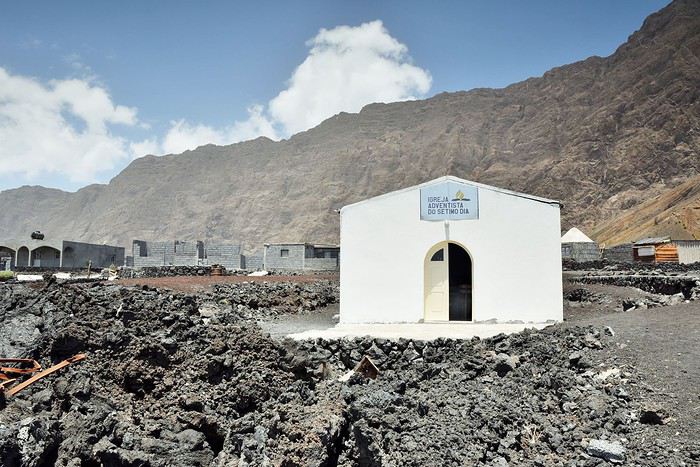
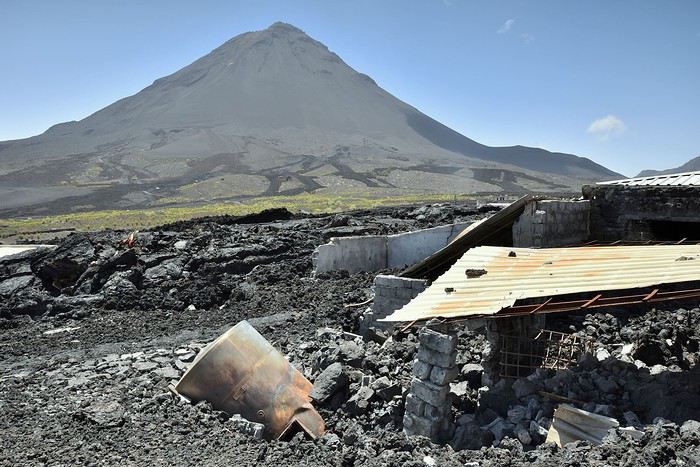
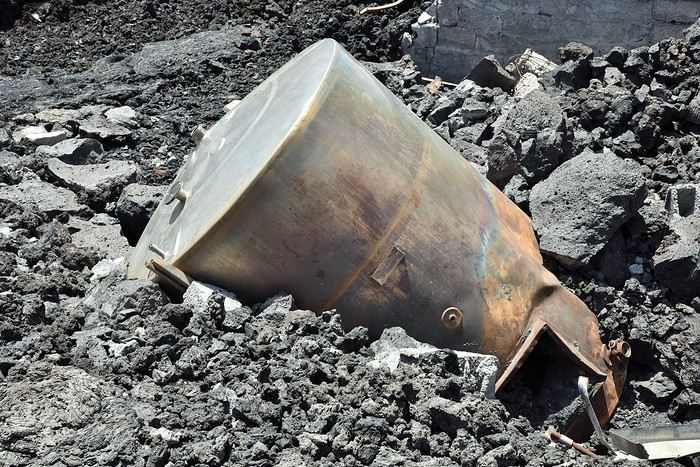
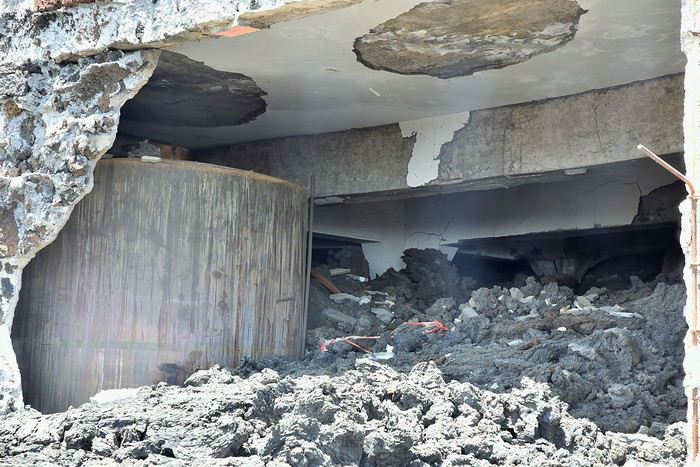 Photo: The cellar’s interior was completely devastated by the lava.
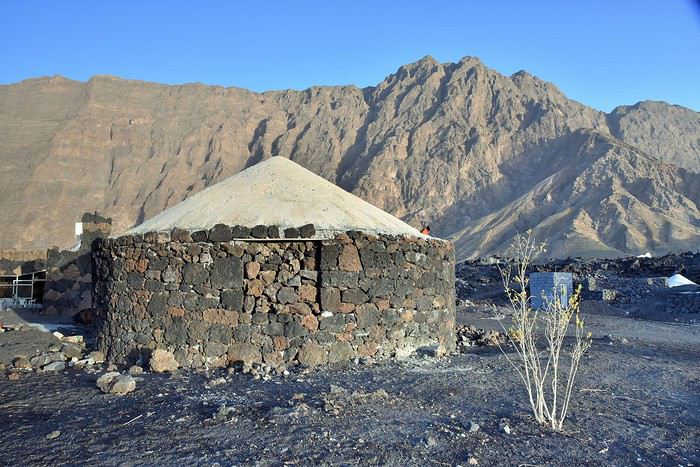
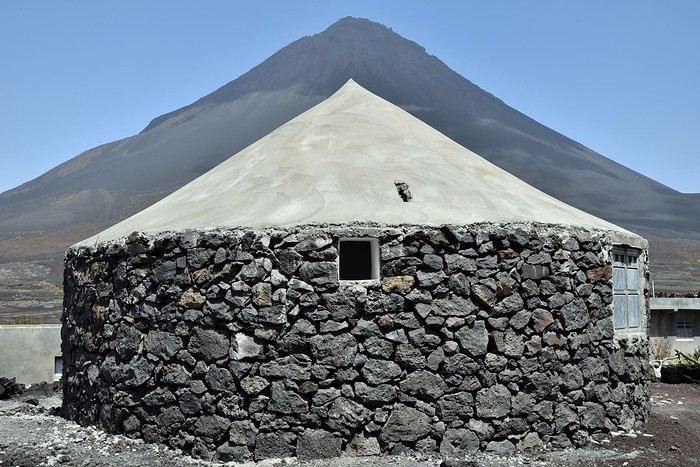 Photo: Chã das Caldeiras—a traditional house.

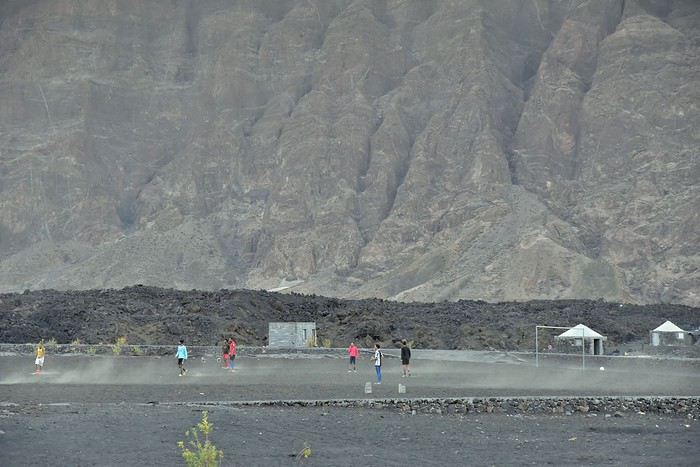
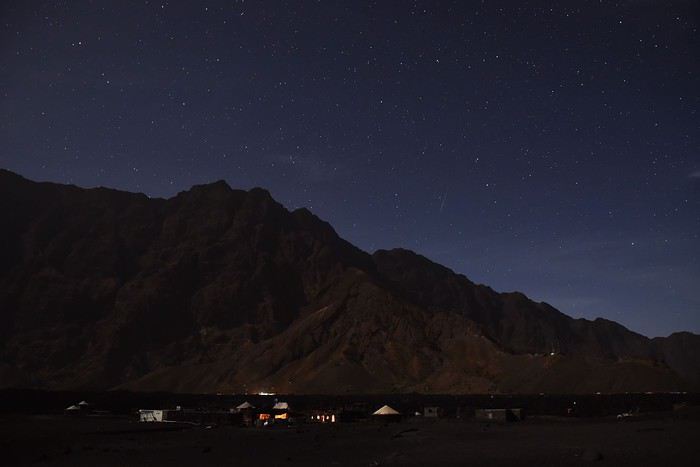 The caldera’s walls.



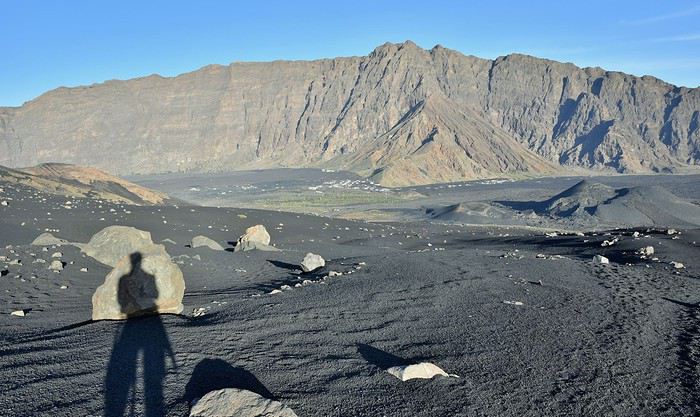
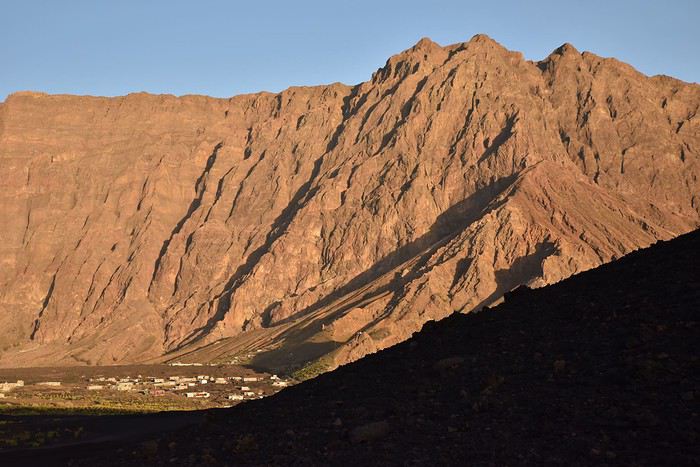
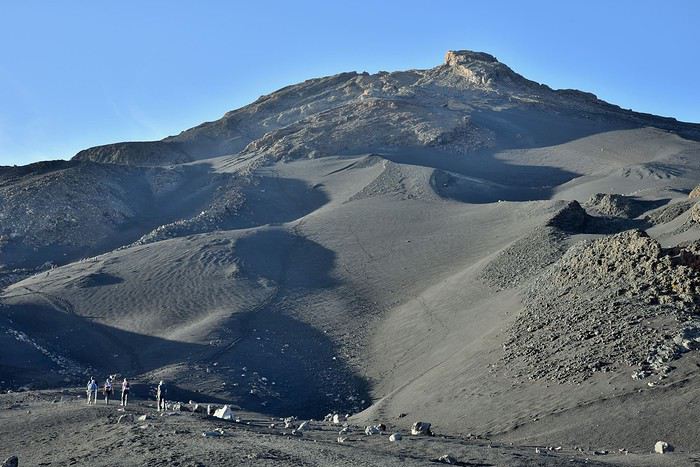
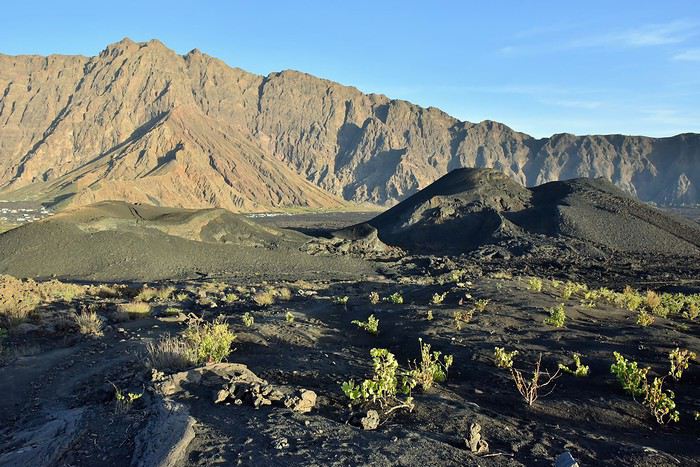
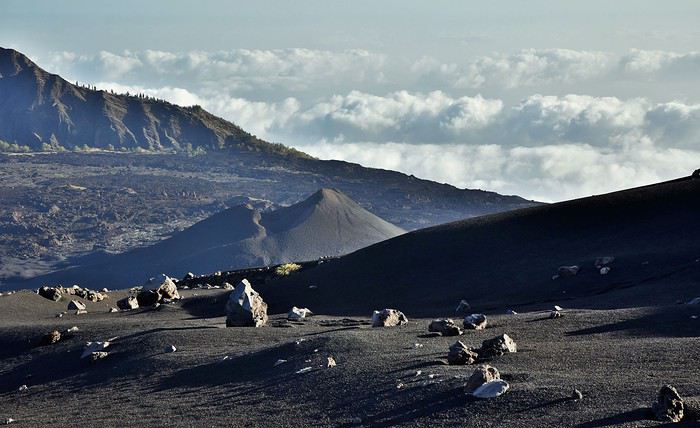
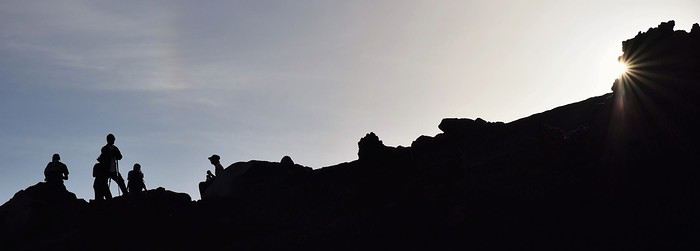
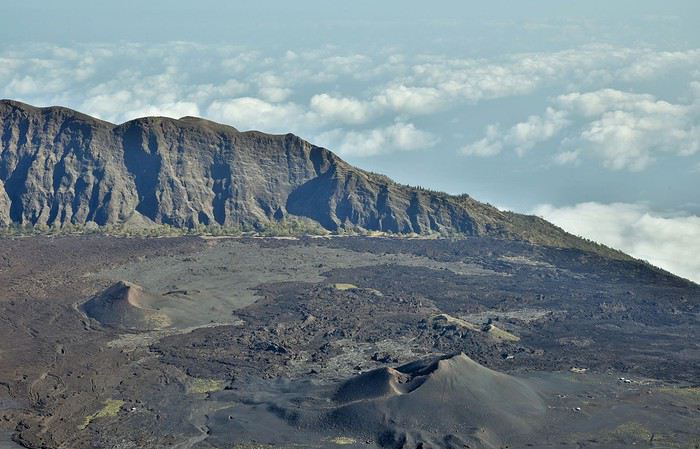
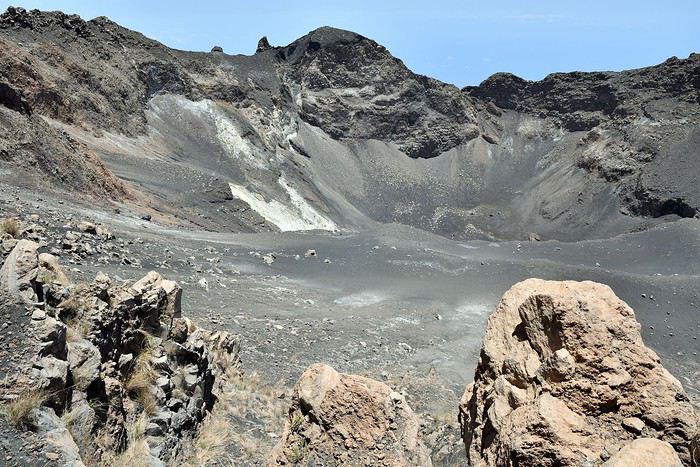 Photo: Inside the Grand Pico crater
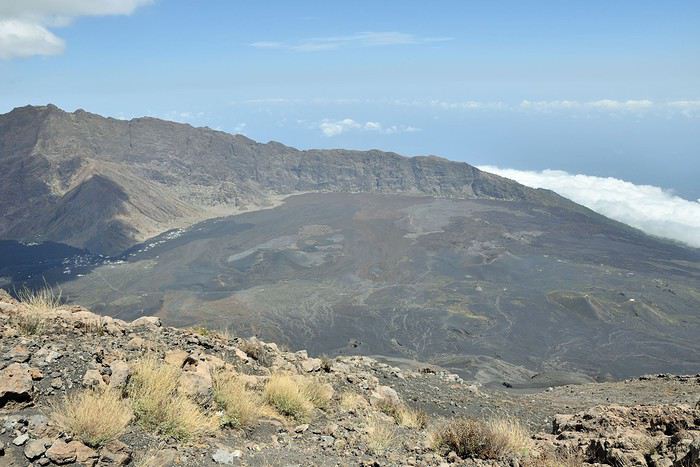
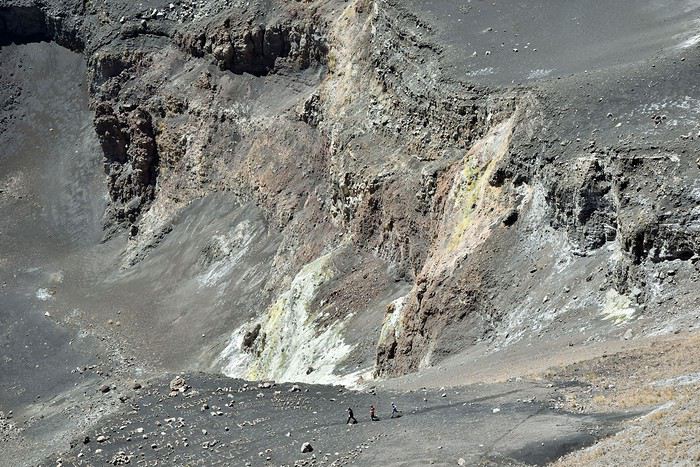
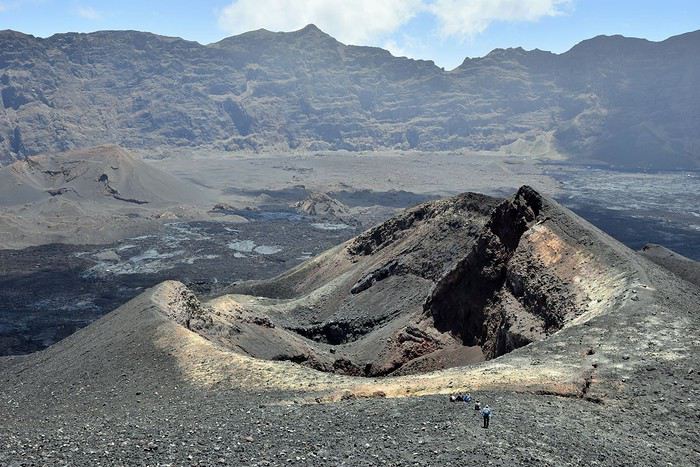
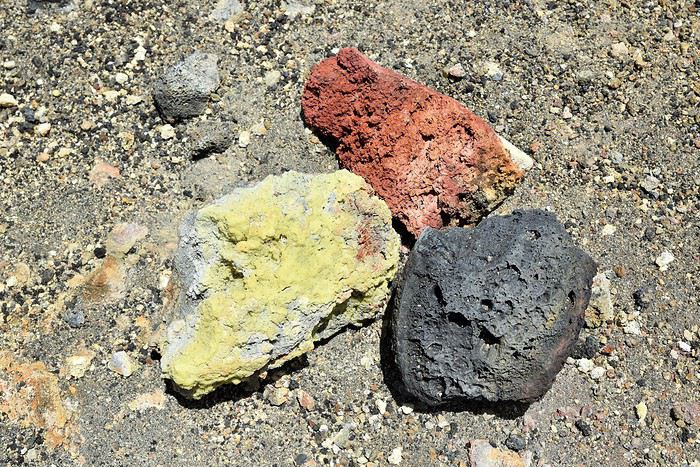
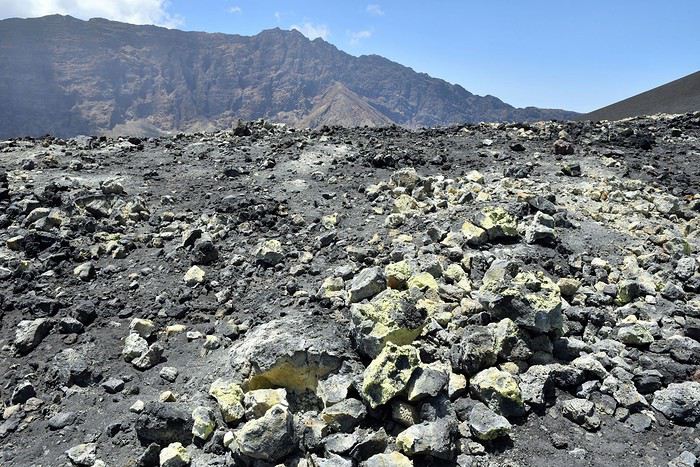 Photo: Sulfur deposits around Petit Pico
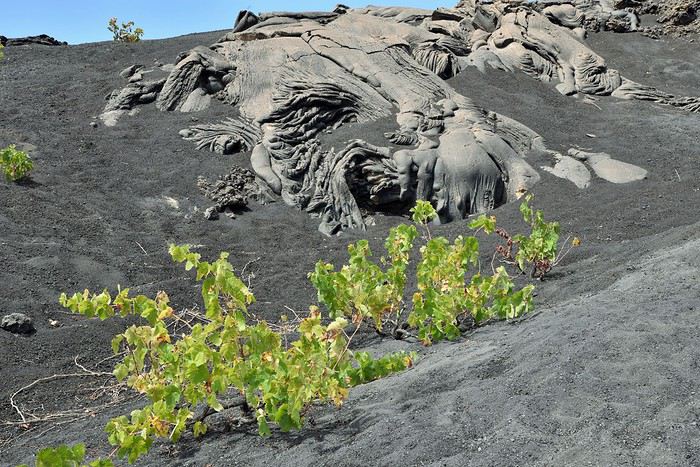
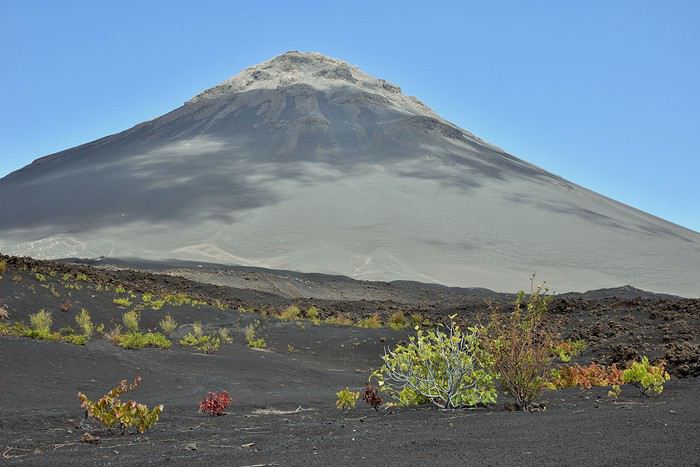
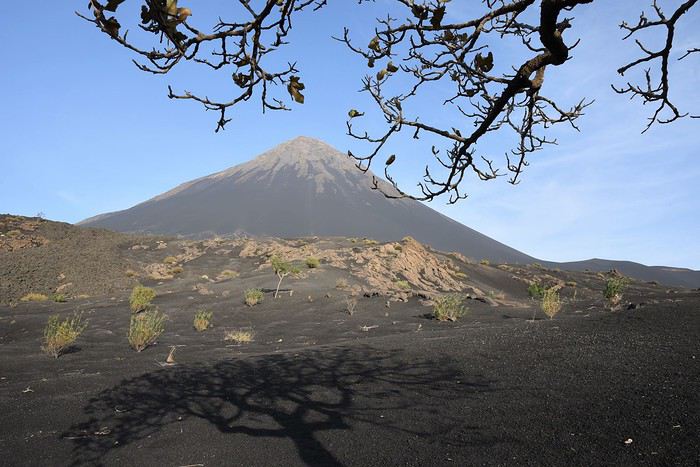
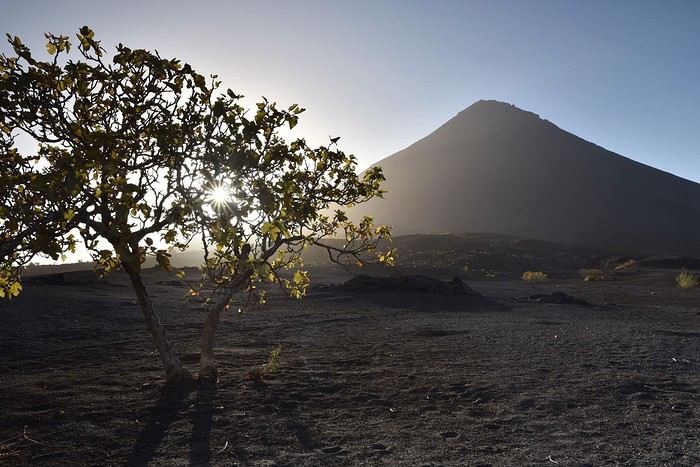 A fig tree thriving in volcanic soil
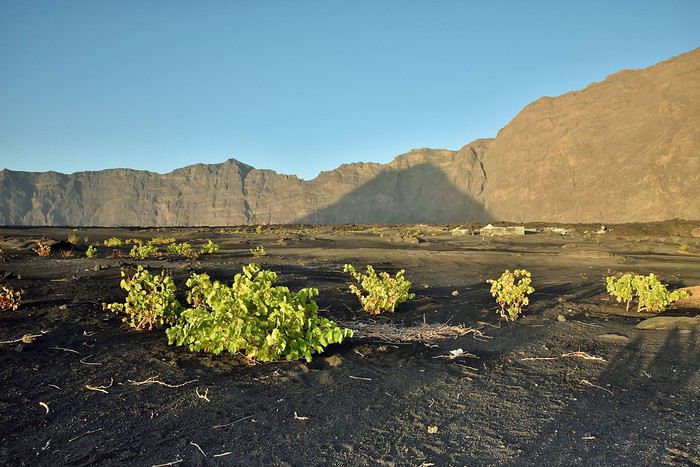 The volcano’s shadow looms over the caldera
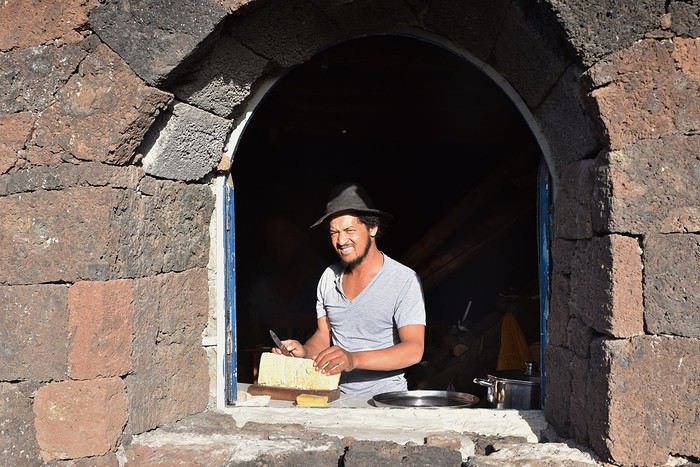 José preparing breakfast bread


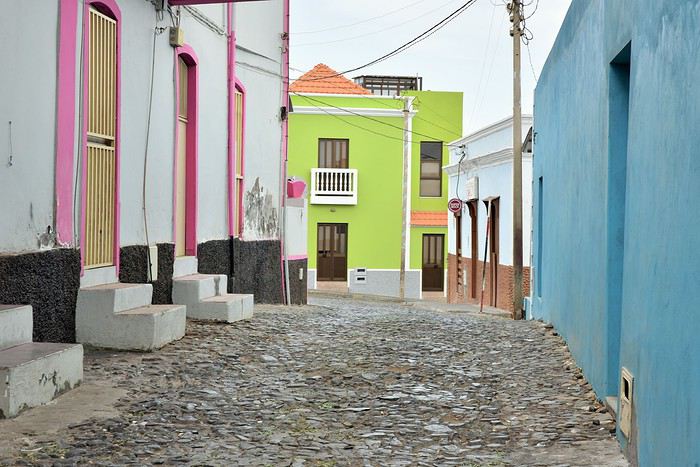
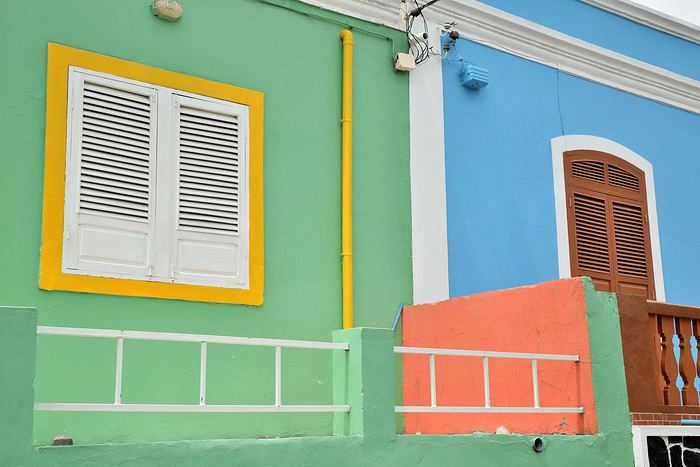
 Our Lady of the Conception Church
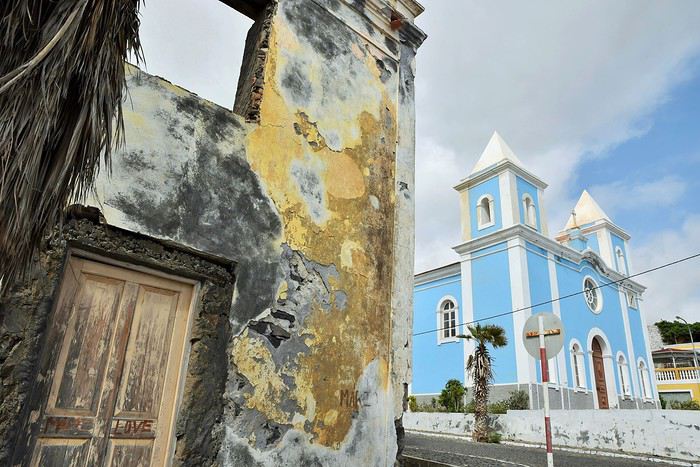
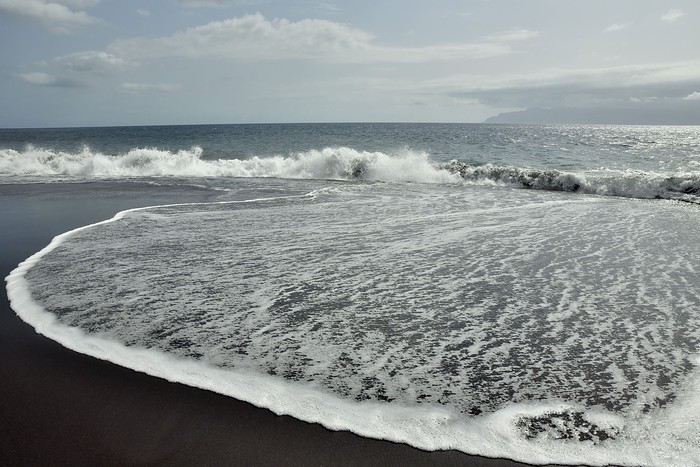
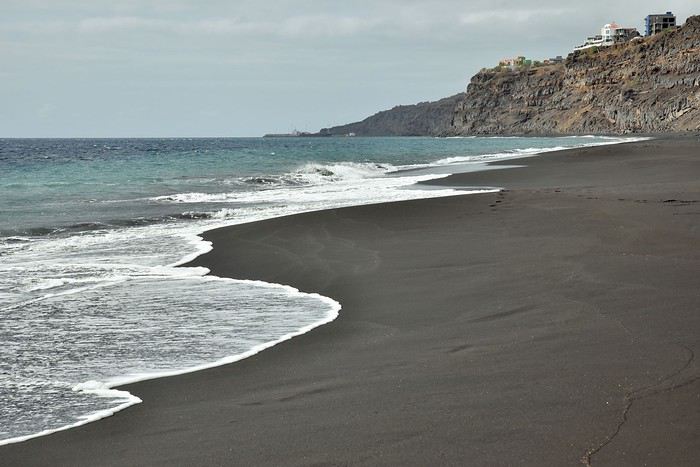 Photo: São Filipe perched on the cliff, facing the ocean
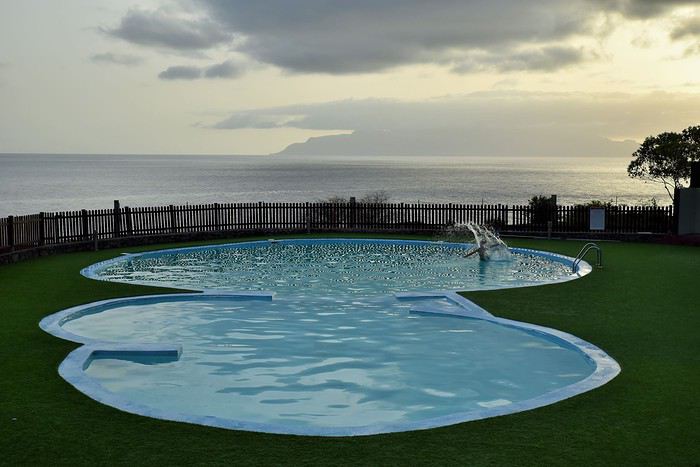 Photo: The pool at Casas do Sol hotel