Great topic—it really shows the variety of bikes we can use to travel. And it’s especially helpful for beginners to see what kinds of bikes work and how to equip them.
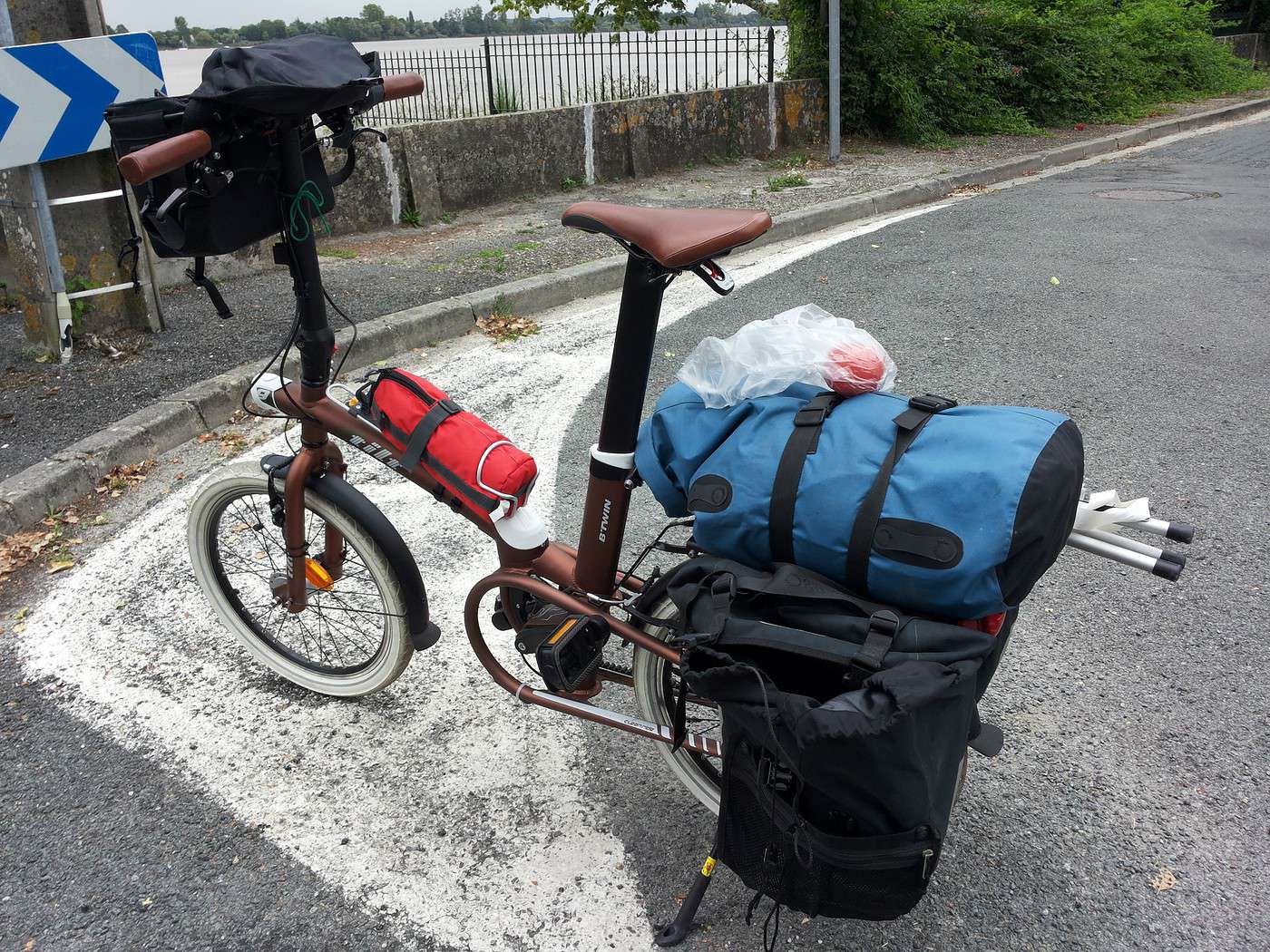
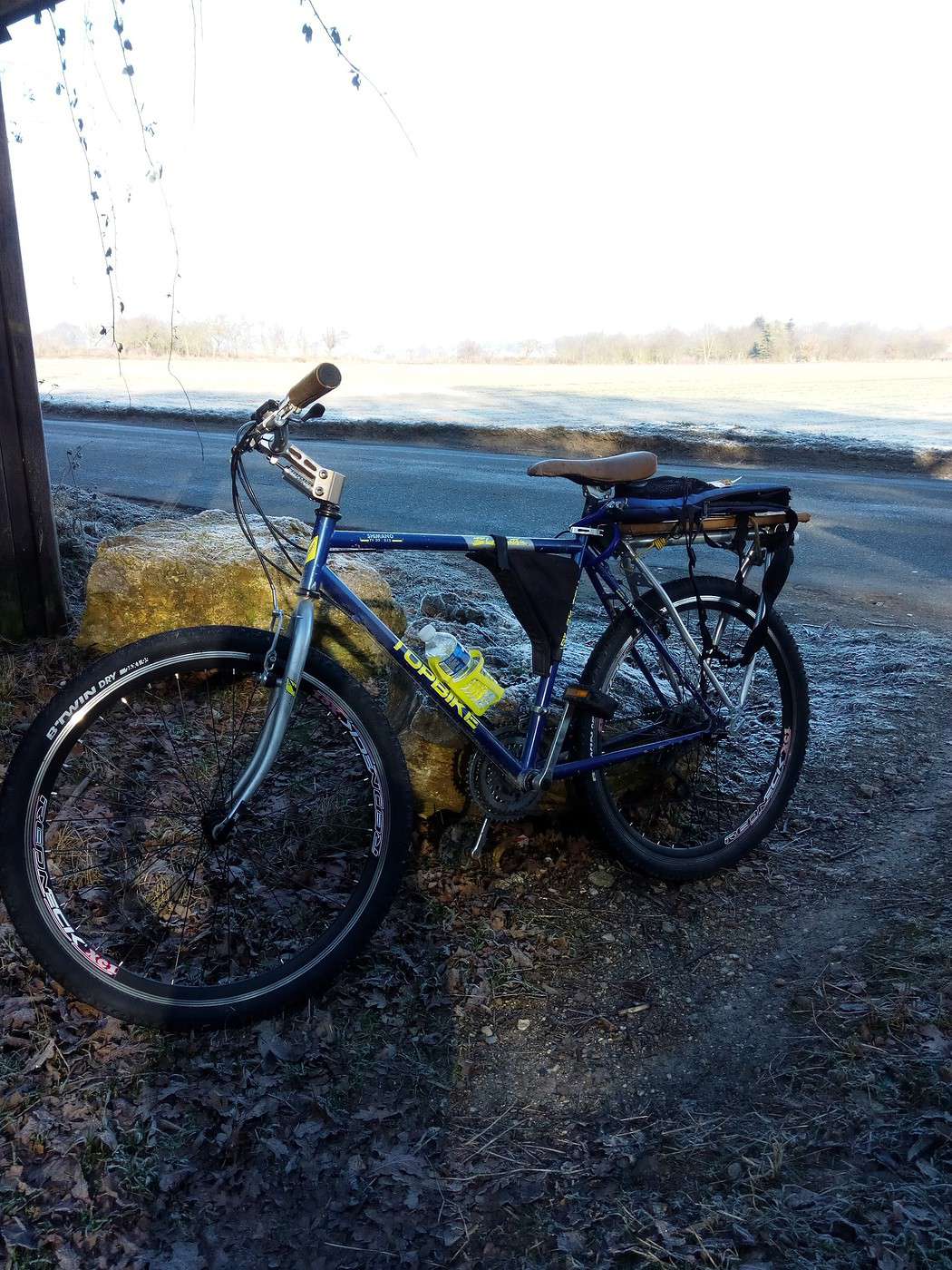
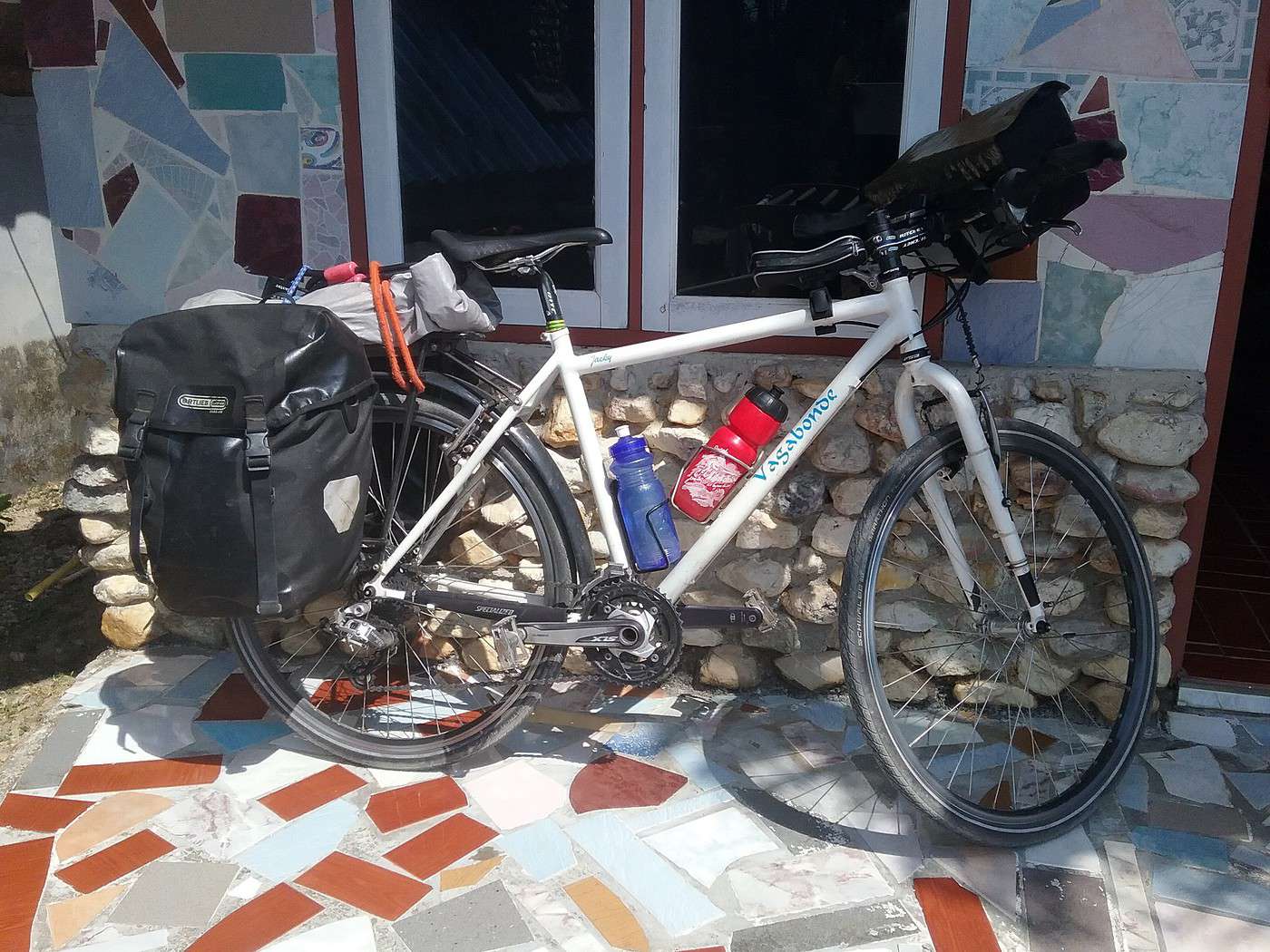
So, I’ll play along with the introductions. Here are the three bikes I’ve traveled with—none of them are technically "touring bikes."
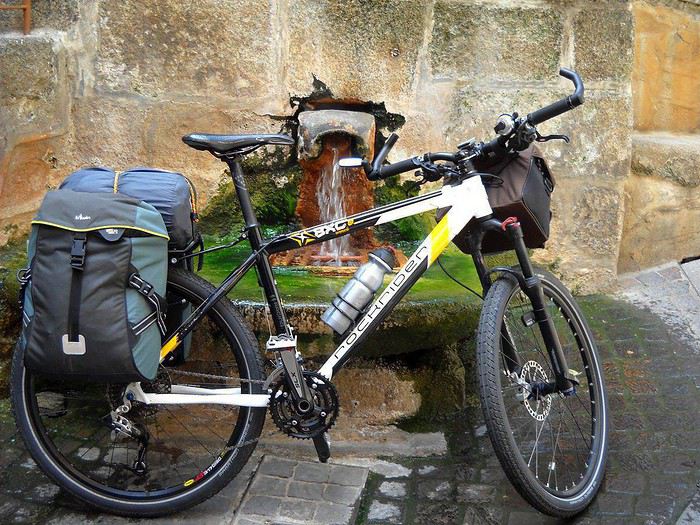
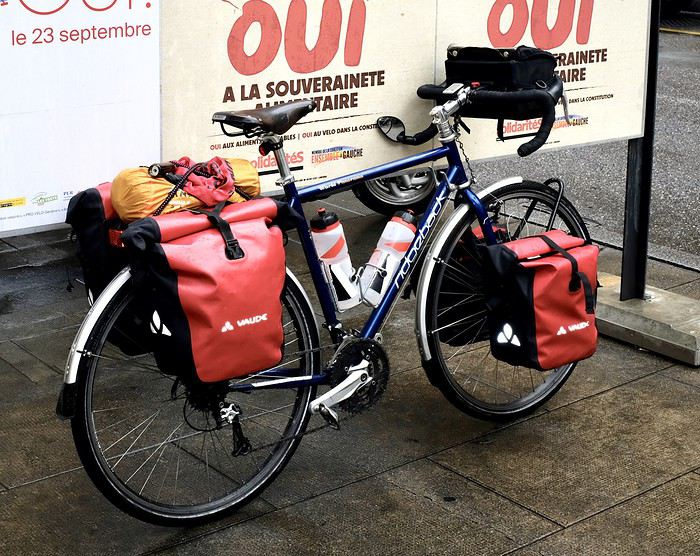
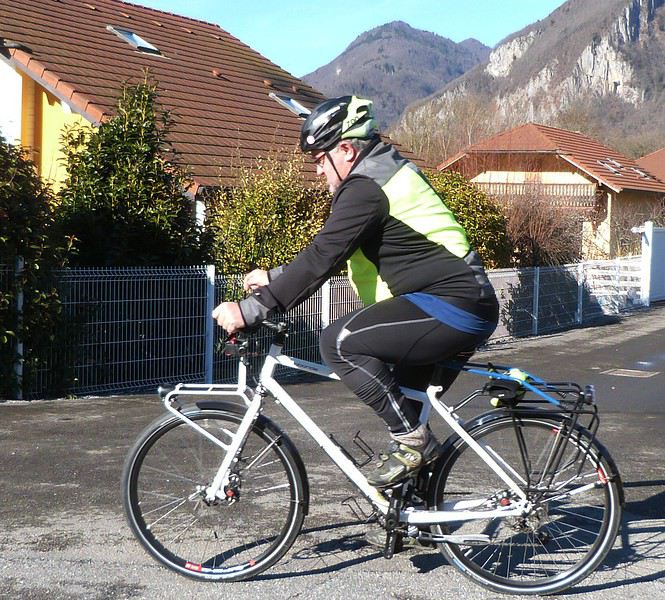
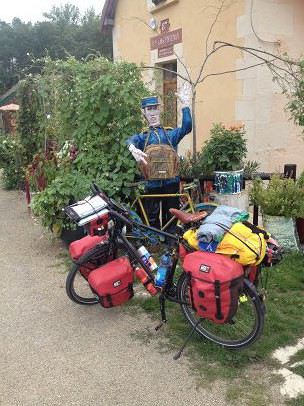
1 - An aluminum semi-suspension MTB with disc brakes, big 26" Marathon tires (2 inches wide), and a 3x9 MTB gear setup. The rear rack is mounted on clamps that grip the seatstays:
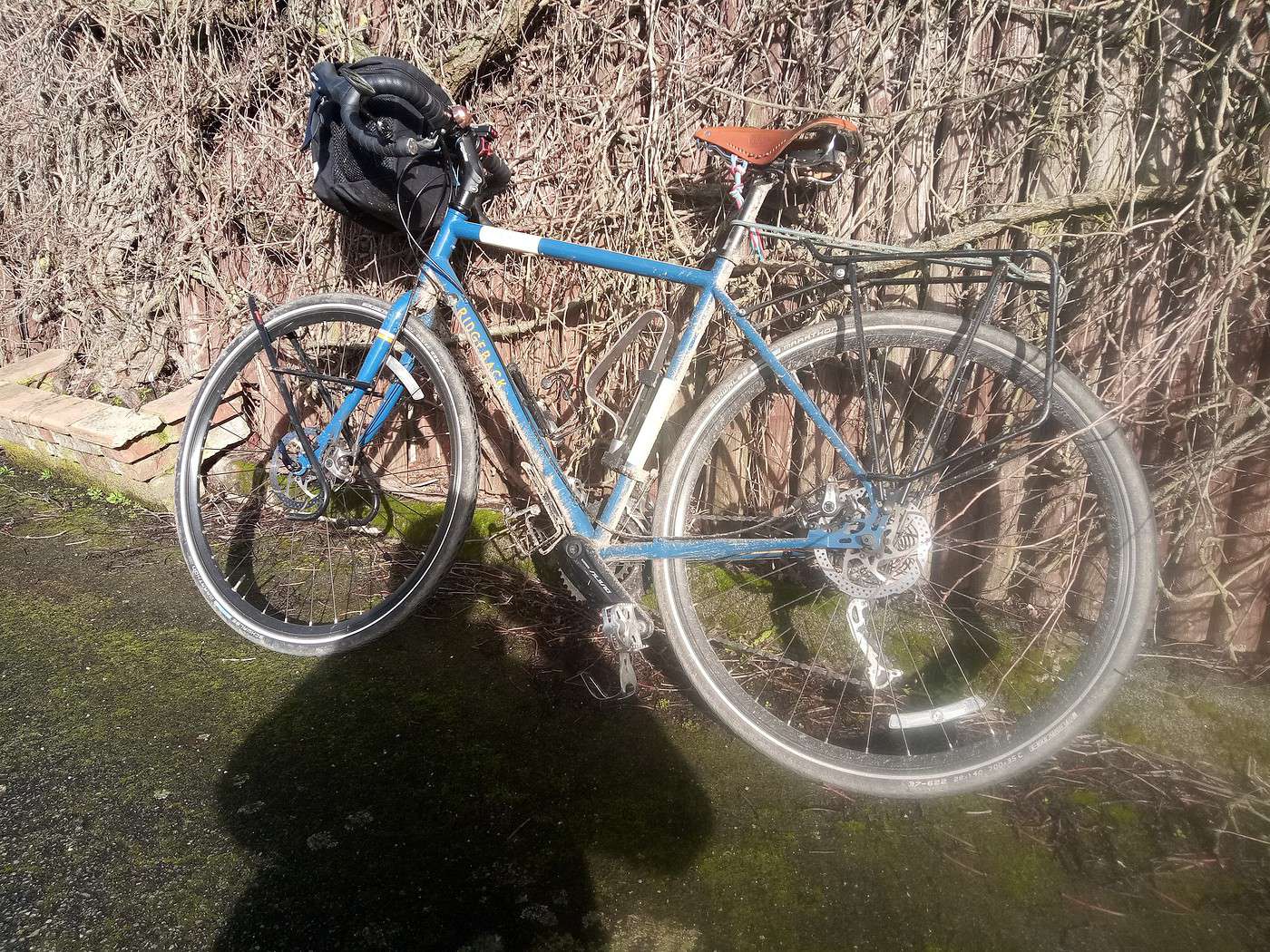
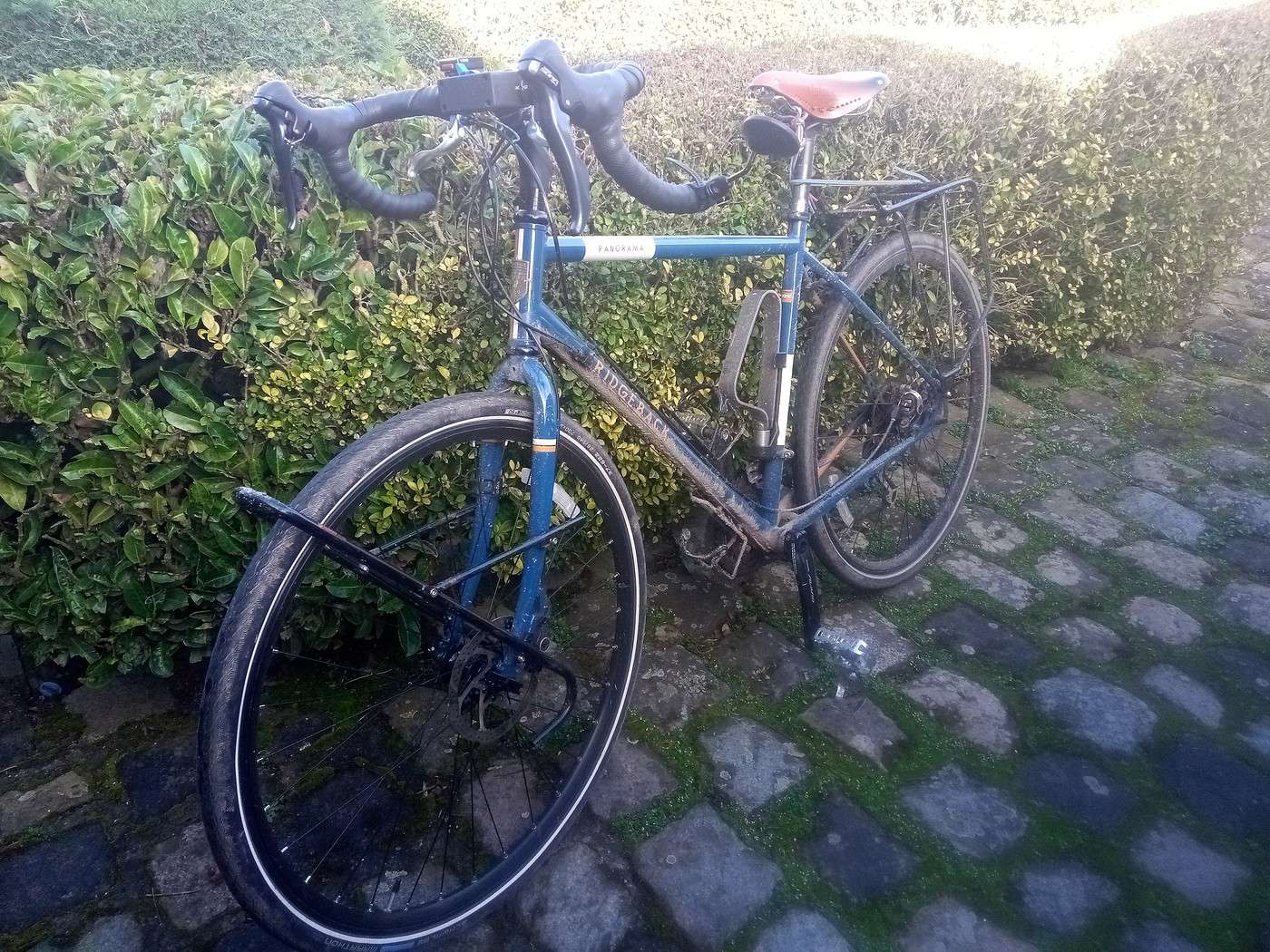
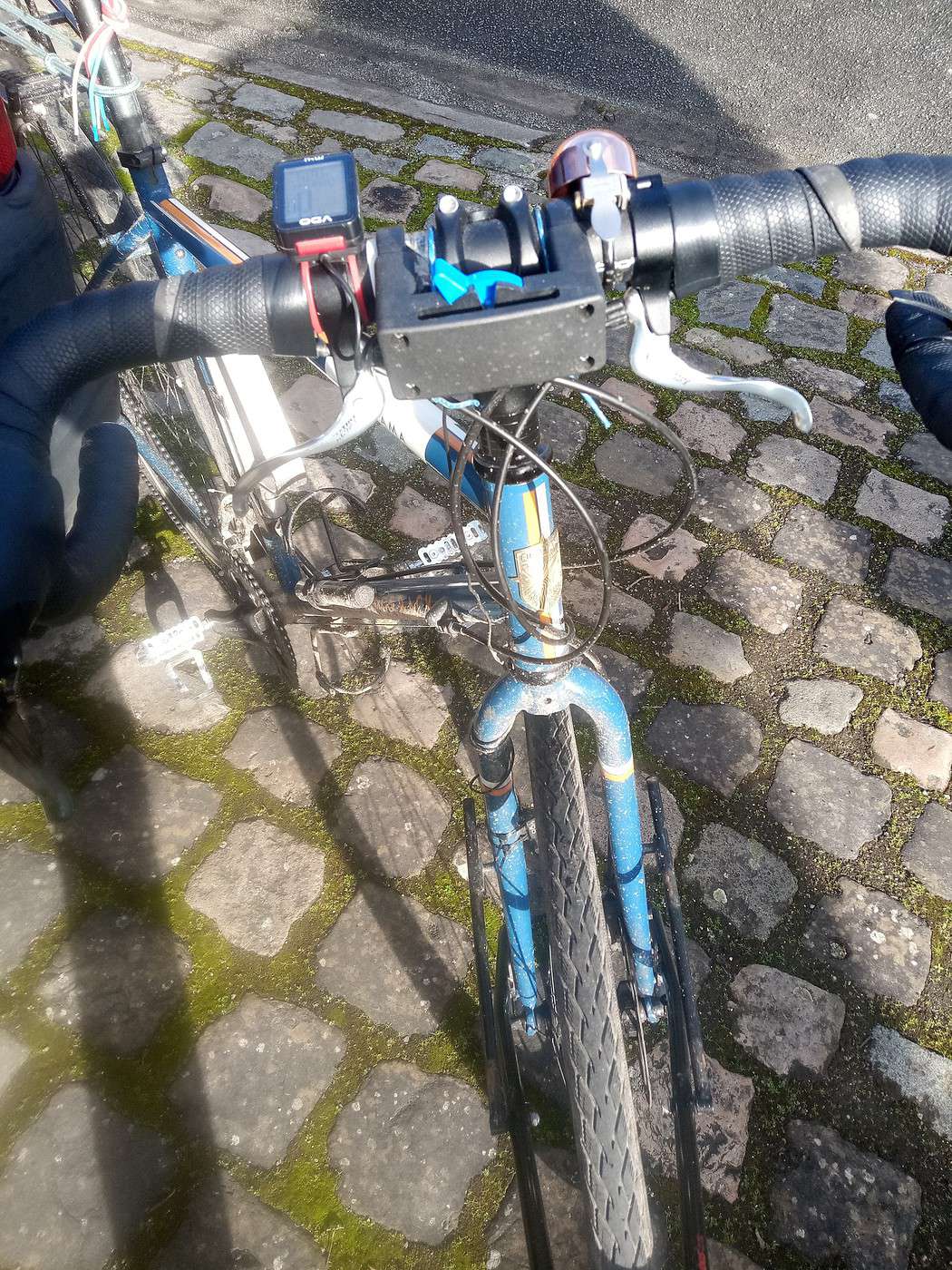
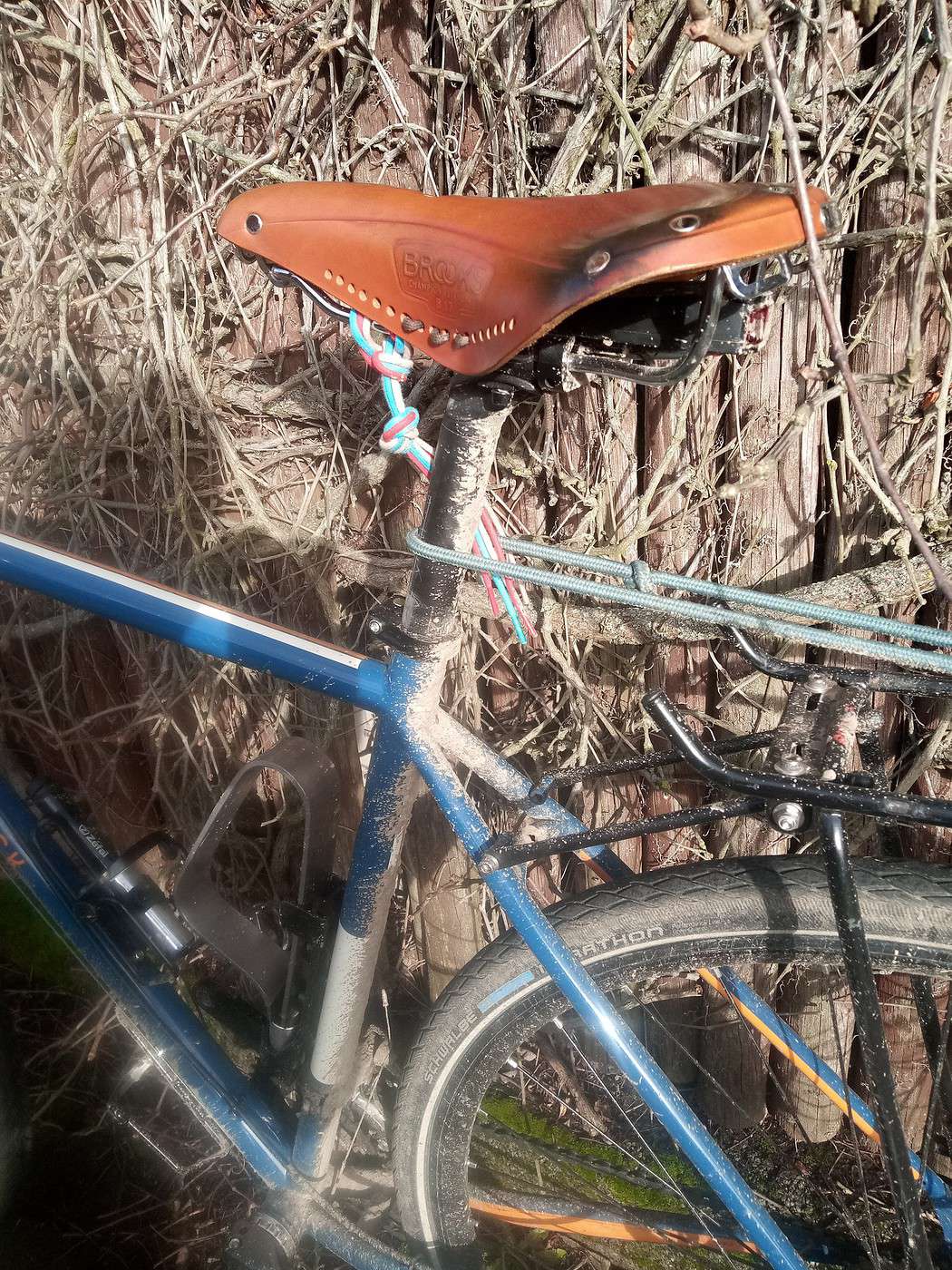
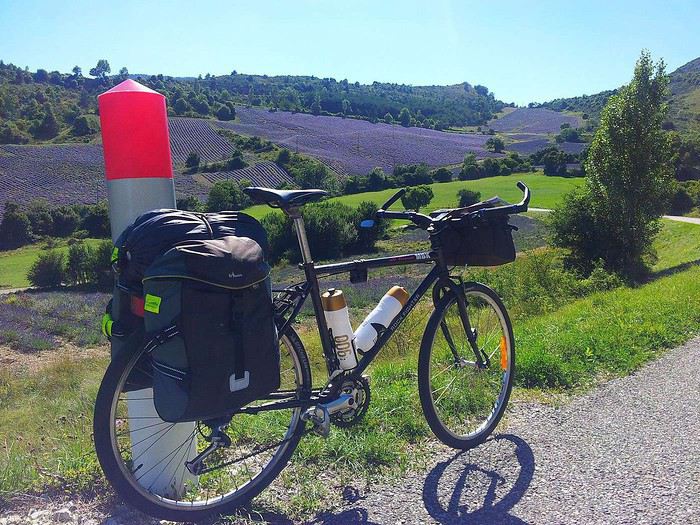
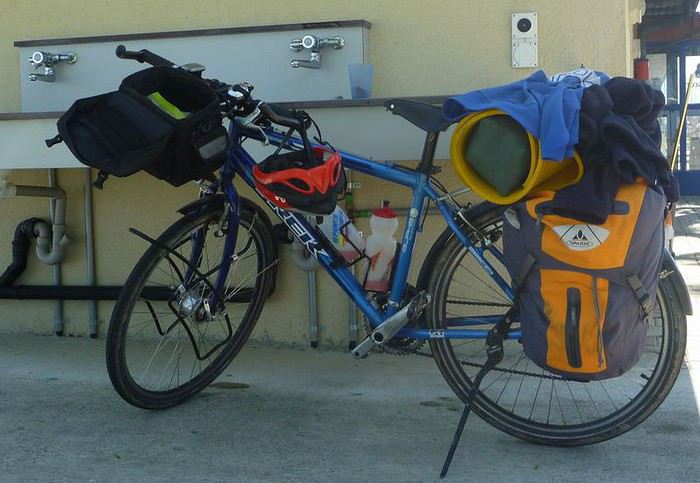
2 - A solid, rigid 1990 CroMo steel MTB, refurbished in 2012 or 2013, with slick 26x1.35" tires, a 3x7 drivetrain, and V-brakes (replacing the original cantilevers). This is the only one of the three with eyelets for a proper rear rack:
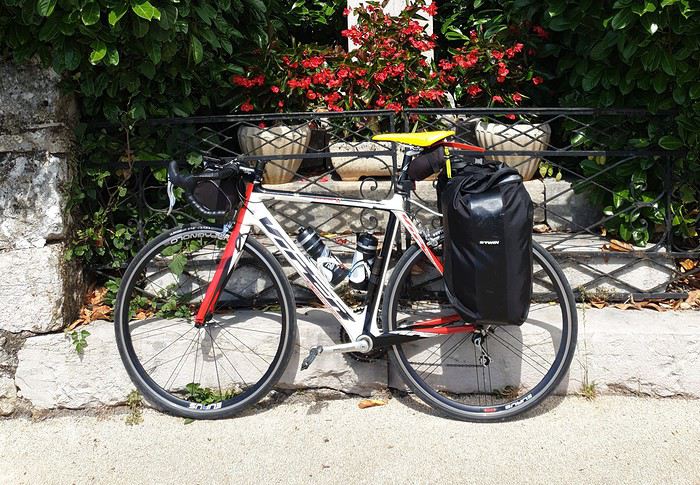
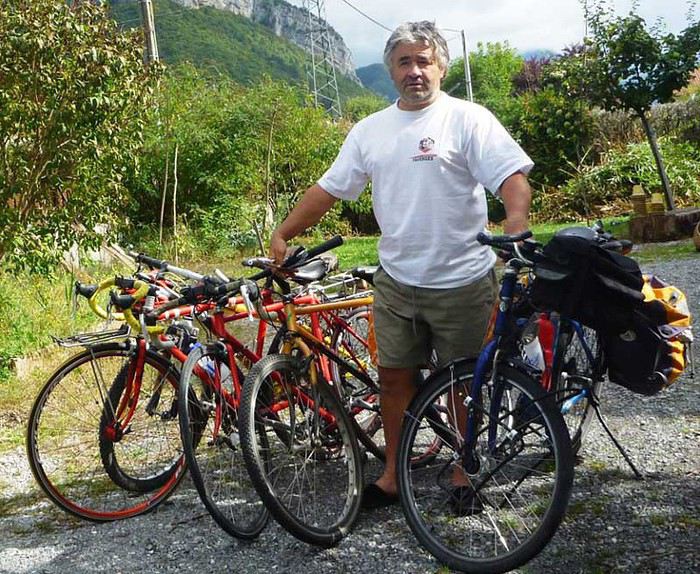
3 - A carbon road bike with a triple 10-speed setup (26/26 as the lowest gear—it works!) and 25mm tires. The seatpost has threaded mounts, and I use a Tubus rack kit that clamps to the axle:
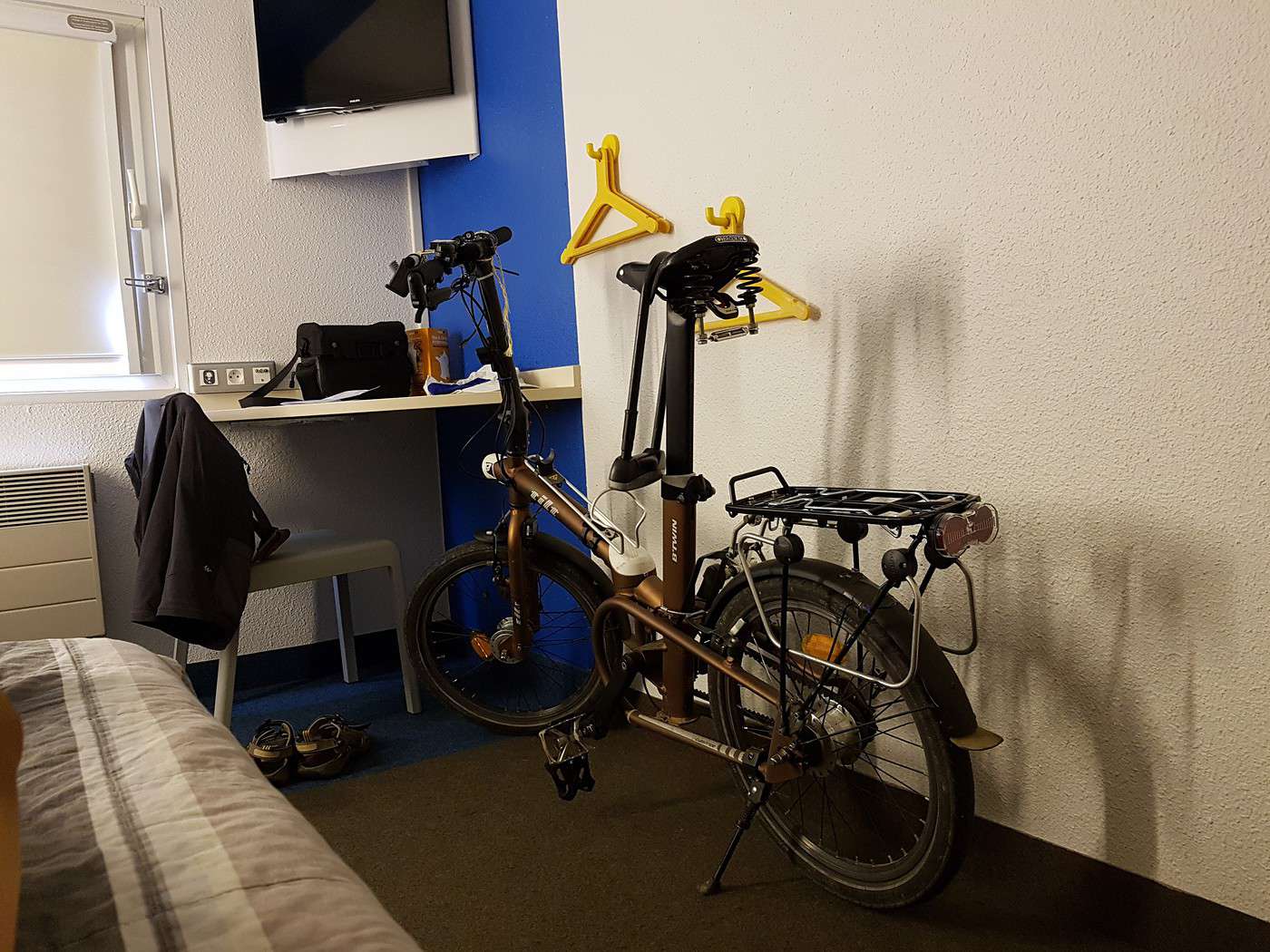
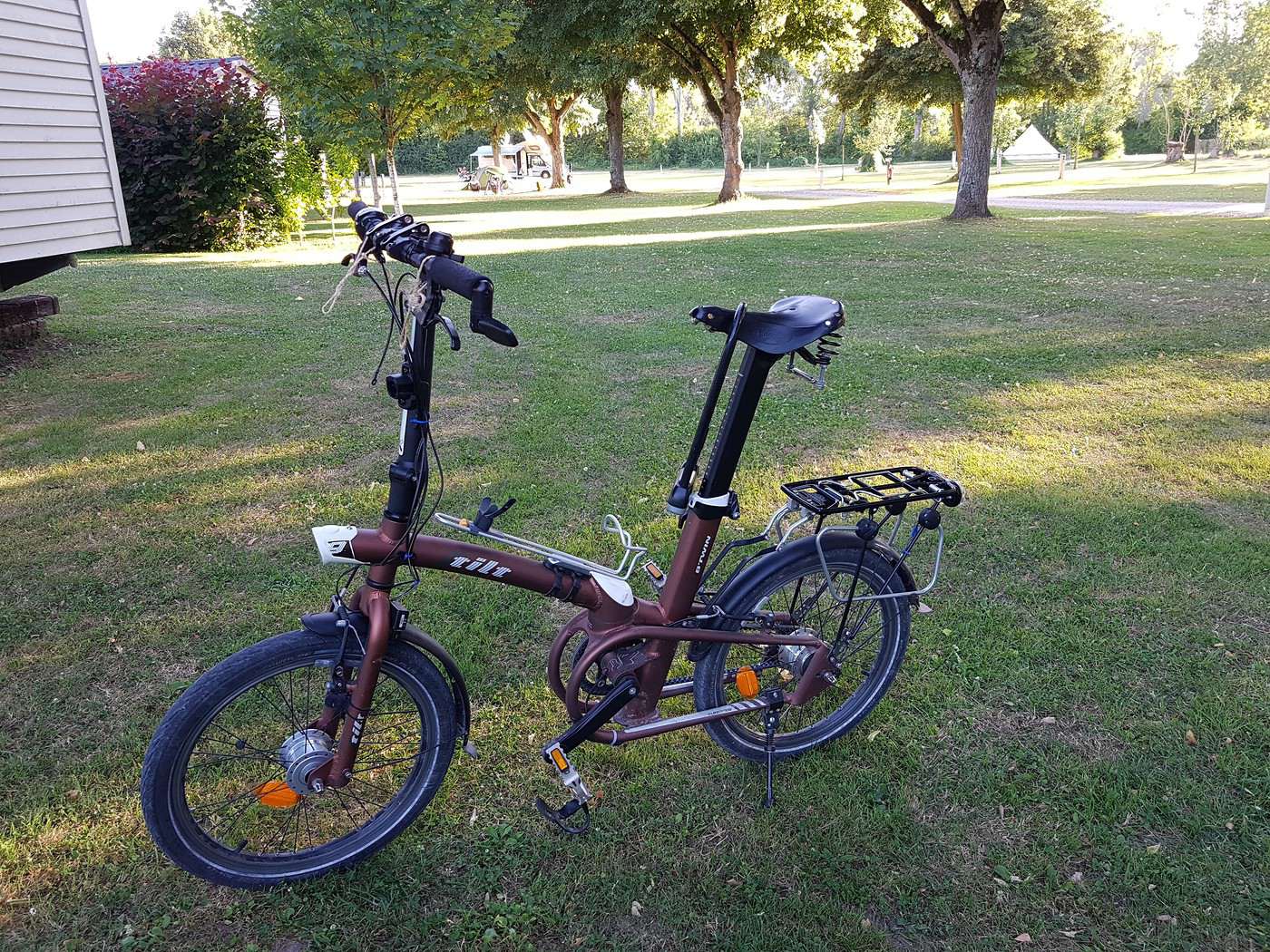
None of these were ever marketed as "touring bikes," but they’ve all brought me joy on trips, despite being so different. They do share a few things in common: aside from not being designed for travel (I use or used them for other things year-round), they’ve all only ever had two rear panniers and a small (now mini) handlebar bag. And they all have triple chainrings.
I almost forgot the downsides. The first one is suspended and has big tires, so it’s heavier and harder to climb with. The second only has 7 cogs, the seatpost is stuck due to oxidation (at a height that works for me), and the rear hub is 130mm—so finding a replacement wheel in case of a breakdown isn’t easy. The third isn’t built for heavy loads, but with my weight plus luggage, I’m still under the weight of some unloaded cyclists. The real limitation is stability on descents (I don’t go faster than 60 km/h for safety). The first two have flat MTB handlebars—I prefer drop bars now. I’ve been riding drop bars for 3 or 4 years and don’t plan to switch back.
For beginners or anyone thinking about getting into bike travel: it’s totally possible to hit the road with the bike you already have. Adapting it isn’t too complicated or expensive (e.g., two Decathlon panniers). Just make sure it’s in good condition (or restored), well-tuned, and the right size. And pay attention to luggage volume and weight limits.
Happy riding!
Of course, if you have a brand-new bike built specifically for touring, that’s the dream! !
 Southern landscapes, northern wildlife: returning to South Africa
 Discovering Kyrgyzstan by marshrutka, hitchhiking, on foot and on horseback – Father/Daughter Trip
 Polynesia: How to choose between the Society Islands, Tuamotu, and the Marquesas?
 A Few Days in Turkmenistan from Uzbekistan
 Slovak travel journal
 14 Days in Japan – September-October 2026
 Trek in Norway: Jotunheimen and Dovrefjell, you’ll adapt to the rain...
 CARIBBEAN: The island of SAINT-MARTIN, a different perspective
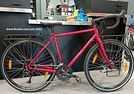
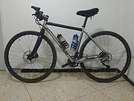
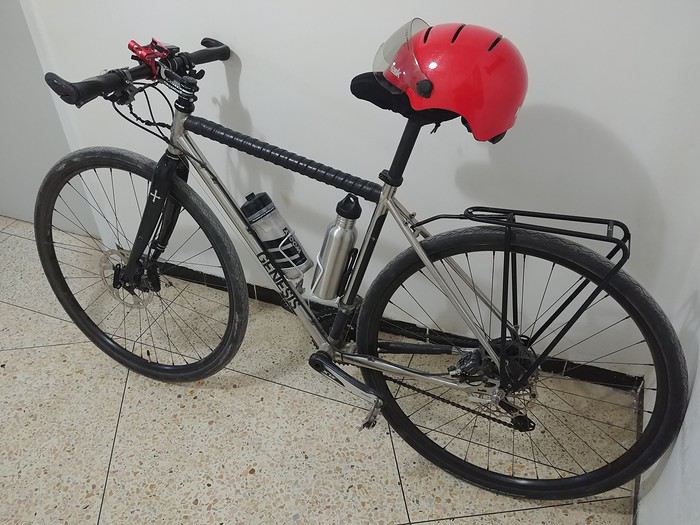
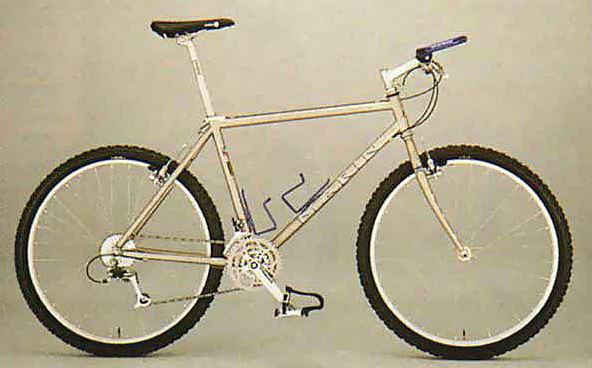
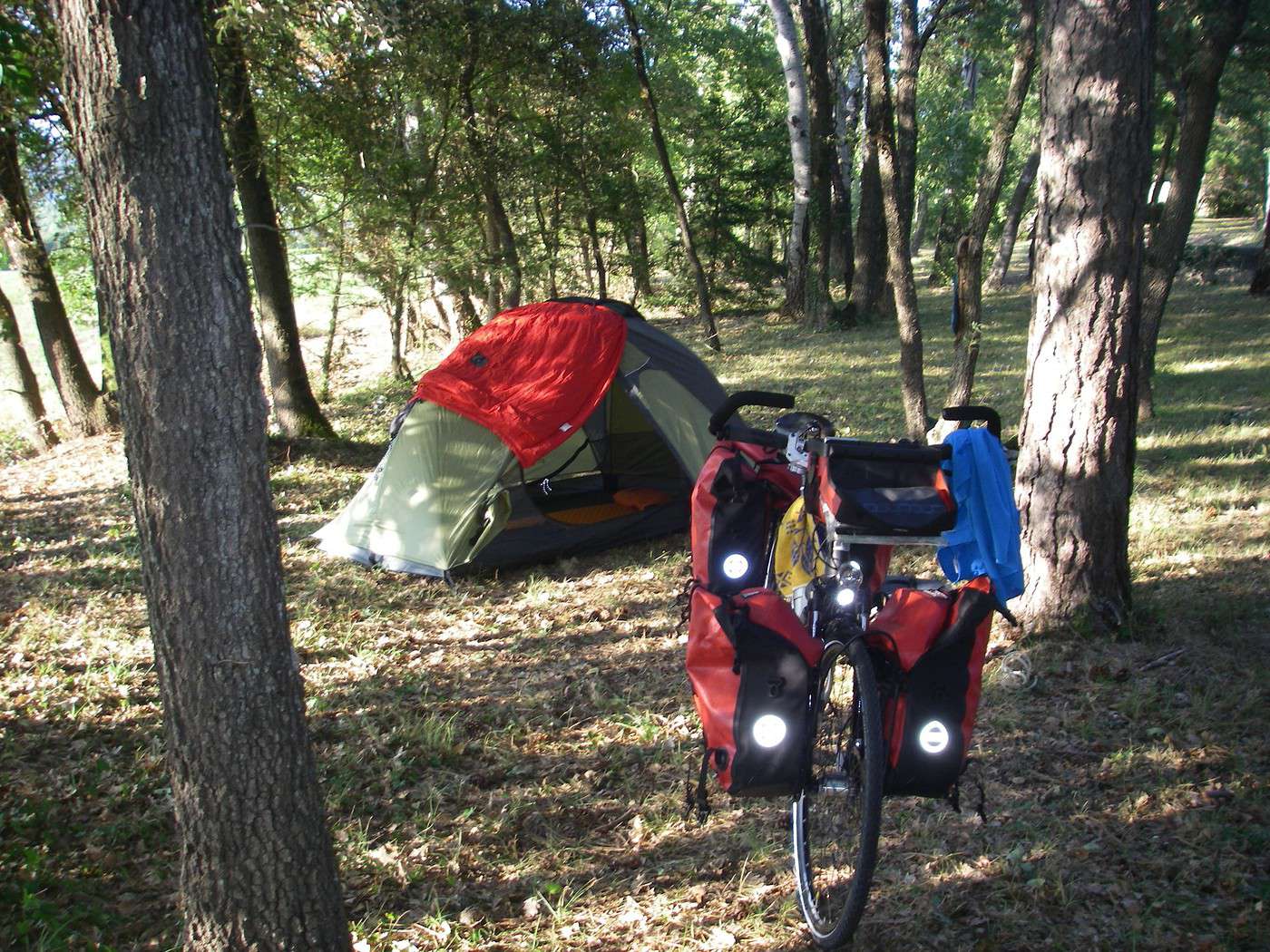
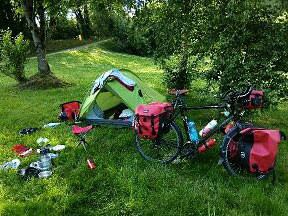
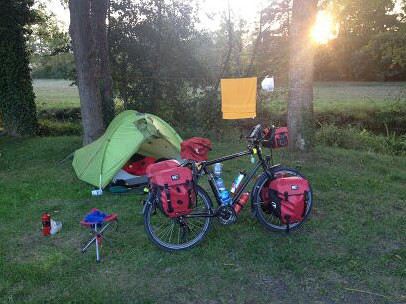
 Not great... a bit of DIY:
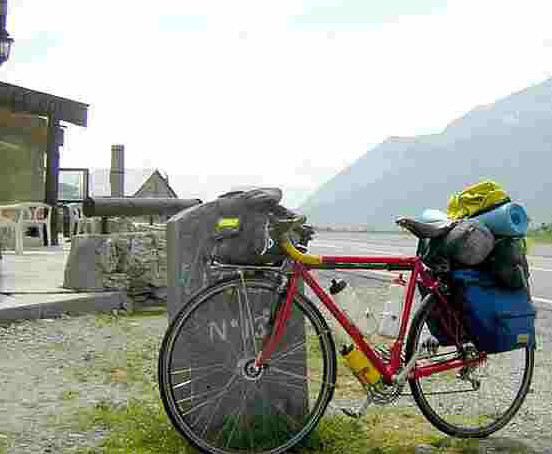
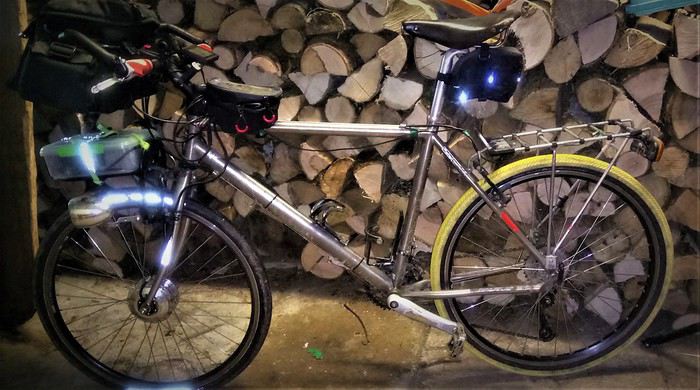
Lapierre Titane frame from before 2000... originally paid in francs—solid base, though.
3x9 (44 to 24 - 12 to 32, from memory...)—friction shifters salvaged from an old MTB (fed up with poorly adjusted indexed ones...)
Shimano hybrid pedals—standard 26" wheels—1.35 tires up front (Schwalbe Kojak T, flexible)—1.60 at the back given my weight (100 kg—20/23 kg of luggage).
With age: front-wheel hub motor / battery in a container on a mini front rack (DIY, but cheap, lightweight, and it works!!!)
Rear aluminum rack on clamps...
Standard V-brakes—battery-powered lights...
In short, not exactly top-notch, but it can still hit the road...
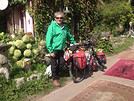
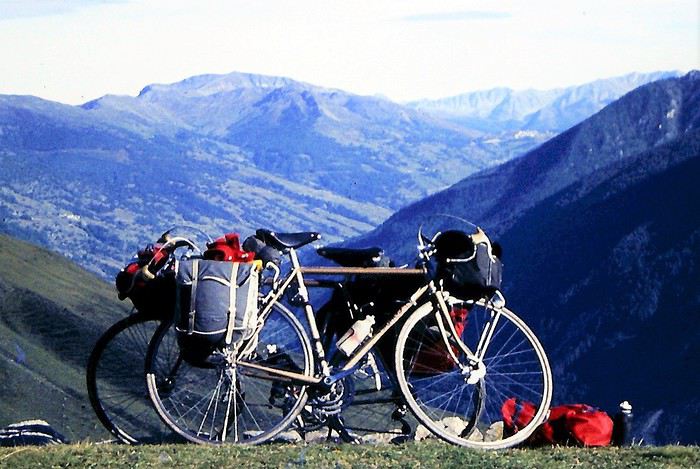
And to try to prove you can go far and high without necessarily needing "high-end" or "specialized" gear... some photos from our past trips:
Up in the heights, "bike-mule" style:
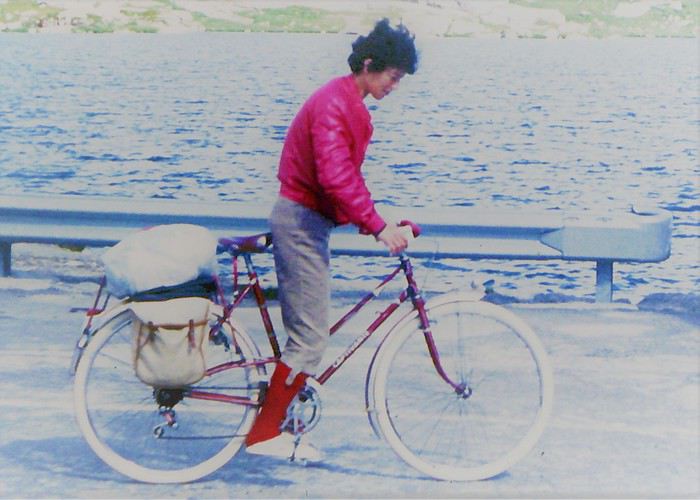
 And my wife, her very first mountain pass, her very first trip: