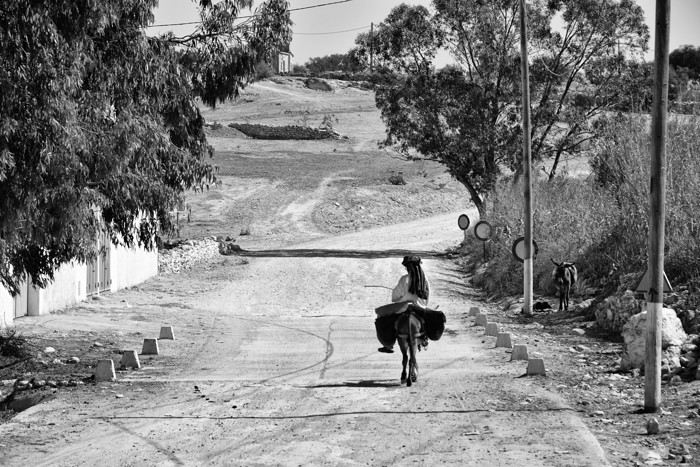
Oh yes, more, more!! :P
;)
SKOURA AND THE VALLEY OF ROSES
I’m feeling a bit stressed this Monday morning before picking up the rental car. Up until now, it’s been Martine who’s been driving us since Essaouira and then dropped us off for these four intense days in Marrakech. Another week ahead with nearly 1,500 kilometers to cover. And Kate, in a perfectly executed Freudian slip, forgot her driver’s license. I’m more of a contemplative person, so I hate driving—especially in Morocco! Fortunately, I’ve been carefully observing Martine’s driving over the past few days.
Driving in Morocco turns out to be a tricky exercise. Like in a video game, the “enemy” can appear from anywhere—right, left, front, back, out of nowhere. It takes all forms: donkey-drawn carts, huge trucks, herds of sheep, women carrying bundles of firewood, mopeds and bikes weaving through the zigs and zags, pedestrians crossing the road on instinct, kids playing soccer in the middle of villages. You also have to constantly adjust your speed according to a logic that escapes me—80, 40, 20, then 90 or 100. The white lines are more of a suggestion, whether dashed or solid; you overtake when you can. While the road network is generally in good condition on major routes, in the mountains, the narrowness of the roads forces you to hug the edges, which are rarely maintained. As for Marrakchis, usually easygoing on foot, they become bold and undisciplined behind the wheel.
Luckily, we leave early, so there’s little traffic at this hour. From Bâb Ghemat gate, we head straight onto the route toward Ouarzazate.
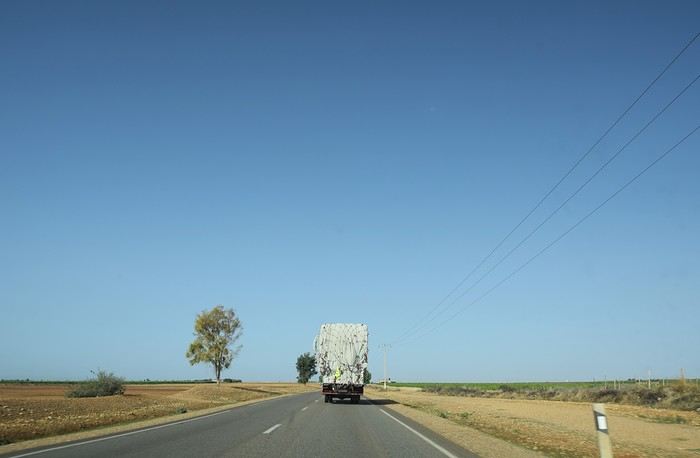
The road leading to Tizi n'Tichka is stunning, but we’re often slowed down by massive widening works. Seeing these huge construction sites along our route, I’m reminded of Spain 50 years ago or more. You can feel the country is in full transformation, driven by real development momentum. Morocco is moving fast and strong.
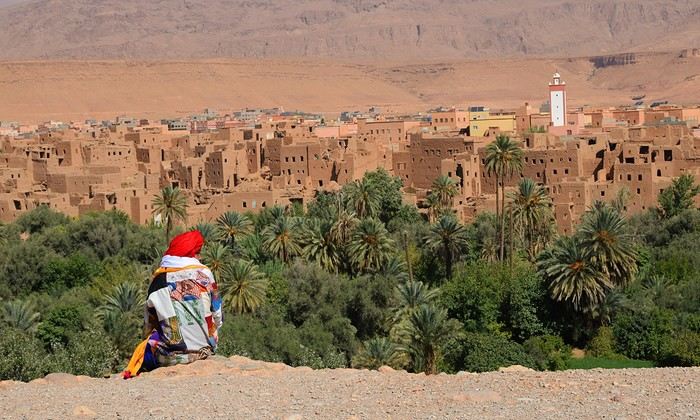
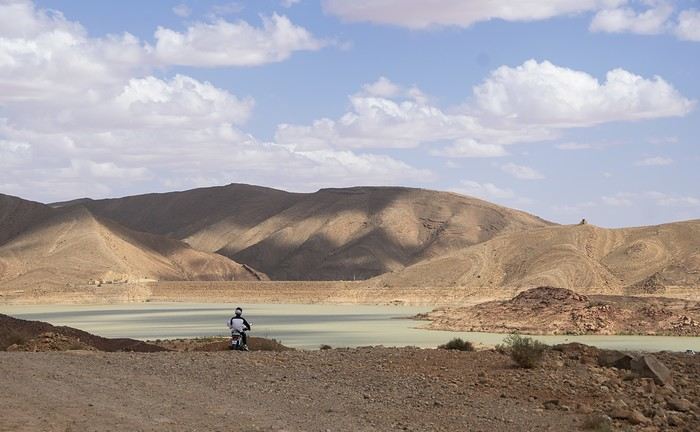
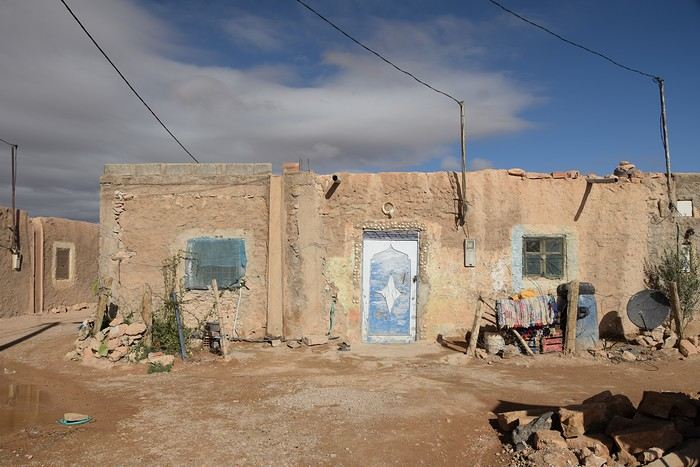
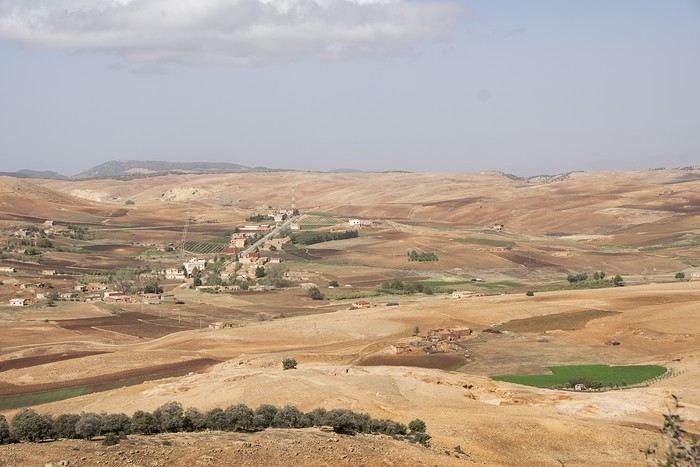
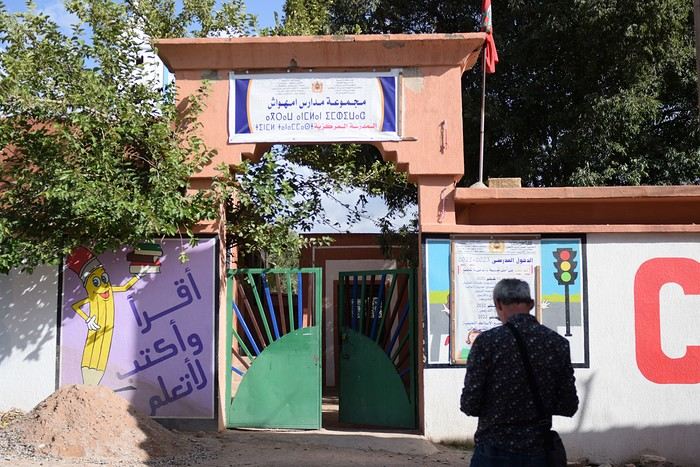
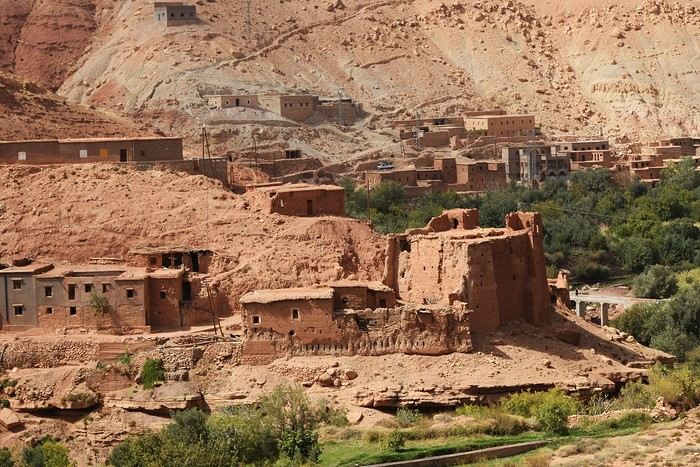
Following Olivier’s advice, we decide to leave the main road after the pass and take a small route via Telouèt, which should lead us directly to the ksar of Aït Benhaddou. We’re in the heart of the Atlas, deep in Berber country. The red of the earthen villages blends with the ochre of the mountains, and the wadis below stretch out like ribbons of greenery. The area still seems quite poor, judging by the basic state of some buildings—except for the always gleaming mosques. The territory isn’t densely populated, but it’s brought to life by all the children walking home from school along the roads. Morocco is a young country, and that’s both a challenge and an opportunity for its development.
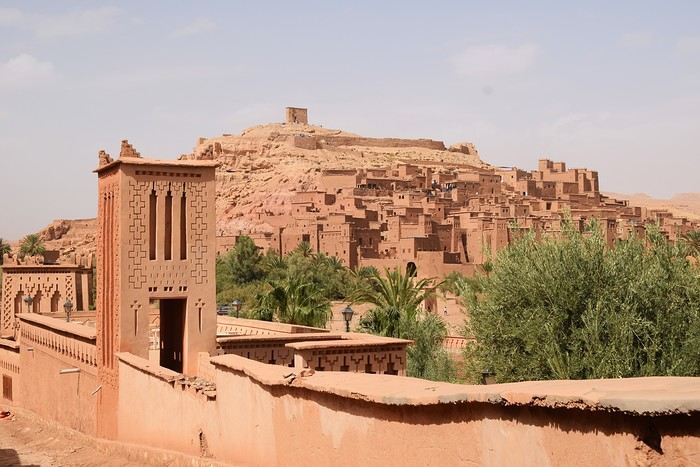
The ksar of Aït Benhaddou, perched on a hill overlooking the wadi, appears like a mirage. It’s absolutely stunning. From a distance, it looks like a giant sandcastle in golden hues. In reality, it’s a terraced fortified village where all the houses are built from rammed earth. Beautifully maintained but a bit museum-like, it’s no longer really inhabited, as far as I know. A UNESCO World Heritage site, it’s served as a filming location for many movies, including *Lawrence of Arabia*, *Gladiator*, and some episodes of *Game of Thrones*...
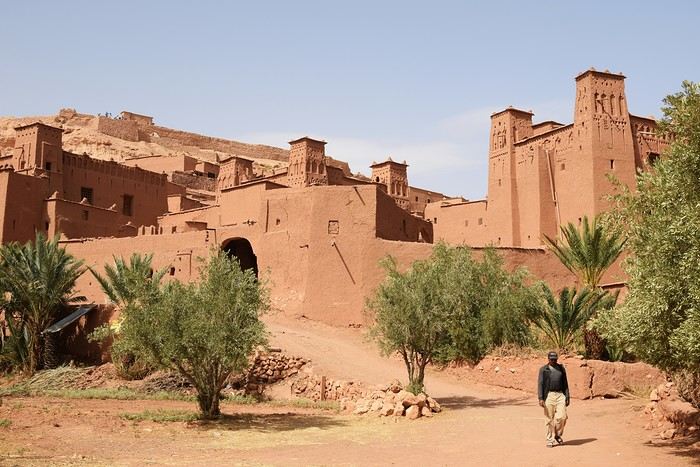
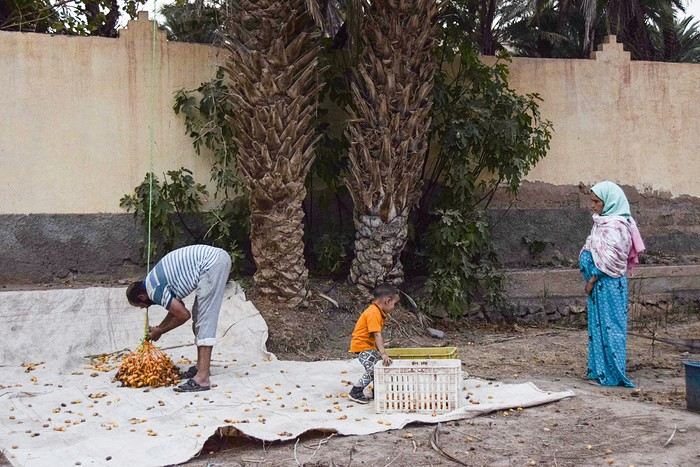
We arrive in Skoura at the end of the day, more precisely in Ouled Merzouk, a small village on the edge of the Dades. A new atmosphere and new sights after the noisy hustle and colorful chaos of Marrakech.
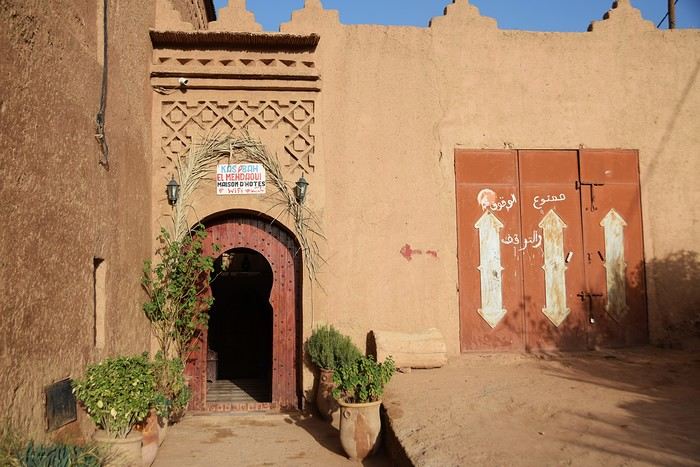
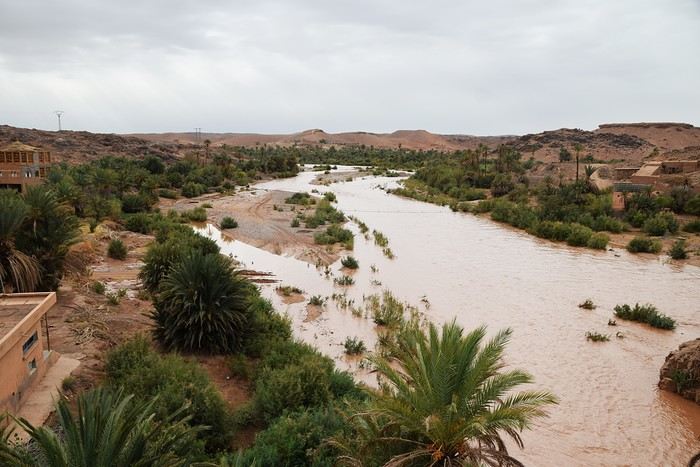
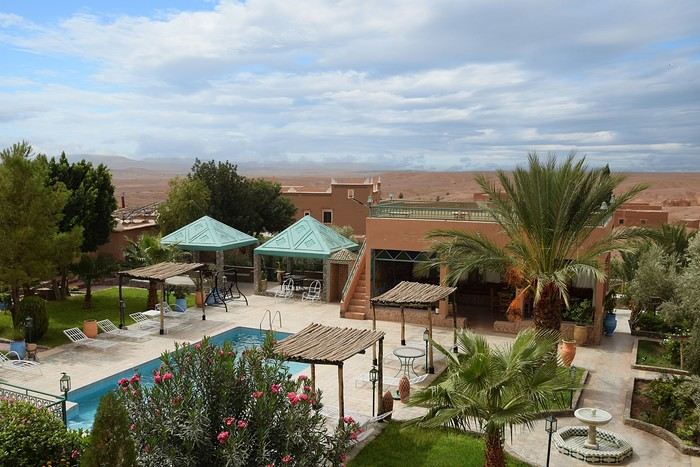
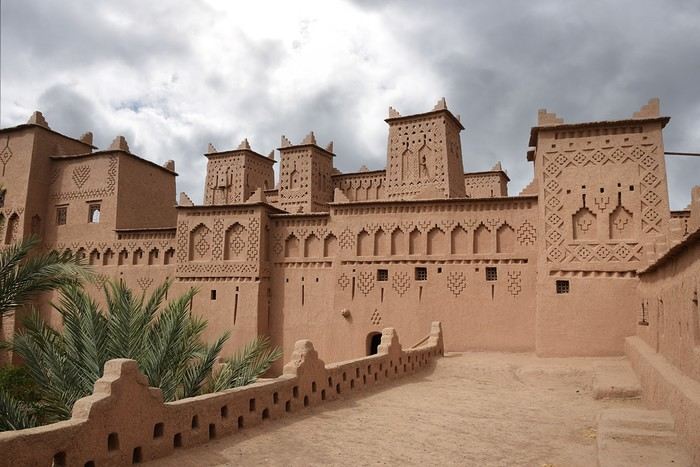
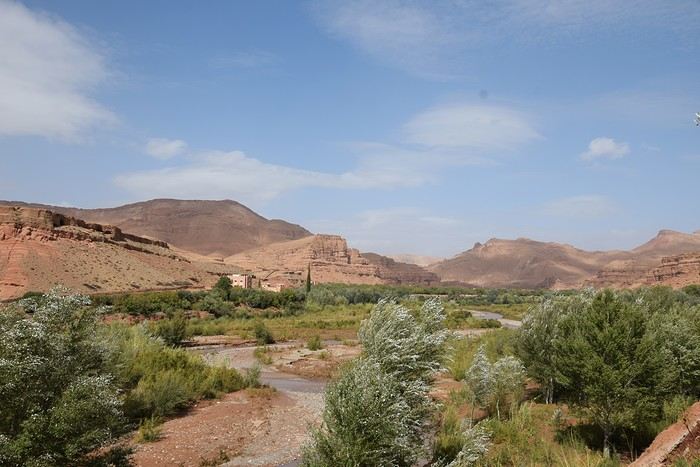
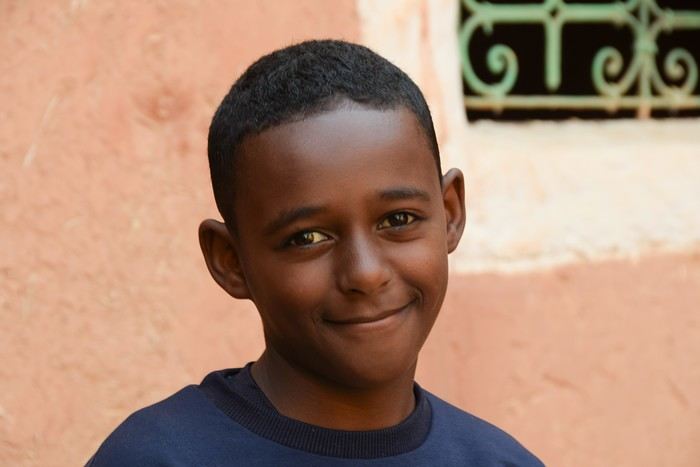
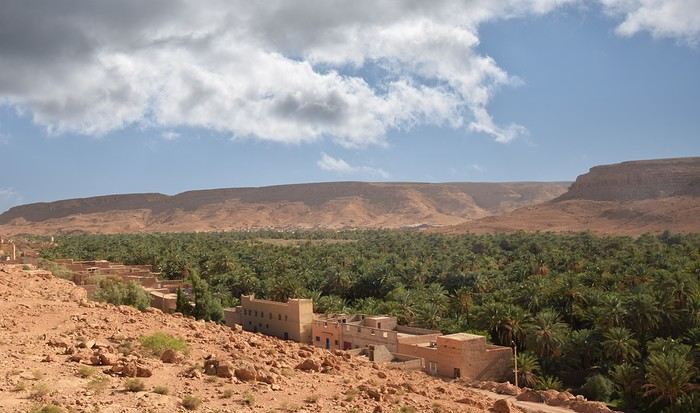
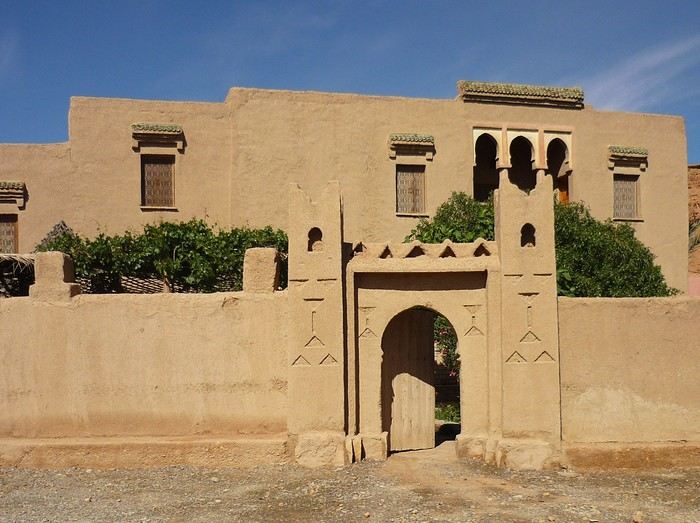
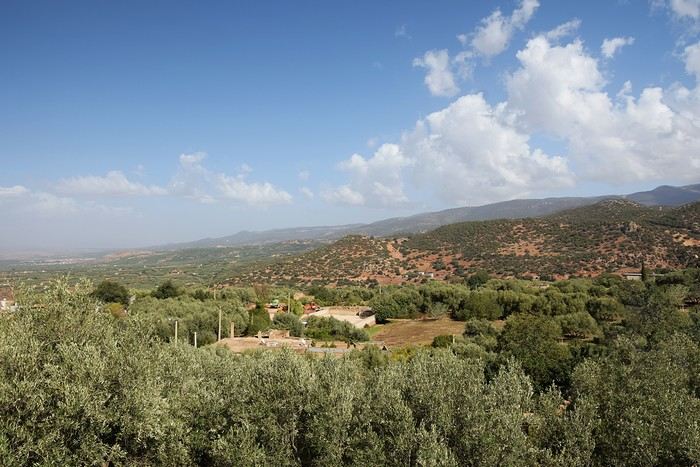
Here, ochre and red hills dominate, paired with the green of palm groves and small oases. We’re staying at Kasbah Elmehdaoui with Madame Najate. Mohamed, the house employee, welcomes us warmly. A handsome, elegant, and lanky young man. Available and courteous, he punctuates every sentence with polite phrases in Arabic or Berber. And I’m struck by how what some dismissively call salamalecs is actually a way of being—a manifestation of an ancient culture where the guest, the stranger, is placed under the protection of their host.