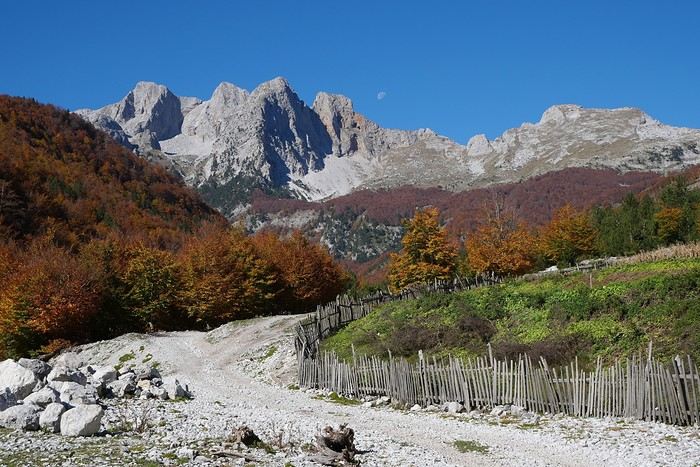
The story of a trip to Morocco, from the first to the last day—otherwise, it wouldn’t have made sense...
Marrakech... then four days on foot in the desert, alone with a guide, a camel driver, and two dromedaries... and Marrakech again.
Everything mattered, even the smallest details, so this is a (very) long story.
Behind the descriptions and anecdotes, there’s emotion, intimacy, and... soul-searching.
All the things it’s strangely easier to share this way, all the things it’s strangely easier to share with people you don’t know...
I have beautiful images in my eyes, but only a few are visible—if you read carefully, you’ll understand why.
The other photos are imagined, created upon returning with souvenirs and a bit of staging.
But everything is authentic.
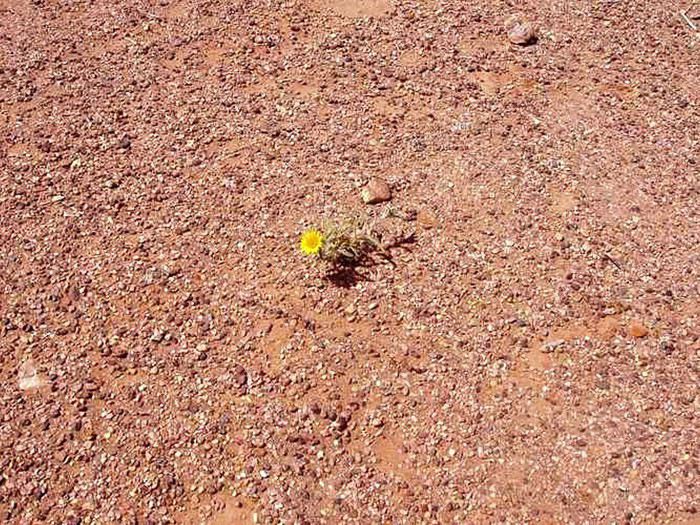
Since I’ve been back, sometimes at night I open my eyes and don’t know where I am...
Sleepless night, starry night, night of communion, connected night...
In that suspended moment, between wakefulness and sleep, which makes you so receptive...
Communion with whom?
Connected to what?
Lila gnawa... lila de derdeba.
The desert, a solitary path. You step in, and you’re immediately in the essential...
Wednesday...
My companion drops me off at Orly Ouest... There are two hours before boarding.
My MP3 player turns on but that’s it. It freezes—no commands work, and nothing fixes it... Smile... A trip without music, then? And the first anchor falls away.
(Photo...)
... Passport, tickets, receipts, labels...
Nose pressed to the window for the entire flight...
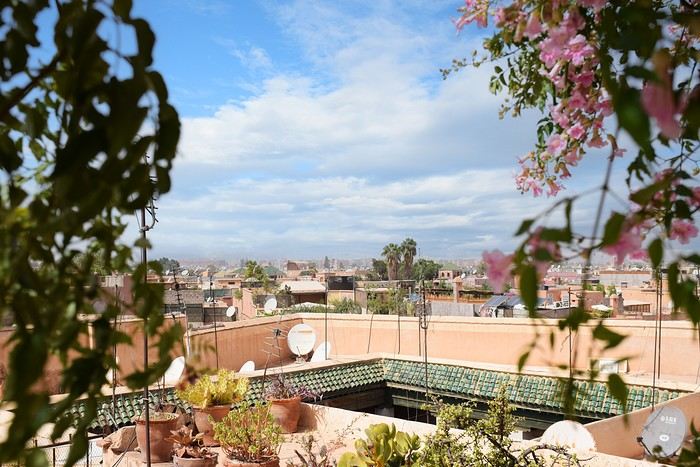
Descending over Marrakech, at low altitude, a pretty mosaic—shades of pink and ochre dotted with green, but also, to the right, less harmonious, aligned cubes. Housing developments under construction?
A bumpy, turbulent landing—the plane circles for a long time before touching down.
Welcomed by the familiar, unchanged sound of creaking doors and seats in the little taxis.
In Casablanca, it was red Simca 1000s with meters; here, they’re yellow, and you have to negotiate the price. I have no talent for that, so here’s 100 DH!
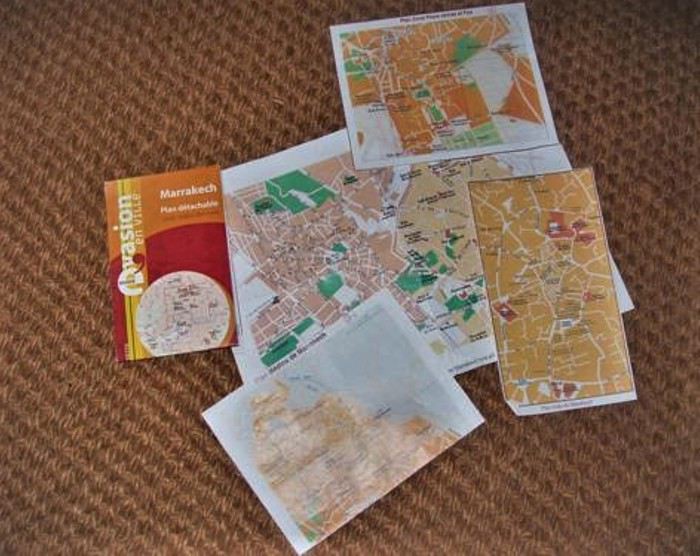
Traversed and forgotten
Marrakech... Sunny, luminous, sensual. Torn between tradition and modernity...
Shimmering and fragrant, very noisy... rather polluted?
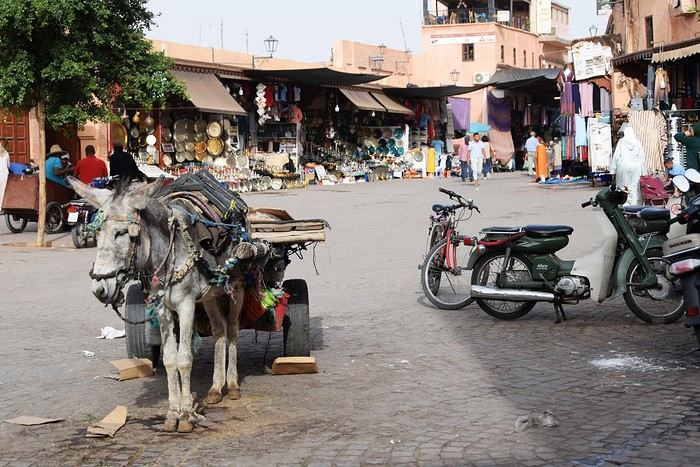
On the road, horses and donkeys still mingle with vehicles... and watch out for traffic when crossing! It’s always a strategic—and athletic—adventure: at what exact moment do you sprint to the opposite sidewalk?
And why aren’t any street names marked?
Afternoon on foot, heading to the Bab Doukkala bus station...
A landmark: the McDonald’s, then a square with a fountain. Then turn left onto Avenue Hassan II.
There’s a bus to Zagora Friday morning, but I can only buy the ticket tomorrow.
On the way back to the hotel, at a kiosk on the corner, I buy *Tel Quel*, which I read with great interest online.
Thursday...
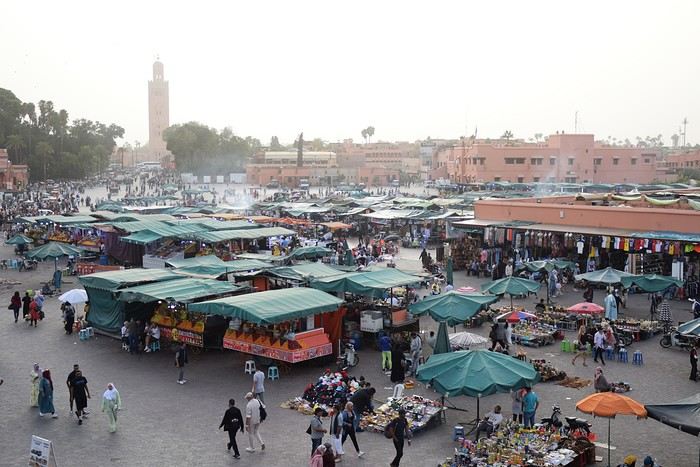
Early morning, walking to Place Jemaa el-Fna, calm and almost deserted...
I don’t get a good deal buying two small daggers for my kids. No talent for haggling—it takes more than charm for that...
So I’ll pick the rest of my gifts at the artisan center on Avenue Mohammed V, where prices are marked, and it’s a pleasure to watch the craftsmen work...
For my daughter, a satchel and earrings. The satchel smells like goat.
The earrings are hand-chiseled in front of me by a very young man with nimble fingers—marvels of delicacy and fragility.
Then I linger for a long time in the souk alleys. Scents of leather, thuya and cedar wood, wool and copper... Familiar smells... Childhood memories...
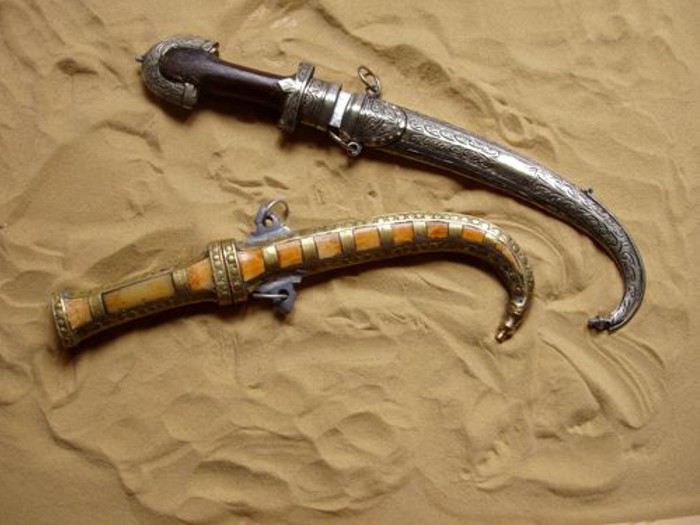
Dear daggers
Earrings
Back at the bus station, an unexpected change: no bus Friday morning, but a departure tonight at 8:30 PM...
I have a little time before packing, so I take a long detour: Boulevard de Safi, then right onto Avenue El Mansour to the Majorelle Garden...
A quiet pause. Rare plants, all kinds of cacti—smooth, fuzzy, bristling with spines... strange, squat, or stretched-out shapes. An infinite variety of greens, and that famous blue...
The song of birds, the sun and shadows playing in the water basins...
Time flows lazily. I write postcards—they’ll arrive long after I’m back...
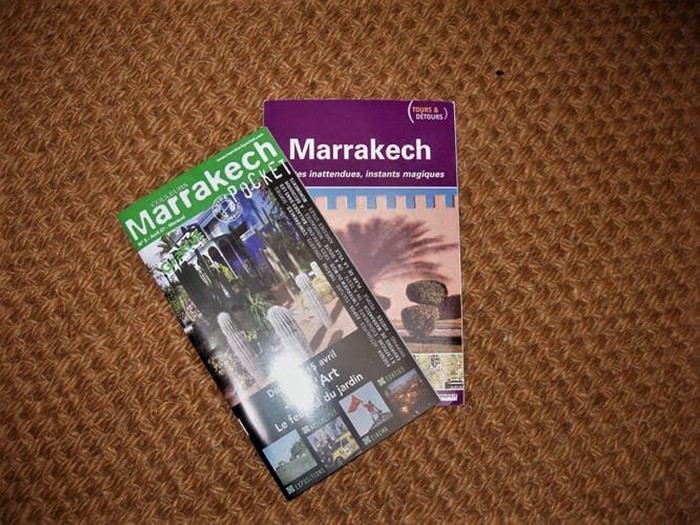
Back to the hotel. Avenue El Mansour, Boulevard Zerktouni—okay, but why are the small street names never marked?!! I get a little lost...
I hope you got my MMS, because before leaving, I left something for you at the front desk...
8 PM, night has already fallen. Arriving at the bus station, and then...
Then, a step back... A dense crowd, a tangle of buses...
Where to go?...
Rare woman, lone foreigner, backpack... I’m quickly spotted, surrounded, poorly guided...
Someone with a badge finally points me to the right sidewalk. The bus isn’t there, and the sidewalk is already packed, mostly with men. Will I even get a seat?...
Three young men are particularly insistent...
They want to know where I’m going and why, if someone is with me, if I’m expected...
I answer with a smile. A bit tricky—choosing words, staying polite while evasive...
Their French is hesitant, my Arabic is more than rudimentary...
Actually, I shouldn’t have tried... Their tone becomes a bit... aggressive, and their eyes light up. Uh-oh...
They say they’re students, but what of?...
Want to know what I think of the Quran and Allah, what I think of holy war, if I’m "for the Americans," "for the Palestinians"...
Other travelers intervene... And the bus still isn’t here...
The speech turns fanatical...
Then, my smile freezes a little... A small wave of panic, so I send a "freaked out" MMS... (But who else could I send it to?)
Then, in this dark crowd, a light dressed in white... Nabila, a young student heading to Zagora for vacation, she speaks French...
She plants herself in front of them and scolds them thoroughly. I didn’t catch everything, but it worked!
The three troublemakers retreat. Plus, they weren’t on the right sidewalk, and their bus is about to leave without them...
Nabila and I manage to board and sit side by side...
The bus leaves two hours late. The trip is long, a bit uncomfortable, slowed by many stops—it was very cold...
Friday...
A little stiff, a little dazzled, a little chilled, arriving in Zagora at dawn with the sunrise... Magical!
Craving something warm... And then, a heartfelt gift—kindness and hospitality—Nabila invites me to her home.
Warm welcome from her mother and siblings, not at all surprised to see me show up so early to share their breakfast!
A few hours in their company... We exchange addresses, and the youngest brother, Nouamare, gives me a children’s storybook...
Noon, at *La Fibule du Draa*
Lahcen Sarti, the owner... I finally put a smile and a face to an email exchange...
He shows me the trek route on the map, laughs when I tell him about my night on the bus, and sends me to rest by the pool...
No swimsuit, so a lounge chair and a book... A book that will accompany me into the desert and which I’ll finish in Marrakech, in the Koutoubia Garden...
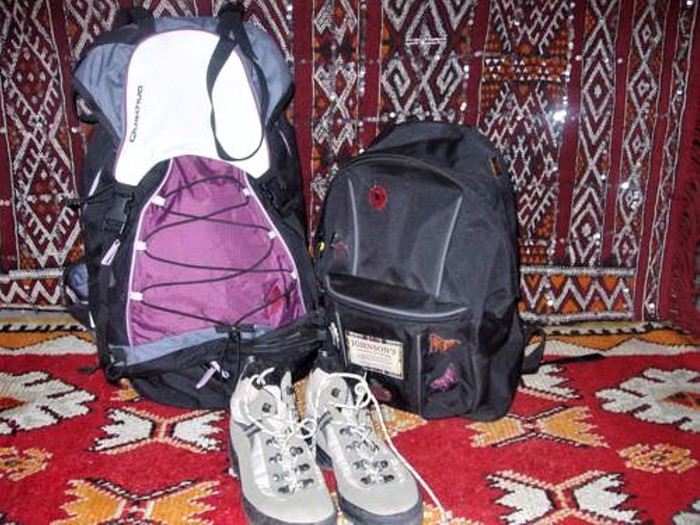
Saturday, Day 1...
When I wake up this morning, I know the desert sand will also absorb my blood...
Early departure for four days and three nights, alone, as I wished, with a young guide, Mohammed, and a younger camel driver, Abdou. We’ll be together 24/7, and we won’t see a soul until we reach the fixed campsite on the third evening.
Everything we need is loaded onto two dromedaries. And in those baskets, there are miracles—a *Prévert*-style inventory I’ll discover bit by bit, like...
a tray for glasses, a basket for bread,
a sugar loaf and small glasses for tea, but...
large glasses and sugar cubes for coffee,
spices, oranges, vegetables,
raw eggs!... That won’t break,
*La Vache qui Rit*...
And so many other unexpected wonders, so surprising in the middle of the desert...
(*La Vache qui Rit* is the desert butter. Every morning for breakfast, it was coffee with Nido powdered milk and *kesra* with *La Vache qui Rit* and Aïcha apricot jam... A delight.)
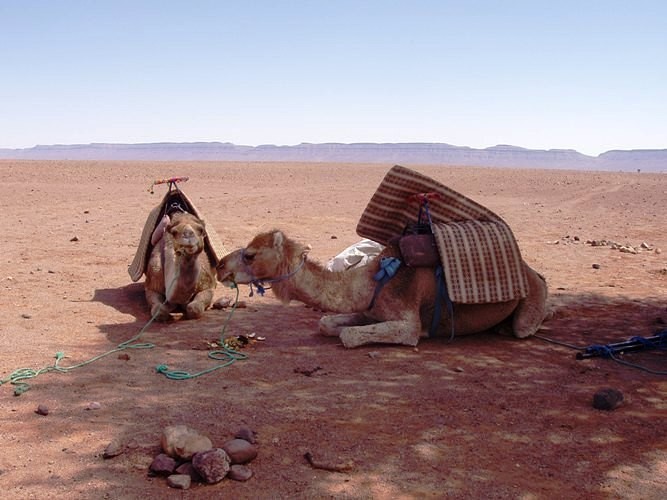
Start of the journey, and the beginning of a long, long walk...
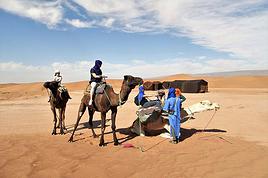
We’ll cover 80 km in three days, crossing all kinds of landscapes until the real desert of sand and dunes...
I’ll drink water from wells, eat raw vegetables, sleep on a mattress that saddles the dromedaries by day... I’ll forget all the warnings and all my hygiene references...
My body will quiet its complaints. No heat, no thirst, no fatigue, no trouble of any kind... just woken by the cold every morning around 6 AM...
I take off my watch. Like my companions, I’ll live by the sun’s rhythm...
Abdou leads the dromedaries, so he walks at their pace.
Sometimes, we’re grouped together.
Sometimes the two guides are together, and I walk behind.
Sometimes we talk.
Nothing is forced, no discomfort. It’s a simple, harmonious dance—one foot in front of the other, following your shadow as it turns with the sun...
Each step leaves behind the useless, the cumbersome, the superfluous...
Room for intimacy... Room for silence... Room for the inner self... Facing yourself...
I find seashells, and with my eyes closed, I smell the sea...
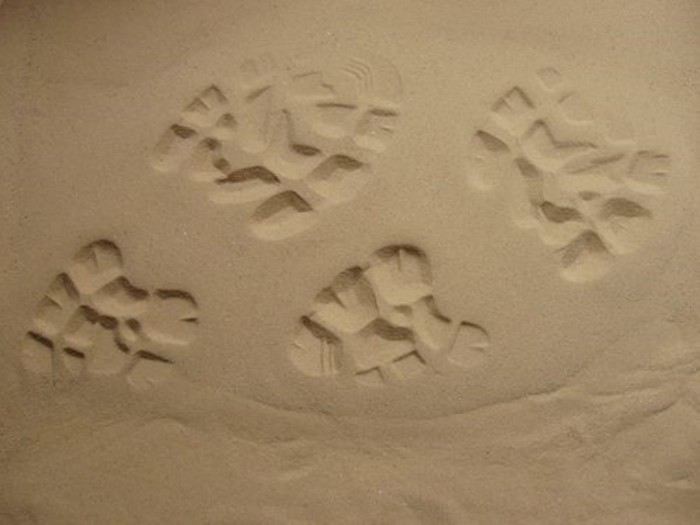
... One foot in front of the other...
I take out my camera... Capacity for a hundred shots, but it’ll be 10 photos, no more.
It freezes—no commands work, and nothing fixes it... Smile... A trip without photos, then? And the second anchor falls... I think of my MP3 player...
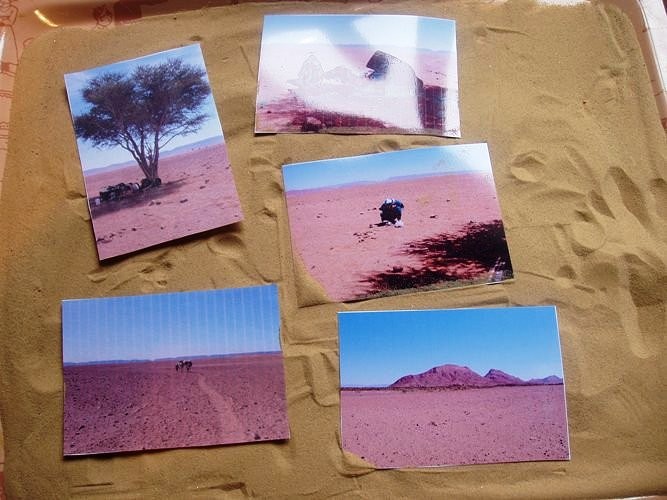
... A few photos among the ten...
Noon...
Unsaddling the dromedaries, which immediately wander off in search of food.
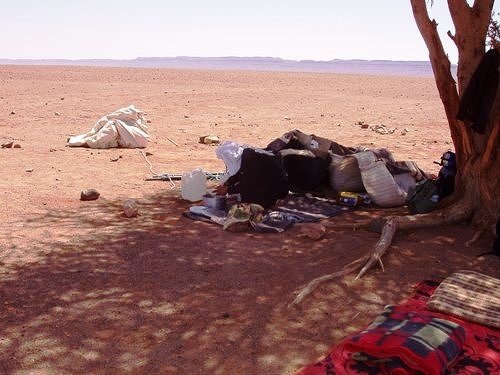
And before the meal cooked by Mohammed, the mint tea ritual, prepared by Abdou in a tiny teapot...
Thick, frothy, very sweet tea... He serves it on a tray with dates, peanuts, and raisins...
And it’ll be like this every day, noon and night...
We gradually get to know each other...
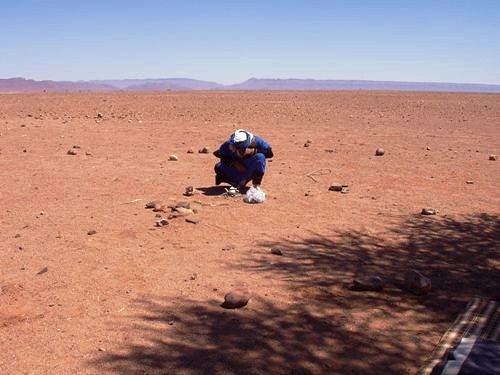
Mohammed, 25 years old... Calm, very introspective, almost ascetic, he knows the desert well and loves it... So at ease that he’ll walk in slippers or barefoot, no matter the terrain...
When I’m behind him, the advertisement on the back of his sweatshirt makes me smile... There’s a date: January 8, 2003... A little wink from life? (I have a clear memory of that day.)
Abdou, barely 20, with a round, jovial face. The mint tea master... When he hands me my glass, he says "Bismillah," and I respond in kind...
A joker and a foodie. Thrilled that I only eat vegetables, he’ll have double the meat!
... Abdou and his teapot...
... Mohammed...
Late afternoon, a well... Abdou waters the dromedaries, and Mohammed fills the canteens. The caps aren’t watertight, so he wedges a piece of plastic bag found in one of the baskets and screws it on top... Forget all hygiene warnings...
First night in a tent at the foot of Jebel Baní...

... Jebel
Sunday, Day 2...
Crossing and ascending Jebel Baní... A mineral, lunar landscape—rocks the color of burnt bread and anthracite gray.
I pick up pretty pebbles, and Mohammed finds me a fossilized stone...
Lunch in a deserted nomad oasis...
When we resume our walk, the wind picks up. A wind that only blows in April, violent, terrible—the *Sahli*... Swirls of sand and gravel. Where’s the sky, where’s the earth... everything is dust, everything is yellow and opaque...
The gusts are so strong they make us stagger. At times, we even have to crouch to avoid falling. In the acacia forest, Abdou and the dromedaries are only a few meters ahead, yet we can’t see them...
We’ll later learn that on that day, planned excursions were canceled... That a group got lost and had to be picked up by 4x4...
But Mohammed has a sense of the desert. He’s calm, he guides us... so we continue, and I trust him. He wraps a *chèche* around my head—a fragile barrier against these onslaughts...
We have to keep moving, and it’s difficult... But the desert has accepted me, so without resistance, I accept it...
And the sand gets everywhere... in my mouth, crunching between my teeth, in my eyes, ears, and nostrils... in my hair... A fine ochre layer covers my face and body, even under my clothes. I’ve become a sand woman... Communion... Fusion with the mineral. I absorb the desert’s prodigious power, just as the desert absorbs my blood...
We walked for four hours, pushed by this furious wind, before stopping for the night under an acacia...
There, we had to set up the tent, which they did with difficulty.
Then we had to weigh it down... So the utensils and the mint tea tray served as shovels to cover the edges with sand.
Then Abdou took care of the dromedaries, holding one of their front legs bent with a rope to keep them from wandering too far...
Then we brought everything into the tent and collapsed... but not for long.
Mohammed prepared kingly meals at noon and night with the wonders in the baskets: finely chopped raw vegetable salad, vegetable tagine, soup (and not from a packet!)... Even the canned sardines were garnished with thin orange slices...
After this exhausting day for all of us, I told him that bread with *La Vache qui Rit* would be enough...
He looked at me with a big smile and said his evening ritual phrase: "Now, Laurence, sit down, take your time, take your book..."
He pulled his sand-filled utensils from the miraculous basket, his stove, some vegetables, and made us couscous (and not from a box!), couscous he rolled between his hands...
Meanwhile, Abdou took out his sand-filled teapot, his sugar loaf, the peanuts, the dates...
The mint tea ritual, like every day, noon and night...
Outside, the wind keeps blowing, stirring up sand whirlwinds... So I won’t go out like the other night to brush my teeth and hair.
Just a wipe on my face to remove the dust...
Mohammed turns off the gas lamp, and I curl up in my sleeping bag.
The dromedaries have moved closer to my side of the tent, and the moonlight stretches their shadows on the canvas. They’ve settled in and make strange noises...
We fall asleep very quickly...
Monday, Day 3...
My two companions are still asleep when the cold wakes me at 6 AM, like every morning...
Everything seems so calm—the wind has stopped... I untie the tent door and...
A pure blue sky, gradually tinted with pink and flaming orange. The sun rises before my dazzled eyes.
A day of light begins: no trace of yesterday’s storm, except sand... everywhere.
So, breakfast with sand... Then we shake out everything that can be shaken, sending clouds of dust flying...
Then Abdou gives the dromedaries back their fourth leg, and we continue the journey.
After the expanses of stones and shrubs on the first day, the rocky ridges of Jebel Baní, and the acacia forest on the second day, the landscape changes, softens...
We arrive in the desert as you imagine it, as you dream it, as you’ve seen in thousands of photos: endless golden dunes, in harmonious hollows and curves...
The desert of sand... vast, fascinating...
Last meal for the three of us... Tonight, we’ll arrive at the fixed campsite, and we won’t be alone anymore.
The break stretches on...
So, a little apart on the smooth sand, I write a few words... an obvious truth... entrusting a secret to the desert. In a small box, I’ll bring back some of this magical sand...
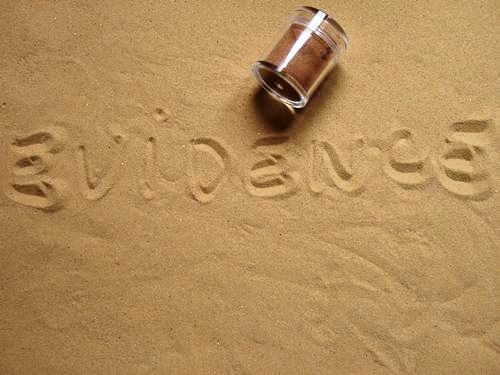
.. A secret in the desert...
Abdou grabs my notebook and draws the dunes. Mohammed draws Abdou and his dromedaries...
I learn to do dishes with the contents of a single glass of water...
A tiny bird lands on my bag... A bird!... in the middle of nowhere!...
The dromedaries seem to relish the acacia branches, thorns and all...
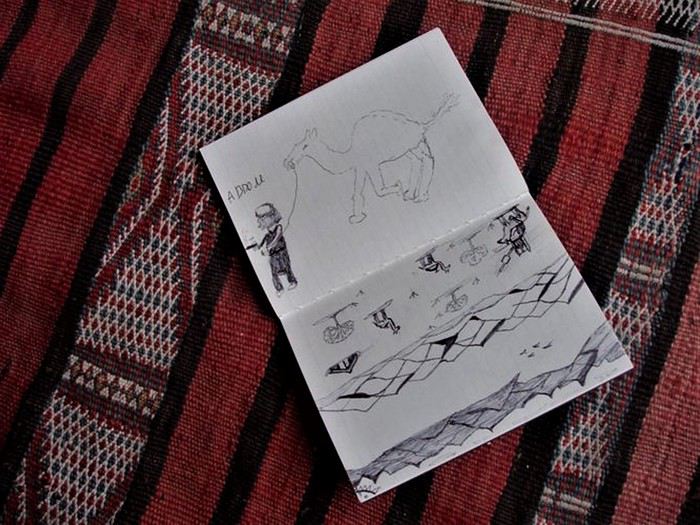
Desert drawings
We set off again... The dunes are higher... Easy to climb, the desert has sensual, feminine curves. A giant’s hand would fit its reliefs like a caress on a soft, supple body...
The setting sun gives the landscape colors of amber and spices, cinnamon reflections...
The sand offers me pink pebbles and pieces of white quartz that sparkle... I also find a black stone... Mystery...
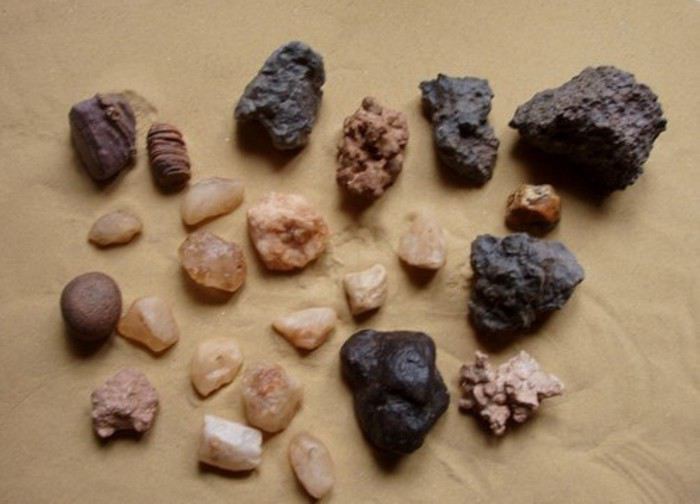
Pink pebbles, fossilized pebbles, sparkling pebbles, and a black stone
Late afternoon, arrival at the fixed campsite at the foot of Erg Lihoudi...
The guardian, Lahcen, a whirlwind of chatter and energy, welcomes us with mint tea.
He quickly pegs me: "You do yoga, right?"
He tells lots of anecdotes about his "clients," ending every sentence with: "No problem! *Machi mouchkil*... *Machi mouchkil*, no problem!"
Around the tents, dozens... hundreds of big black beetles swarm on the sand... As I shudder, Lahcen gently picks one up and wants to put it on my hand: "*Machi mouchkil*! It doesn’t sting!"... I hold out a hesitant palm...
Despite Lahcen’s infectious enthusiasm, I don’t like this last evening.
Two groups arrived by 4x4 to spend a night in the desert...
Noise of engines, cameras, voices, and exclamations... An intrusion into my bubble... I keep my distance...
They’ll leave very early the next morning...
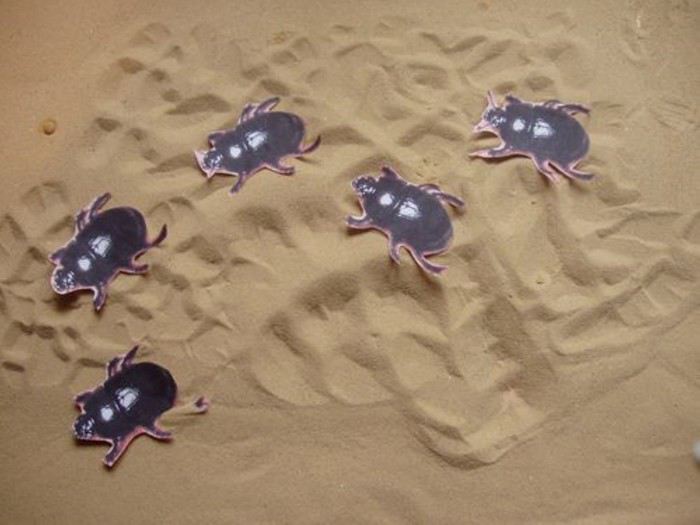
Memory of beetles
Tuesday, Day 4...
Standing still on a sand dune, I see both the full moon and the sun in the same sky...
A luminous face-off. Magical, overwhelming...
Then the moon paled, and the sun blazed brighter. It wasn’t quite night anymore, but day wasn’t far off...
The Sacred, Mystical universe unfolded before me... A moment of grace that made my heart beat a little faster...
Something indescribable gradually filled me, with infinite gentleness, to the depths of my soul...
Facing this unlikely encounter, hesitations, reluctance, and fears seem so trivial...
What are we if not fragments of this universe where everything is united... everything is connected...
Then comes the intention of a new message: "I’d love to put a face to..."
But in this exchange scattered with misunderstandings, could you receive the intention without interpreting it?...
I stayed a long time on that dune, under the spell...
Standing, barefoot and rooted... heart open... Receptive... in Unity between the infinitely small grain of sand and the infinitely vast universe...
I hadn’t come to seek anything, yet the generous Earth offered its energy, its subtle strength to every cell of my body, and filled my soul with light...
In exchange for this blood spilled on the sand over these four days?...
Give to Receive... Receive and Give... like a signed pact.
What exiled me from my life, disrupting all my bearings, drew me here...
A necessary passage through space, withdrawal, and silence... for another birth?...
The real desert after the symbolic desert...
Pausing for a moment, as if at a crossroads. Connecting before continuing...
If this path leads to the essential, then this path has a heart and will continue...
At the foot of the dune on the way down, I found a little Fatima’s hand made of beads.
A gift from the desert...
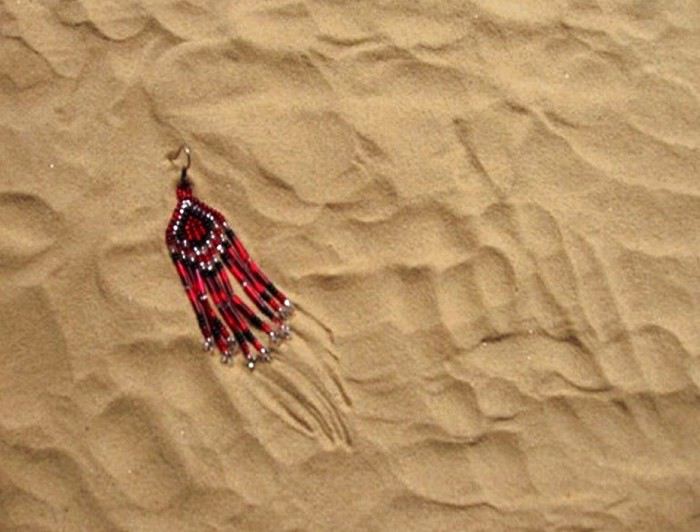
Gift from the desert, good luck charm?
Mohammed and Abdou leave Erg Lihoudi with other people—our shared adventure ends here...
Emotion... looks and gestures speak louder than any words...
Thank you, from the bottom of my heart...
Return to Zagora in a rickety, bumpy 4x4...
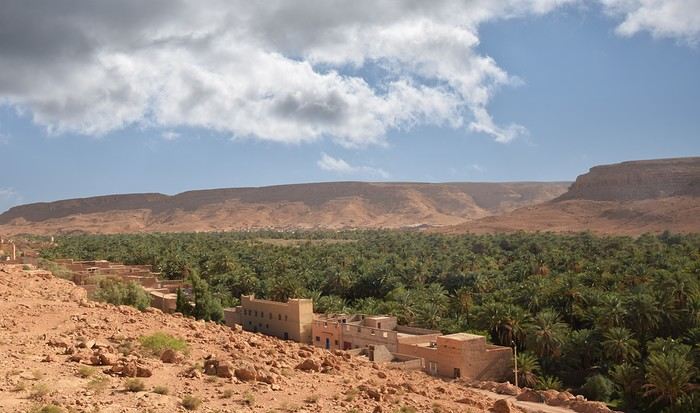
After the track, we cross a vast palm grove... Shimmering colors, lush vegetation, palm trees growing in wheat fields... Tender green of the ears, faded green of the fronds, all shades of green contrast with the ochre and pink stone walls...
My eyes rediscover green...
My eyes rediscover colors...
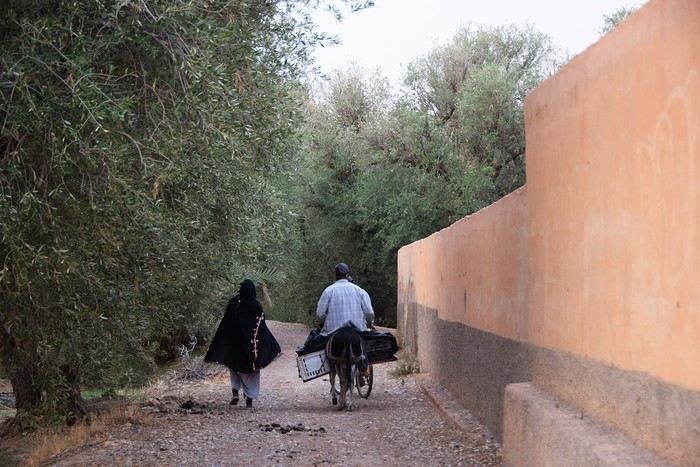
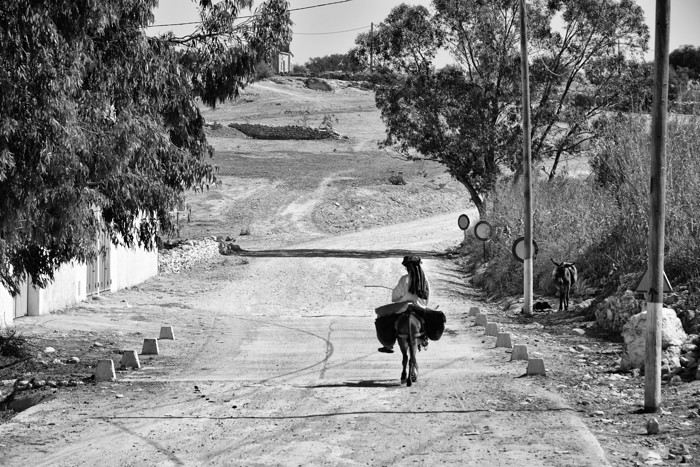
On a narrow path, the 4x4 finds itself facing a donkey carrying three children on its back... Impossible to pass. Who will back up?...
Well, roaring progress bowed to four-legged tradition: in a cloud of dust, the 4x4 reversed for several hundred meters... The donkey passed calmly... On its back, the three children waved their hands...
Noon, arrival at *La Fibule du Draa*...
Smiling welcome from Lahcen. He offers me a shower—I refuse... Even if he seems a little surprised, he has the delicacy not to show it too much...
Strangely, I don’t feel dirty. Yet my clothes are the same, and my body hasn’t seen a drop of water since the day I left...
But I want to keep the warmth and the smell of sand on my skin... reconnecting with forgotten, instinctive, animal sensations...
So, I transfer my meticulousness and civilized conditioning to my bag... I take everything out, empty it, shake it... hunting down the smallest grain of sand... Futile effort! (I still find some today...)
The afternoon stretches lazily by the pool... I contemplate my pebbles and make a lovely encounter...
The Zagora-Marrakech bus leaves at 7 PM...
It’s the night of the full moon, and as soon as night falls, the sky fills with stars...
Points of light without beginning, without duration, without end... Tiny lights so distant and so close...
Wanting to share this moment... And with whom else? If you look up, you’re the only one seeing the same sky as me. So, the intention of another message.
But in this fragile, stumbling exchange... marked by misunderstandings... could you receive the intention without interpreting it?
The trip is shorter than on the way there, but barely more comfortable. A speaker right above my seat blares music and incantations the whole way...
Halfway through, the same unusual stop in a village lit up and bustling as if it were daytime (Taddart, I think...).
Along the main street, the ground is checkered black and white. Butcher stalls display entire beef carcasses... Smells of smoke and grilling... People are busy... Others, seated, are eating... in the middle of the night.
Arrival in Marrakech at 2 AM. Taxi strike, no room until tonight... Uh-oh!
My backpack draws attention: a car stops and offers to take me for 80 DH...
Trust...
Five minutes later, I push open the door of *Le Toulousain*... The guard offers to let me finish the night on one of the lobby benches. I unfold my sleeping bag and slip into the desert’s scent...
No sleep. But with my eyes closed, I see the stars... You came to pick up my bulky envelope.
Wednesday...
Difficult early morning...
Now, I feel dirty, my clothes bother me, my shoes hurt...
Craving a long hot shower, wanting to find my body, wash my hair, put on cream, do my nails, and...
It’ll be a long shower... cold! The hotel is charming but a bit run-down.
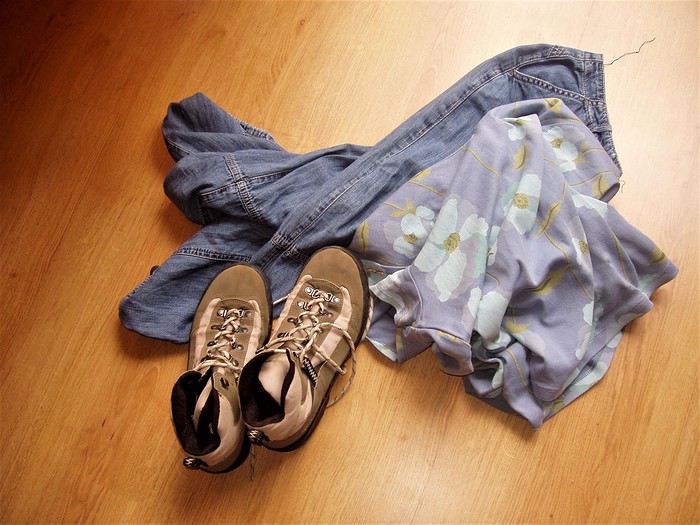
Clothes from 4 days...
Afternoon on foot in the quiet Hivernage district, searching for a childhood memory that may have changed names: the *Holiday Inn* hotel... I didn’t find it, or didn’t recognize it.
Long stroll in the Menara Gardens, and return to the hotel at sunset...
Thursday...
Last day...
Wanting to see the Marrakech Museum because the founder was a friend of my father’s...
So, the familiar route: the McDonald’s, the square with the fountain, Avenue Hassan II, Bab Doukkala... but this time, I pass through the ramparts, and in the old city—sensual, charming, enchanting—I get lost, found, and lost again...
I tracked down the museum and the Ben Youssef Madrasa at the end of a maze of alleys...
Followed scents of mint, olives, honey, and cinnamon...
Savored, moved, the same donuts as in my childhood—golden fried dough rings with a hole in the middle, tied together with a blade of grass... (I don’t remember the name...)
I filled my eyes with pretty things and exchanged smiles...
Received, just like that... A gift... a ring for my little finger...
Someone called out to me: "Hey, gazelle," and it made me happy...
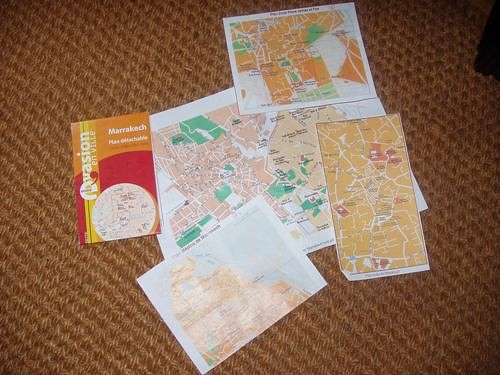
.. Still lost!...
Afternoon in the sun in the Koutoubia Gardens. I finish my book—sand falls from between the pages...
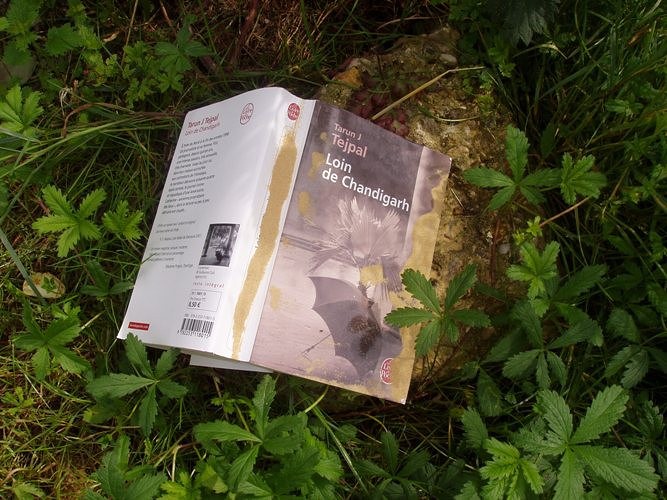
.. Started on the plane... read in the desert... finished in Marrakech...
Melancholy of the last evening... So, on the way back to the hotel, I buy *kesra* and *La Vache qui Rit*...
Long, long sleepless night...
Flight in a few hours...
Happy to see the ones I love again, too.
Thoughts, emotions, sensations, images... Questions...
One question... So, more than reason, going over and over the question...
What there is to live, it’ll have to be lived...
The desert, a solitary path... like all paths that lead to the essential...
3:30 AM, your message, read by the metallic voice of a voicemail.
And you, facing physical failure, past mistakes, fear...
A solitary path. Also. Like all paths that lead to the essential...
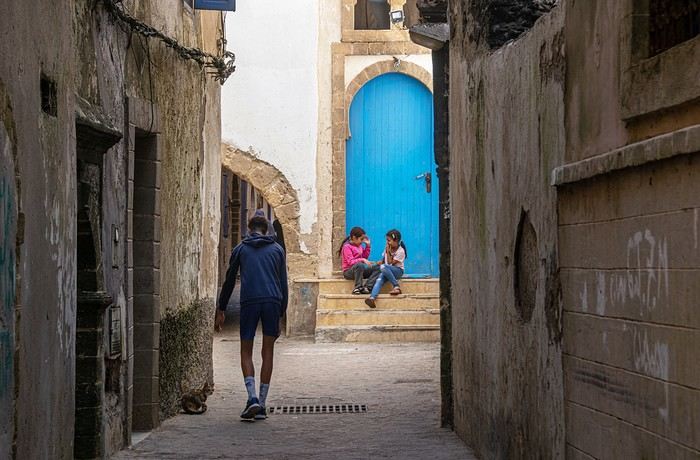
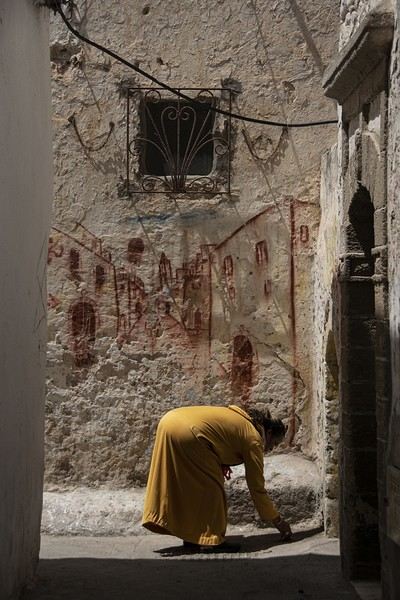
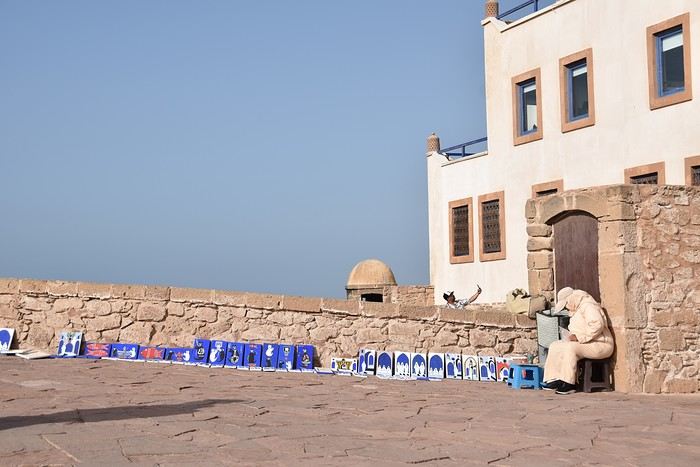

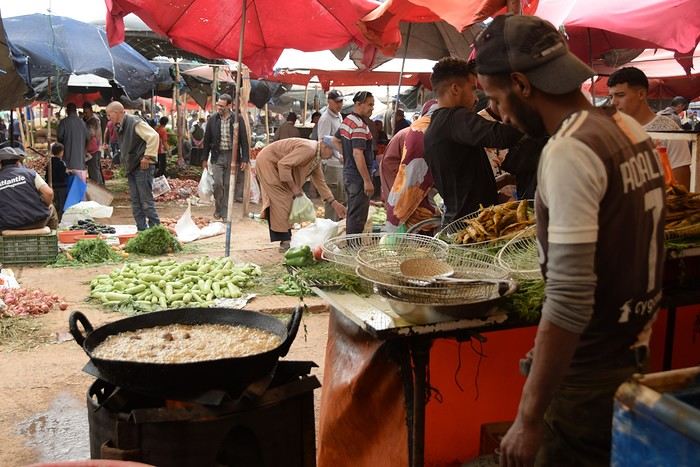
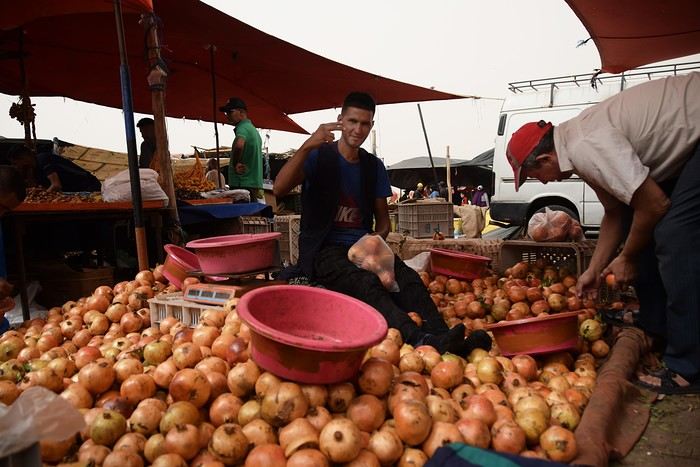
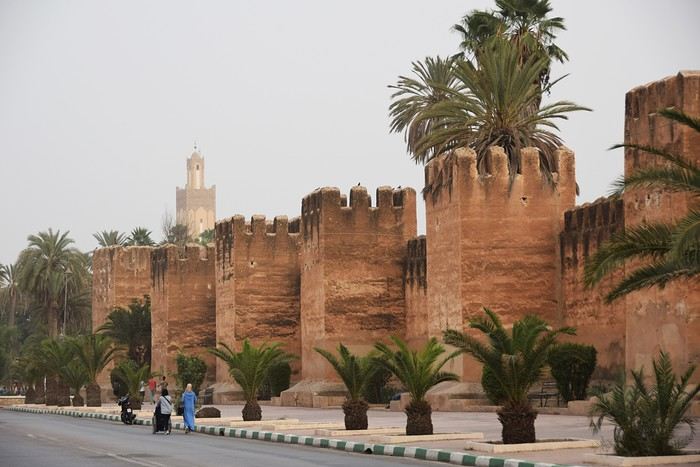
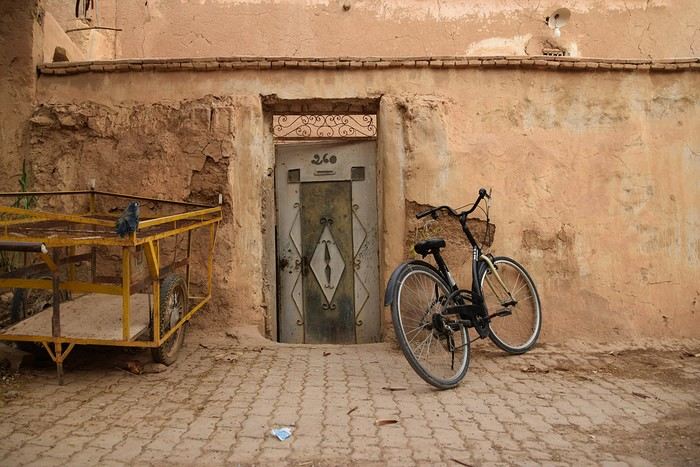
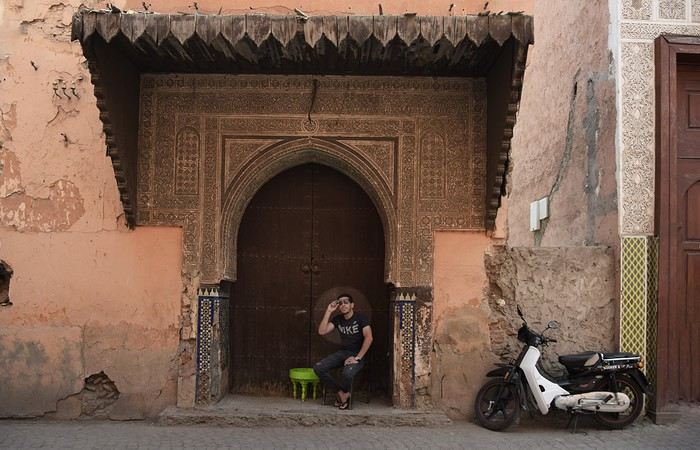
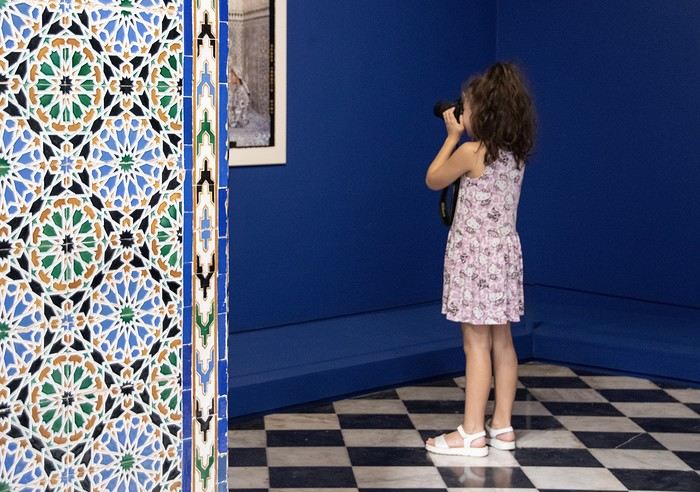
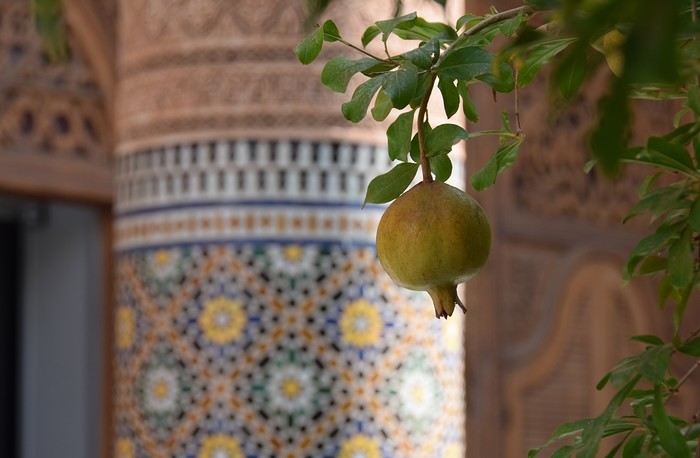
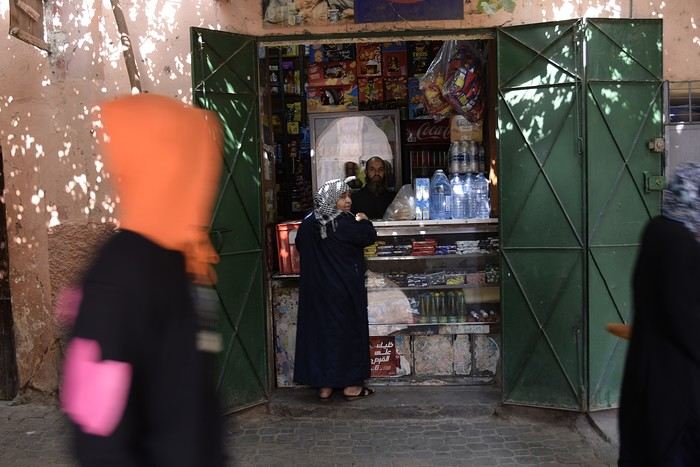
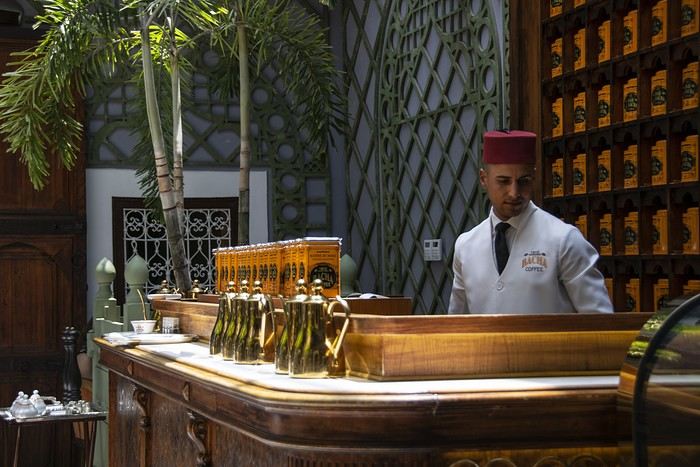
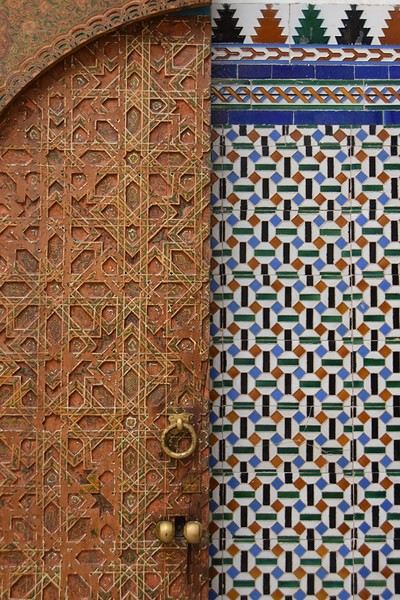
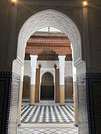
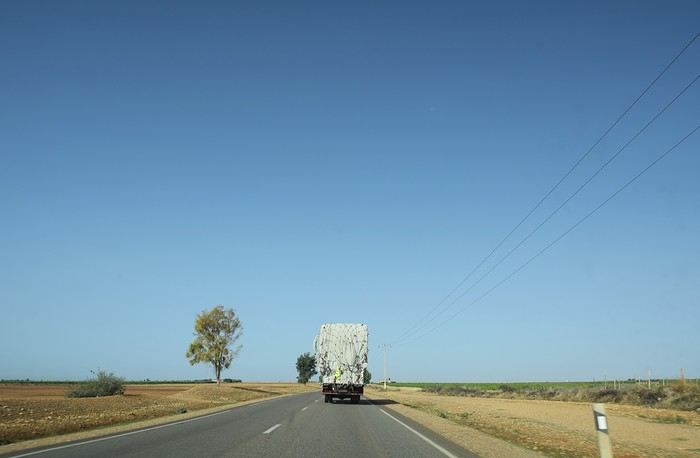
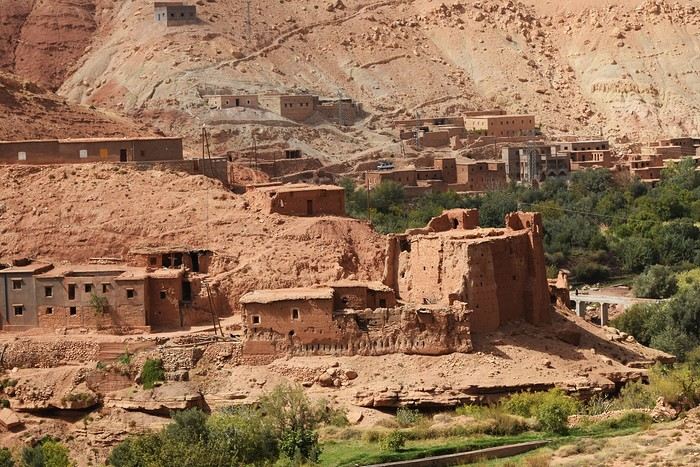
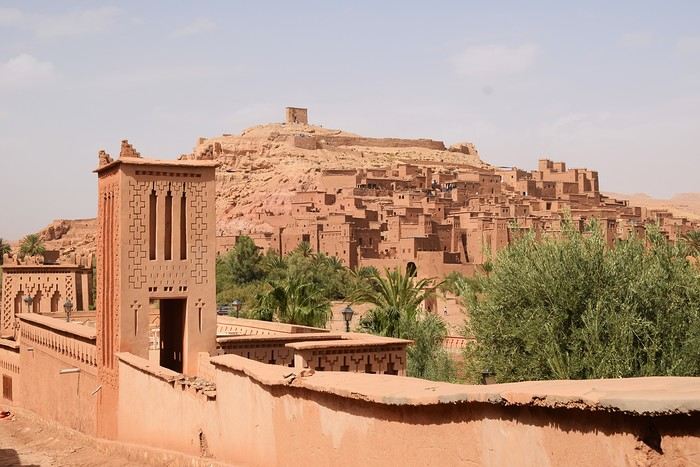
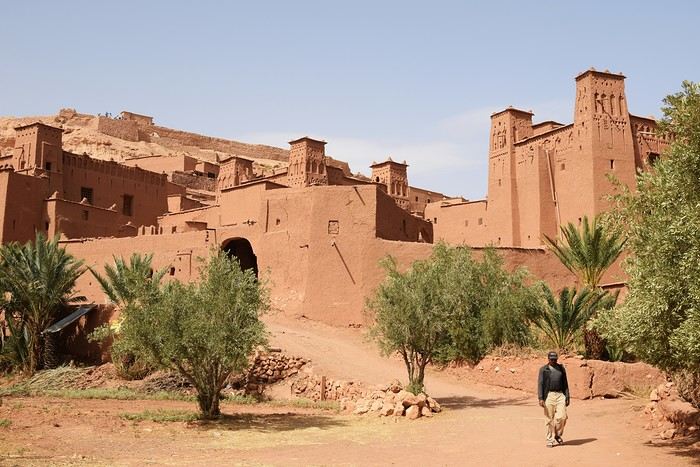
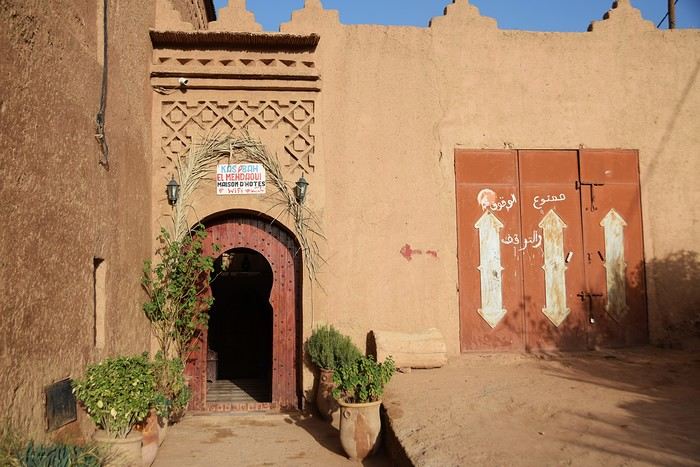
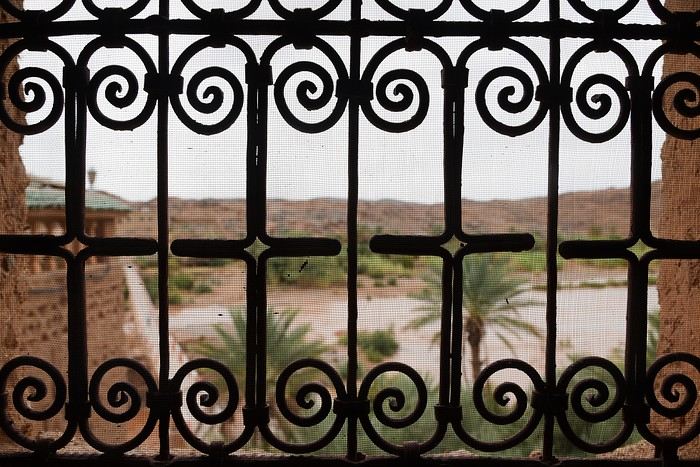
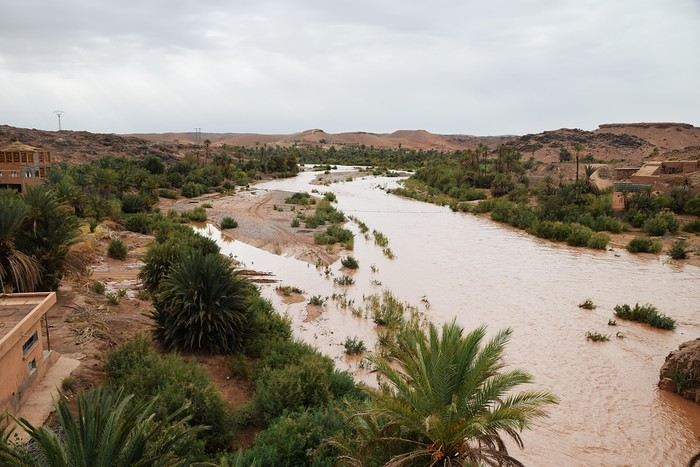
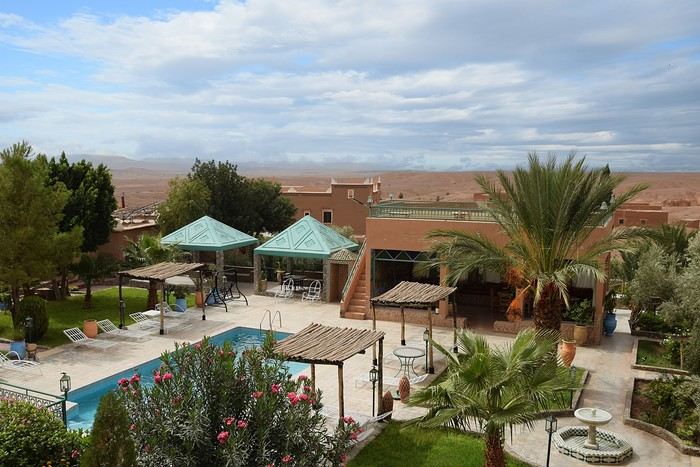
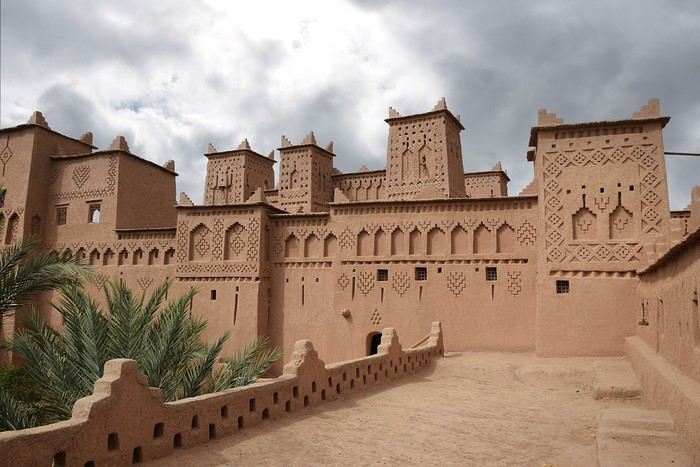
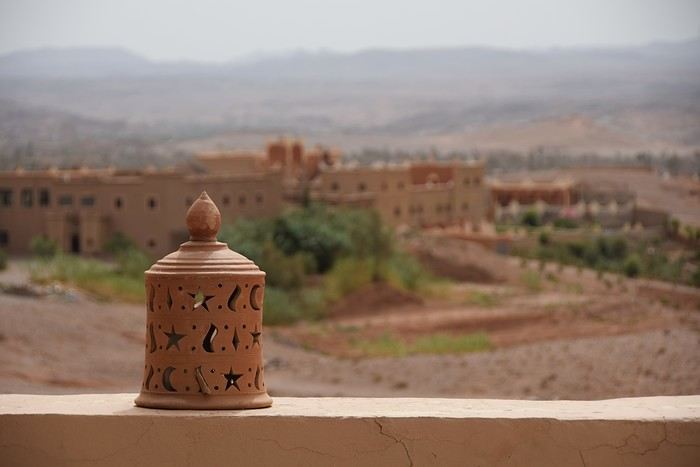
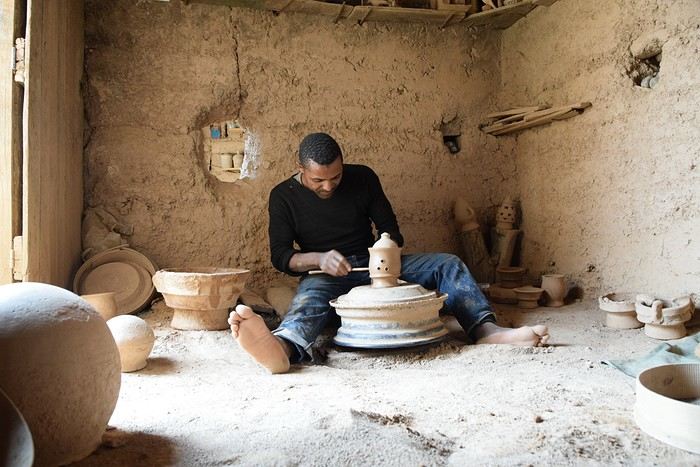
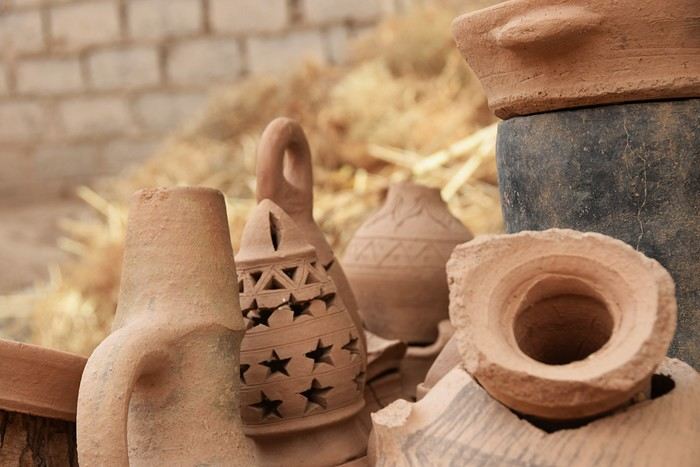
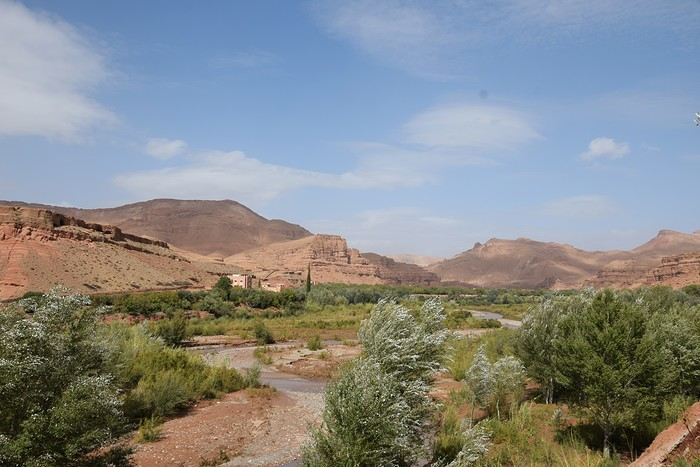
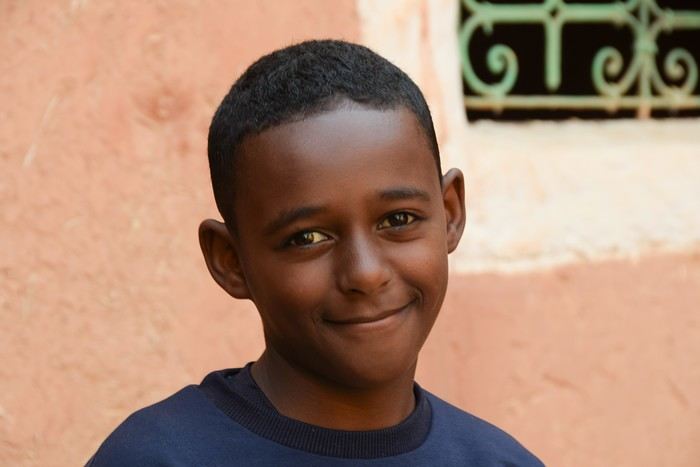
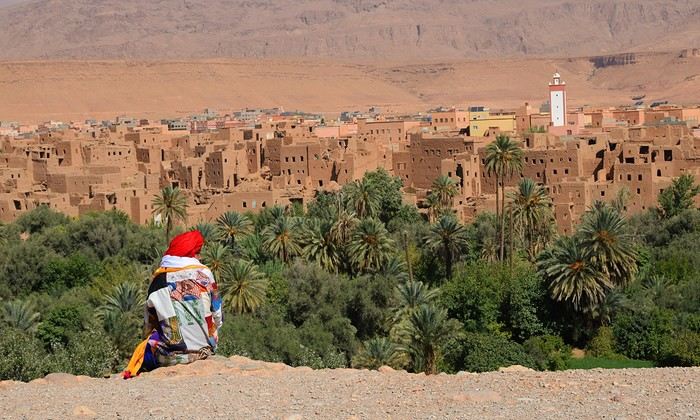
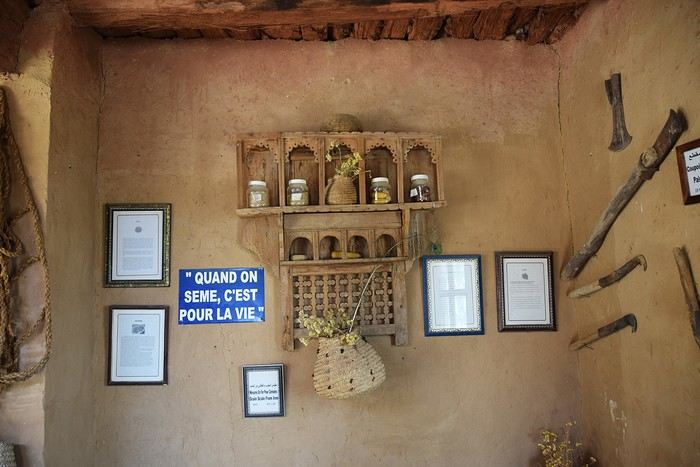
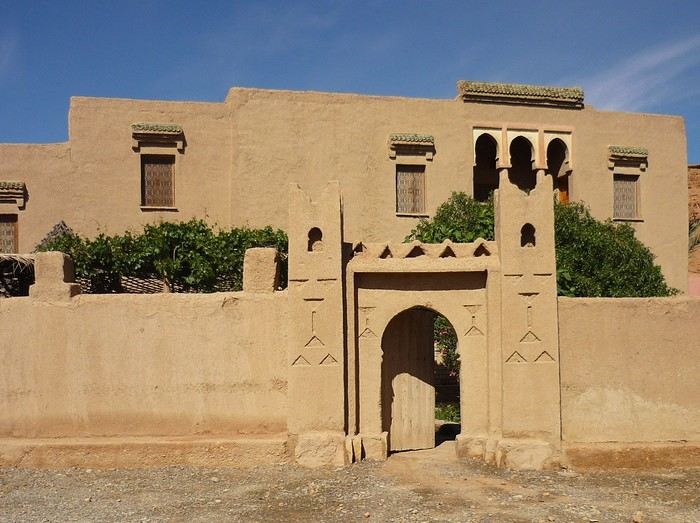
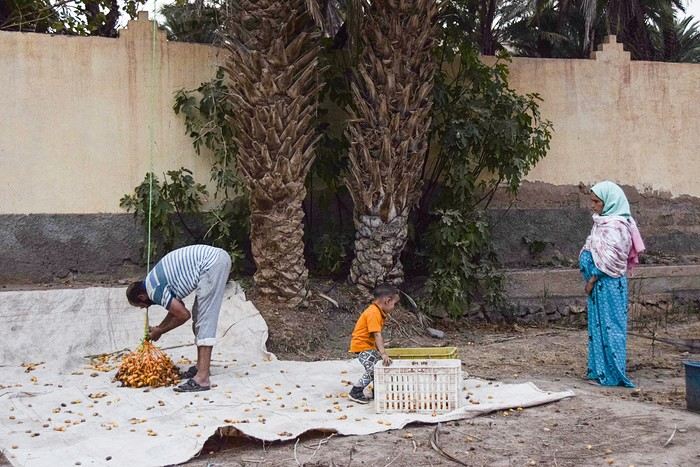
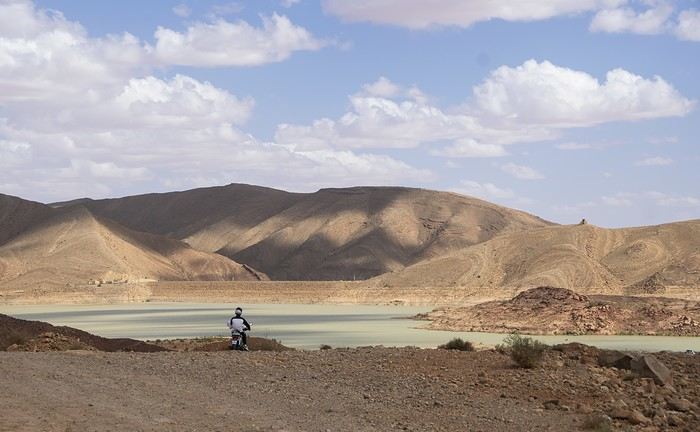
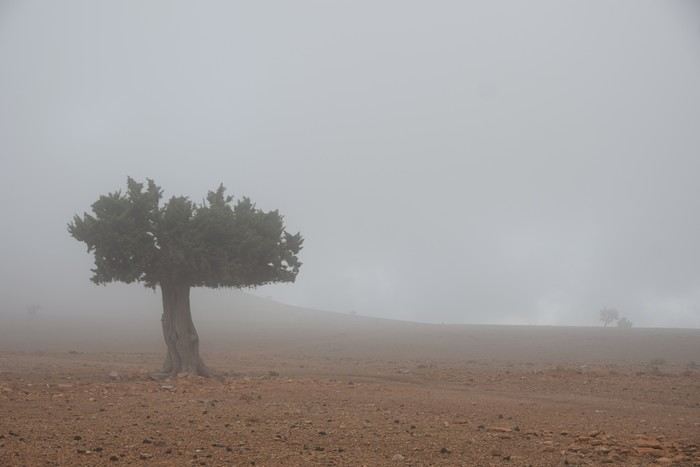
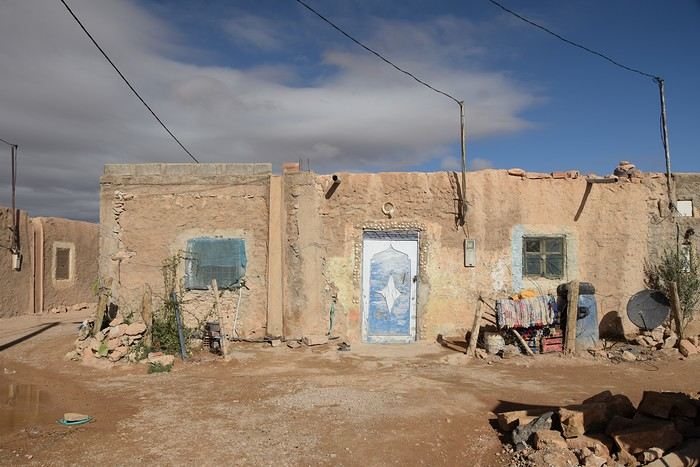
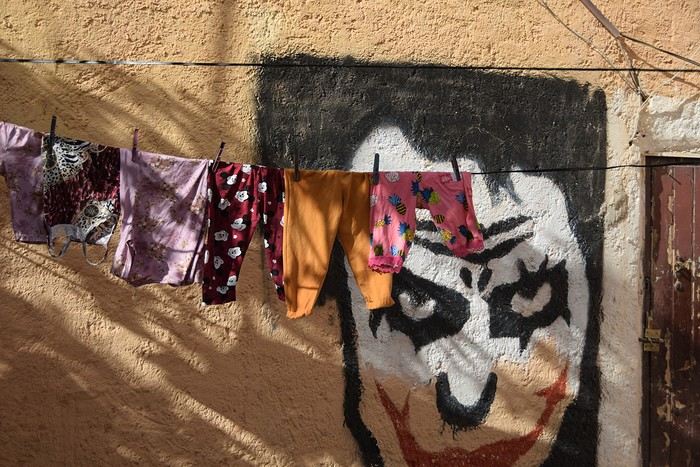
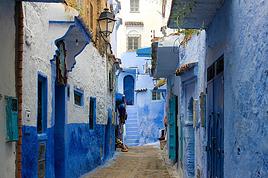
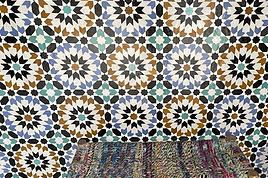
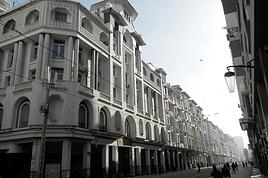
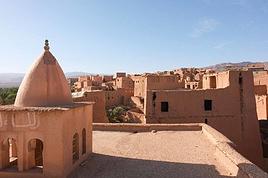
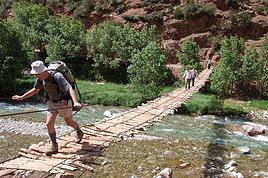
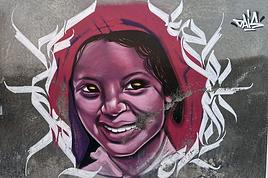
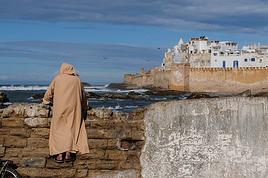



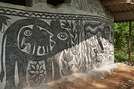
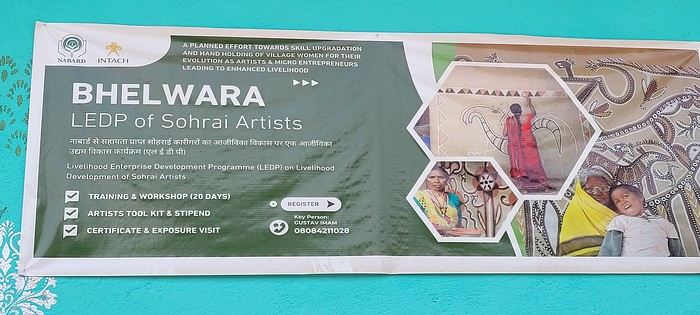
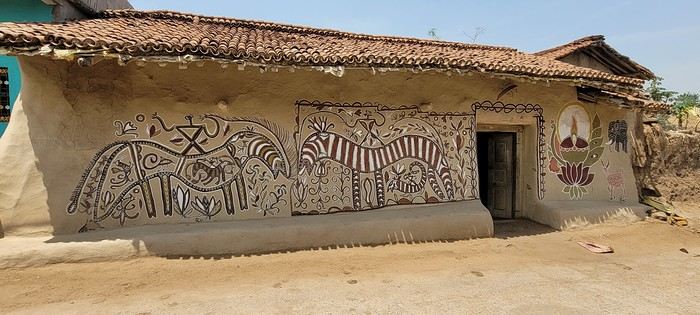
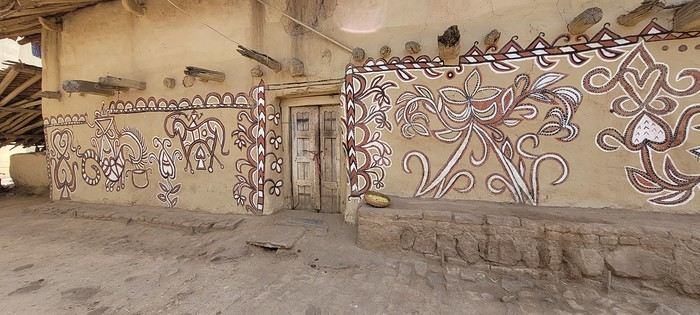
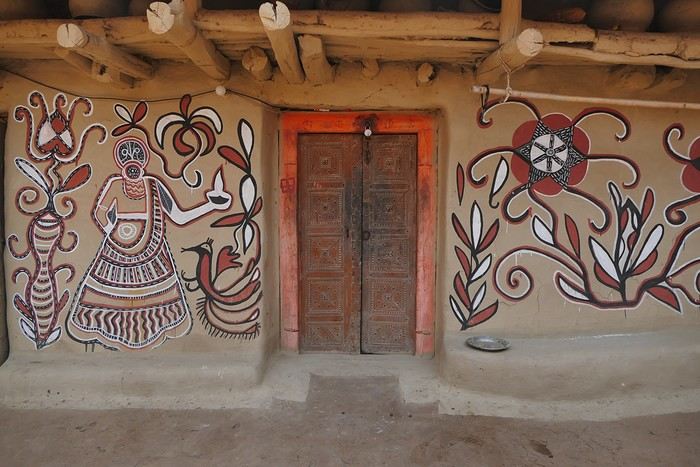
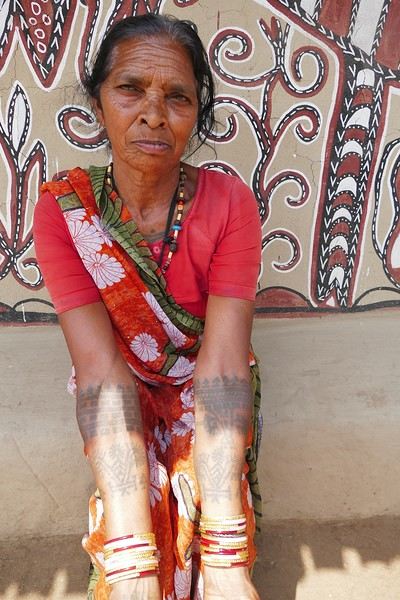
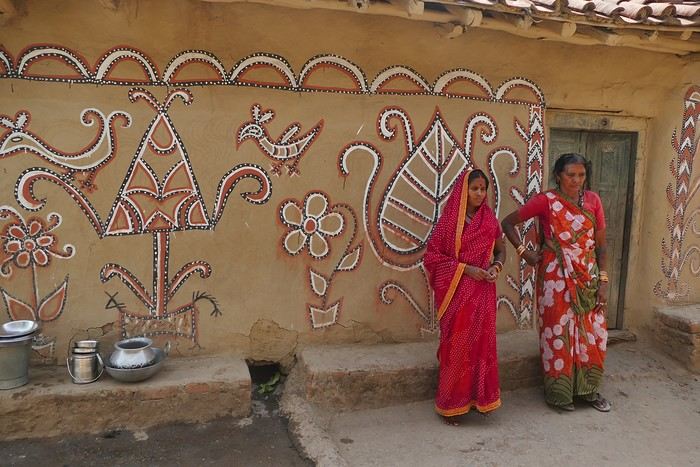
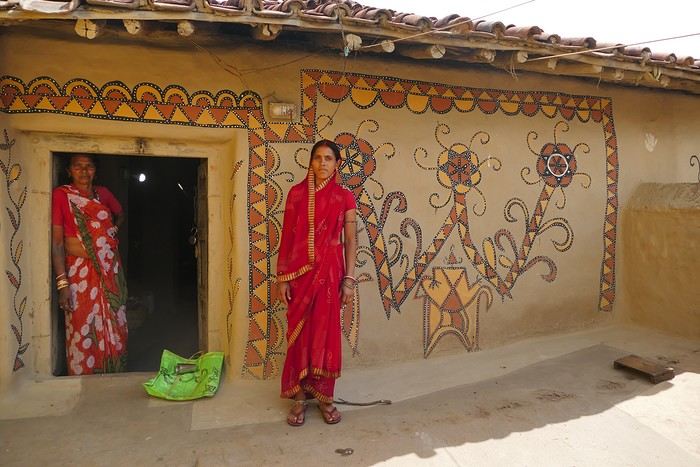
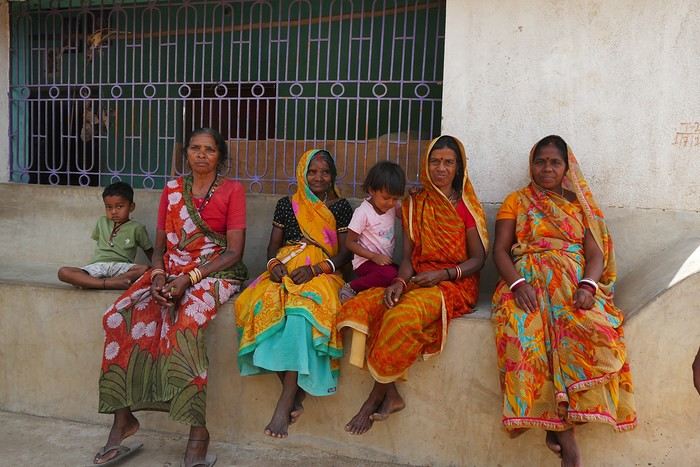
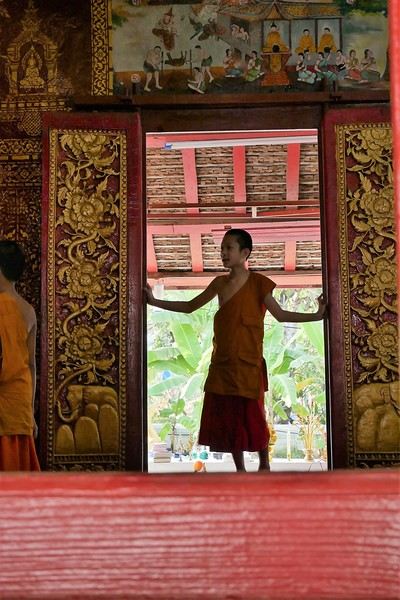
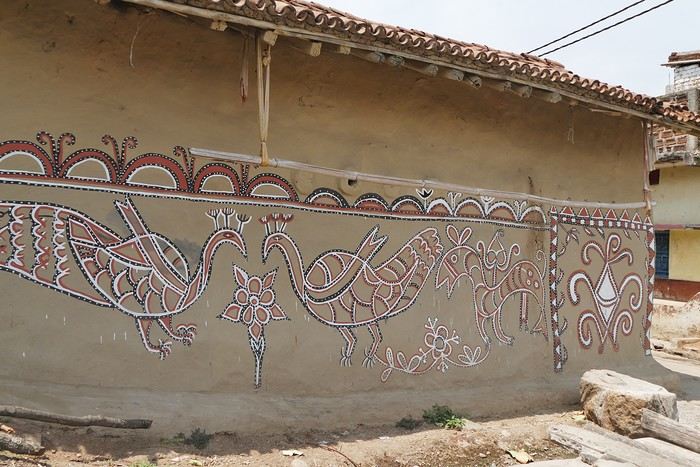 On some paintings, the scenes become almost narrative: you can make out figures, everyday gestures, like a memory of the village inscribed in the walls. The decorative frames around the doors aren’t left to chance either—they symbolically protect the house, like a boundary between the inside and the outside world.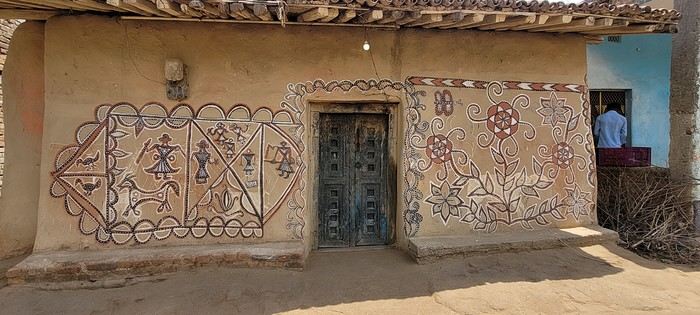
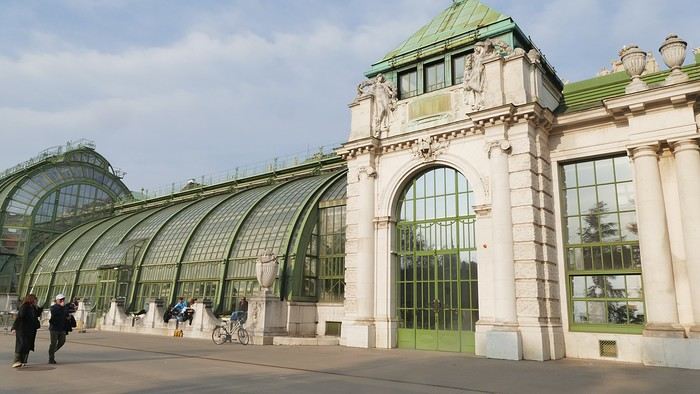
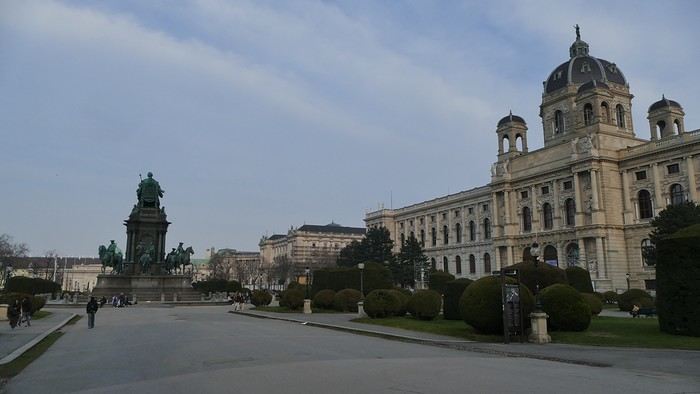
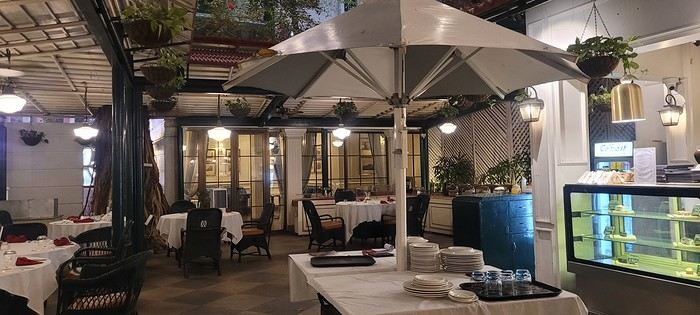
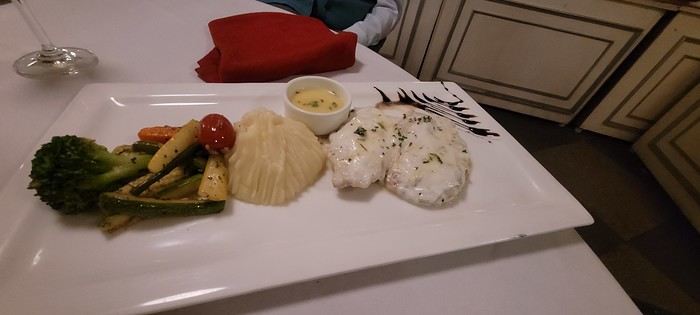

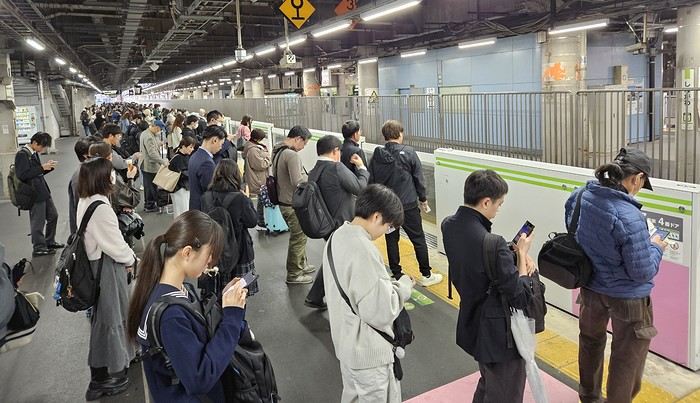
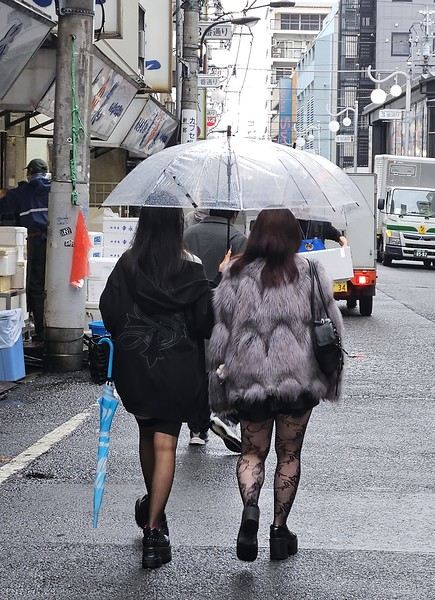
 It was 15°C, but it rained—and kept raining on and off all day. Belgian weather, basically.
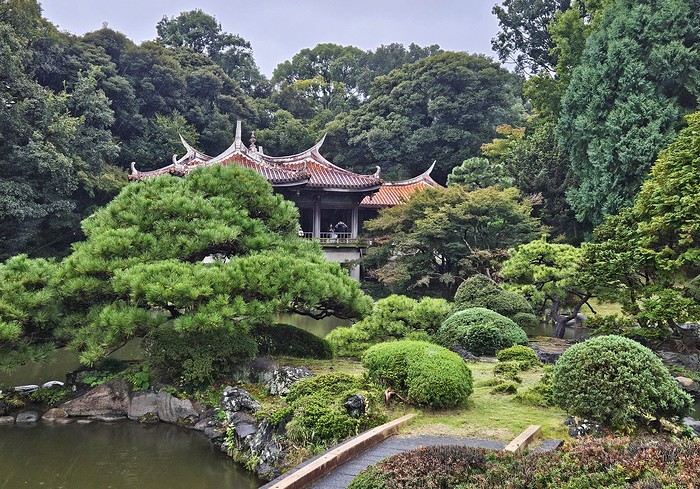
We went for a walk in Shinjuku Gyoen Park. Not as pretty in the rain, but the big greenhouse was interesting.
It was 15°C, but it rained—and kept raining on and off all day. Belgian weather, basically.
We went for a walk in Shinjuku Gyoen Park. Not as pretty in the rain, but the big greenhouse was interesting.
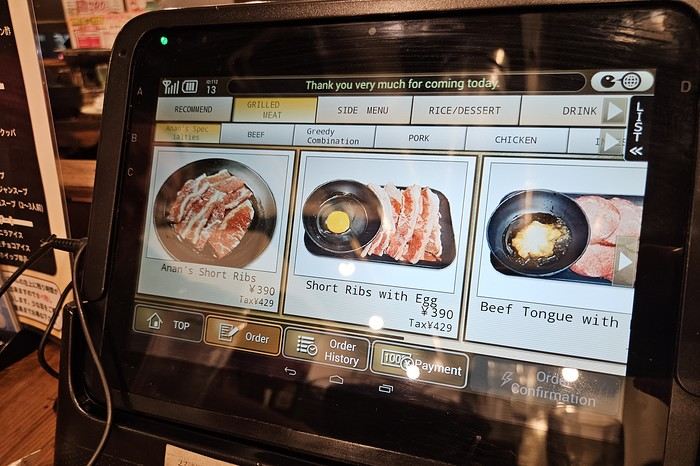
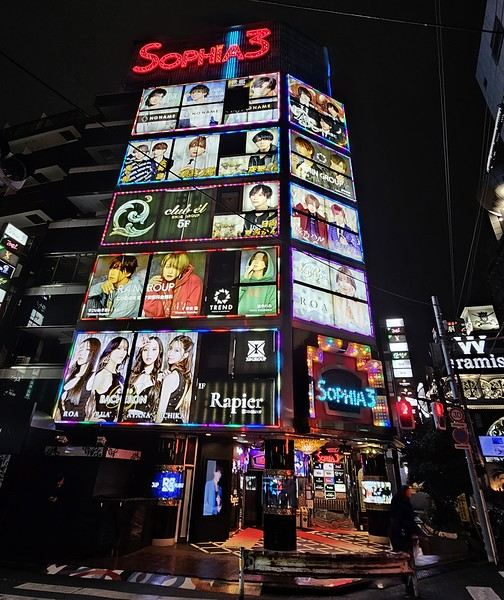
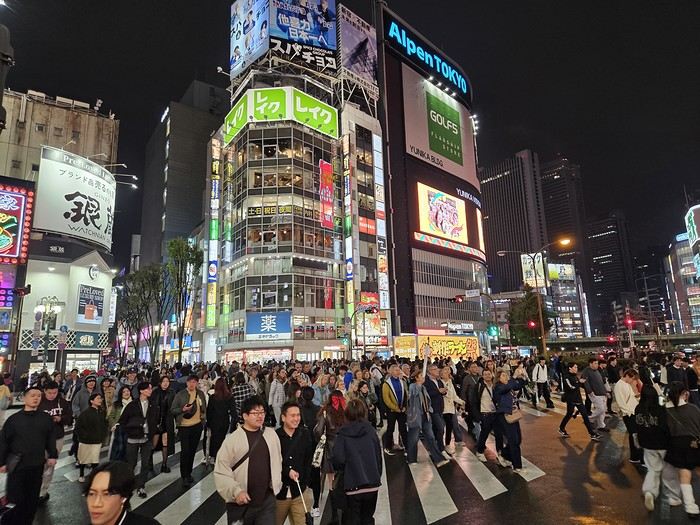

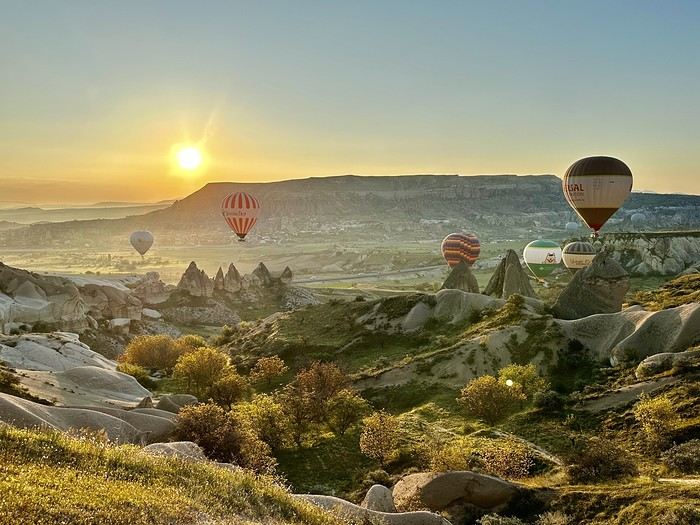 A little sneak peek?

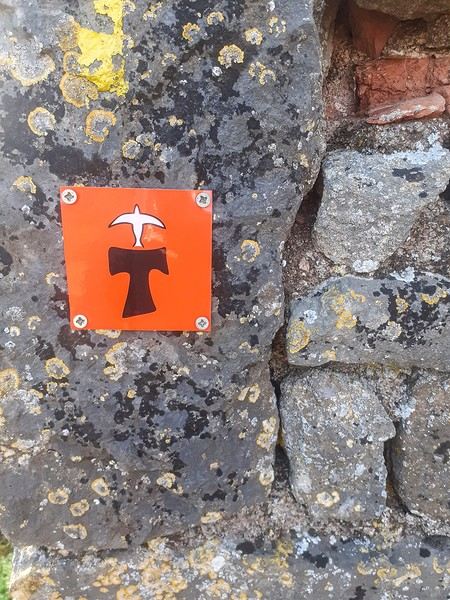
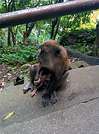
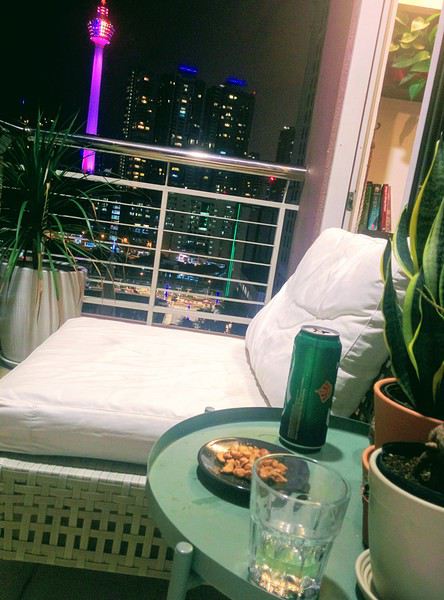
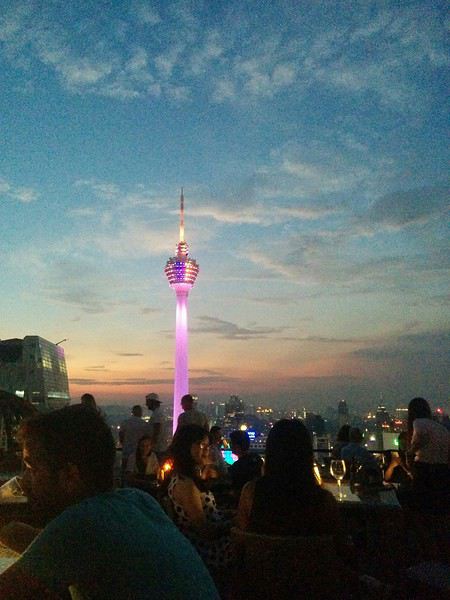
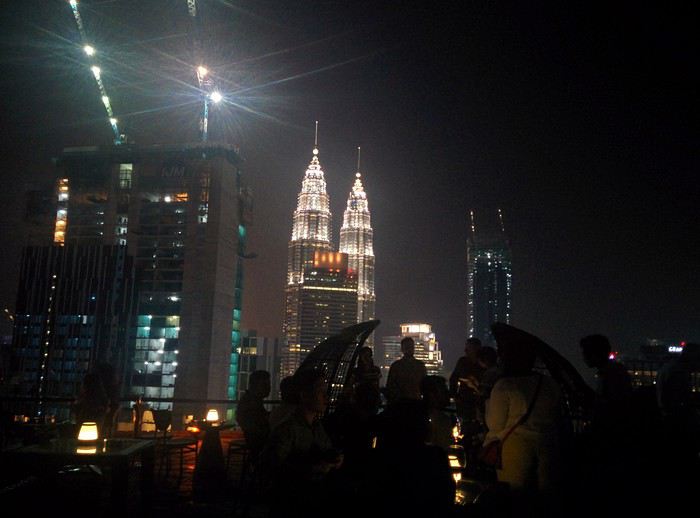
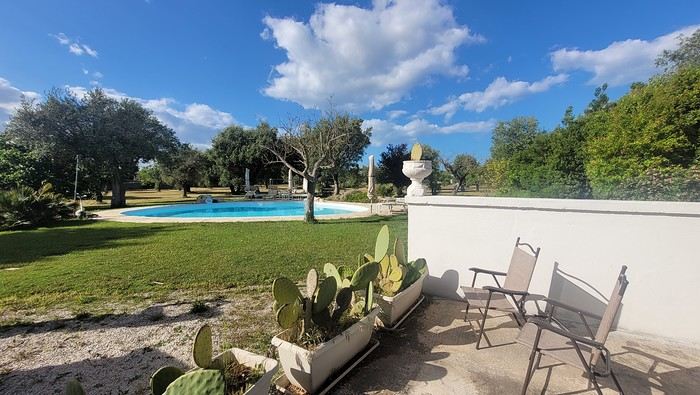
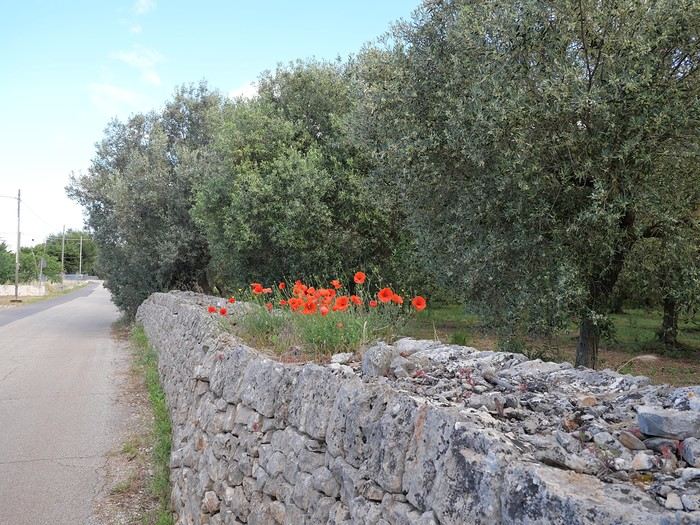
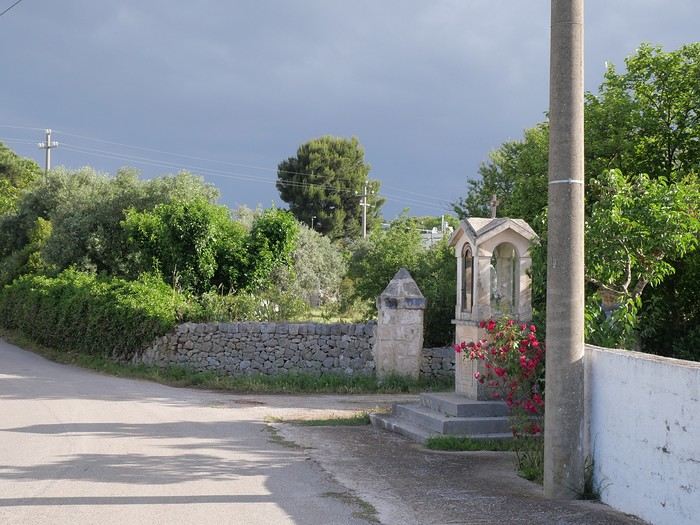
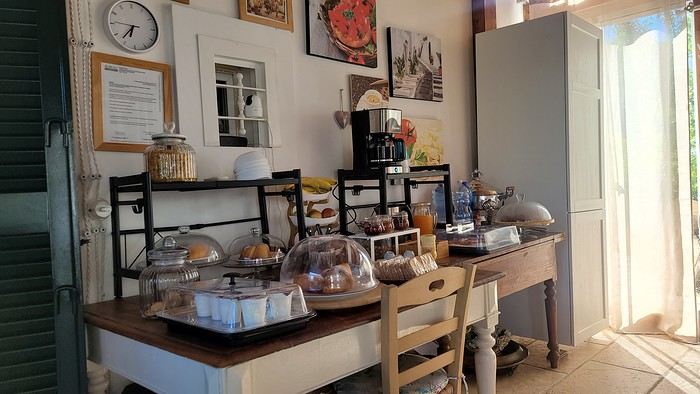
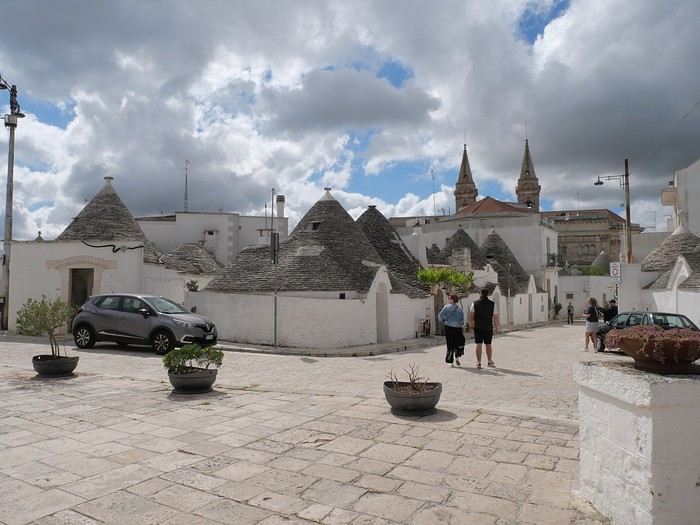
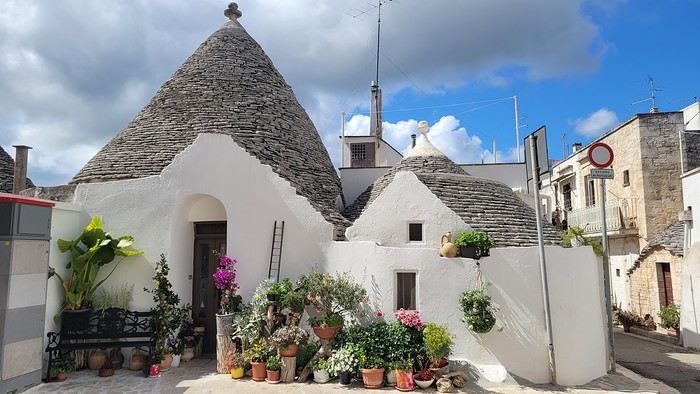
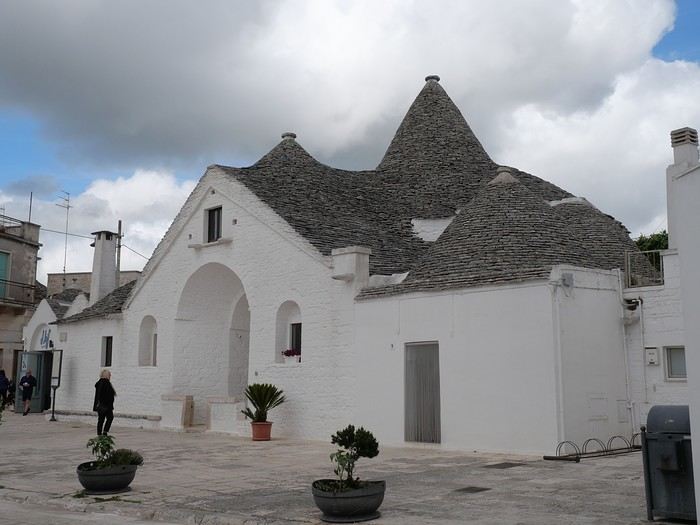
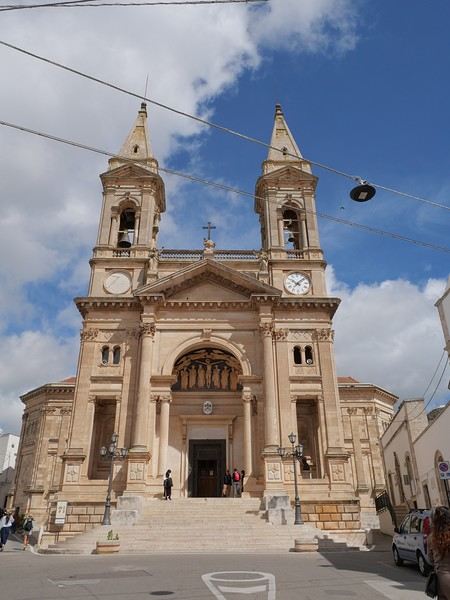
 Come along, I'm taking you to this country where it's so nice to wander and slow down...
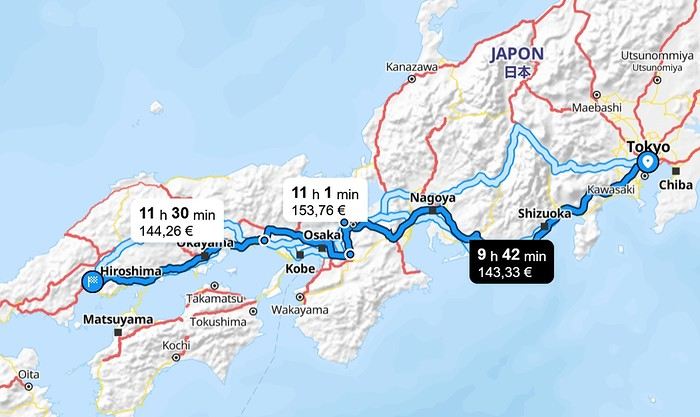
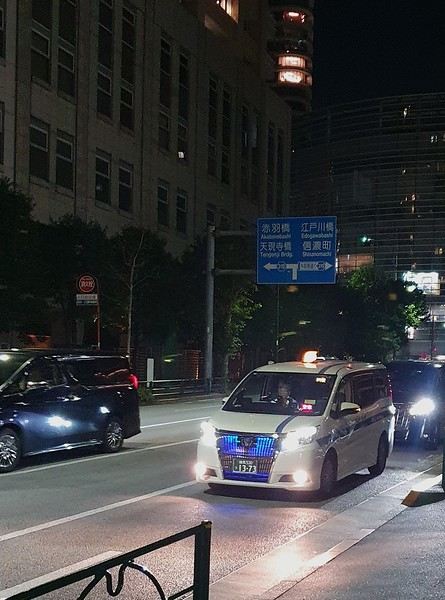
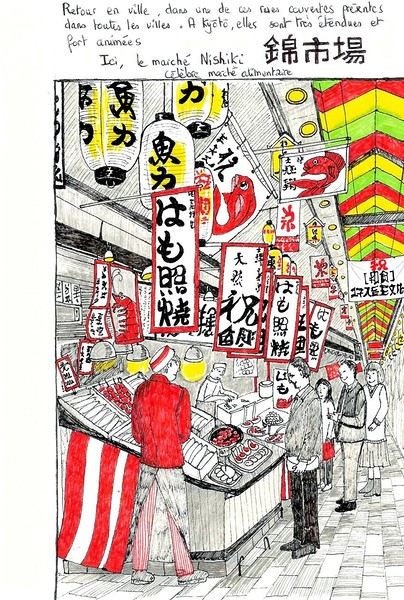
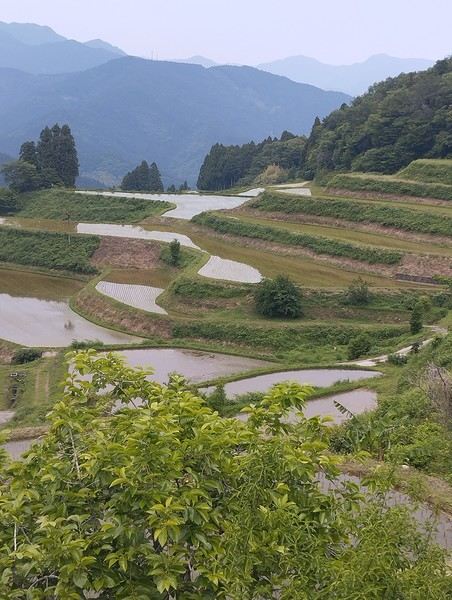
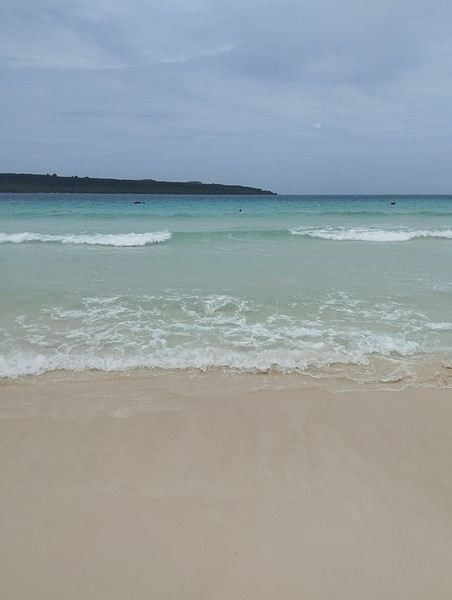
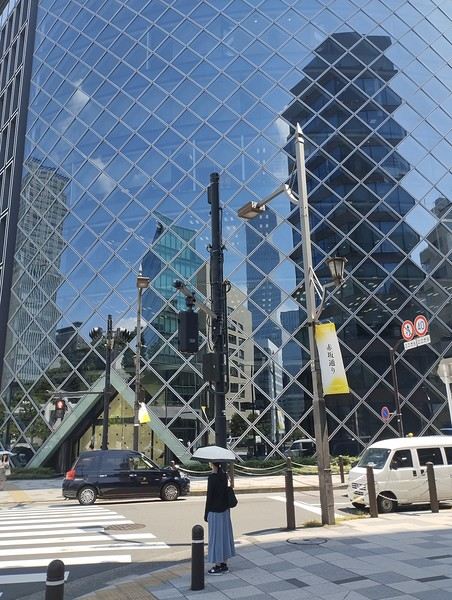
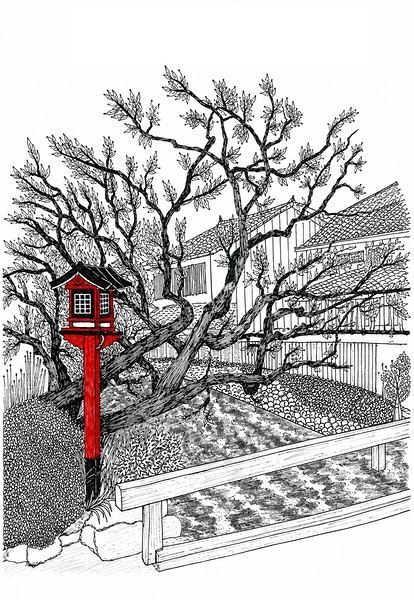 I’m inviting you on a stroll through my drawings—a completely subjective, far from exhaustive, and totally personal take, since it’s based on my own sketches. I put this travel journal together after returning in late 2024, mostly using felt-tip pens and pencils, with a few collages thrown in. I worked from our personal photos.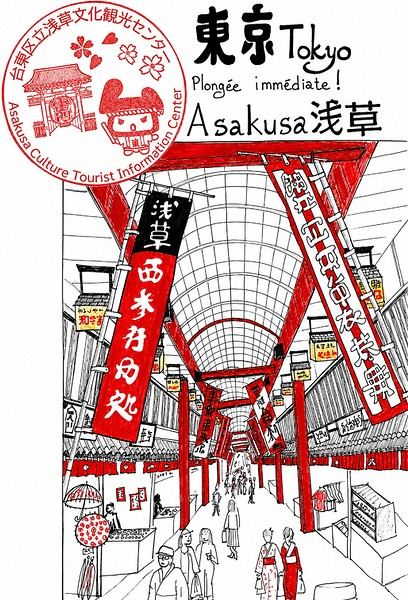
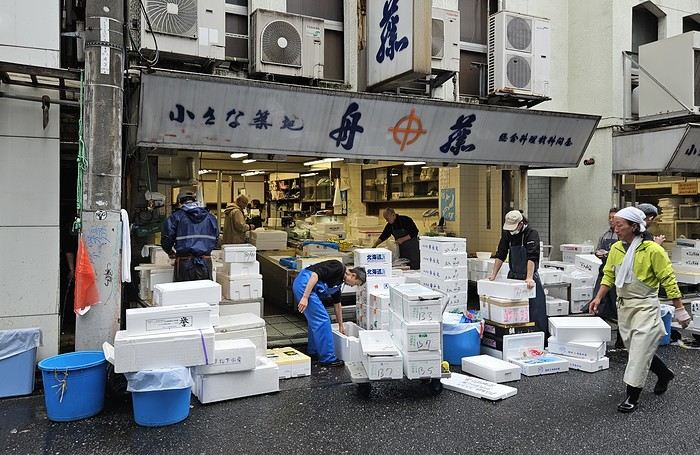
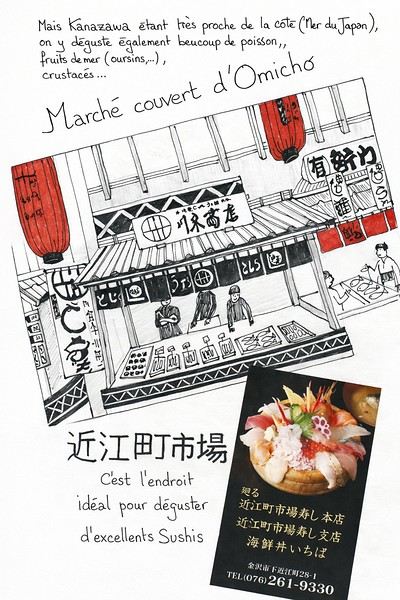 And in Kyoto, Nishiki Market: