Japan: First Discovery!
Today we had two activities booked:
We wanted to visit the Katsura Imperial Villa: the visit is done through a lottery.
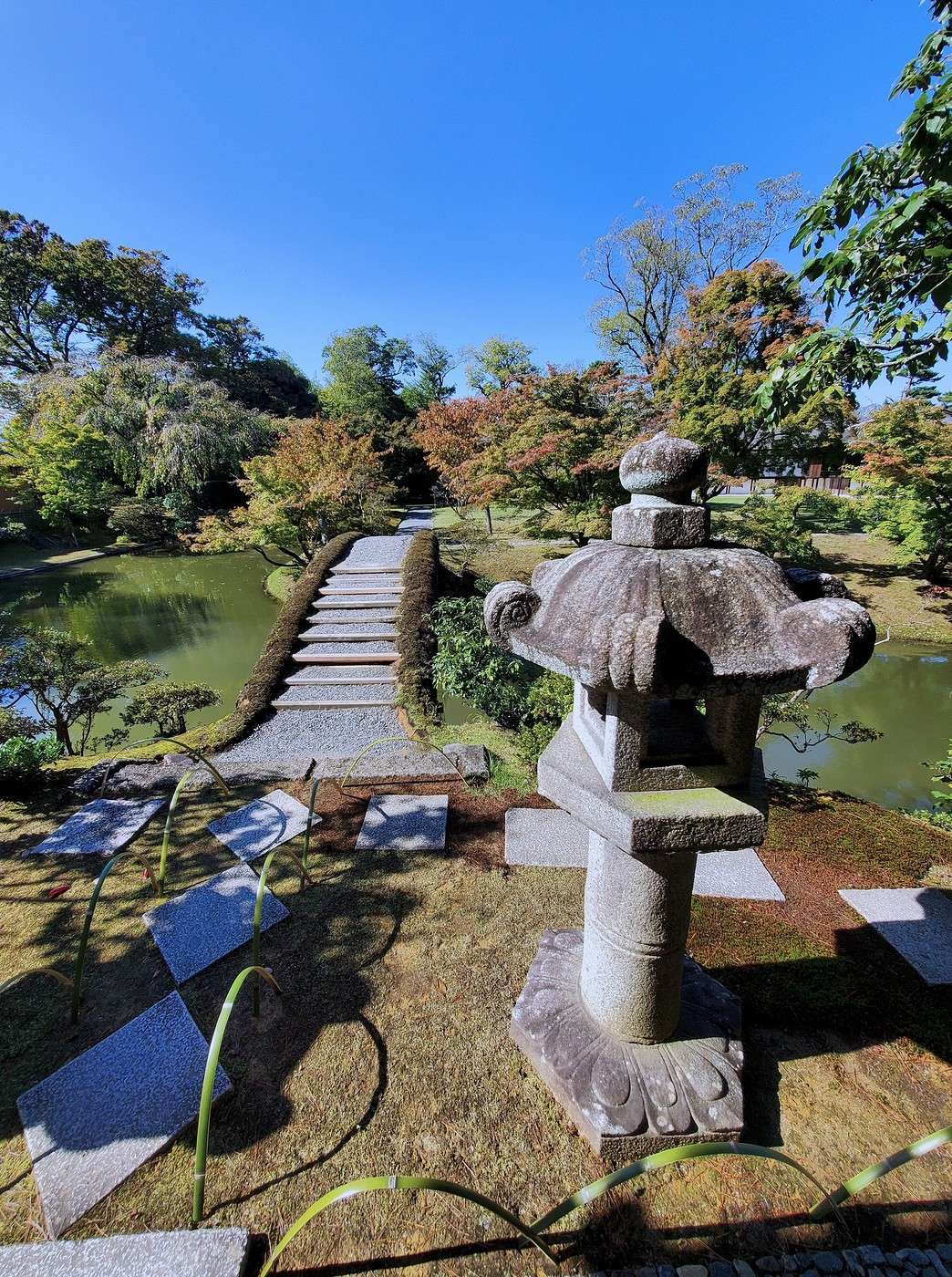
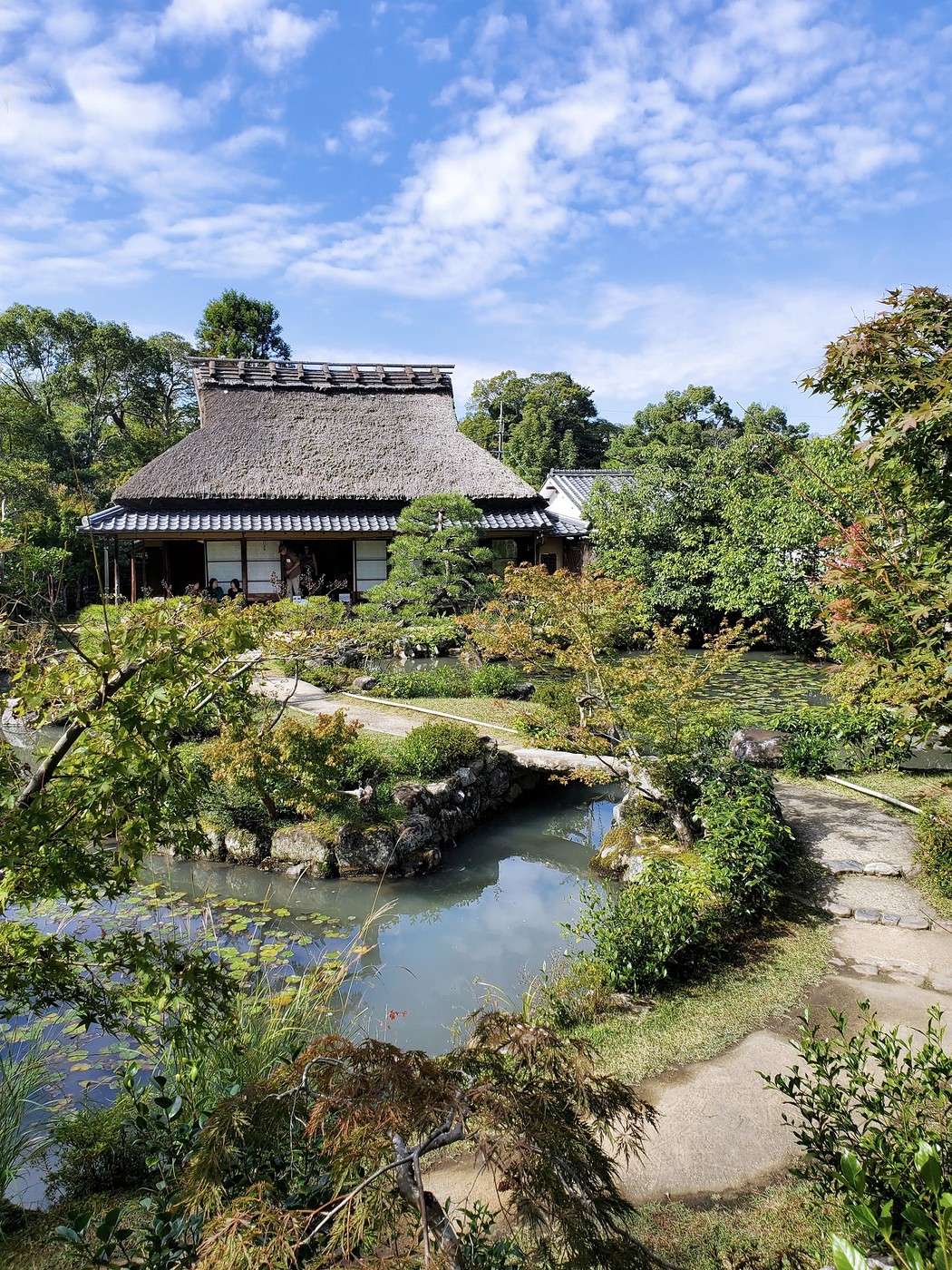
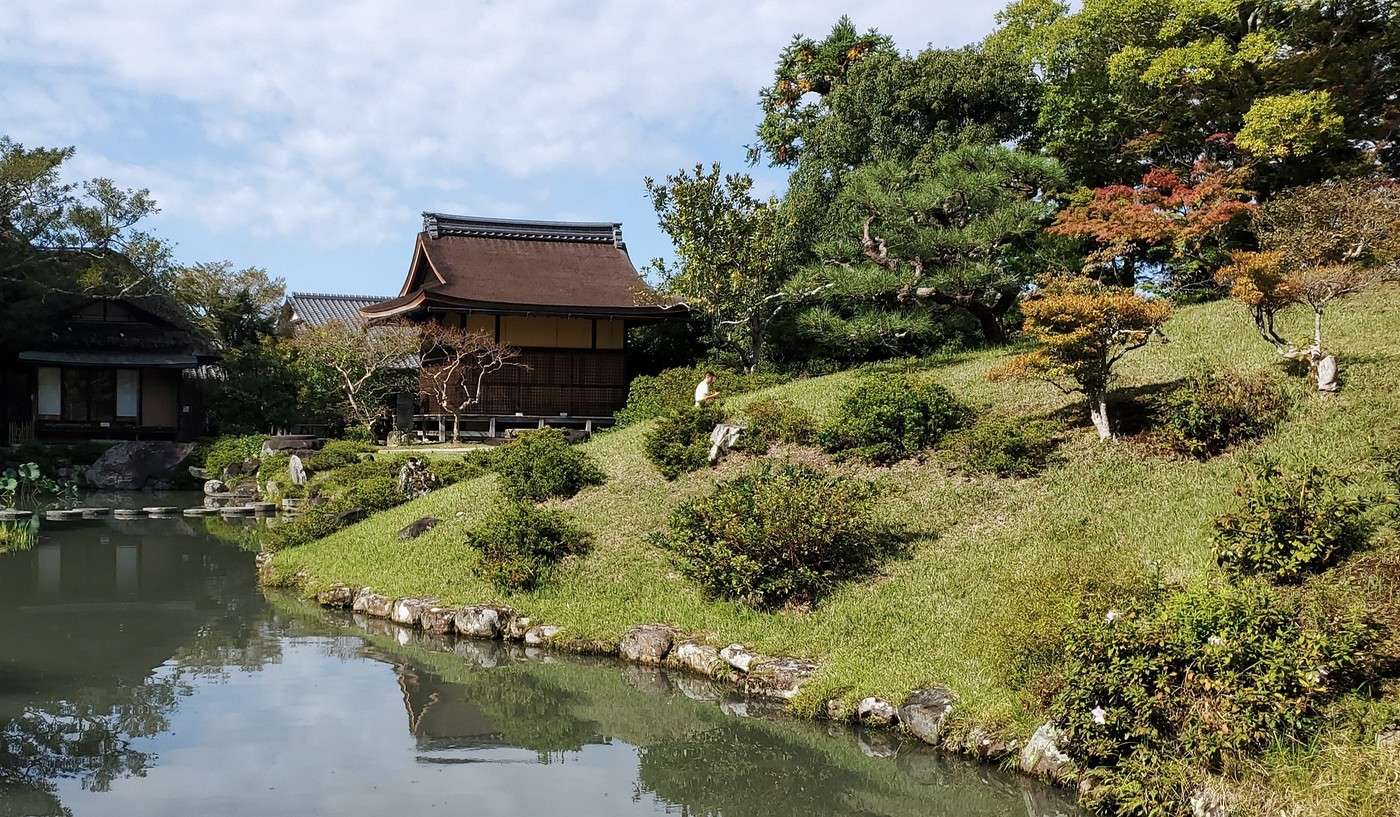
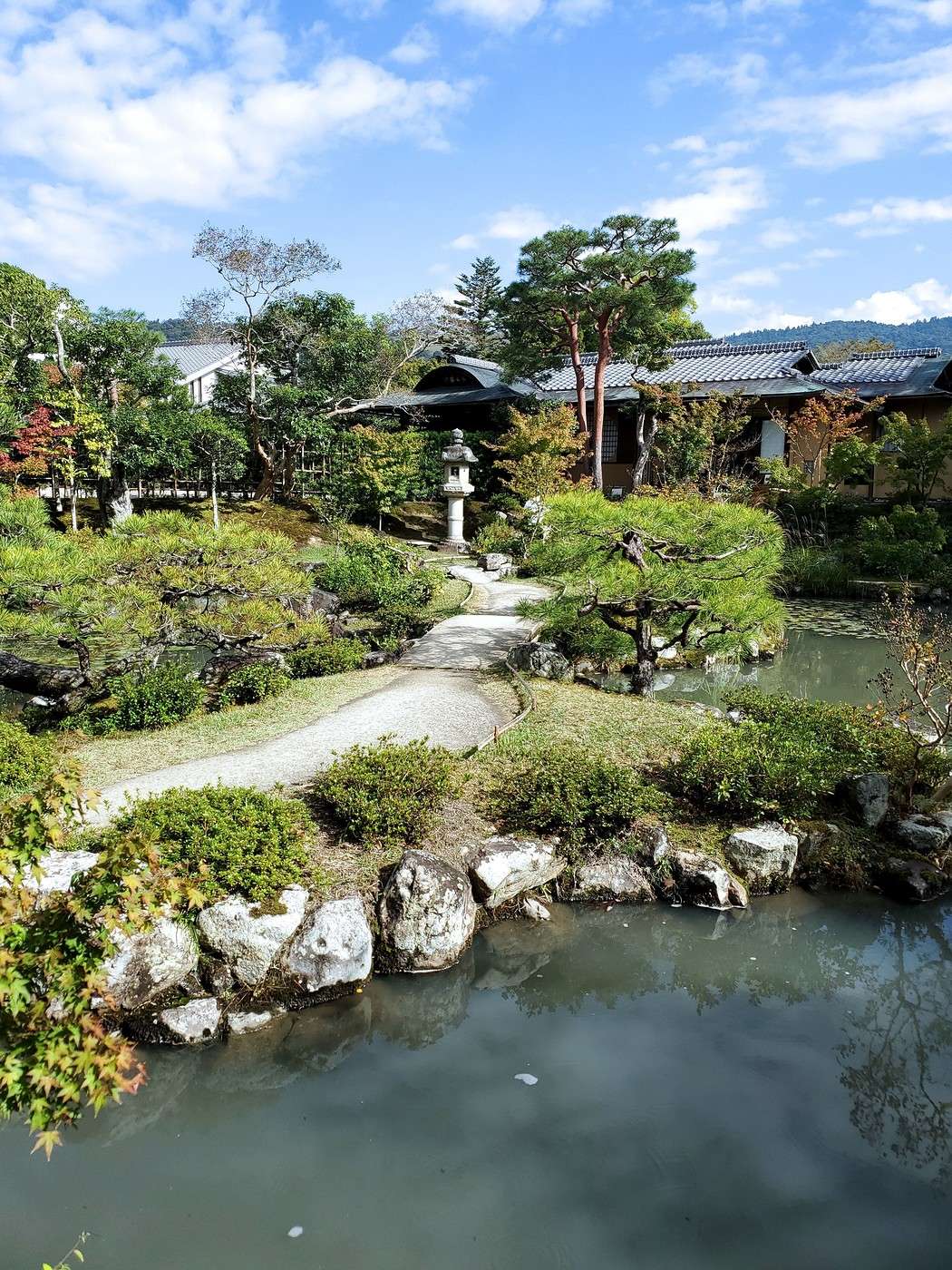
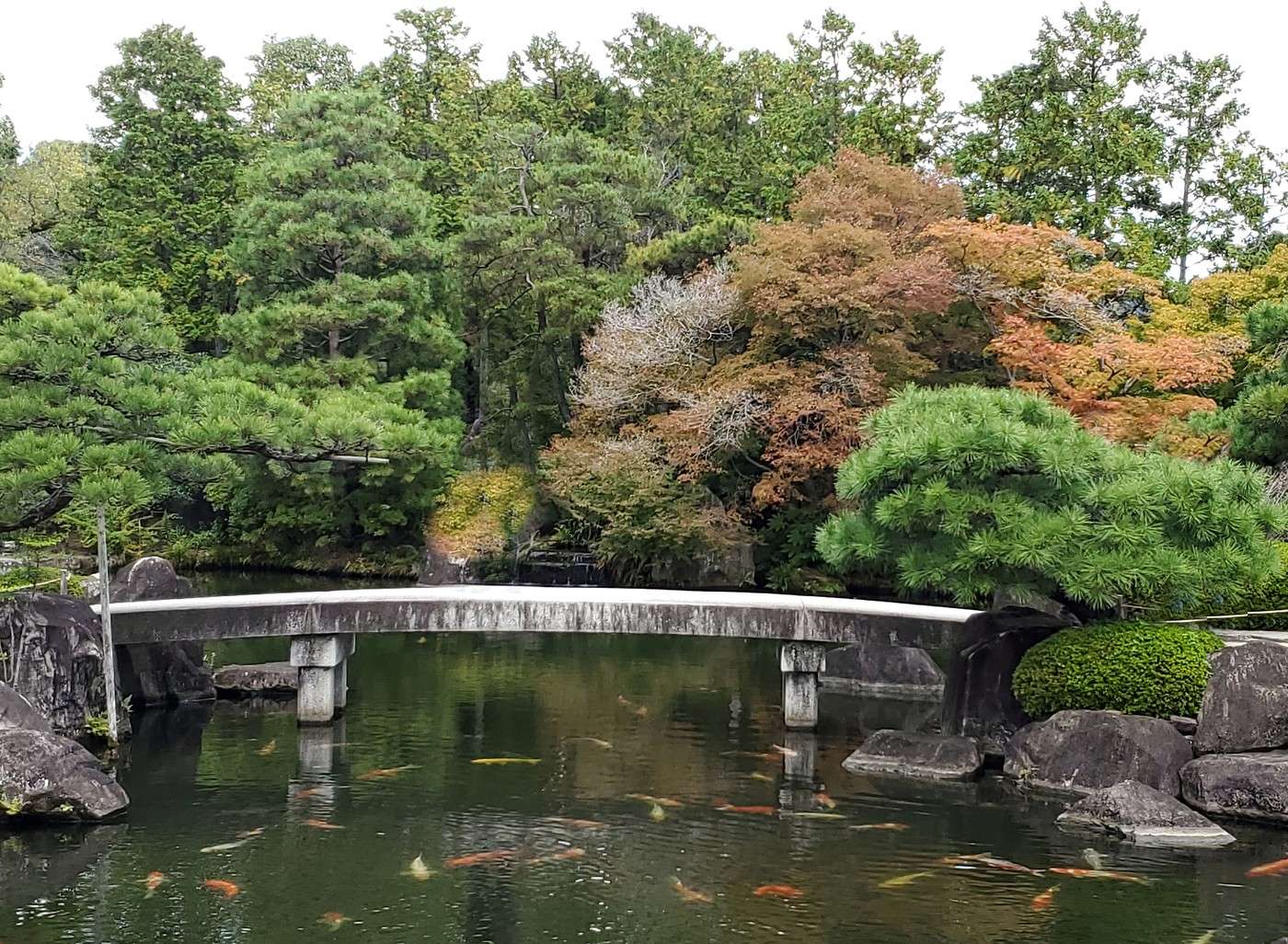
If you're selected, you get an email. Not long ago, you had to send a letter to the site and wait for a response. This former princely residence, built in 1615, is worth the effort: the garden is magnificent.
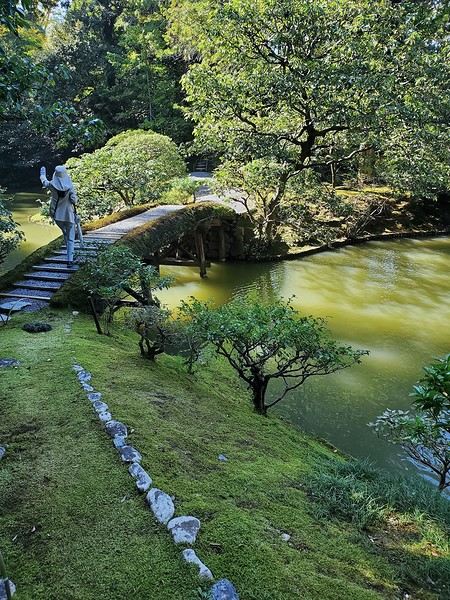
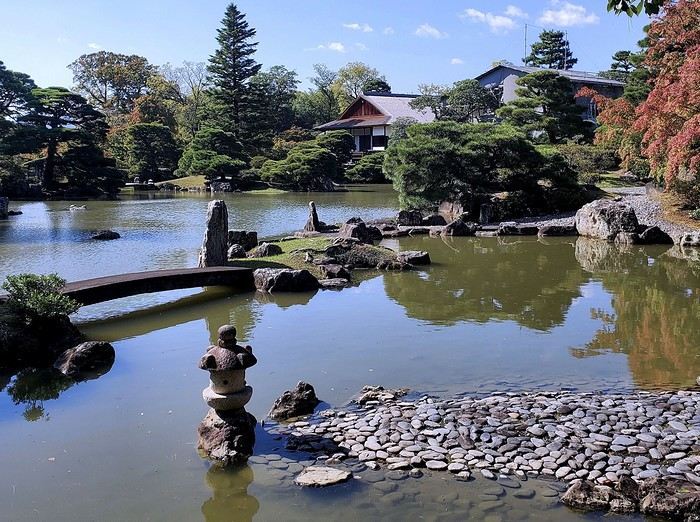
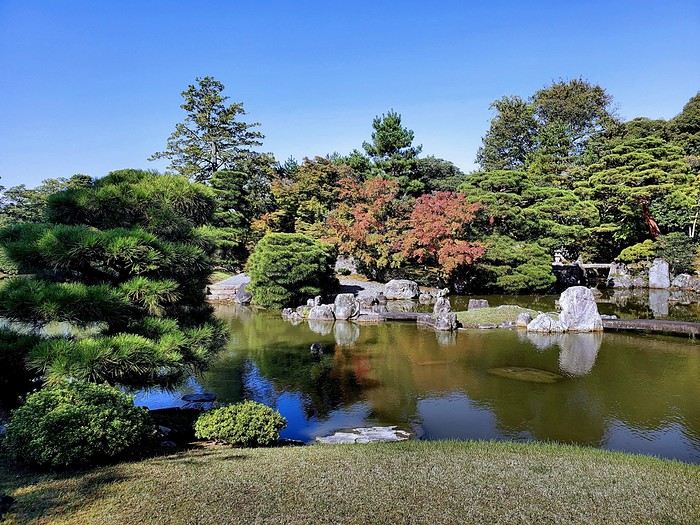
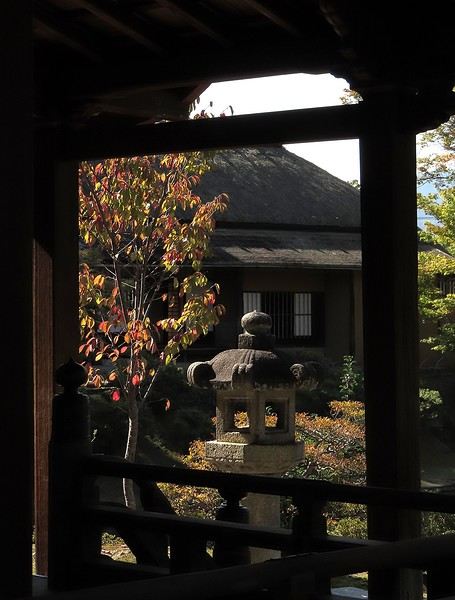
The visit is very structured and led by a guide. Additionally, a guard monitors the group (10 people) to ensure no one strays from the paths.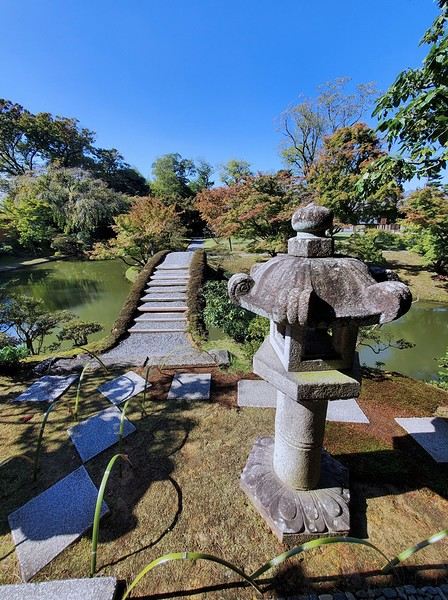 The park is very relaxing and timeless.
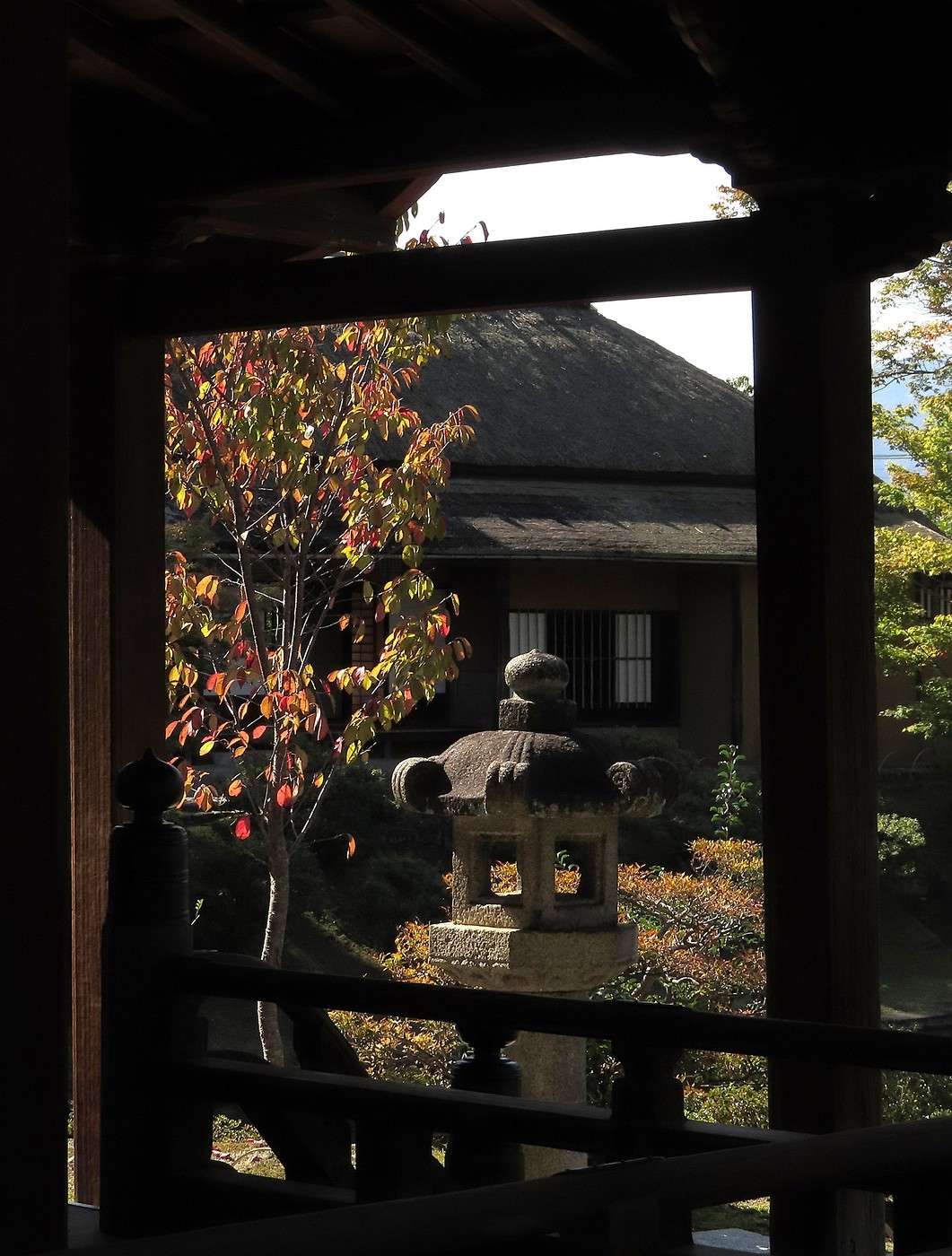
Even though we're a bit early for the autumn colors, the site is amazing.
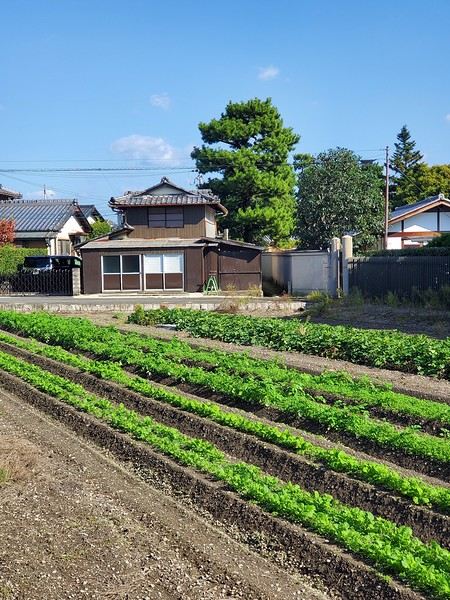
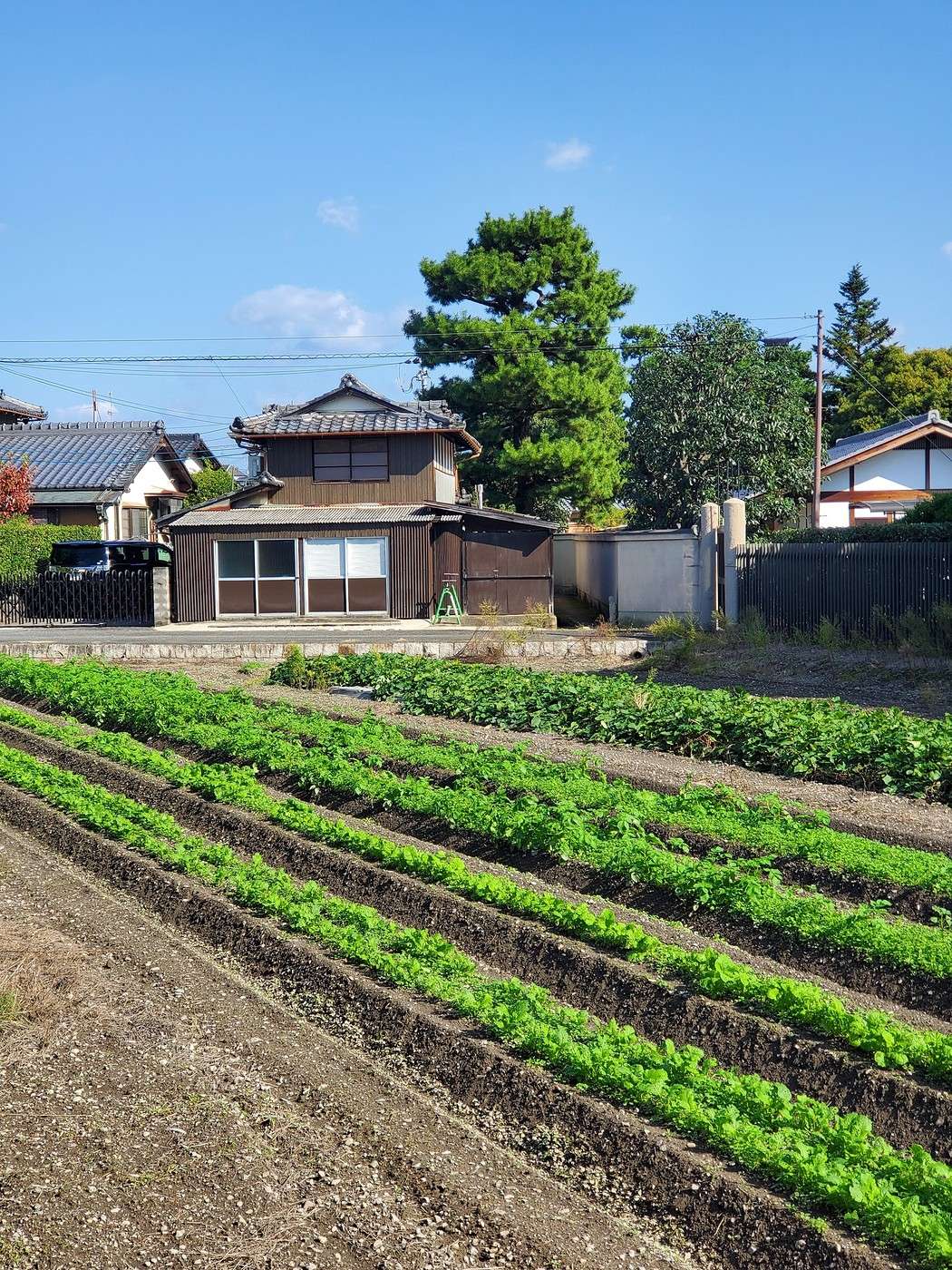
After leaving the garden, we visit the very residential neighborhood where many crops are grown:
Then we take the bus, which drops us off at the station before heading to the famous Gion district, where we’ve booked our spots for a tea ceremony.
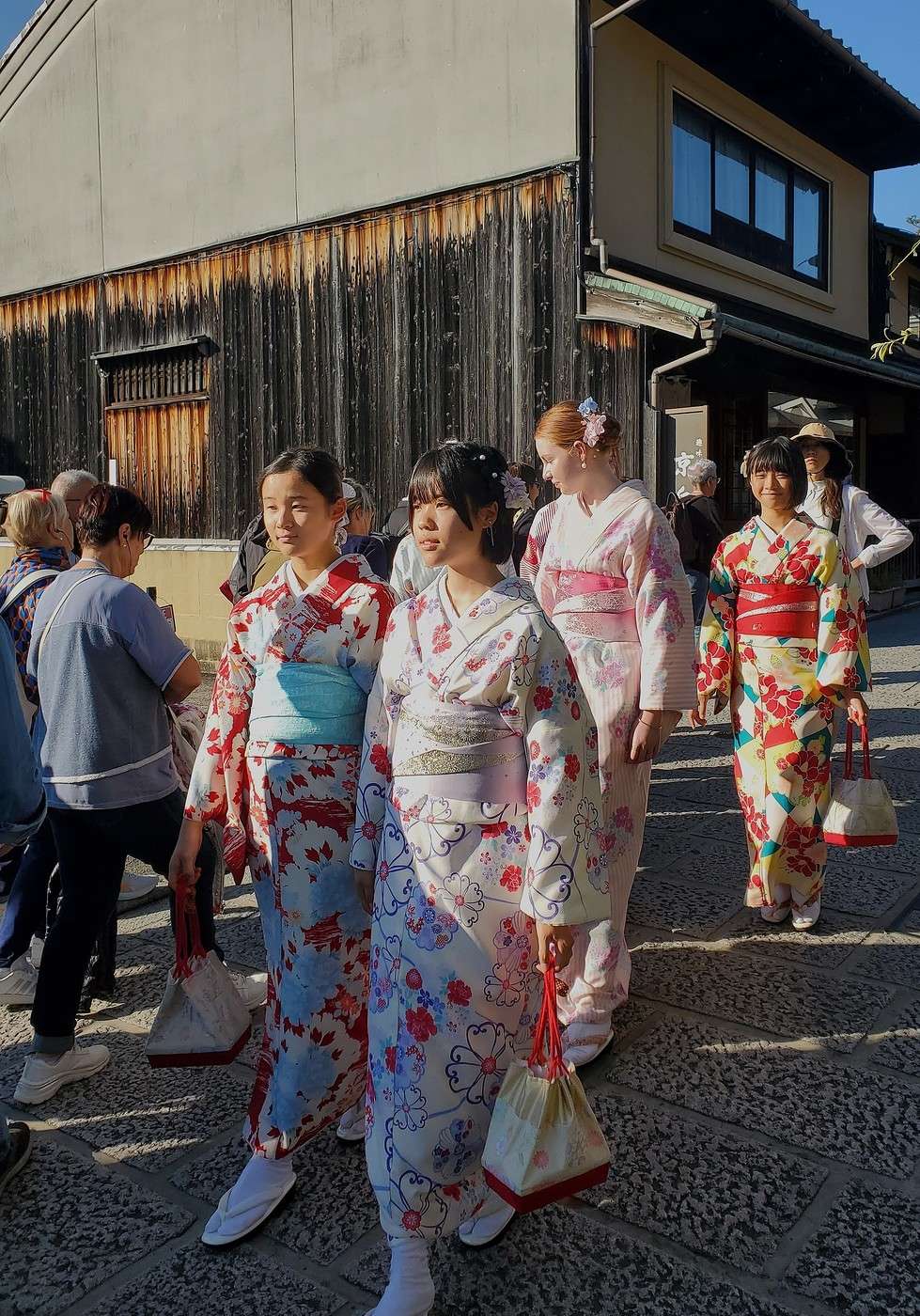
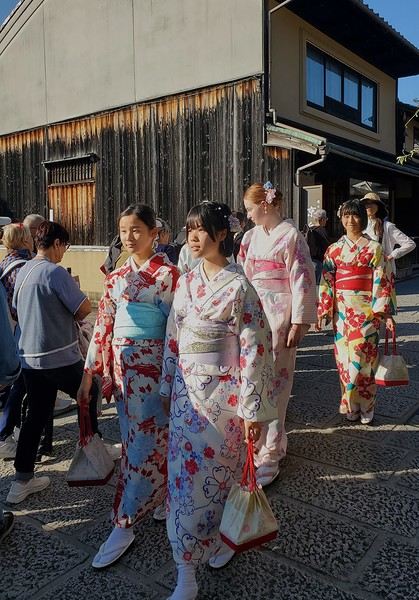 What a contrast—there are so many people here, including Asians in kimonos: their outfits are stunning!
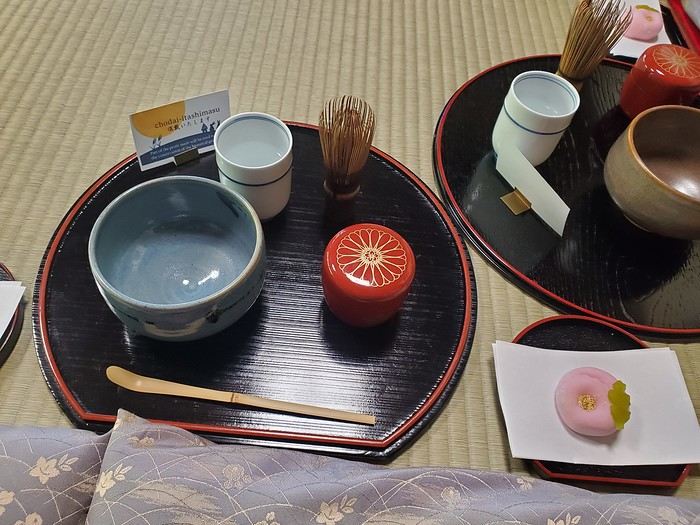
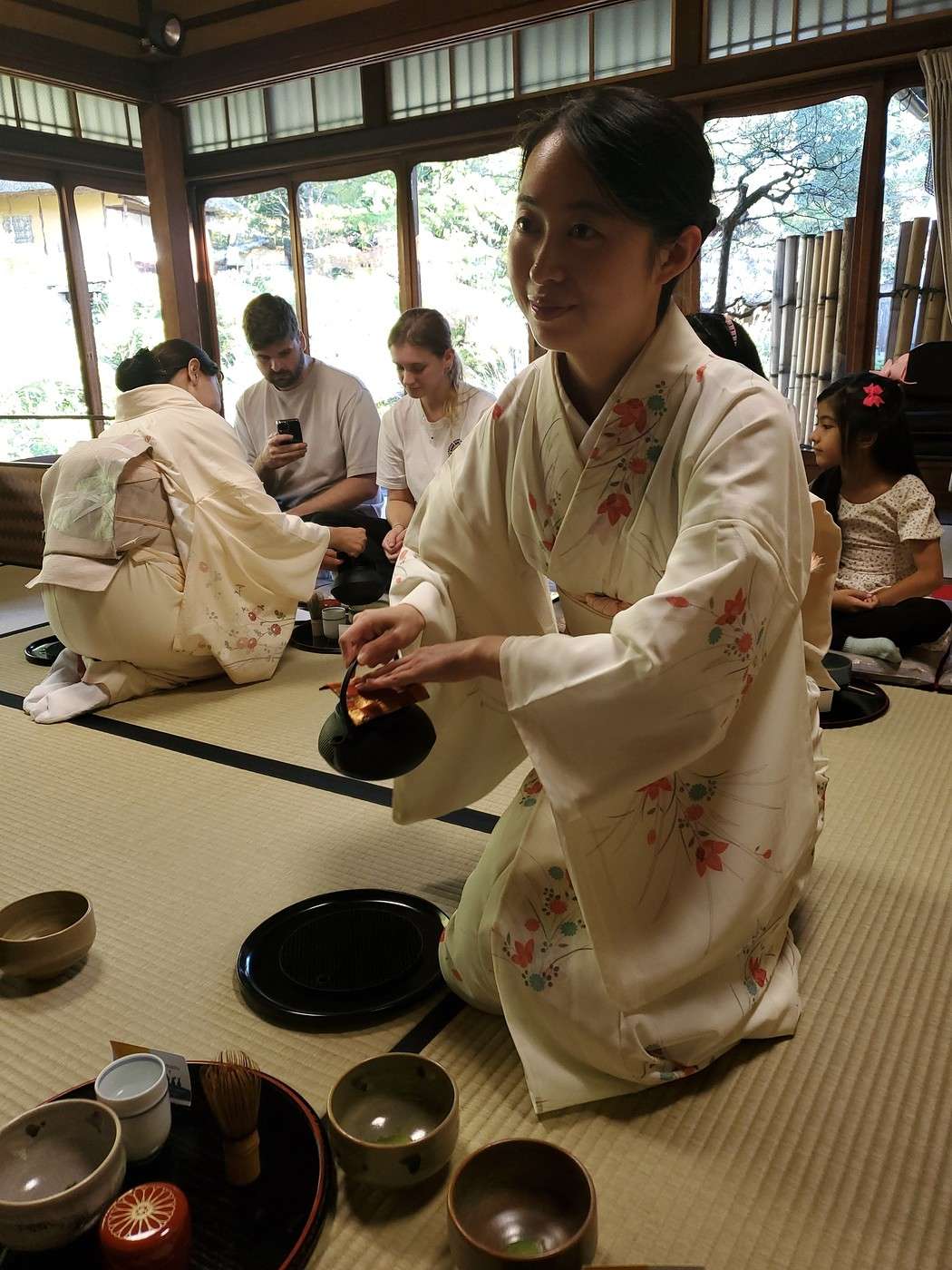
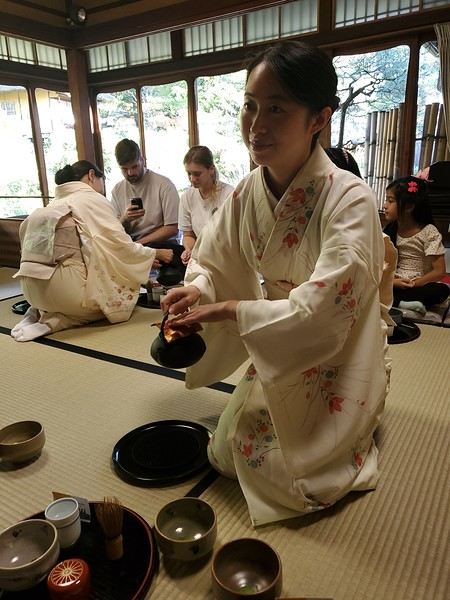 Here too, we really enjoyed being in a small group, and the tea ceremony host was friendly and smiling.
We chose a ceremony that wasn’t too long because we couldn’t imagine sitting cross-legged for 2 hours, and we didn’t regret our choice.
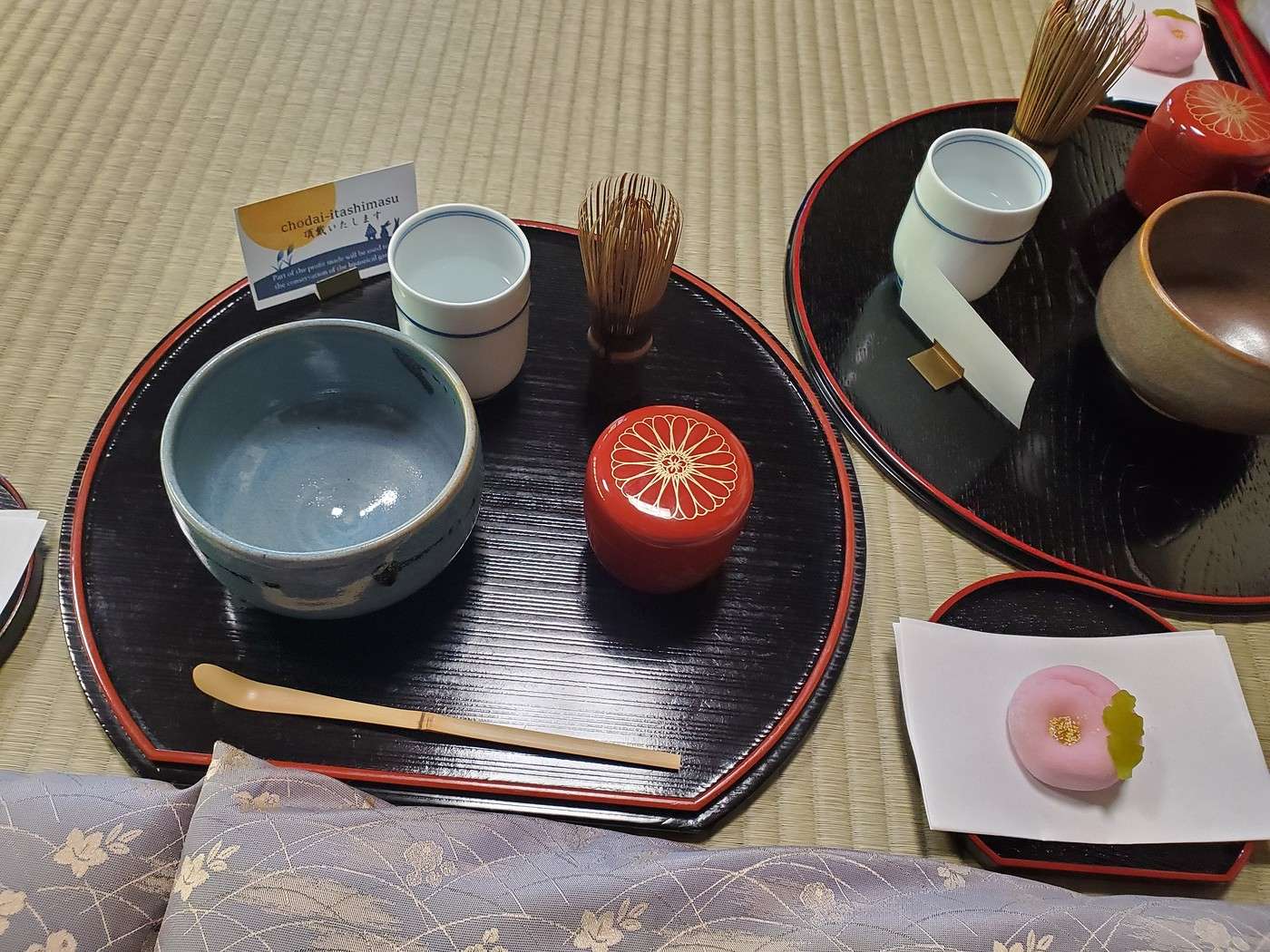
However, we didn’t enjoy the bitterness of the very particular matcha tea.
Luckily, a small pastry helped take the edge off...
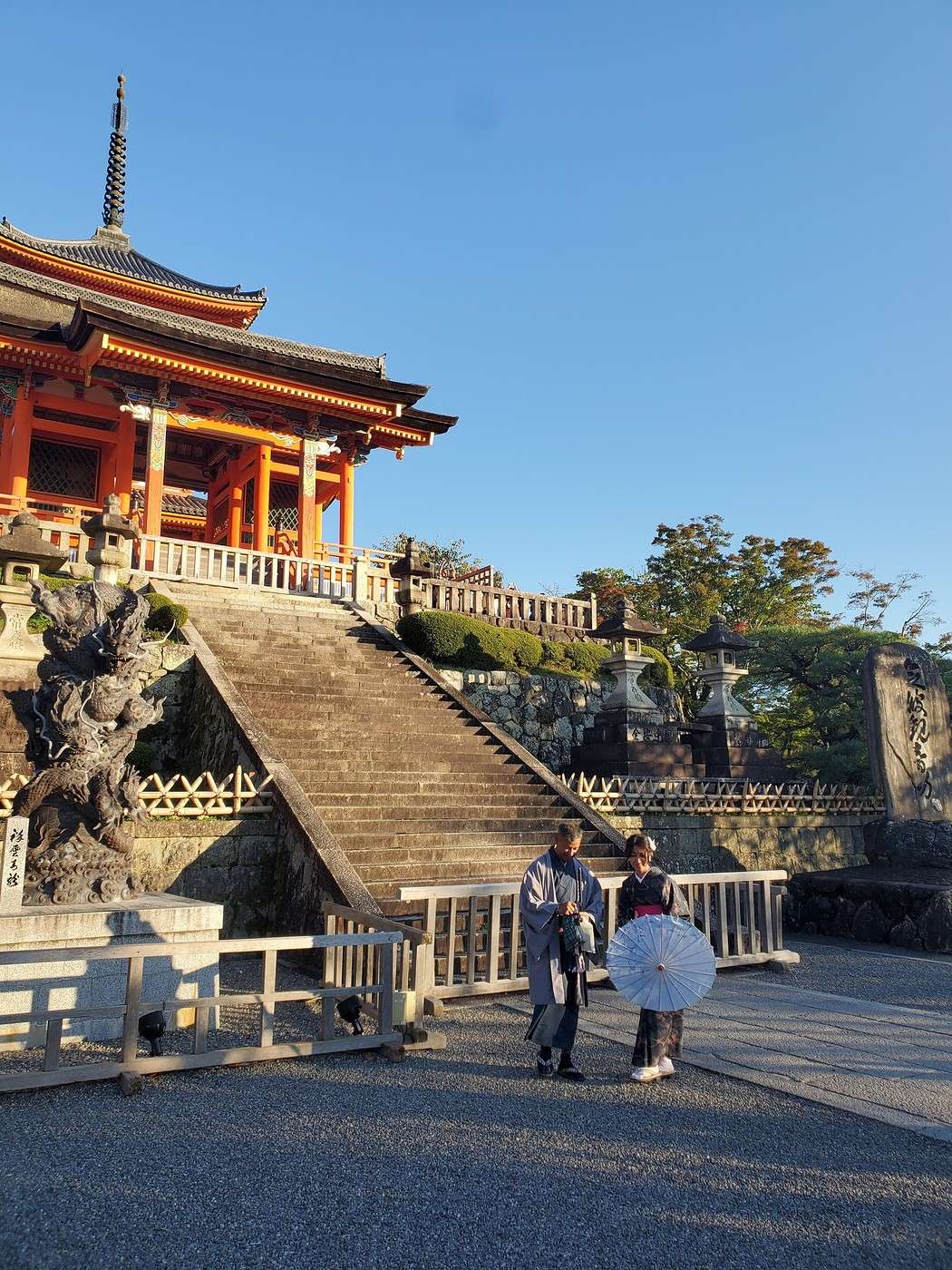
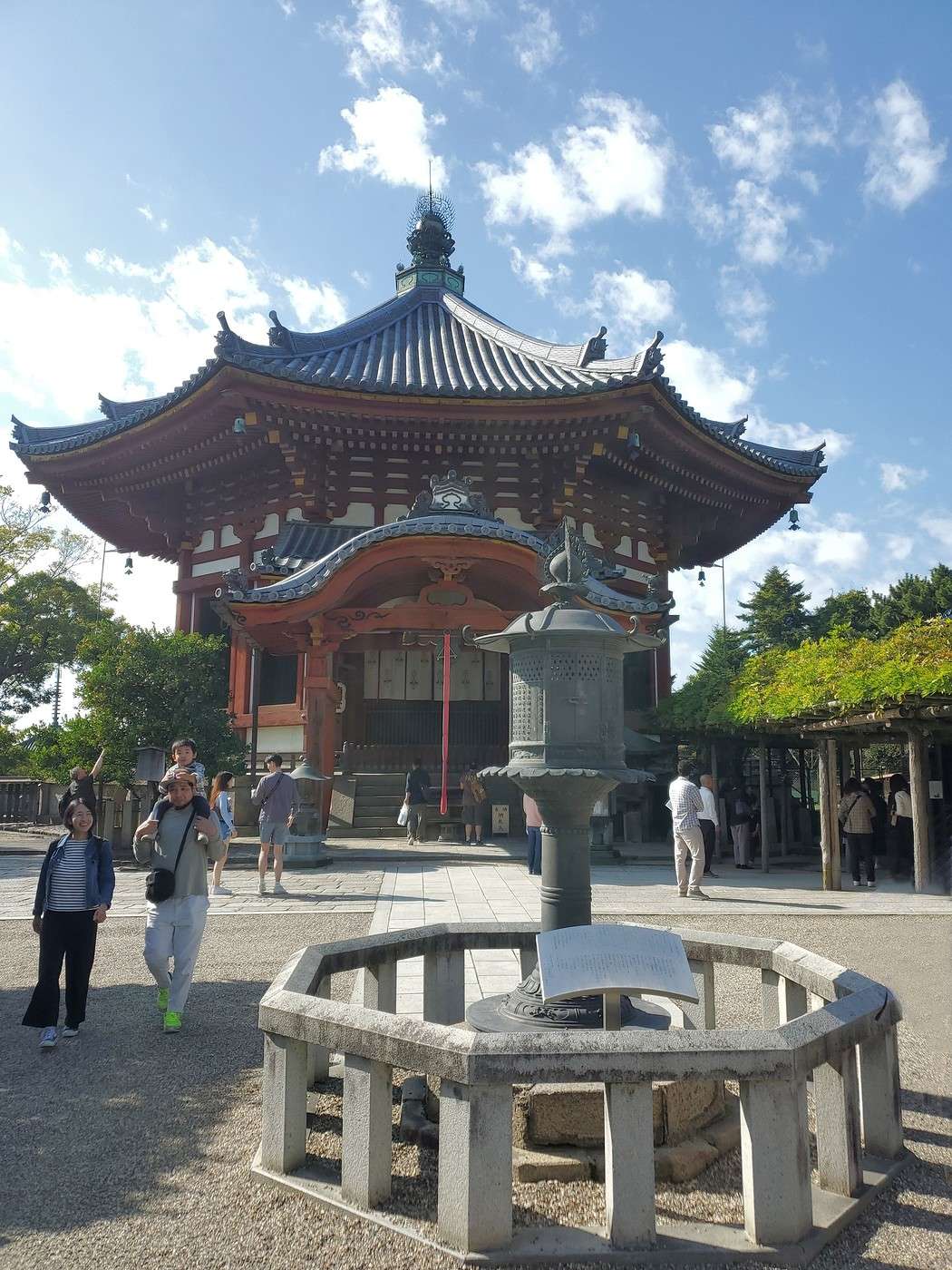
Afterward, we set off to explore the Buddhist temple Kiyomizu-dera, rebuilt in 1633.
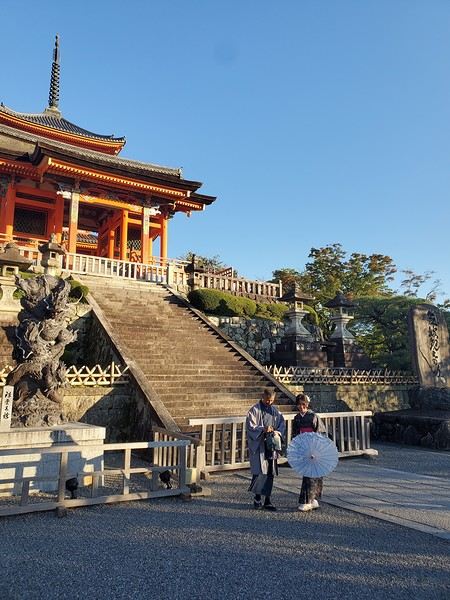 Here too, there were lots of tourists and Japanese people dressed in kimonos. As night fell, we headed back to our hotel, happy with our day after enjoying the sunset over the Hokan-ji pagoda.
If you're selected, you get an email. Not long ago, you had to send a letter to the site and wait for a response. This former princely residence, built in 1615, is worth the effort: the garden is magnificent.
The visit is very structured and led by a guide. Additionally, a guard monitors the group (10 people) to ensure no one strays from the paths.
The park is very relaxing and timeless.
Even though we're a bit early for the autumn colors, the site is amazing.
After leaving the garden, we visit the very residential neighborhood where many crops are grown:
Then we take the bus, which drops us off at the station before heading to the famous Gion district, where we’ve booked our spots for a tea ceremony.
What a contrast—there are so many people here, including Asians in kimonos: their outfits are stunning!
Here too, we really enjoyed being in a small group, and the tea ceremony host was friendly and smiling.
We chose a ceremony that wasn’t too long because we couldn’t imagine sitting cross-legged for 2 hours, and we didn’t regret our choice.
However, we didn’t enjoy the bitterness of the very particular matcha tea.
Luckily, a small pastry helped take the edge off...
Afterward, we set off to explore the Buddhist temple Kiyomizu-dera, rebuilt in 1633.
Here too, there were lots of tourists and Japanese people dressed in kimonos. As night fell, we headed back to our hotel, happy with our day after enjoying the sunset over the Hokan-ji pagoda.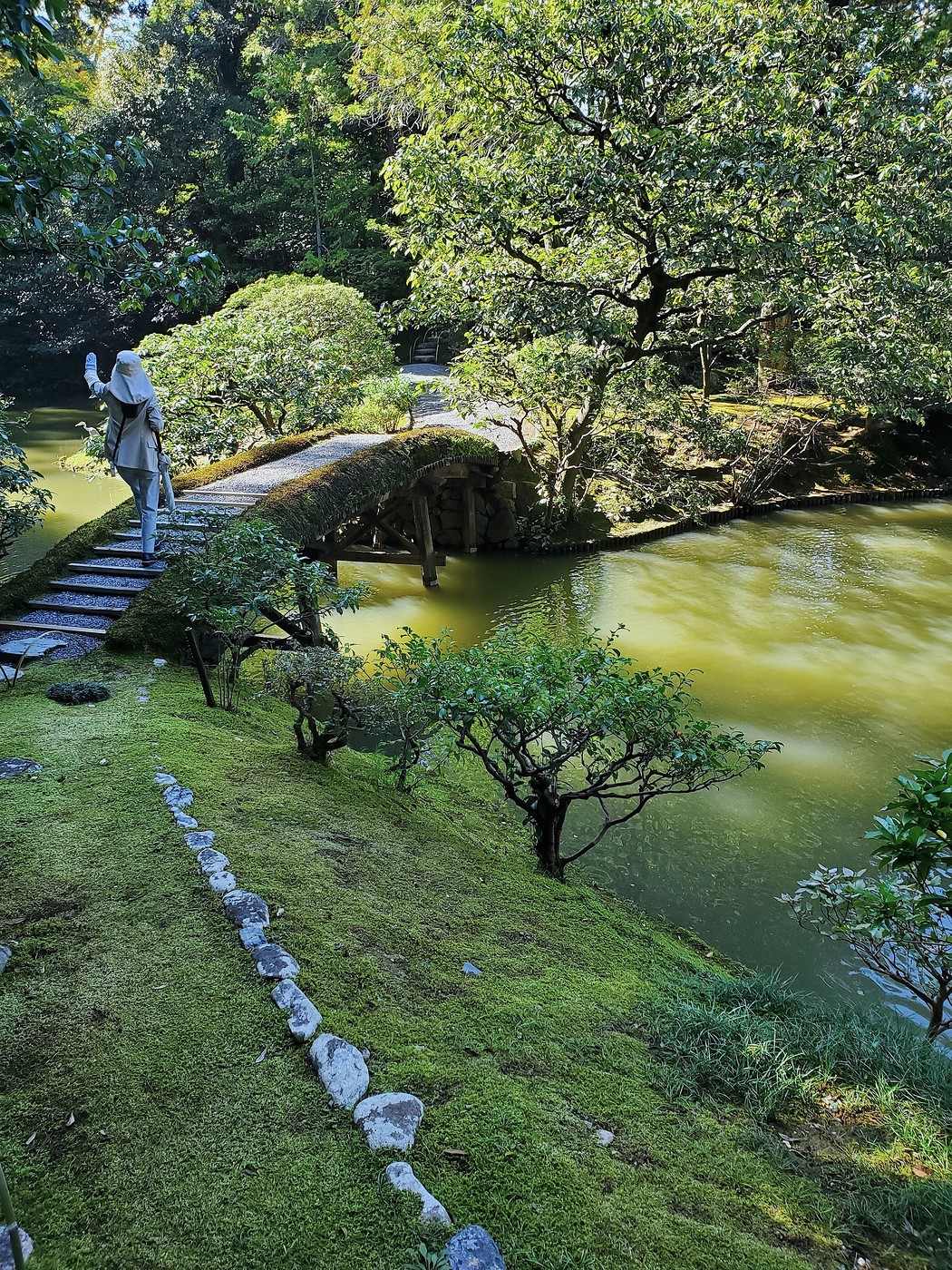
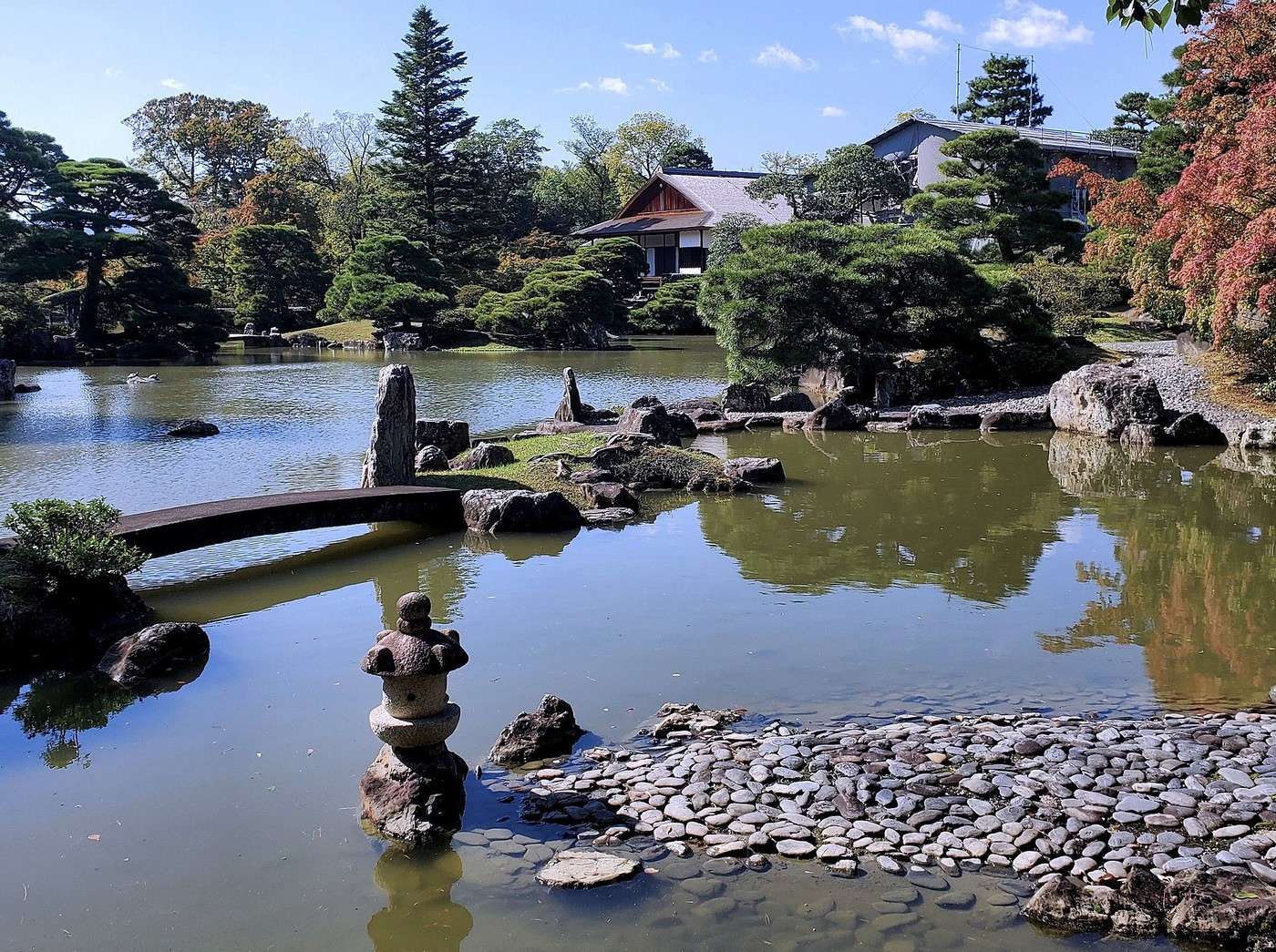
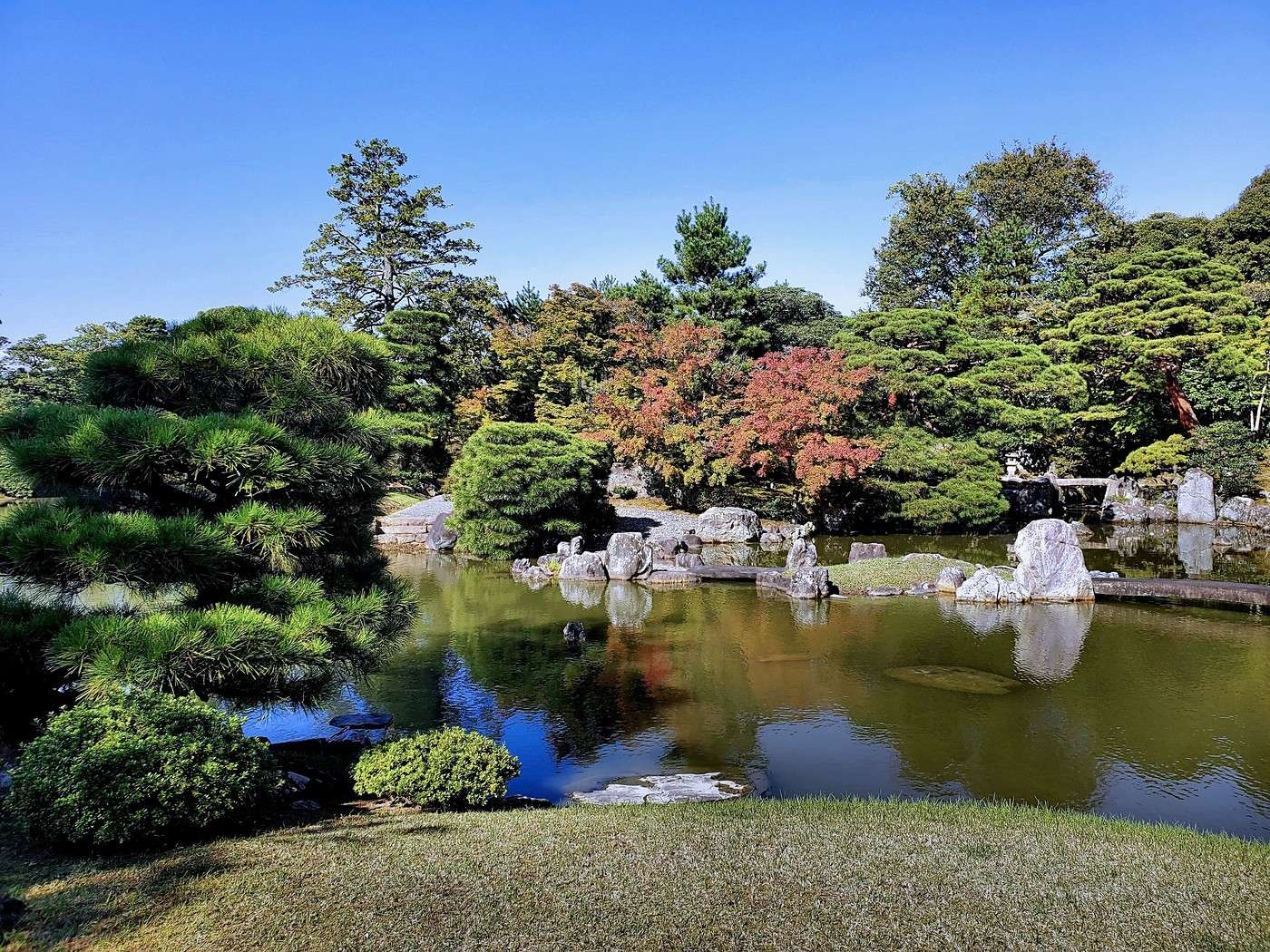
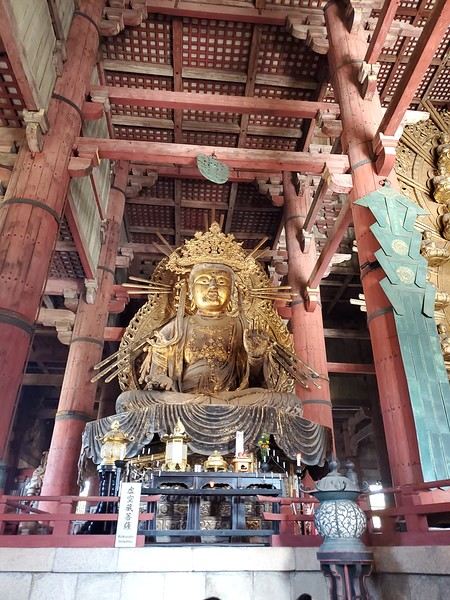
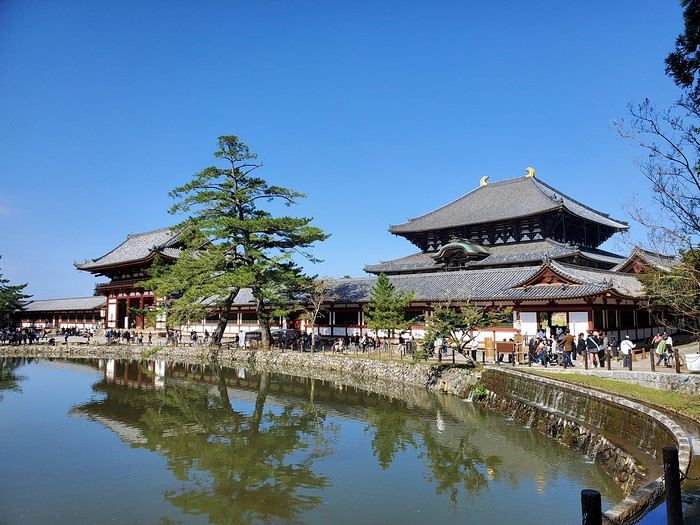
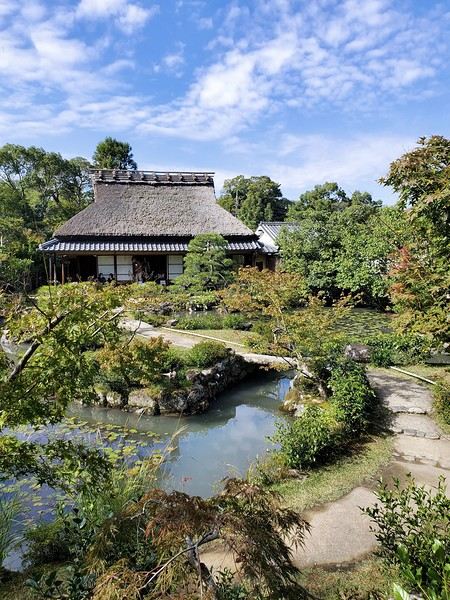
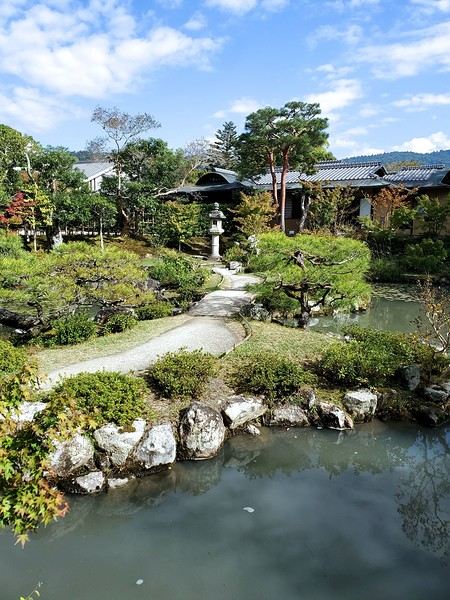
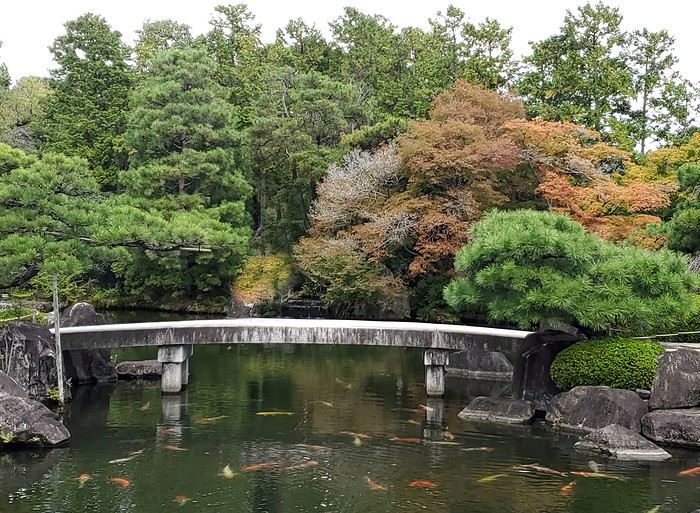
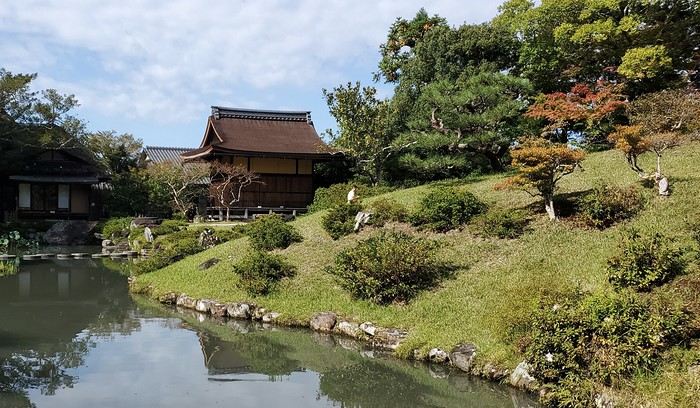 We loved this garden, so close to the crowds yet filled with calm and beauty.
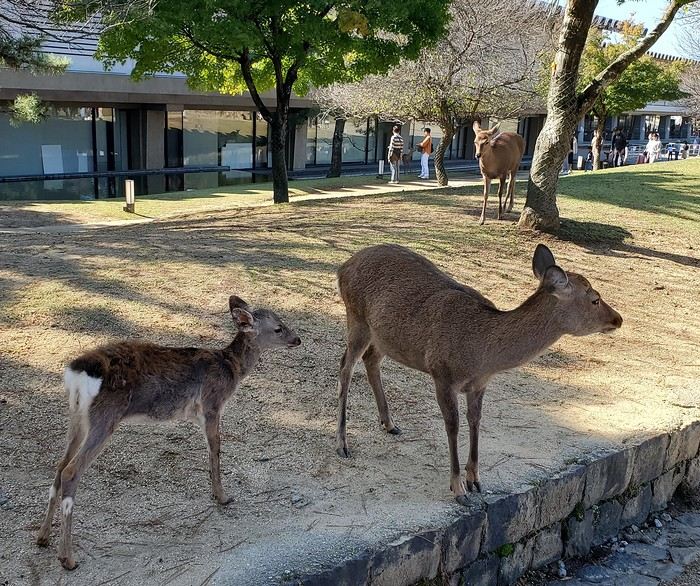
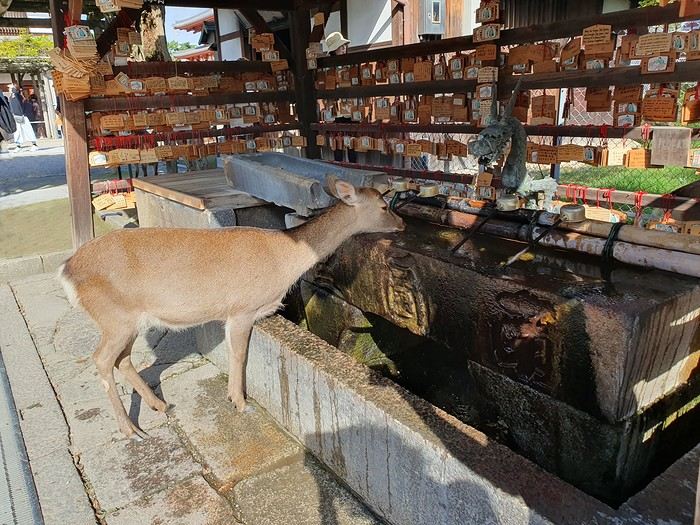
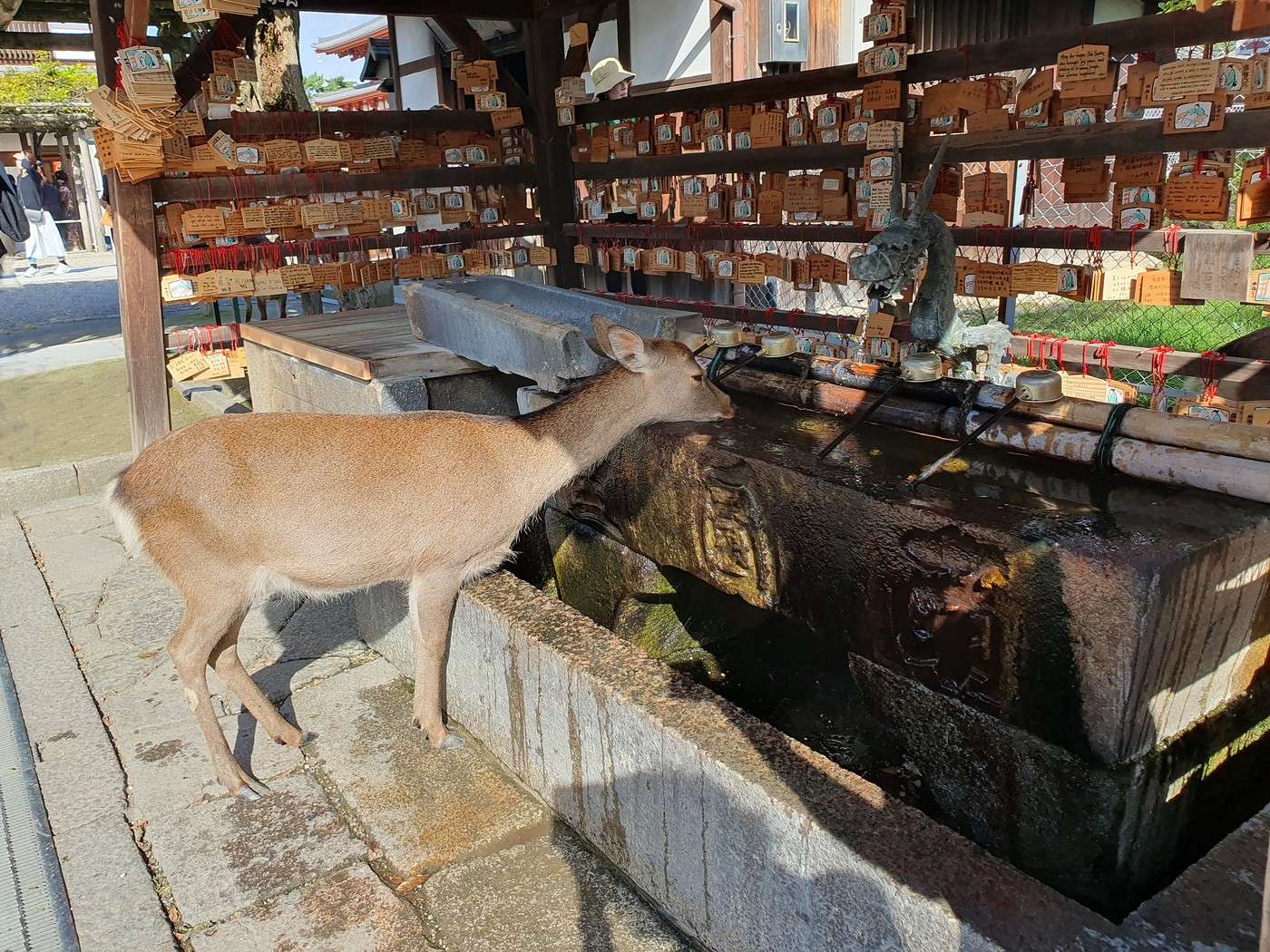
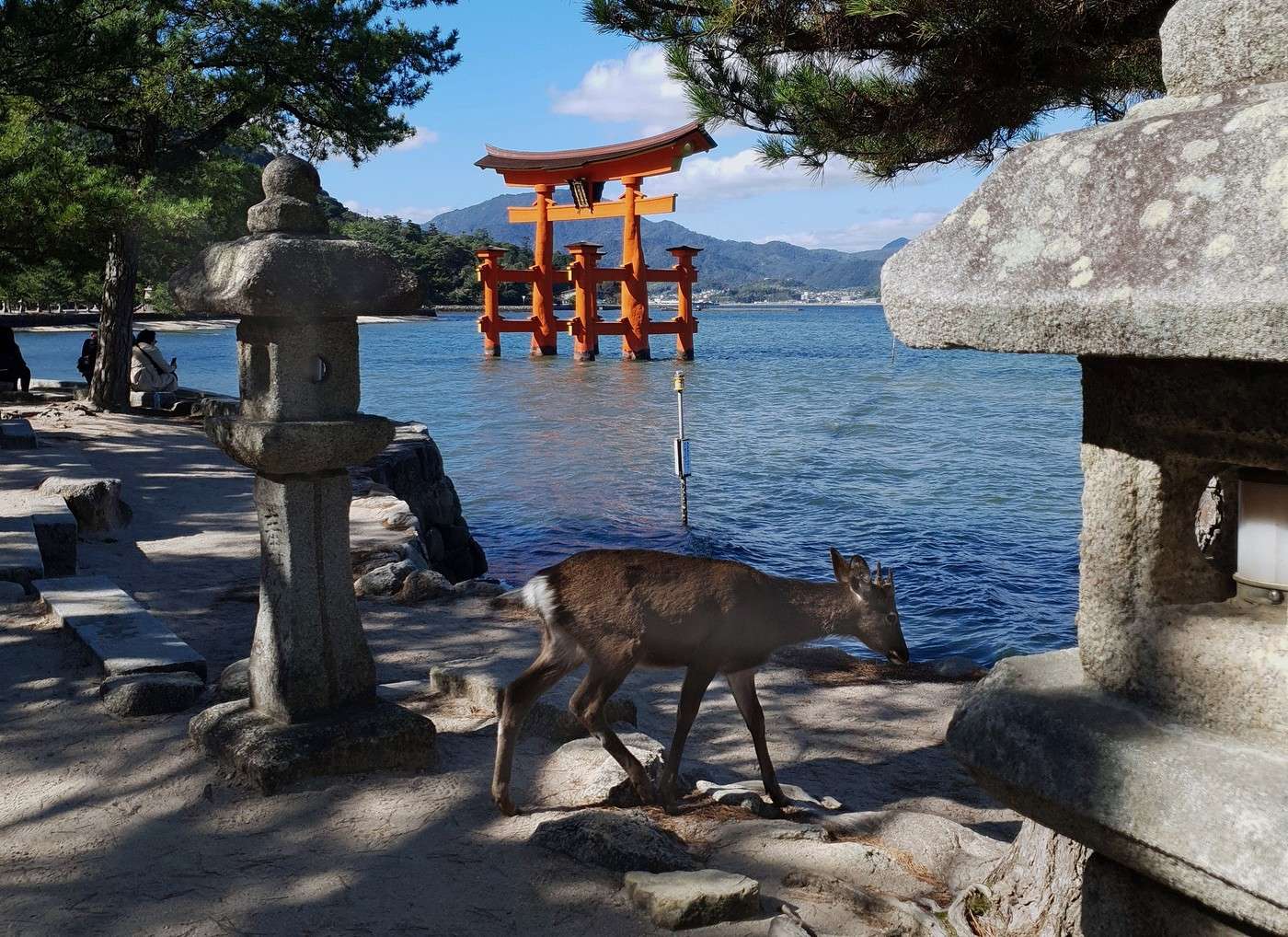
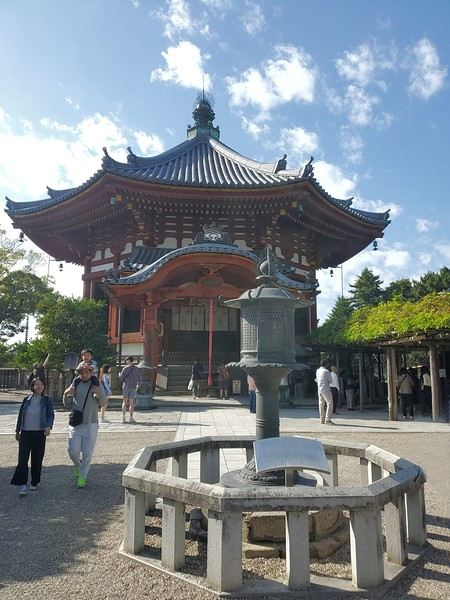 The deer have found where to quench their thirst!
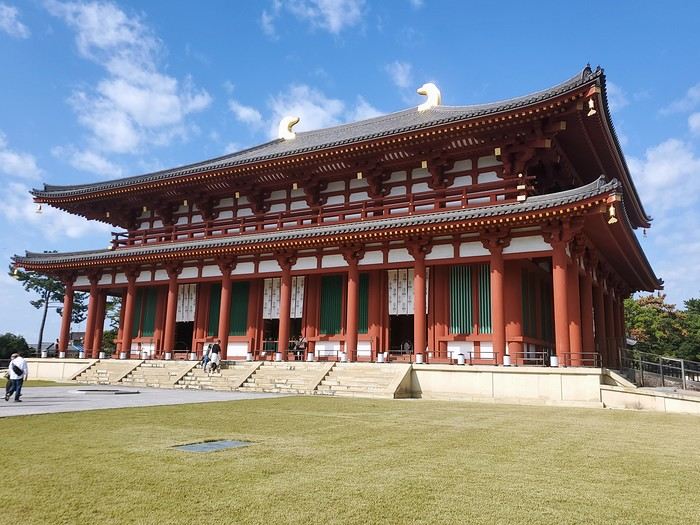 Then we return to the station, where we discover shopping arcades and have lunch before heading back on a packed regional train.
We end the day with a massage at a Kyoto shopping center, which does us a world of good.
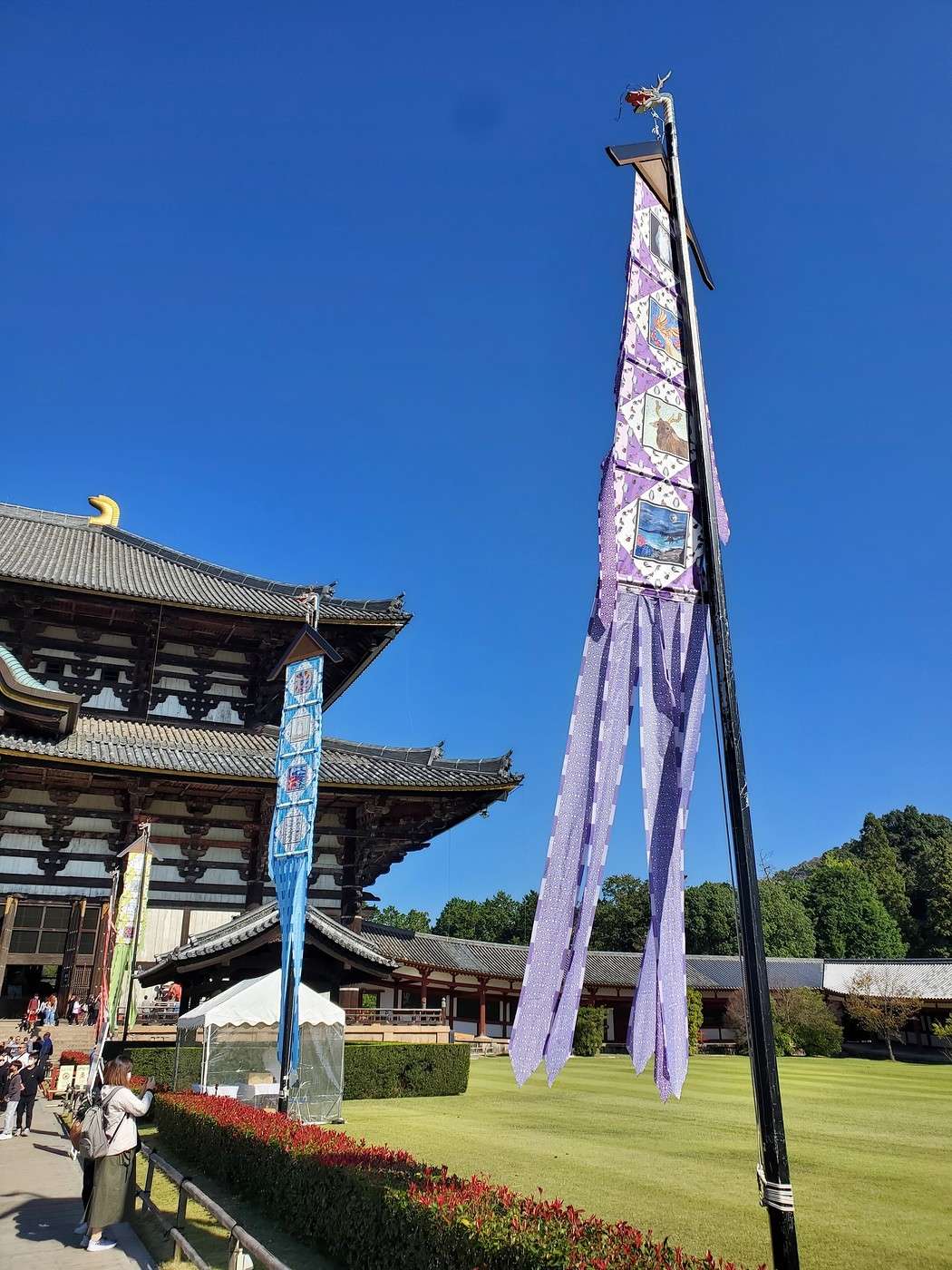
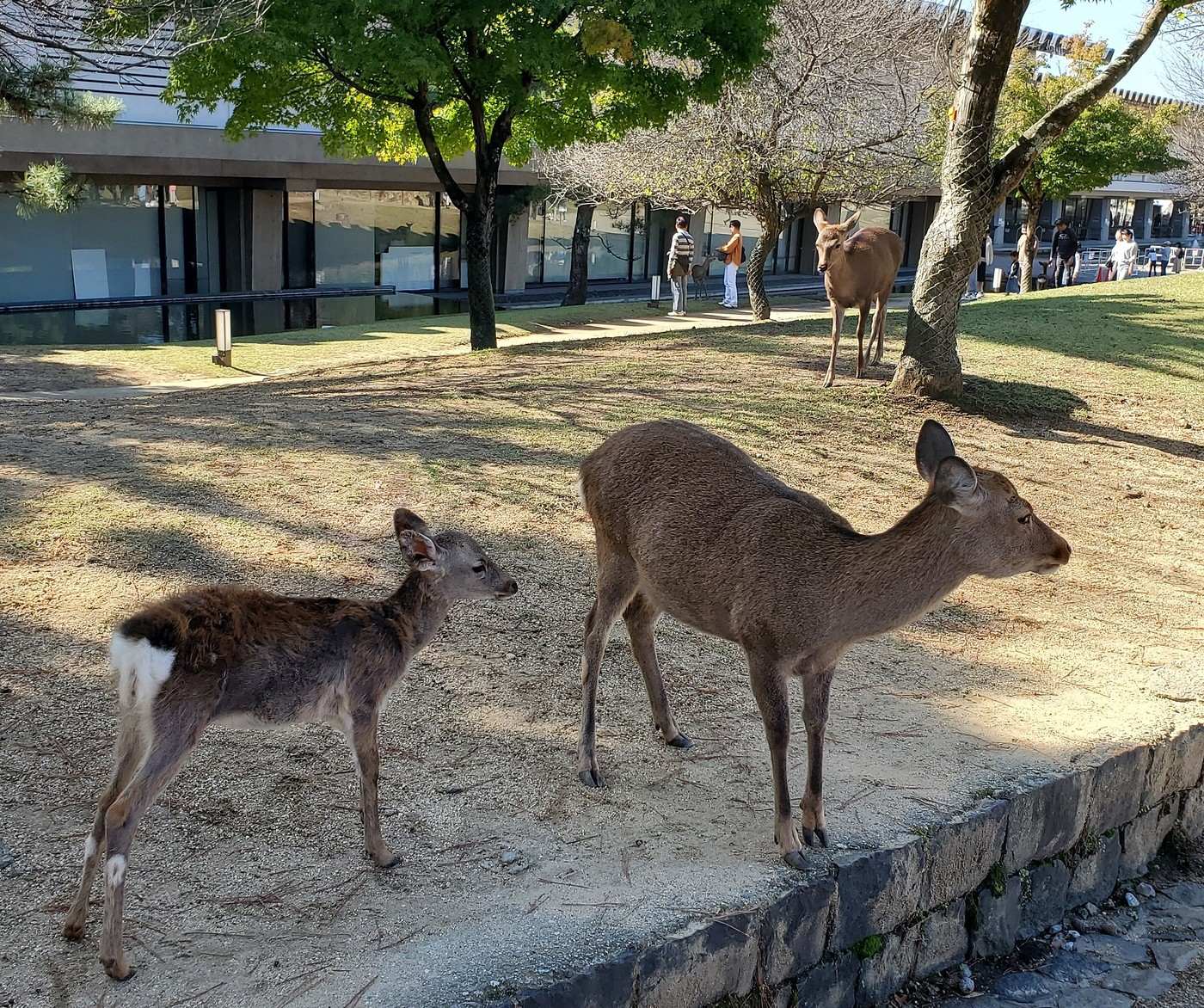
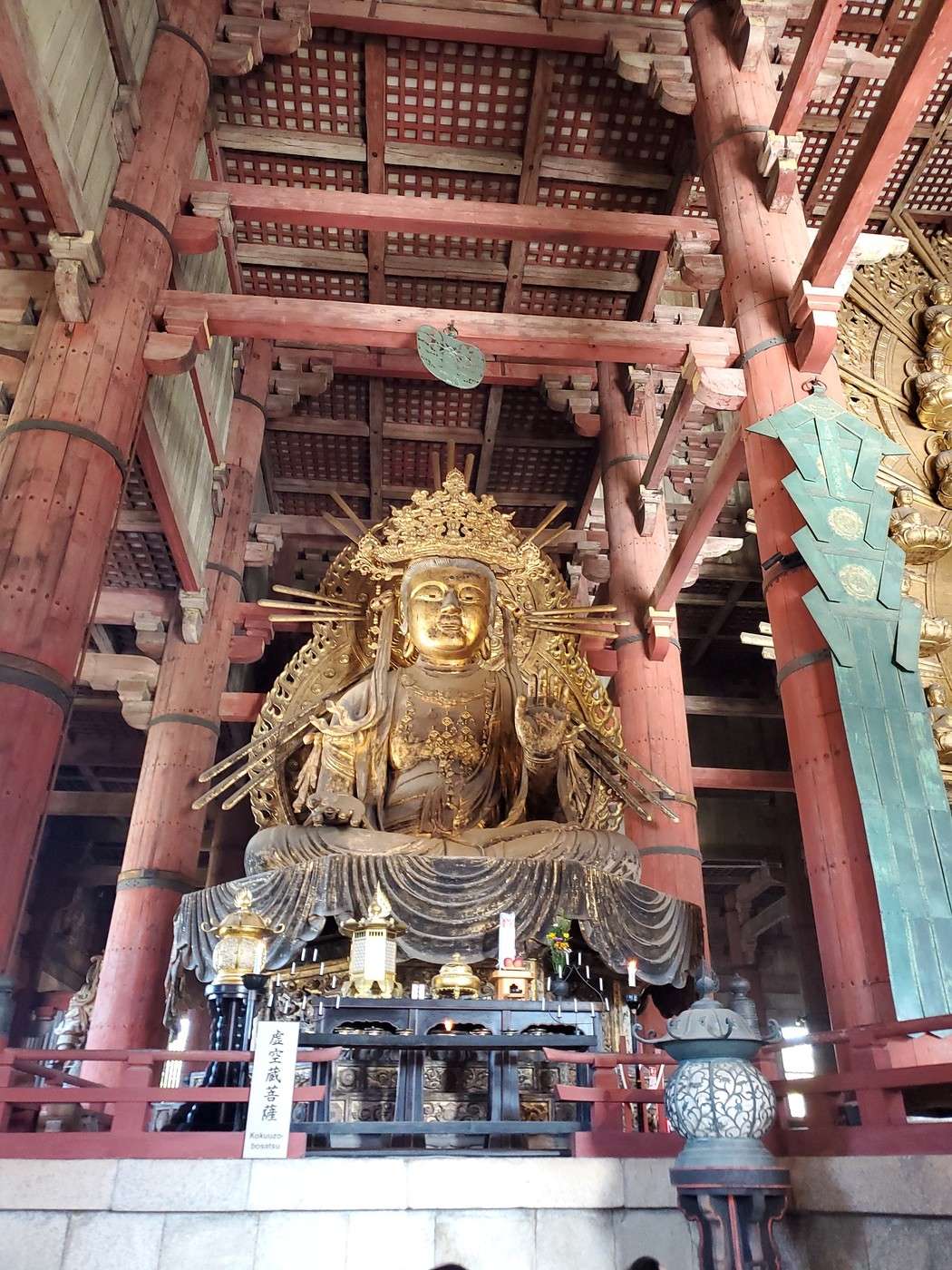
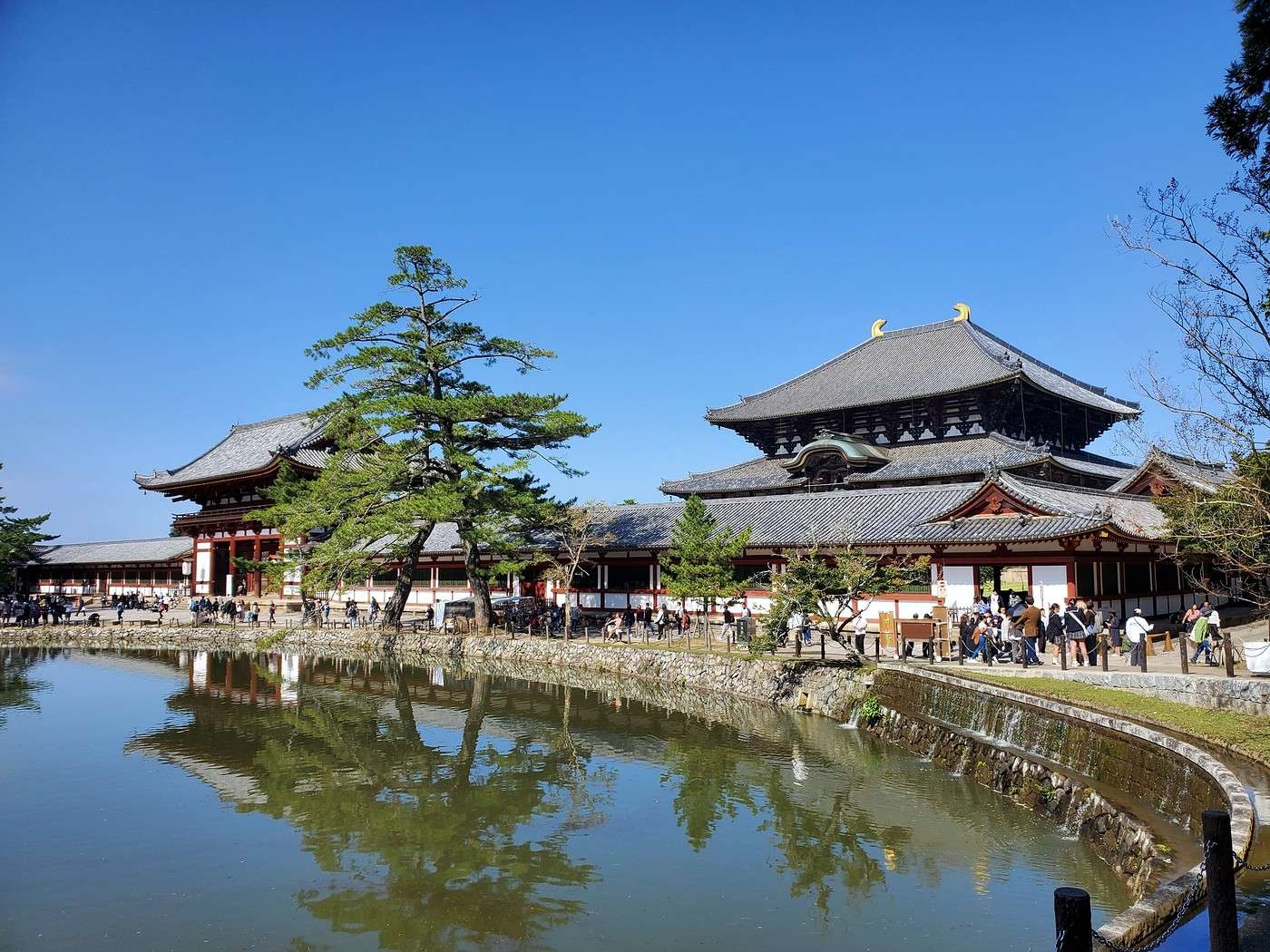
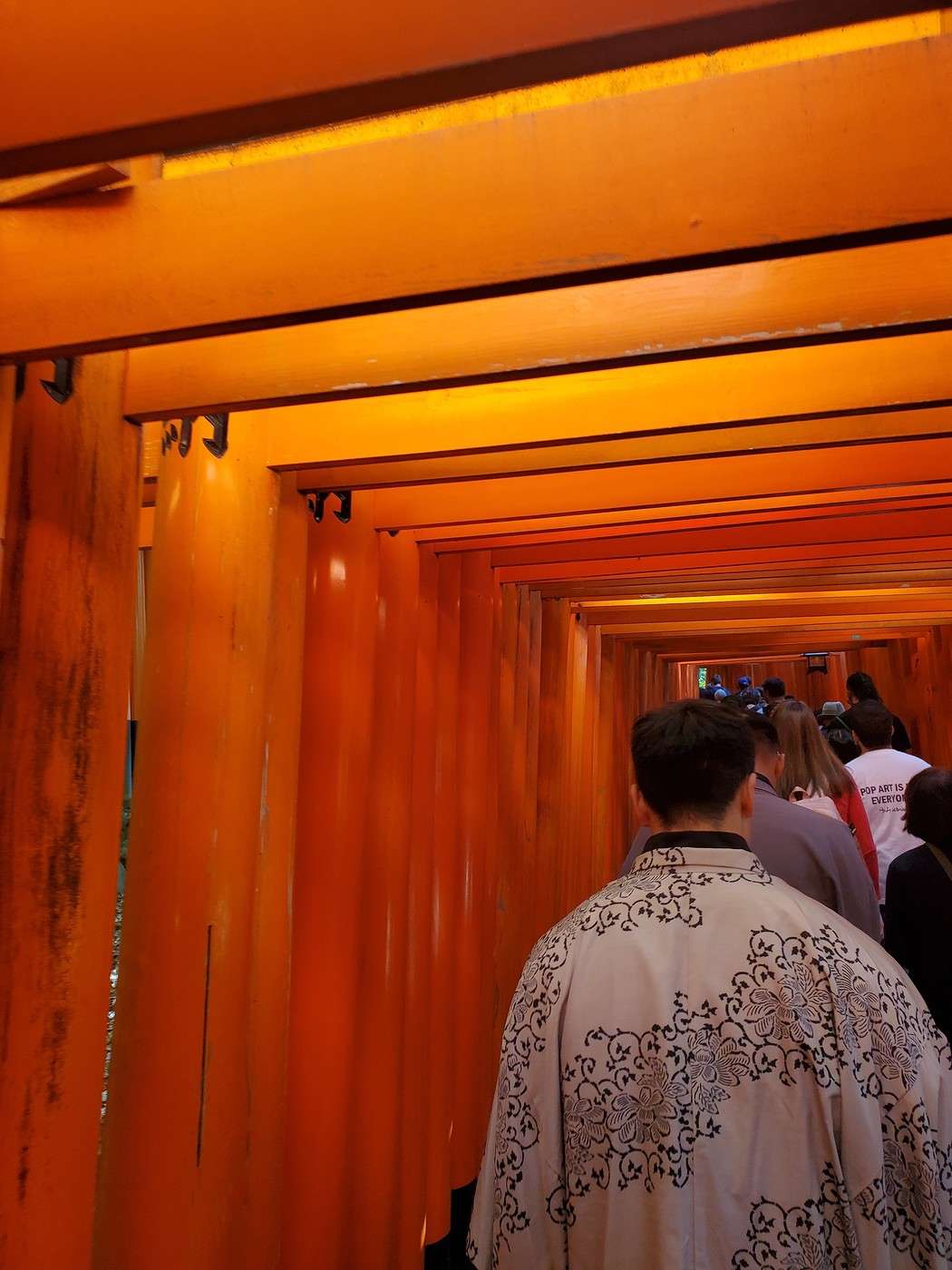
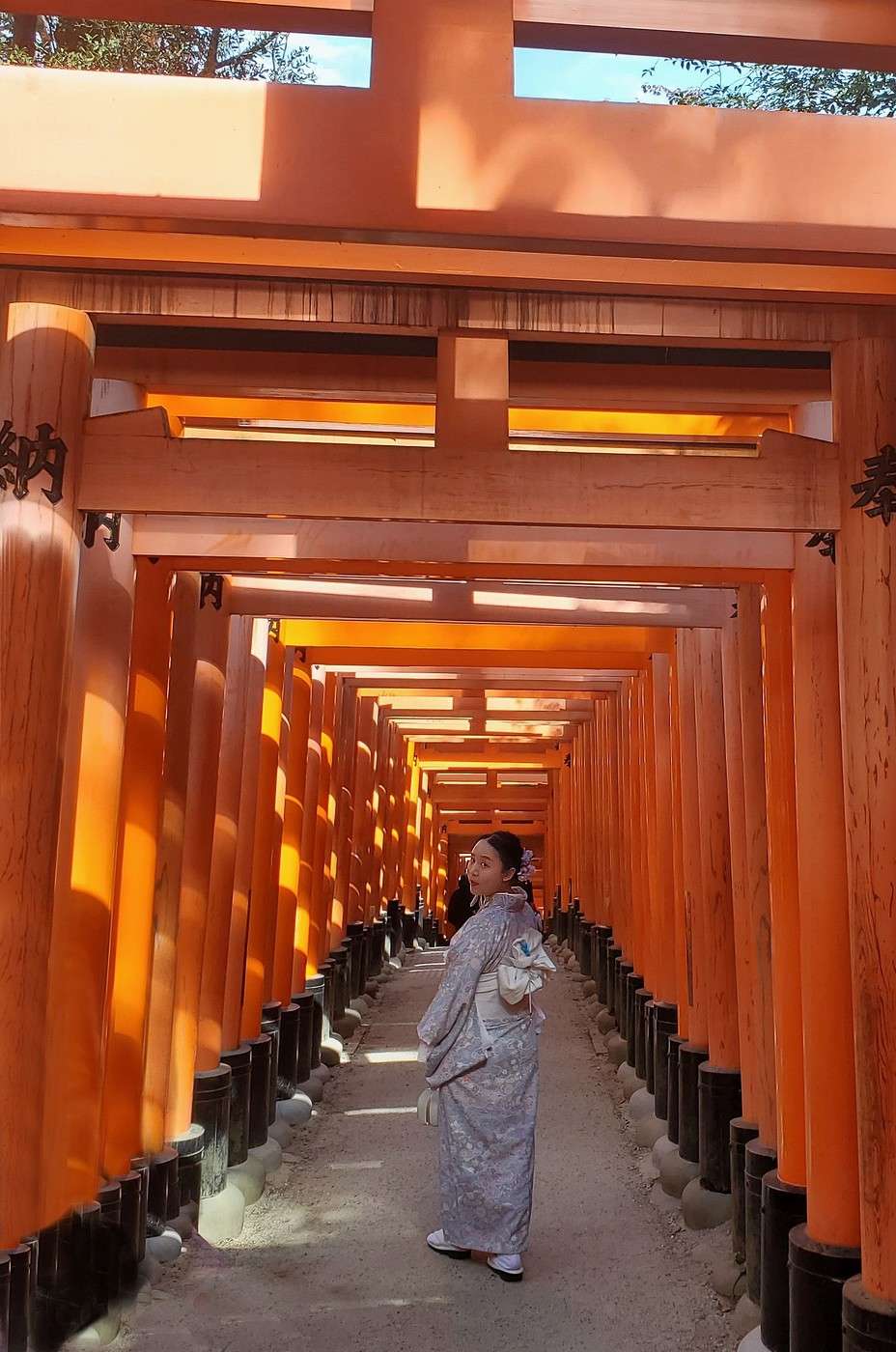
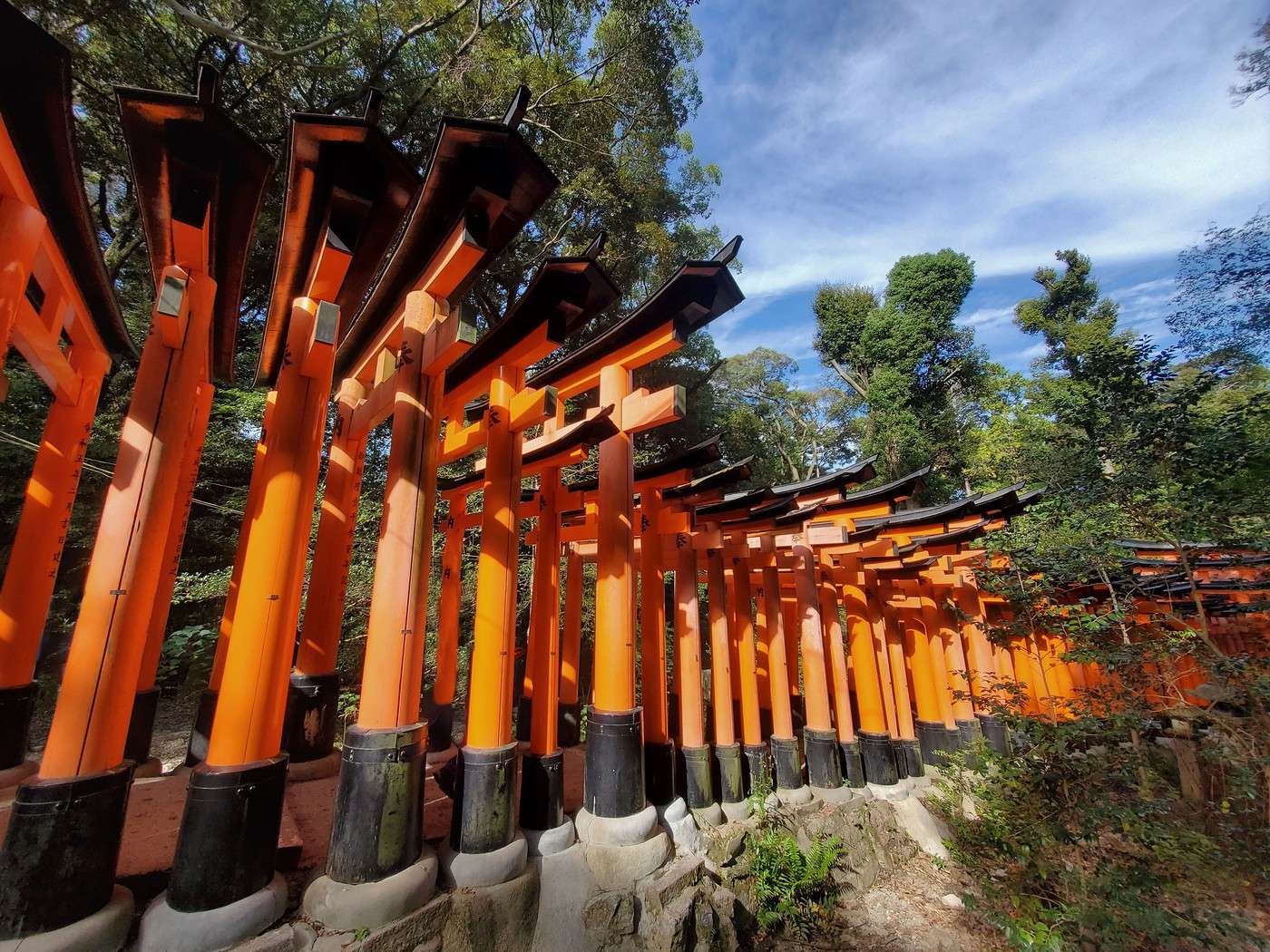
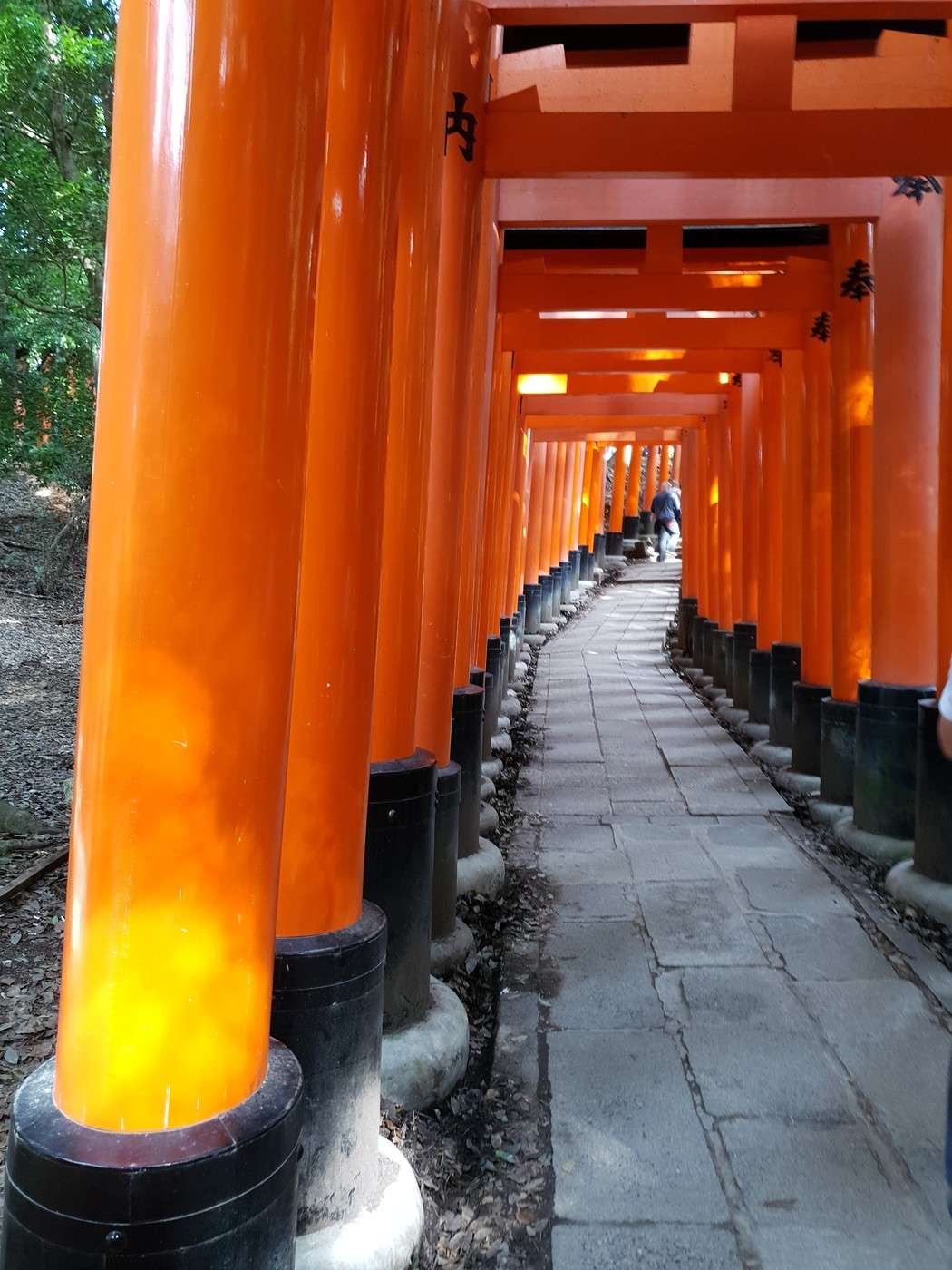
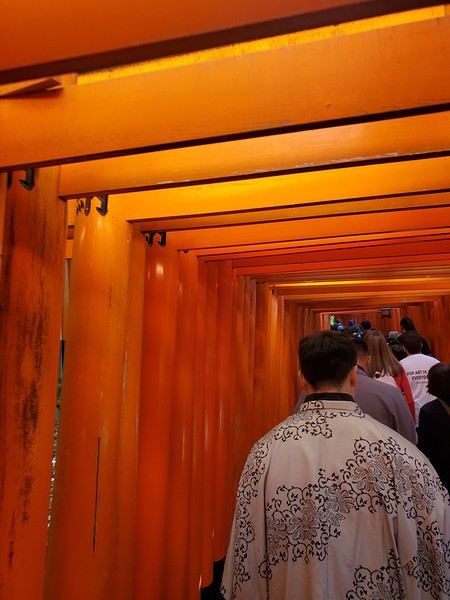 However, the higher we climbed, the thinner the crowds became, and we enjoyed the site more.
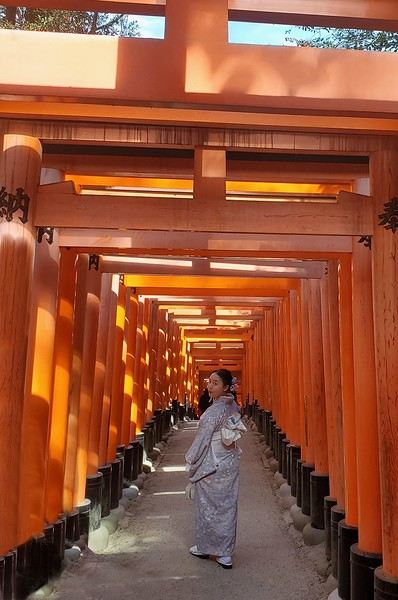
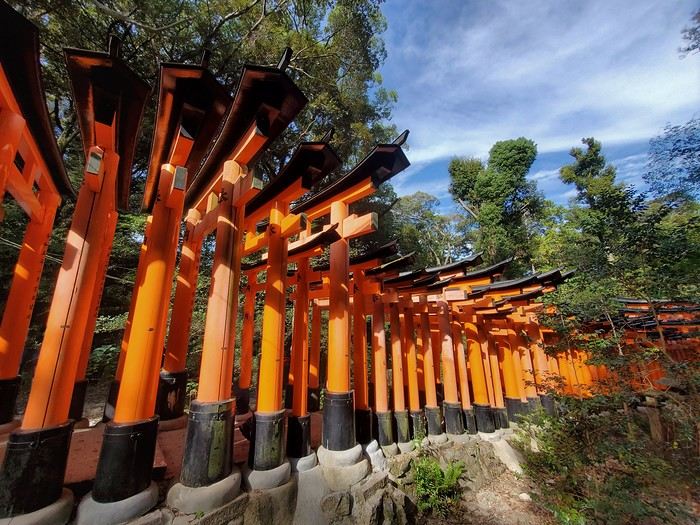
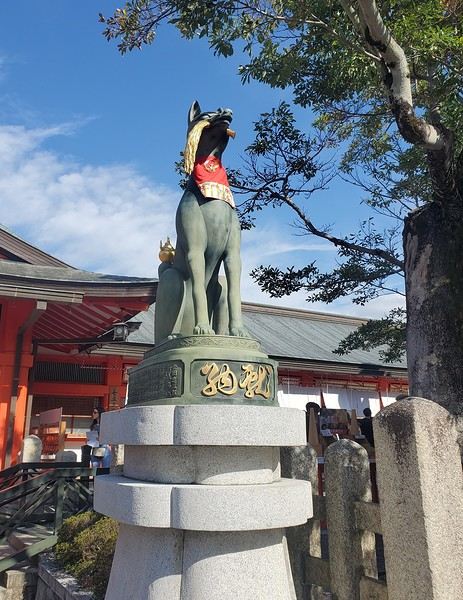
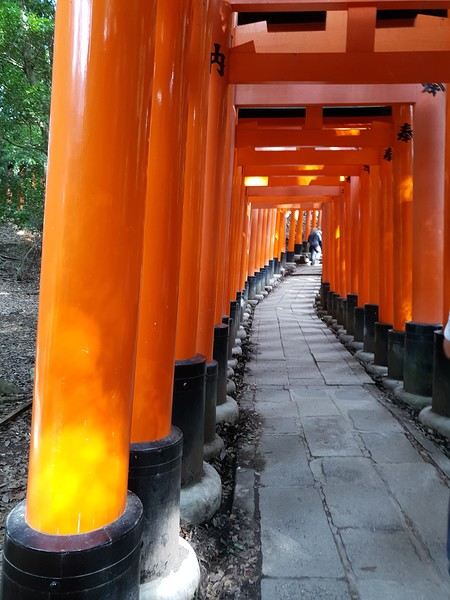 It’s also interesting to step away from the torii alleys to better feel the site’s spirituality in the small, very zen altars.
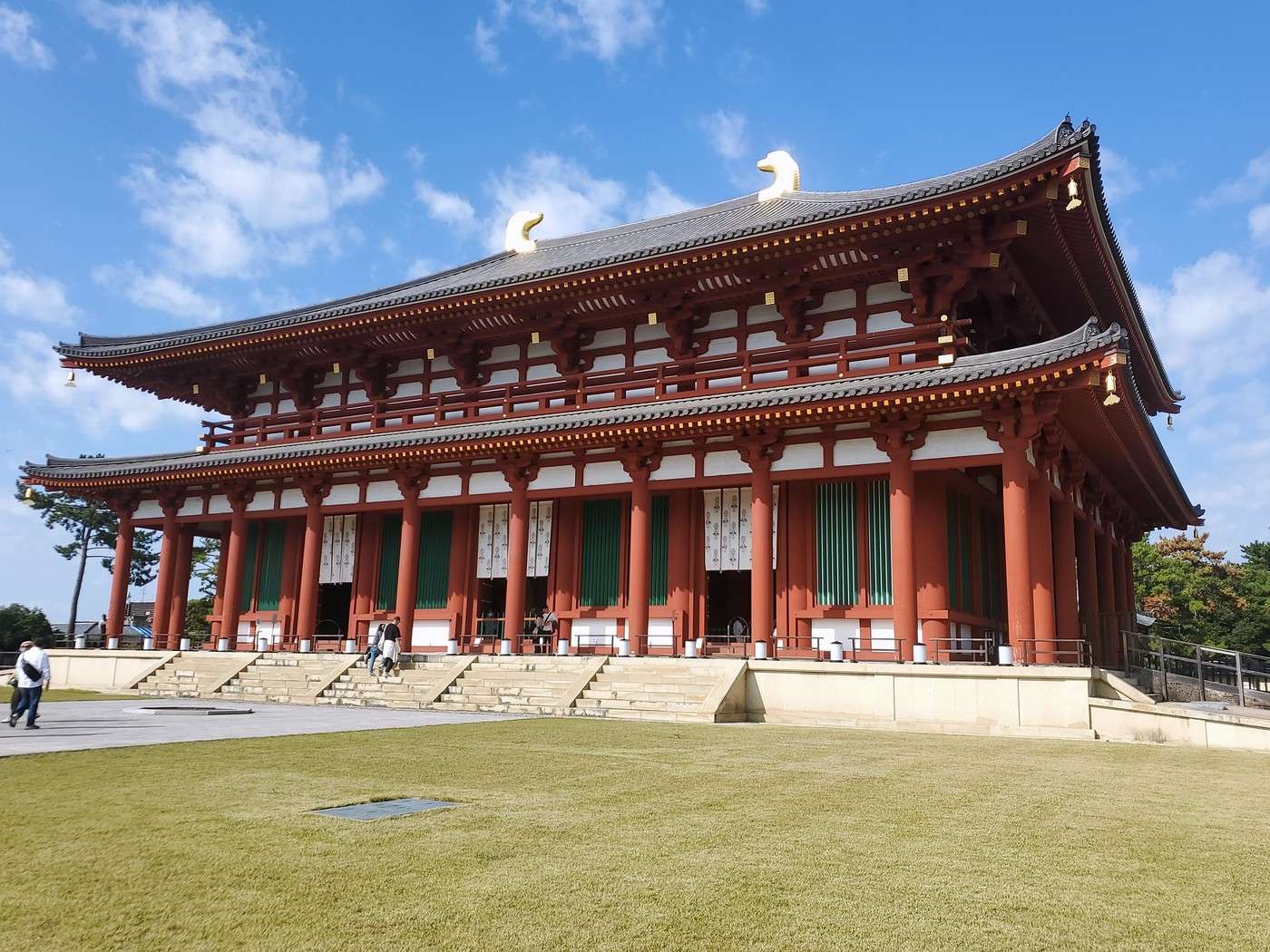
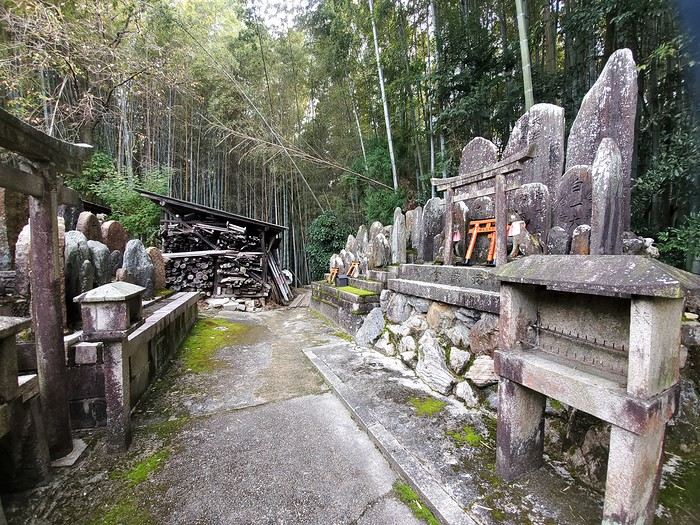 We bought a few souvenirs and then took a bus to visit a quieter site: the Eikan-do temple.
We deliberately avoided the Golden and Silver Pavilions, which were too touristy for our taste.
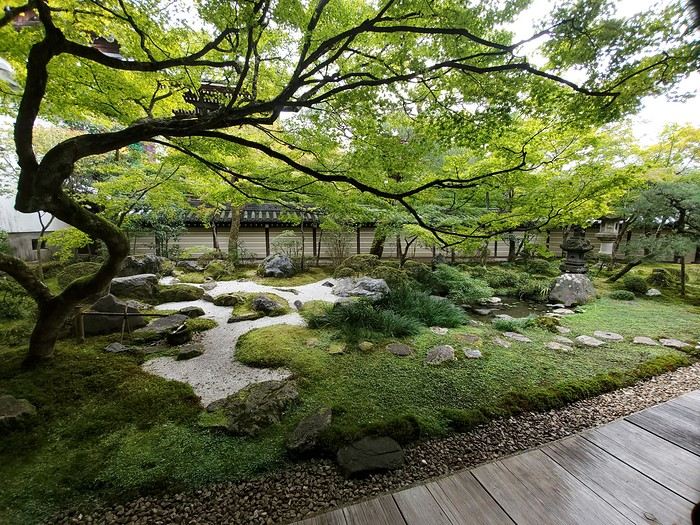 Here, ponds, moss gardens, and temple courtyards alternate—everything is perfectly maintained, varied, and relaxing.
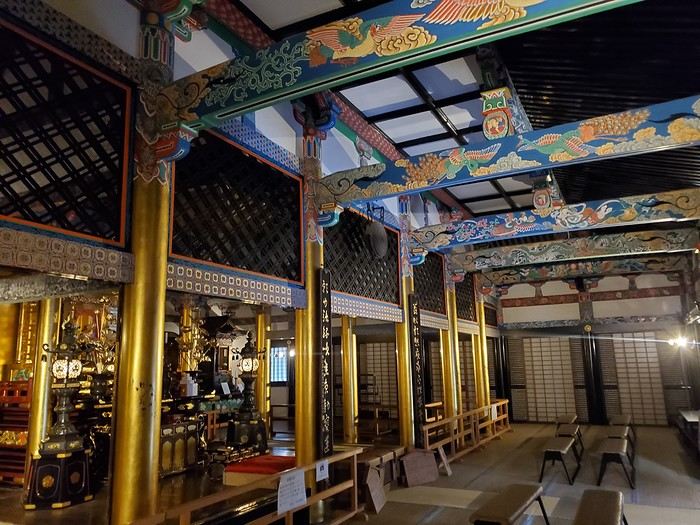

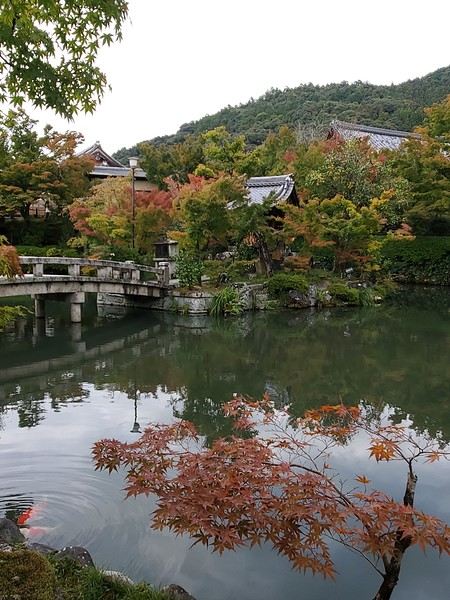 This temple is very popular, though, when the autumn colors are in full display.
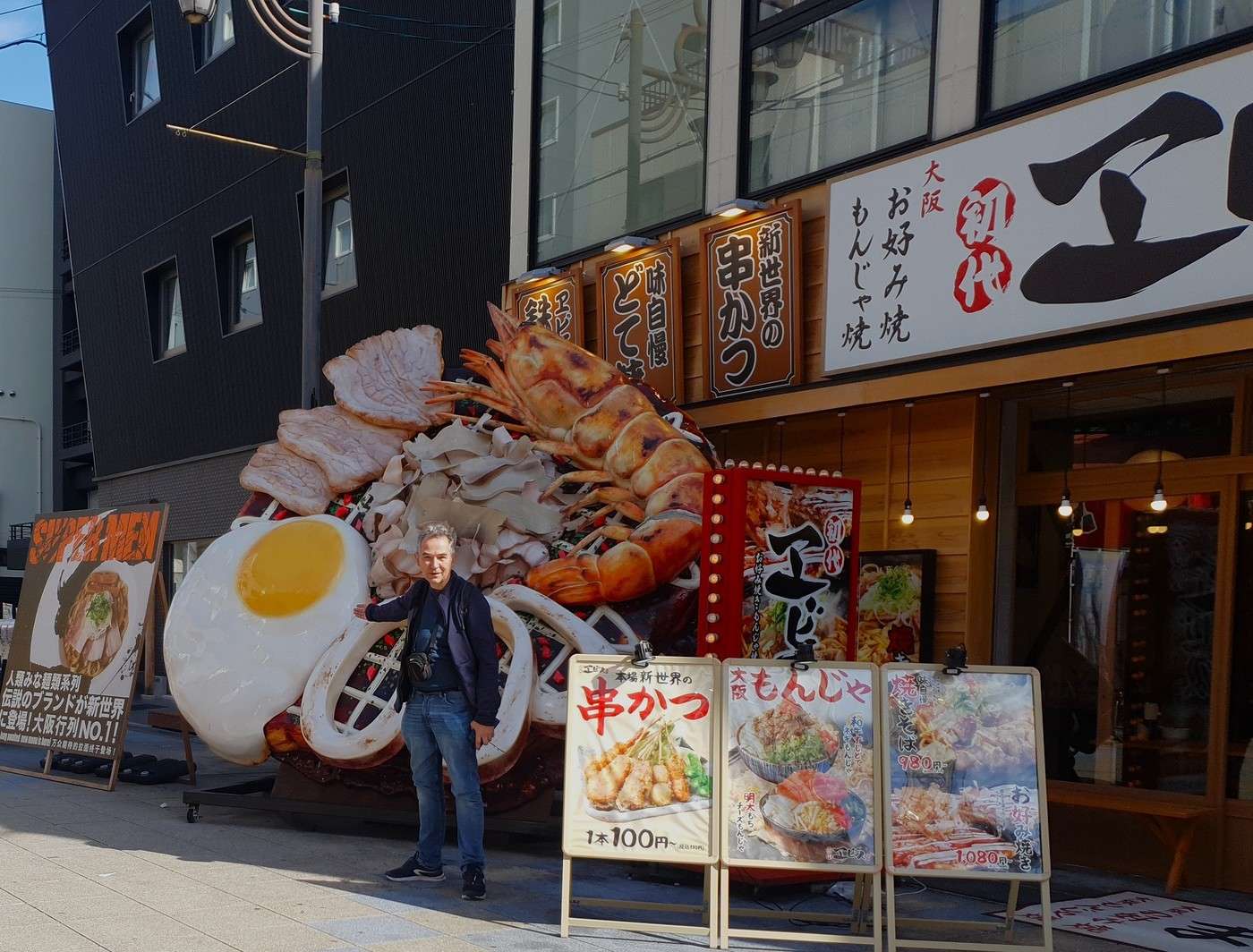
We ended the day by enjoying some delicious okonomiyaki.
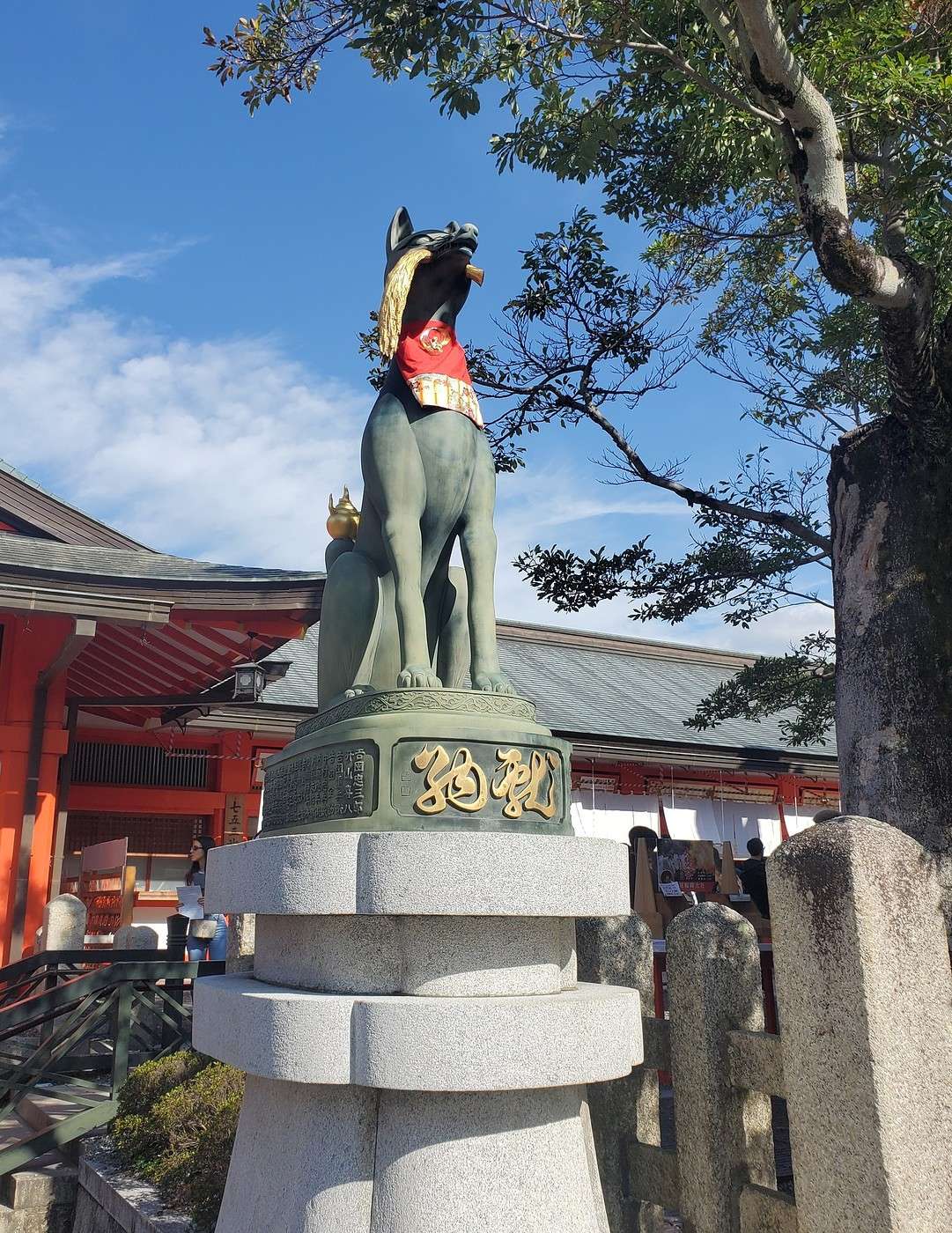
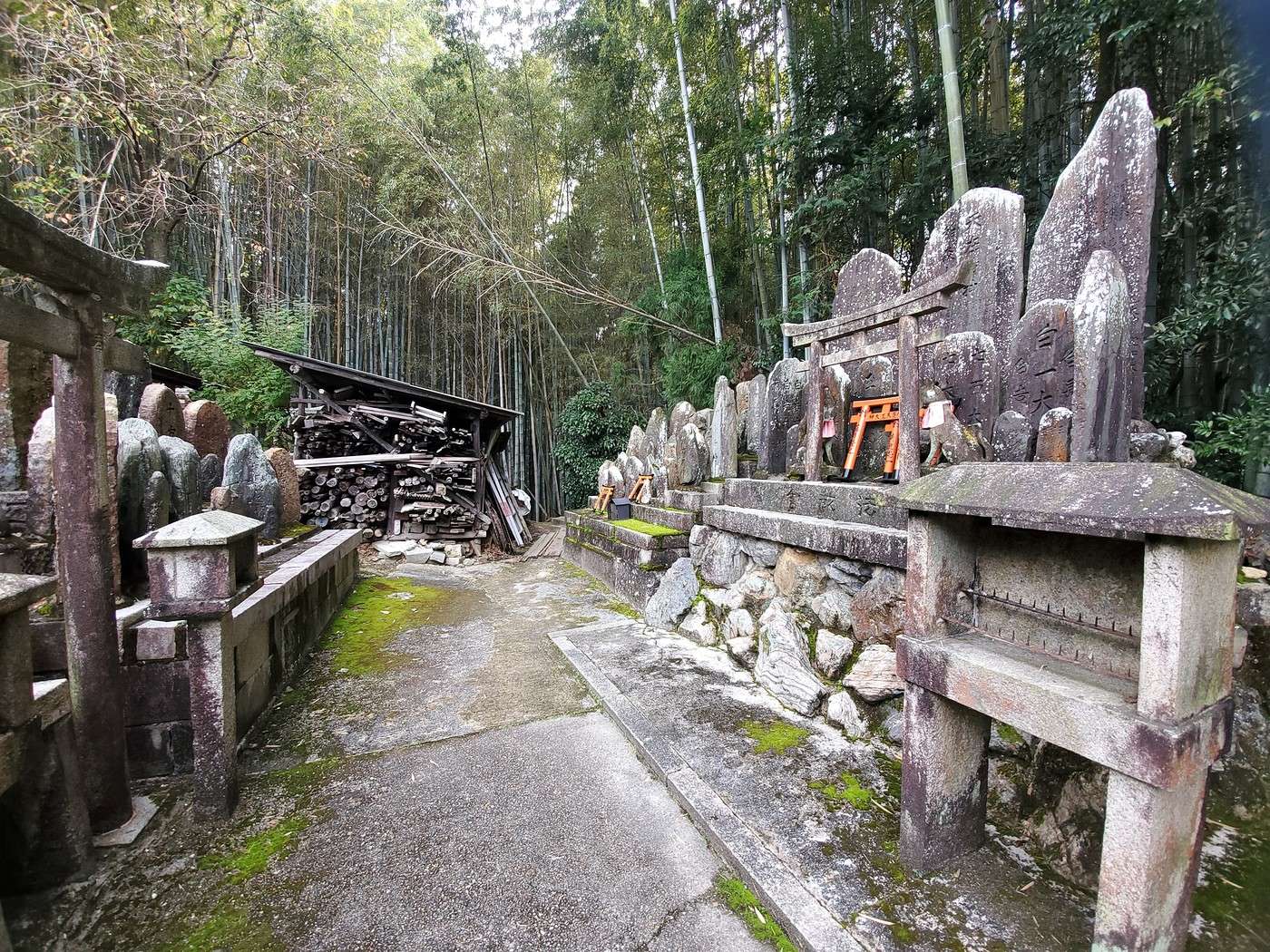
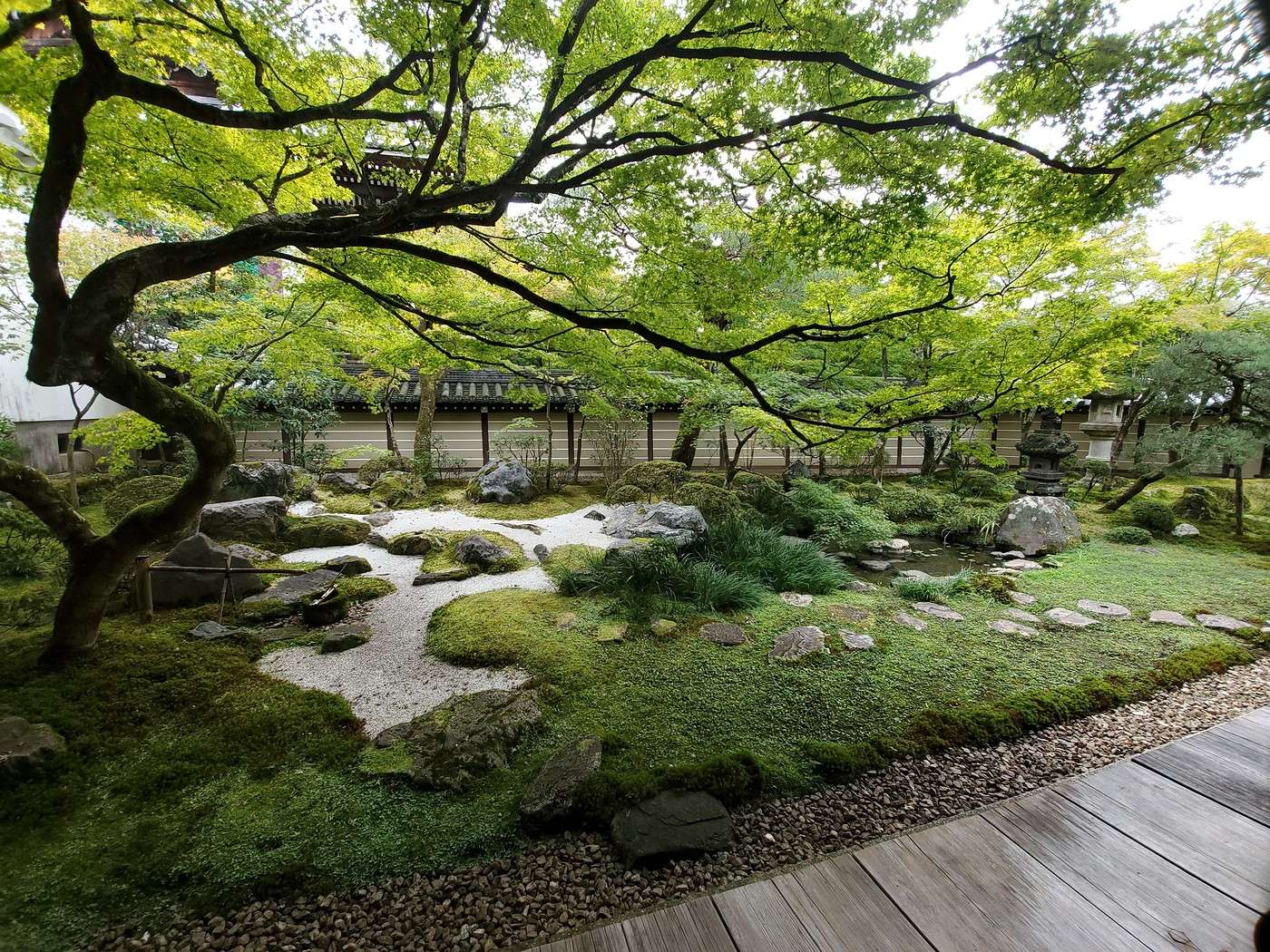
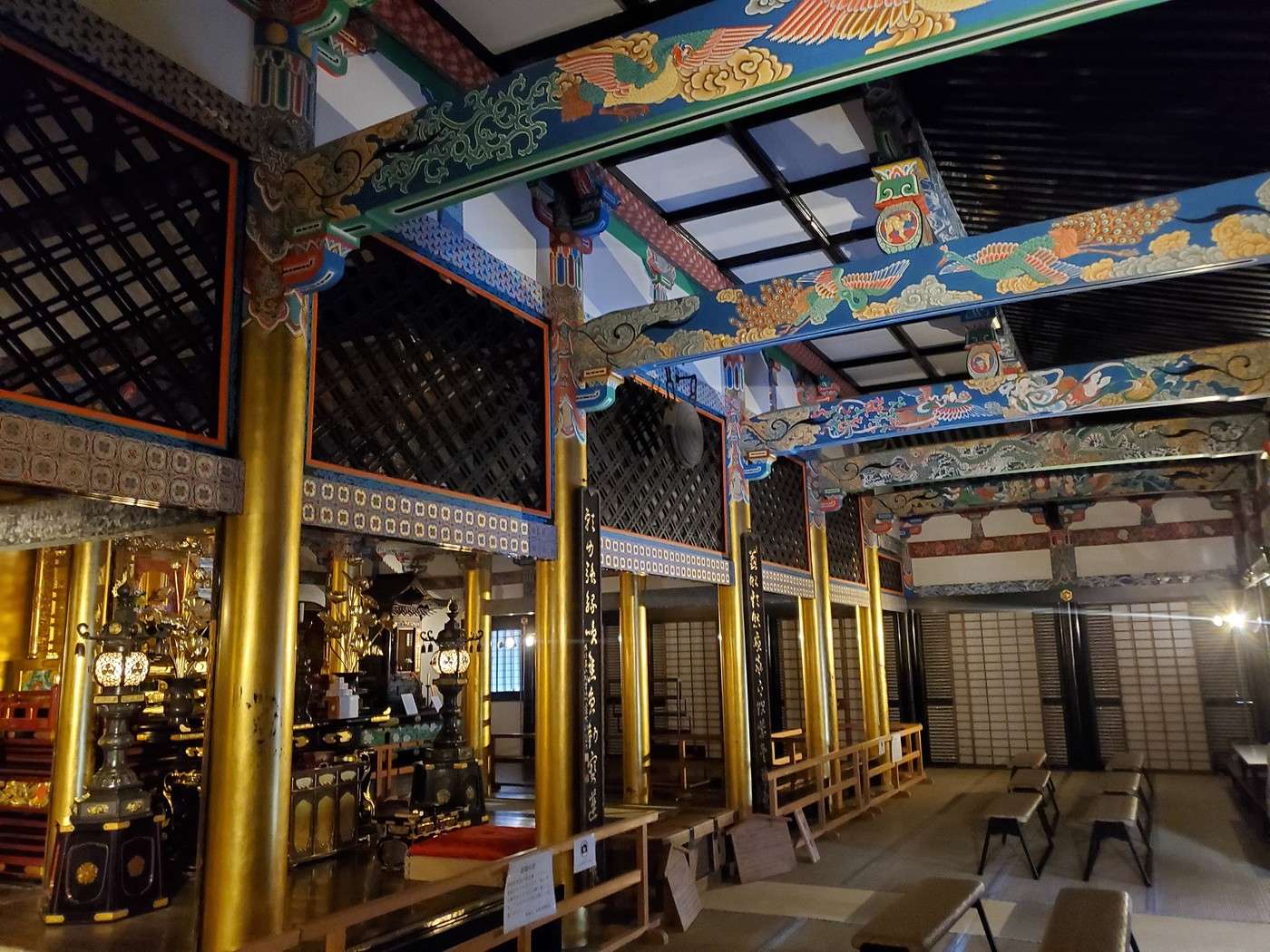
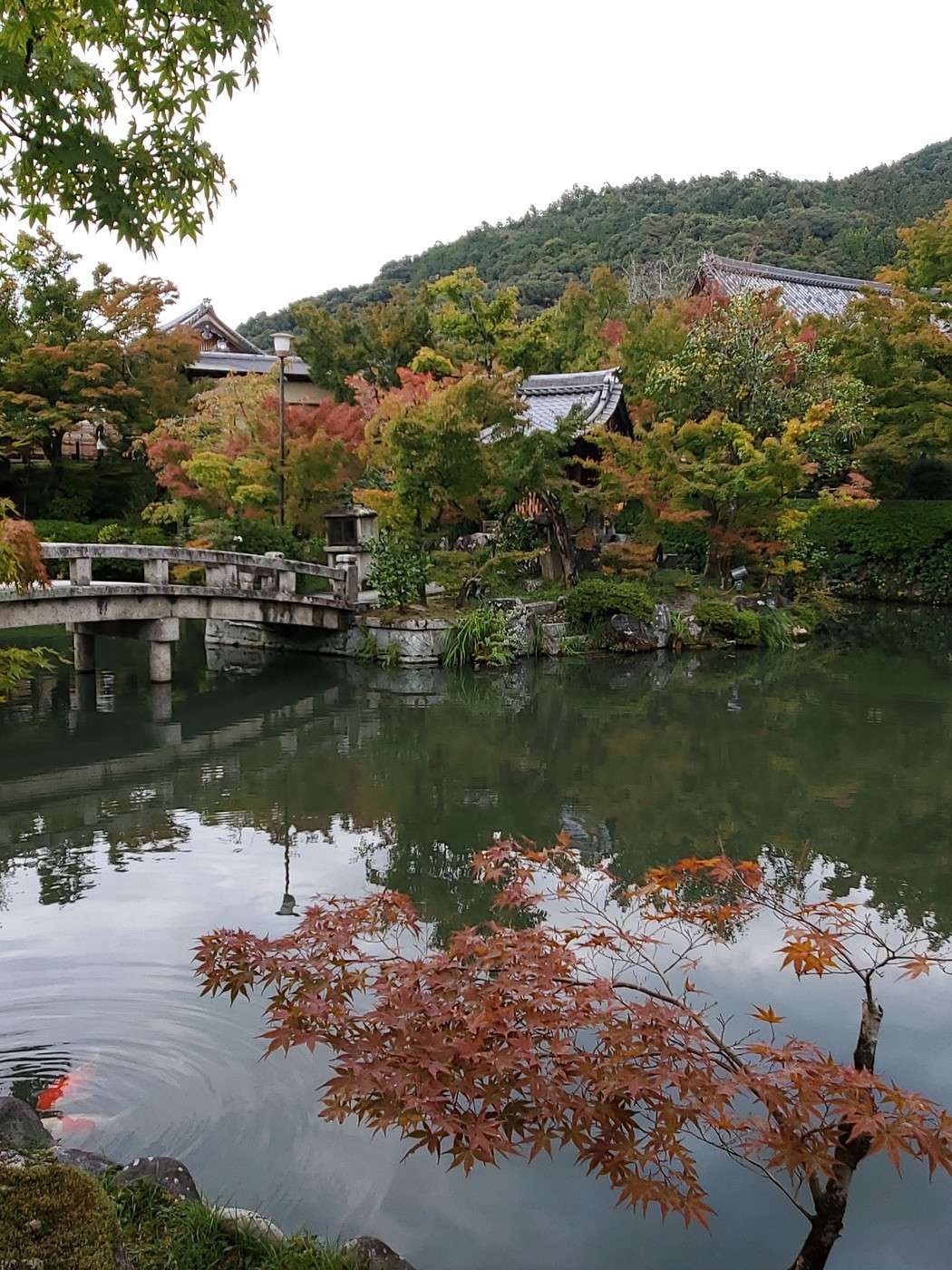
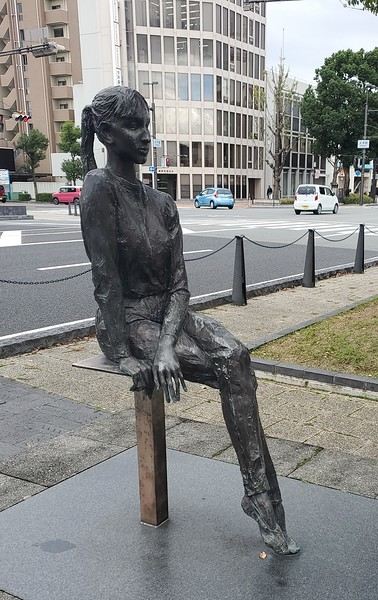
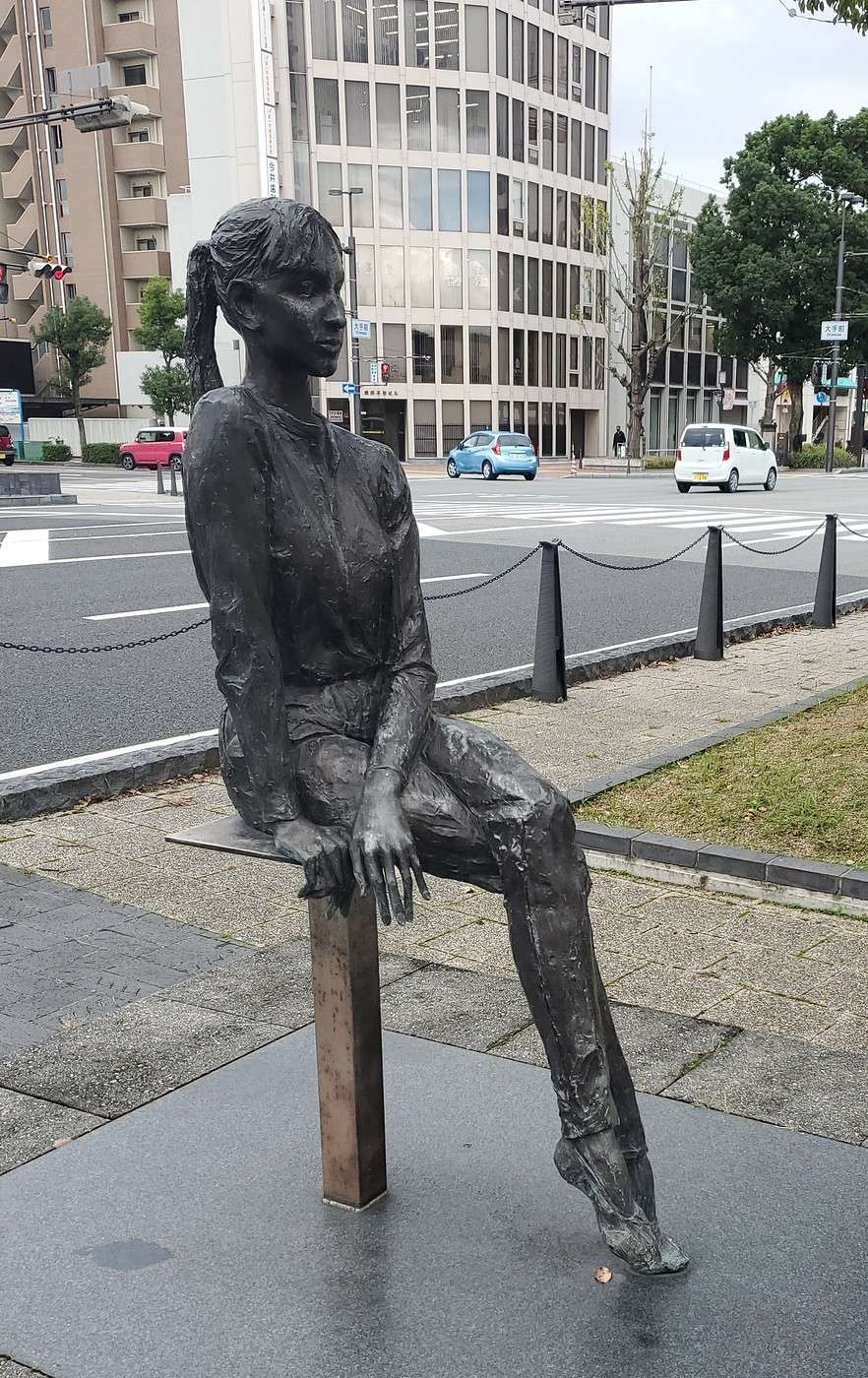
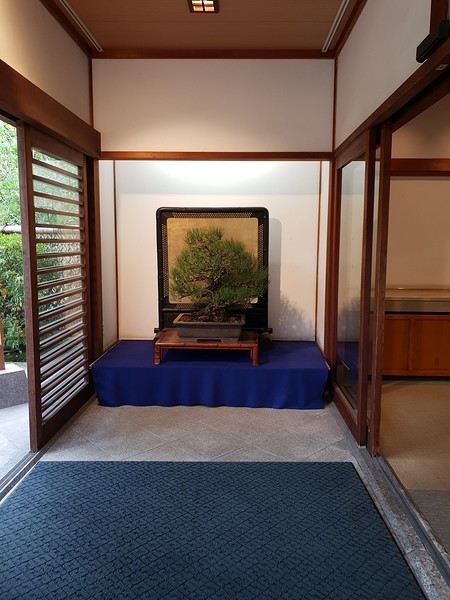 We head back to the station, checking out the statues along the avenue.
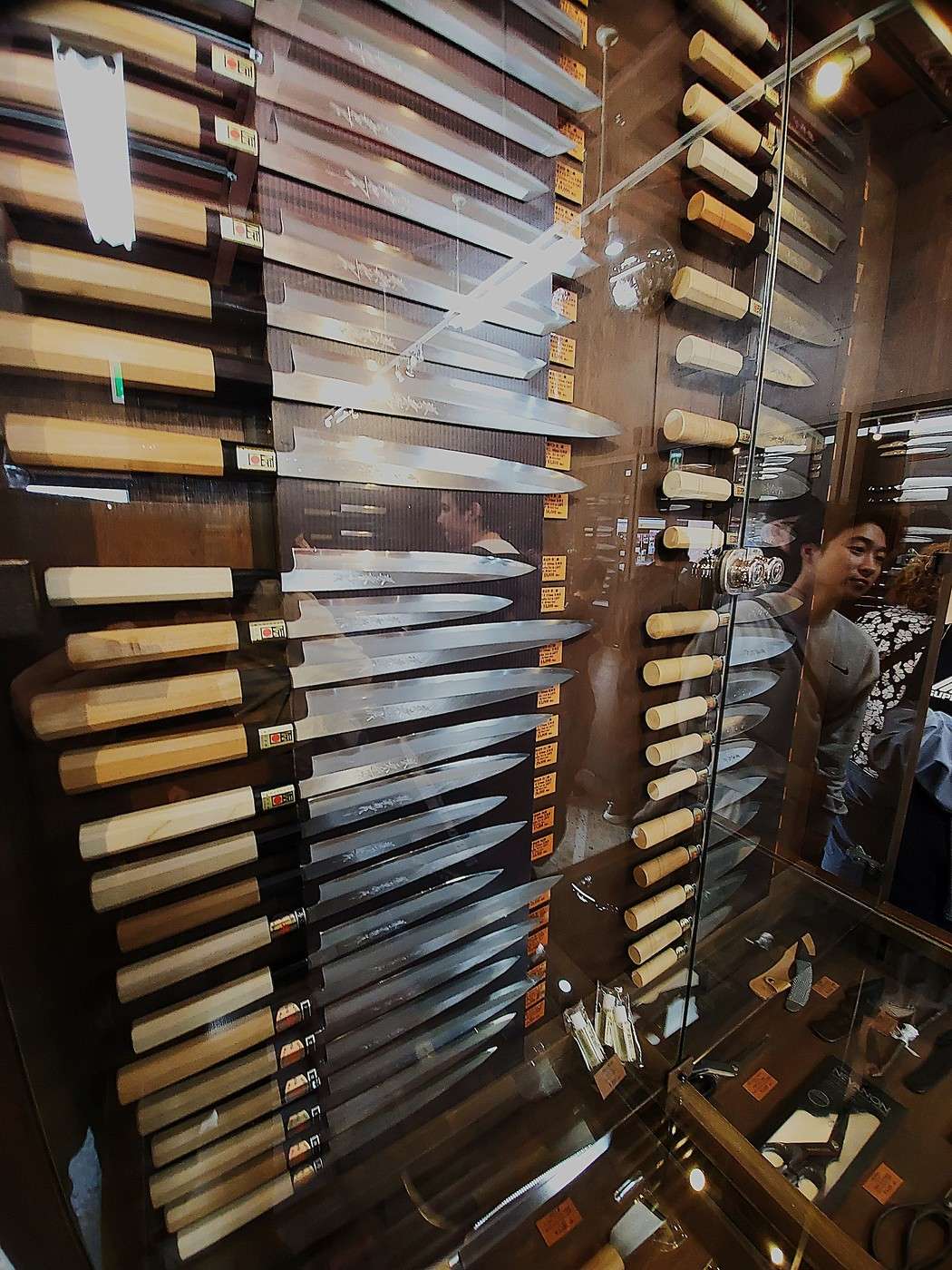
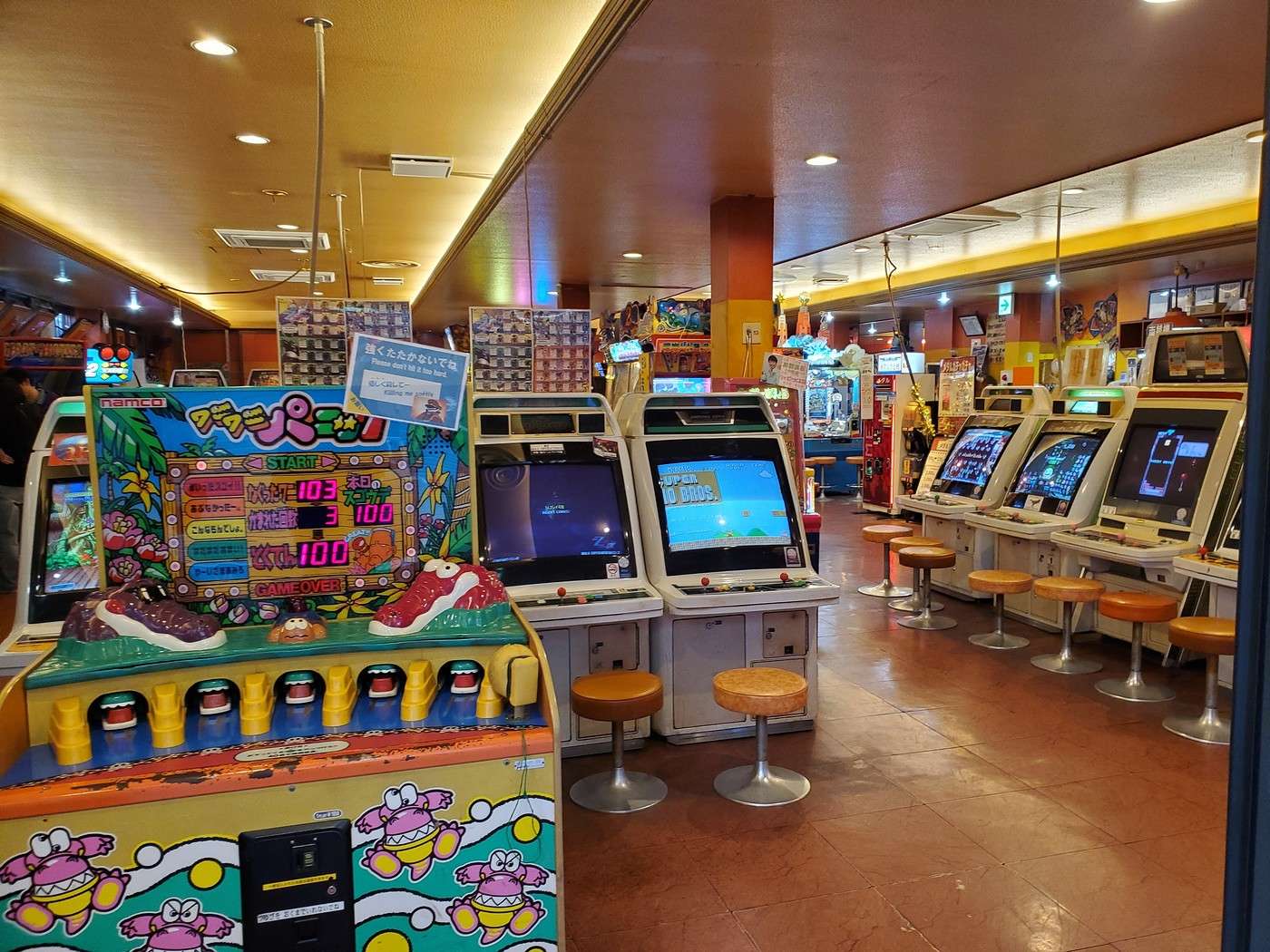
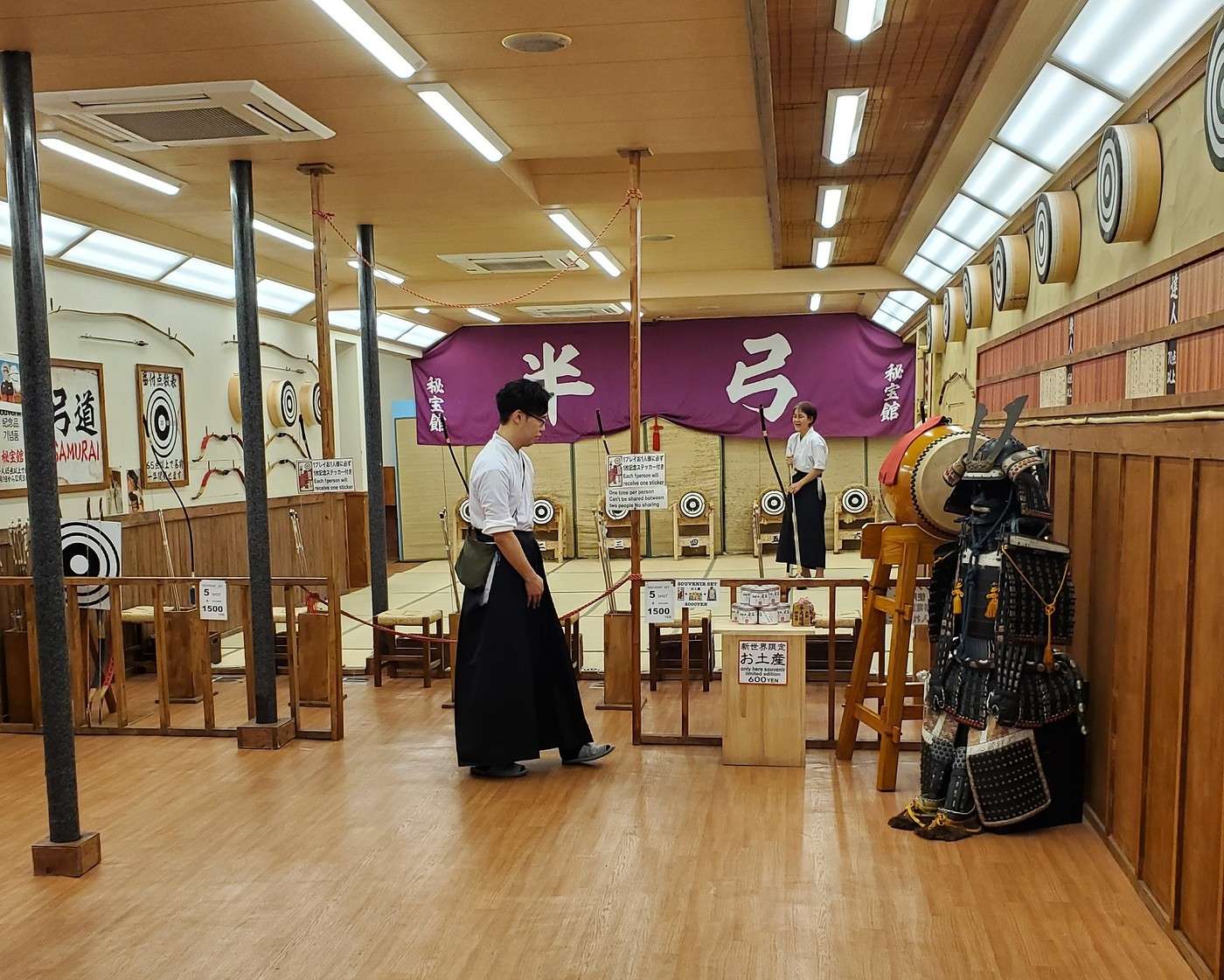
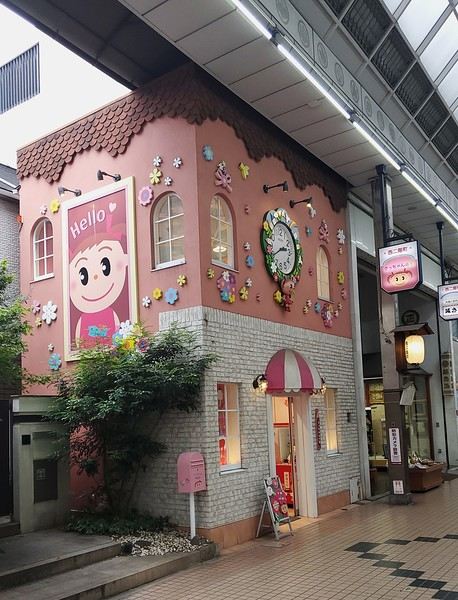
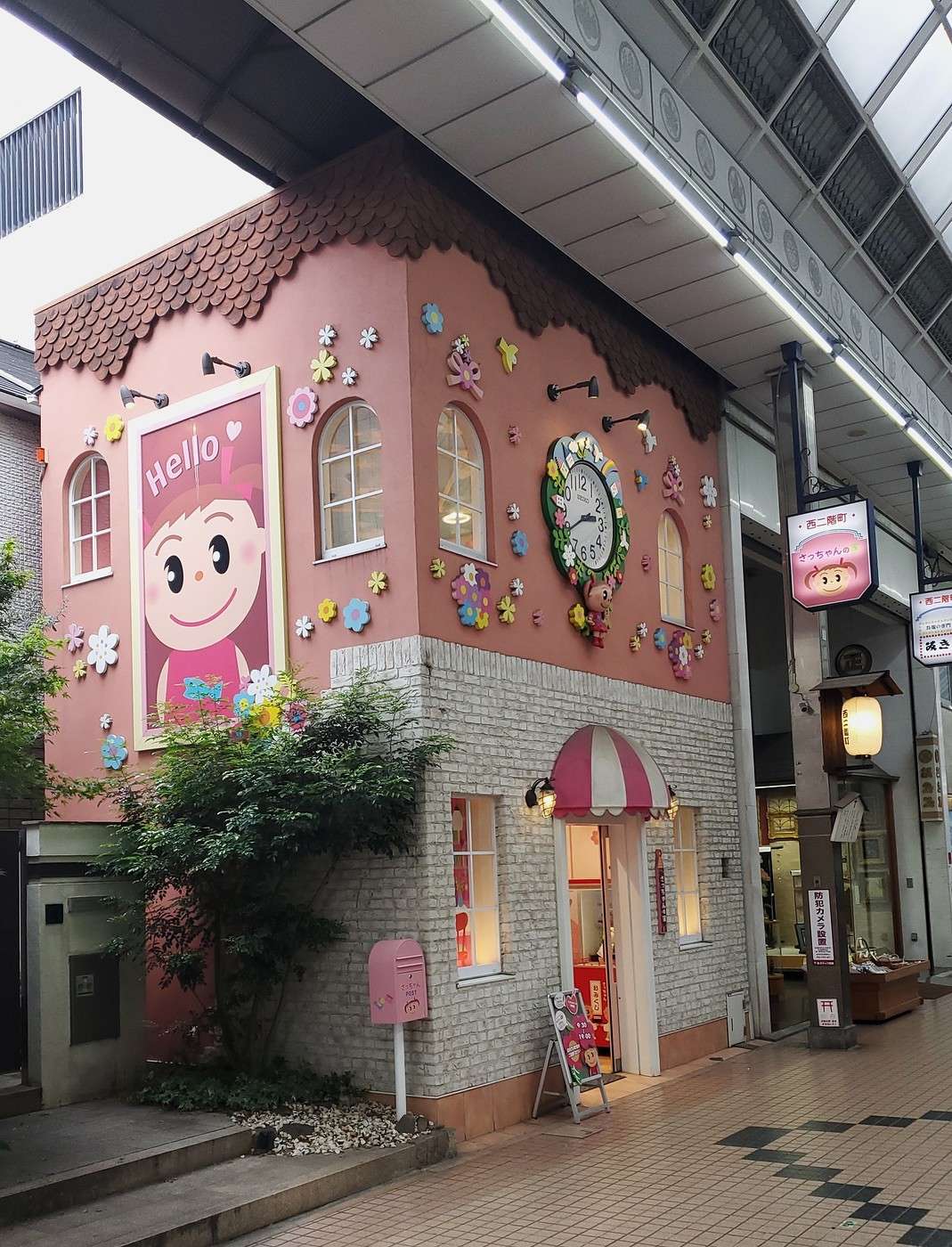
 A fun little shop catches our eye.
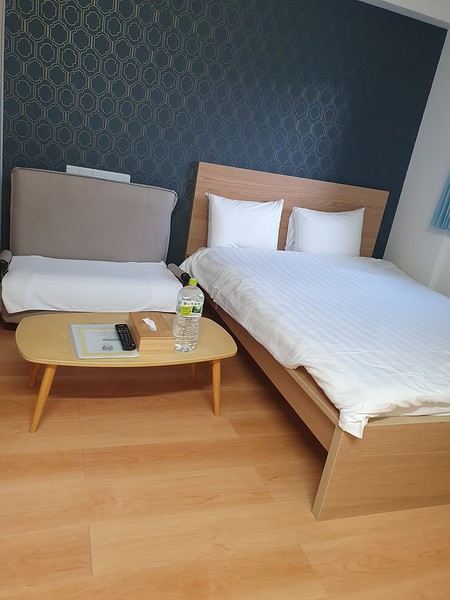
 Time to catch the shinkansen to Hiroshima, where we’ll stay for 3 nights at the Kuretakeso Hiroshima Otemachi (50 € per night, great value with free aperitif every evening!)
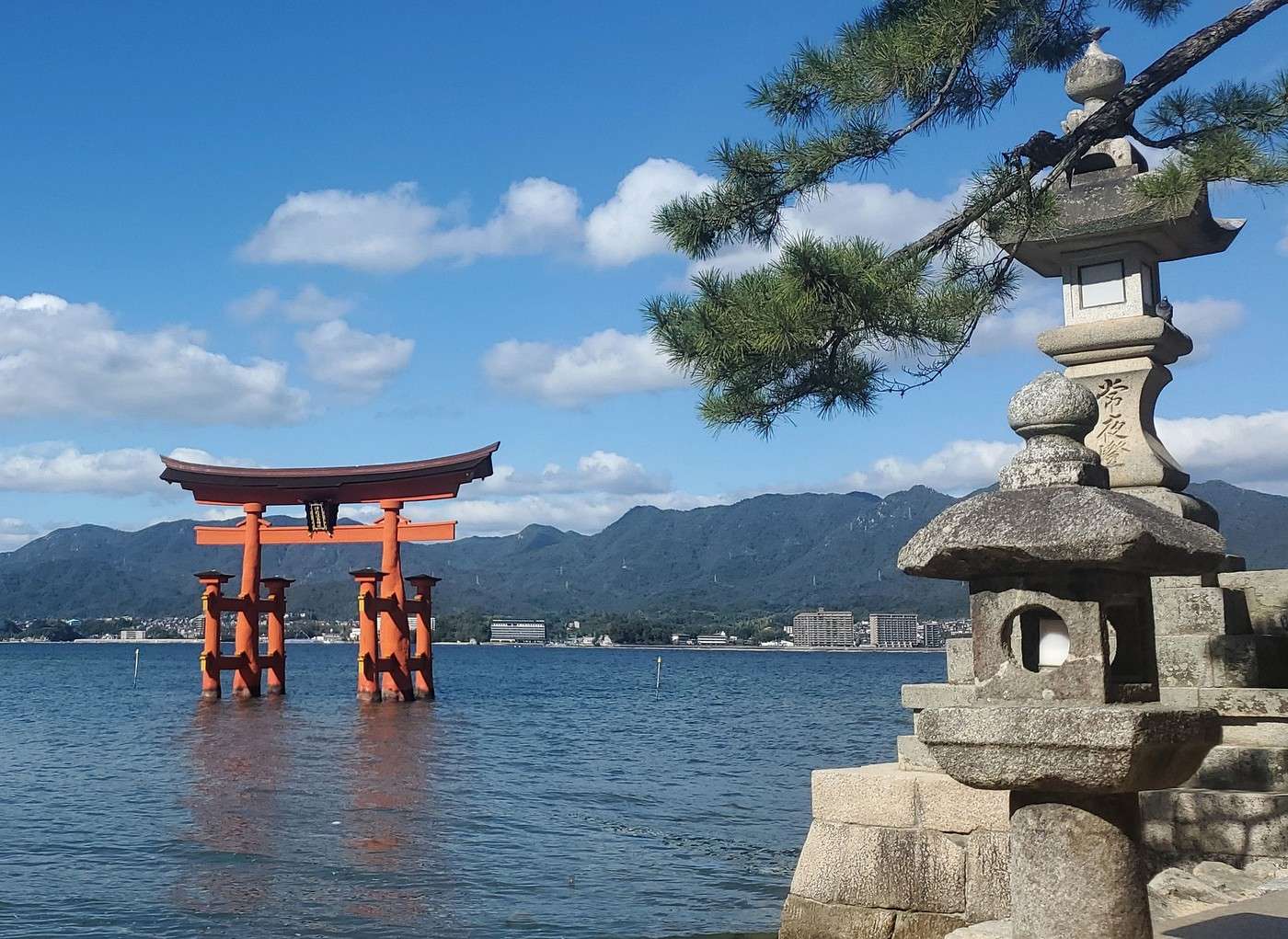
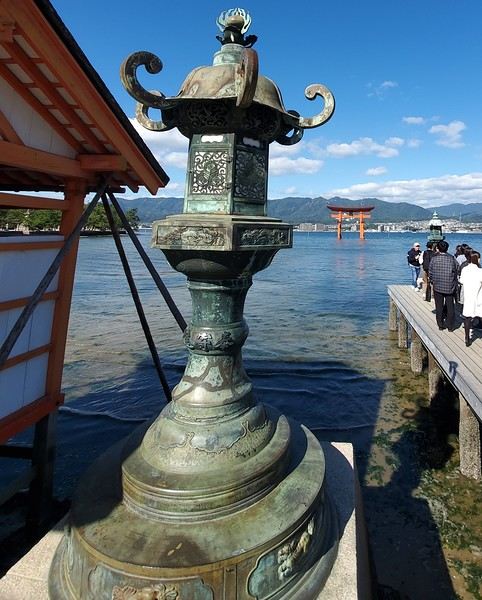 However, between two waves of tourists, we can enjoy a short break to take some nice photos.
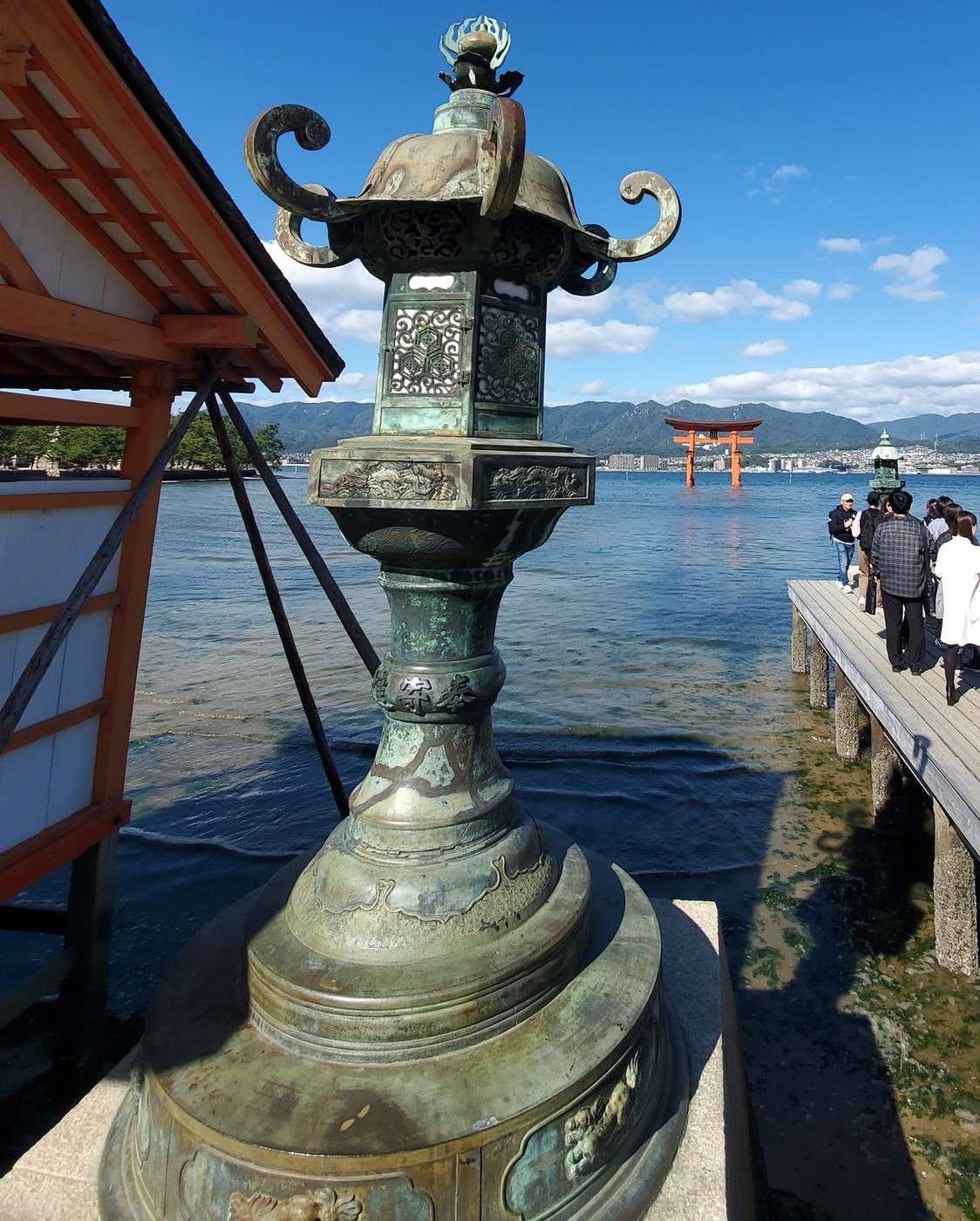
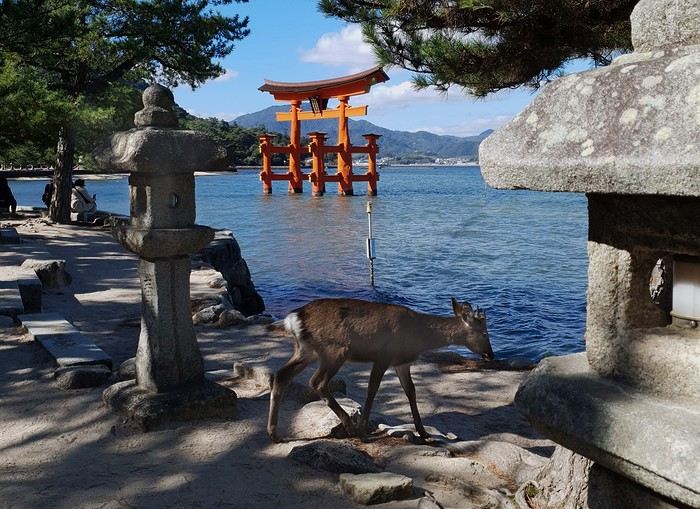 The torii, which has just been renovated, is 16 meters tall and weighs 60 tons. Apparently, it’s its weight that keeps it in place.
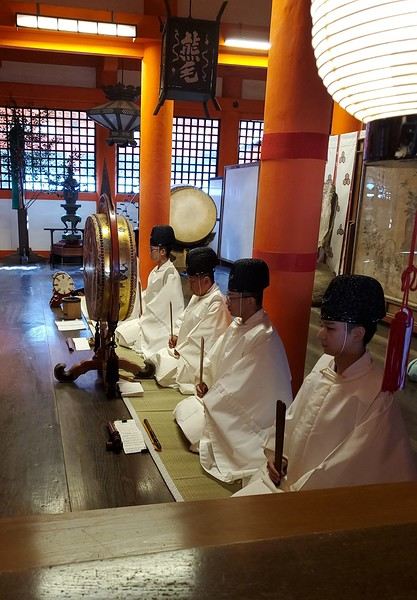
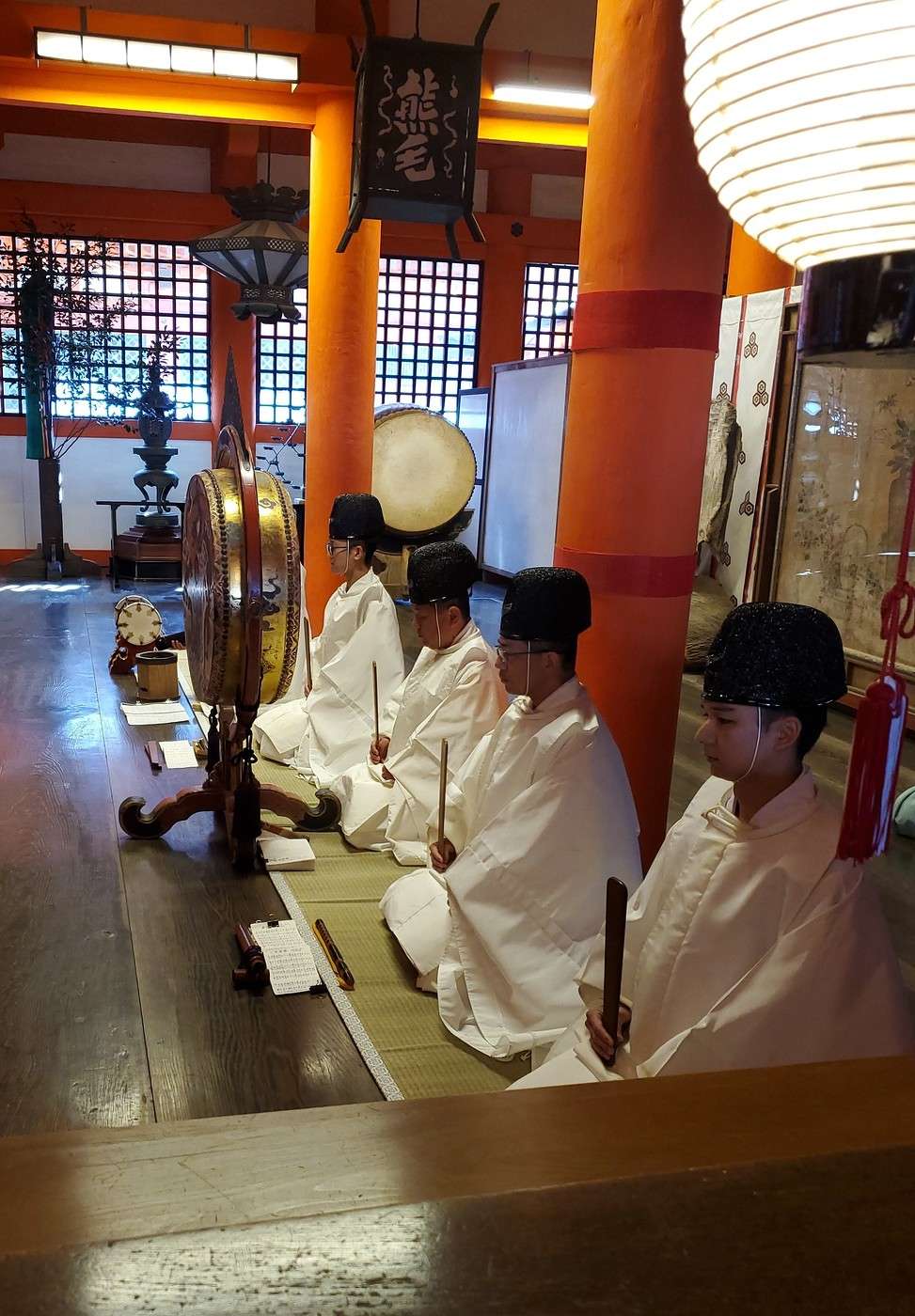
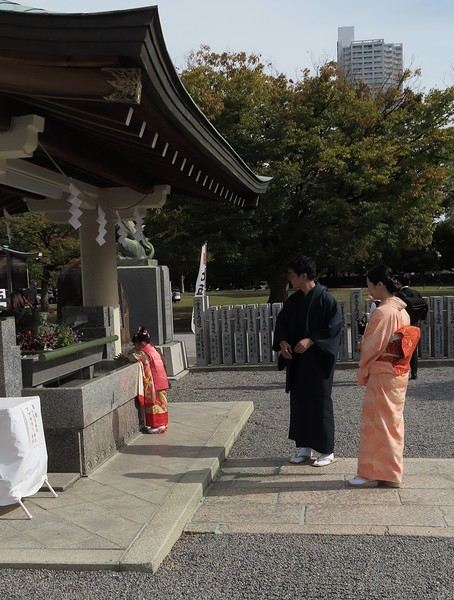
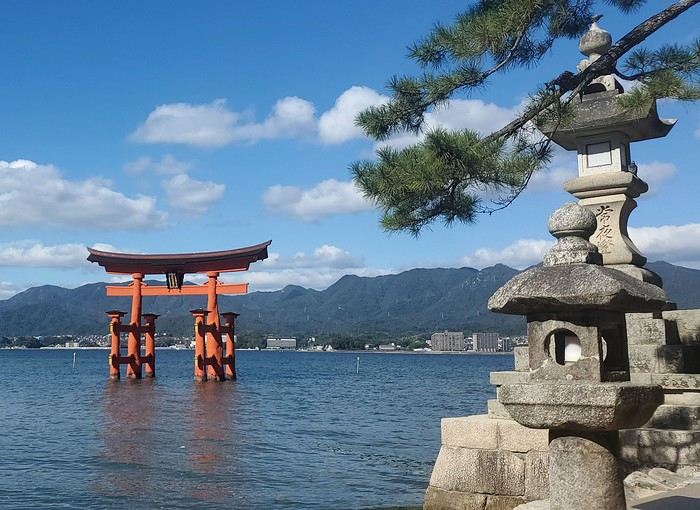 We also visit the Itsukushima Shinto shrine, where a ceremony is taking place.
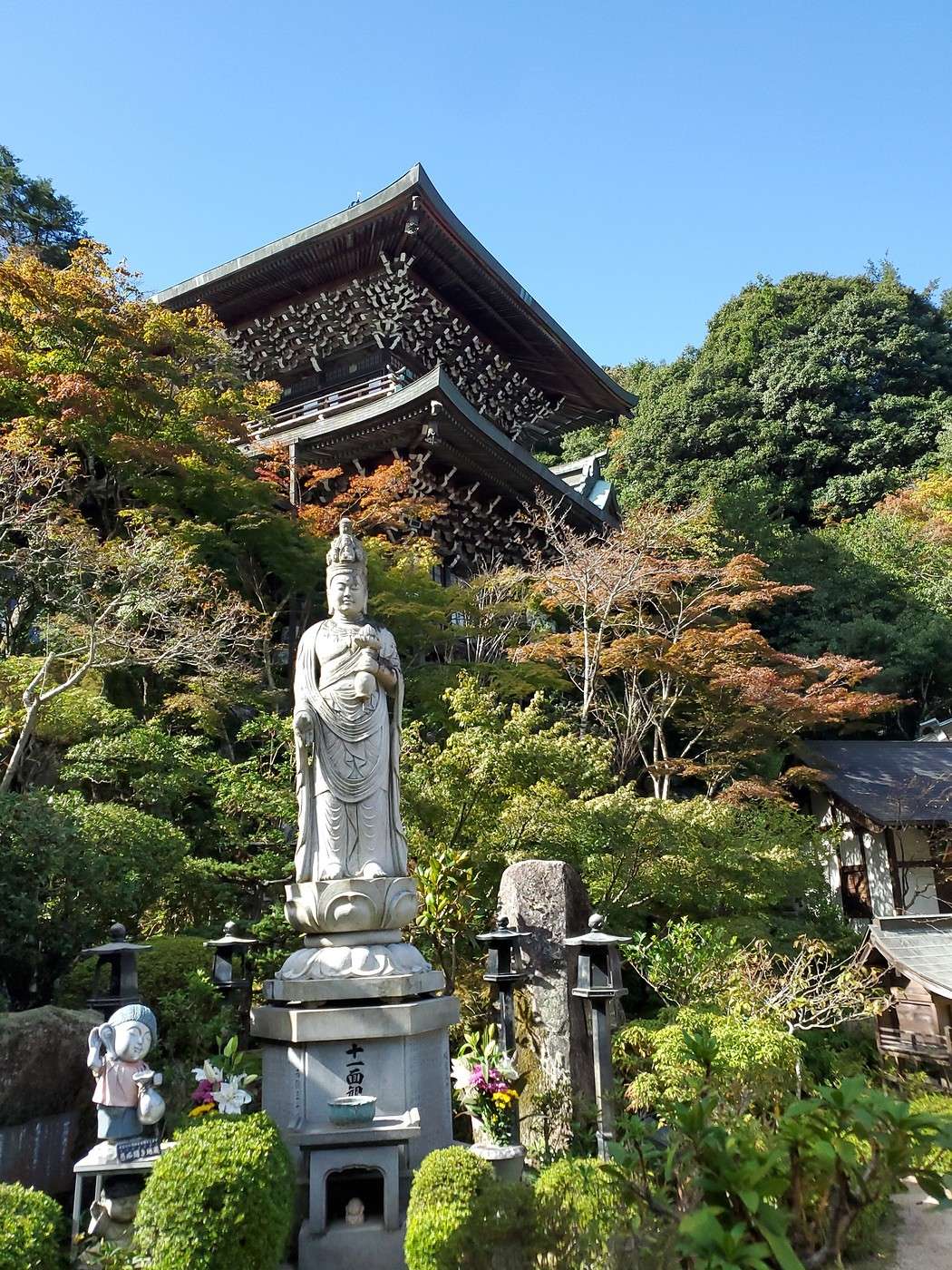
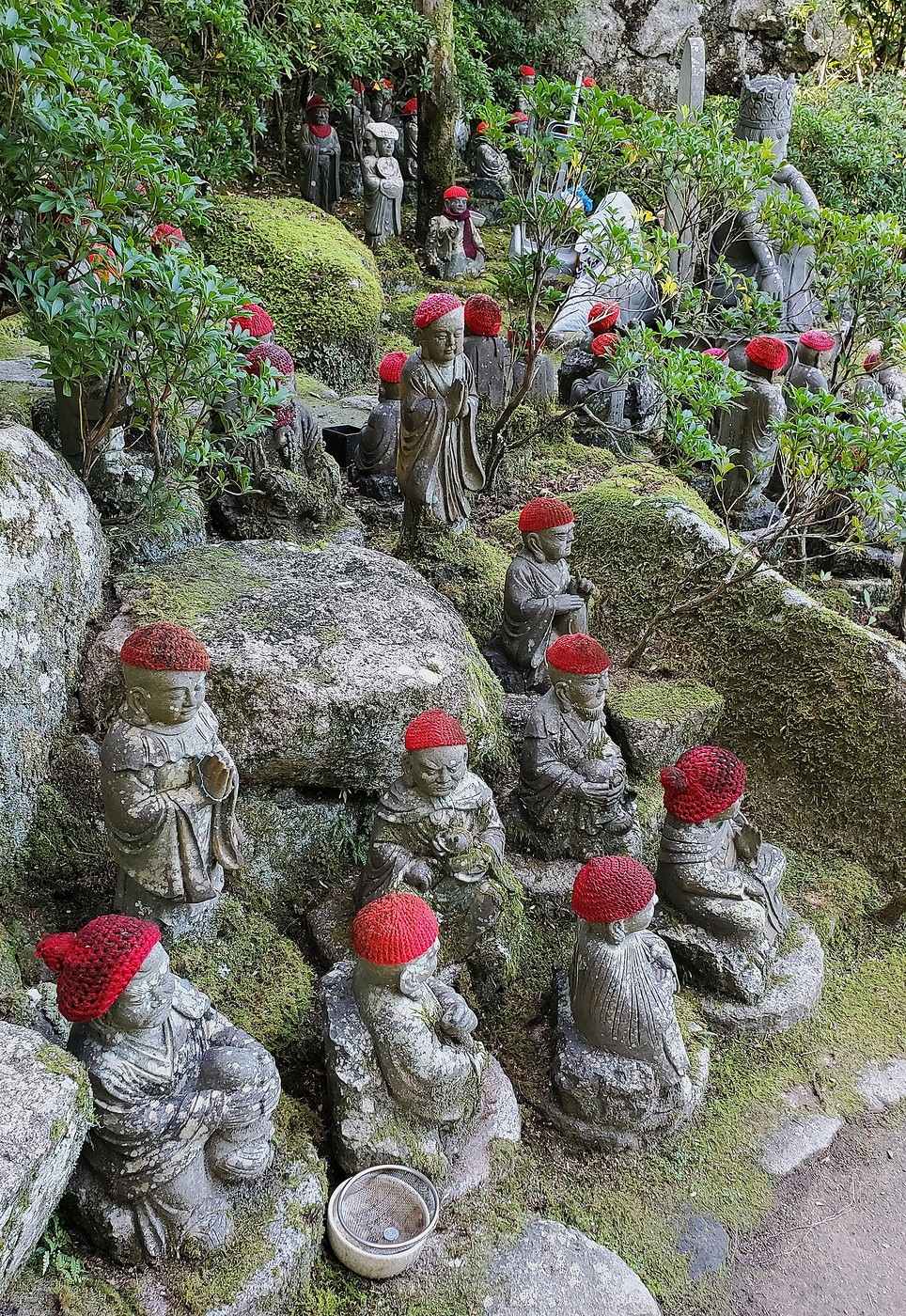
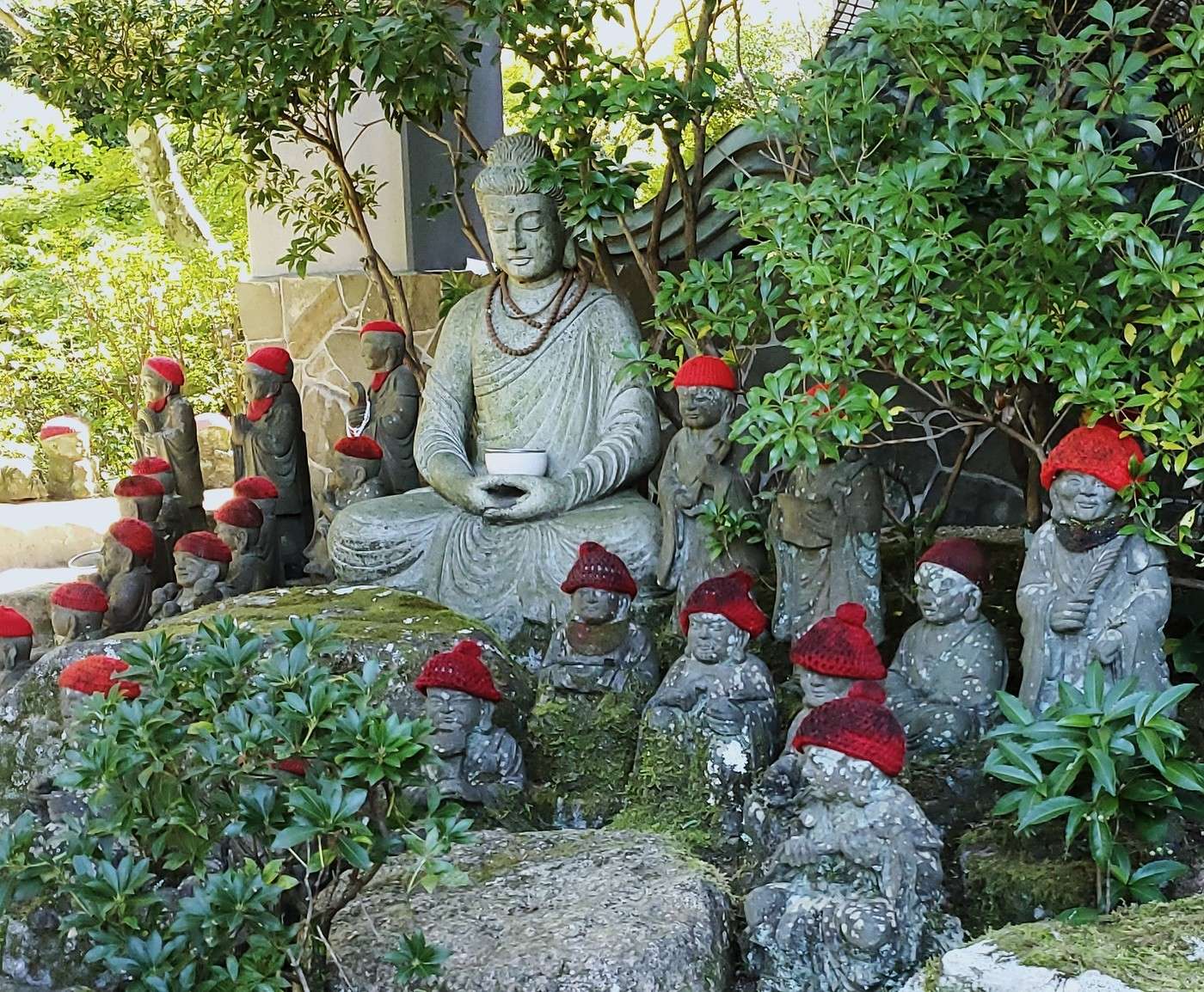
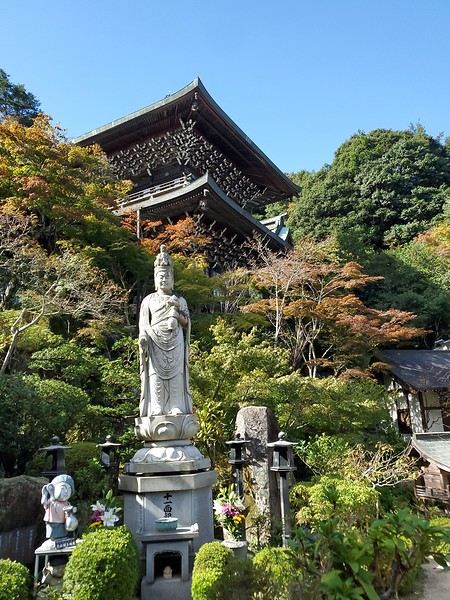 This temple is famous for its hundreds of statues in the garden.
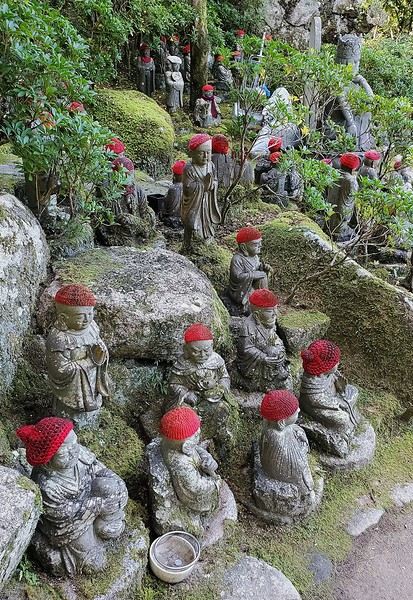
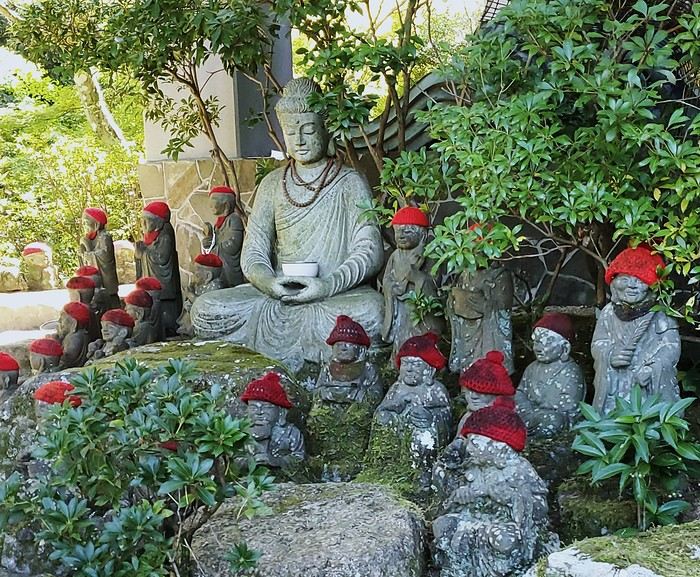 Each statue is interesting, so we spend a good hour in this very pleasant temple before heading back into the crowds to eat chicken skewers and fries—though the shika deer try to steal them from us!
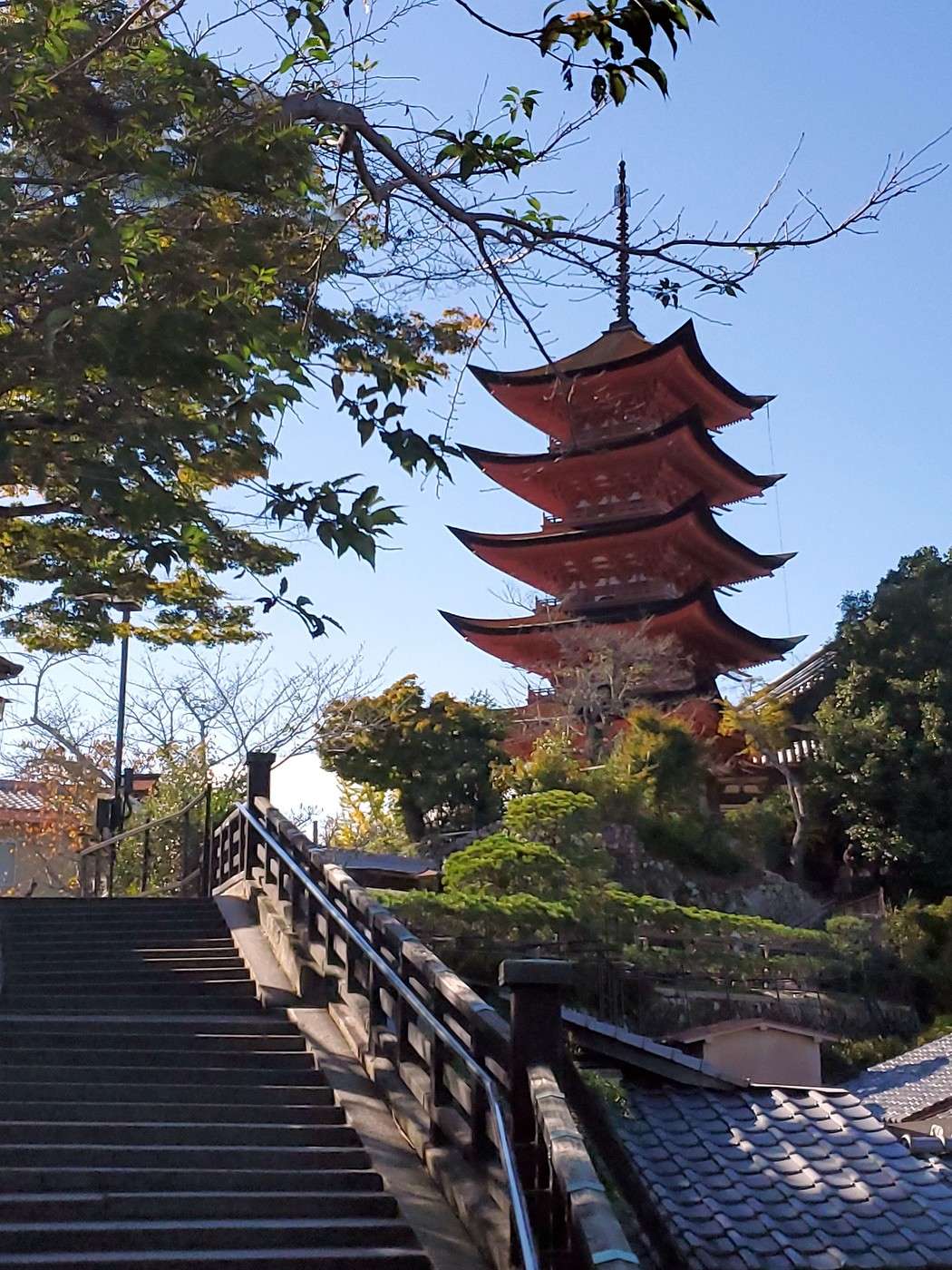
Next, we head to the pretty pagoda near the sea.
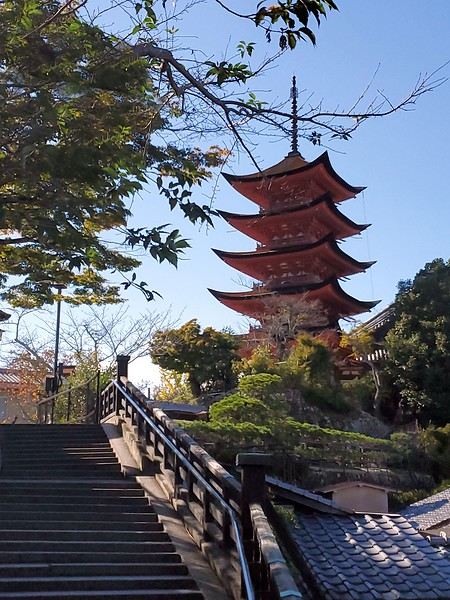 The streets near the port, full of shops, are packed, but as soon as you step away, it’s peaceful.
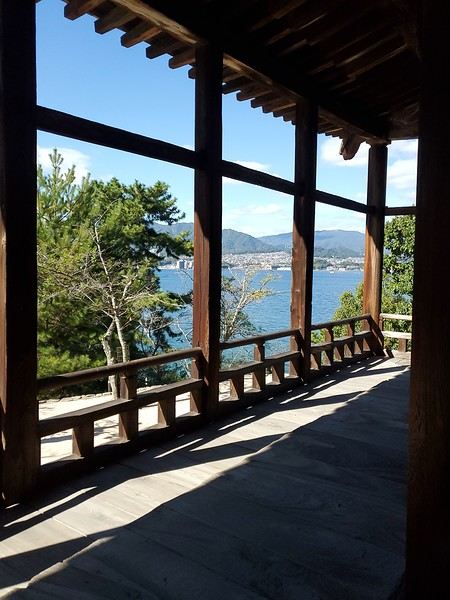 We take the boat and then the train back to Hiroshima.
Note: With the national or regional JR Pass, the boat ride is included.
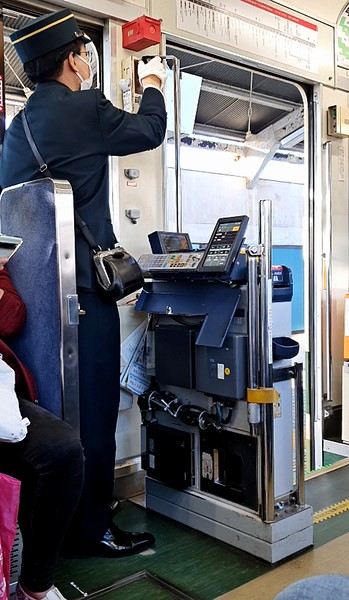
We’re struck by the precise gestures of the train conductors:
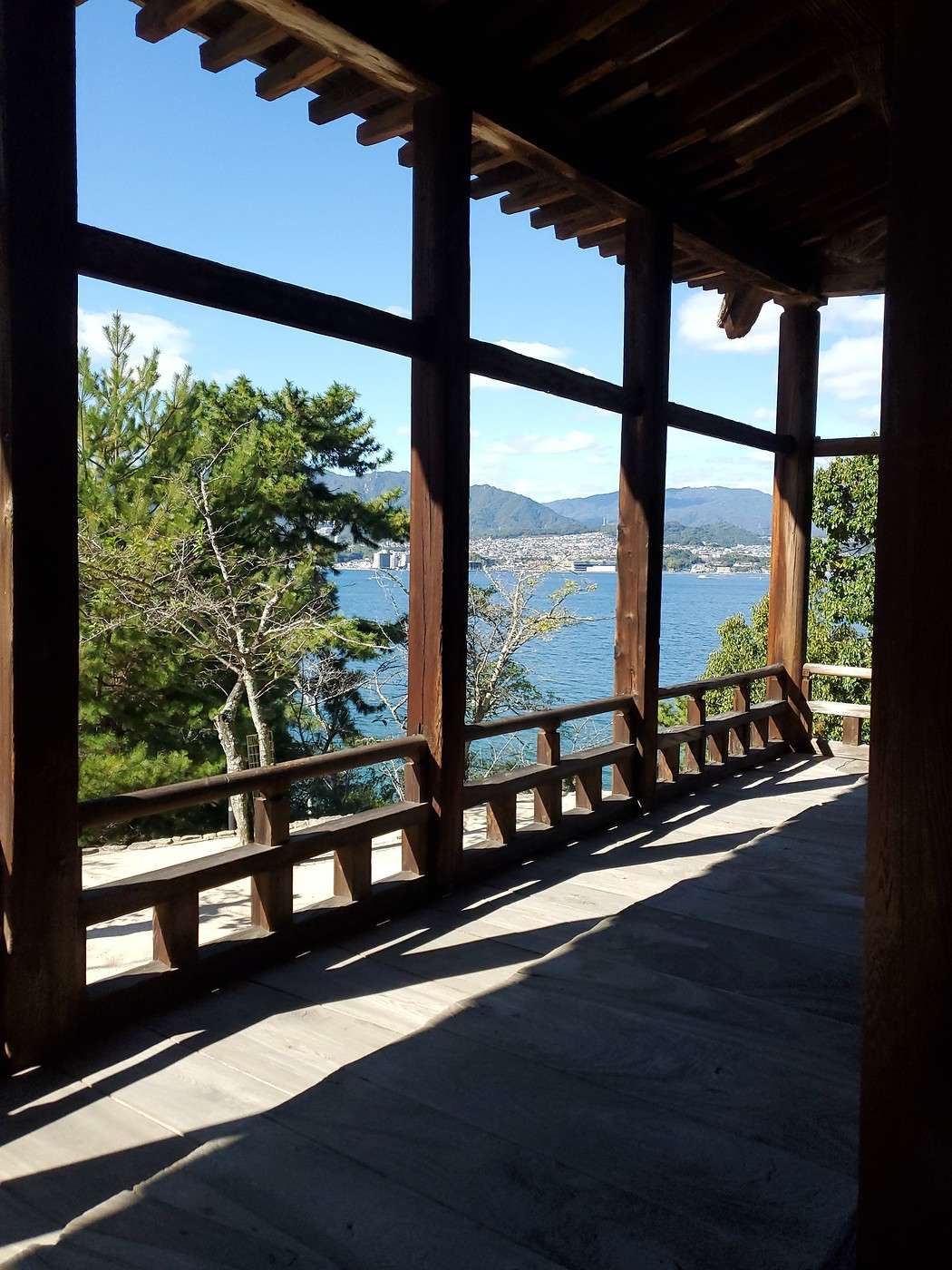
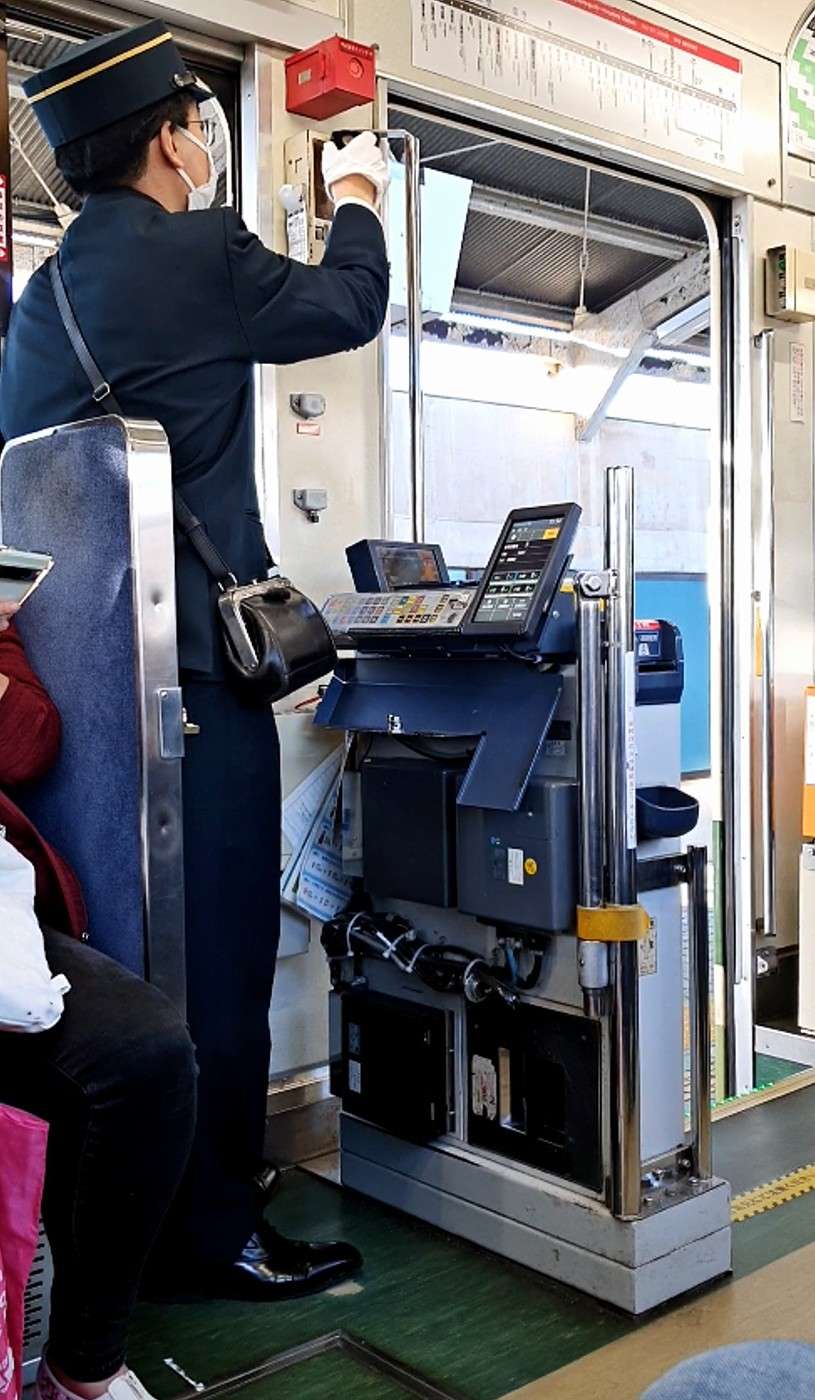
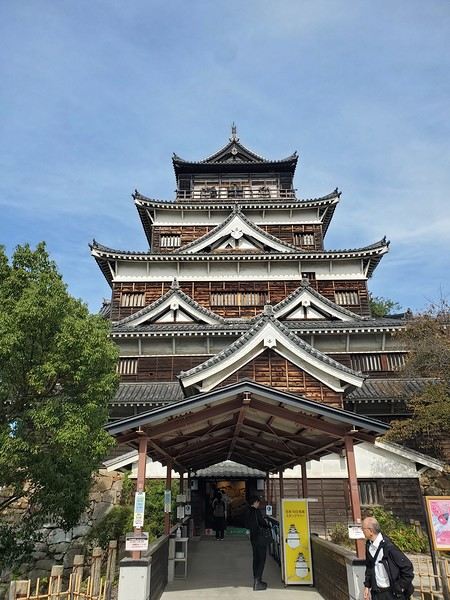
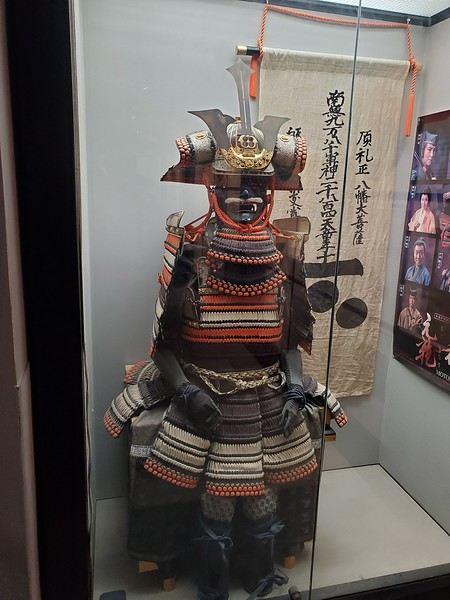
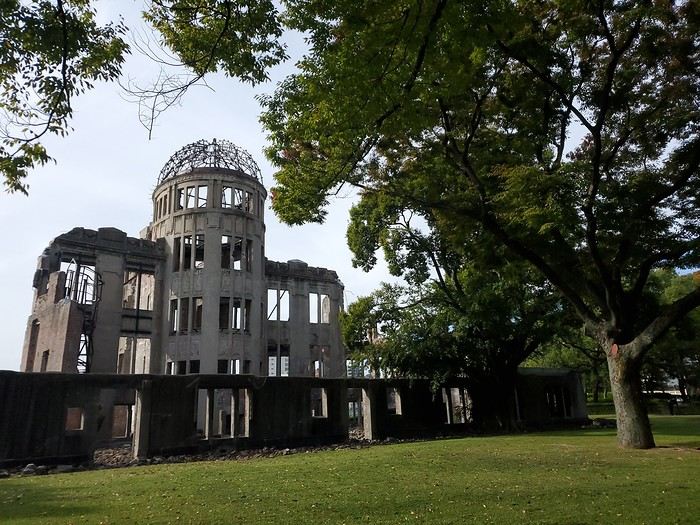
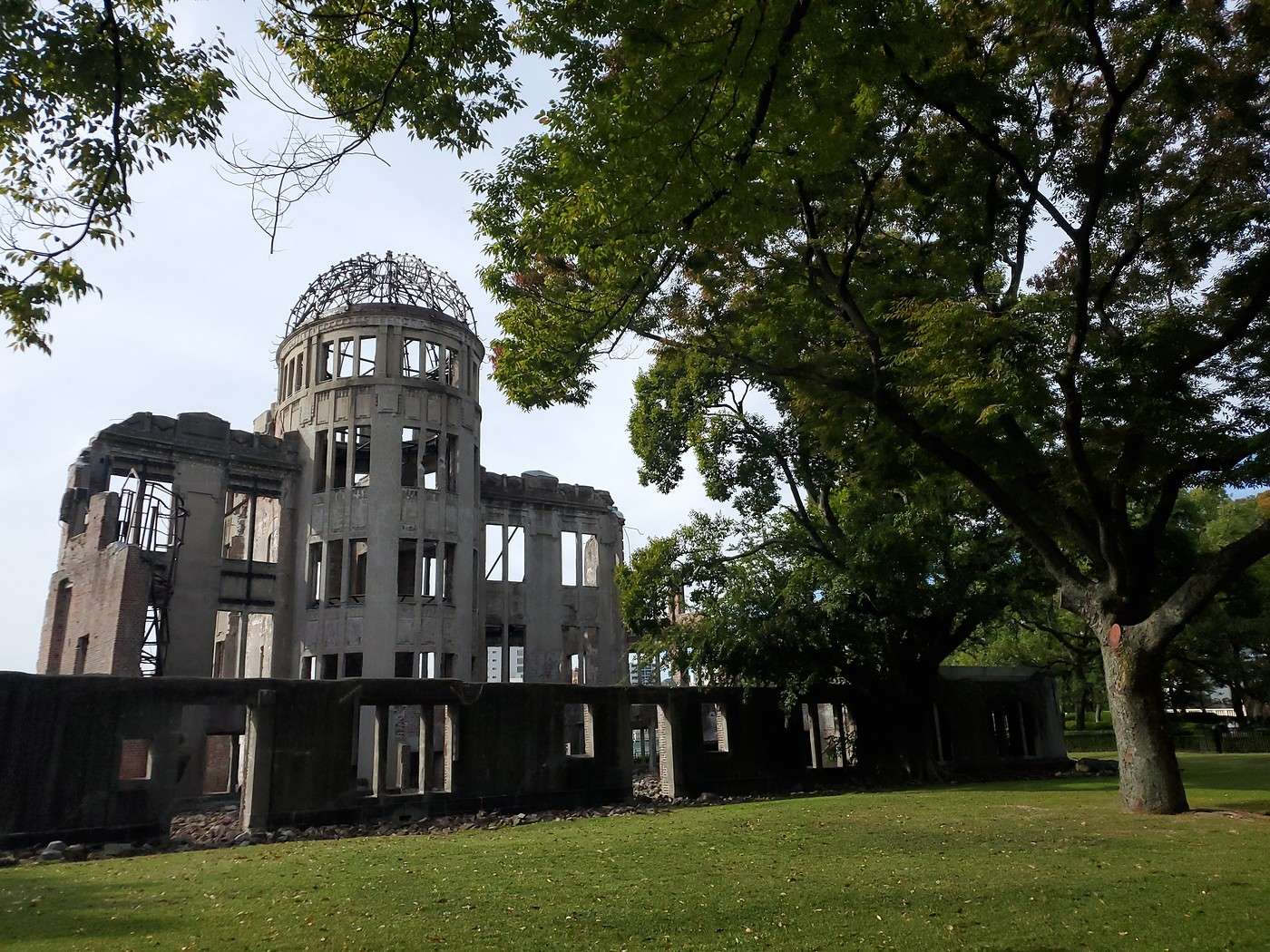
 We continued with a visit to the Genbaku Dome, the epicenter of the atomic explosion.
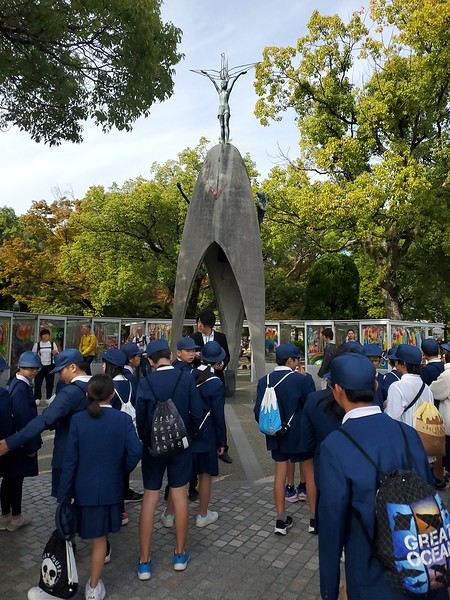
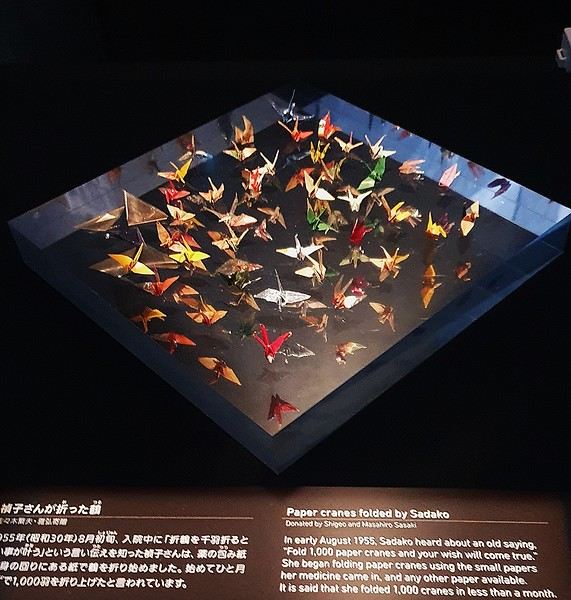
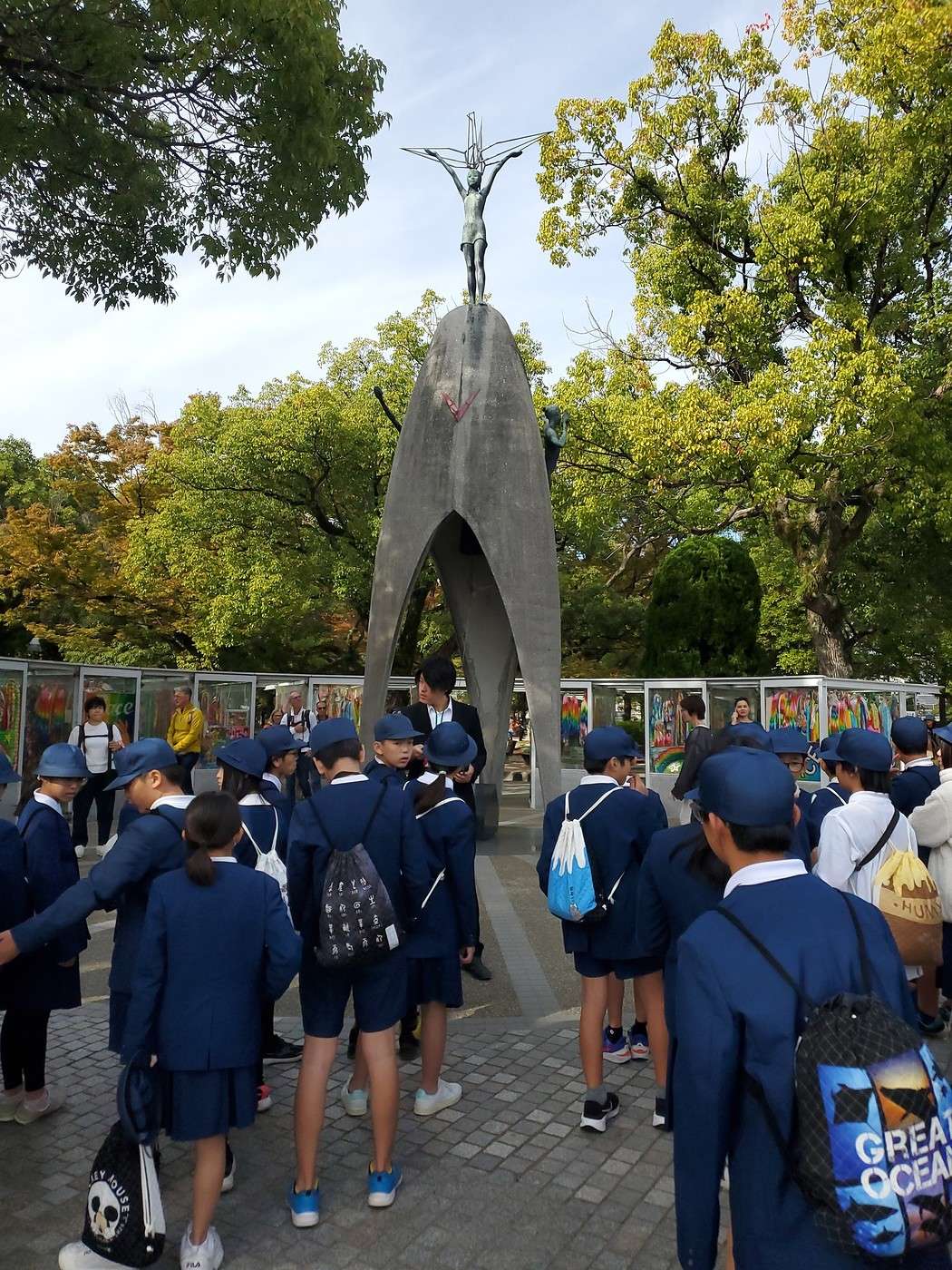
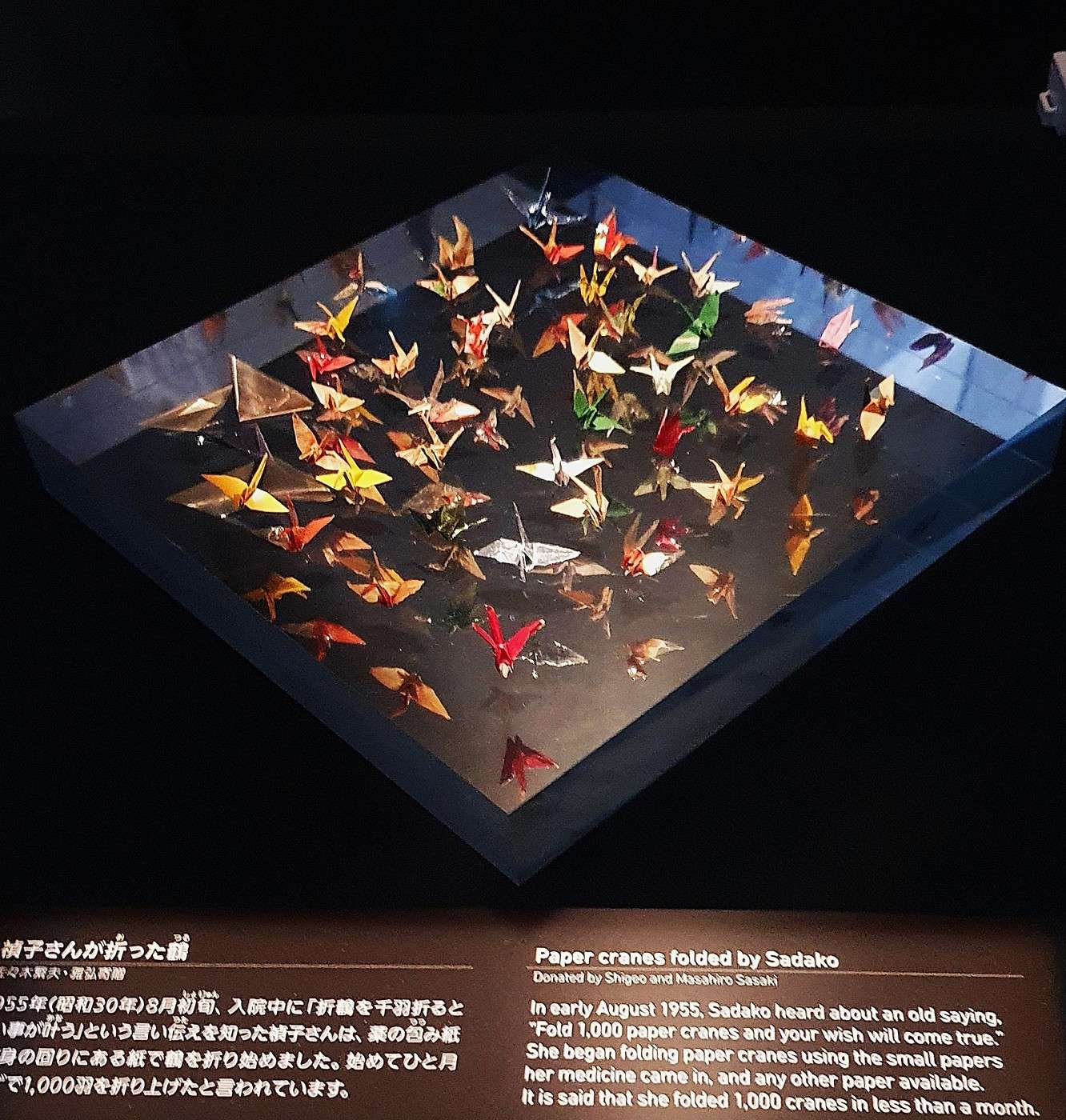
 The most moving moment for us was during the visit to the Children’s Peace Monument, when an entire class started singing with great fervor while placing a string of colorful paper cranes in honor of Sadako.
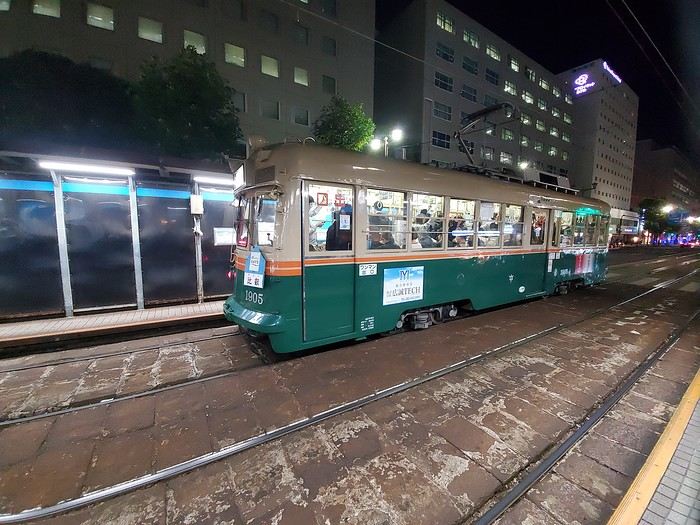
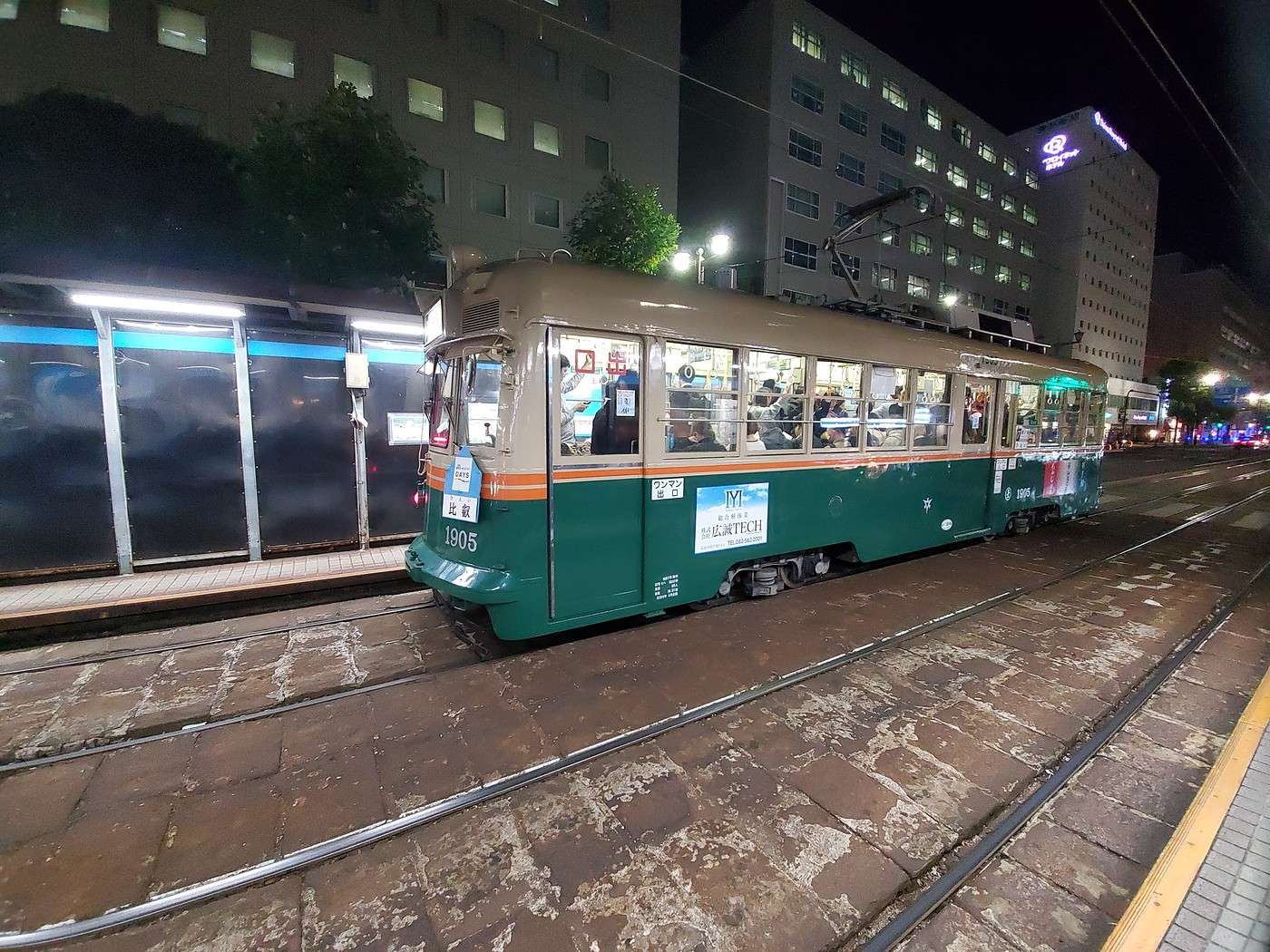
 As we left, night was falling, and we took an antique but still very clean tram to change neighborhoods.
It’s important to read this article, which highlights the significance of trams in Hiroshima:
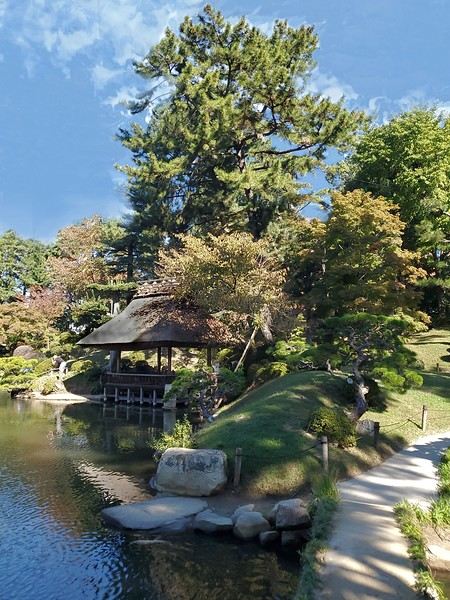
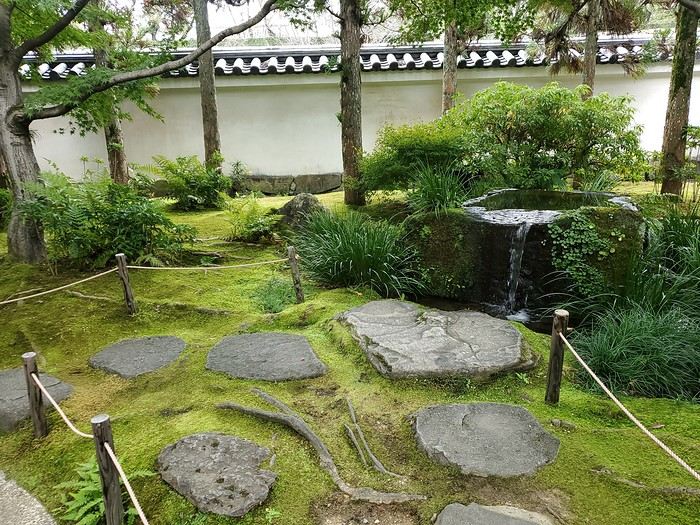
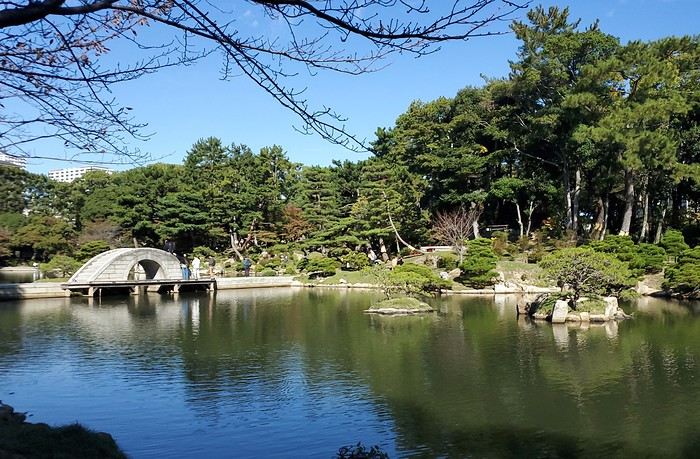
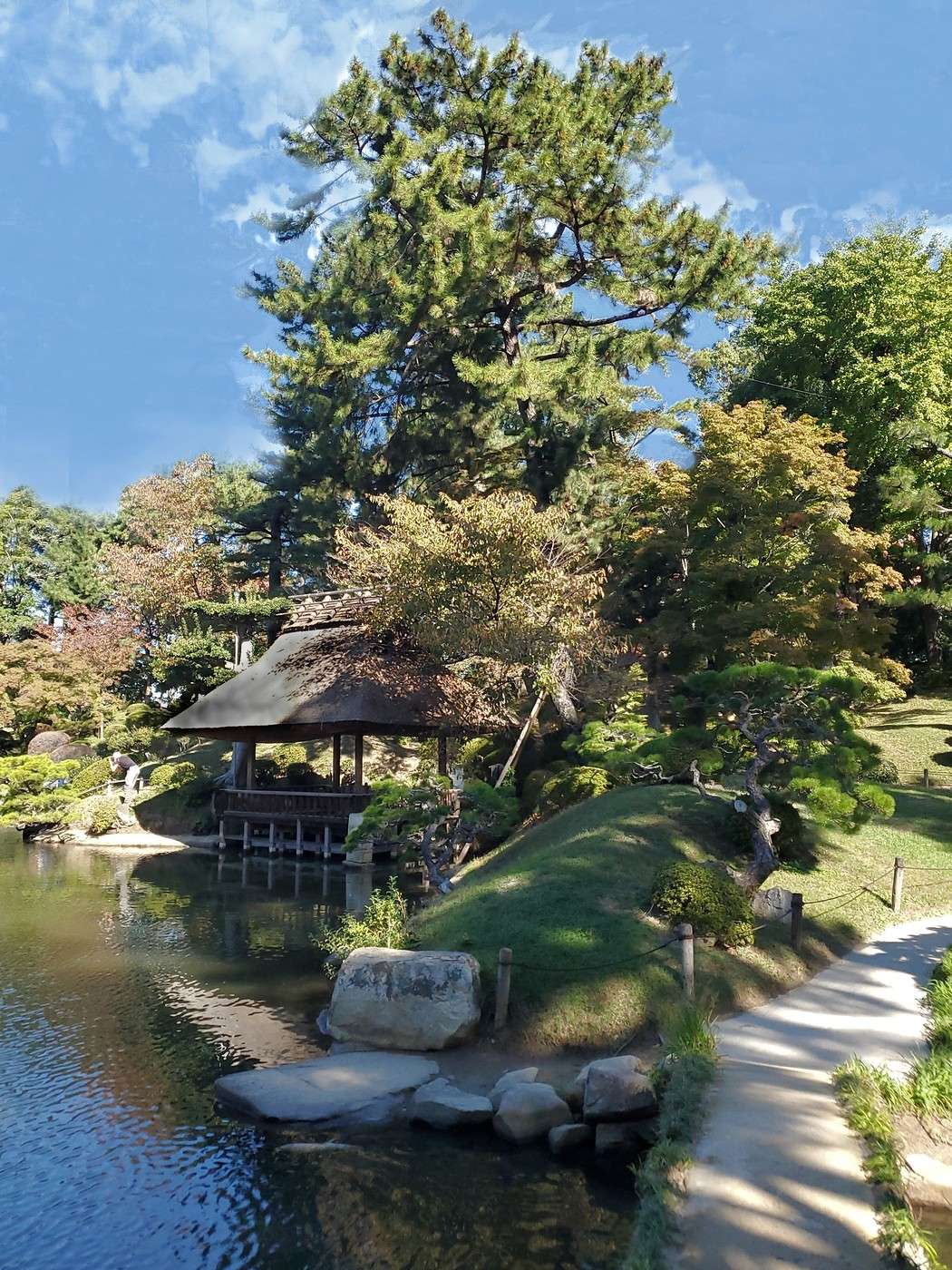
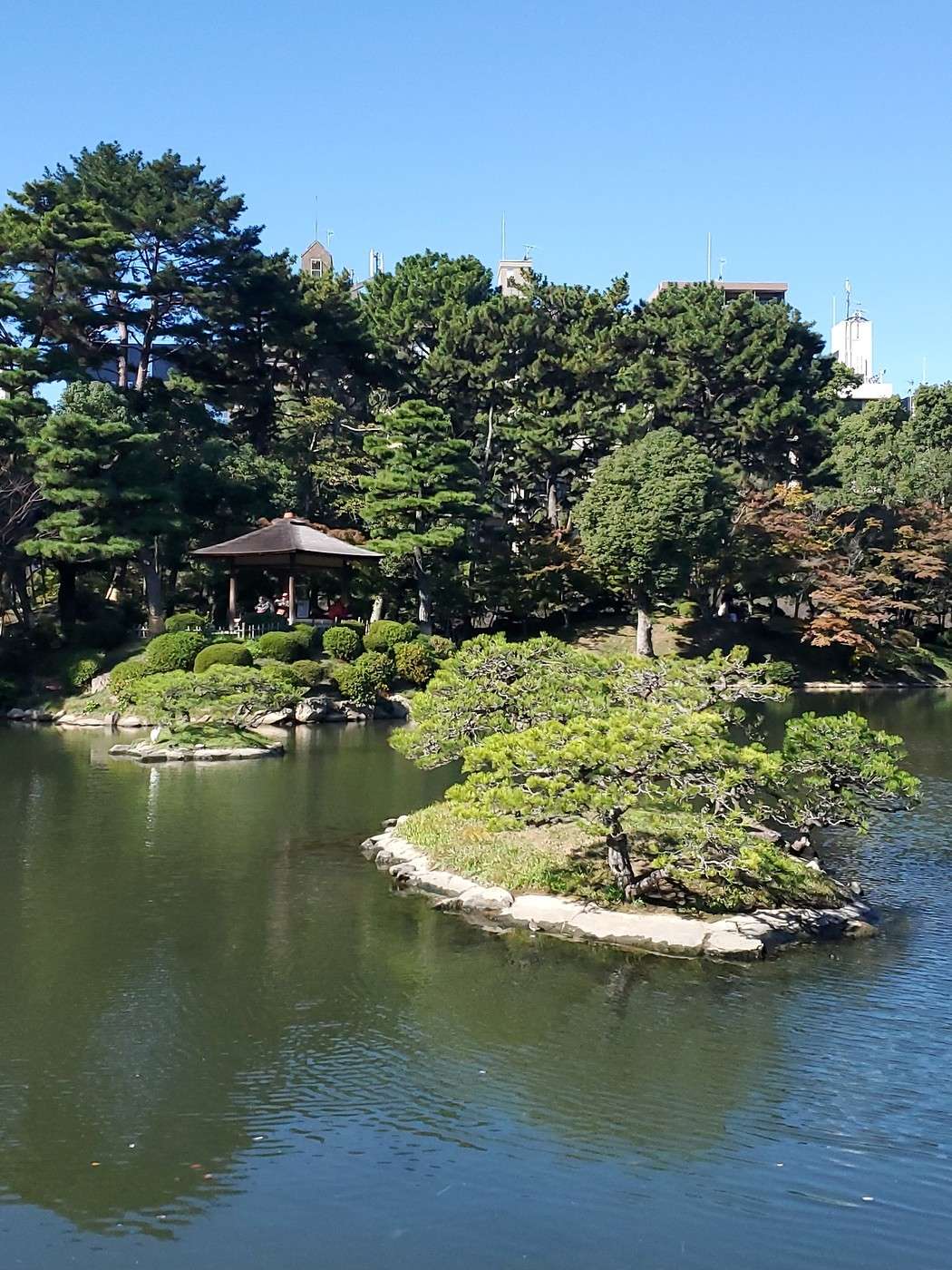
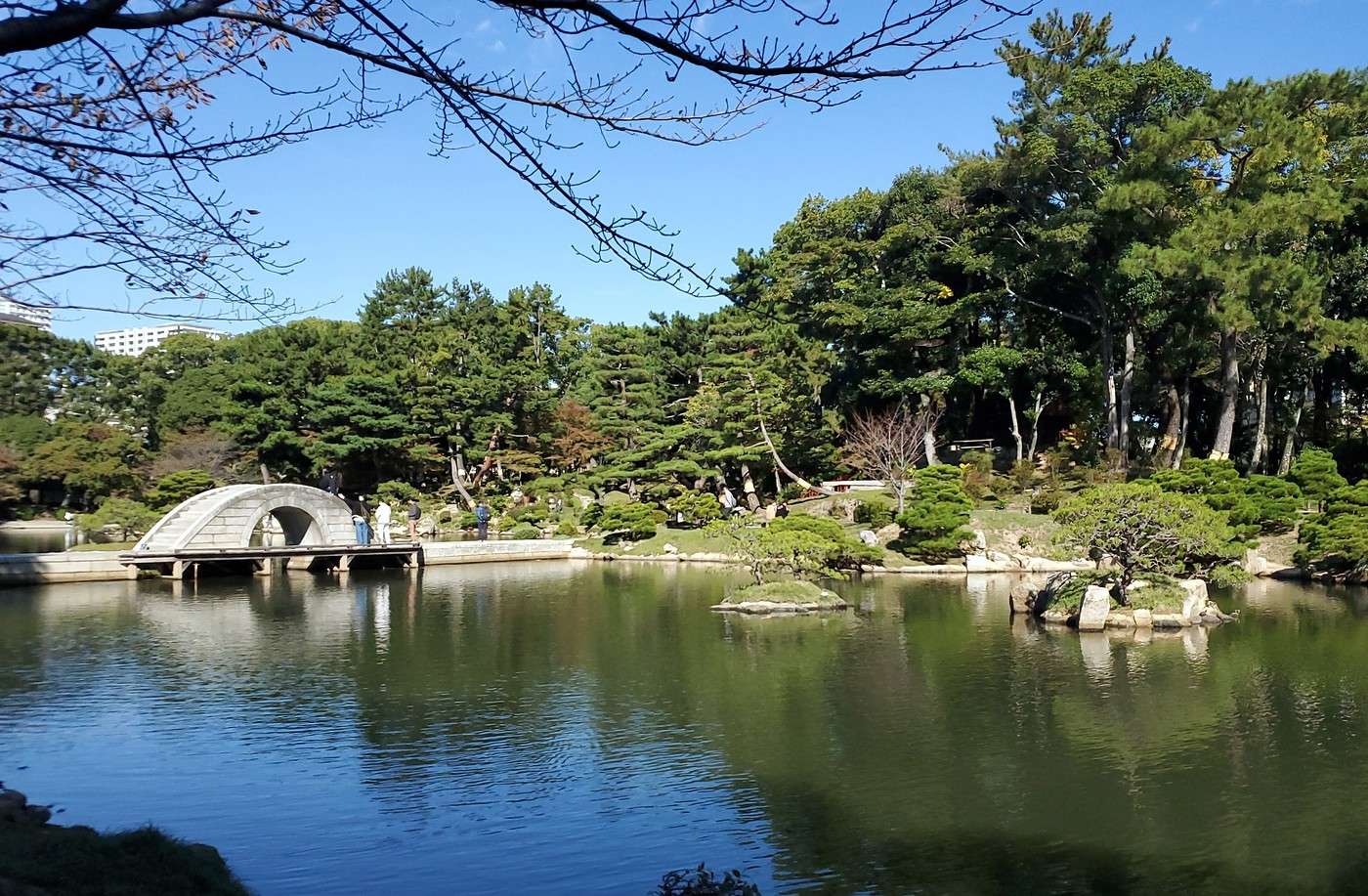
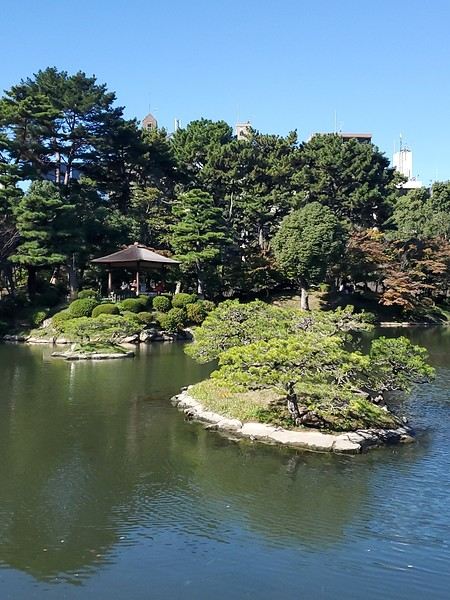 It’s always amazing to find such a peaceful haven right in the middle of the city. 😇
 We’re in a non-touristy neighborhood, but there are plenty of restaurants.
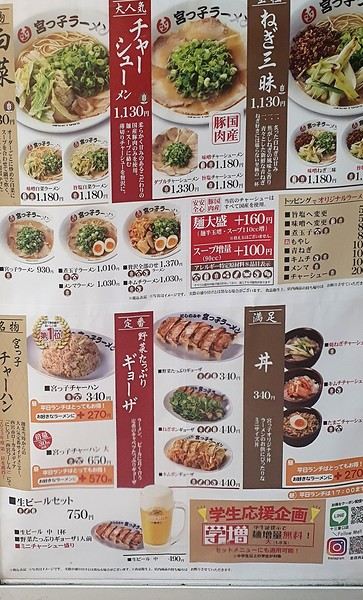
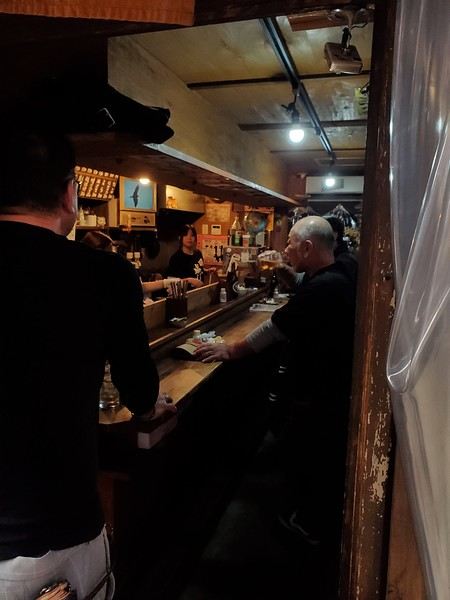 However, despite the options, it’s not always easy to navigate with all the signs written only in Japanese.
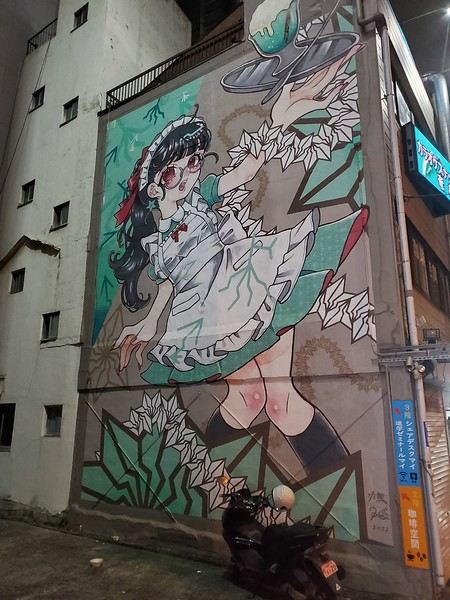
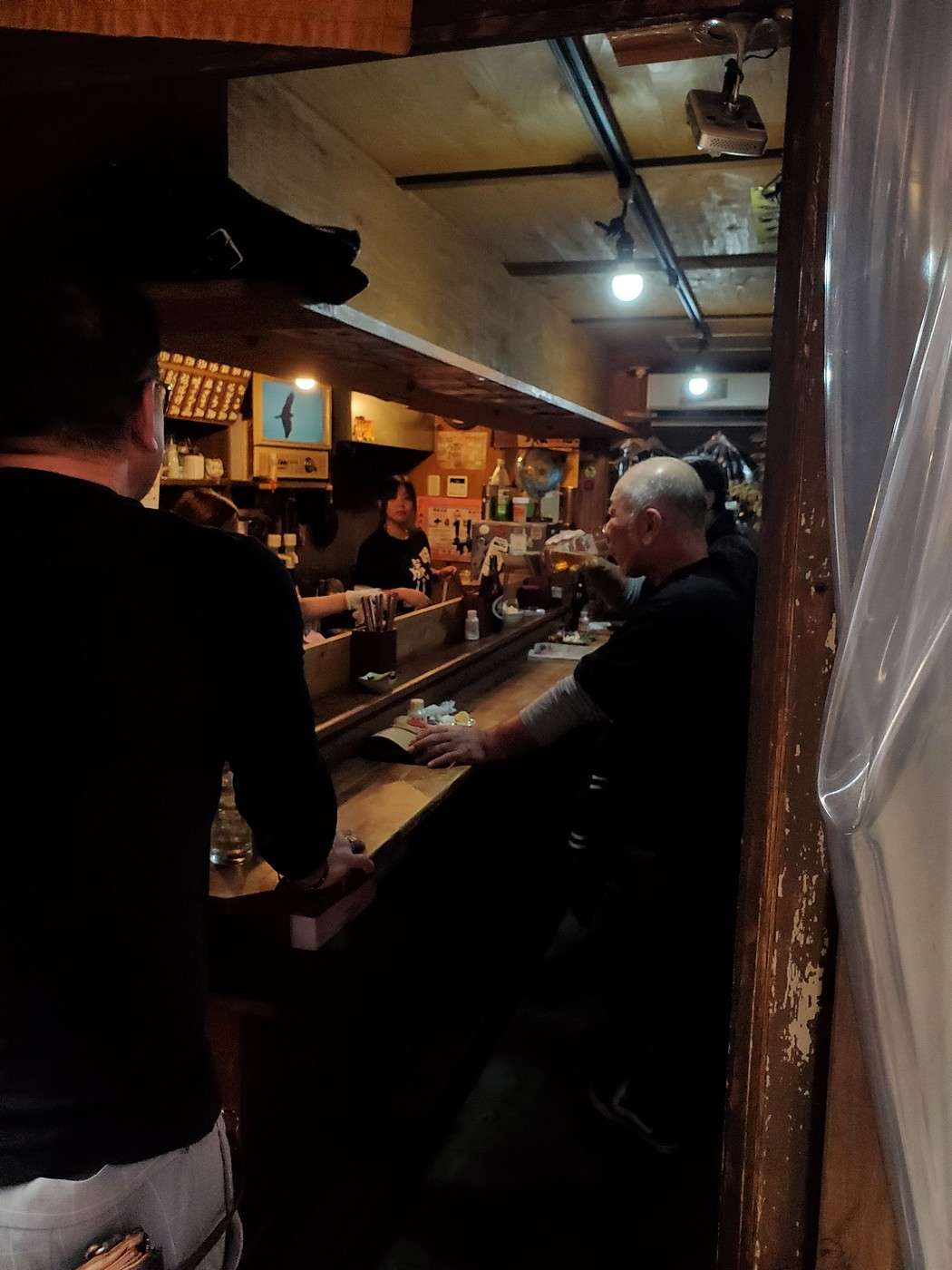
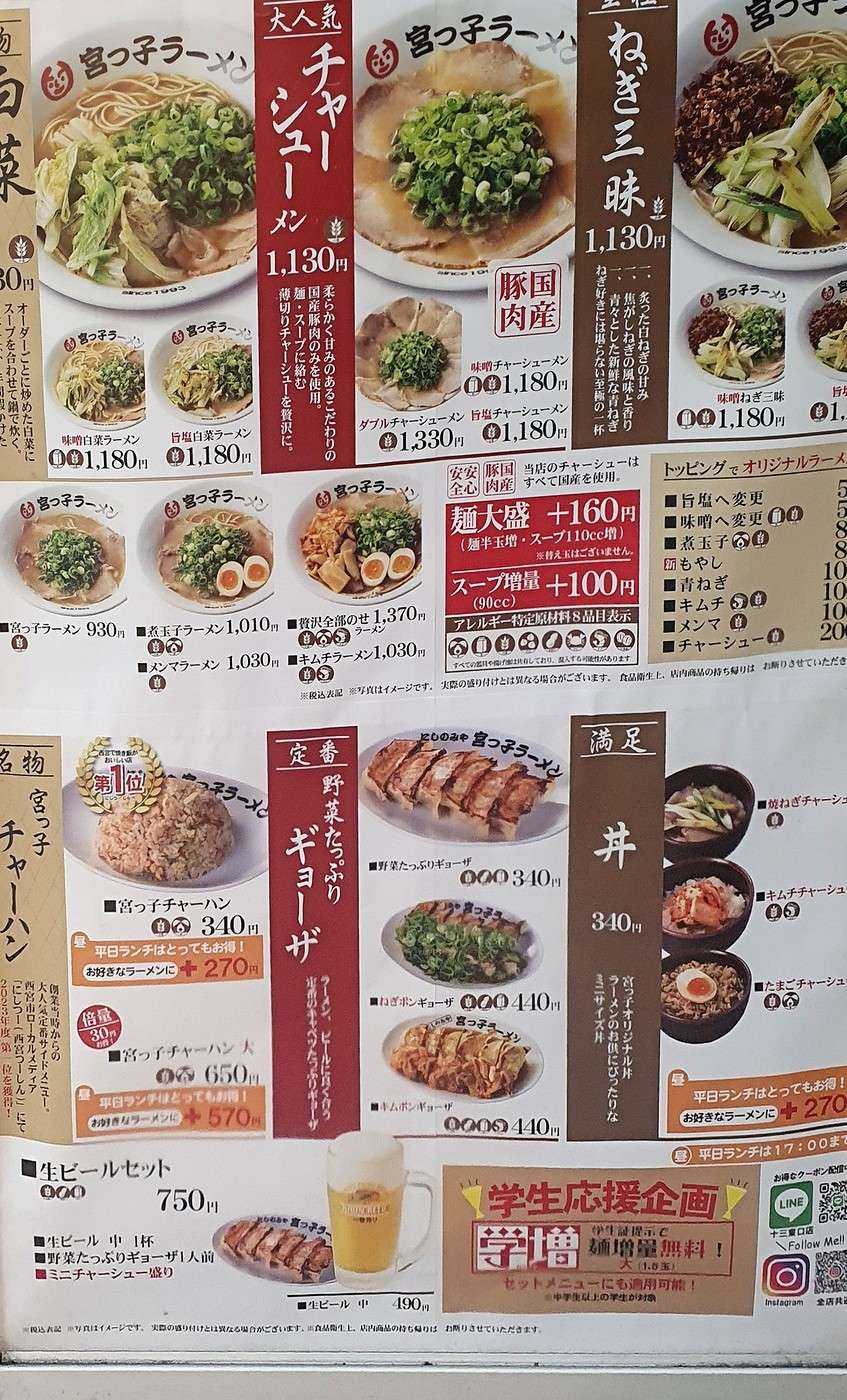
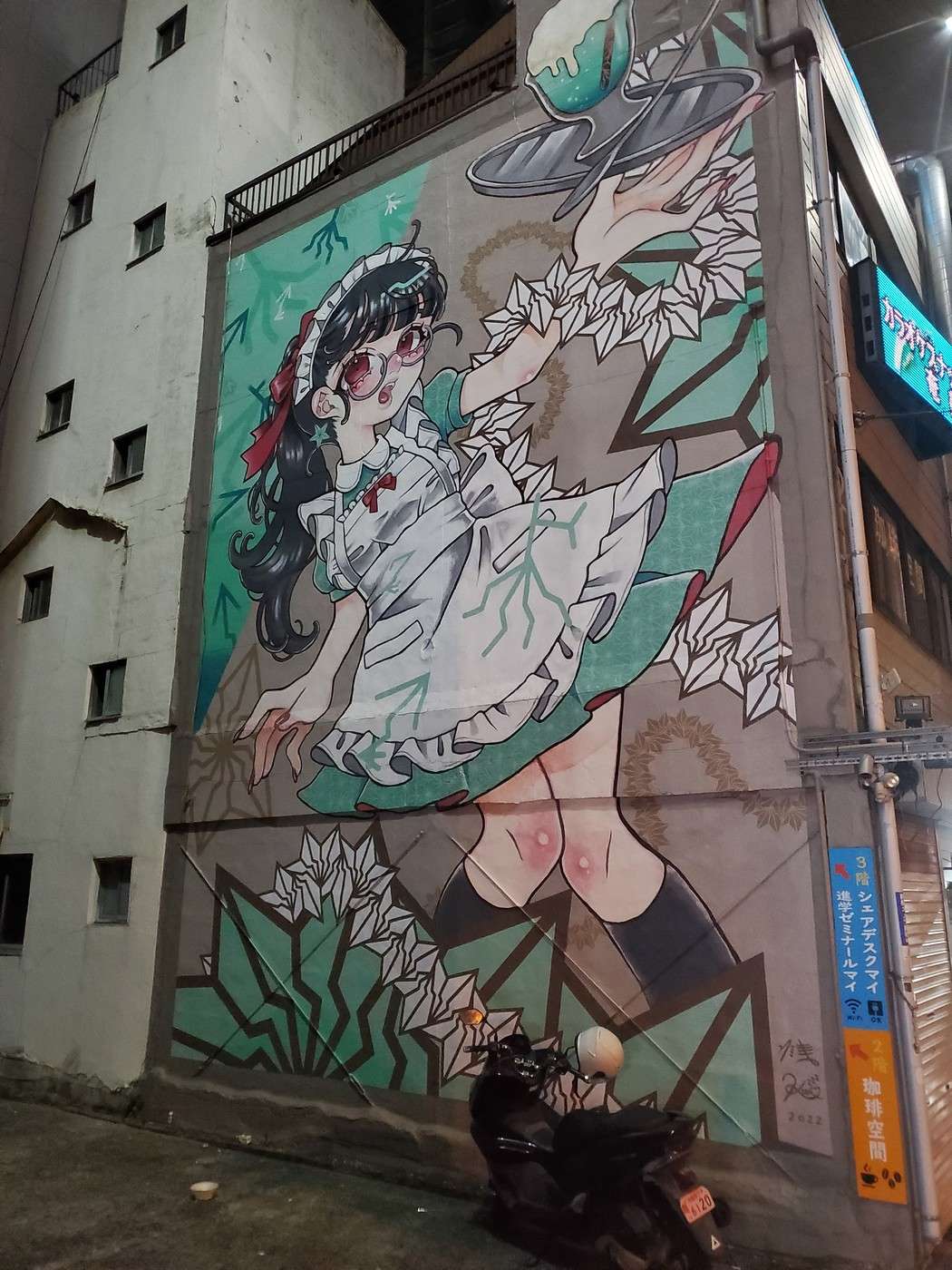
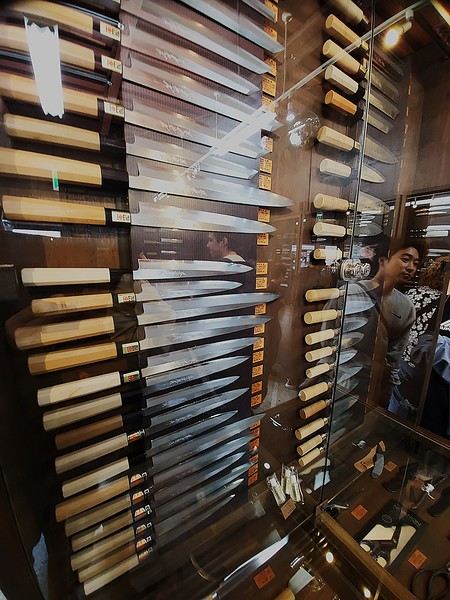
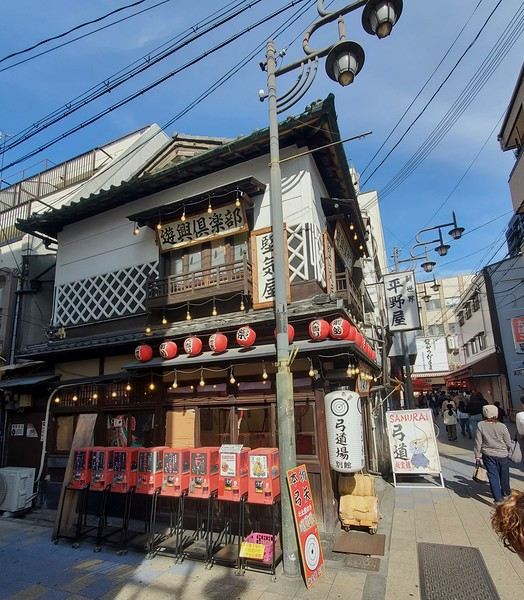
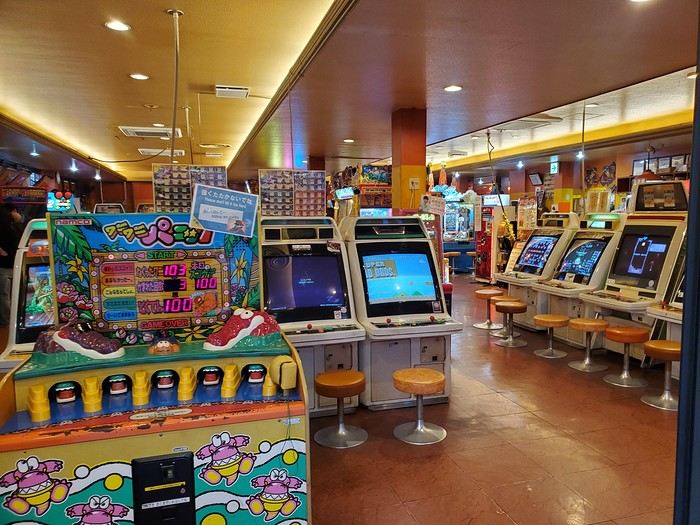
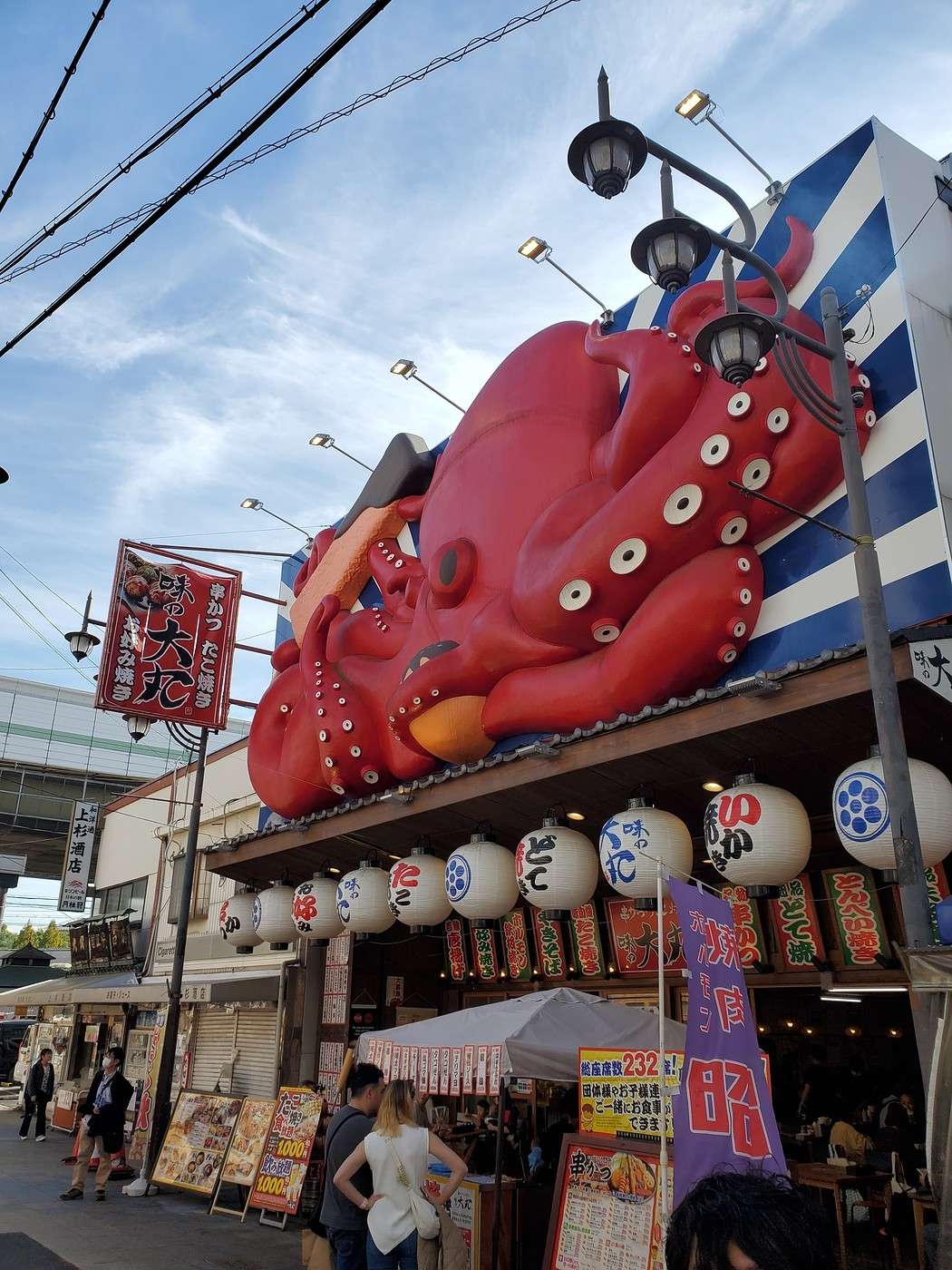
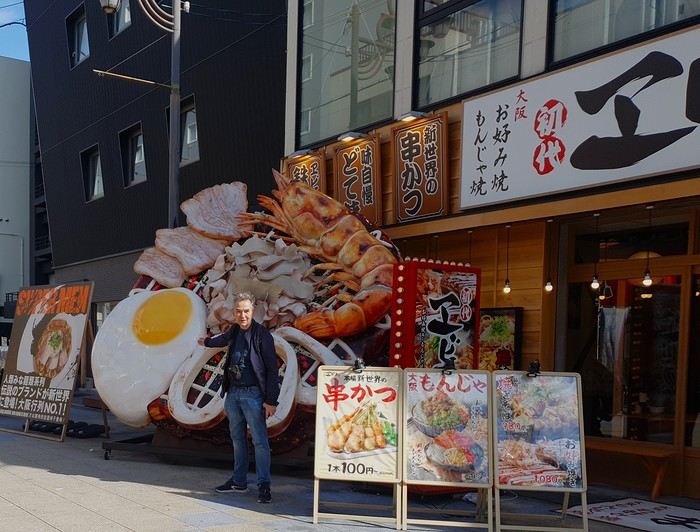
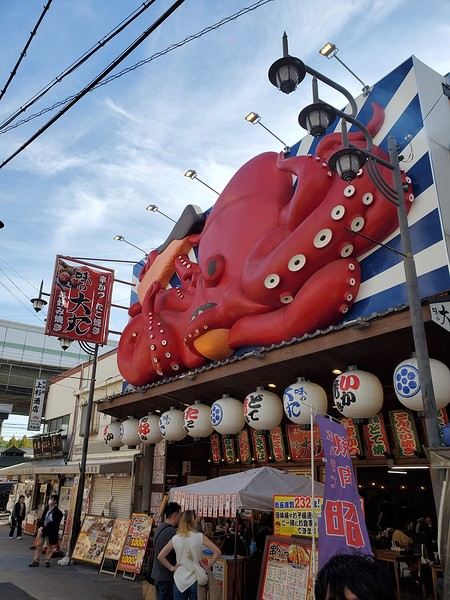
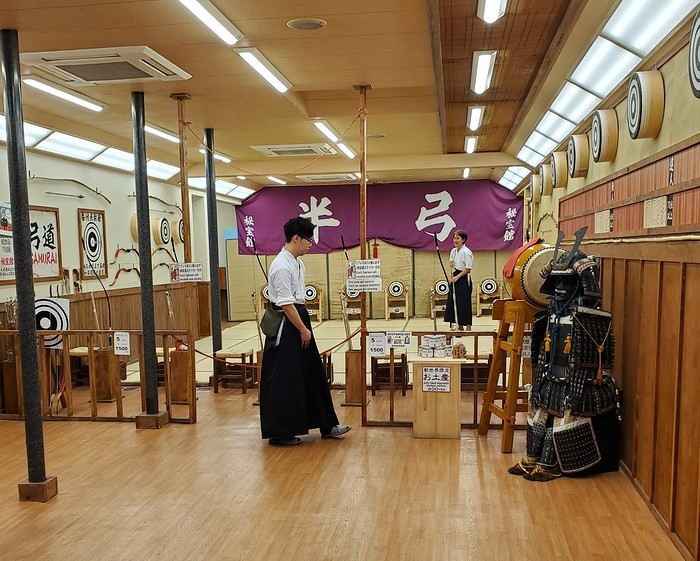 There are also lots of restaurants with extravagant signs.
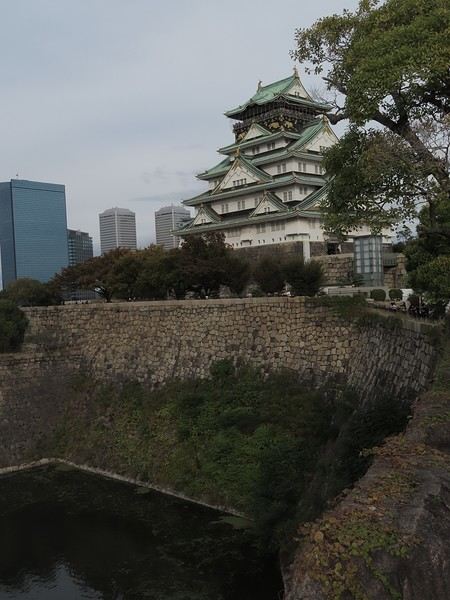
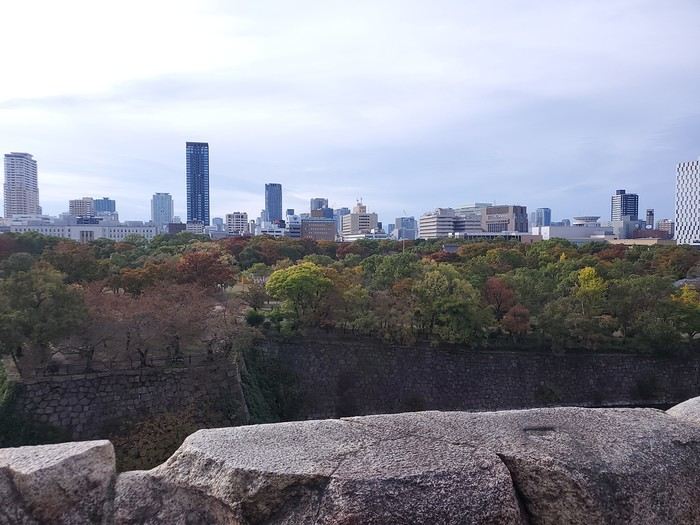
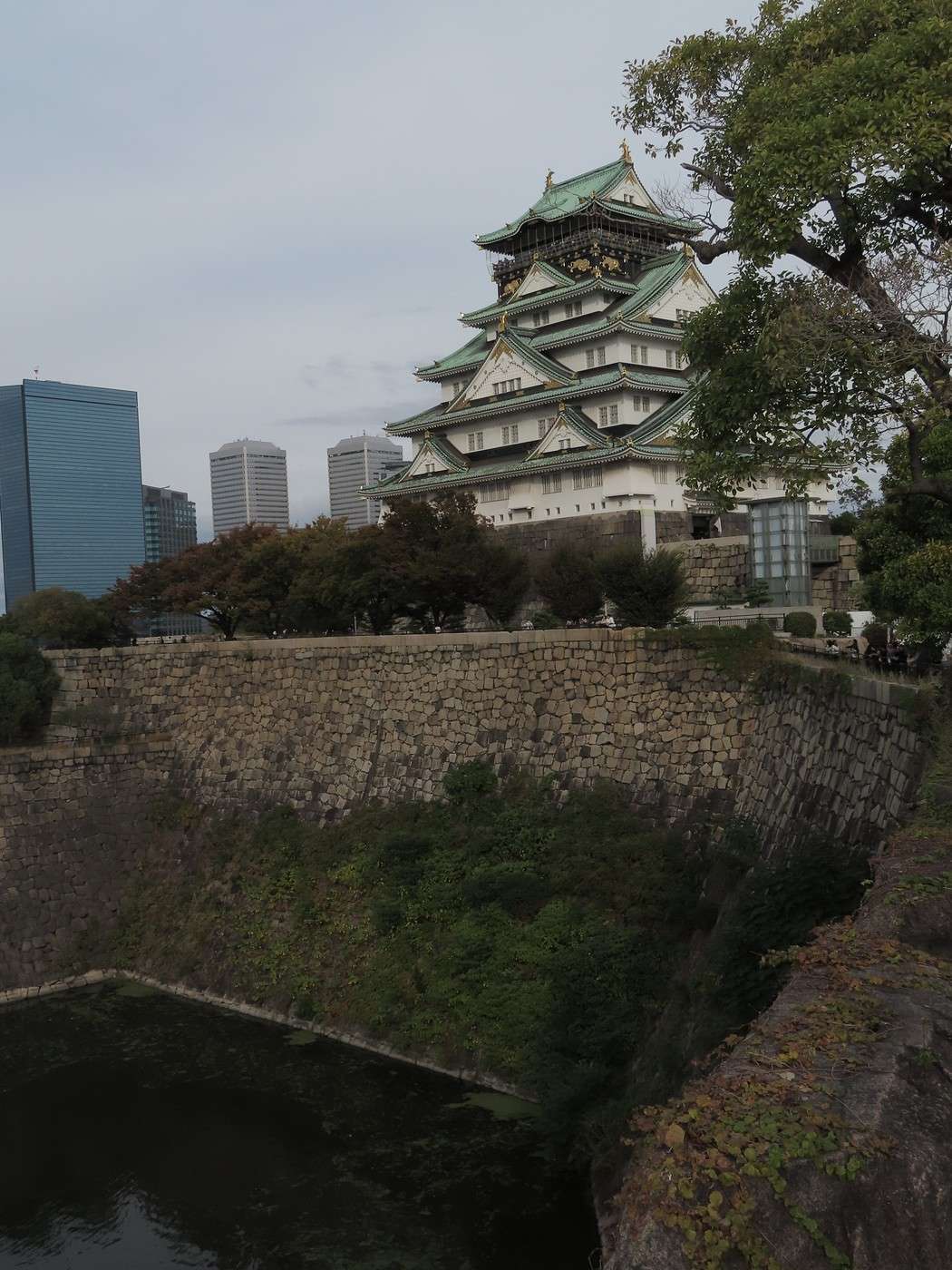
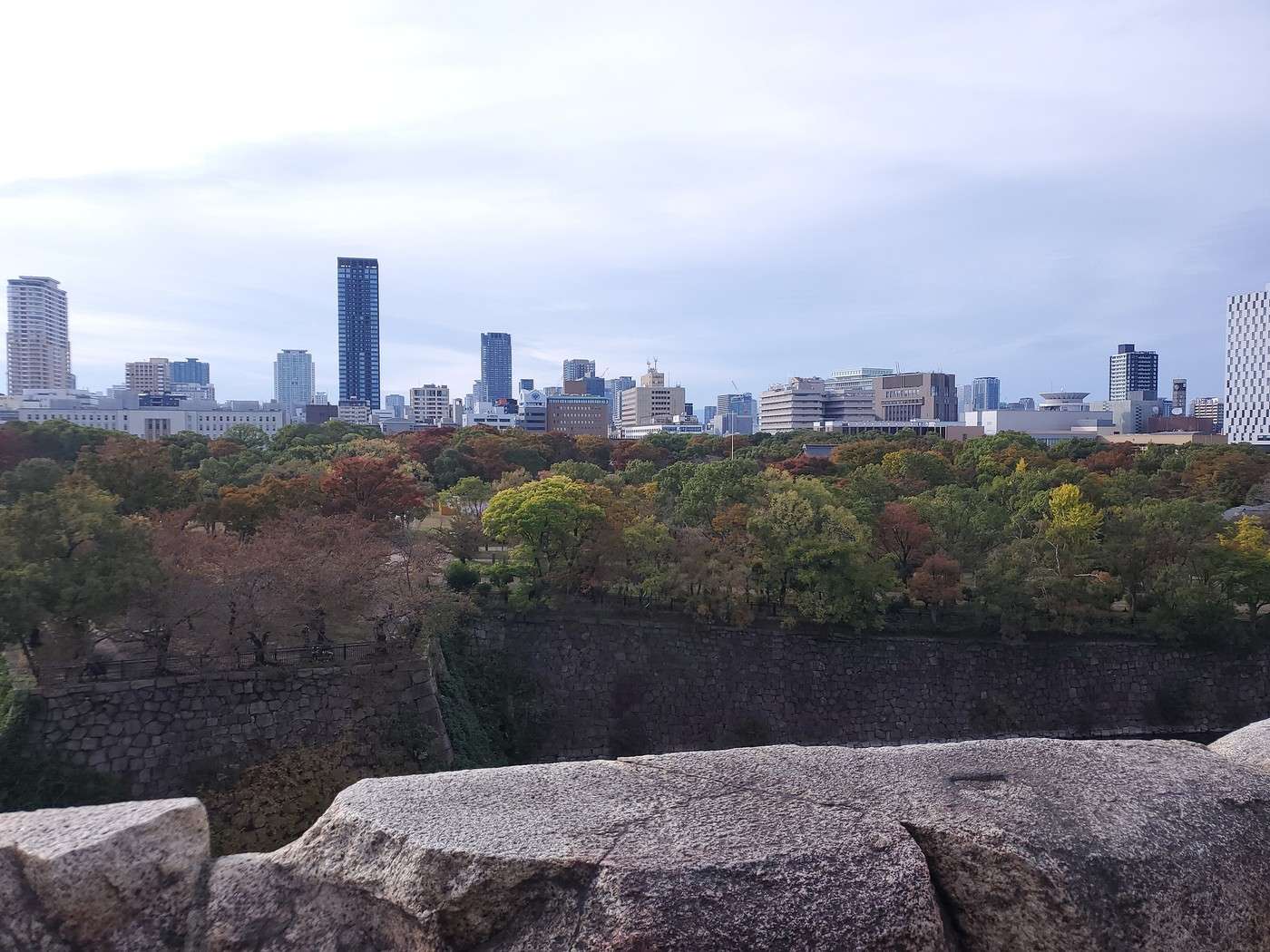
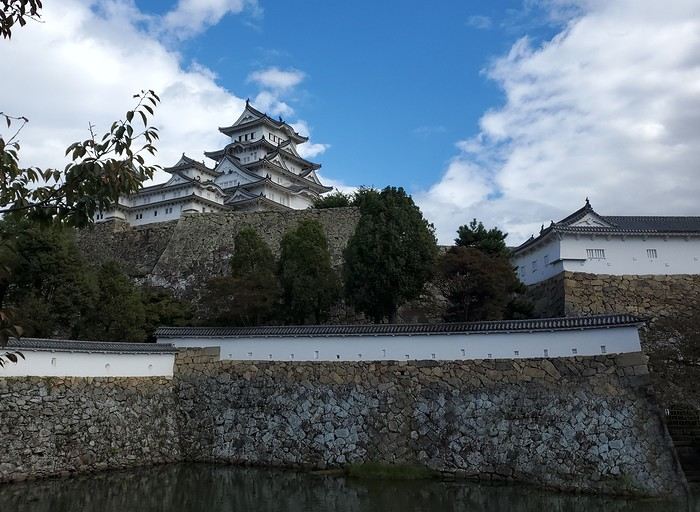
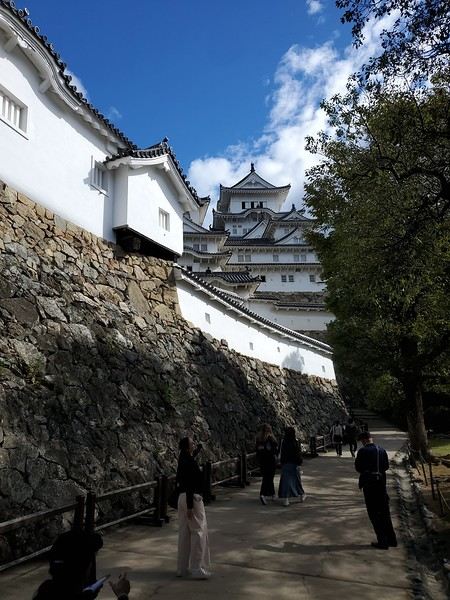
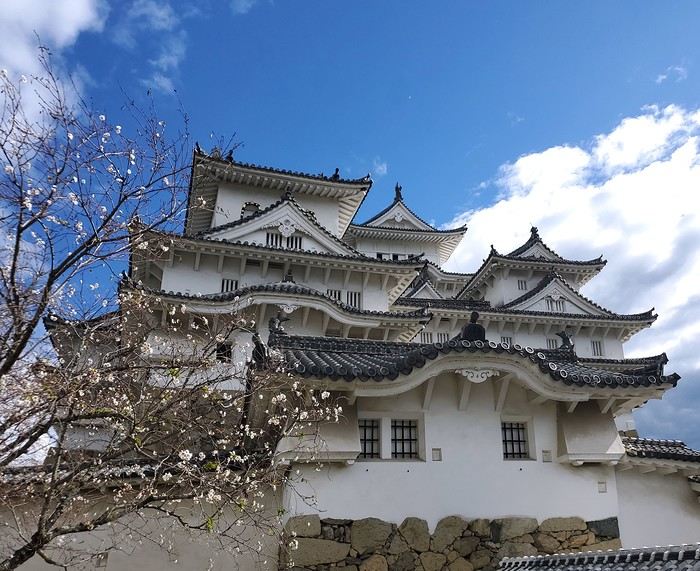
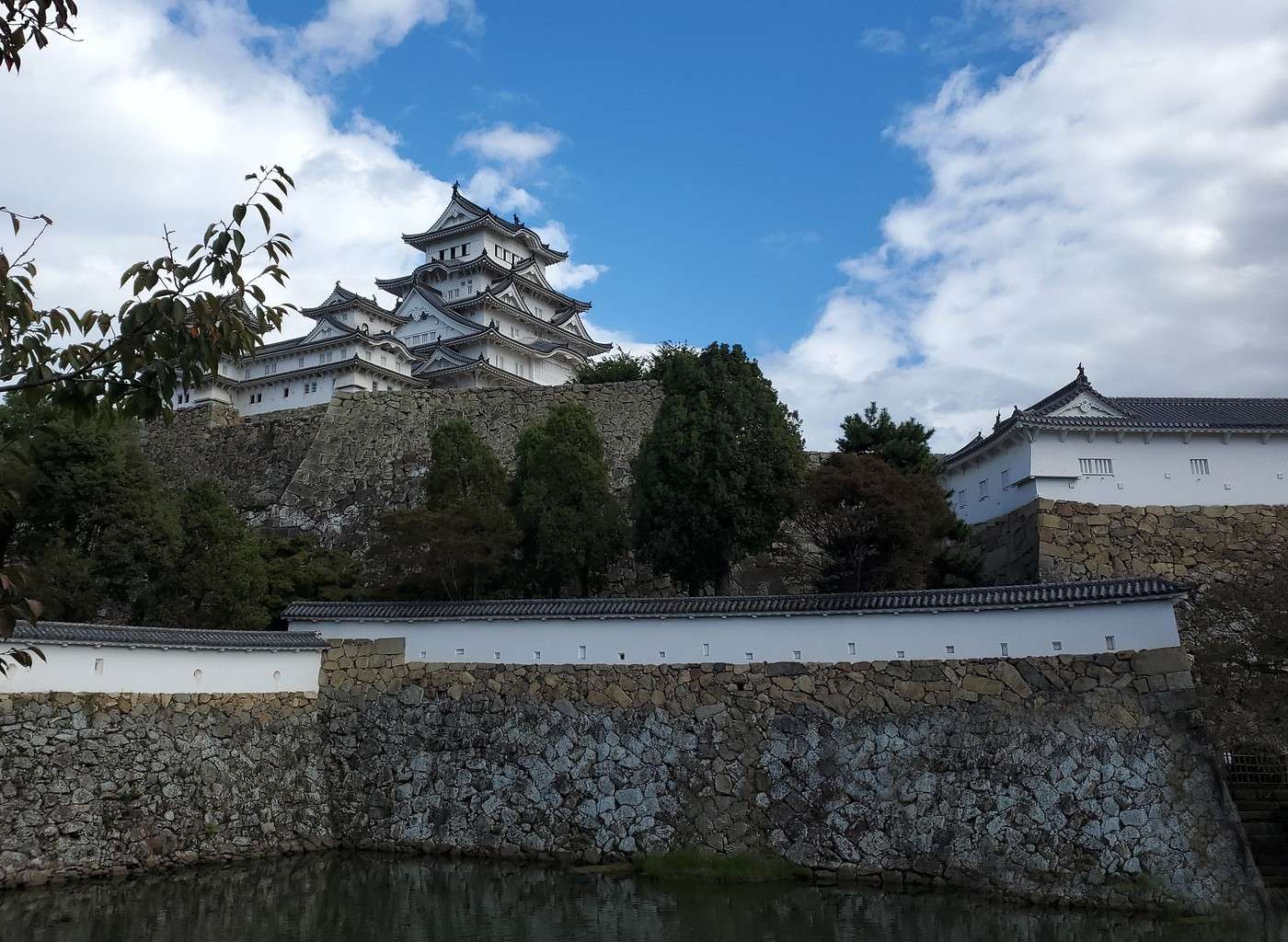
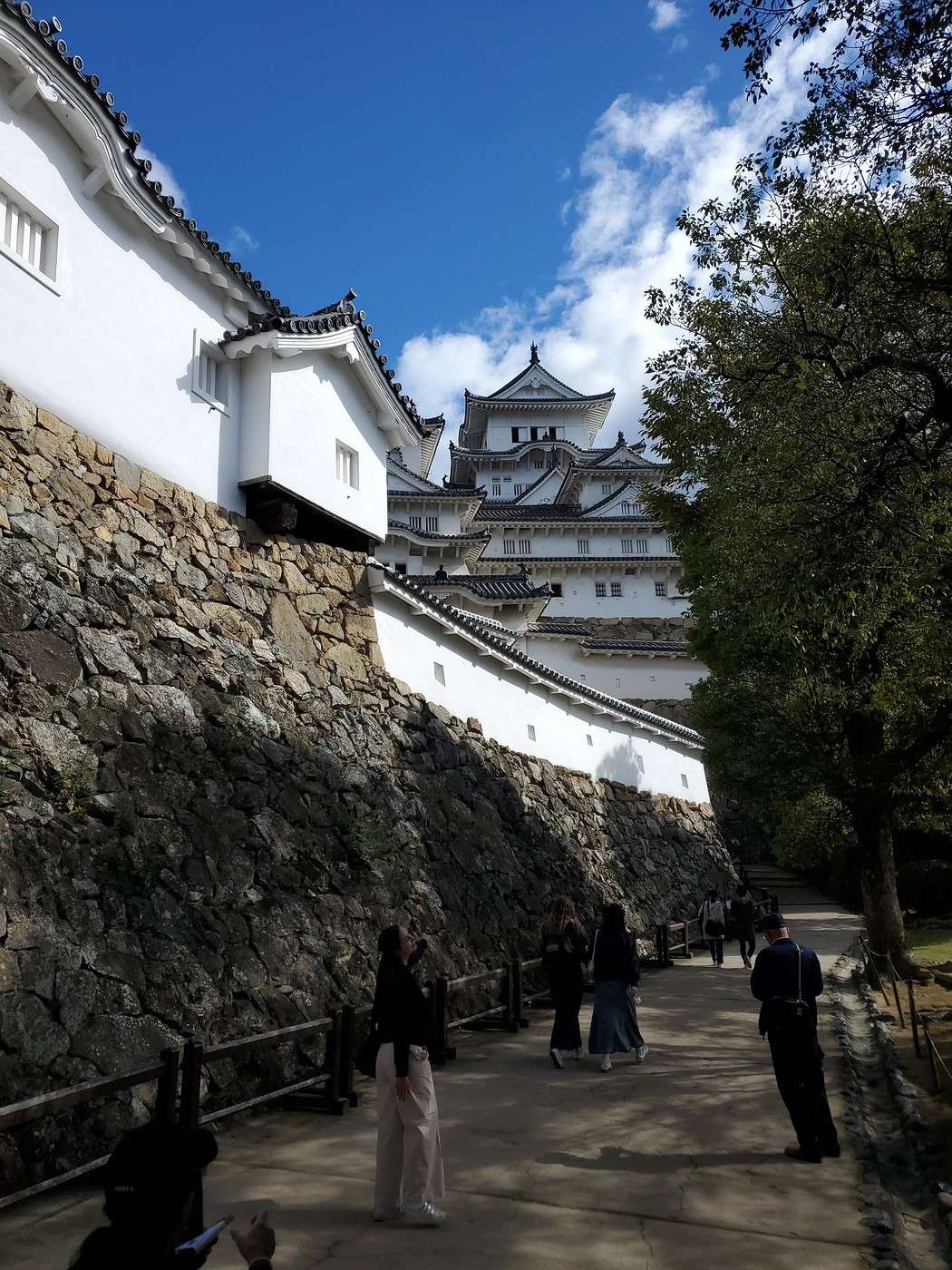
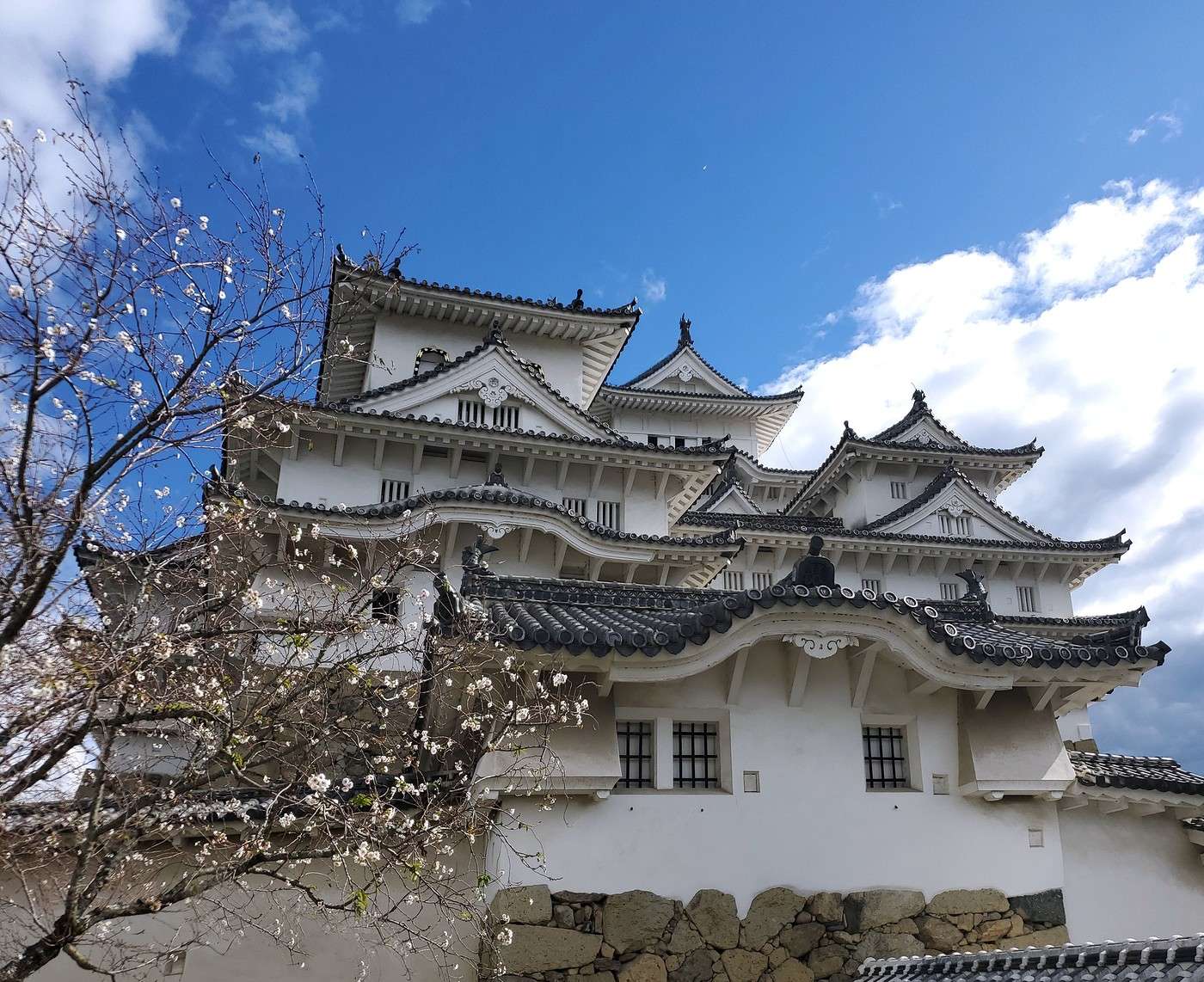
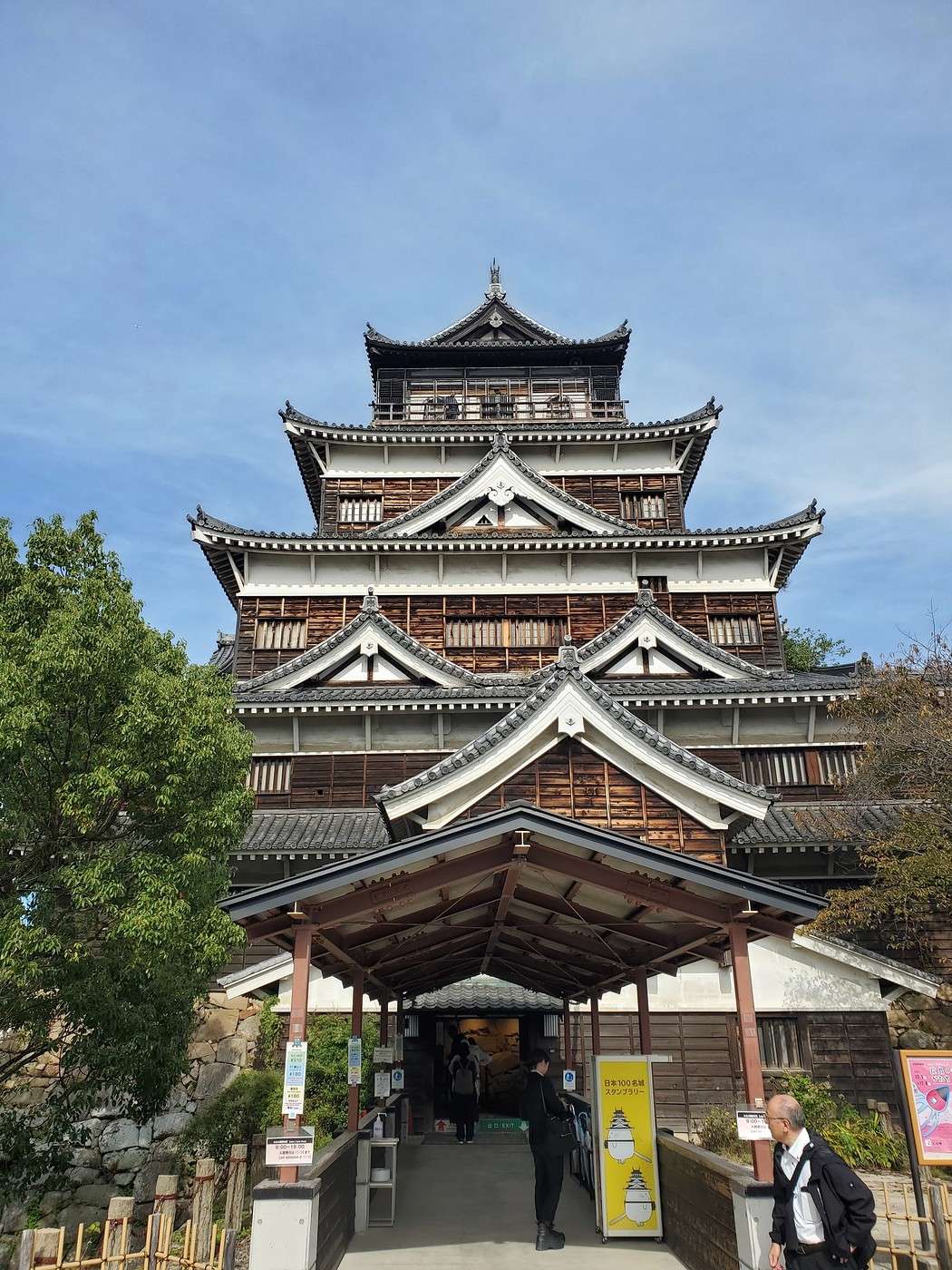
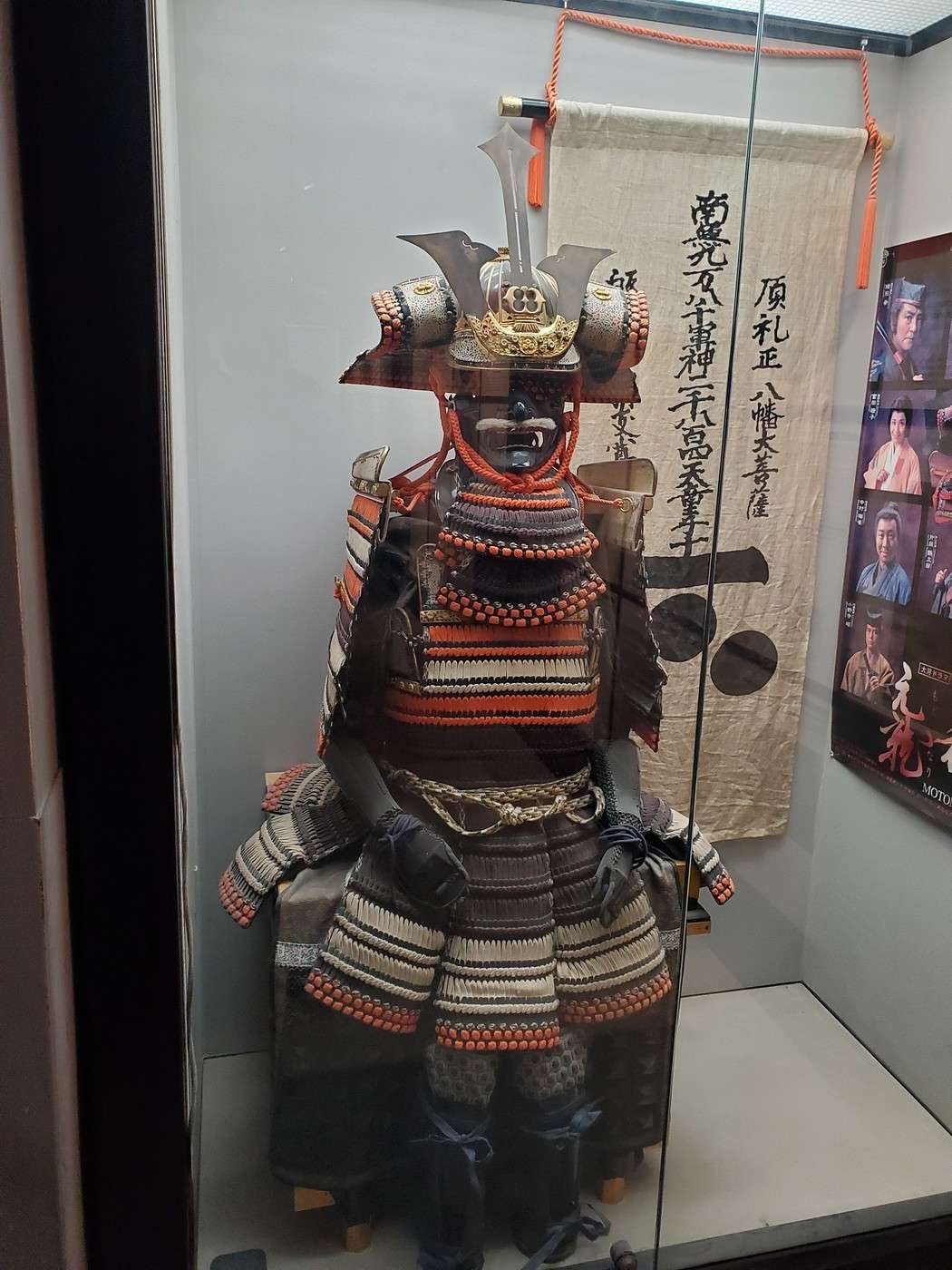
 Next, we went to see the castle: I was impressed by the size of the blocks used for the walls and their irregular but perfectly assembled shapes...