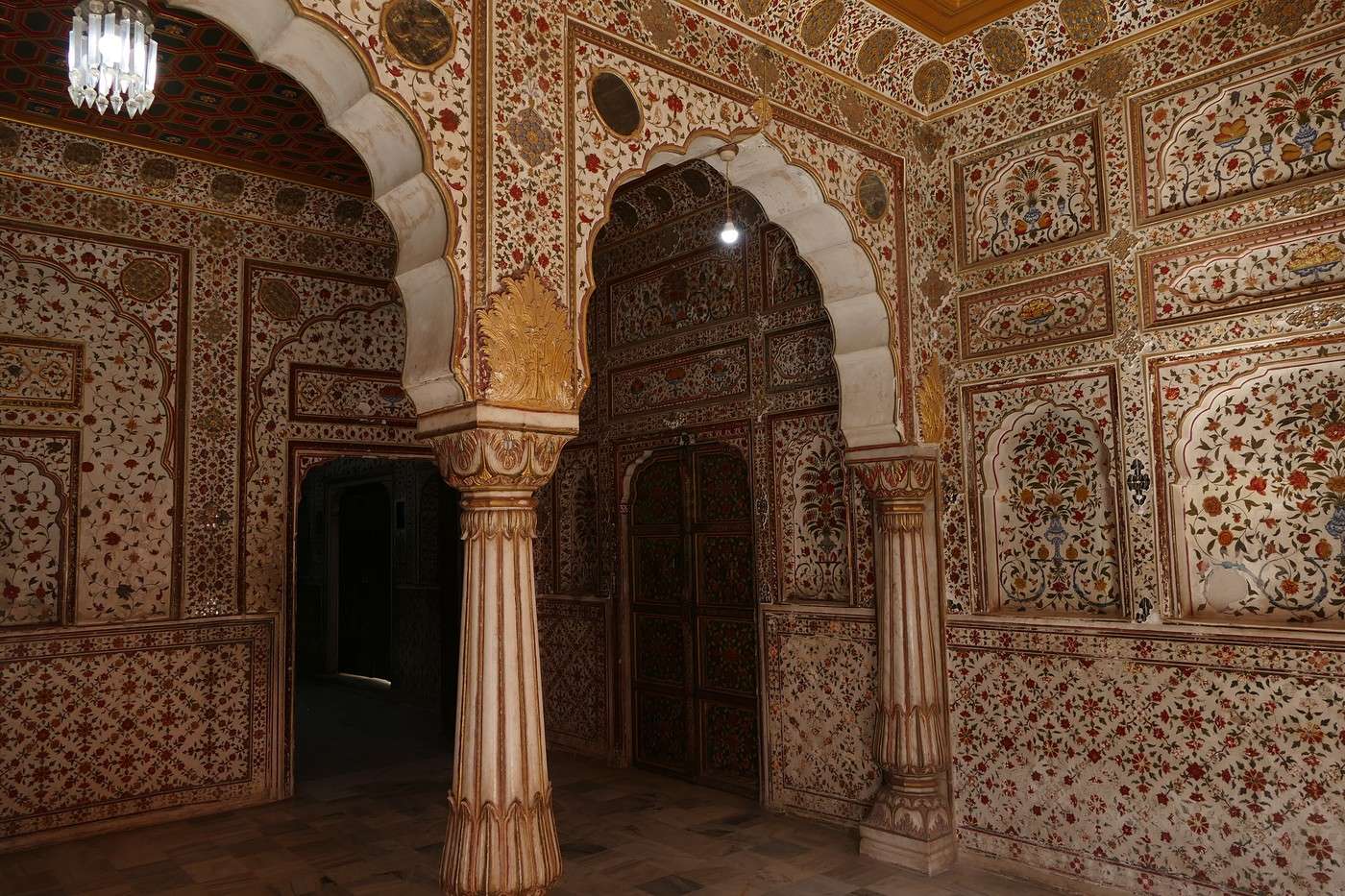
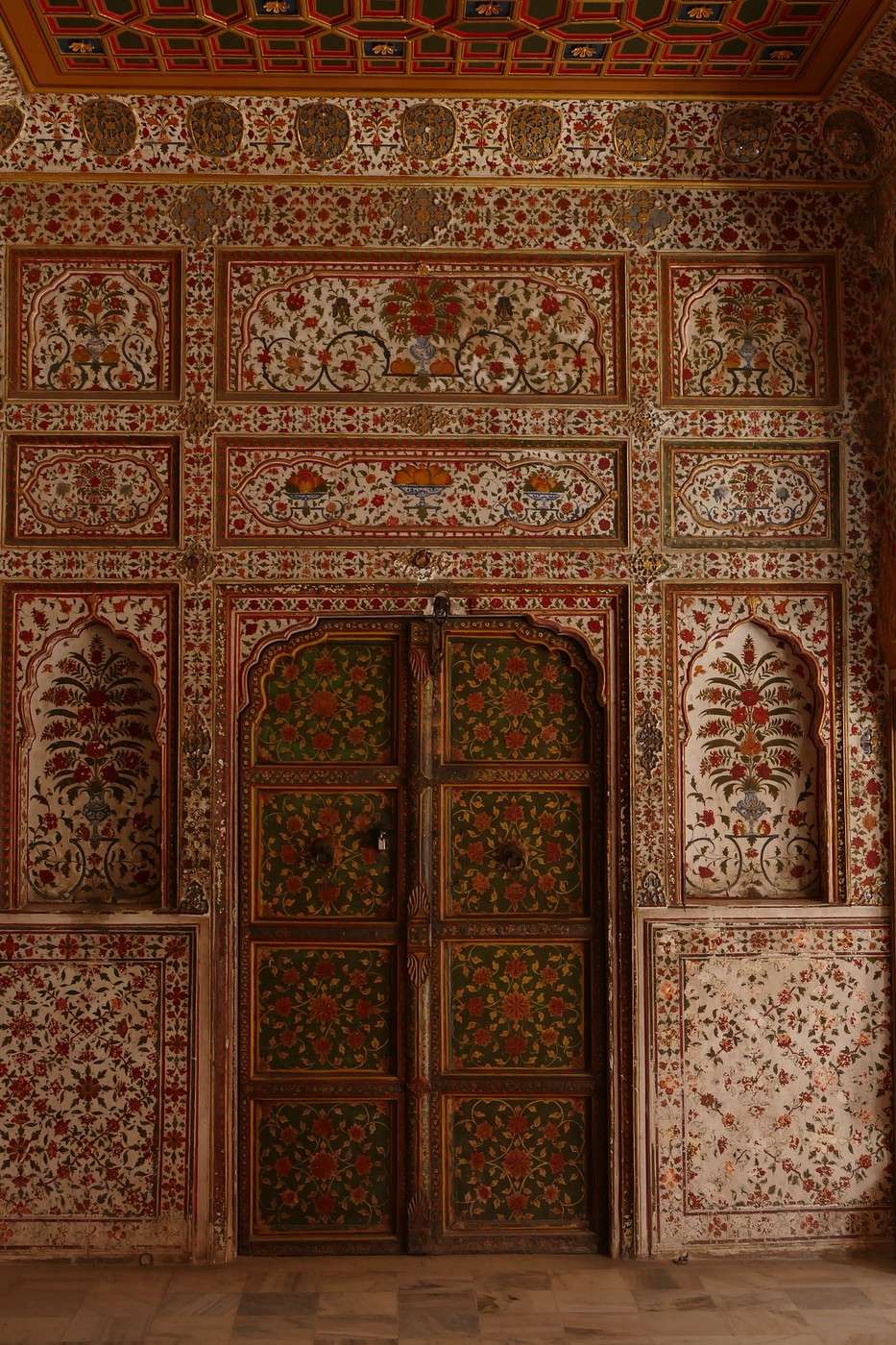
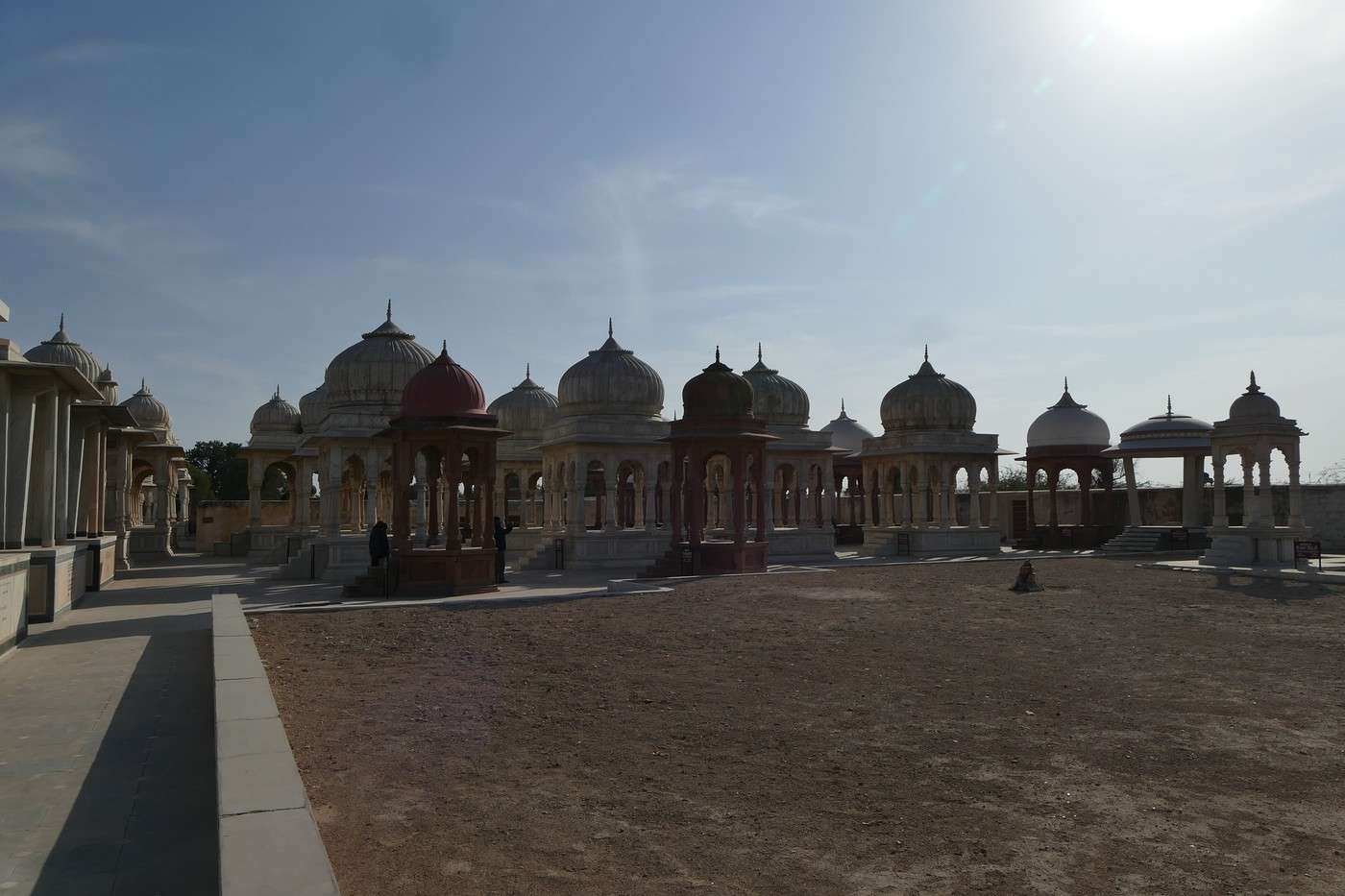
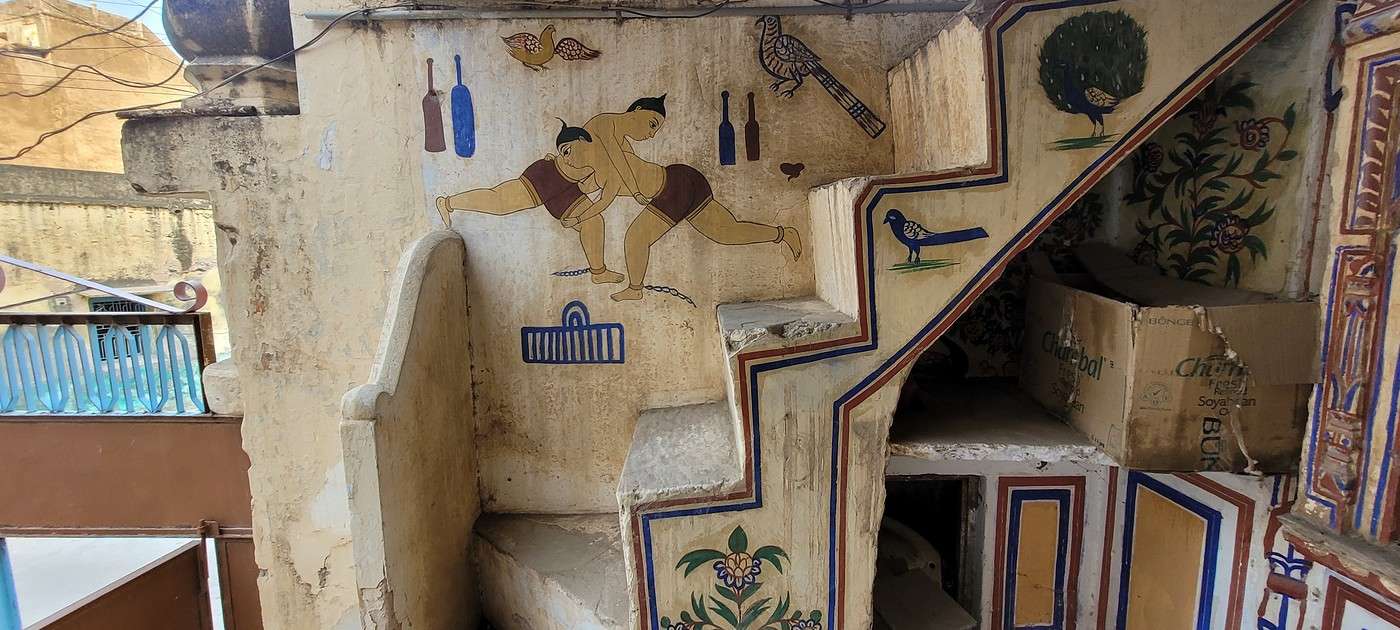
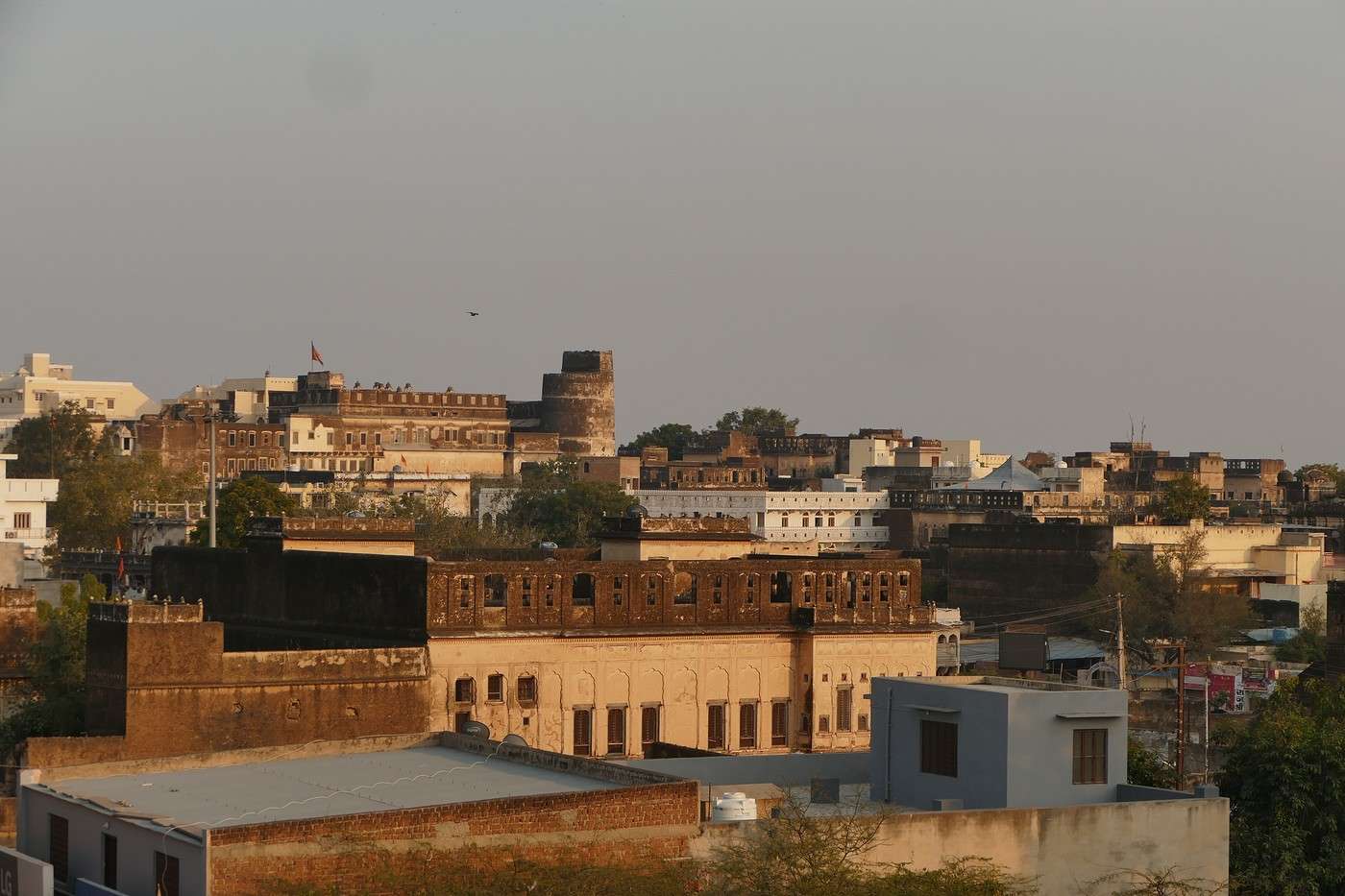
In the evening, I hear music coming from the small temple near the guesthouse. It gets louder and louder. By 2 AM, the music is still just as loud—I’m exhausted and can’t sleep. I go out and ask for another room, but the party’s going to last all night. There are no free rooms, so they take me to the neighboring guesthouse, where I’m given a room that also faces the courtyard, so it’s practically just as noisy. It’s going to be a sleepless night.
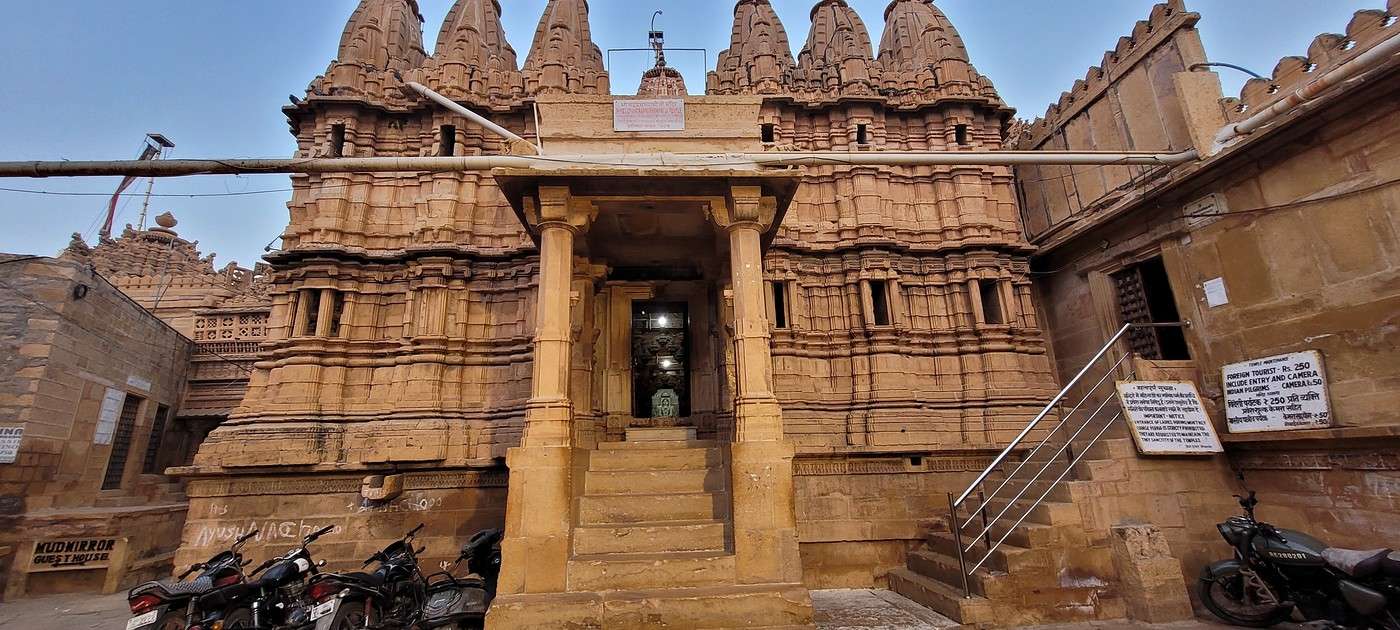
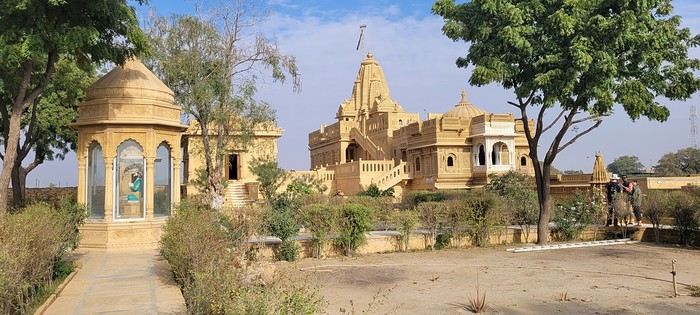
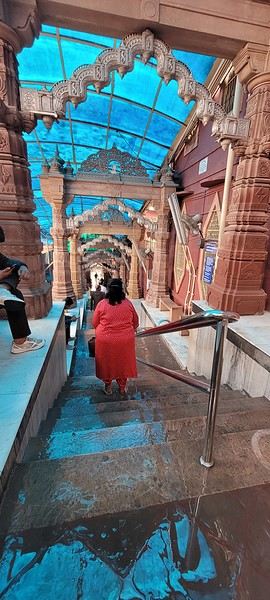
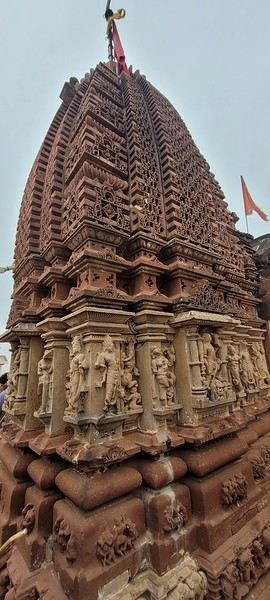
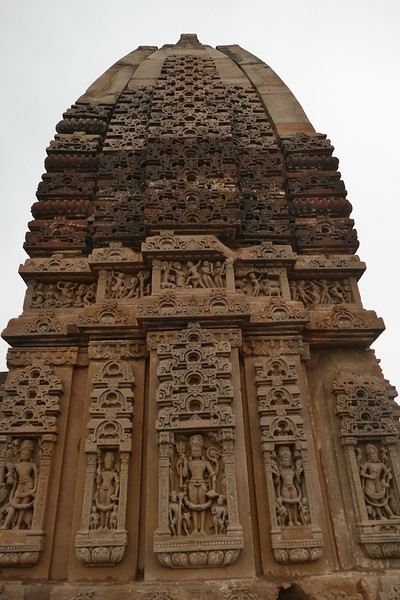
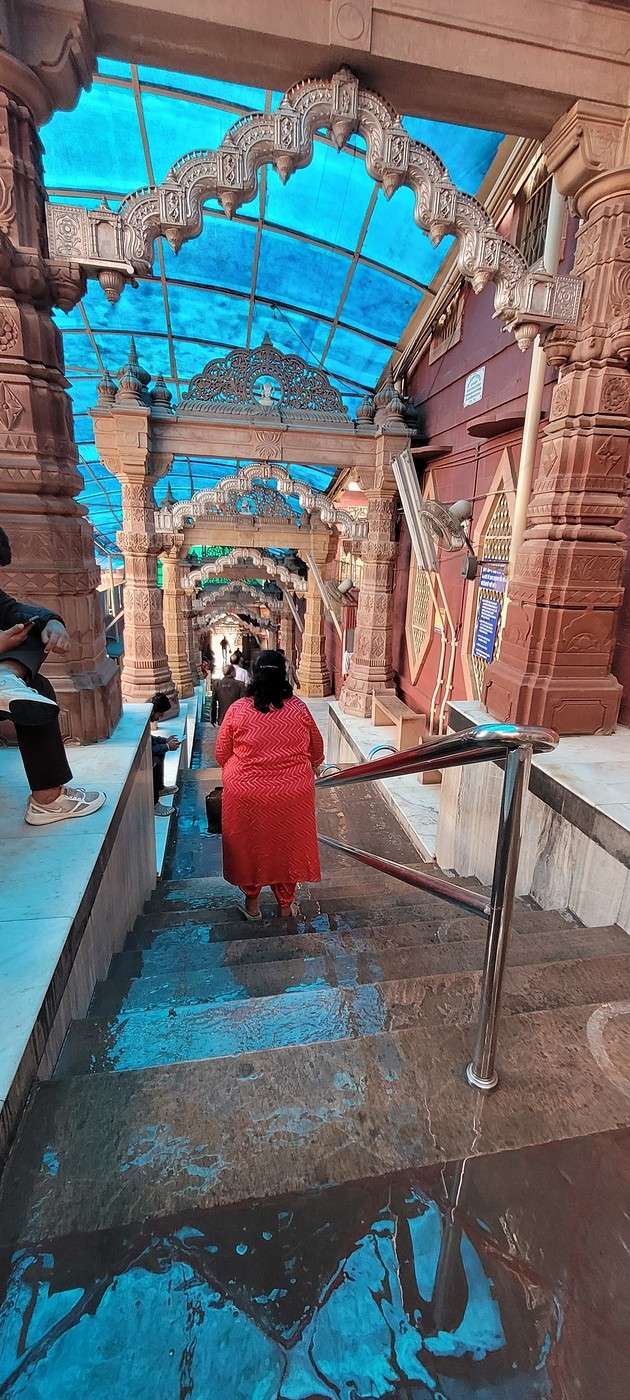
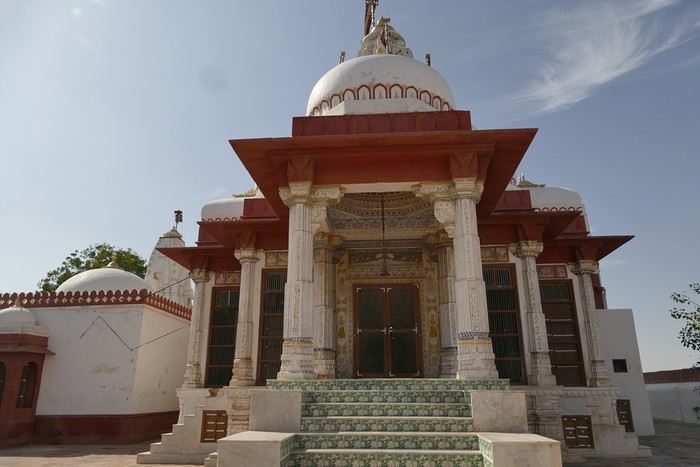
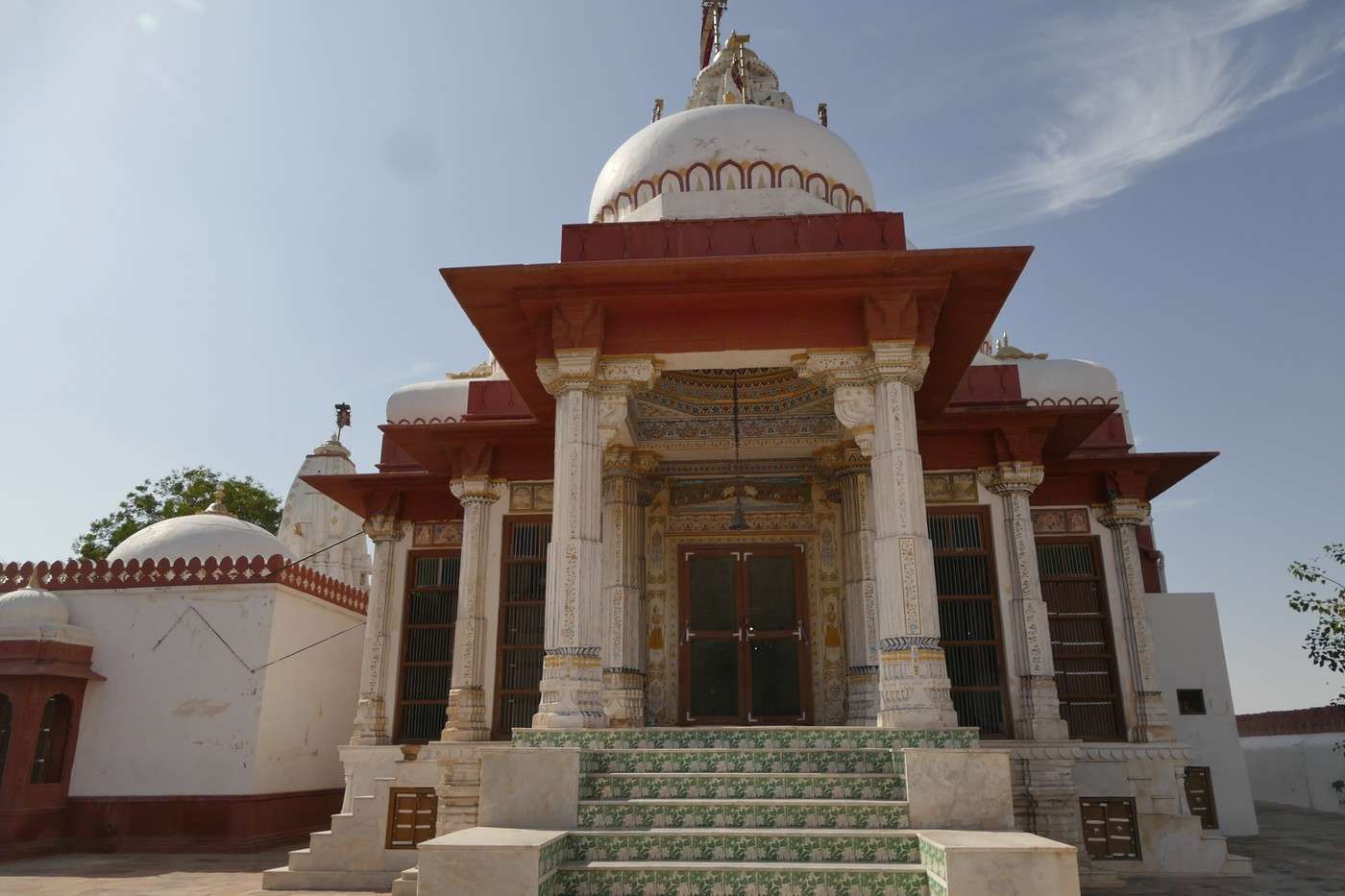
Before 7 AM, I head back to my room and set off to explore the Jain temples (entry: 250 rs). I’m the first visitor—the women are cleaning, and it’s spotless.
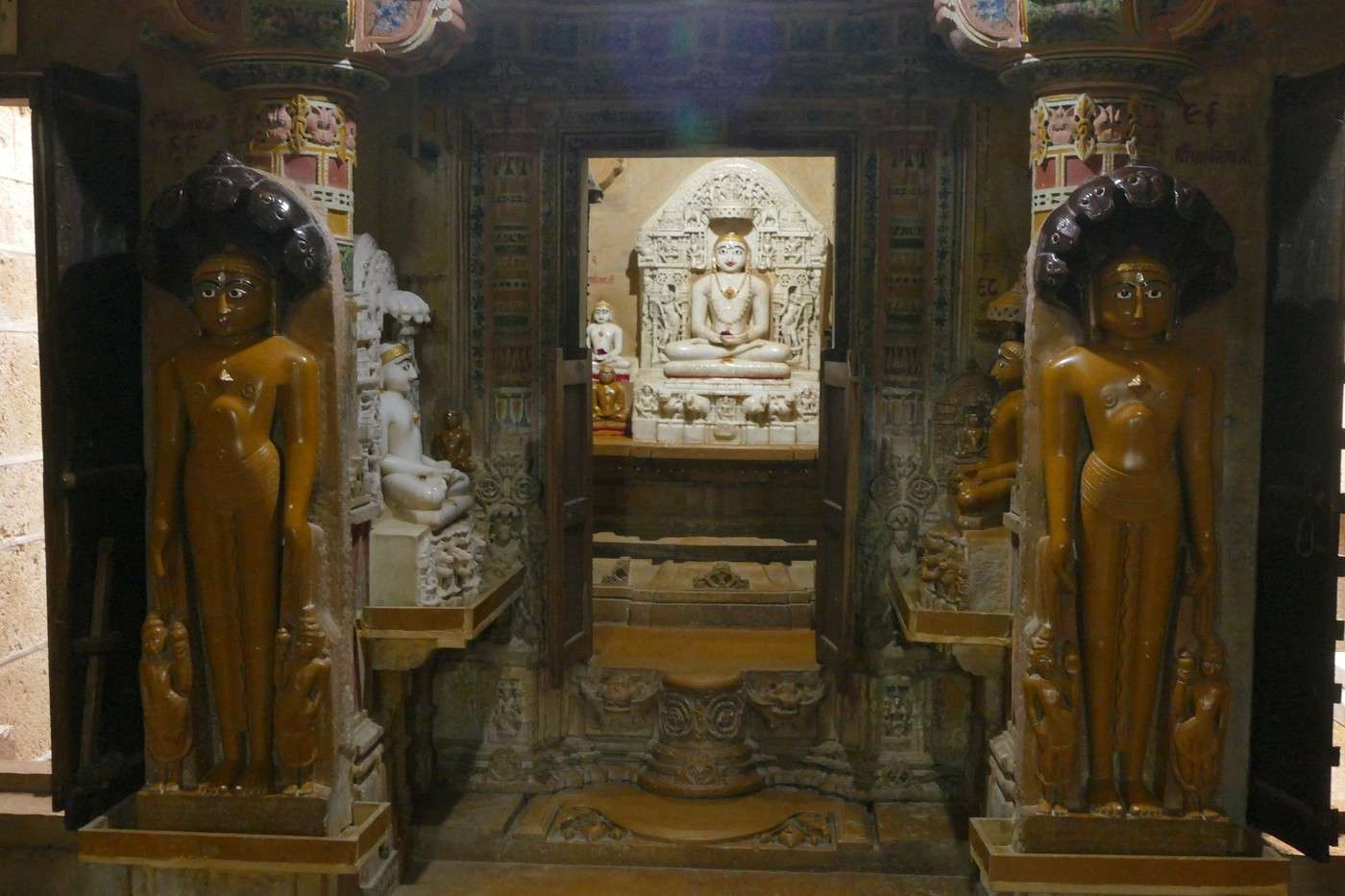
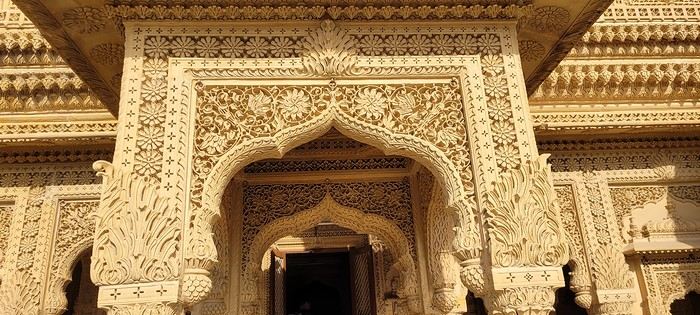
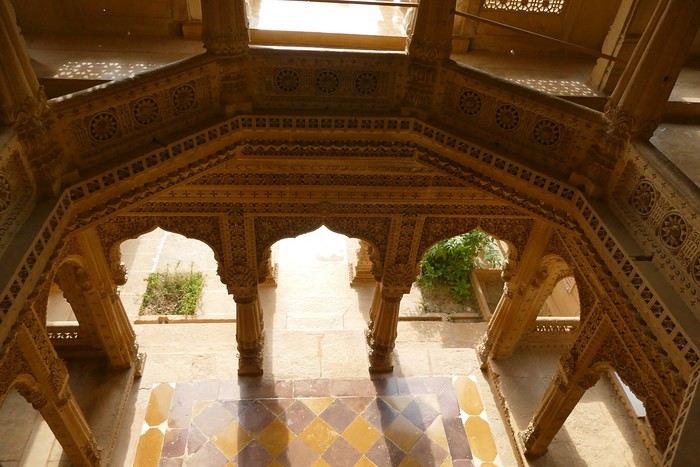
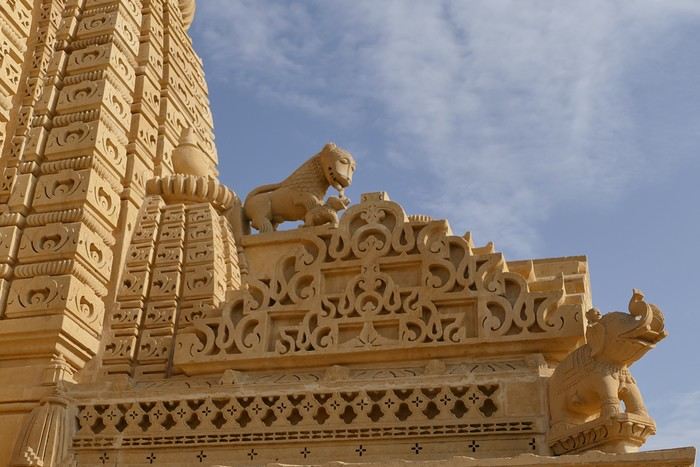
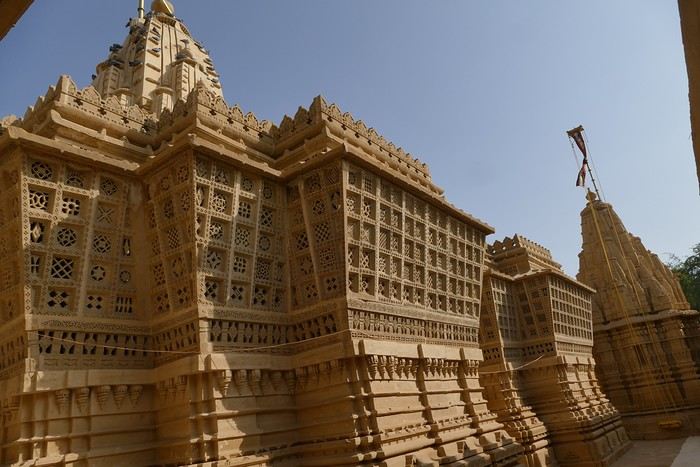
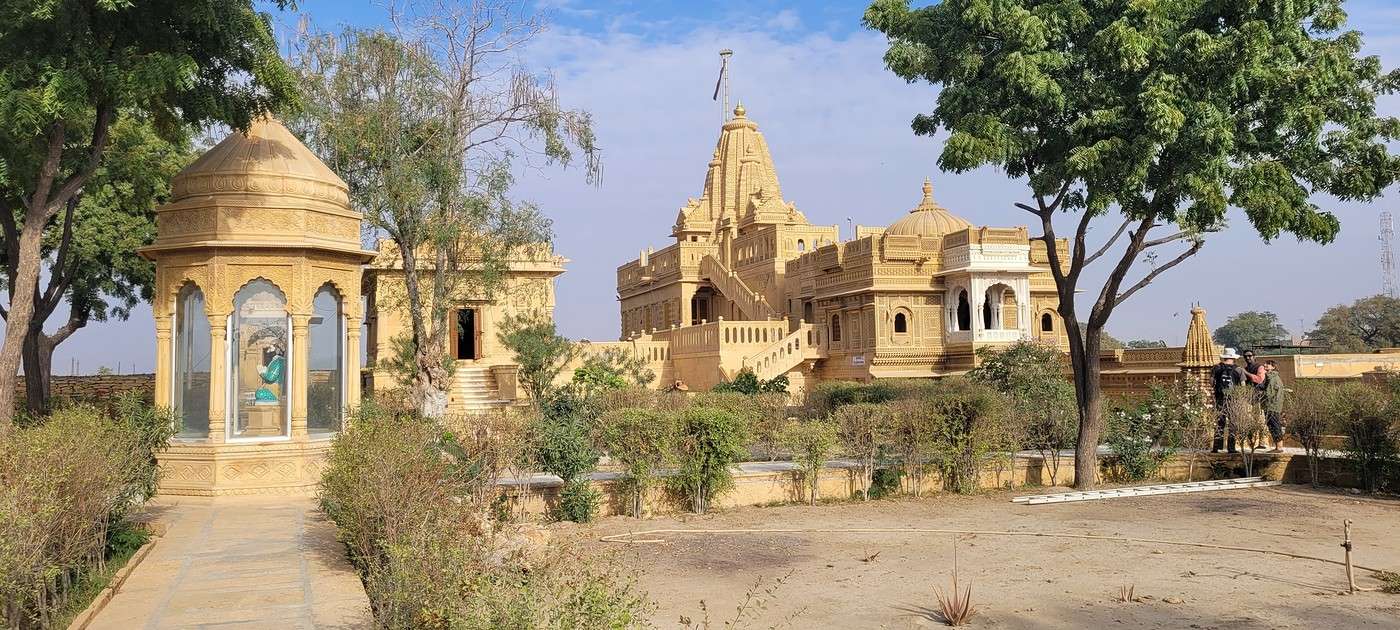
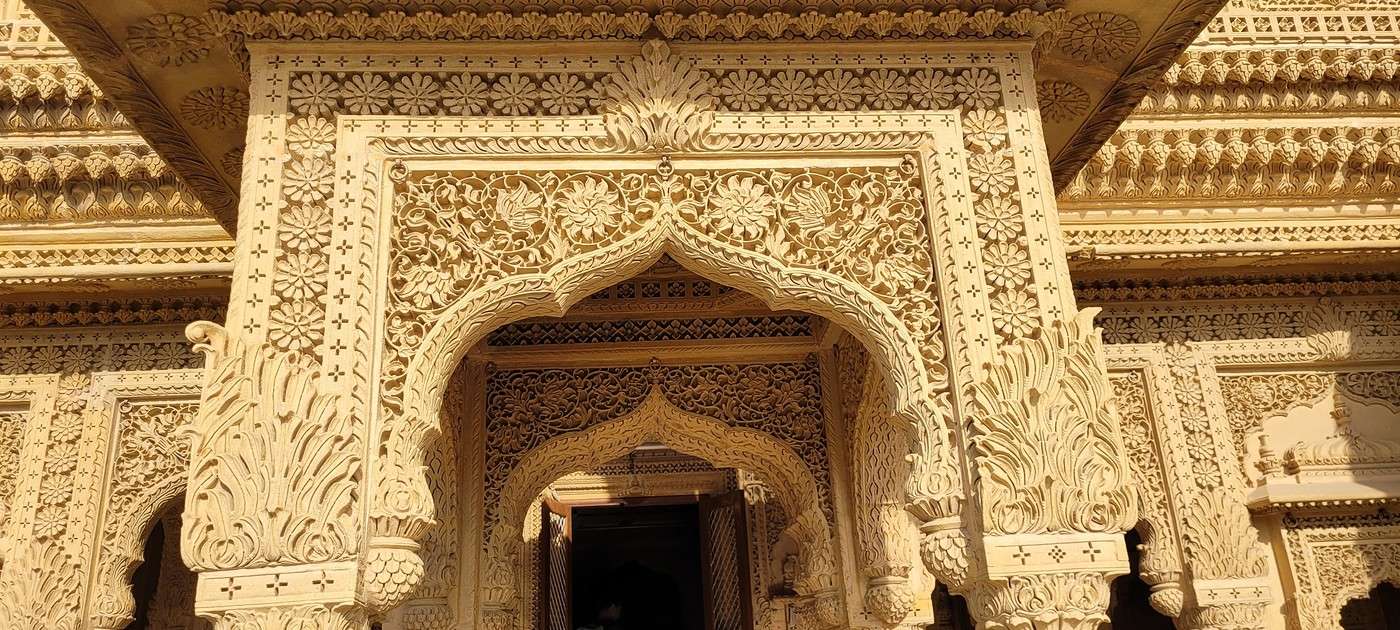
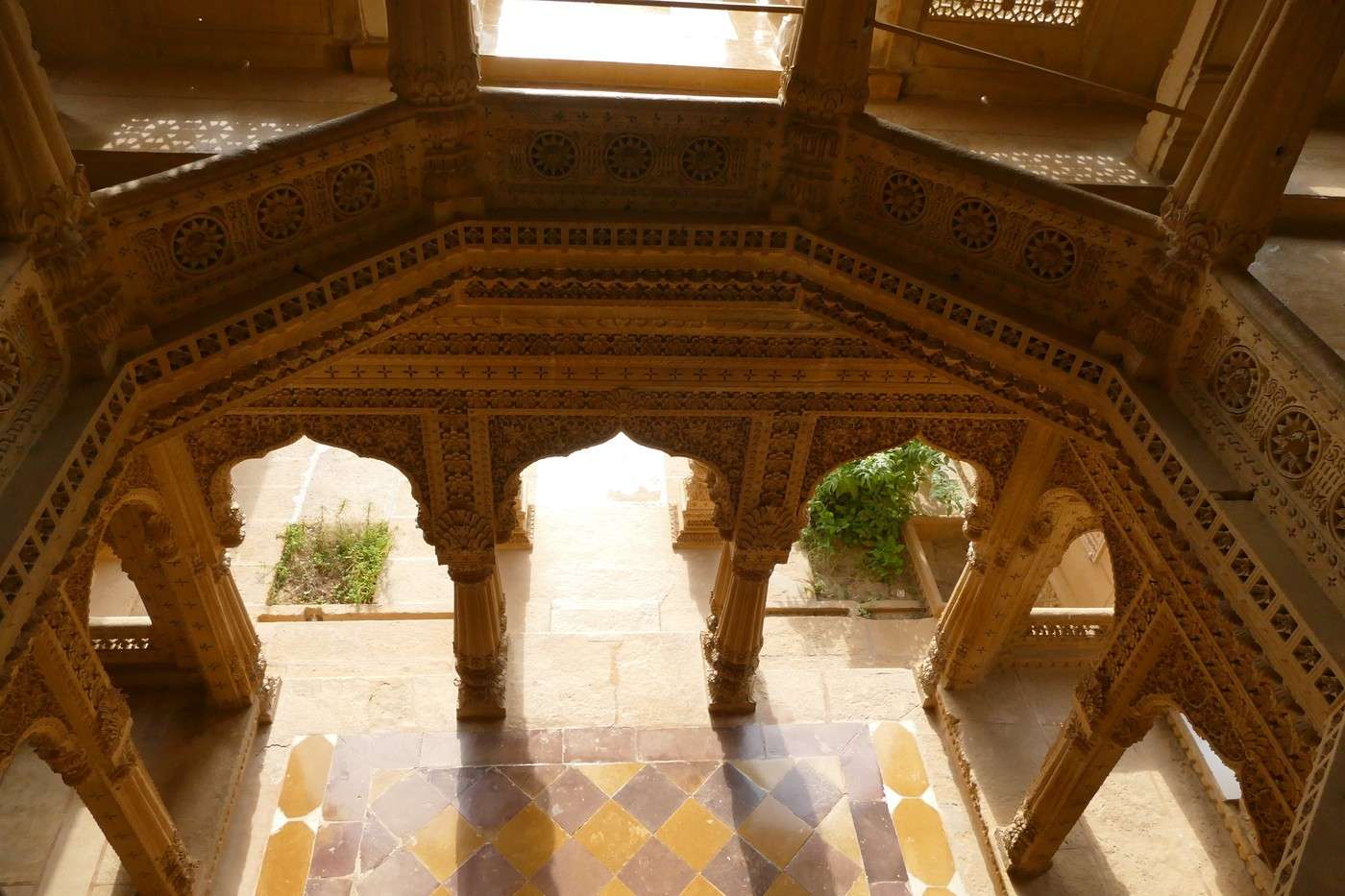
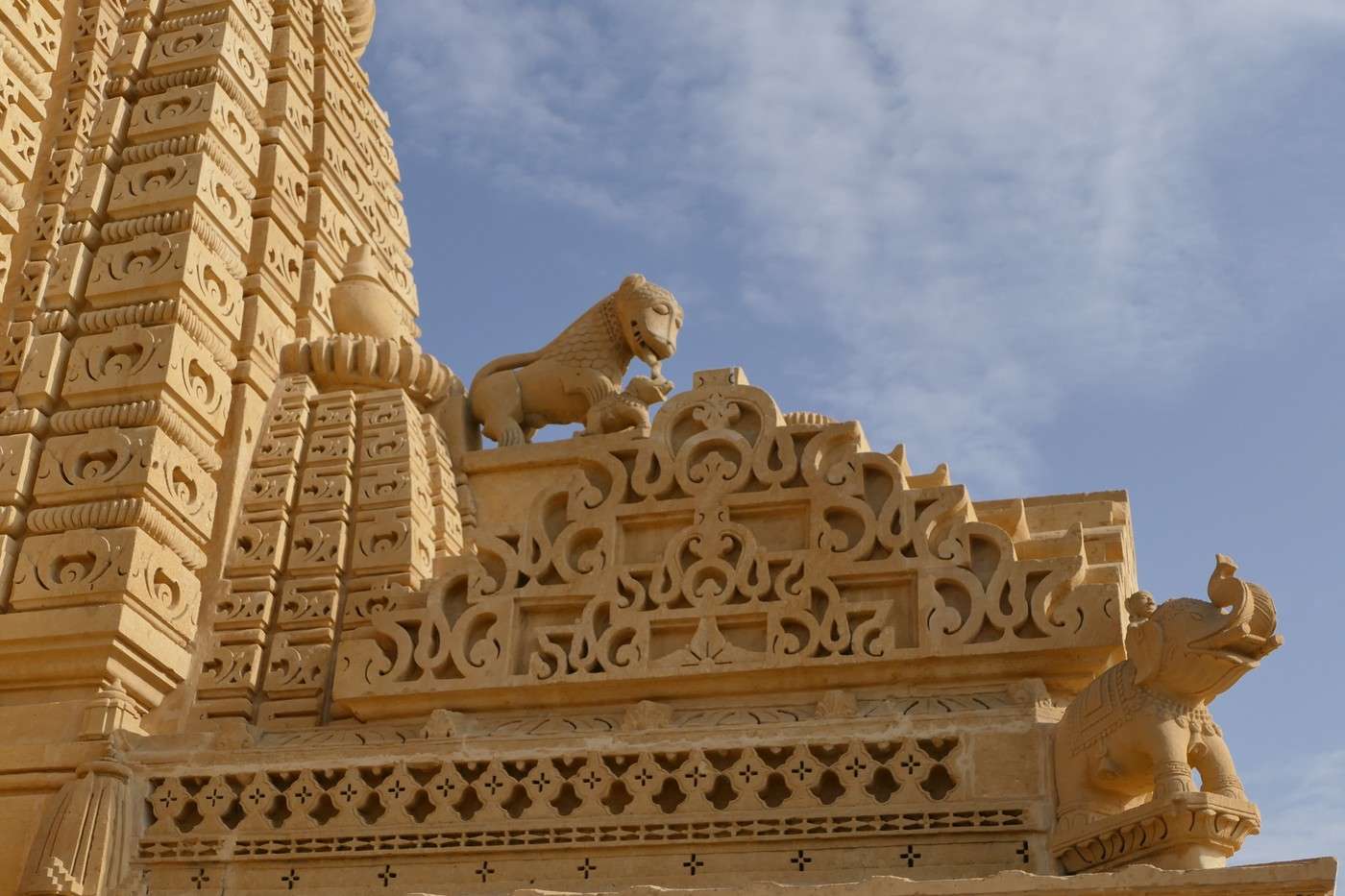
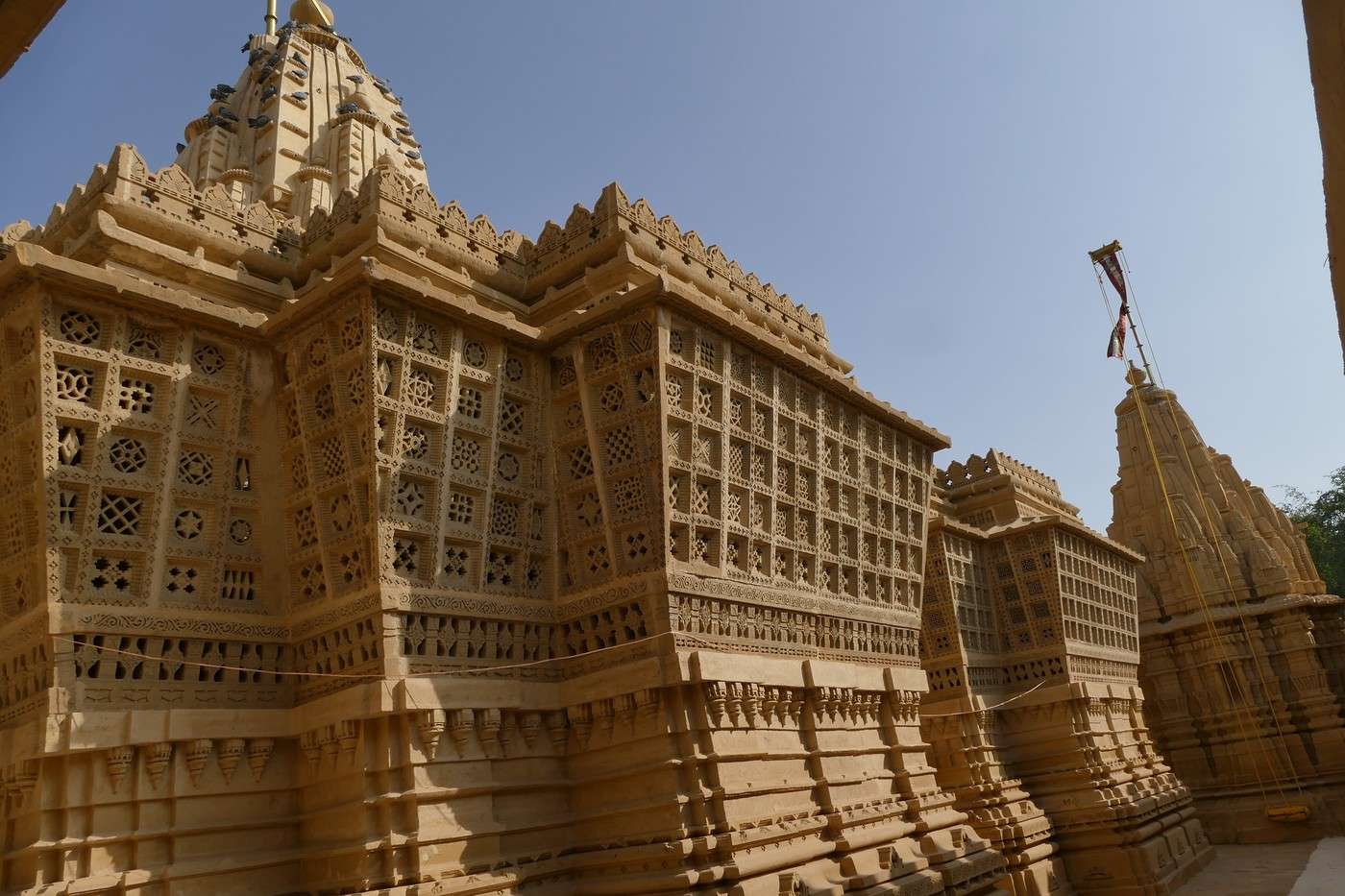
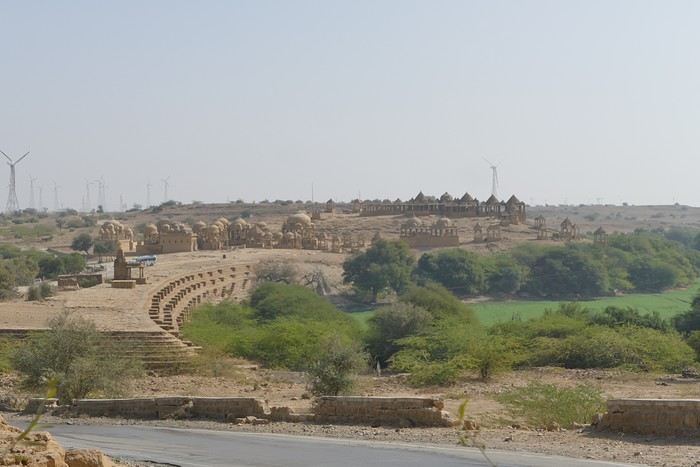
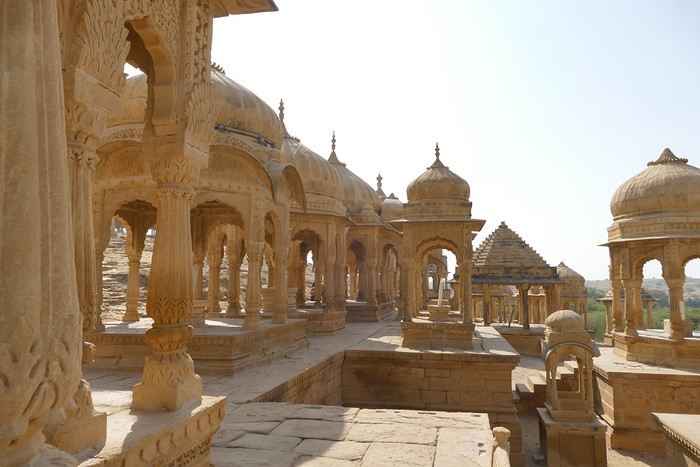
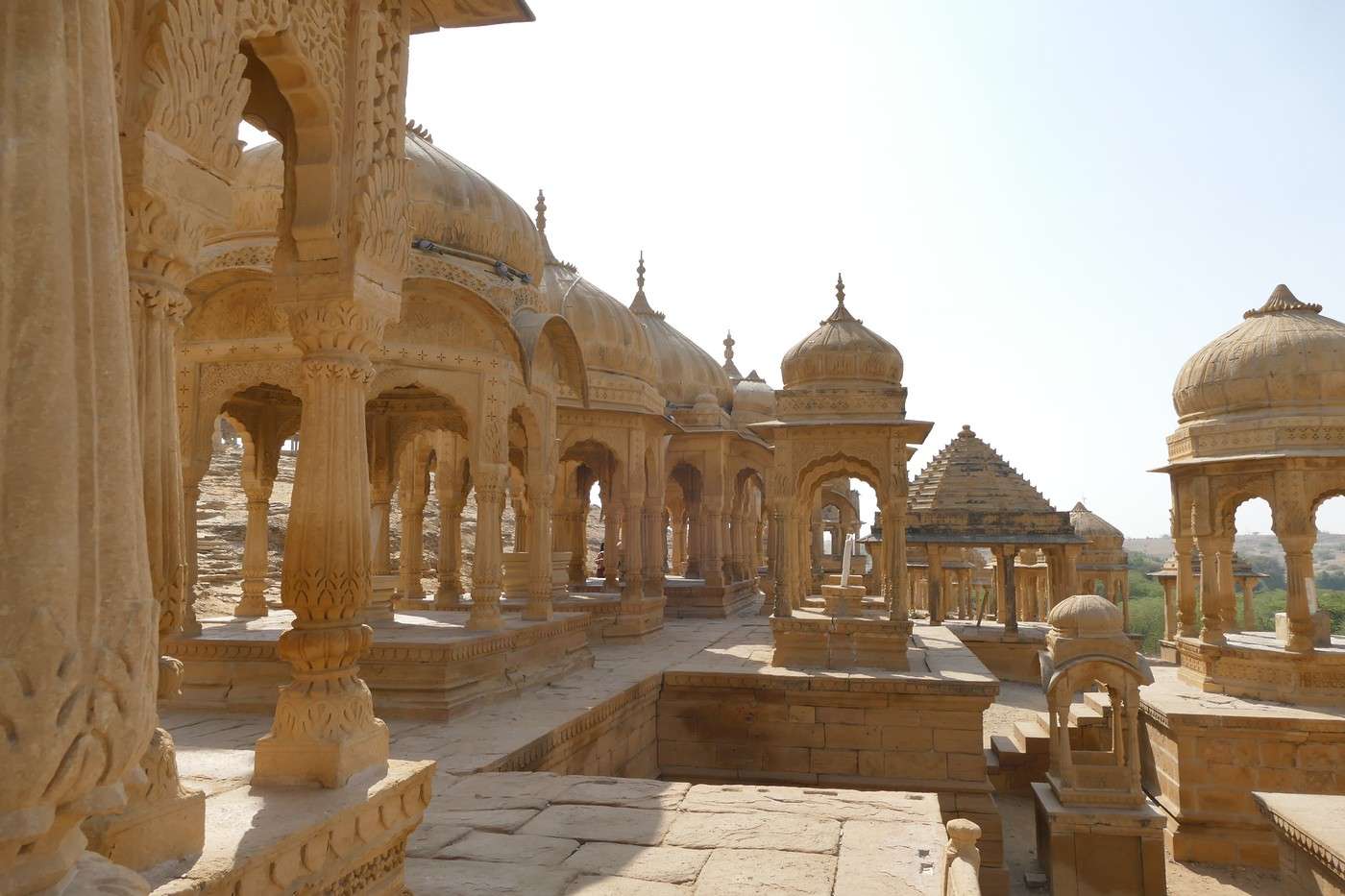
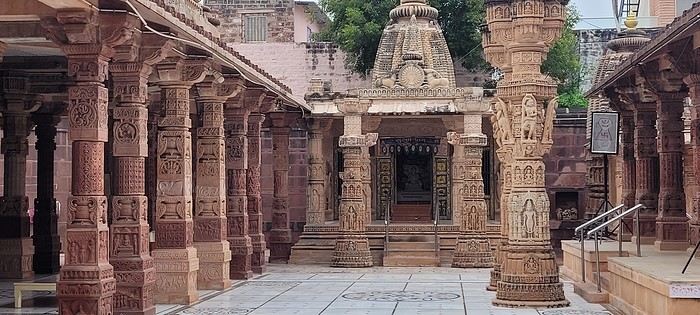
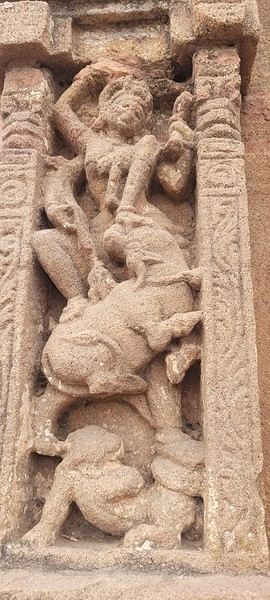
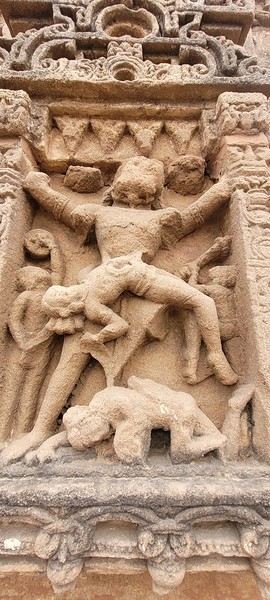
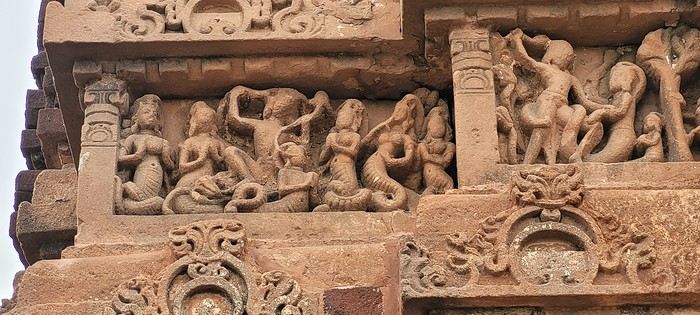
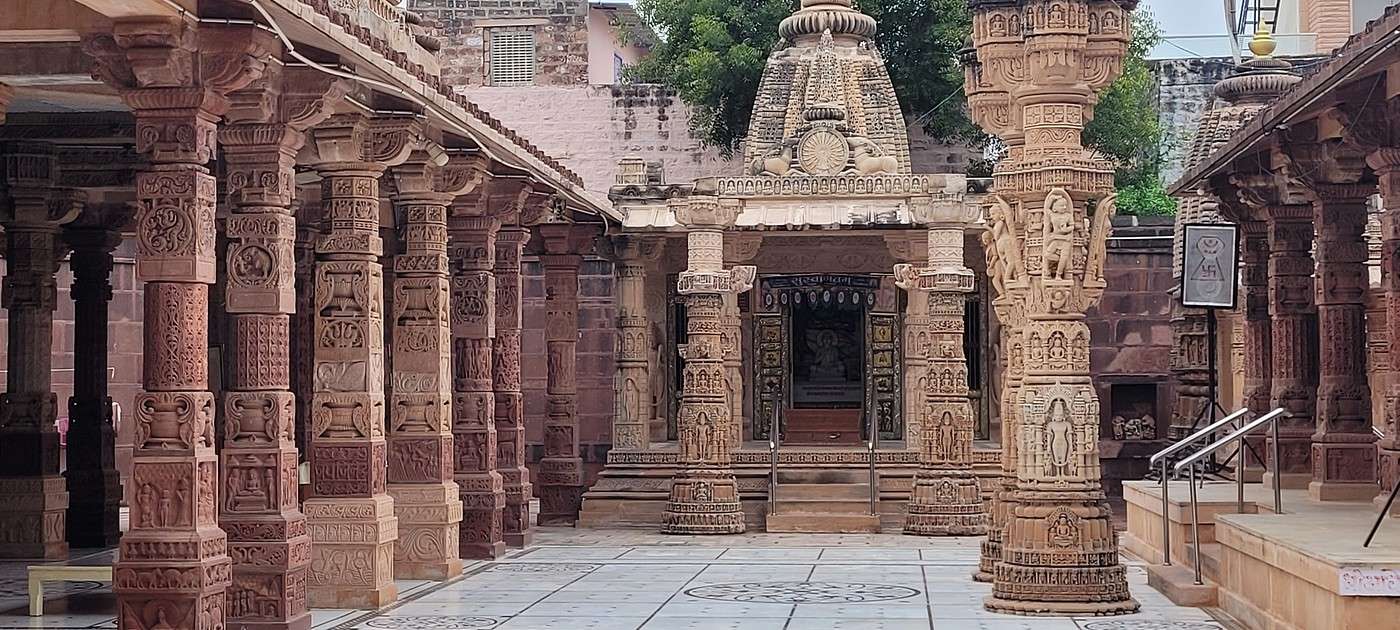
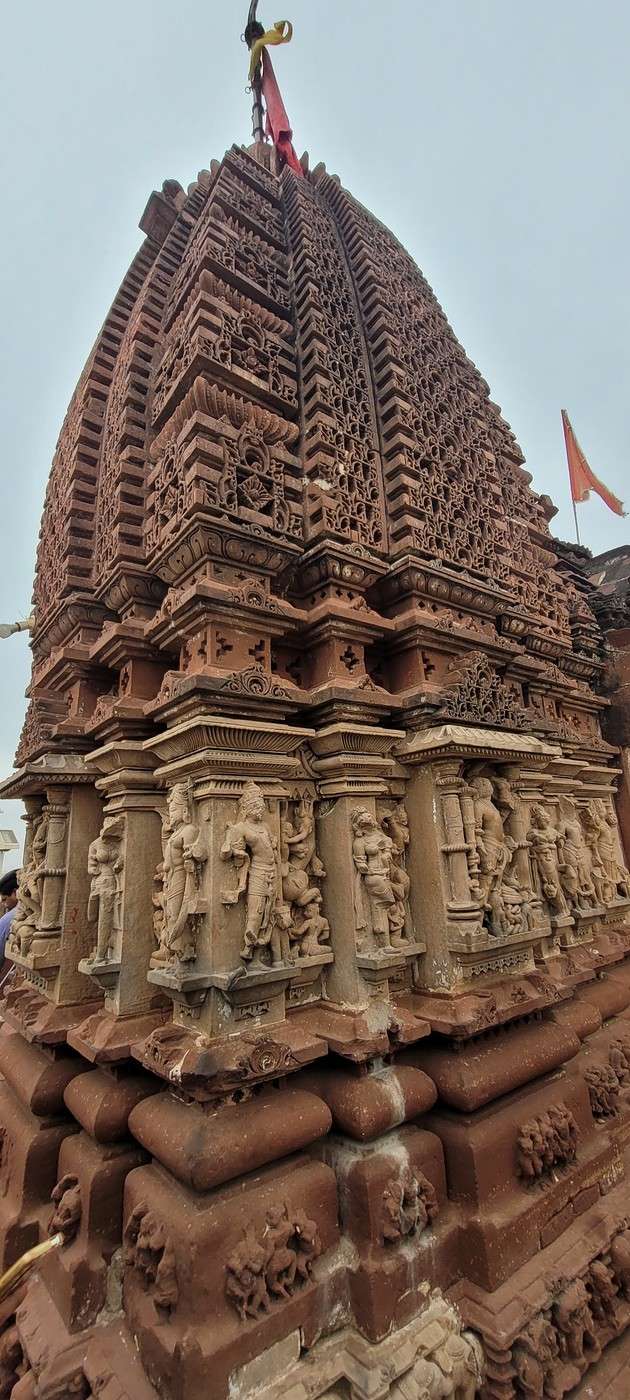
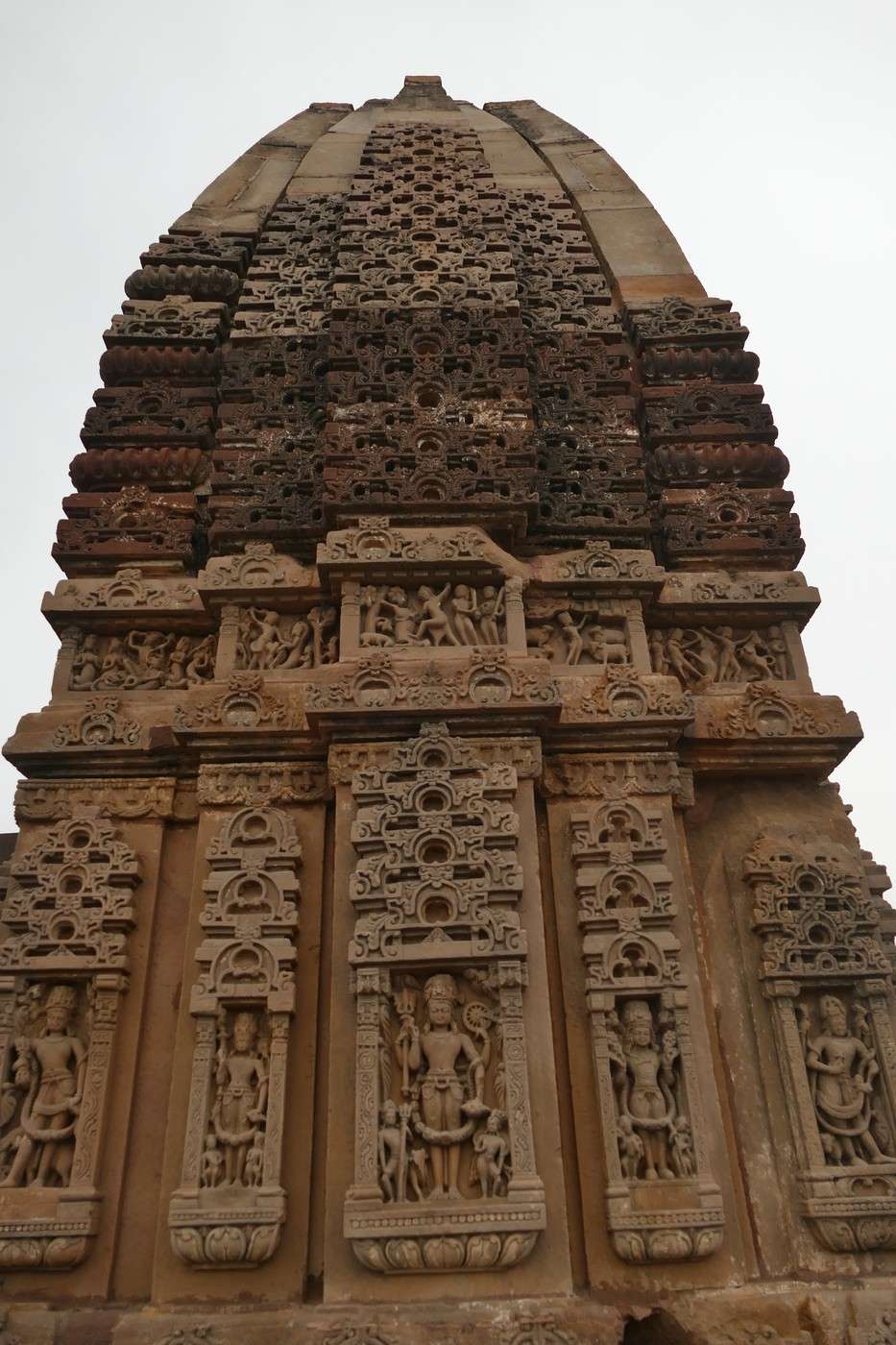
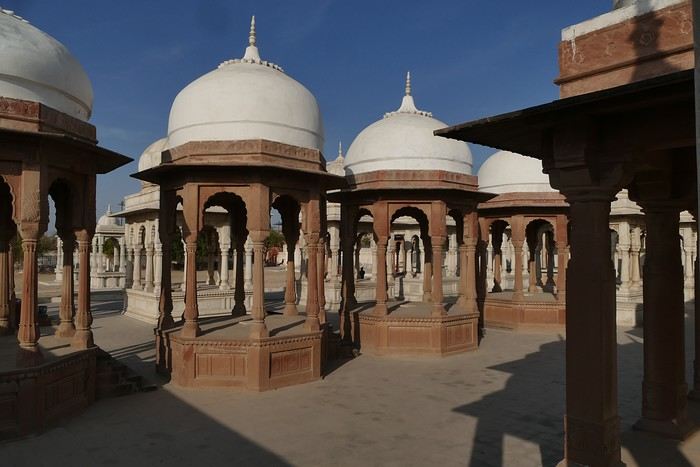
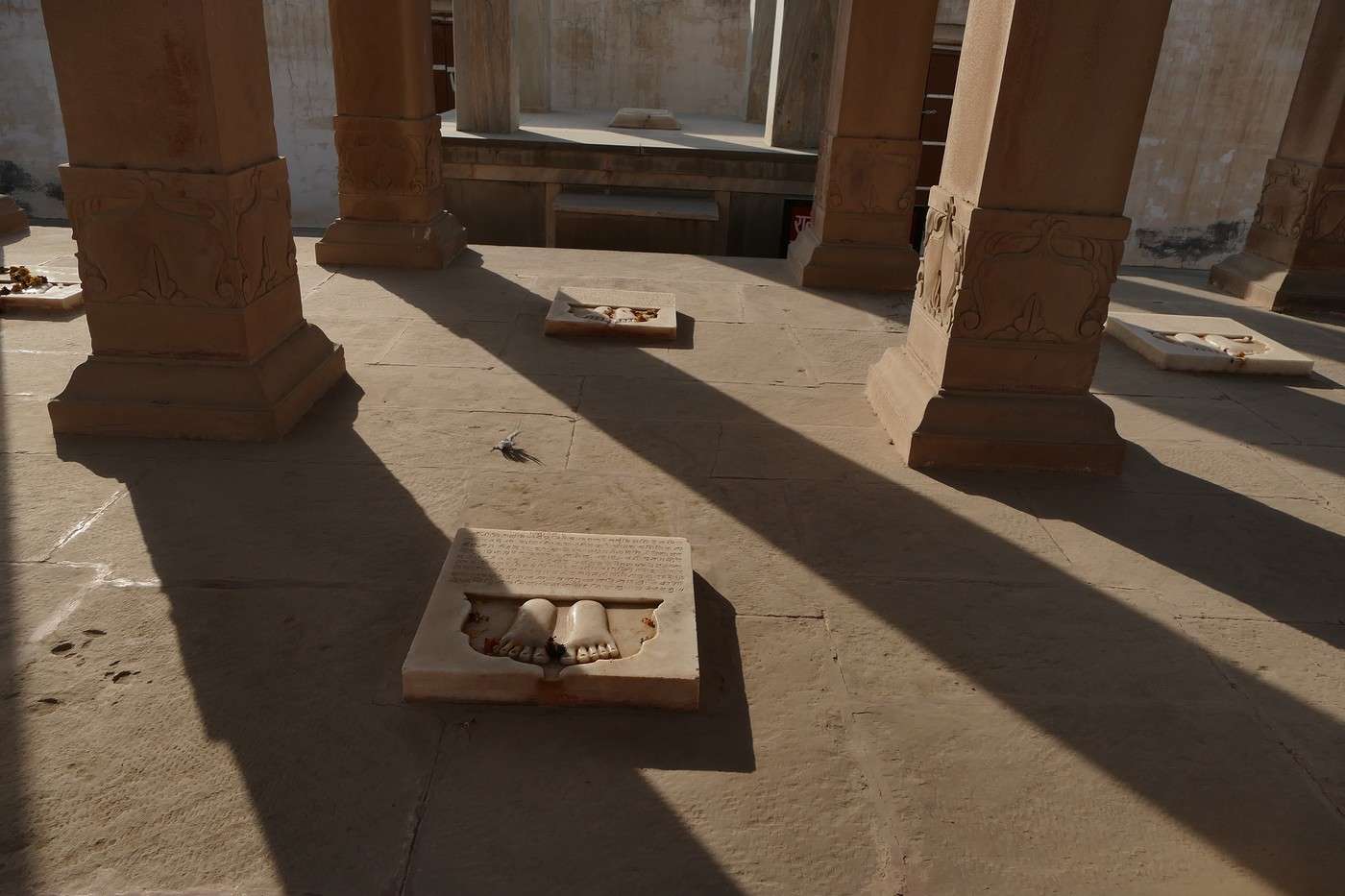
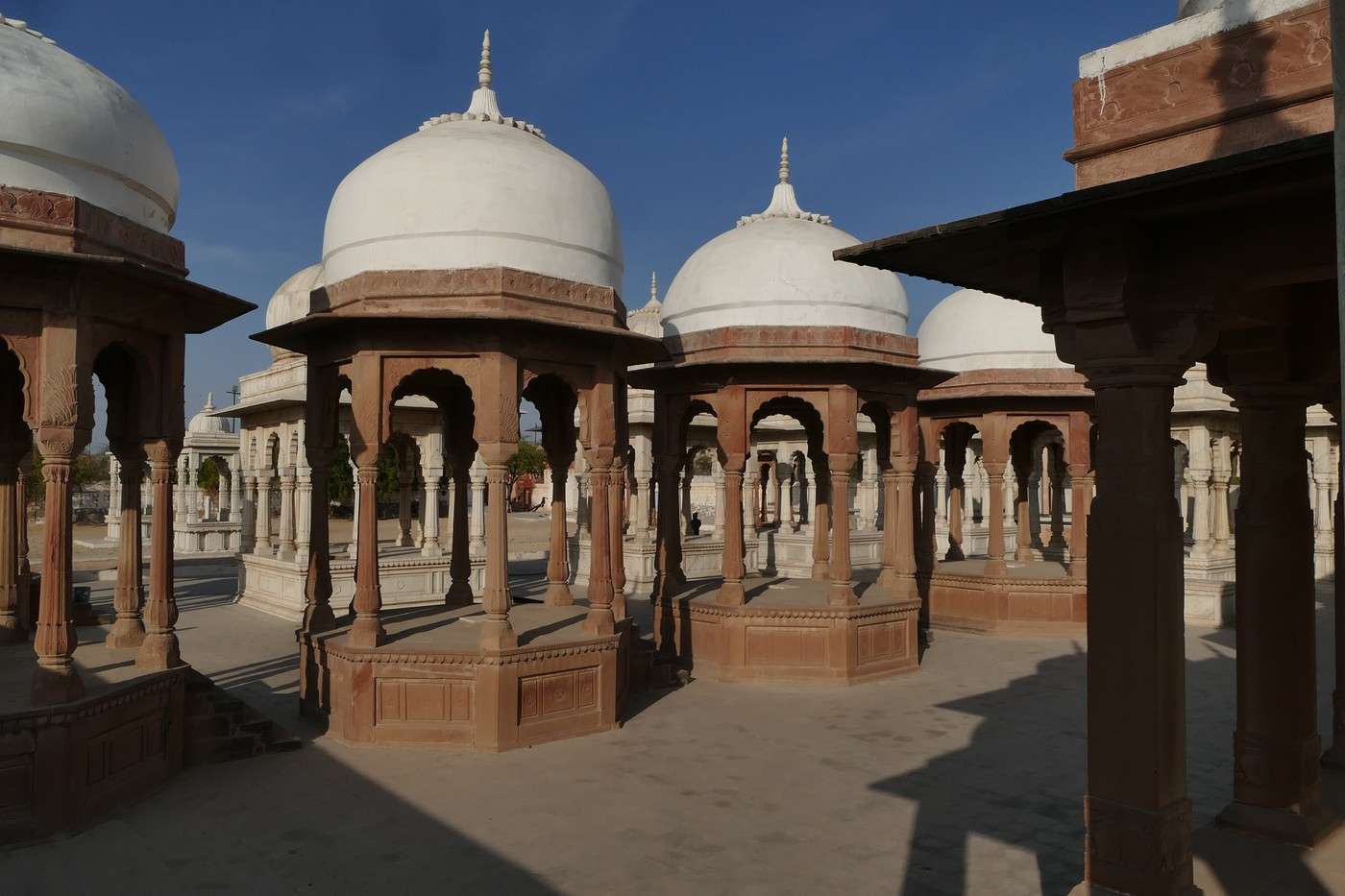
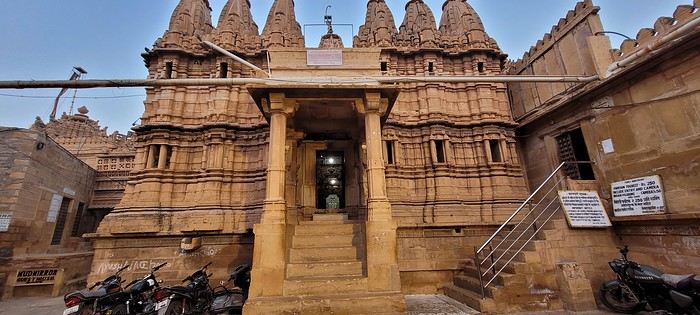
These are seven temples made of yellow sandstone, dating back to the 15th and 16th centuries.
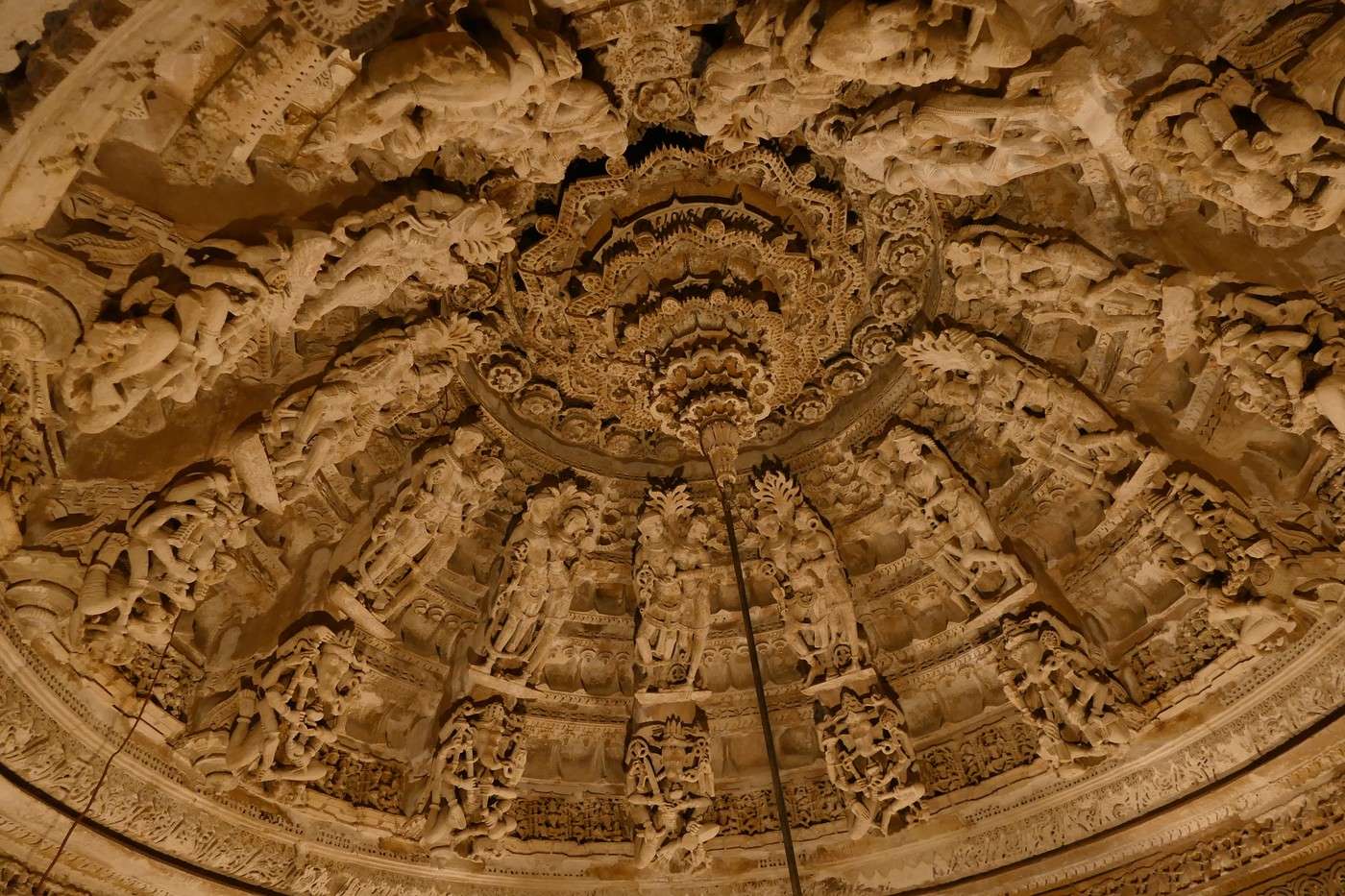
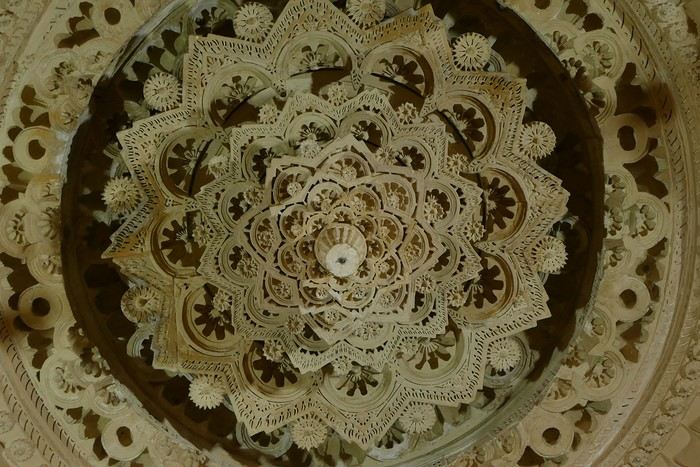
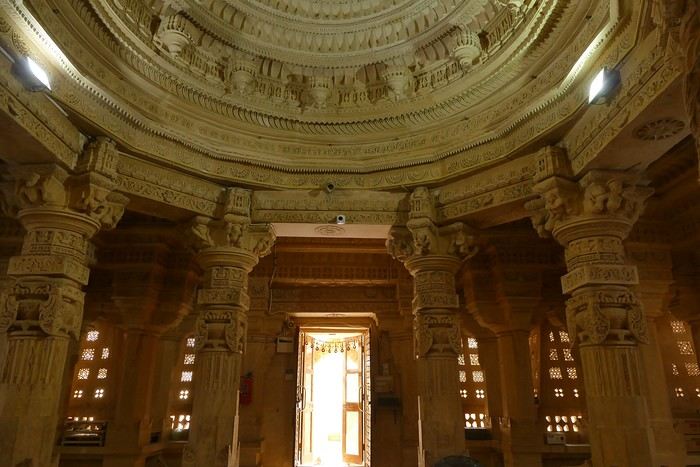
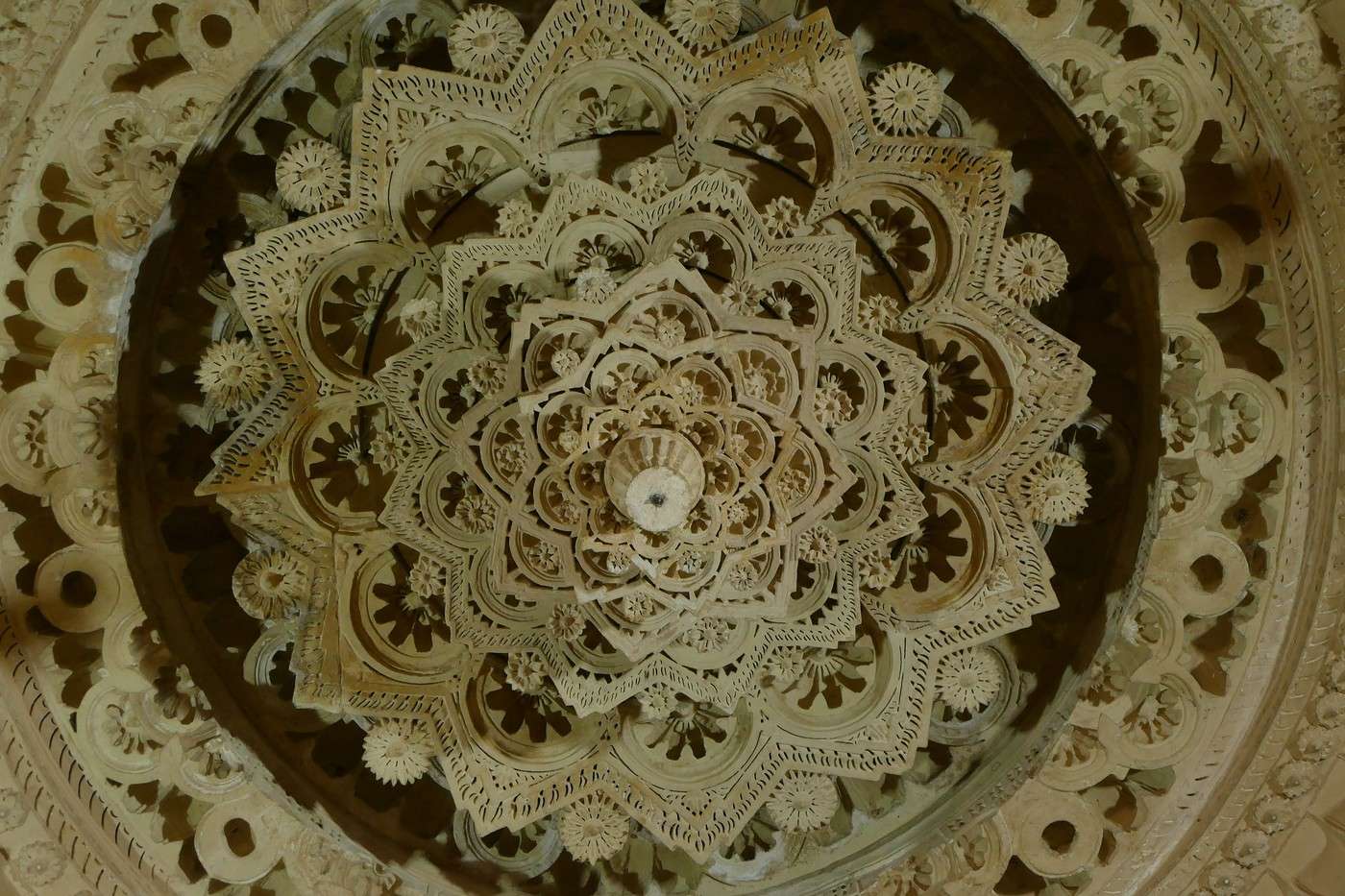
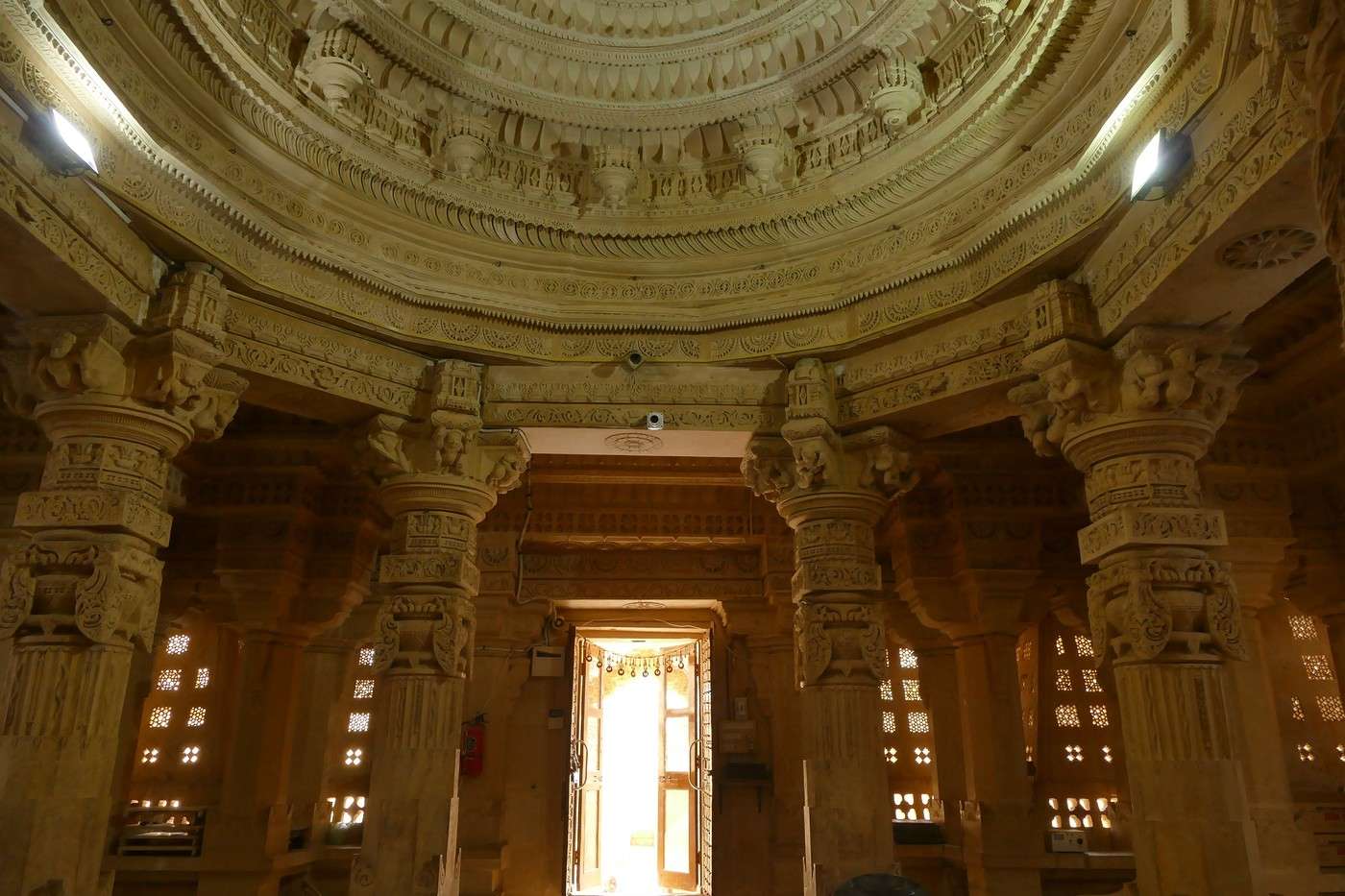
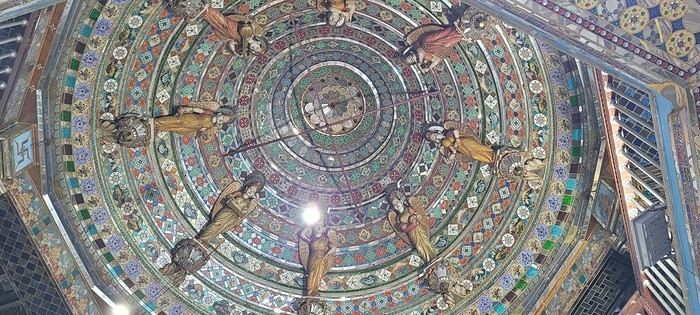
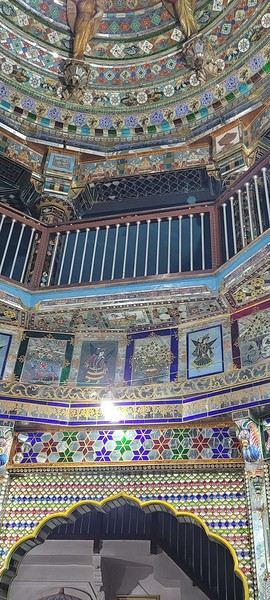
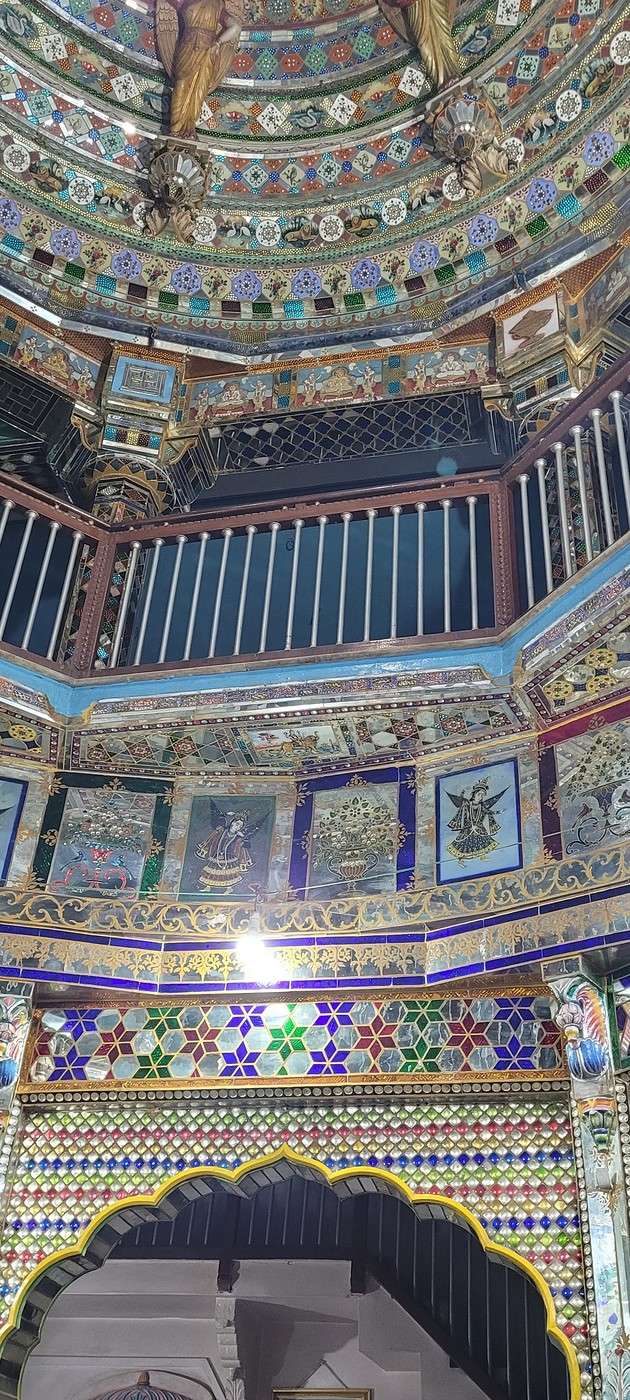
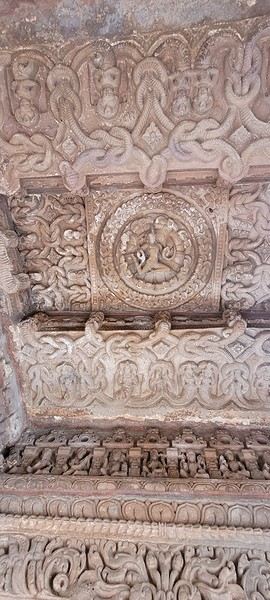
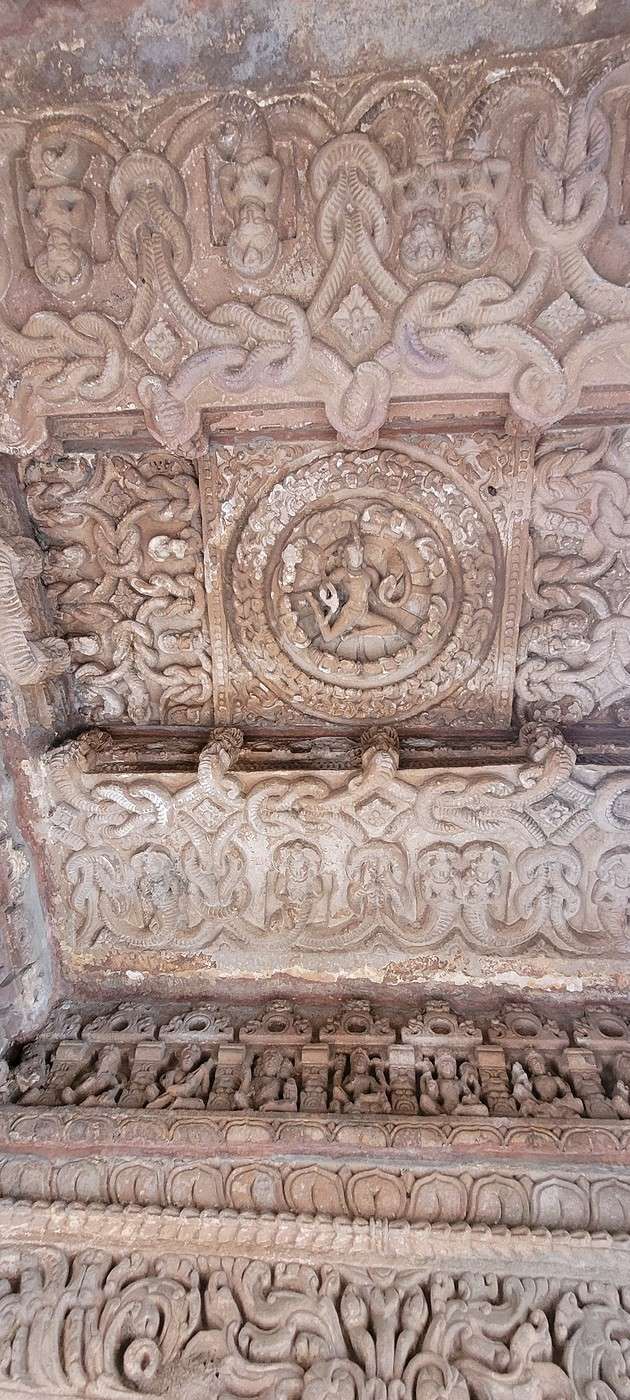
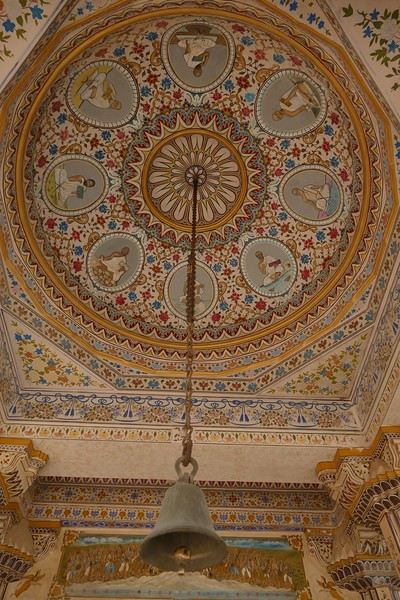
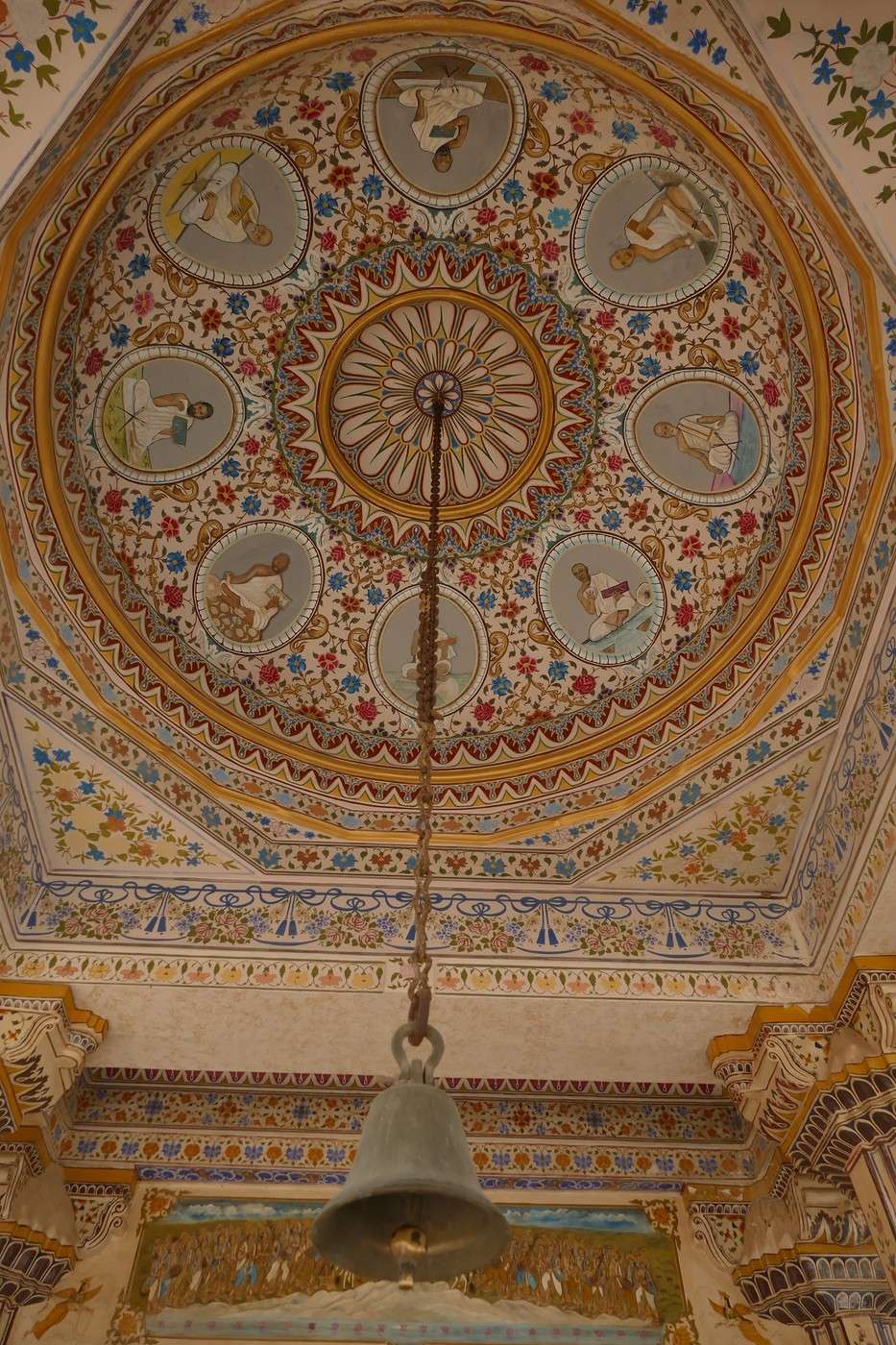
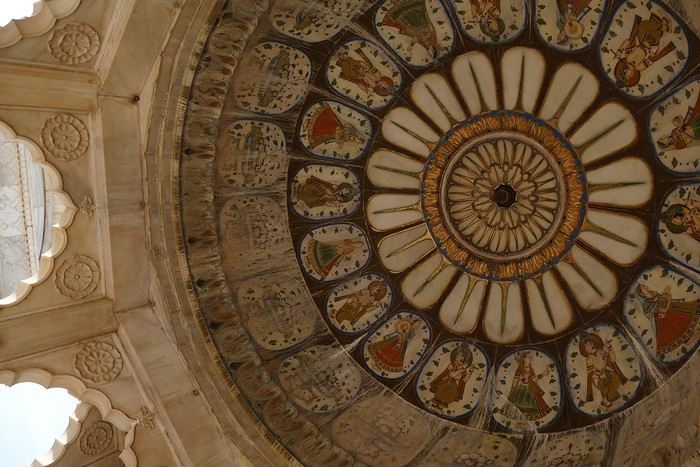
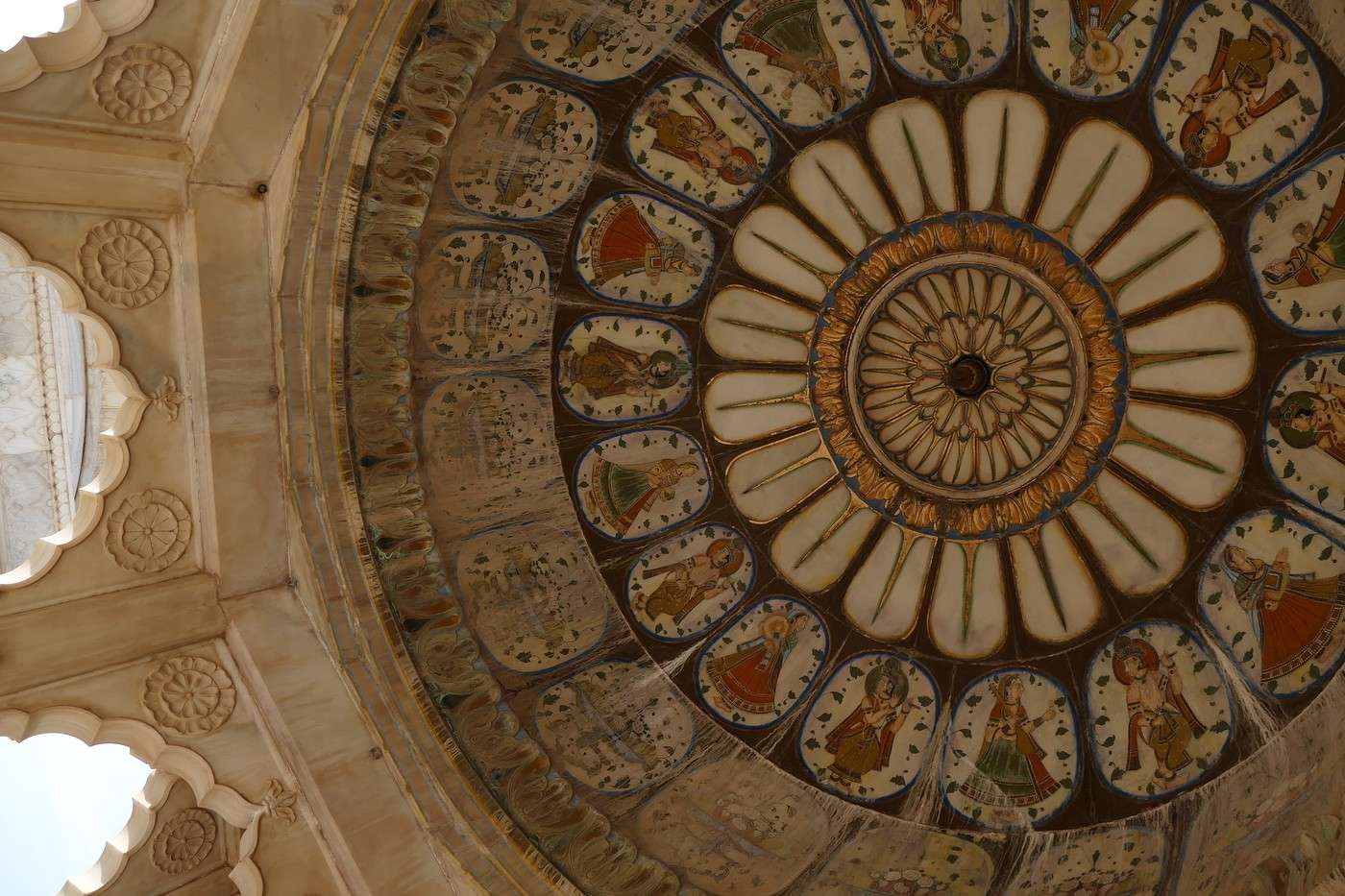
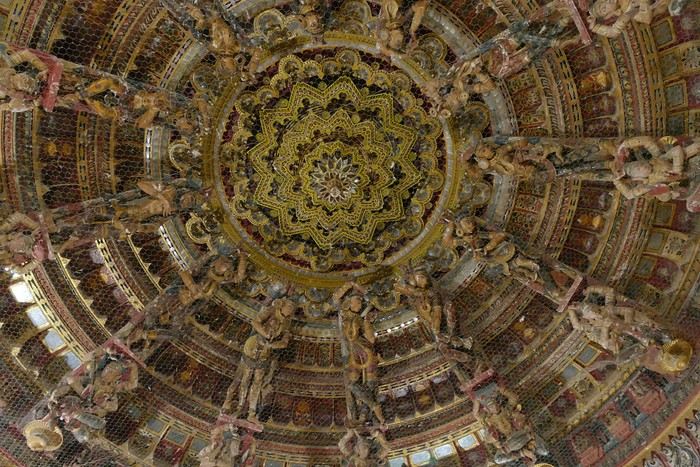
The domed ceilings are stunning, with sculptures of dancing figures—absolutely beautiful.
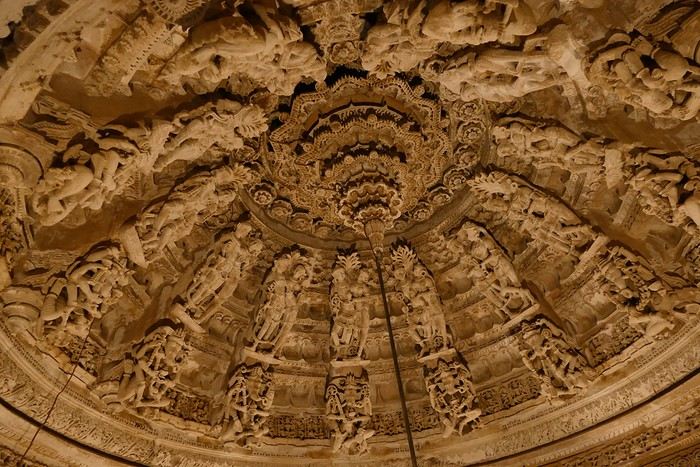
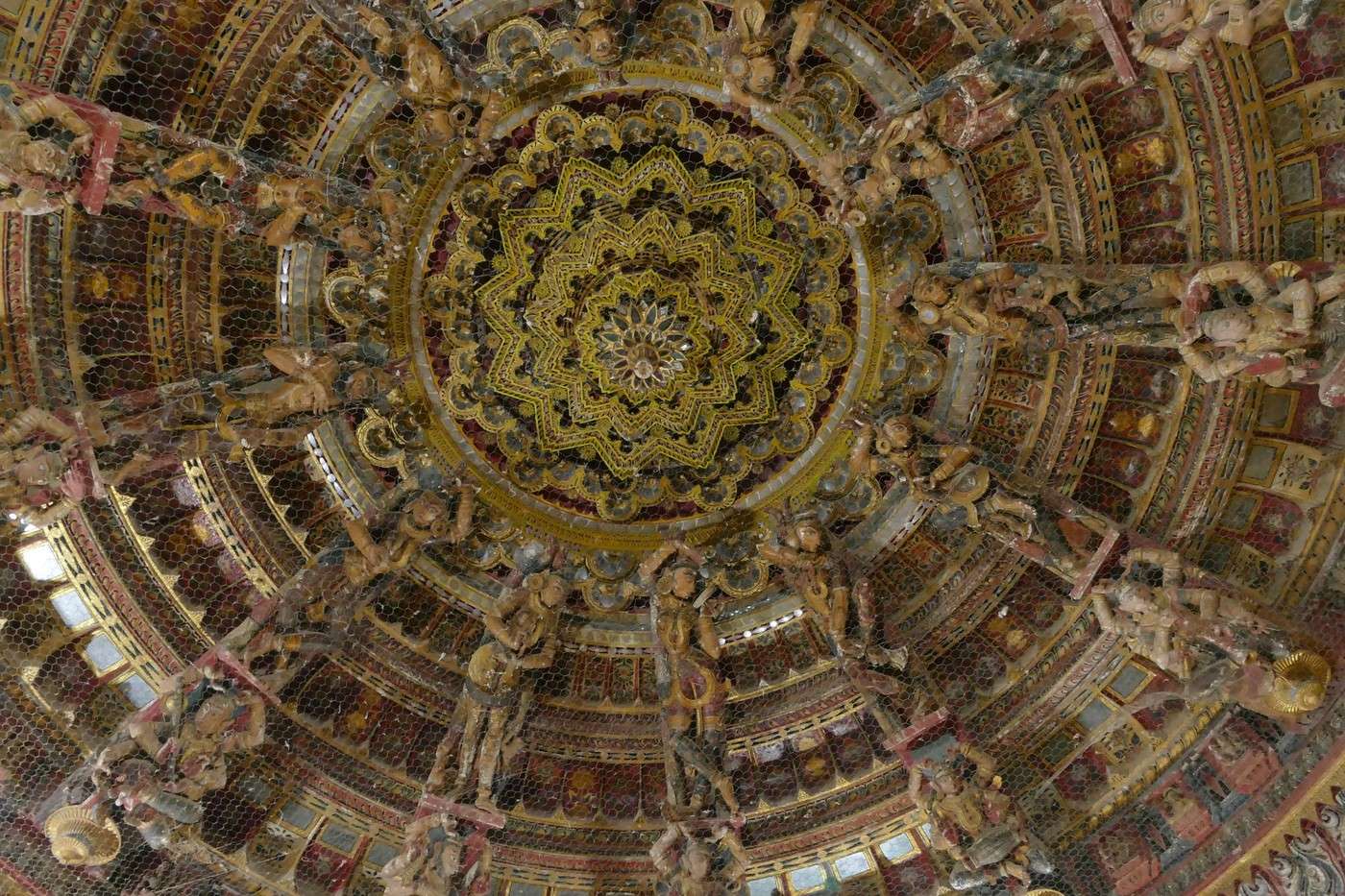
The thousand-petaled lotus
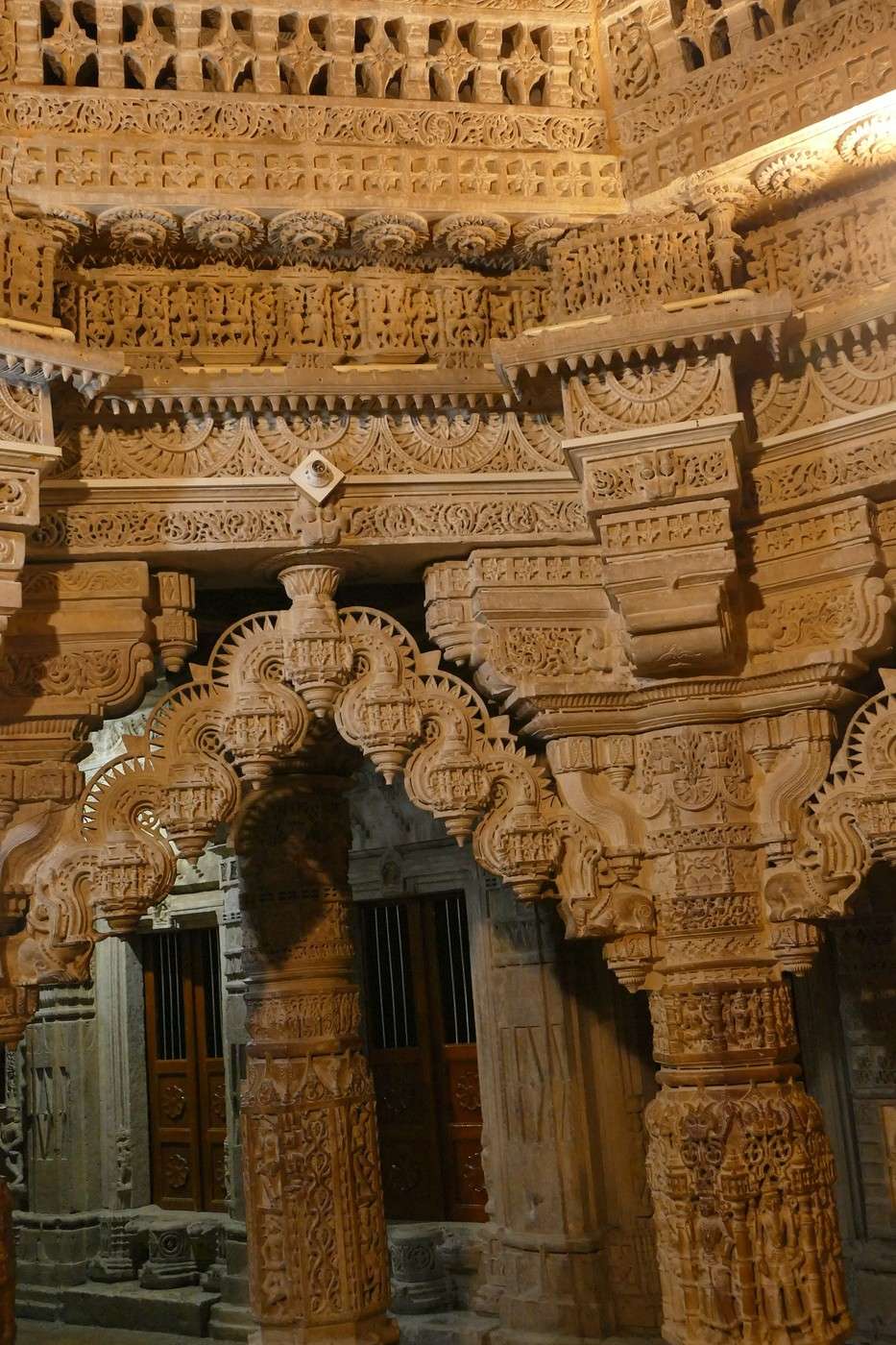
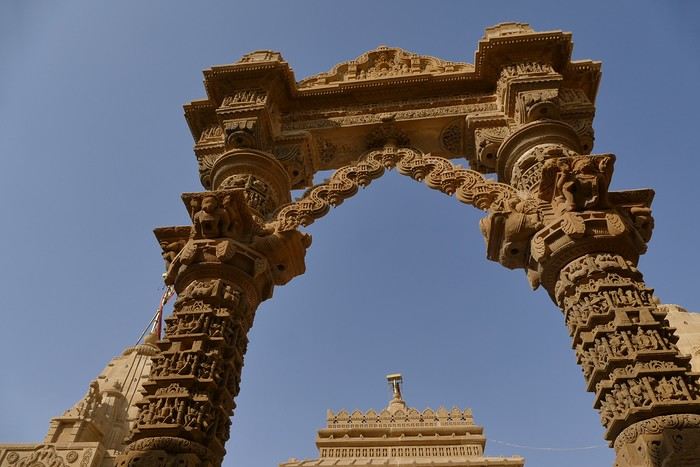
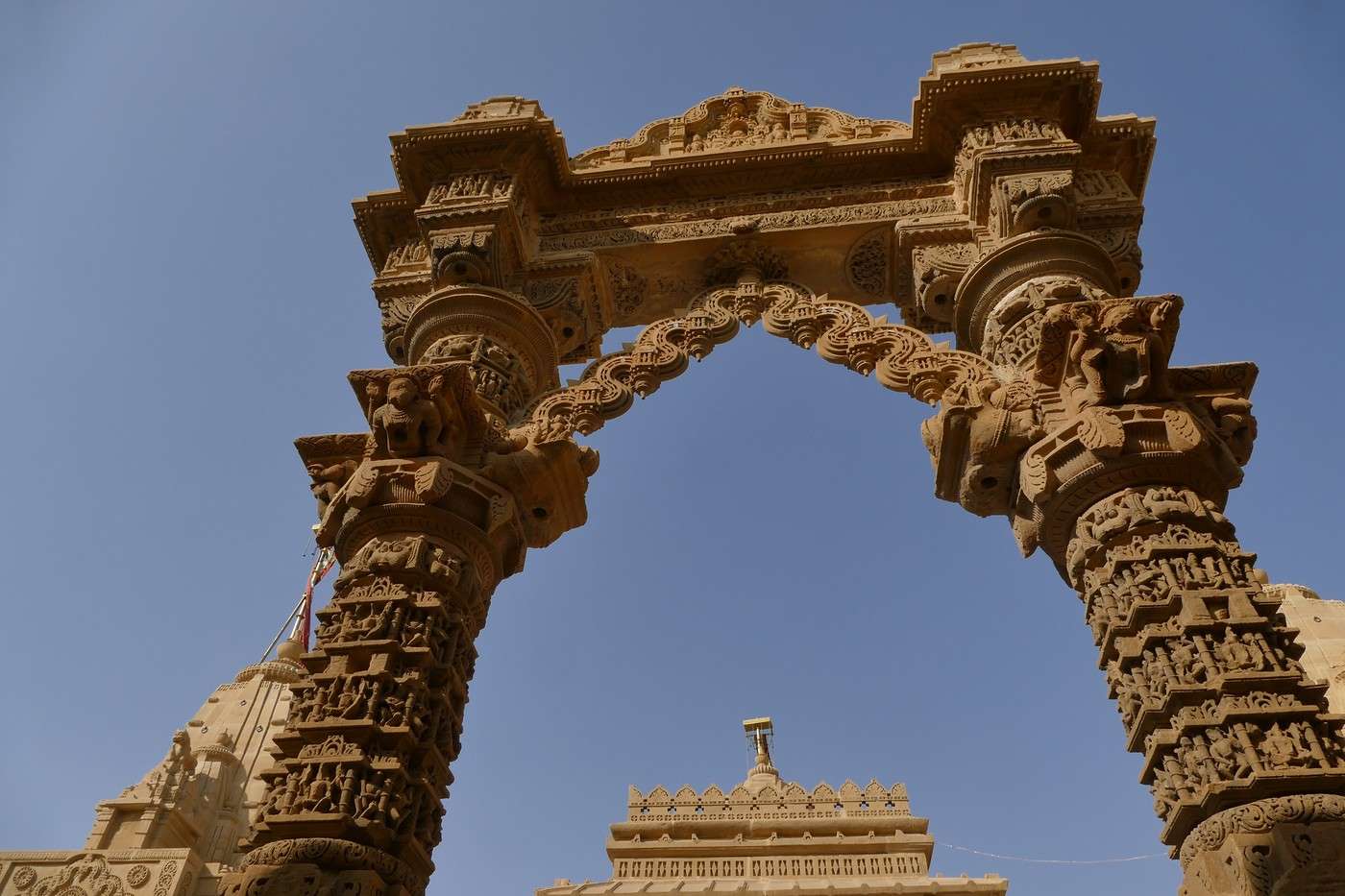
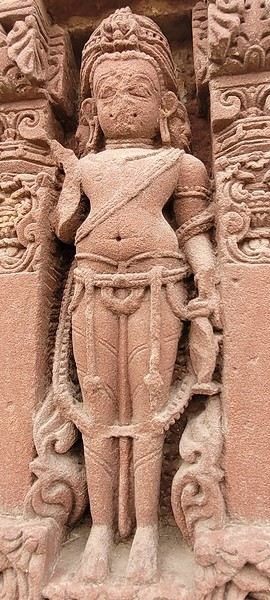
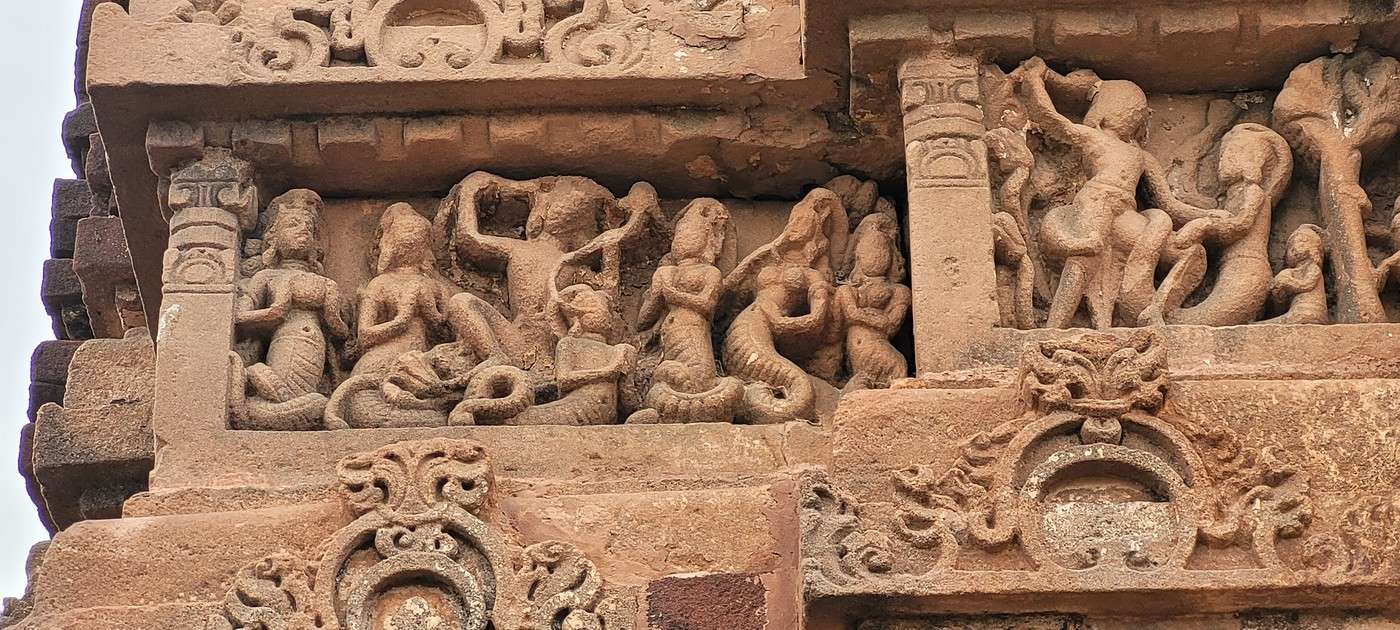
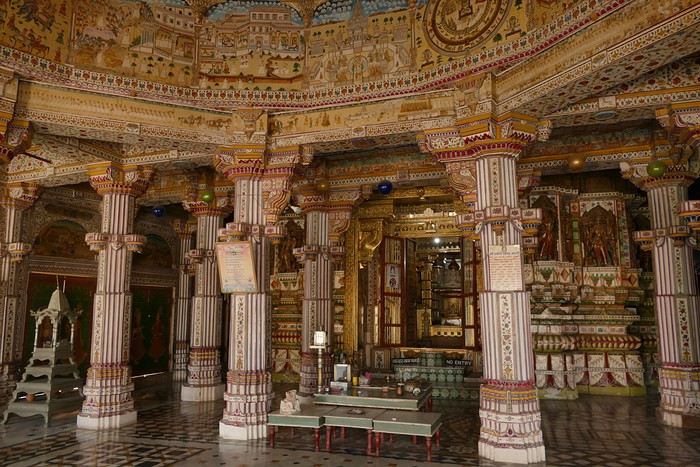
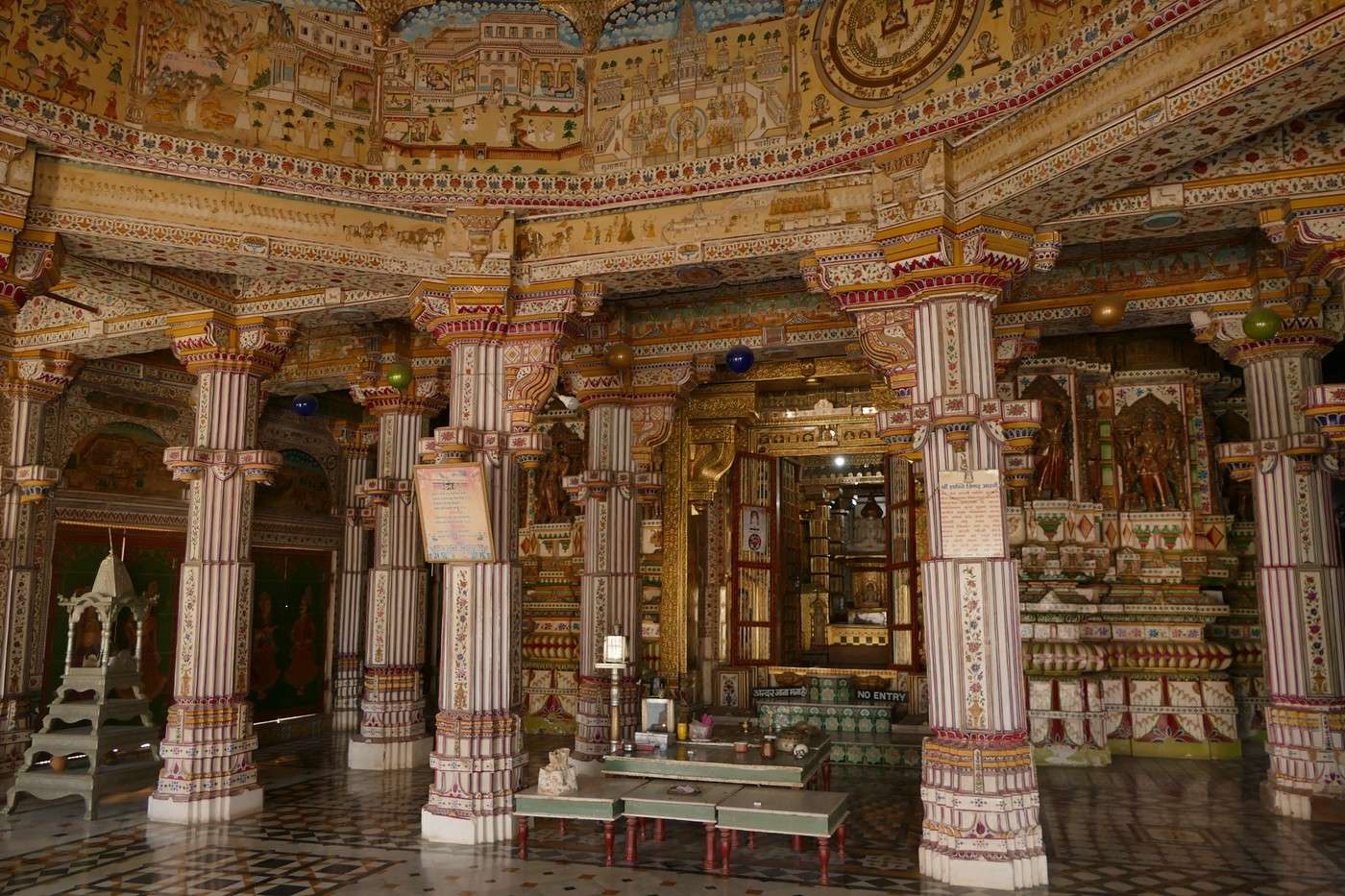
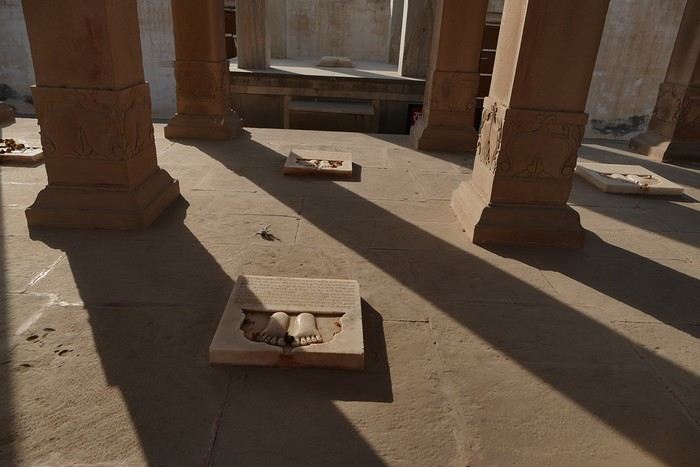
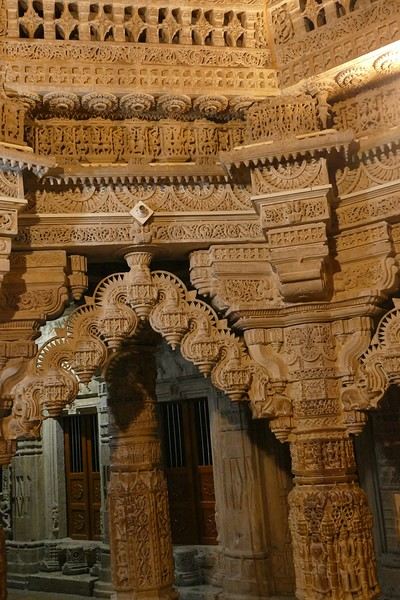
The pillars are also intricately carved.
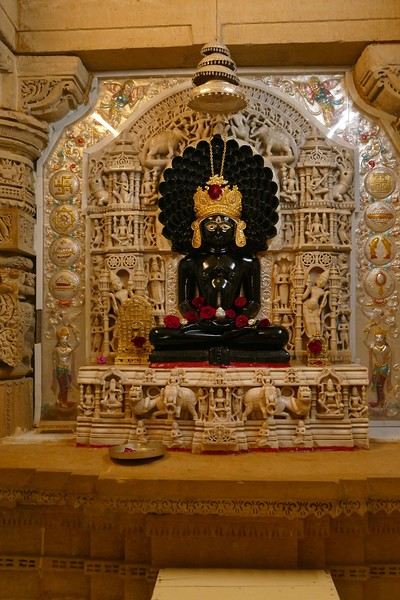
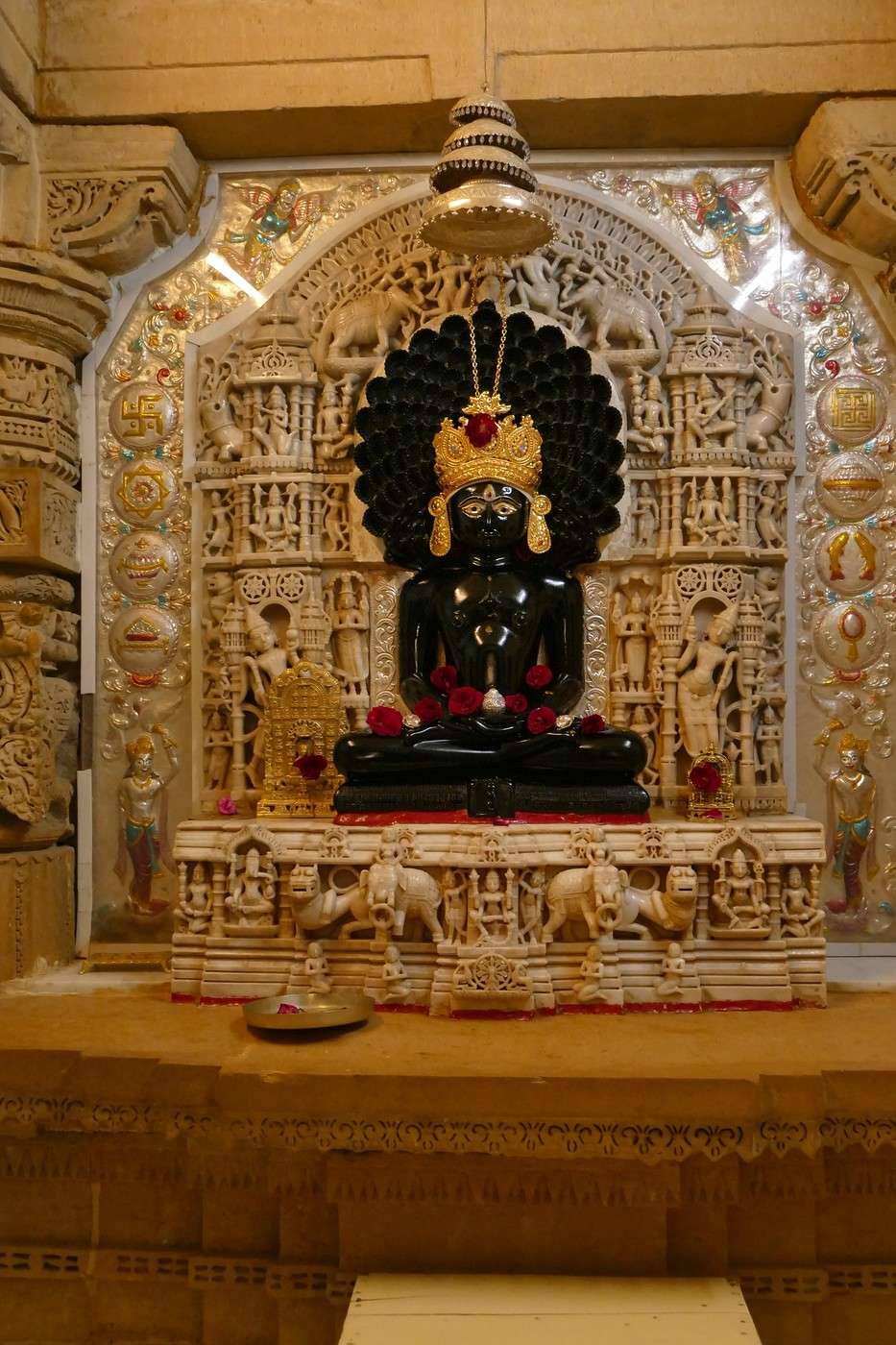
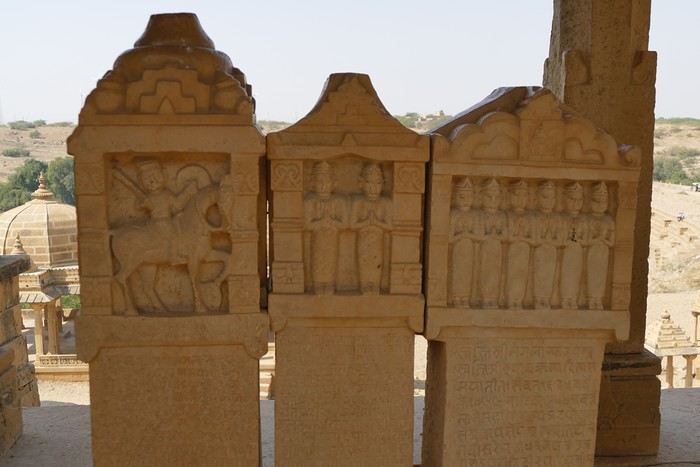
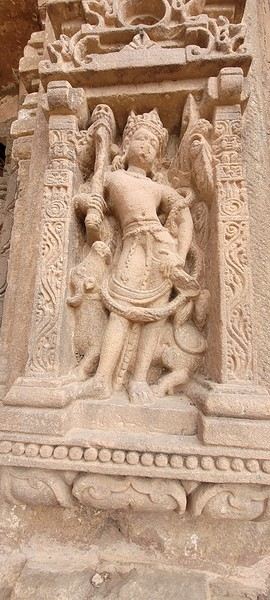
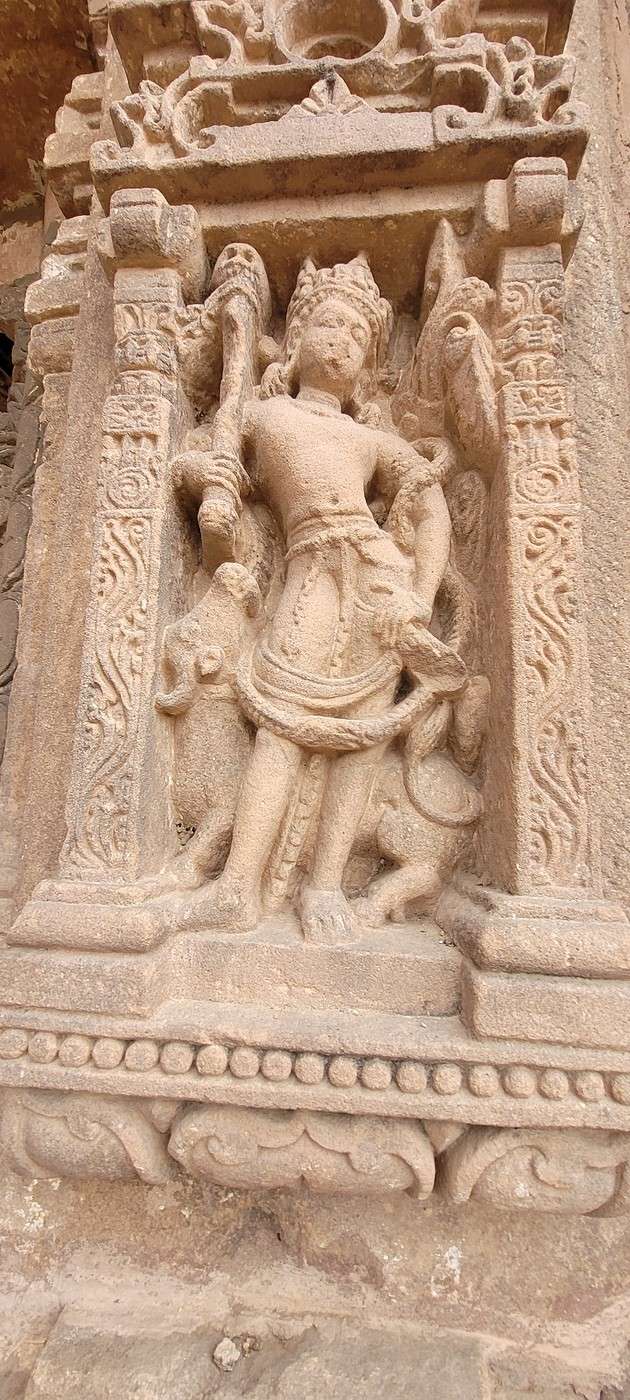
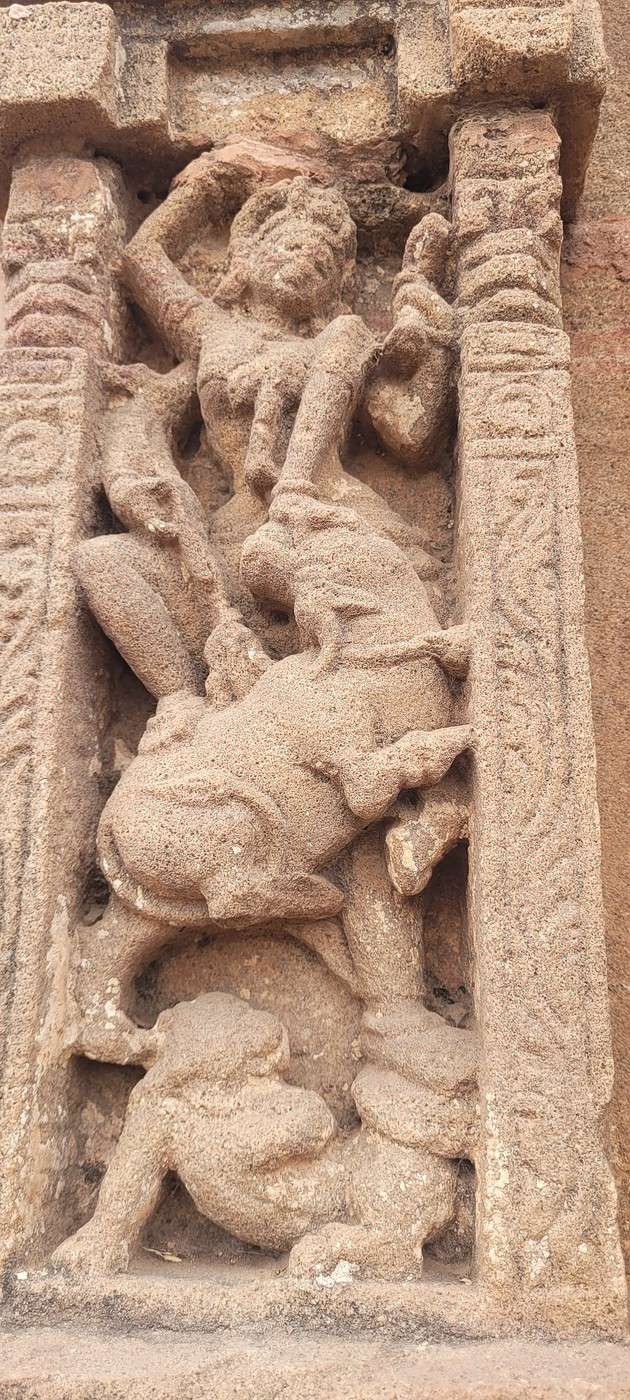
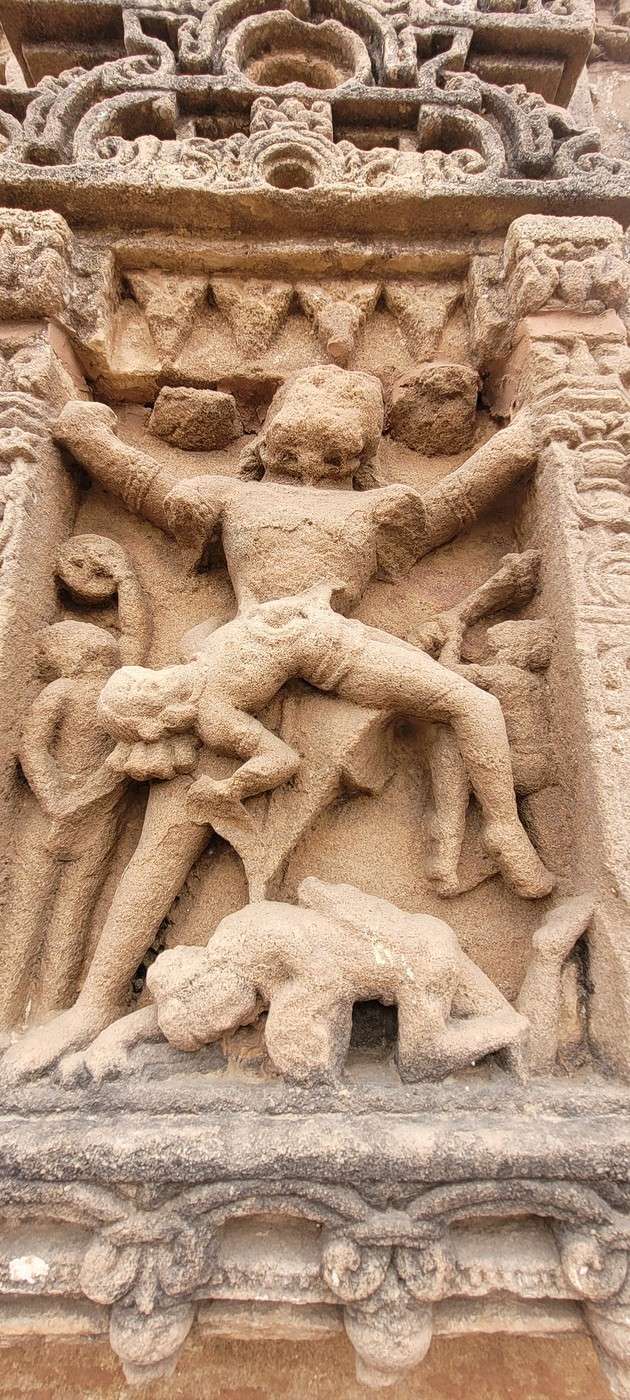
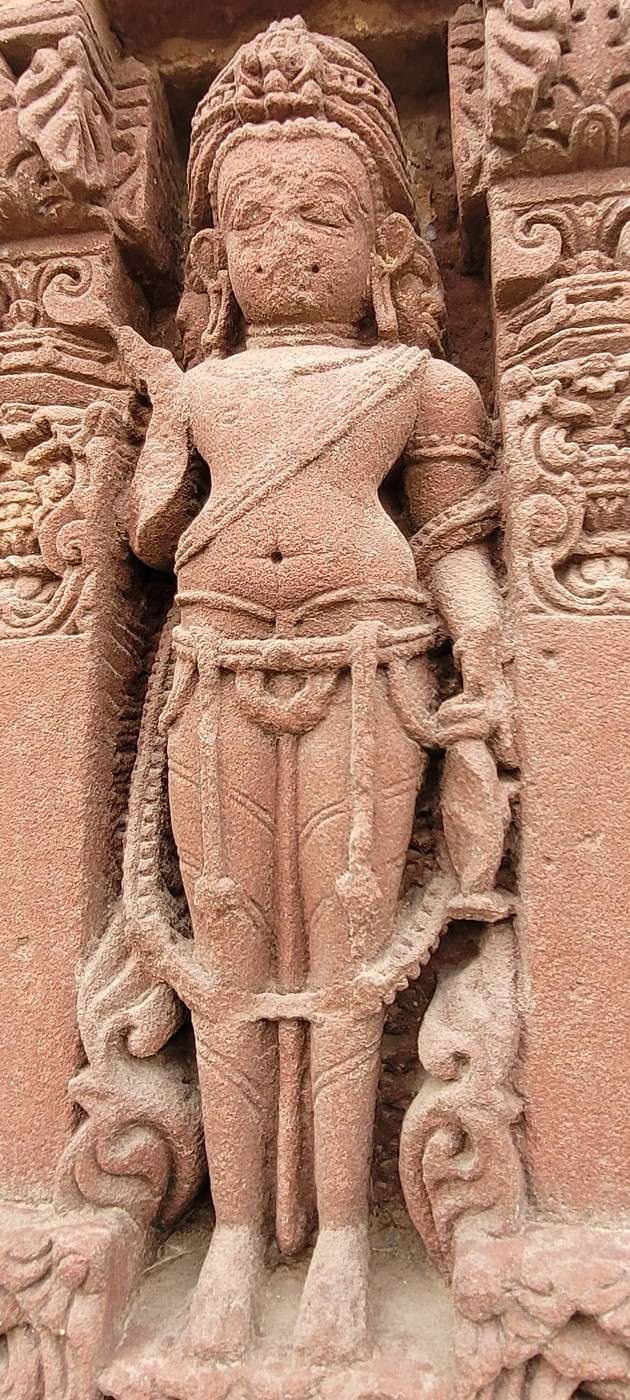
There are many gods—here’s an example.
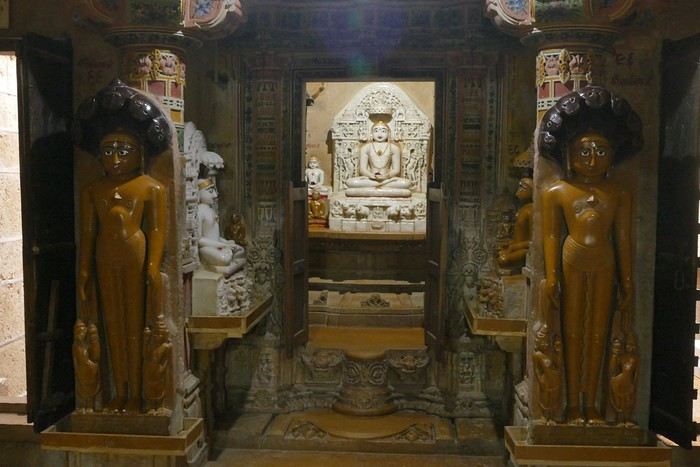
It’s very beautiful, and I enjoy the peace and quiet.
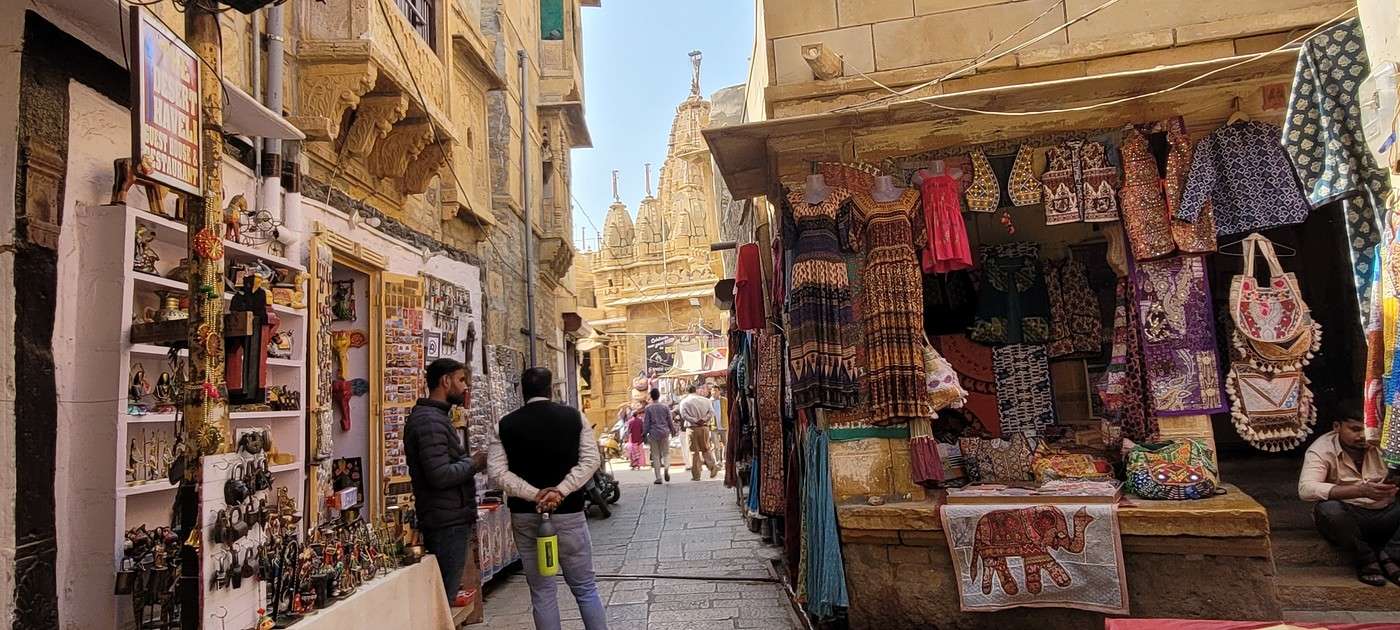
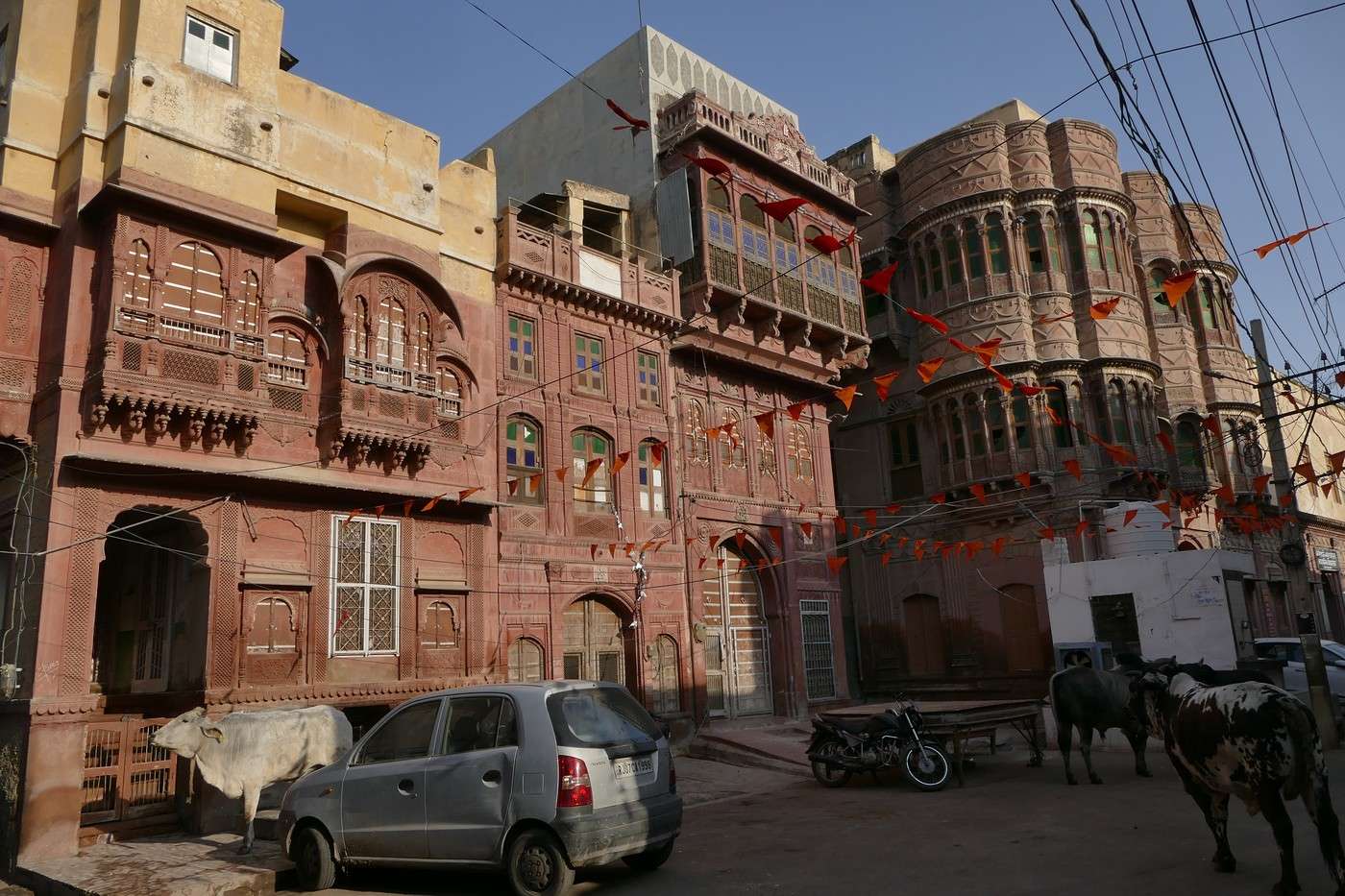
Outside, the city is still asleep, and the streets are being washed. It’s really pleasant—the shops are still closed, and the place is deserted.
By the end of my visit around 9 AM, tourists start arriving, and shopkeepers open their shutters.
I return to the guesthouse around 9:30 AM, have a good breakfast, and since I’m so tired, I go back to bed until 1 PM.
In the afternoon, I resume my sightseeing.
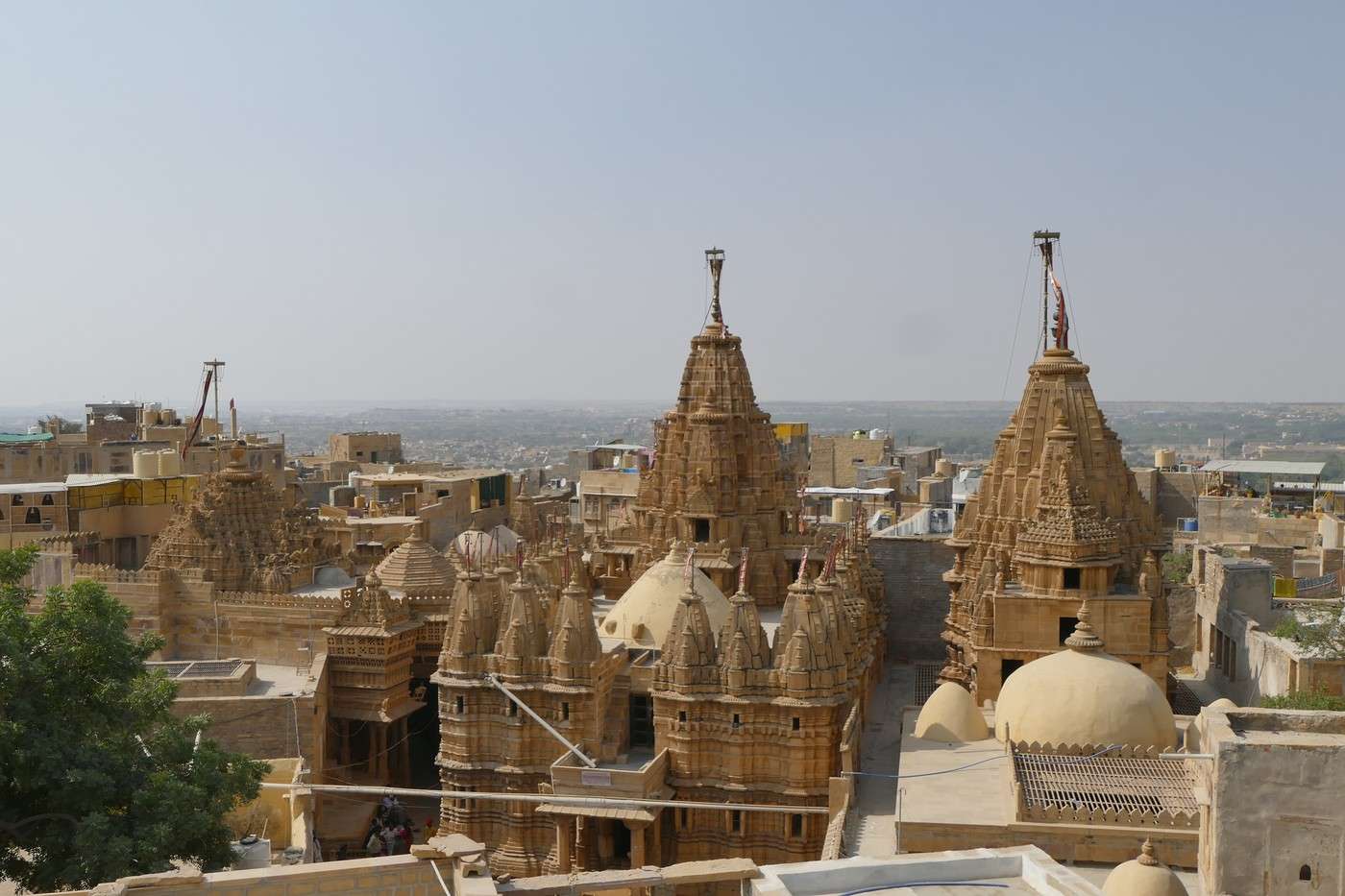
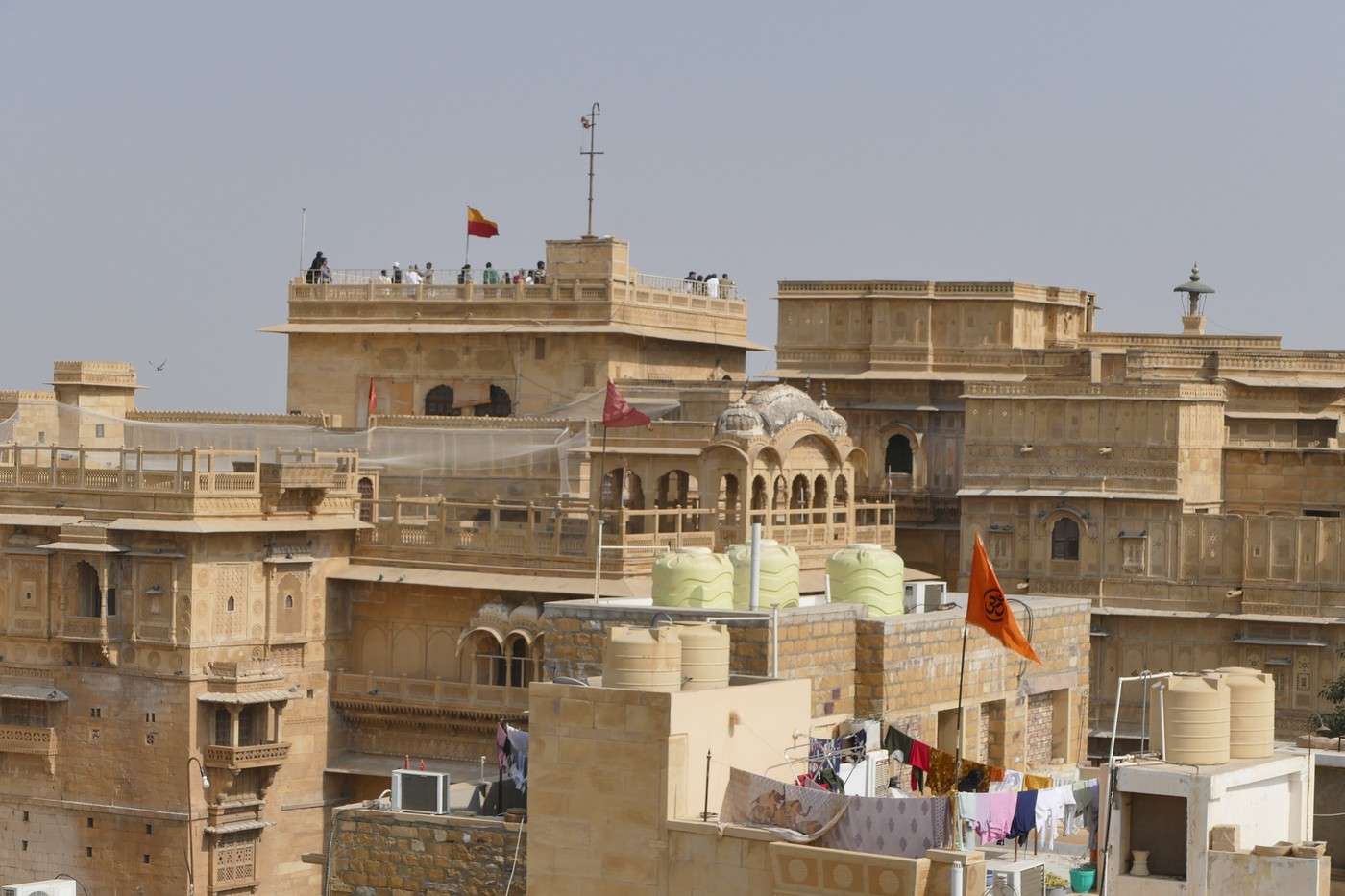
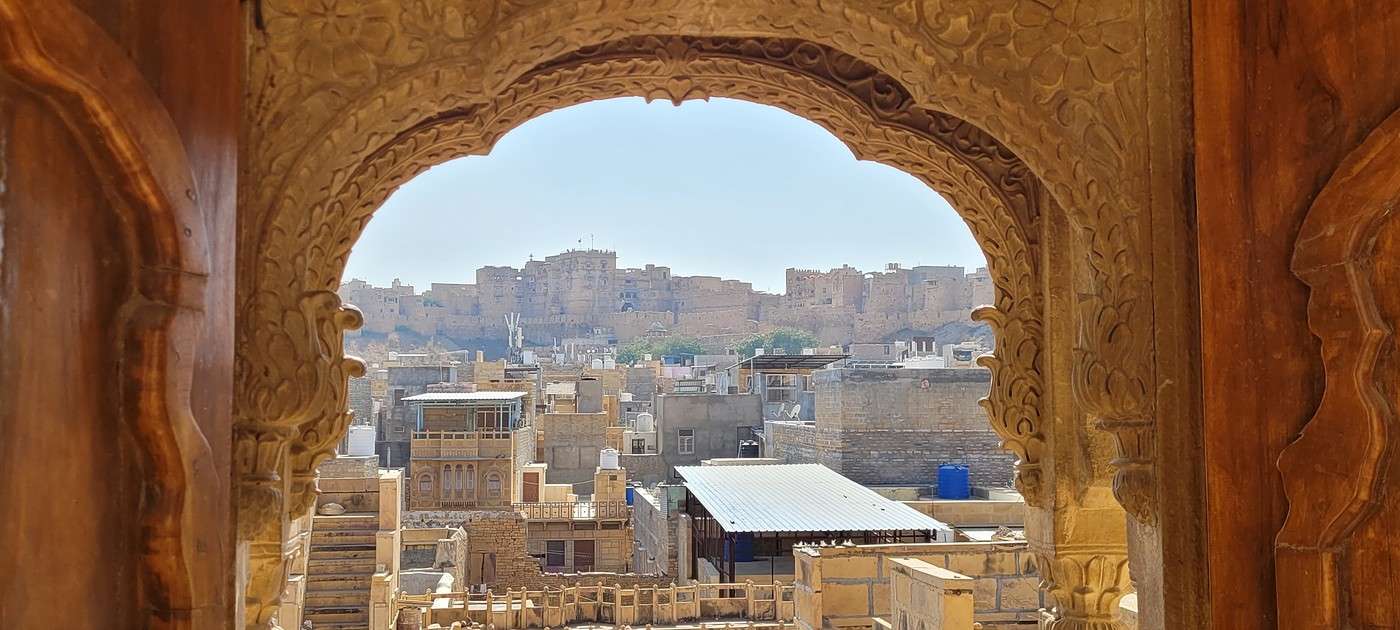
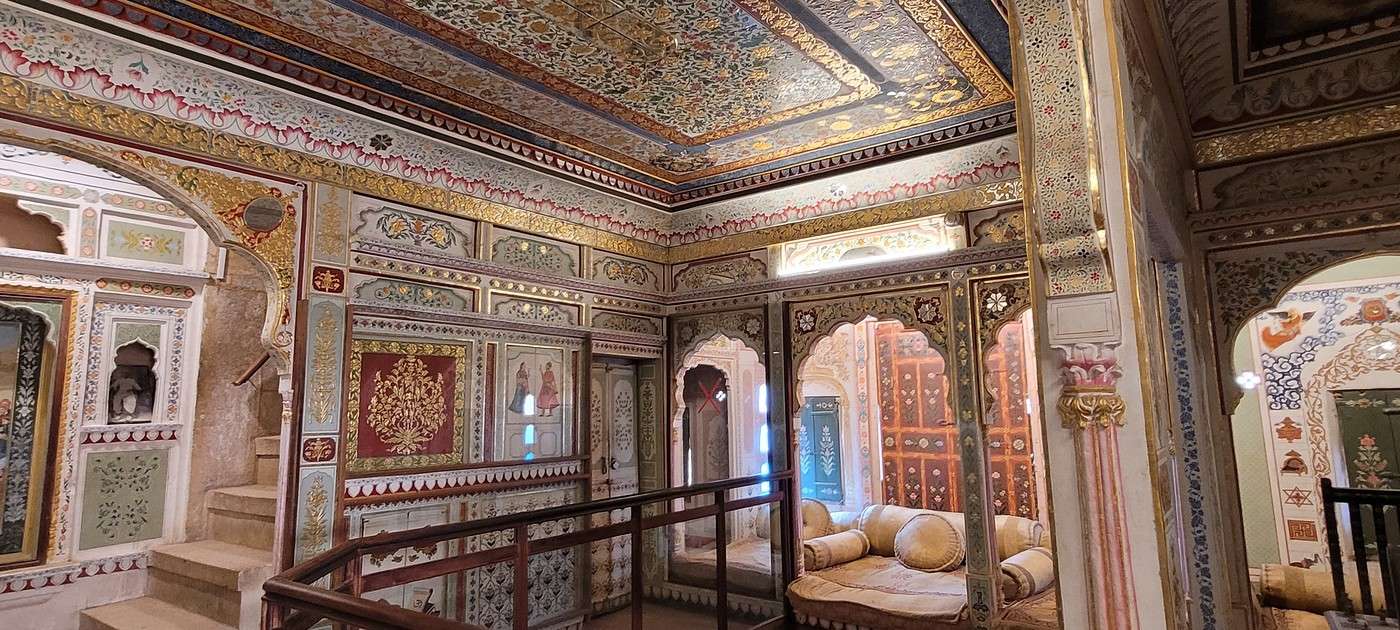
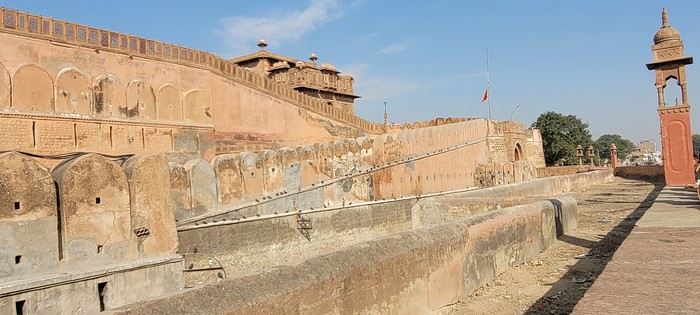
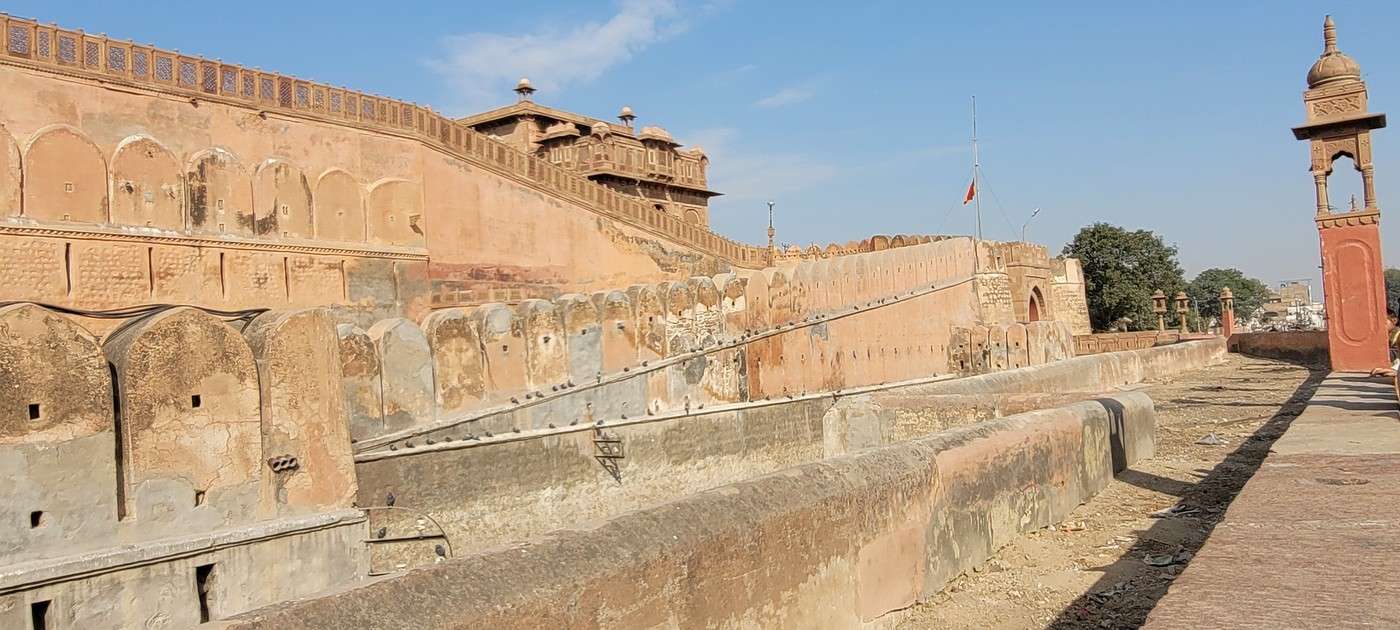
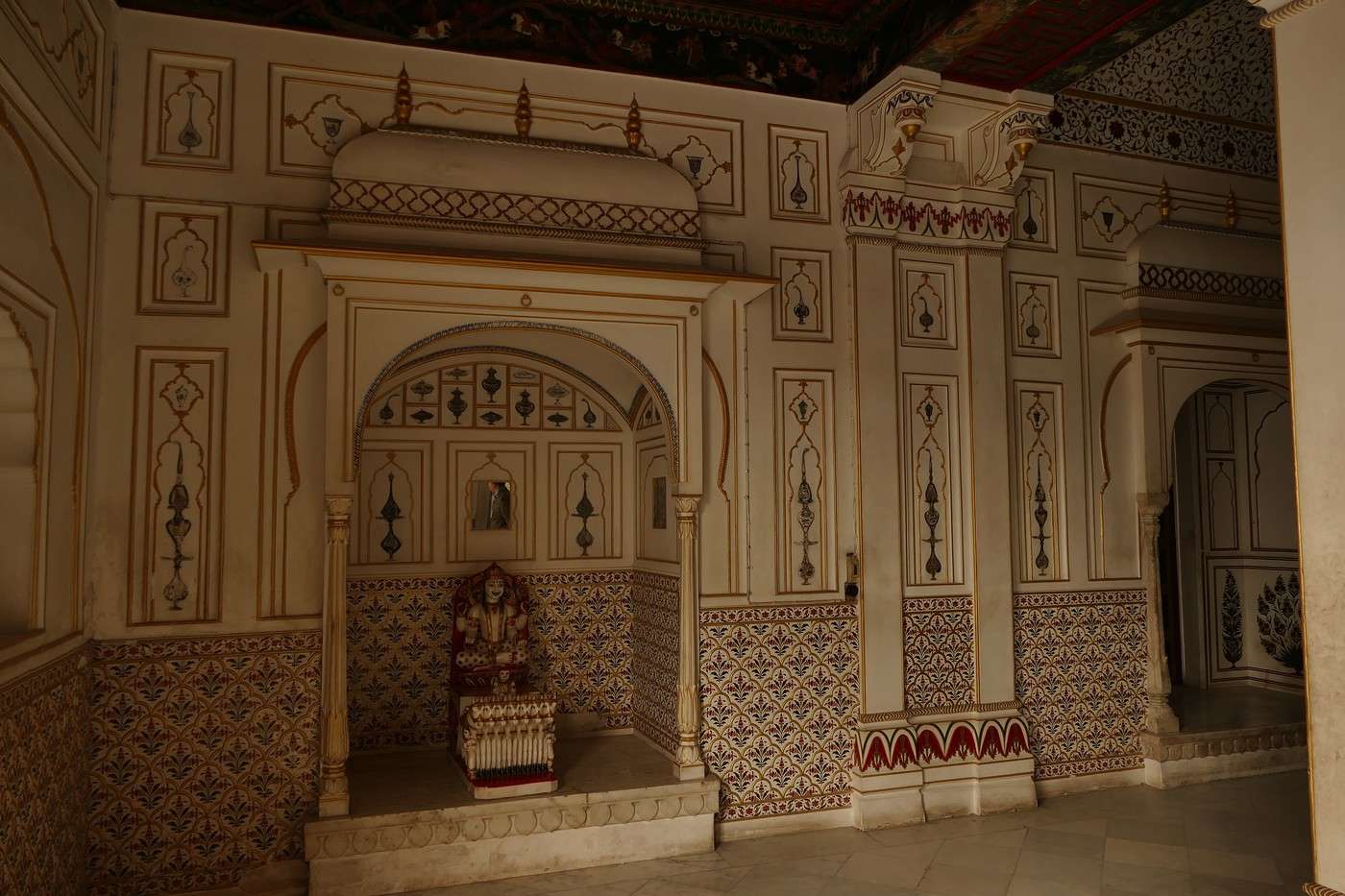
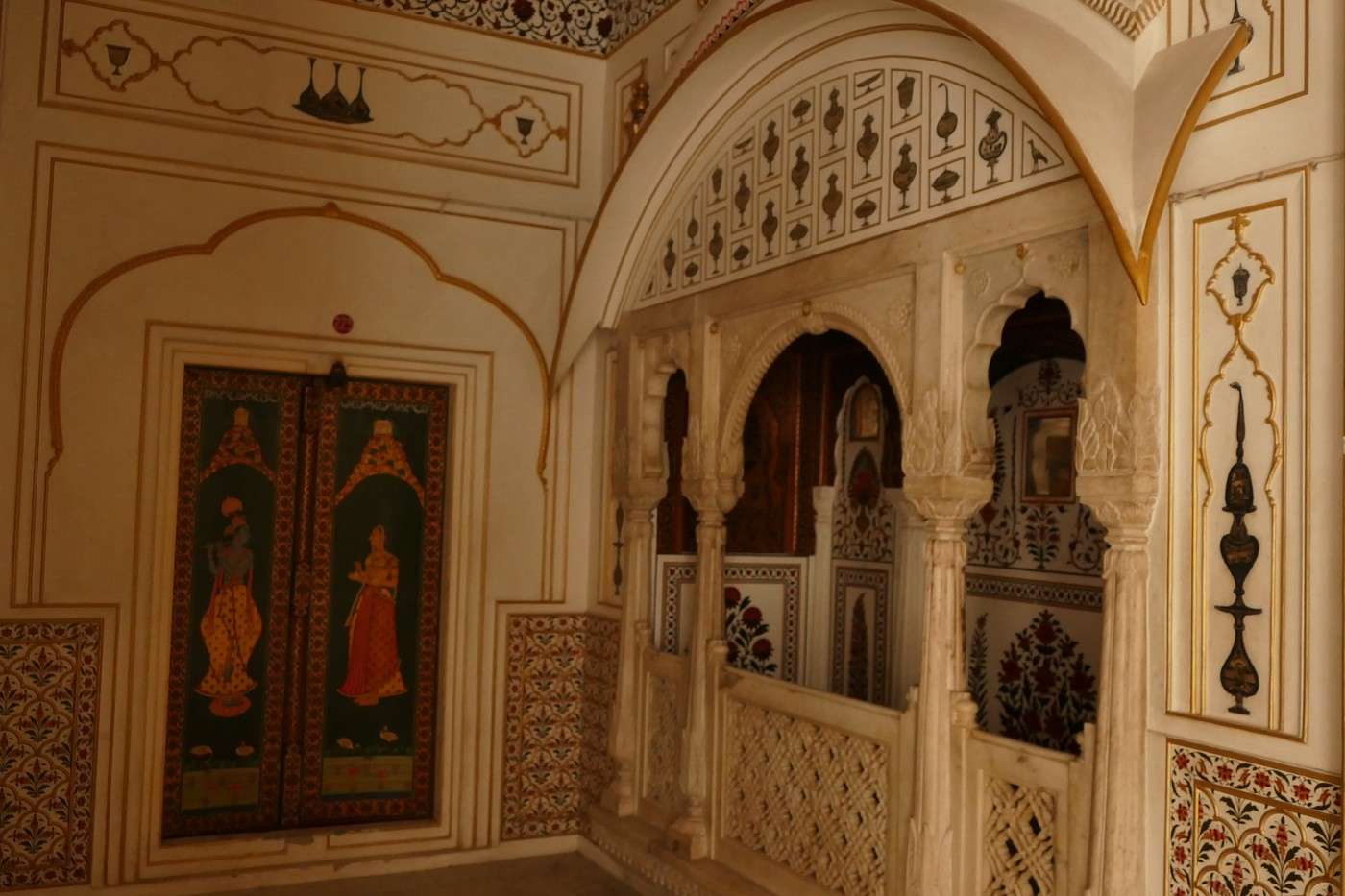
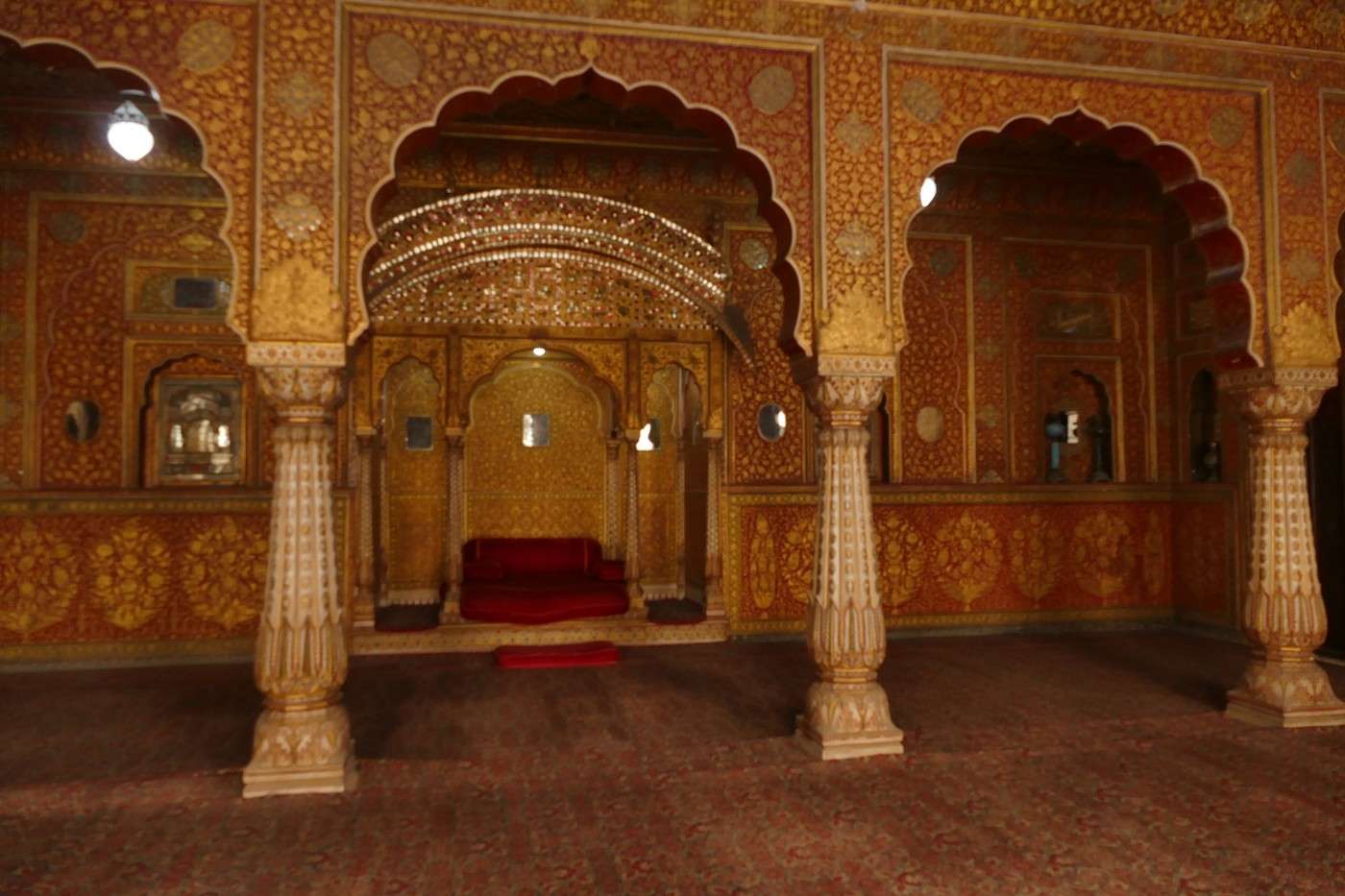
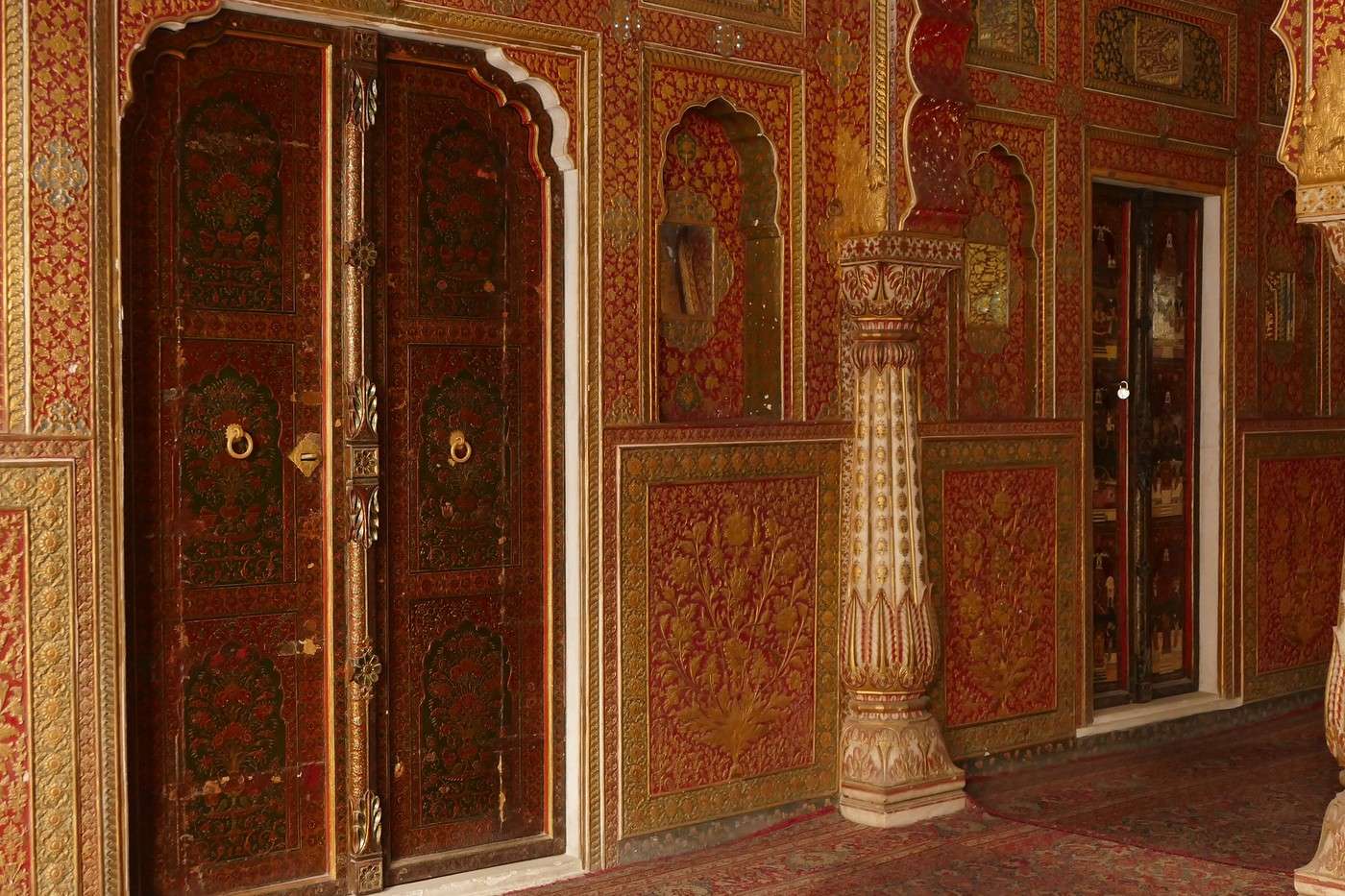
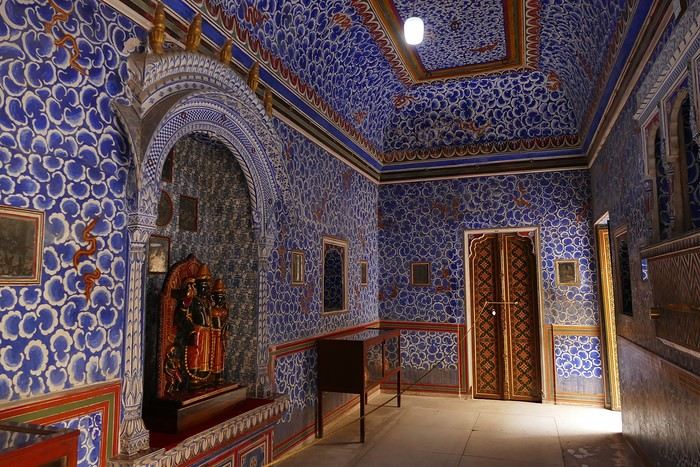
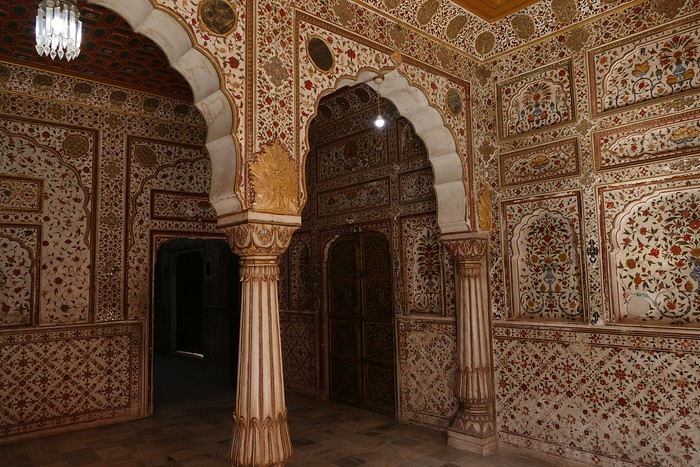
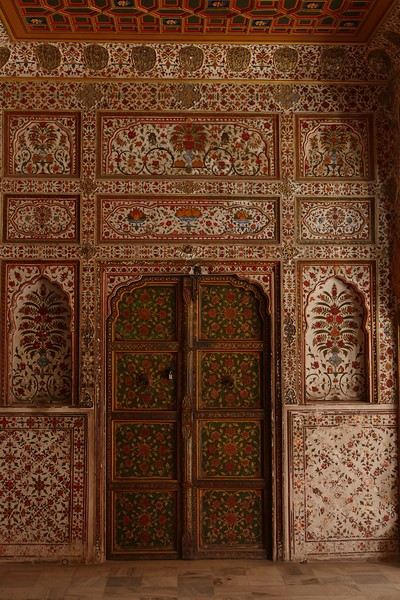
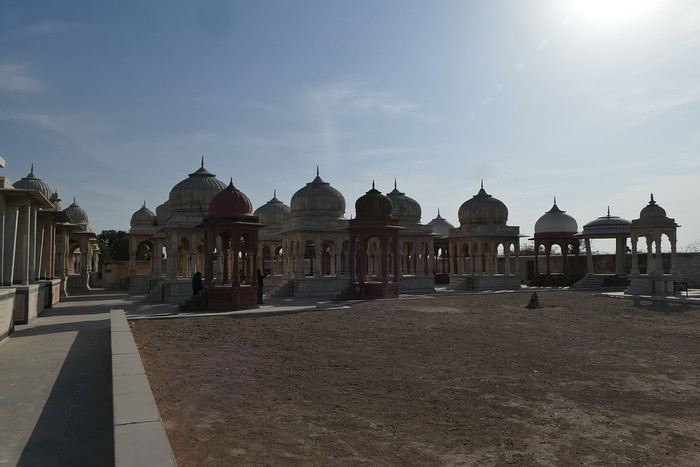
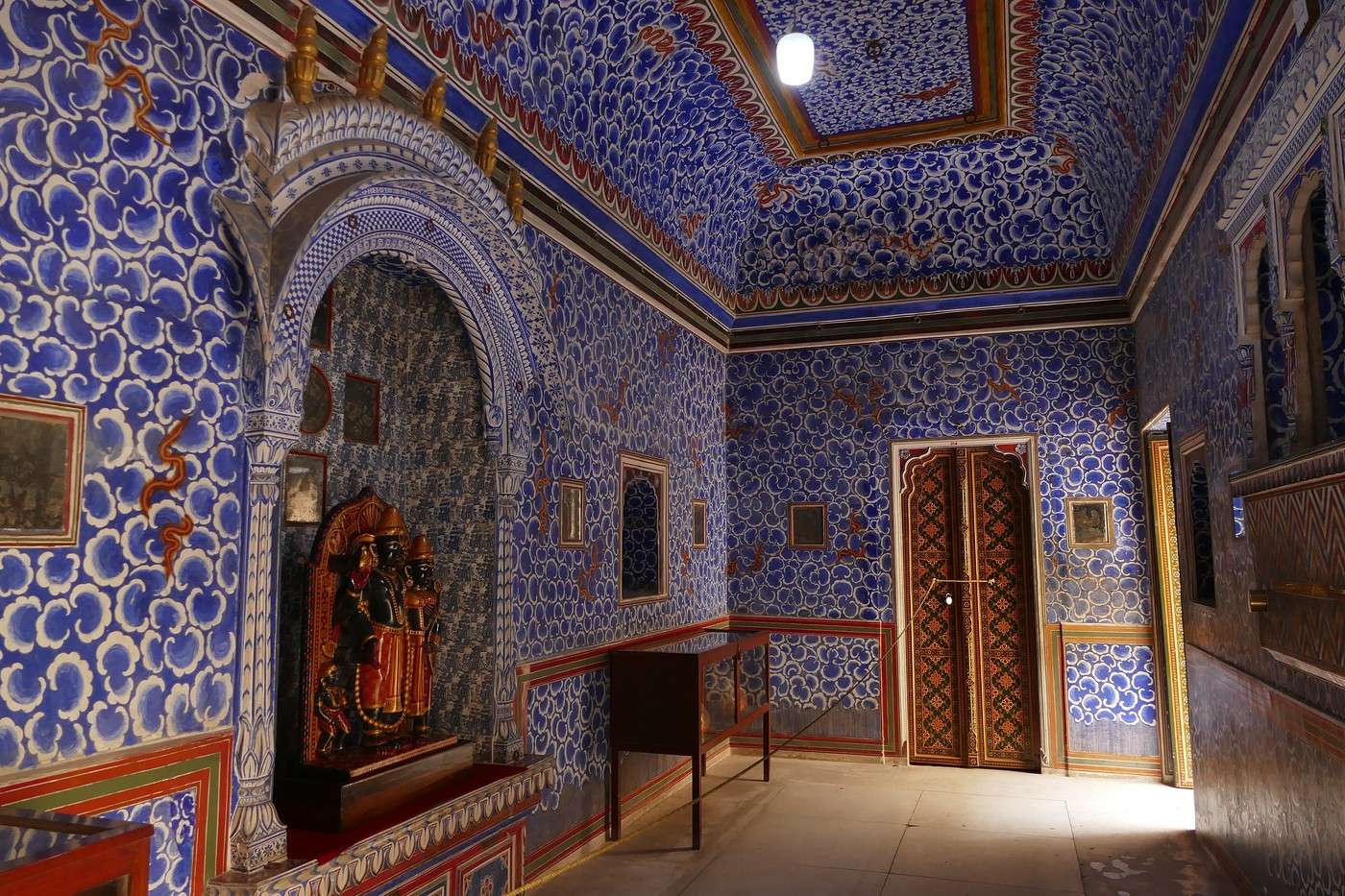
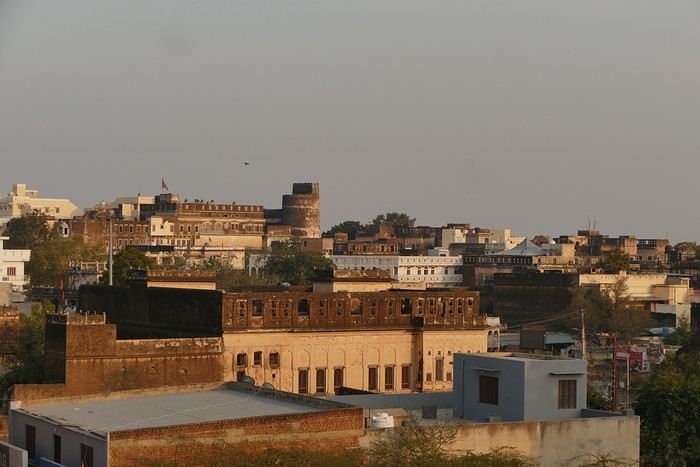
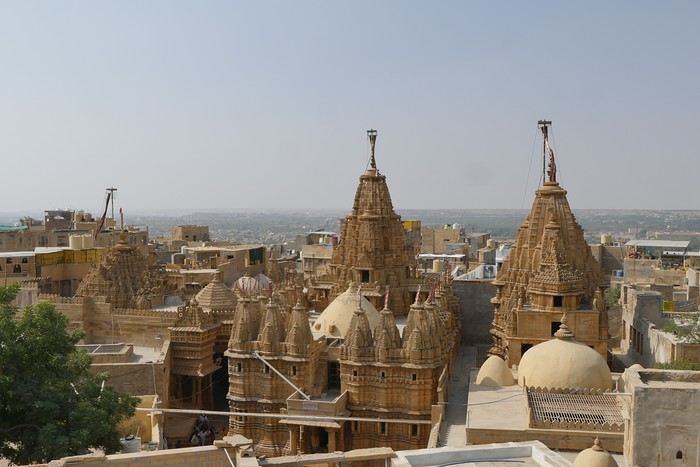
The Baa-Ri Haveli (50 rs), a museum inside the fortress. From the terrace, the view of the temples is extraordinary. This 450-year-old haveli belonged to the family of Brahmin priests who advised the king. The family turned it into a museum.
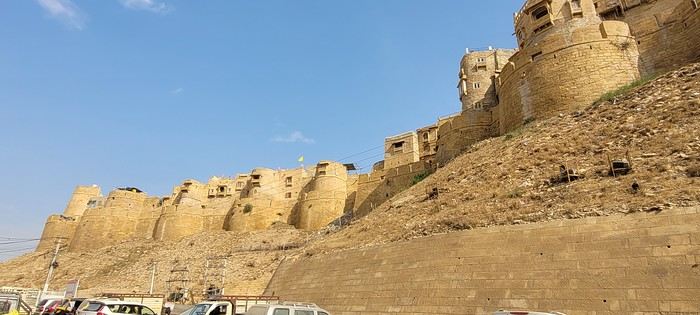
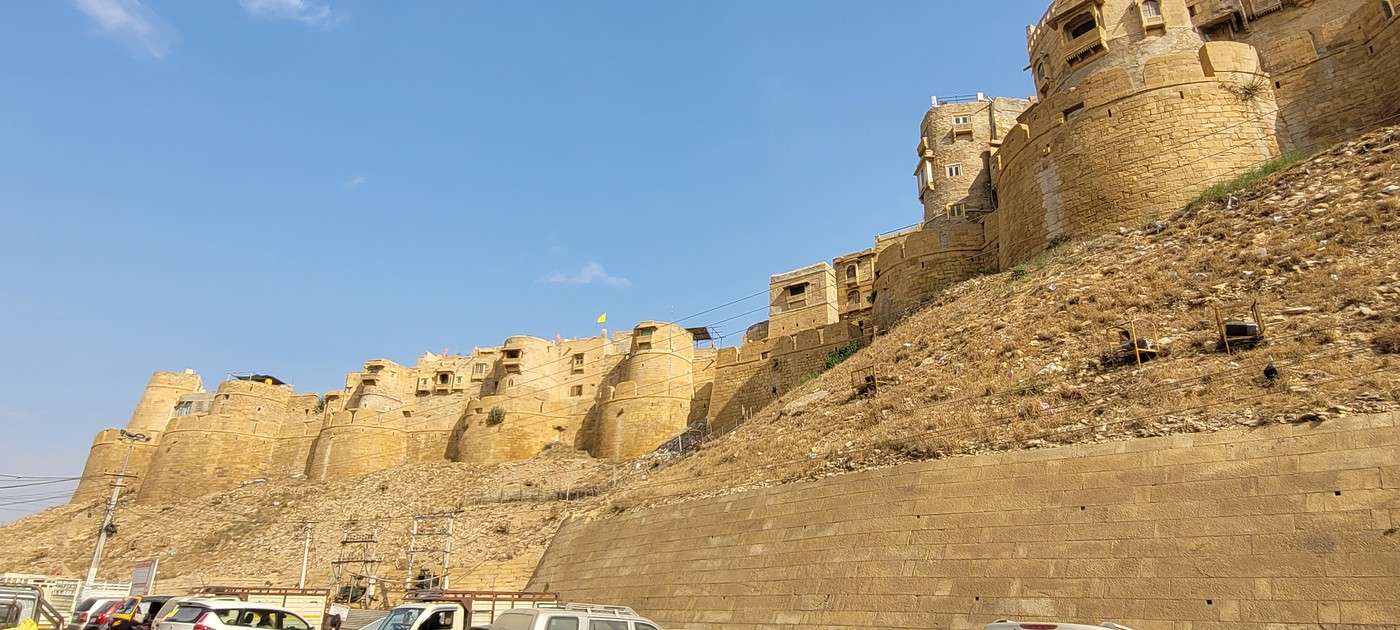
The views of the temples and the fort are magnificent.
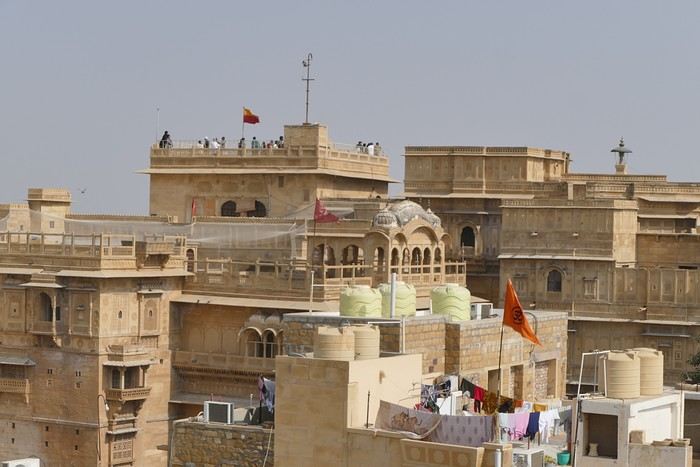
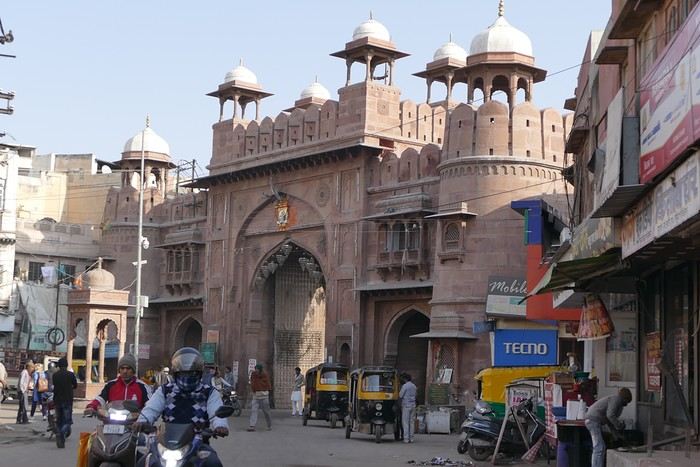
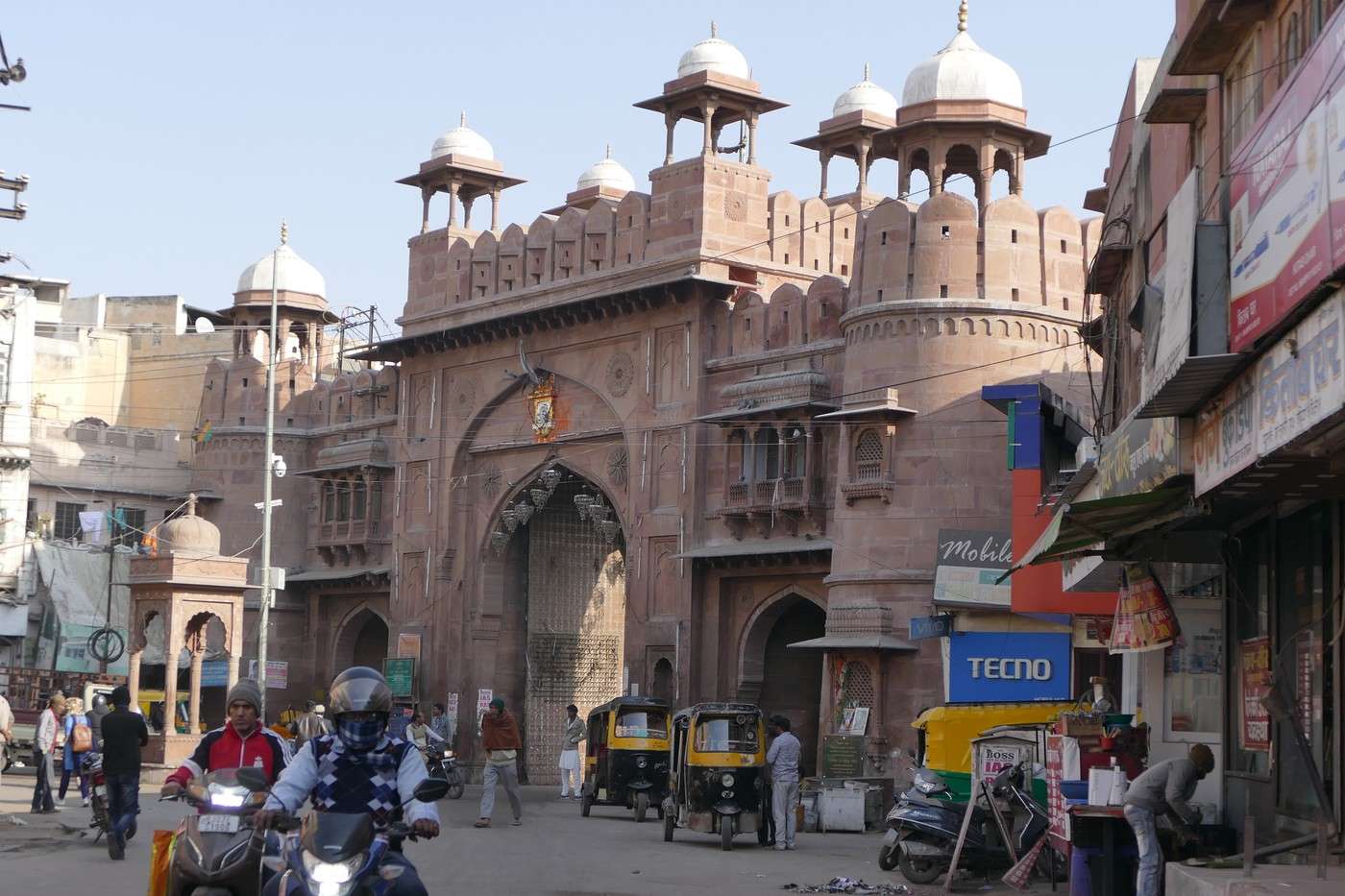
I leave the fortress
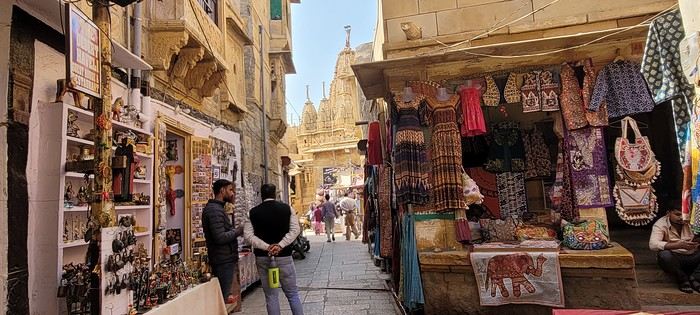
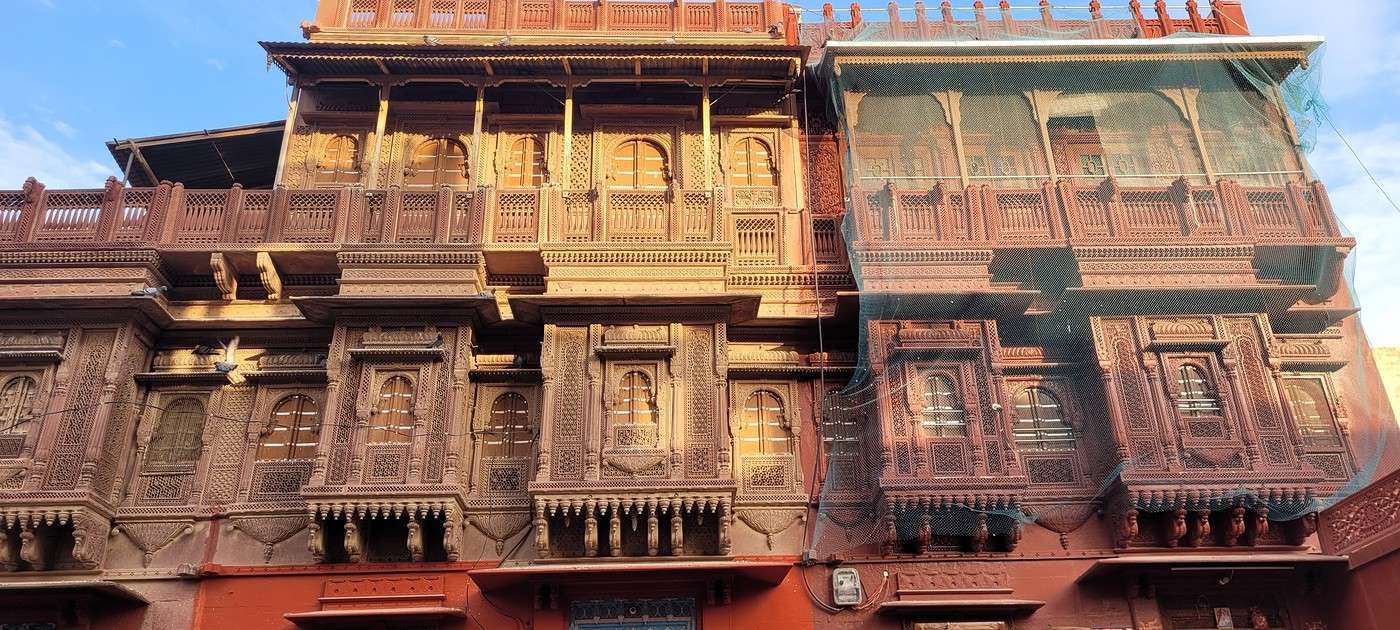
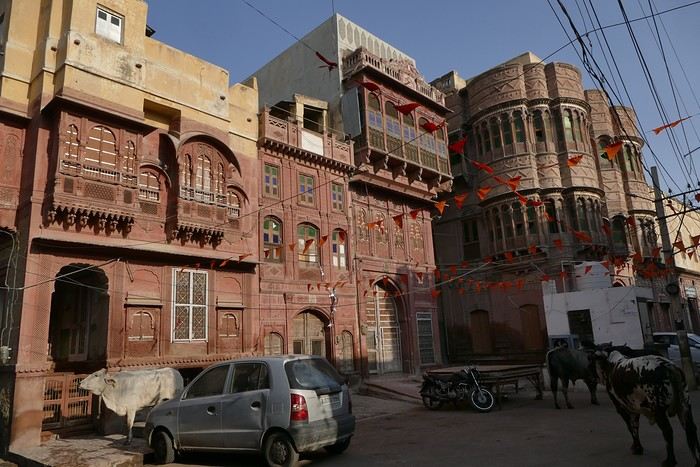
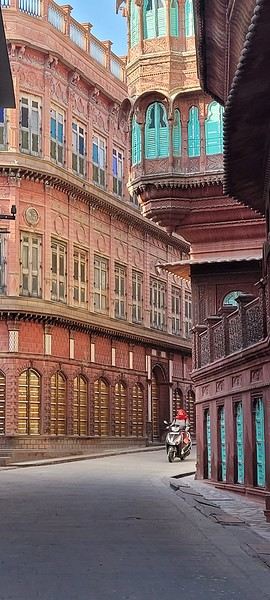
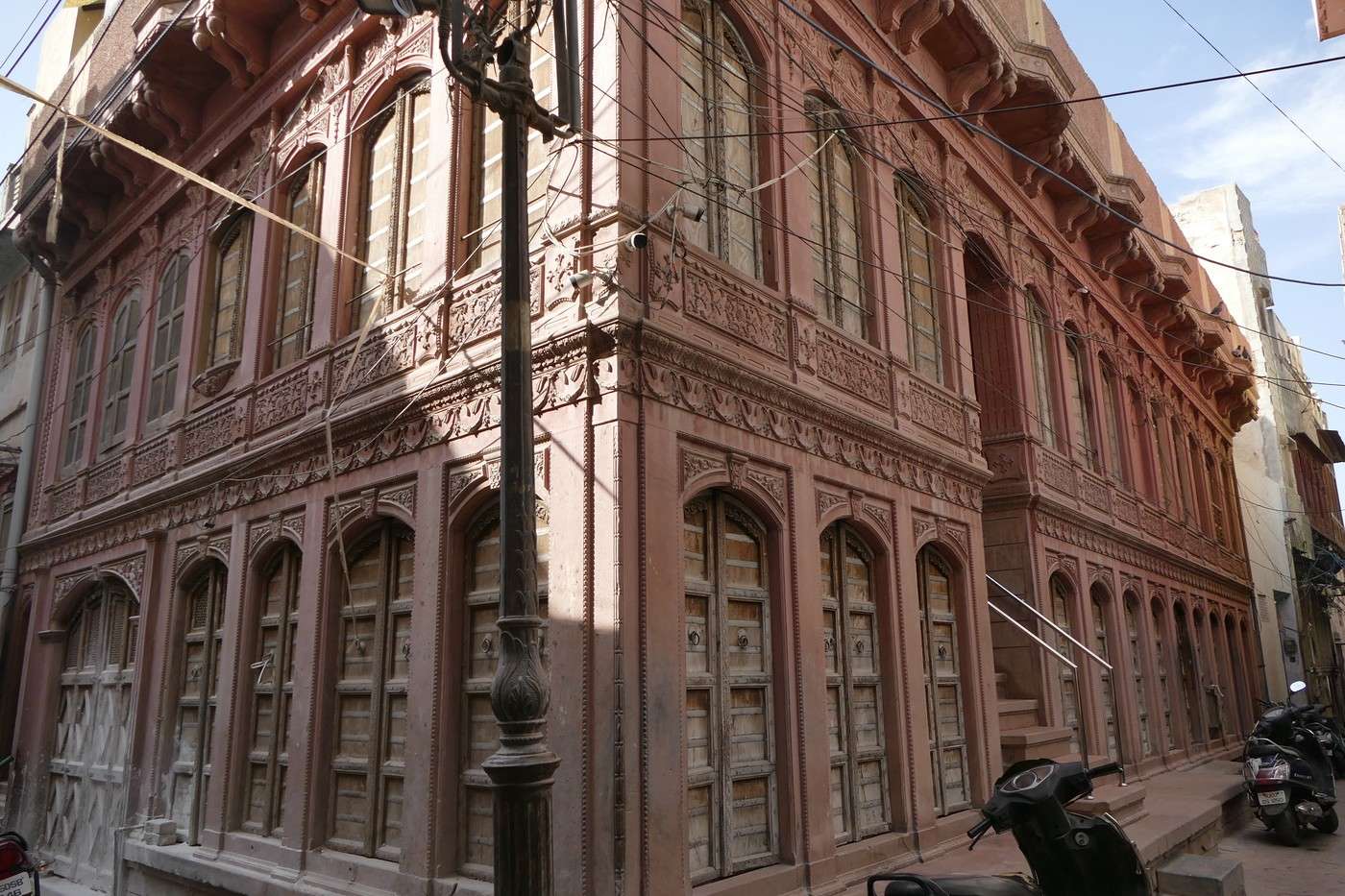
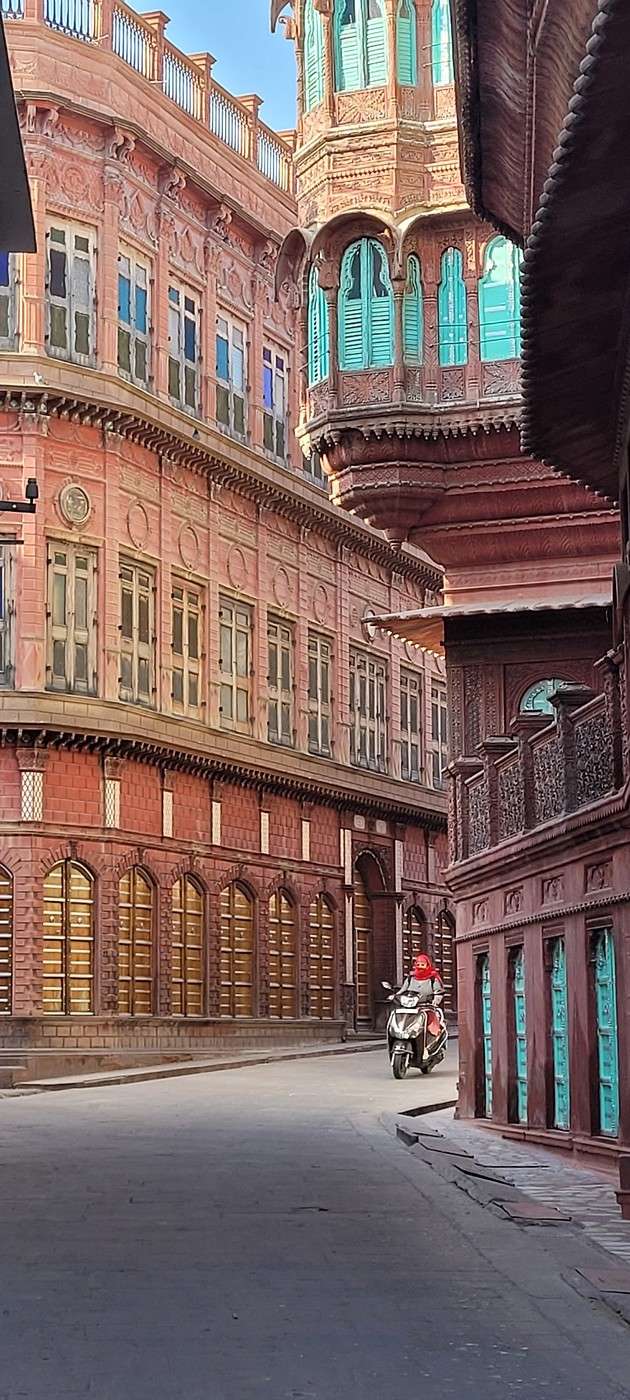
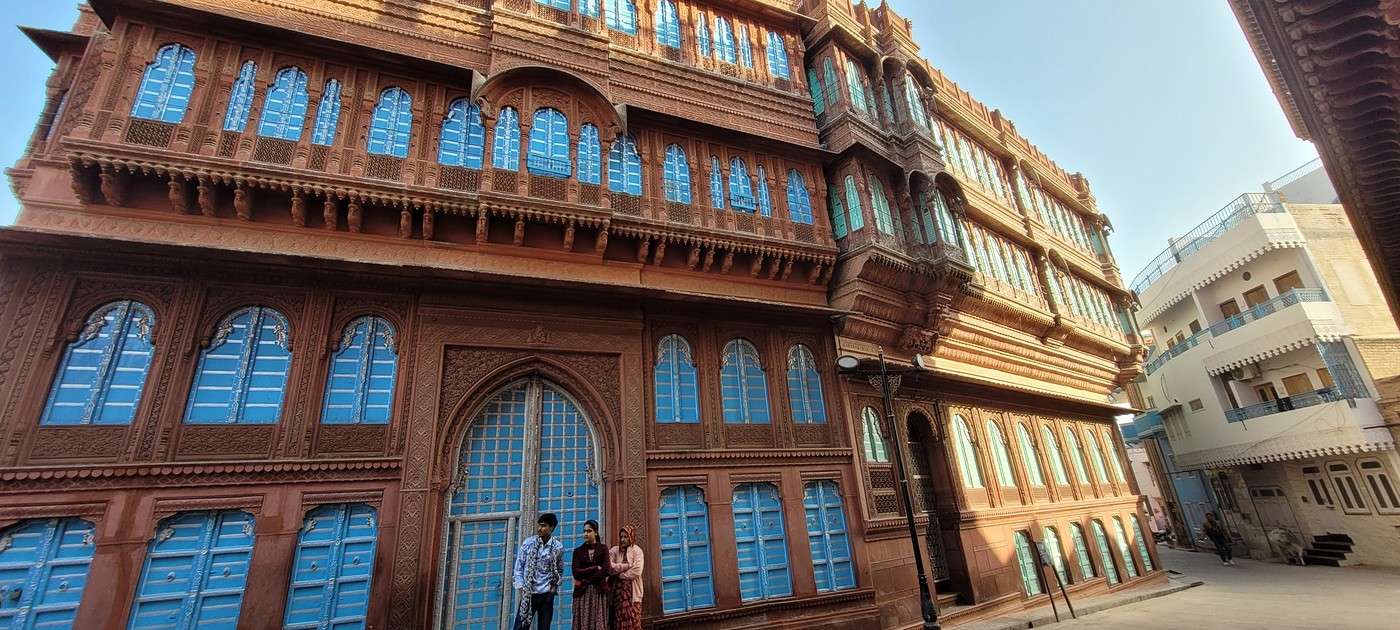
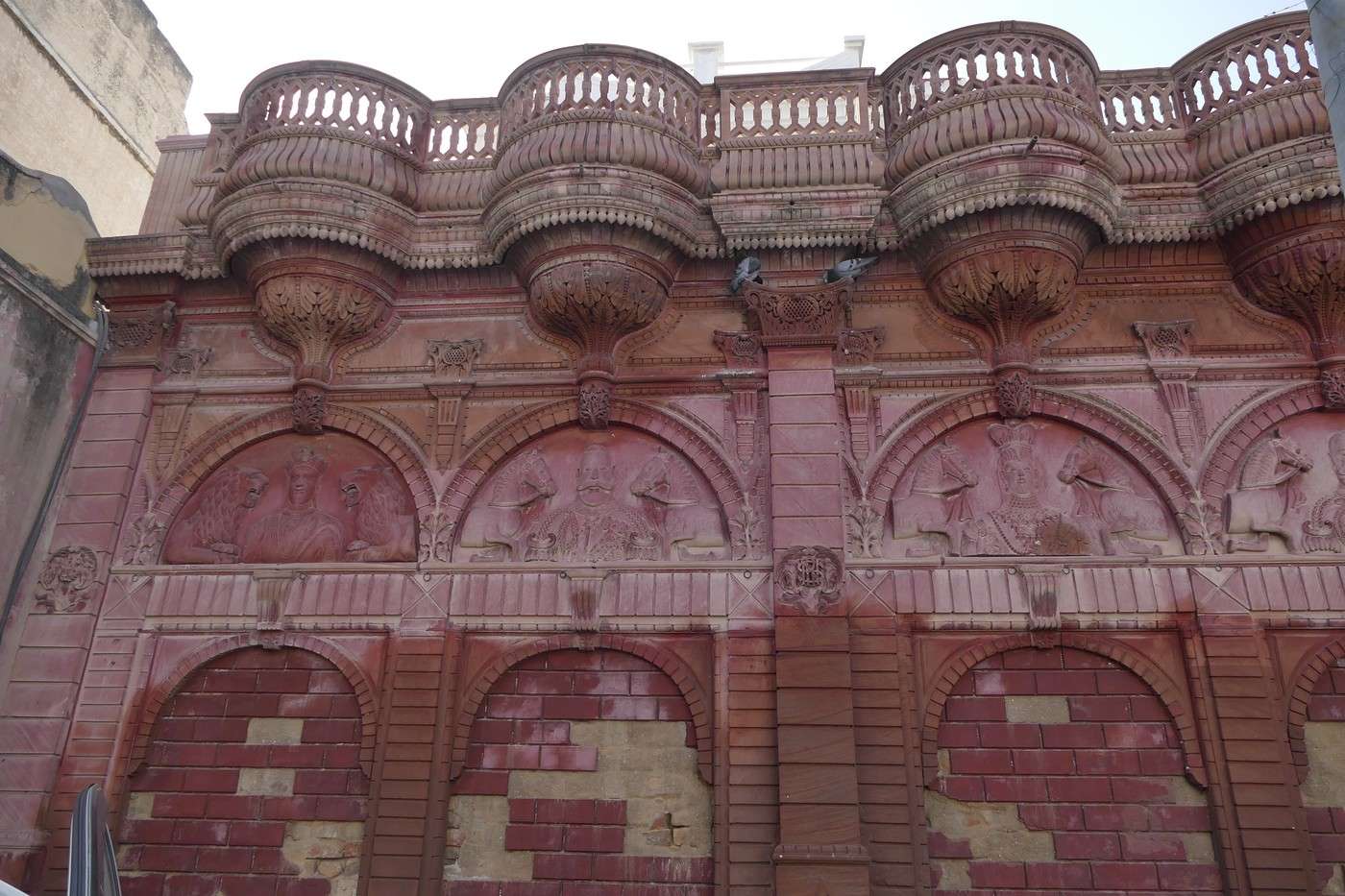
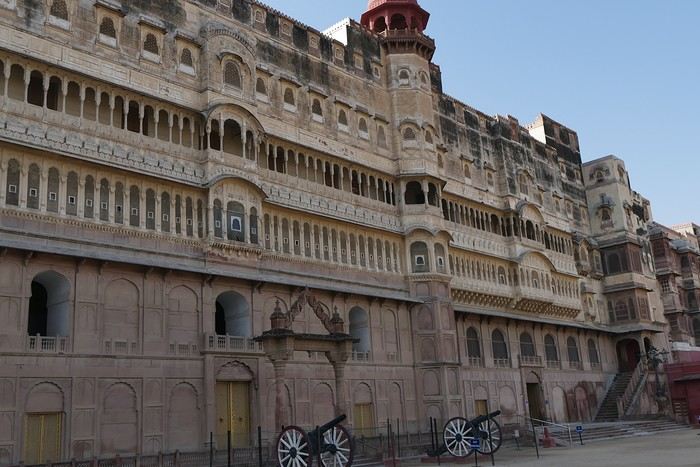
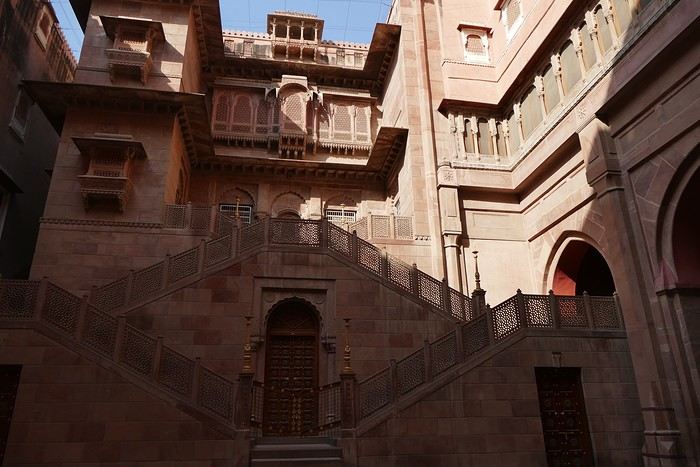
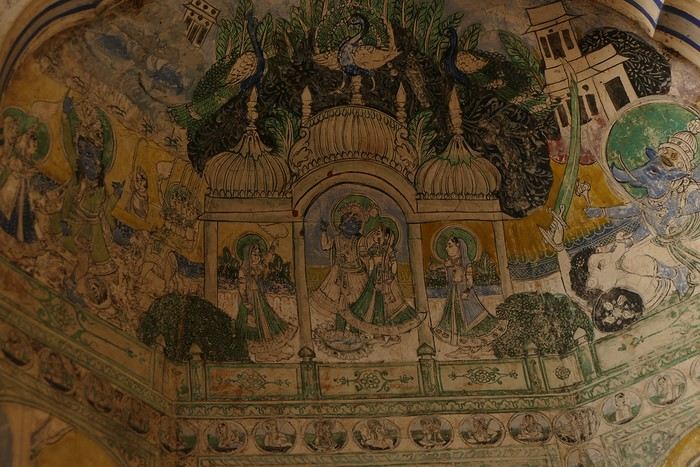
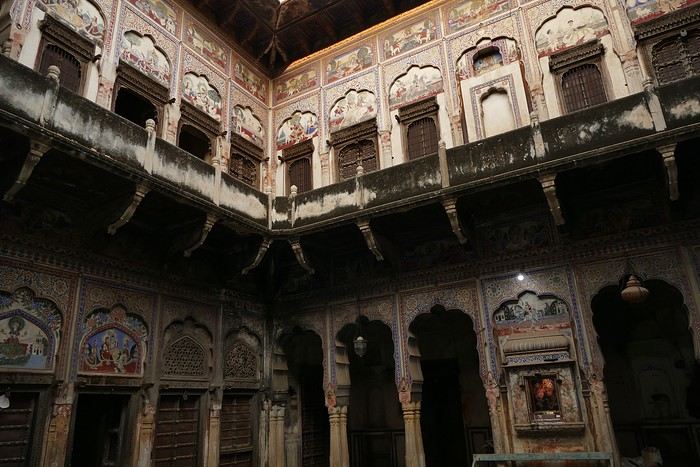
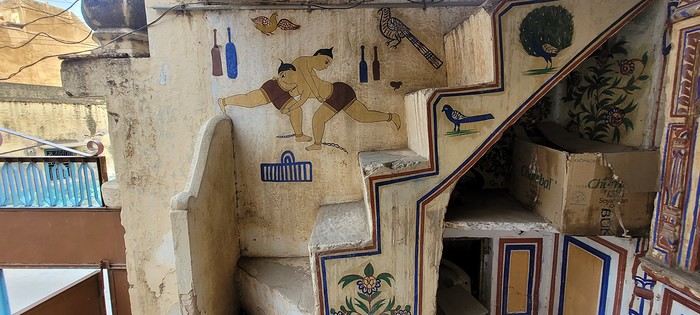
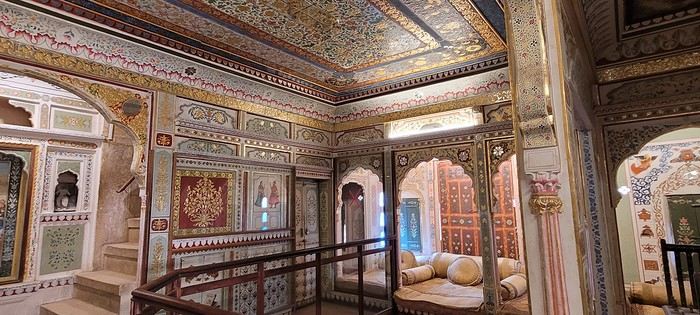
and head through the alleys to Patwon ki Haveli. There are two paid sections I hadn’t noticed before. The first (200 rs) isn’t great—there’s no one there, which isn’t surprising. The second (300 rs) is more interesting. There are a few Indian tourists, but it’s not crowded. I expected more people.
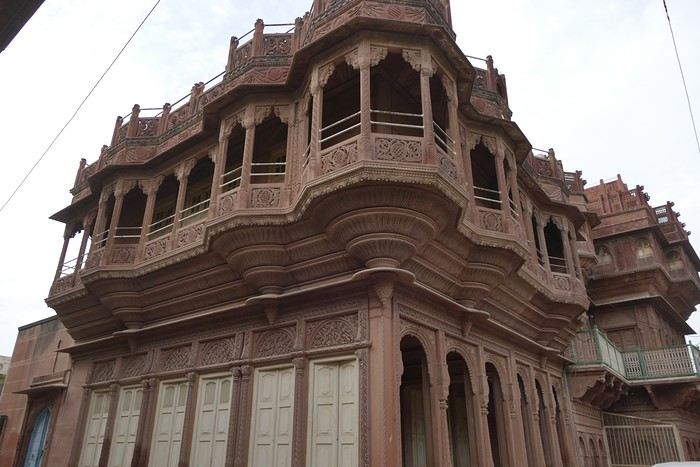
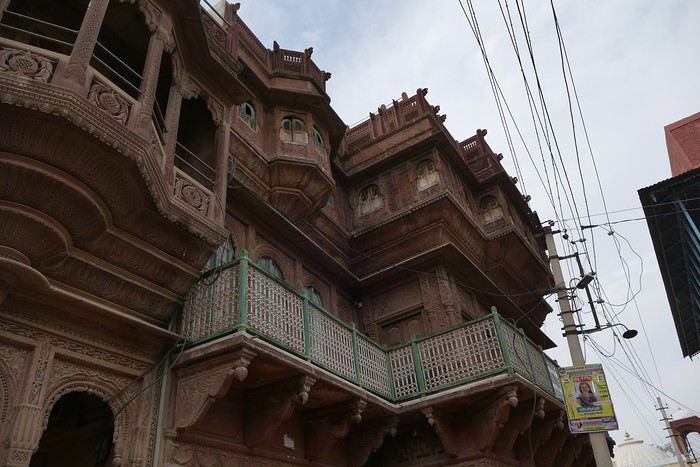
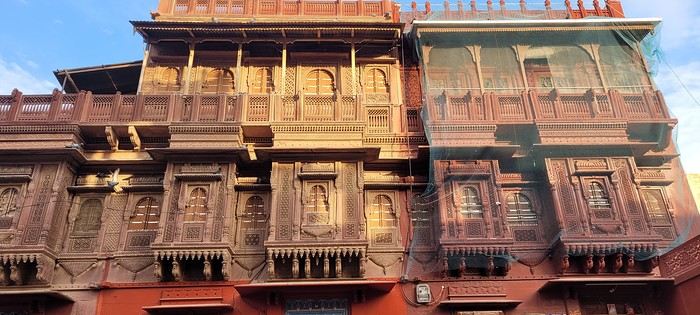
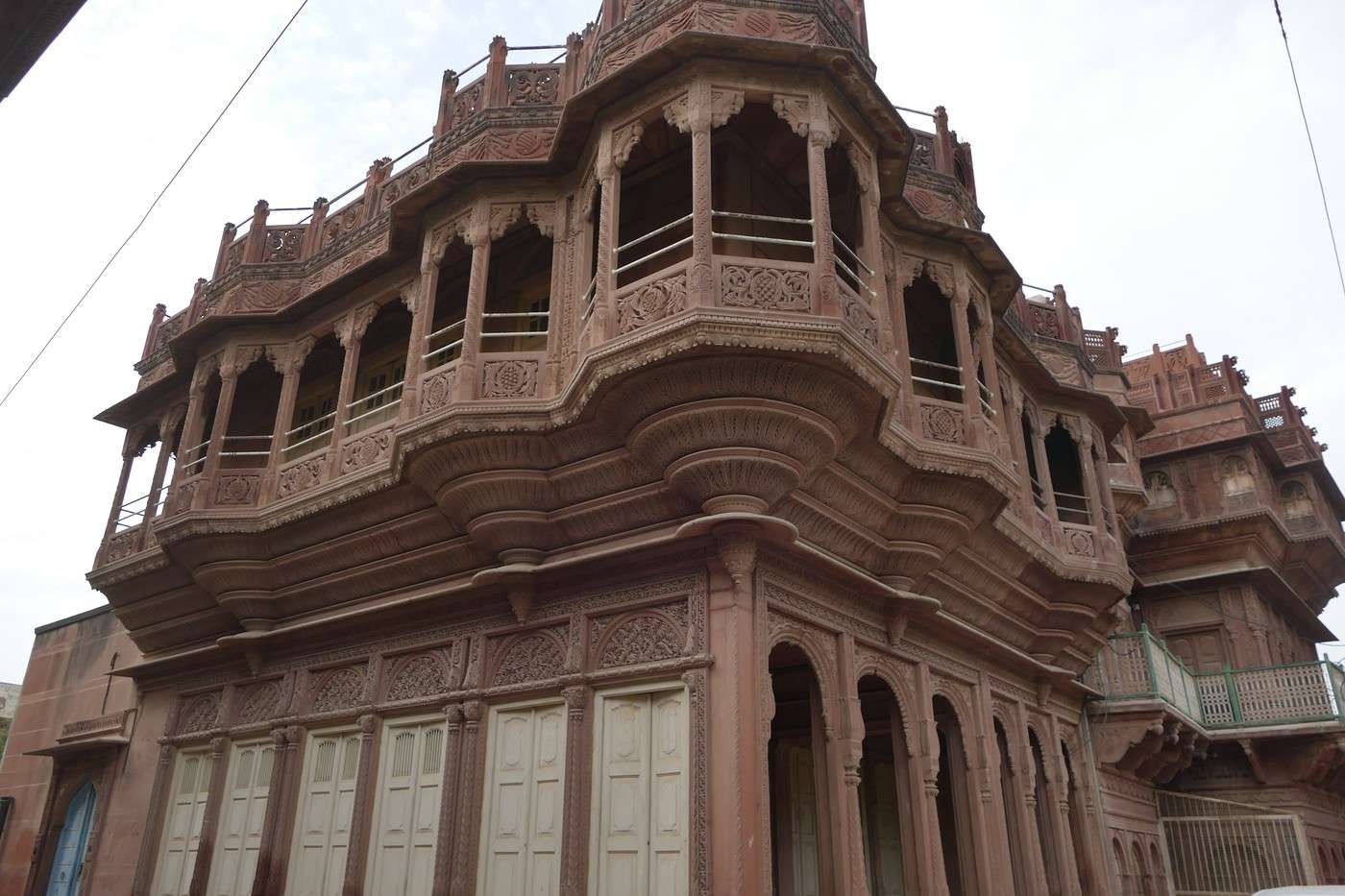
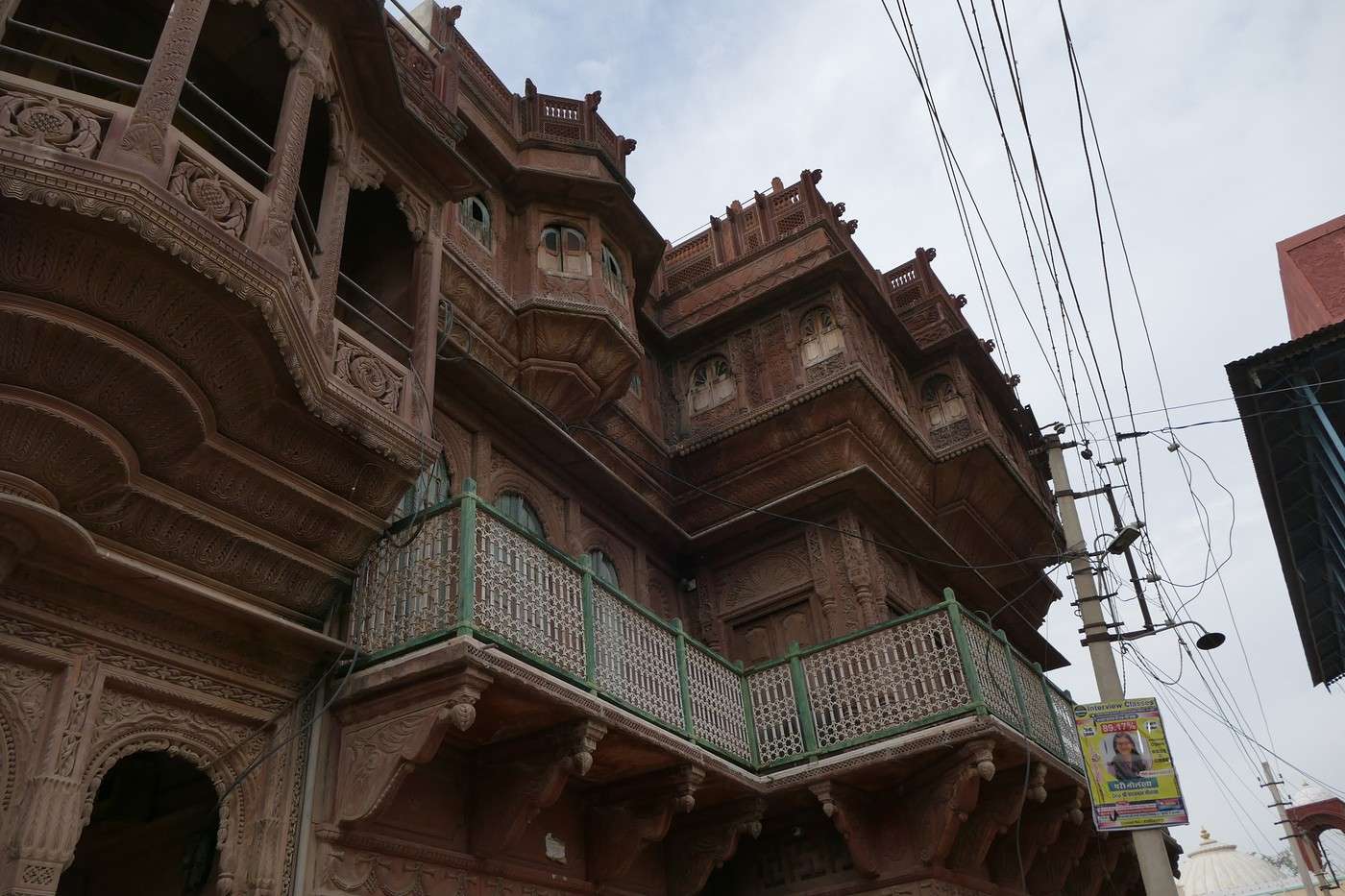
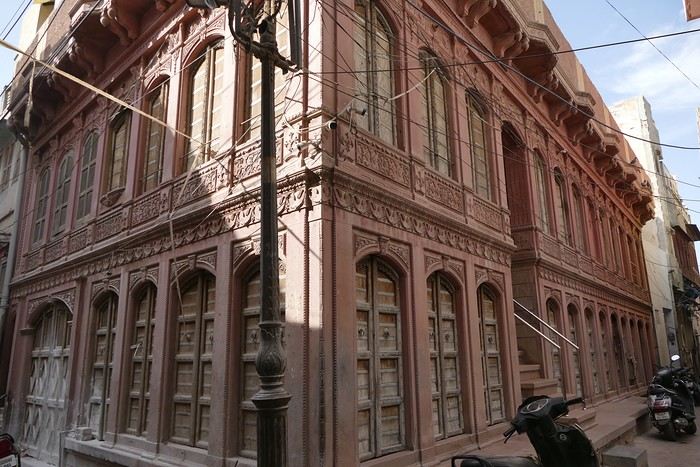
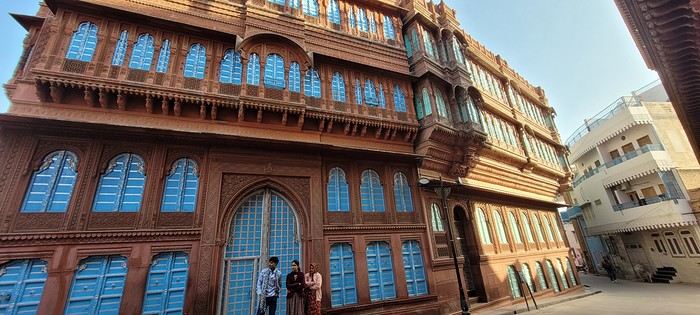
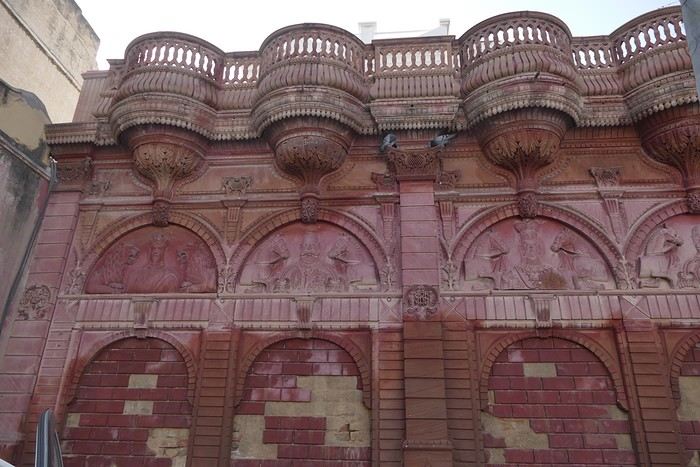
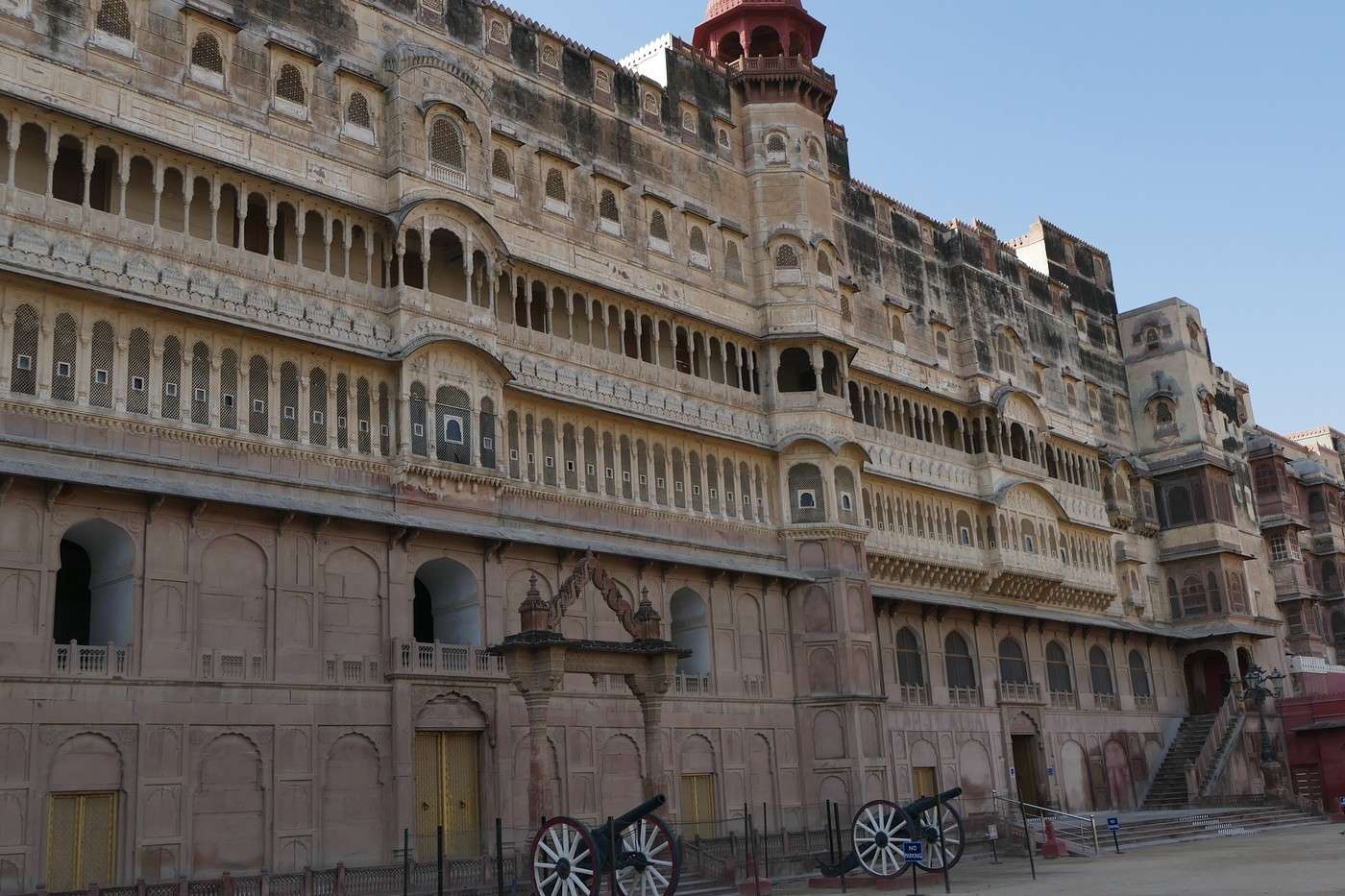
This is the most famous haveli in Jaisalmer. It’s also the largest in the city, though it’s actually a combination of five structures. The building was commissioned by Guman Chand Patwa, a wealthy jewelry merchant, and since he had five sons, he ordered the construction of five floors—one for each of his children. The haveli features 60 stunning *jharokhas* (balconies) in a mix of Indian and Persian architectural styles.
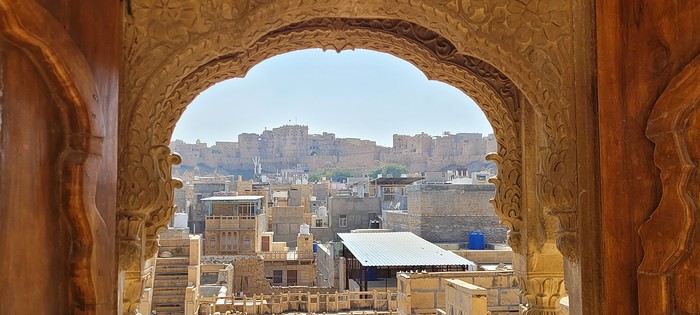
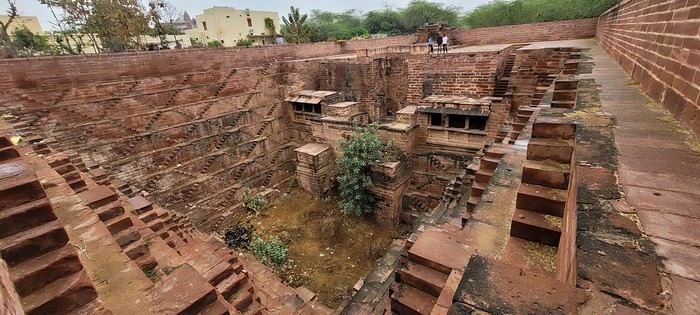
Near the guesthouse, I spotted a sign for a viewpoint, so I go there to rest. Sitting on a step, I doze off and end up heading back to the guesthouse to nap.
I have dinner on the guesthouse terrace—*butter paneer masala* and *jeera rice*—it’s really good.
Good night, very peaceful.