Day Two: The Museums of Tangier, a Journey Through a Composite Past
After diving into Tangier’s present yesterday, today we set off to explore its past, visiting two major museums: Dar-el-Makhzen and Dar Niaba.
We take the same route as the day before this morning. Up to the Kasbah, a coffee break on the square—“good morning, Mr. Expat, how’s it going?”—a glance from the borj over the strait, and down to the Mechouar, the all-white esplanade where the Museum of Mediterranean Cultures is housed in the Dar-el-Makhzen, the former palace of Sultan Moulay Ismail.
The entire history of Tangier unfolds within this magnificent Arab-Andalusian palace. A journey through time where generations of people, each developing their own civilization, succeeded one another: Berbers, Phoenicians, Greeks, Romans, Arabs, Europeans. Blending their influences in peace or war. Until, as a symbol, the city took on the status of an international zone in the mid-1920s.
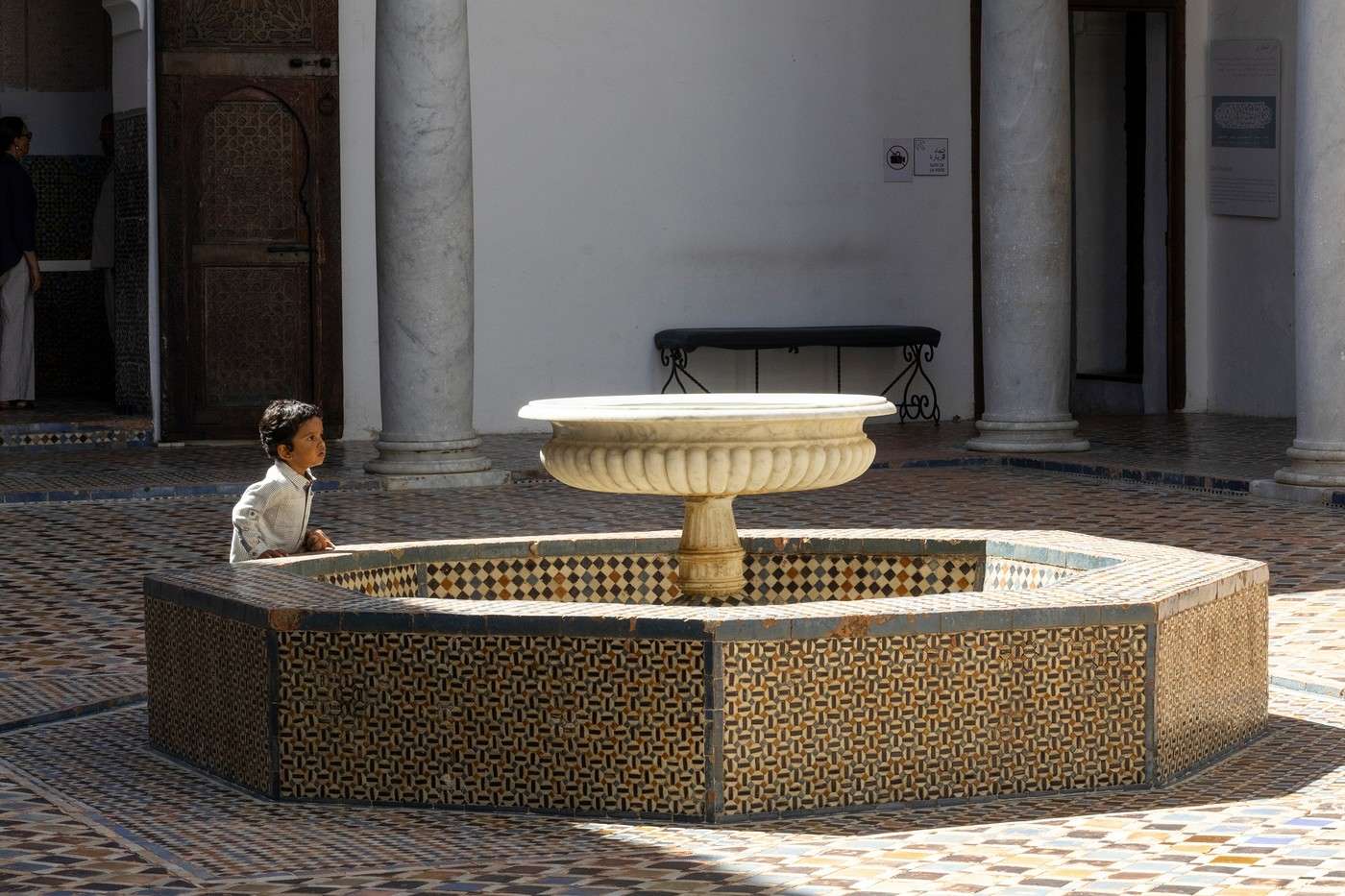
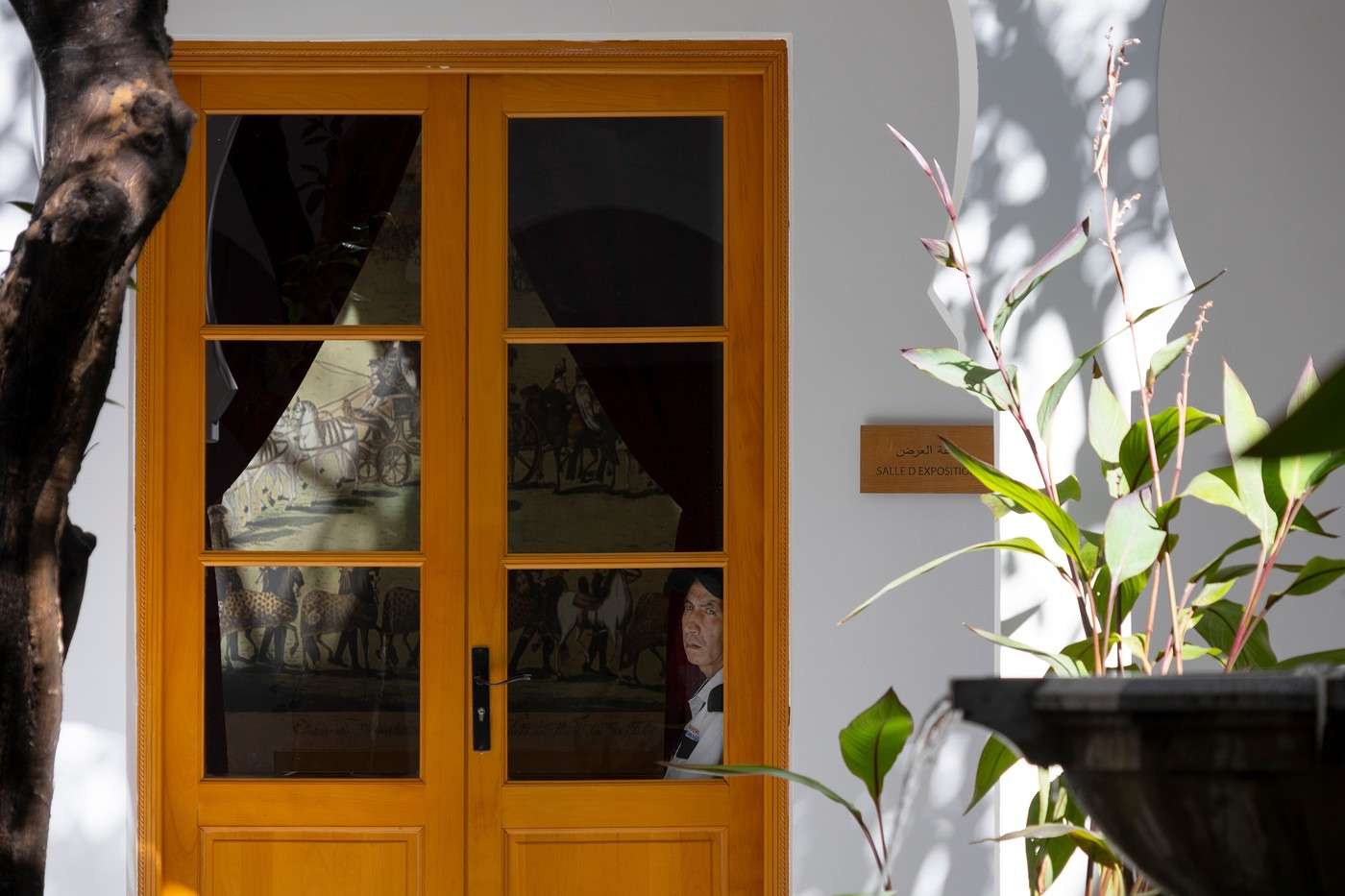
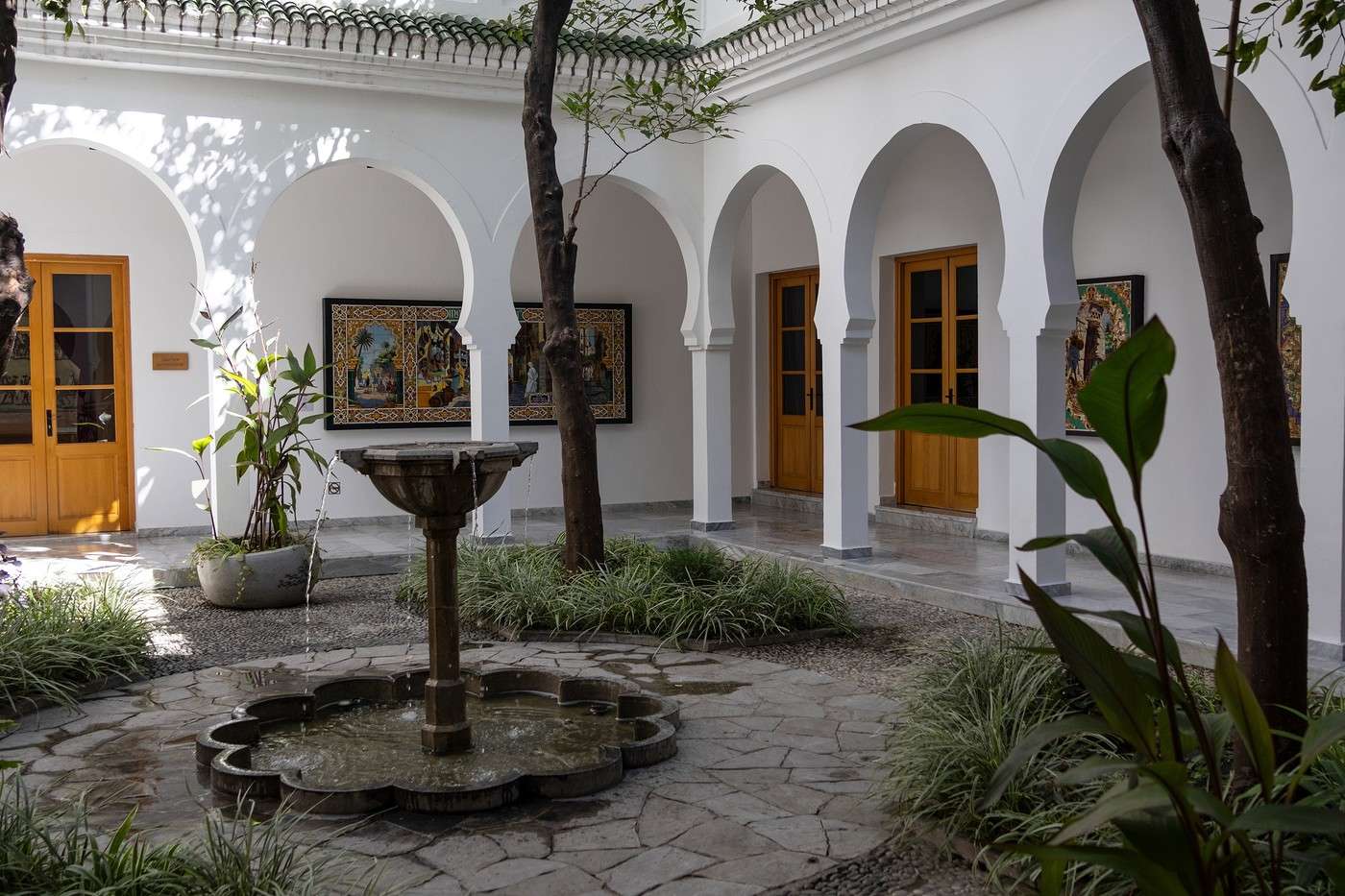
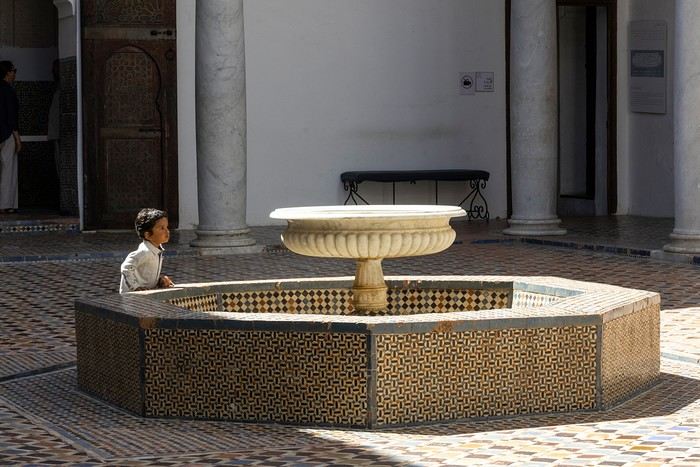
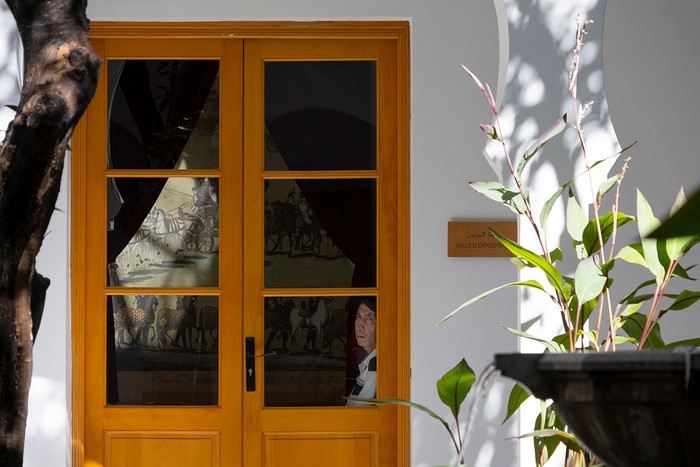
We wander from room to room starting from the large open-air patio, paved with polychrome zellige tiles. While I carefully examine the different display cases to try to understand the threads of the past, Kate prefers to stay in the large courtyard to capture those little scenes of life she loves.
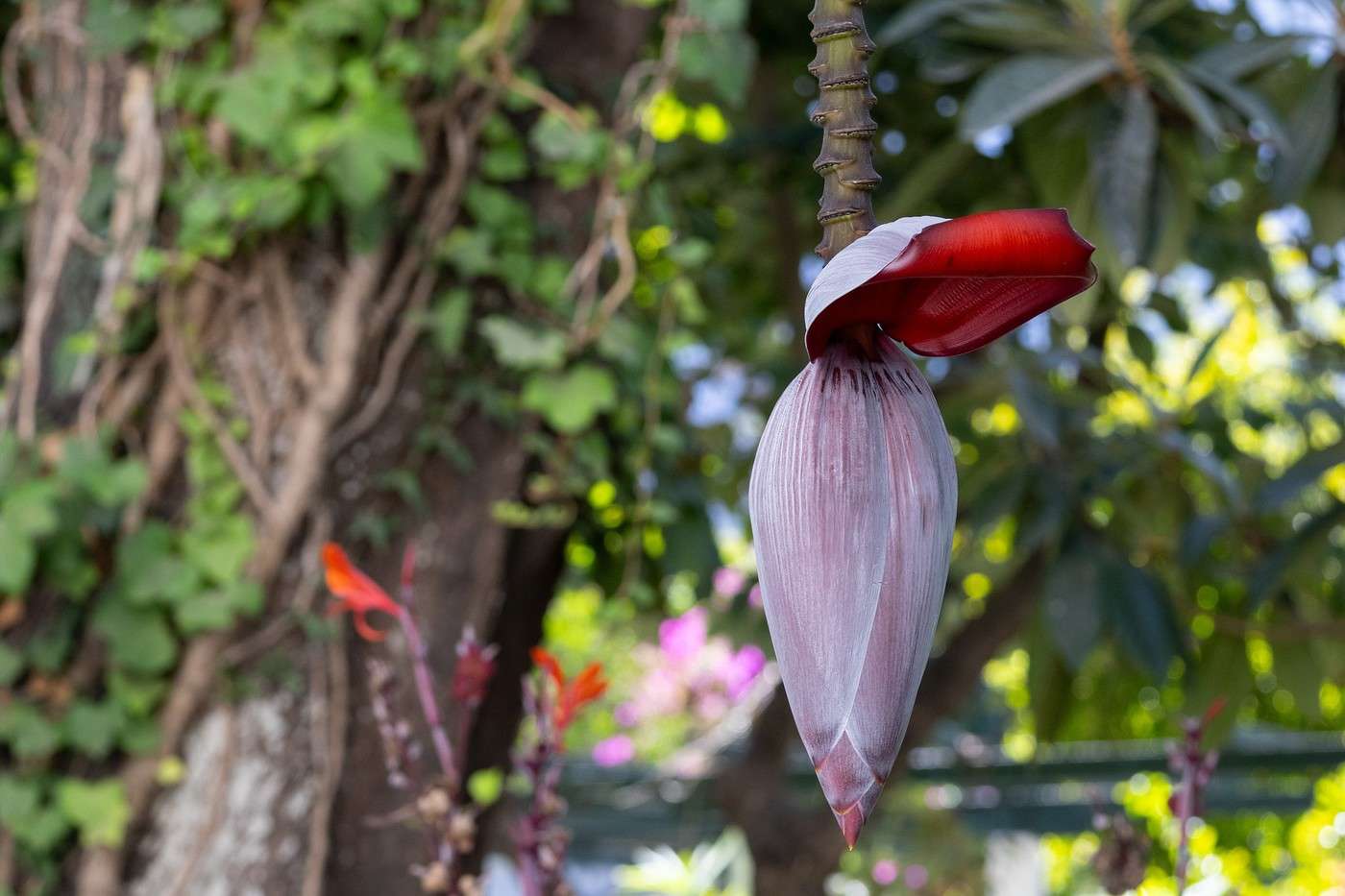
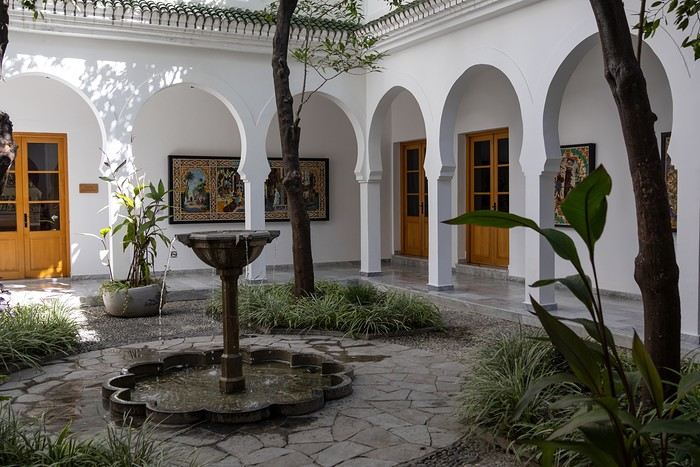
Here, as always in Arab palaces, the exterior is inside: we eventually emerge into a beautiful Andalusian garden, all geometry, freshness, and greenery.
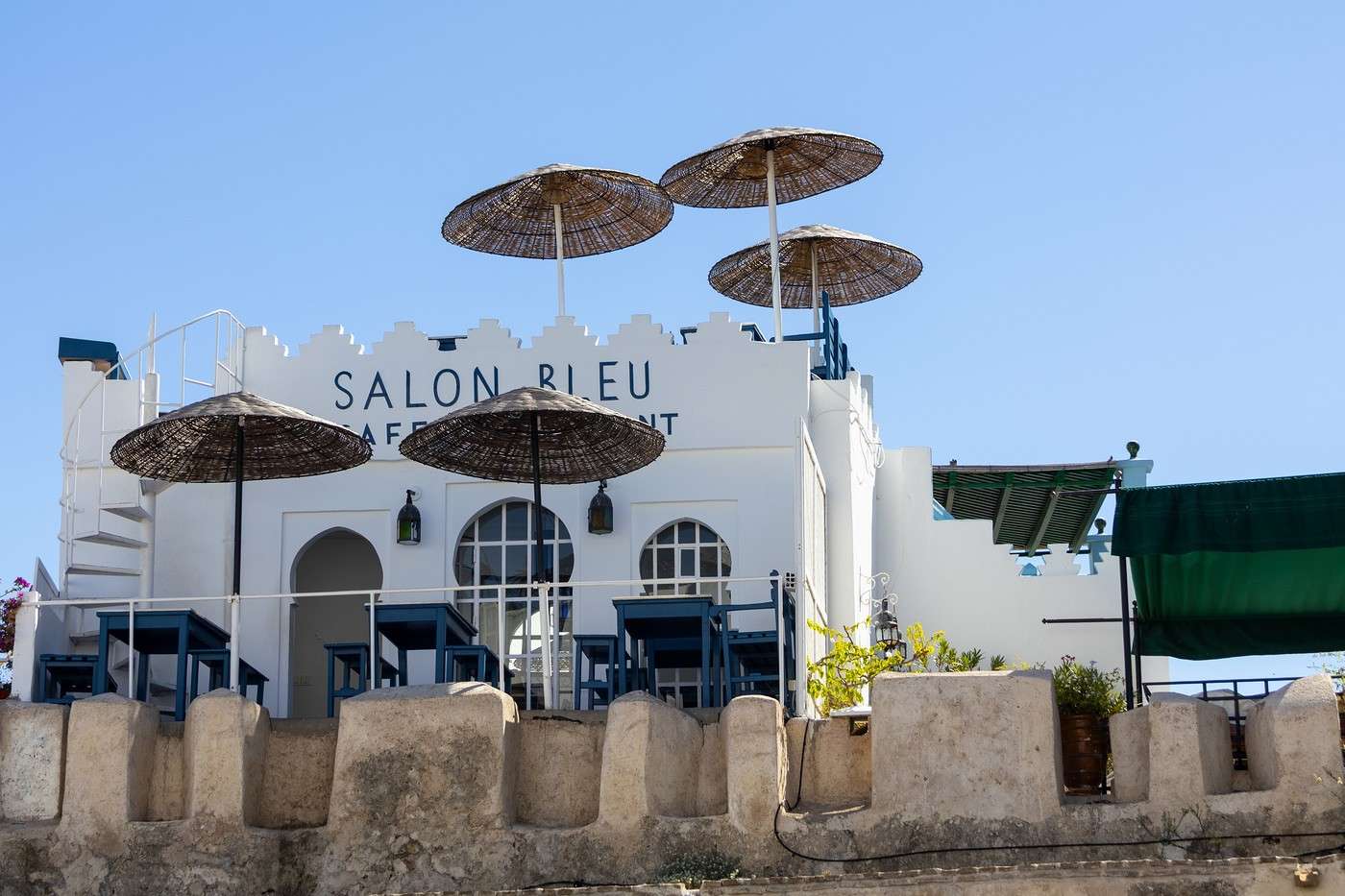
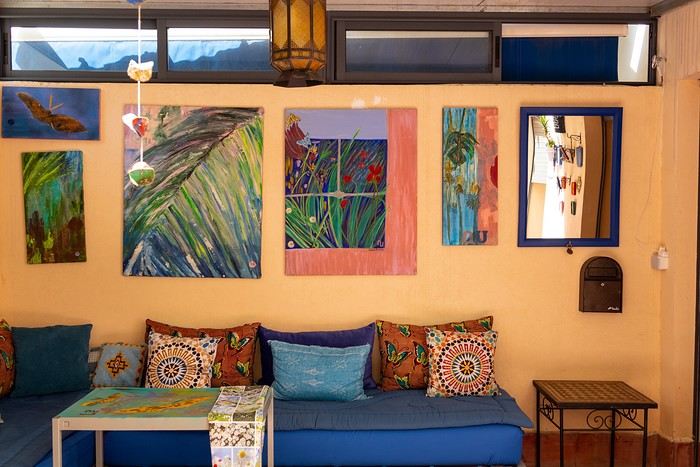
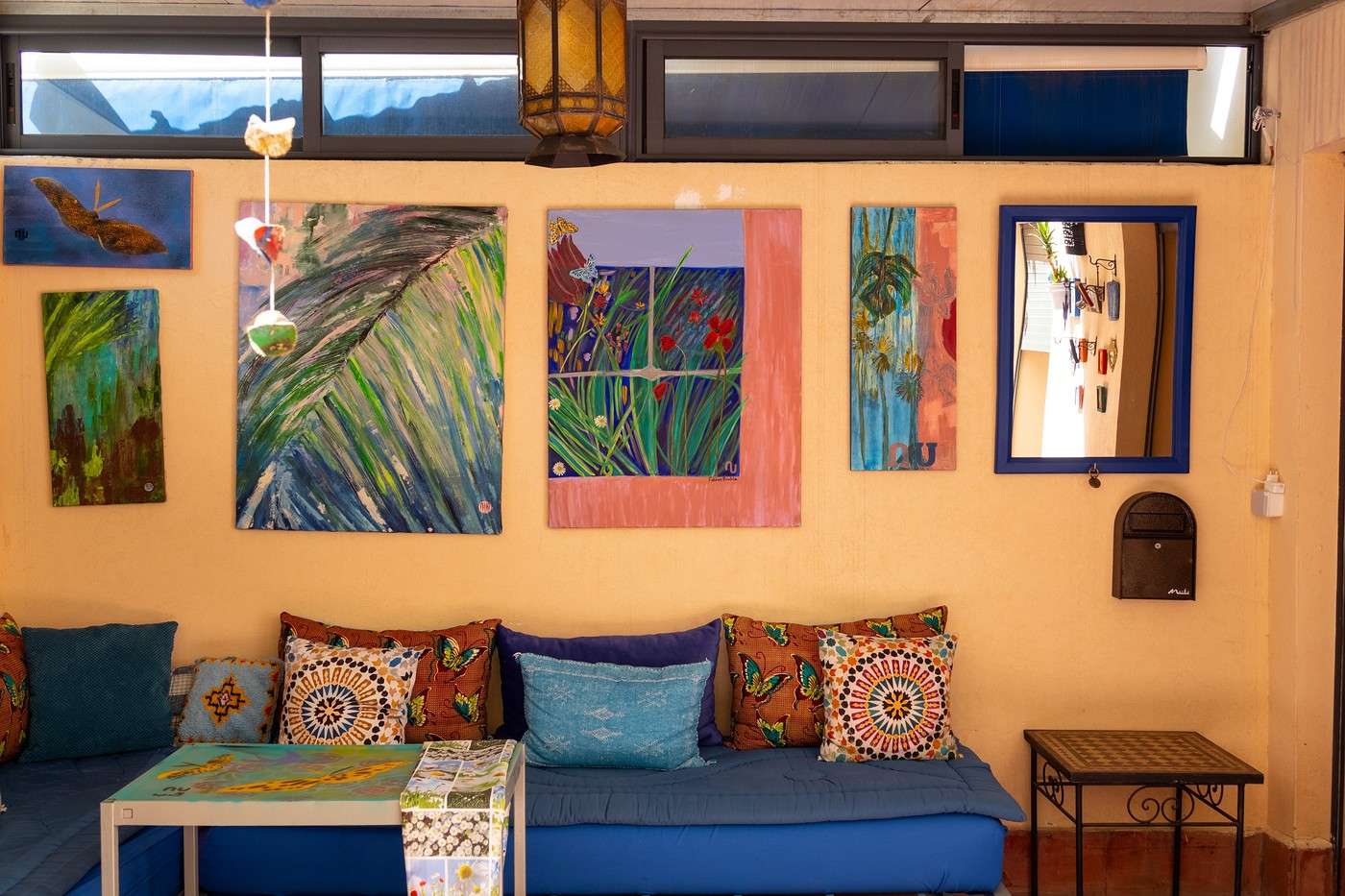
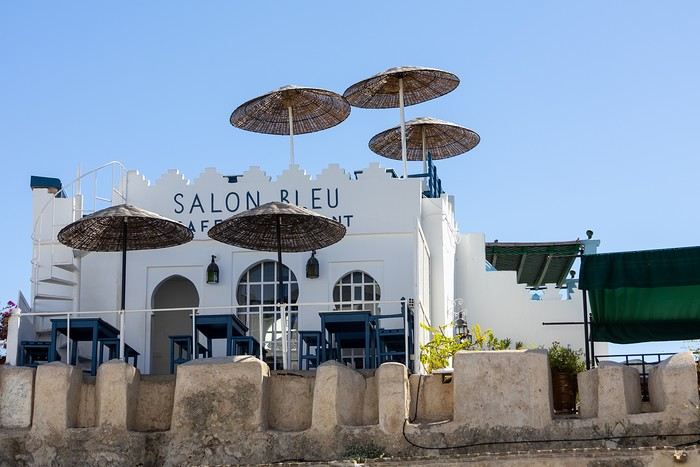
As we leave the museum, the light reflecting off the white walls of the square is dazzling, but the sea breeze is gentle, slightly cool, and we decide to have tea on the rooftop terrace of the café overlooking the esplanade, “Le Salon Bleu.” More and more often, Moroccan café owners ask if you want mint tea with or without sugar. So, it’ll be “blaa sukkar.” The view from the rooftop is stunning—the Mechouar on one side, the bay and the strait on the other.
As I gaze over the city, I think about its name: Tangier. A familiar name I heard during my childhood in Sète, watching the comings and goings of the ferry “L’Agadir” from the dock, which operated the route from Sète. That boat seemed enormous to me with its big red flag and green star painted on the funnel. And those Moroccan families boarding with cars packed to the roof. Those people who looked so different.
Tangier... that name fascinated and slightly worried me. Tangier-danger, and the almost perfect anagram of the word *strange*.
And here I am, many years later, sipping my tea on this lovely terrace and looking at this city spread out at my feet, feeling almost at home.
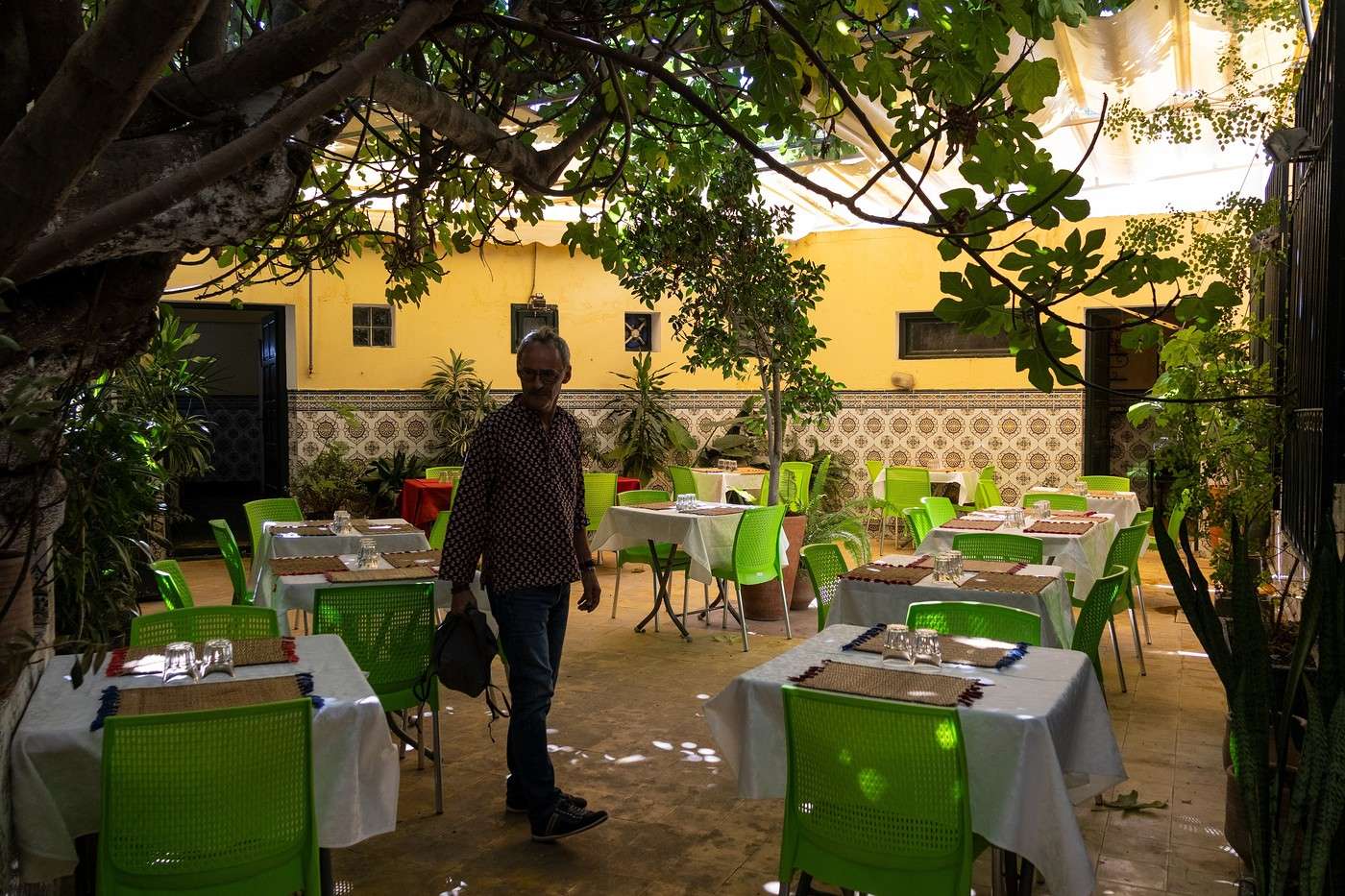
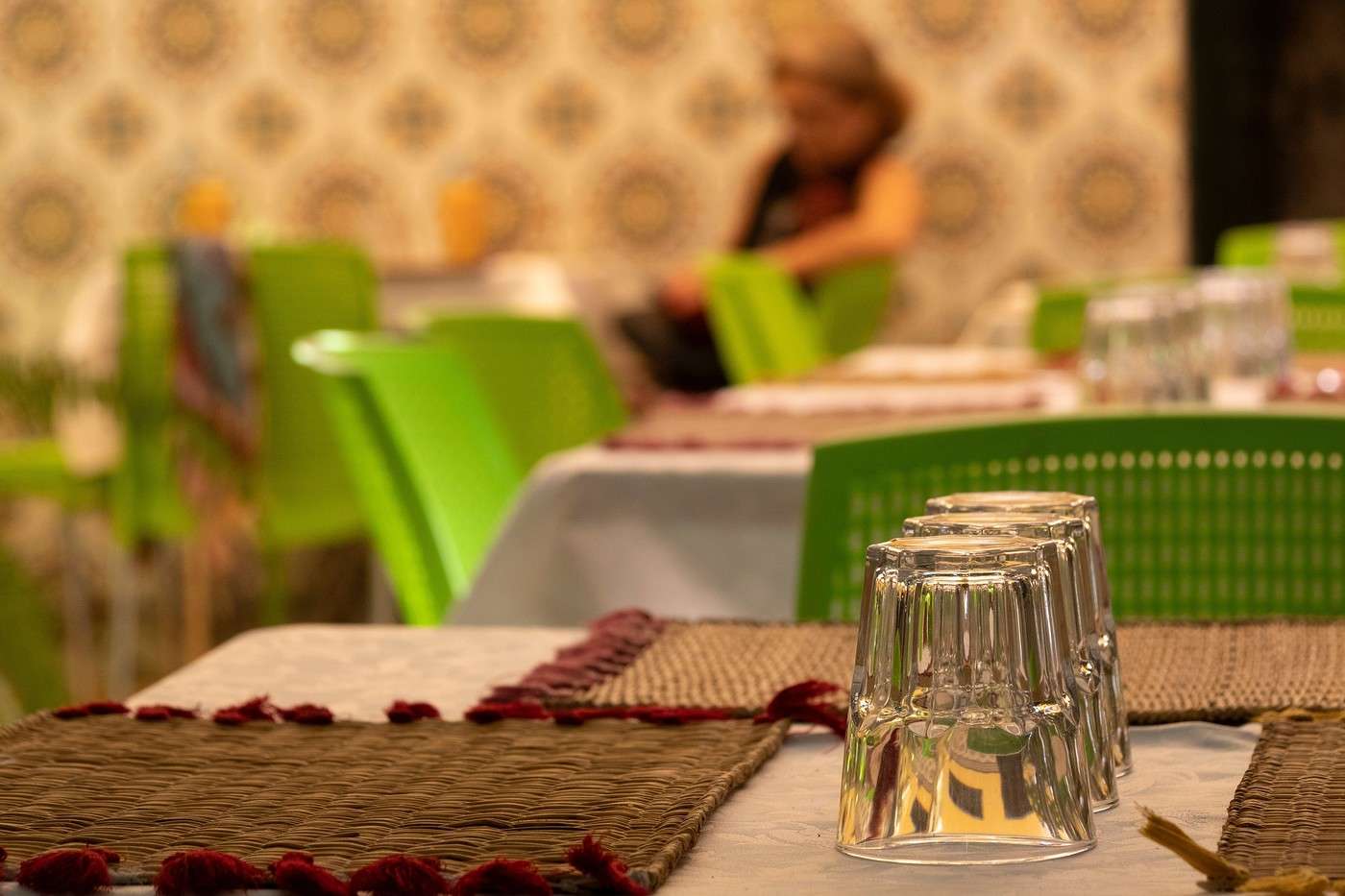
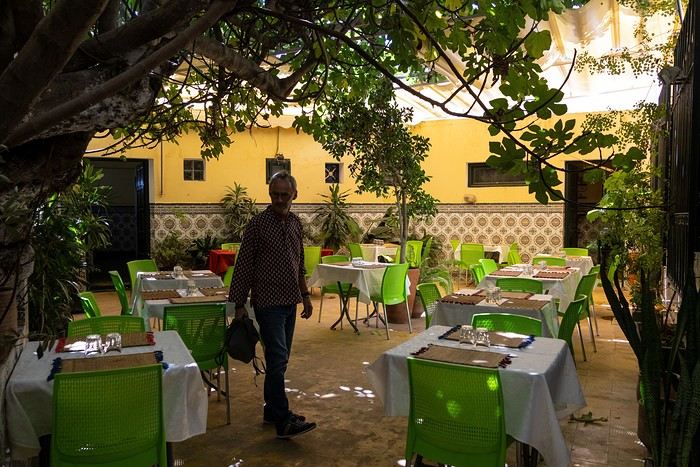
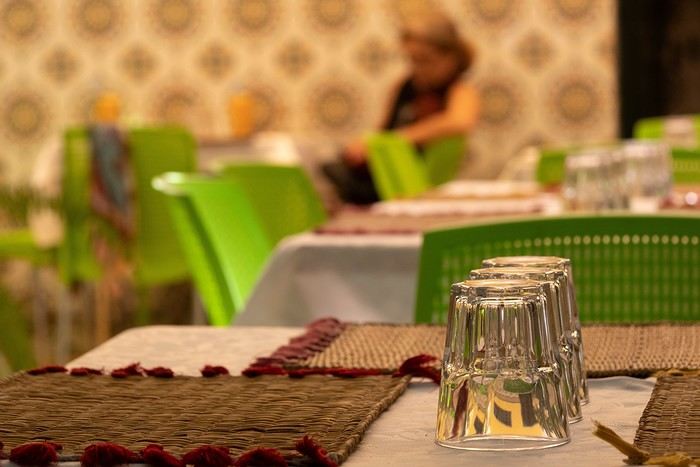
For lunch, we spot an address in the *Routard* that catches our eye: “Restaurant de la Maison Communautaire des Femmes Darna,” located in a small street just above the Grand Socco. According to the guide, it’s, and I quote, an associative restaurant for the economic integration of women. A volunteer from the association welcomes us and leads us into a lovely inner courtyard in the shade of a large fig tree. We both opt for sardines stuffed with chermoula, a marinade made from coriander, parsley, garlic, lemon juice, and olive oil, with added cumin and paprika.
After lunch, we head back to the medina, Rue Siaghine, to visit Dar Niaba, also known as the Museum of Traveling Artists. Both a museum of Tangier’s diplomatic history and an Orientalist museum, it’s located in the former French consulate general, built in the early 19th century.
Passing through the large stone gate, we enter a vast patio planted with orange trees and surrounded by a gallery of horseshoe arches with dazzling whiteness. Once again, the charm of these Moroccan palace-houses, built to keep out the hustle and bustle of the nearby street and offer visitors the hushed calm of an intimate world, takes effect.
The rooms dedicated to traveling artists are on the second floor. That’s where I discover the works of a Spanish portraitist I’d never heard of, Diego Marín López. The wall of the room is covered with these striking small portraits painted directly on wood. Notables or beggars, with deep gazes, sharp features, and skin texture almost palpable.
A vision of the Orient, not fantasized, but certainly lived by this adventurous painter.
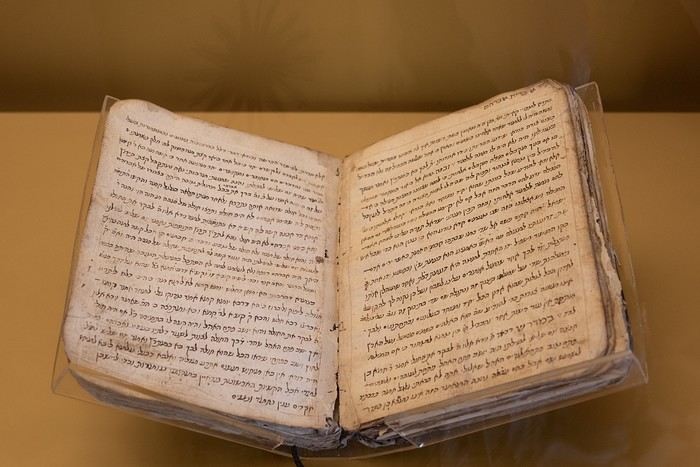
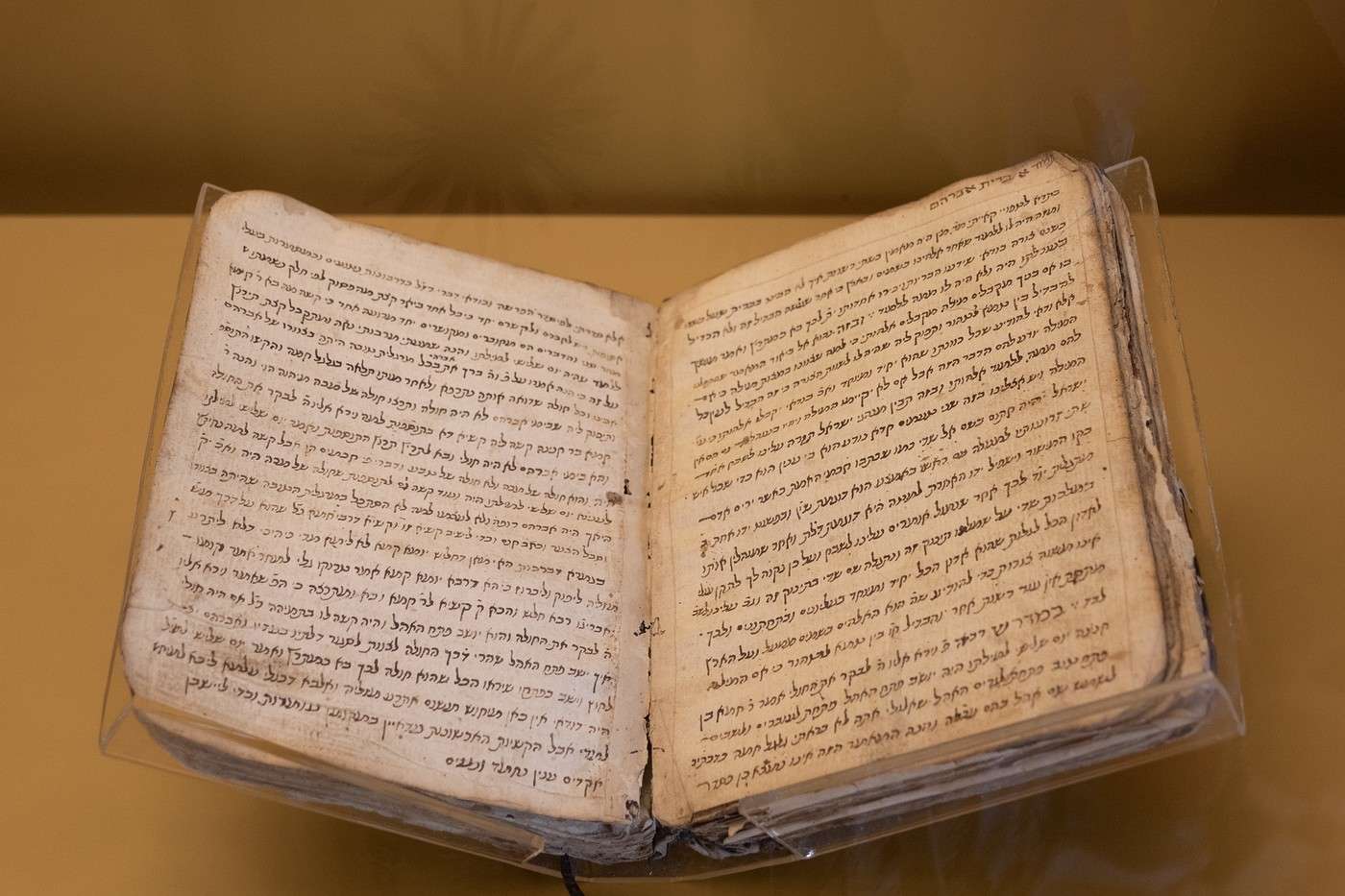
Back in the bustling Rue Siaghine, we turn right onto Rue Touahine to visit the museum of the Fondation Lorin. Housed in a former synagogue, this place of worship has become a cultural space with a theater and an interesting collection of photos and newspaper clippings telling the story of Tangier’s “roaring twenties” during the international zone era.
The day stretches on, we’re a bit tired, especially since Kate keeps complaining of stomachaches. One last tea, though, on the terrace of the café “Colón” to enjoy the street scene. Across from us, the Alcazar cinema is showing a film about the “Avengers.” Morocco is also part of the global village.
Tonight, we’ll stay quietly in our apartment. There’s still so much to discover in Tangier, which hasn’t revealed all its present or its composite past to us yet. Tomorrow, we’re taking the train to Rabat.