Back to the discussion

in Entre deux voyages › Carnets de voyage

Myanmar as we dreamed it (page 2 of 5)

Discussion started by Fabhyène on 2017-05-06

93 replies

This thread has been translated into English.


Burma as we had dreamed it

Fabhyène · 2017-05-08 · Message 21 of 94

(Day 1 in Inle, continued)

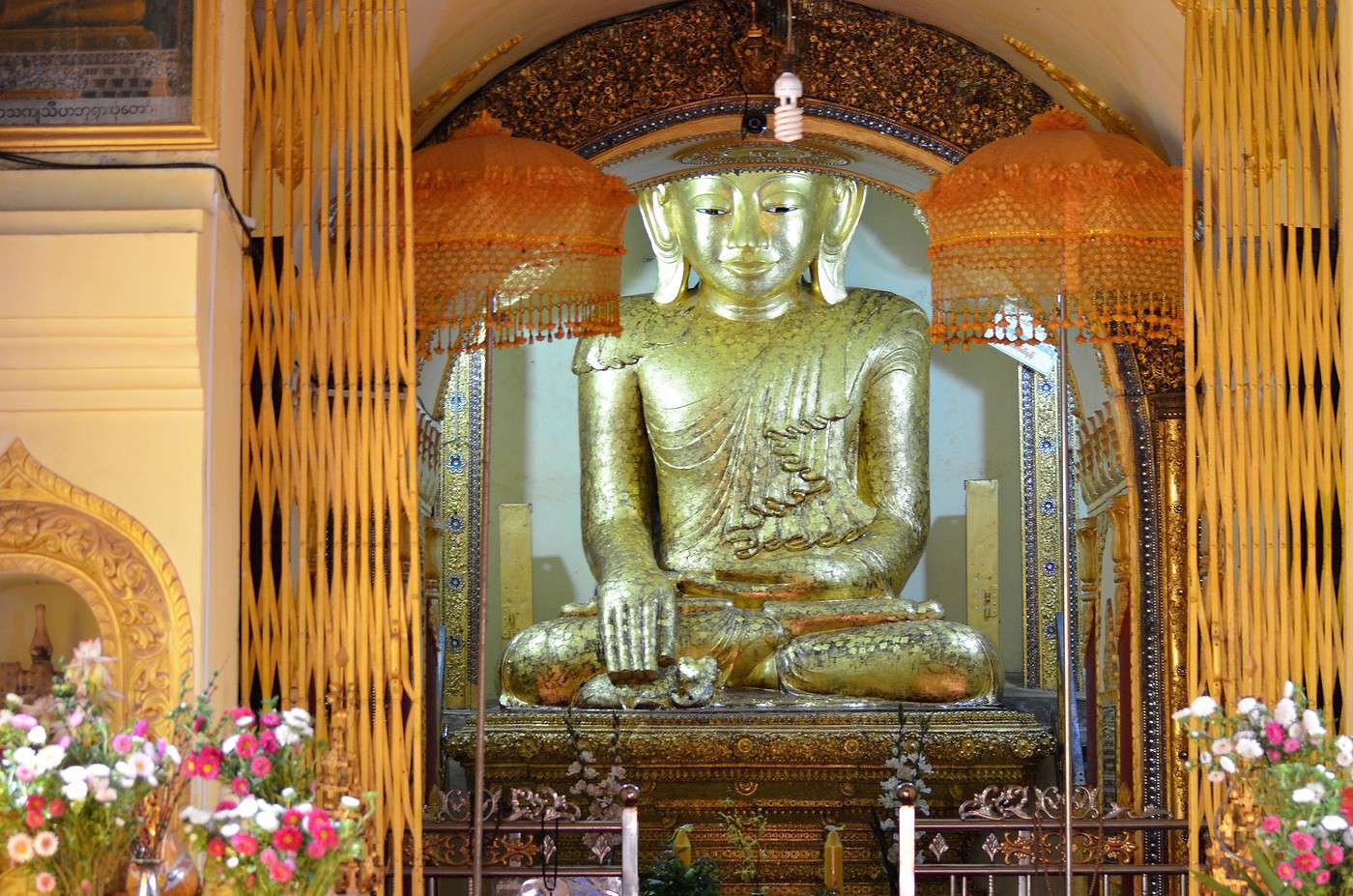
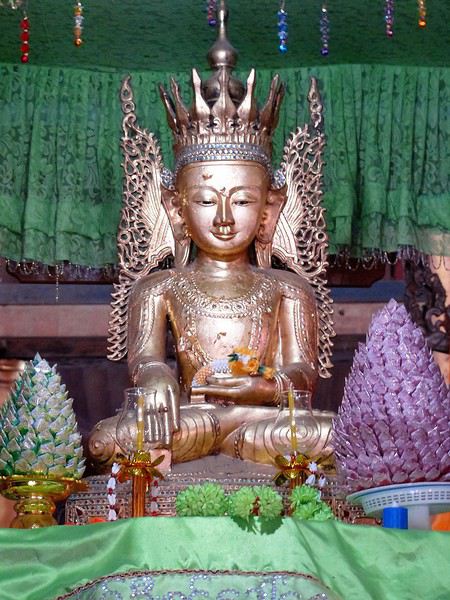
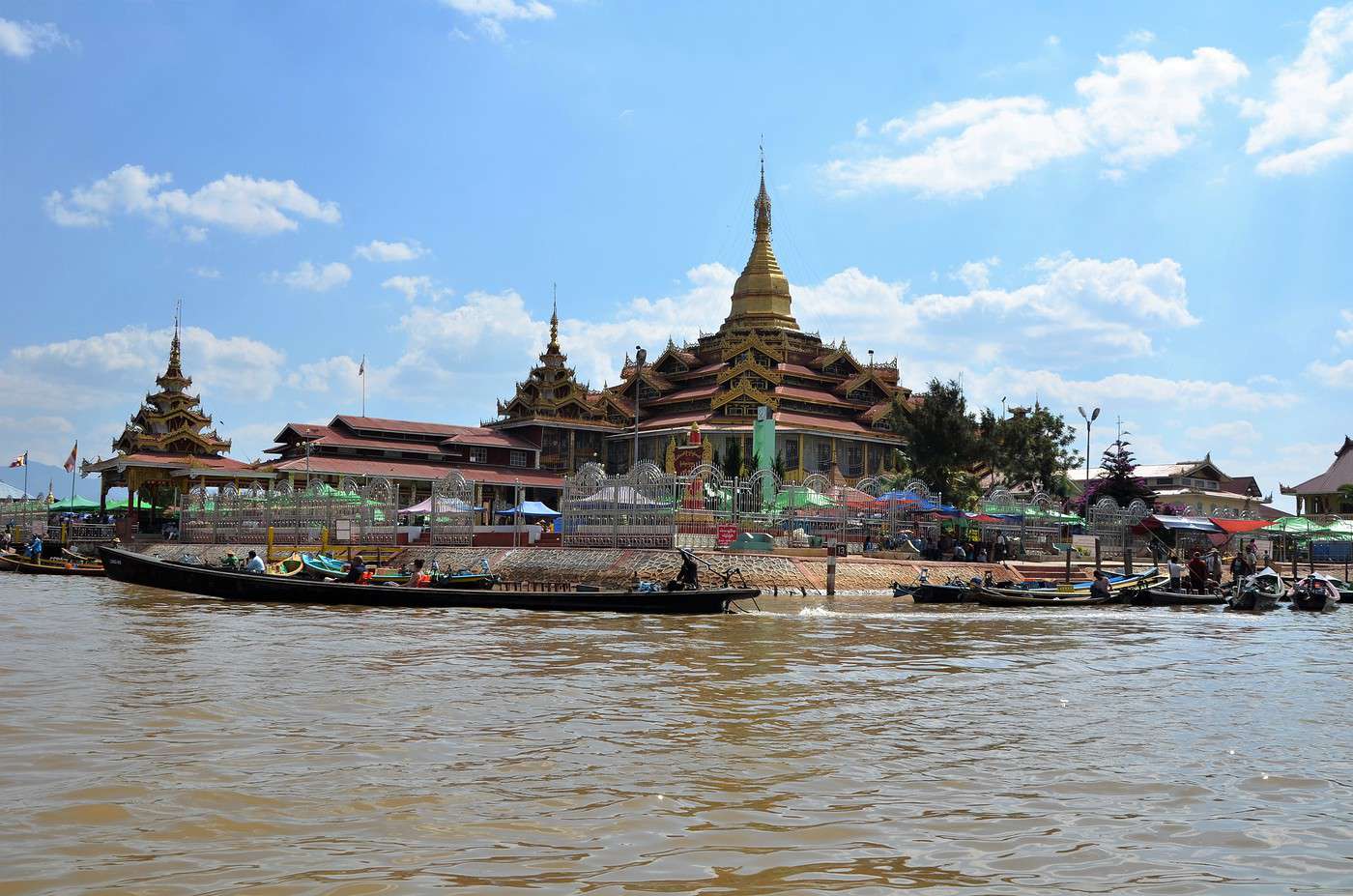
We’re heading to visit the famous Phaung Daw Oo Pagoda, the main sanctuary in the region.
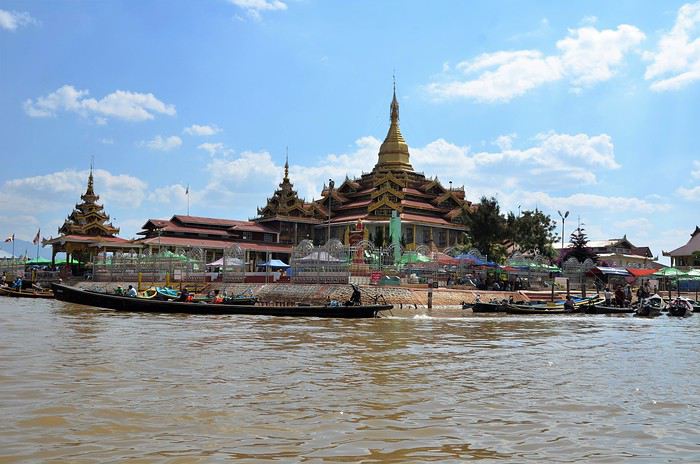


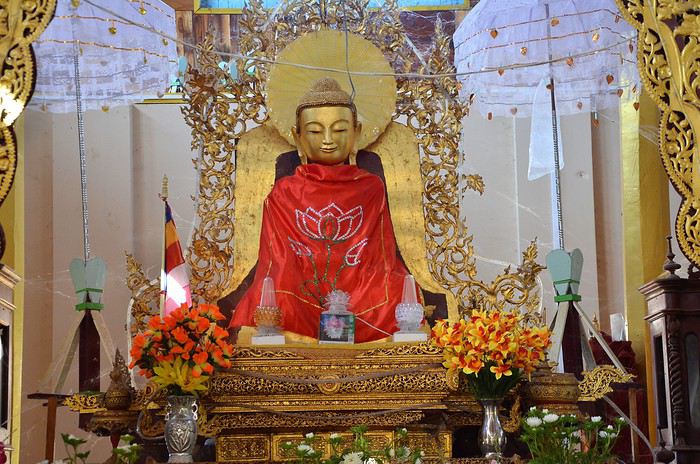
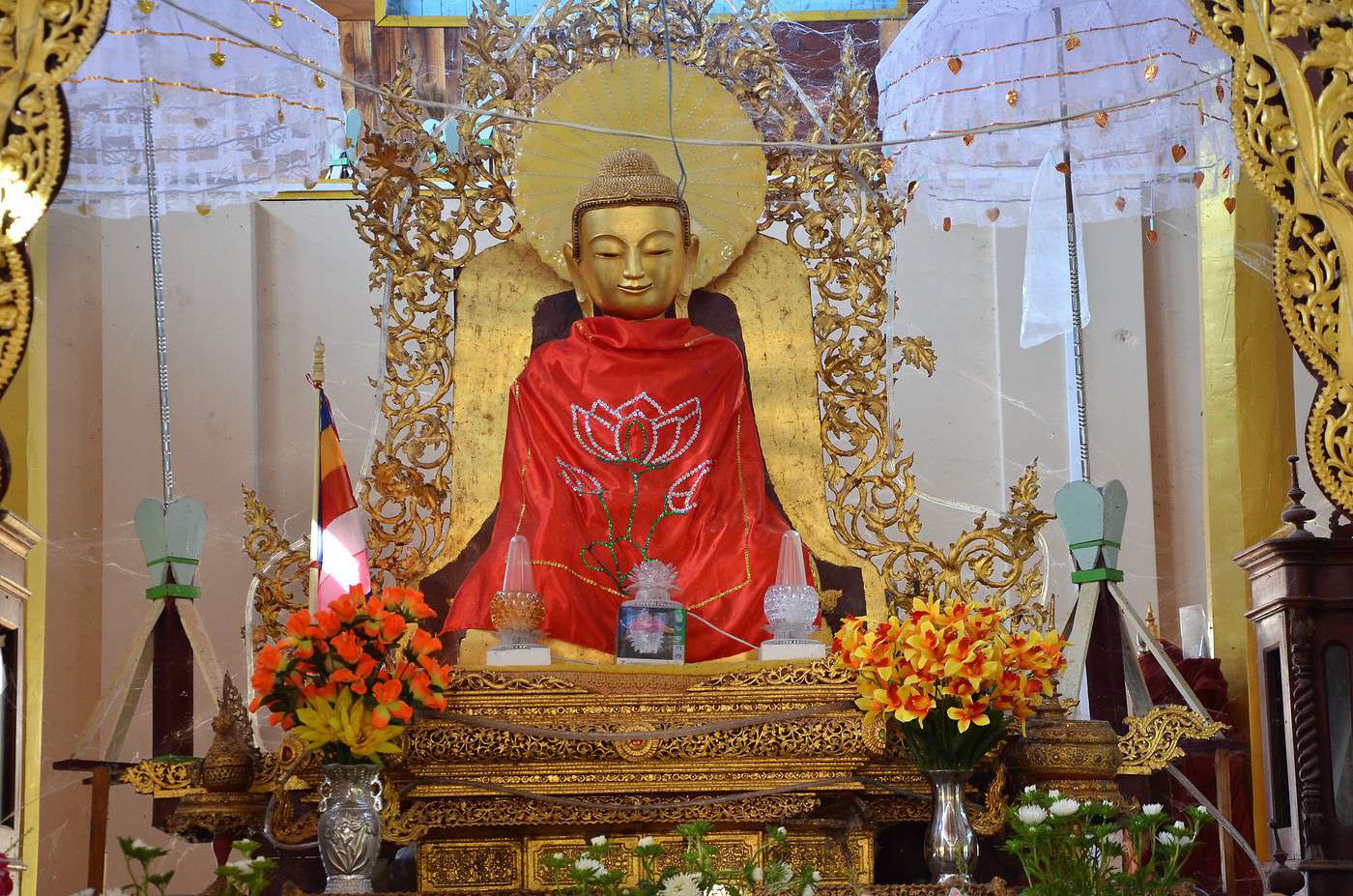
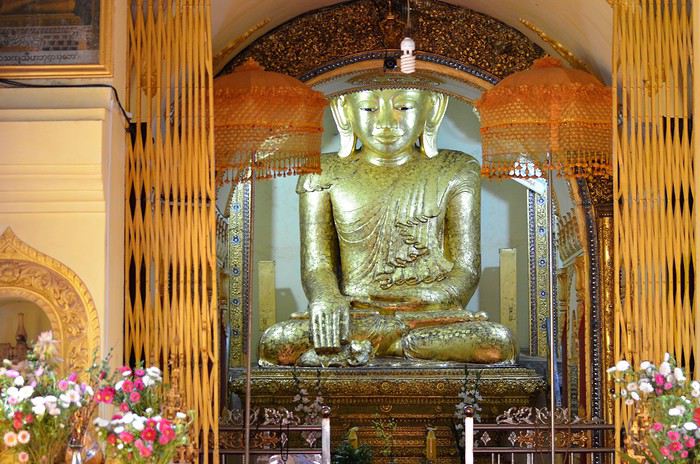
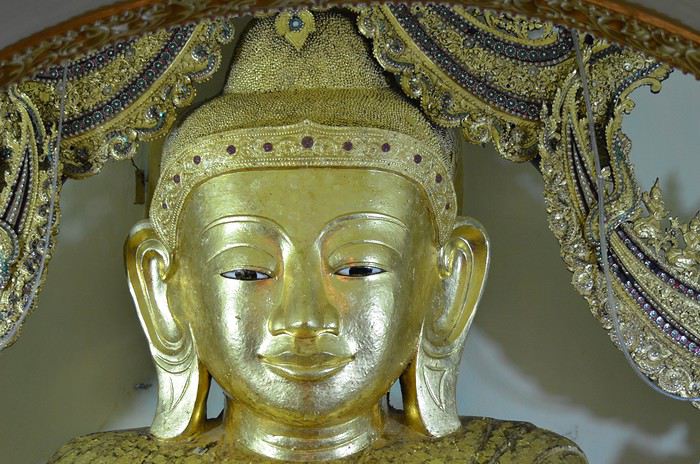
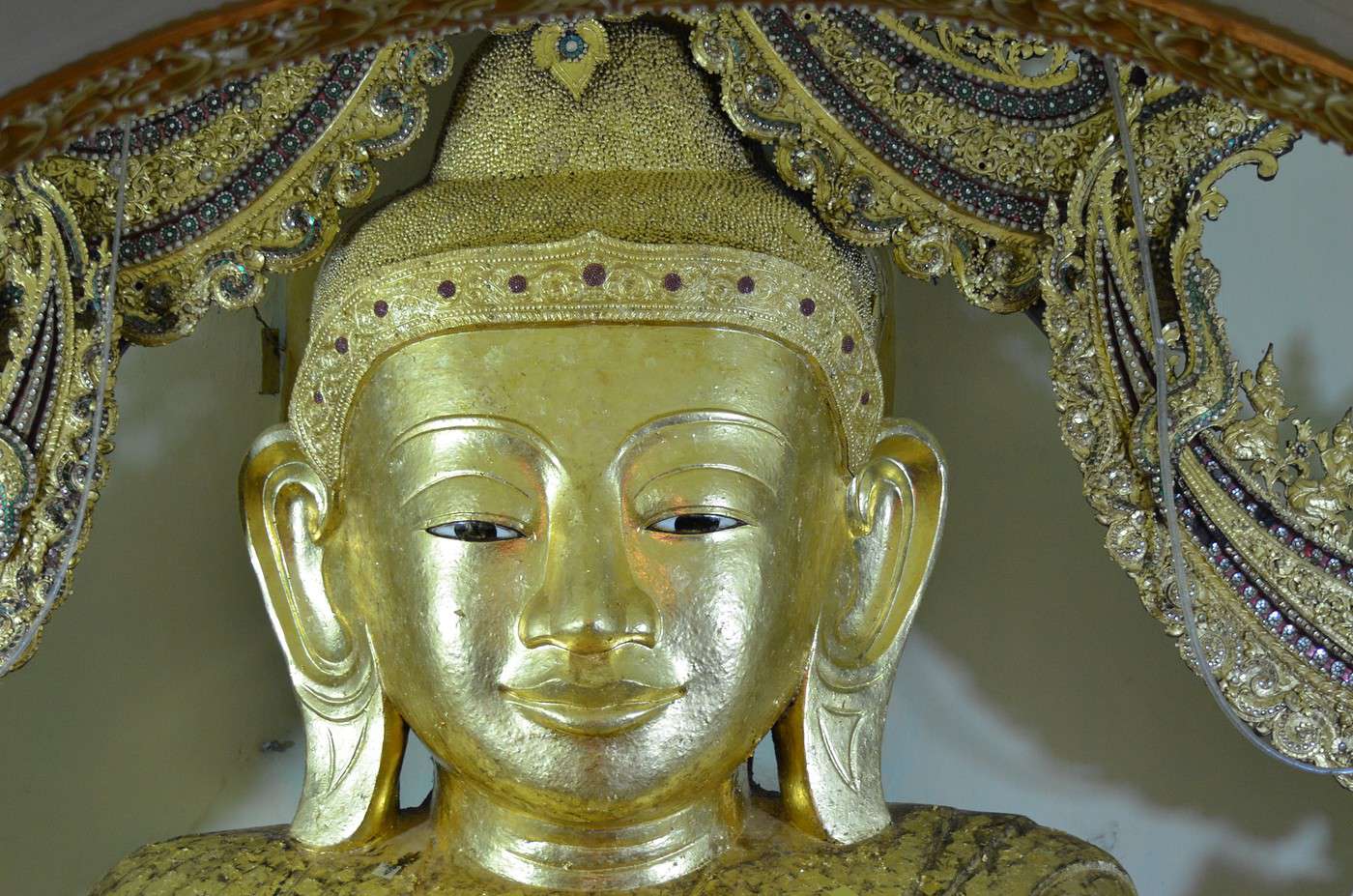
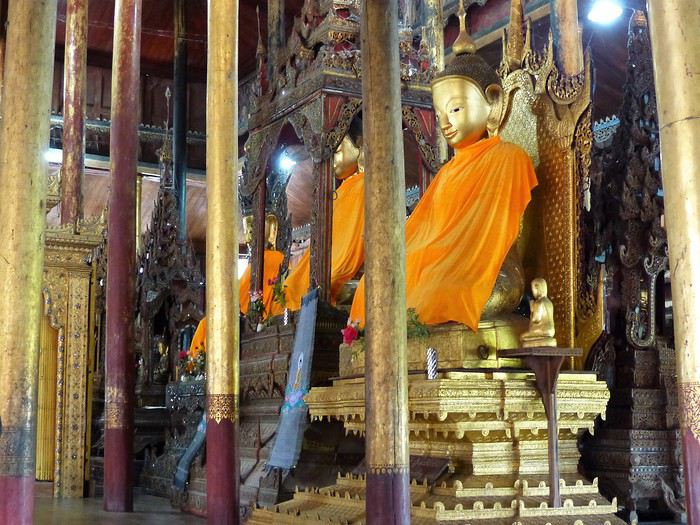
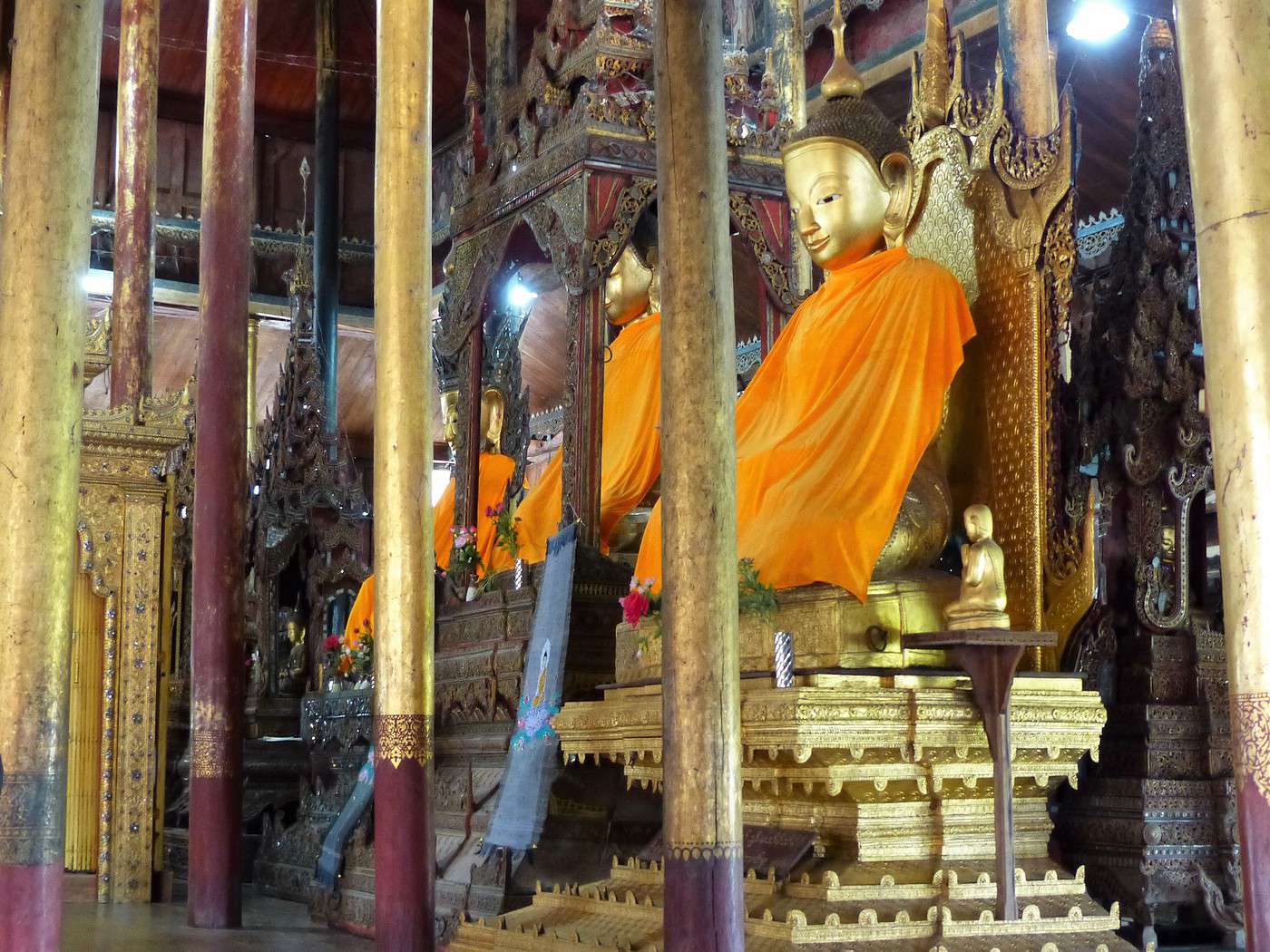
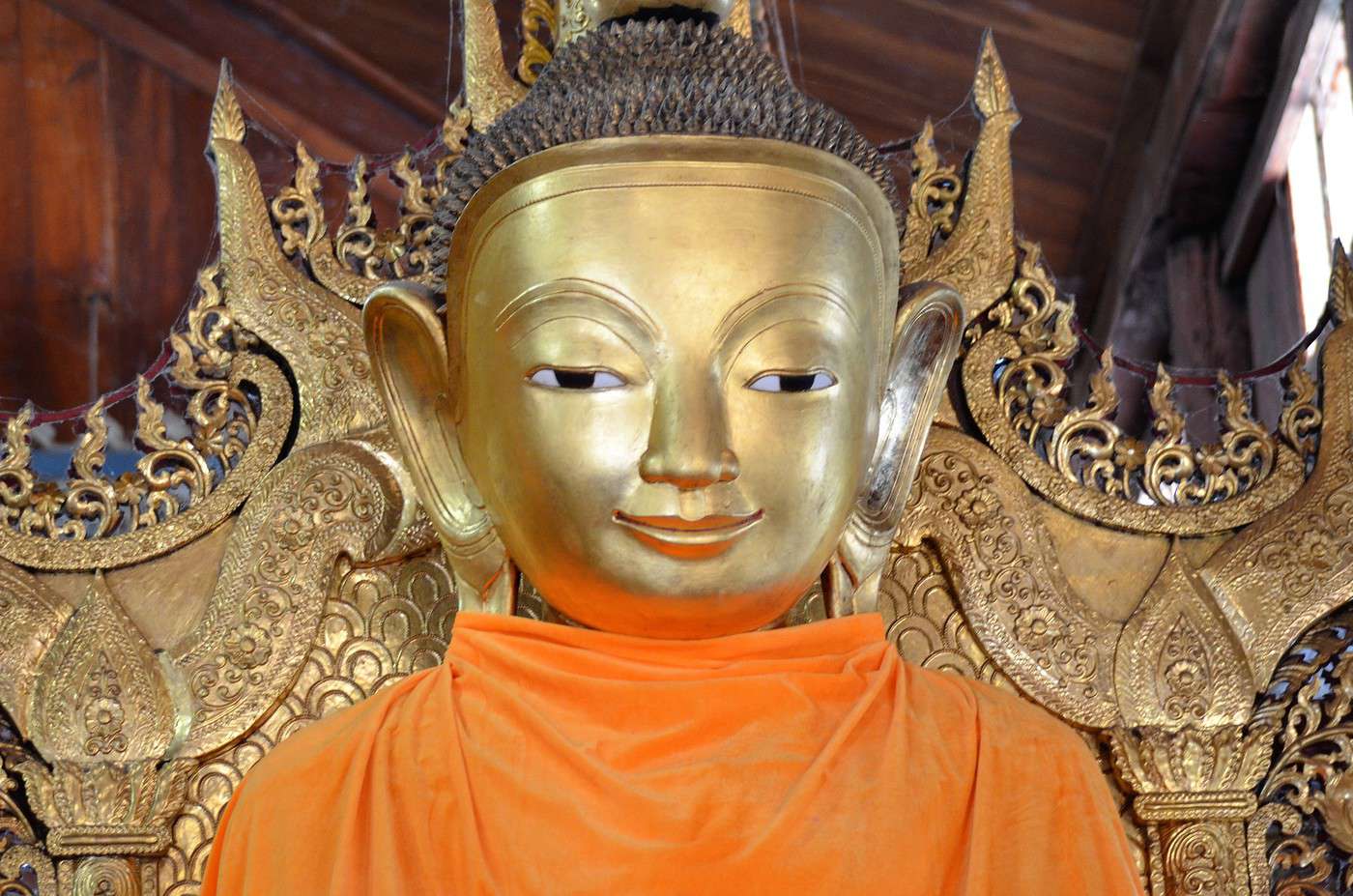
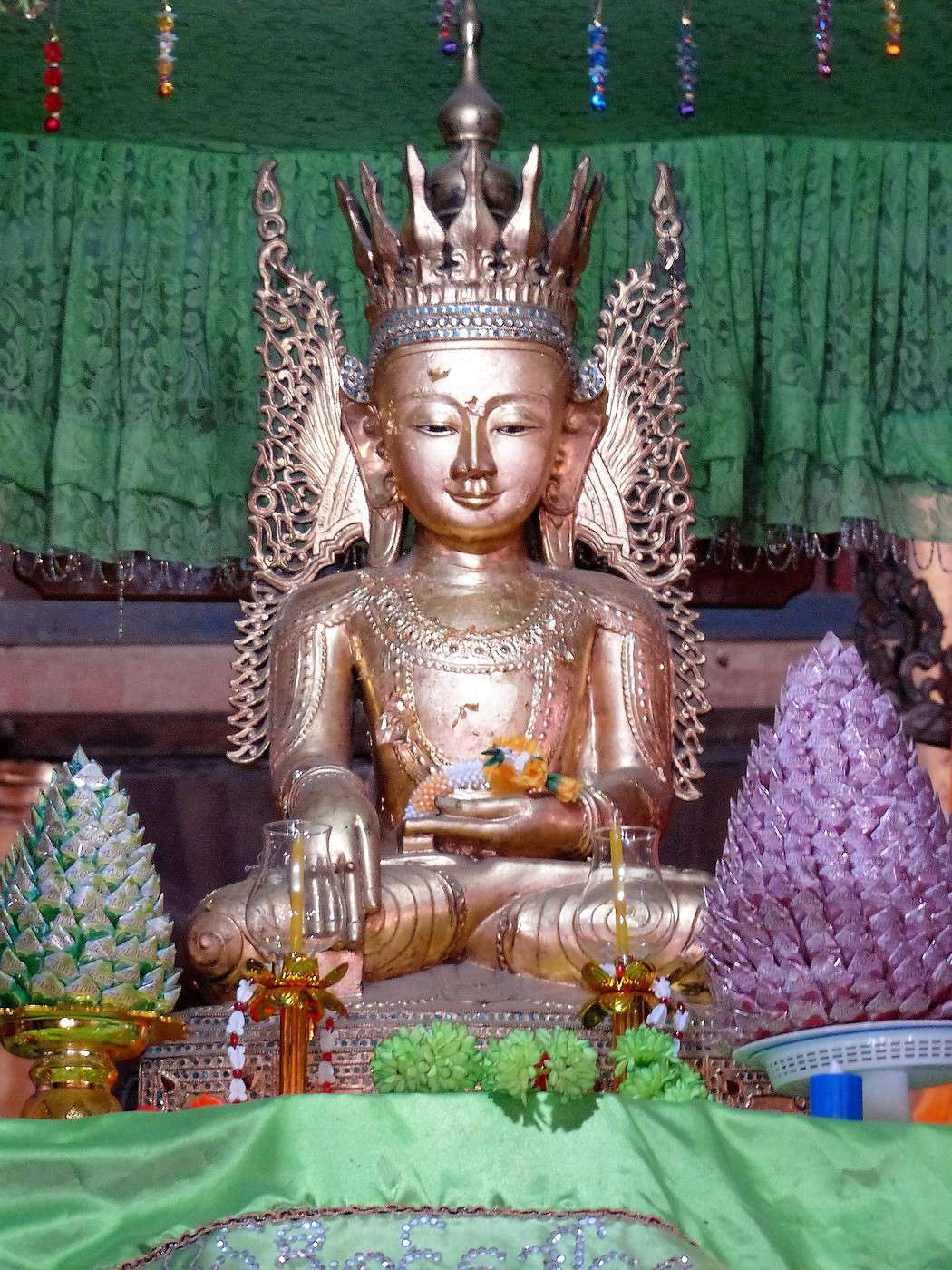
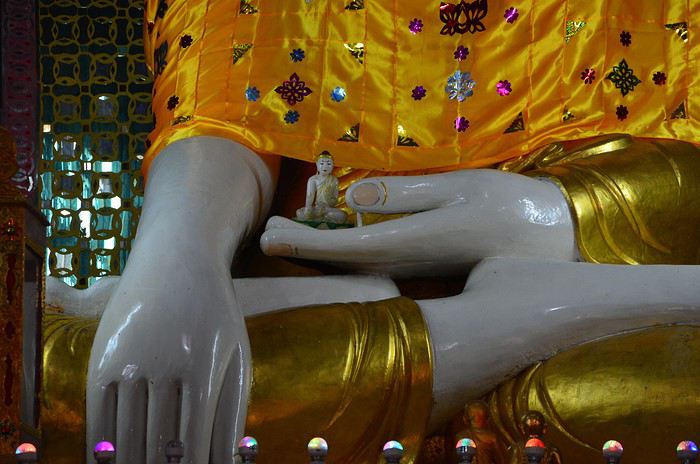
In the center of the hall, on a platform that only men are allowed to step on, sit five strange “sacred peanuts”... they’re actually Buddha statues from the 12th century that have been covered in so many gold leaves they’ve become completely unrecognizable.

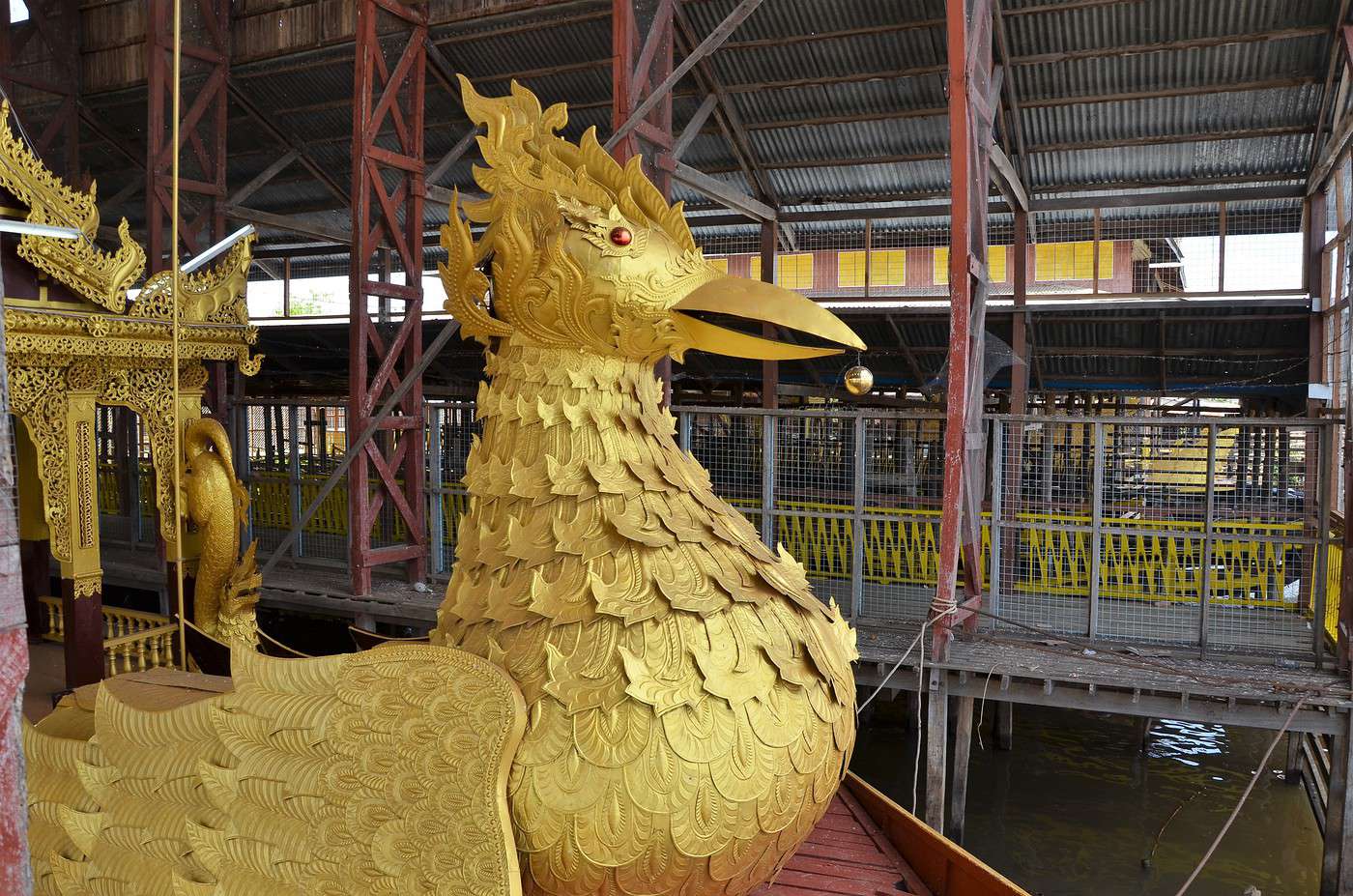
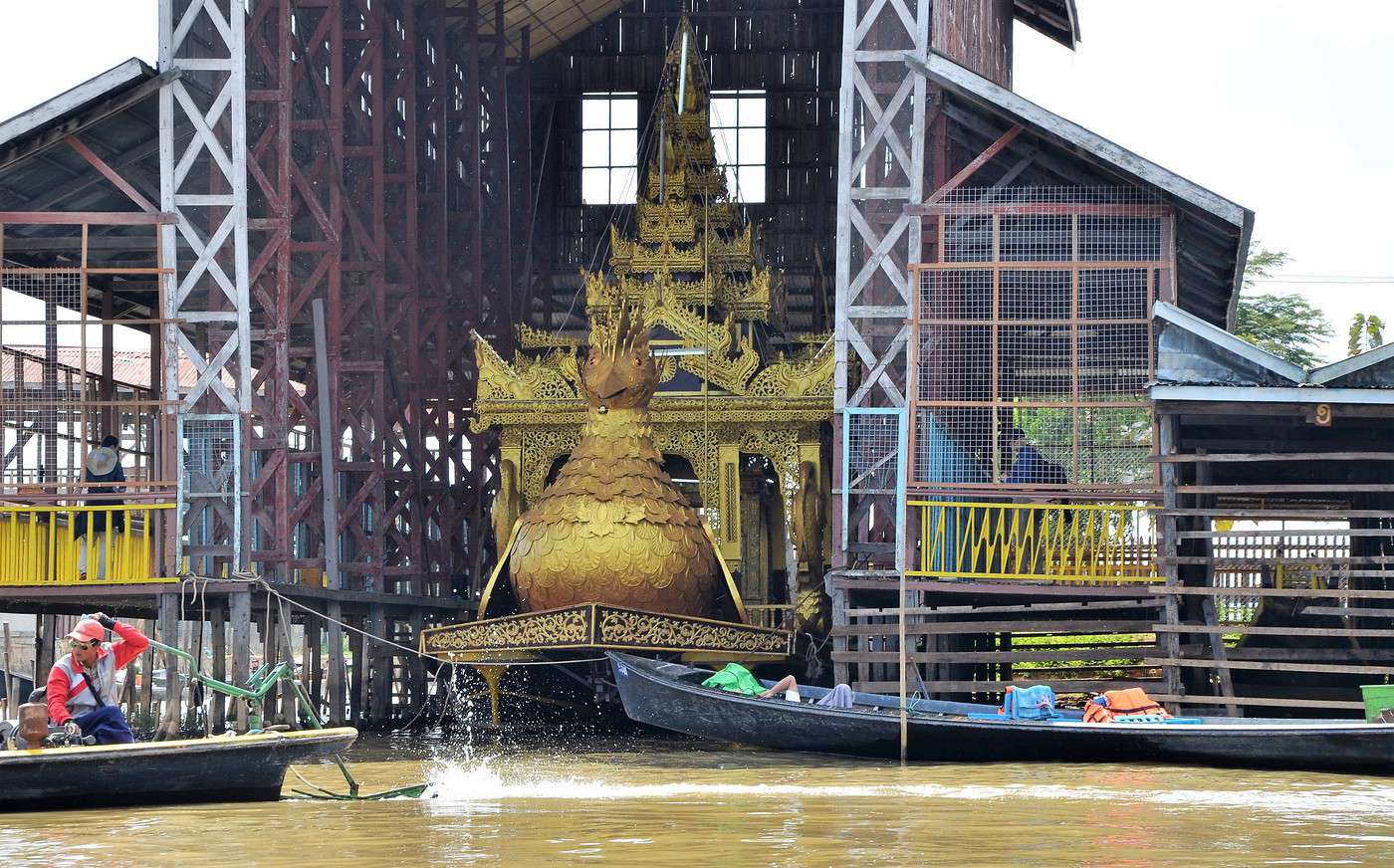
Near the pagoda, a huge hangar houses a stunning sacred barge used for the annual procession during the rising moon of Thadingyut (in September/October).
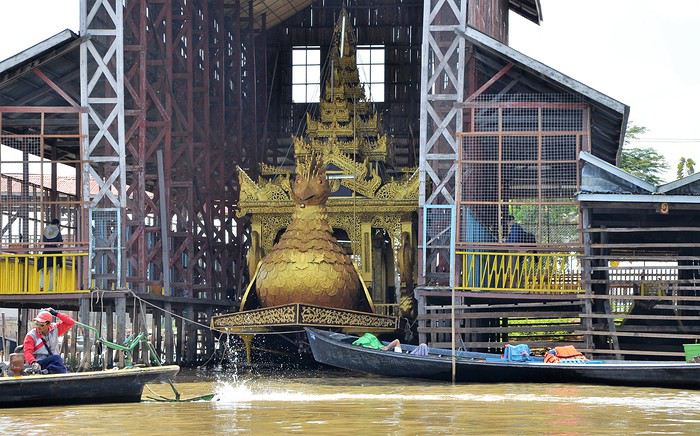
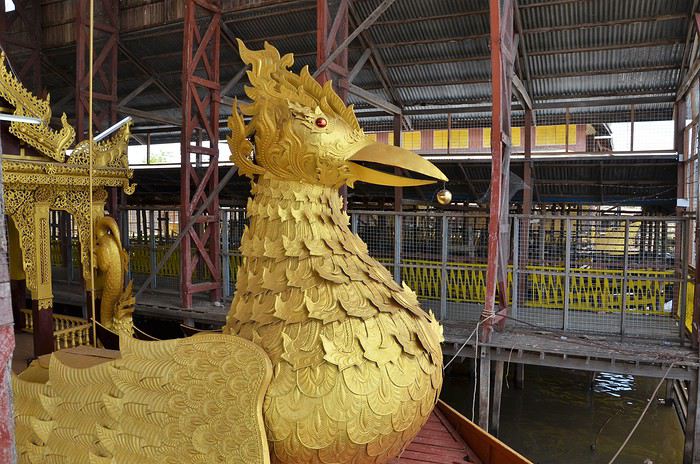
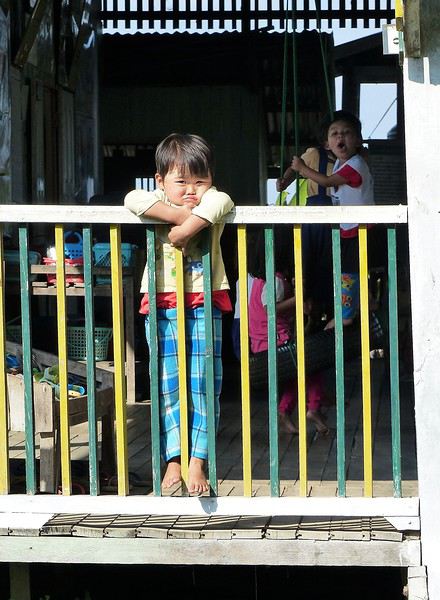
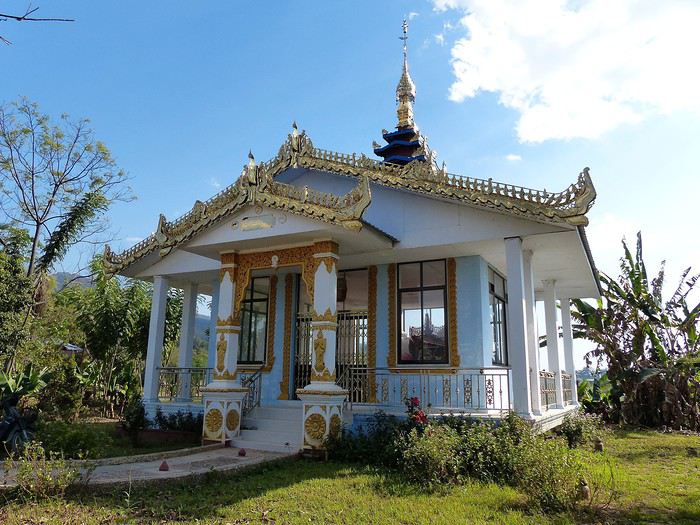
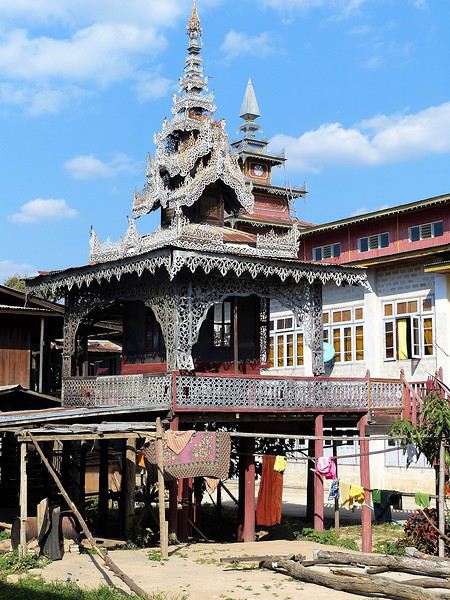
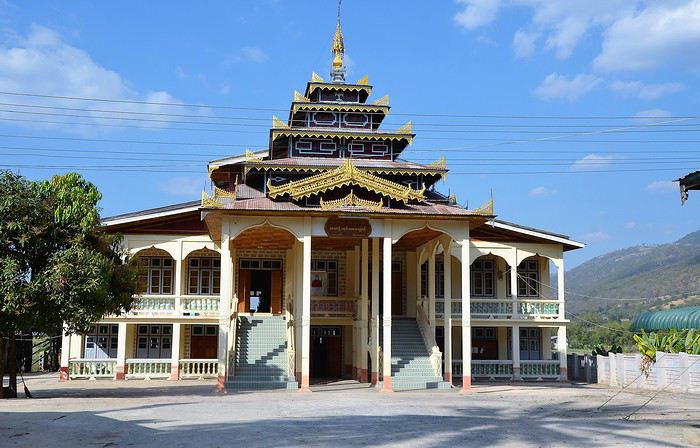
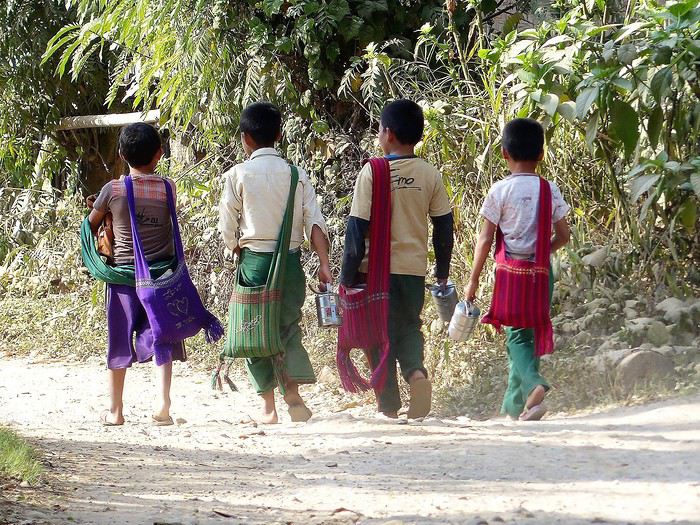
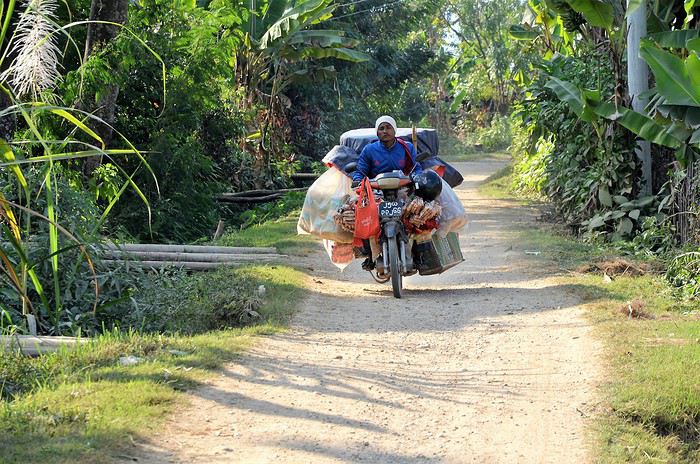
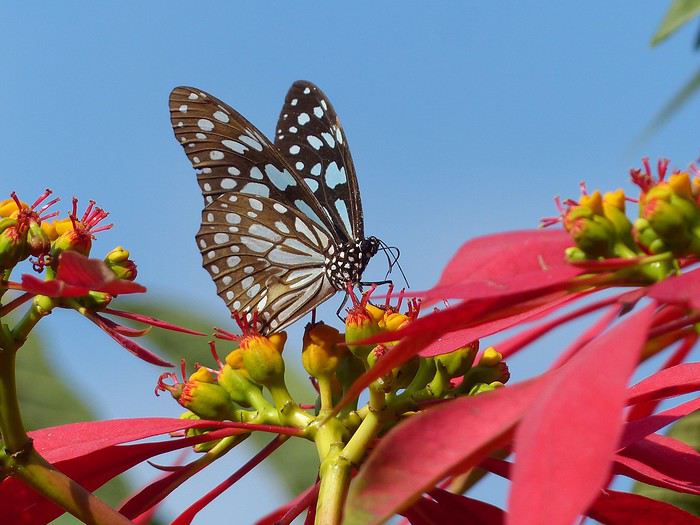
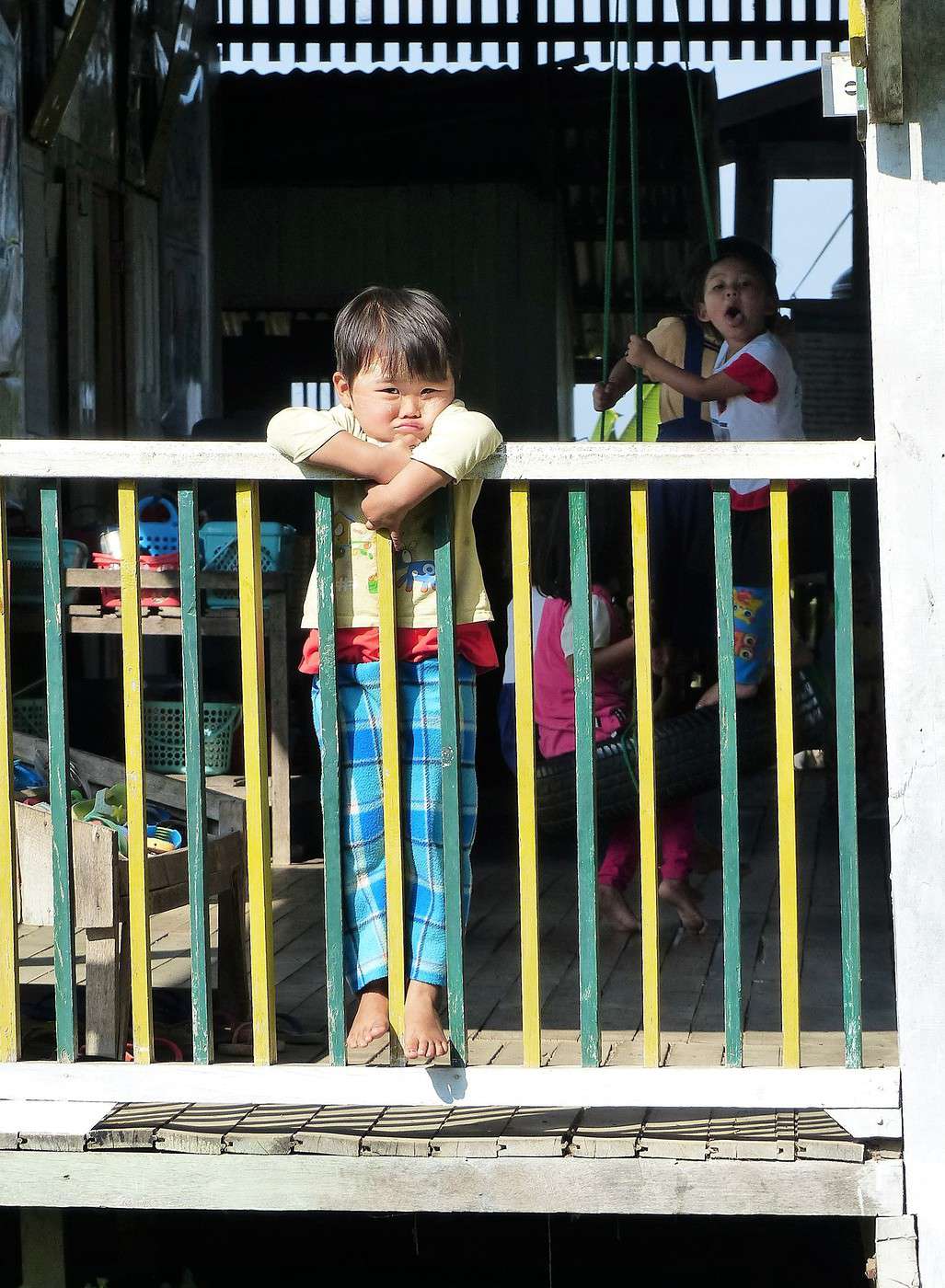
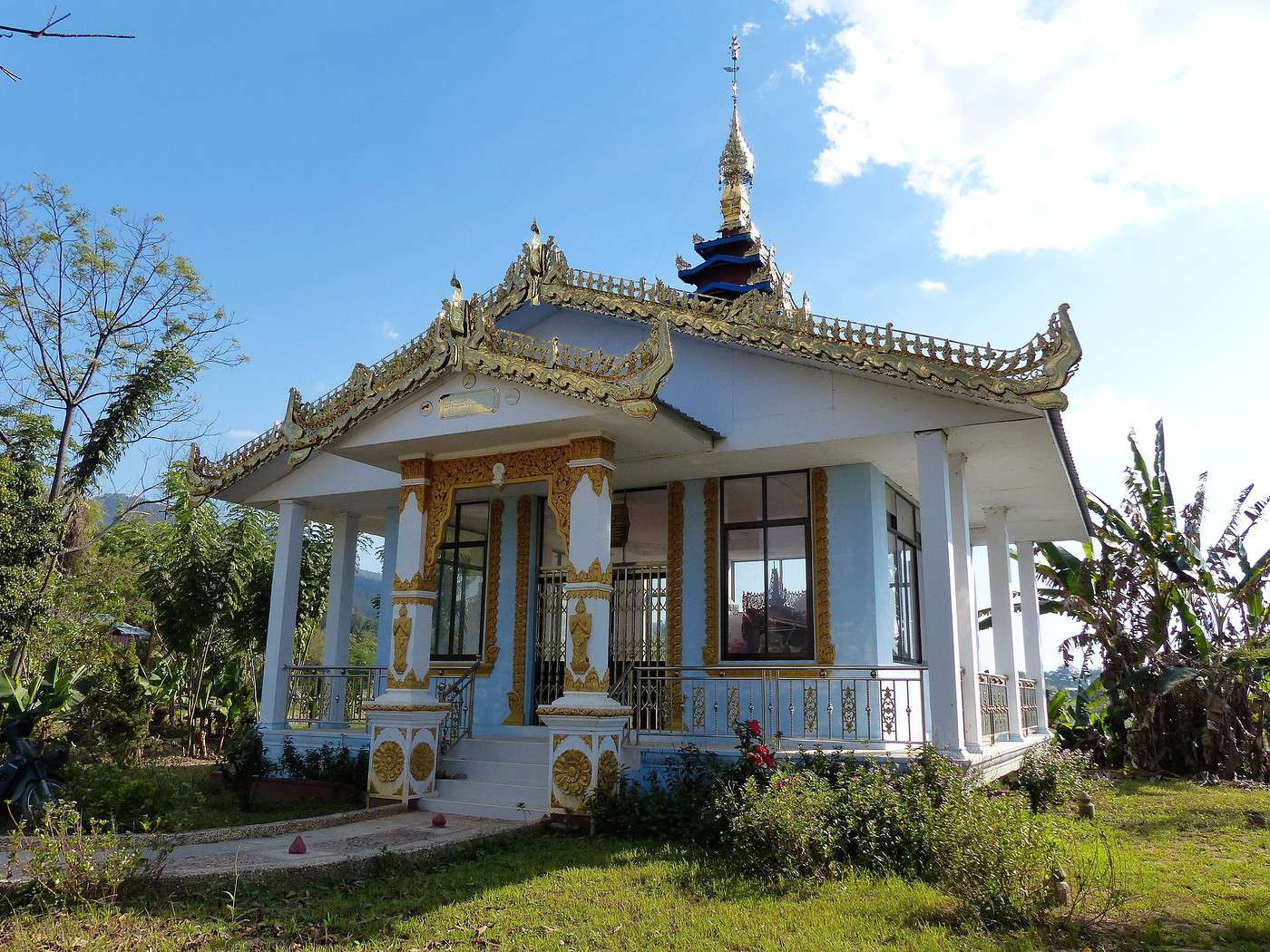
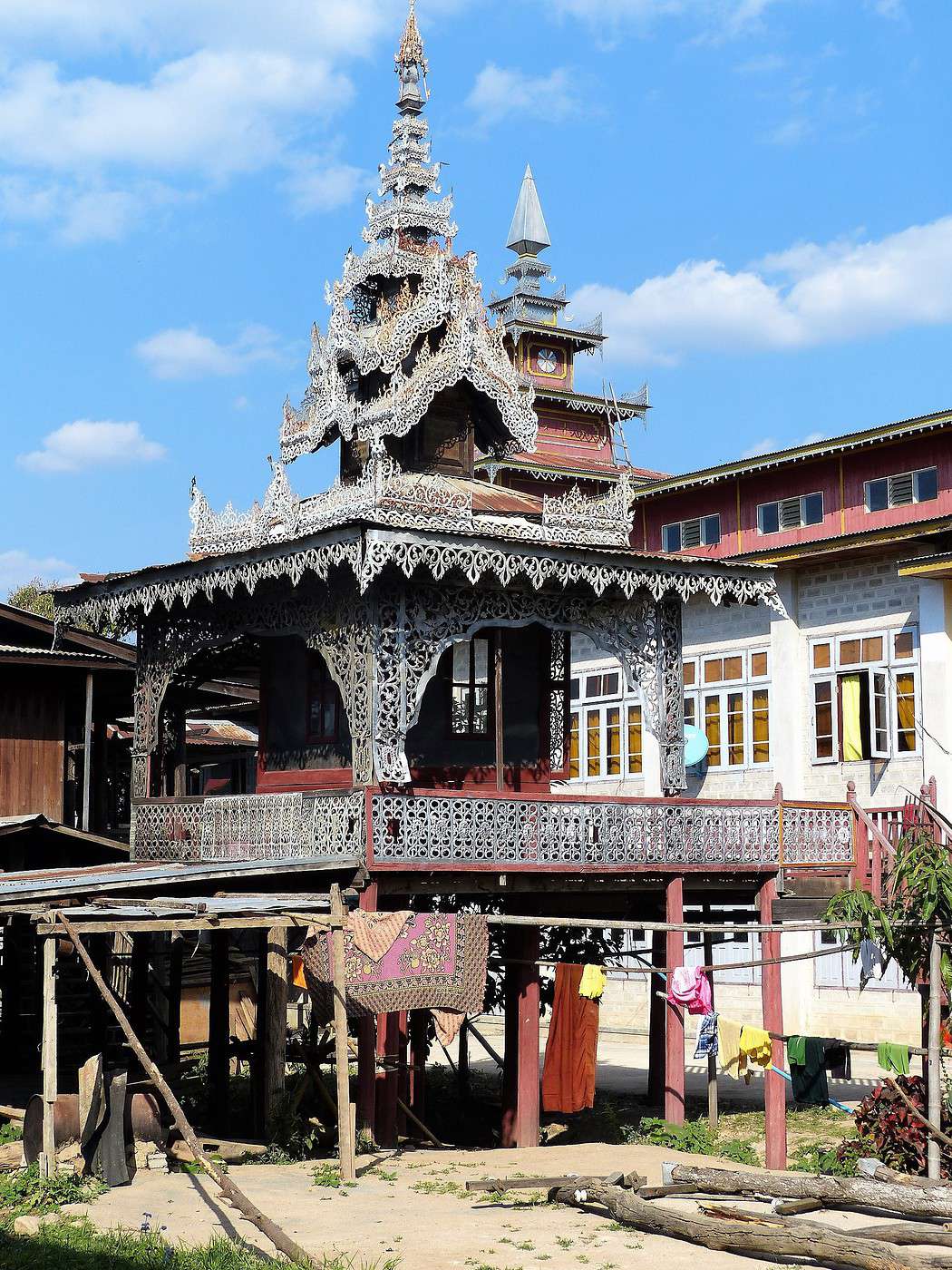
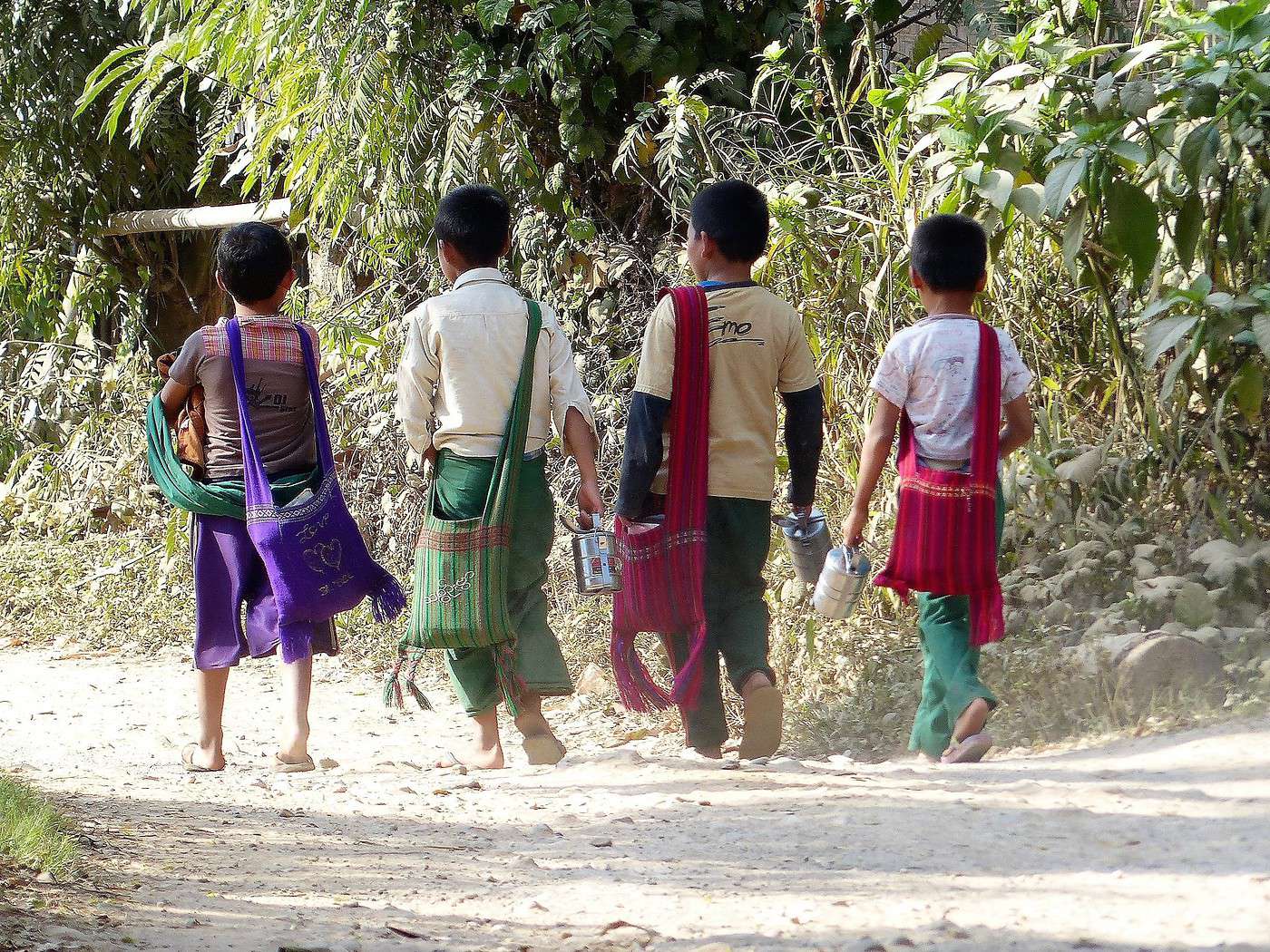
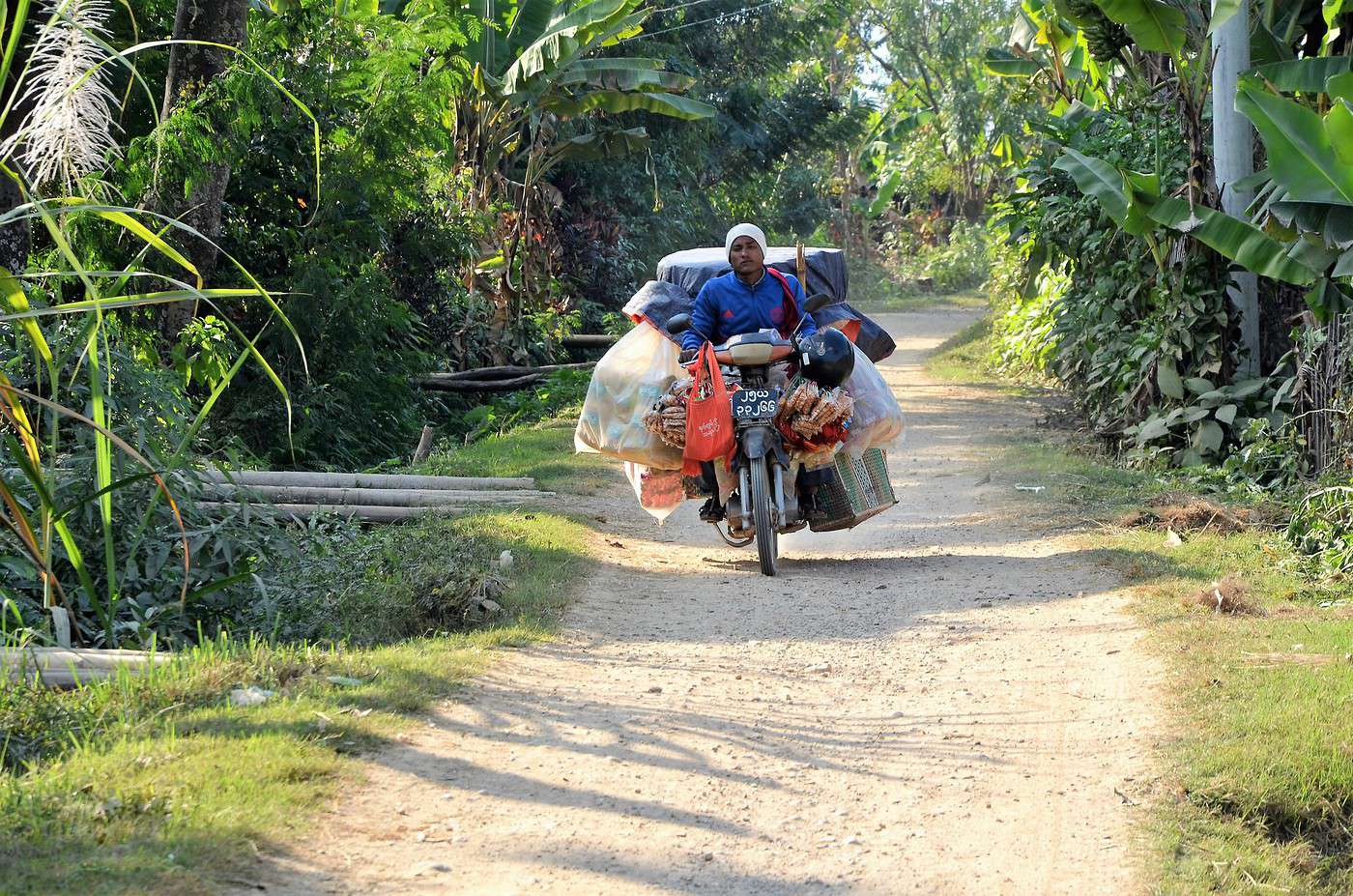
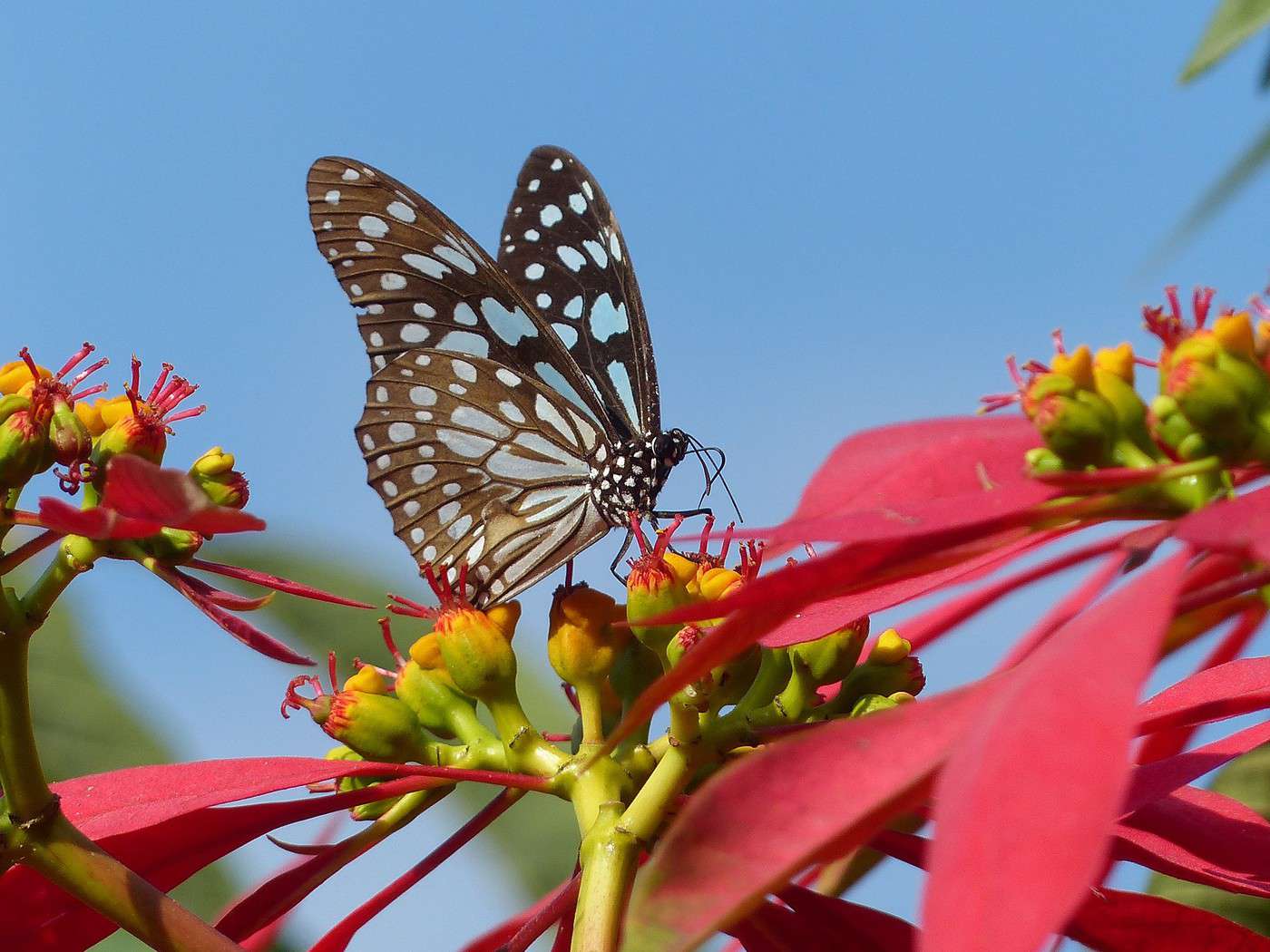
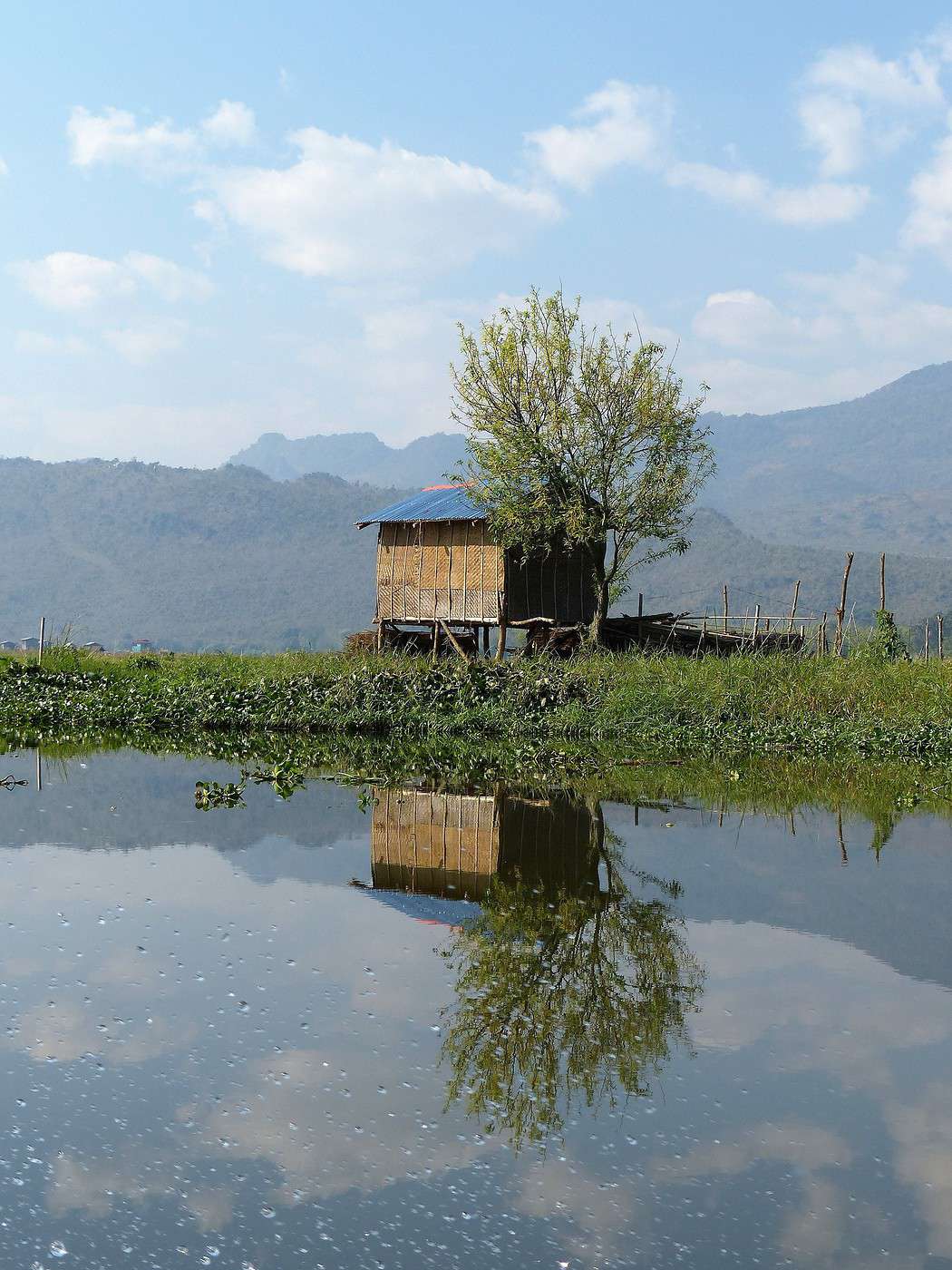
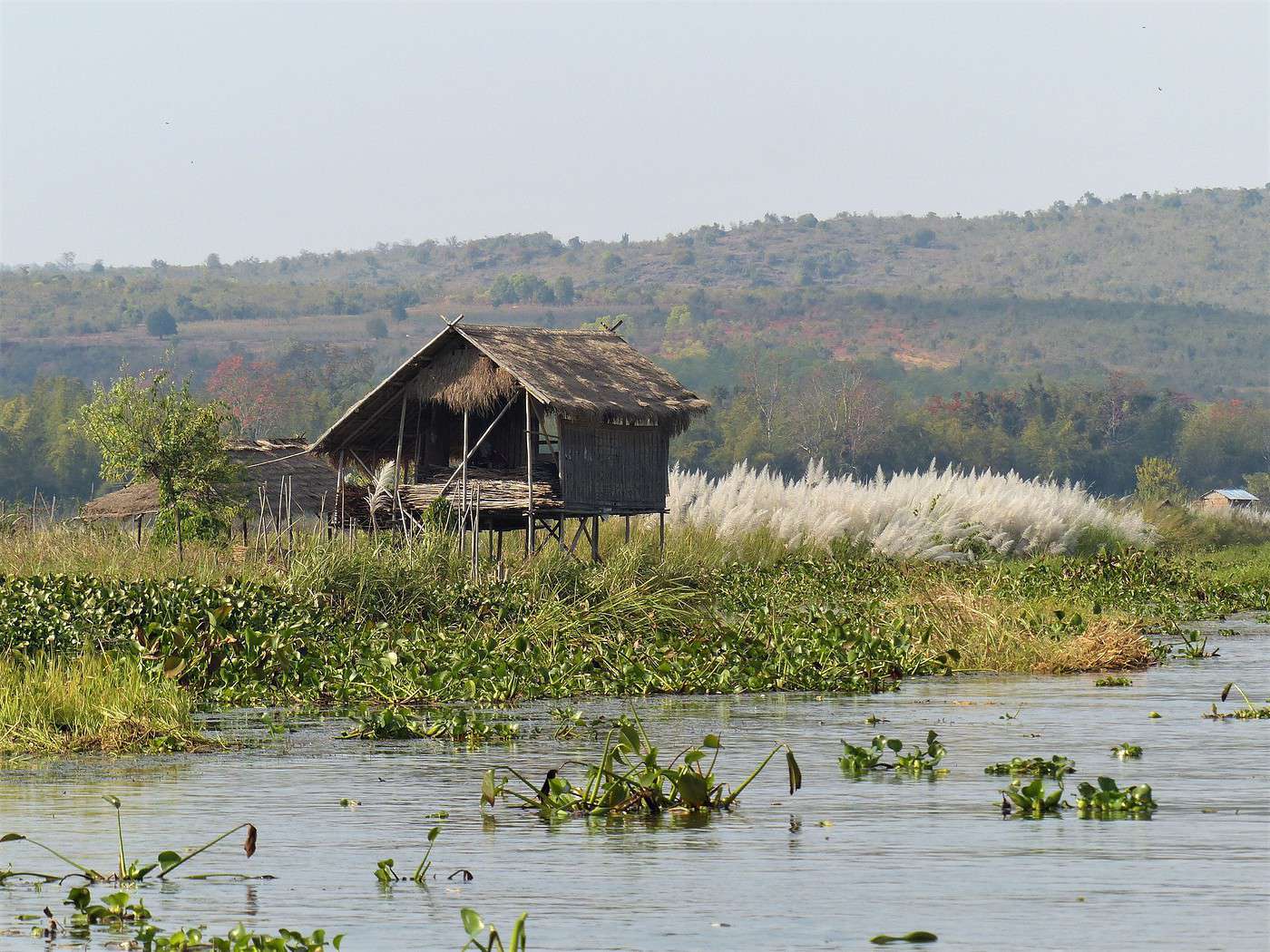
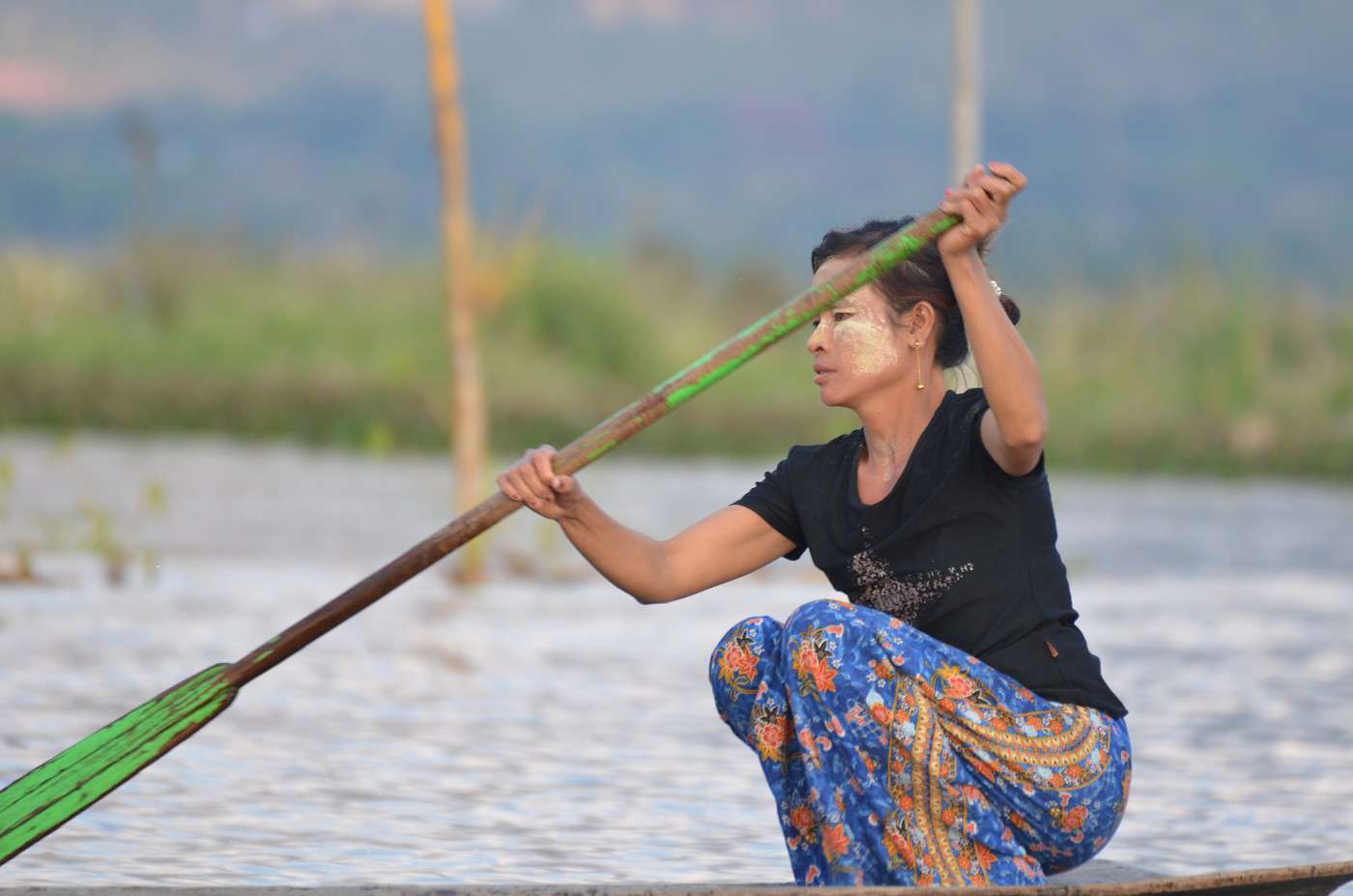
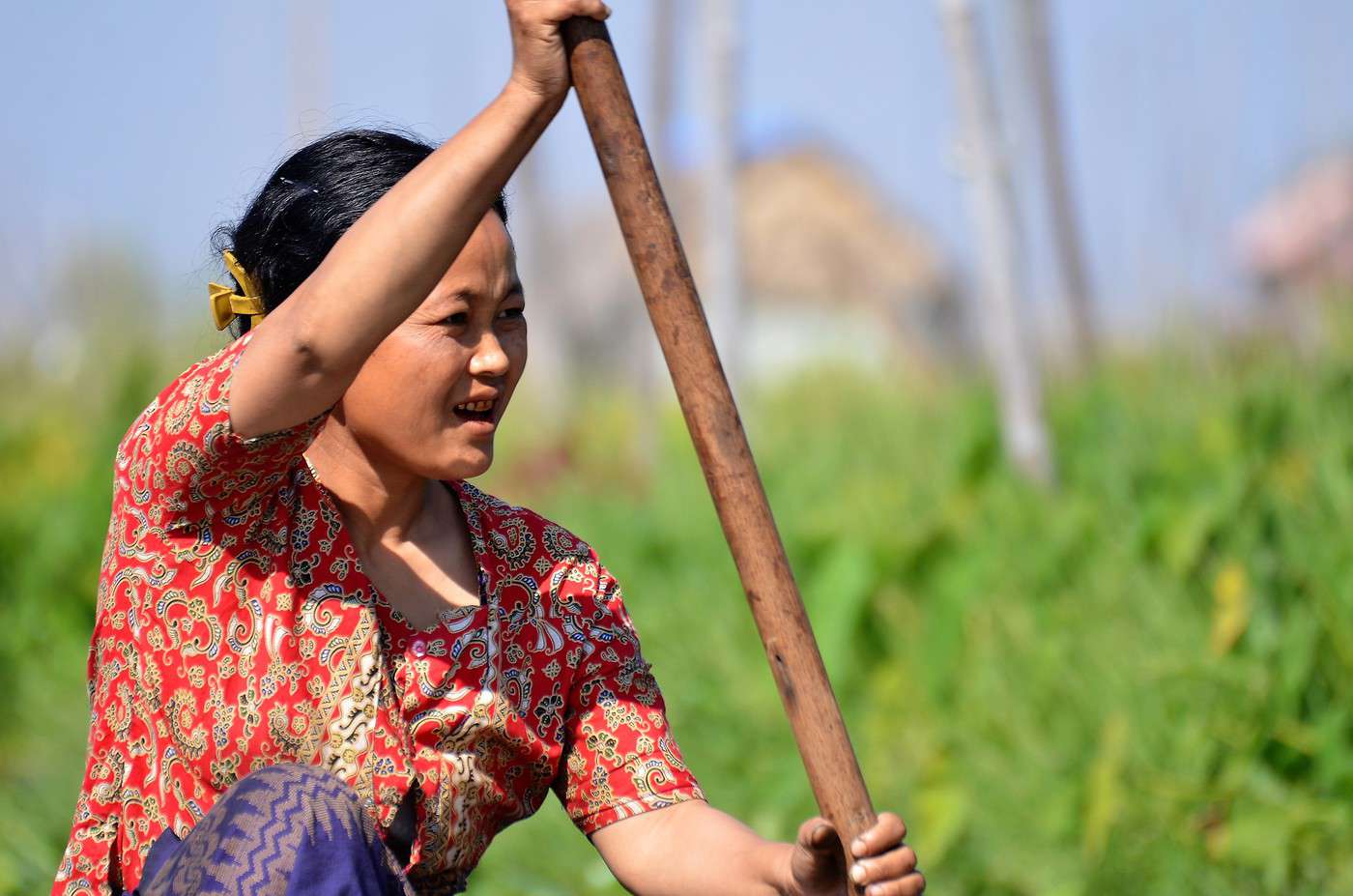
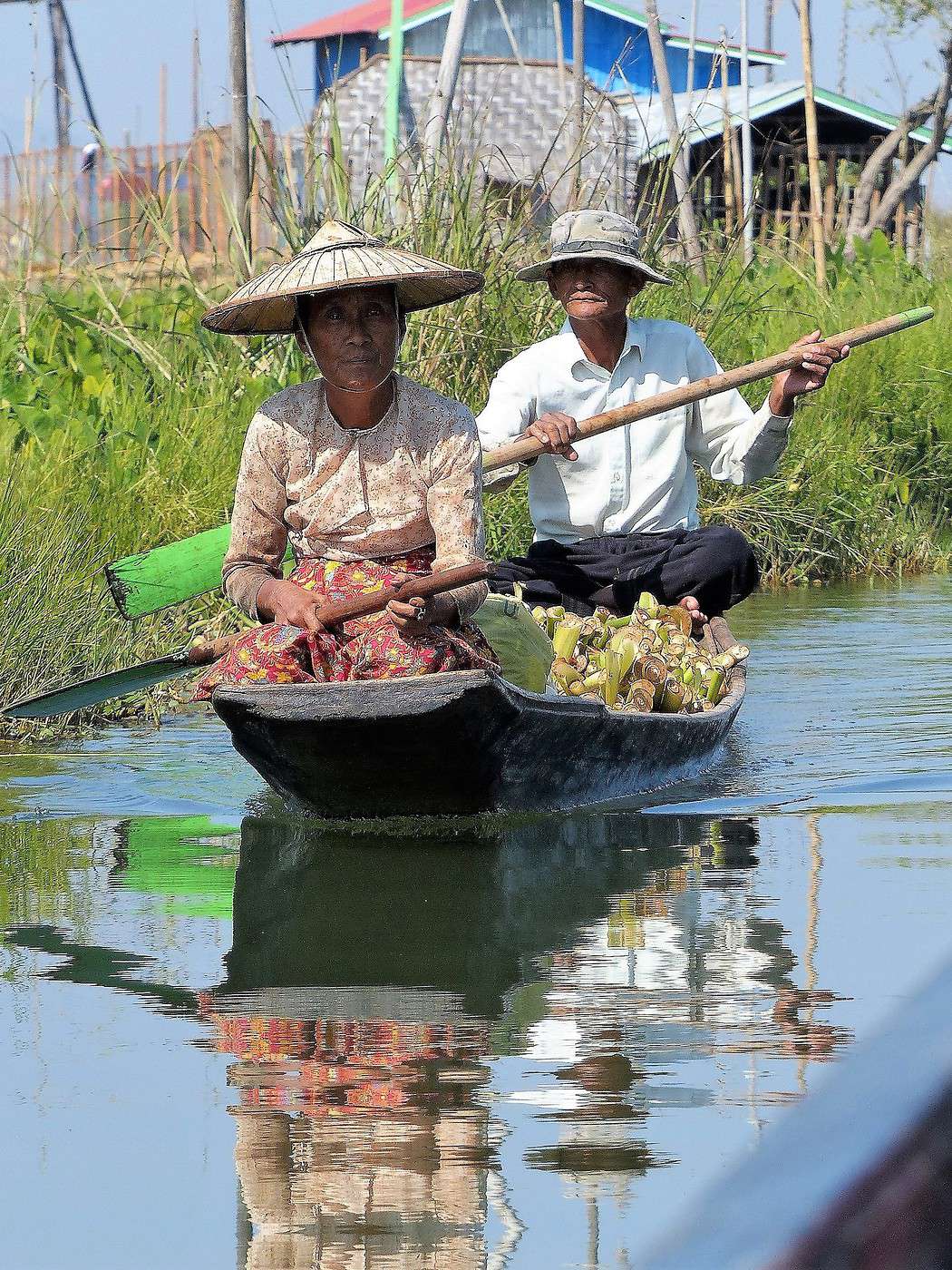
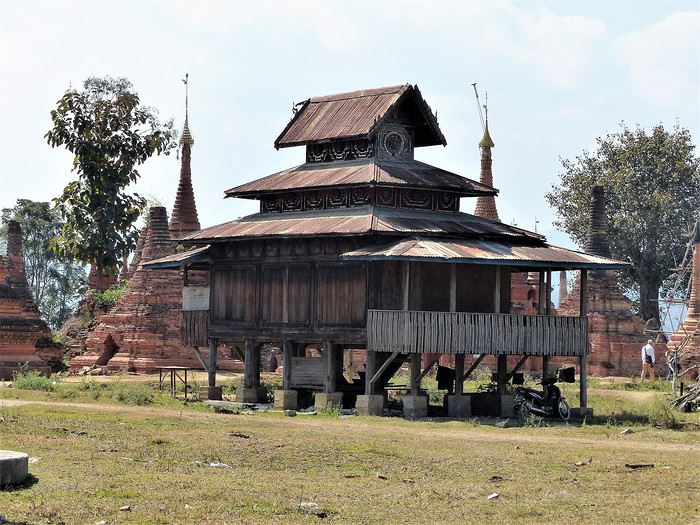
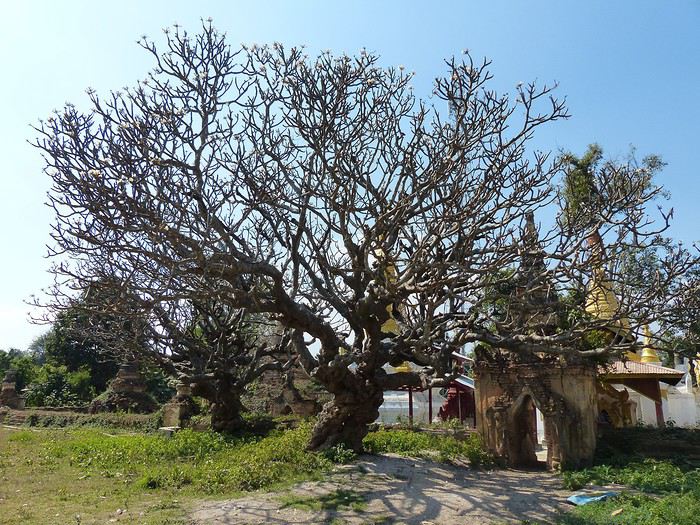
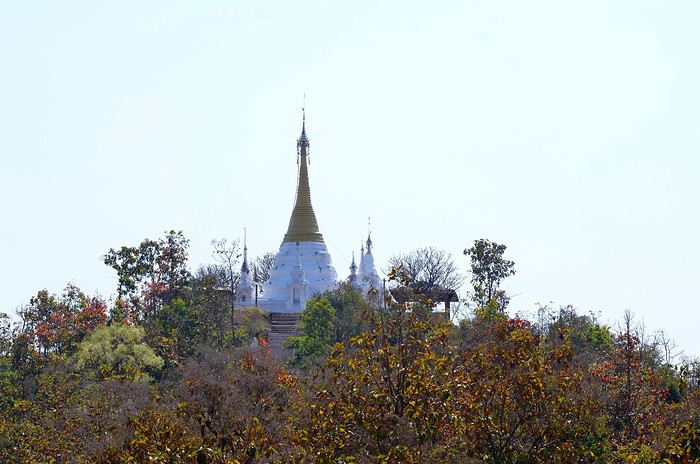
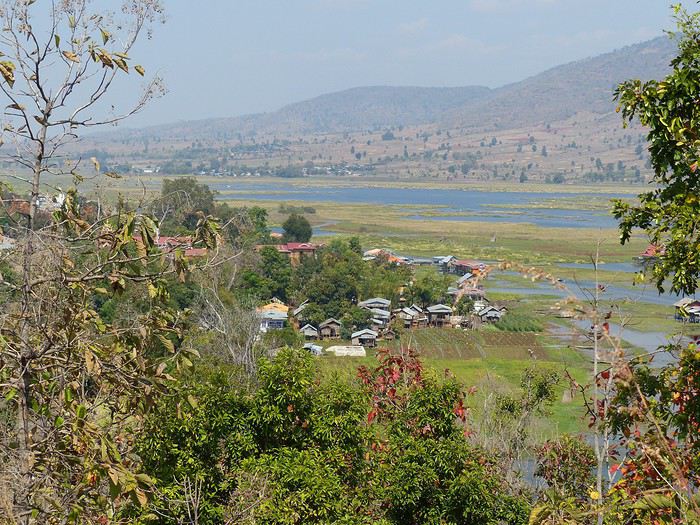
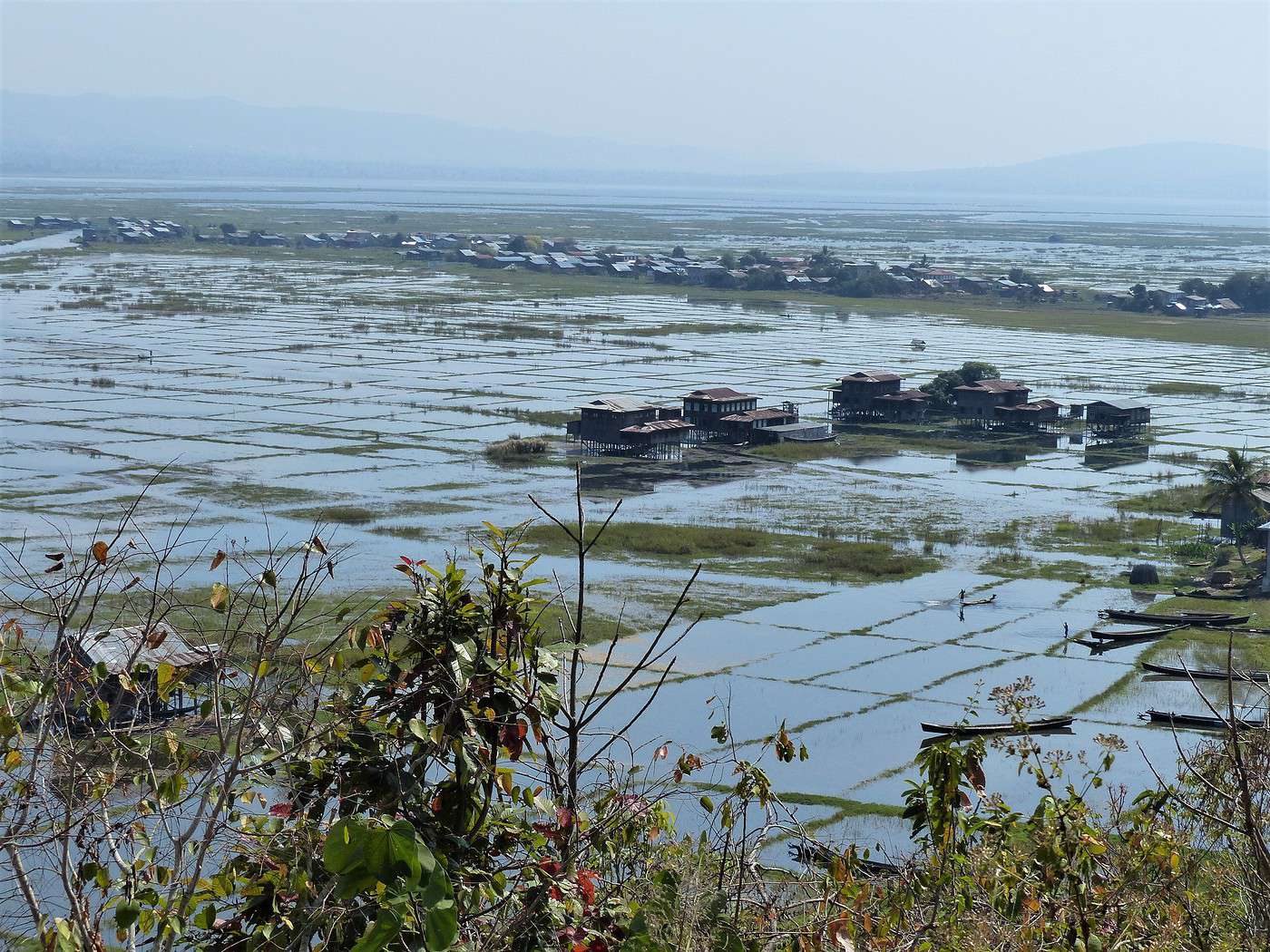
Around the area, quite a few artisans work in stilt houses: canoe makers, weavers (of silk, or the rarer and pricier lotus-fiber fabric), and “silversmiths” (silver jewelry makers), with a range of quality, origin, and prices—it’s up to you to keep an eye out. After these visits where we run into quite a few tourists, we head off for a pleasant walk: the canoe drops us off at the lake’s edge, on a dirt path lined with fields and canals that leads us to a small village by the hills. A modest pagoda, farm work, kids leaving school, people waving at us kindly... About an hour and a half of peaceful strolling, just enjoying being there and photographing butterflies!
Burma as we had dreamed of it

Fabhyène · 2017-05-08 · Message 22 of 94

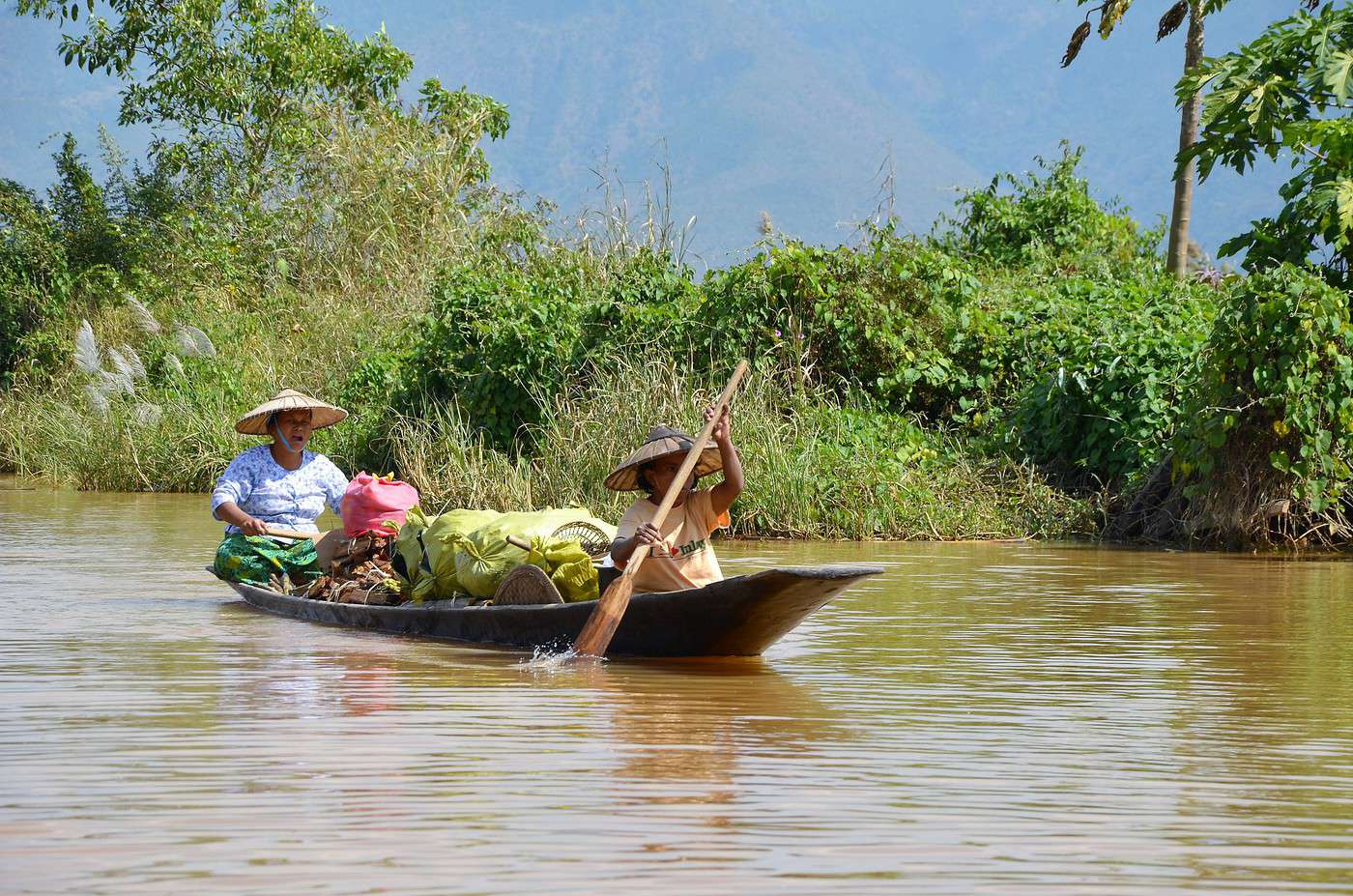
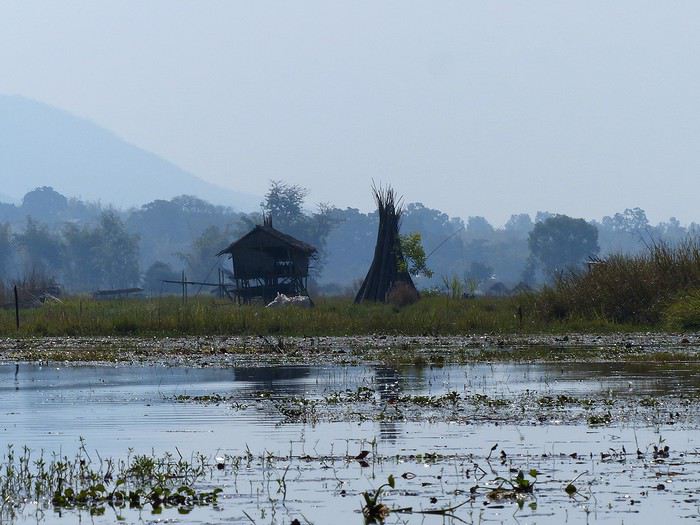
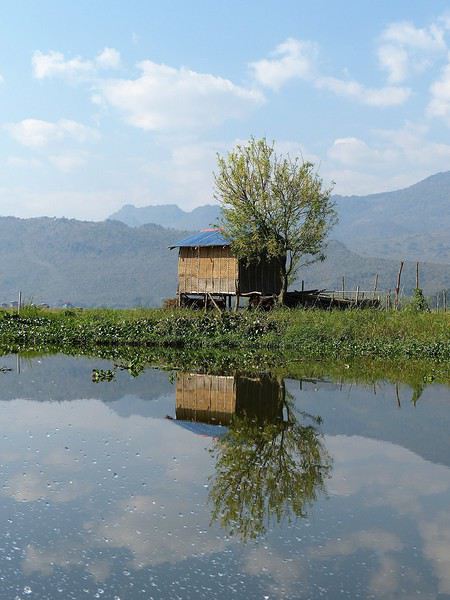
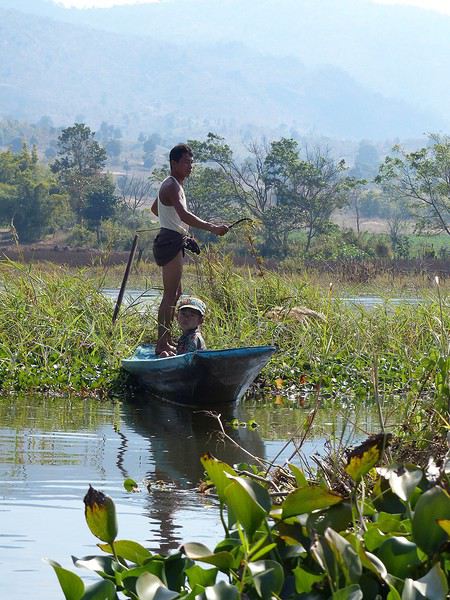
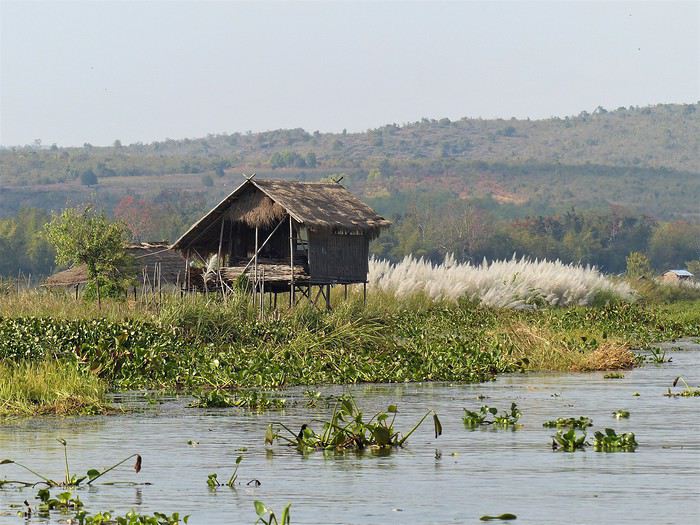
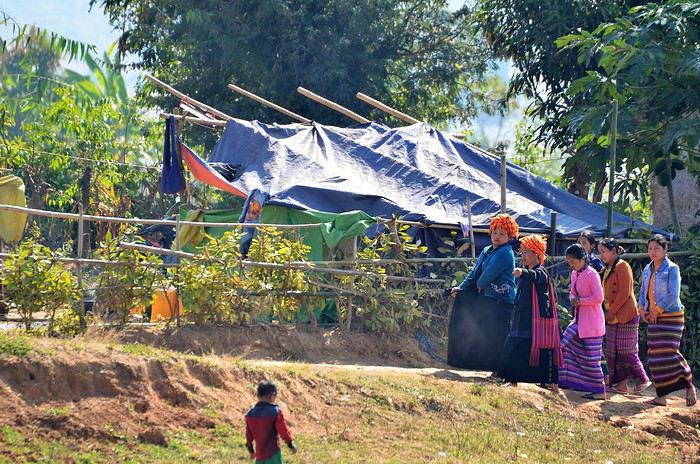
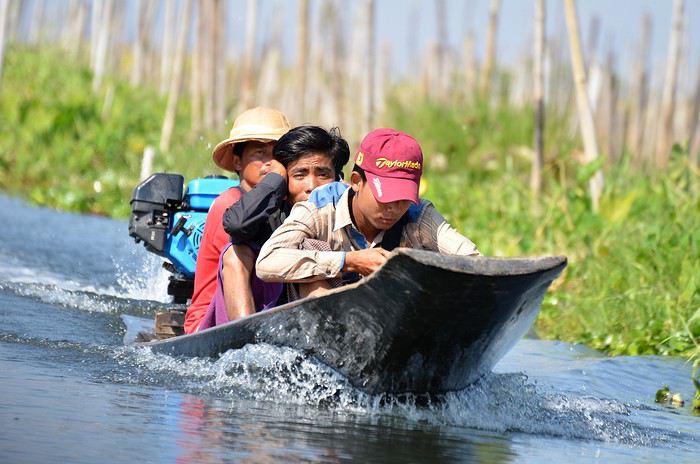
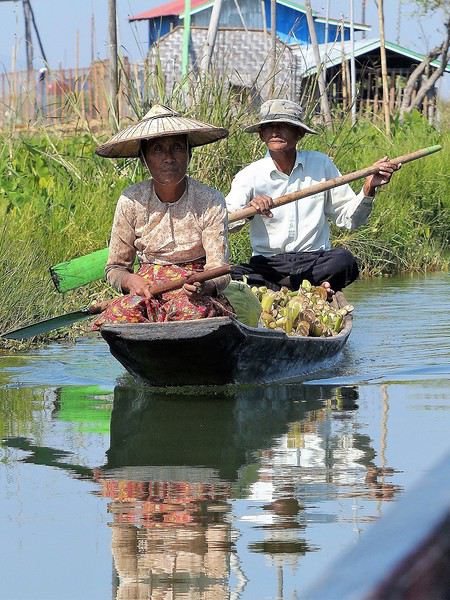
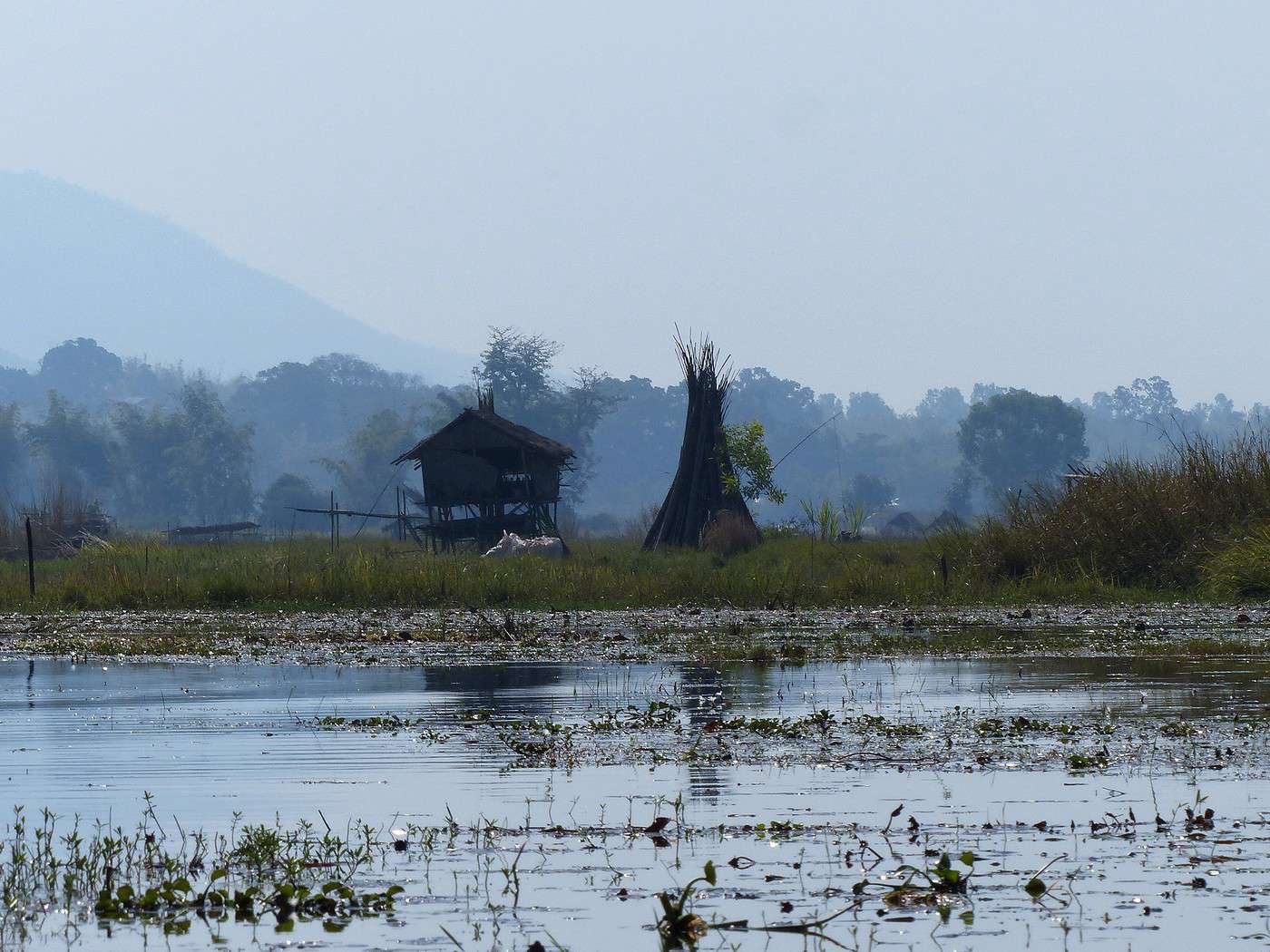
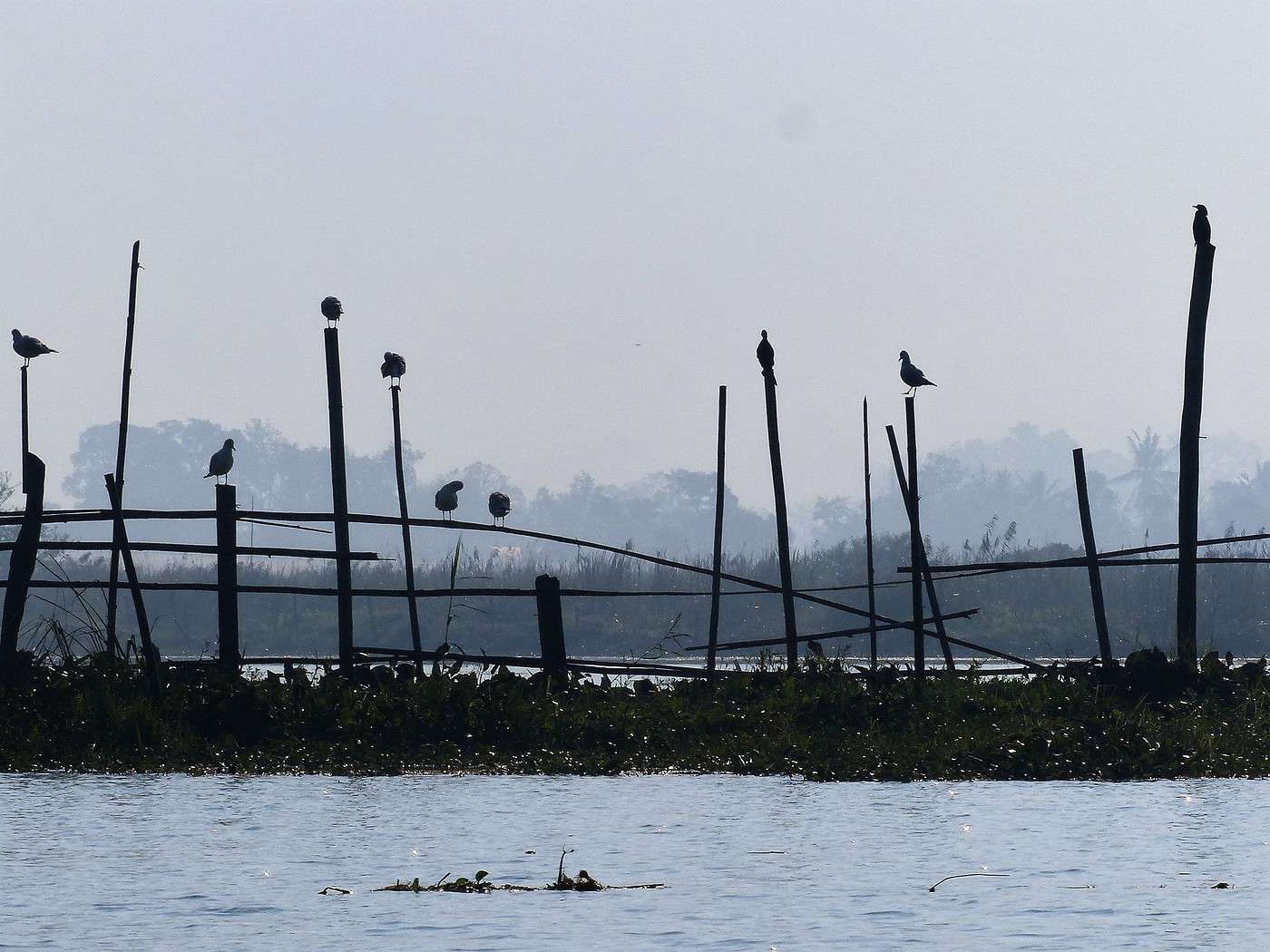
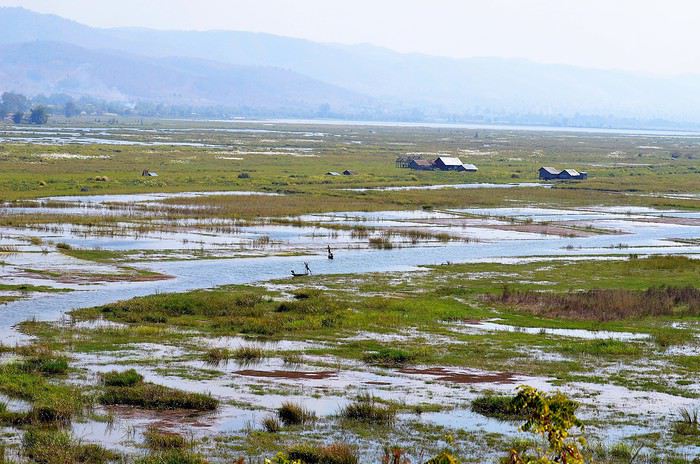
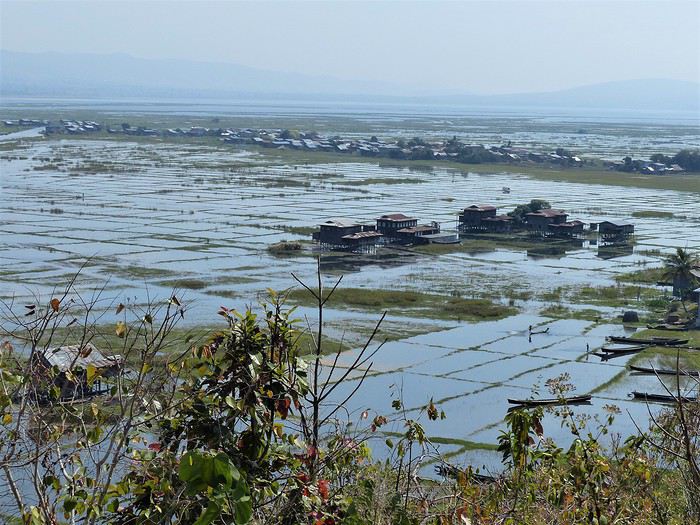
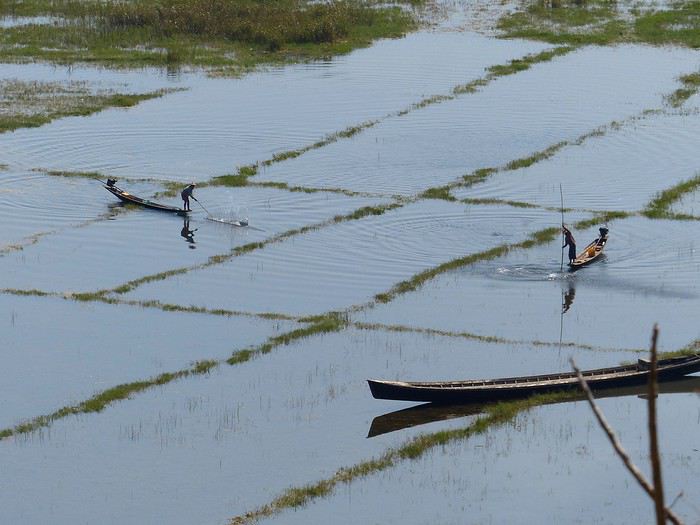
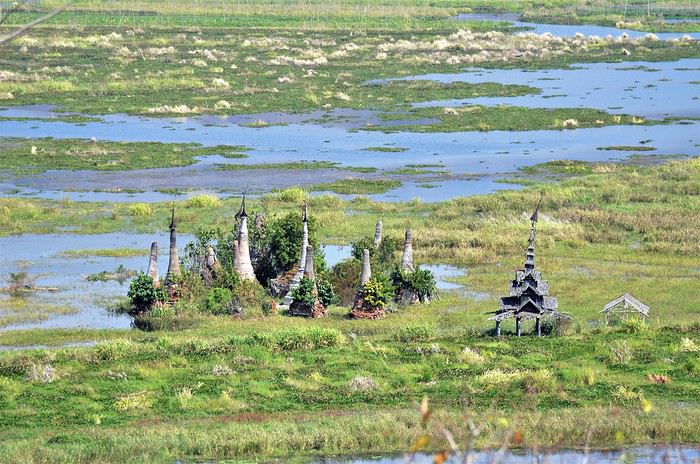
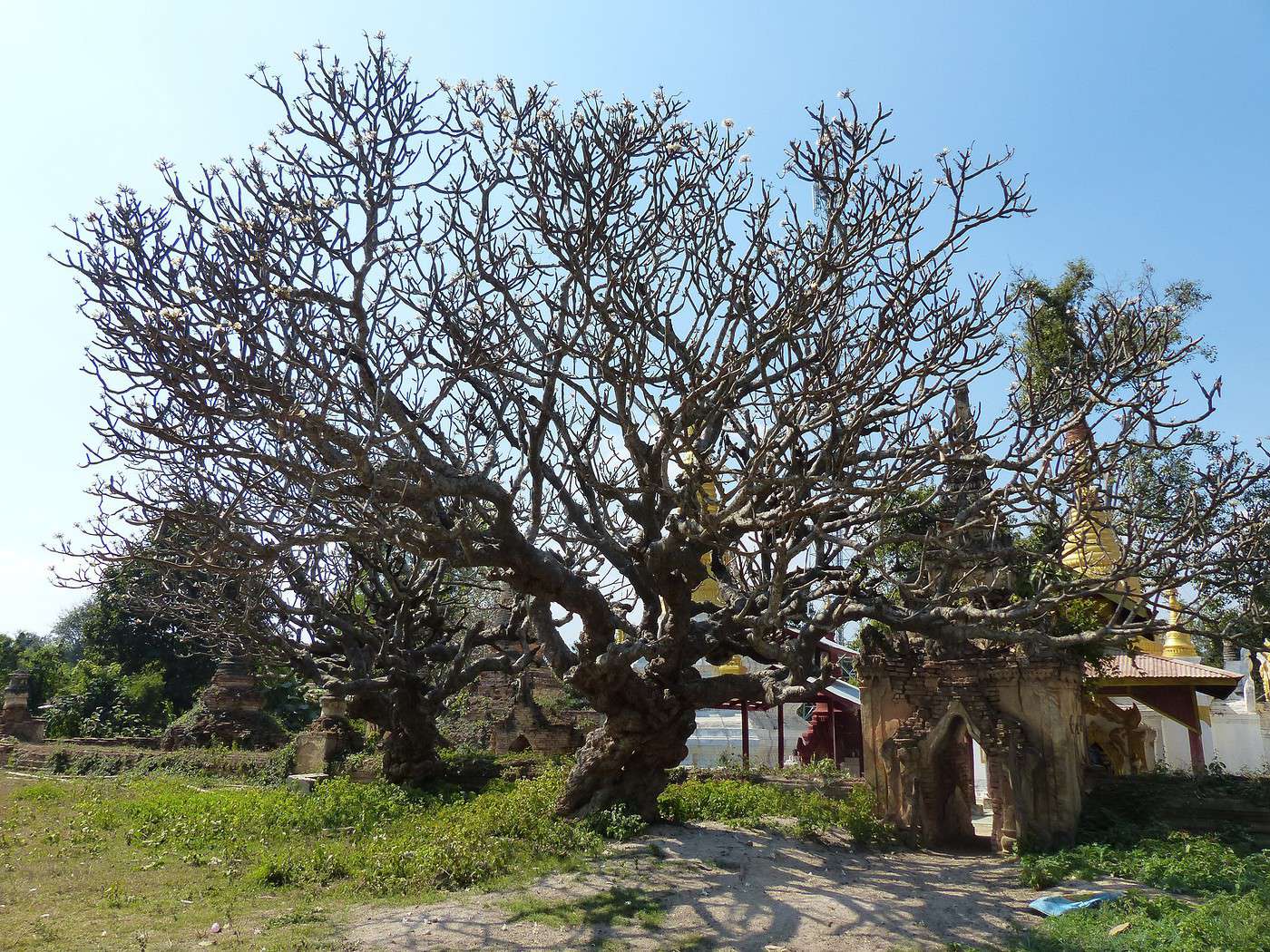
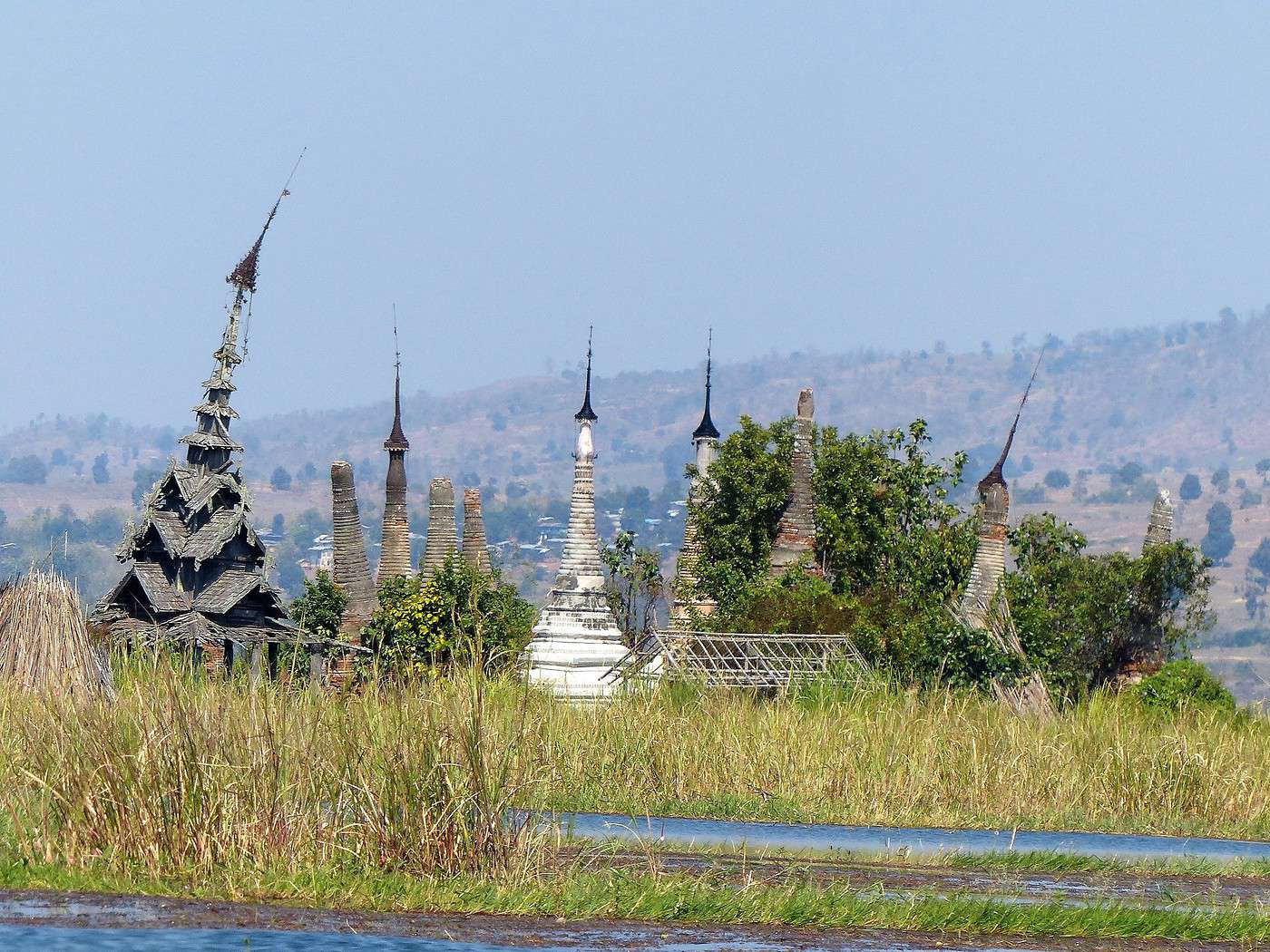
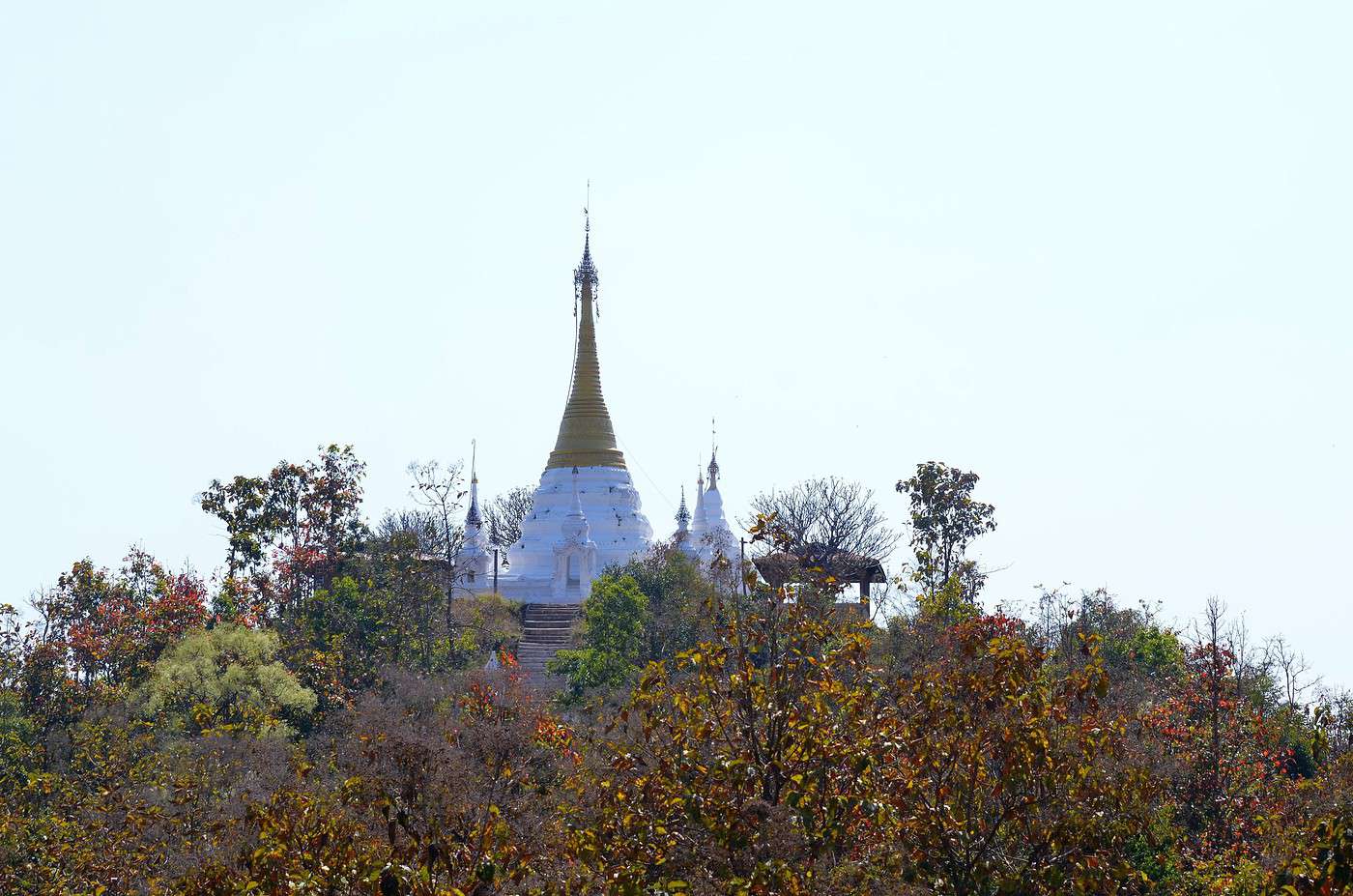
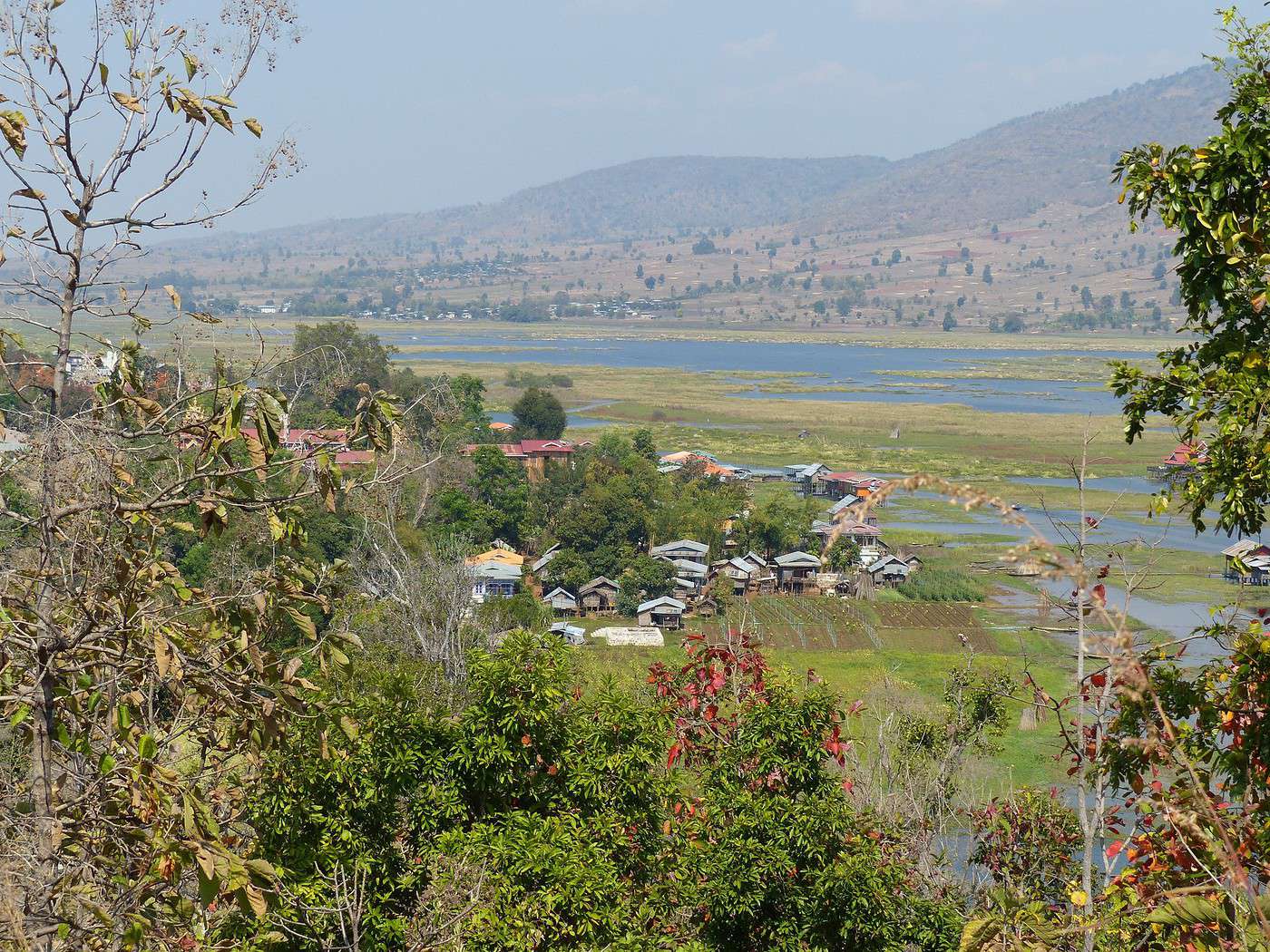
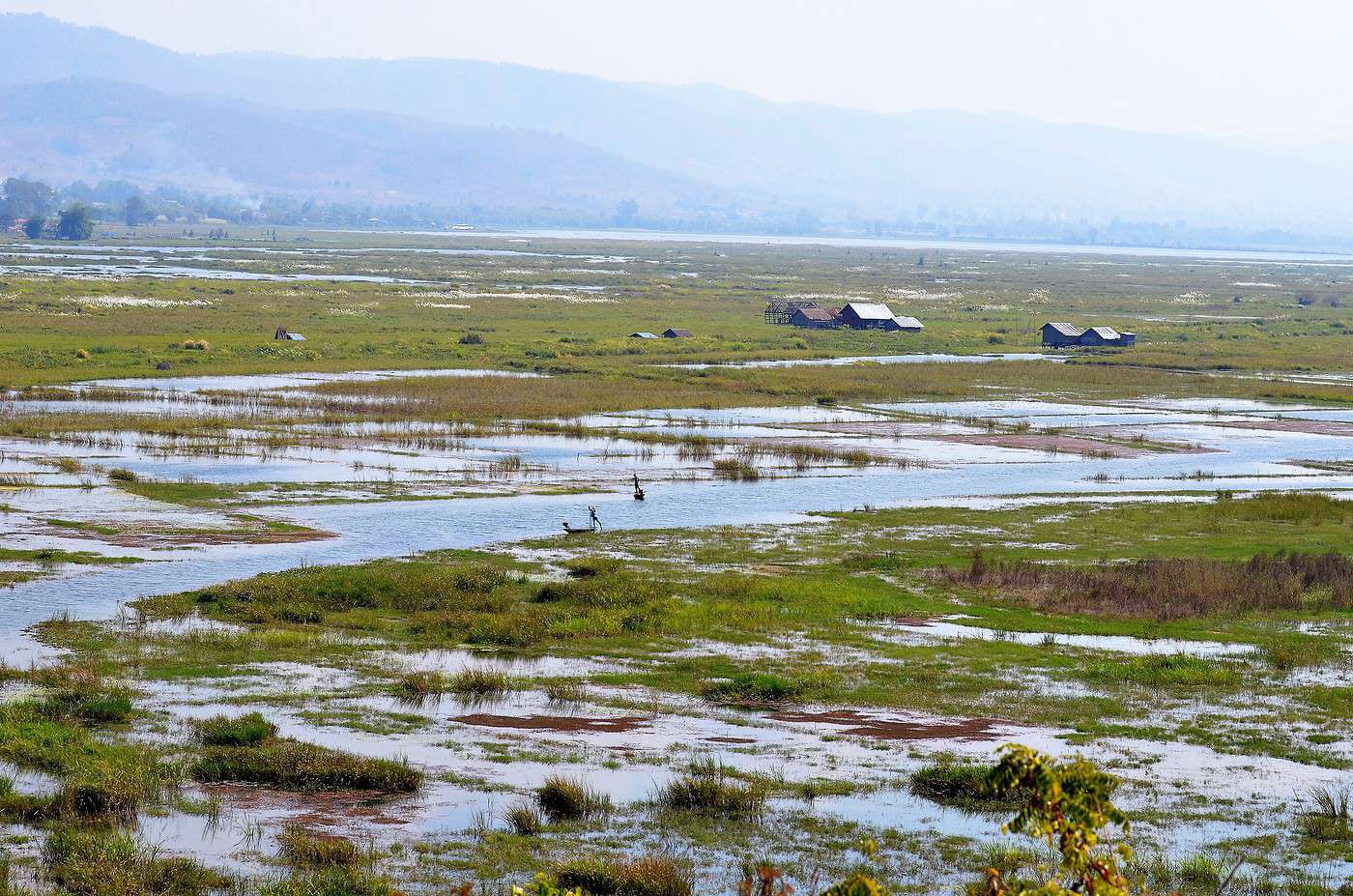
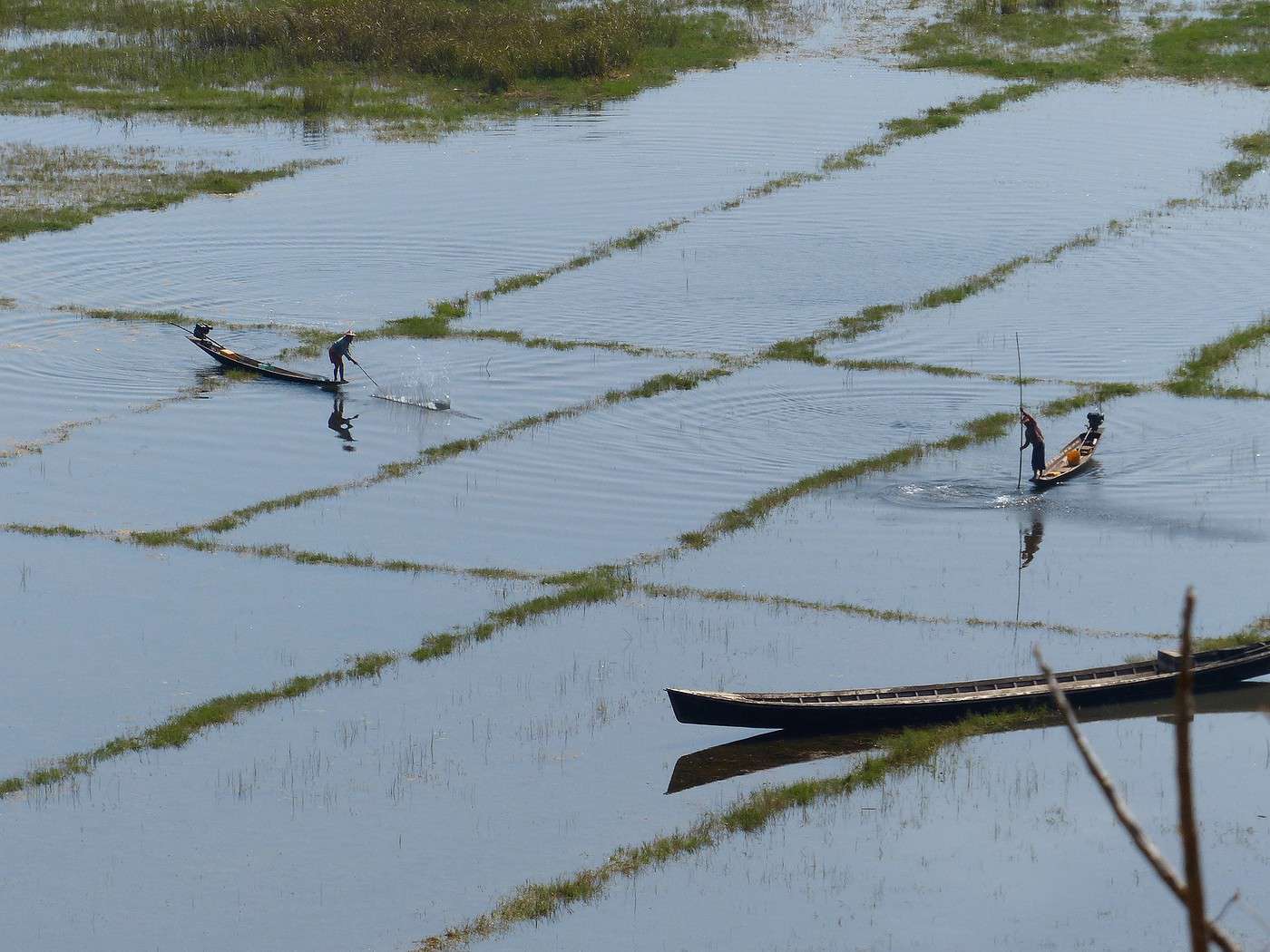
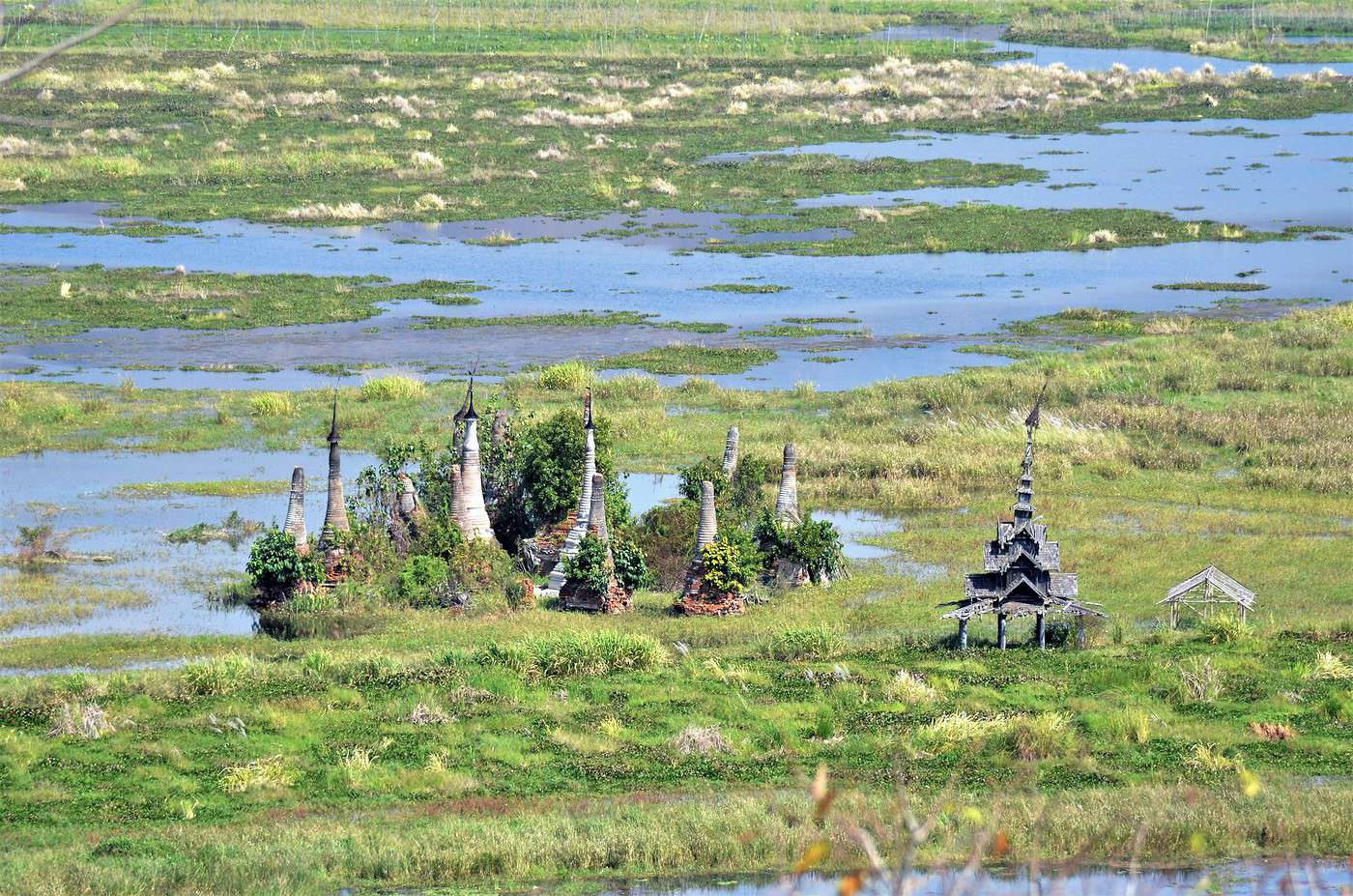
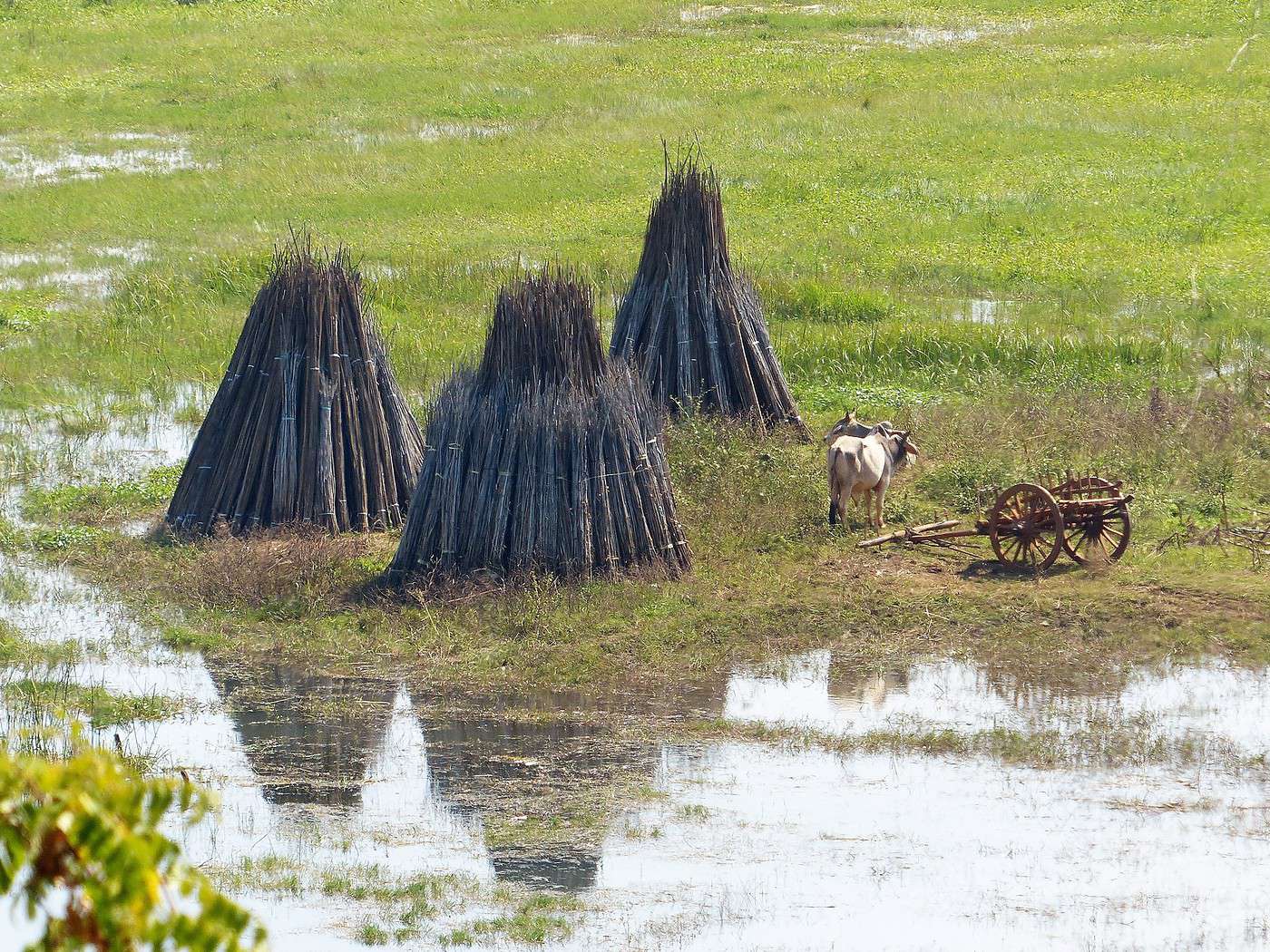
Here are the photos from our stroll by the lake:


Myanmar as we had dreamed it

Laba59 · 2017-05-08 · Message 23 of 94

hello Fabhyene

Gorgeous photos that really capture the atmosphere of Inle Lake: peaceful and authentic. For us, they bring back great memories from last year.

Bernard (from the North)

Burma as we had dreamed it

Fabhyène · 2017-05-08 · Message 24 of 94

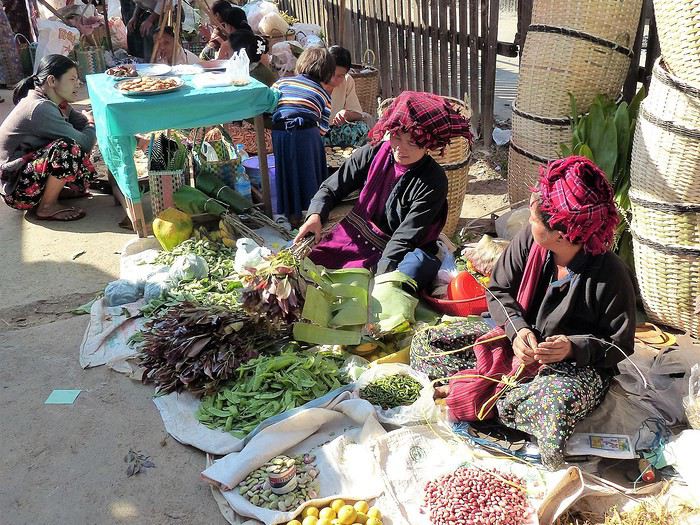
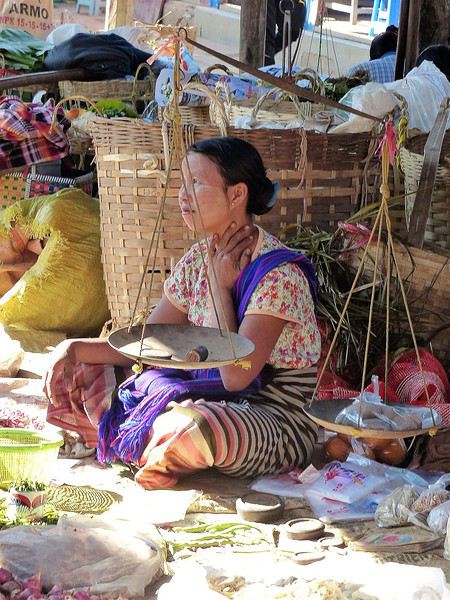
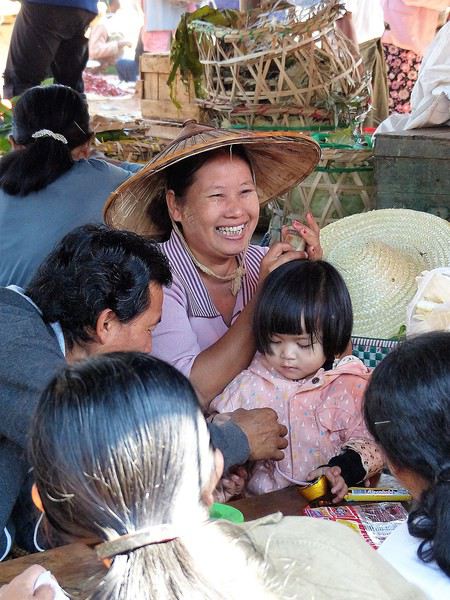
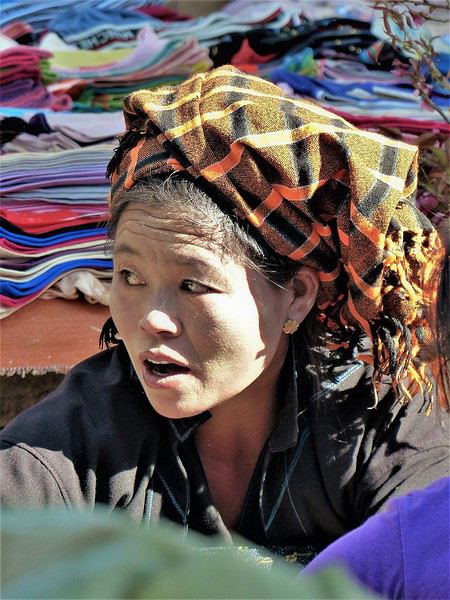
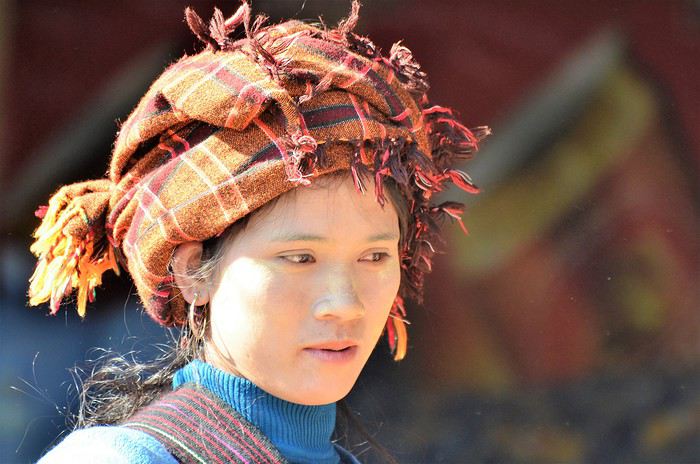
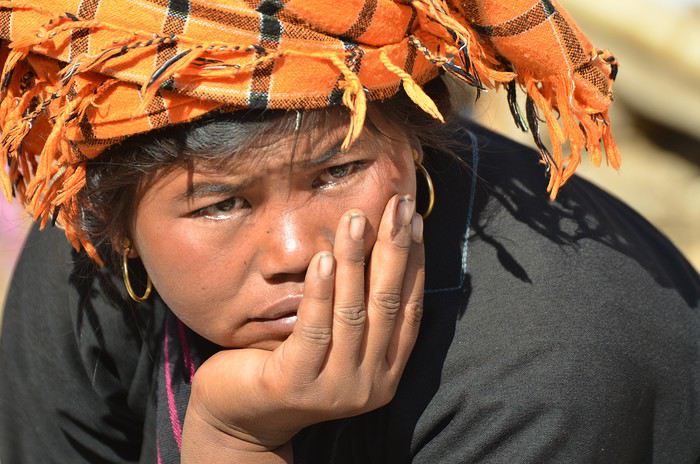
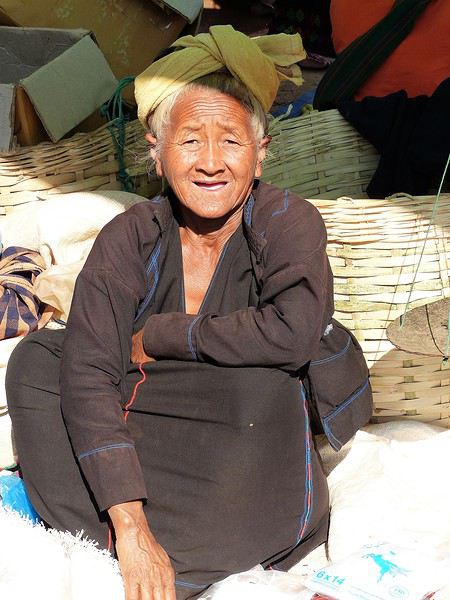
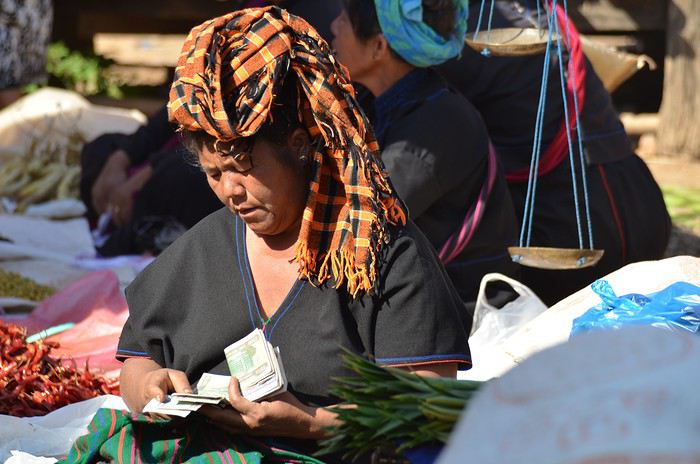
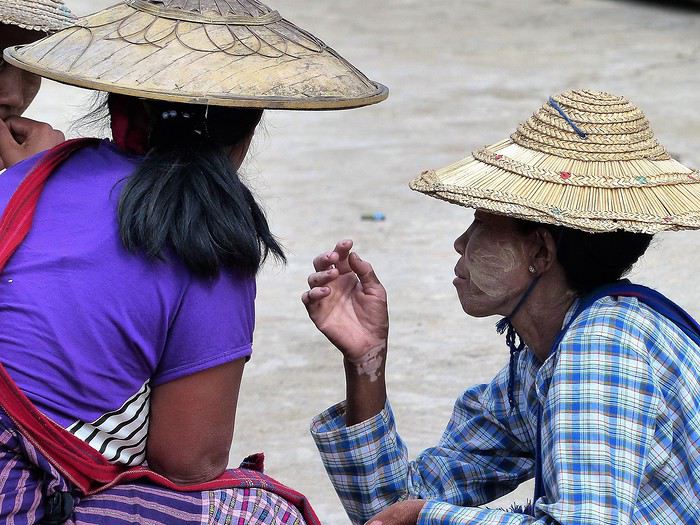
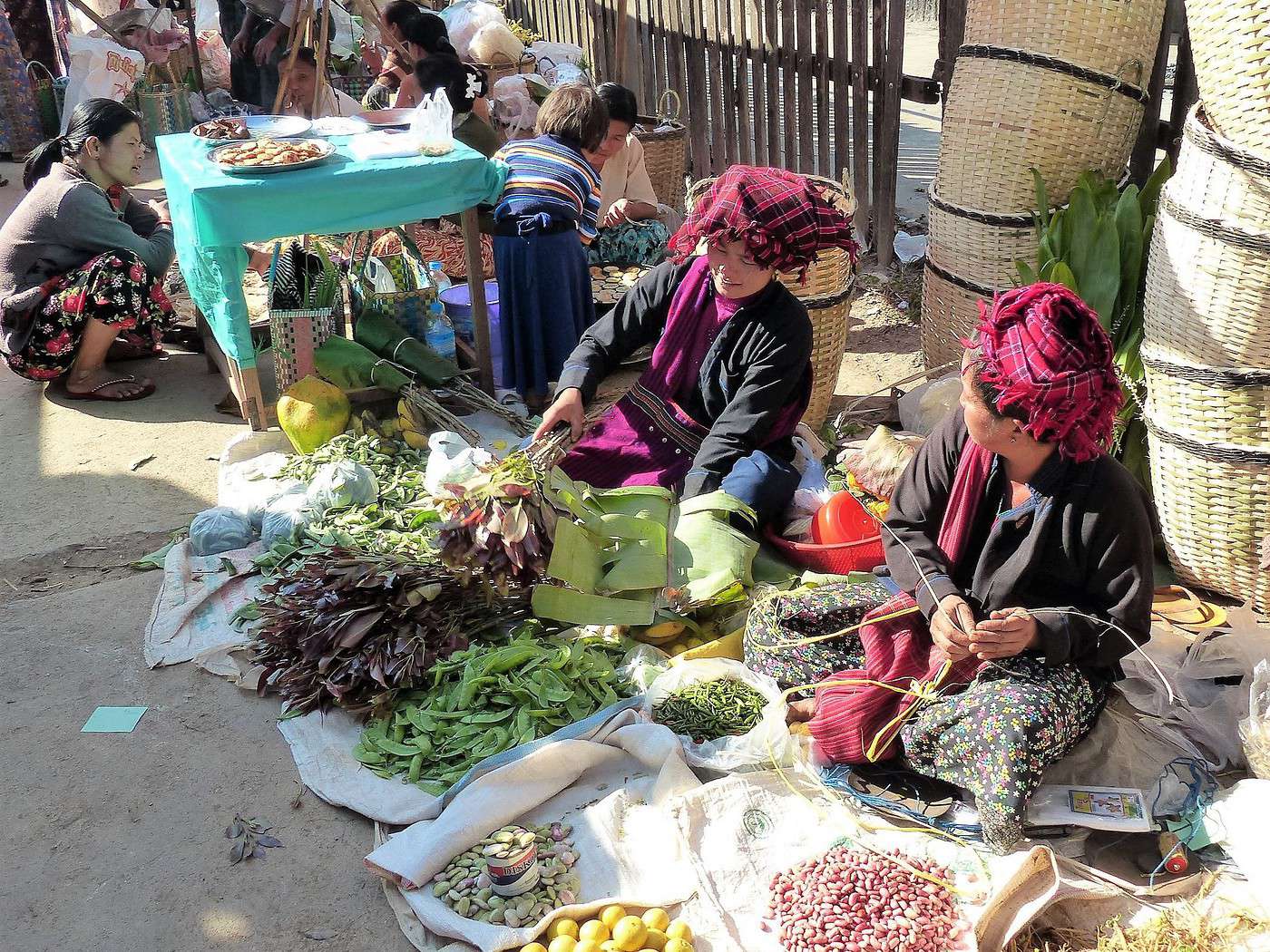
Inle Lake, Day 2, we set off early (we're in peak tourist season), because we want to visit the rotating market first, which that day is held at the foot of the Phaung Daw Oo Pagoda, then head up to the Inthein site (the market rotates daily among 5 villages on Inle Lake).


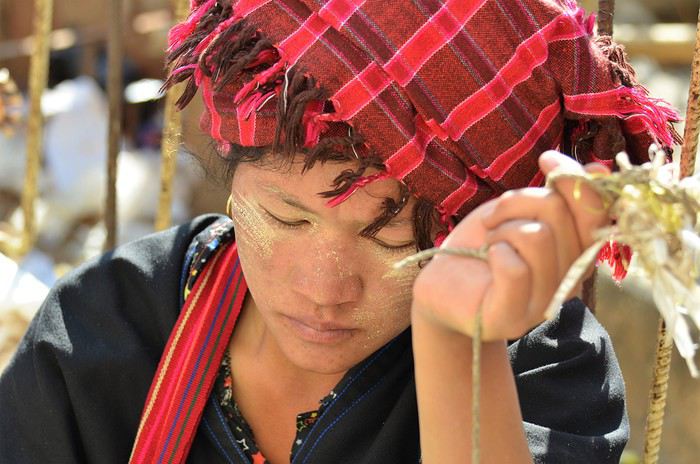
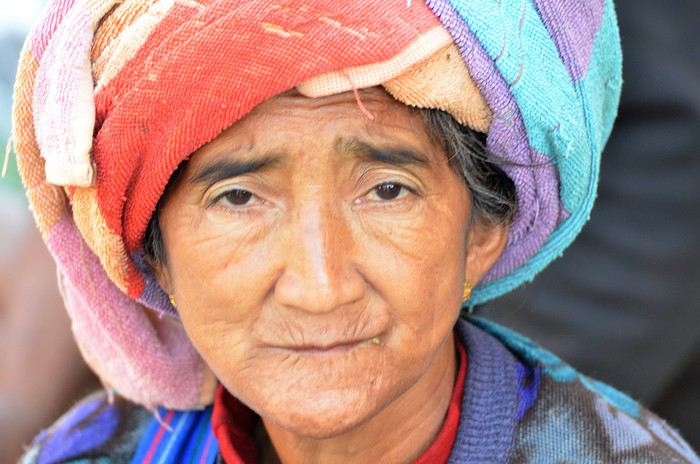
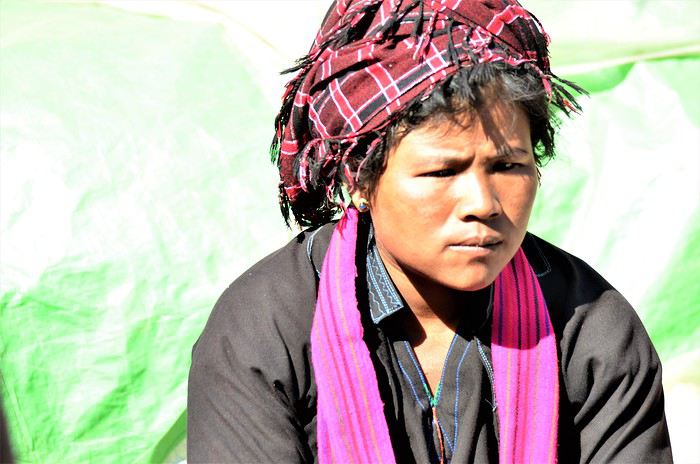
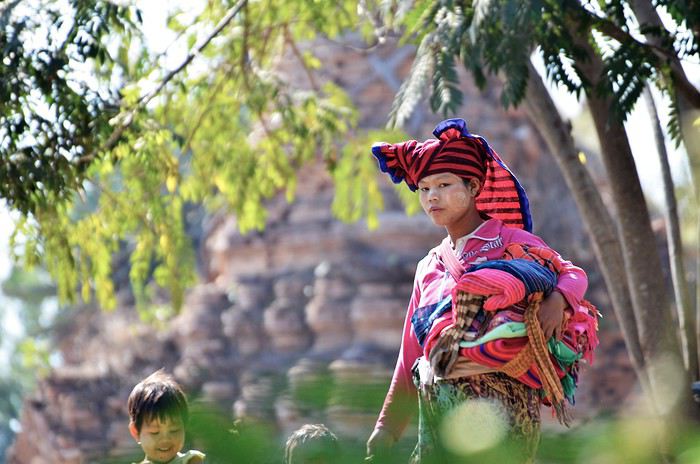
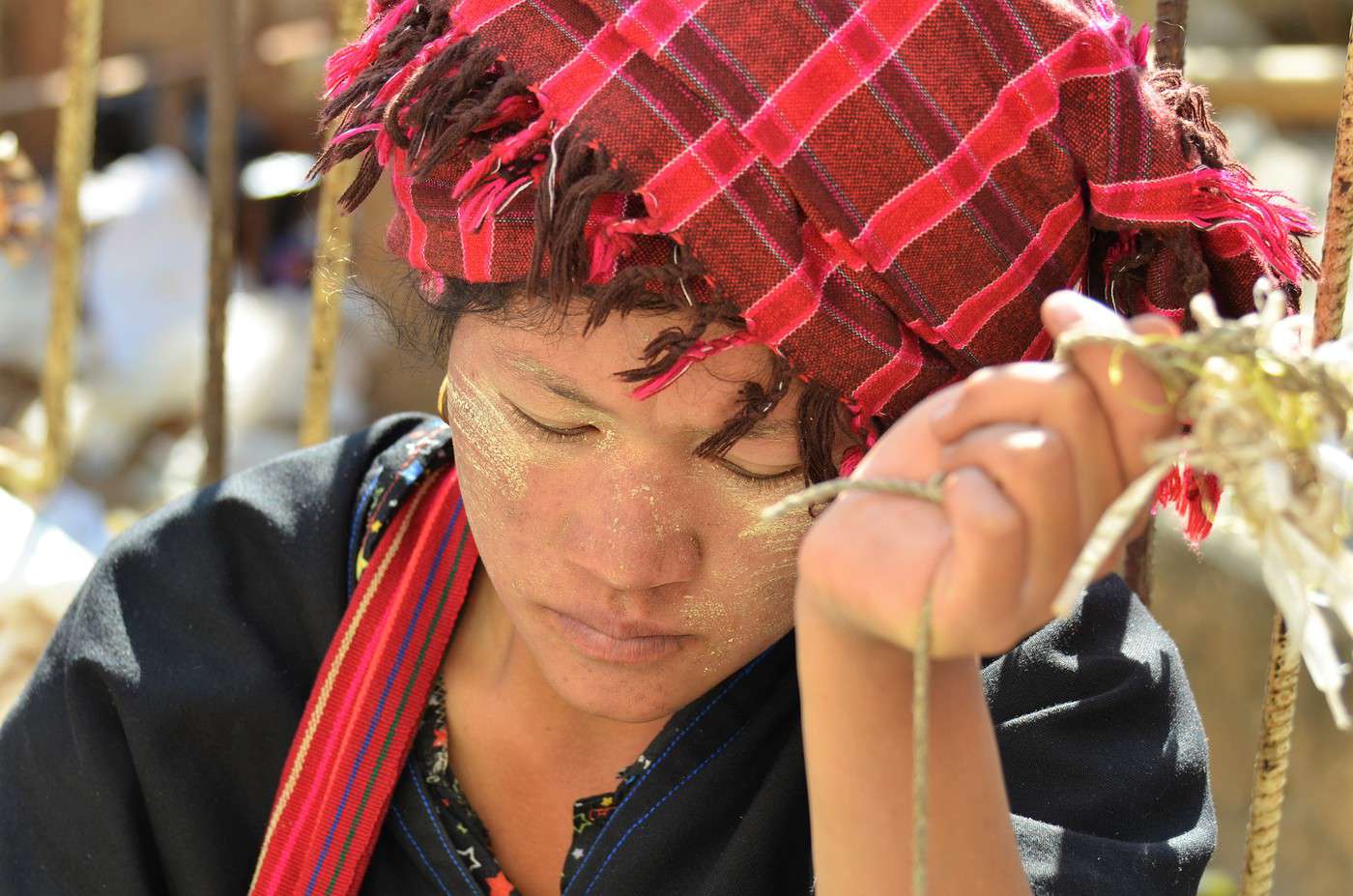
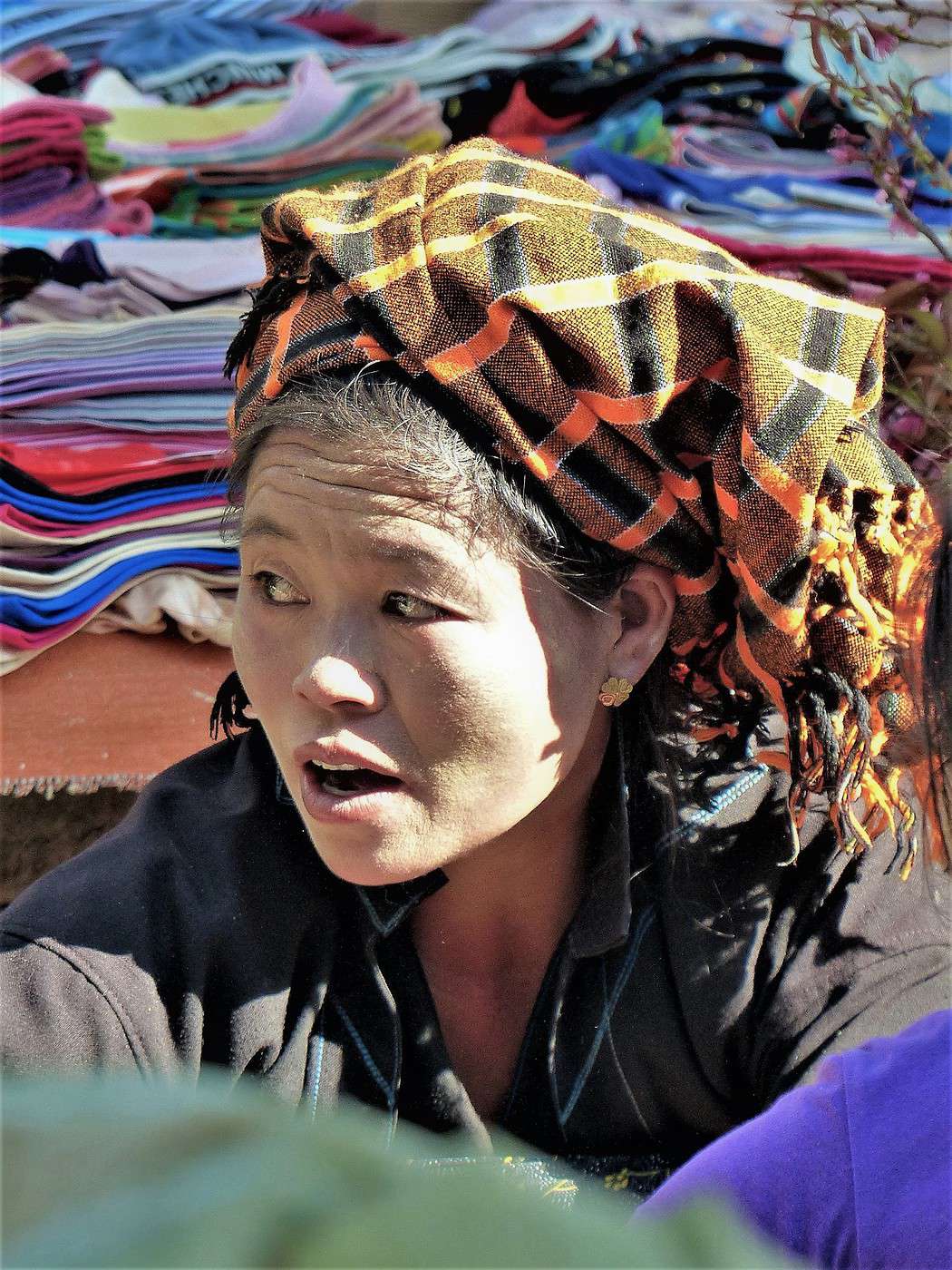
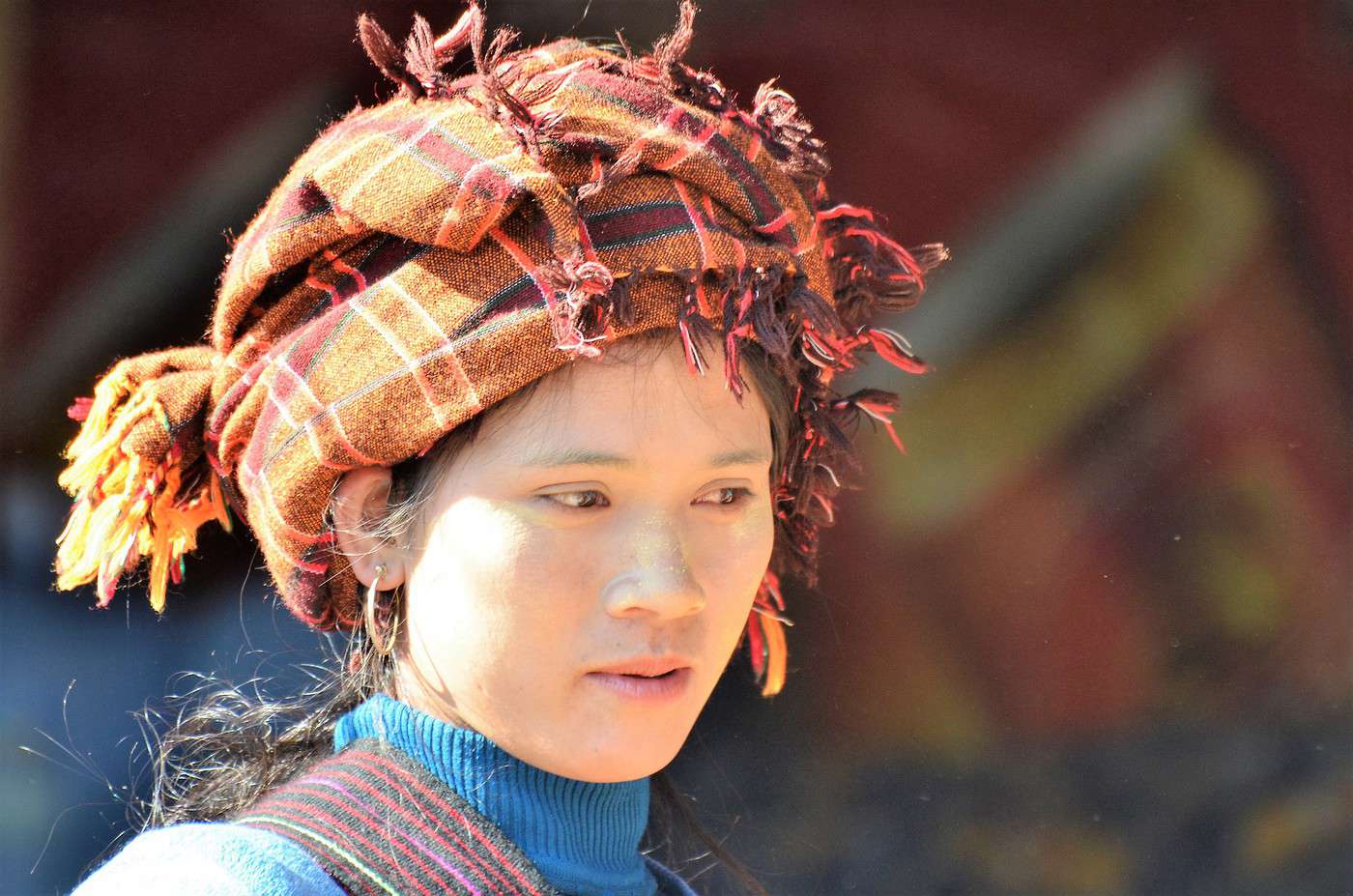
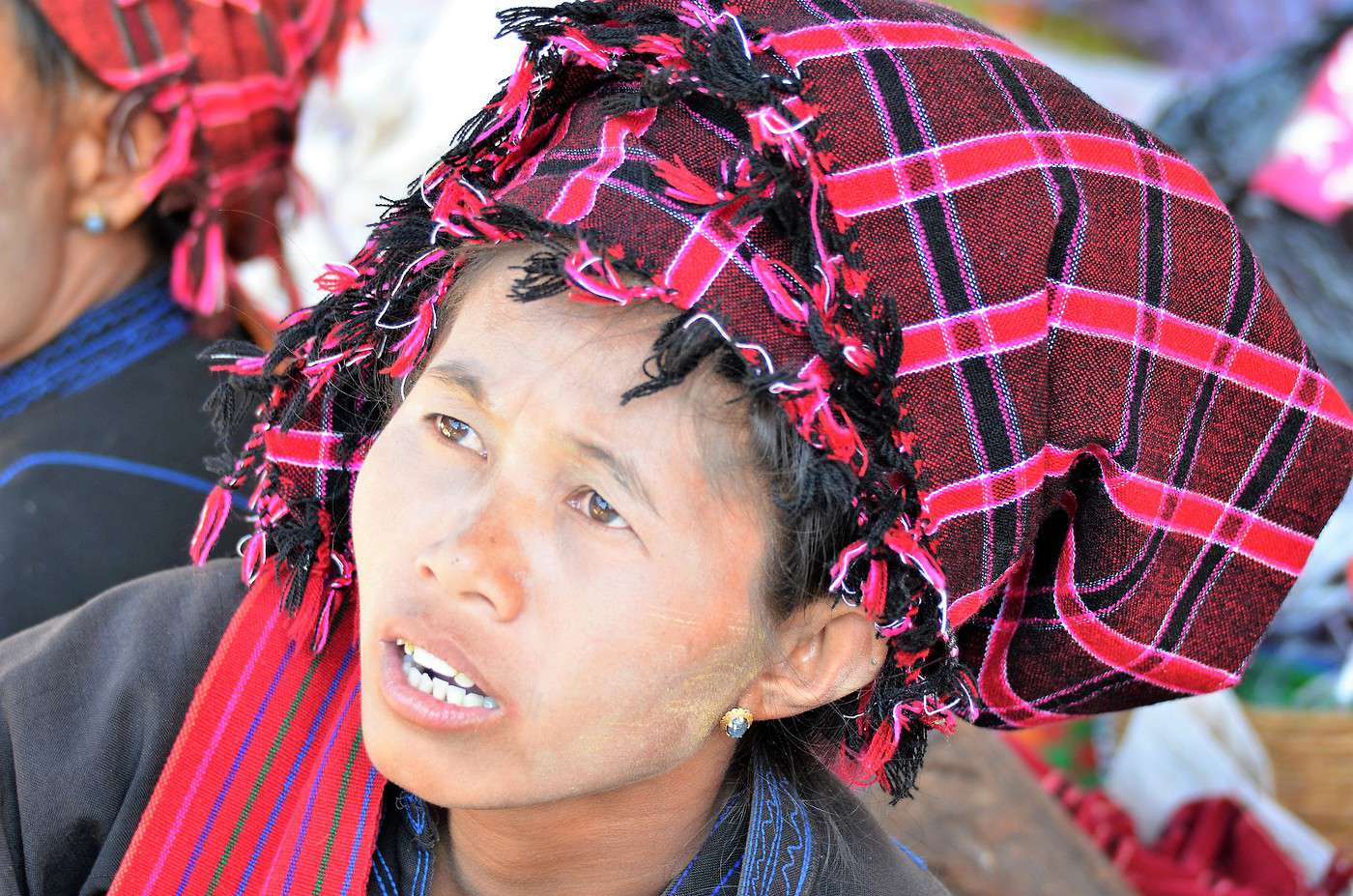
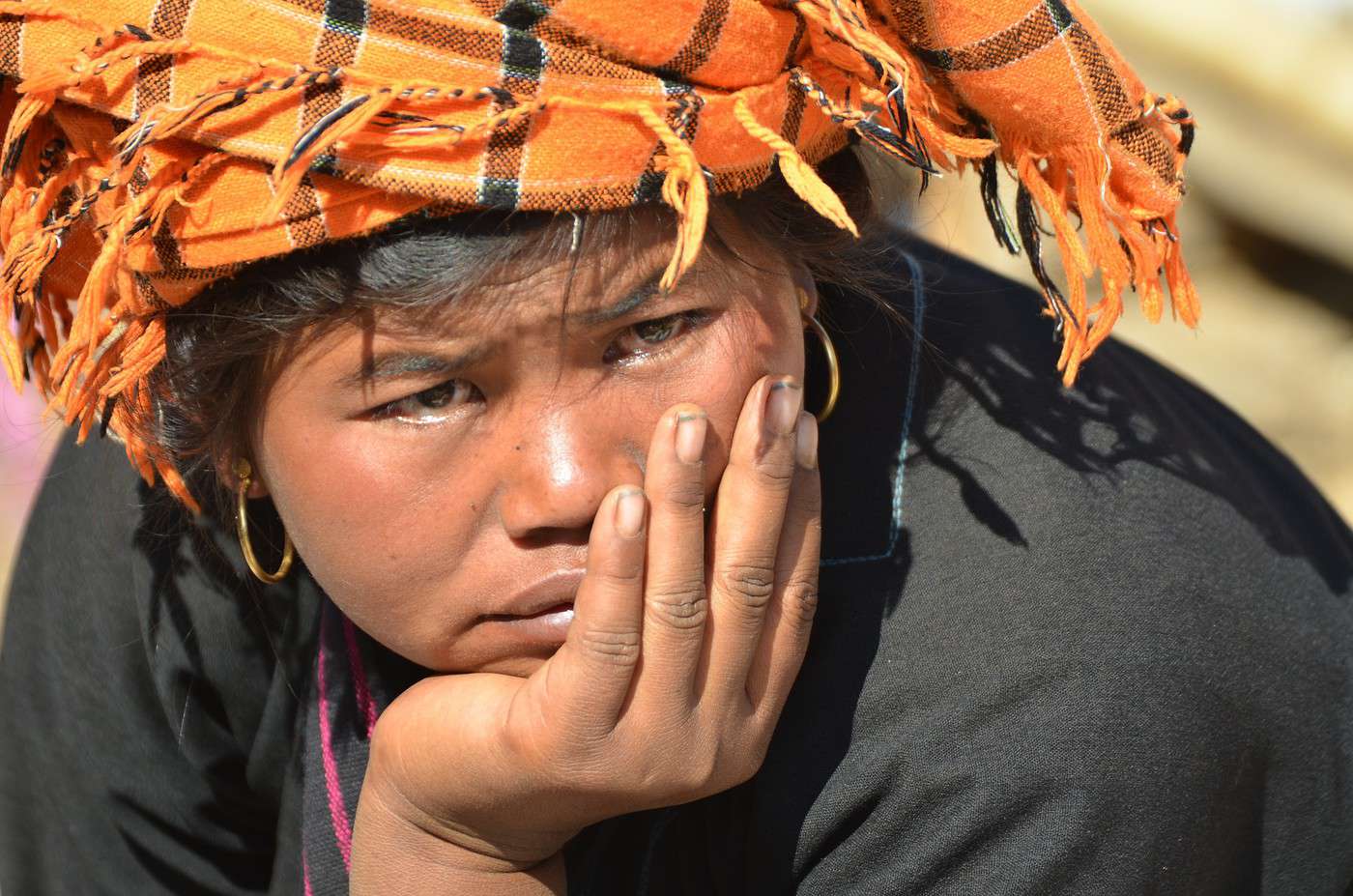
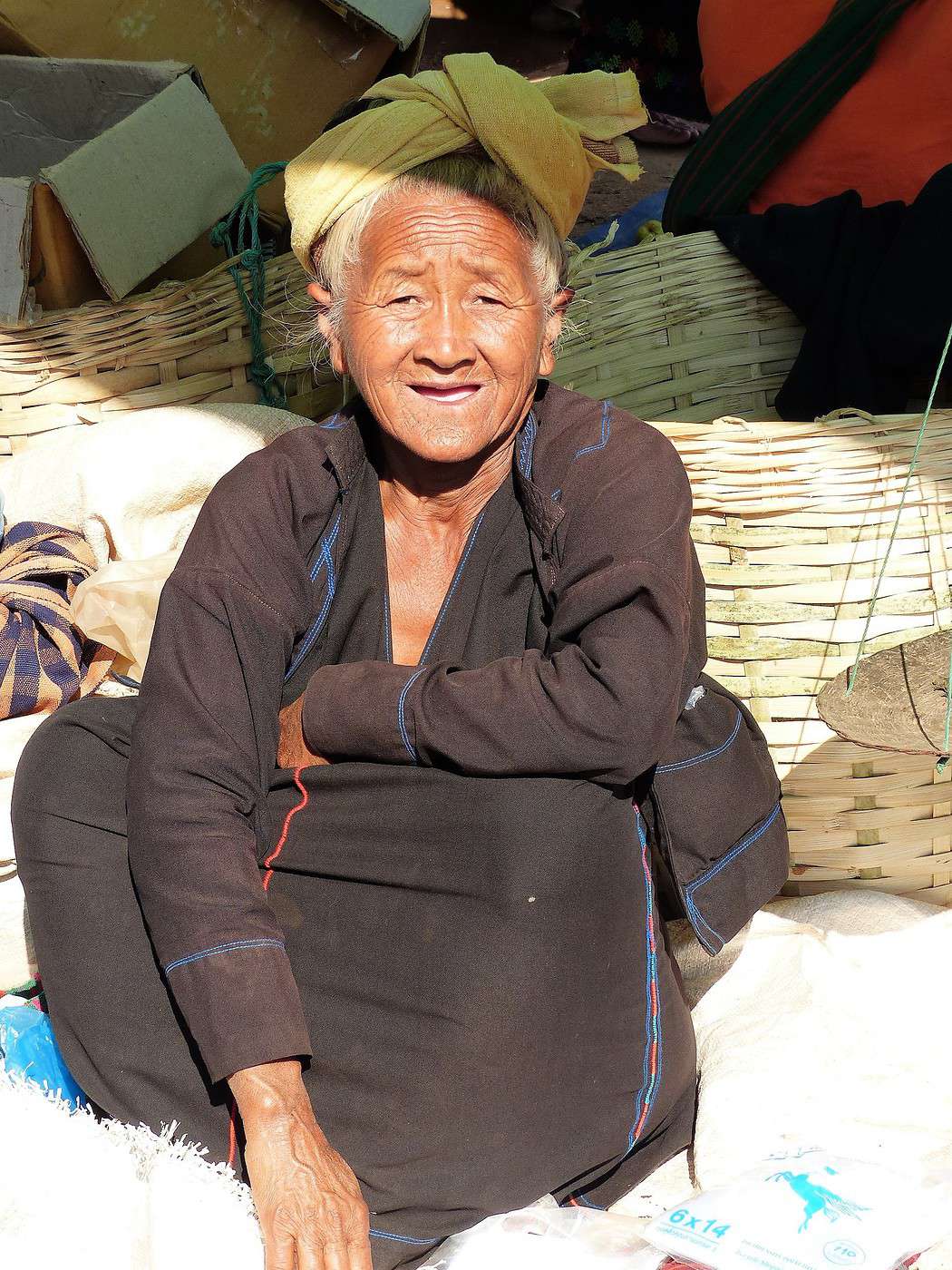
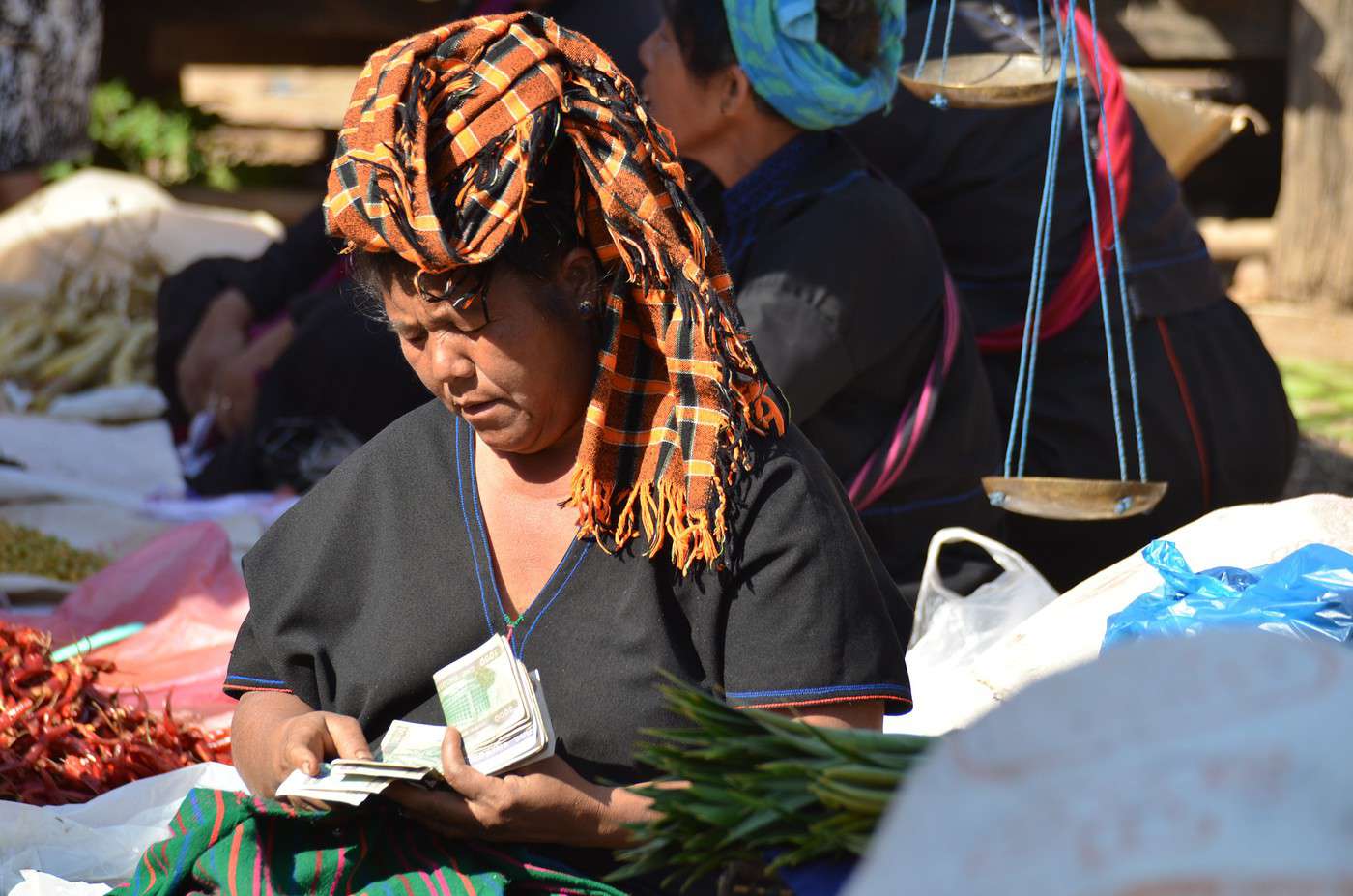
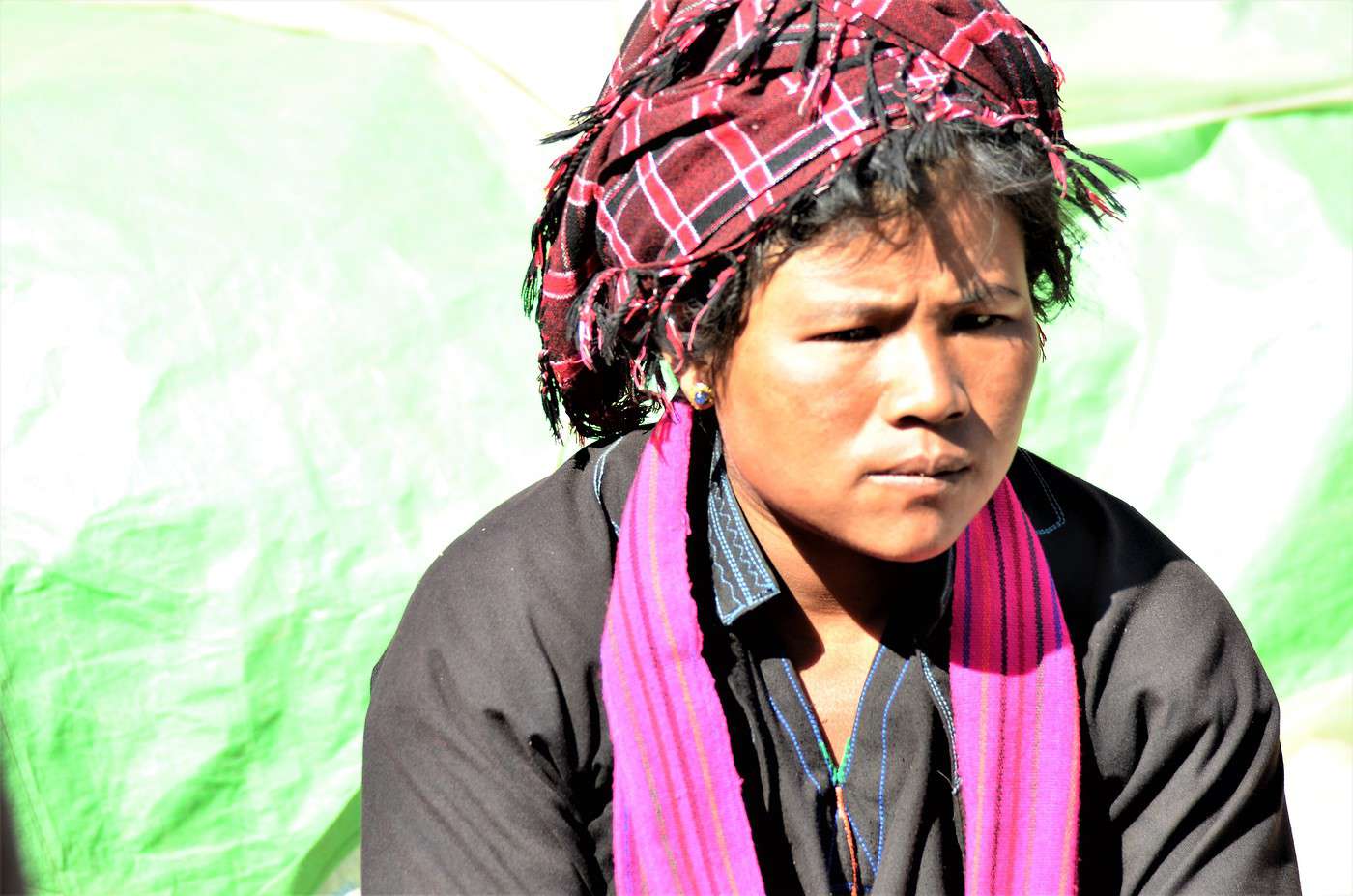
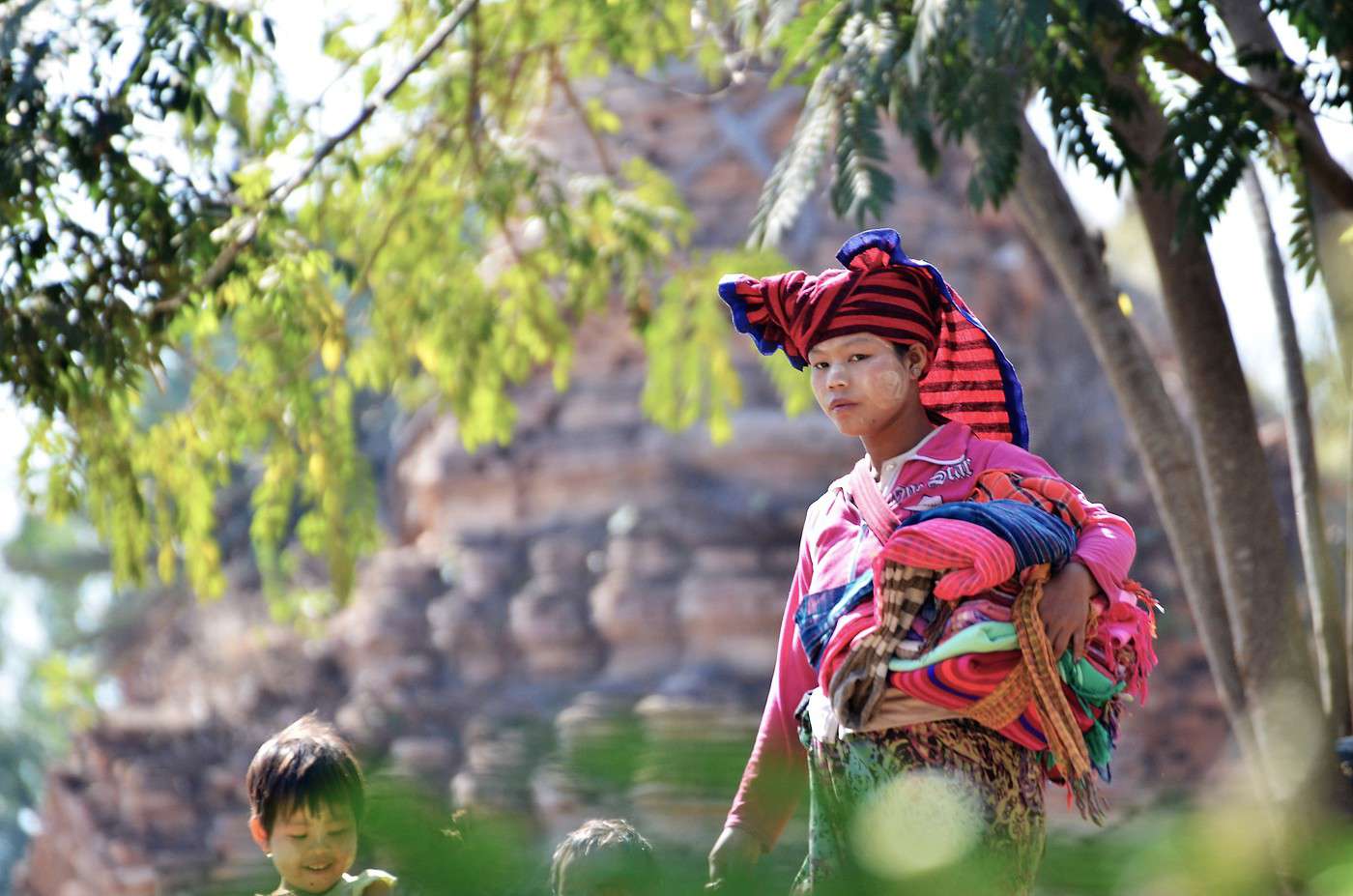
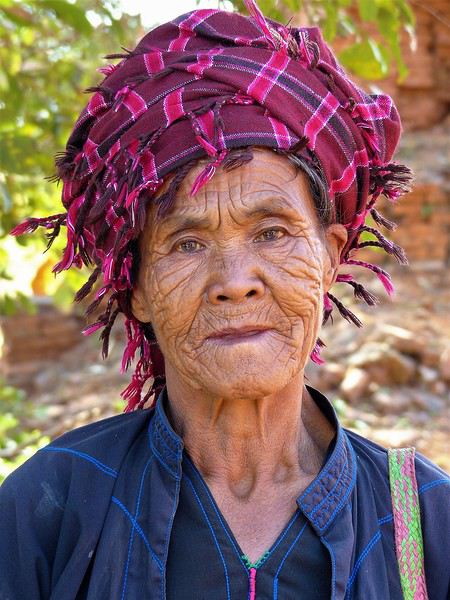
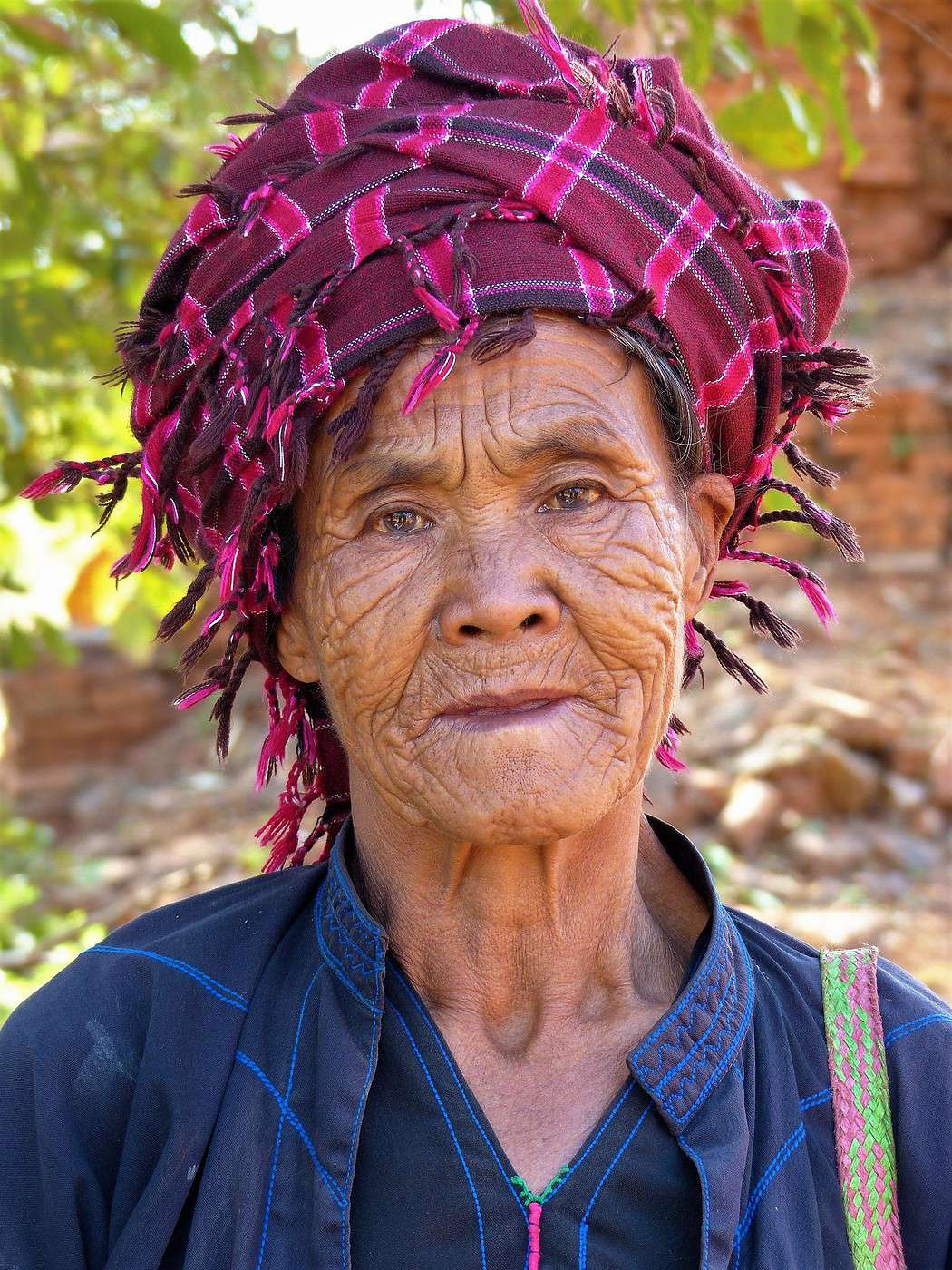
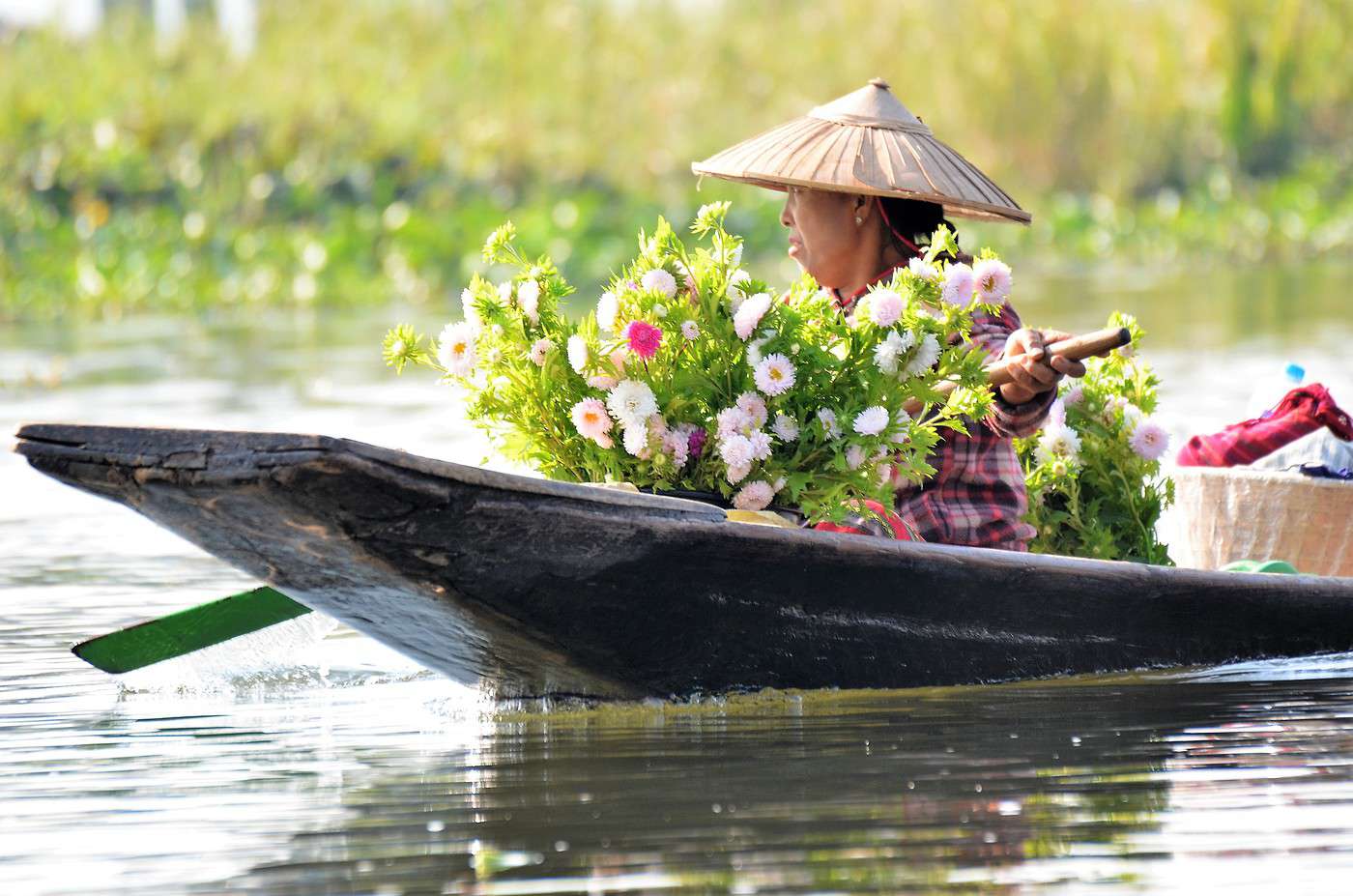
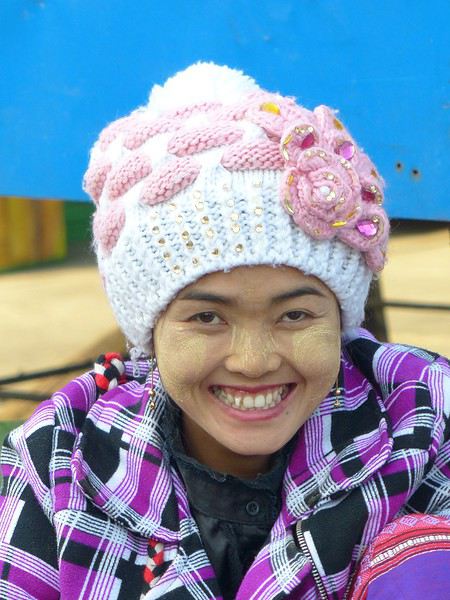
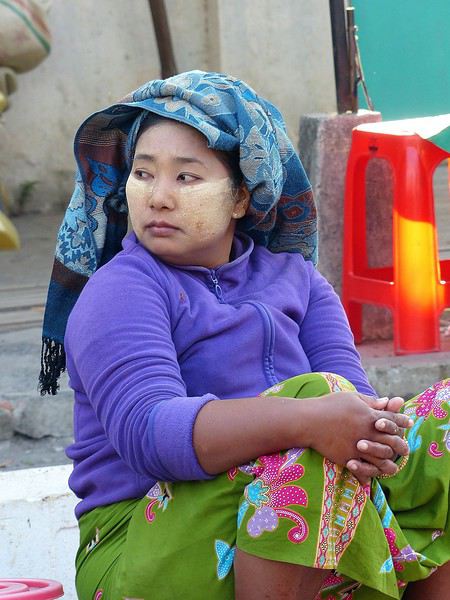
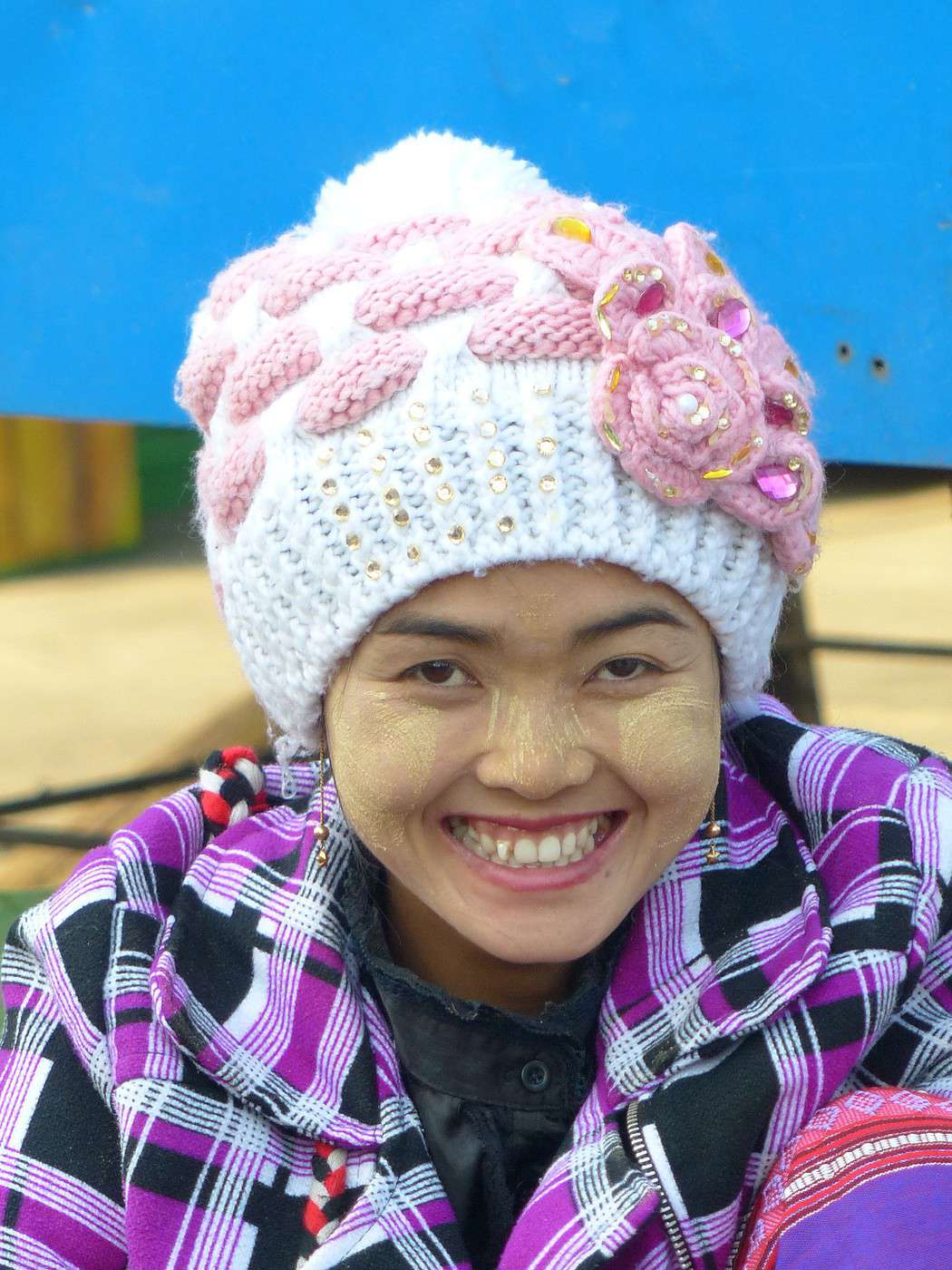
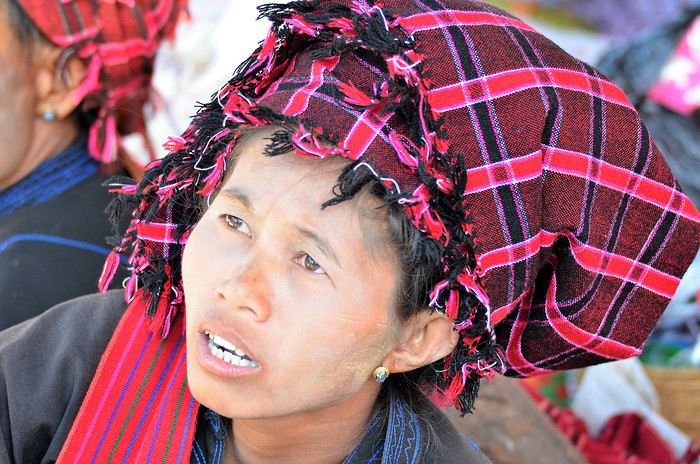
The orange or red checkered headscarves of the Pa-O women add an extra splash of color to an already vibrant and irresistible scene!


We arrived early and left early, just as many tourists start to show up... Now we're heading up the river that will take us to Inthein. Here too, we hope to enjoy the site before it gets too crowded.


To be continued: the Inthein site!

Burma as We Dreamed It

Fabhyène · 2017-05-08 · Message 25 of 94

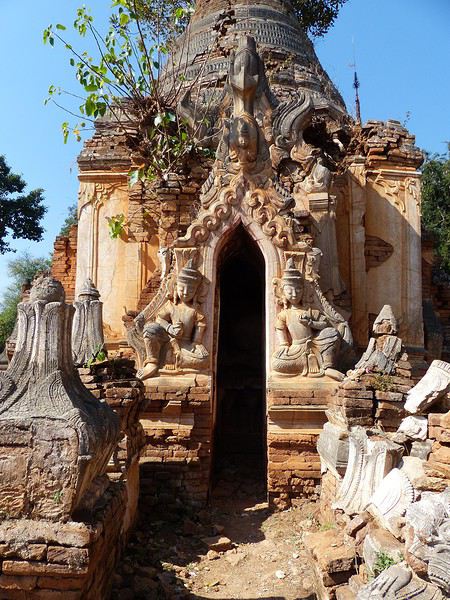
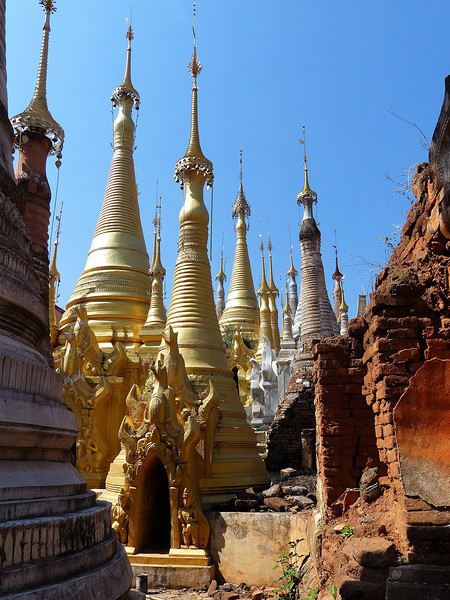
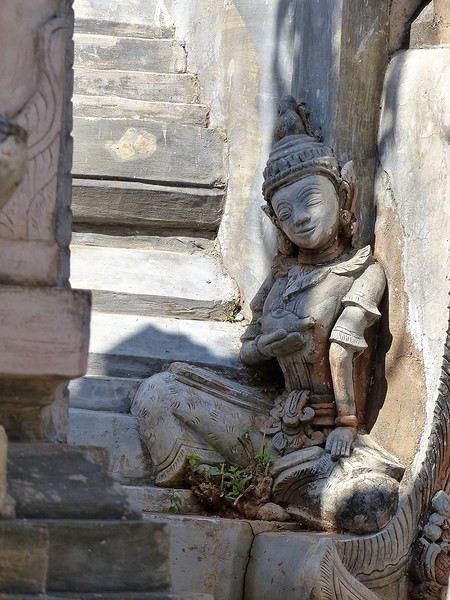
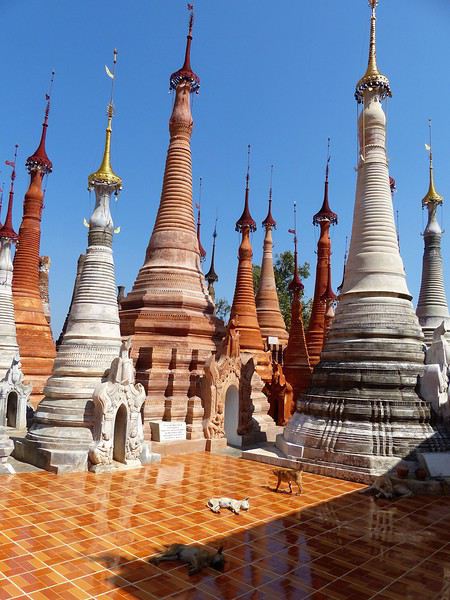
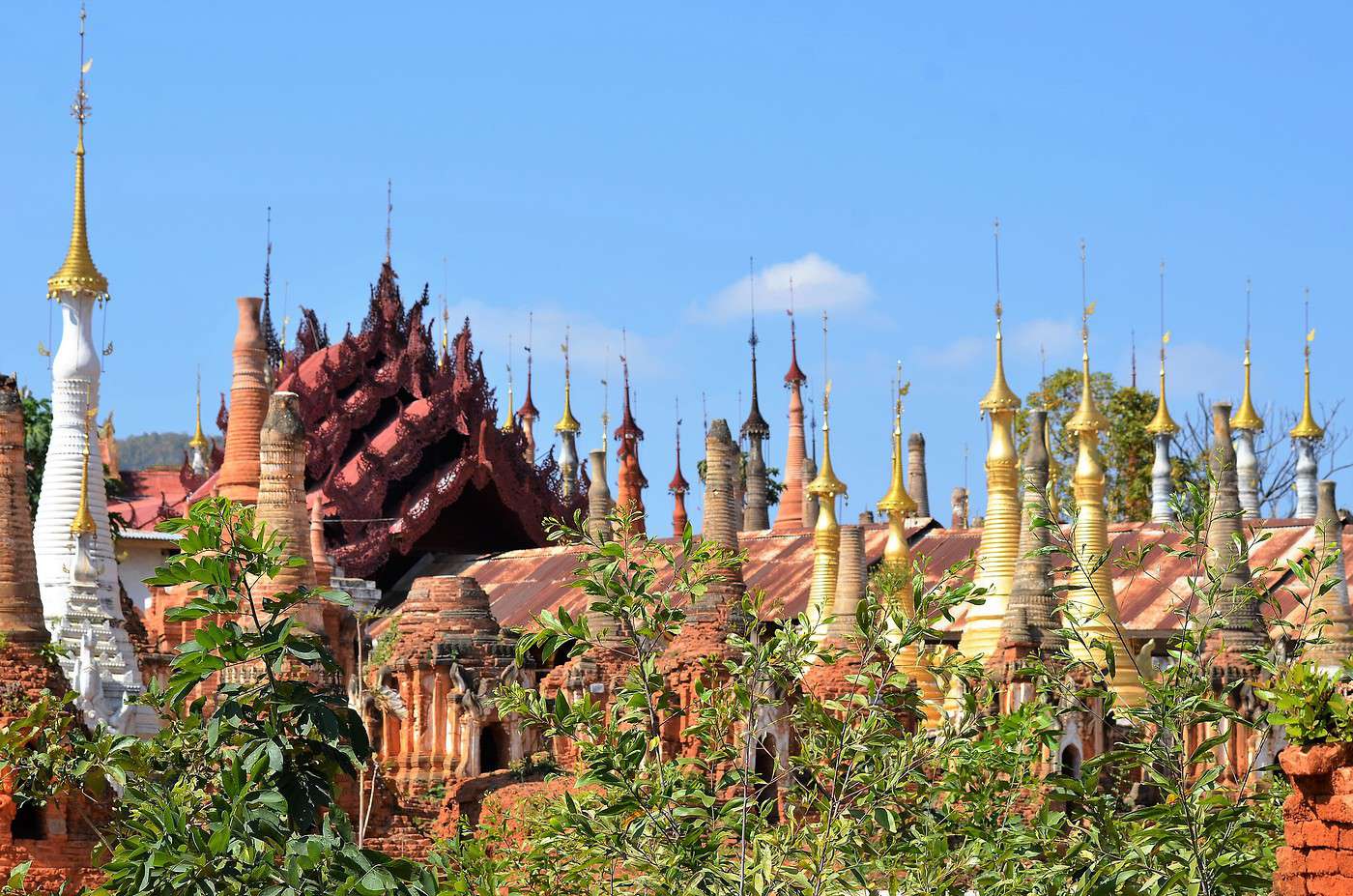
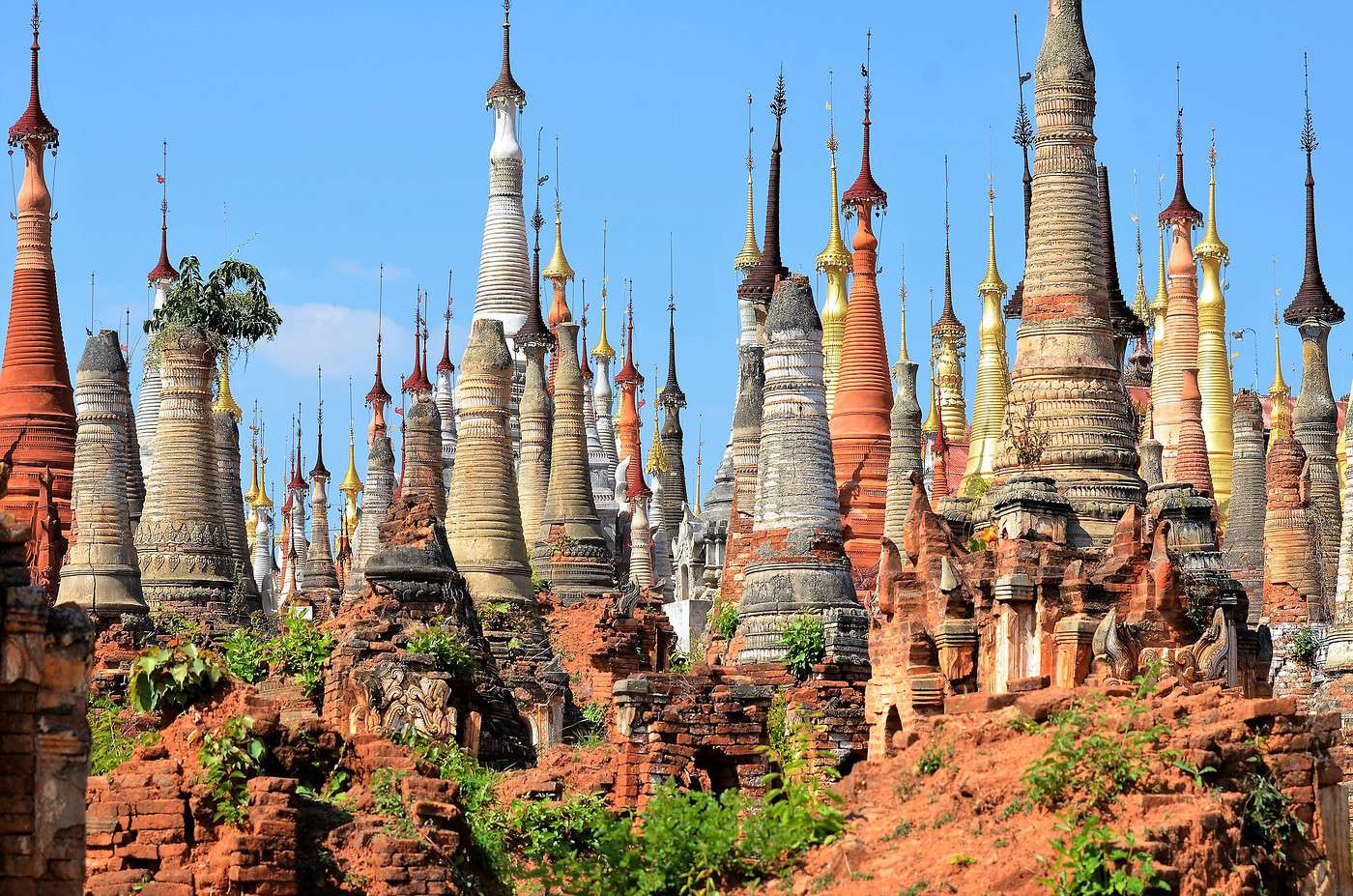
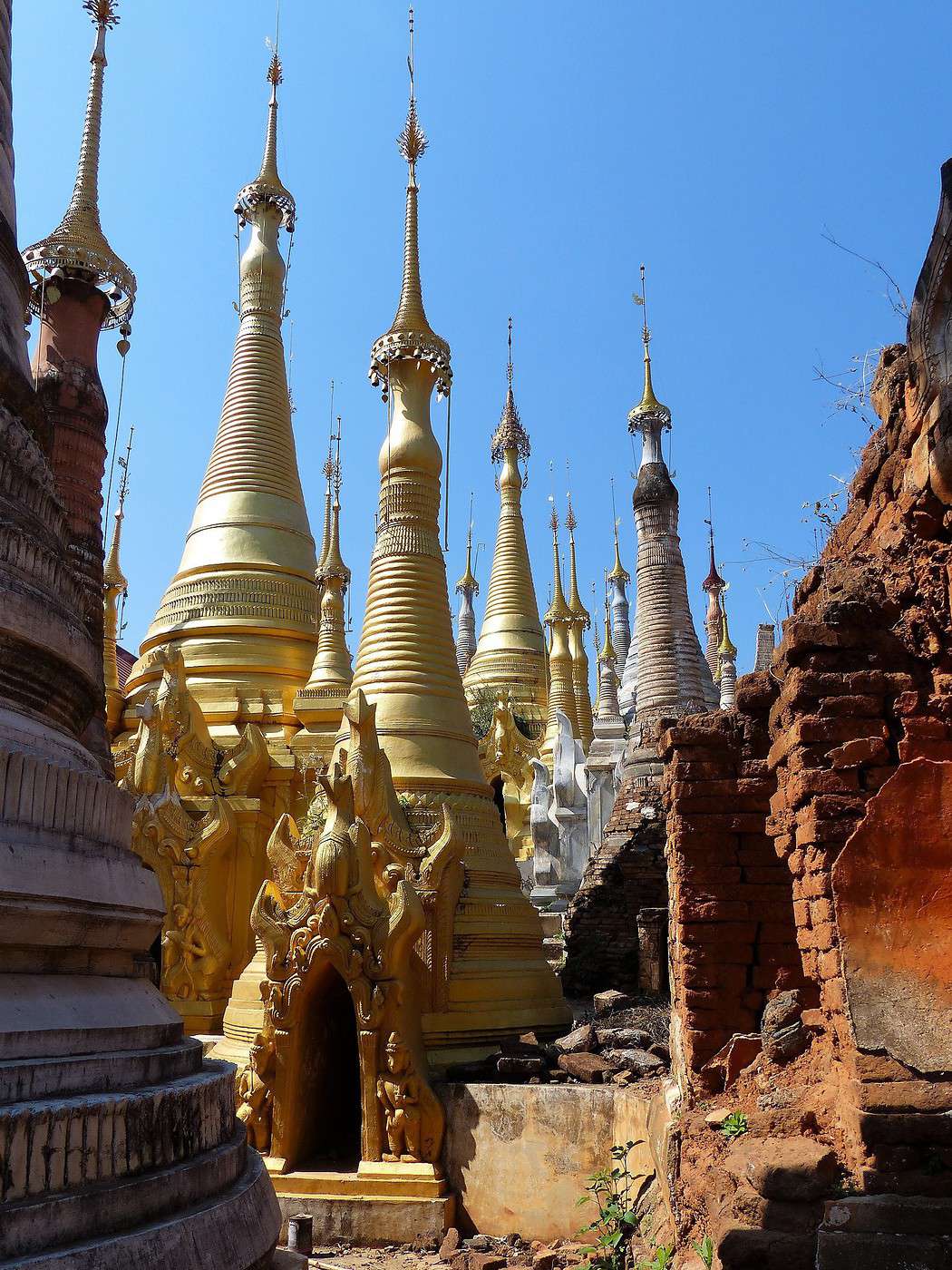
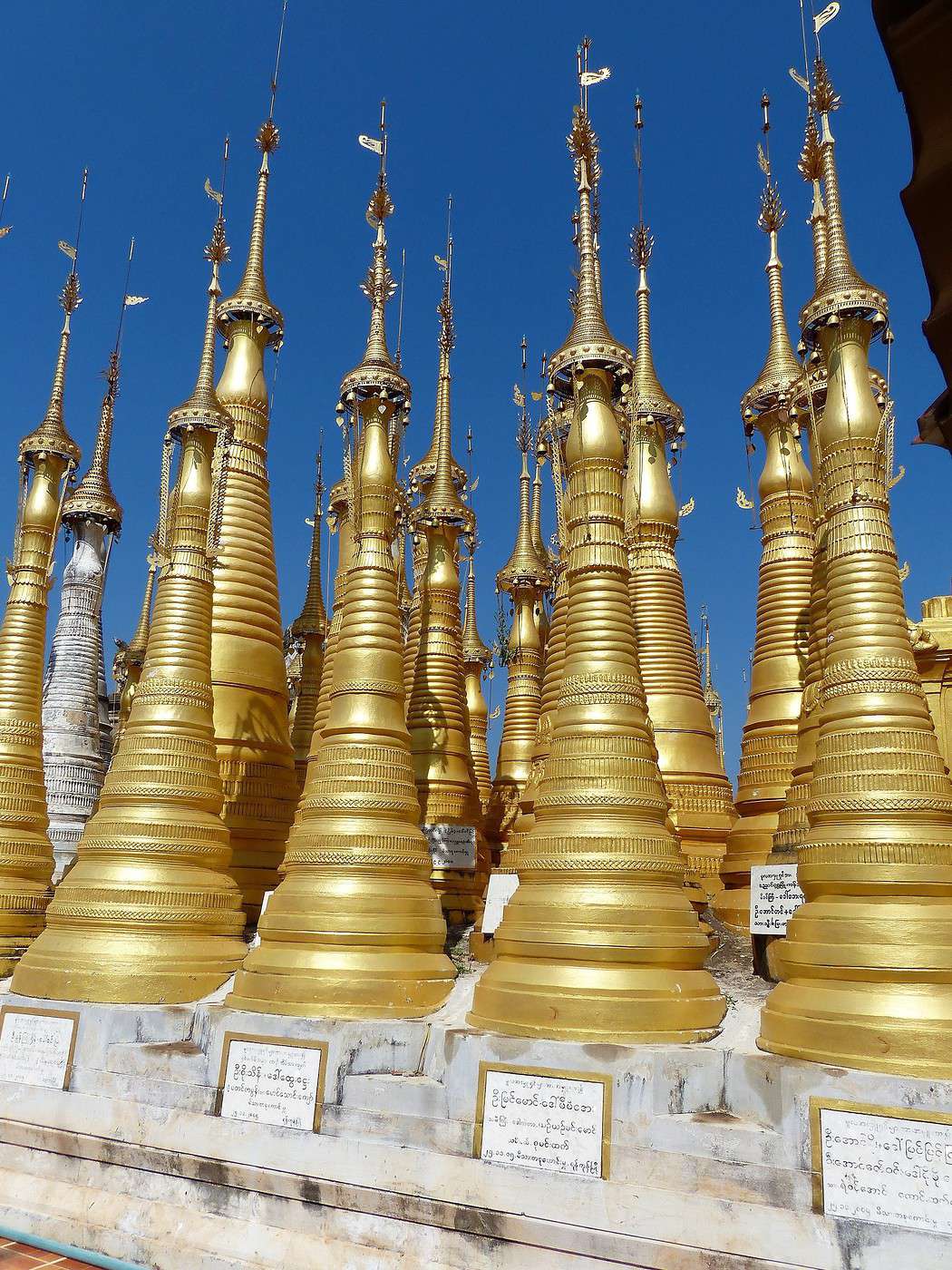
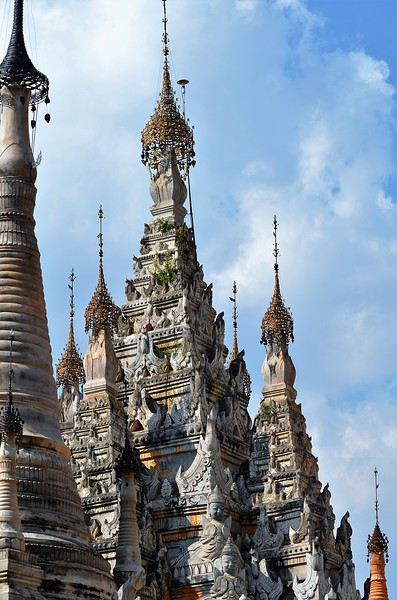
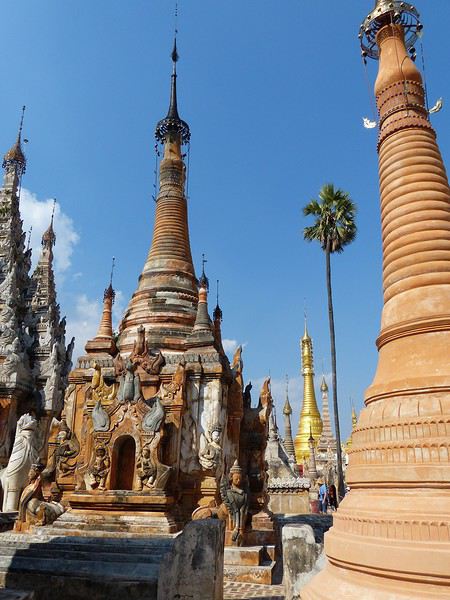
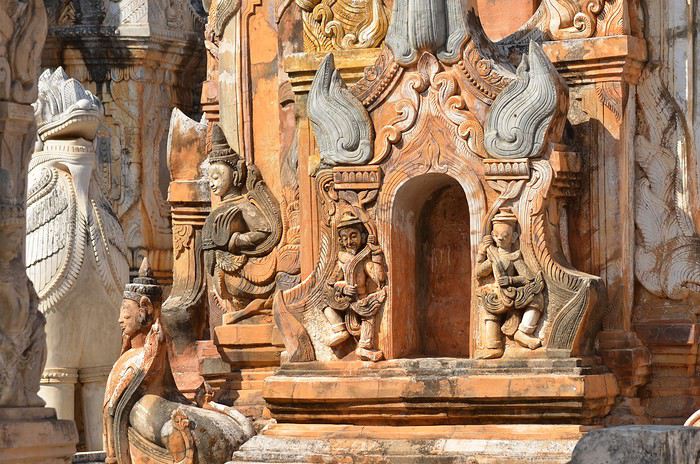
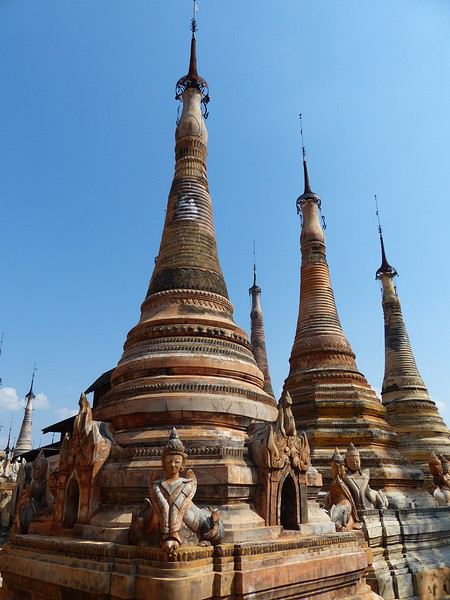
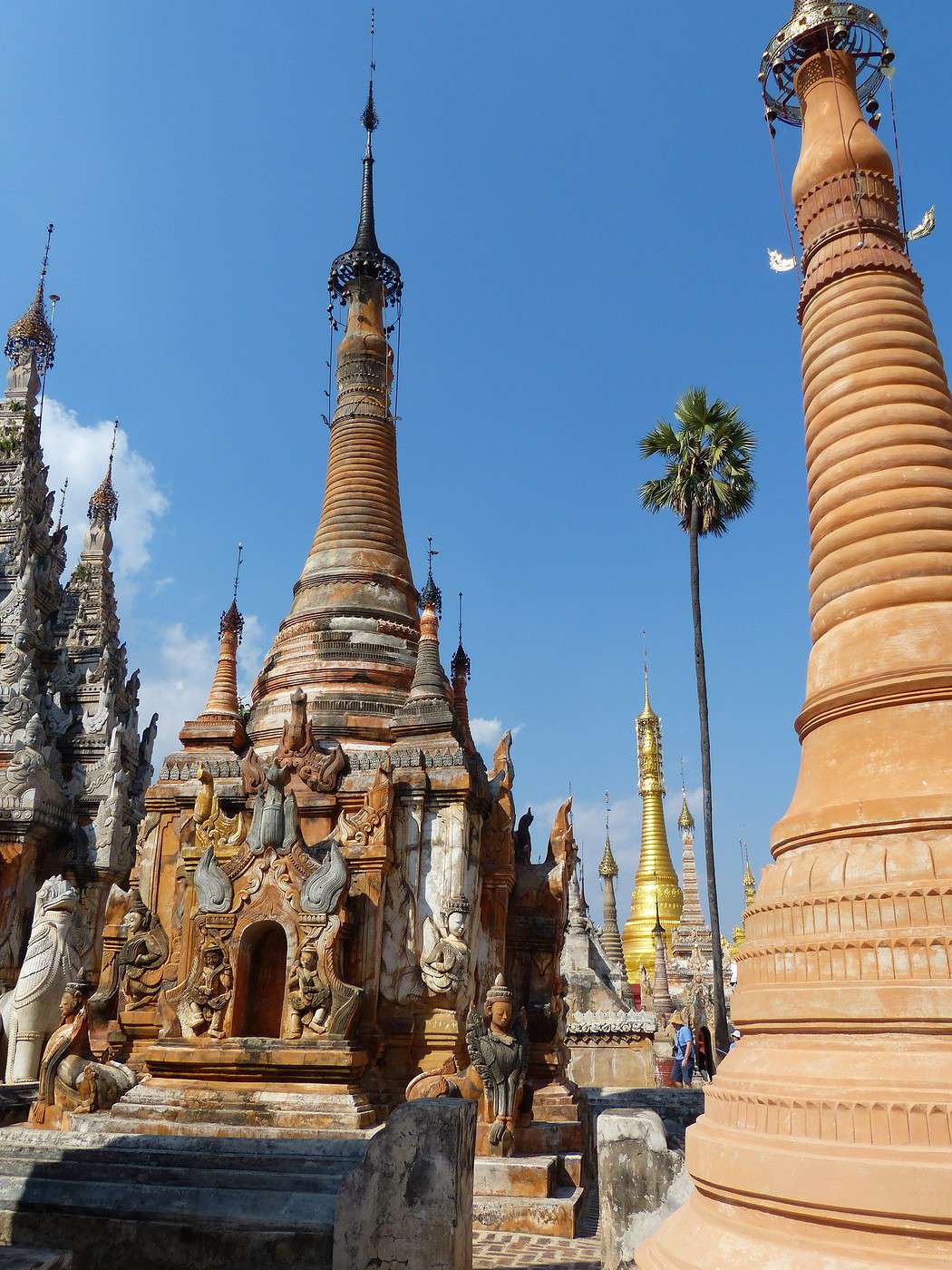
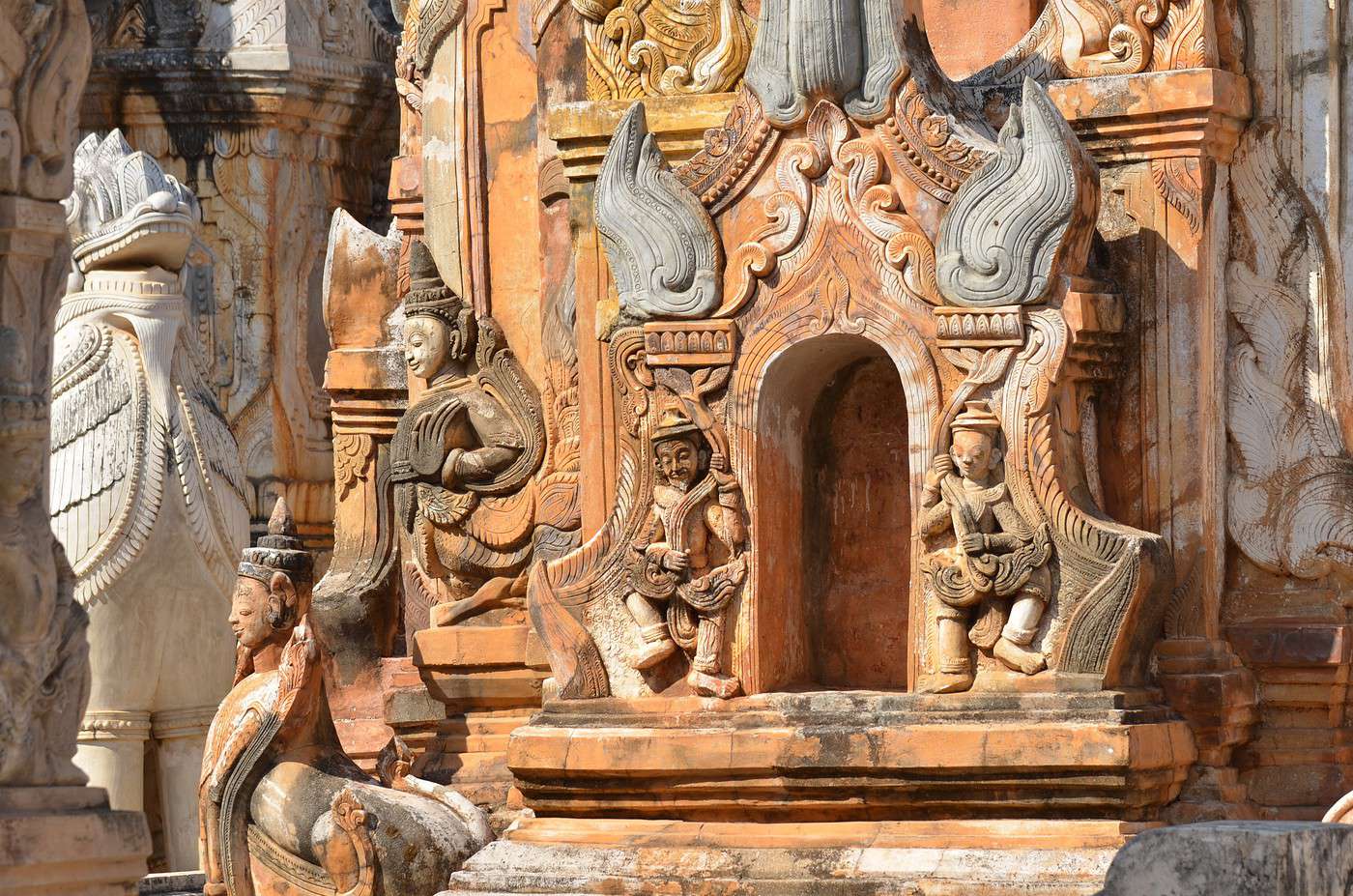
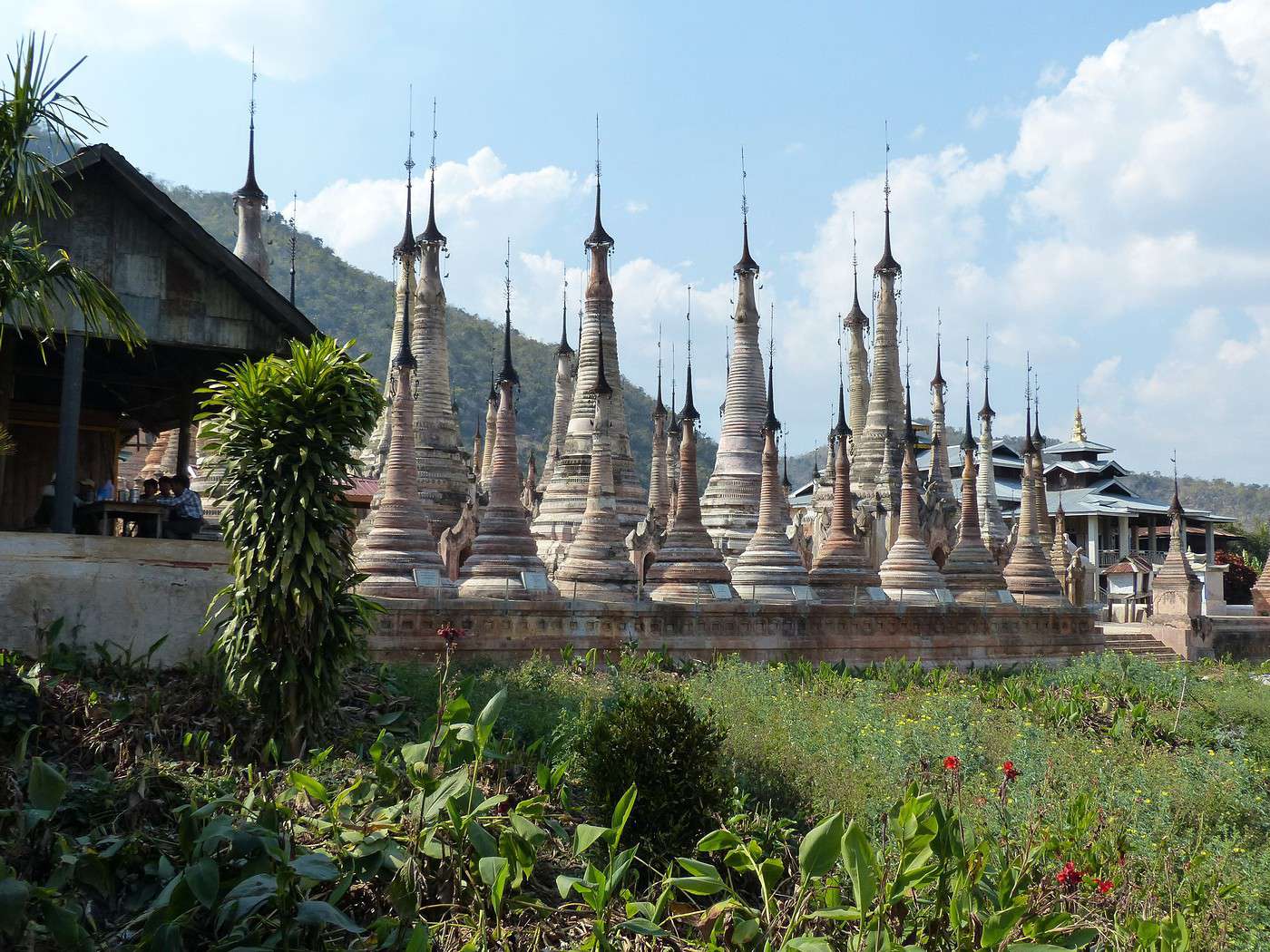
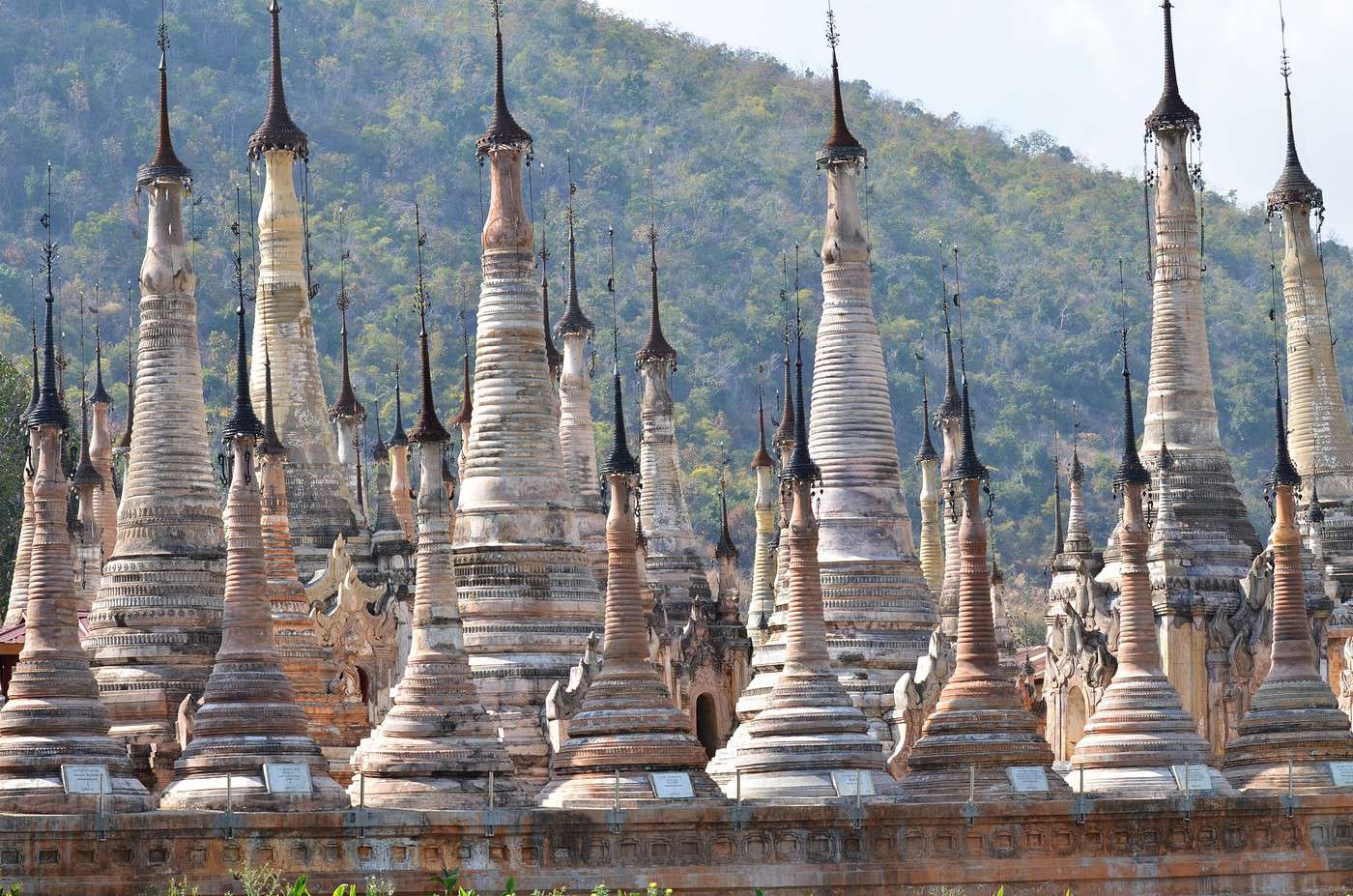
Shwe Inthein

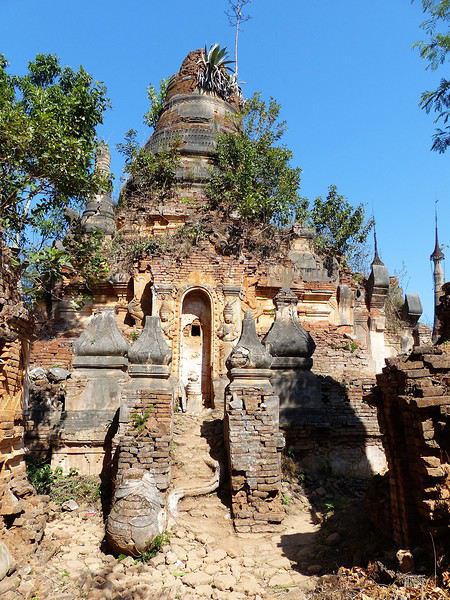
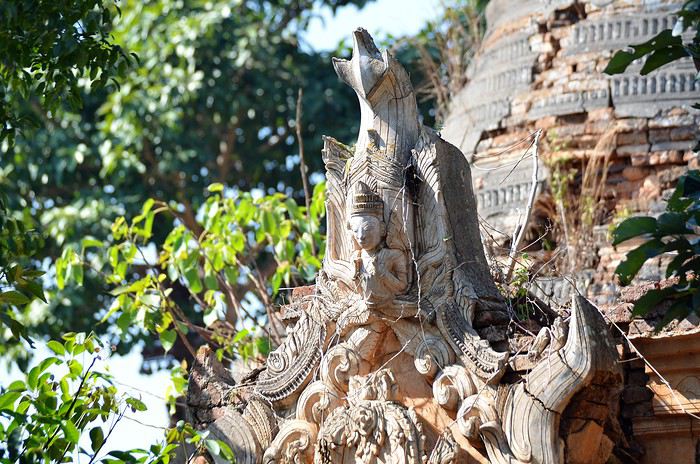
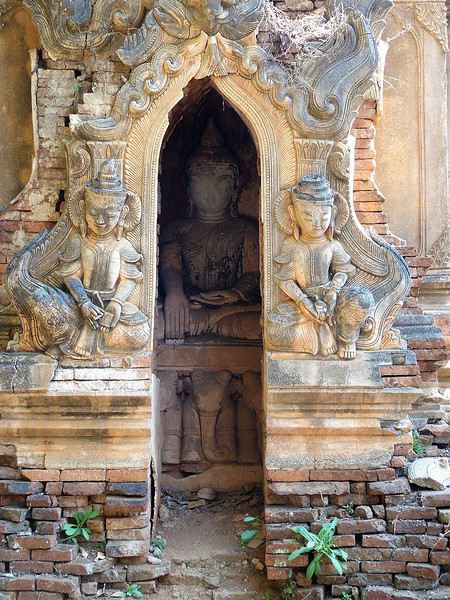
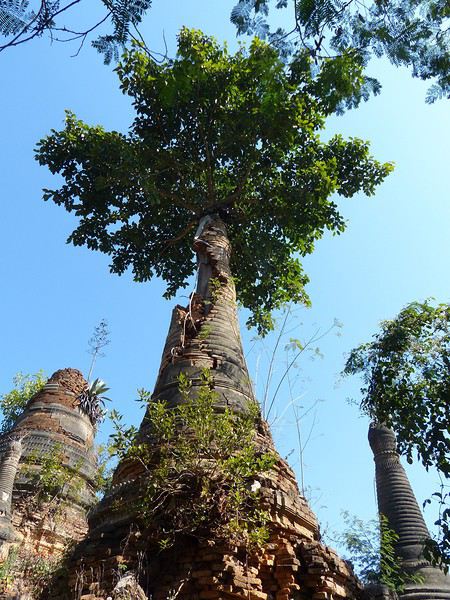
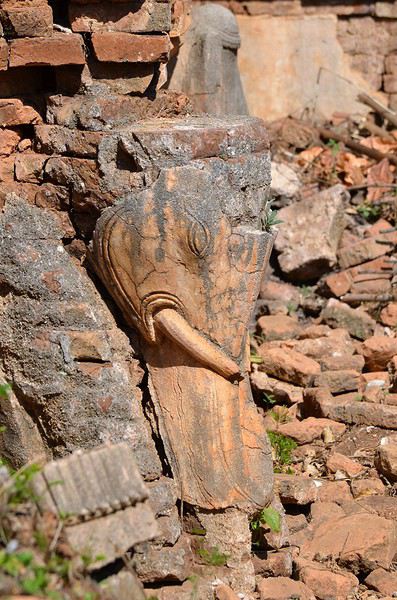
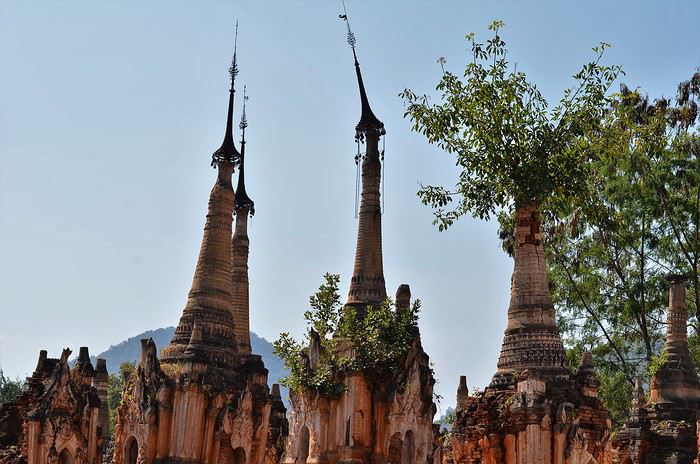
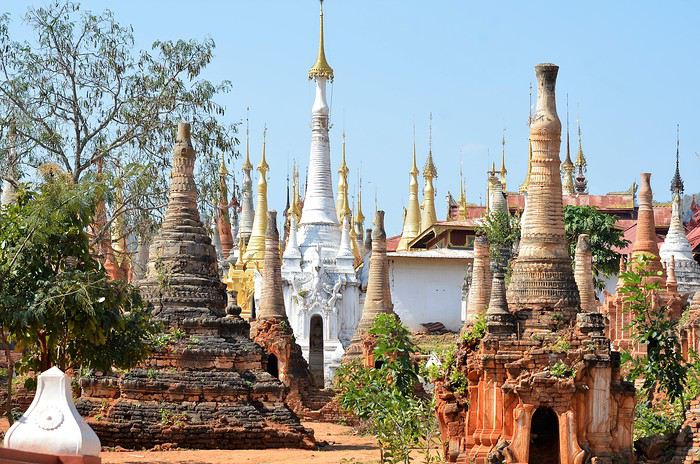
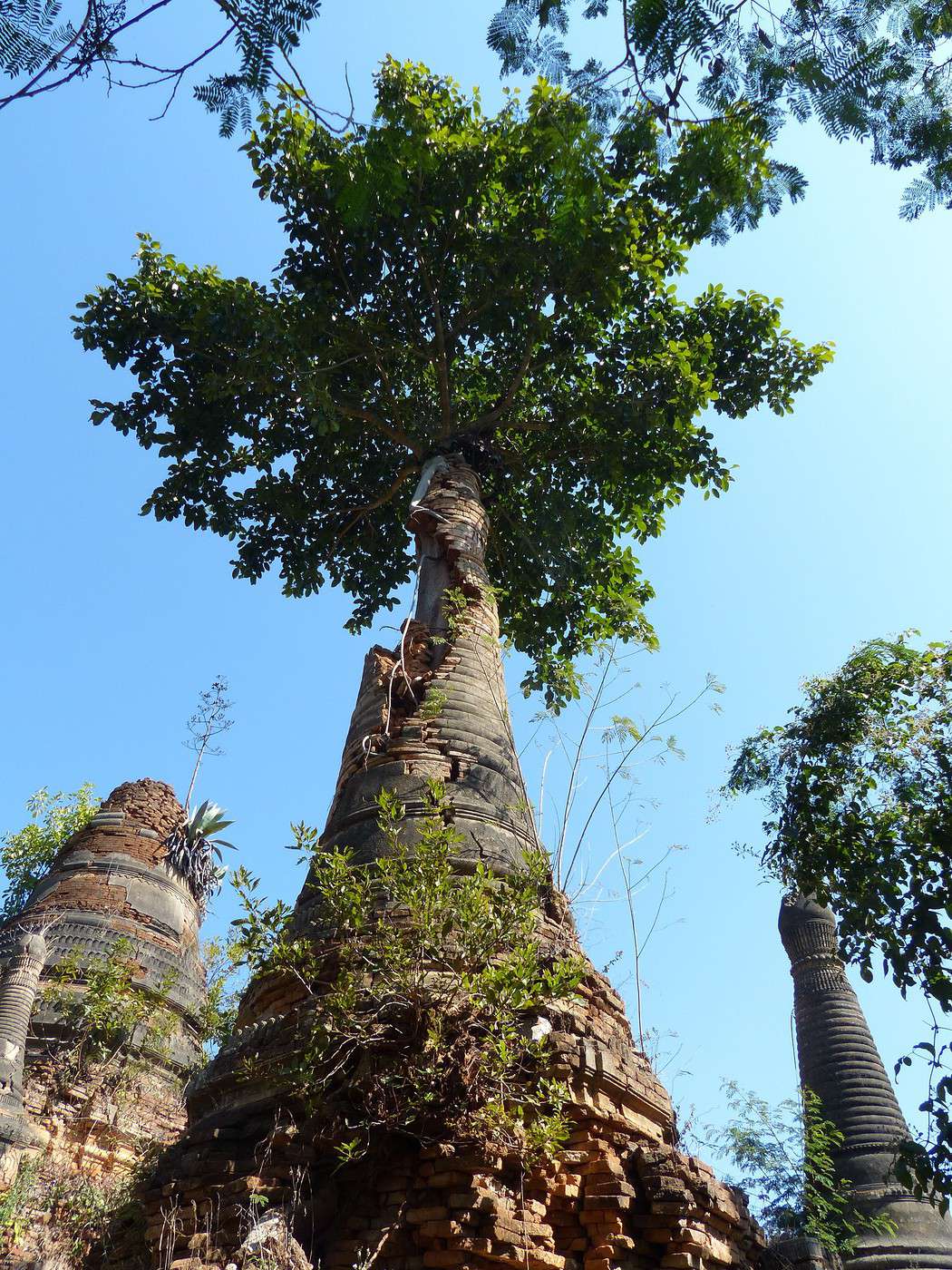
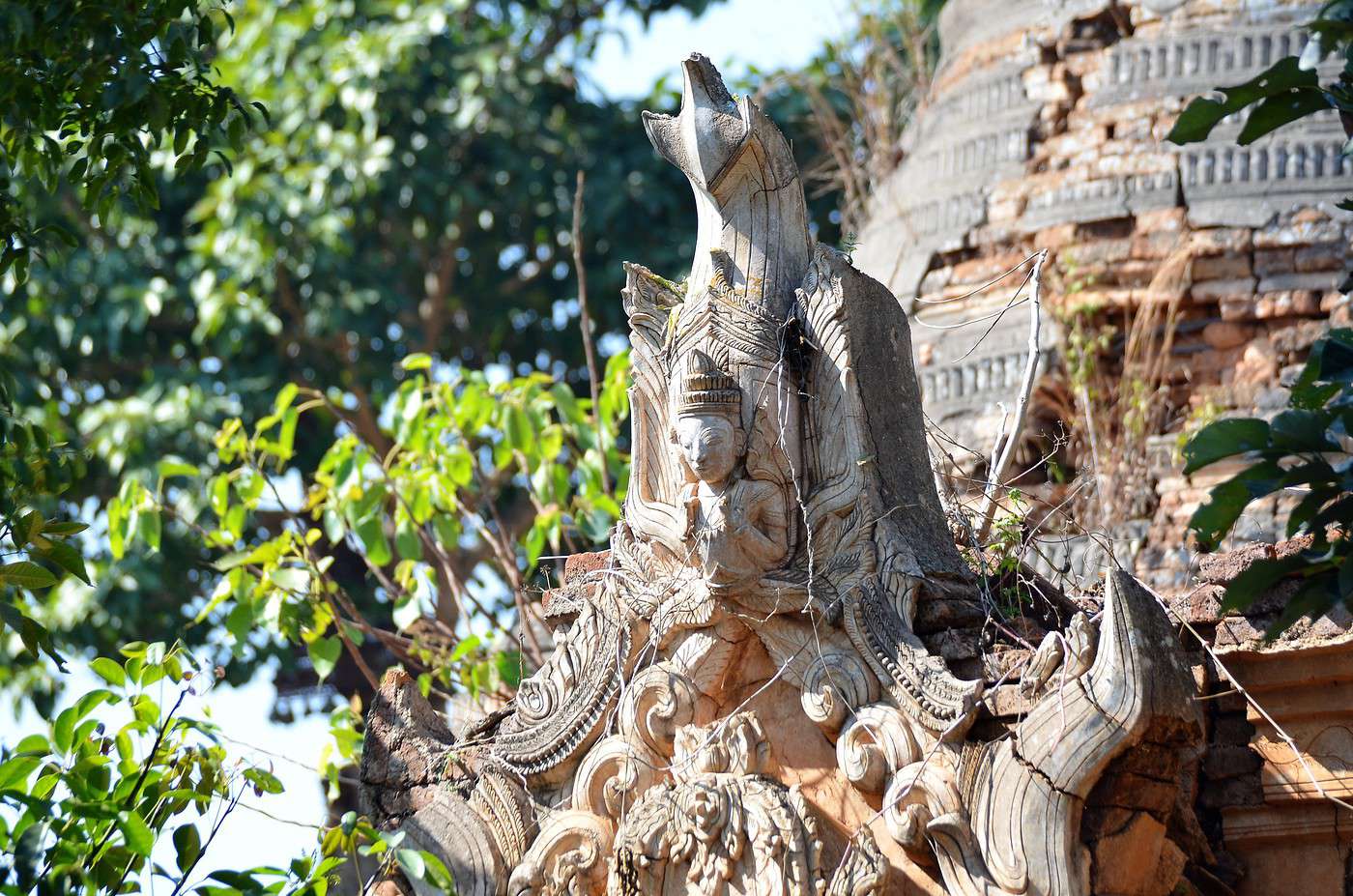
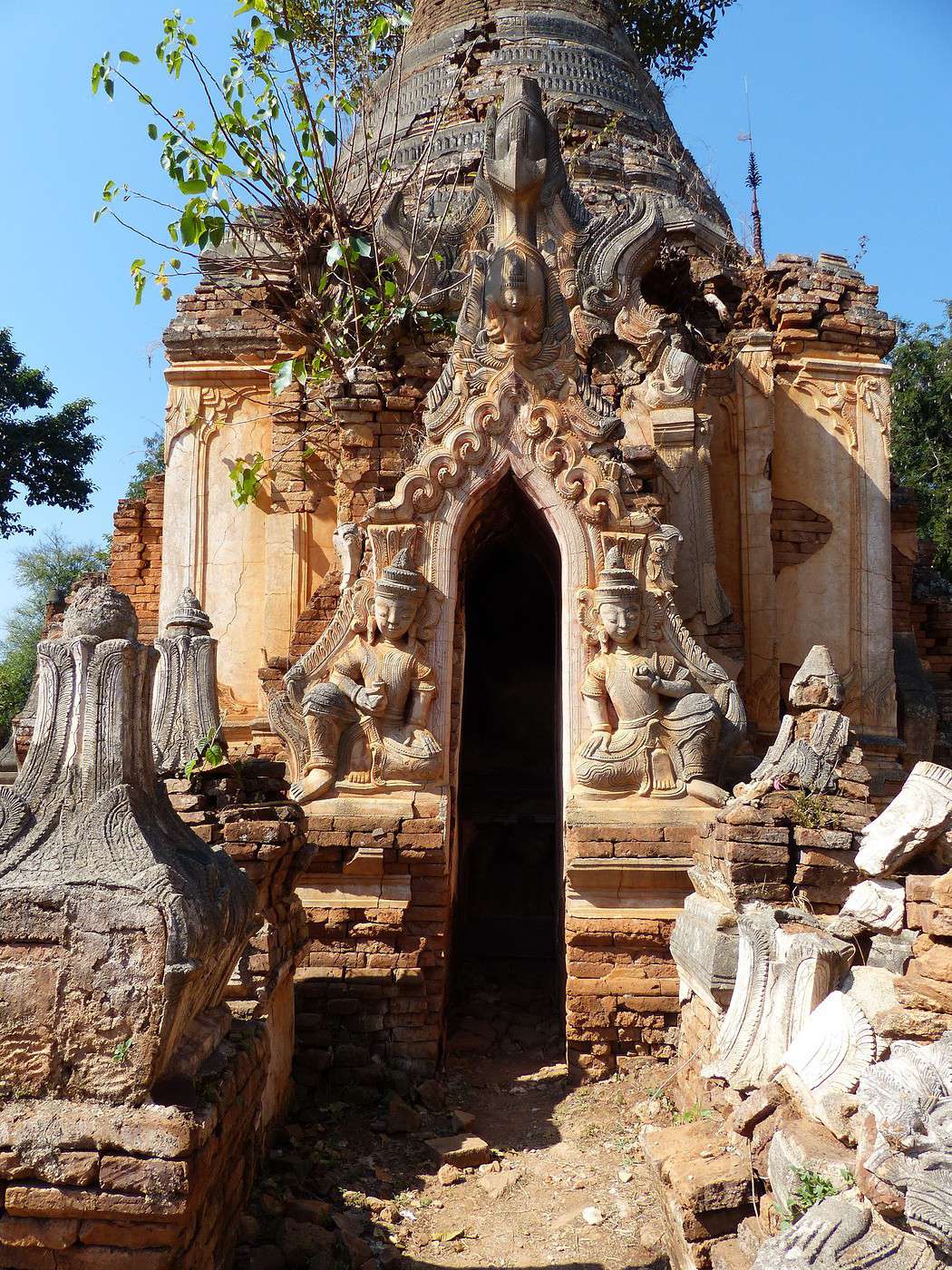
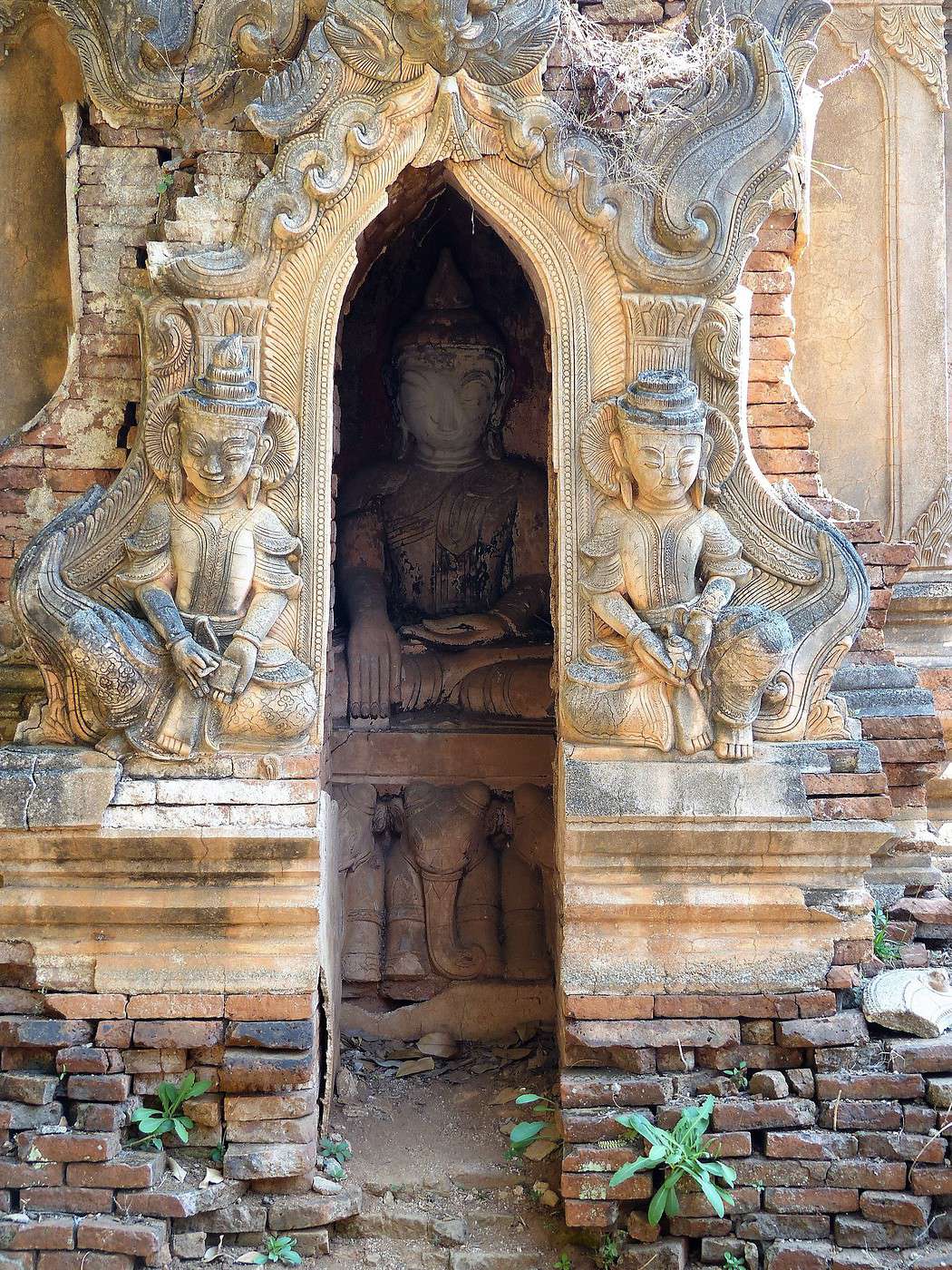
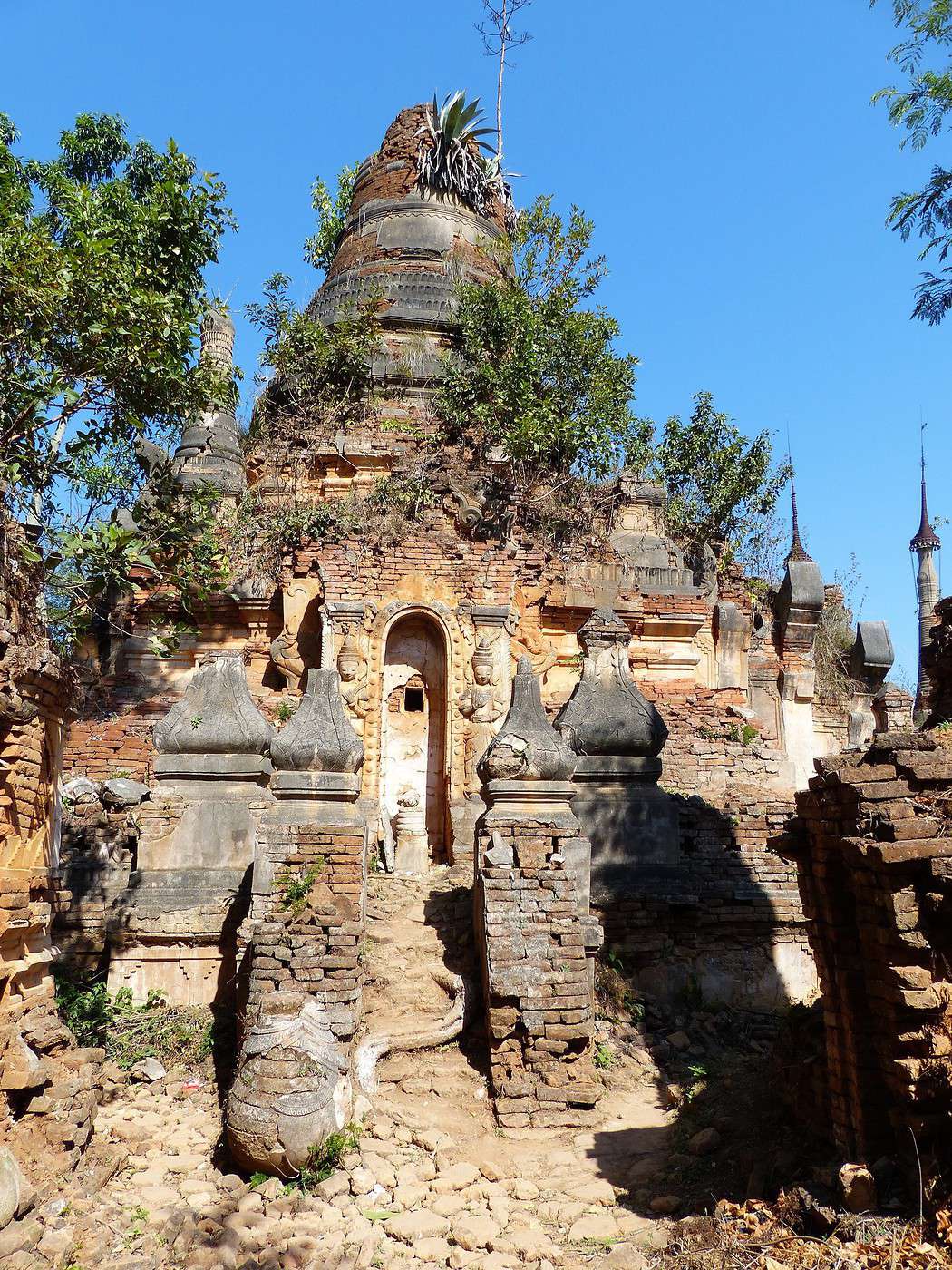
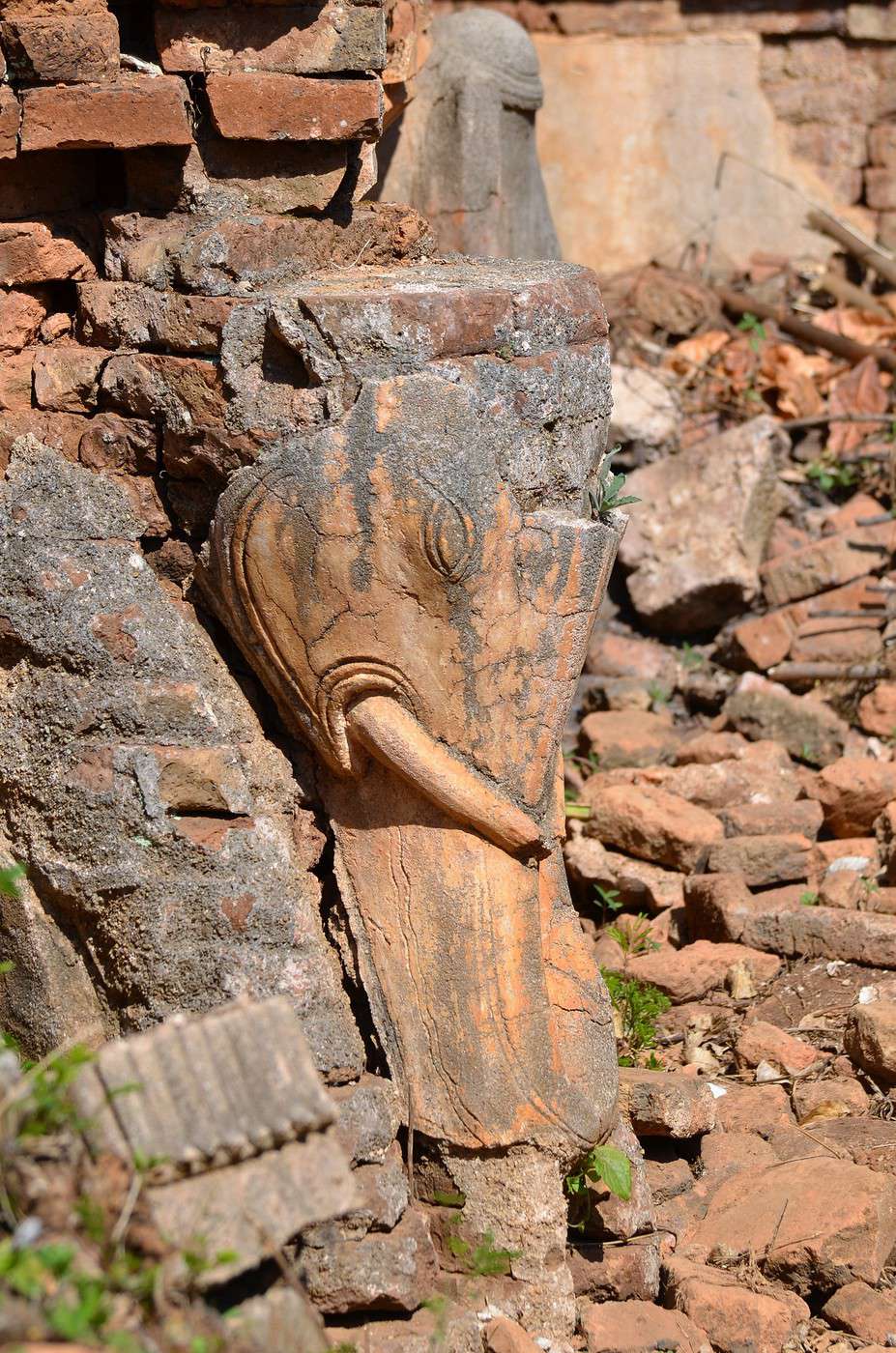
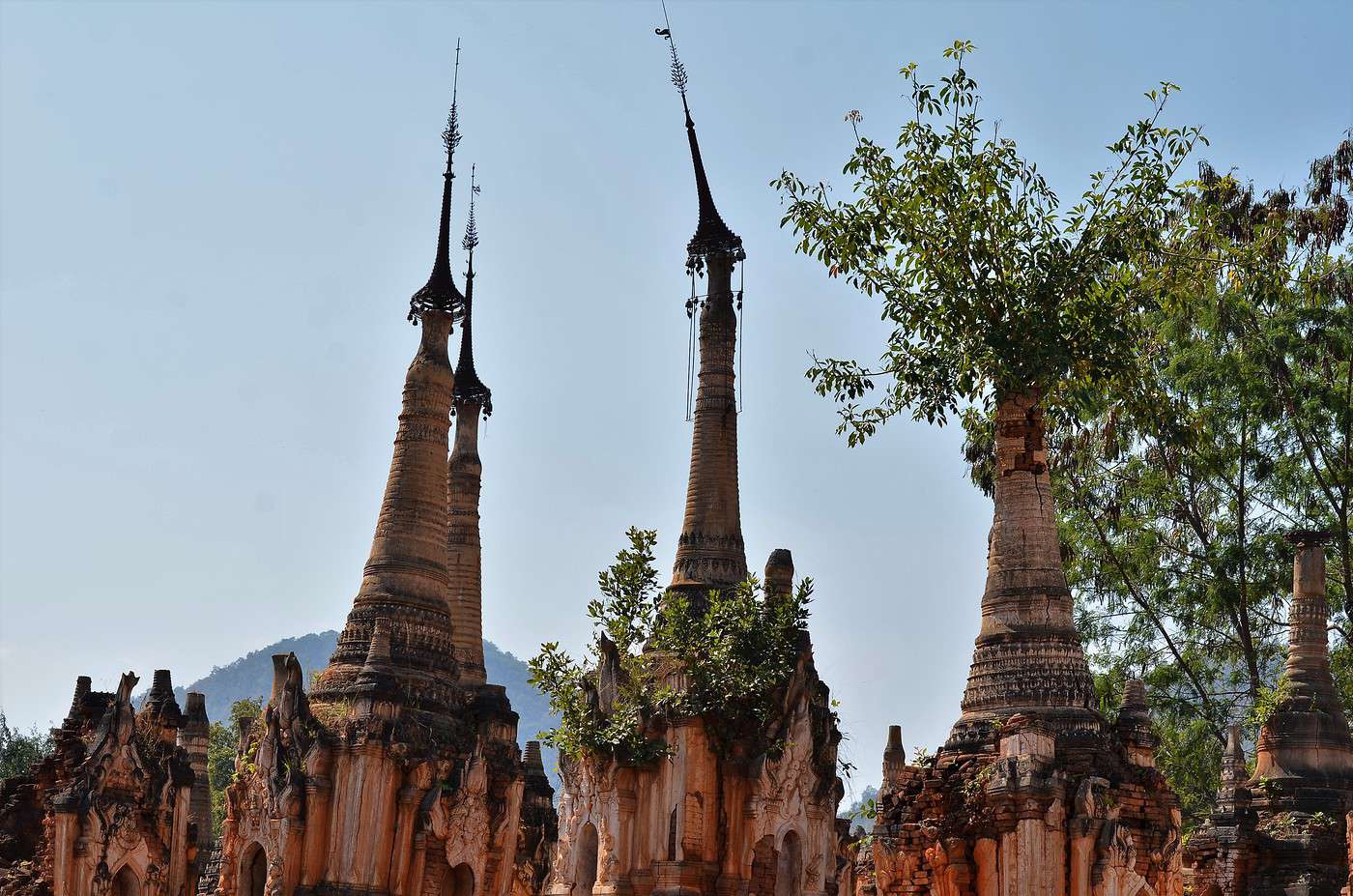
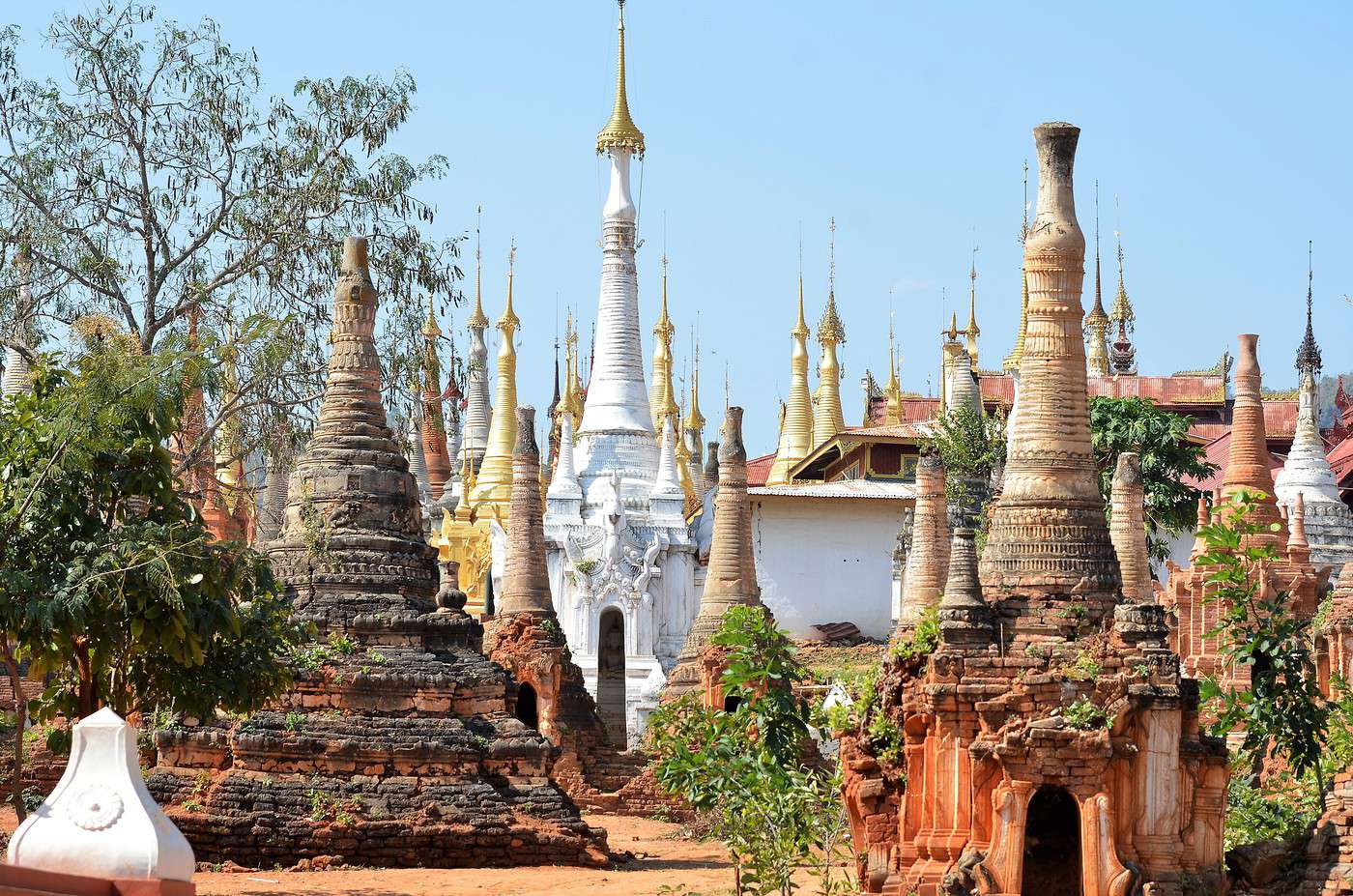
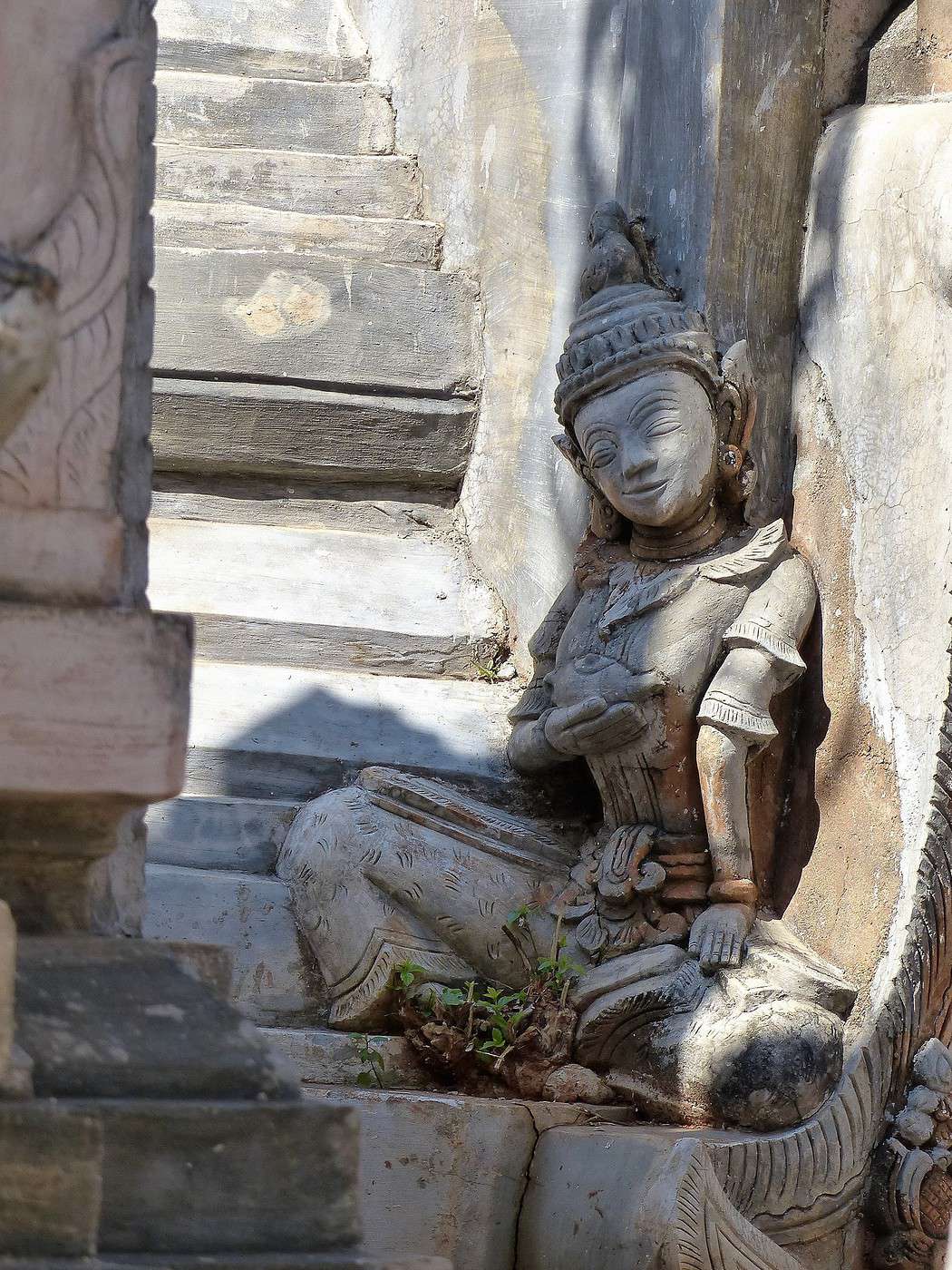
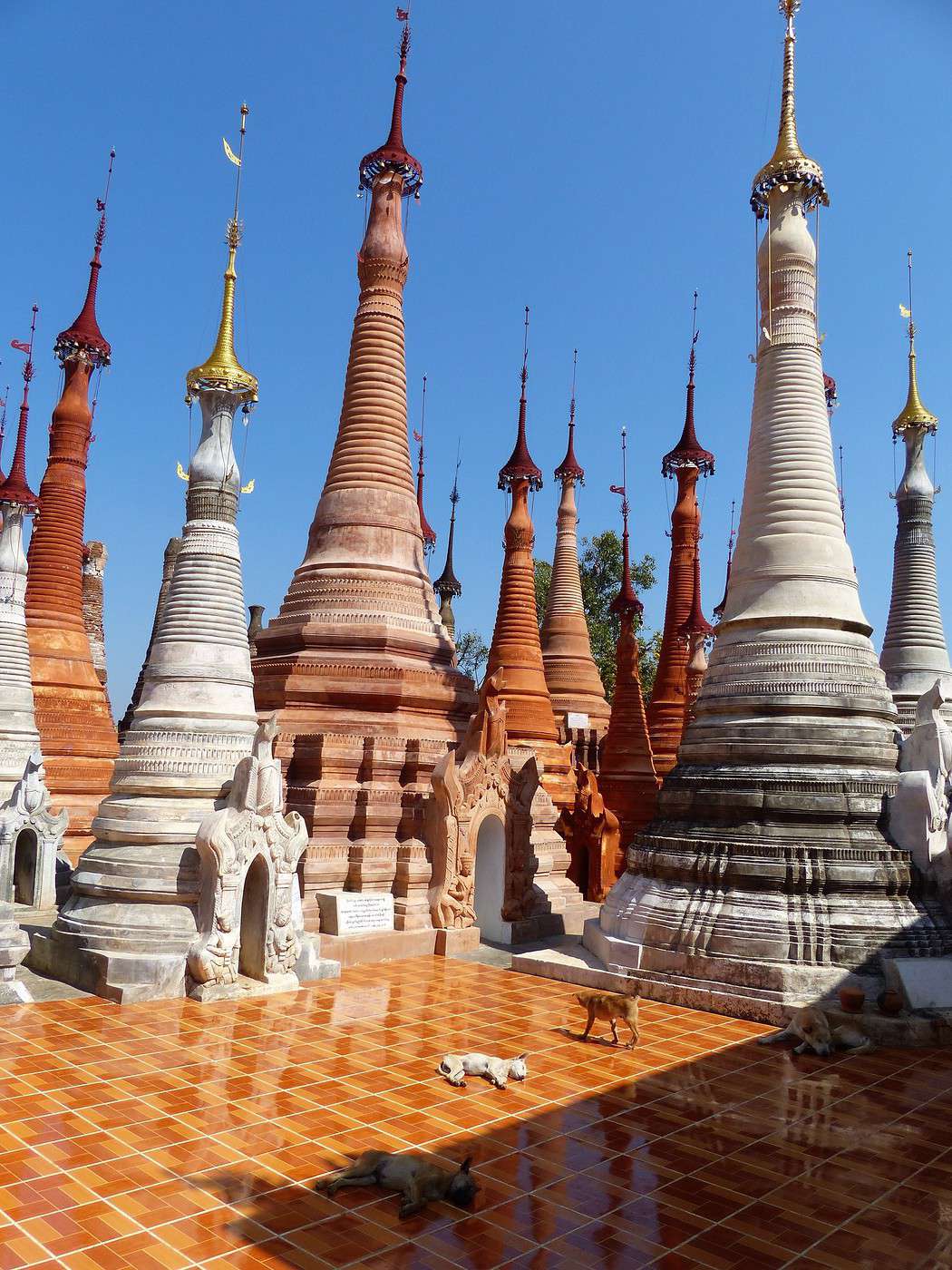
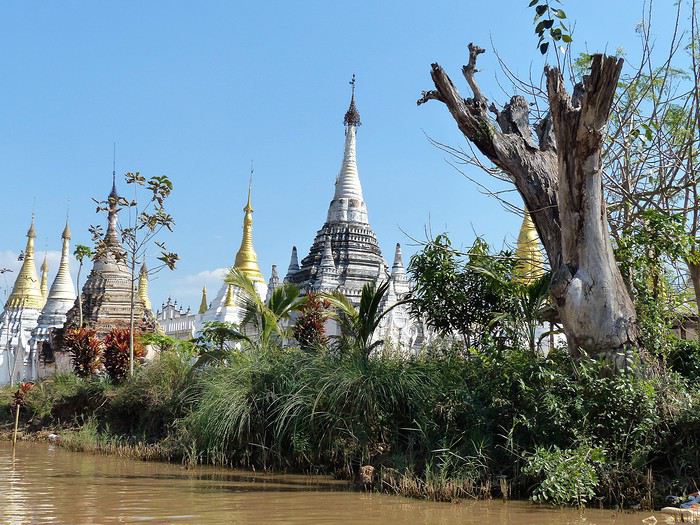
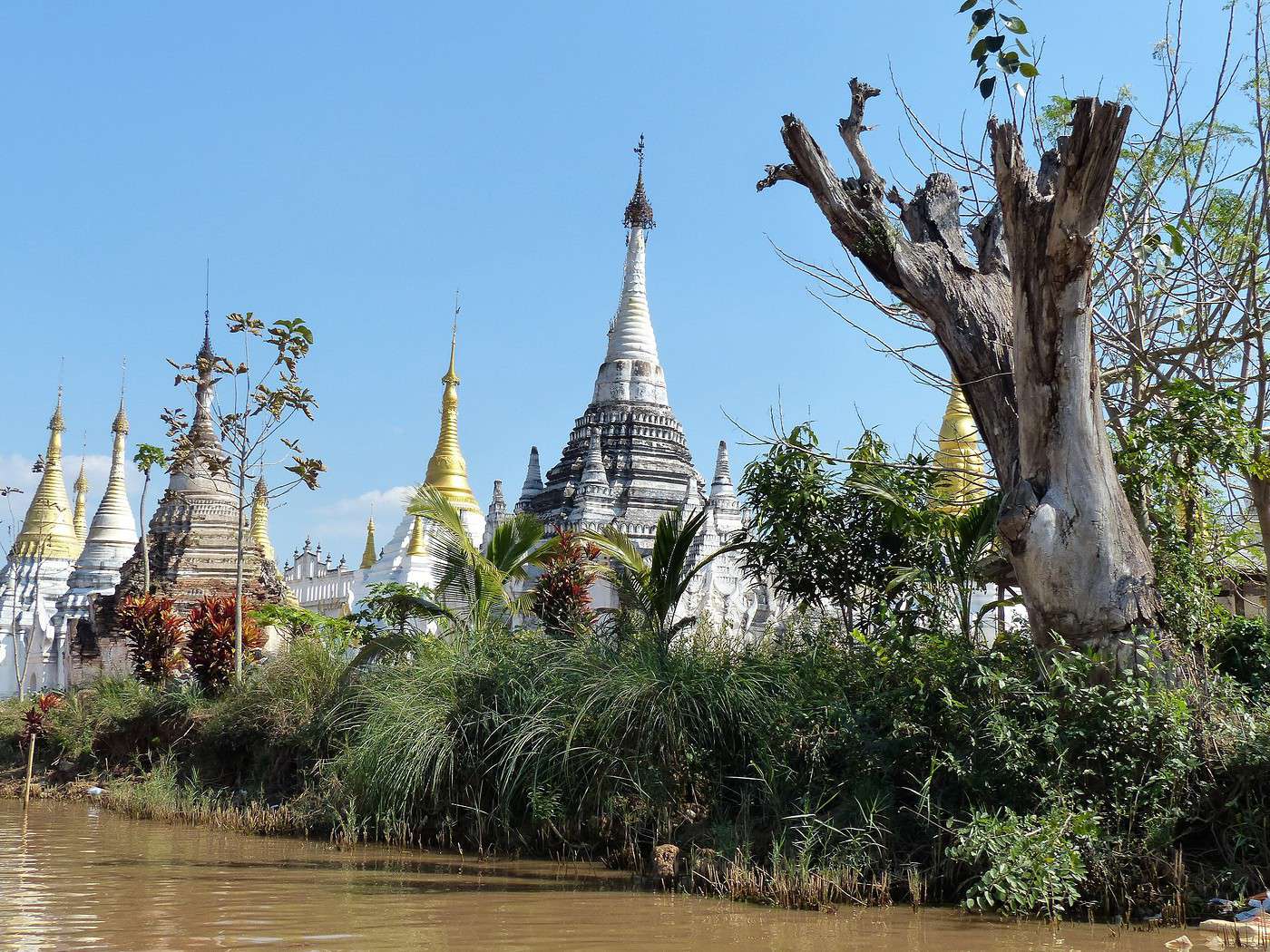
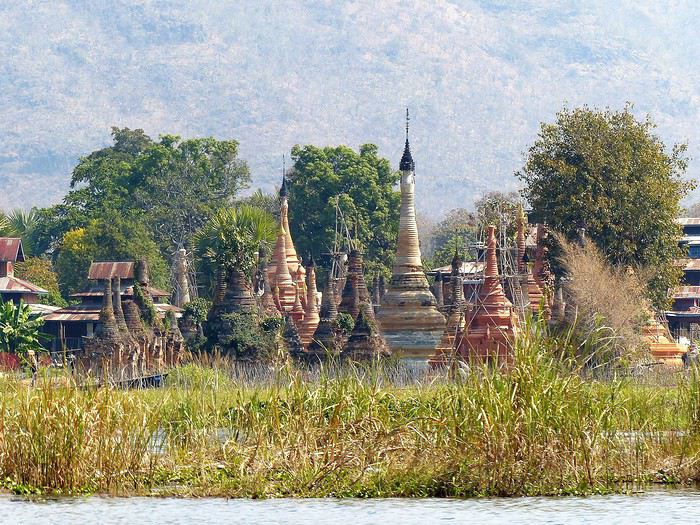
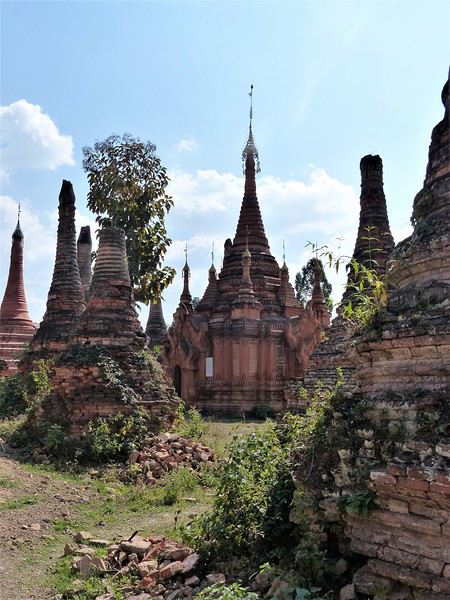
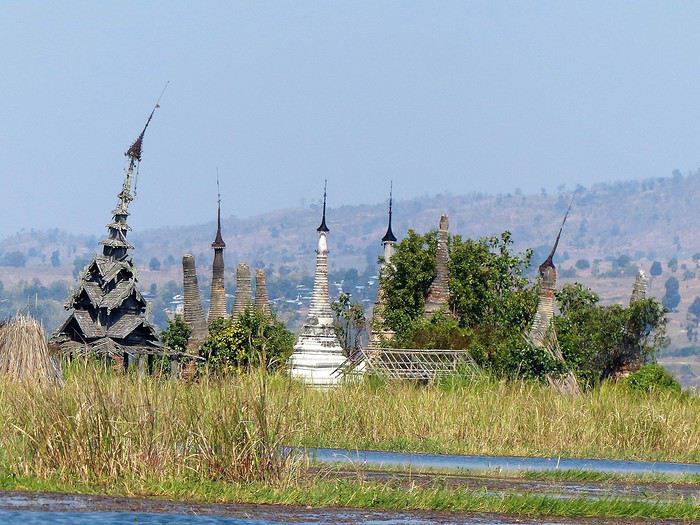
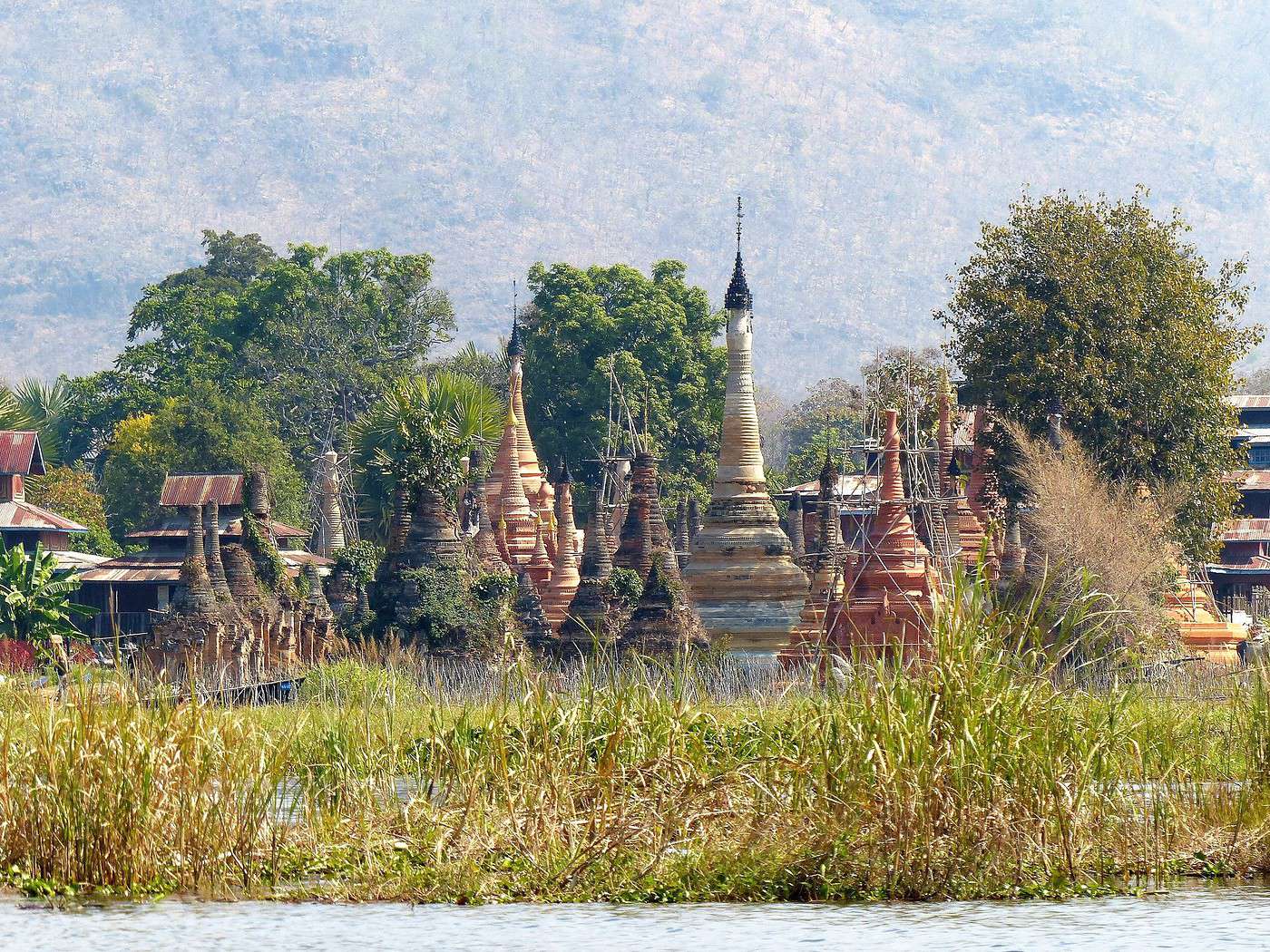
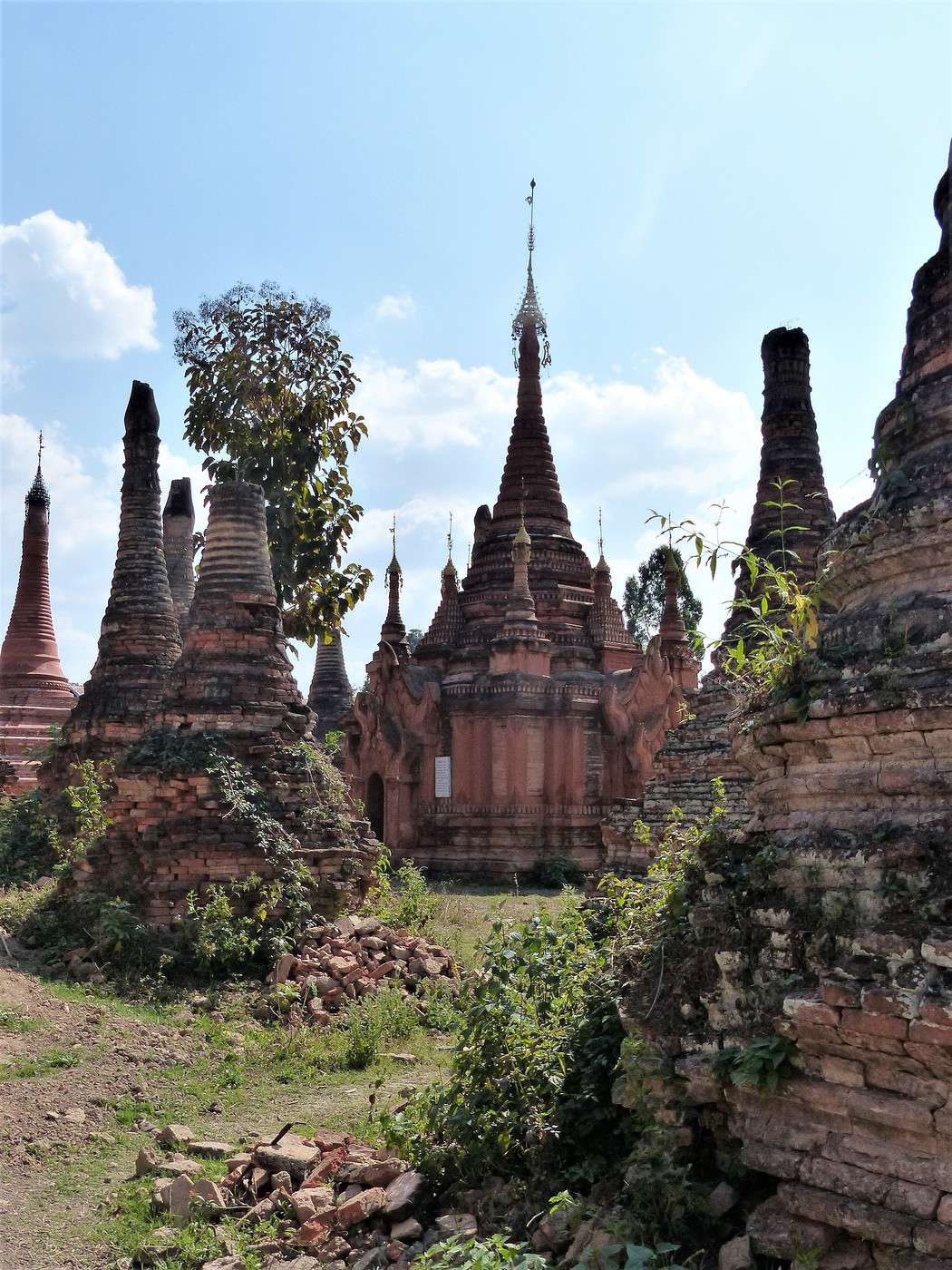
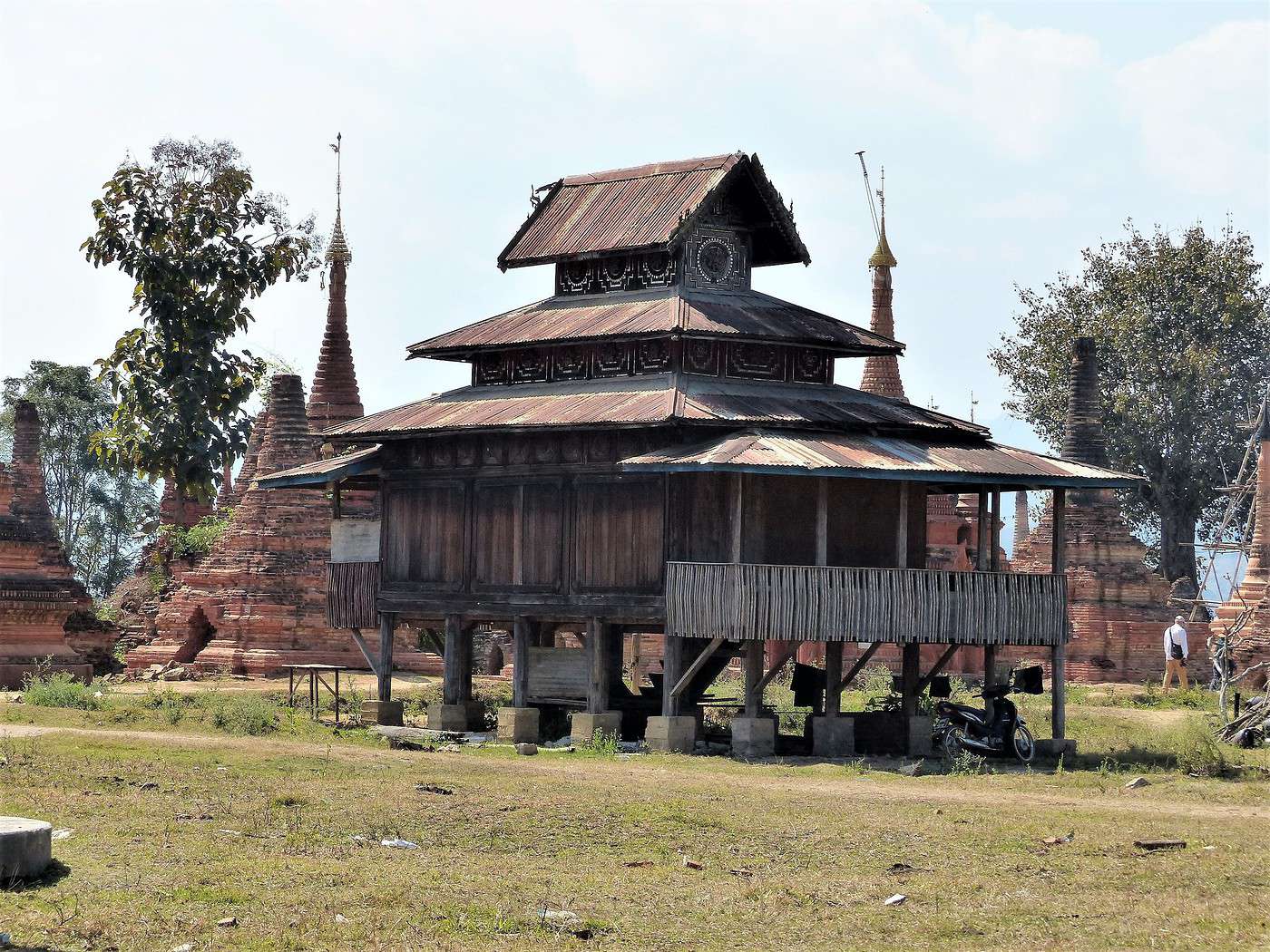
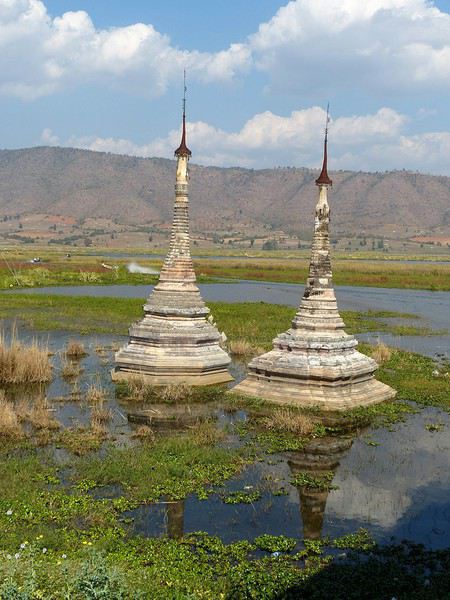
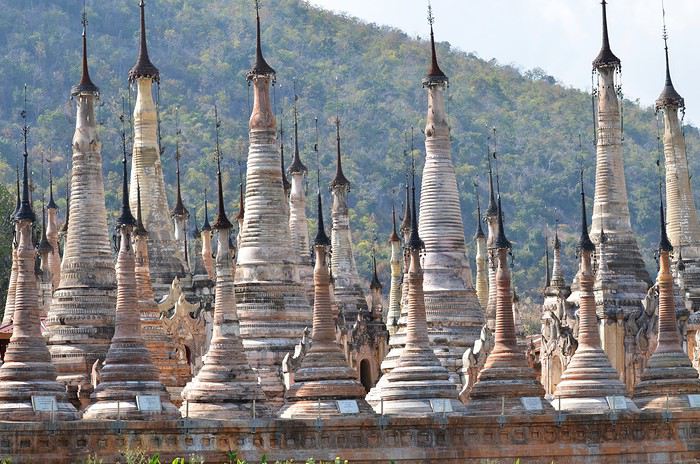
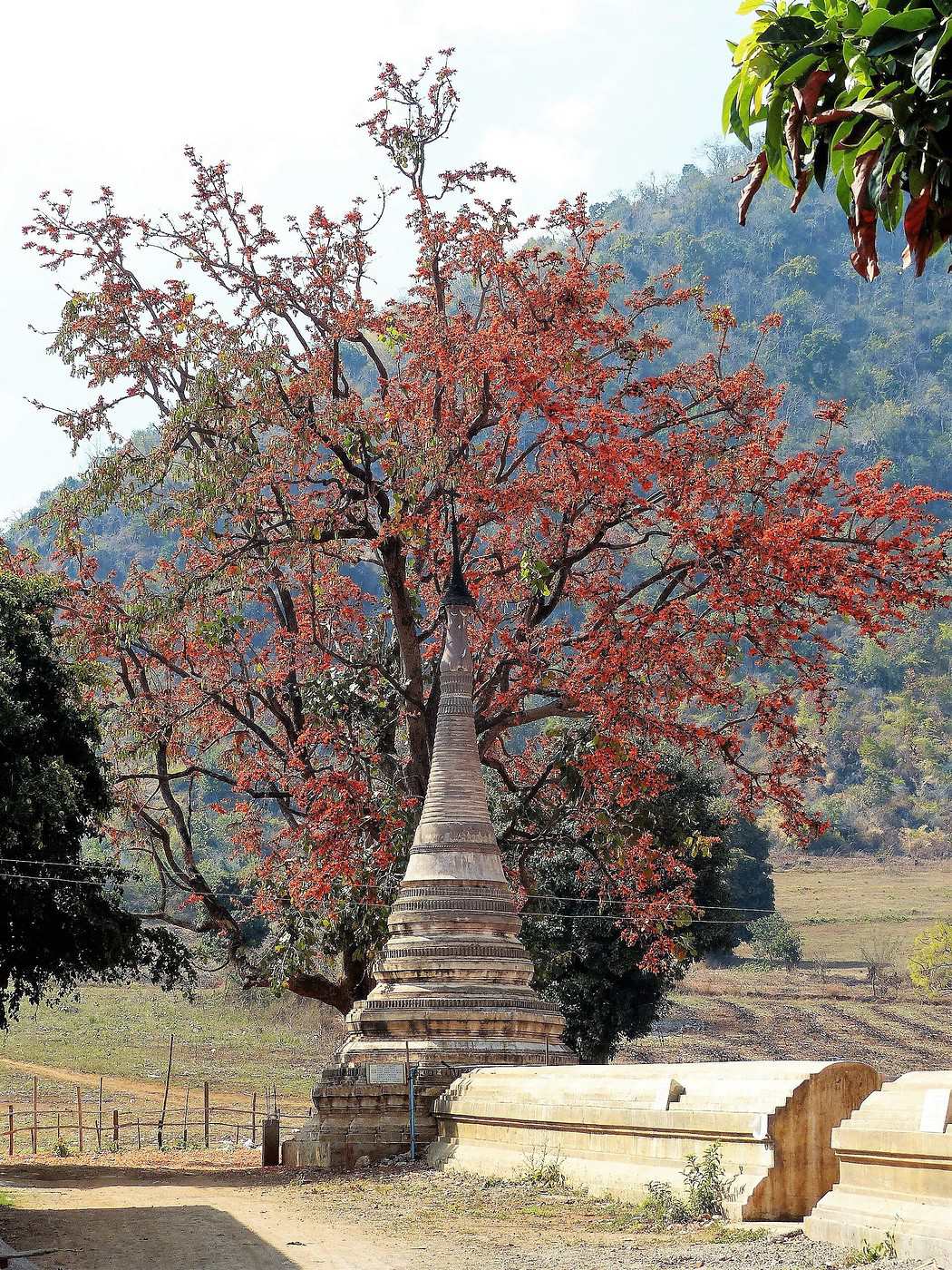
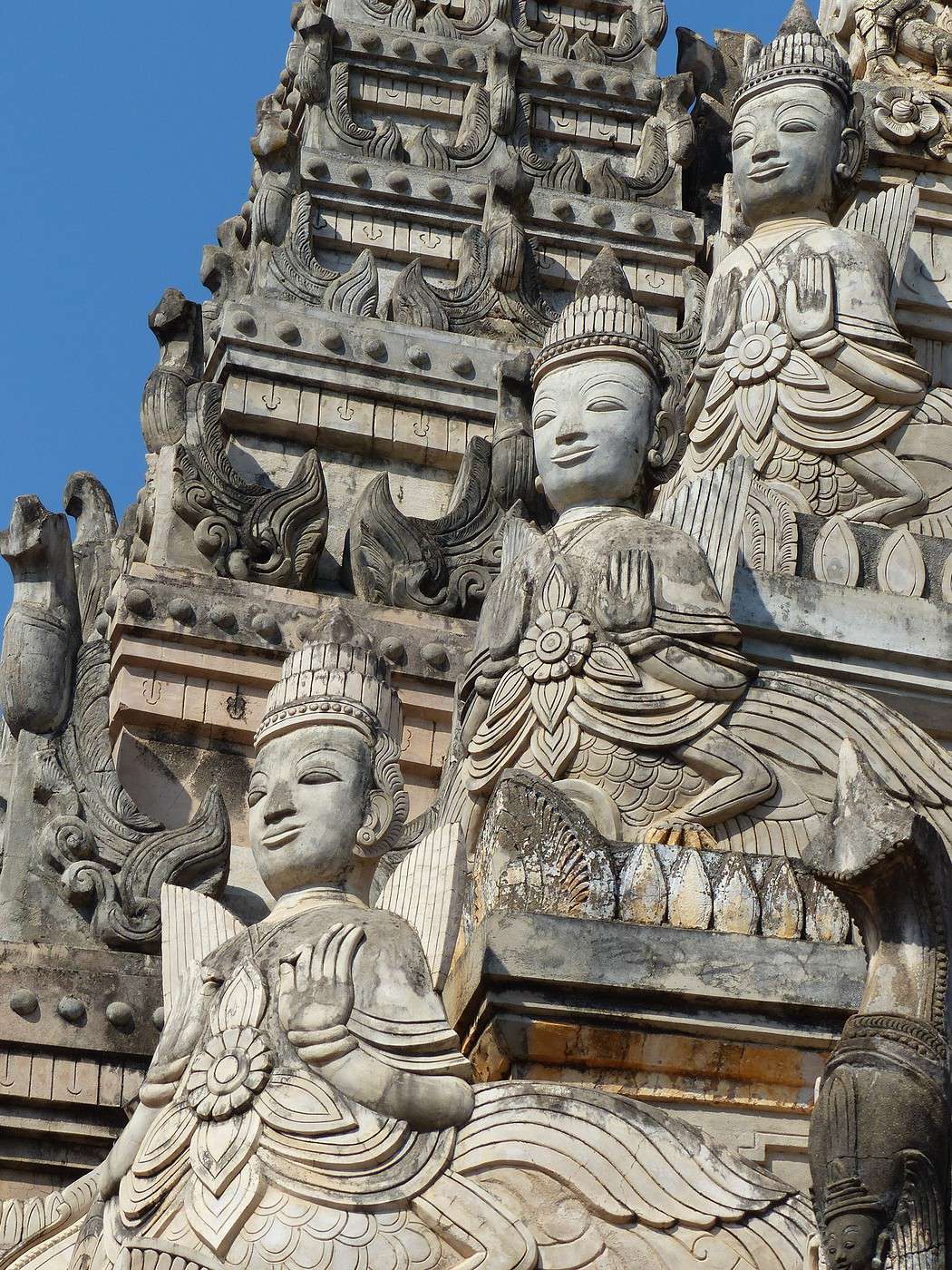
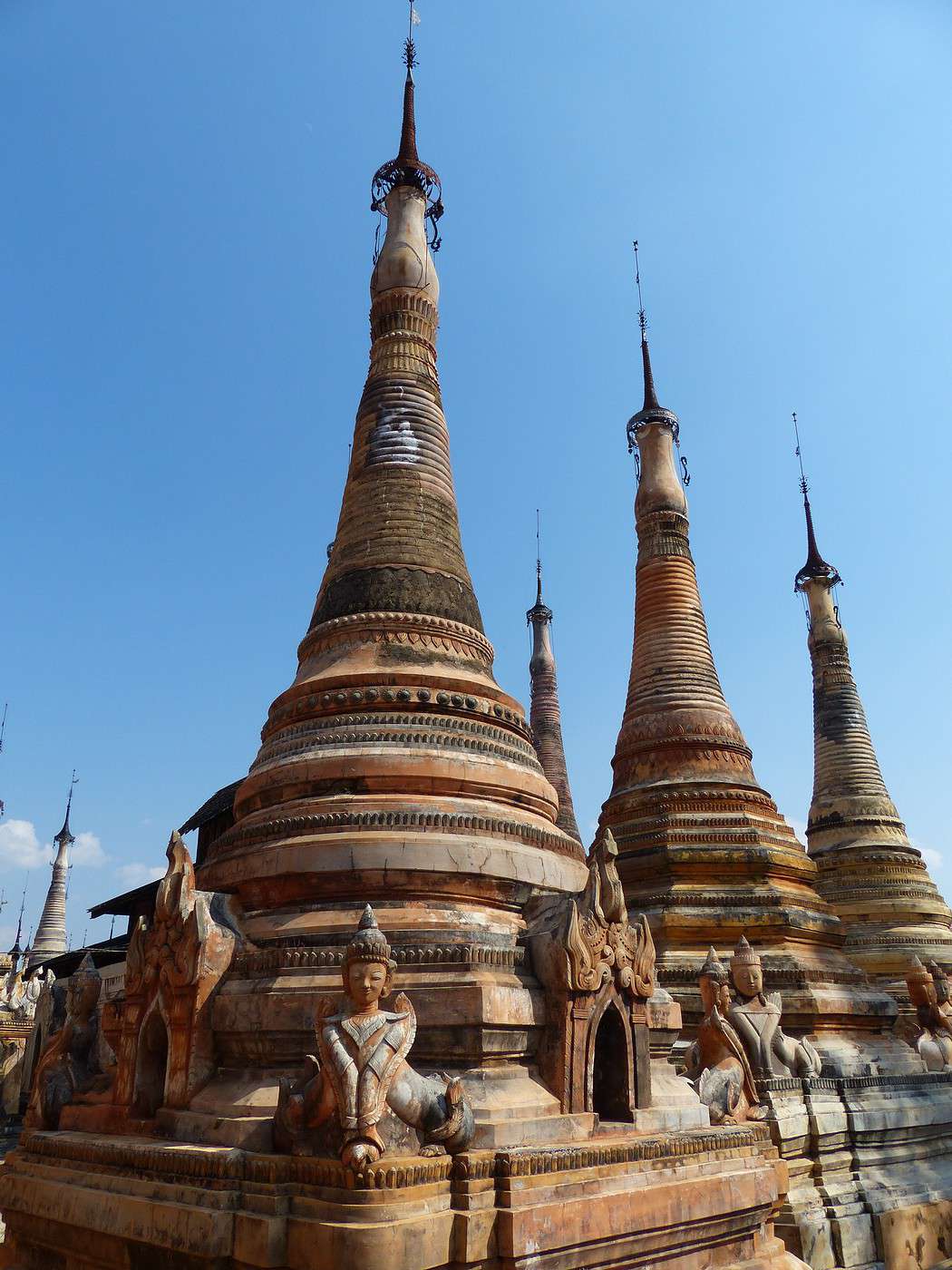
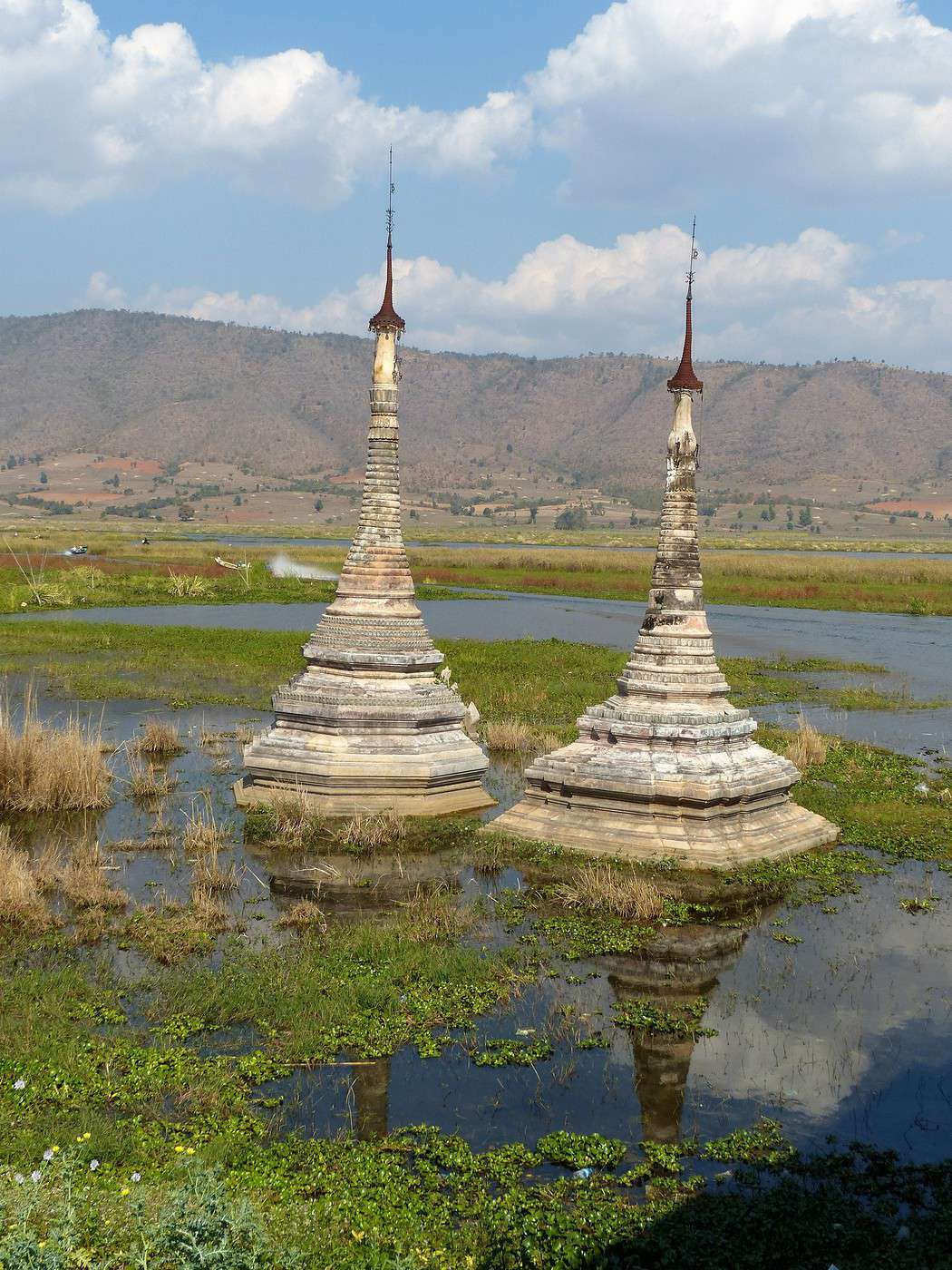
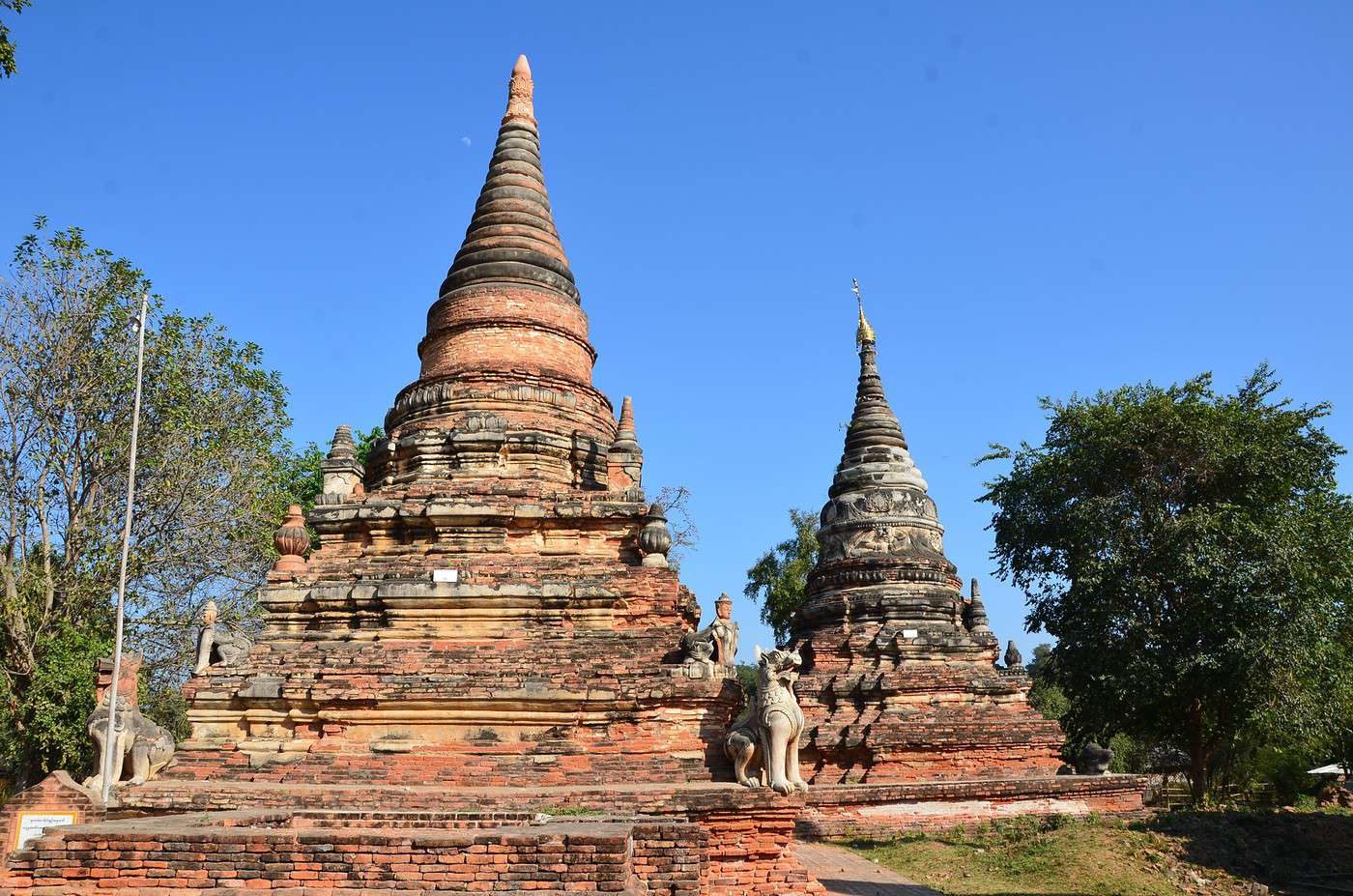
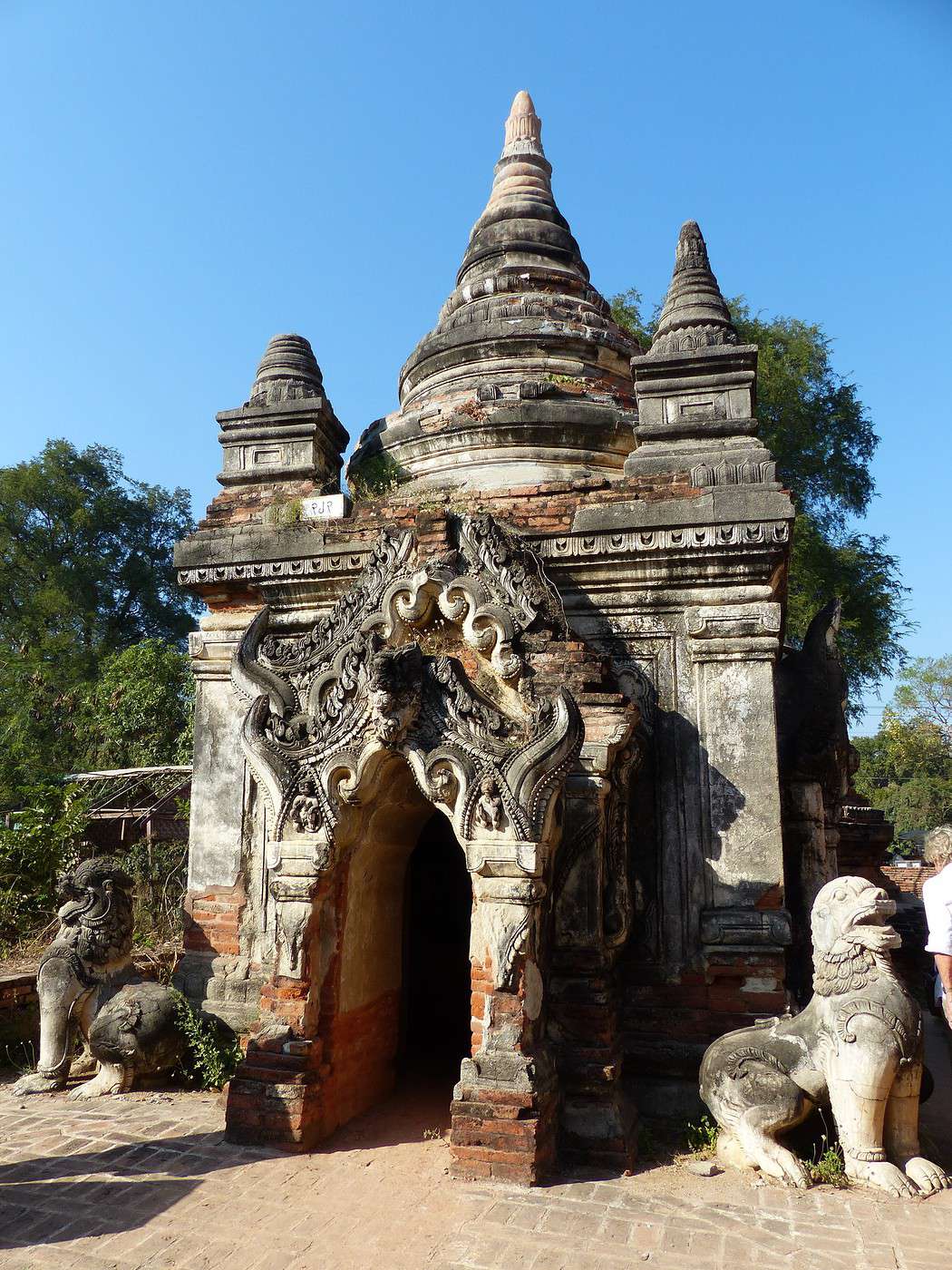
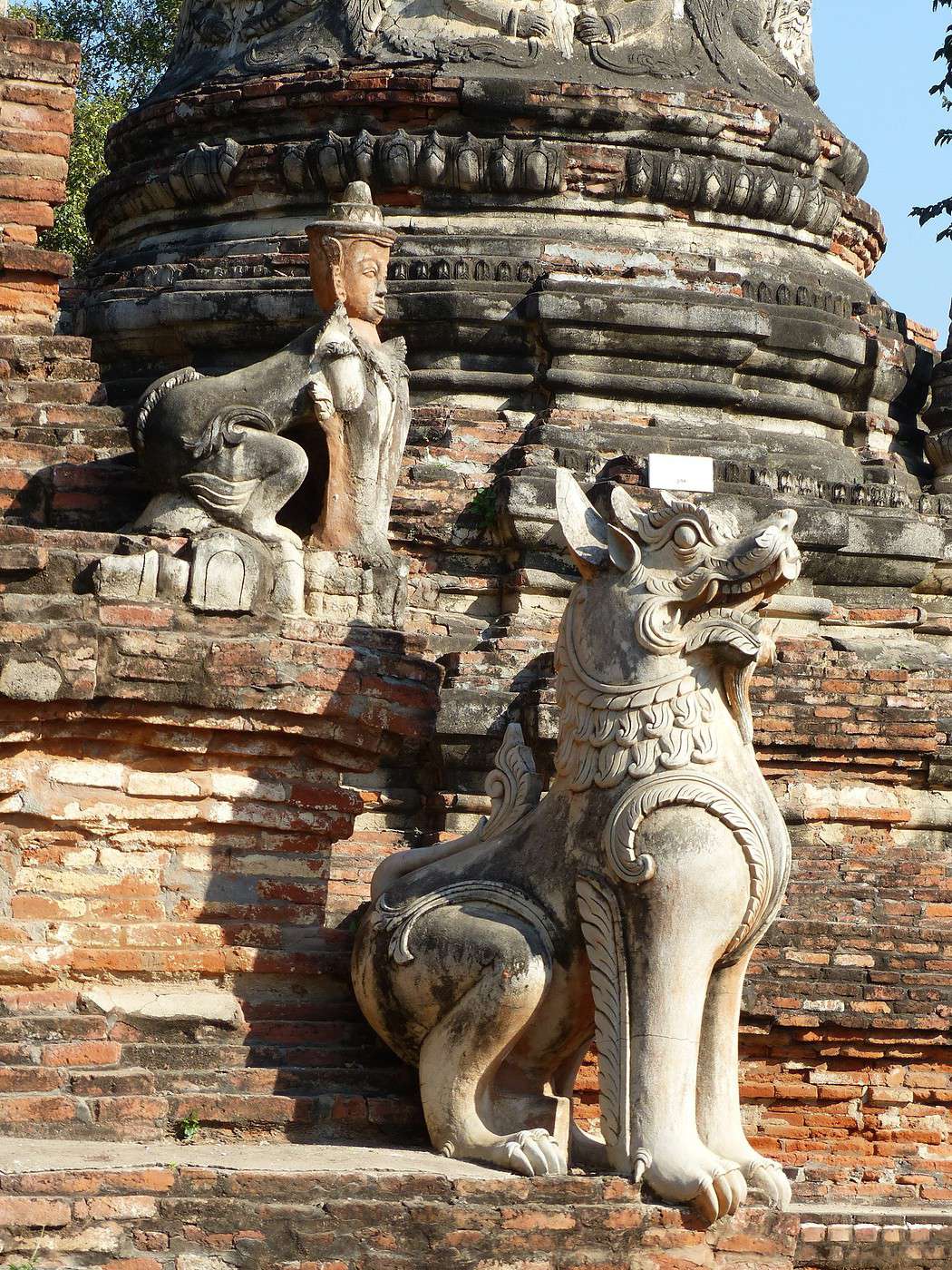
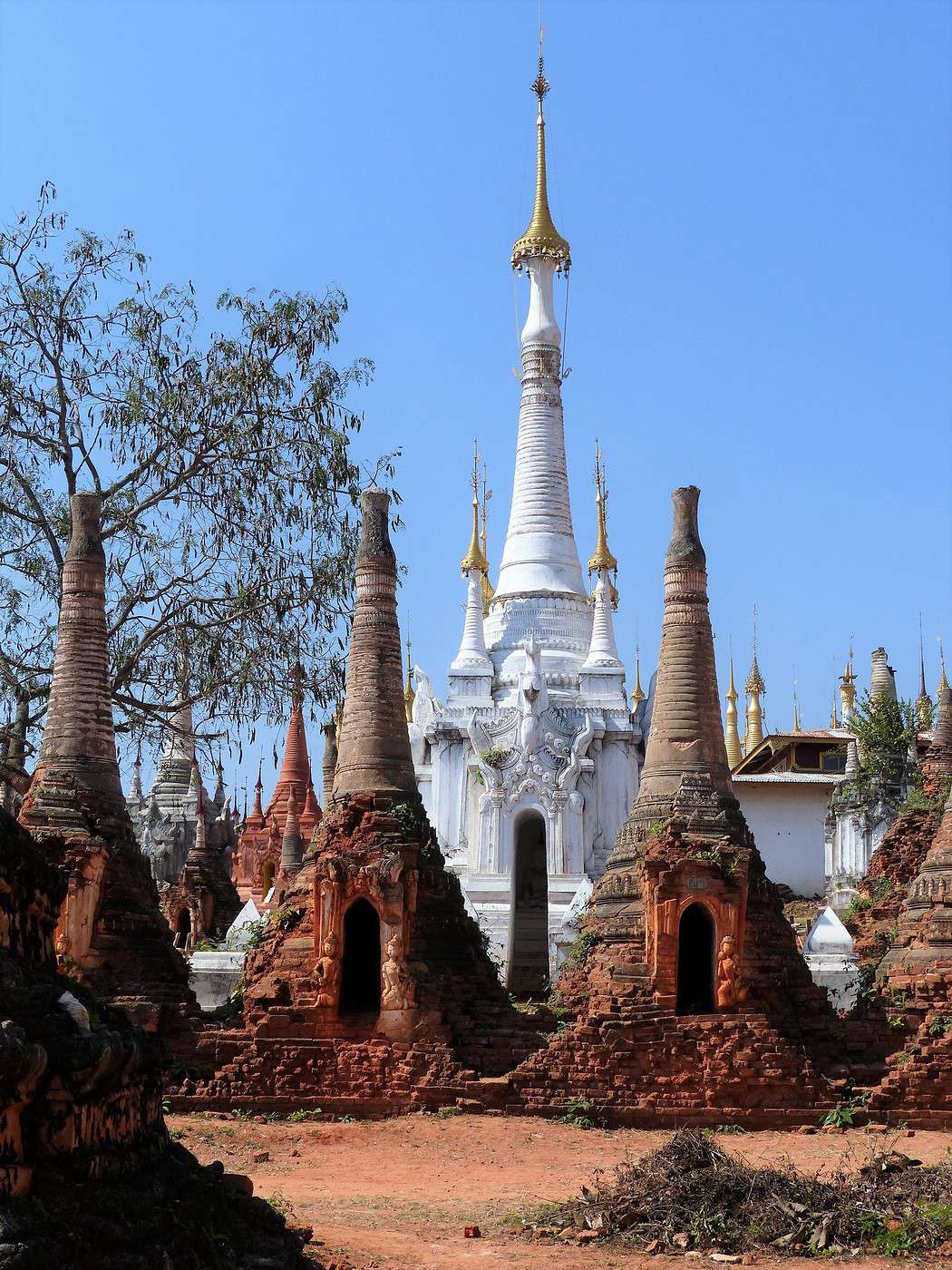
We’re already fascinated by the sight of the oldest stupas, near the shore. These first stupas, the oldest ones, are said to date back to the 14th century. They’re in ruins, surrendered to the vegetation.


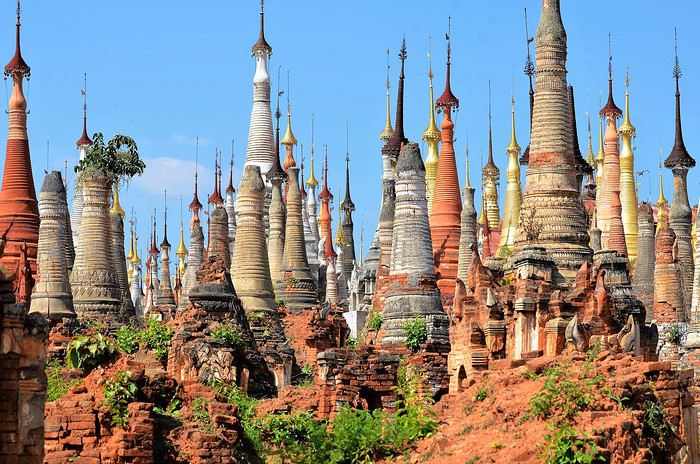
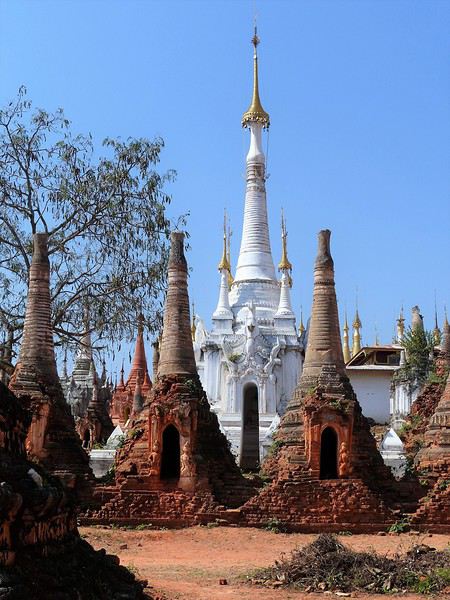
We wander for a moment among these melancholic silhouettes, then take the large covered staircase, lined with stalls that are just starting to open, leading to the sanctuary. Halfway up, we step out of the covered staircase to wander again among the stupas, these ones dating from the 17th century.


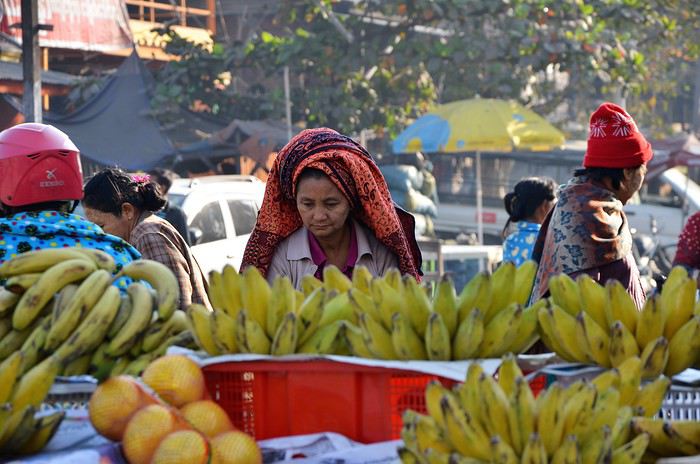
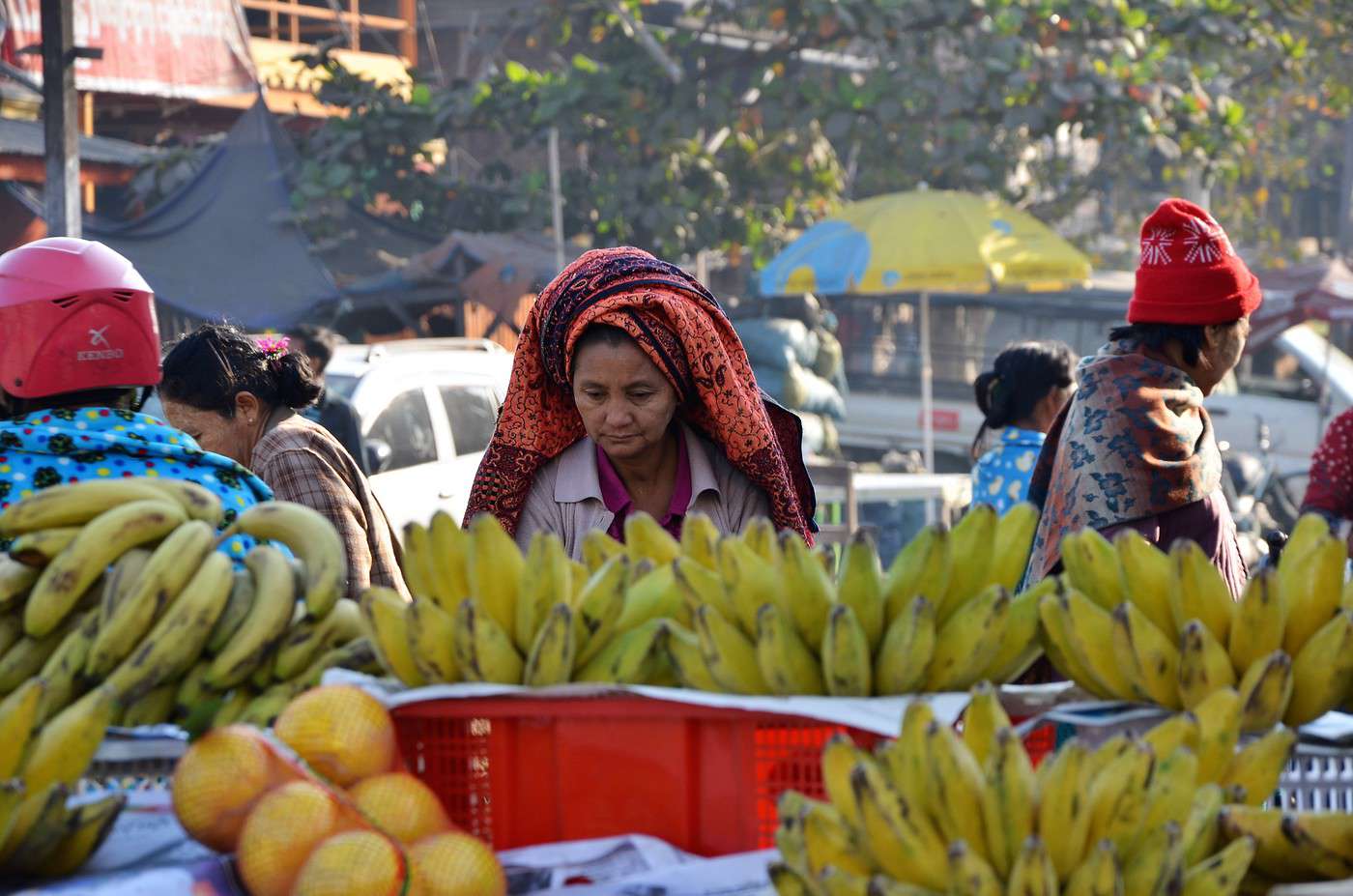
A banana vendor


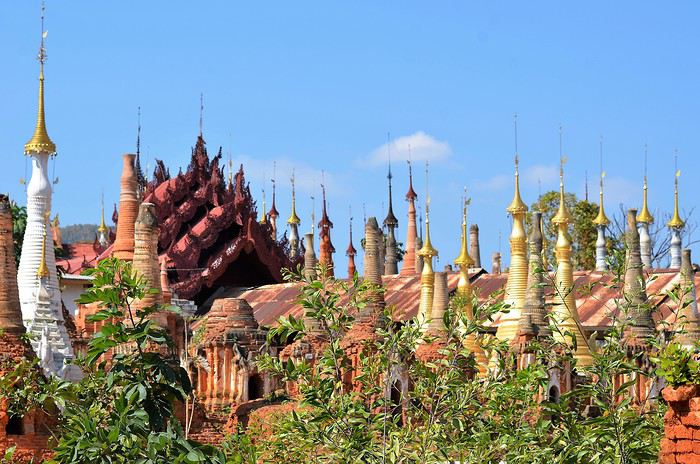
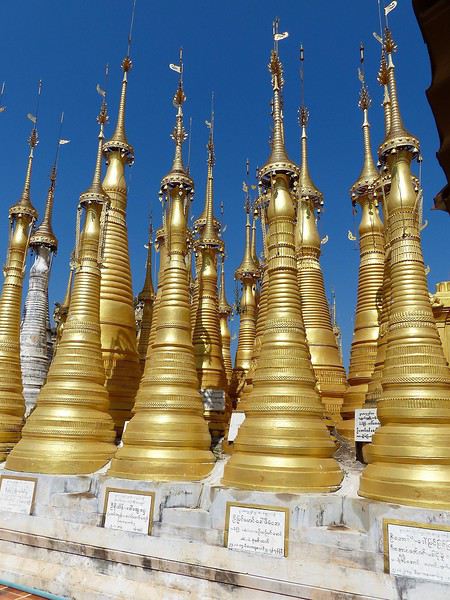
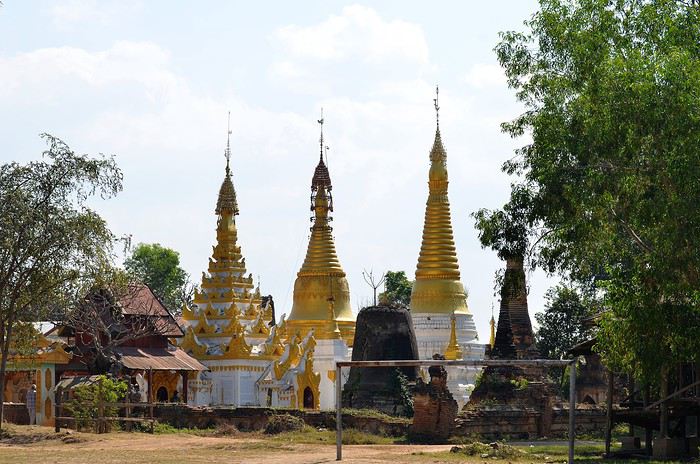
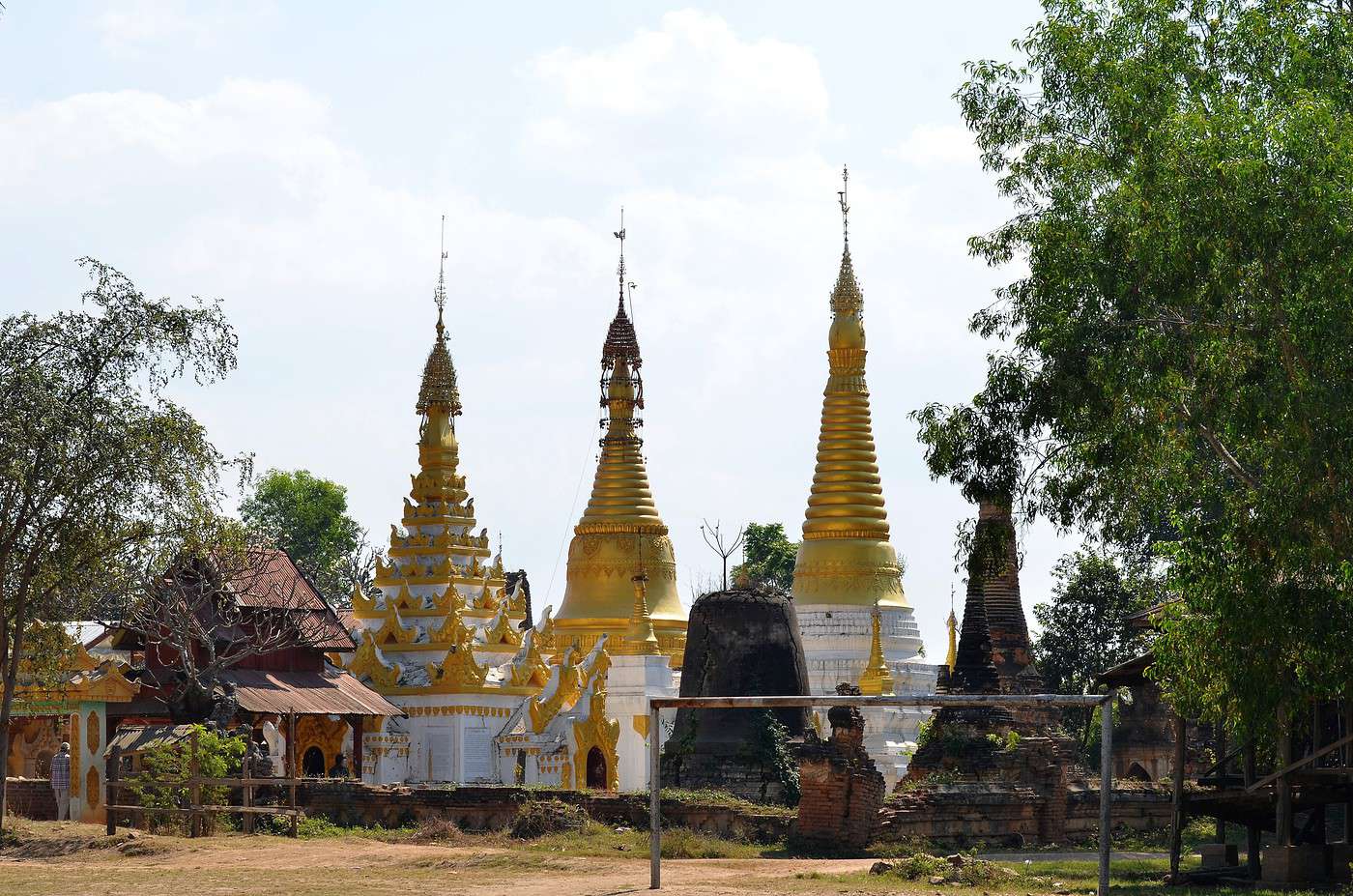
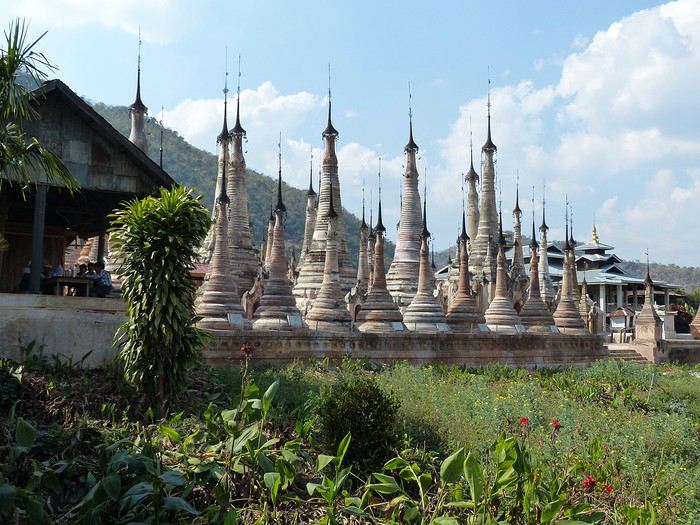
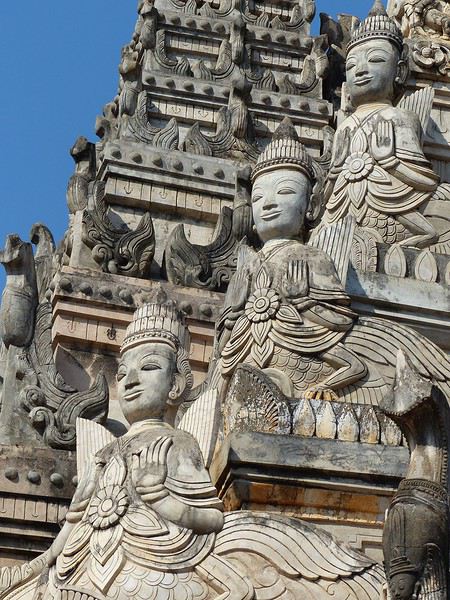
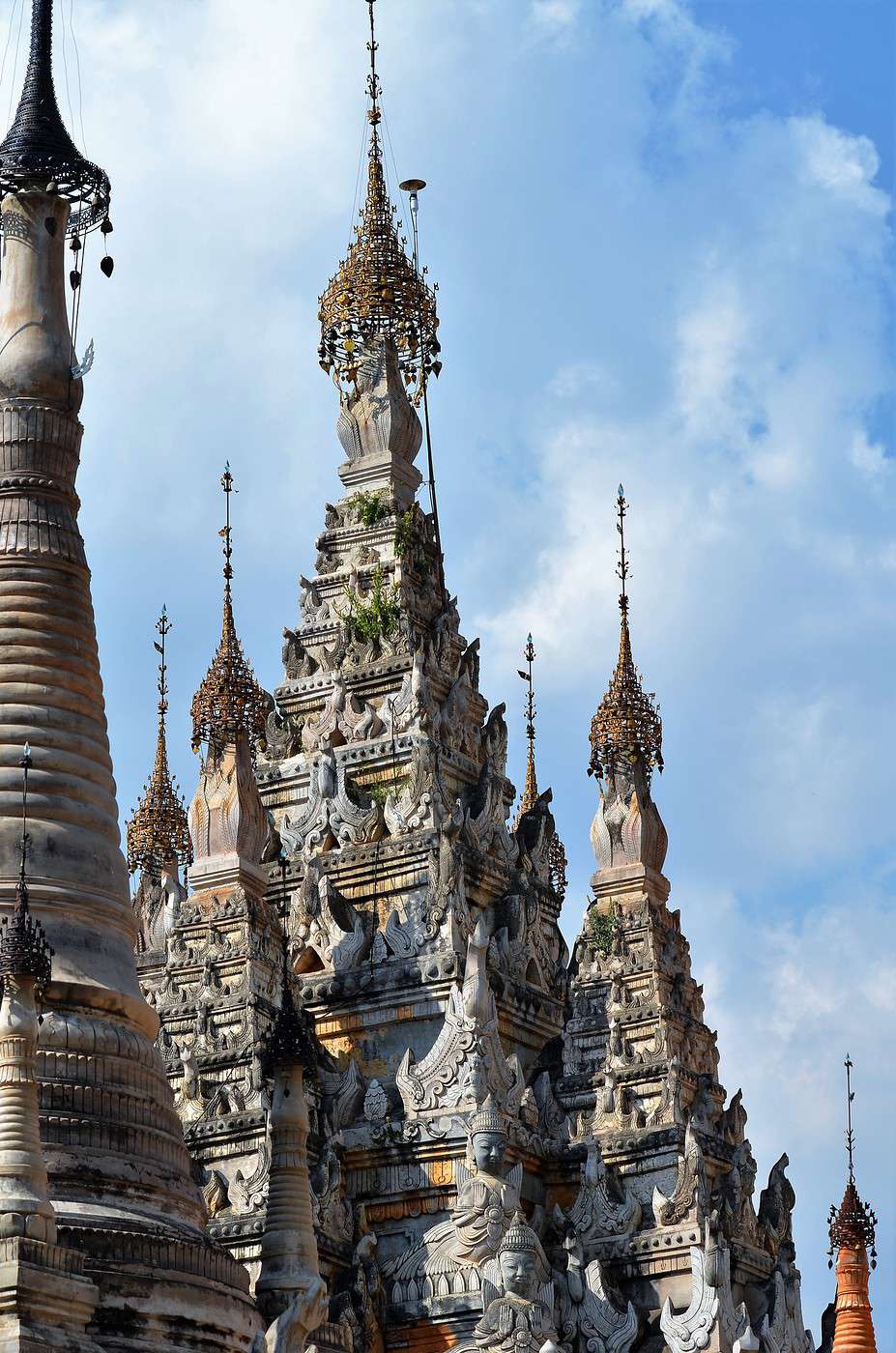
The closer we get to the sanctuary, the more it’s surrounded by slender zedis, like an enclosure of golden arrows.


Inside the sanctuary:


When we head back down, the shops along the covered path are open, and we come across many visitors. A tip: if you go, do like we did and set off early in the morning!

Burma as we had dreamed of it

Fabhyène · 2017-05-08 · Message 26 of 94

(End of the second day in Inle)

We leave Inthein and head back down the river to return to the lake.

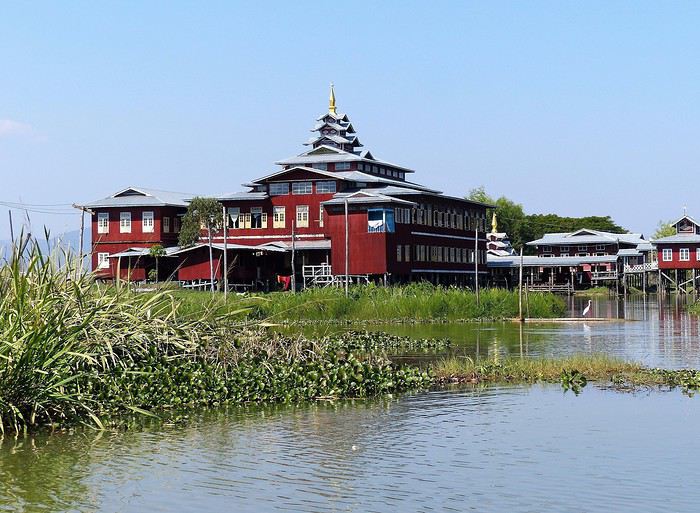
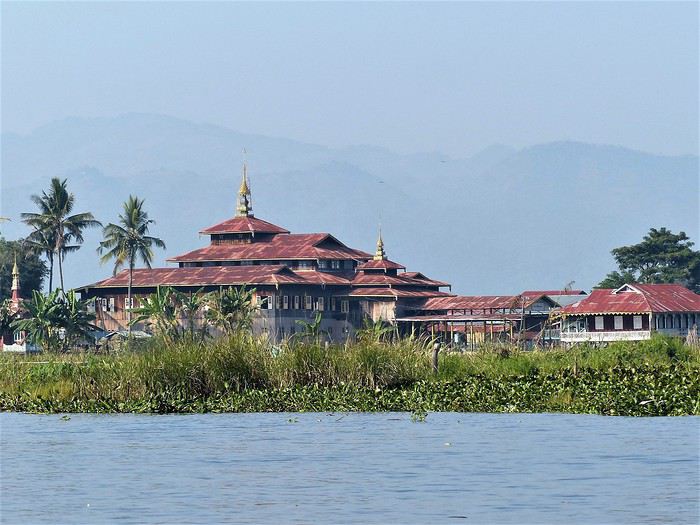
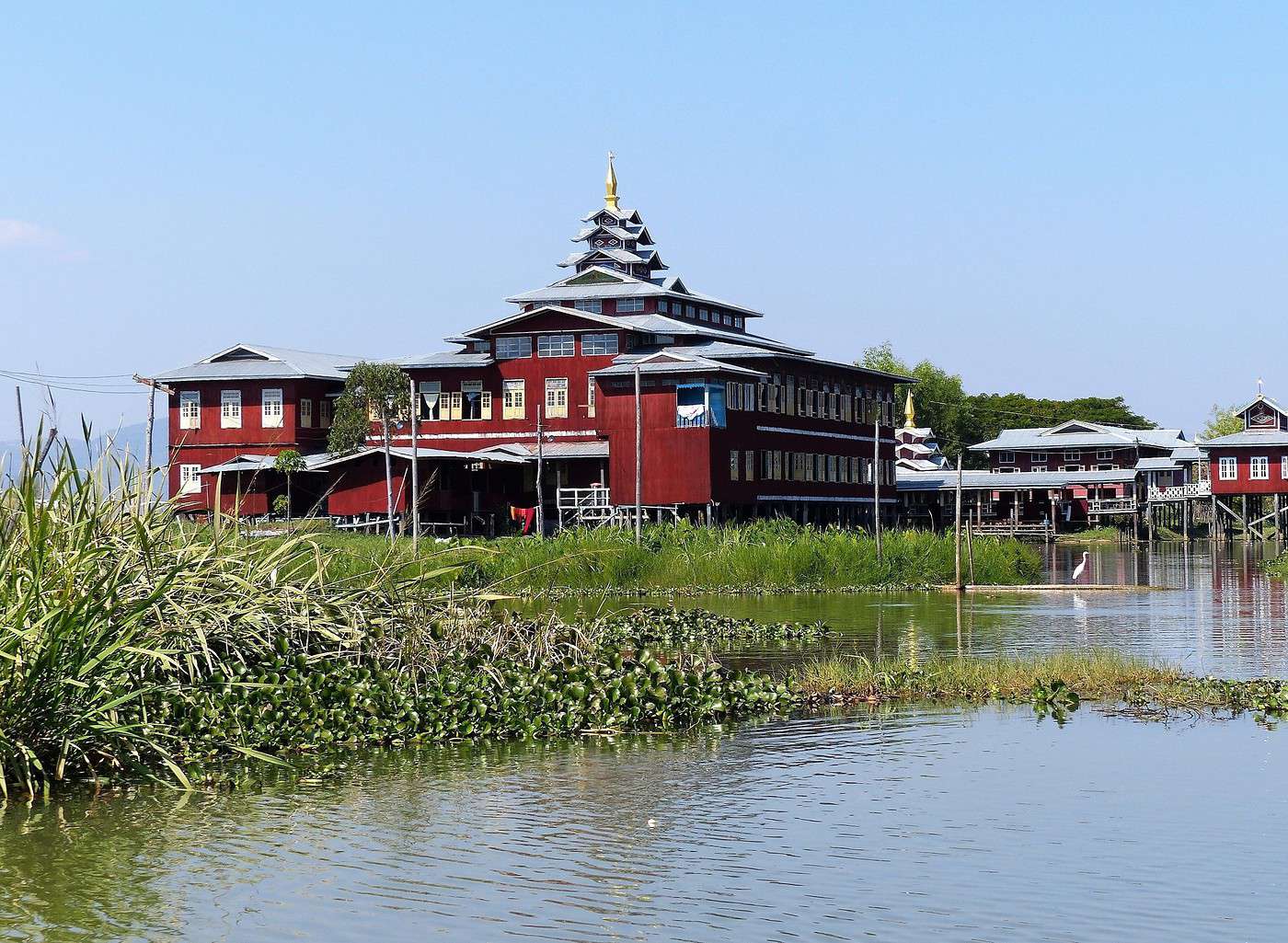
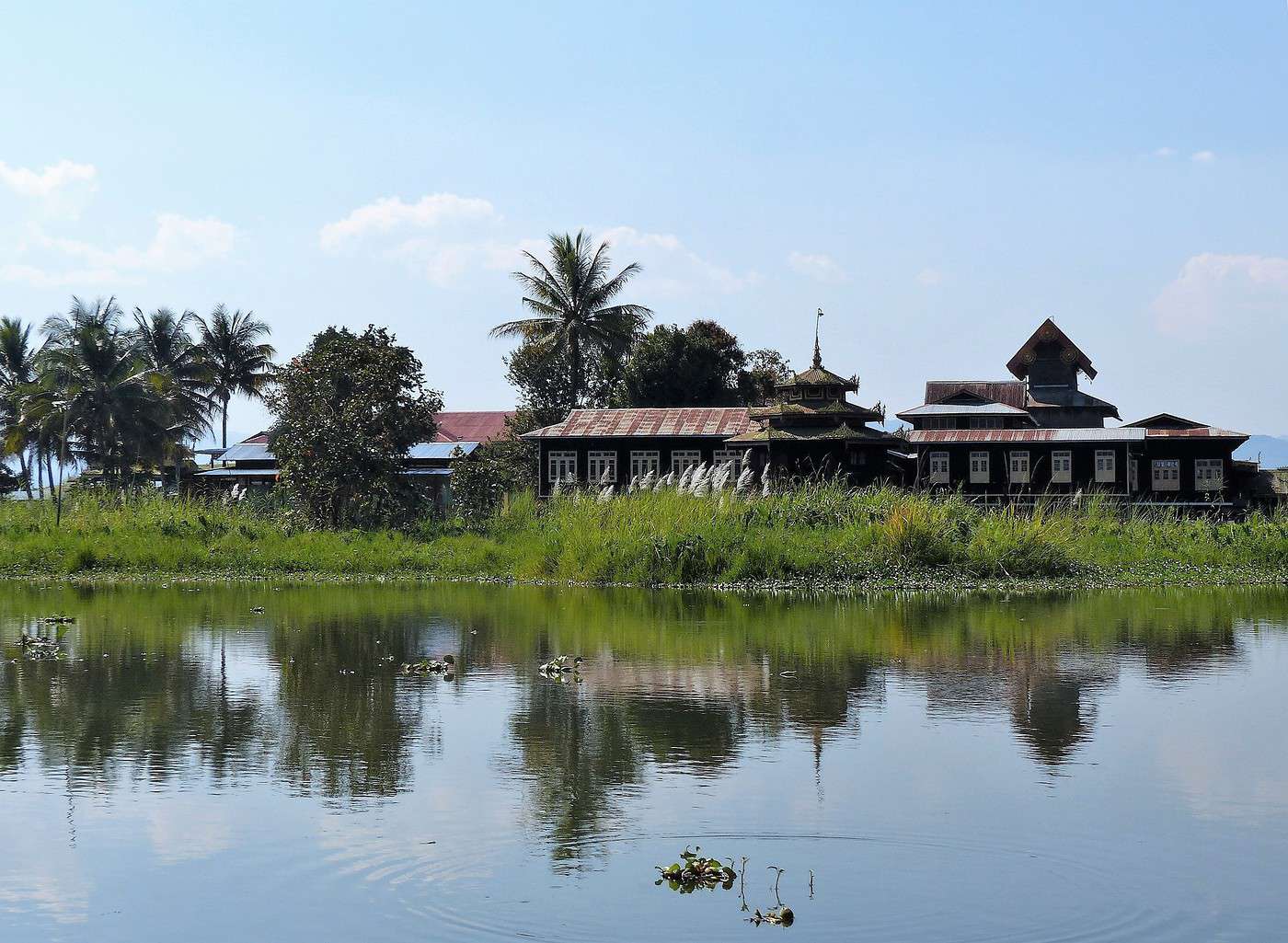
We pass by the Pein Daw Monastery in Iwama (below)


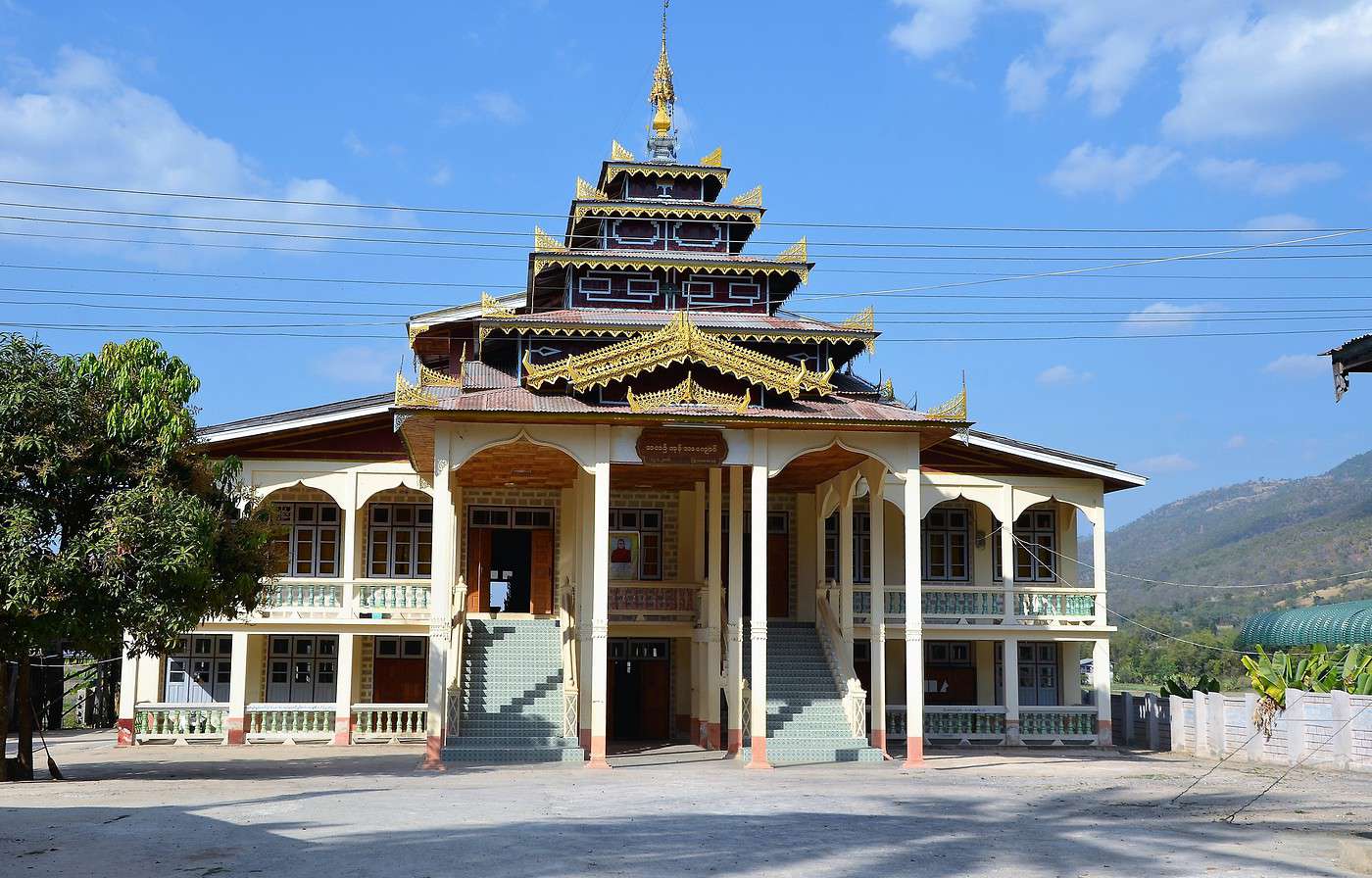
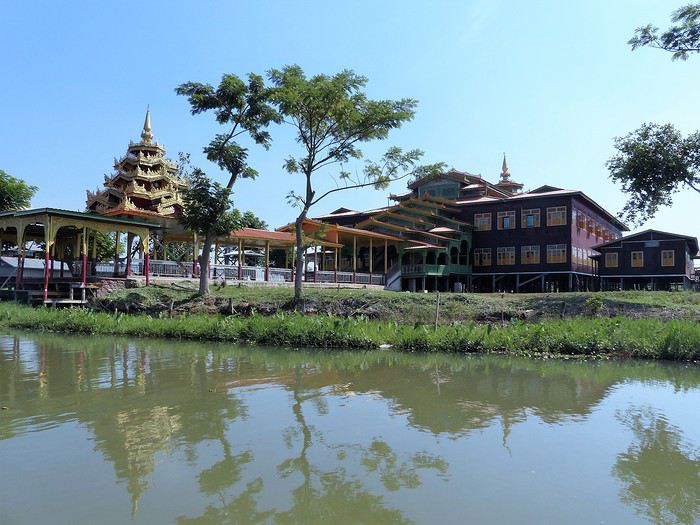
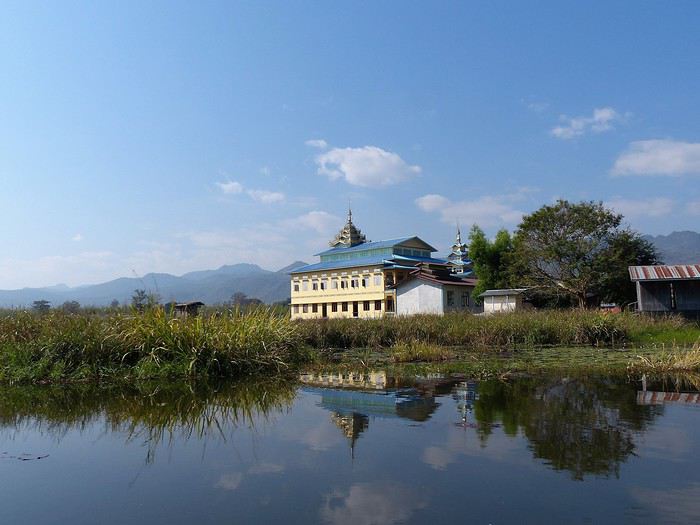
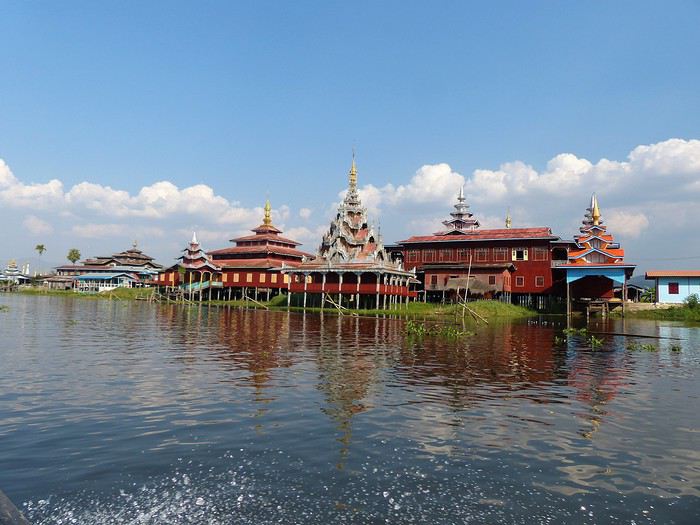
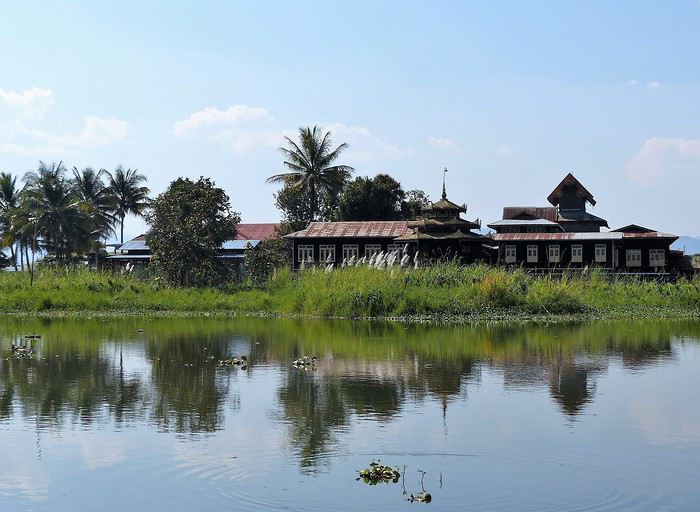
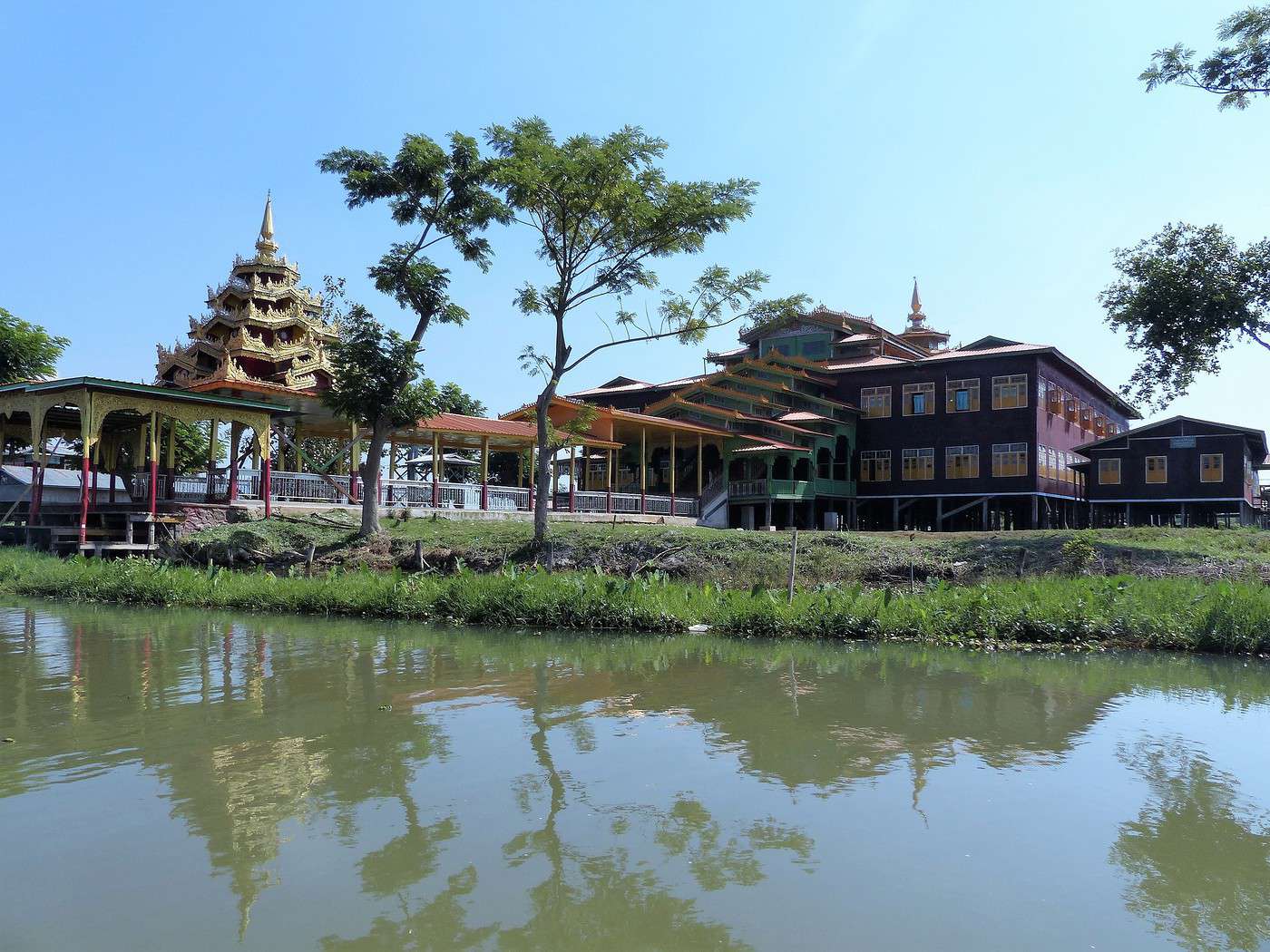
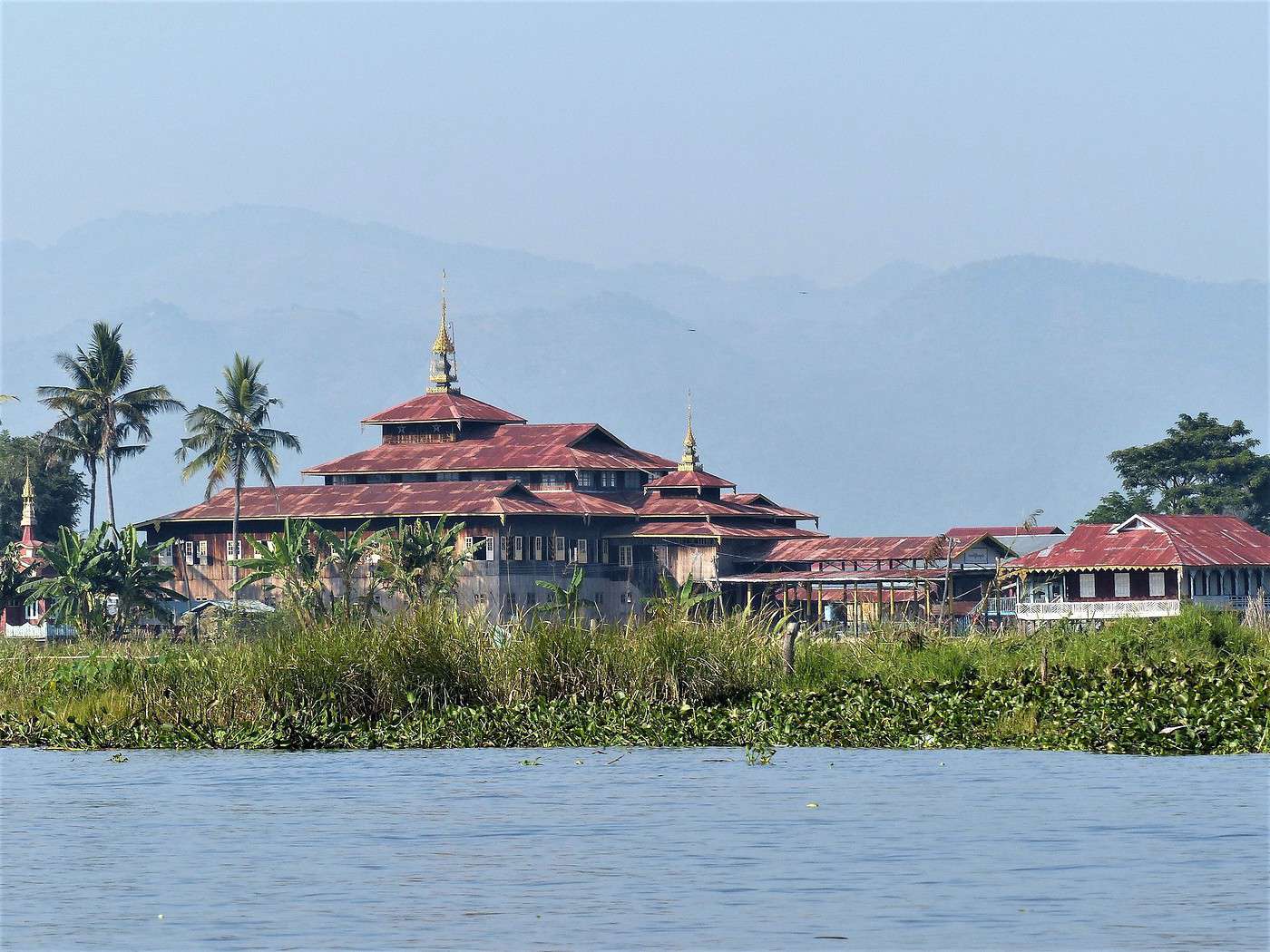
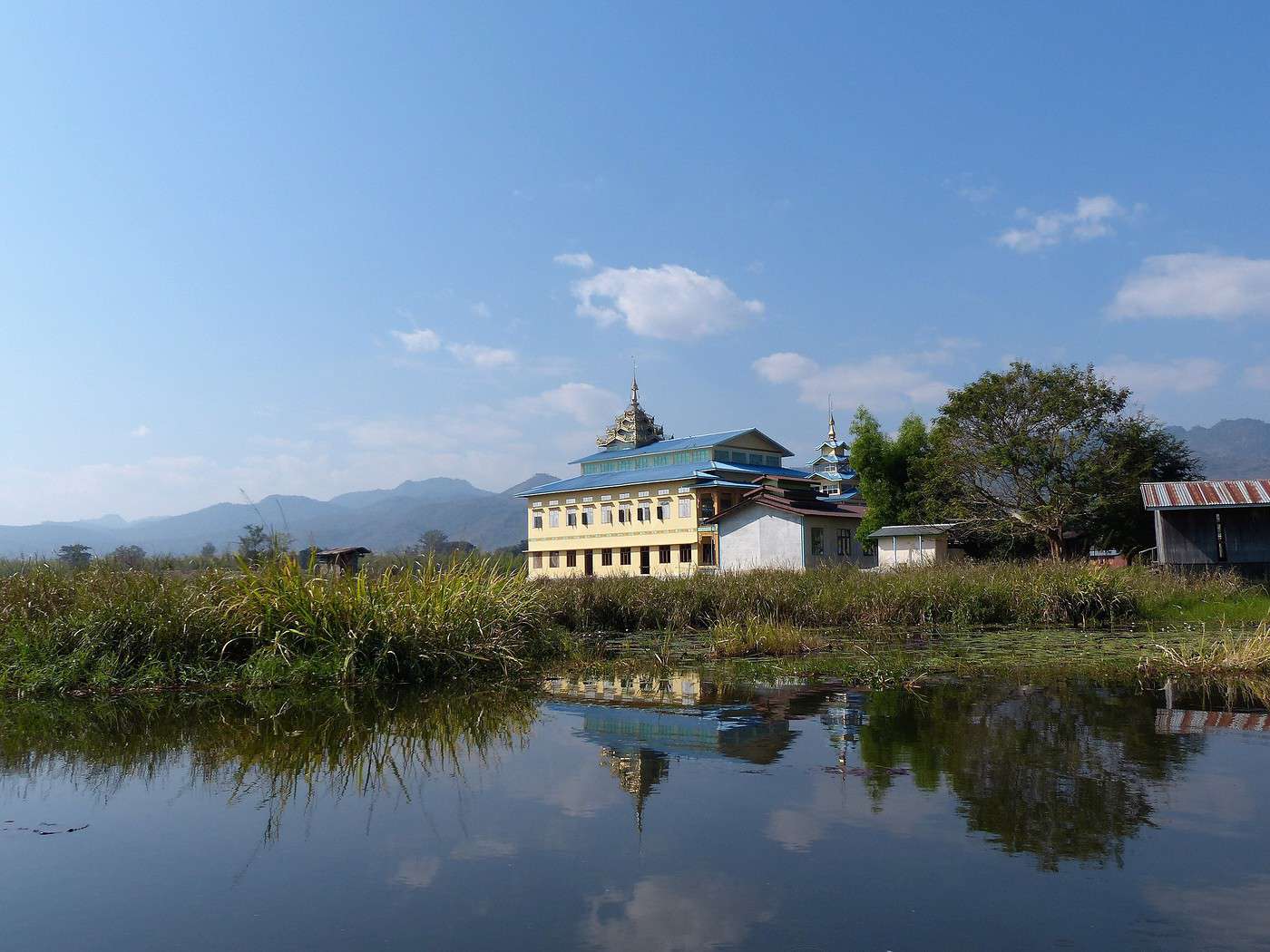
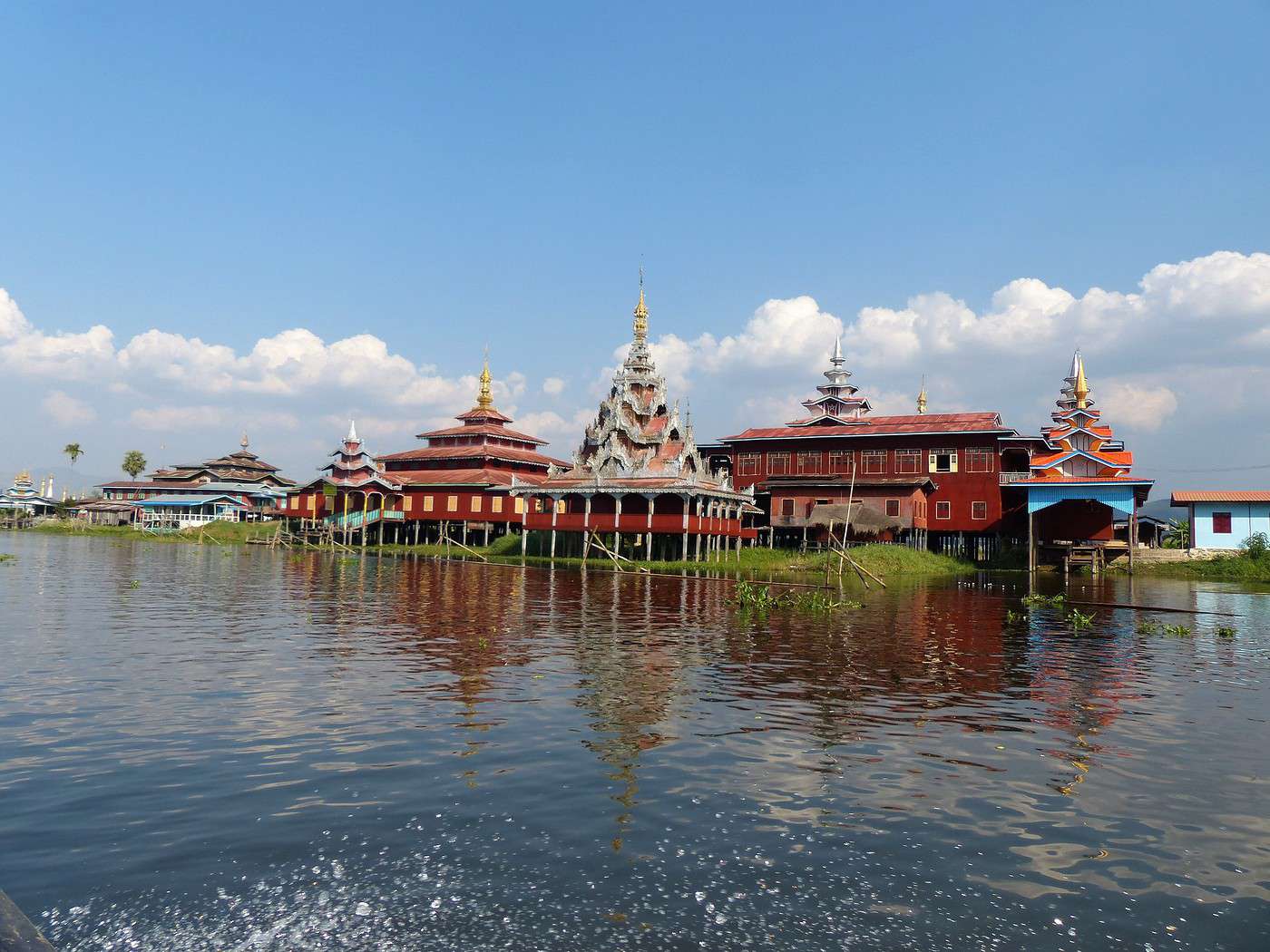
We set off to visit a monastery. On this topic, see below some photos of a few impressive monasteries we came across during our 3-day walk around the lake.


Ngaphe Kyaung Monastery (or Taunggyi, or the Jumping Cats Monastery)


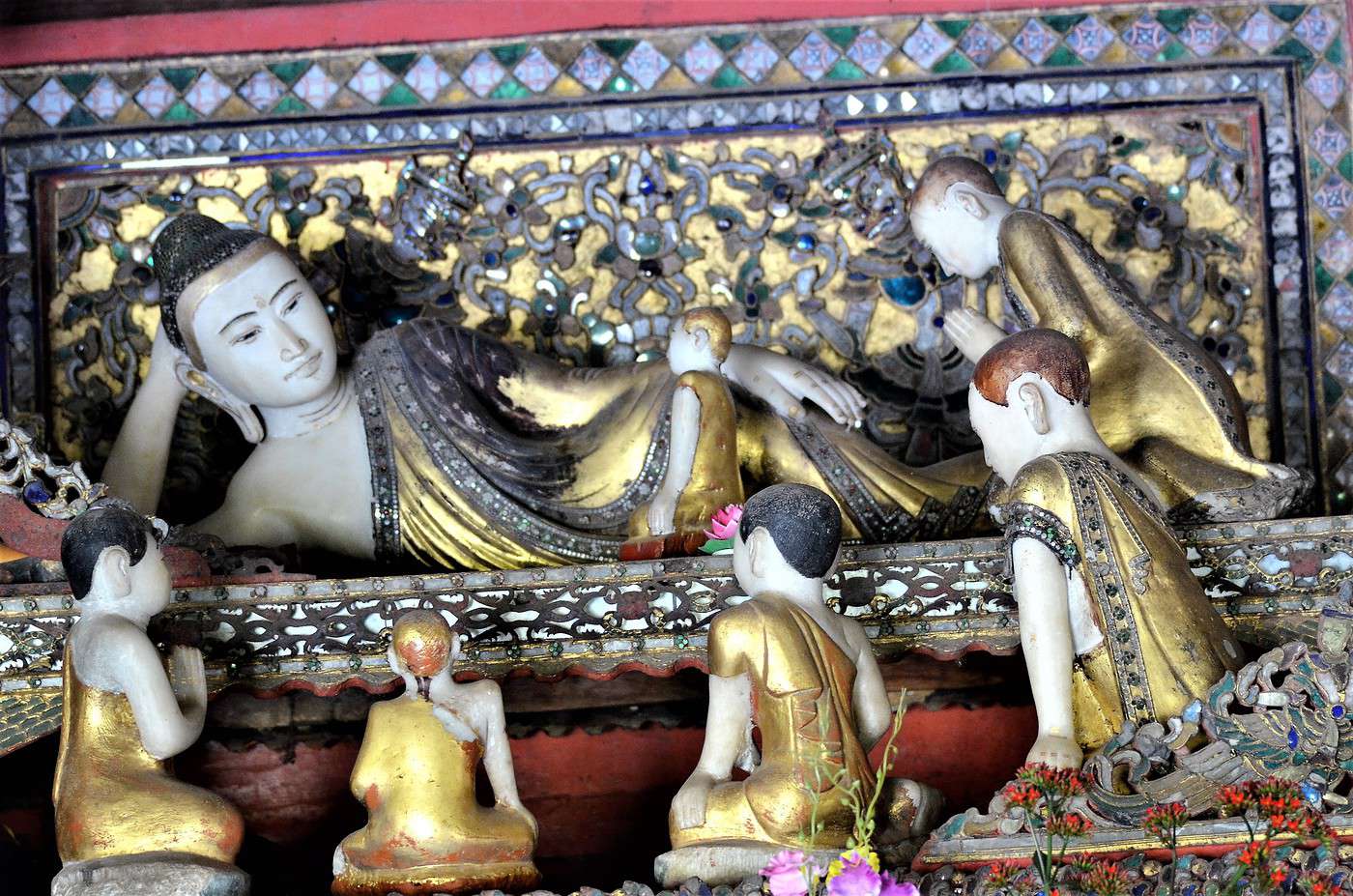
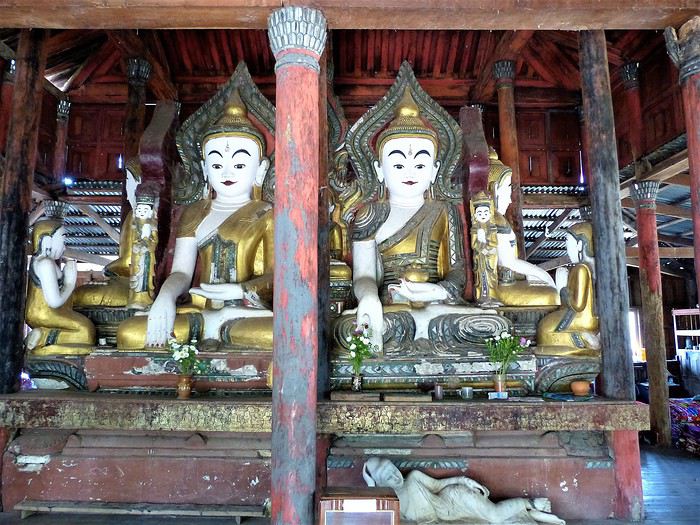
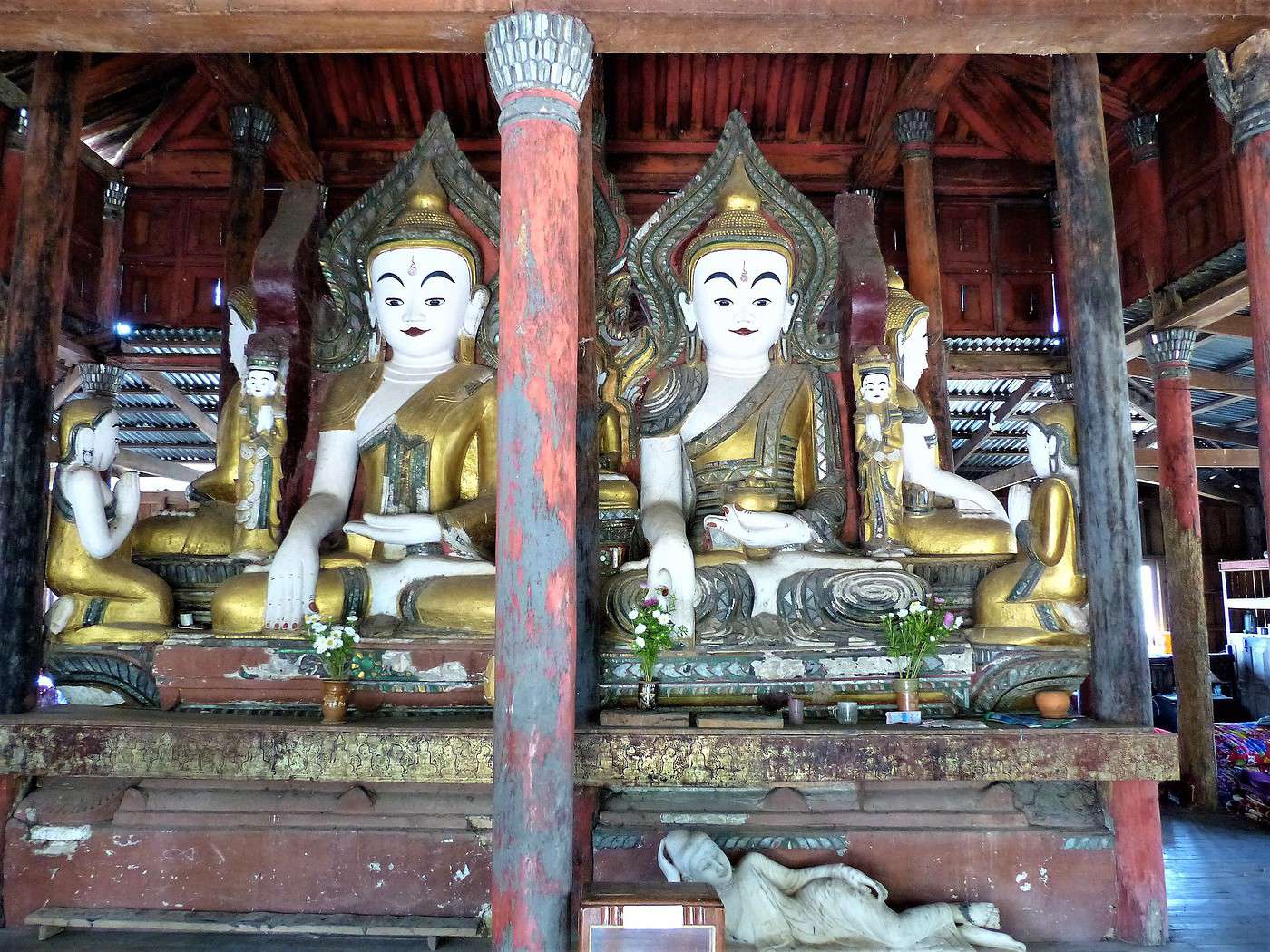
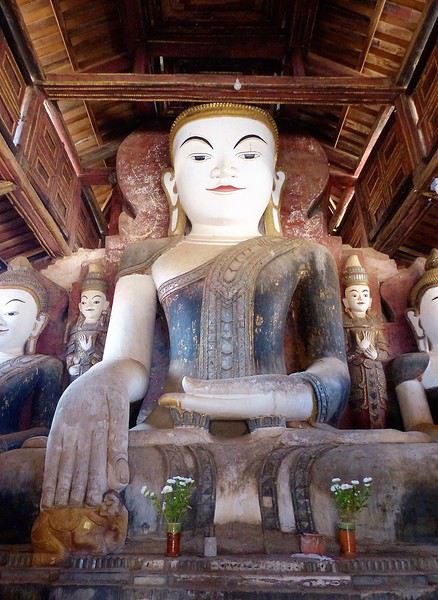
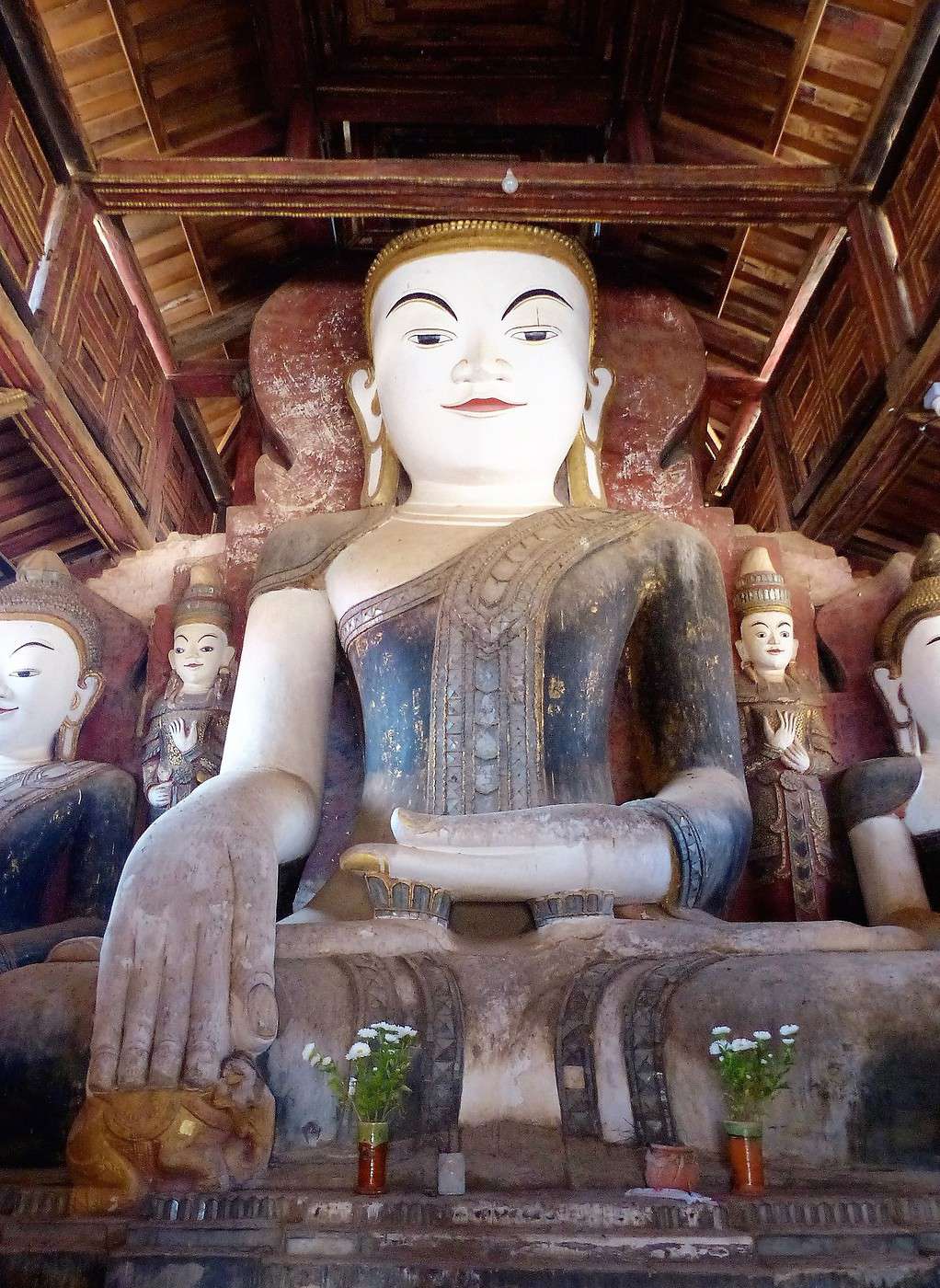
A room with remarkable proportions and stunning statues.


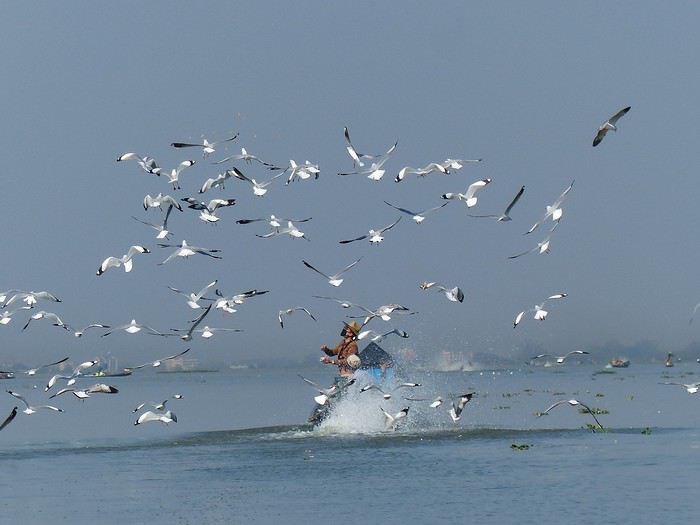
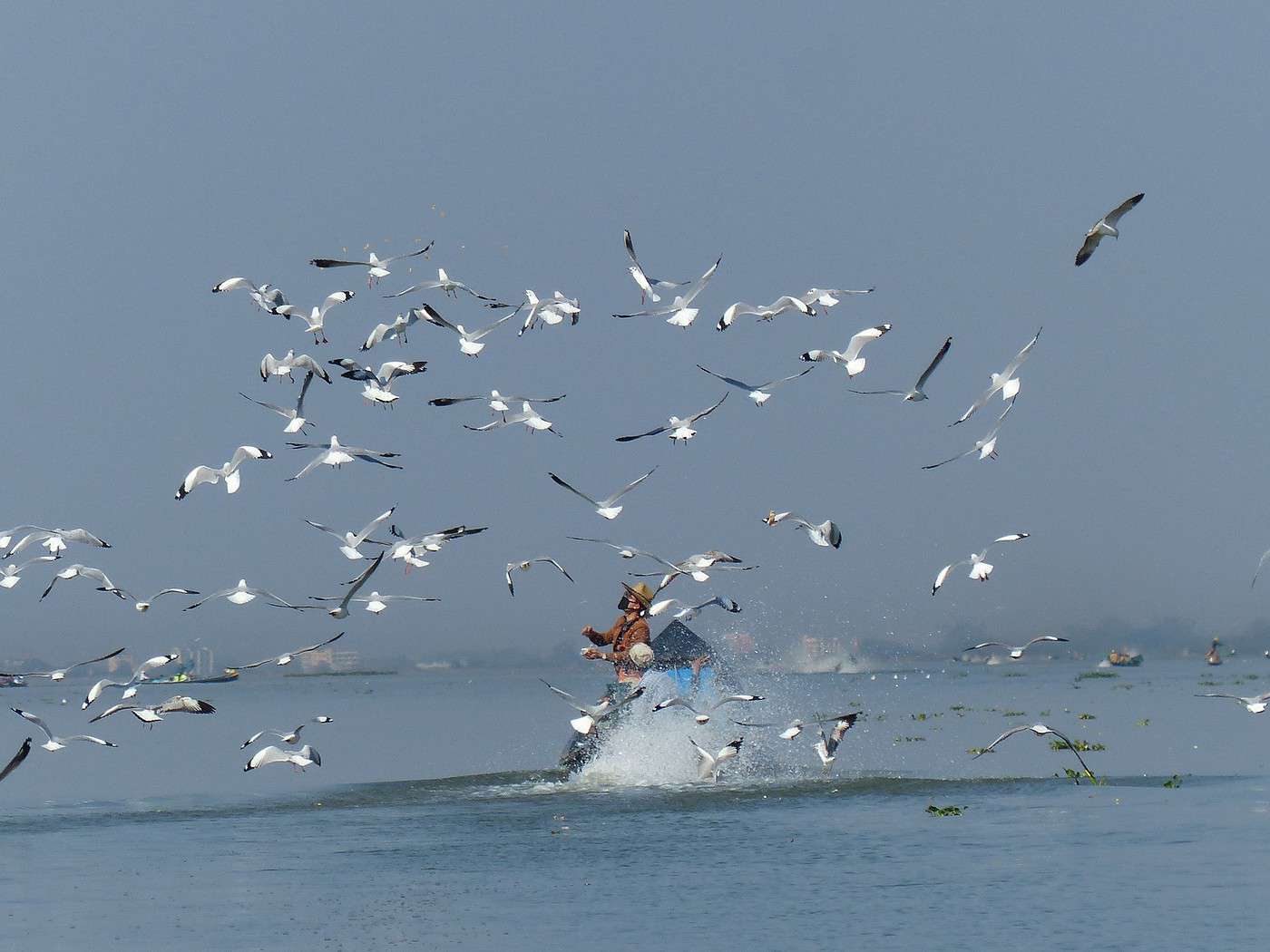
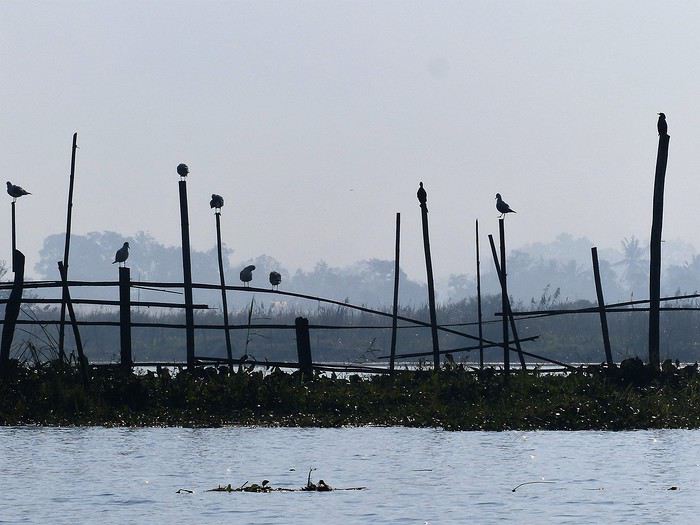
And that’s it for our second day in Inle. On the way back, we follow this boat that’s a big hit with the gulls and seagulls!!!


Burma as we had dreamed it

Fabhyène · 2017-05-09 · Message 27 of 94

Today I’m going to tell you about our third and final day at Inle Lake, with a great boat excursion to Sagar Lake (which is south of Inle Lake). For those planning to visit Burma and Inle, I highly recommend this trip—it’s a bit off the beaten path. Just note that it takes a full day.

Since I have quite a few photos to share and even after reducing them there are still too many, I think this will take 3 posts...

We set off even earlier than the day before, at a time when the mist banks haven’t yet lifted...


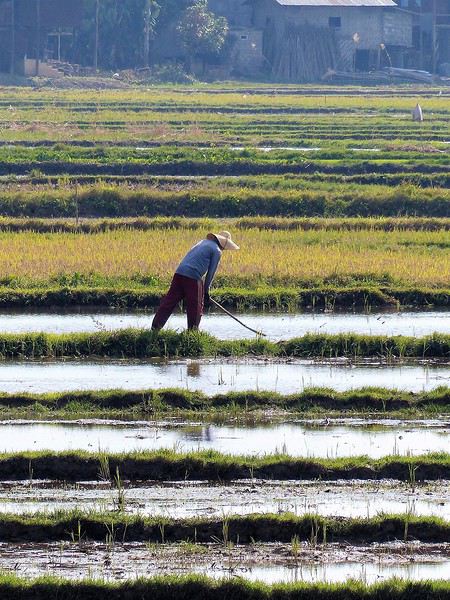
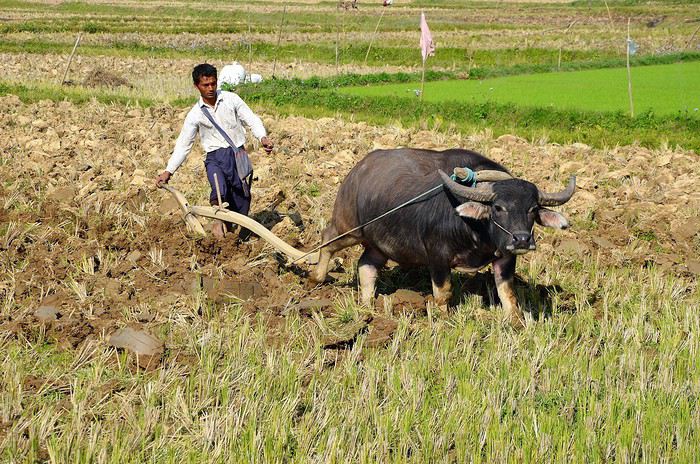
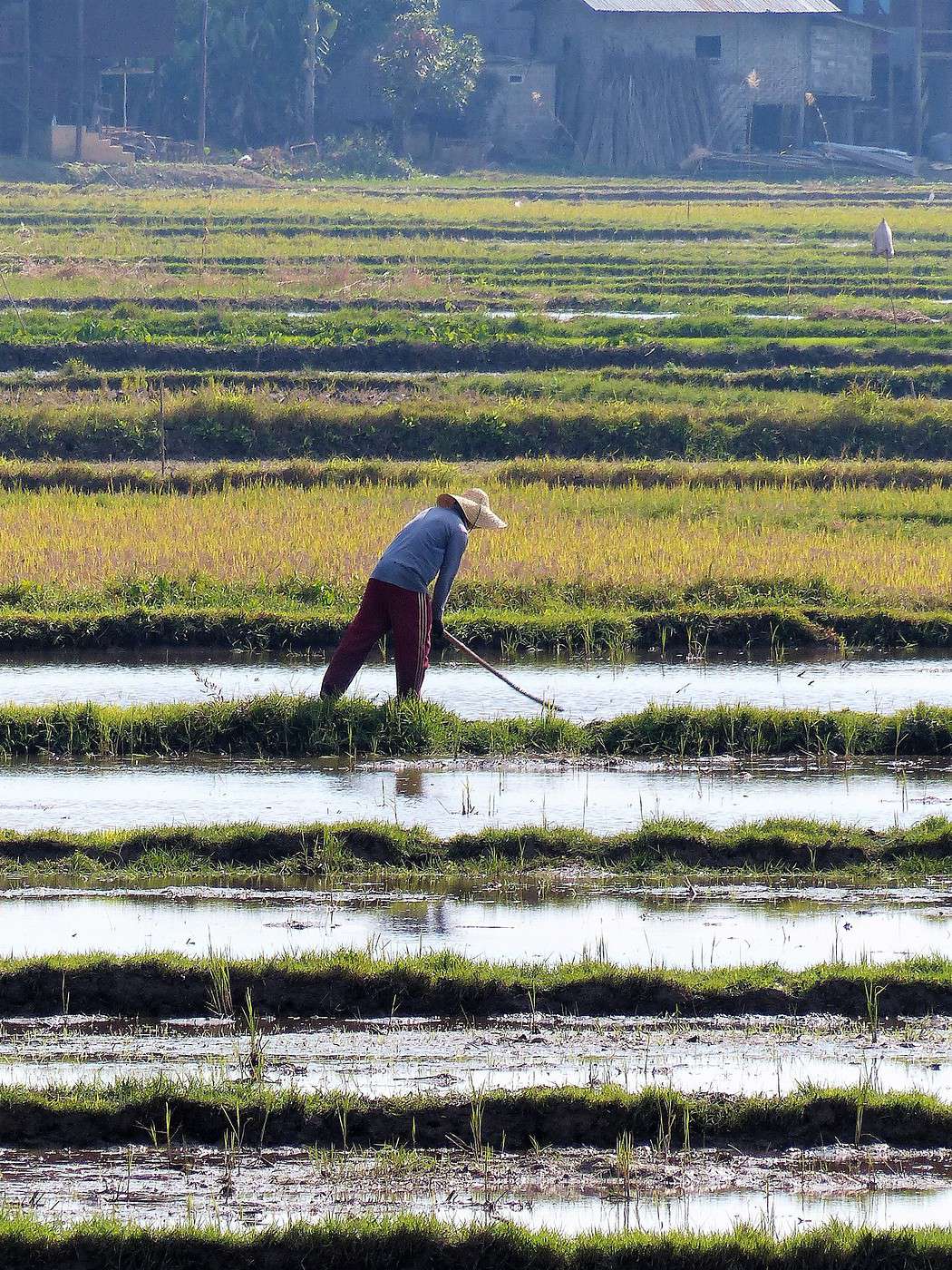
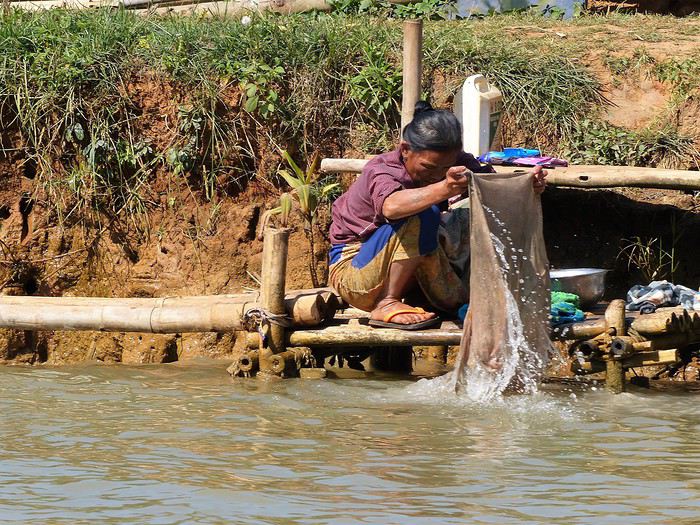
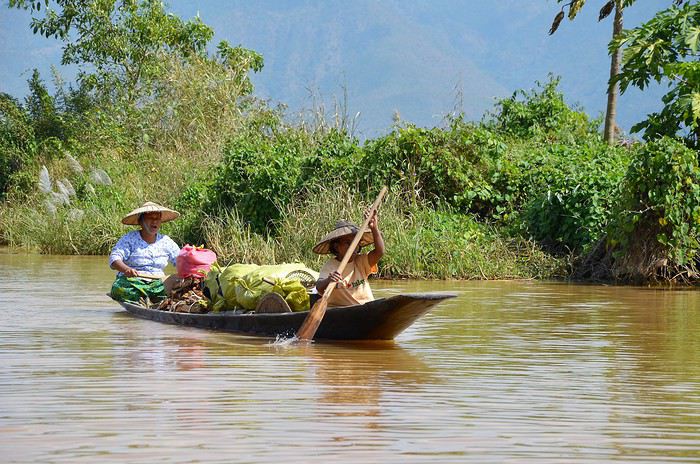
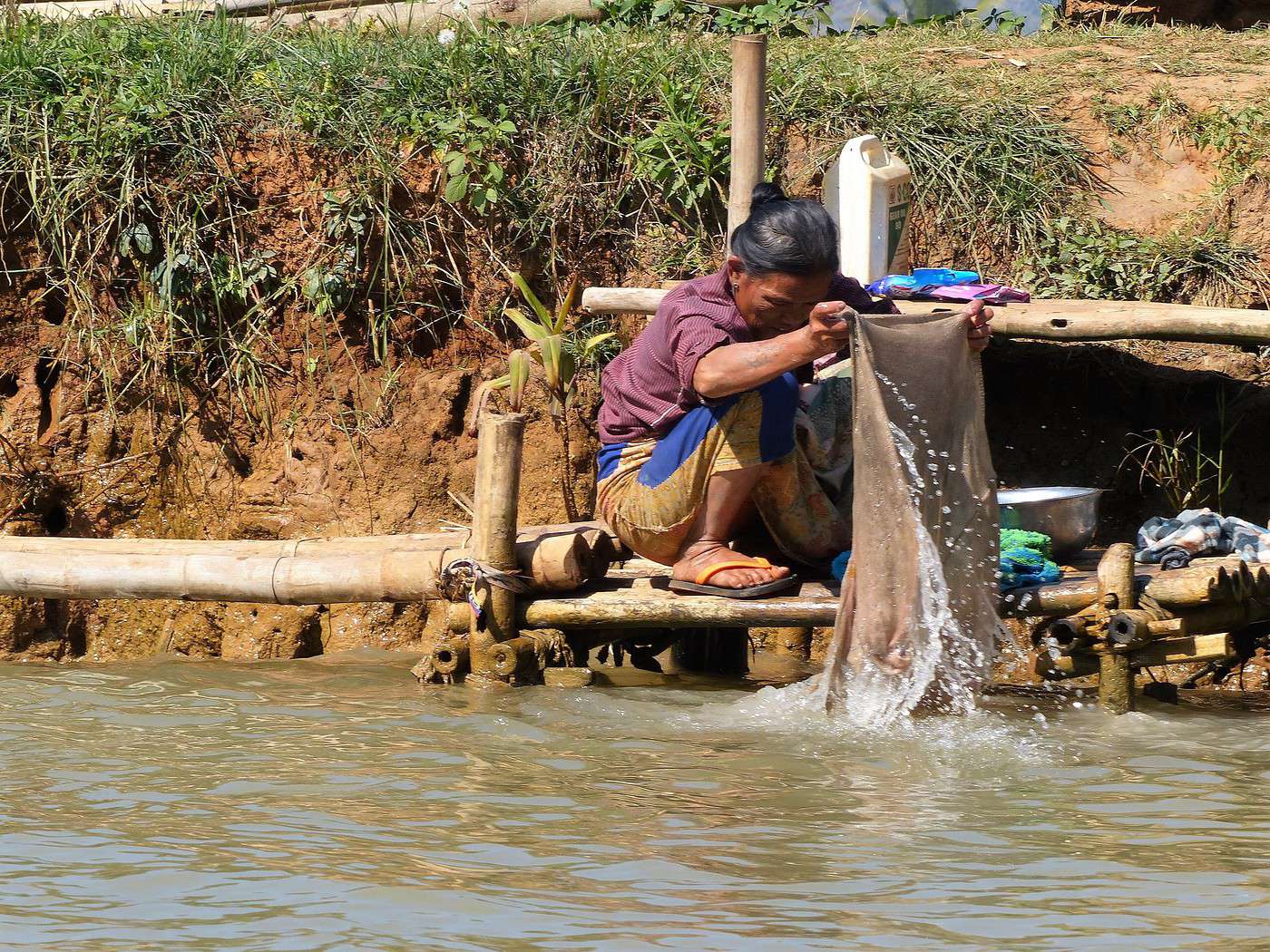
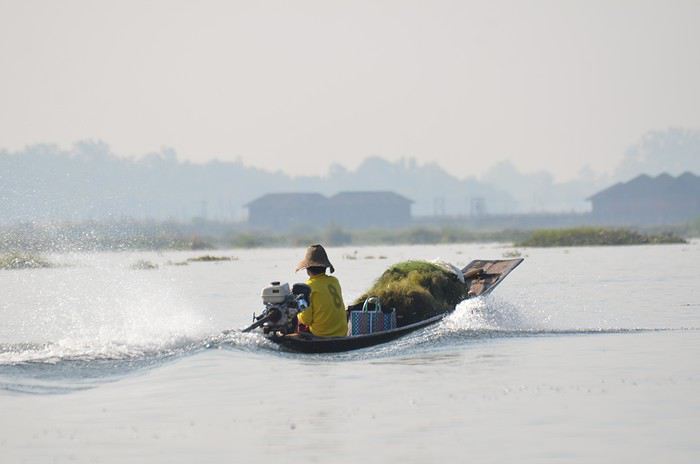
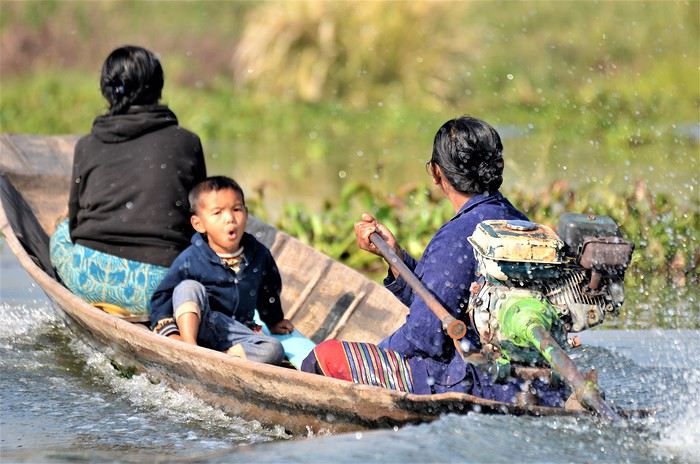
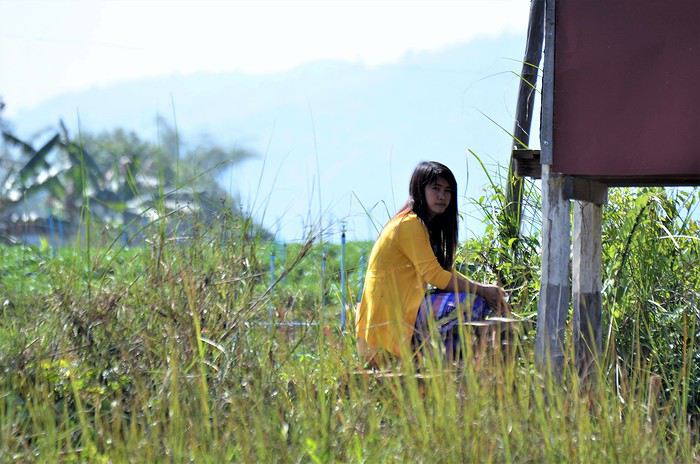
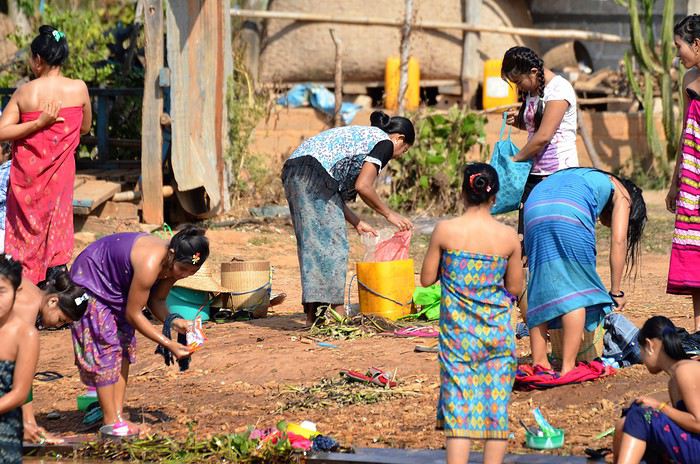
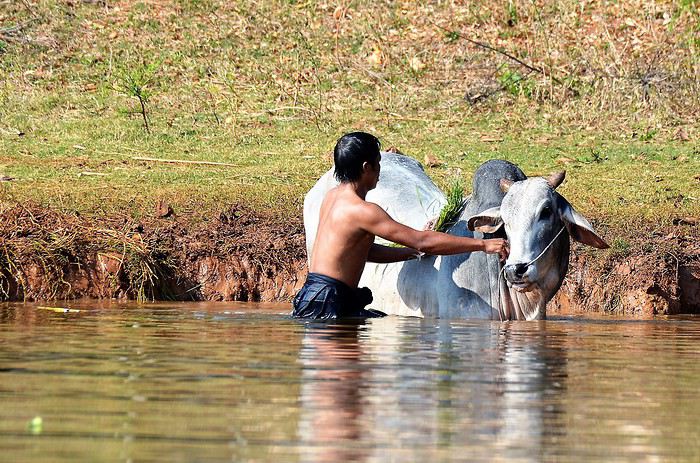
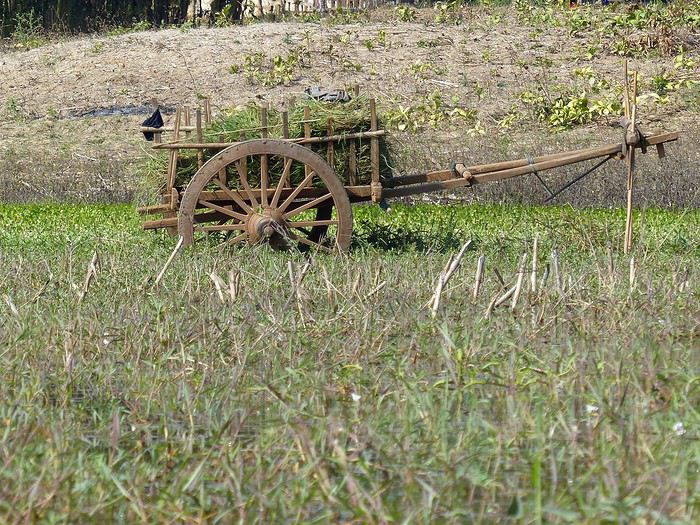
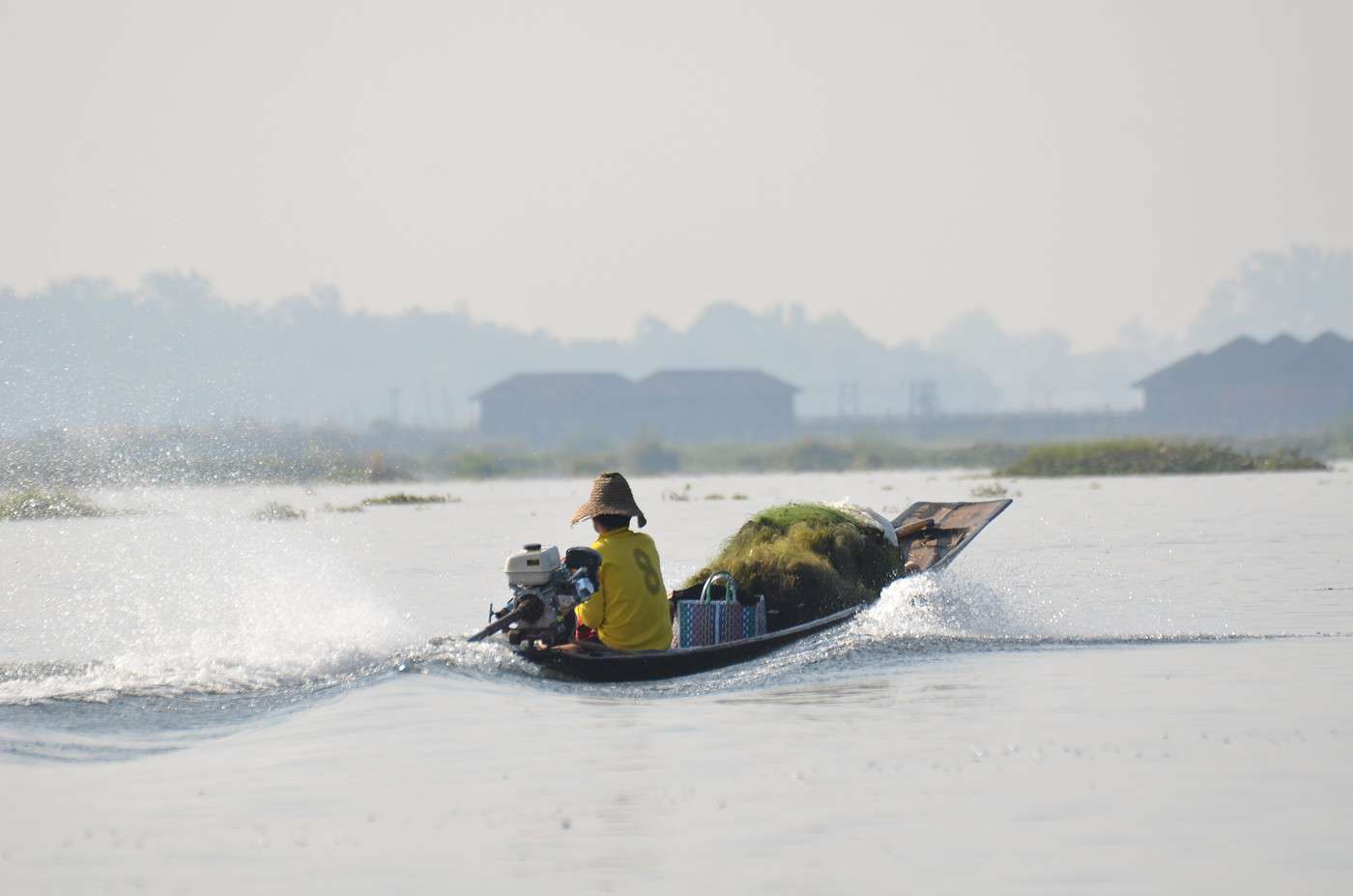
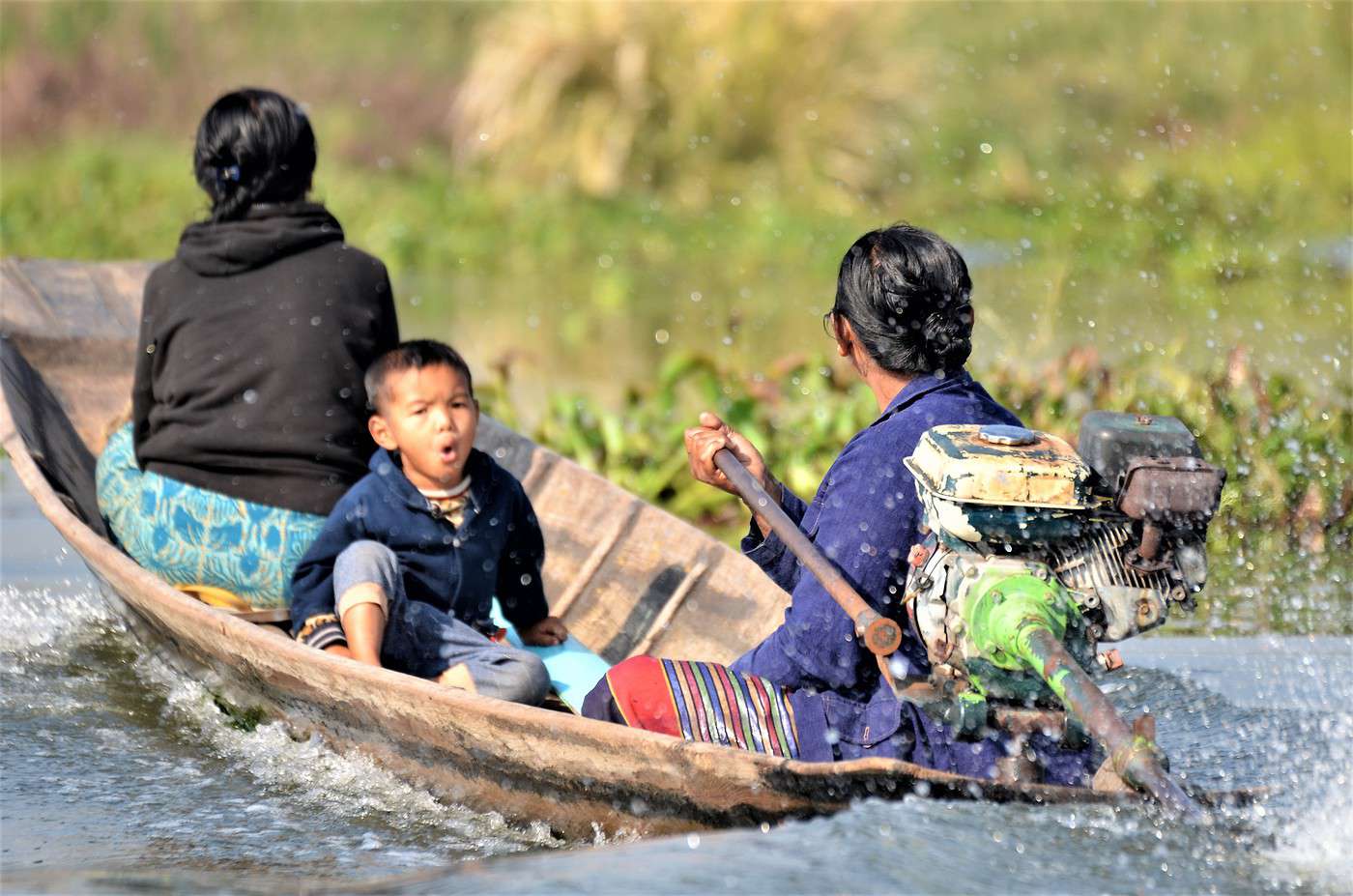
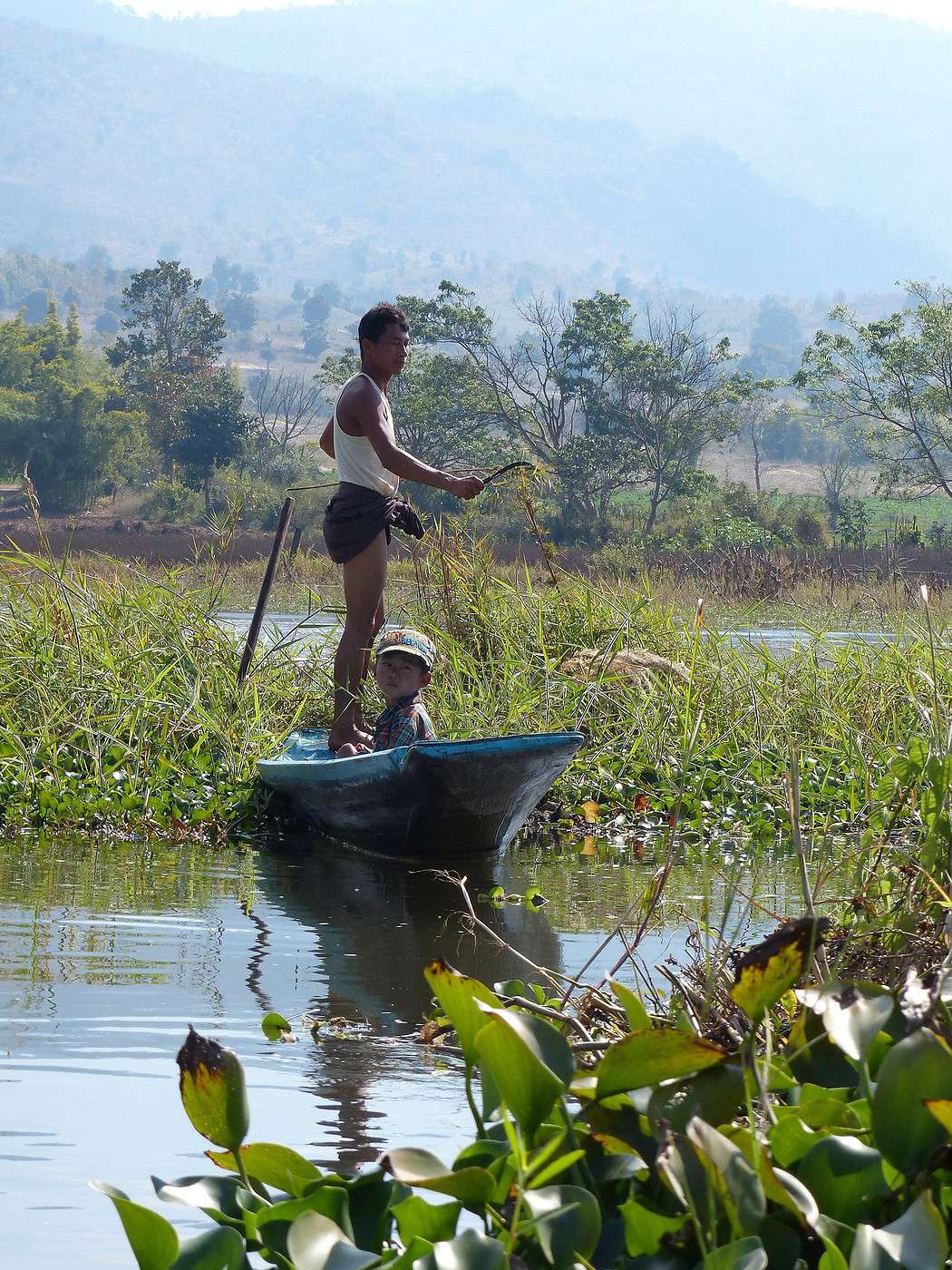
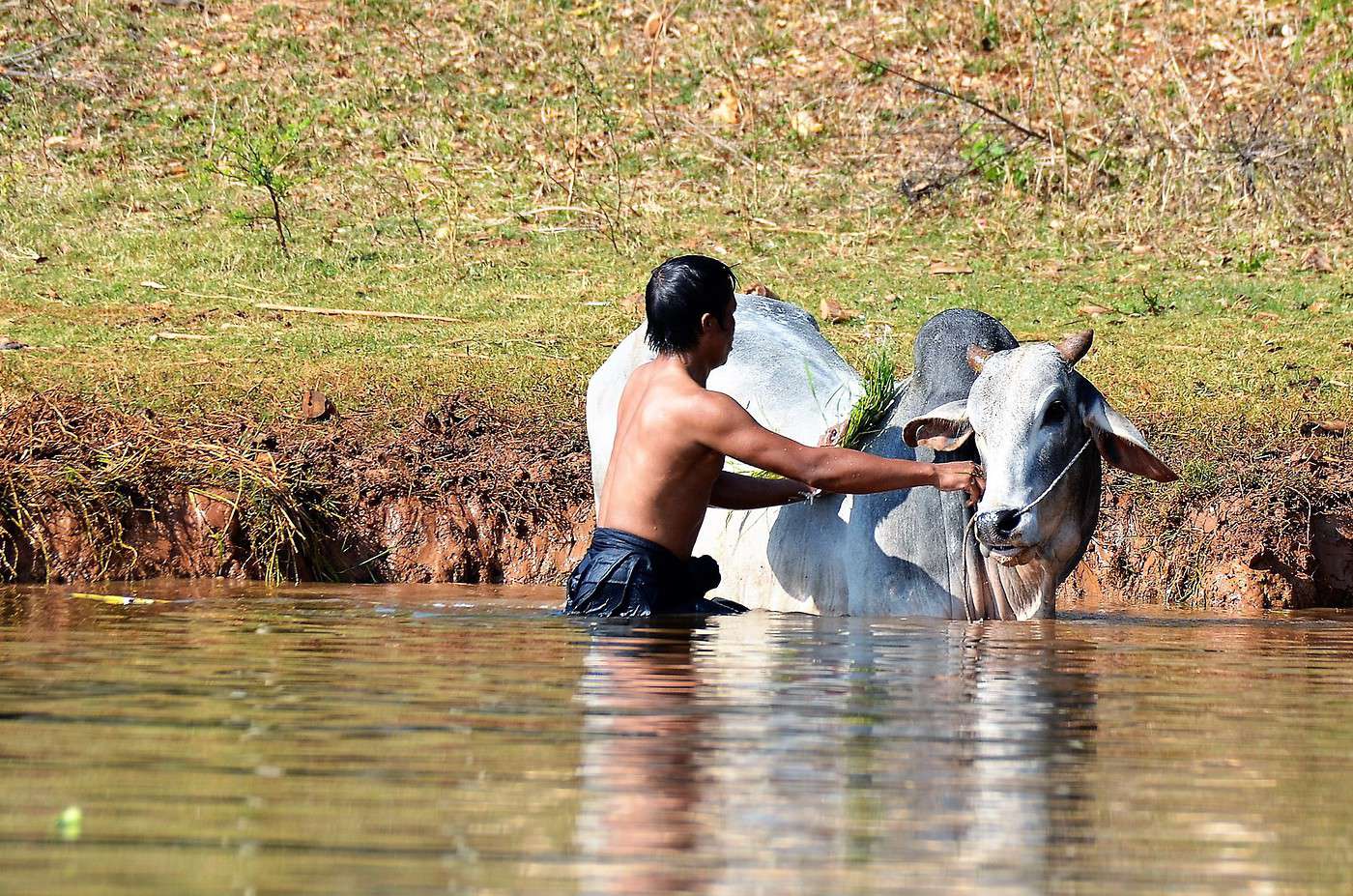
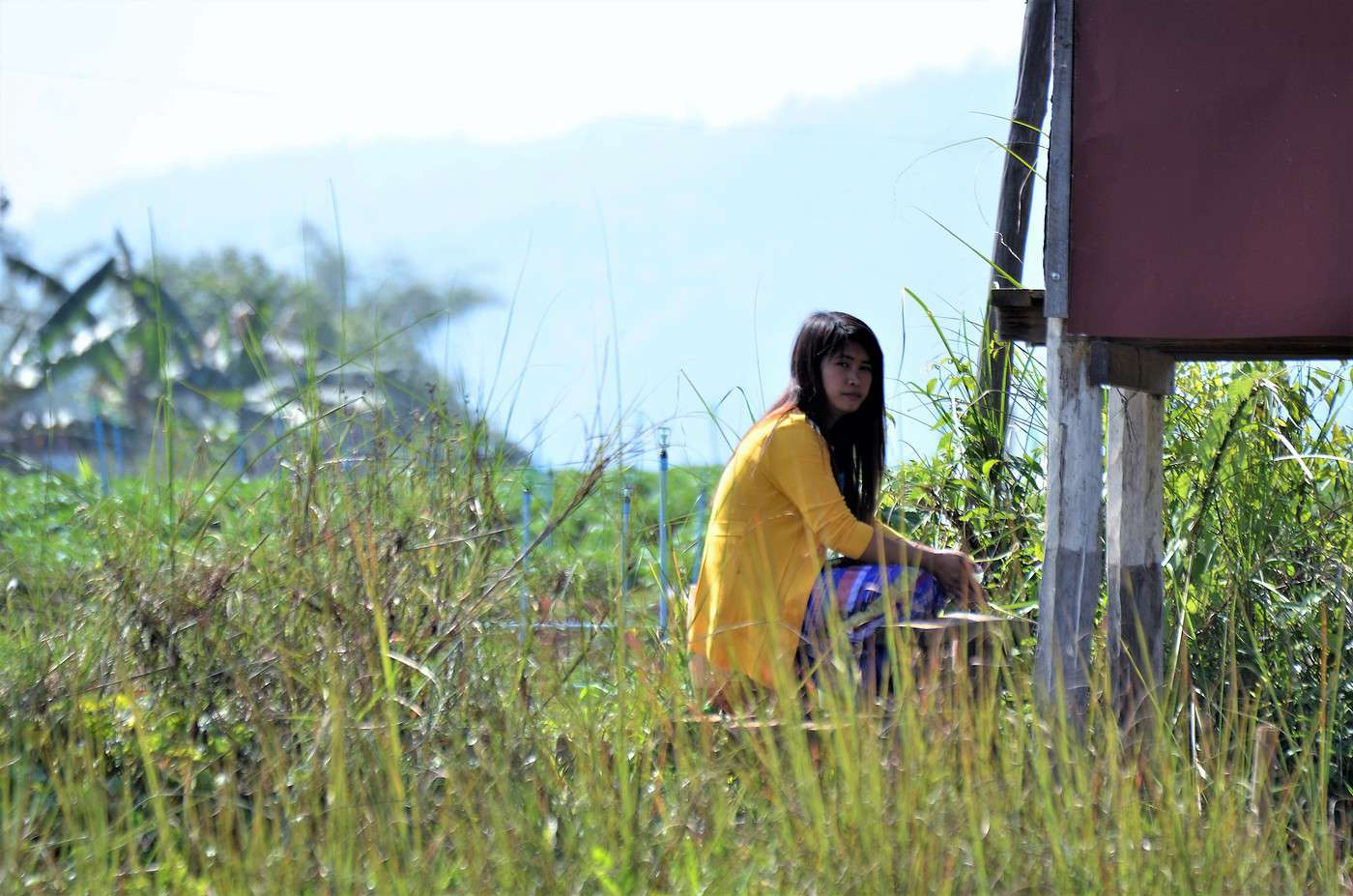
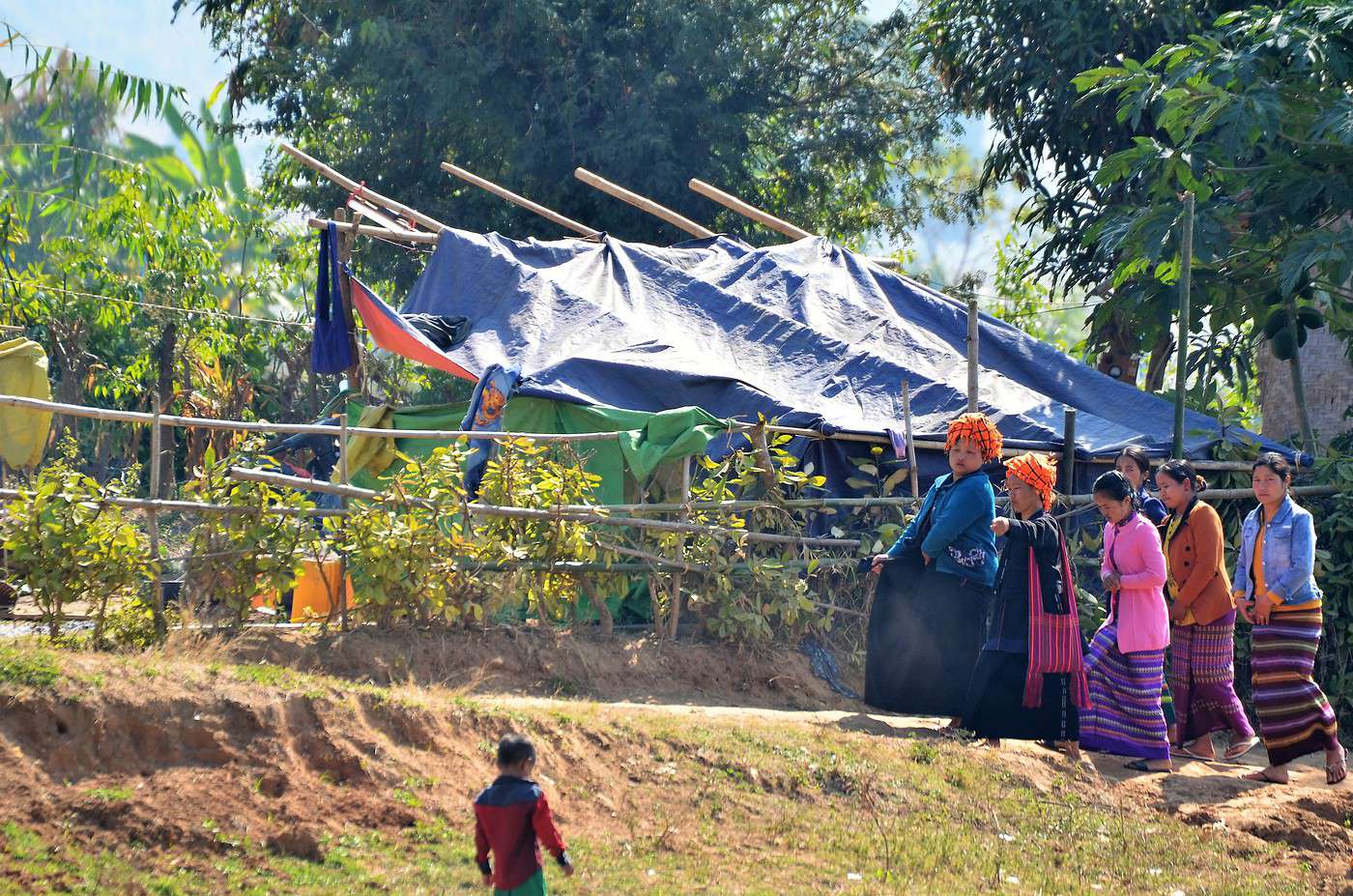
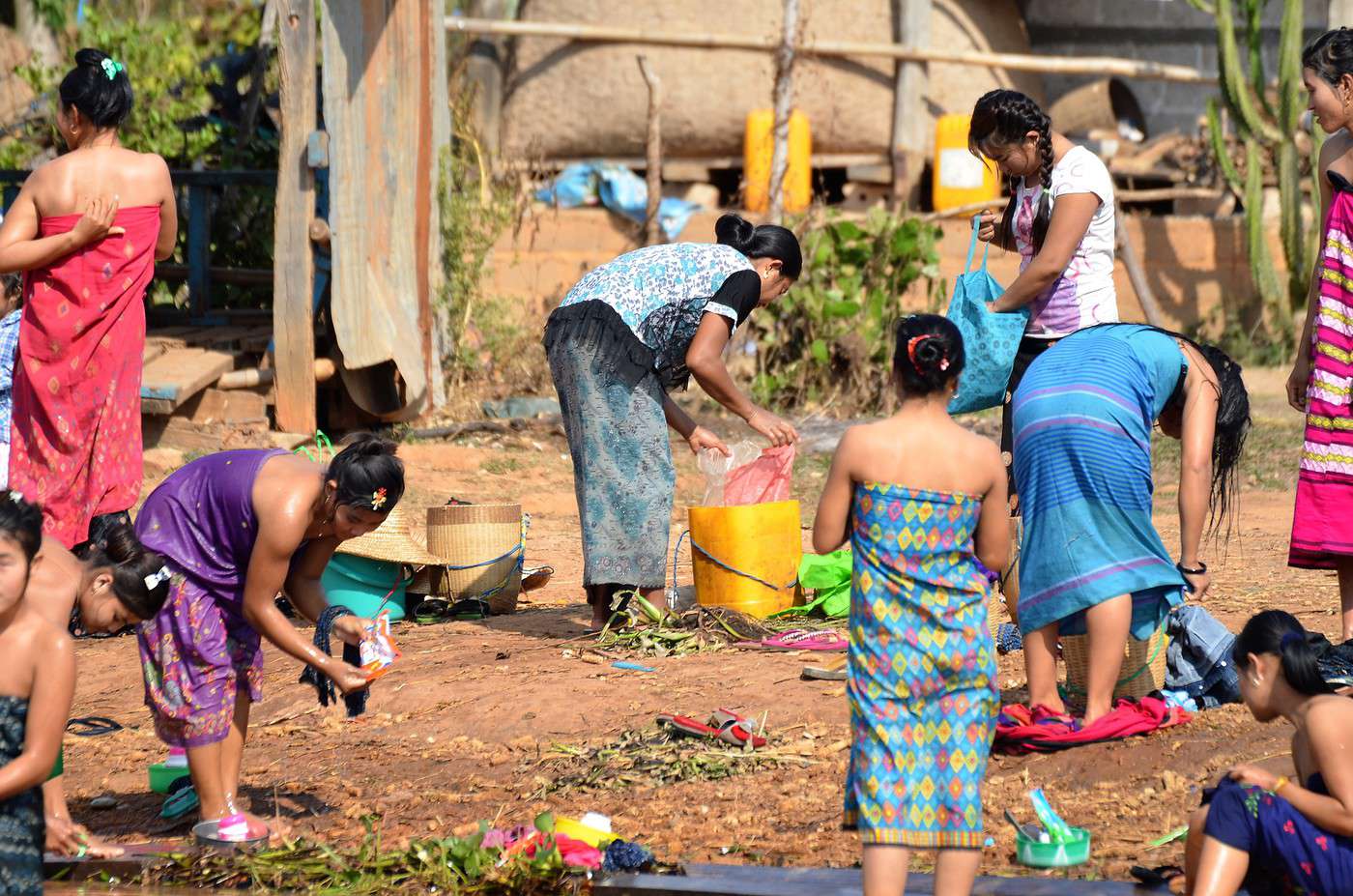
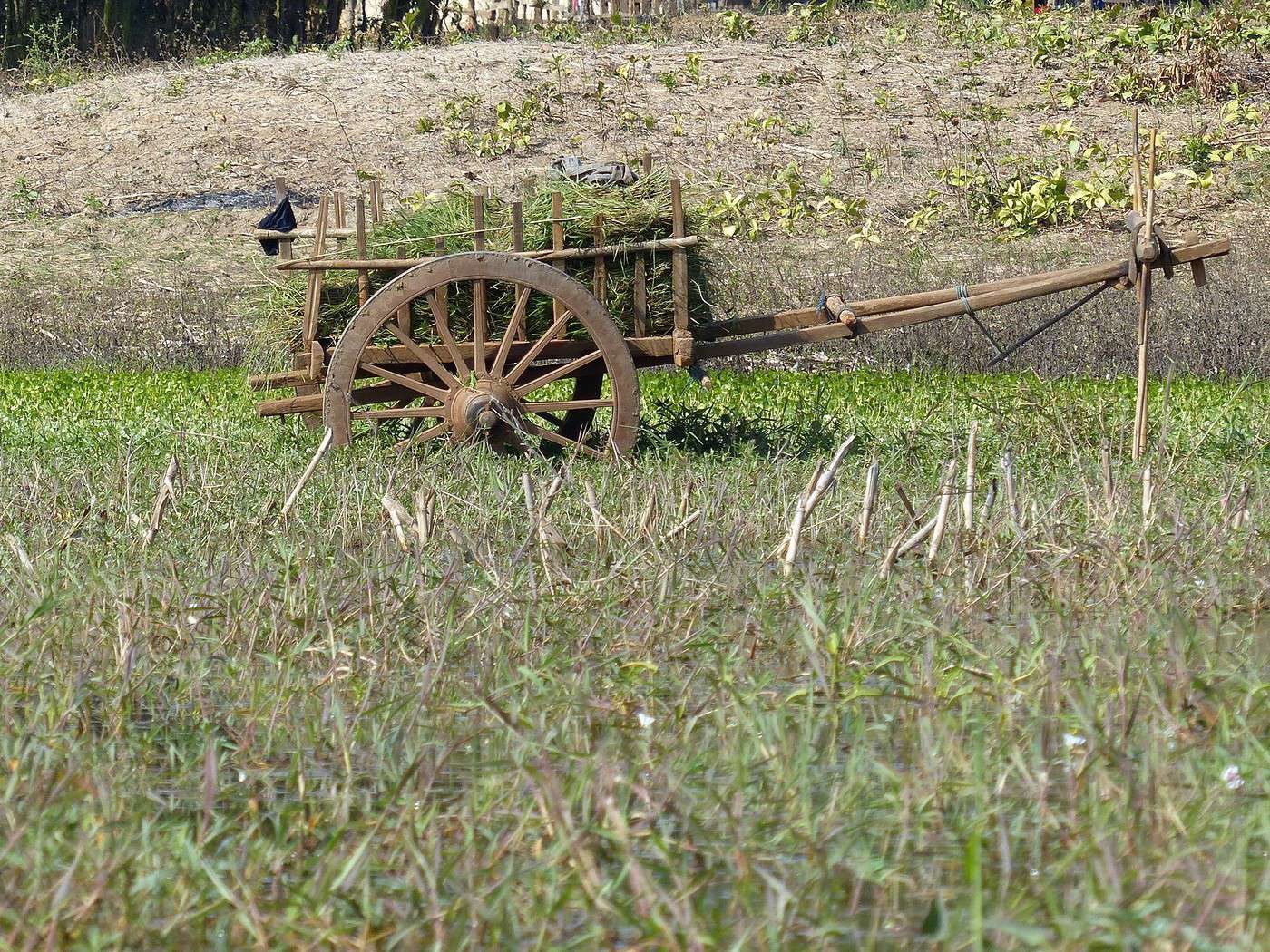
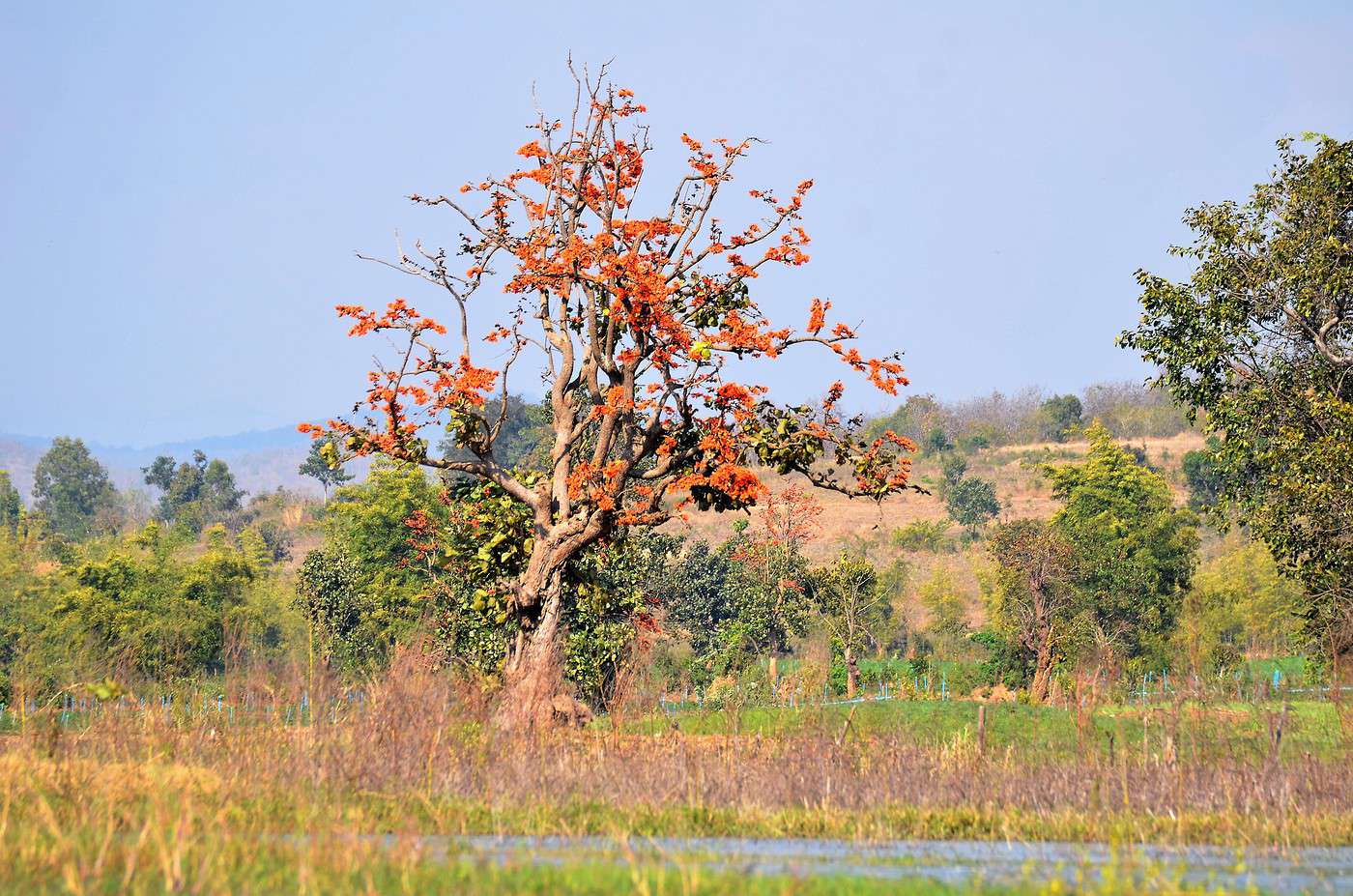
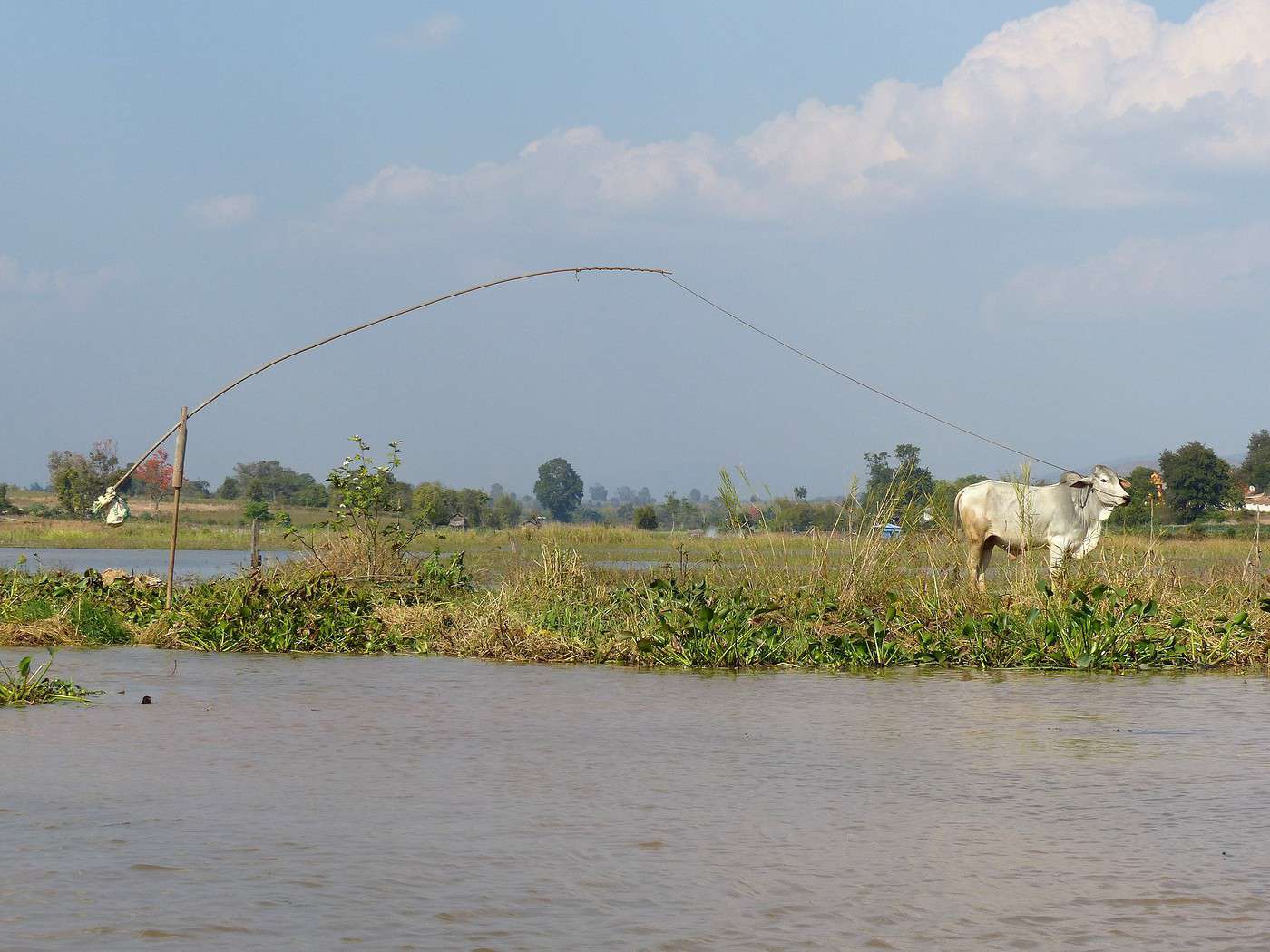
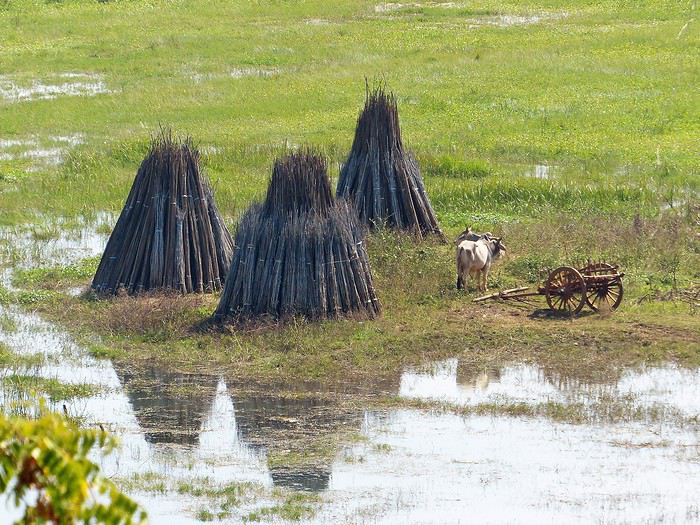
As we head up the river connecting Inle Lake to Sagar Lake, we pass through many villages. Daily life unfolds before our eyes—fieldwork, bathing in the river... (photos below taken both on the way there in the morning and on the way back in the afternoon)


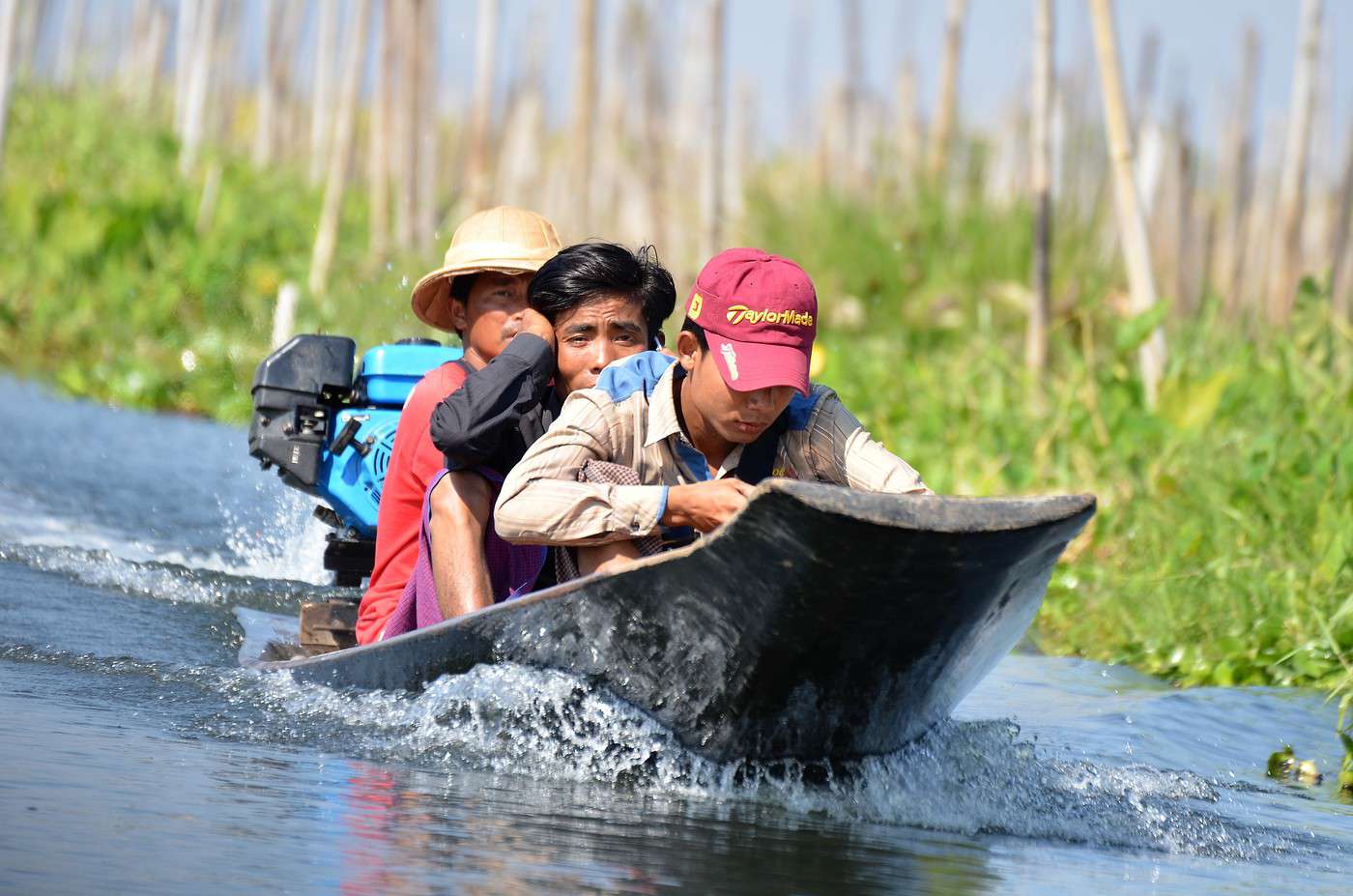
Skilfully steered by Dalo, our canoe weaves expertly through the water hyacinth clusters, which at one point even forced us to take a detour... It’s hard to tell when we actually reached Sagar Lake, which looks like a vast field of hyacinths and lotuses...

Myanmar as We Dreamed It Would Be

Max68 · 2017-05-09 · Message 28 of 94

Amazing photos, well done! 🙂

Yes, absolutely—you just *have* to "head down" to Sankar. 🙂

There are also stunning stupas (Old Sankar). We stayed at Sankar, at the Little Sankar Lodge... gorgeous, and we had the place to ourselves. 😎

Thanks! 🙂 🙂 🙂
Myanmar as we had dreamed it

FabGreg · 2017-05-09 · Message 29 of 94

I must say it’s even hard to tell when we actually reached Lake Sagar—it looks like a vast field of water hyacinths and lotuses...

When you pass the Thar Kaung site, you’ve already been on Lake Sagar for about 1 km.

It’s not easy to spot because the longtail boats follow a channel.

Fabrice

Burma as we had dreamed it

Fabhyène · 2017-05-09 · Message 30 of 94

Finally, after a 2.5-hour boat ride, we dock at Sagar, the former royal city of the Shan ethnic group, on the eastern shore of the lake.


A few old stupas precede a more recent complex.


Then a path leads to another, older complex, crossing through a residential area. The walk is really pleasant.


After visiting Sagar, we get back in the canoe to cross the lake.


We climb up to two small pagodas overlooking the lake, which offer a remarkable panorama.


Burma as we dreamed it

Fabhyène · 2017-05-09 · Message 31 of 94

To wrap up our day in Sagar, we visit the Tar Khaung Mwetaw pagoda.


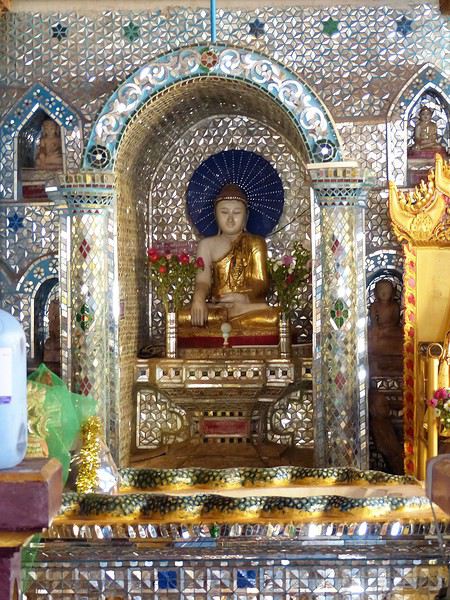
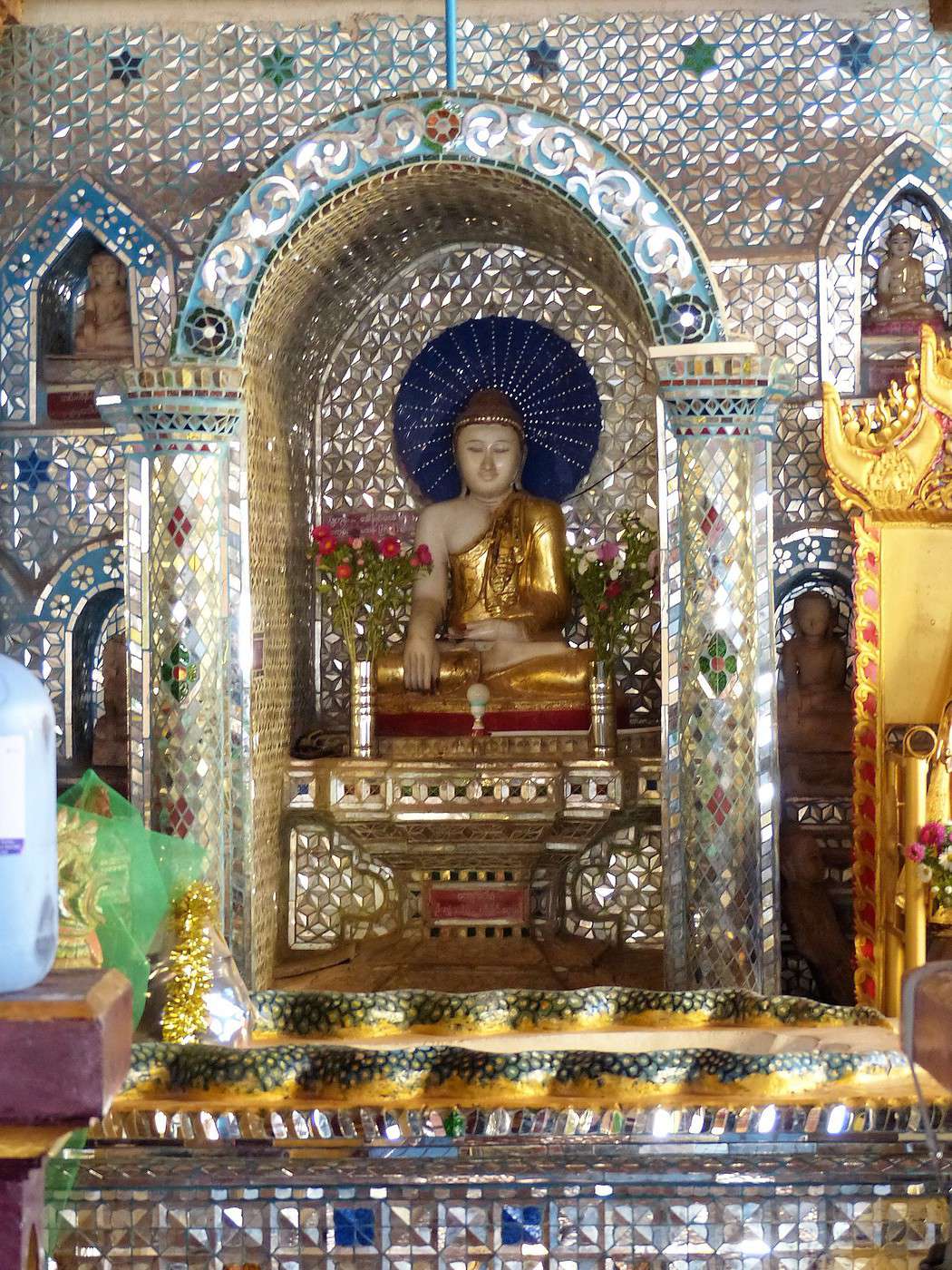
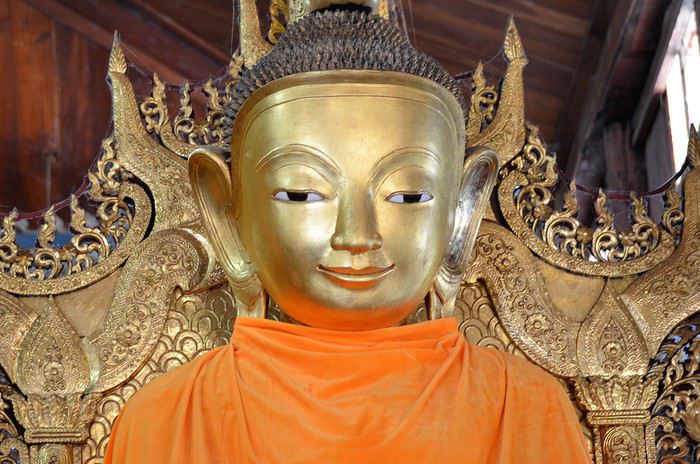
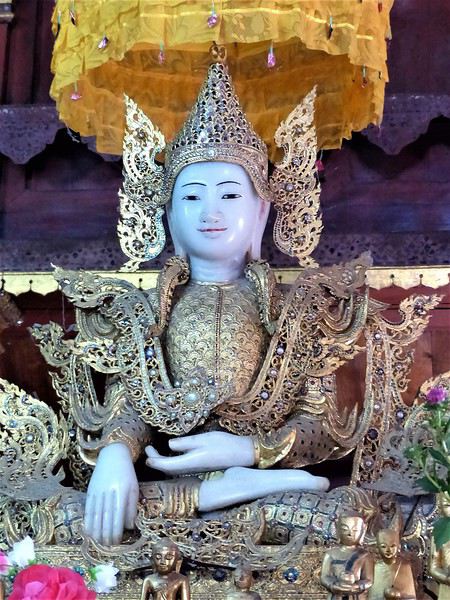
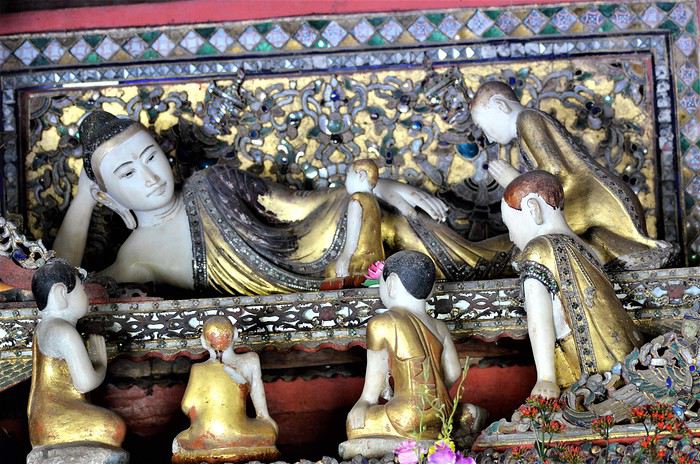
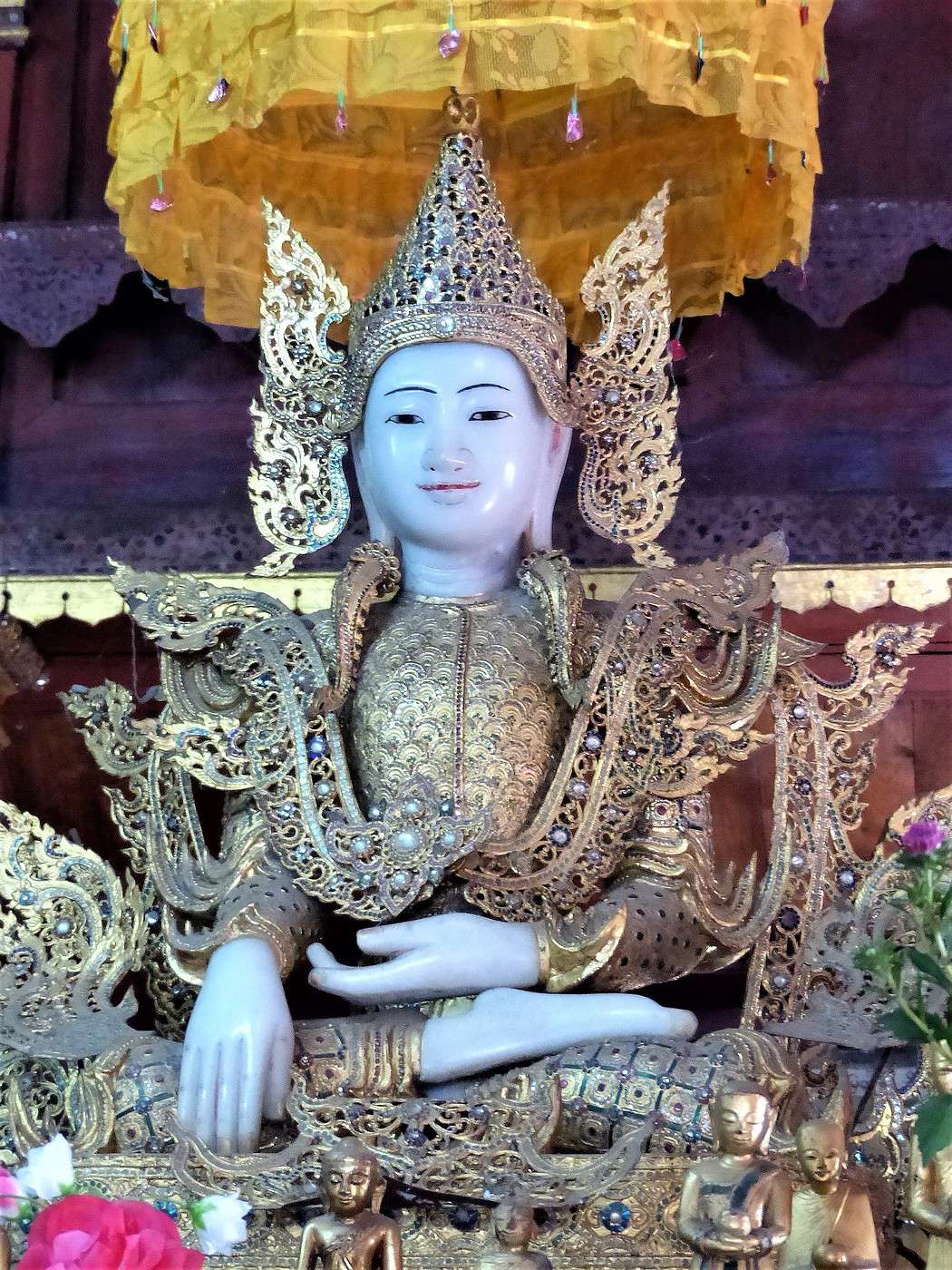
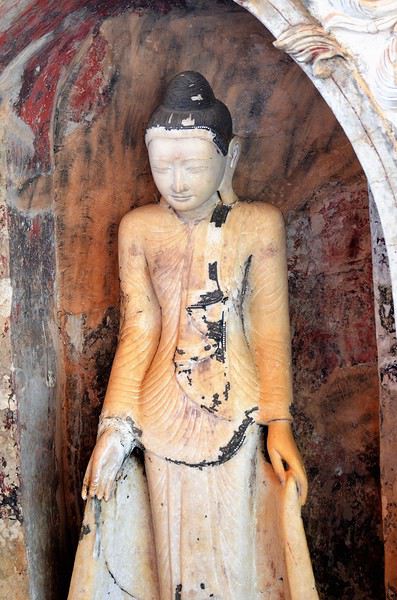
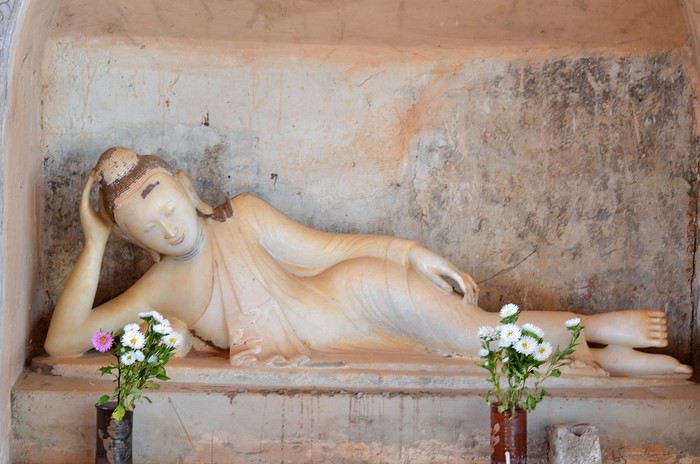
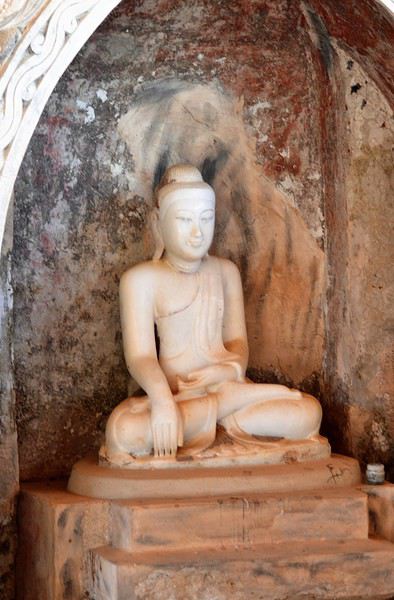
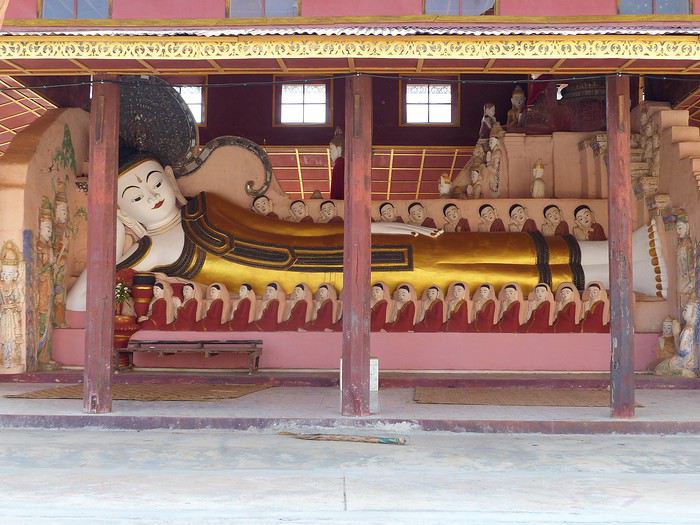
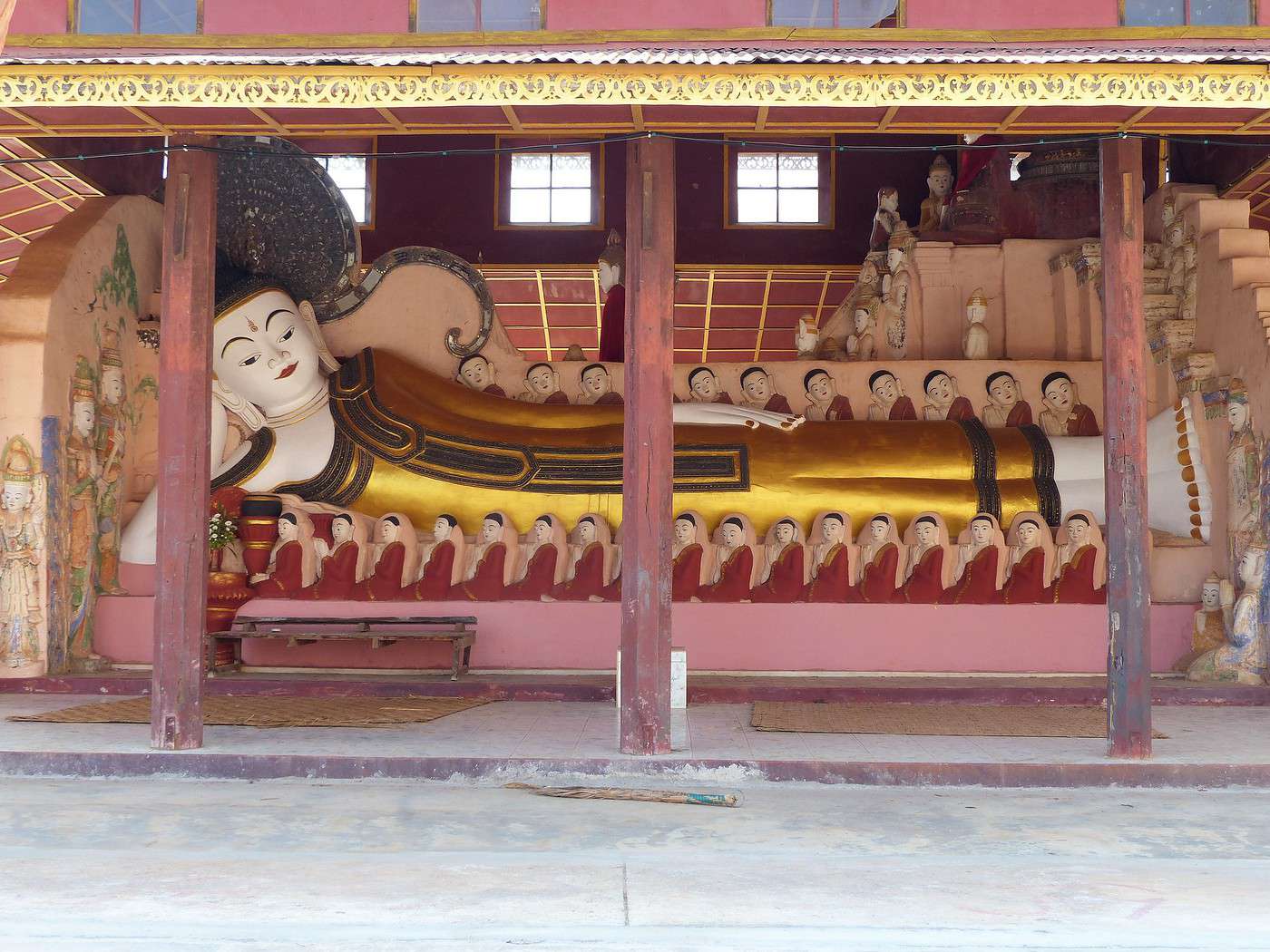
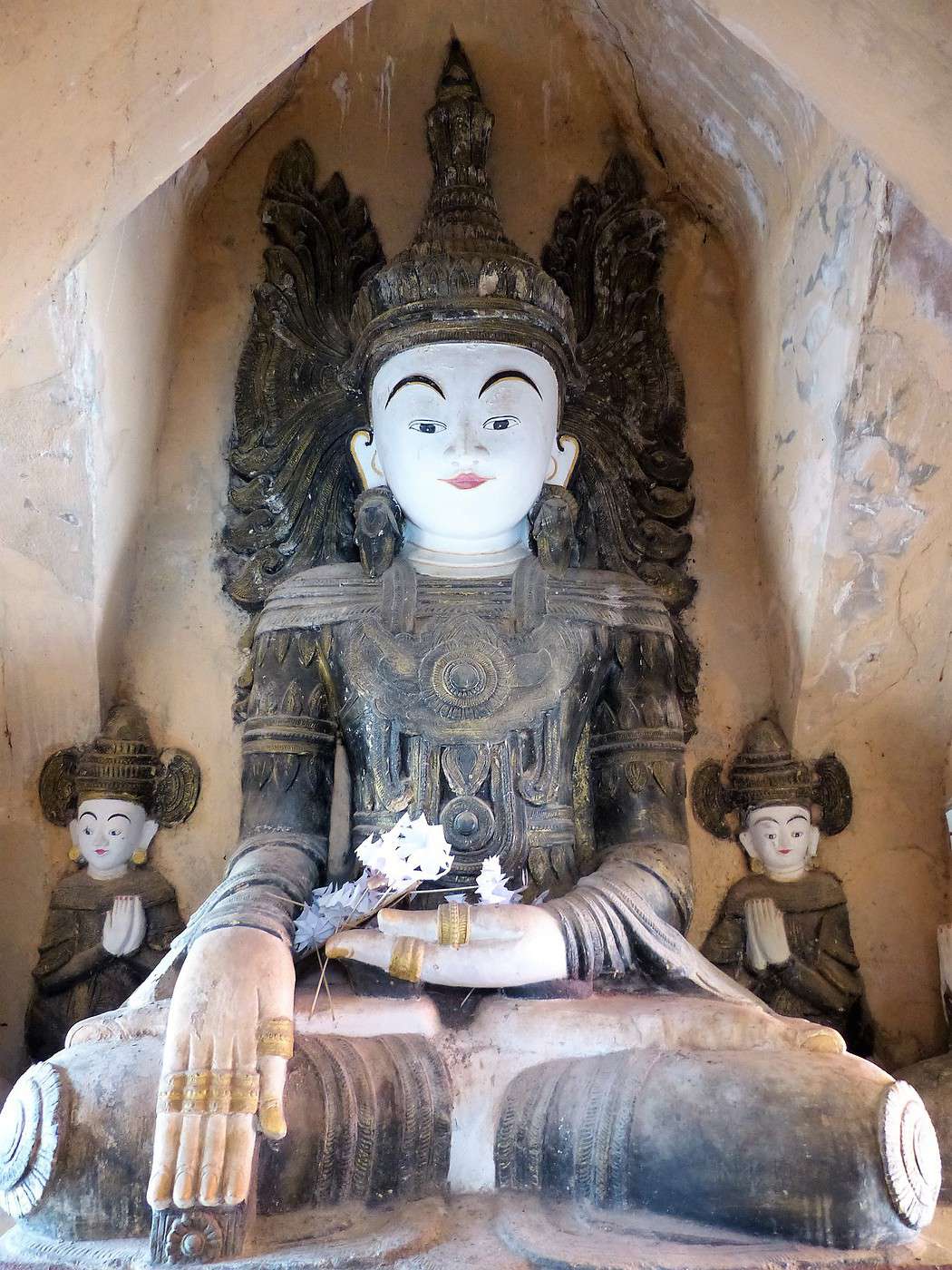
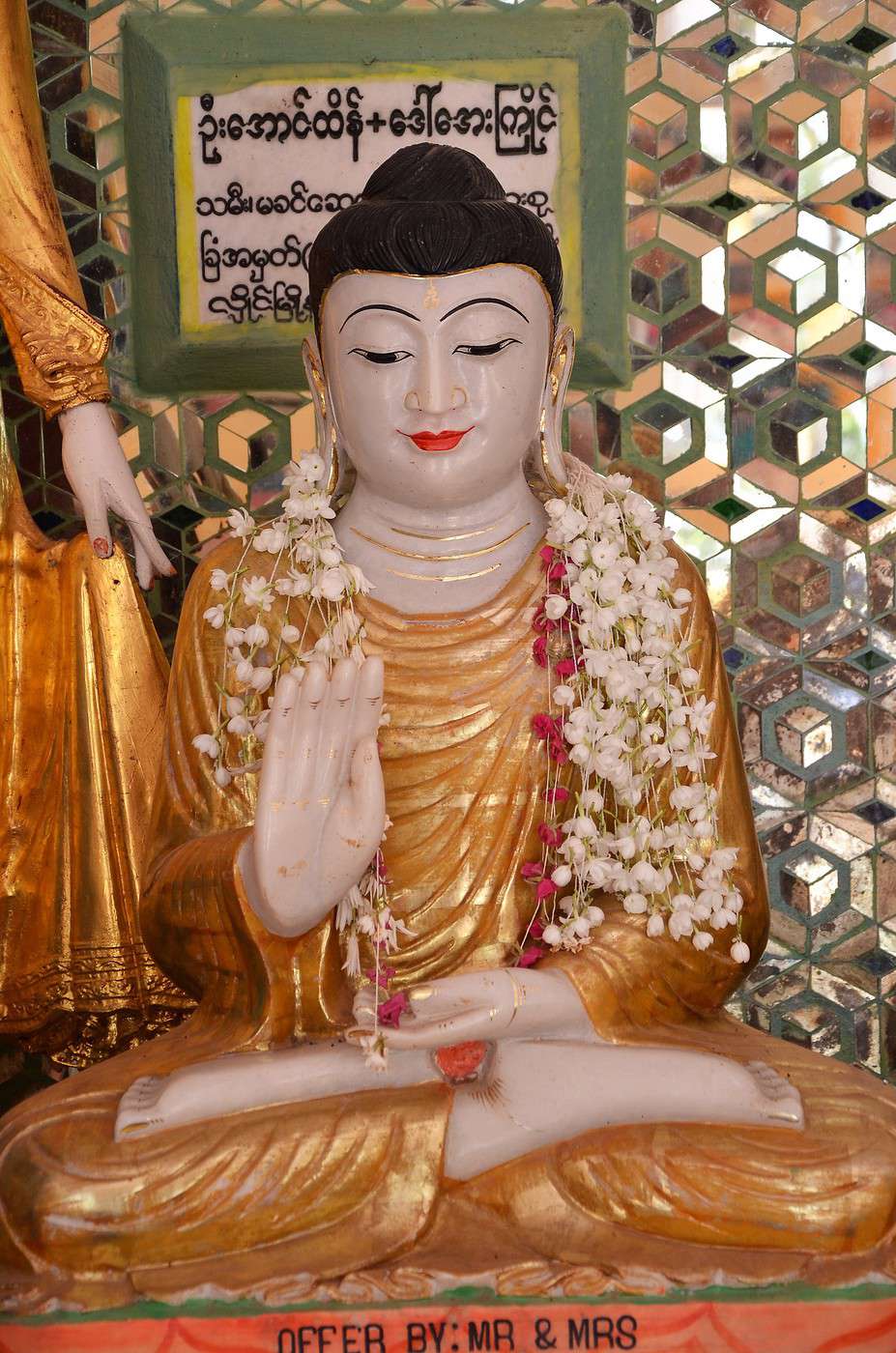
Impressive once again, especially with such a variety of styles, particularly when it comes to the Buddha figures.


Finally, we head back. We savor every moment, because tomorrow morning we leave Inle Lake, and it’s not without a pang in our hearts—even though we’re sure we’re not done with the emotions yet!
If I have time, tomorrow evening I’ll continue with Mandalay. Completely different!

As a little teaser, I’ll just say: don’t always trust your first impression... At first, we weren’t too charmed by Mandalay, especially because of the pollution, but you’ll see it’s a destination rich in discoveries, and the people are really easy to connect with.

Burma as We Dreamed It

Fabhyène · 2017-05-10 · Message 32 of 94

Mandalay (3 nights)

Well, here we are in Mandalay. As I mentioned in my last post, first impressions aren’t always accurate! Our initial contact wasn’t great, partly because of the contrast with Inle, but also due to the pollution (my throat was scratchy, and the pollution layer was really visible when we moved away from the city). But... we gradually fell under its spell as we explored and chatted with Maung Ko, our driver—cultured and with a dry, almost British sense of humor. Plus, we couldn’t help but be touched by the kind and joyful religiosity that’s so visible in Mandalay.

Day 1

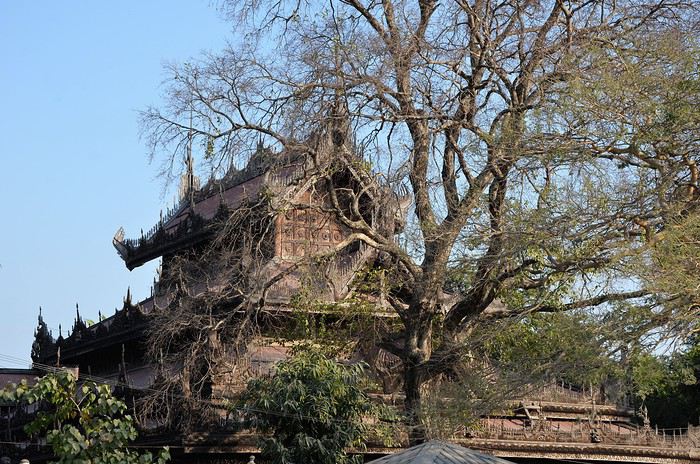
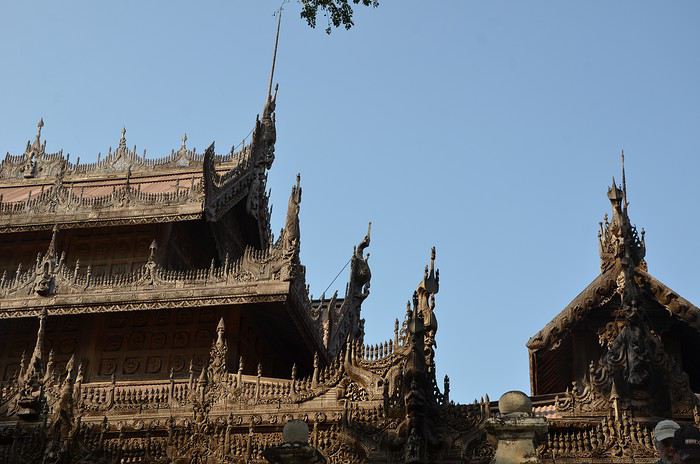
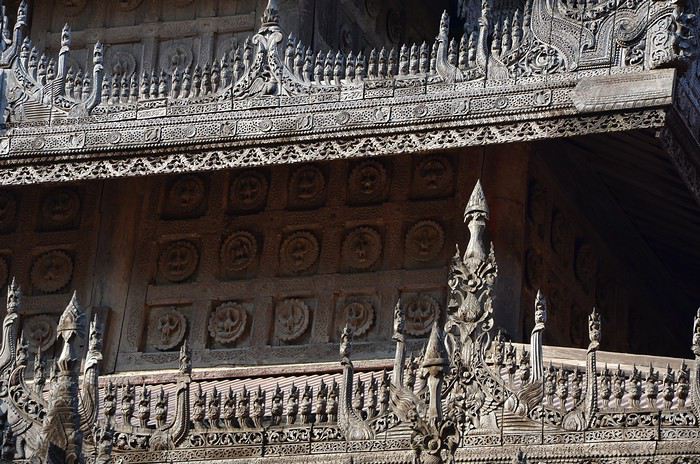
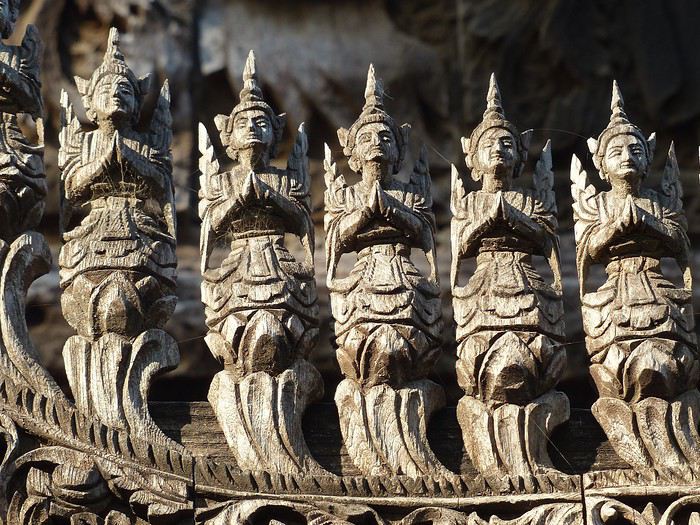
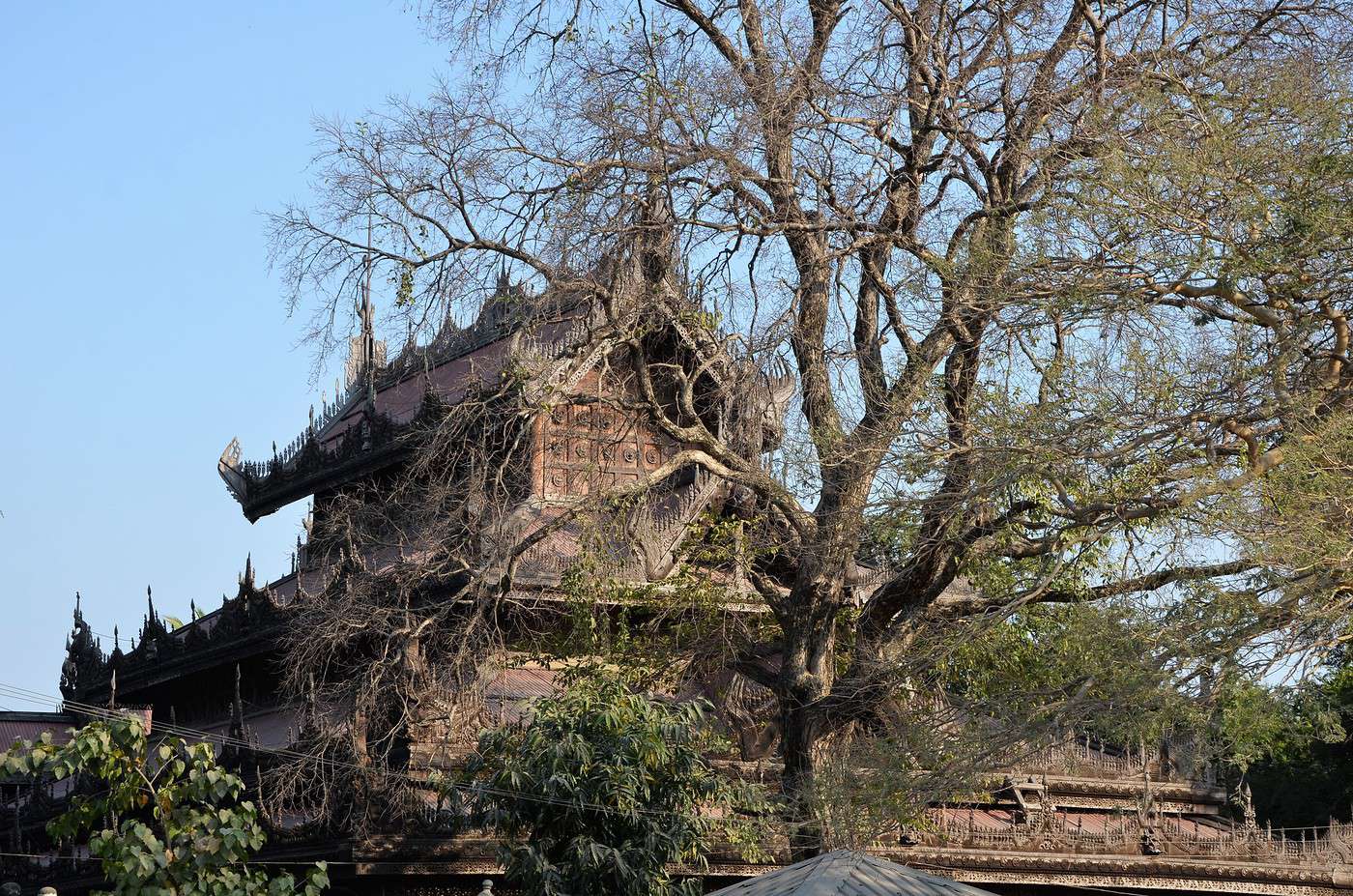
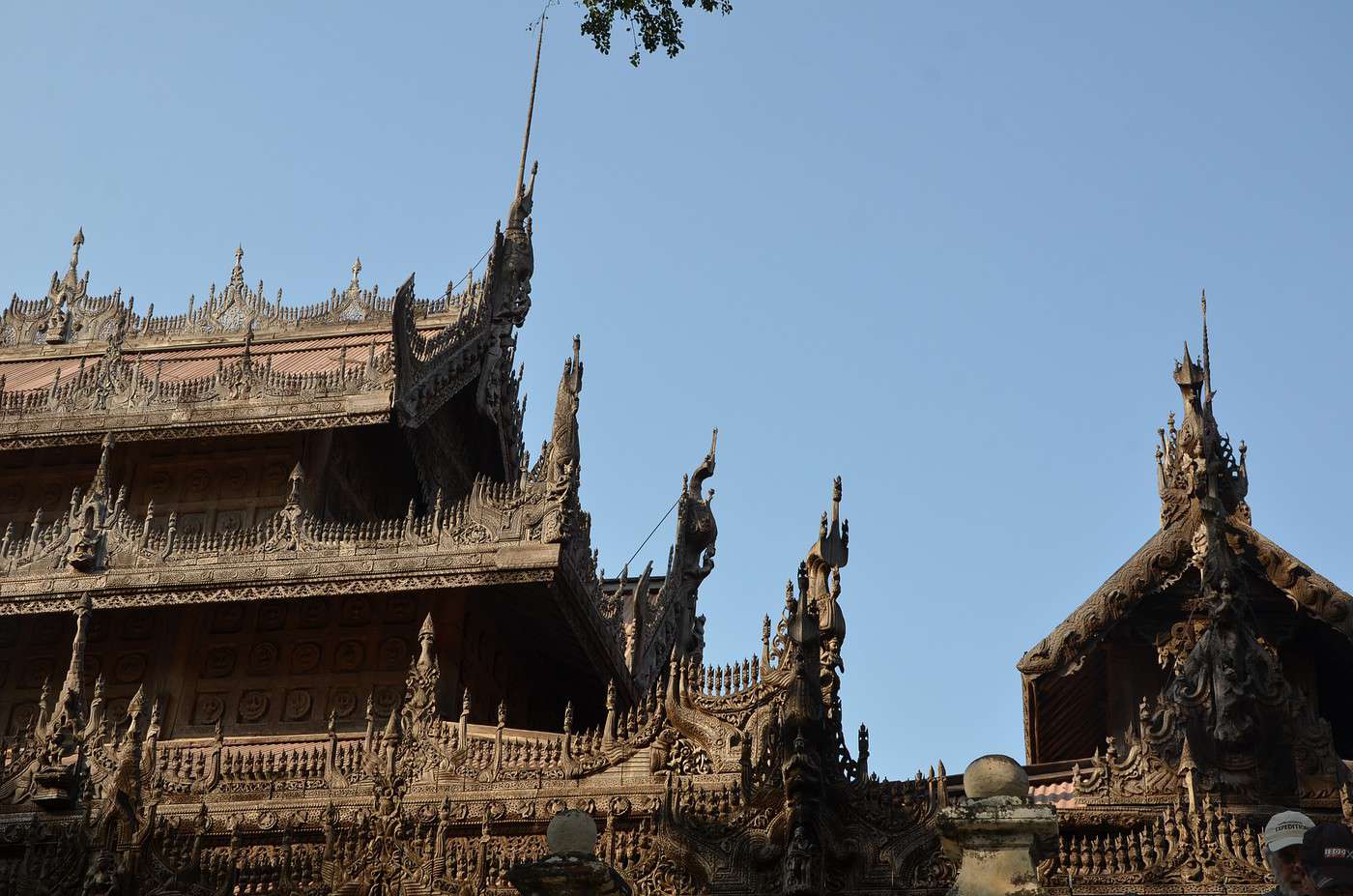
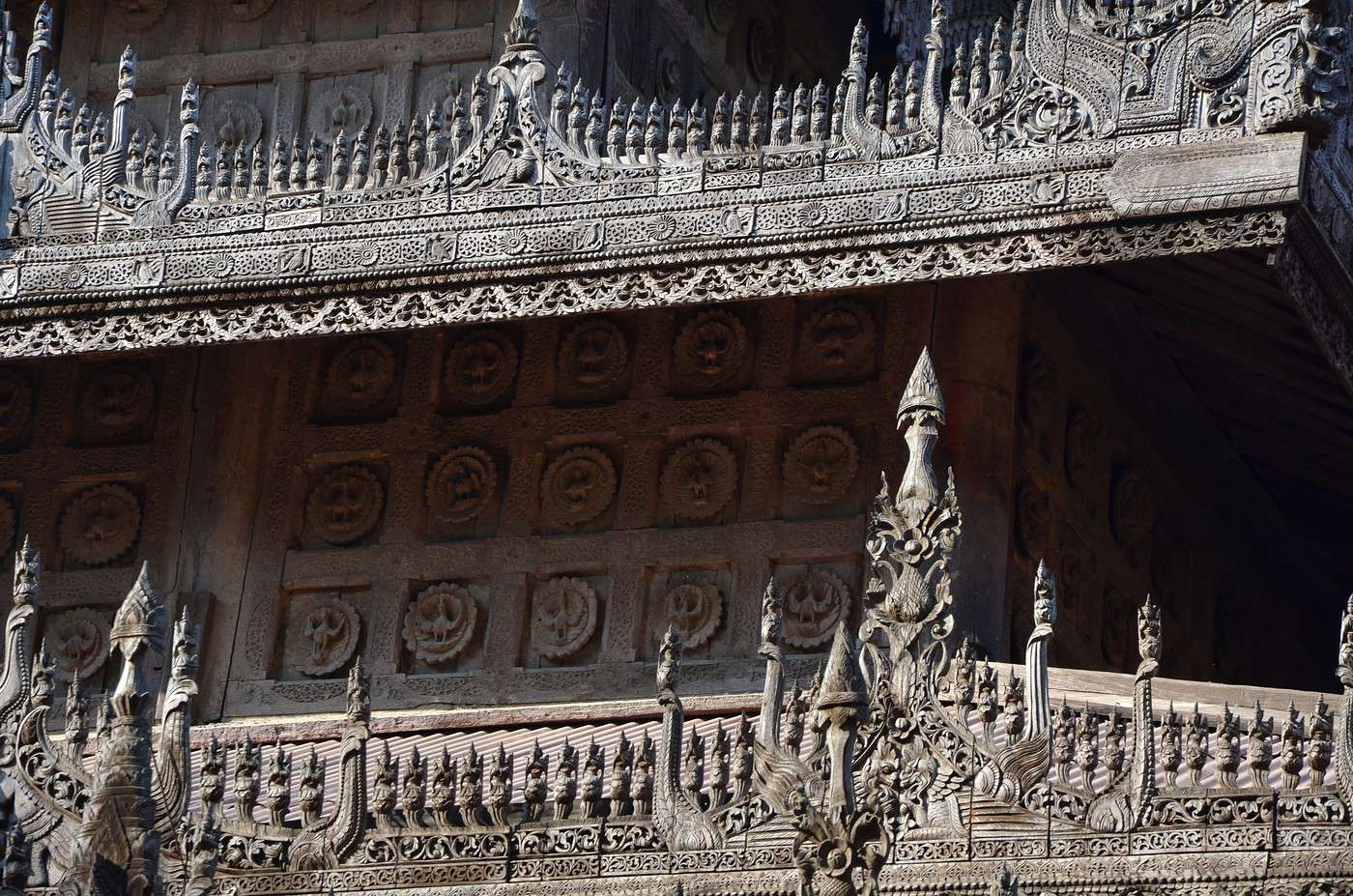
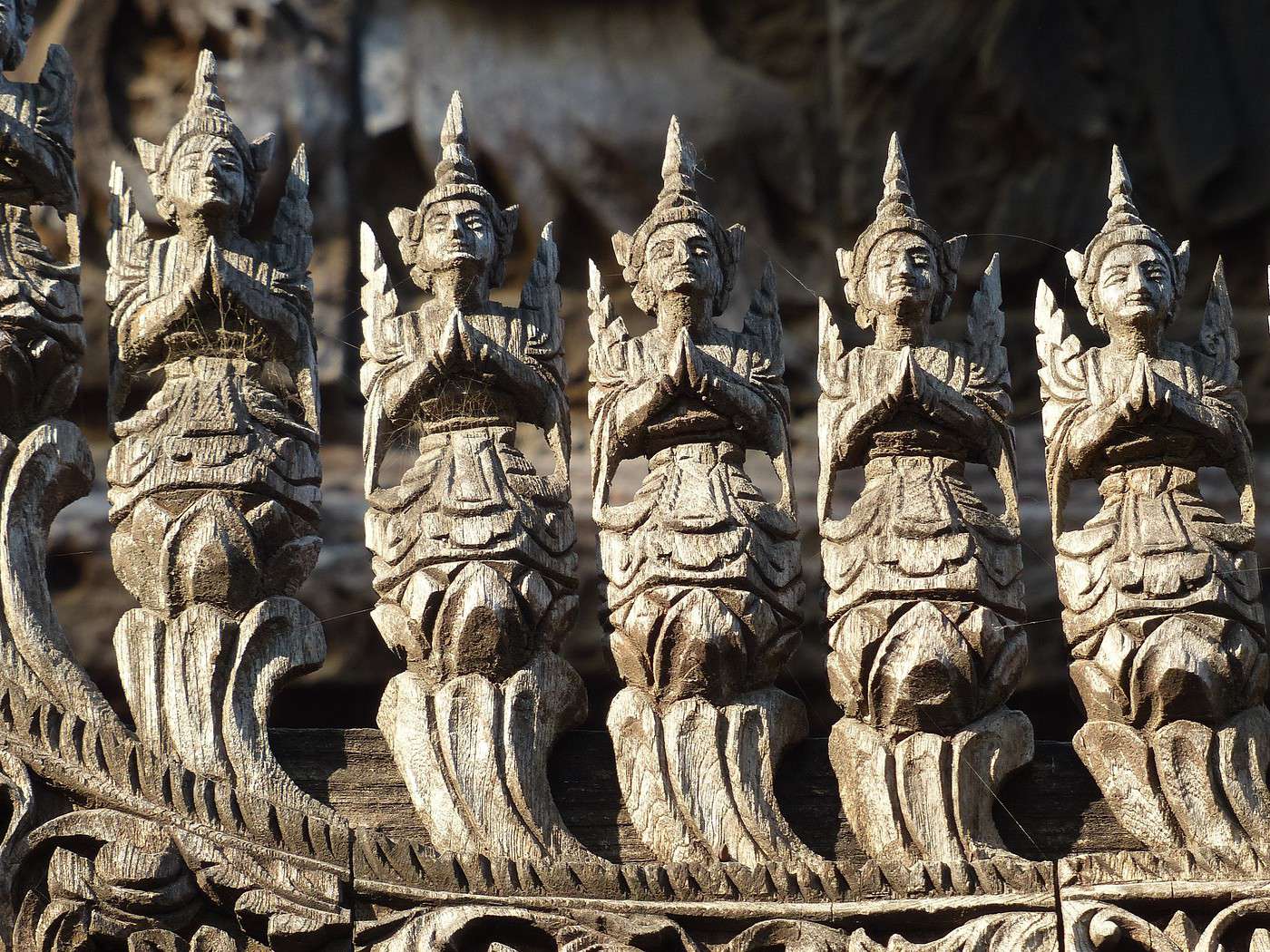
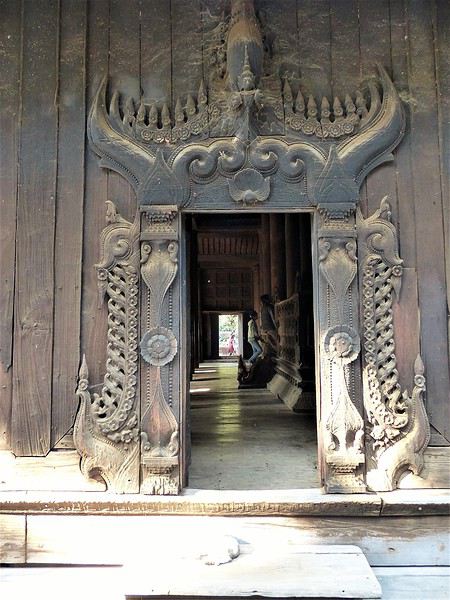
First highlight: Shwenandaw Monastery, dating back to 1880, a true teak lacework. I’d never seen such intricate woodwork on this scale, both inside and out. Later, we saw three other beautiful teak monasteries (one more in Mandalay, one in Inwa nearby, and one in Bagan), but none matched this one.


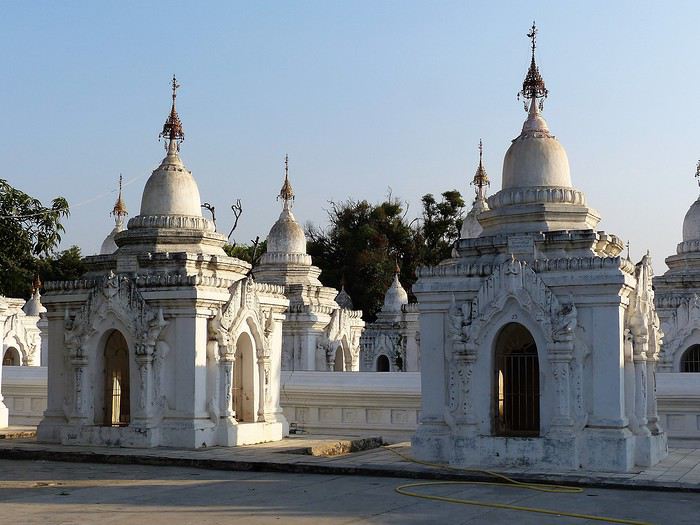
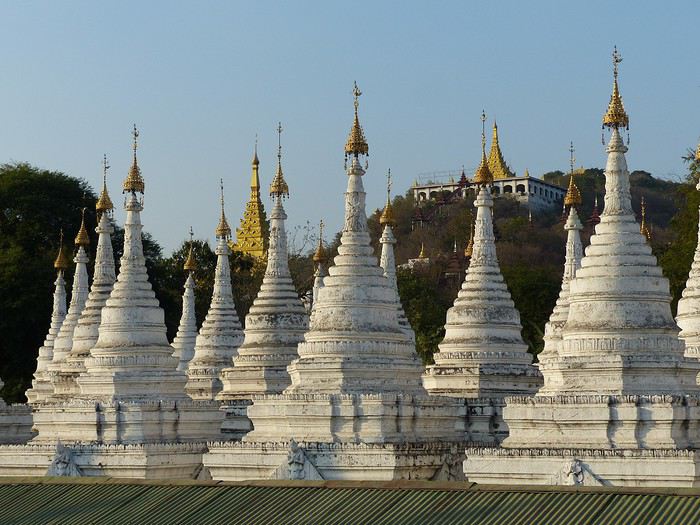
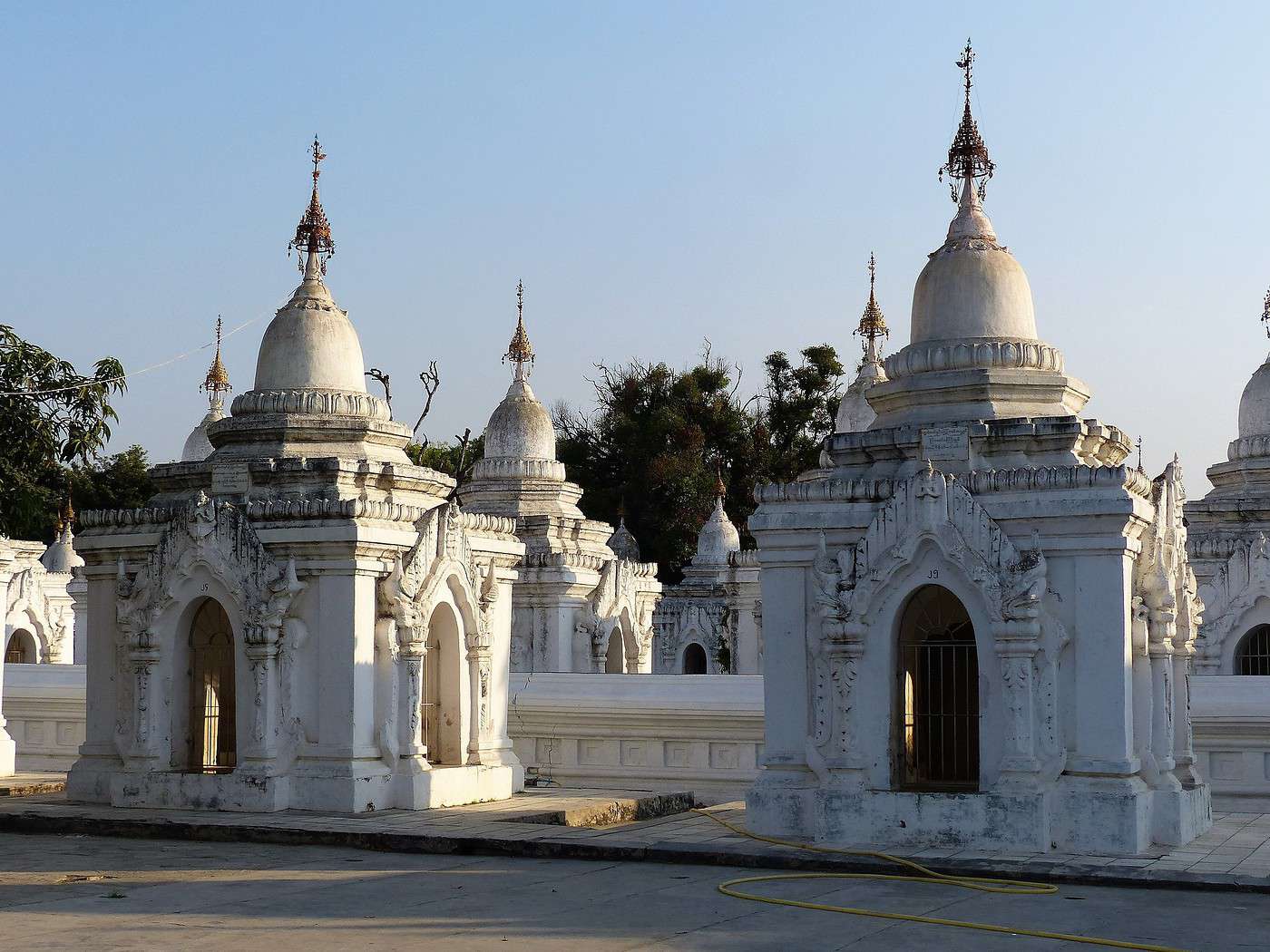
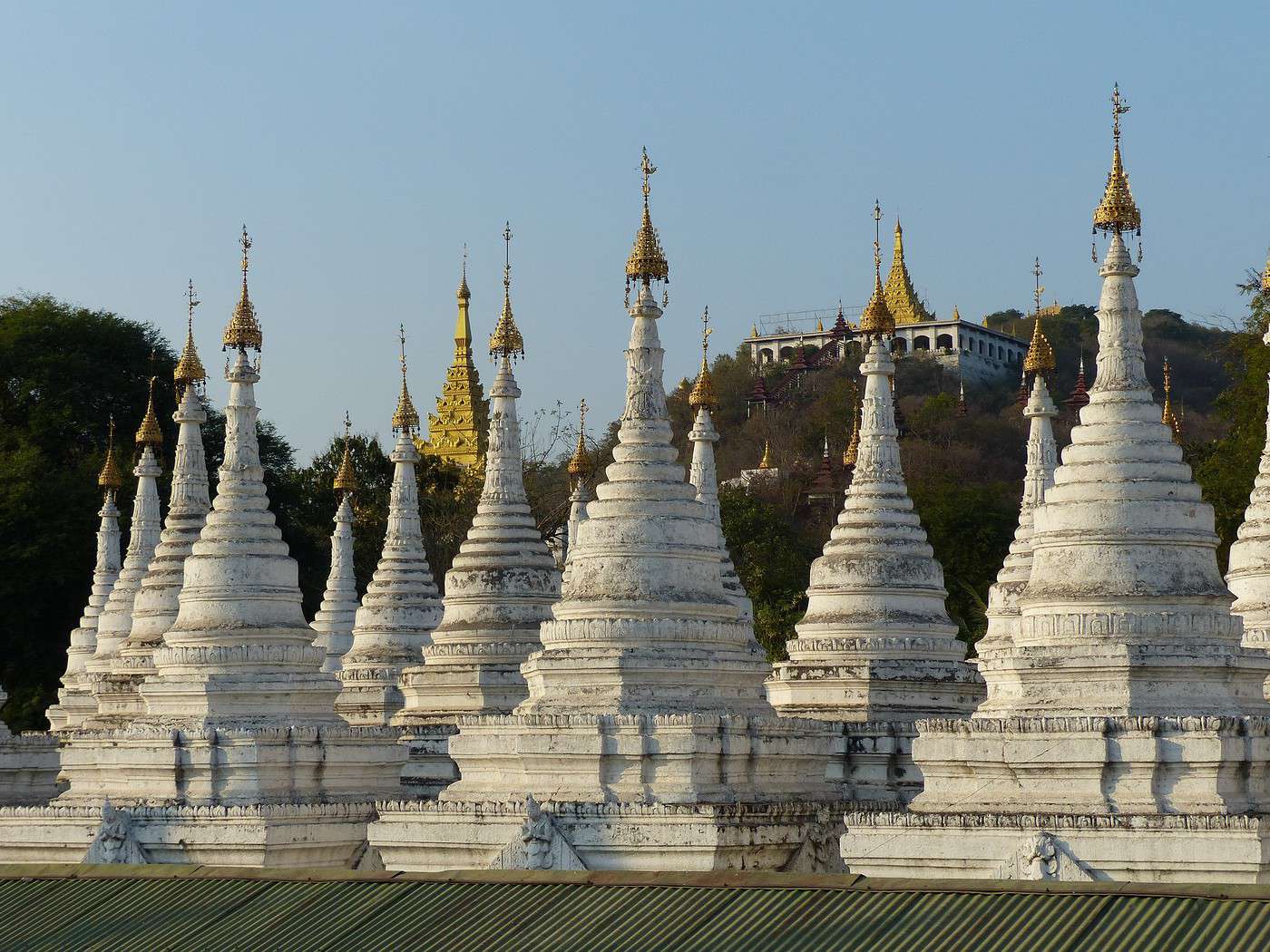
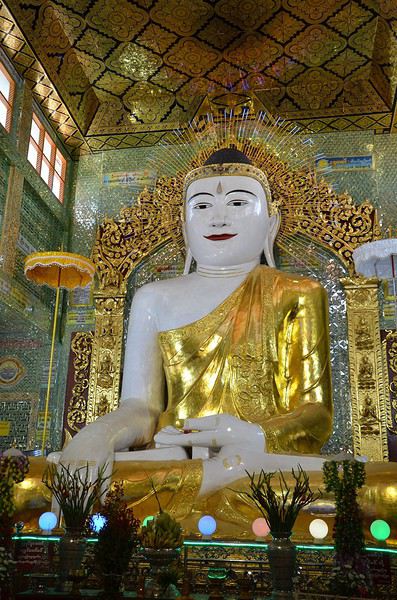
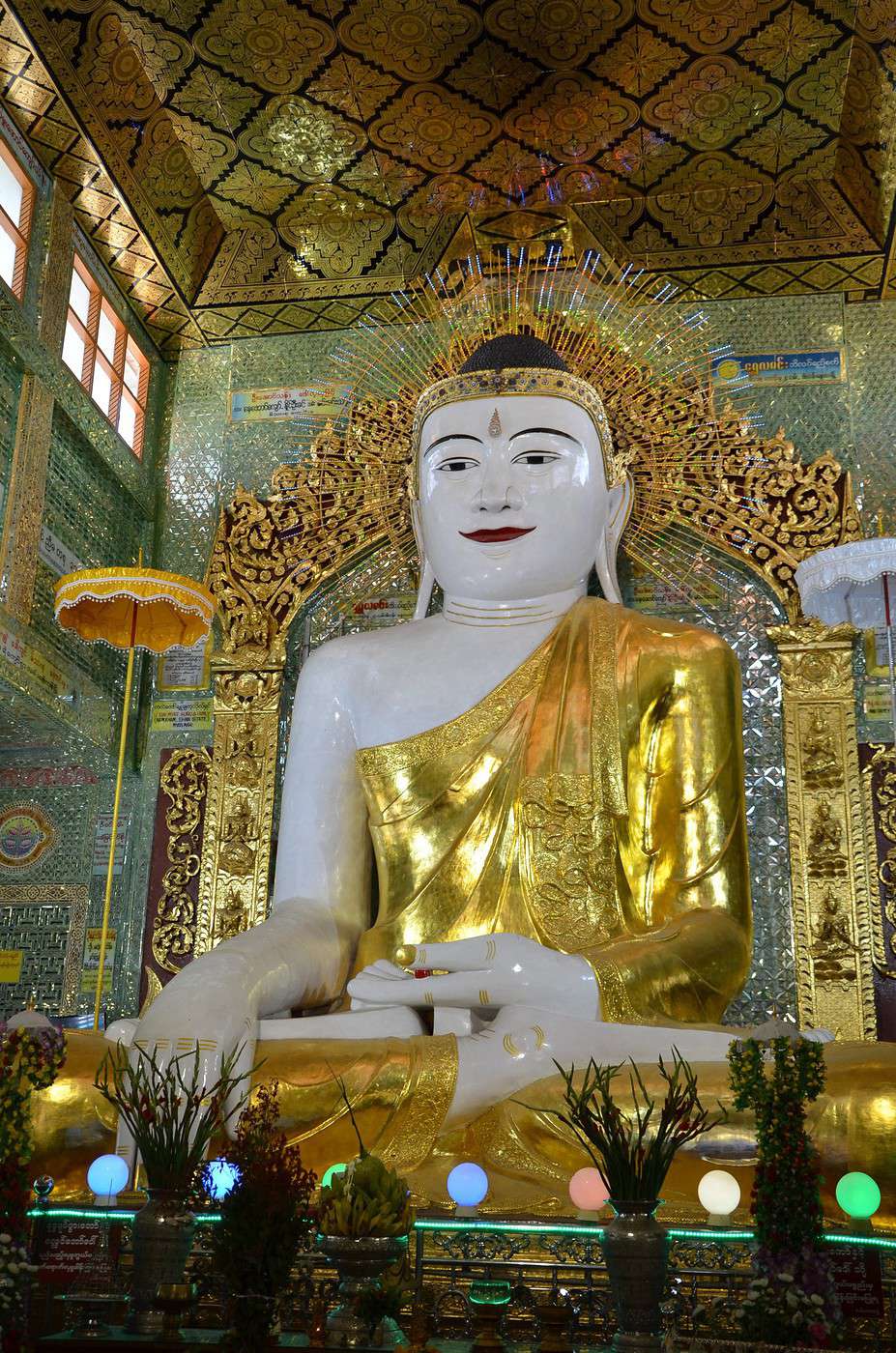
We continued our visits with the Kuthodaw Pagoda, home to "the world’s largest book"—the Tripitaka, a complete transcription of the Buddhist canon, engraved and gilded with fine gold on 729 marble steles, each housed in its own white stupa. In the same vein, we then visited the Sandamuni Pagoda, which contains 1,774 engraved tablets with commentaries on the Tripitaka, each in its own stupa! Its massive gold-covered Buddha weighs over 20 tons.


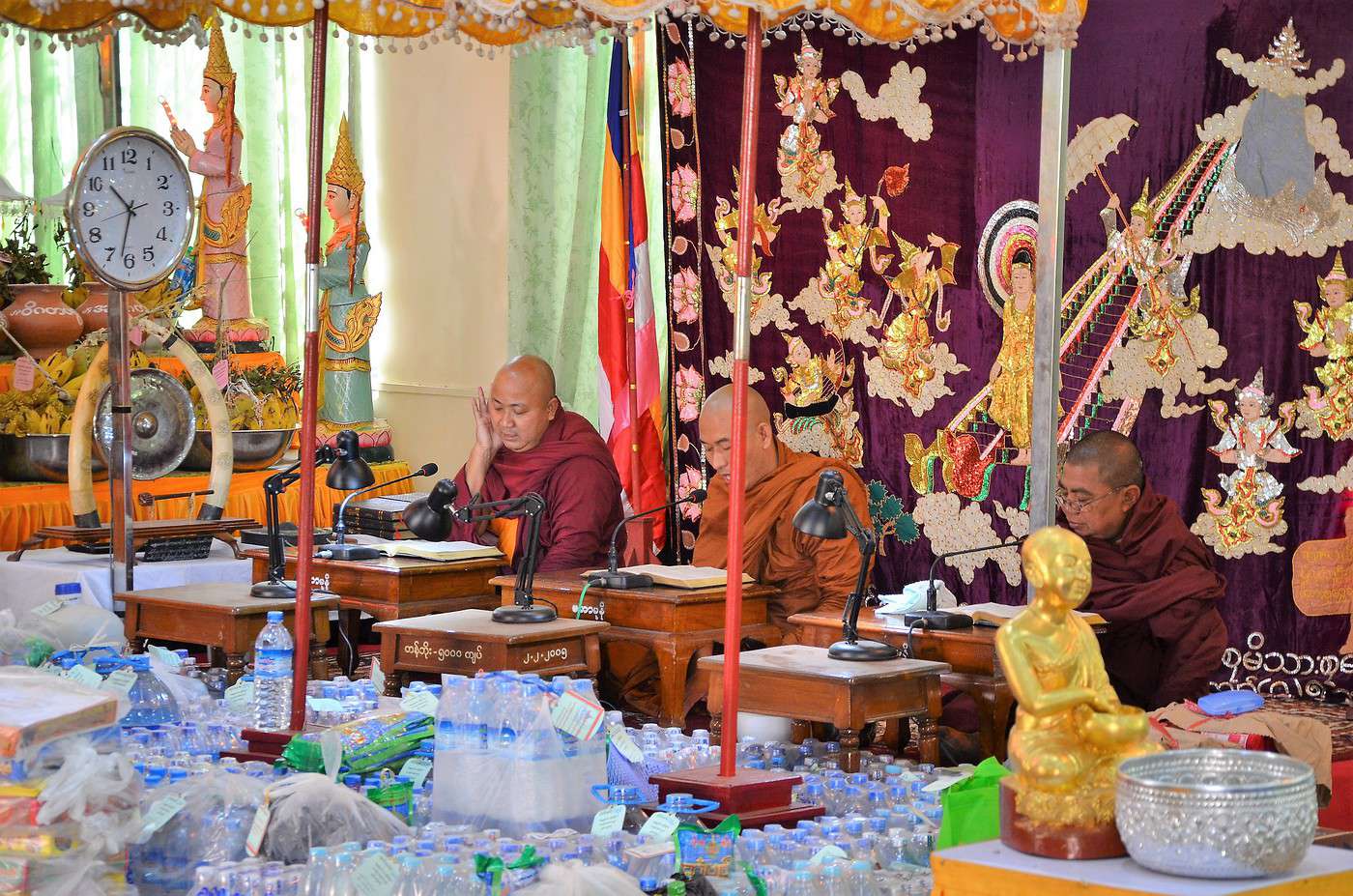
Mandalay seems to have a thing for records: "the world’s largest book," "the biggest bell," the most monks, "the longest teak bridge." There’s even a highly respected monk who made it into the *Guinness Book of Records* for reciting 16,000 verses of sacred texts from memory over four days!
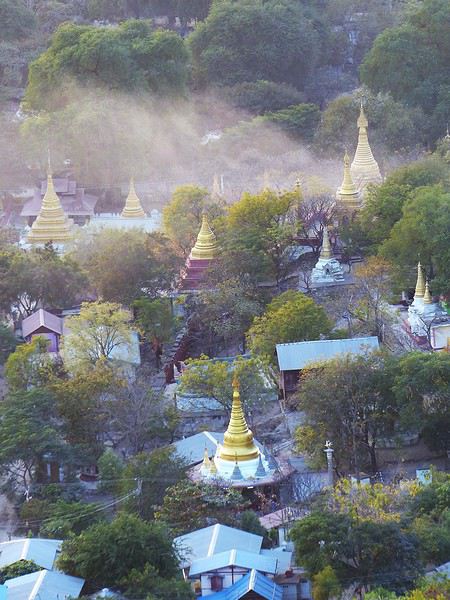
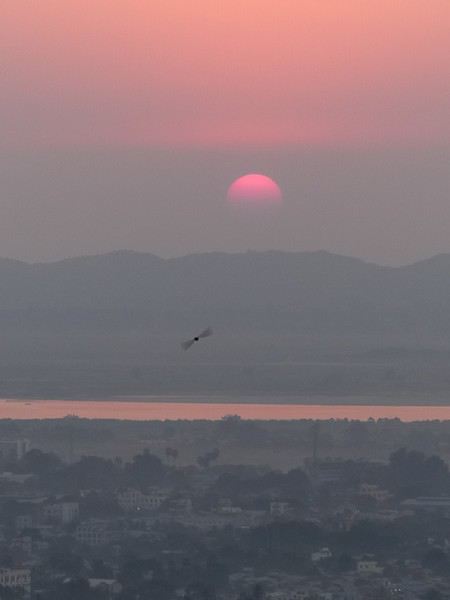
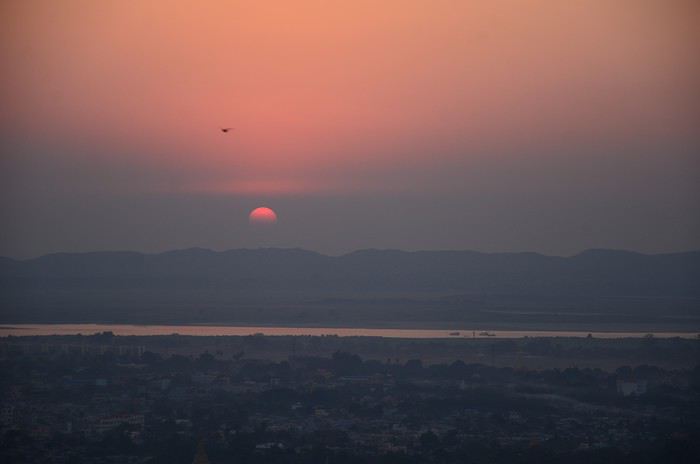
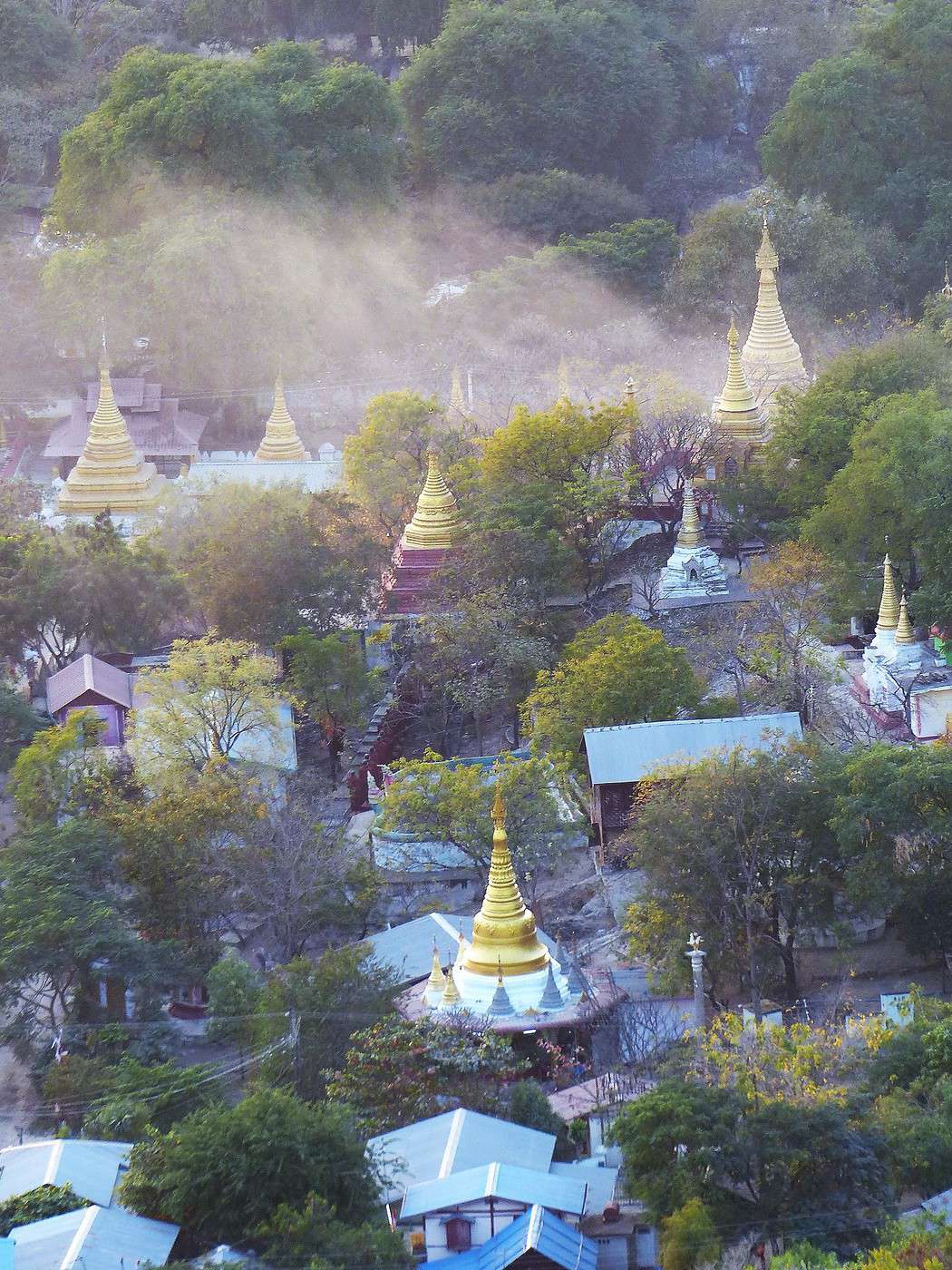
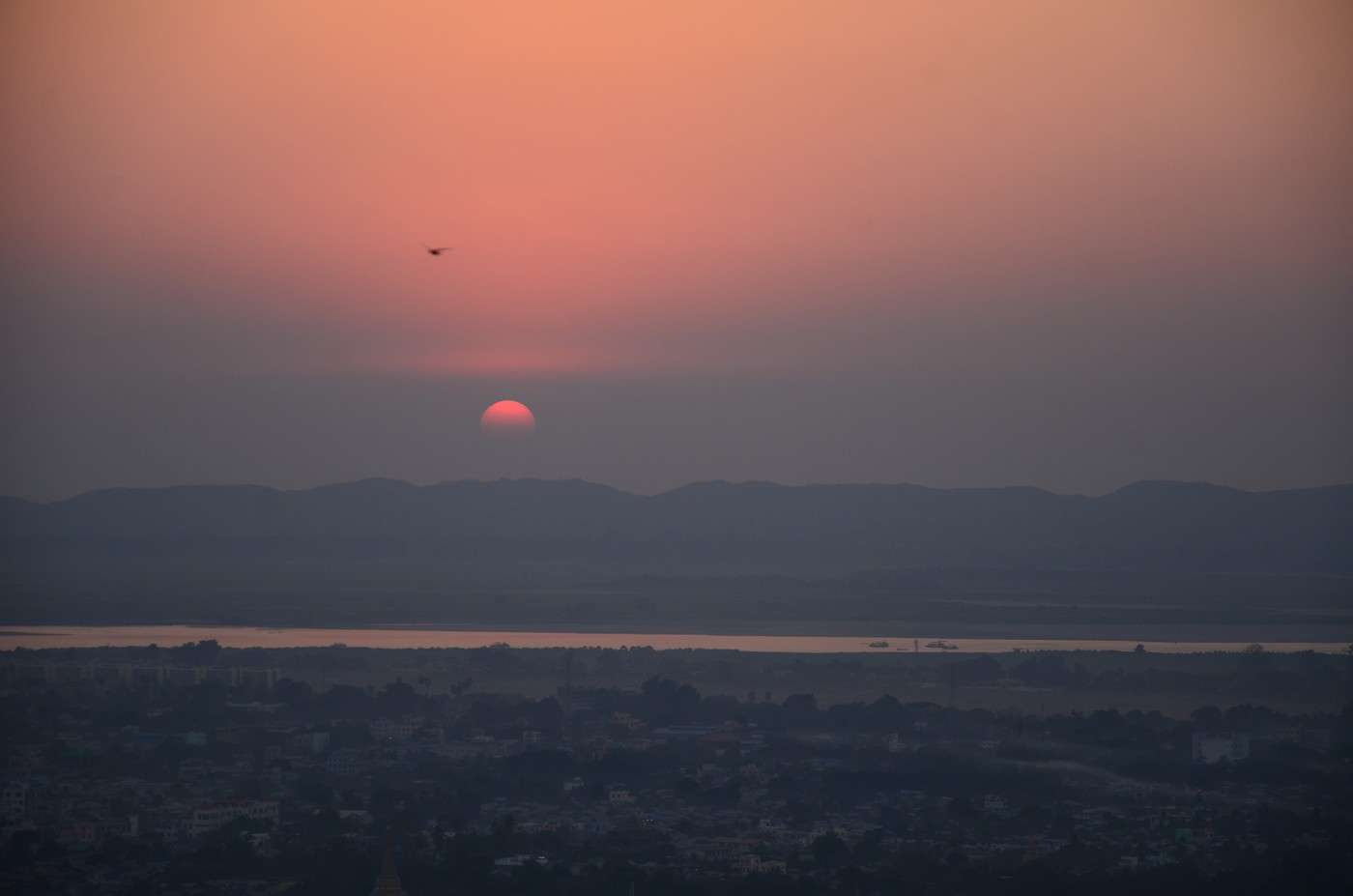
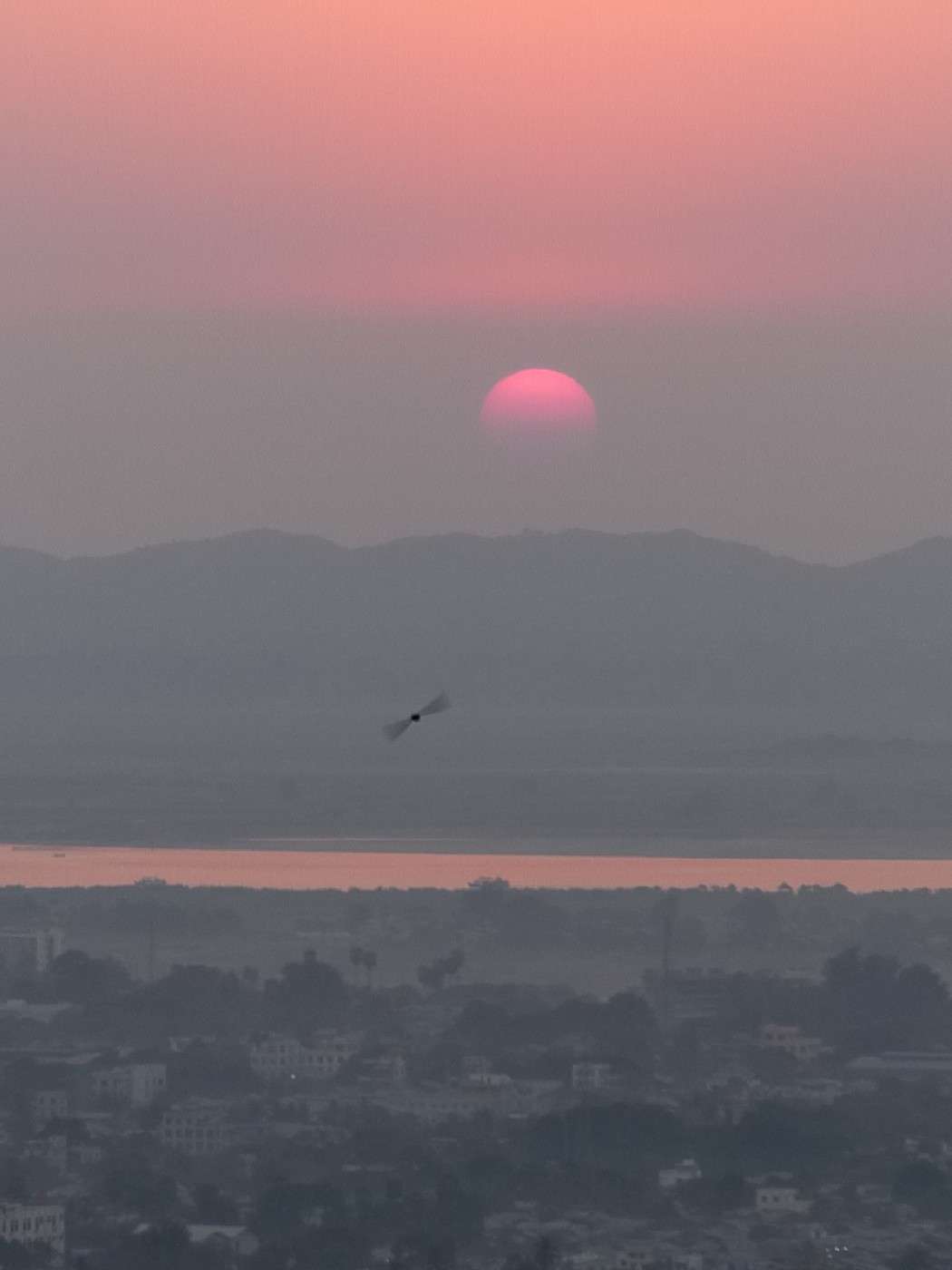
In a more traditional touristy move, we ended the day at the Sutaungpyai Pagoda, atop Mandalay Hill, which offers a 360° view from its terrace and is a favorite spot for sunset. You’ve got to elbow your way to the edge and hold your ground until the sun goes down...


Let’s ignore the crowds (I’ve got a knack for tuning them out...). The setting sun’s rays caress the hills and the dozens of pagodas rising all around... the city fades away... while the distant ribbon of fire on the Irrawaddy River lights up...


End of the first day

Burma as We Dreamed It

Fabhyène · 2017-05-10 · Message 33 of 94

Day 2 in Mandalay

Mandalay, the country's second-largest economic center, is famous for its artisans. It's also a major commercial hub, especially due to its trade with China.

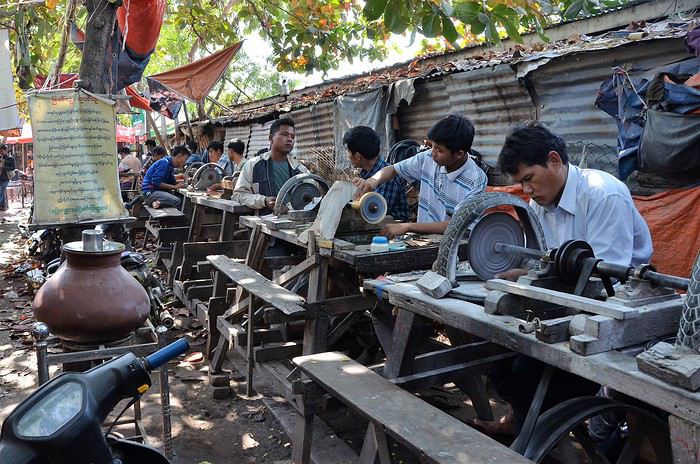
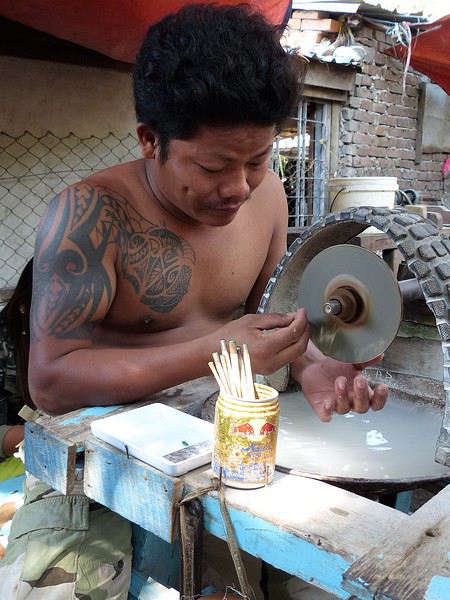
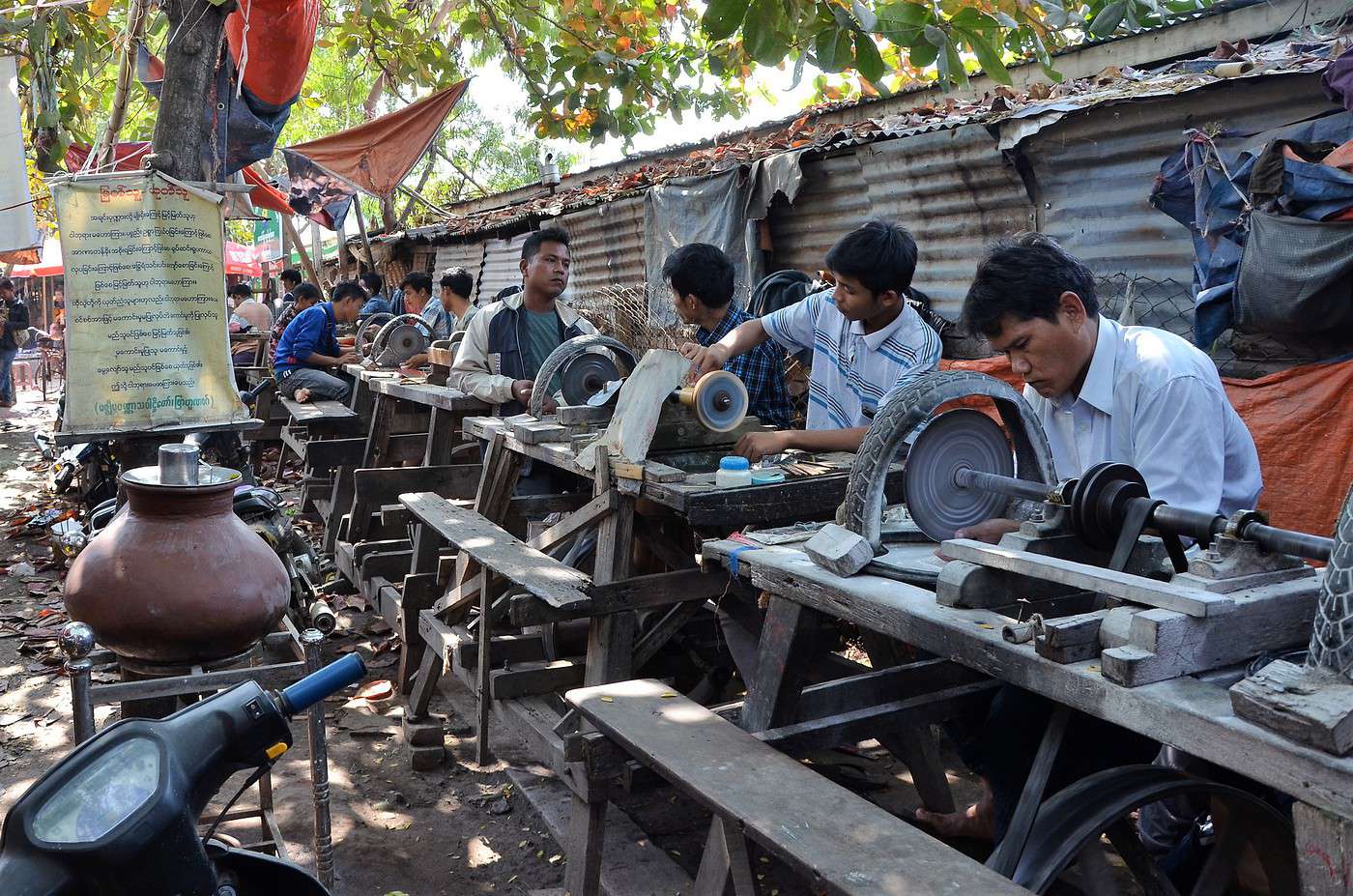
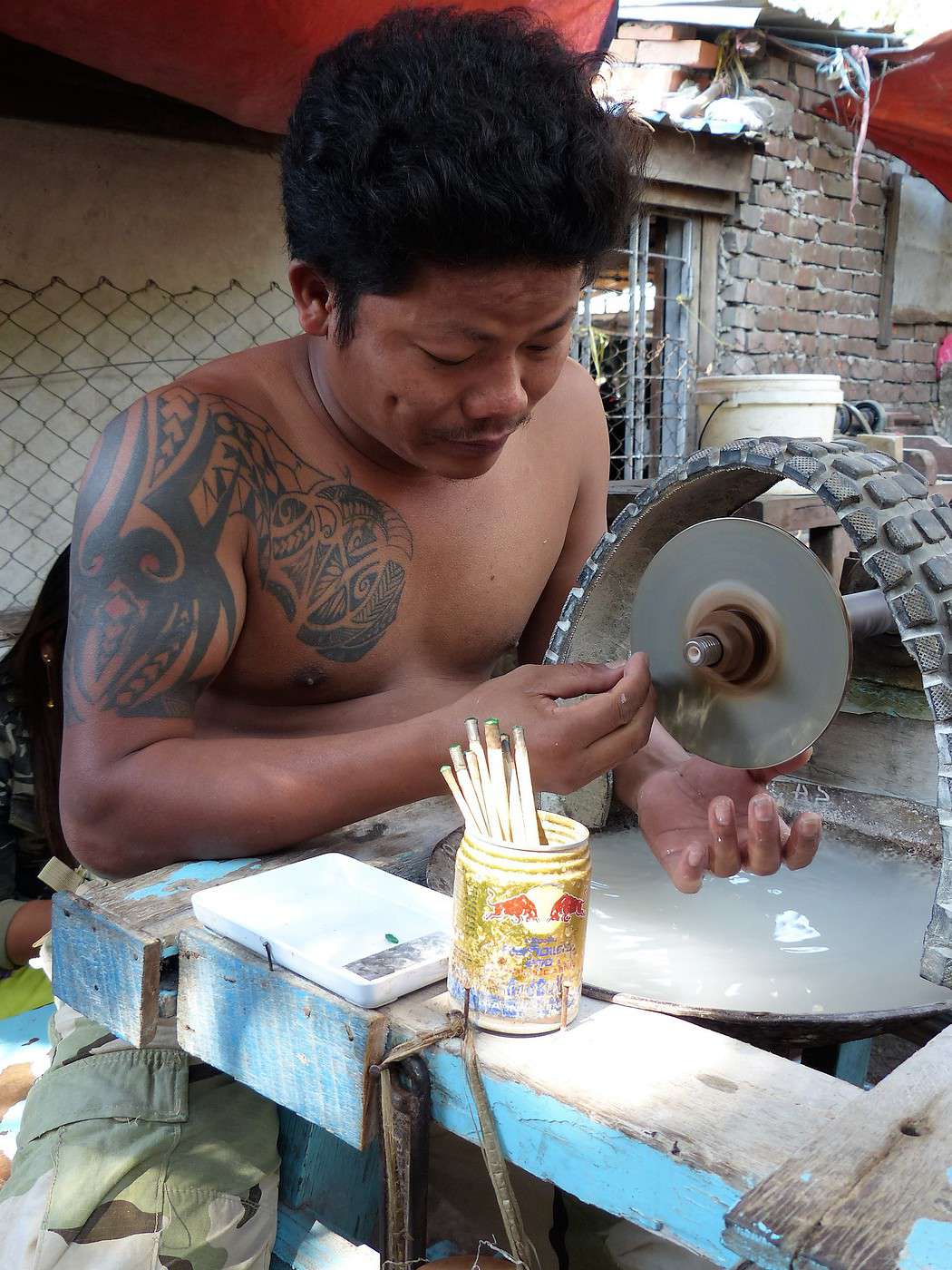
It's not only the capital of jade (below, jade cutting near the dedicated market),


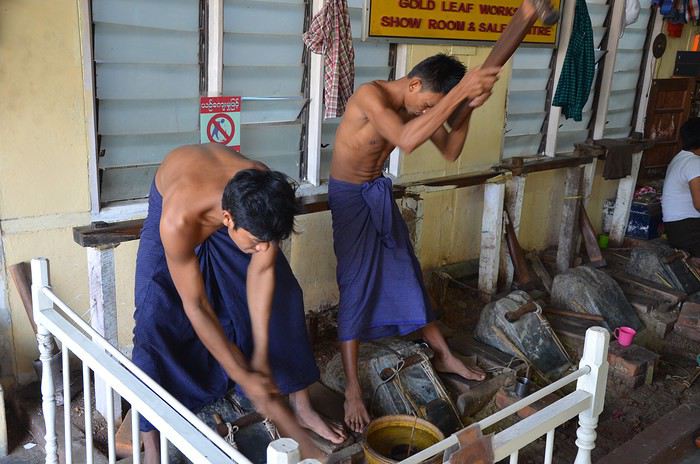
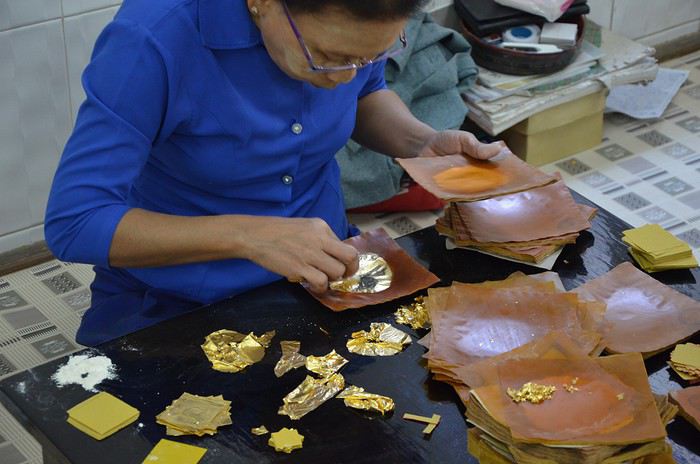
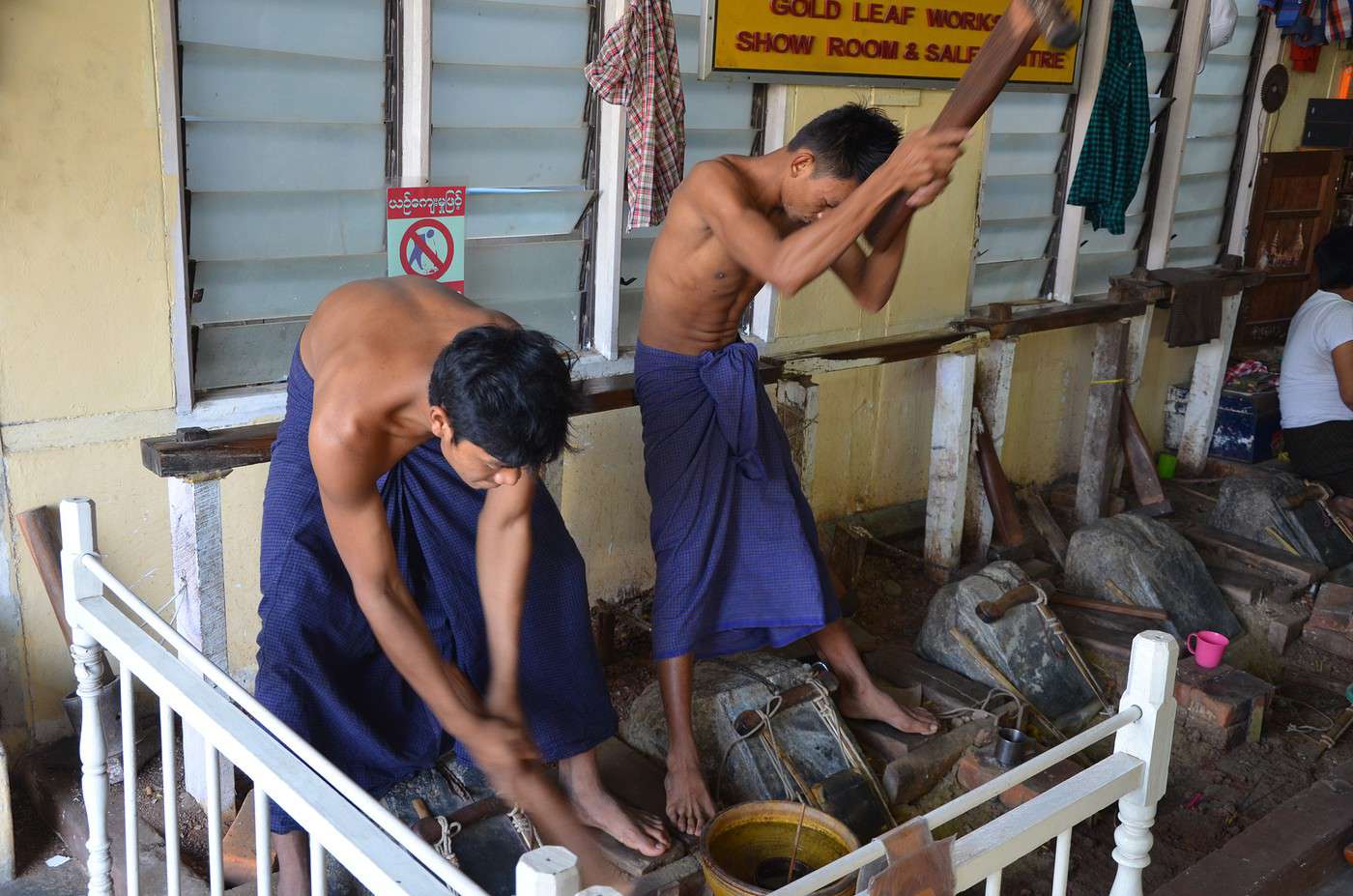
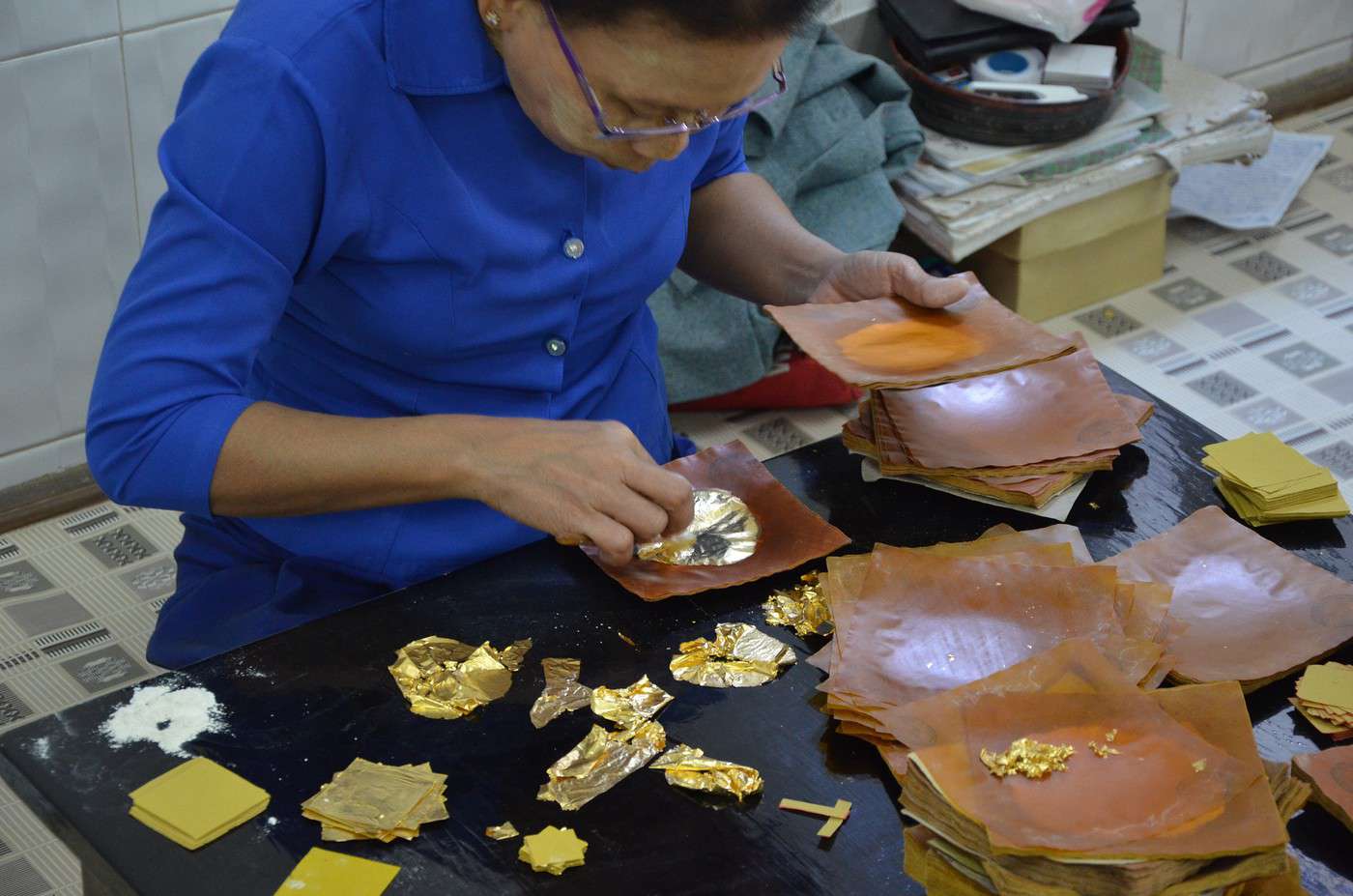
but also the production center for gold leaf used by the millions by believers (through sheer arm strength, alternating intense sequences of hammering with heavy mallets).


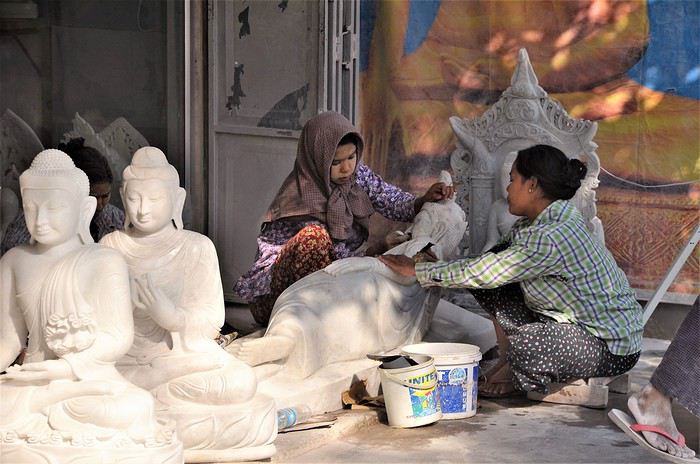
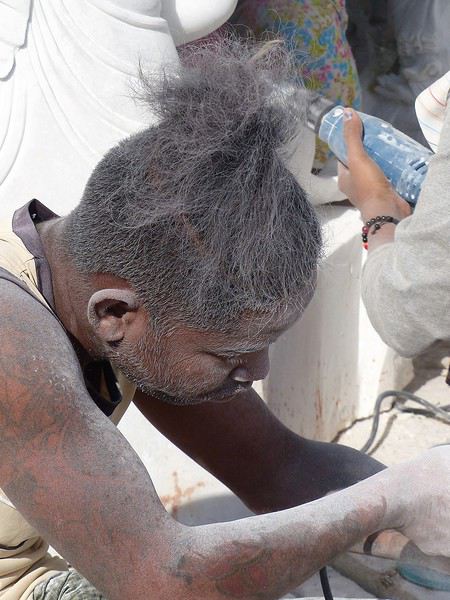
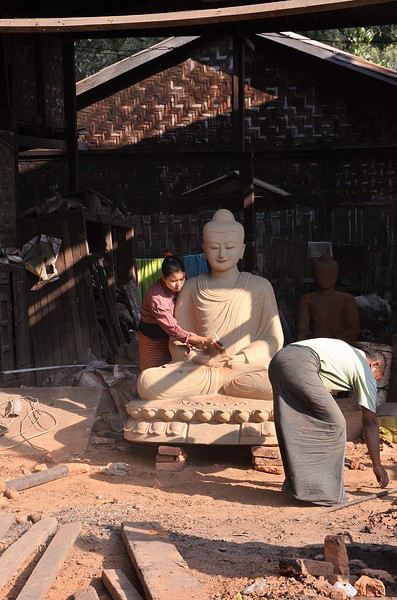
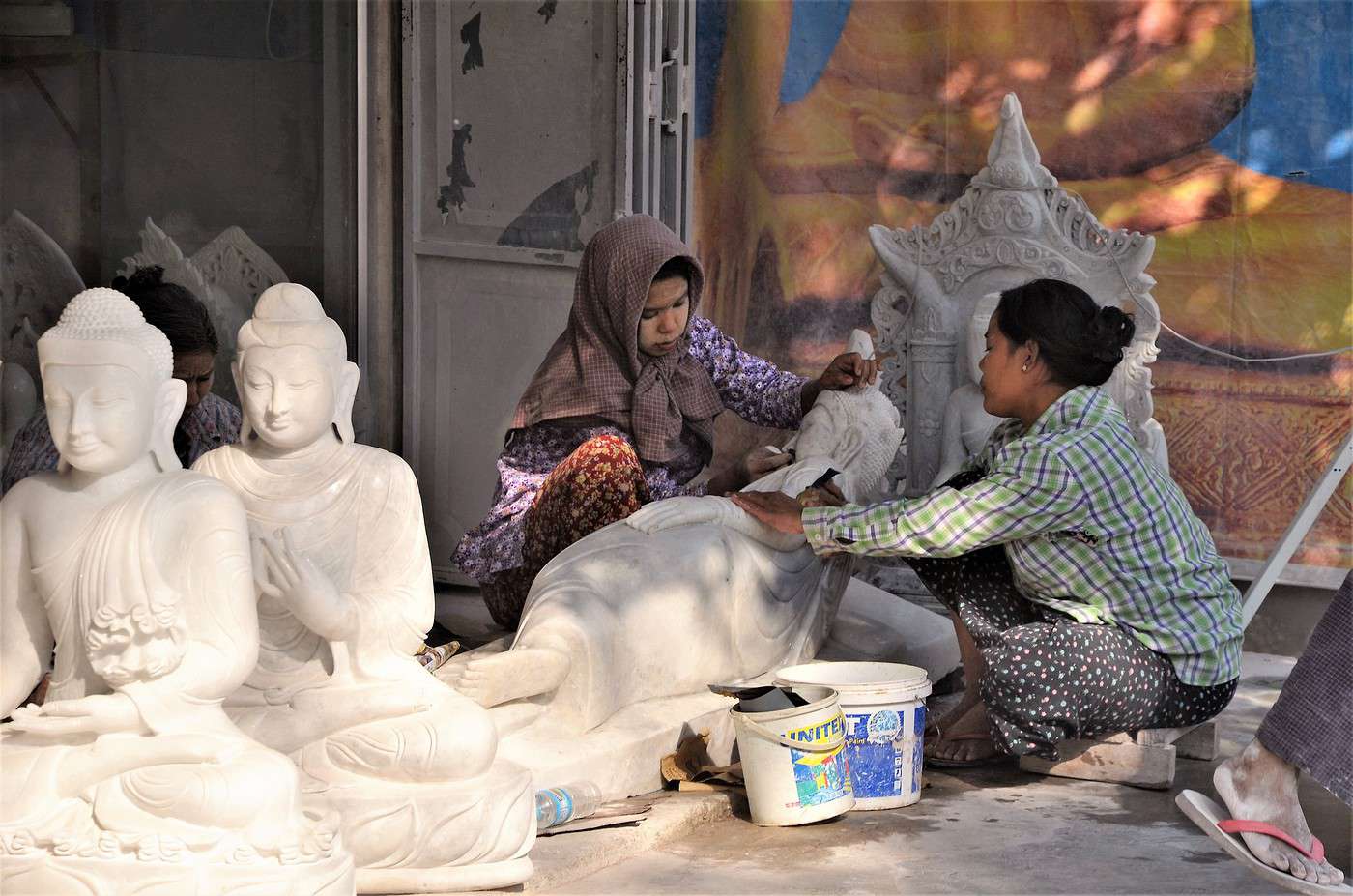
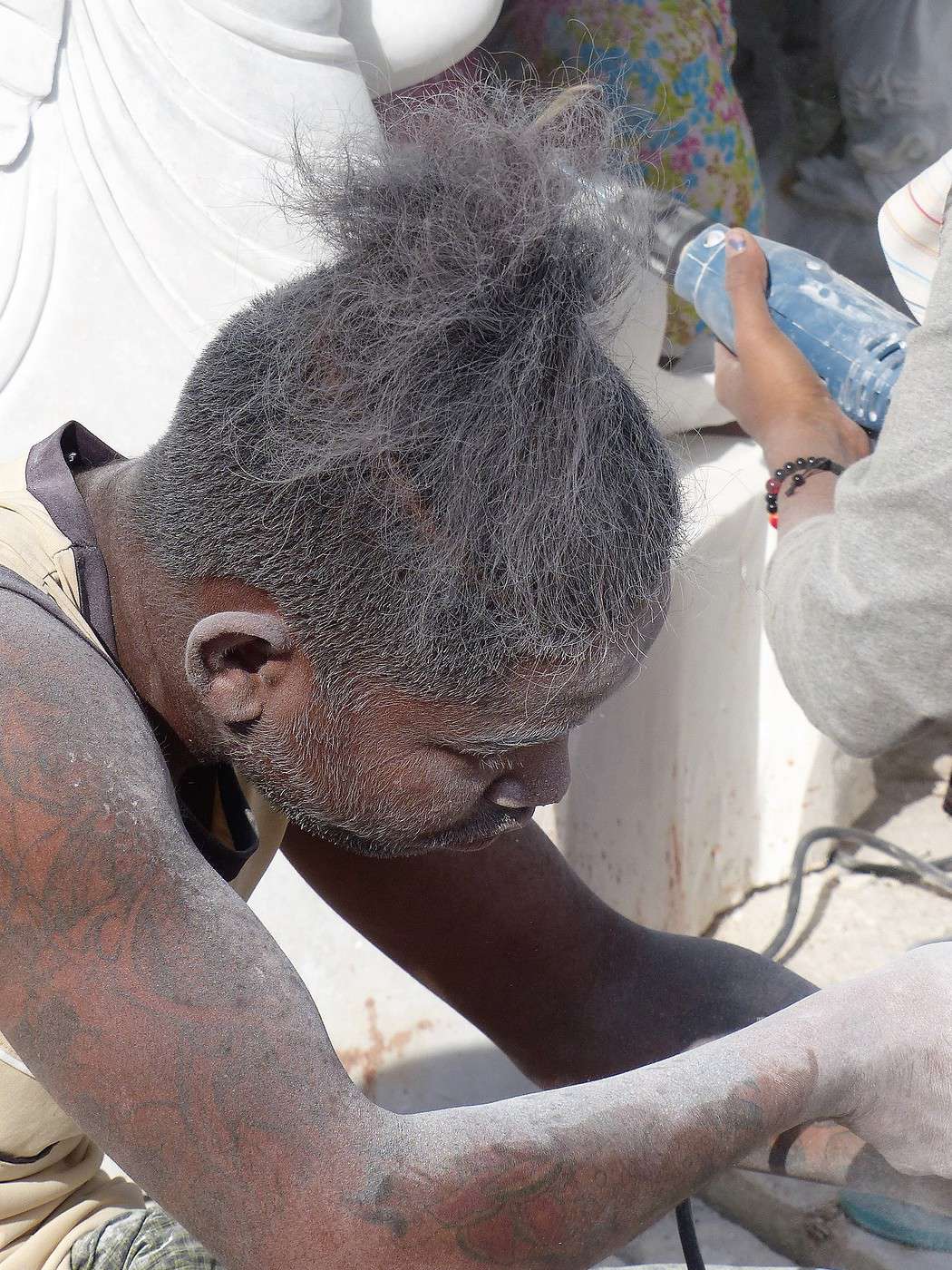
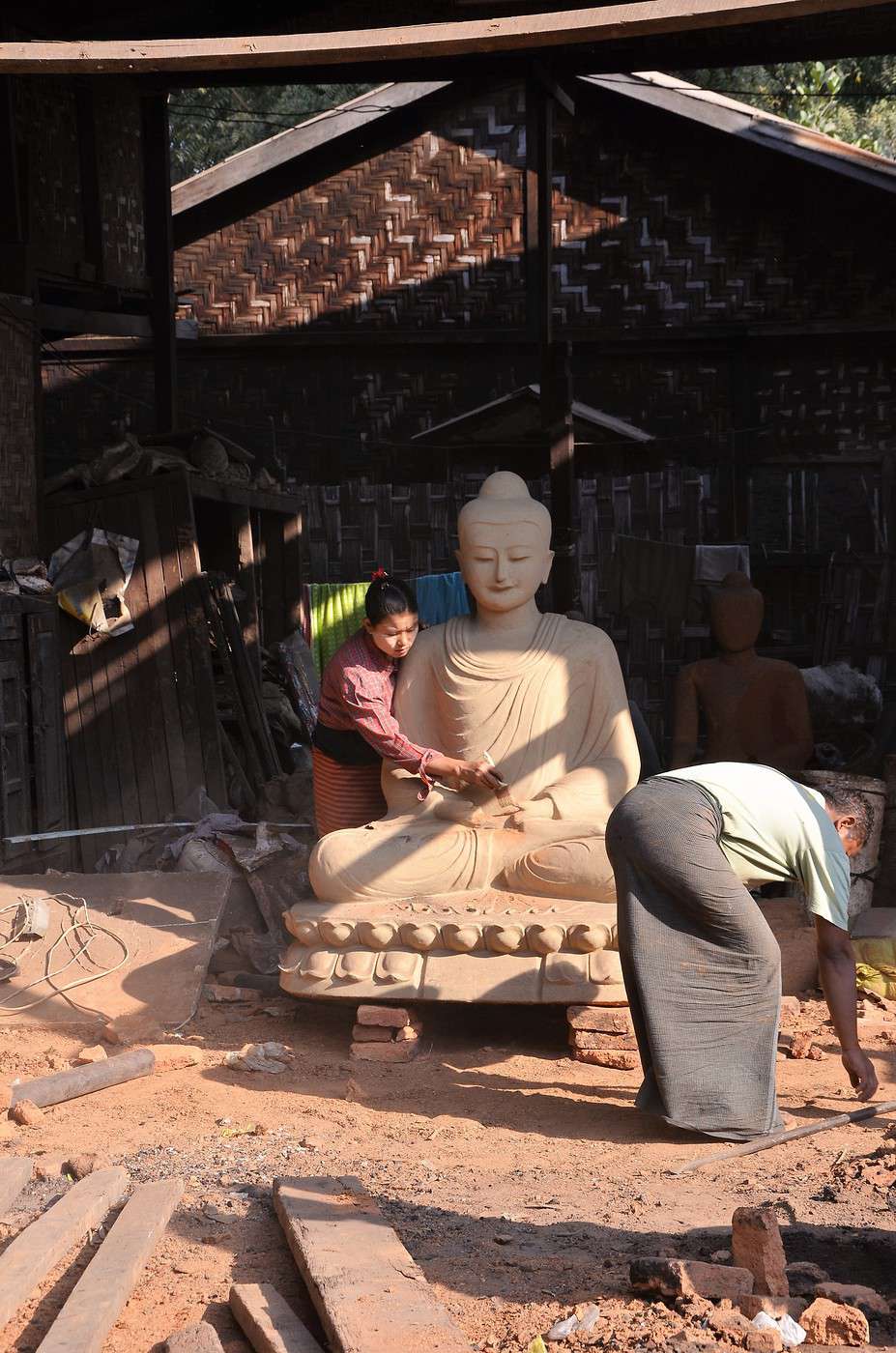
as well as a large part of the marble statuary (no protection for the workers).


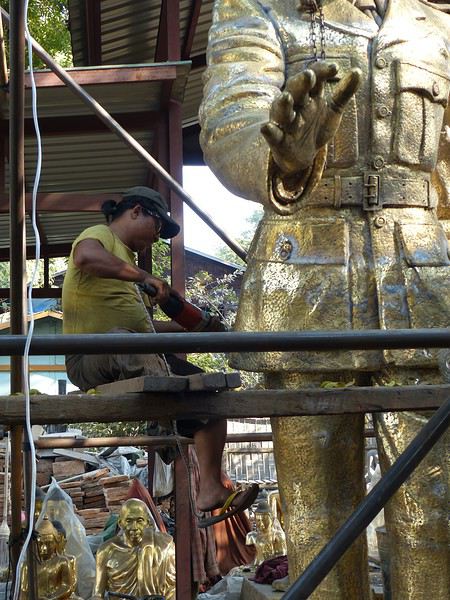
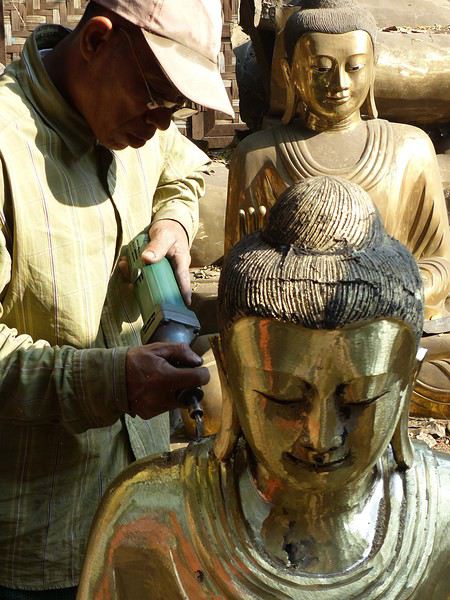
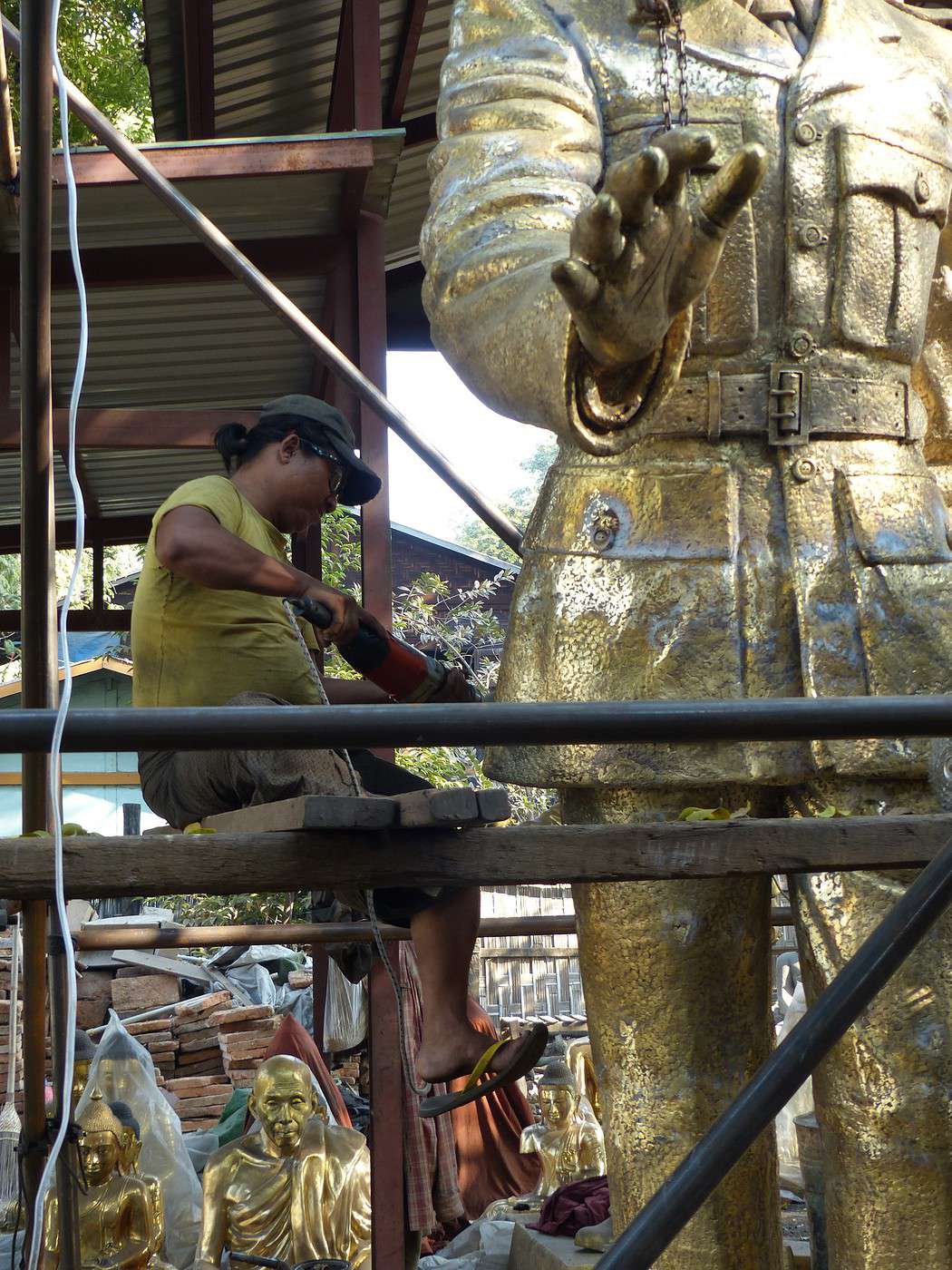
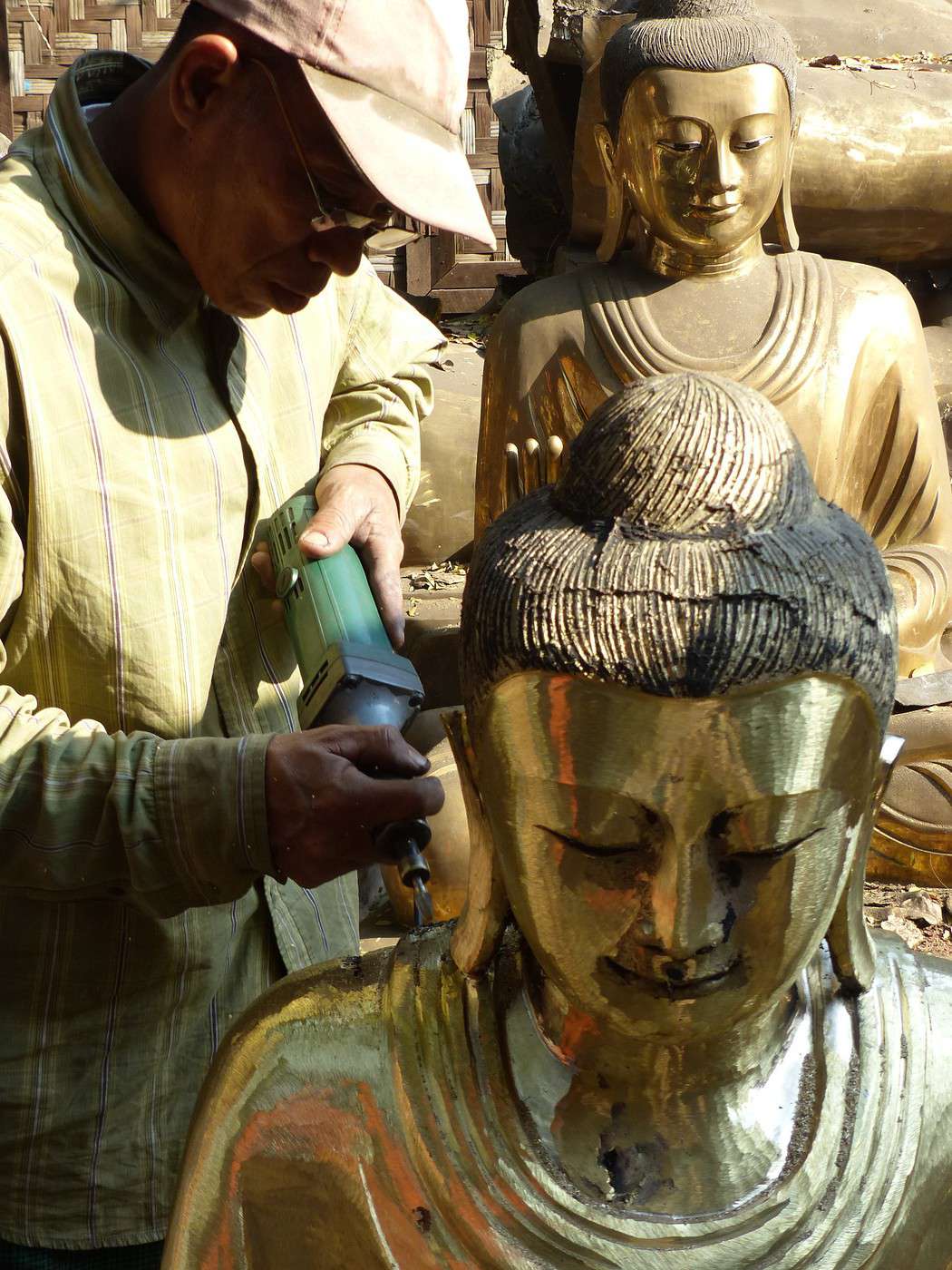
and also in bronze.


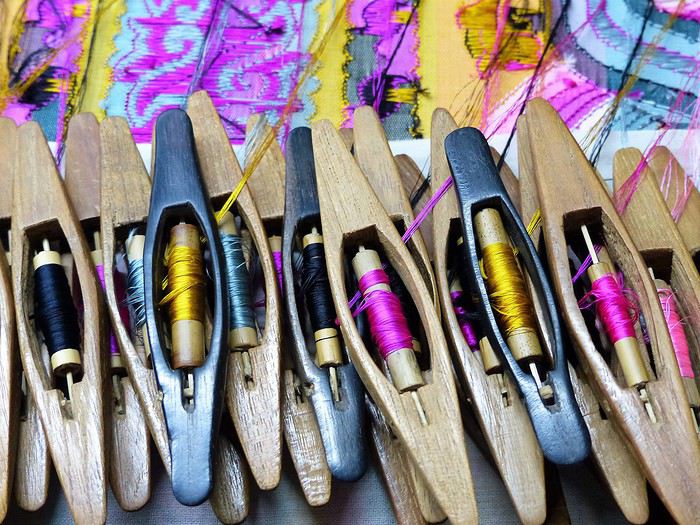
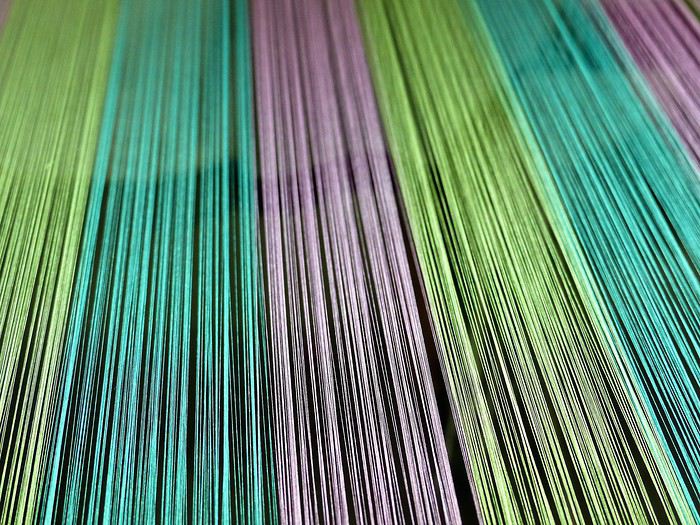
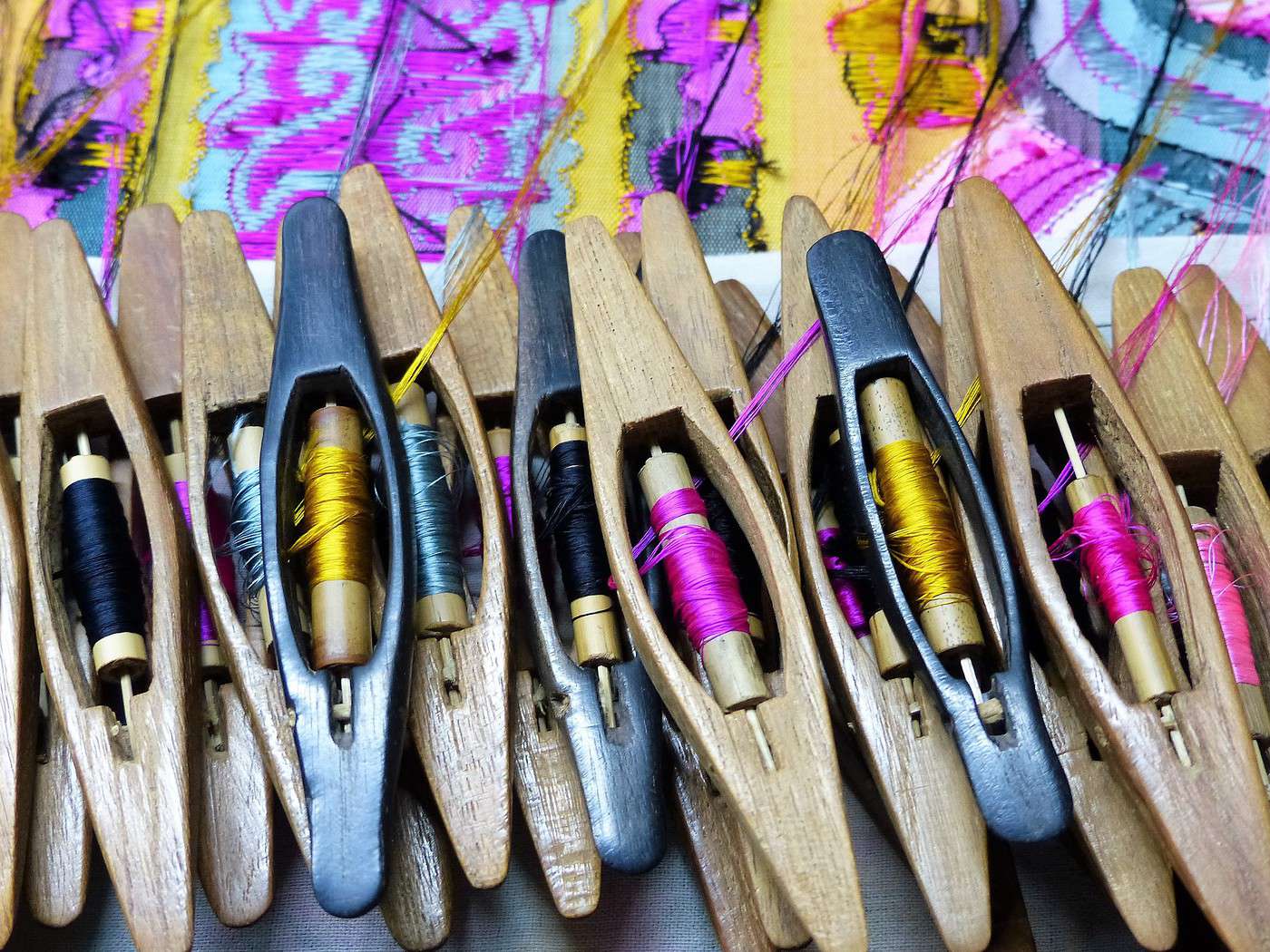
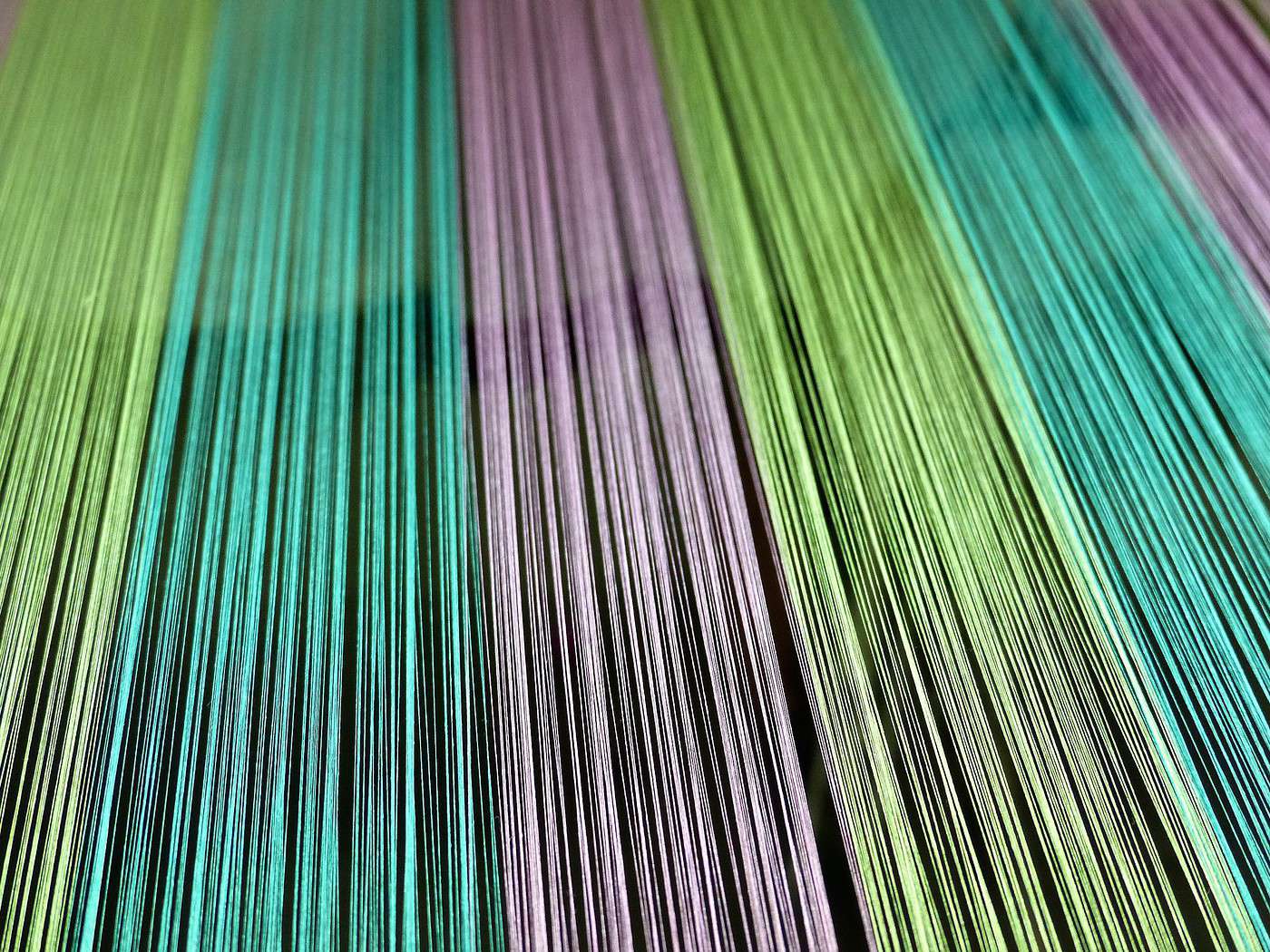
Weavers are also numerous here (as in many other cities).


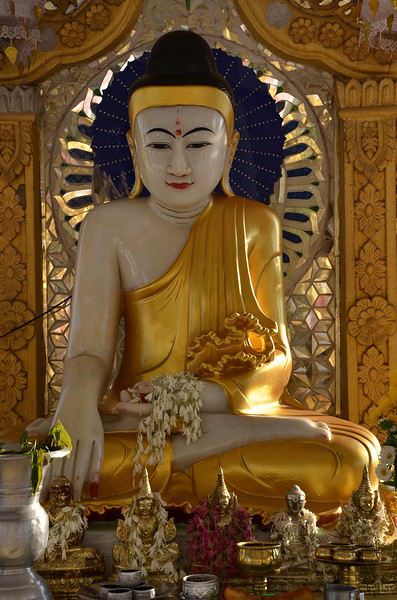
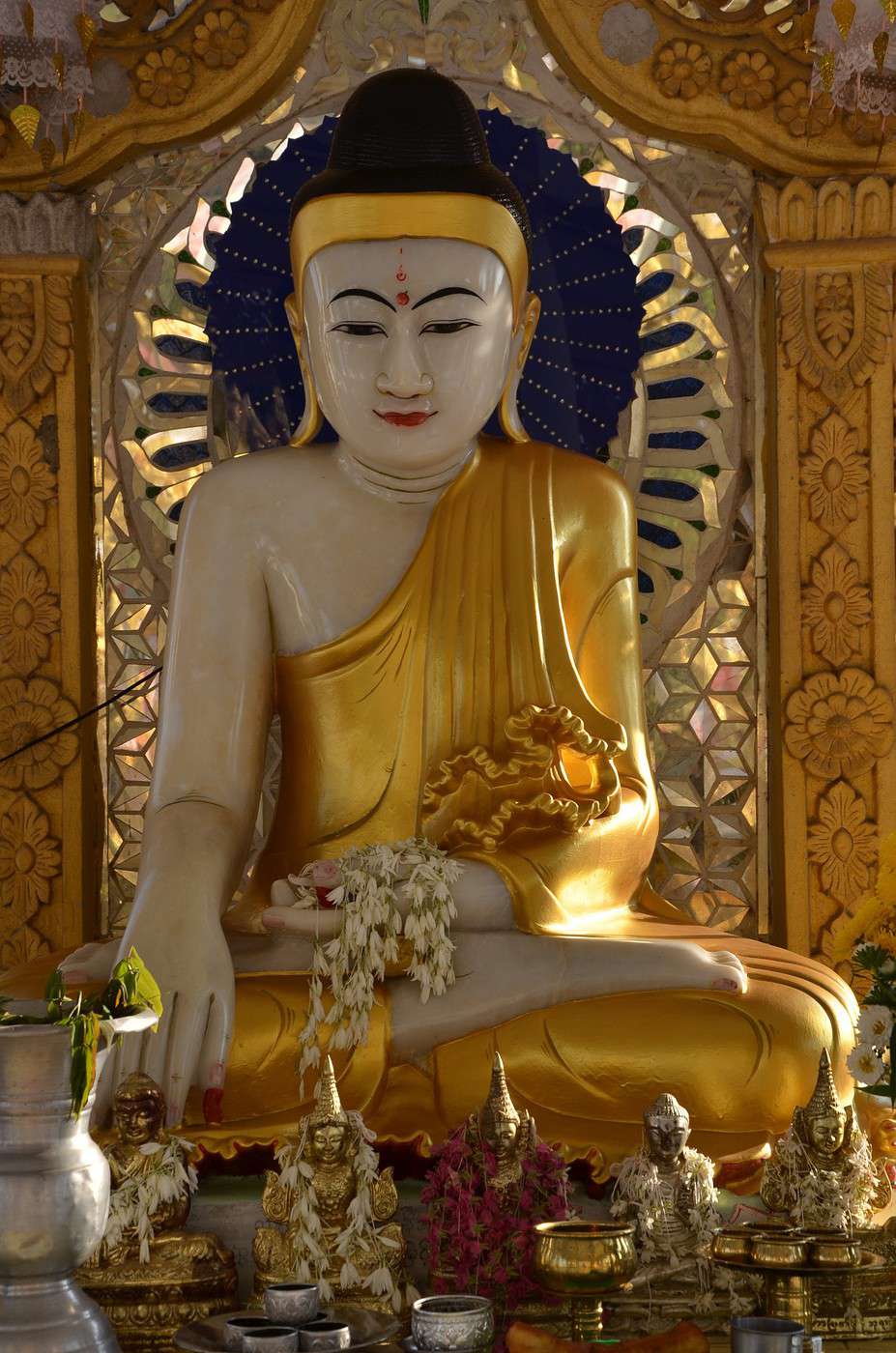
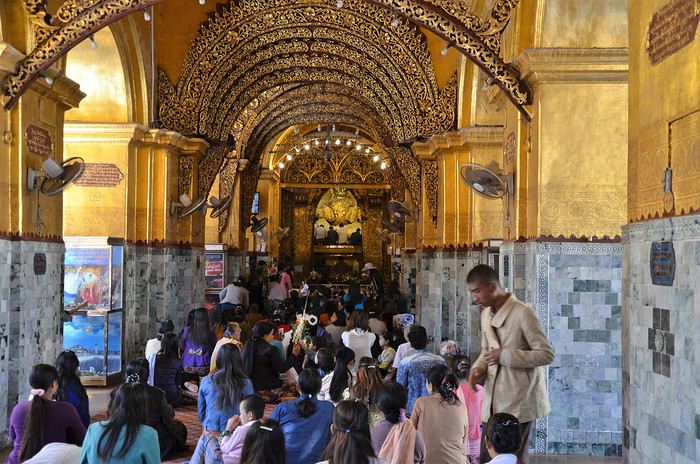
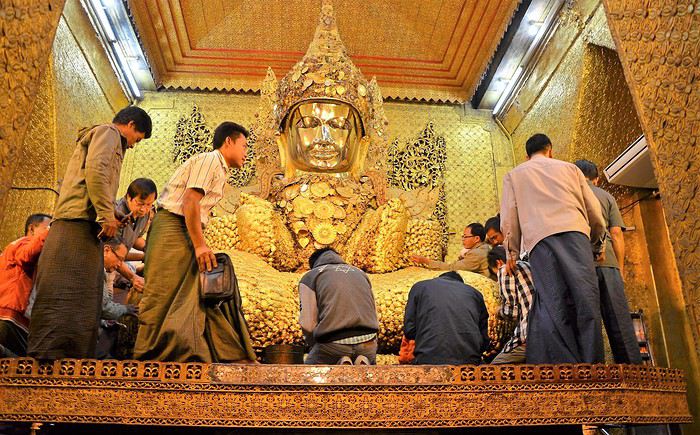
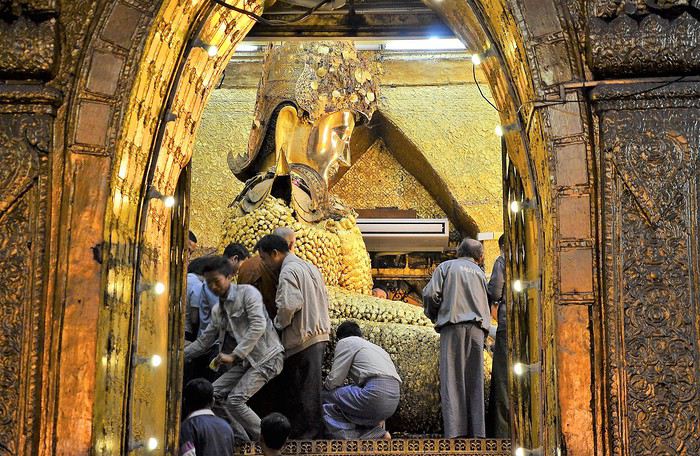
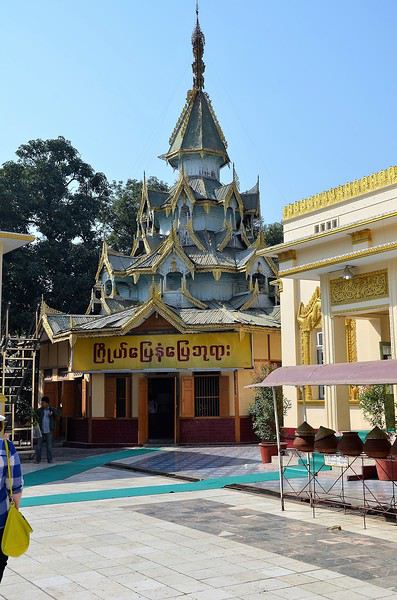
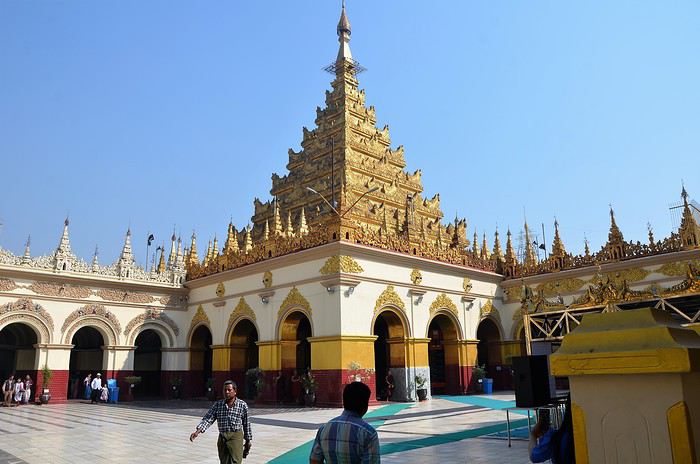
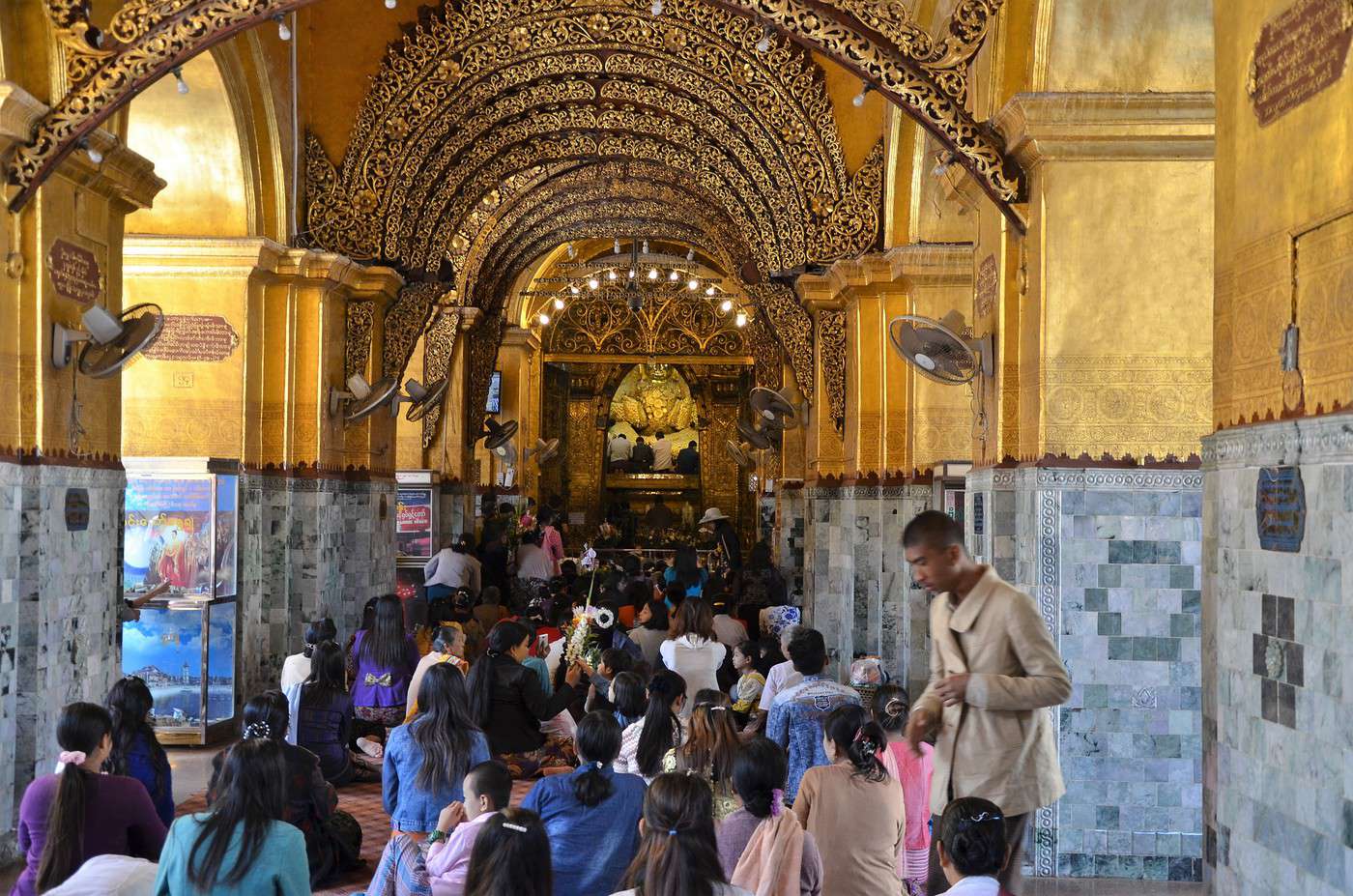
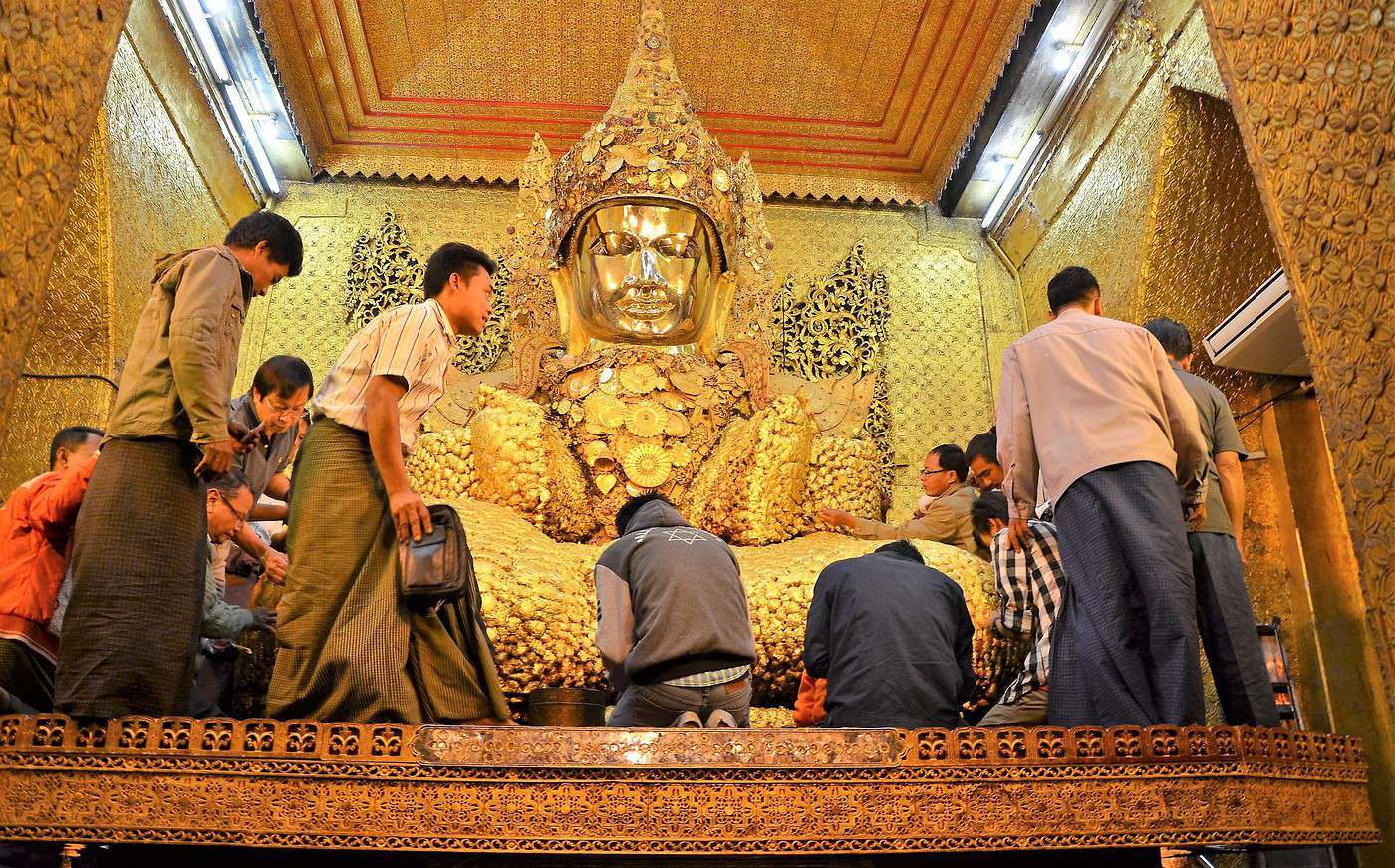
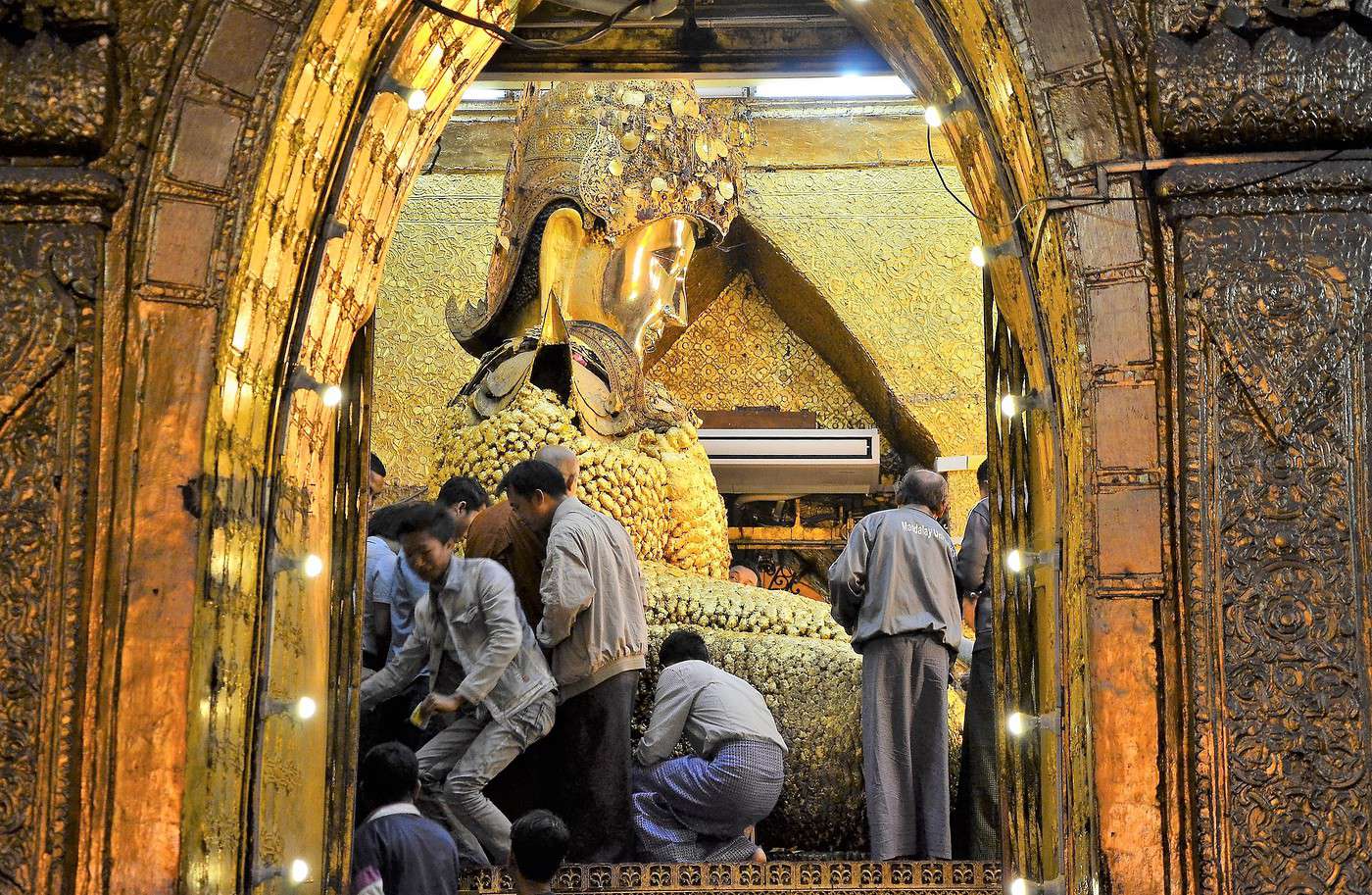
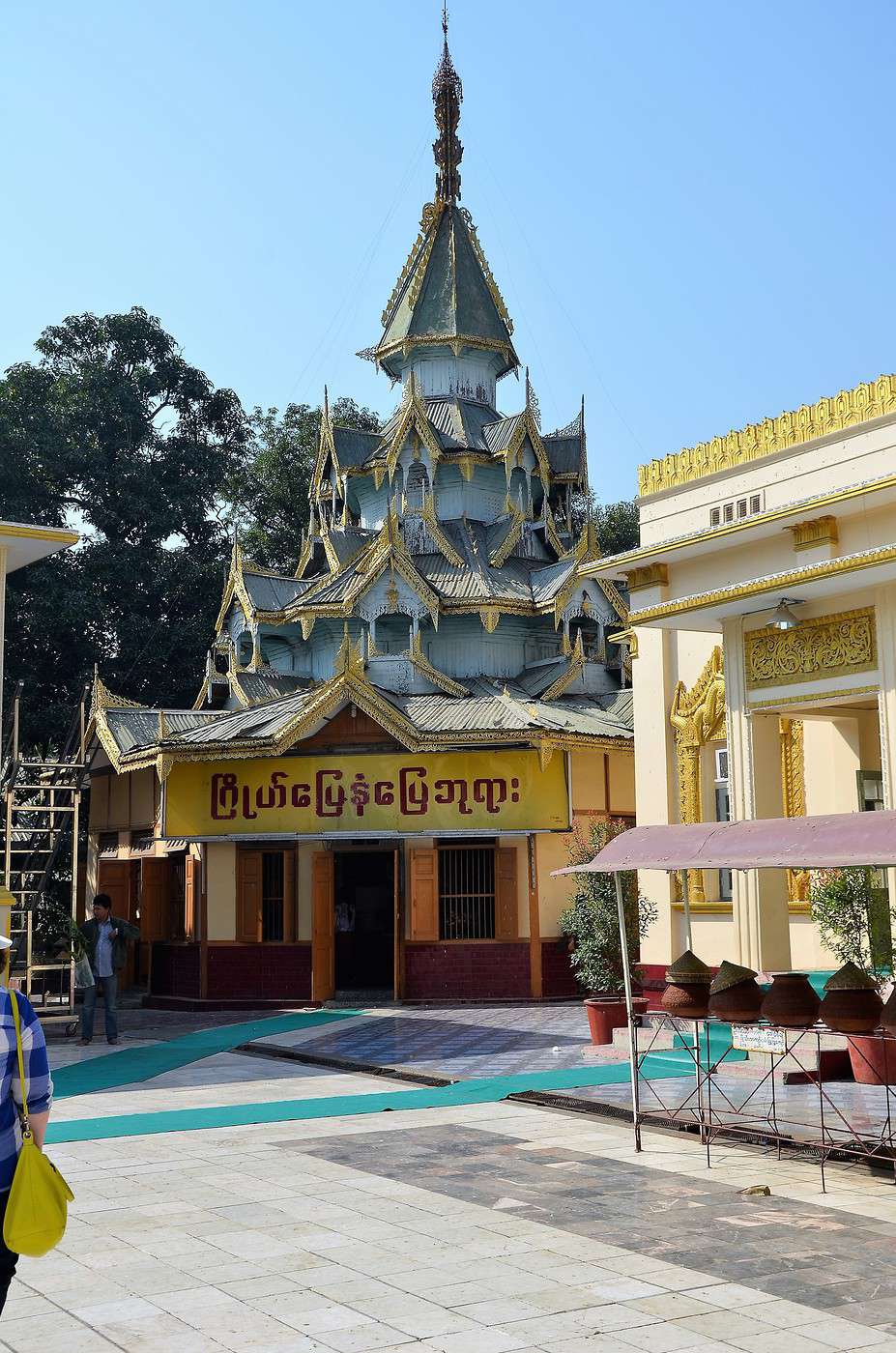
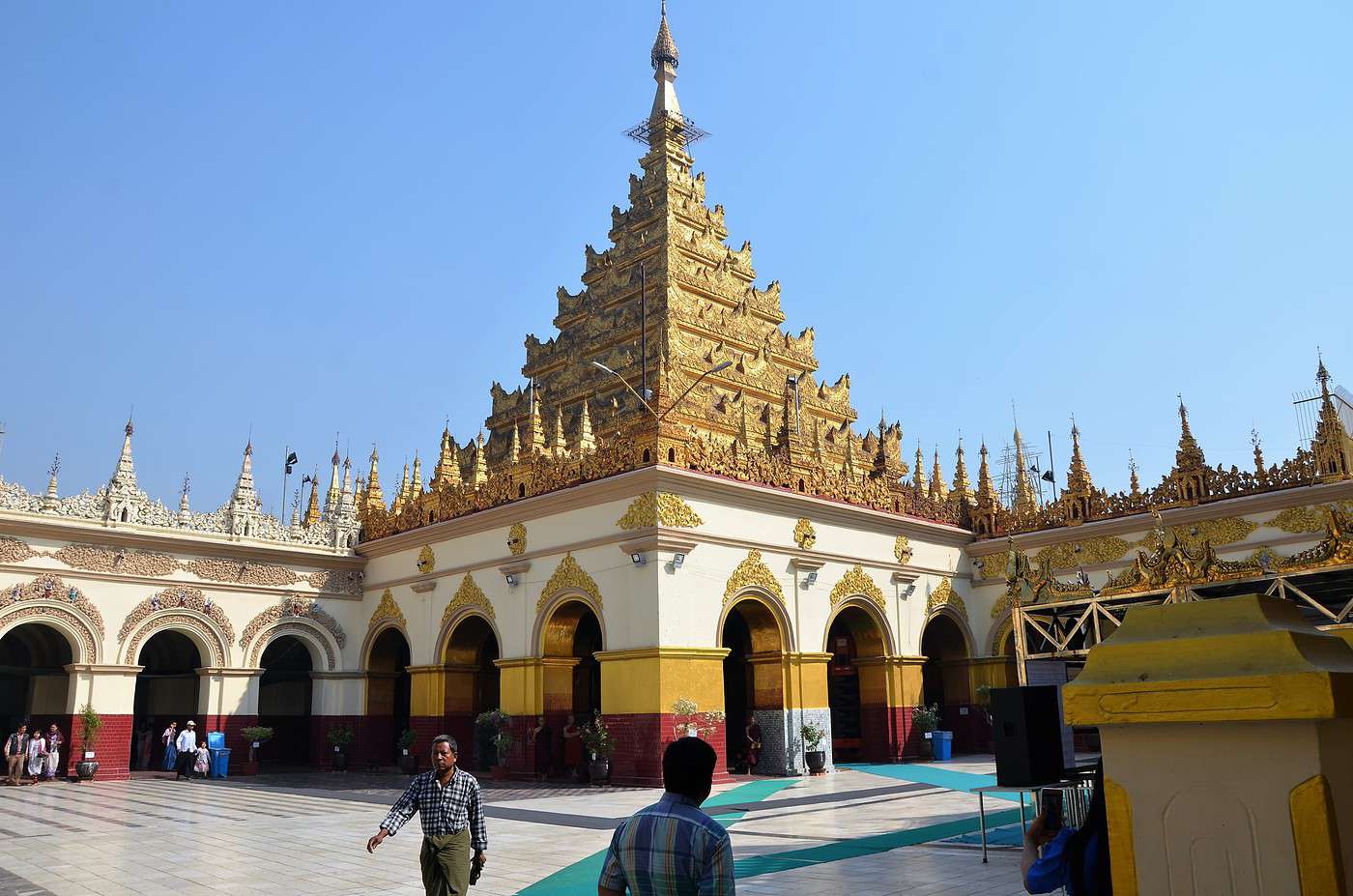
Second major highlight in Mandalay: the Mahamuni Temple. Mahamuni means "Great Sage," and it's actually the nickname of the colossal Buddha statue that gave the temple its name. This revered statue also makes the temple the second-most venerated site in Burma, after Yangon's Shwedagon Pagoda. Buddhist pilgrims flock from all over Asia to pay their respects to this nearly 2,000-year-old statue, which was brought to Mandalay in the 18th century after a war with a neighboring province.


The "Great Sage" is impressive: its body is entirely covered in a bumpy layer formed by the accumulation of gold leaf applied by believers. As for the face, it shines with an unmatched brilliance... because it's polished twice a day by the monks! A gallery accessible only to men allows them to walk around it and apply additional gold leaf.


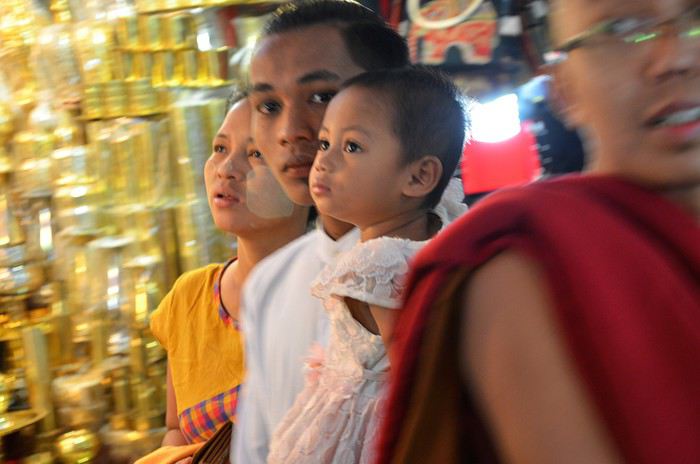
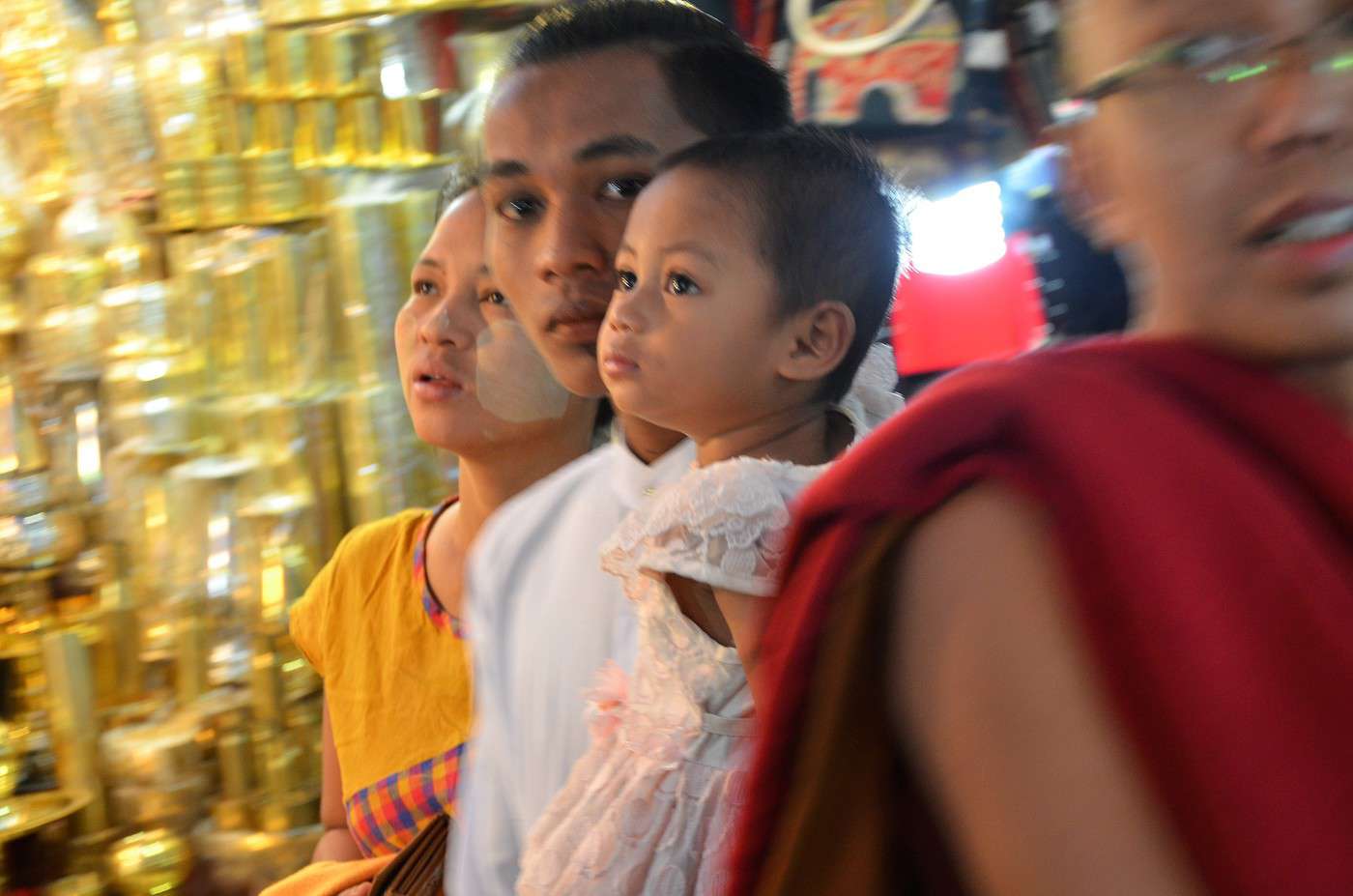
We take the time to soak in the atmosphere, eager to observe the demonstrations of faith from this crowd of believers. As we had already felt at the Shwedagon Pagoda, we aren't seen as intruders but with interest and kindness.

I've almost reached the photo limit per post... the day isn't over yet, to be continued!!!

Burma as we had dreamed it

Fabhyène · 2017-05-10 · Message 34 of 94

Second day in Mandalay, continued

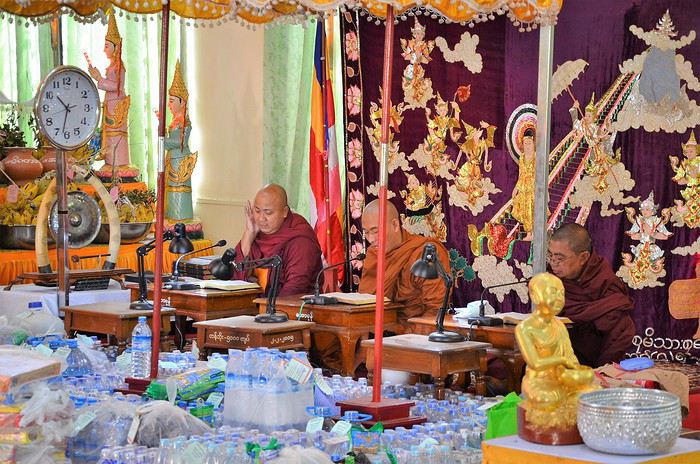
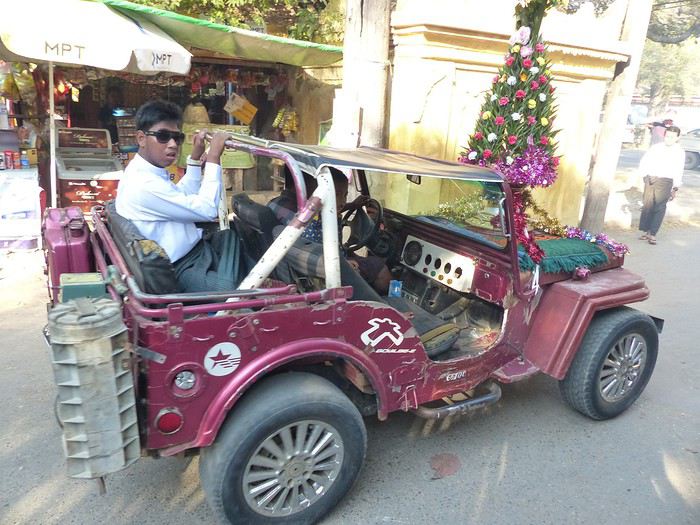
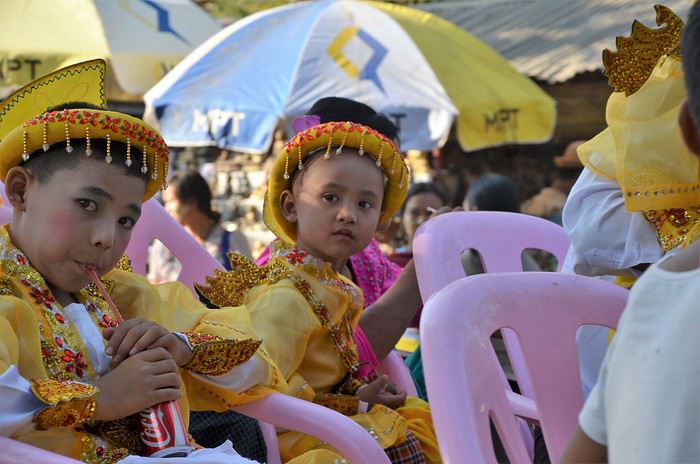
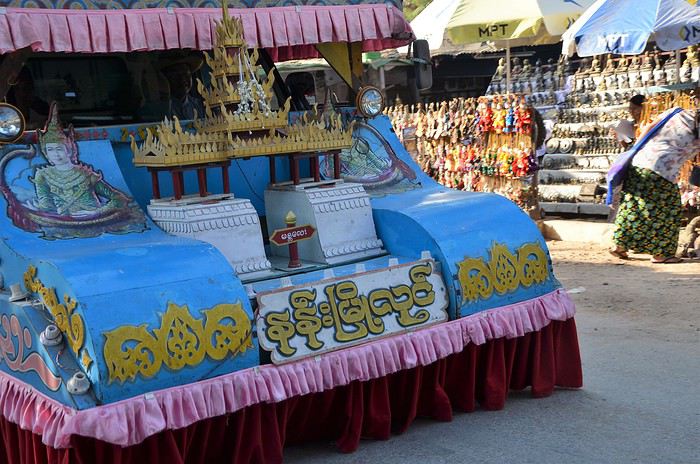
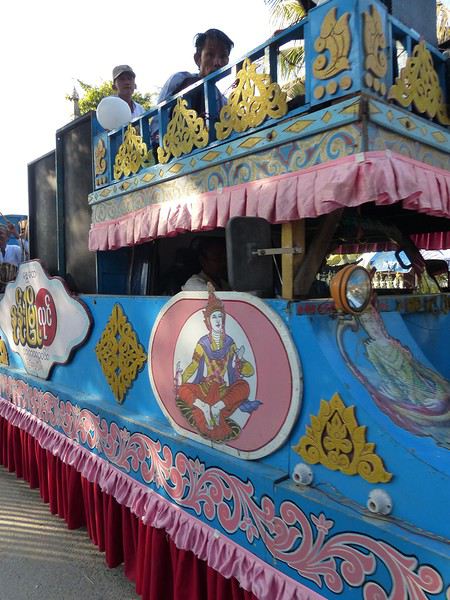
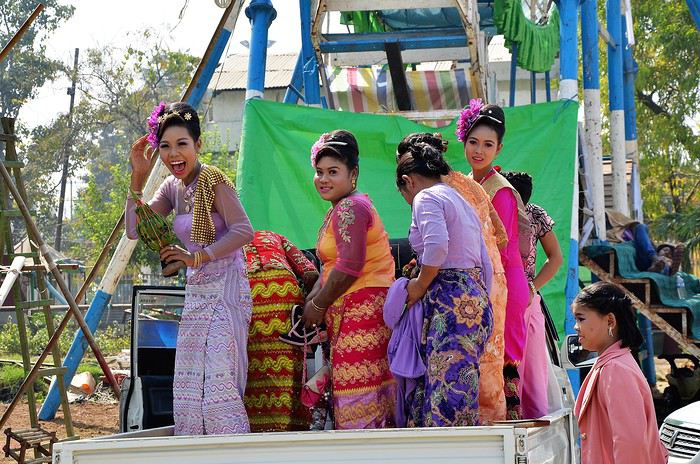
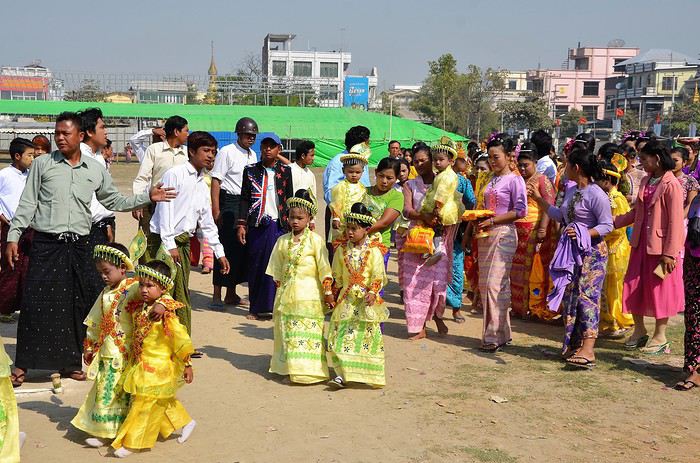
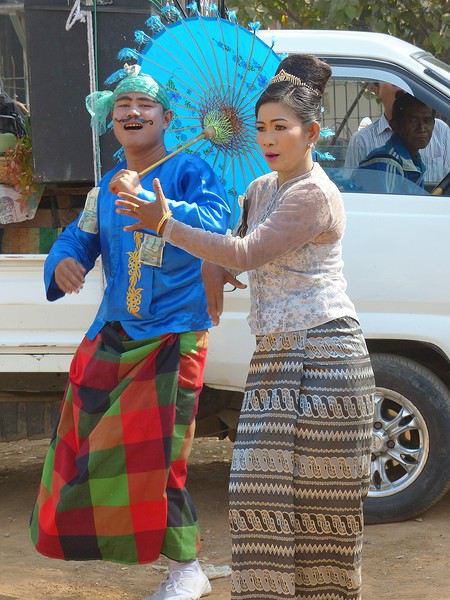
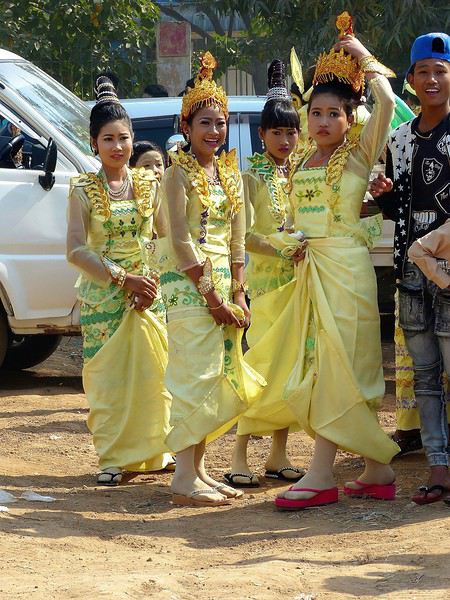
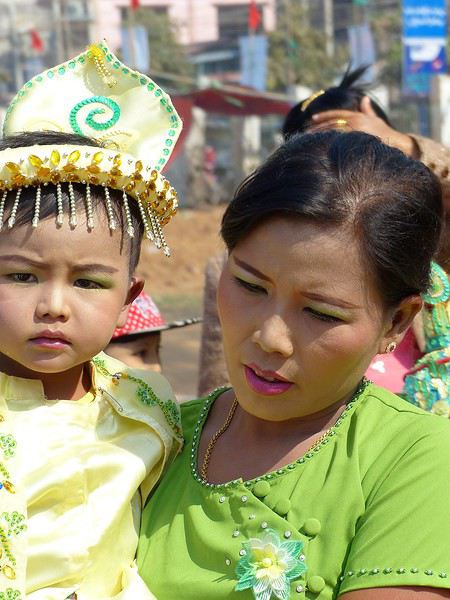
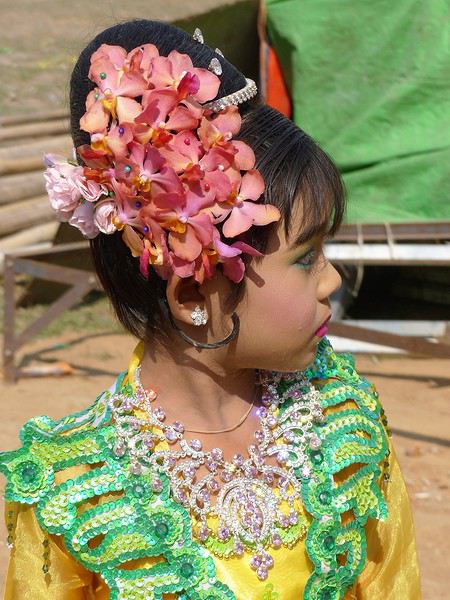
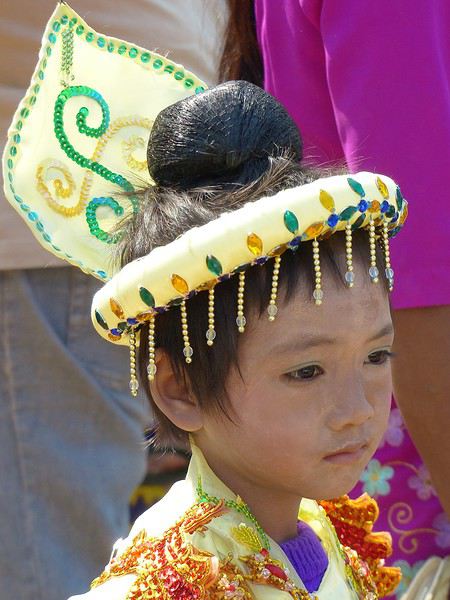
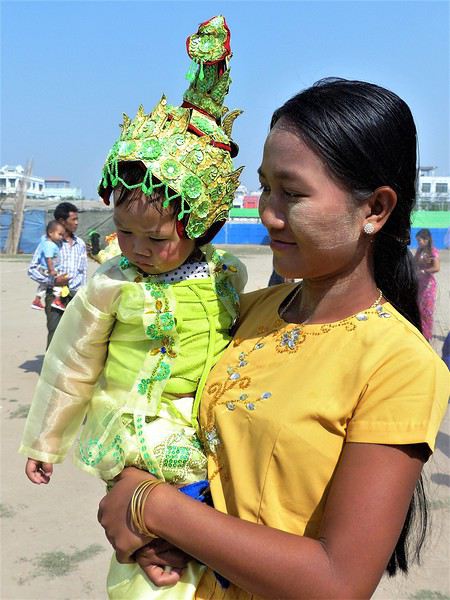
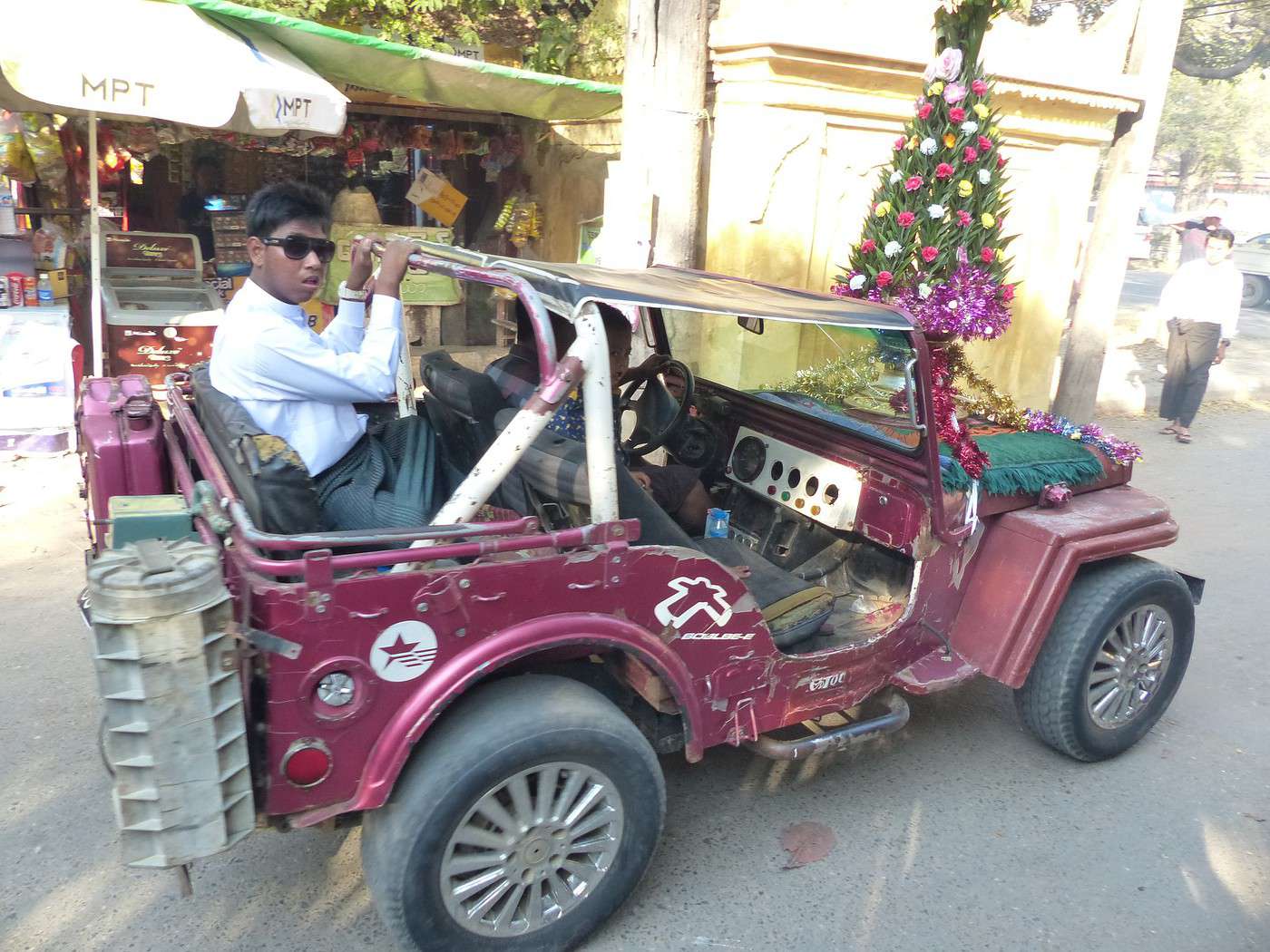
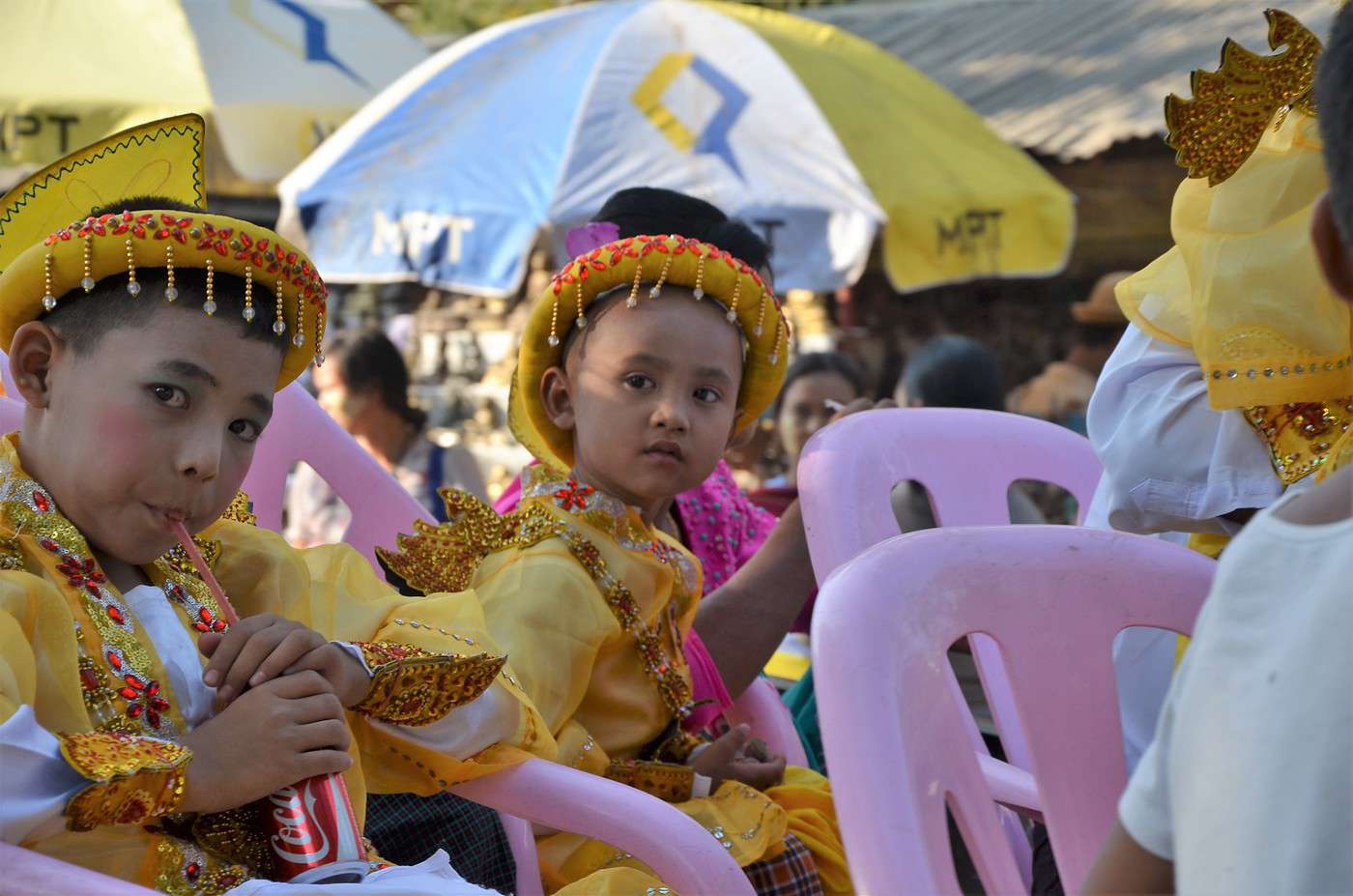
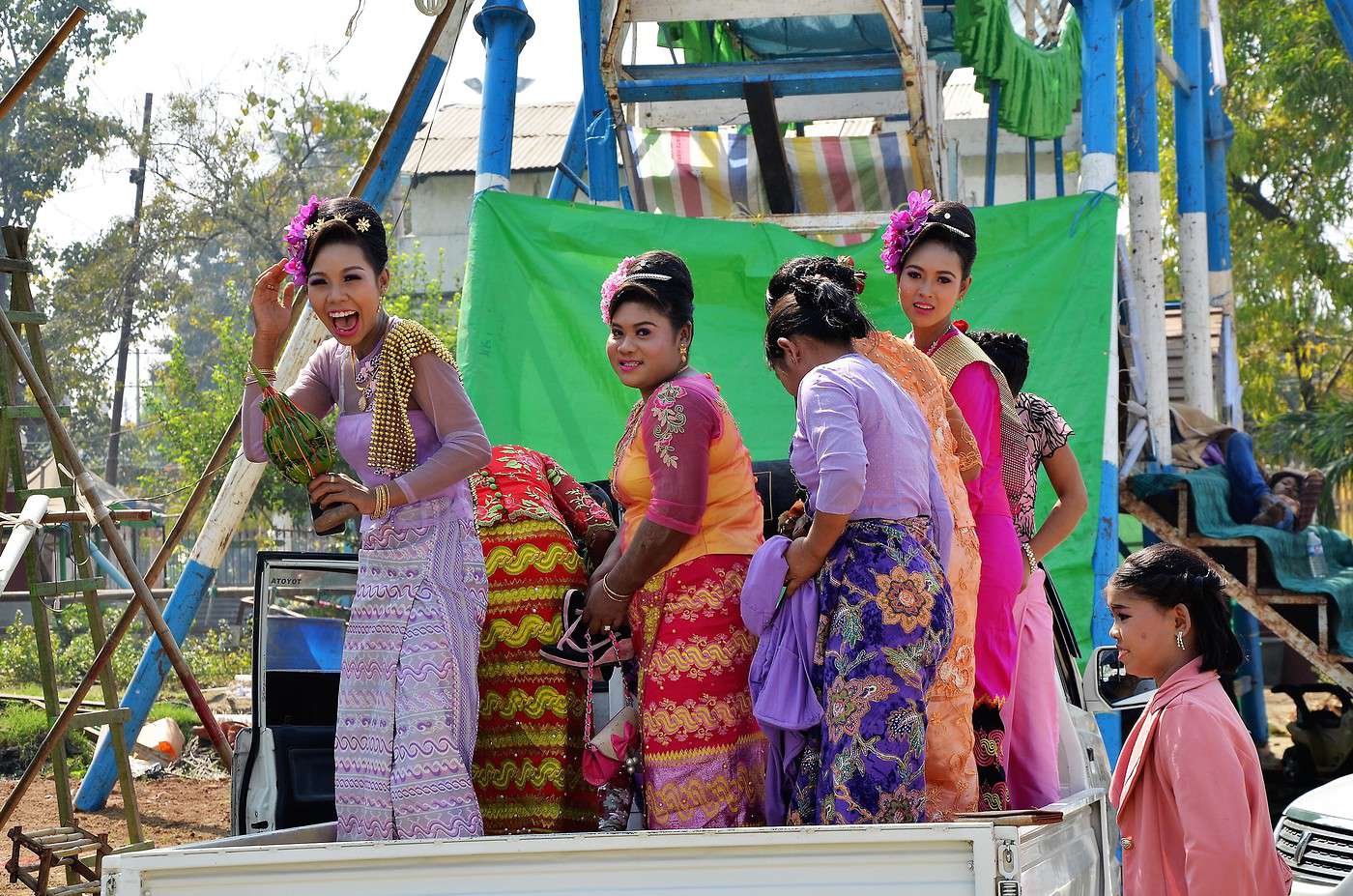
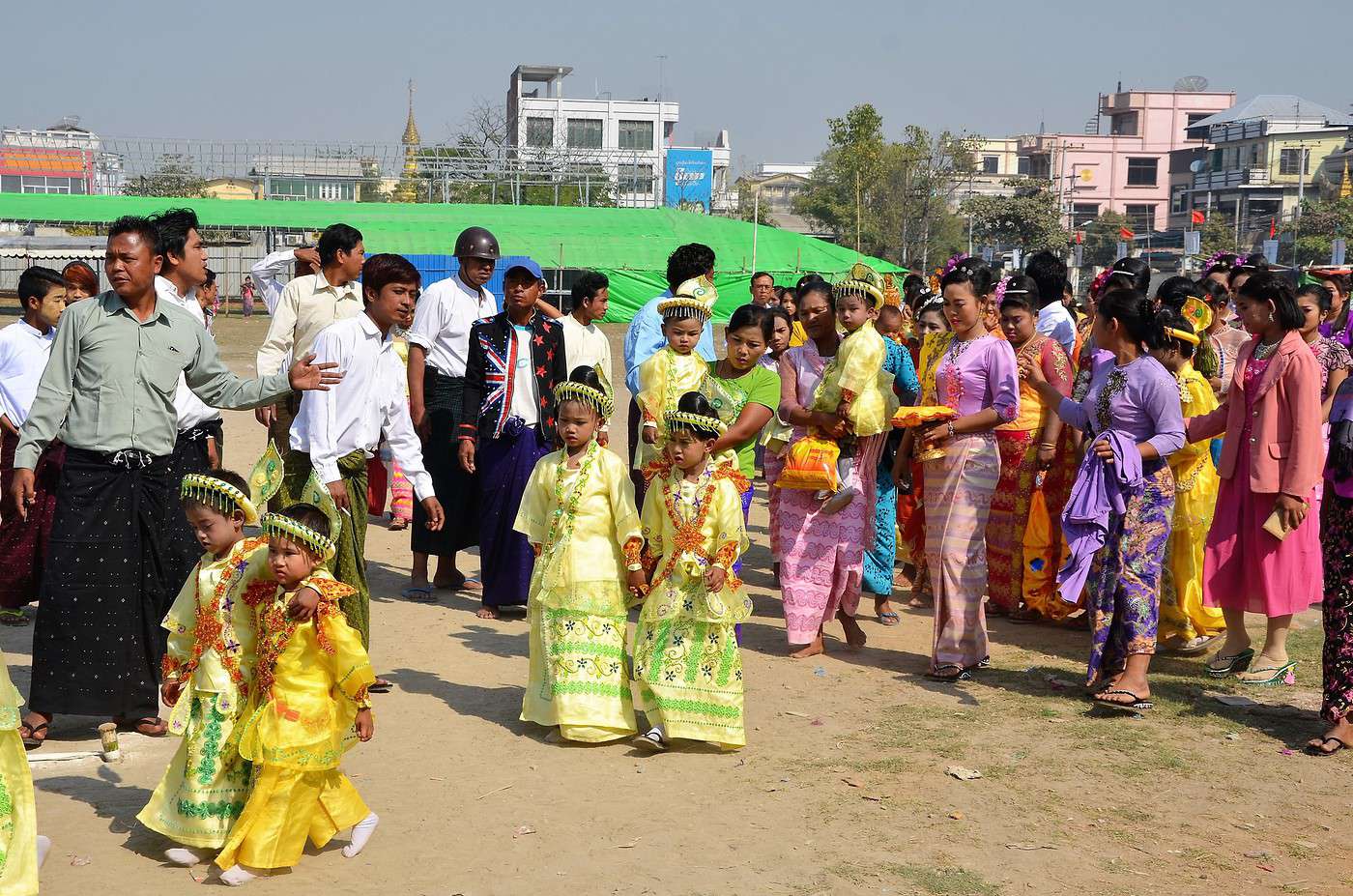
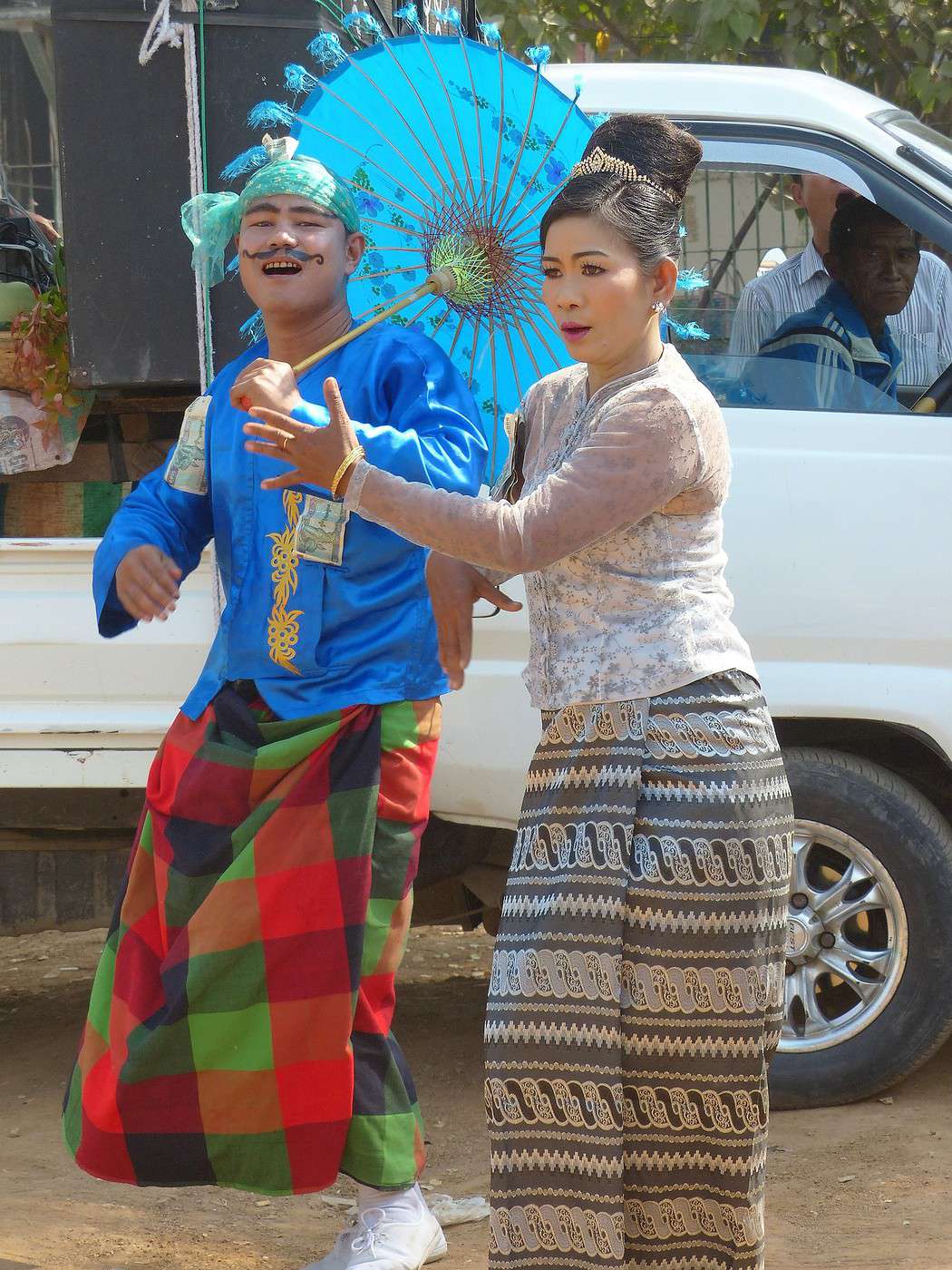
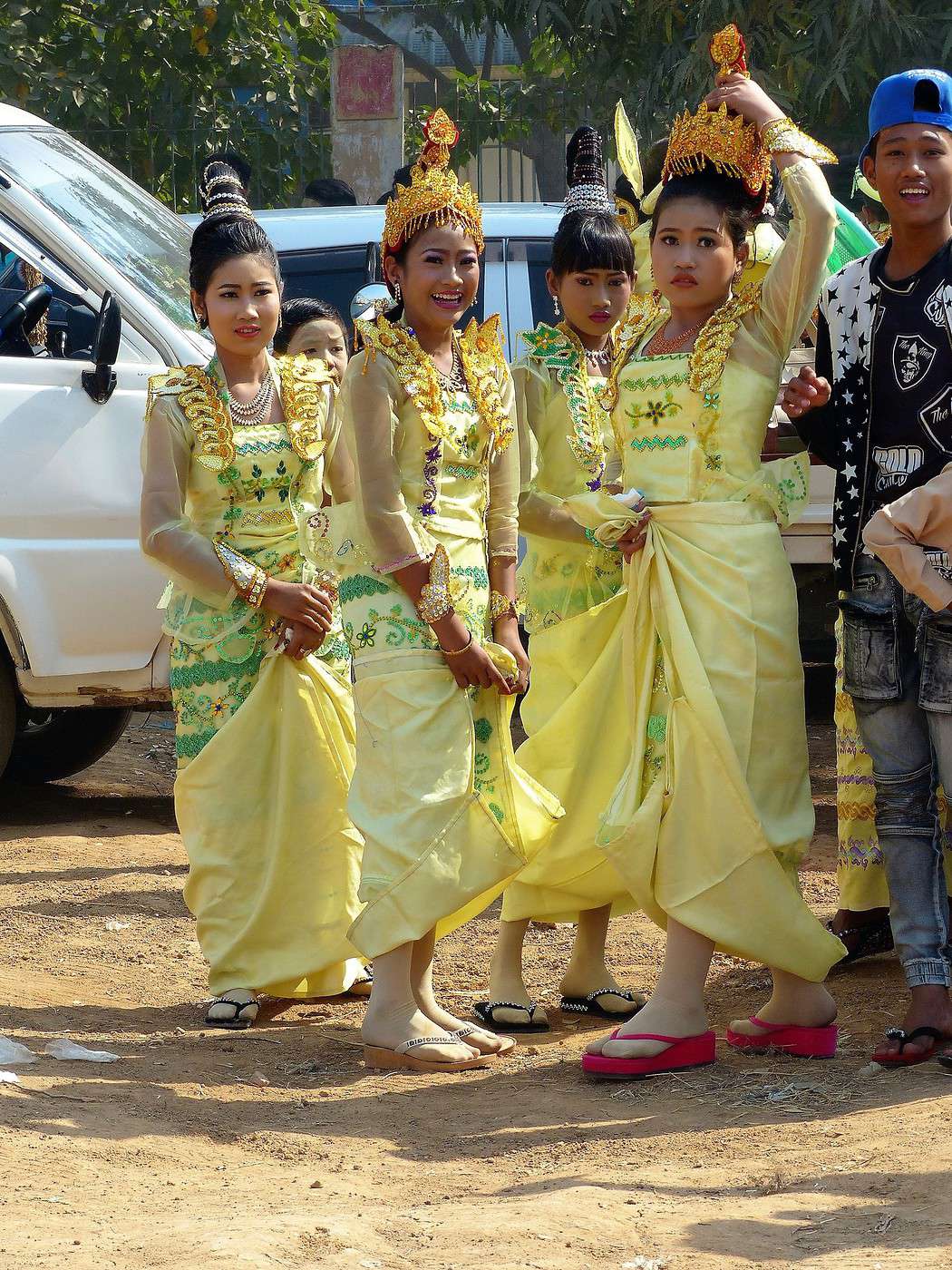
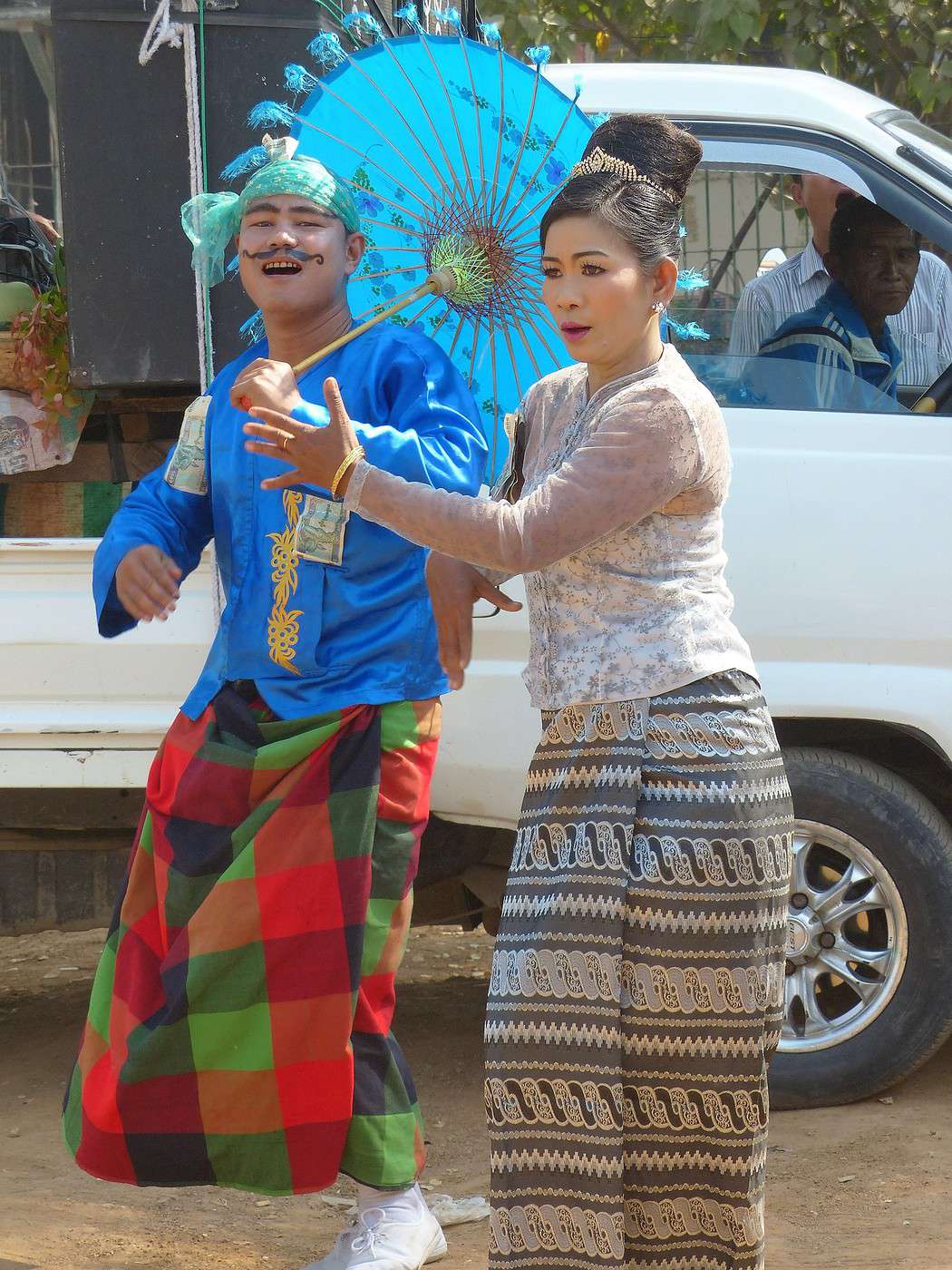
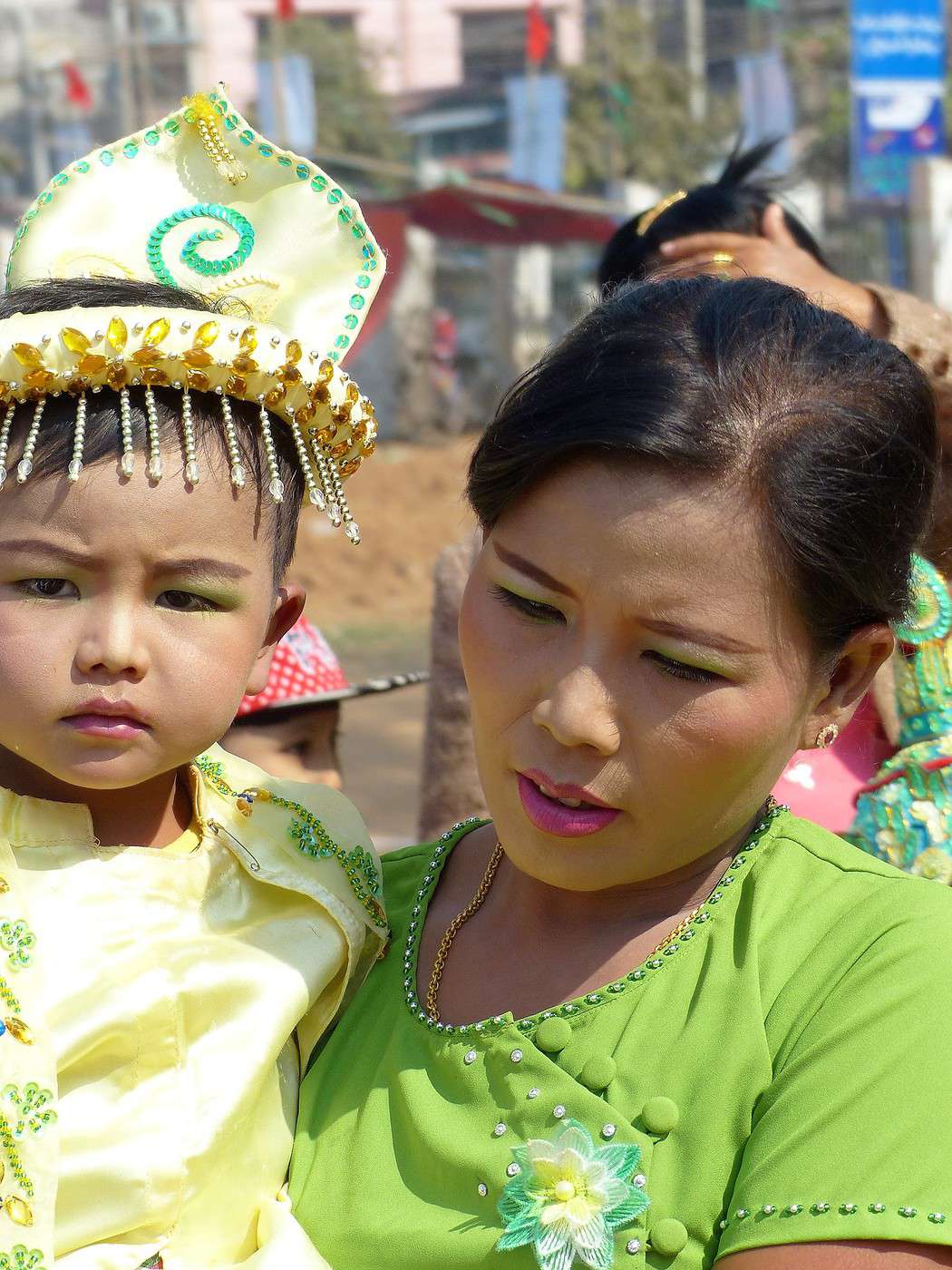
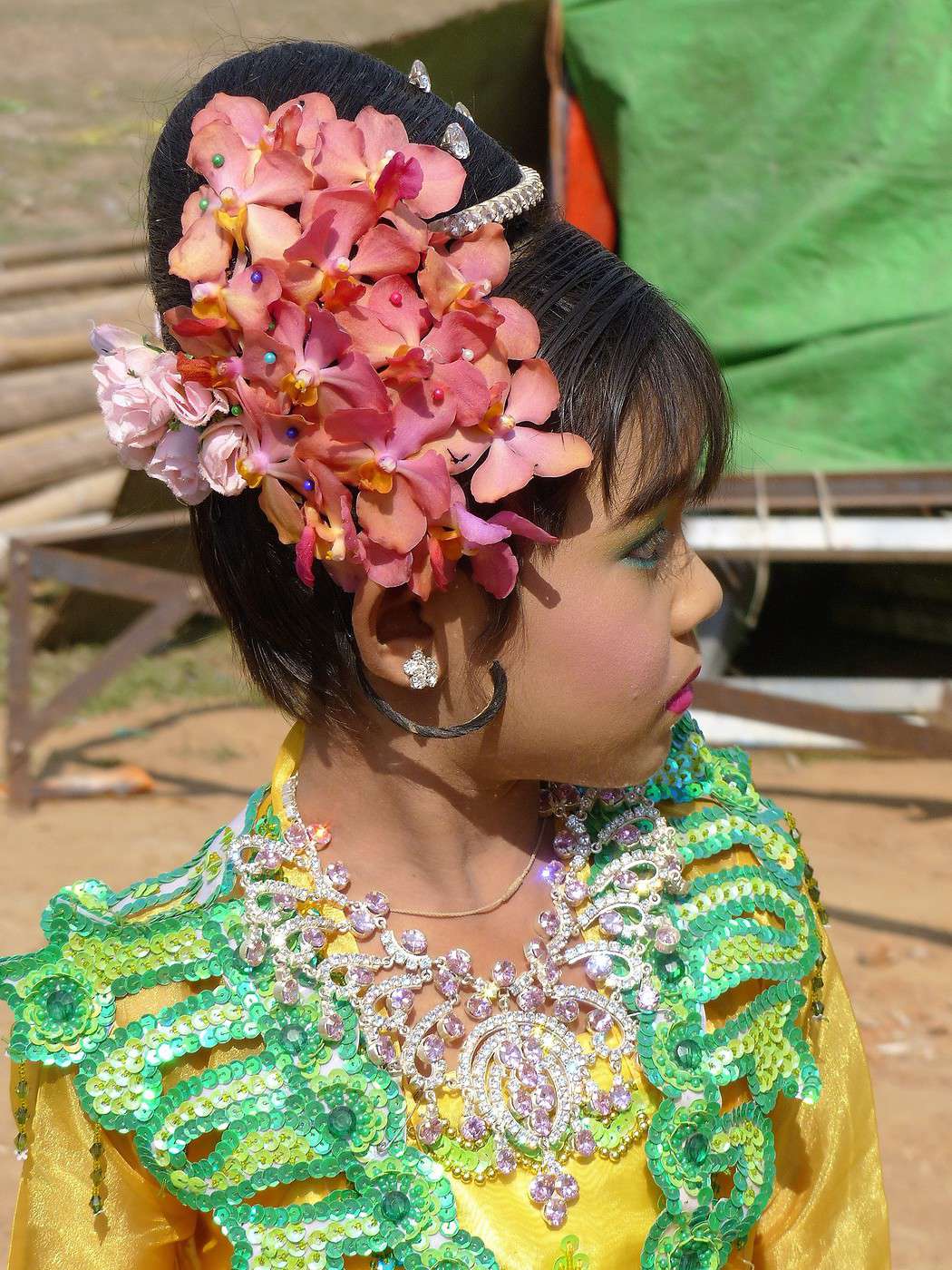
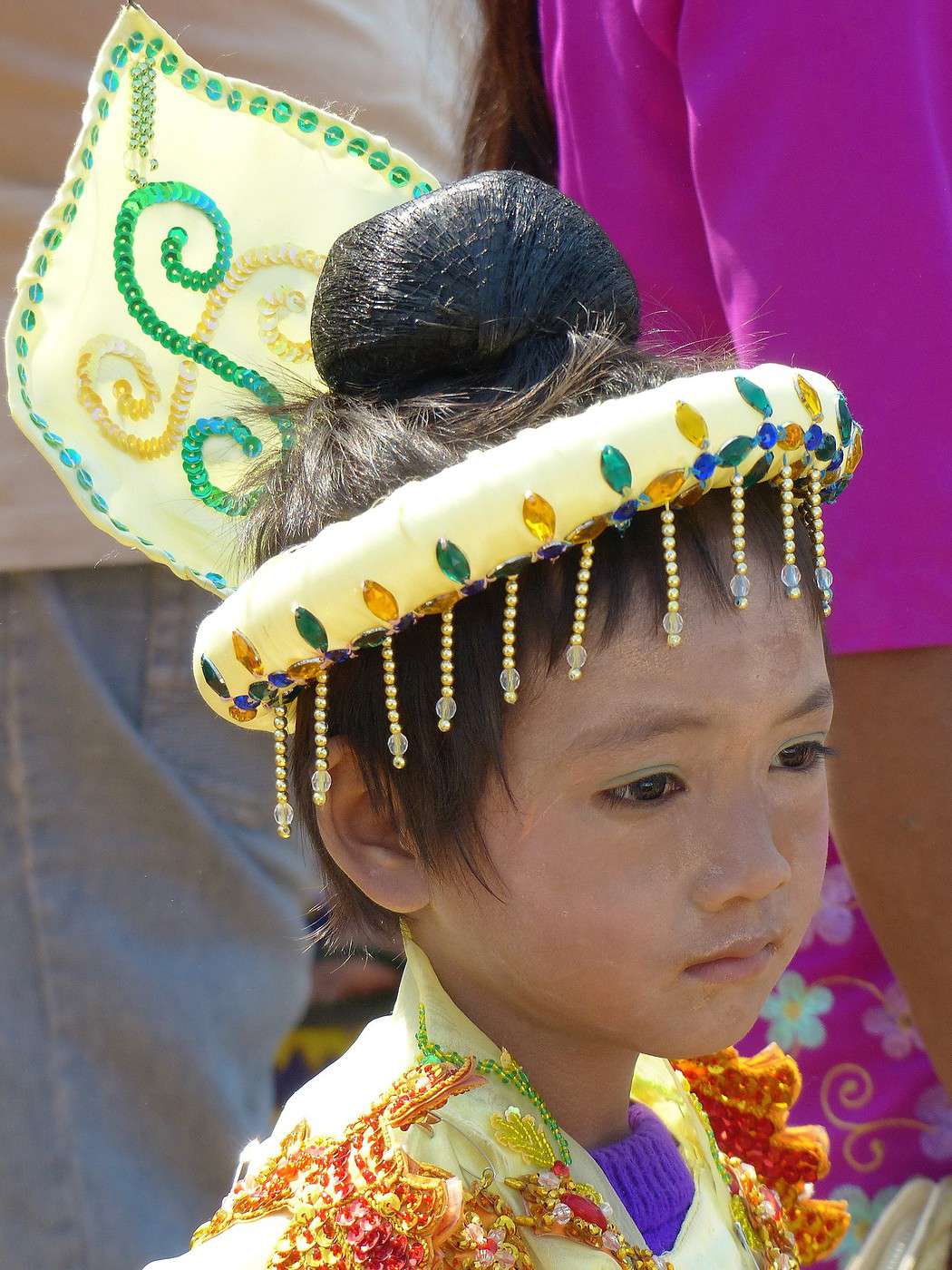
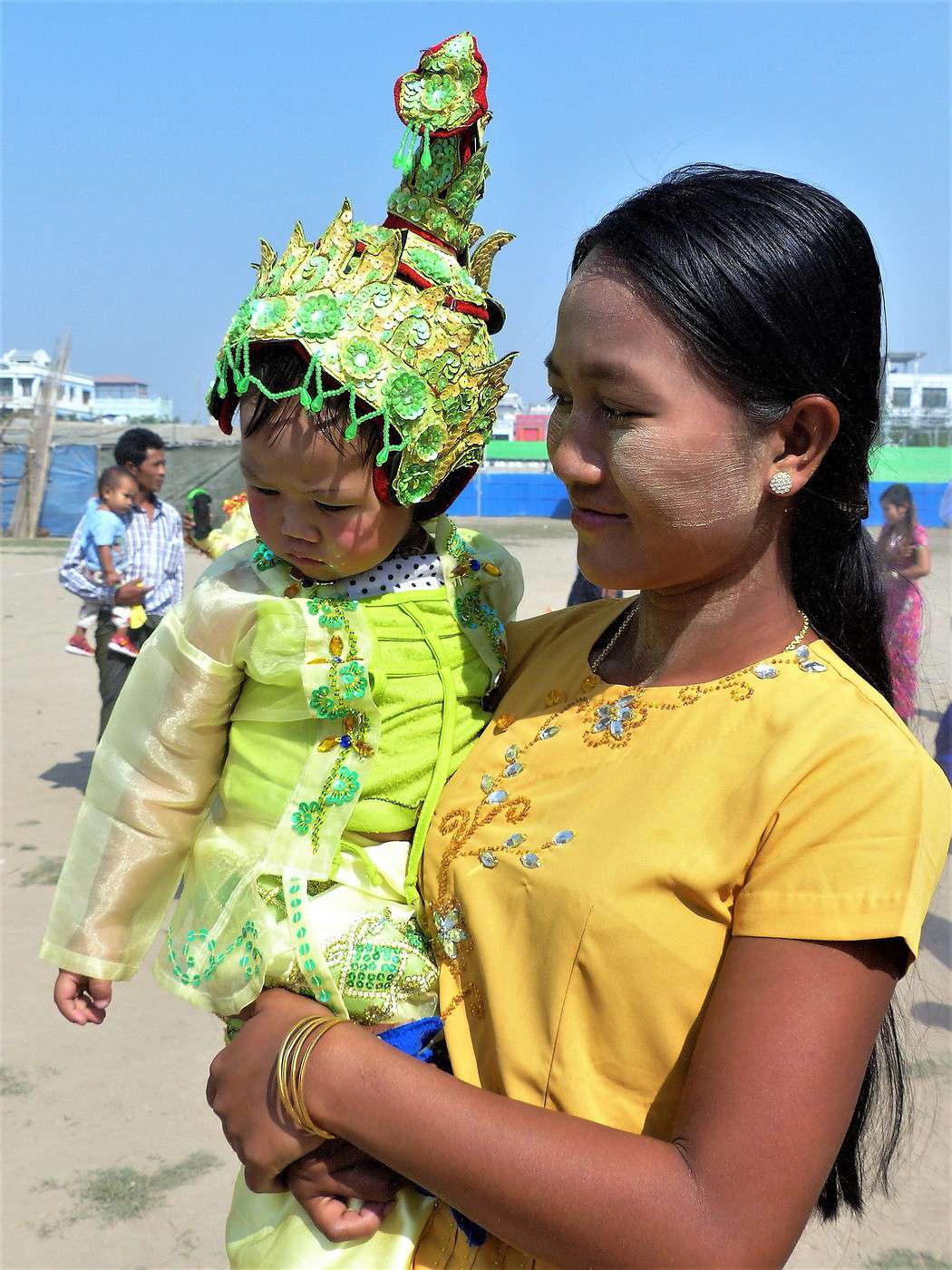
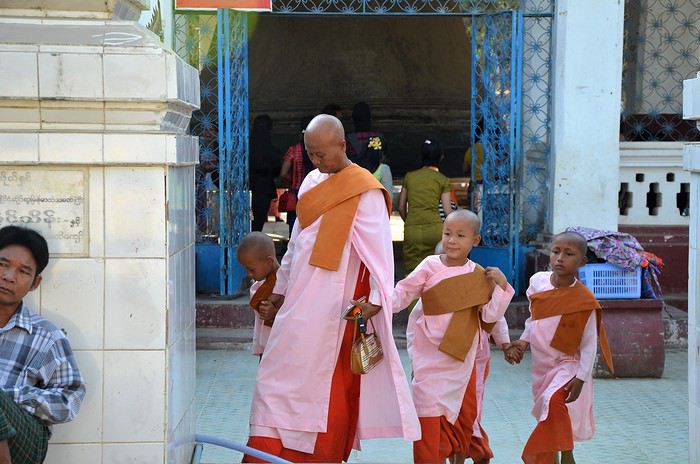
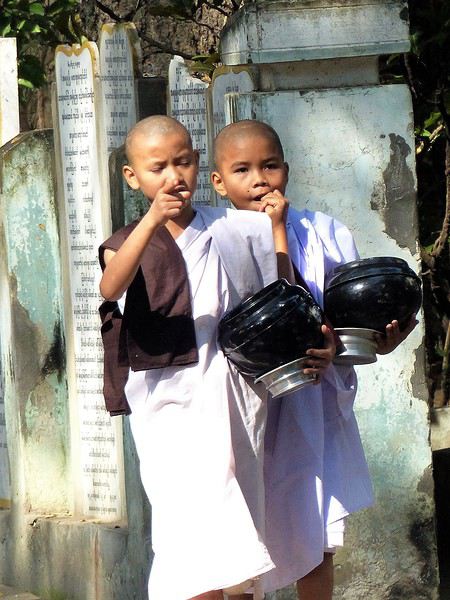
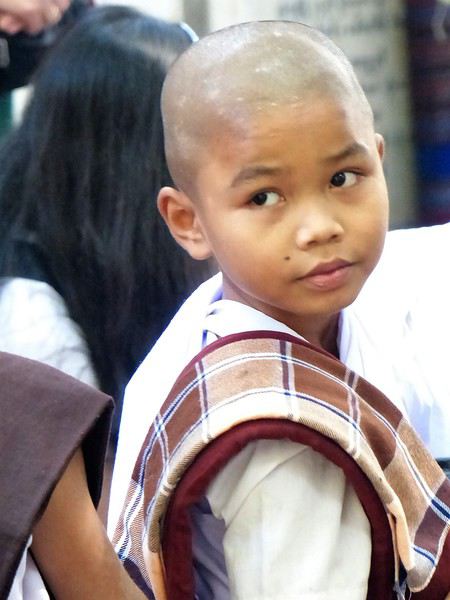
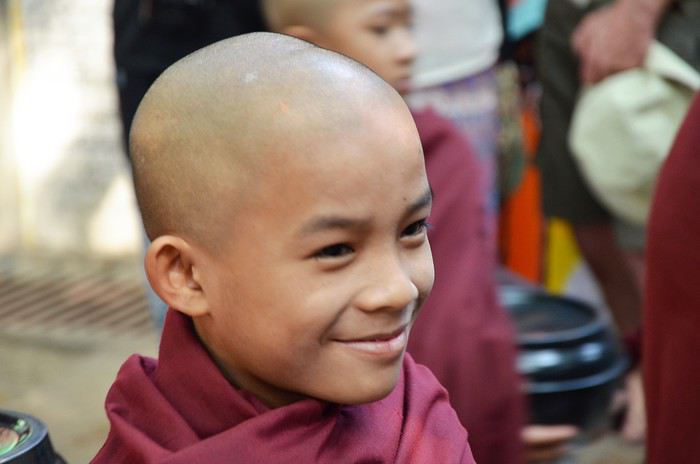
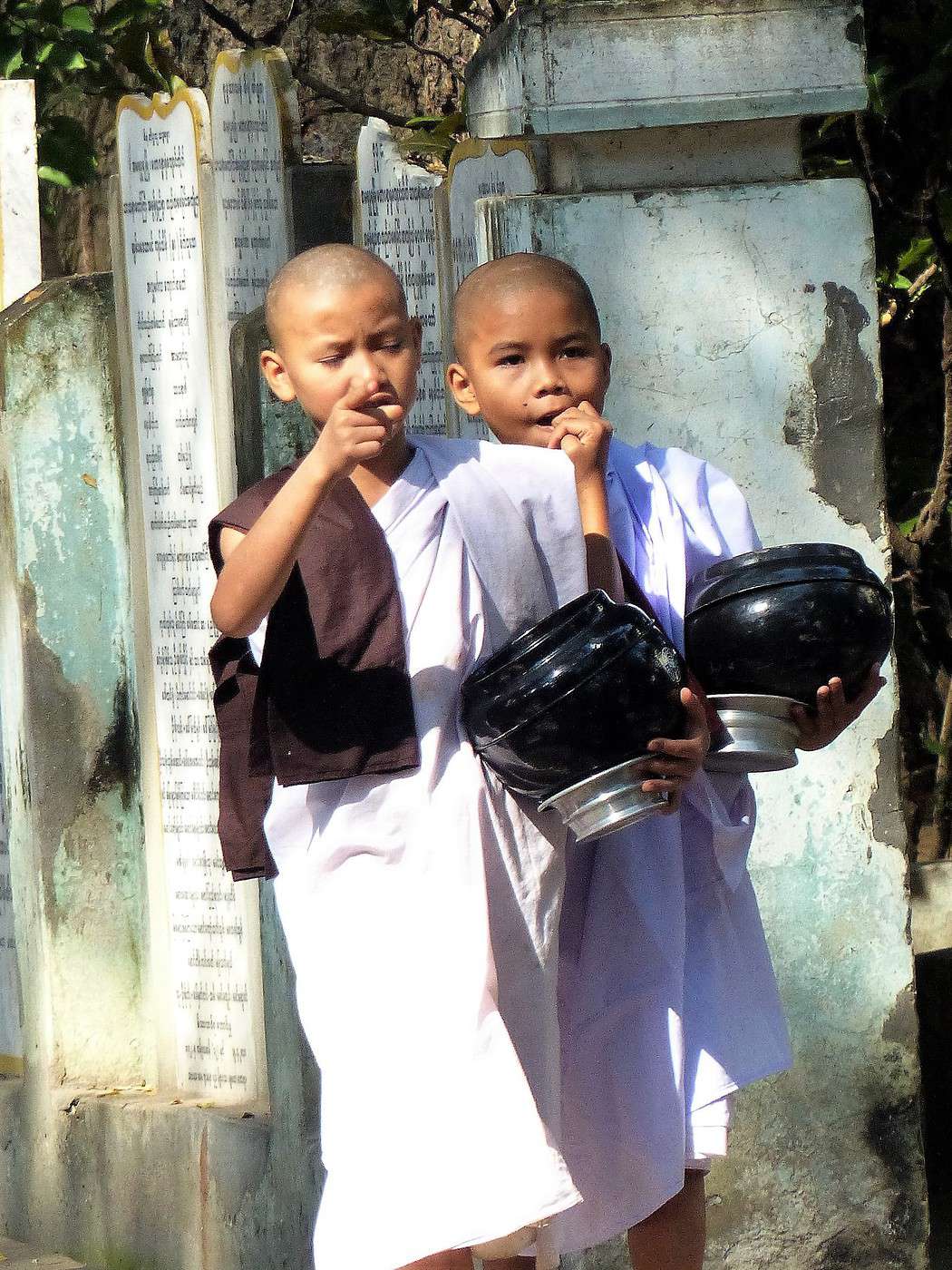
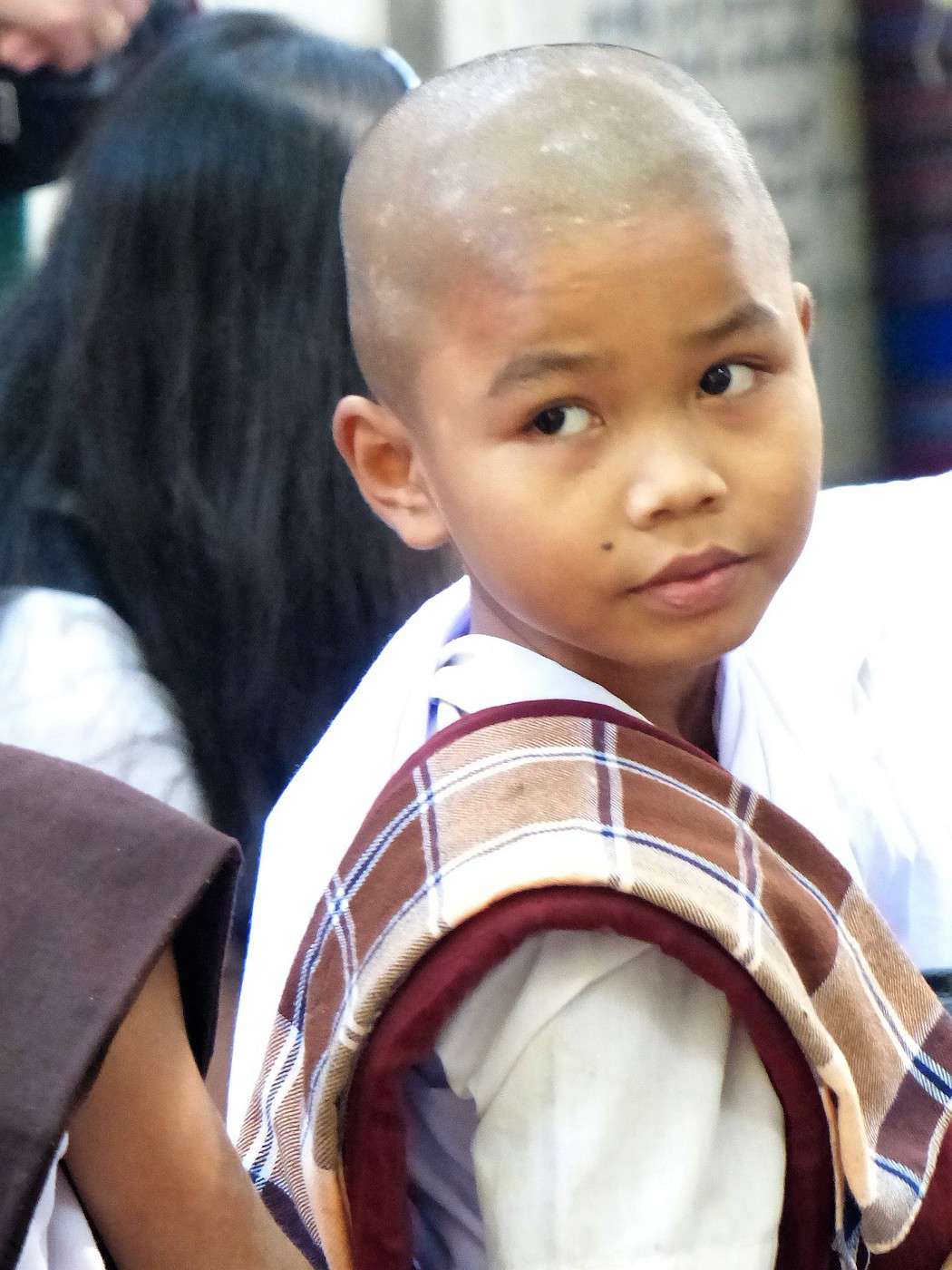
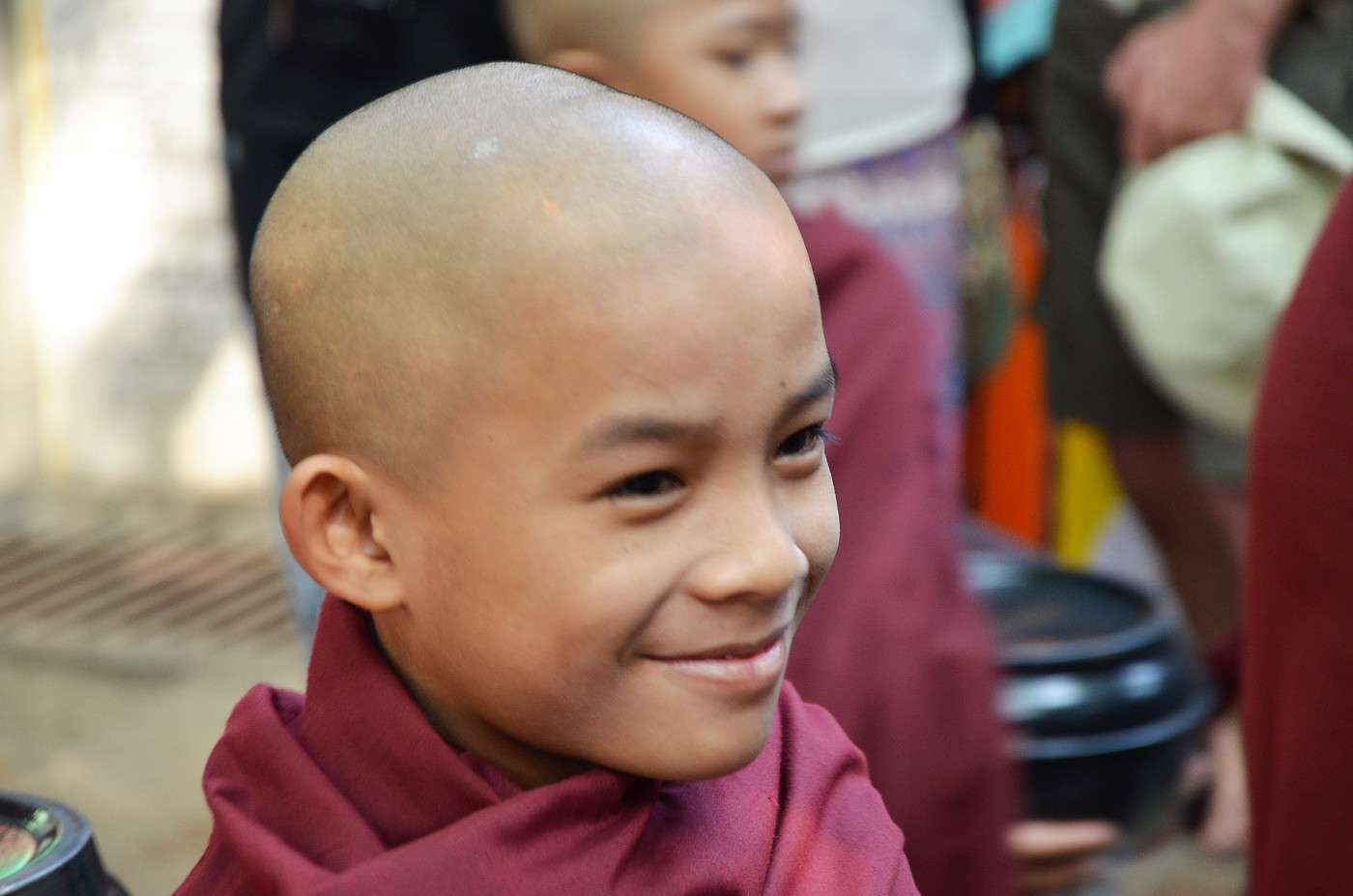
Novitiate processions The tradition is for boys (though there are monasteries for women and novice girls too) to spend several months to several years as novices. Burmese Buddhists are very attached to this and show great respect for the religious education they received (this is what each of our successive drivers/guides in Burma expressed). The novitiate ceremony is an opportunity for families to form a joyful procession of honking pick-ups, in which women and girls are dressed in magnificent traditional outfits, their buns adorned with bright flowers, while the boys are dressed like princes. For grandparents, it’s a matter of pride, and as they grow older, they insist on seeing their grandsons enter the novitiate. This is why it’s common for very young children to celebrate their novitiate and only stay at the monastery for a day or a week, returning for a longer period when they’re older.


We saw two of these processions, and with the families’ permission, we were able to take lots of photos of the second one. It seemed like an entire village had arrived, complete with musicians and performers.


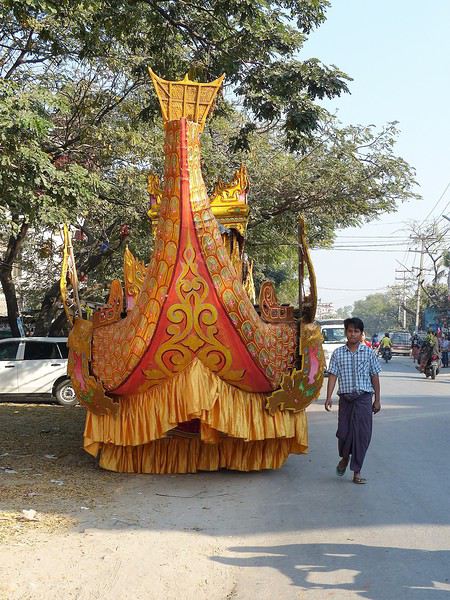
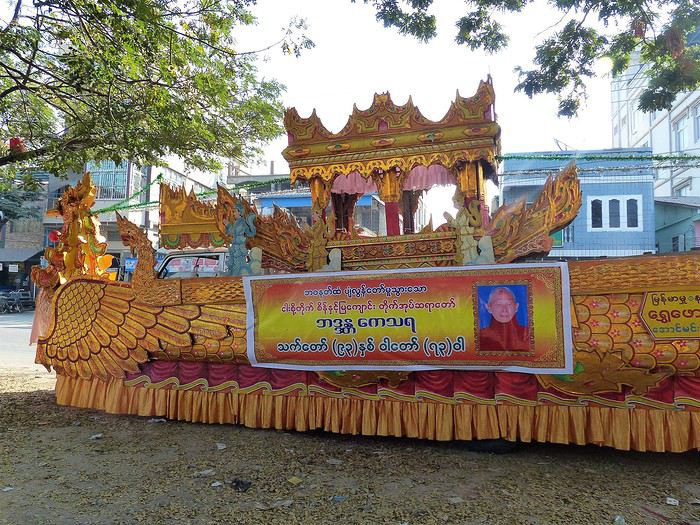
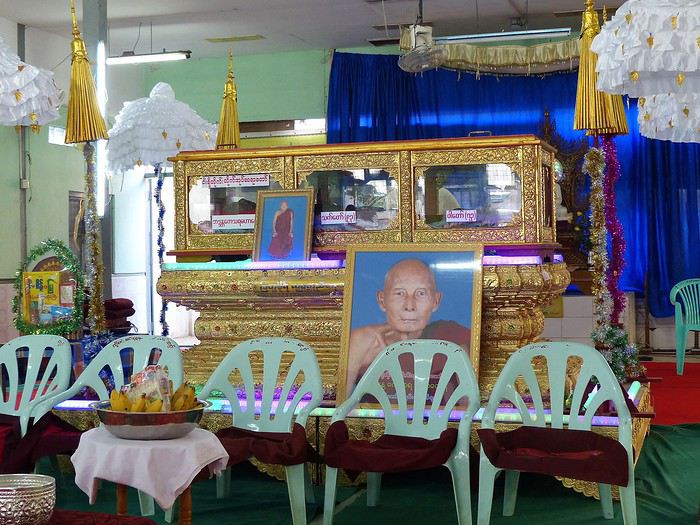
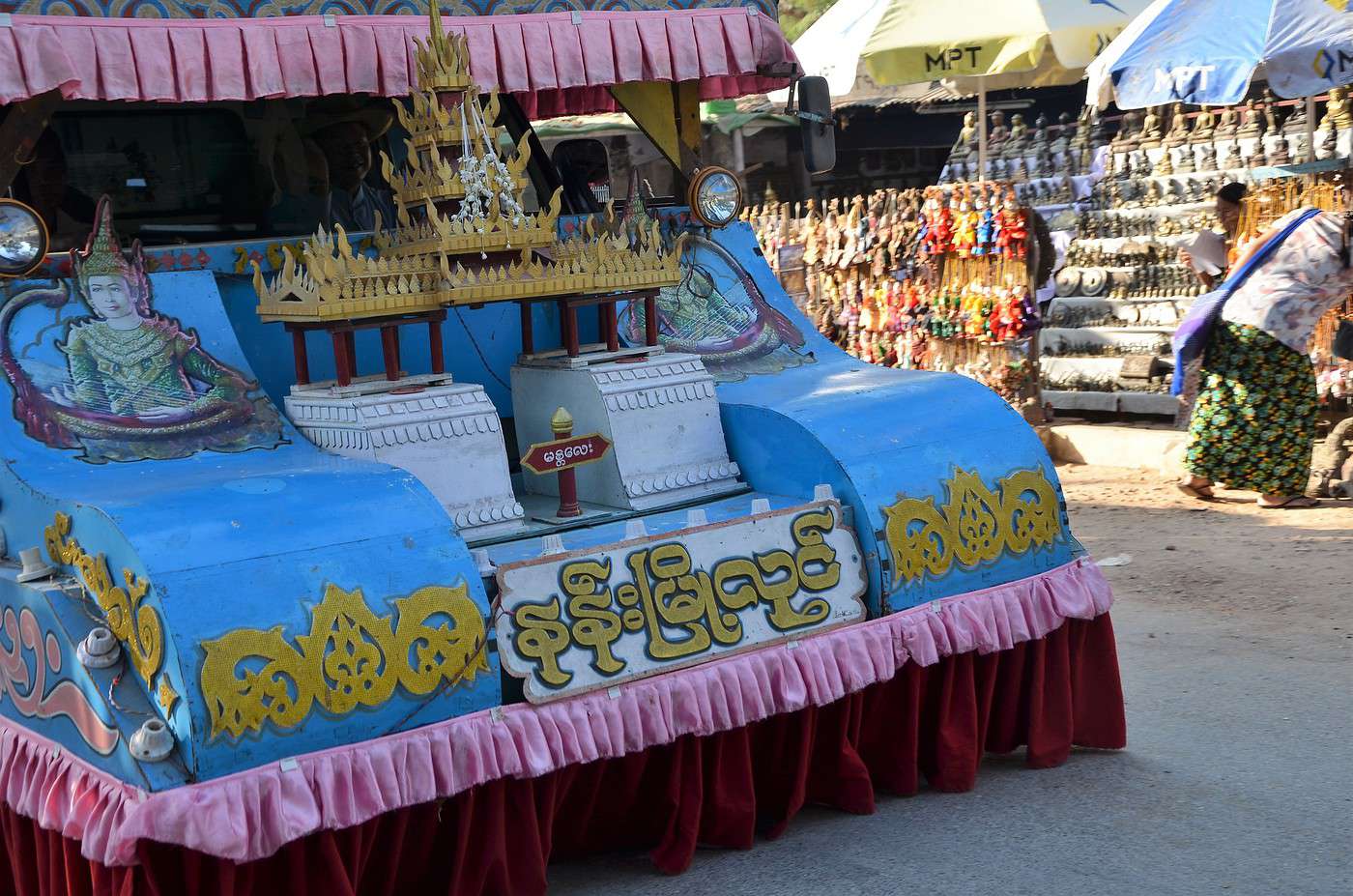
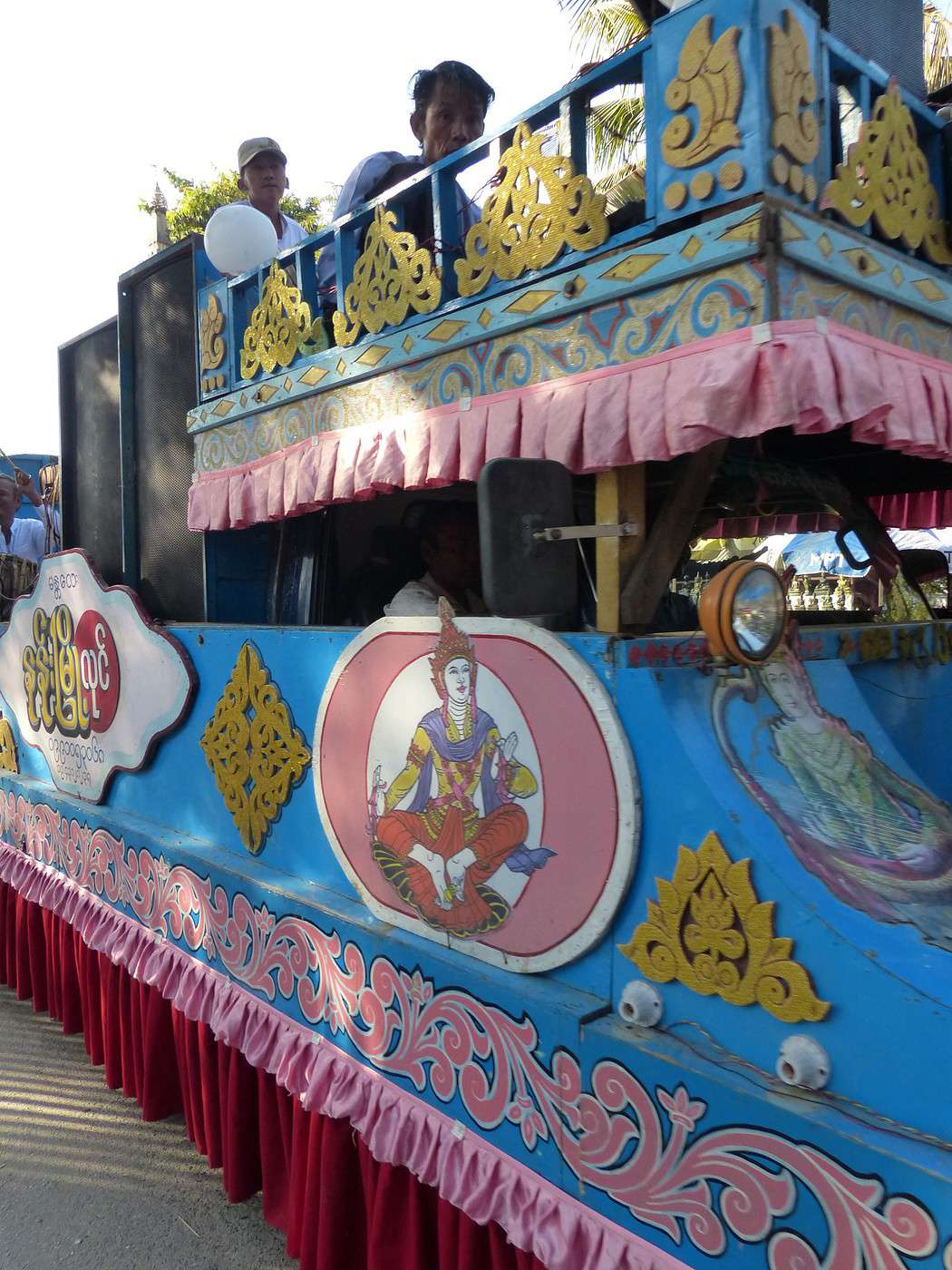
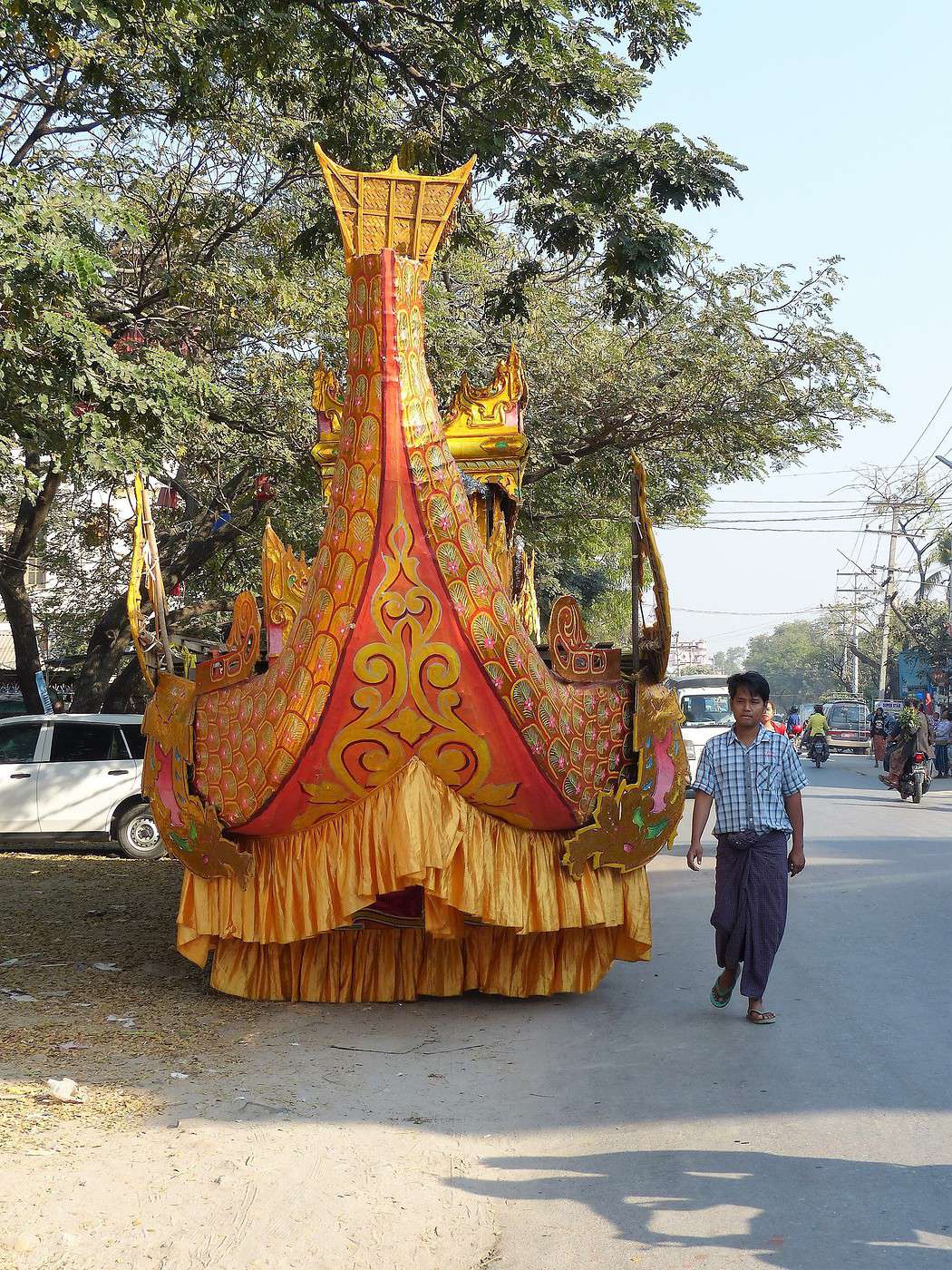
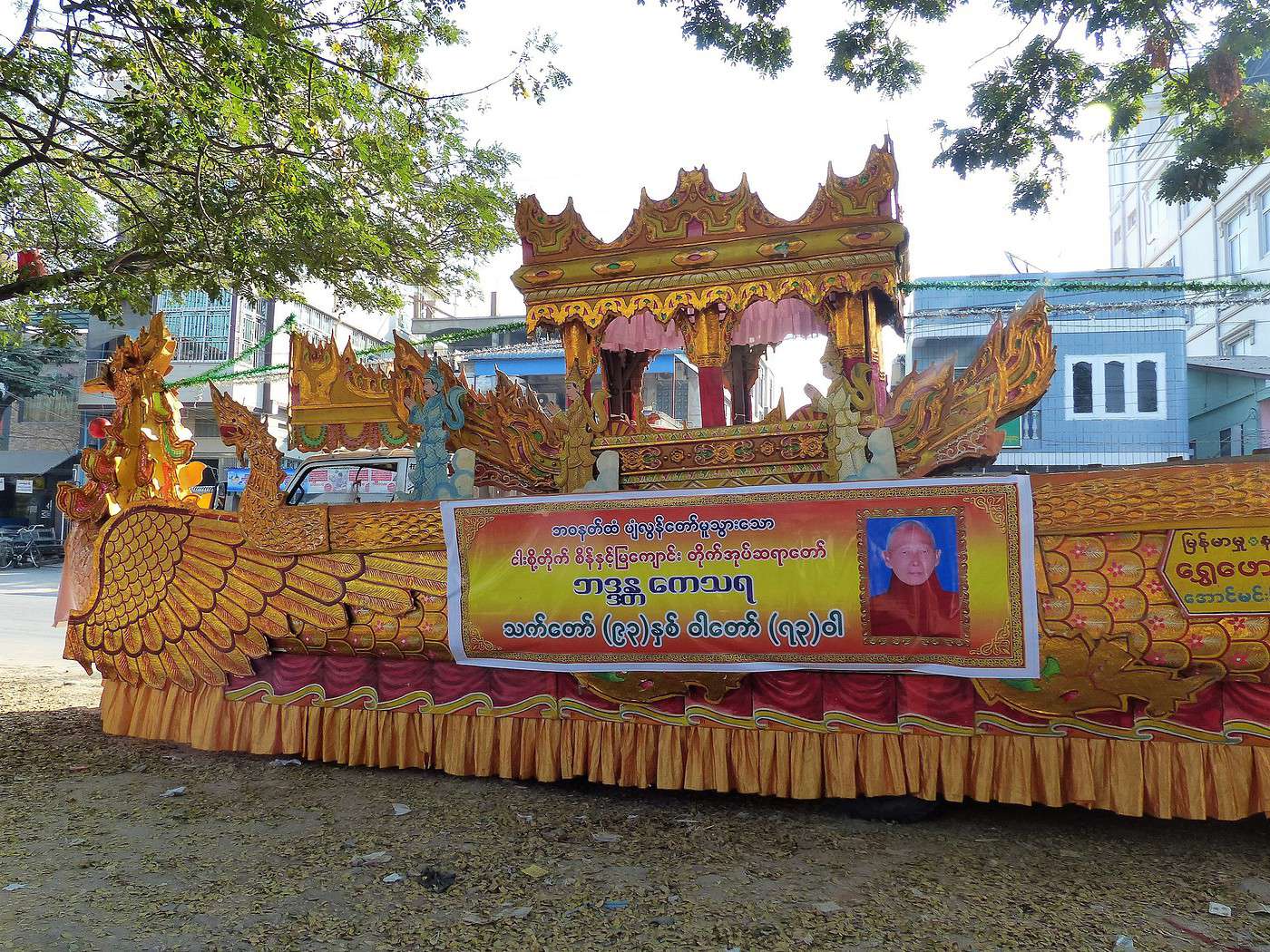
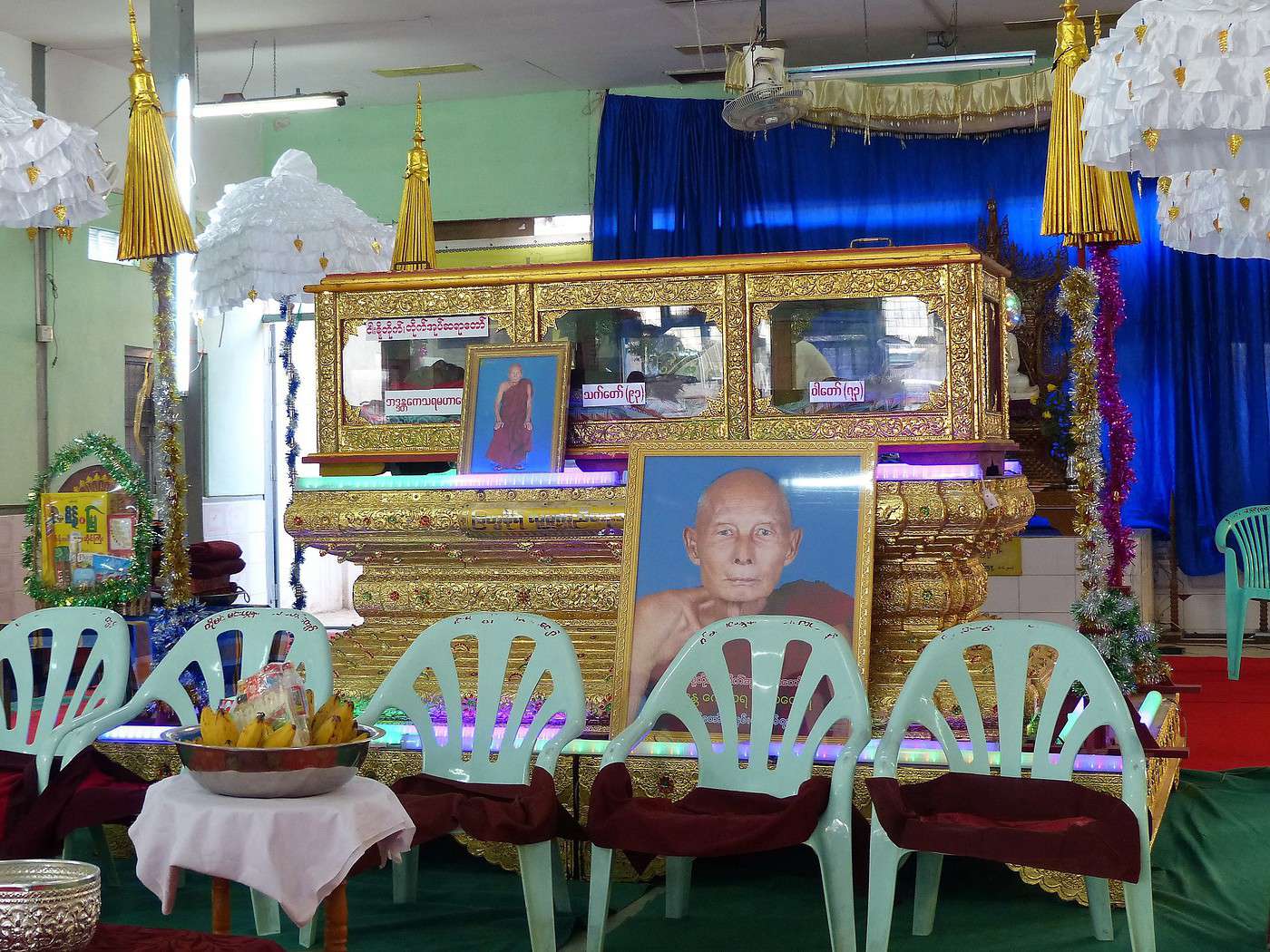
Further on, we witnessed another Buddhist tradition. We first stopped to get a closer look at a curious golden vehicle, which turned out to be a hearse. The people there took us by the hand and led us, smiling, to a nearby room where an entire community was keeping vigil for an elderly monk who had just passed away. We really didn’t want to intrude, but we had no choice: after making us take off our shoes, we were escorted into the room. I was seated with the women, who were laughing, while my husband was surrounded by four men who, very seriously, made him walk around the transparent coffin where the deceased lay. He had to take photos of everything they showed him: the venerable monk through the glass, some of his belongings, the offerings, the empty chairs where other monks would sit to celebrate the ceremony, and so on...


Then we were allowed to leave, with warm goodbyes.

Next post: Mingun!

Burma as we dreamed it

Fabhyène · 2017-05-10 · Message 35 of 94

Day 2 in Mandalay, Mingun

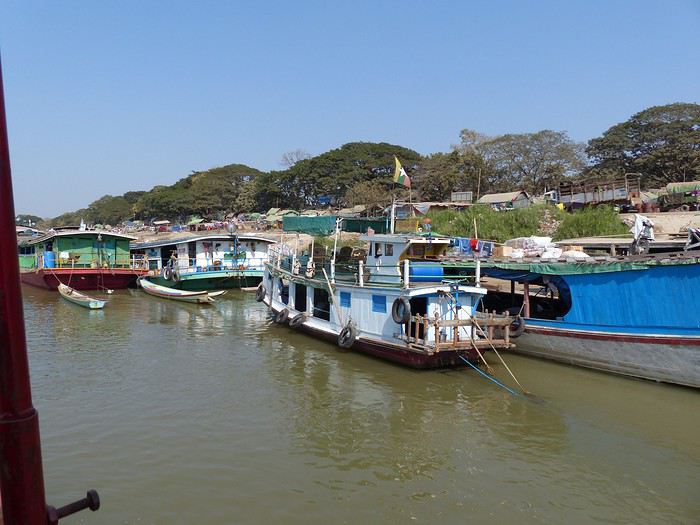
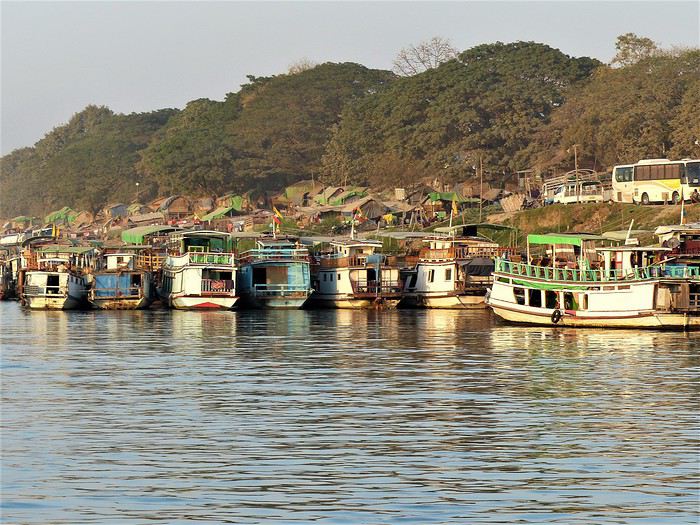
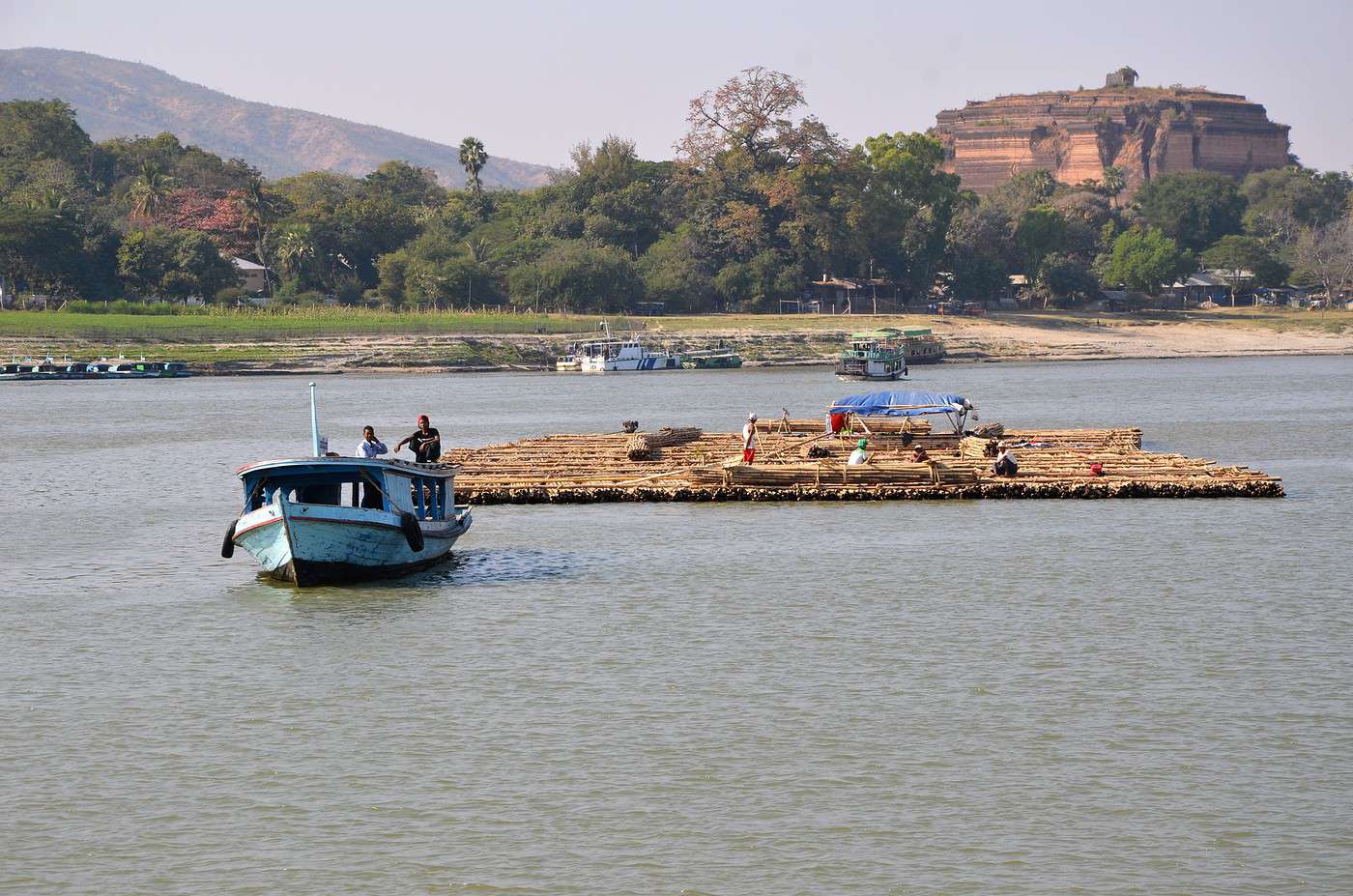
In the afternoon, we take a mini-cruise on the Irrawaddy to reach the archaeological area of Mingun, which makes for a pleasant and interesting visit. You can do it on foot (allow a good 3 hours) or by tuk-tuk (about 2 hours), but make sure to negotiate the fare upfront... and if a young man insists on joining the tuk-tuk as a guide, be careful—it’s not included in the price!!!


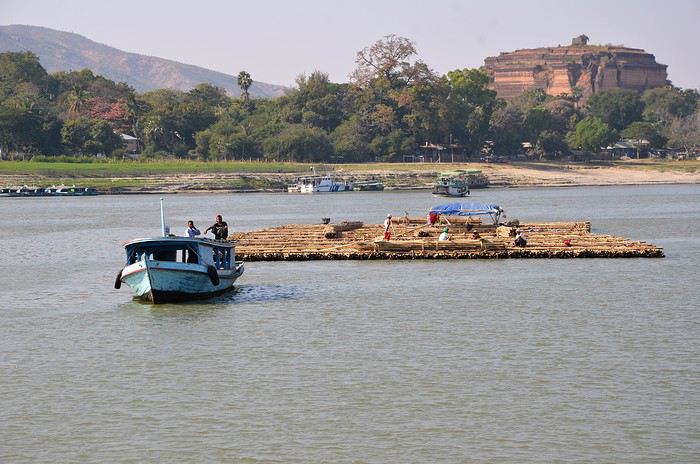
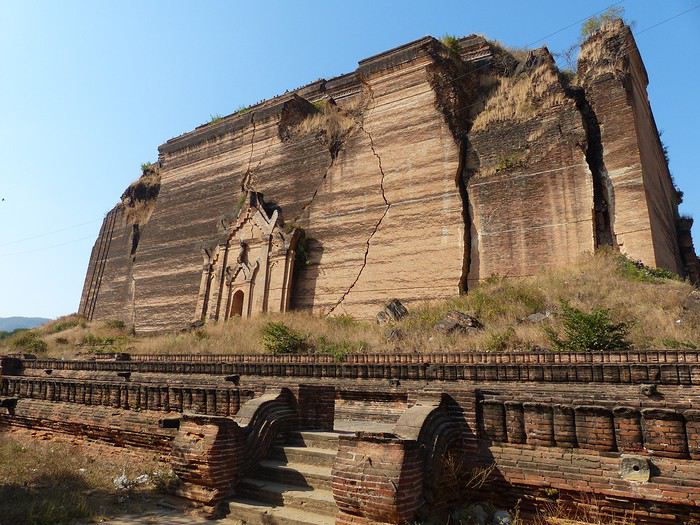
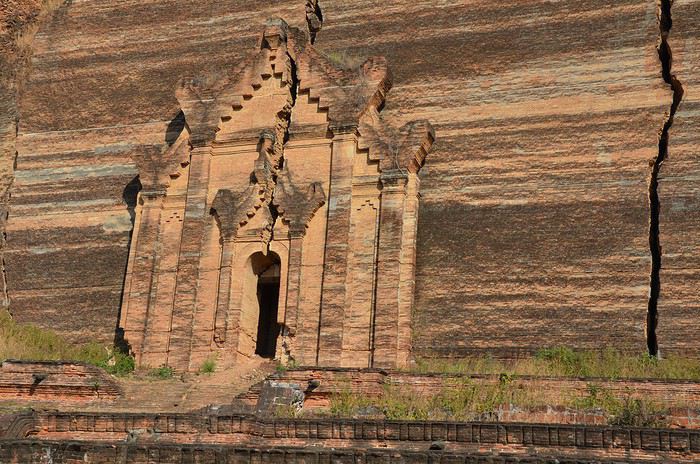
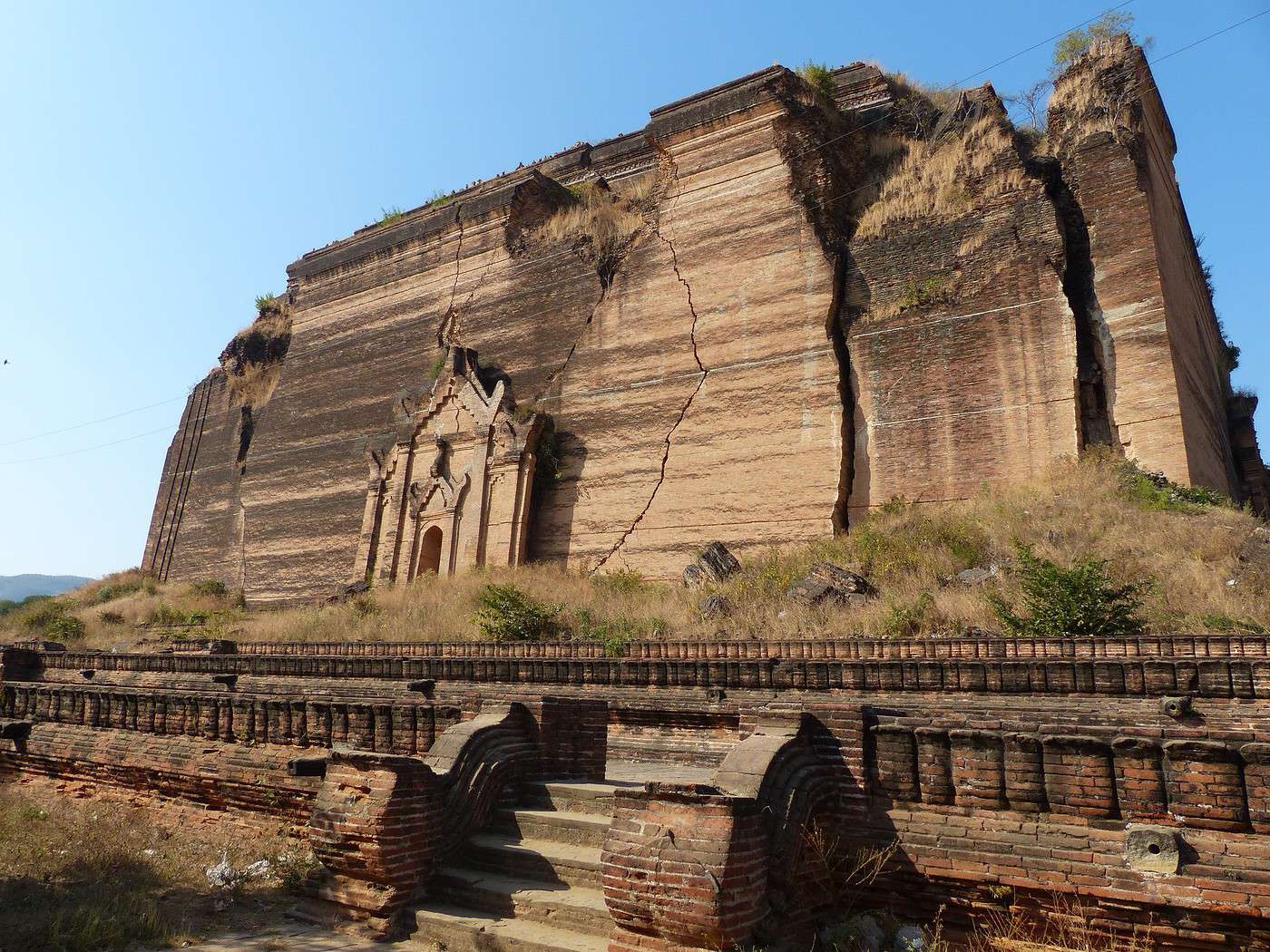
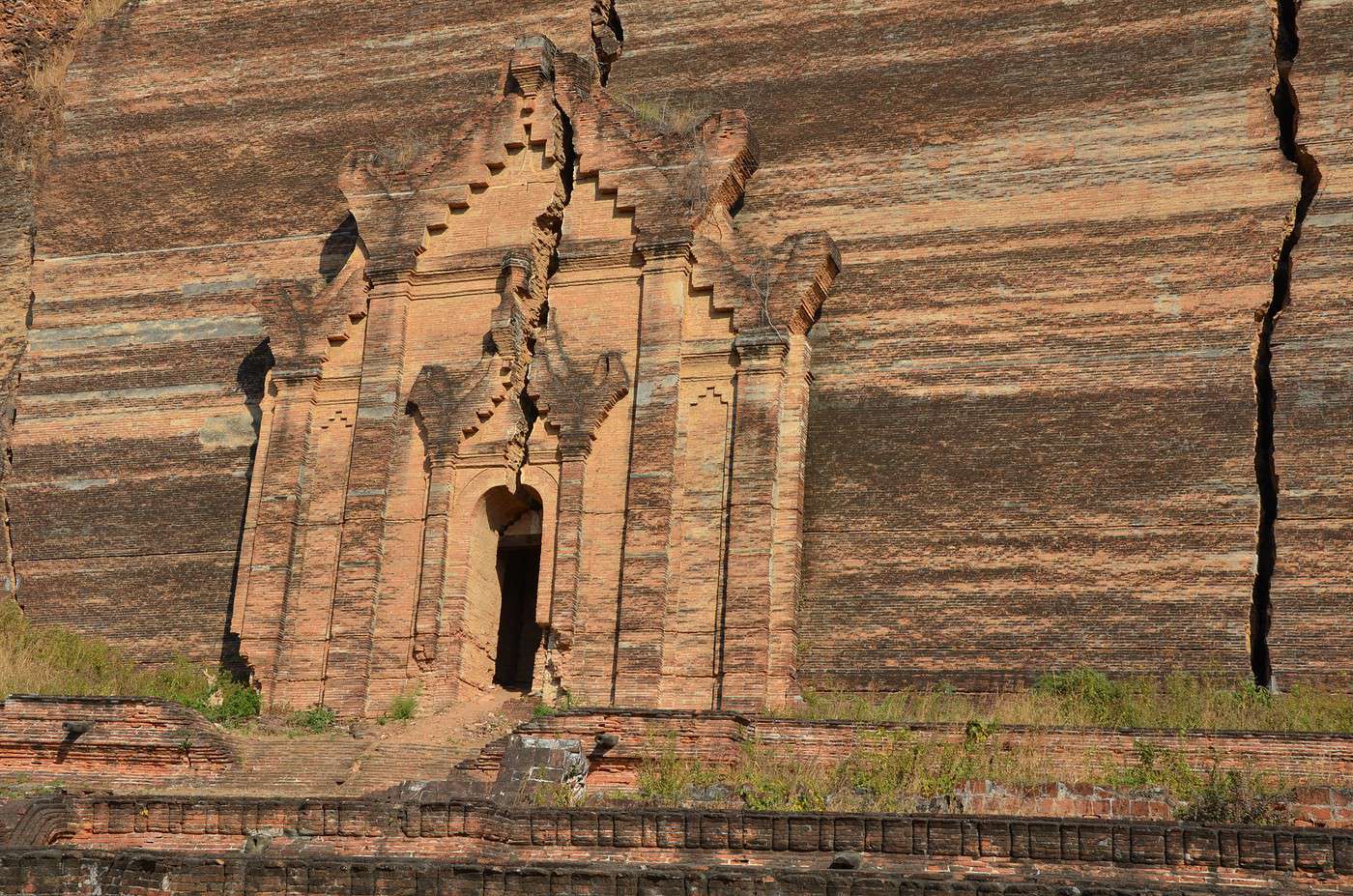
As we approach Mingun, we spot the imposing silhouette of the great unfinished pagoda—a monumental stupa that, begun in the late 18th century, was never completed and was later badly damaged by an earthquake (and another more recent one).


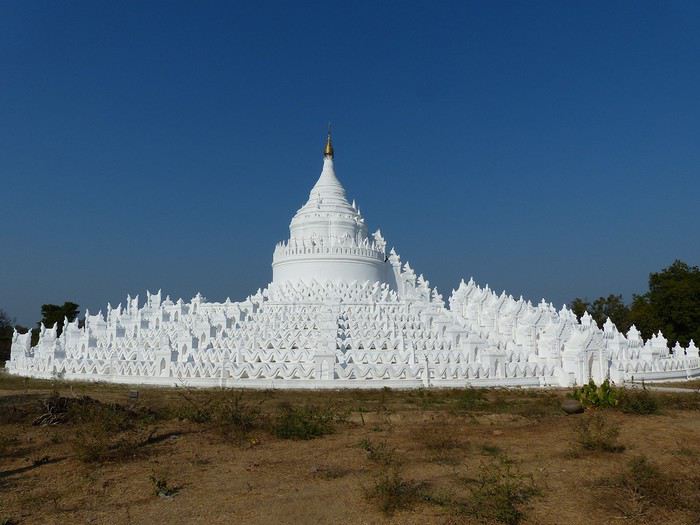
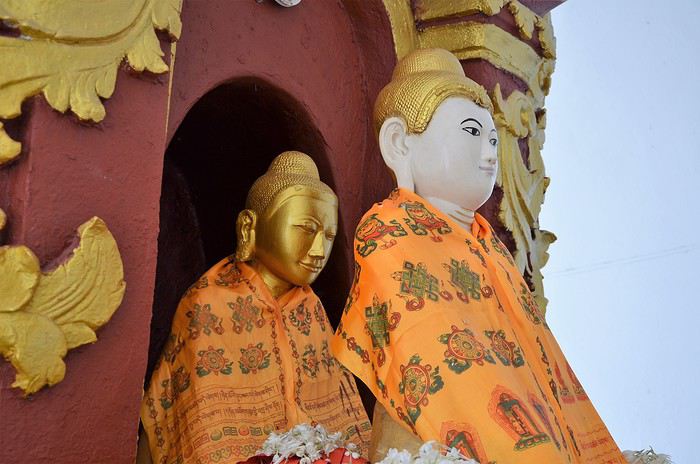
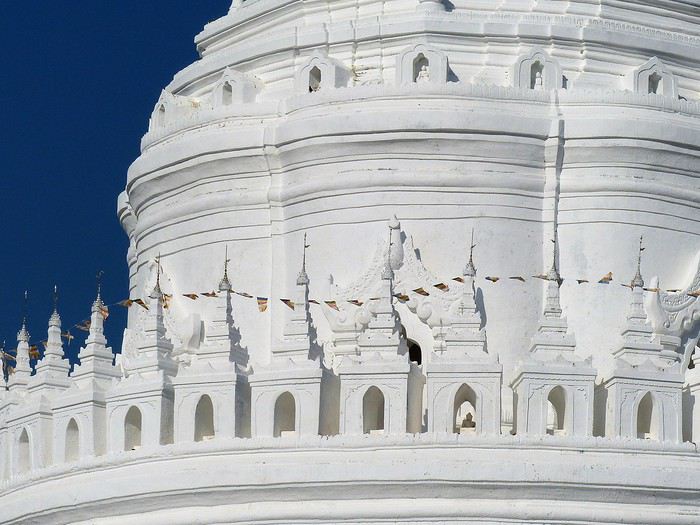
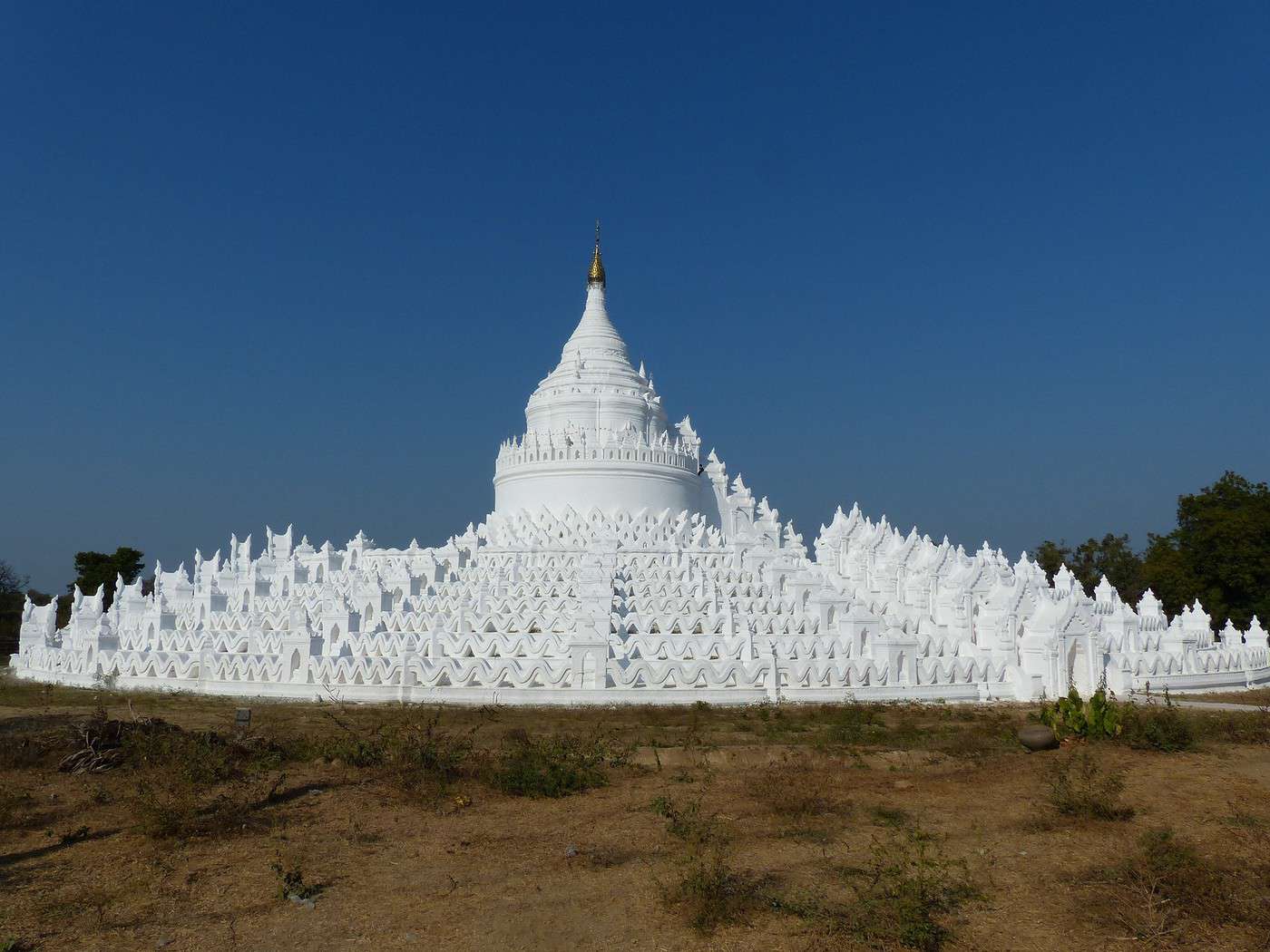
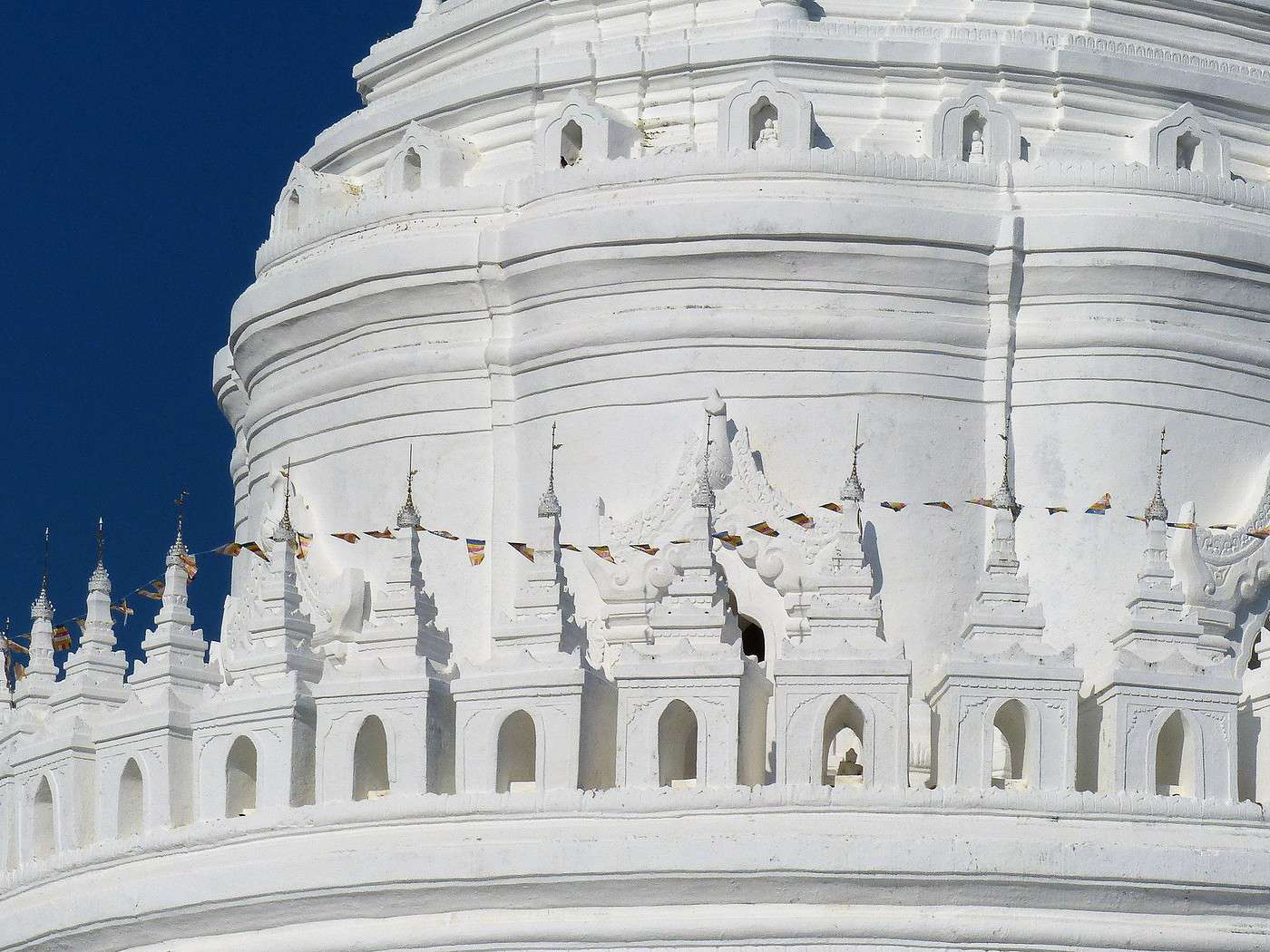
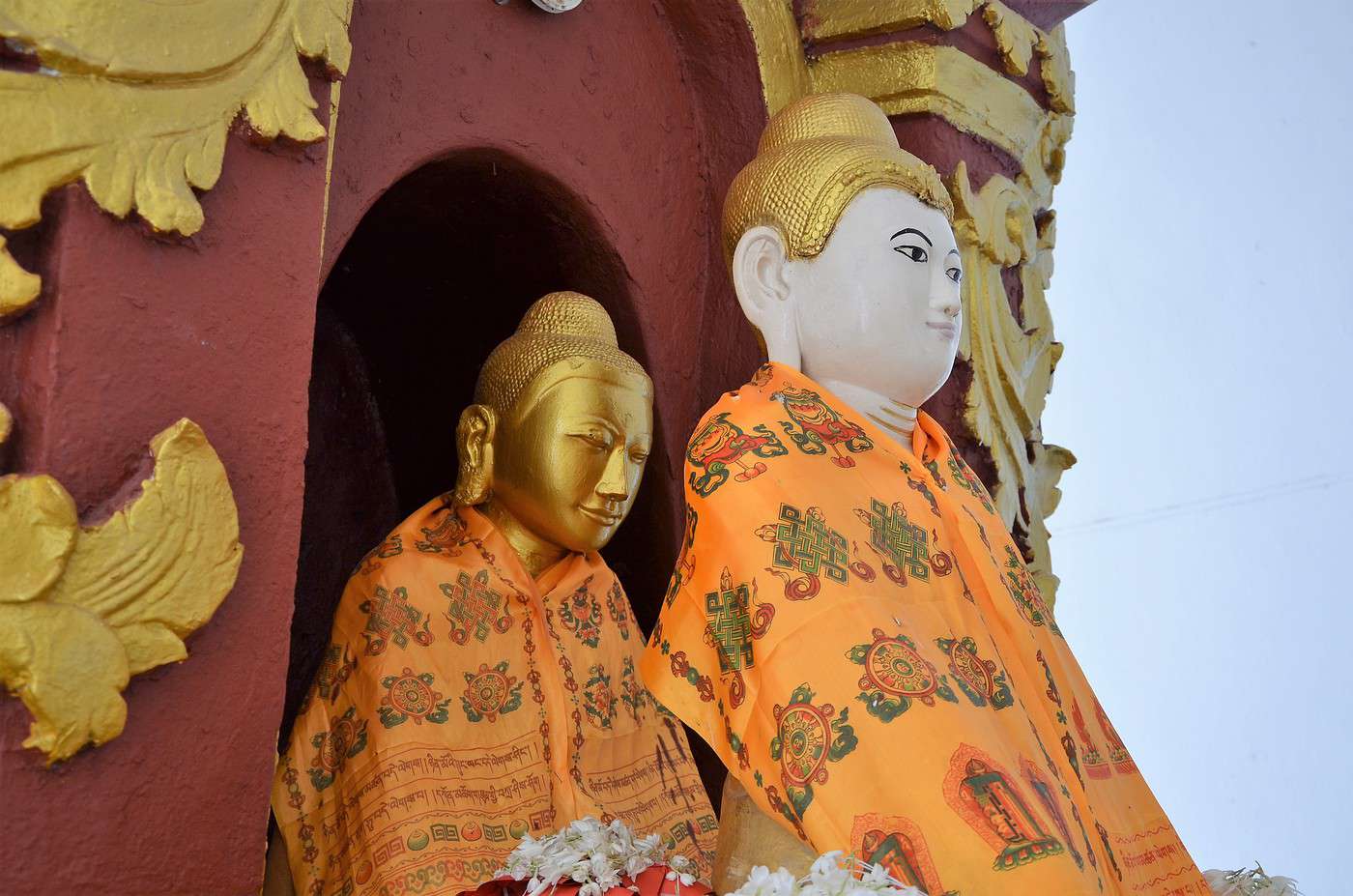
We also visit the immaculate Hsinbyume Pagoda, built in the early 19th century and repainted every two years... the only colorful part is the small niche at the top of the pagoda, which houses two Buddhas that have retained their colors...


A little further on, you can also see the monumental 90-ton bell that was meant for the unfinished pagoda... I’ll spare you the photo—it’s a bell, just bigger!


After that, it’s time to head back to Mandalay to admire the sunset over the Irrawaddy...


End of day 2 in Mandalay... to be continued in the next episode

Burma as we'd dreamed it

Fabhyène · 2017-05-10 · Message 36 of 94

Day 3 in Mandalay

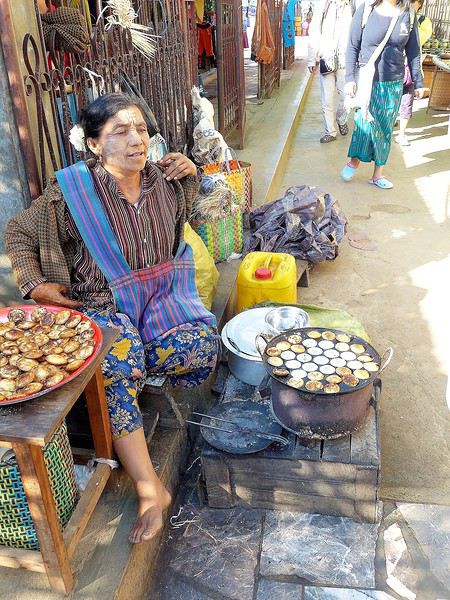
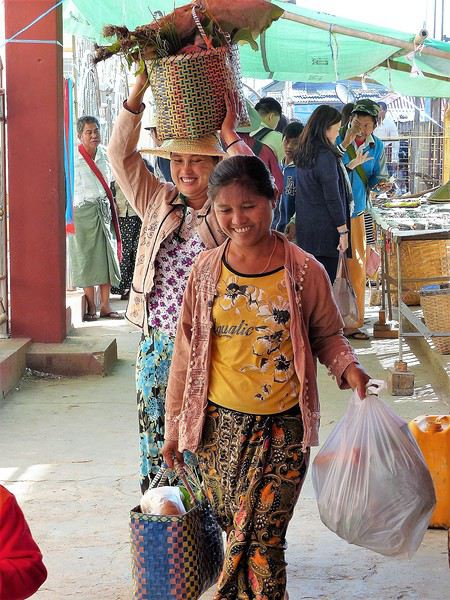
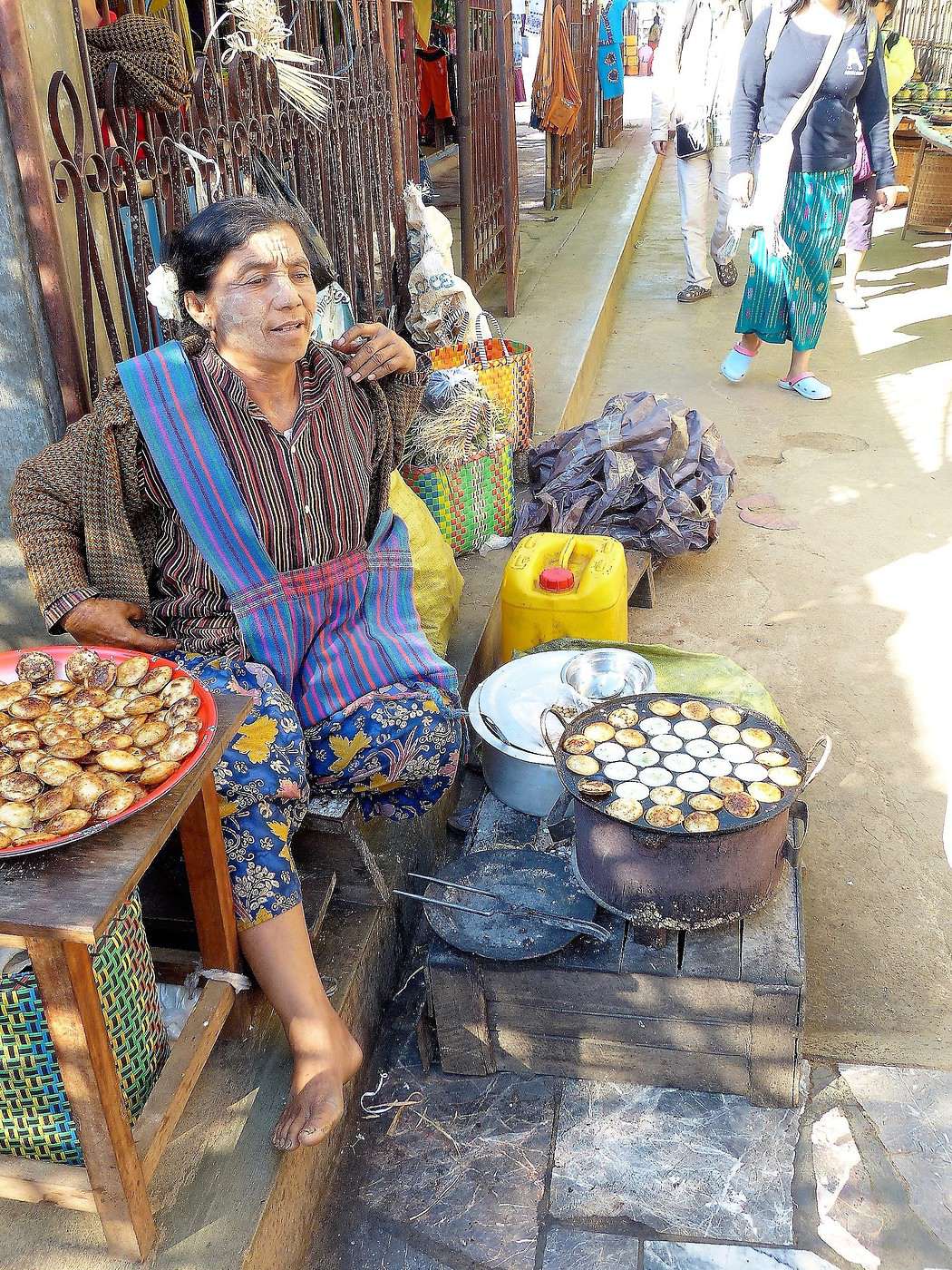
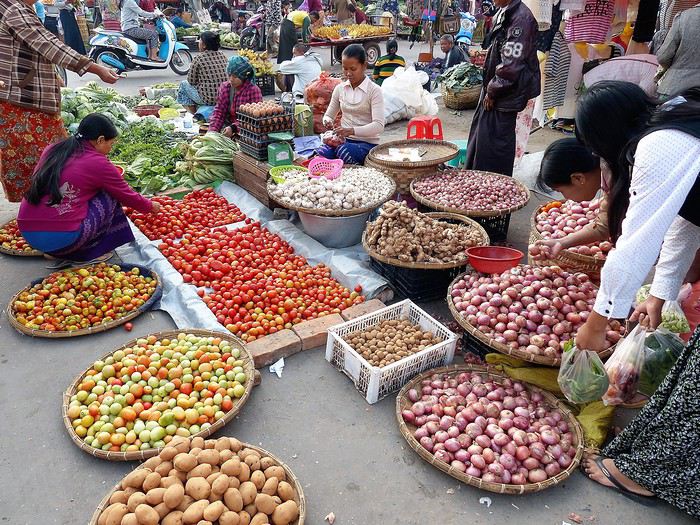
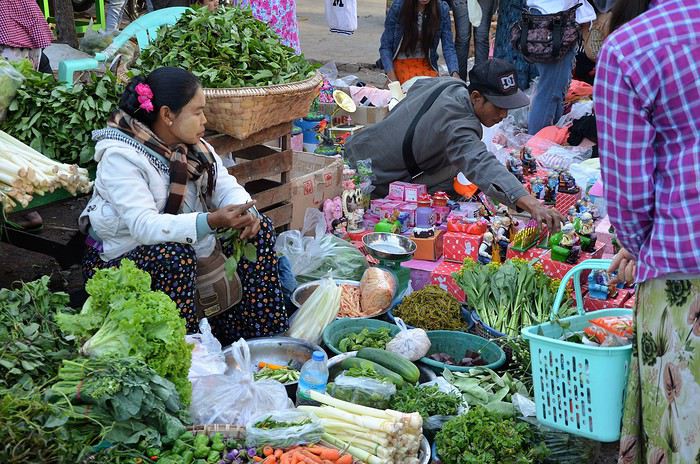
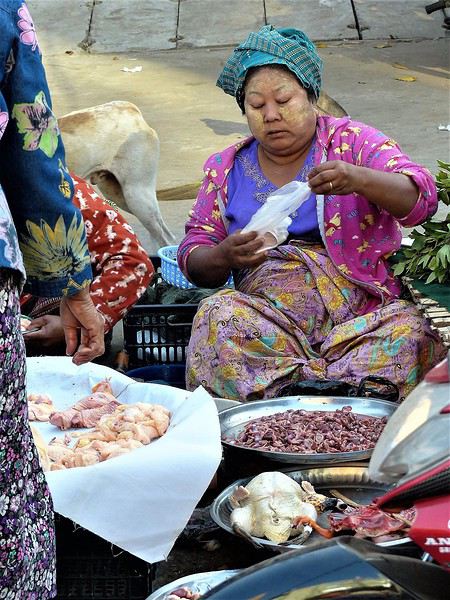
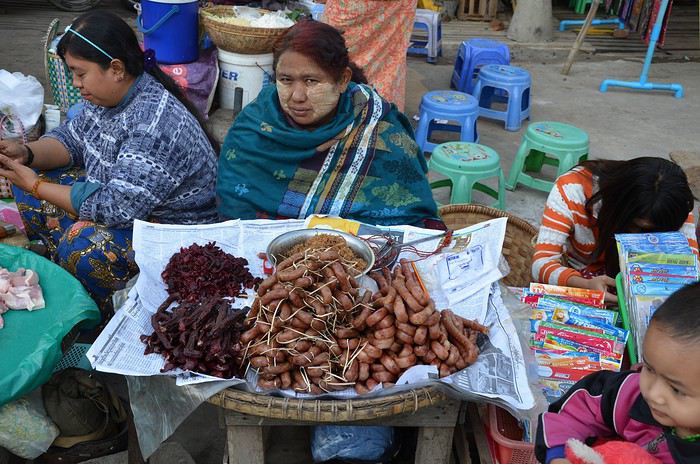
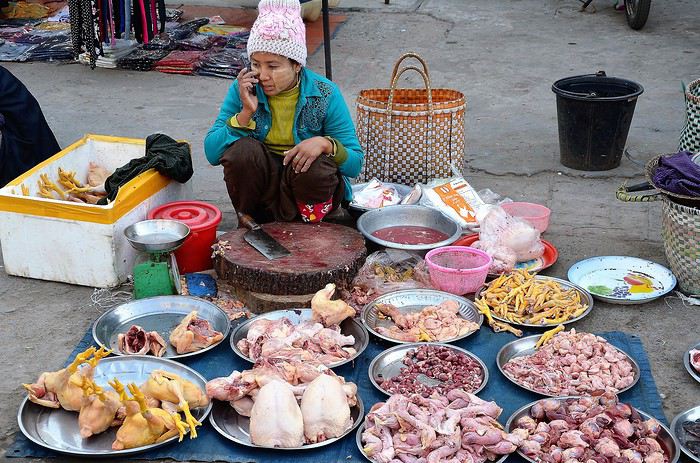
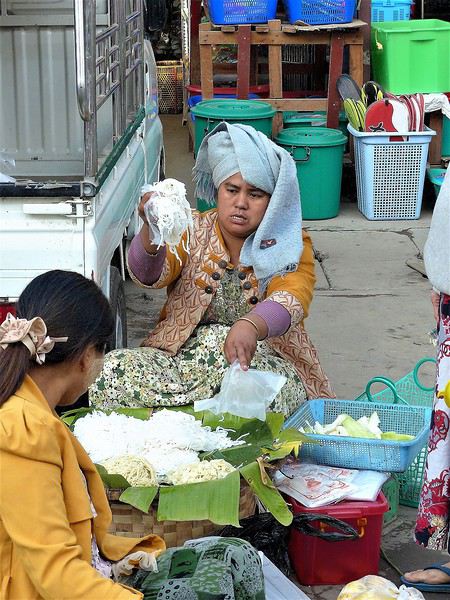
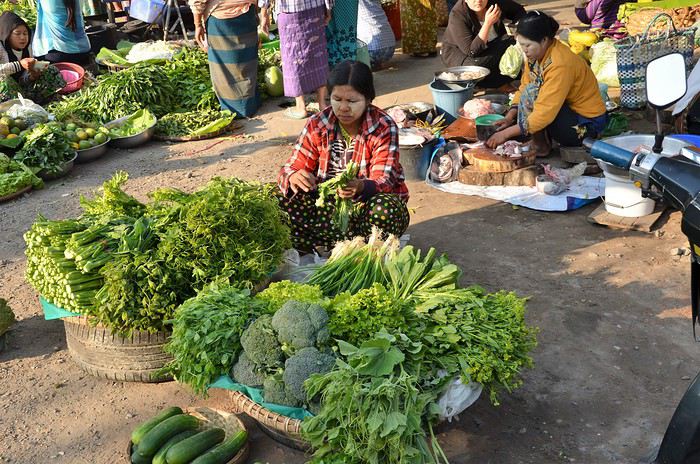
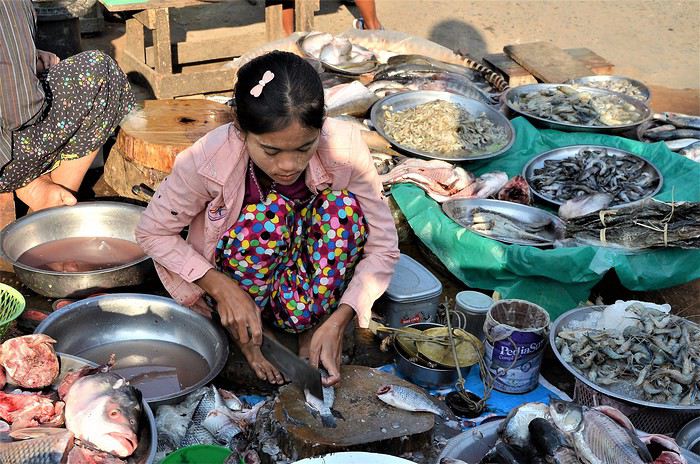
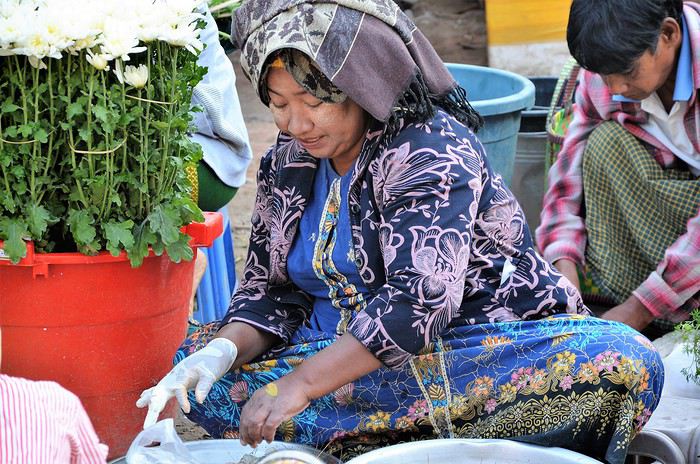
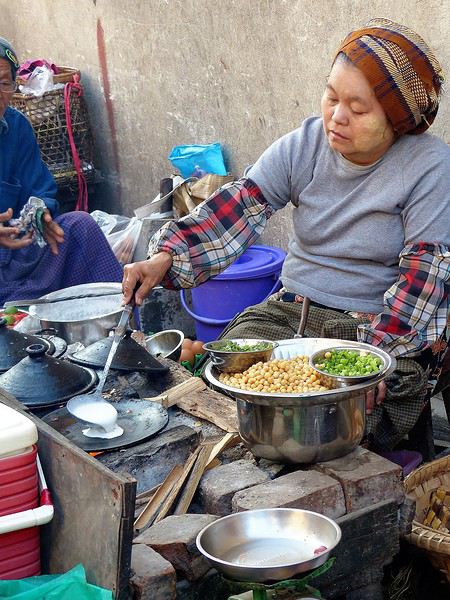
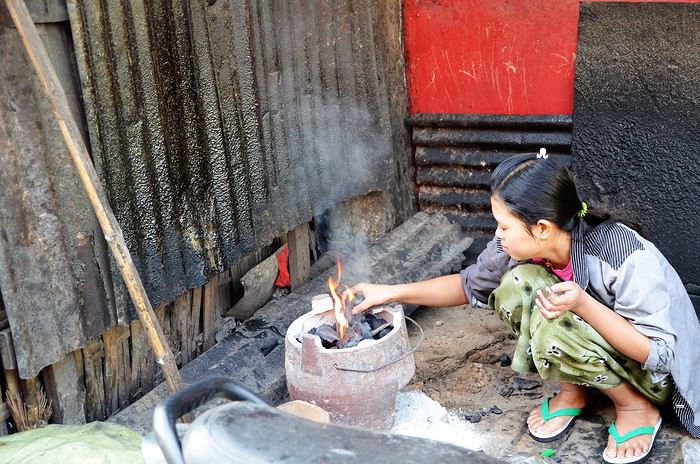
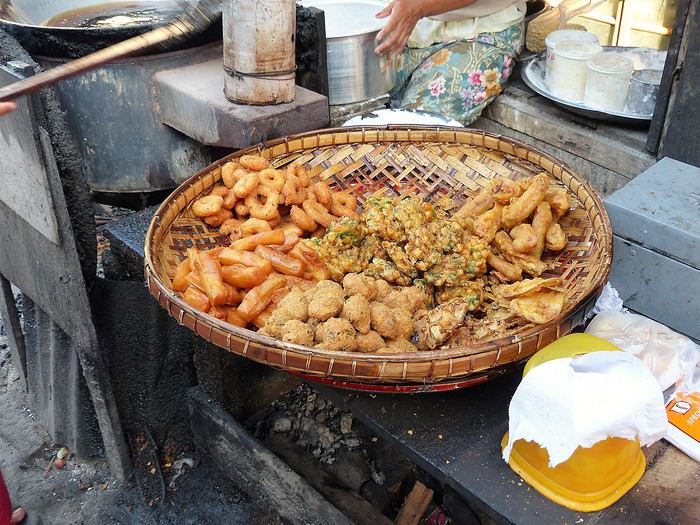
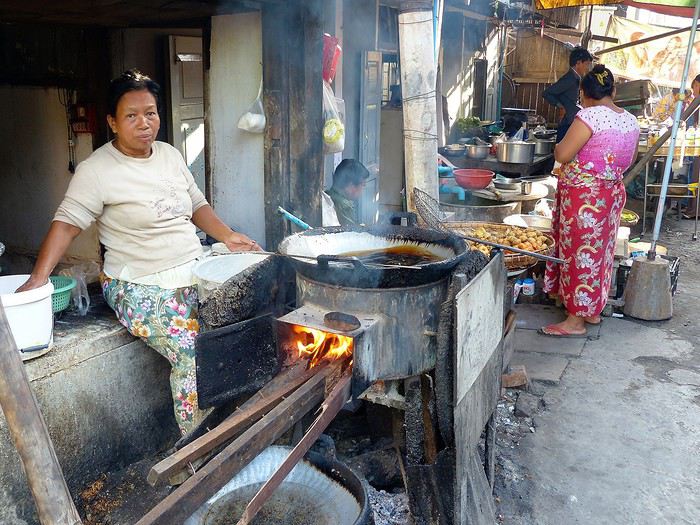
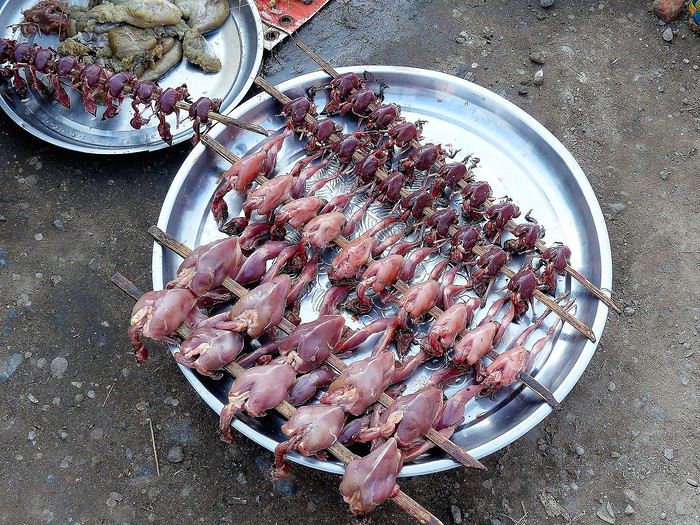
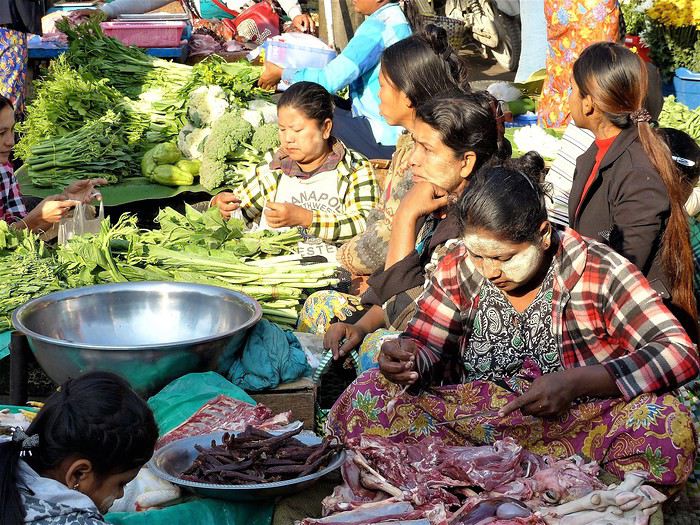
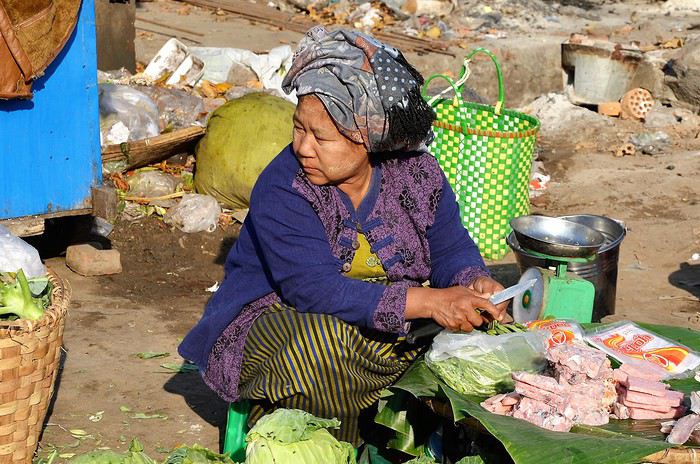
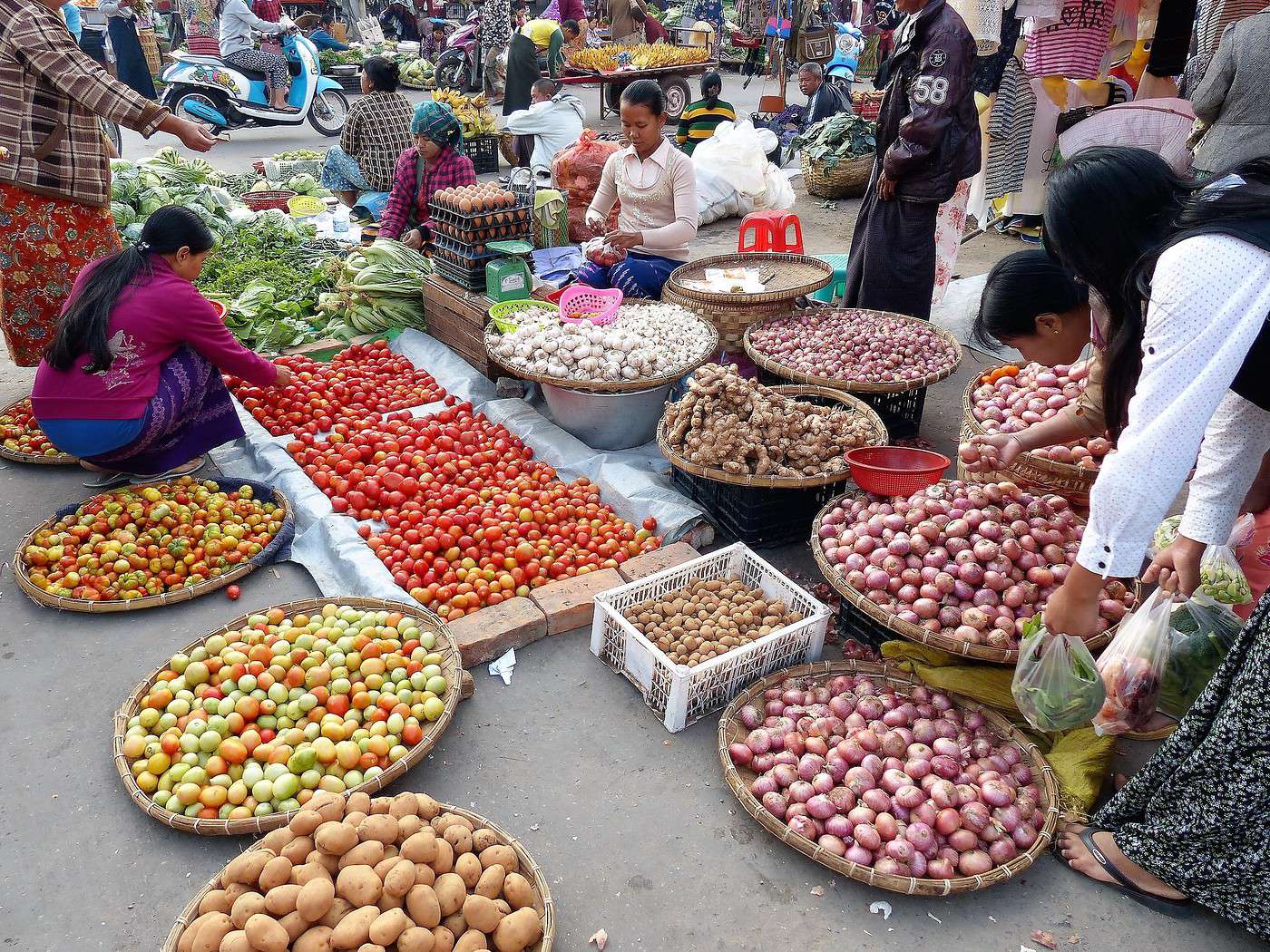
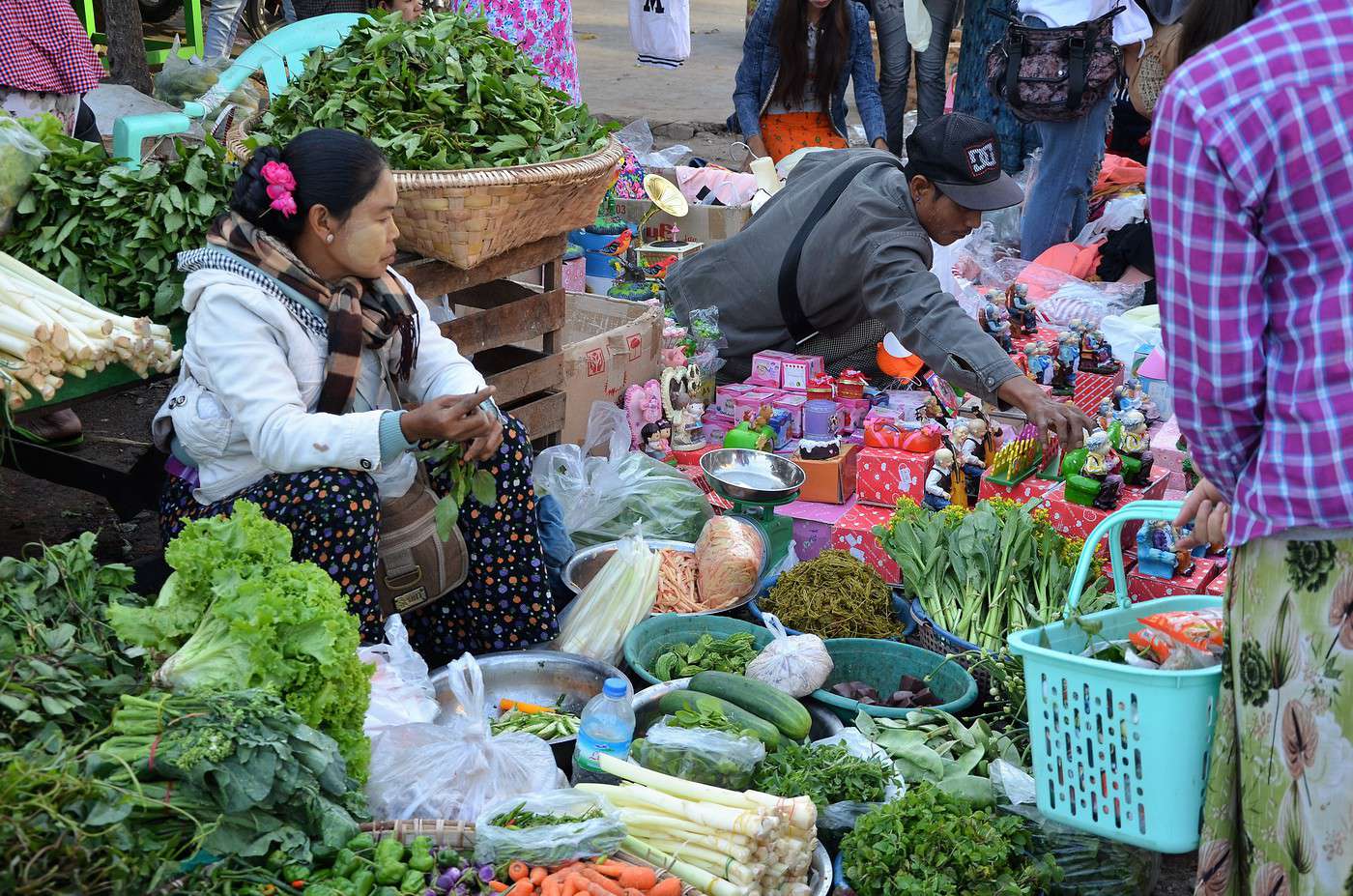
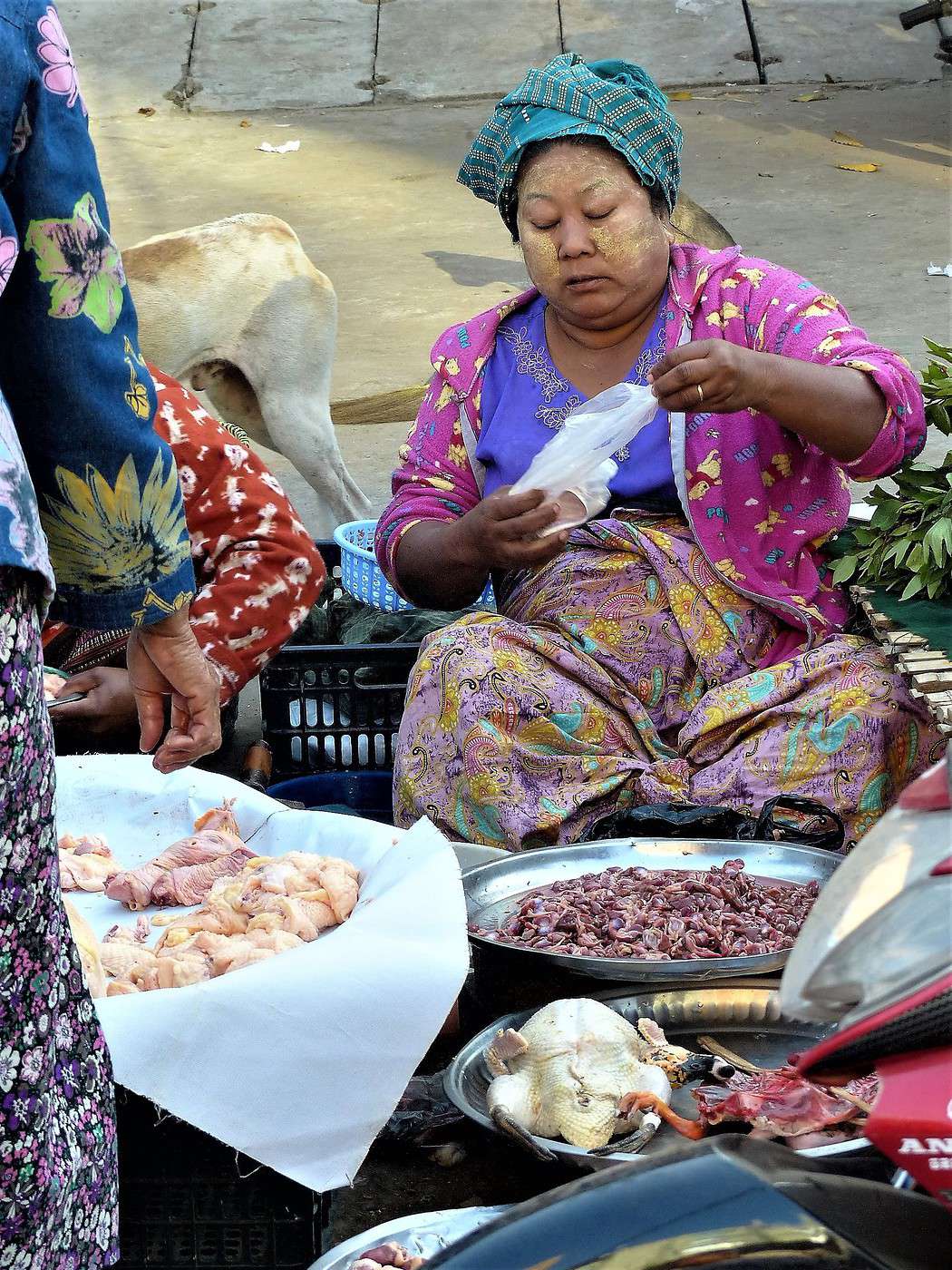
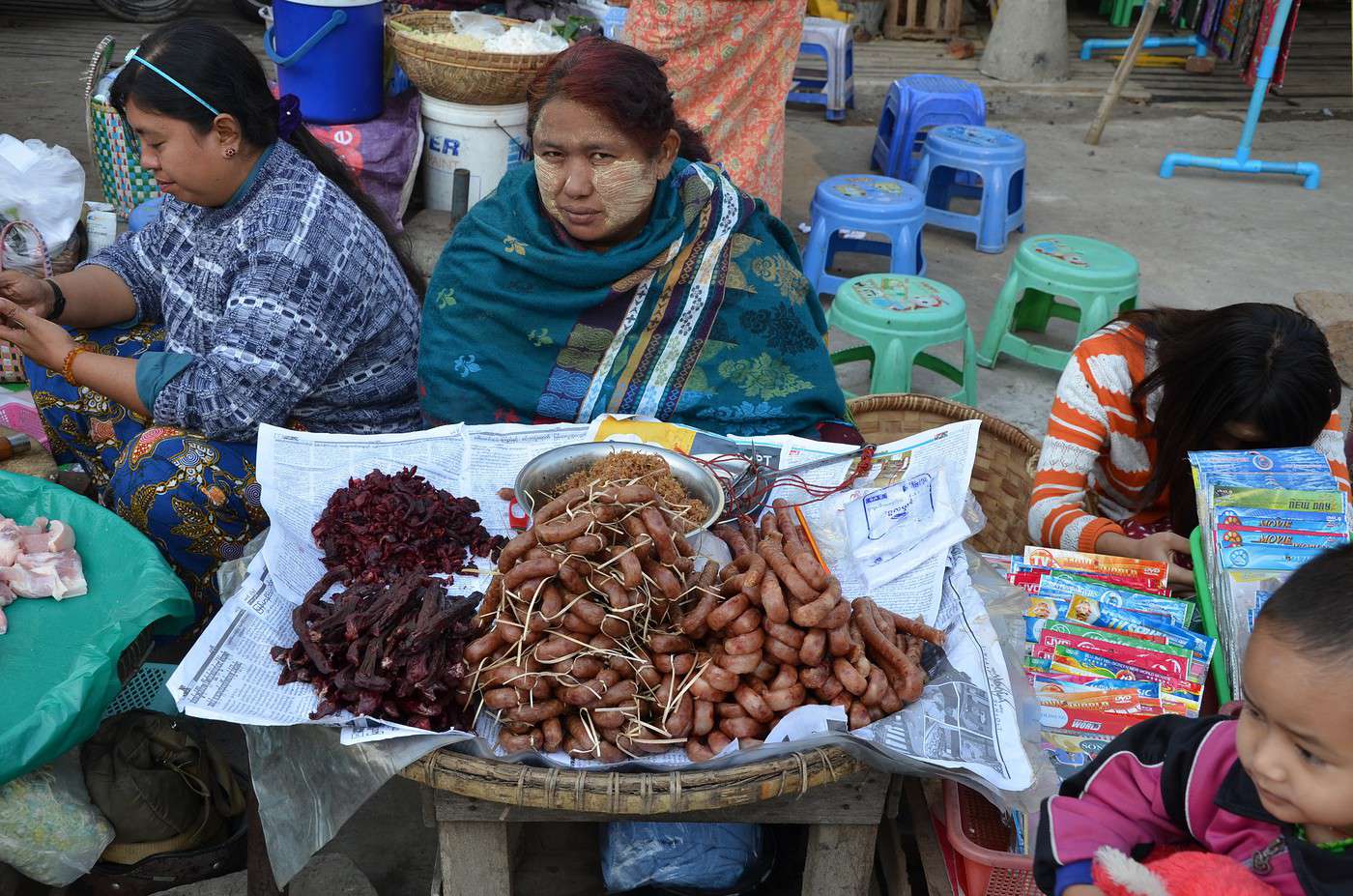
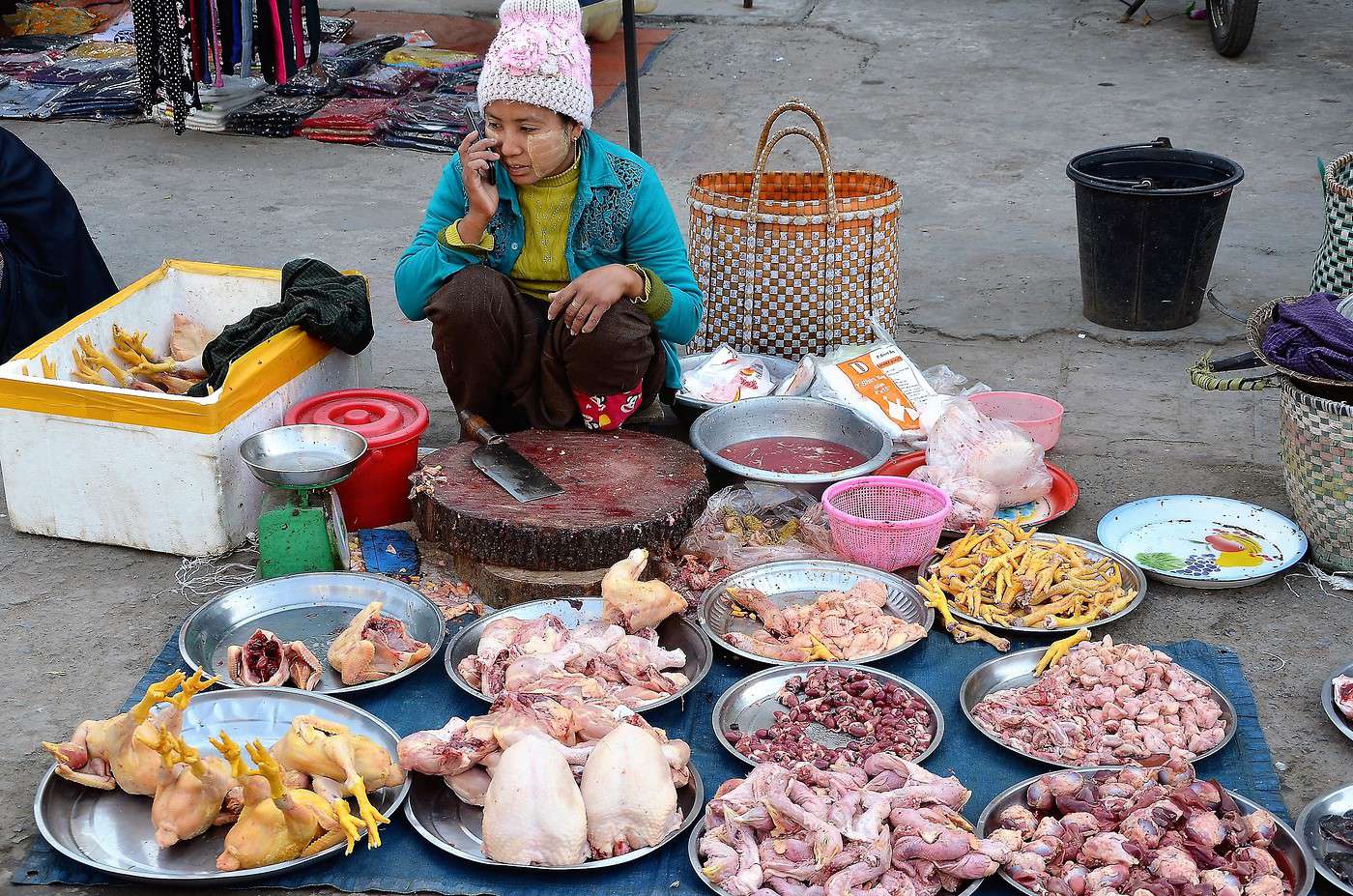
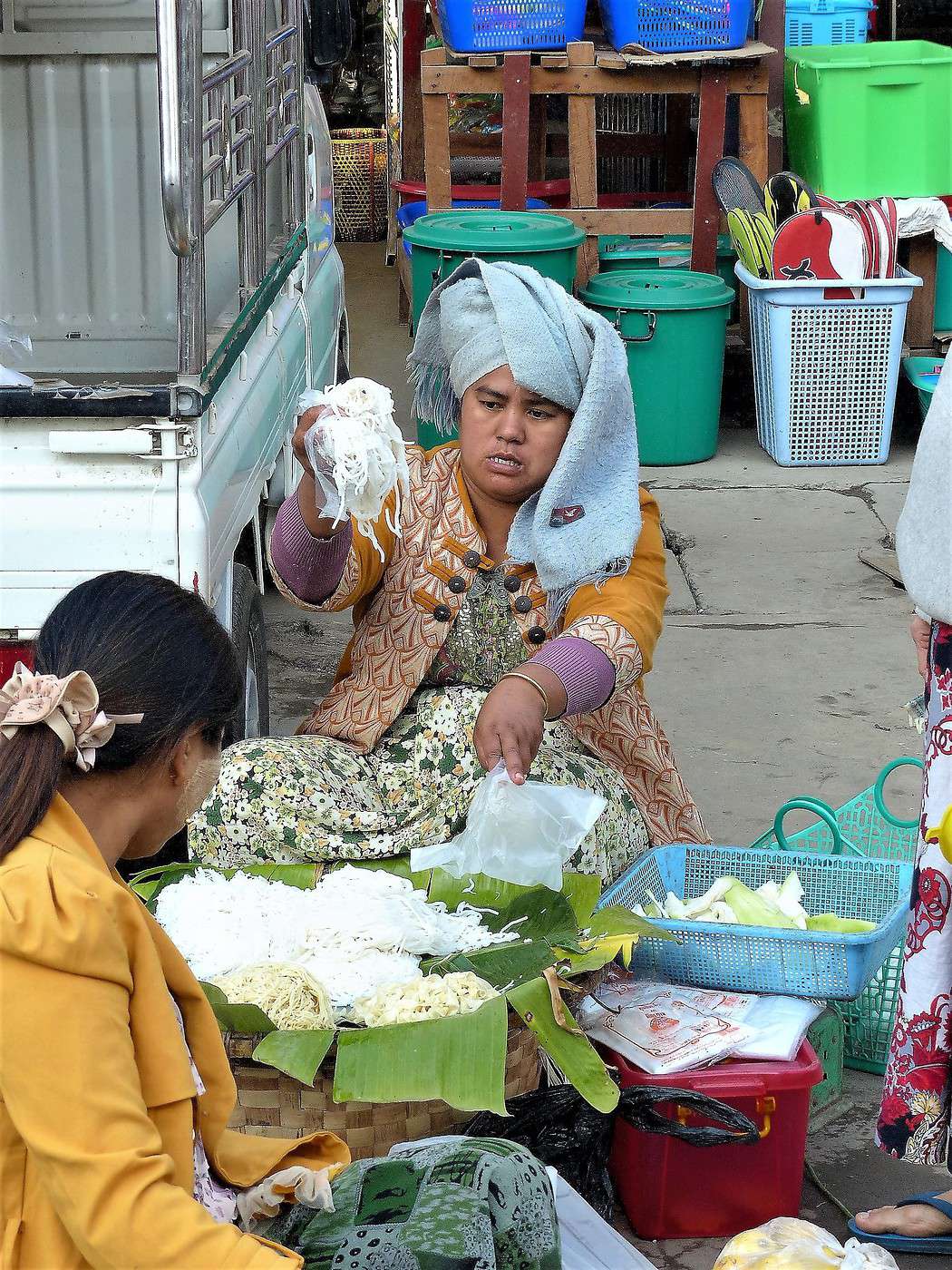
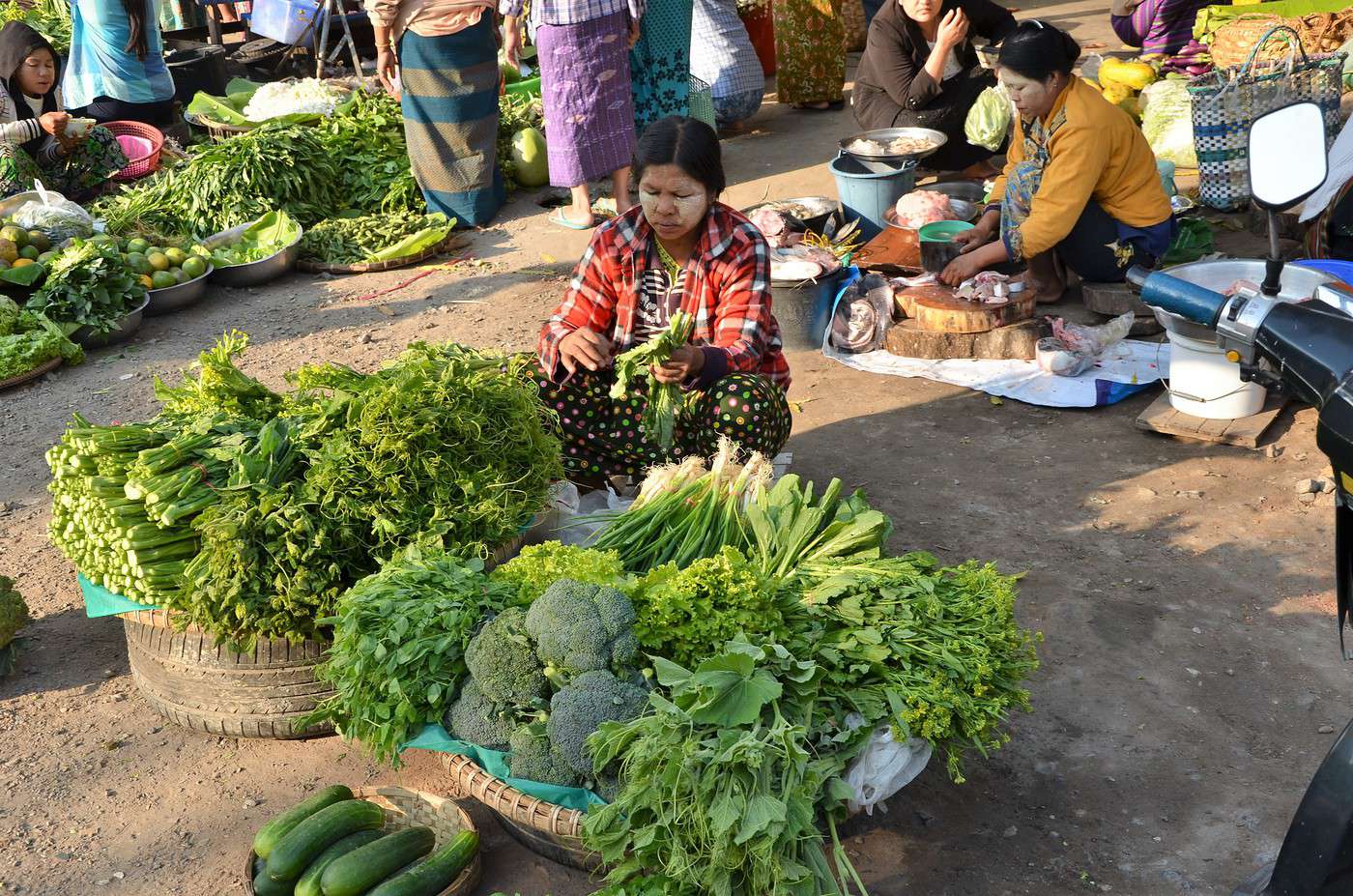
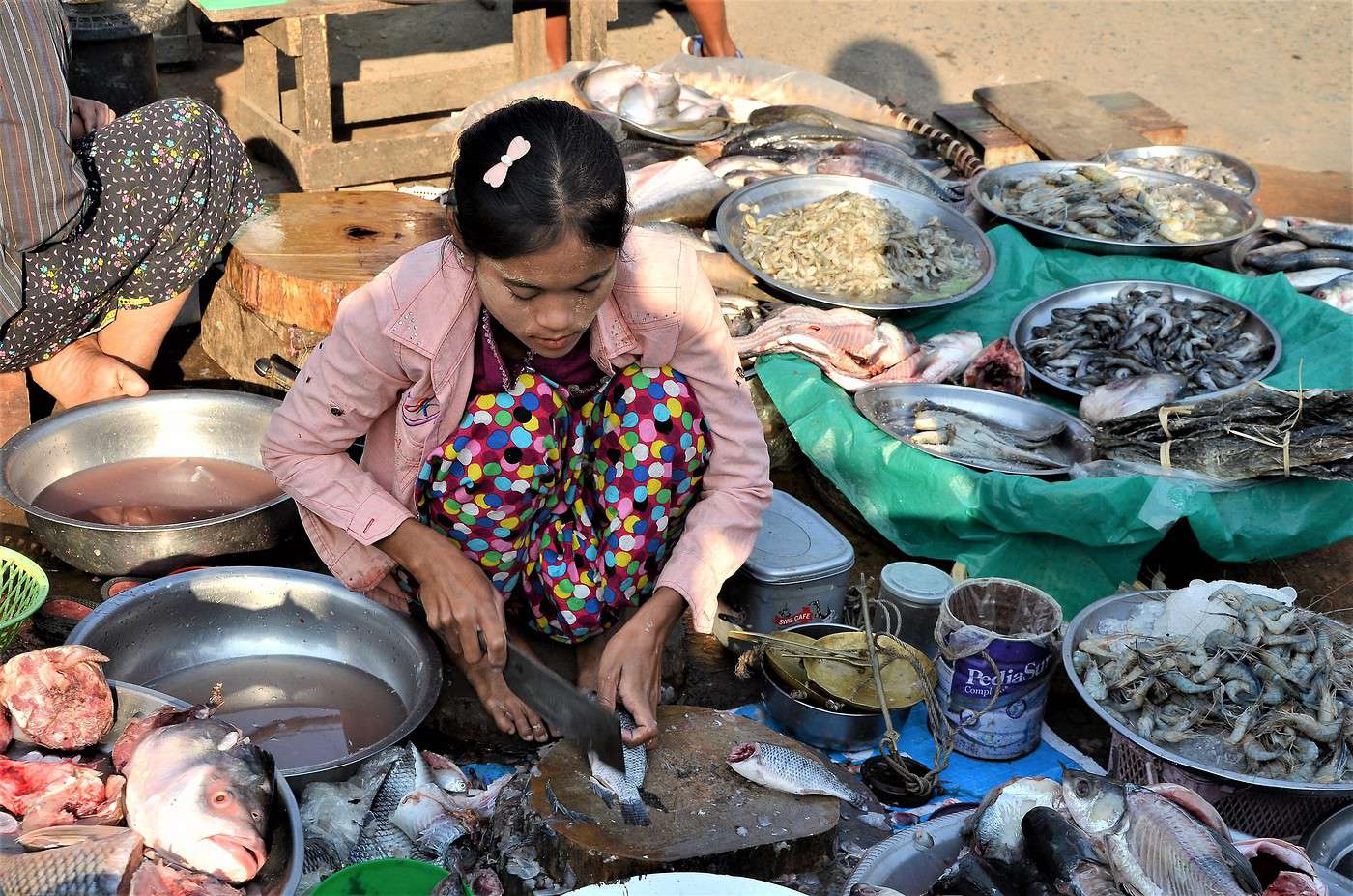
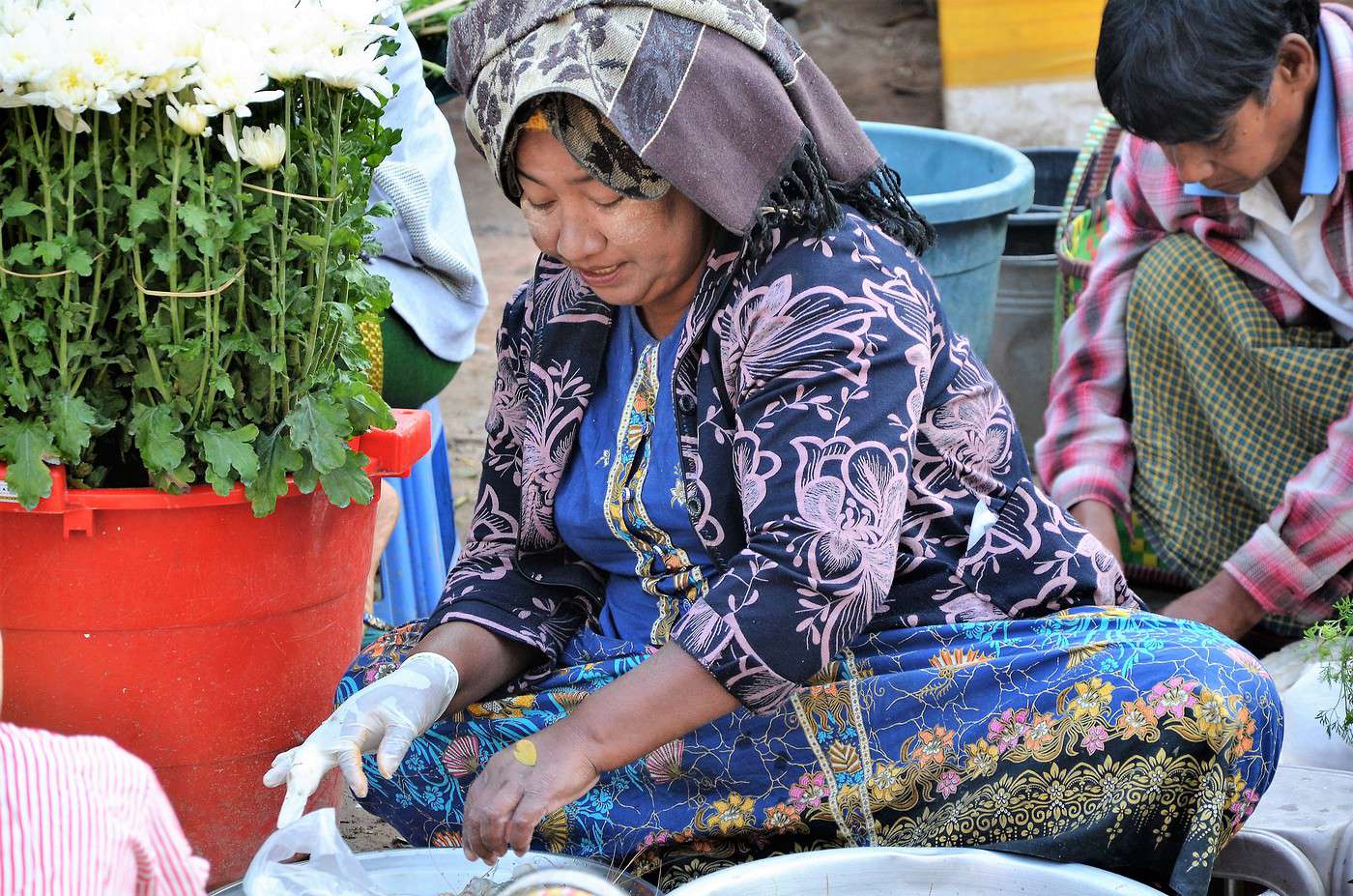
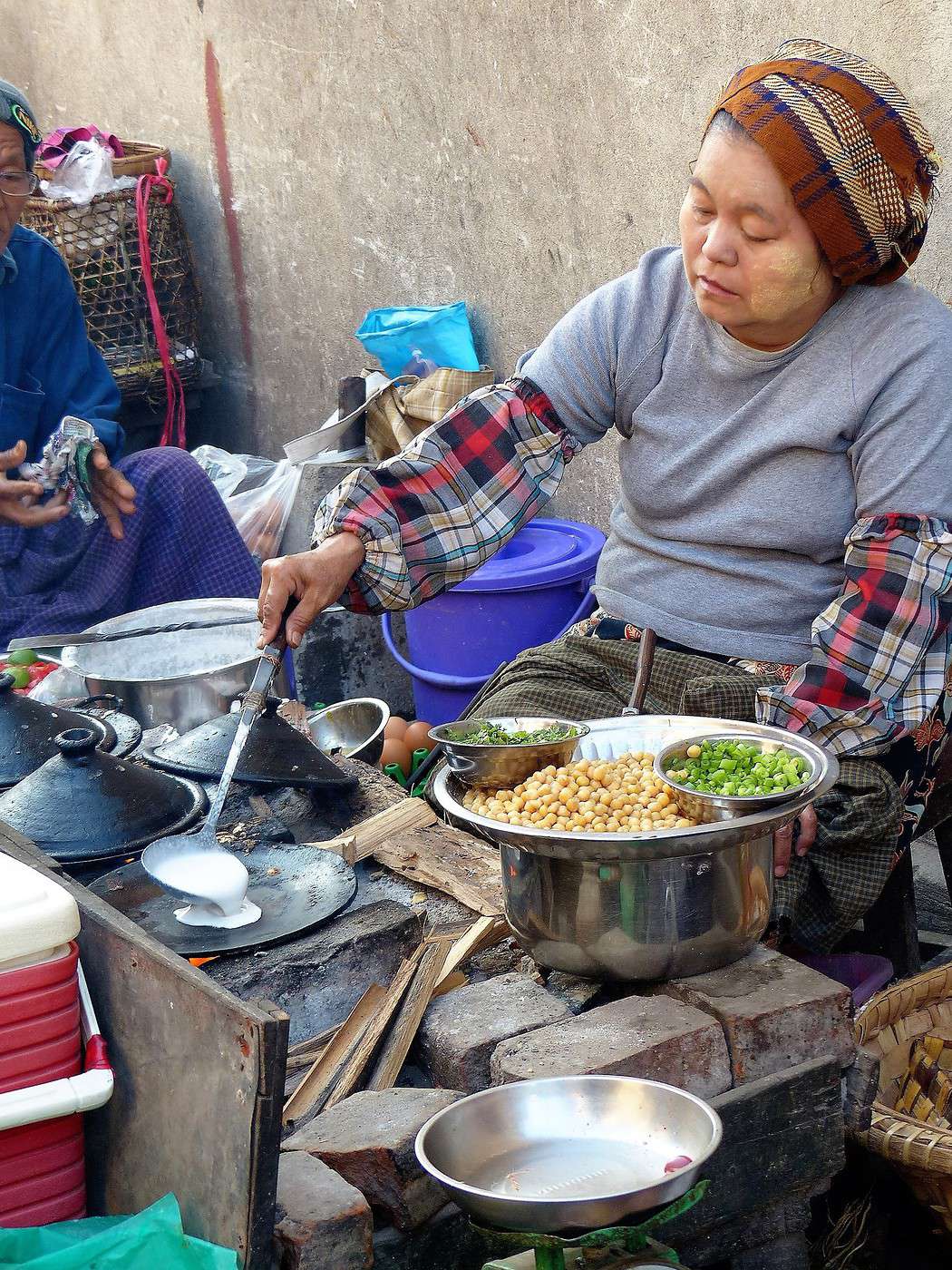
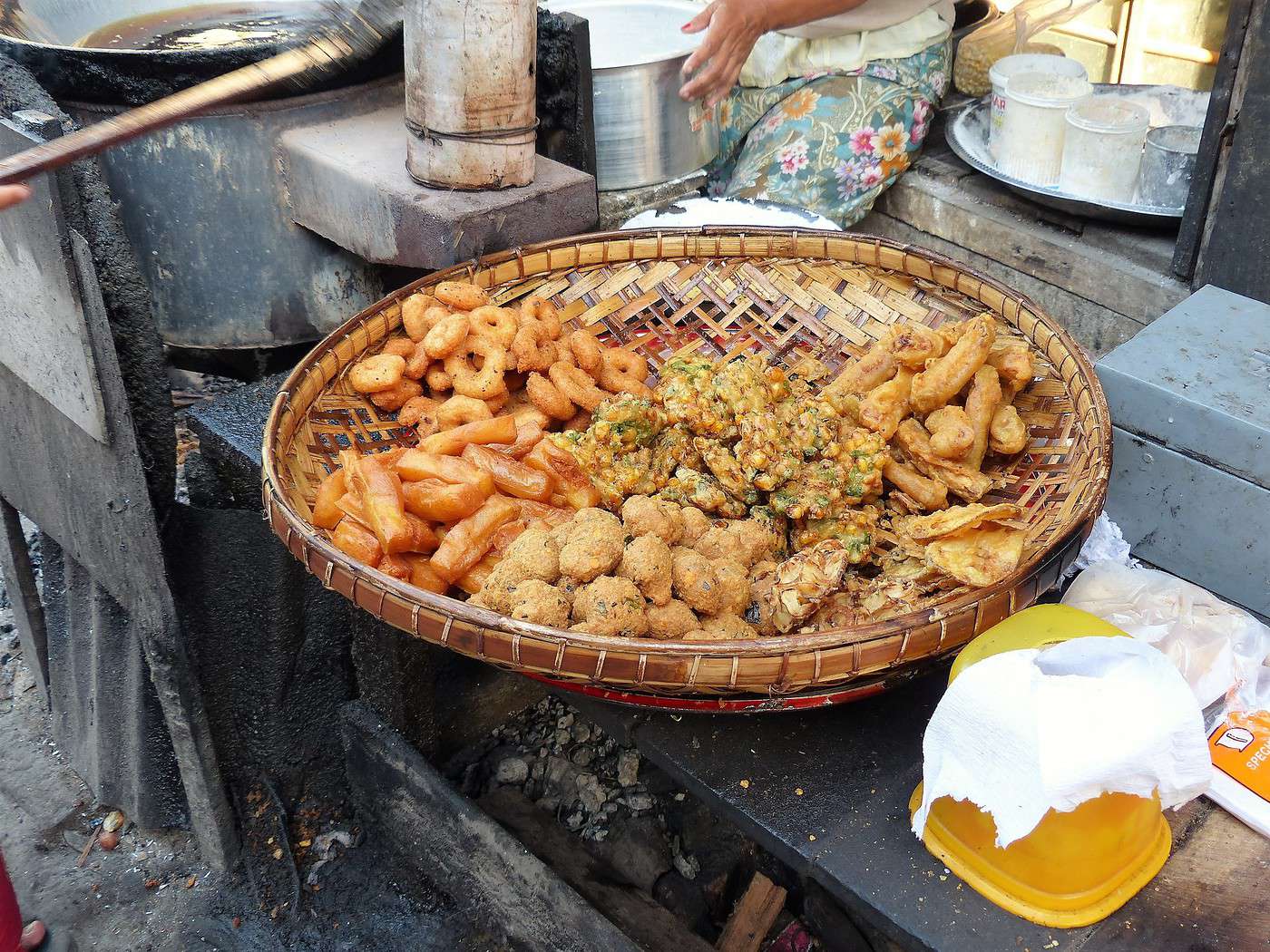
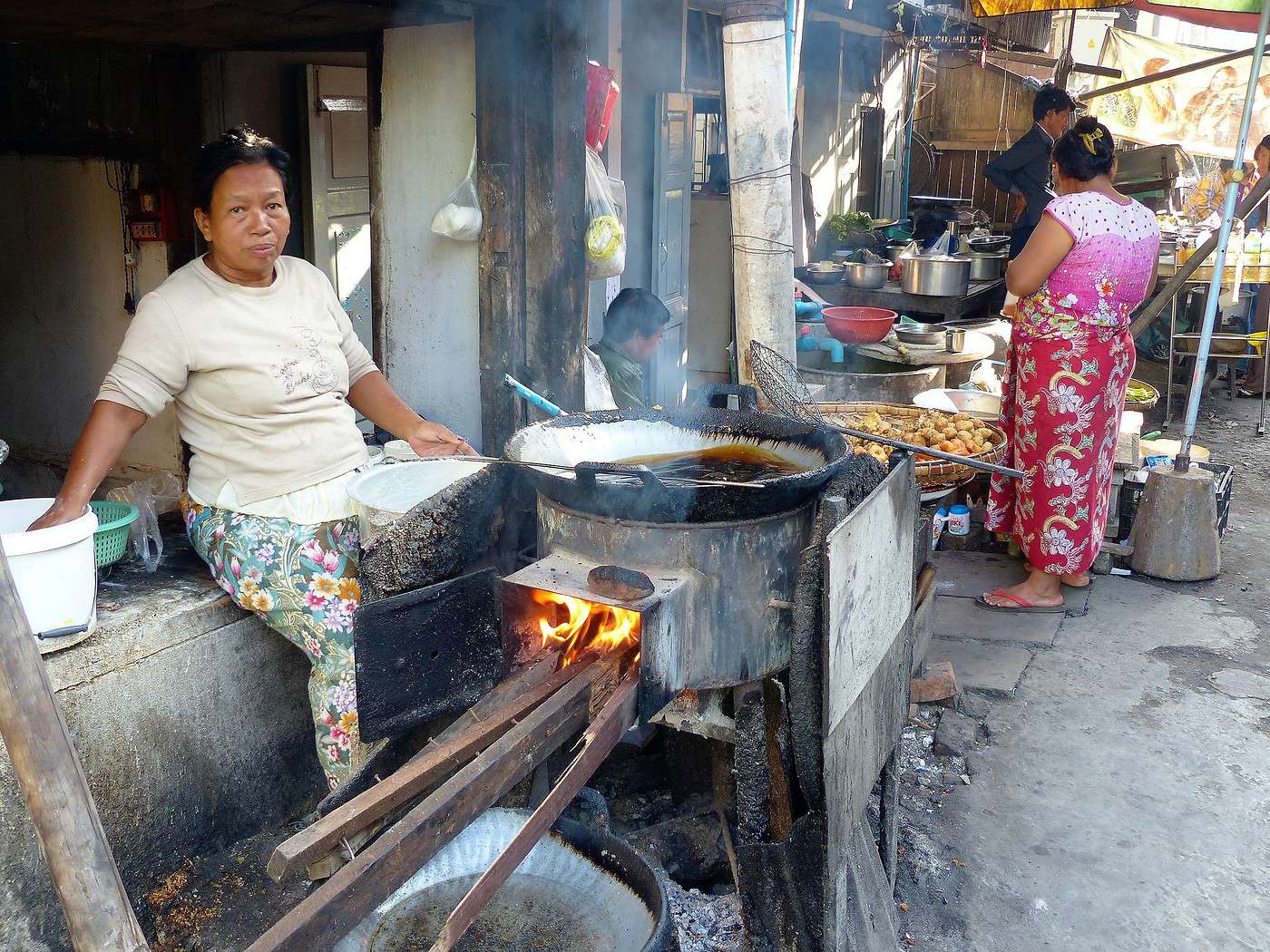
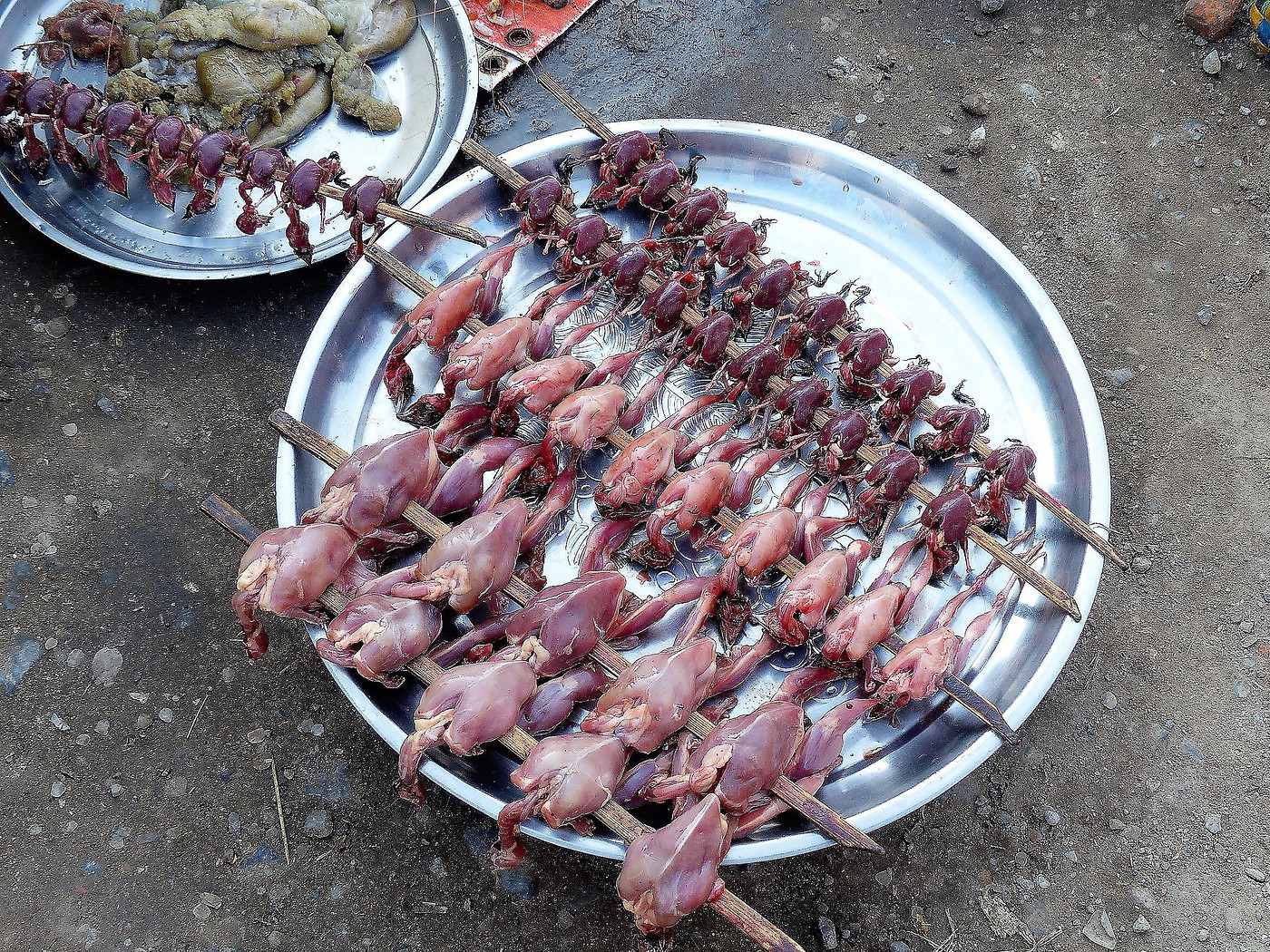
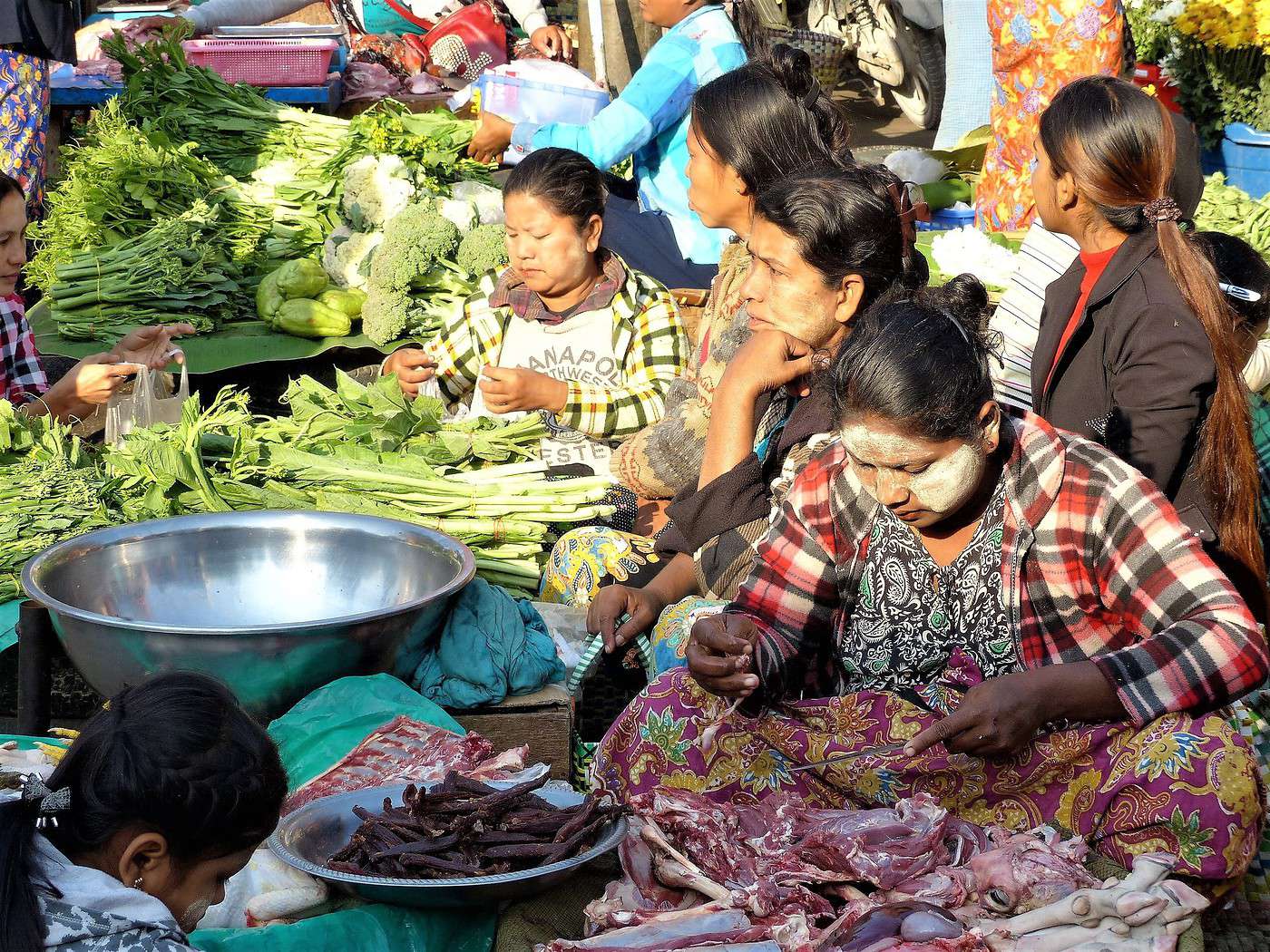
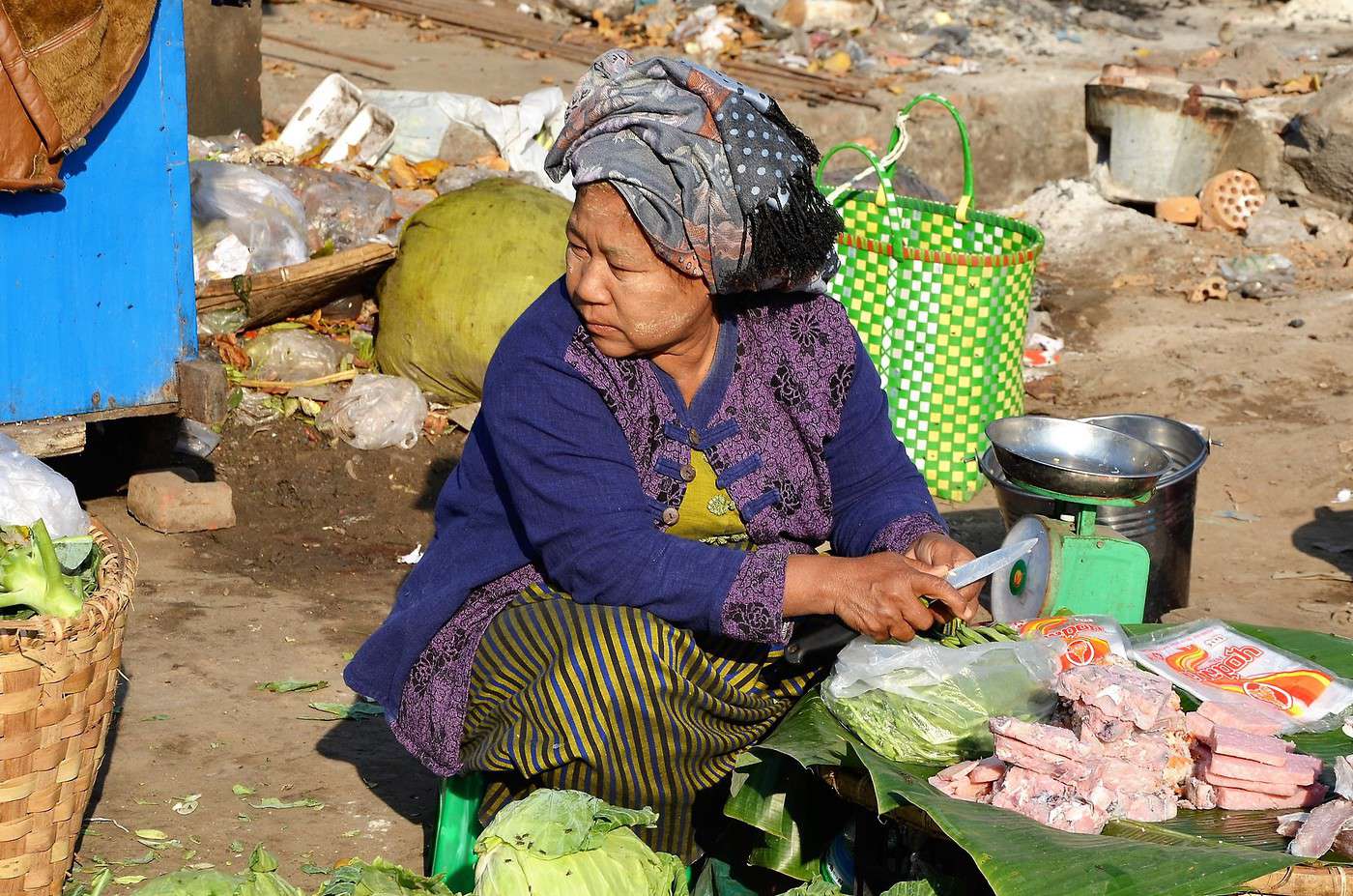
Every morning there's a little street market right at the foot of the hotel. We passed through quickly yesterday, but this morning we got up a bit earlier to take our time wandering around before heading out for the day. We never get tired of it!


More to come in the next two posts, and that'll be it for Mandalay!

Burma as we had dreamed it

Fabhyène · 2017-05-10 · Message 37 of 94

(Mandalay, day 3, continued)

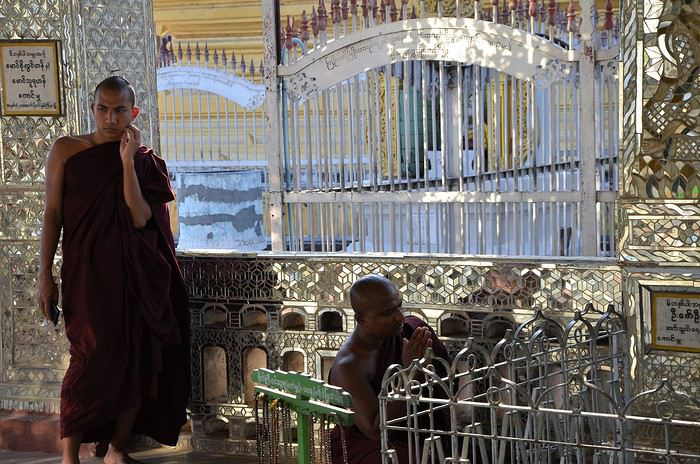
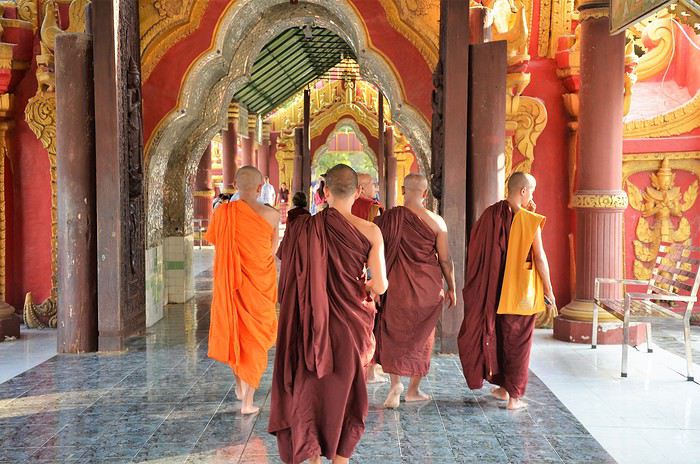
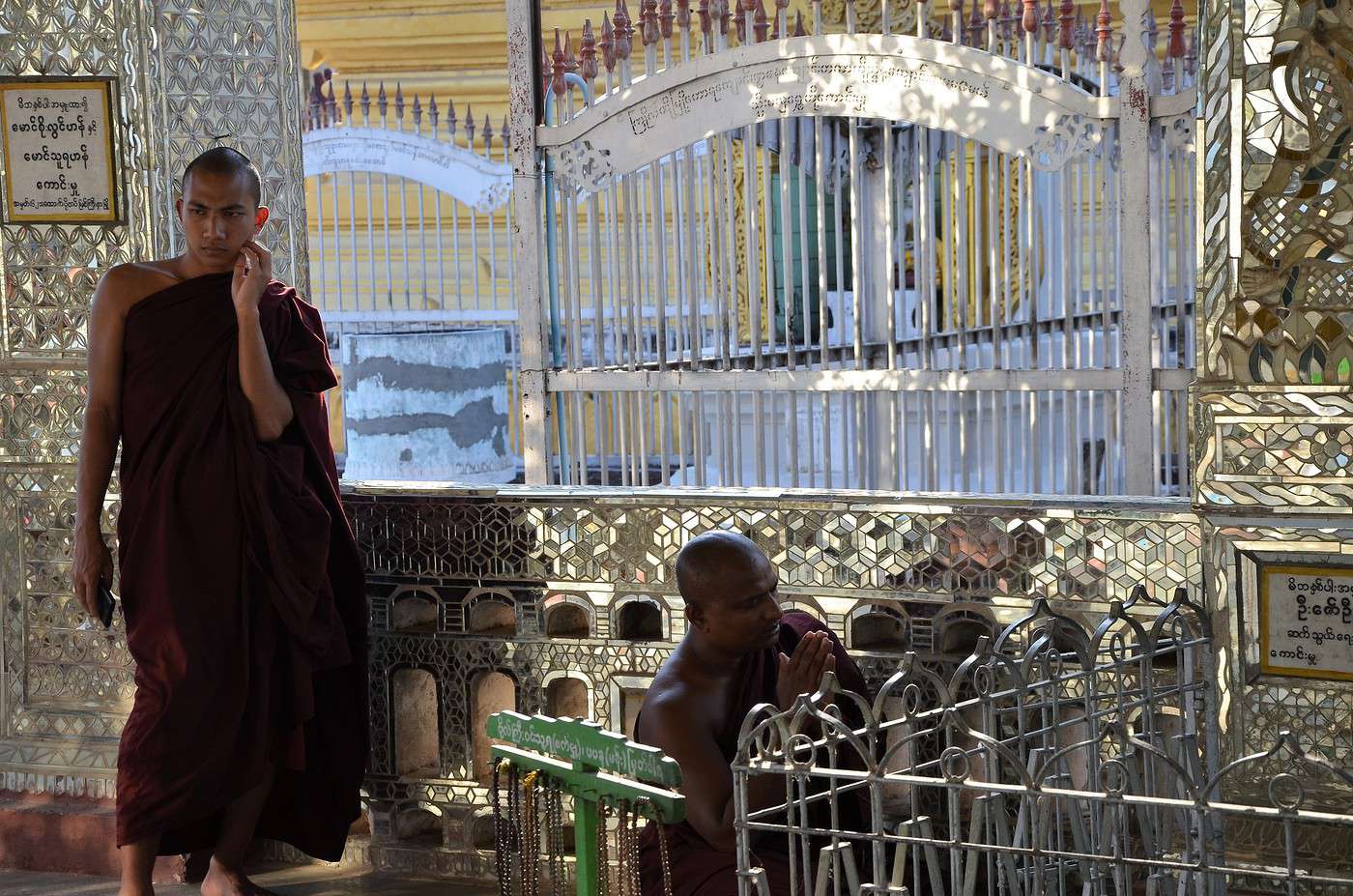
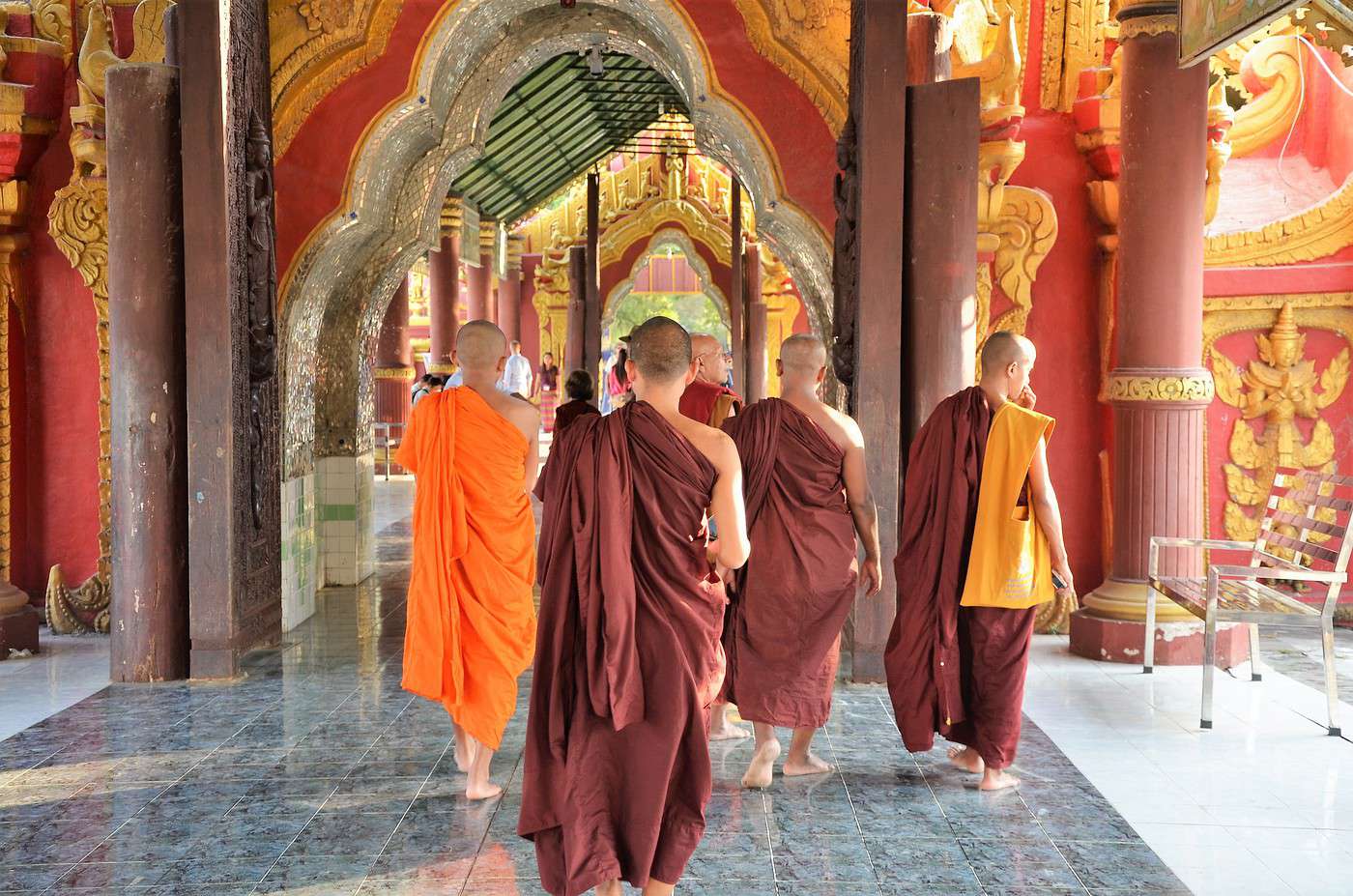
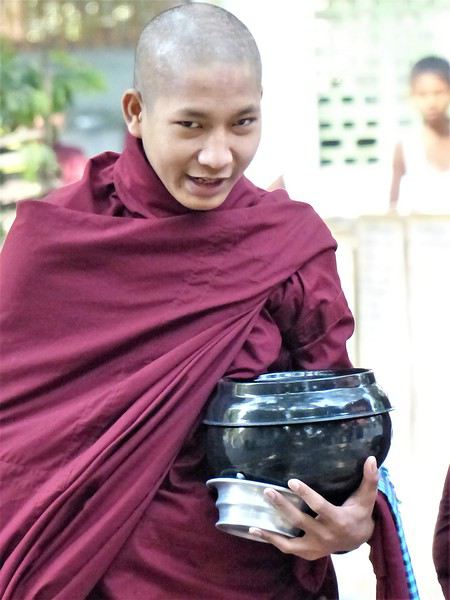
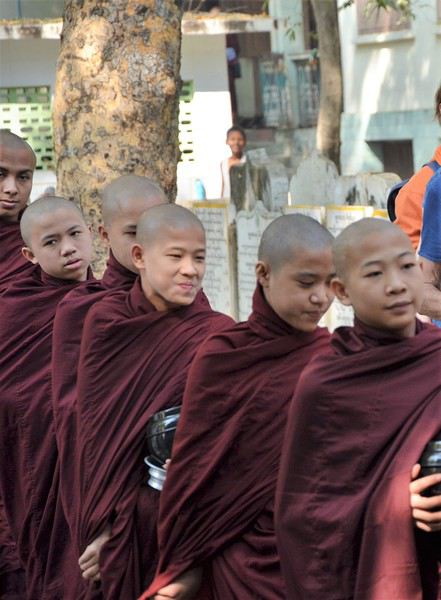
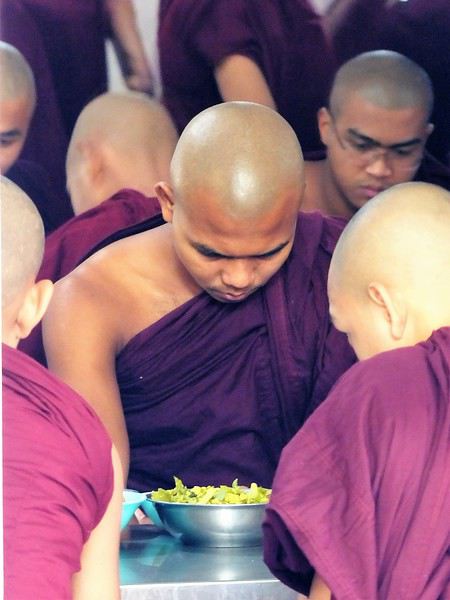
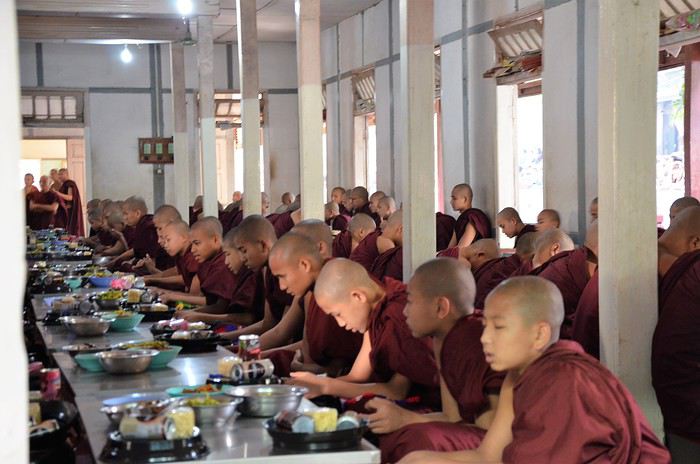
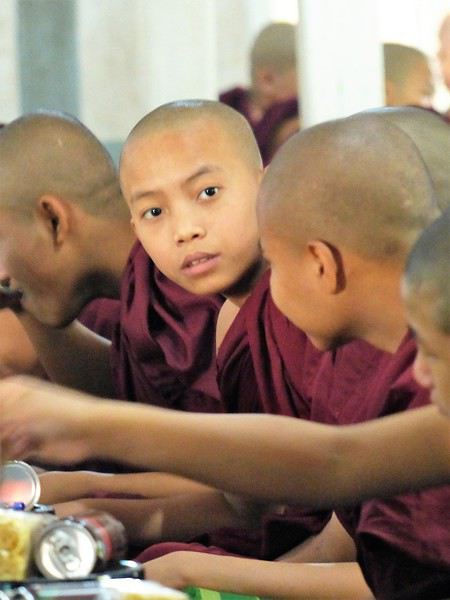
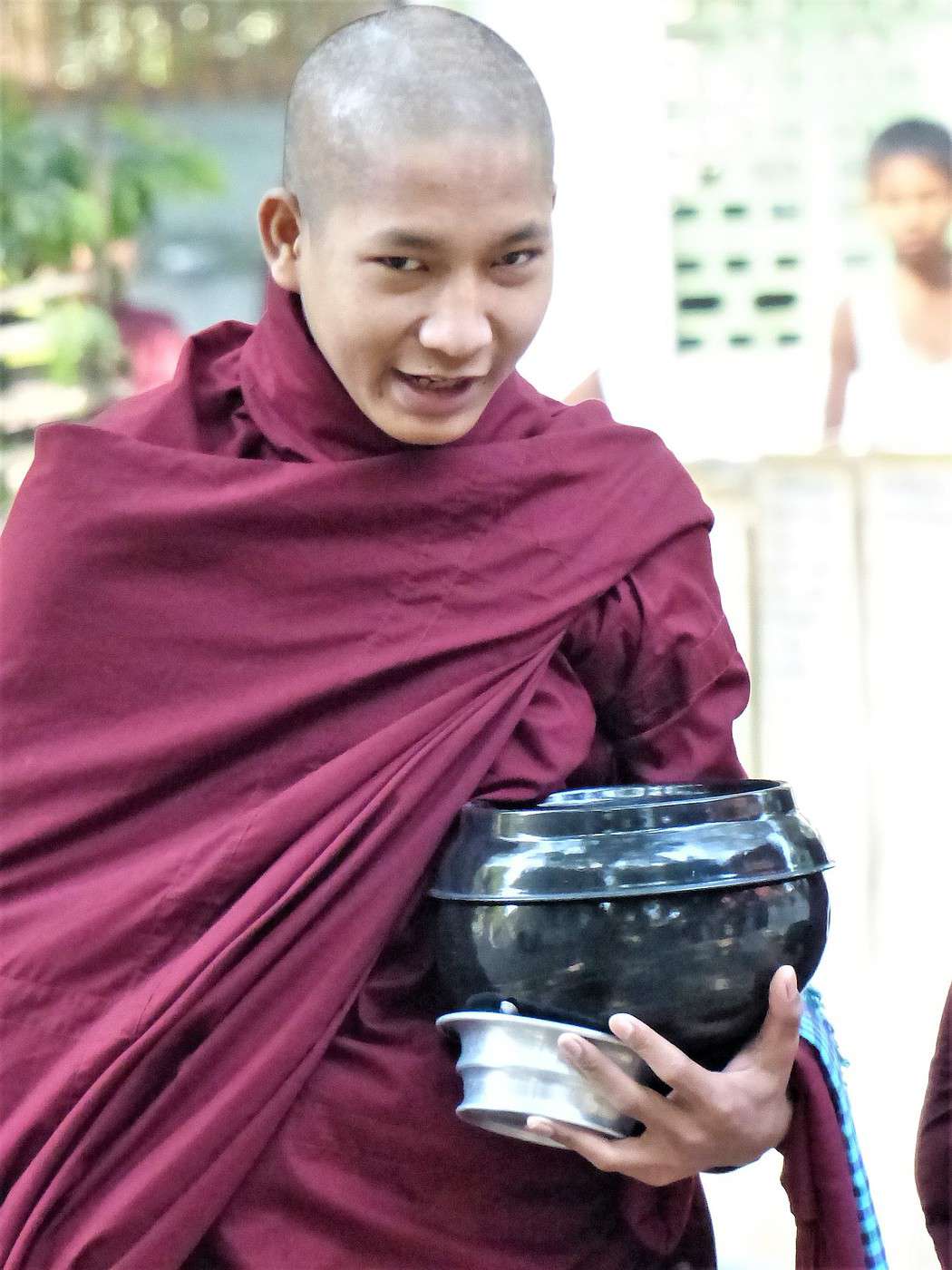
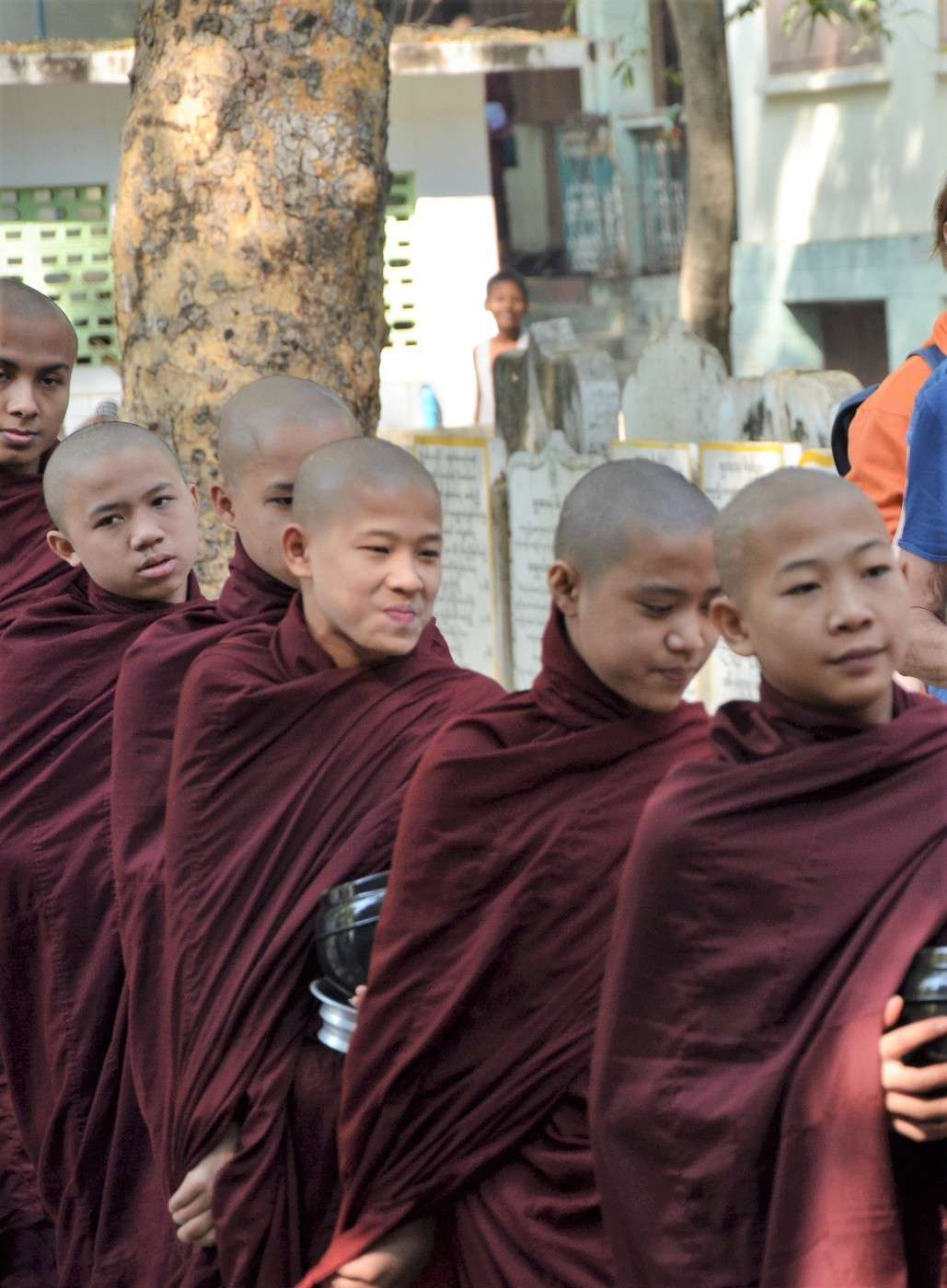
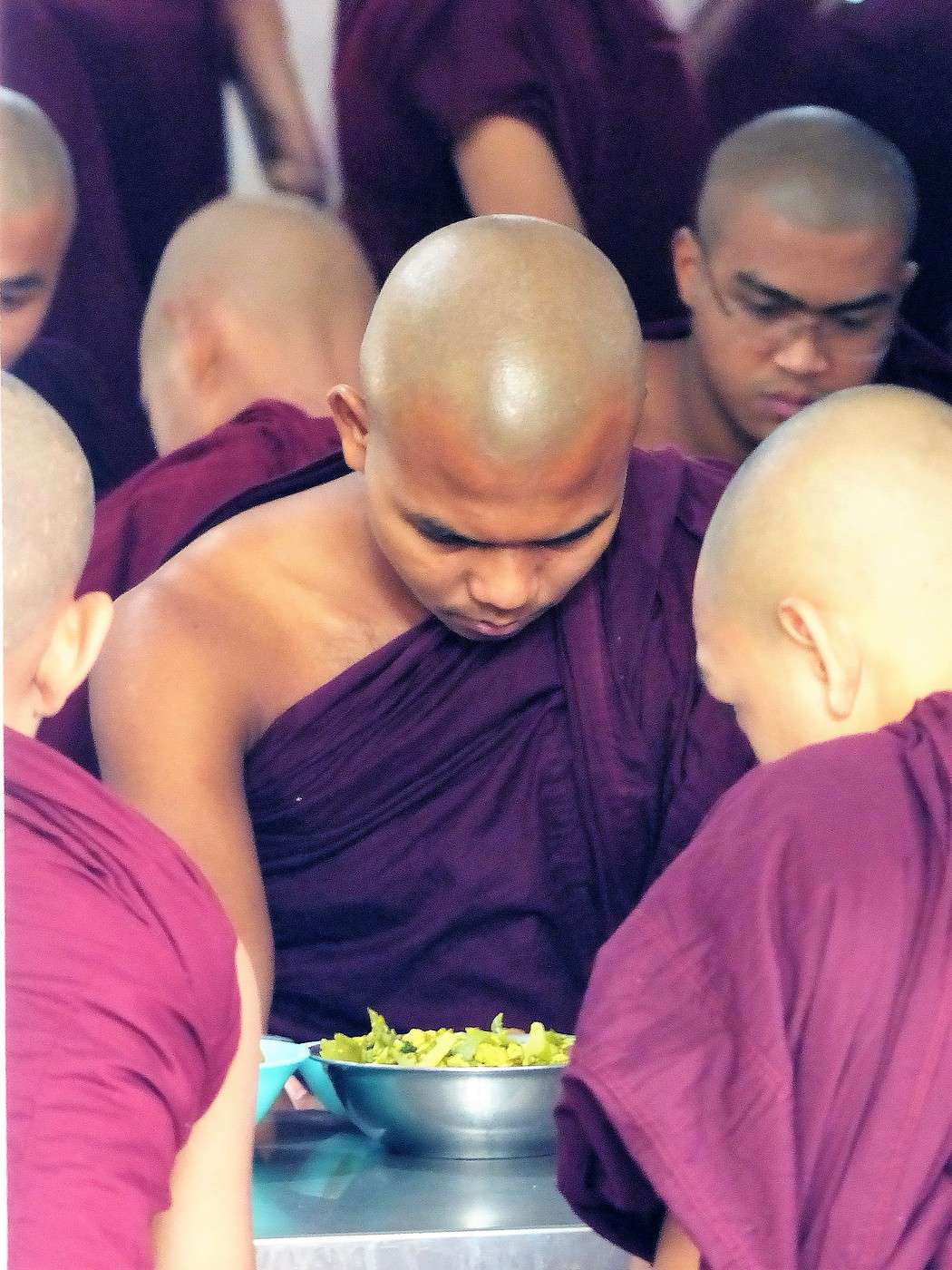
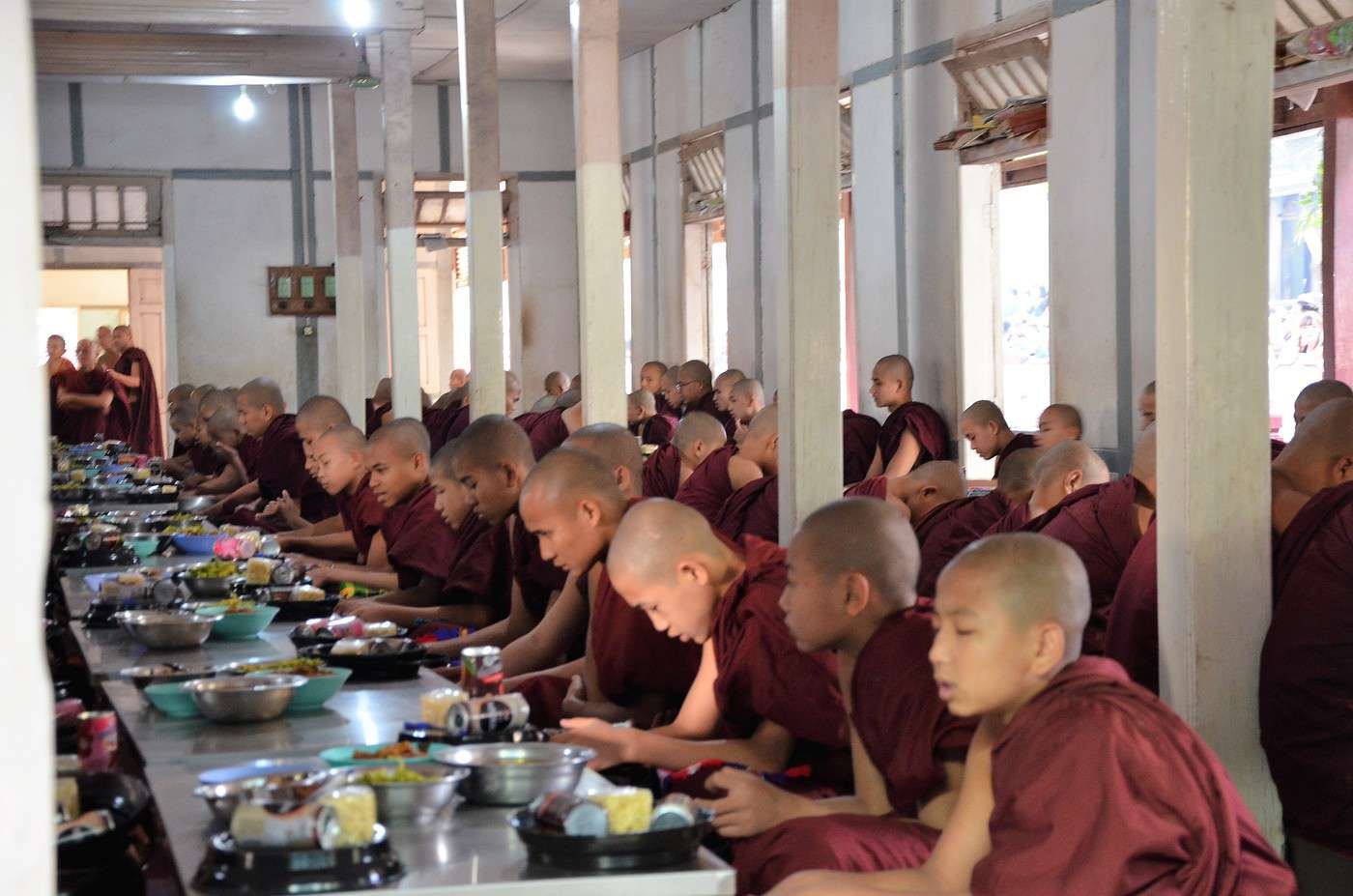
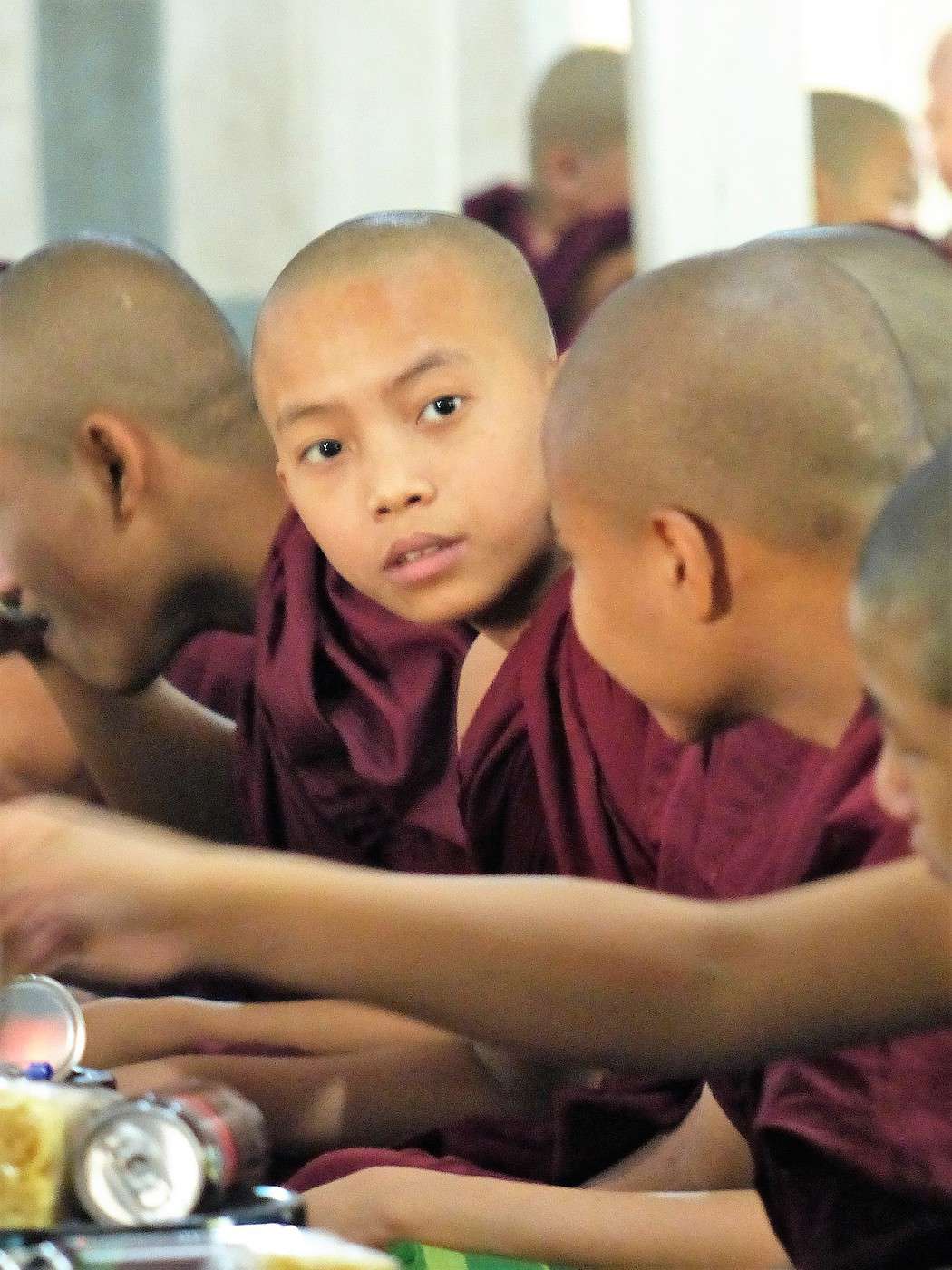
After the market, we head to the monastery of the 1,300 monks, or Mahagandaryone, in Amrapura, a small town near Mandalay and a former royal capital. Every morning at 10:15 AM, the monks and novices line up before heading to the vast refectories where their breakfast awaits. This monastery, renowned for the quality of its teaching, lives on donations and its publications, sparing its residents from having to collect alms in the streets each morning. Check out the selected and cropped photos below... because tourists are so numerous observing and photographing the monks that it’s rare not to see a bucket hat or a pink thigh in the shot!


Honestly, you can skip this "attraction"... though the monastery allows it because it contributes to its reputation and, therefore, the donations it receives.

We then went to explore Sagaing.


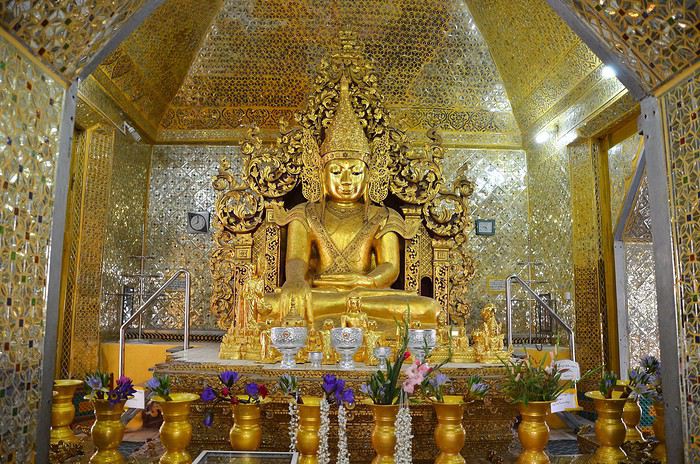
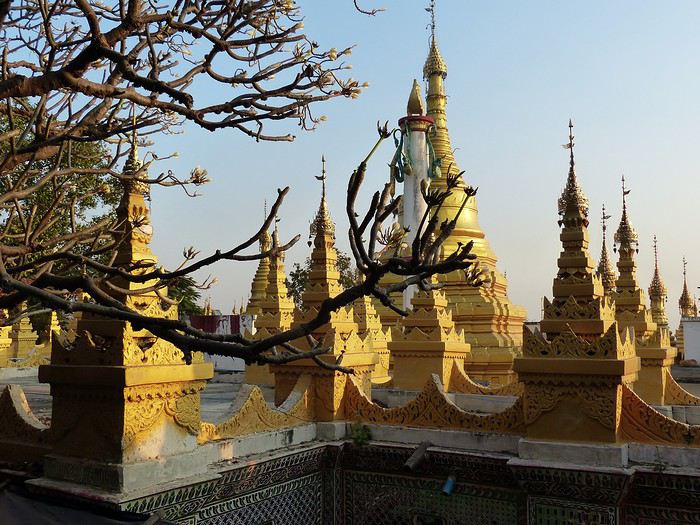
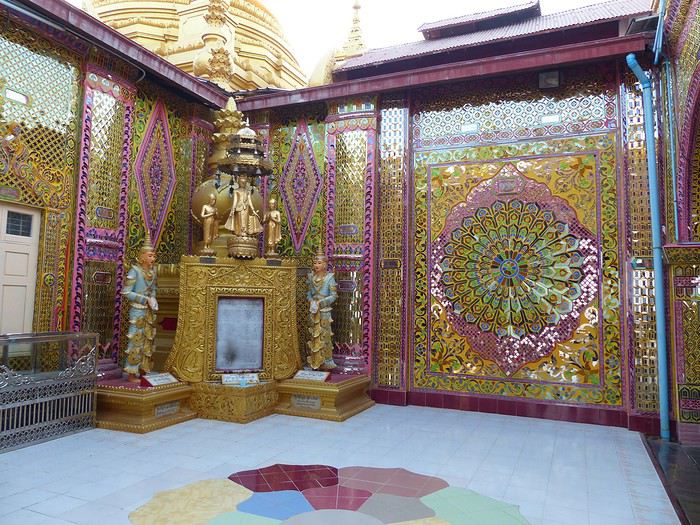
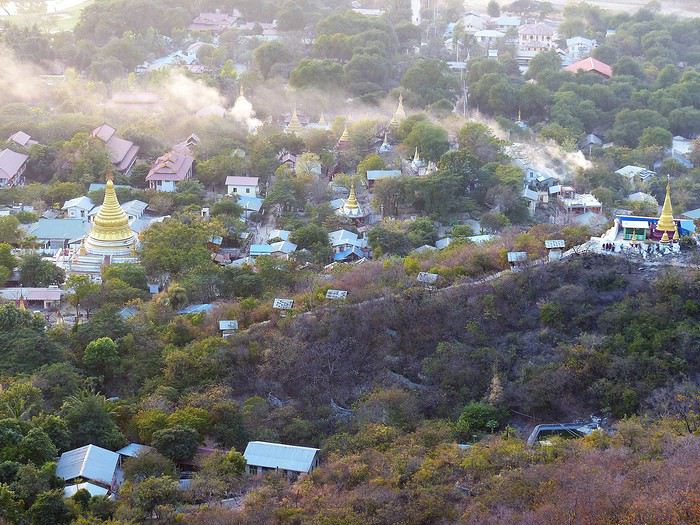
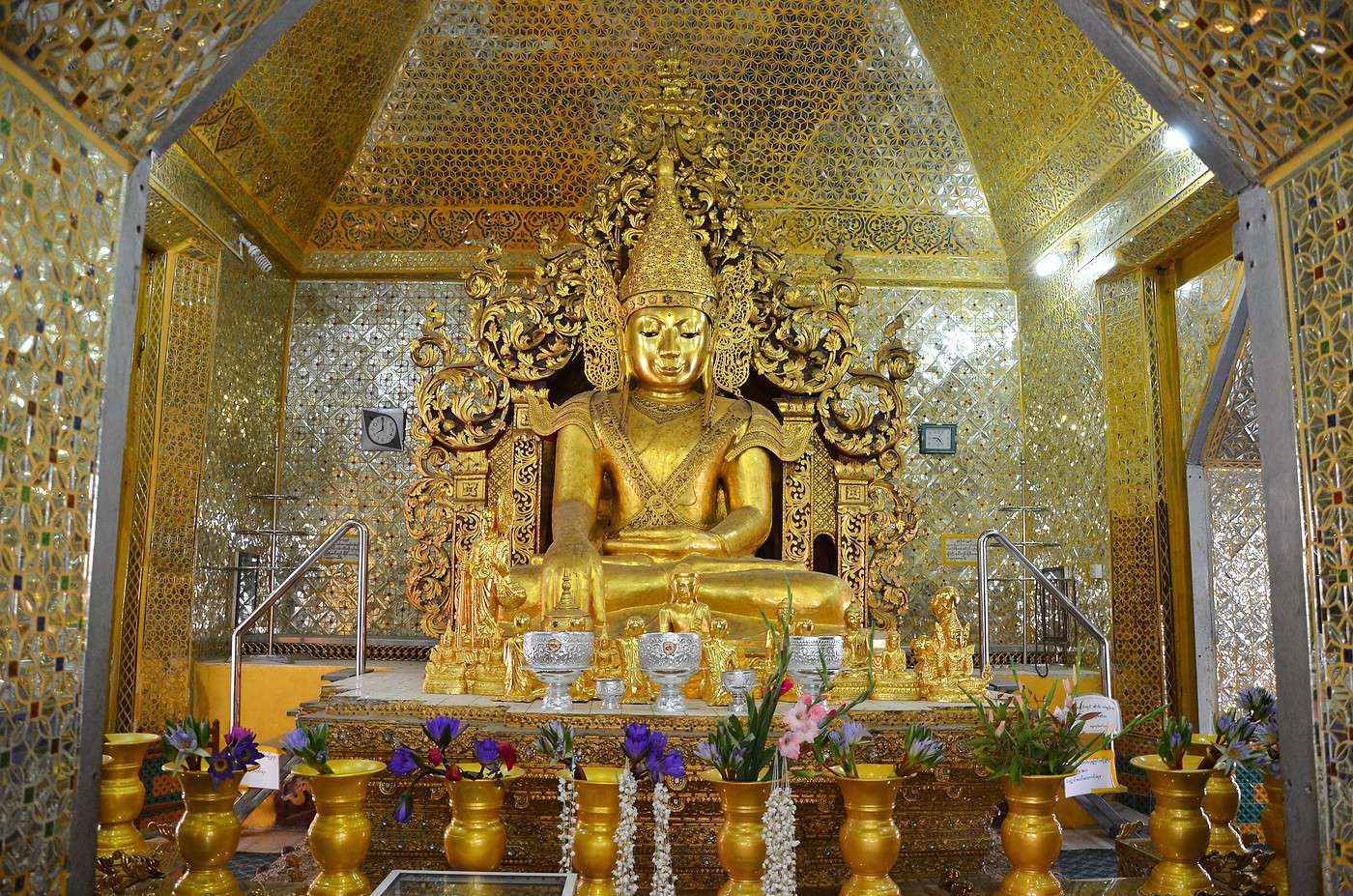
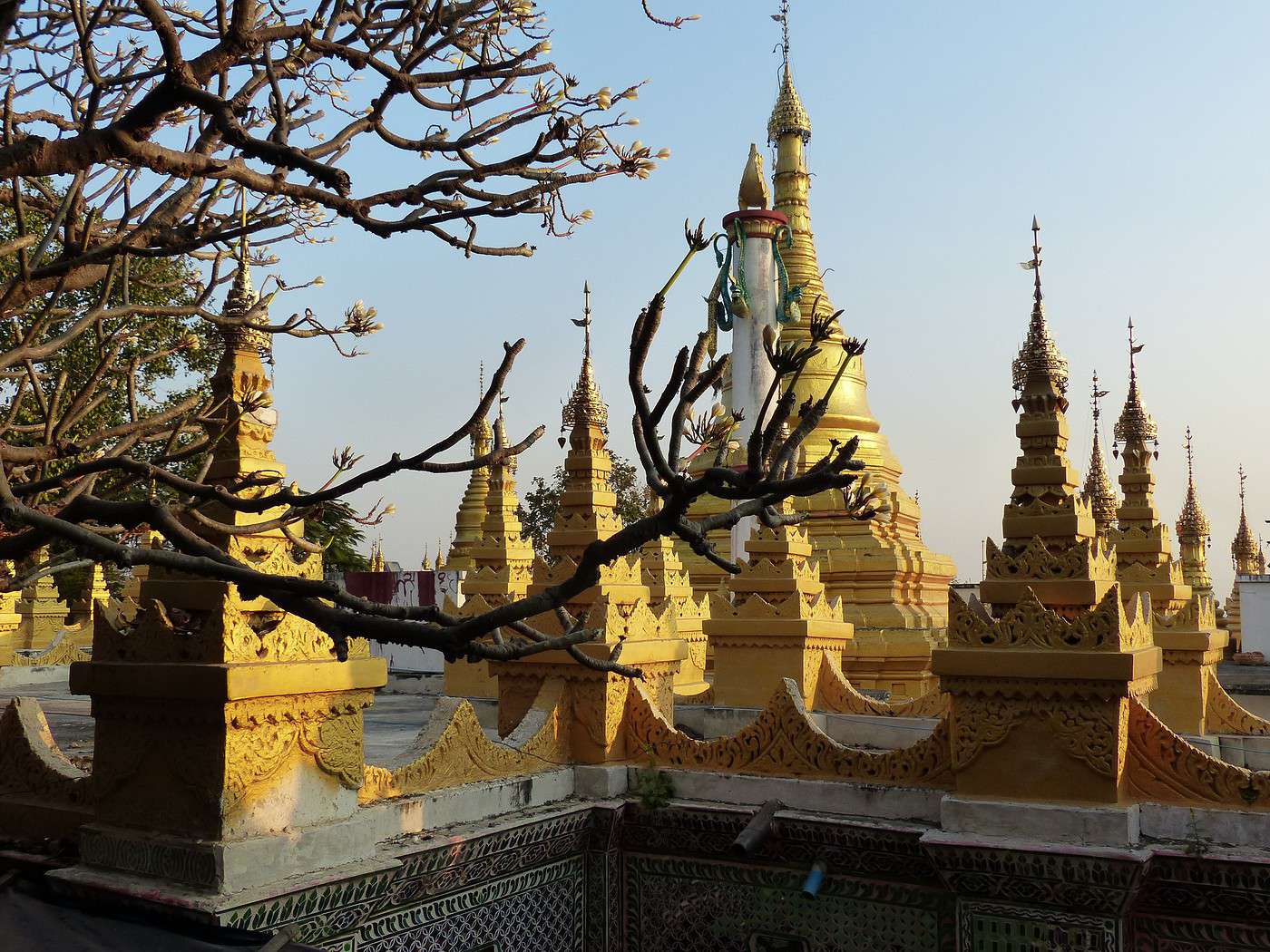
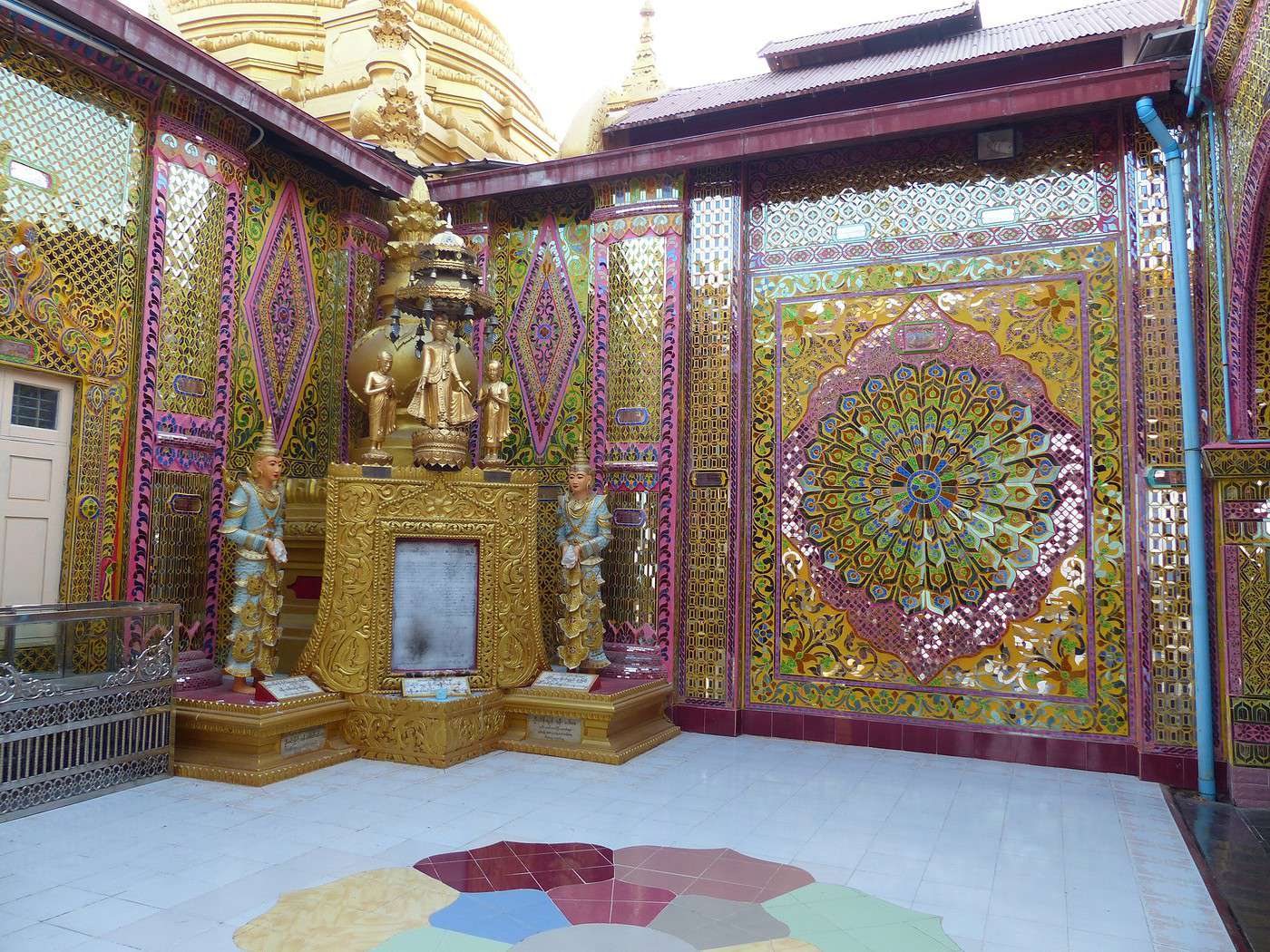
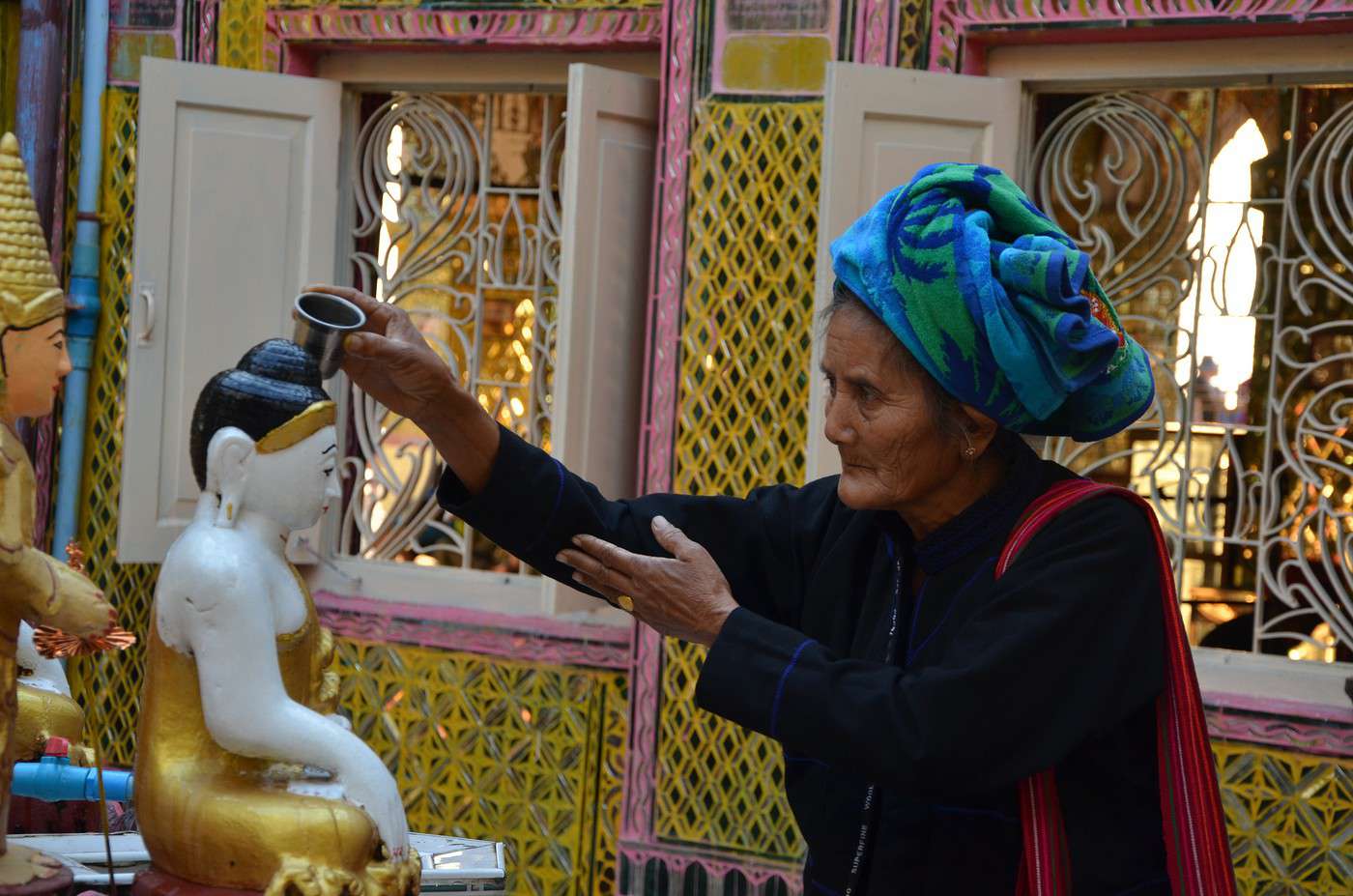
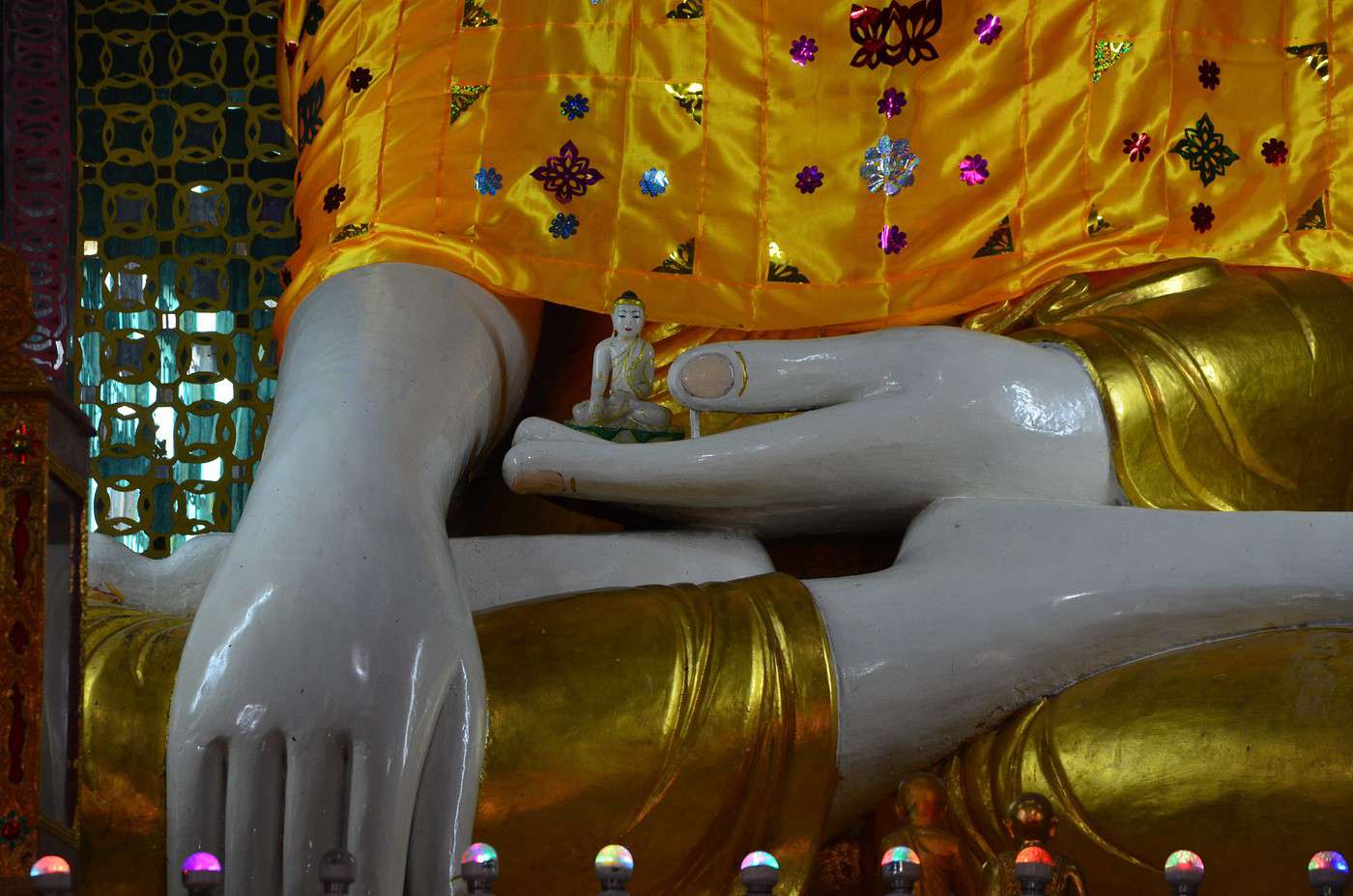
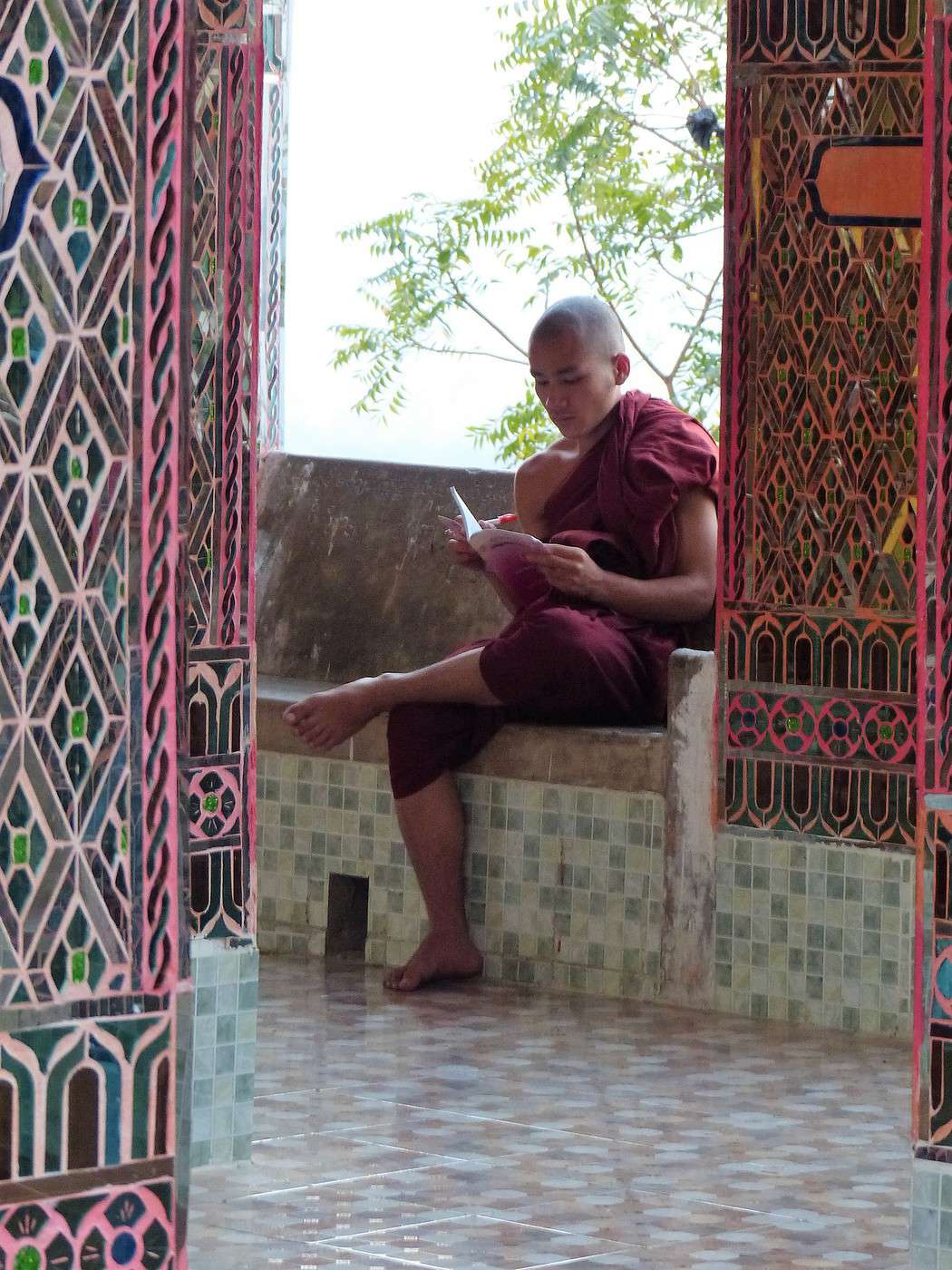
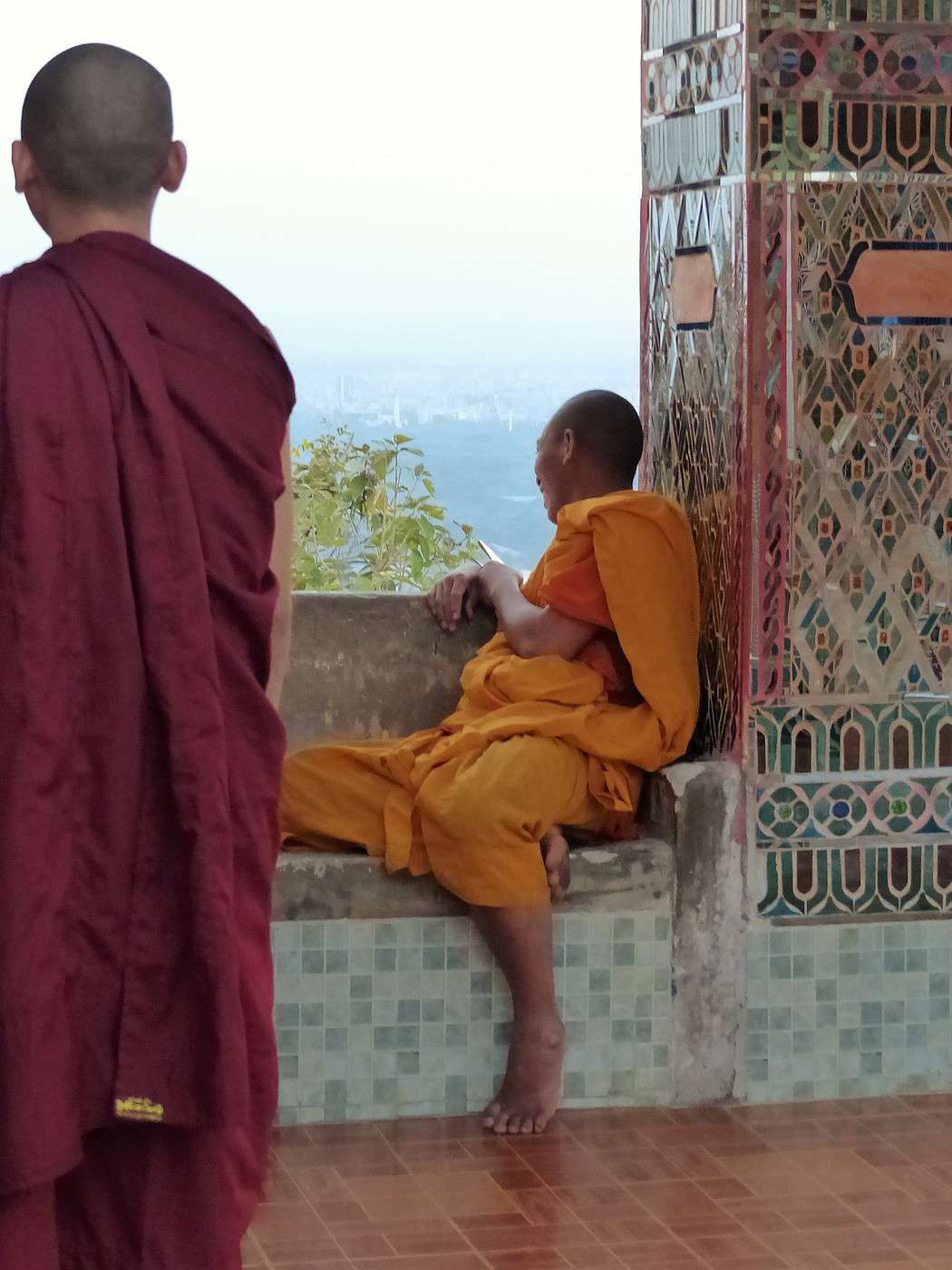
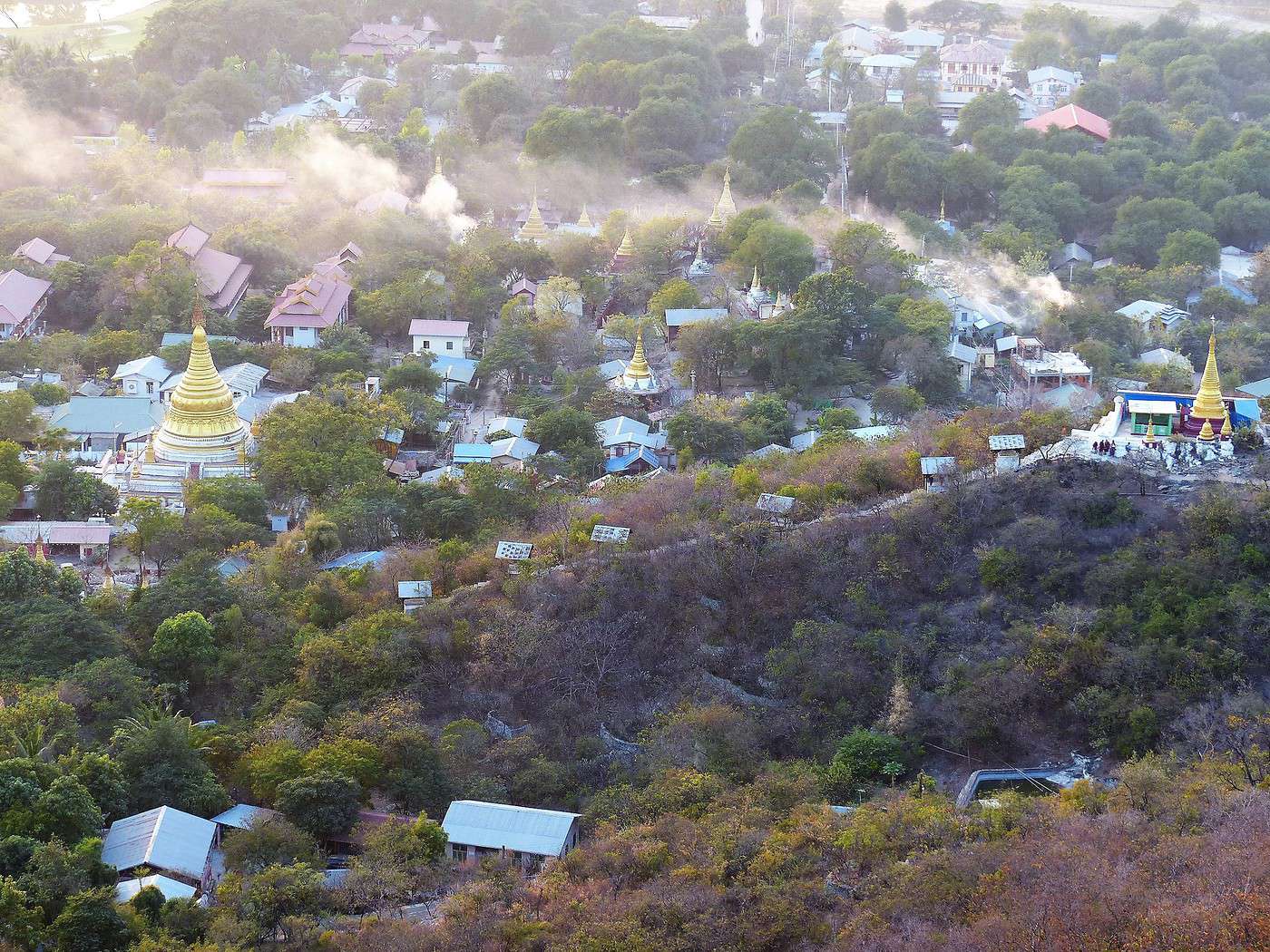
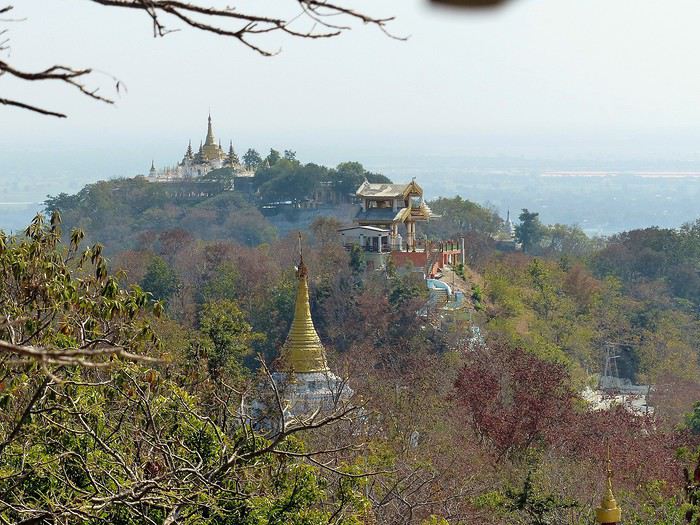
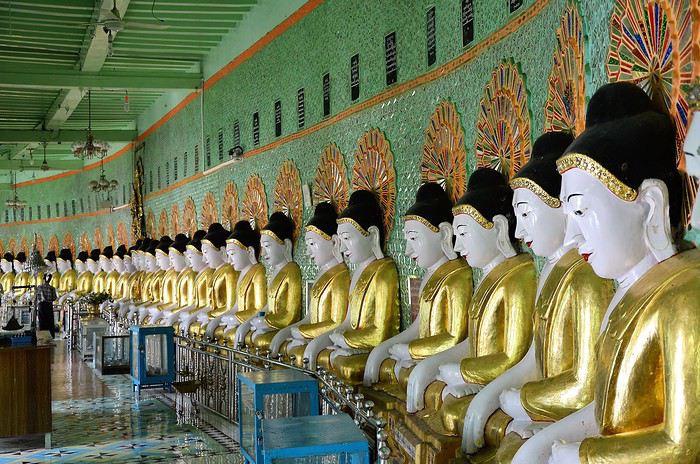
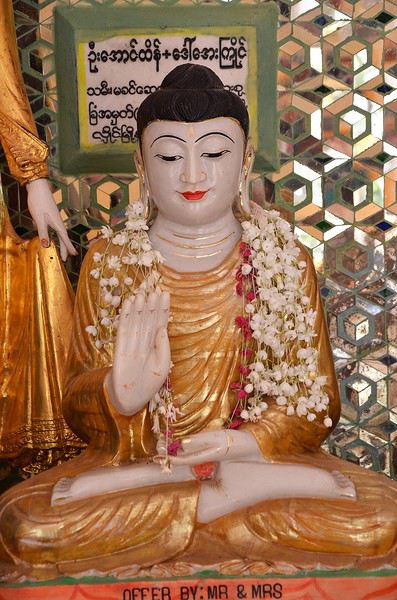
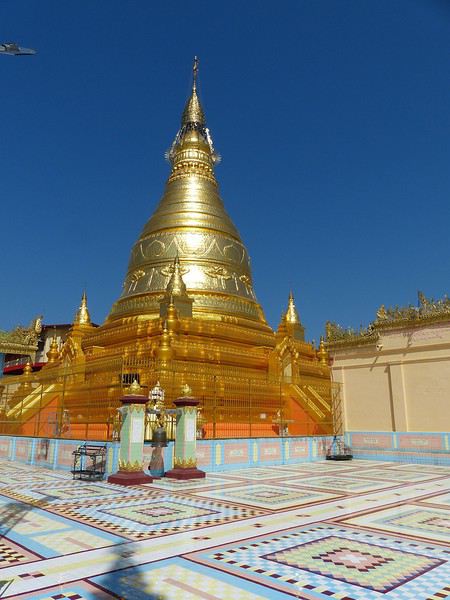
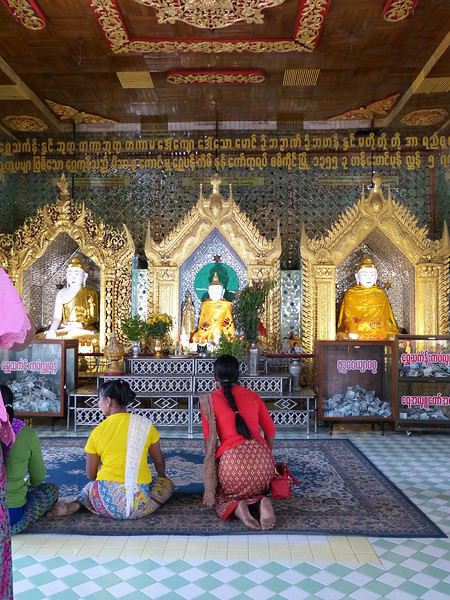
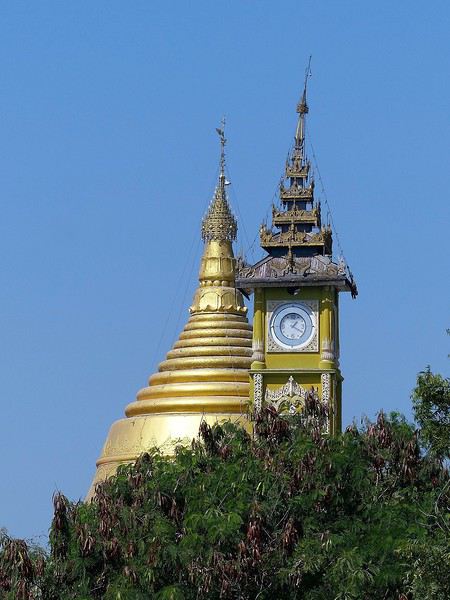
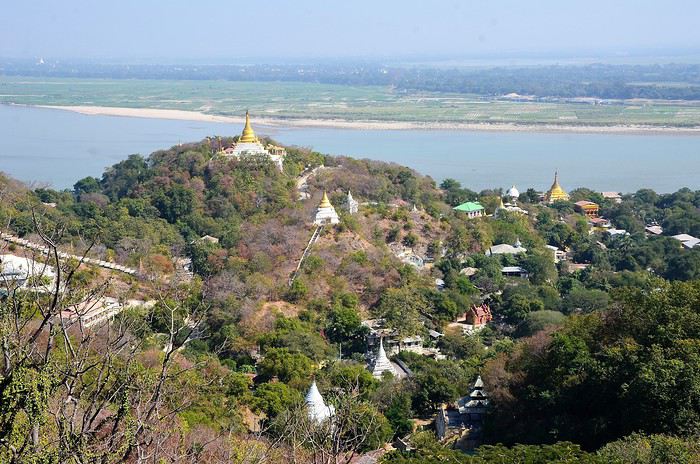
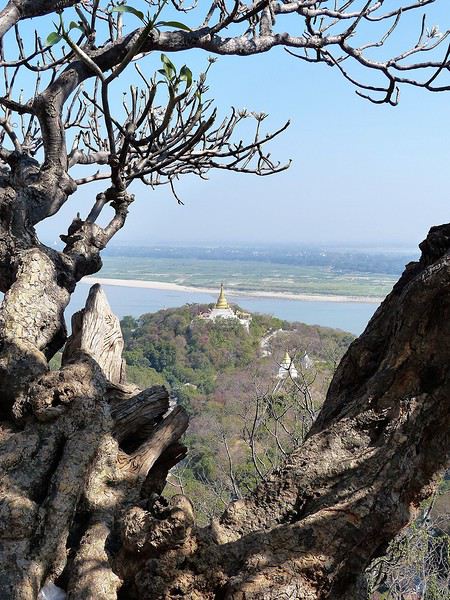
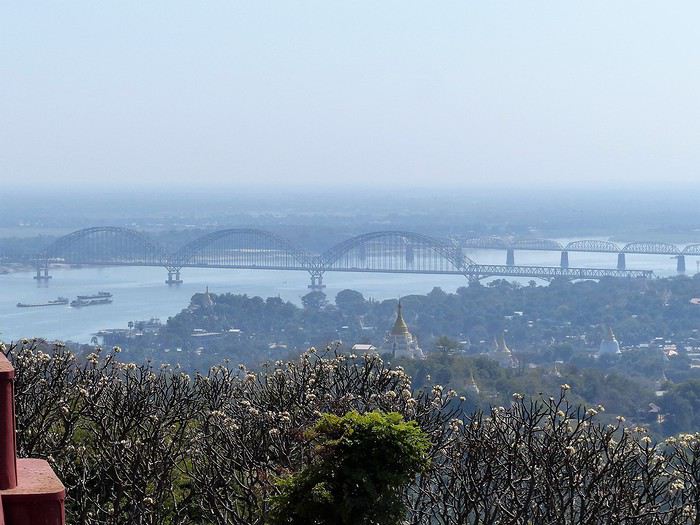
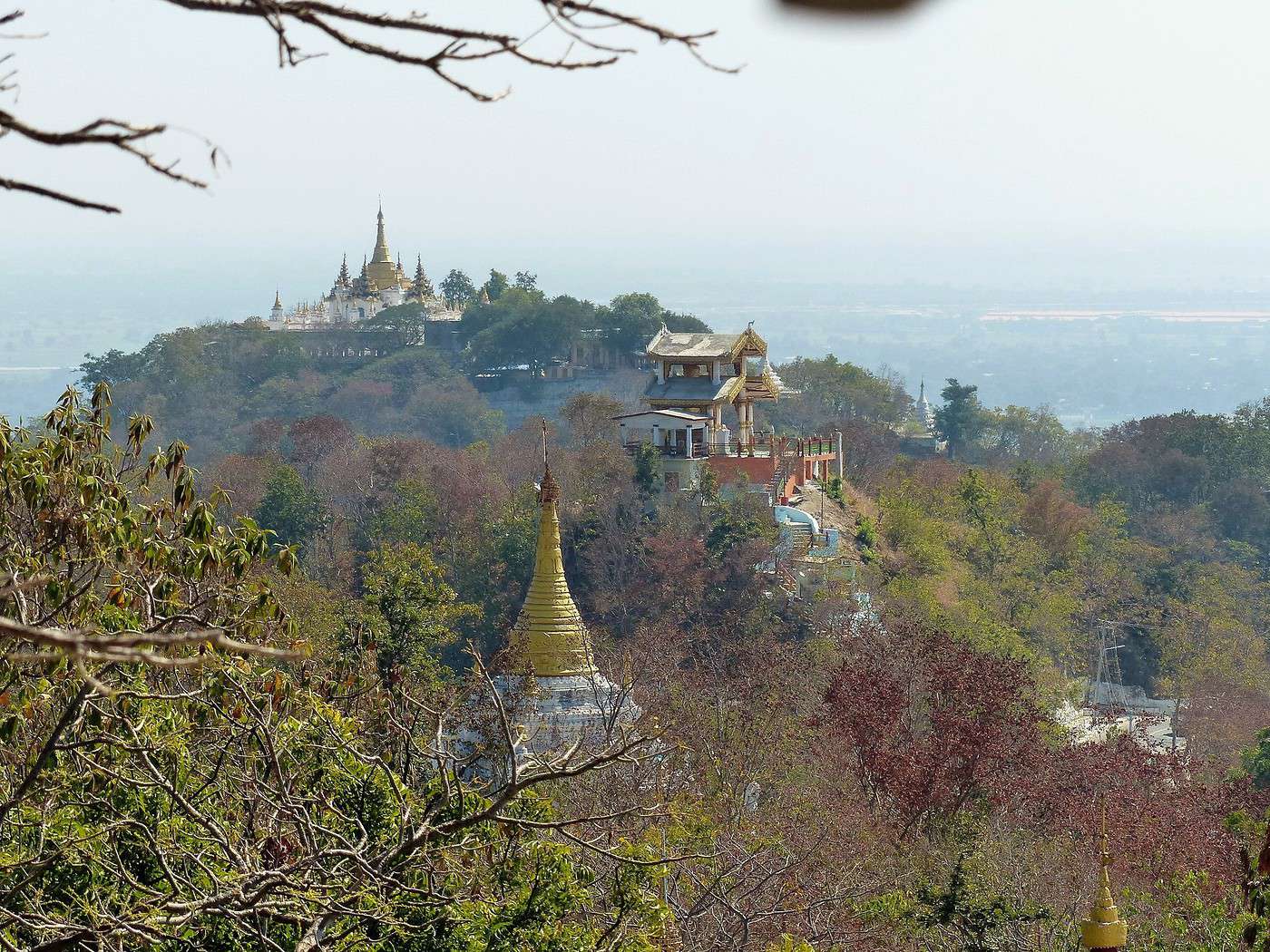
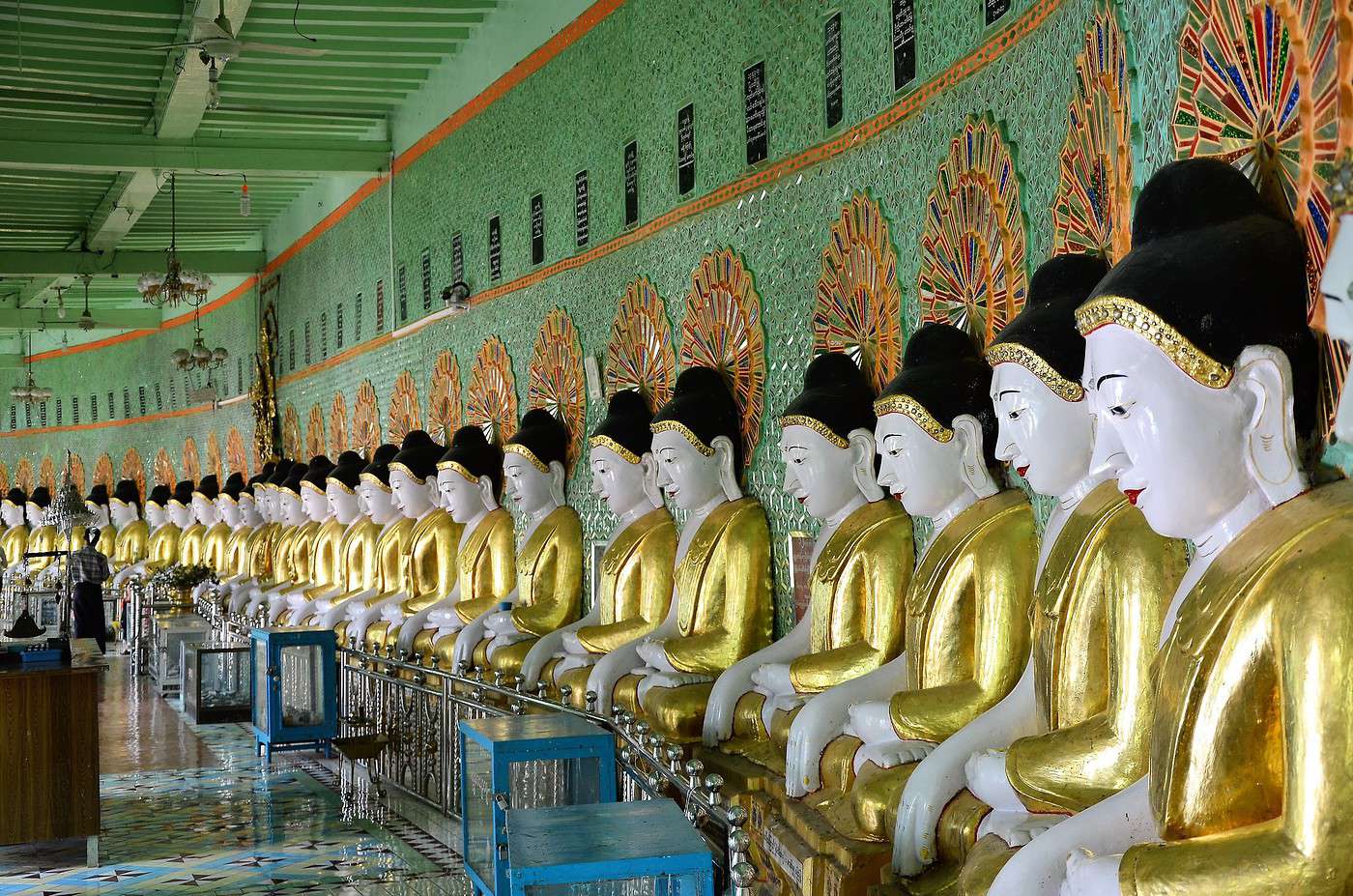
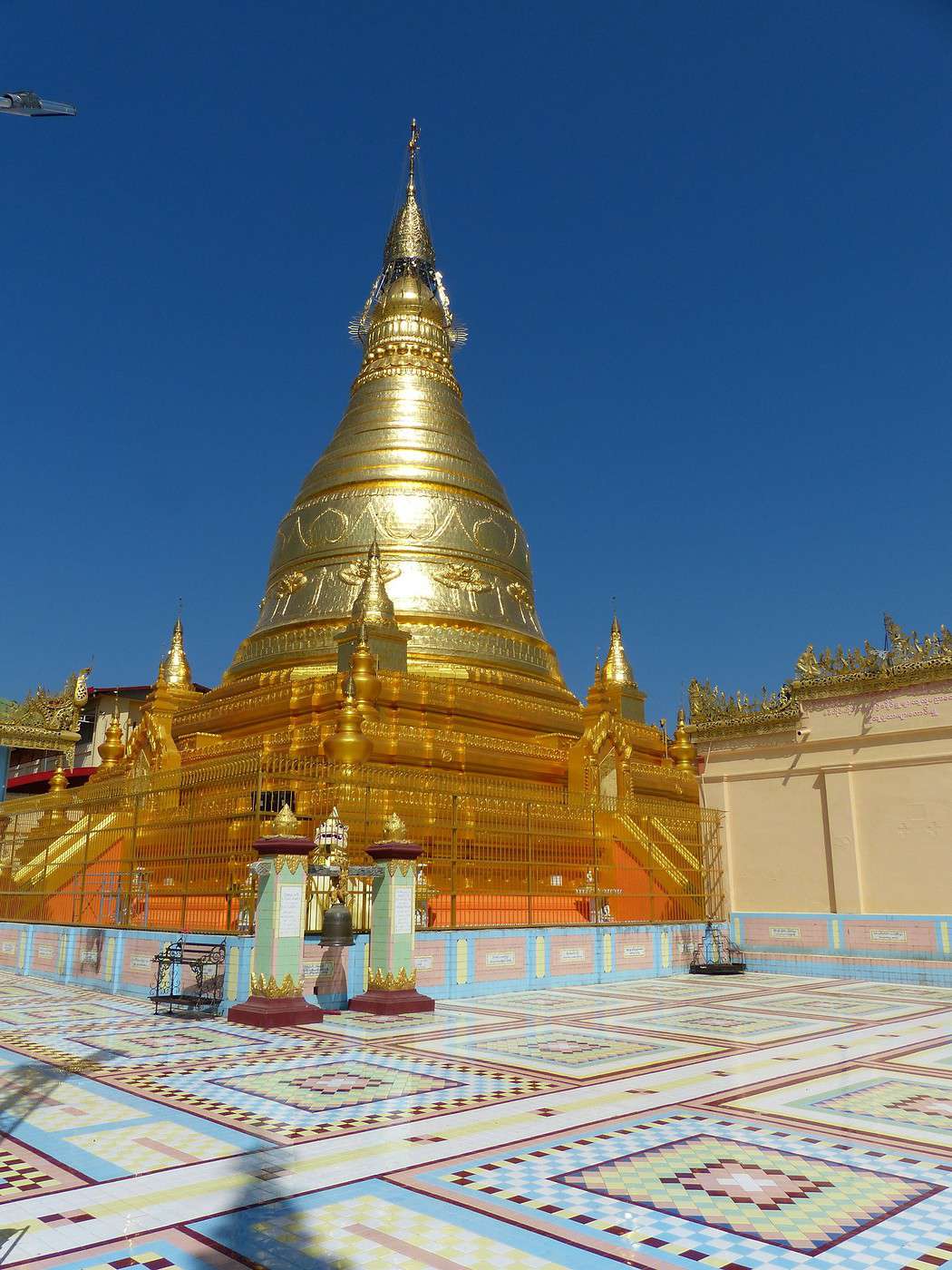
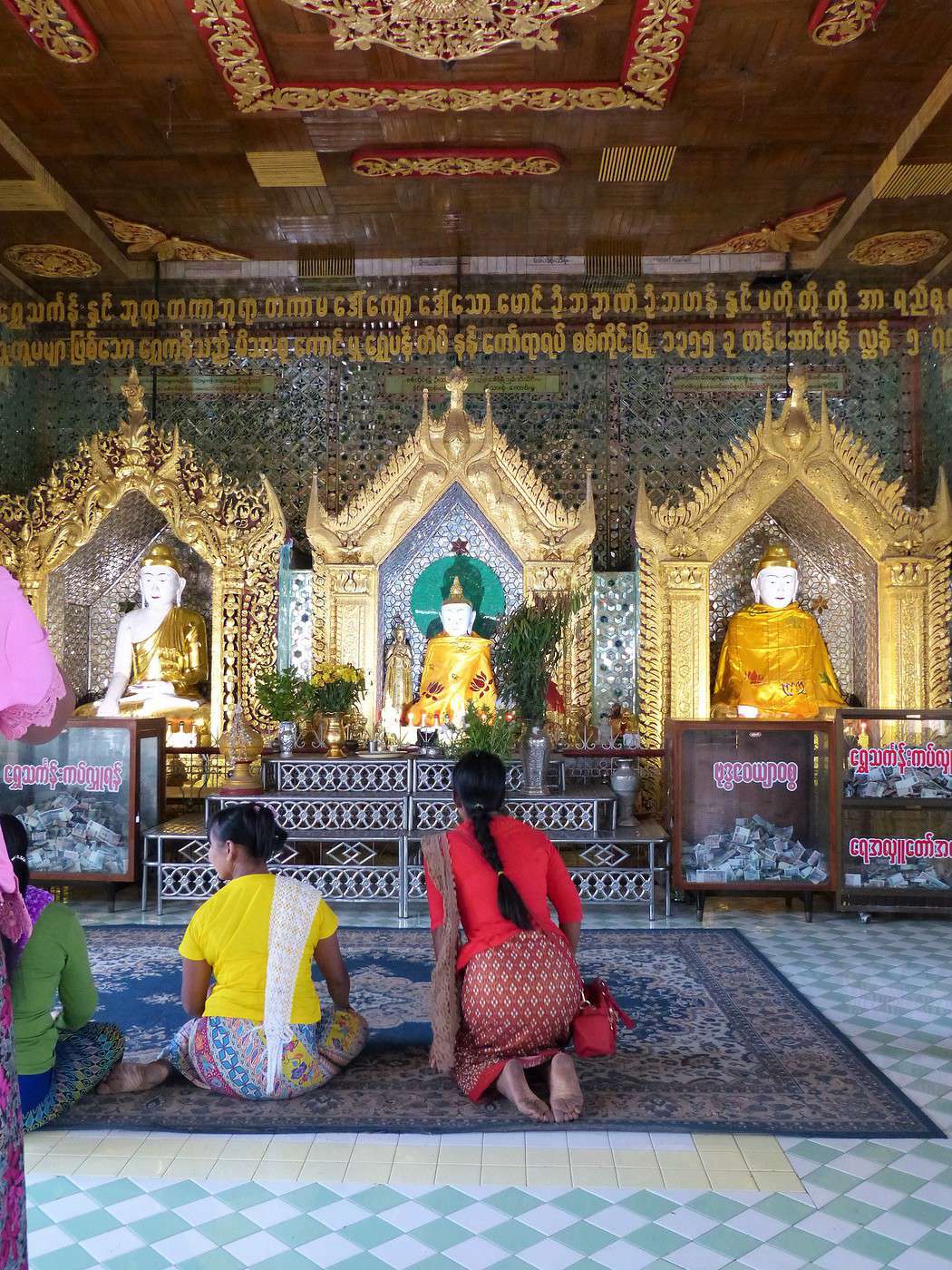
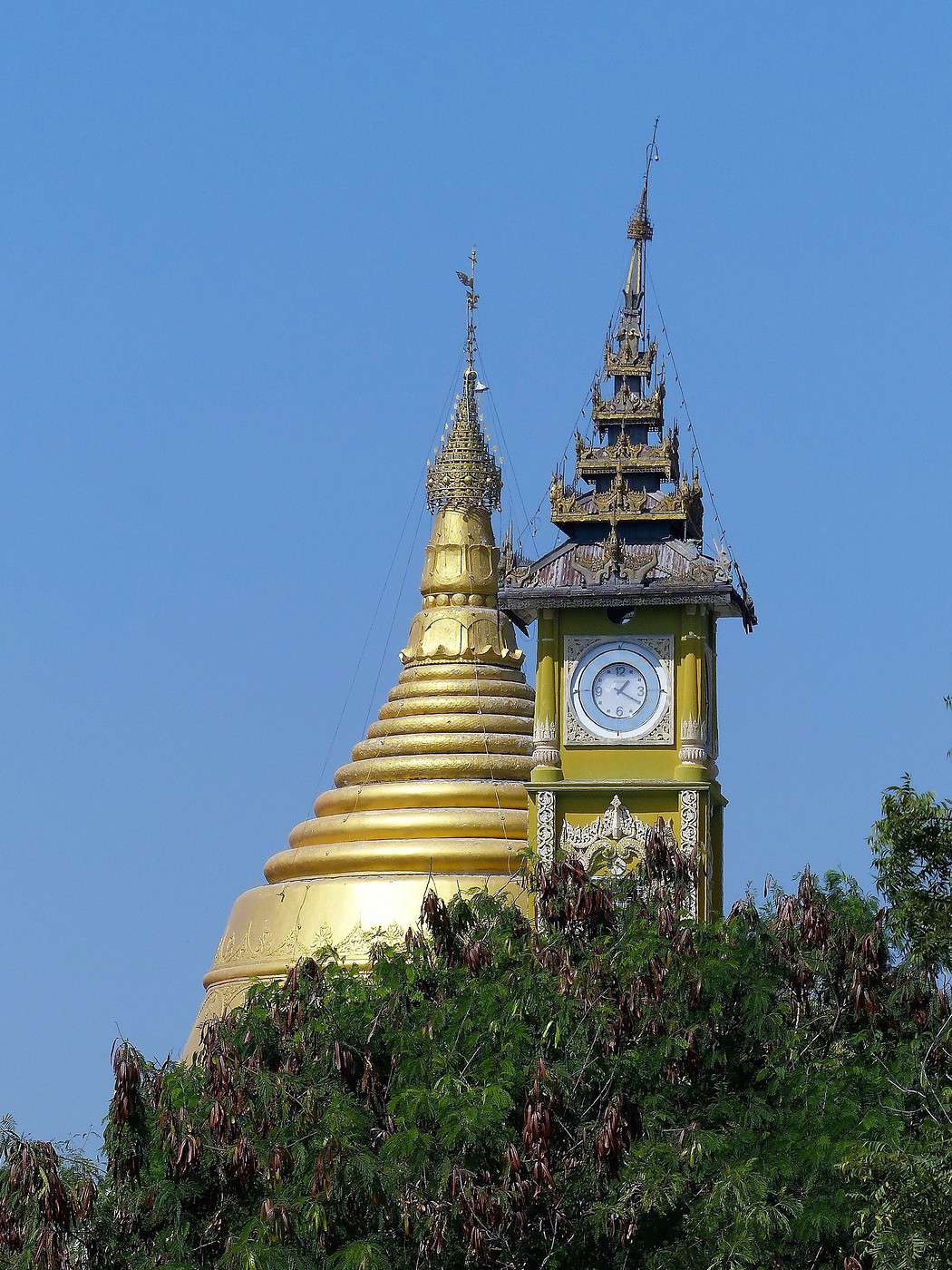
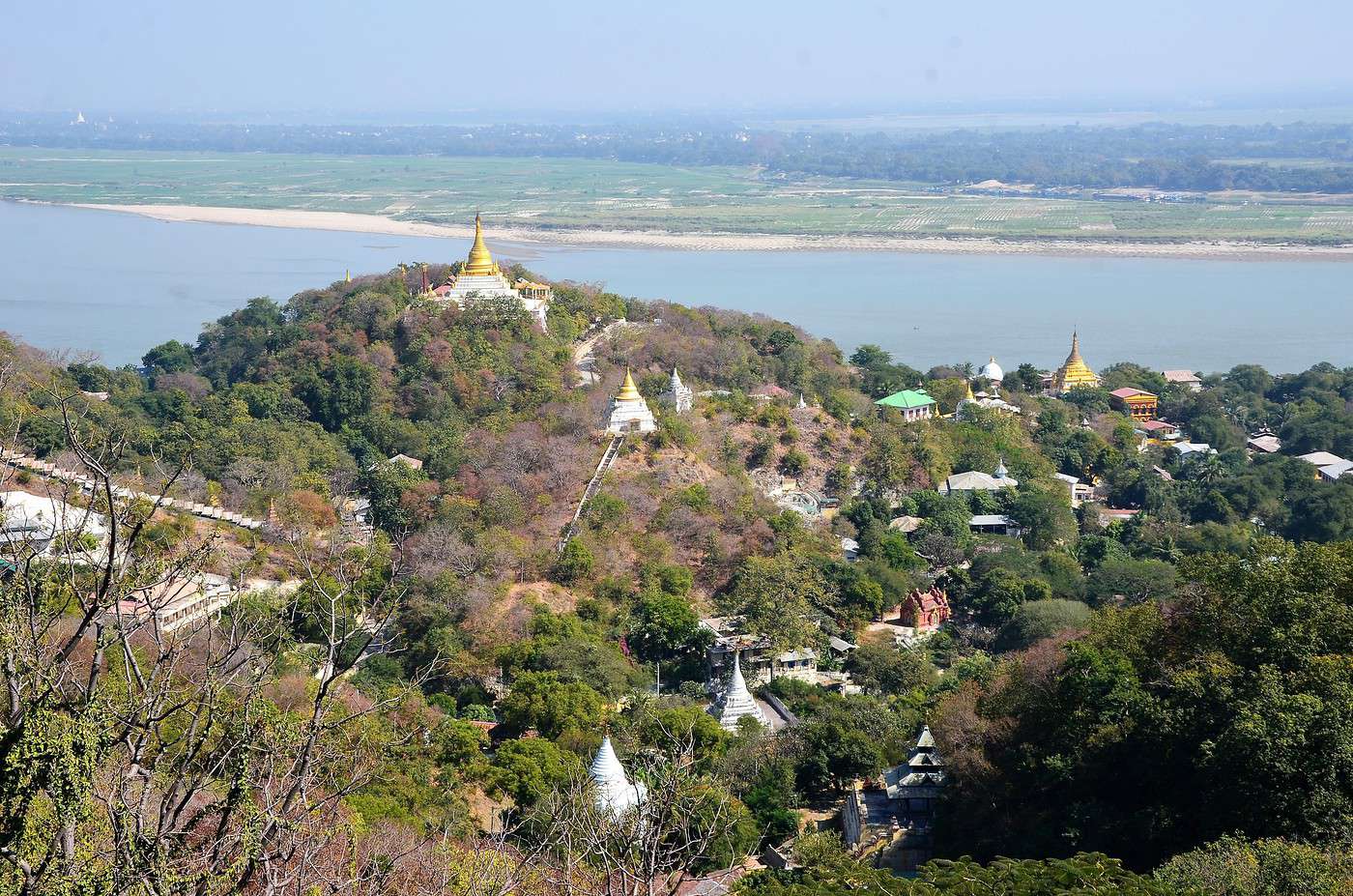
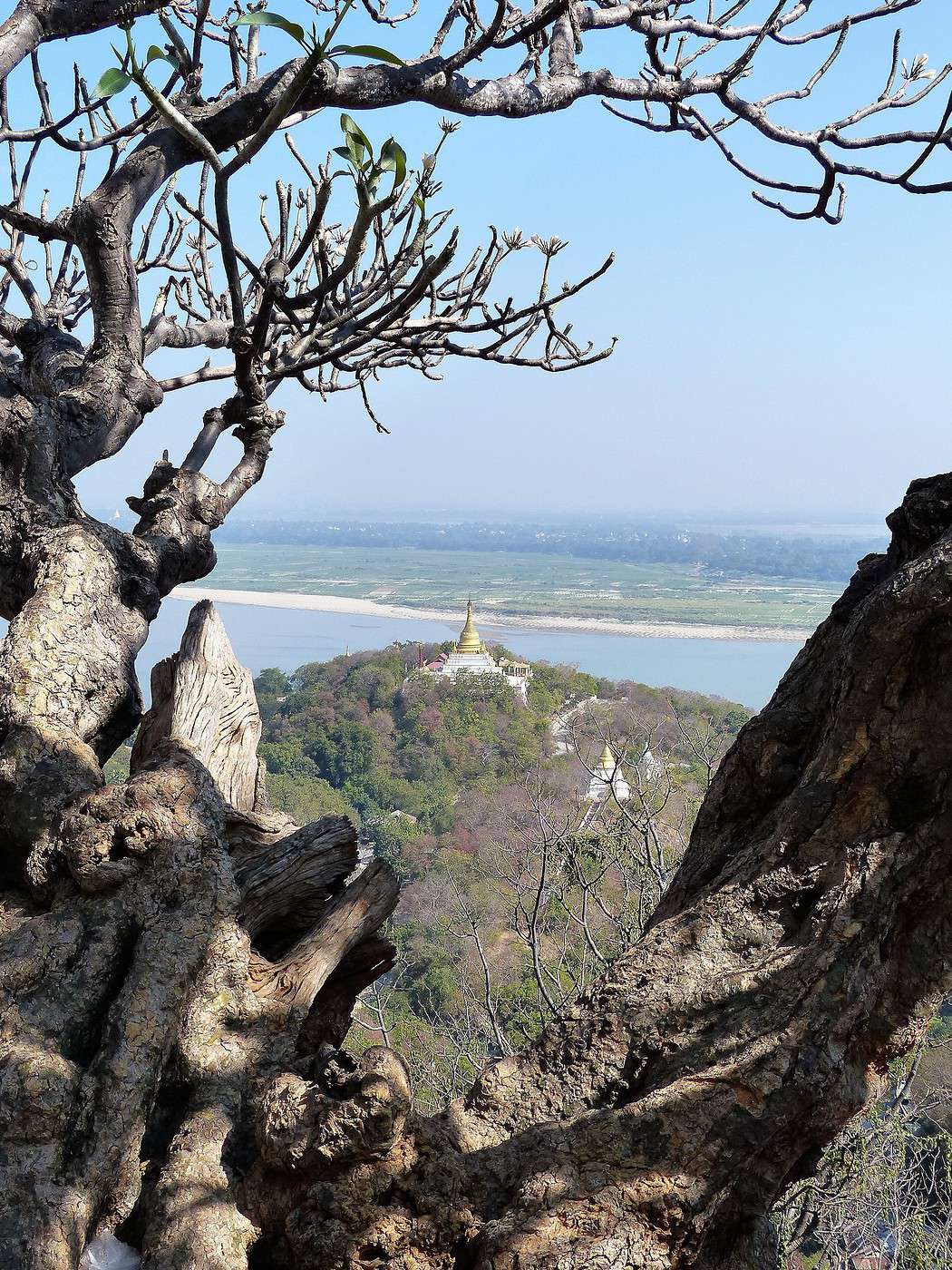
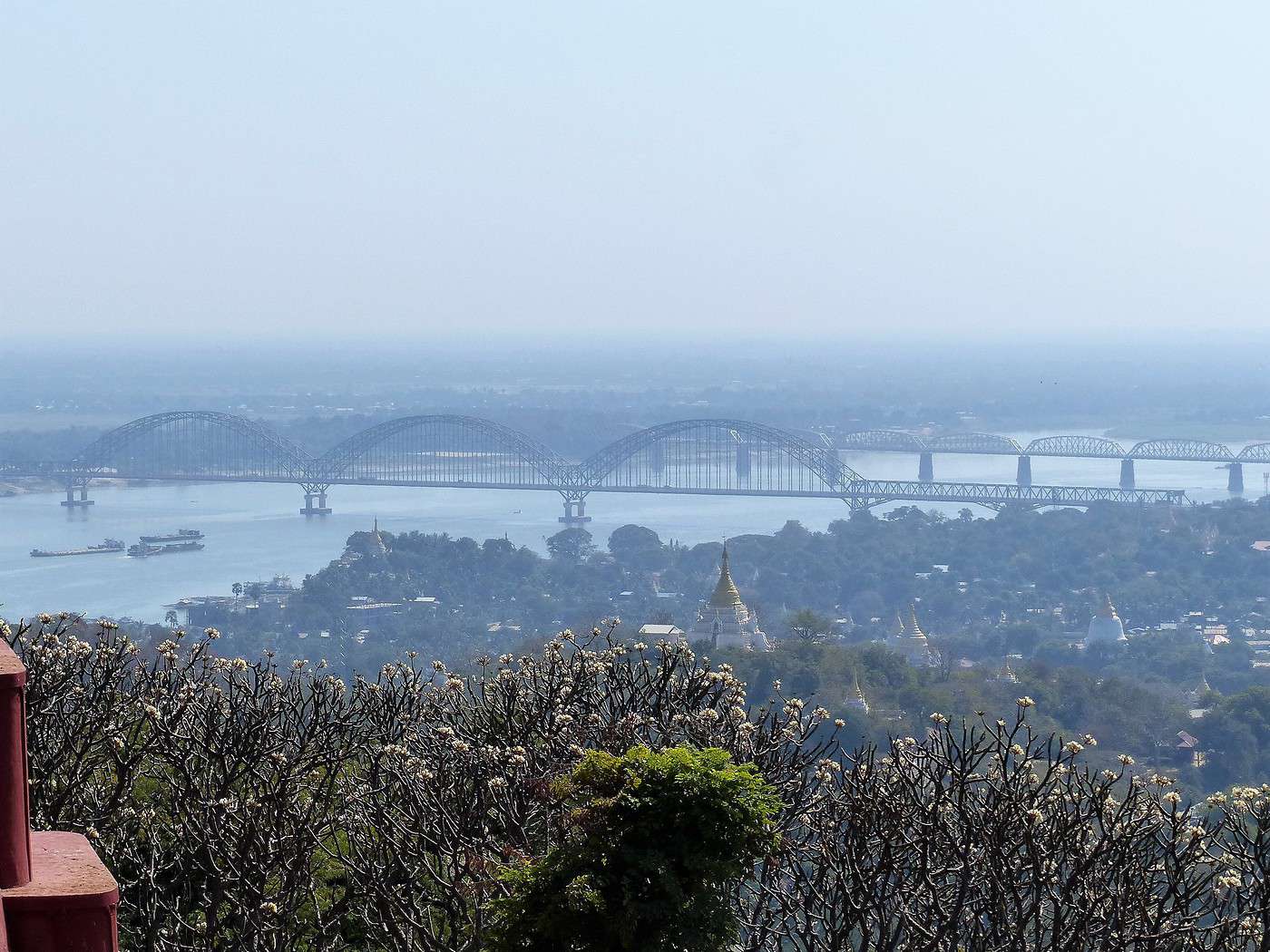
Across from Mandalay, on the other side of the Irrawaddy, Sagaing and its hills are home to over 600 monasteries and around 6,000 monks. Since the first constructions dating back to the 14th century, pagodas have continued to rise everywhere. We particularly enjoyed the Umin Thounzeh Pagoda and its curved hall with 45 Buddhas, as well as the Sun U Ponya Shin Pagoda, which offers a beautiful panorama from the terrace at the back of the temple.


It’s scorching hot—we’re doing these visits in the middle of the day, when it’s at its hottest... but we’re almost alone!

Burma as We Dreamed It

Fabhyène · 2017-05-10 · Message 38 of 94

Mandalay, conclusion

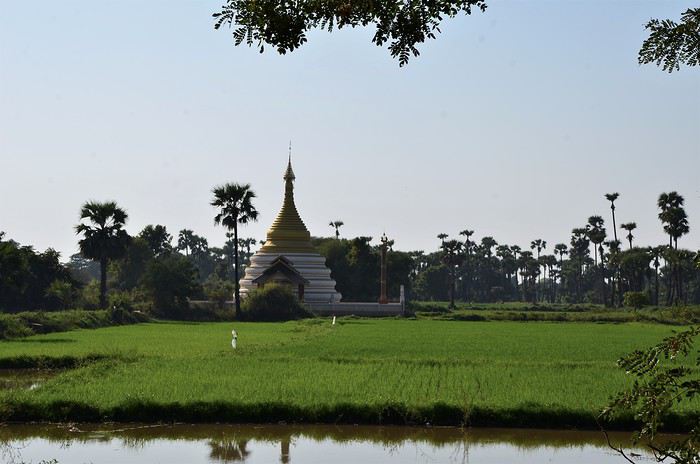
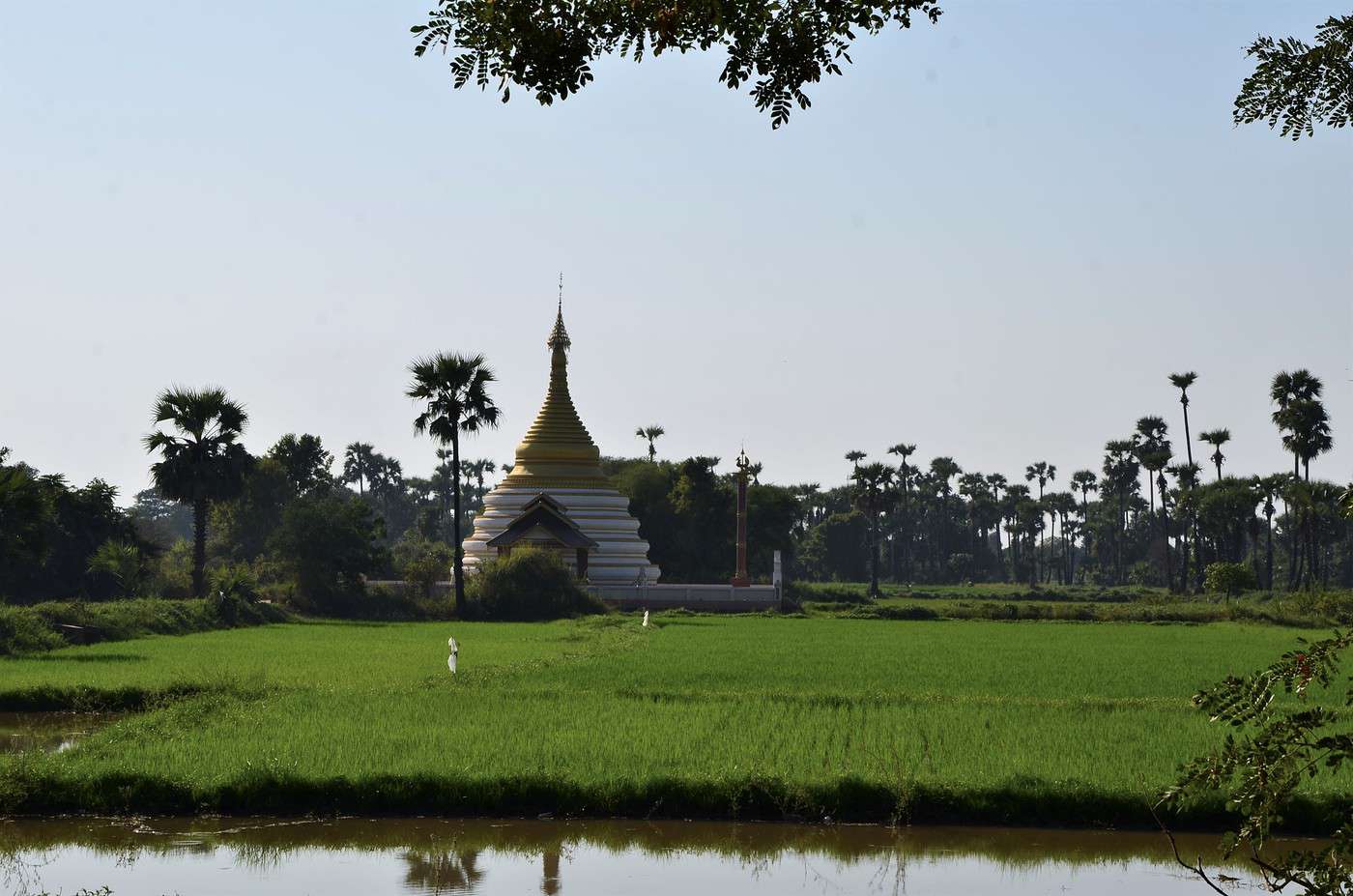
In the afternoon, we head to the Inwa site. Even though Inwa is very busy, its rural and lush setting, far from Mandalay’s hustle and pollution, makes it a charming destination.


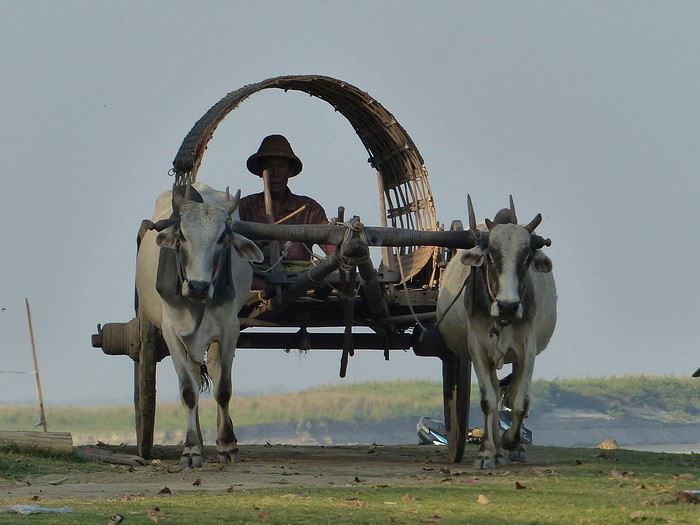
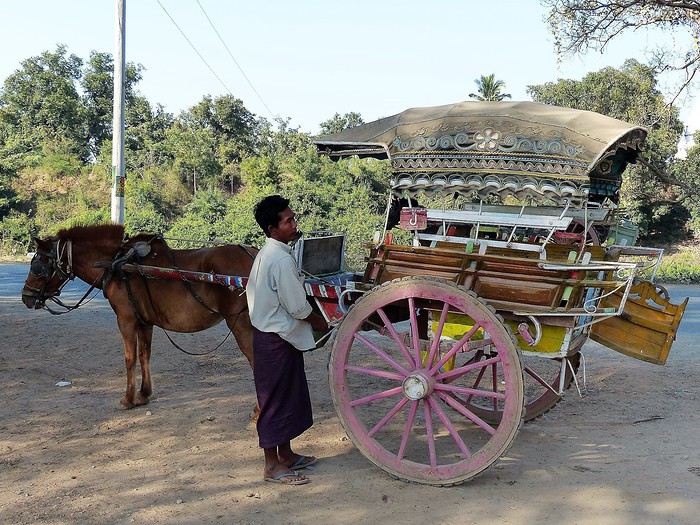
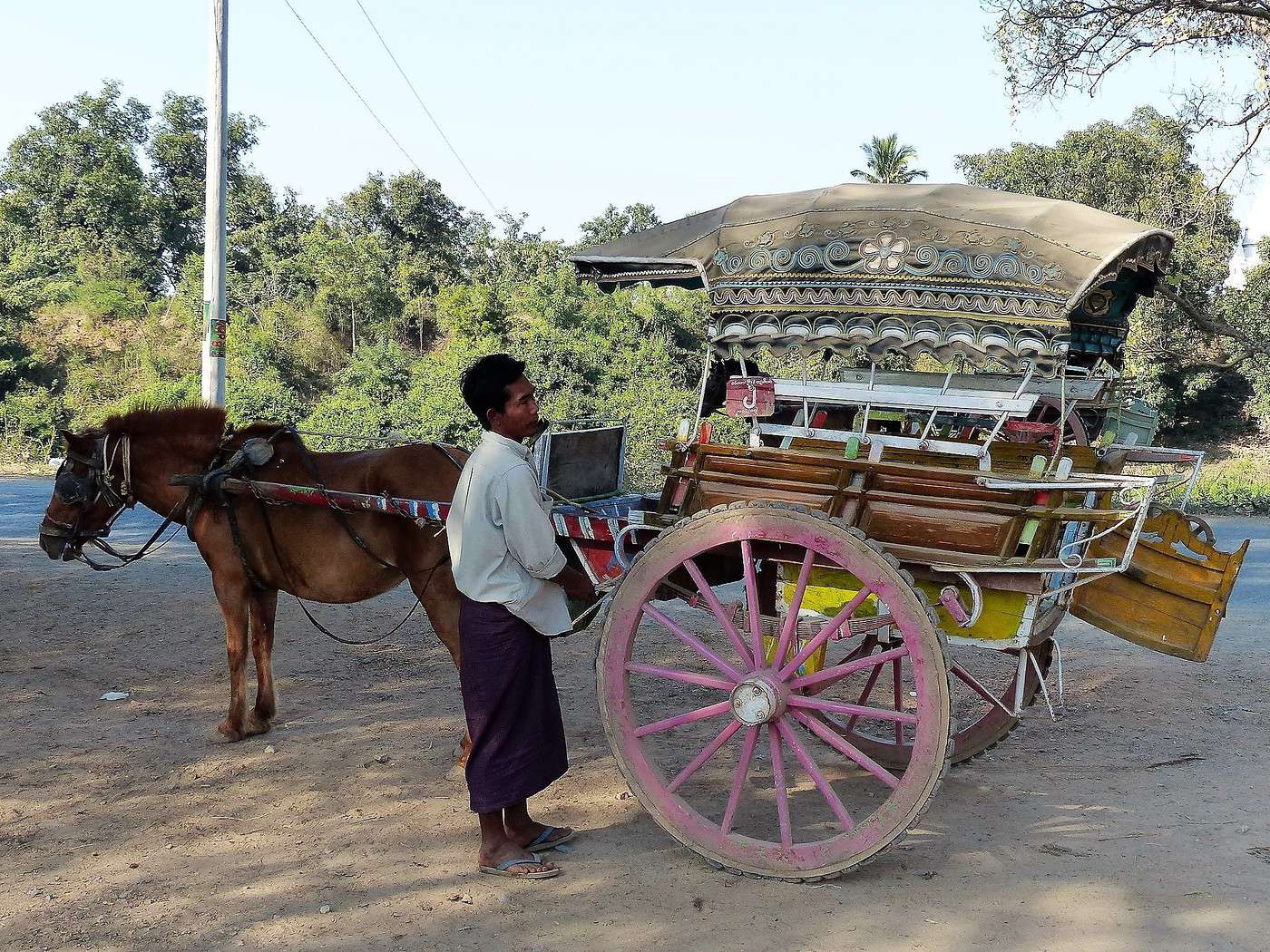
Inwa, formerly Ava, was a royal capital for six centuries. The site is explored by rickety horse-drawn carriage, on foot (though in that case, it’s best to avoid the paths crowded with carriages), or by mountain bike if you bring one...


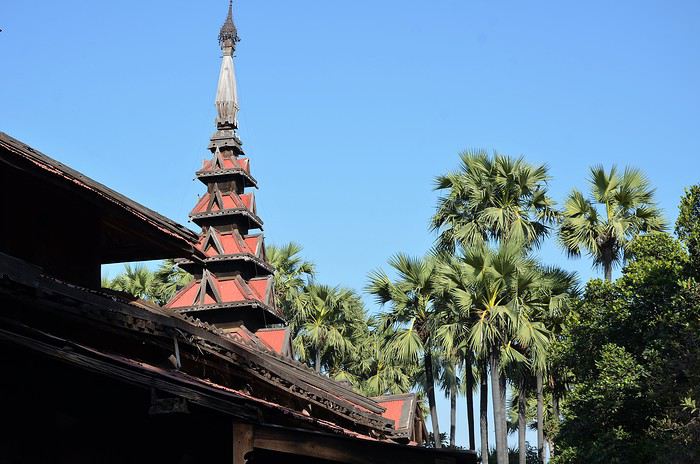
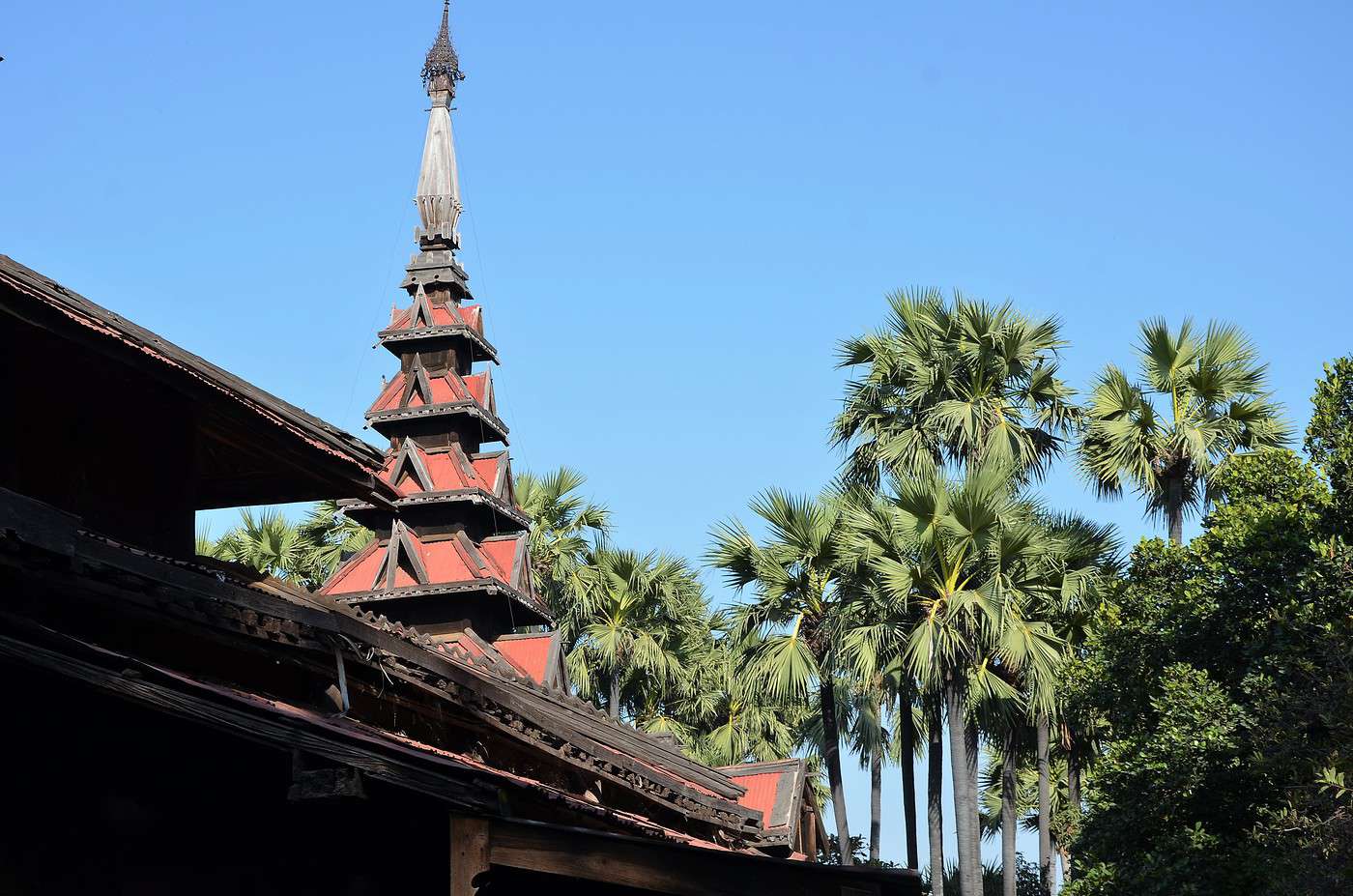
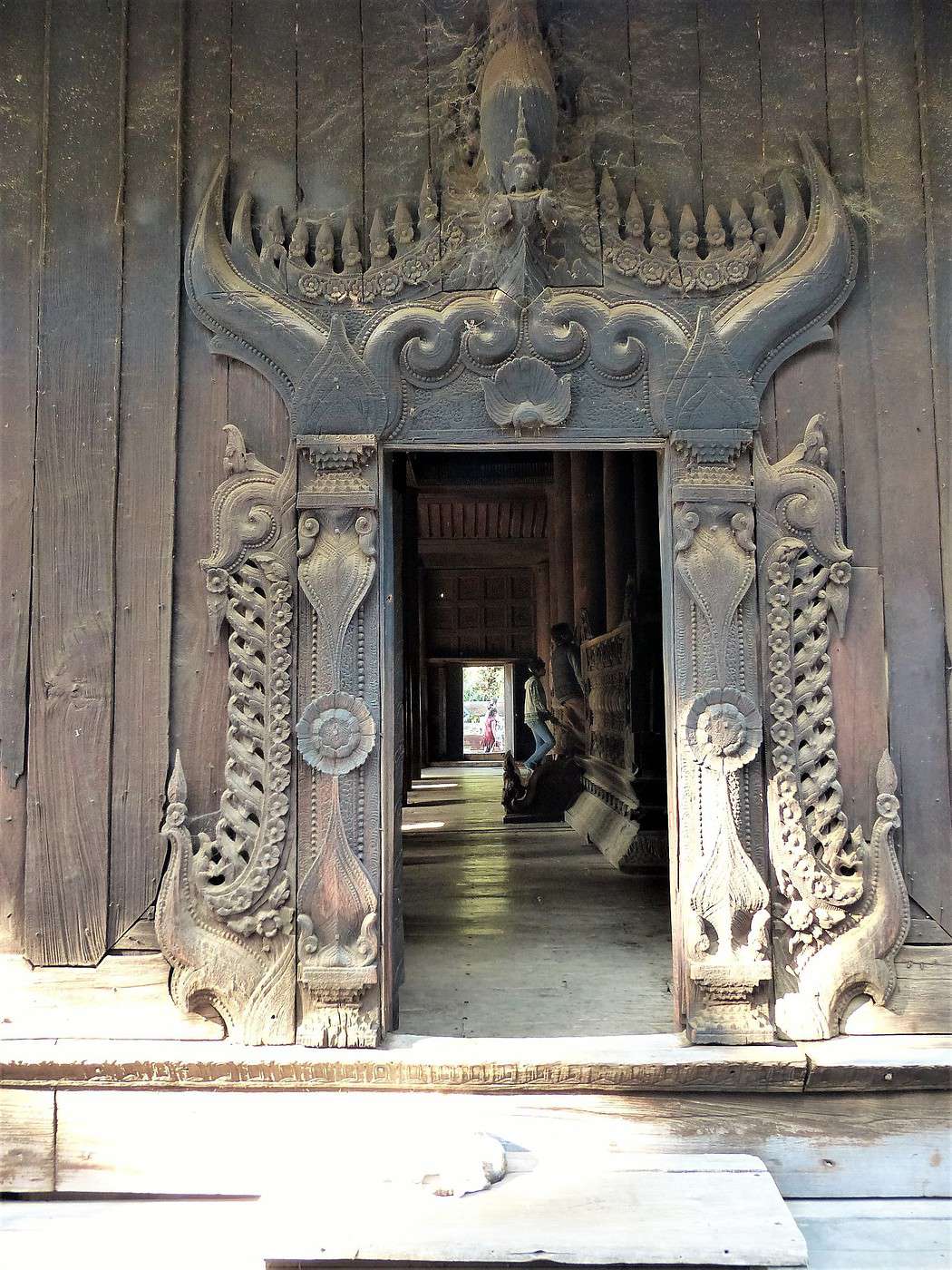
What is there to see? A lovely countryside and a few beautiful sites: A stunning teak monastery (unfortunately, there wasn’t enough space for photos),


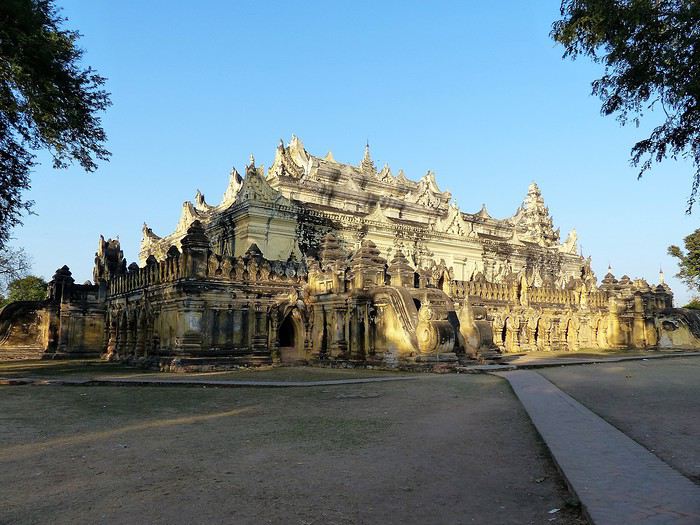
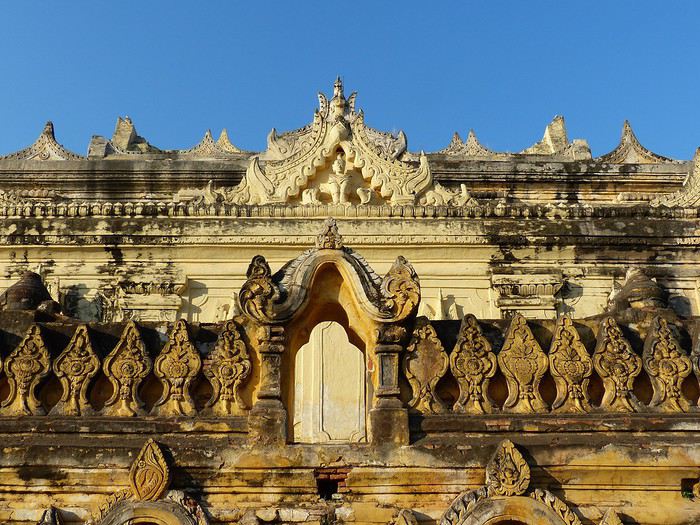
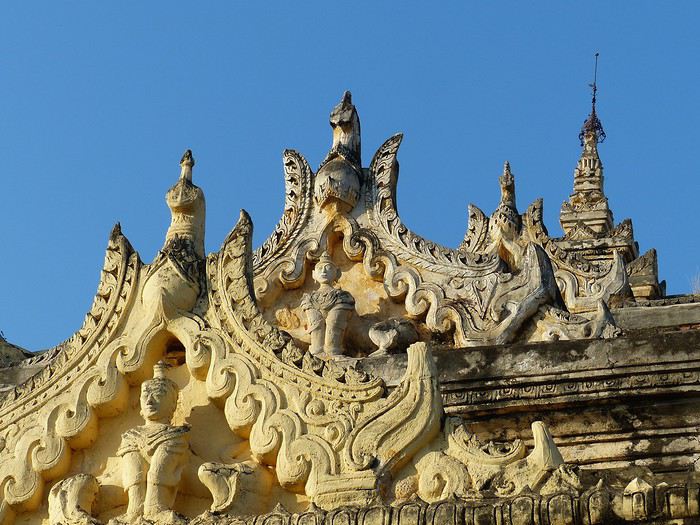
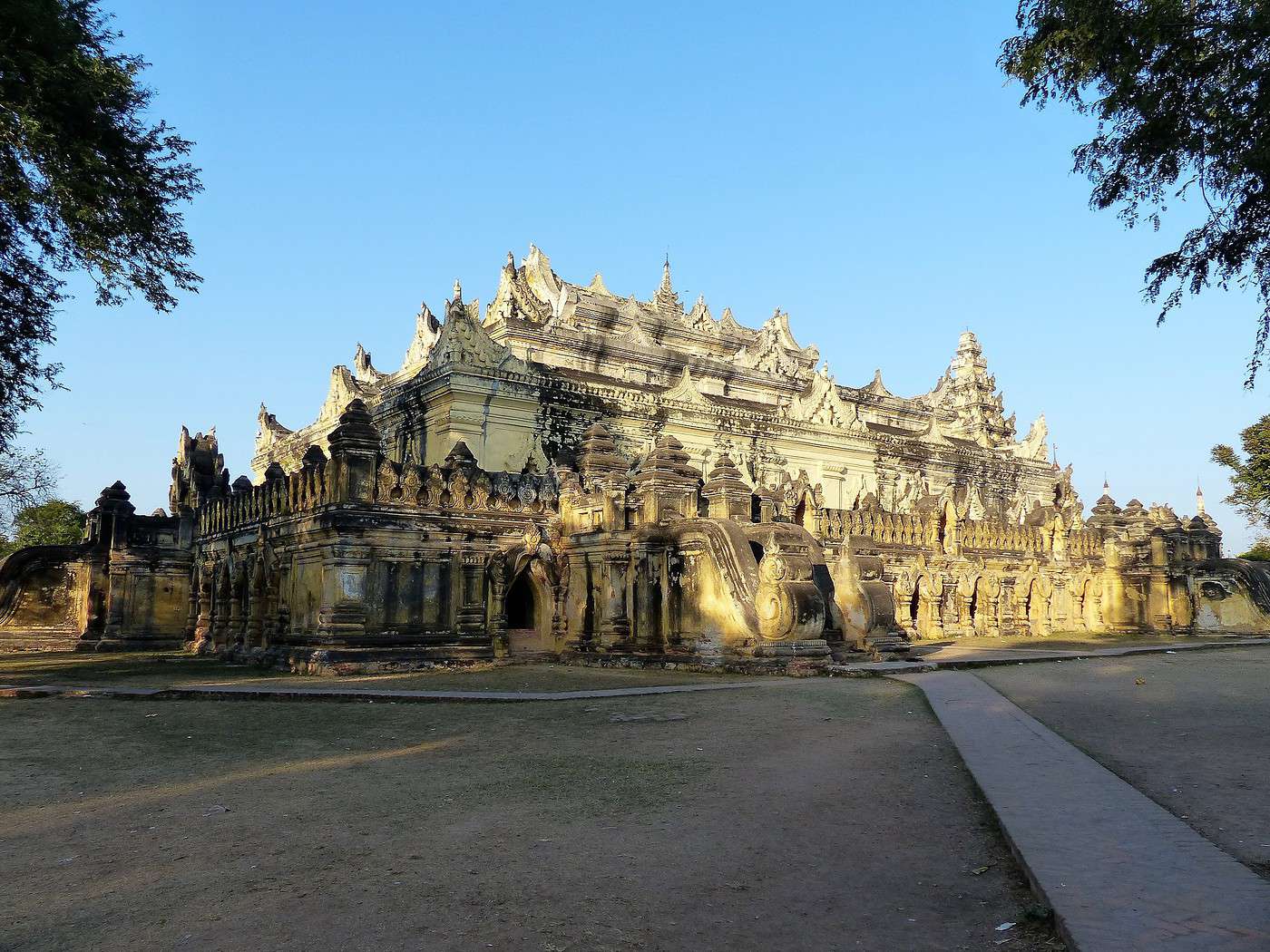
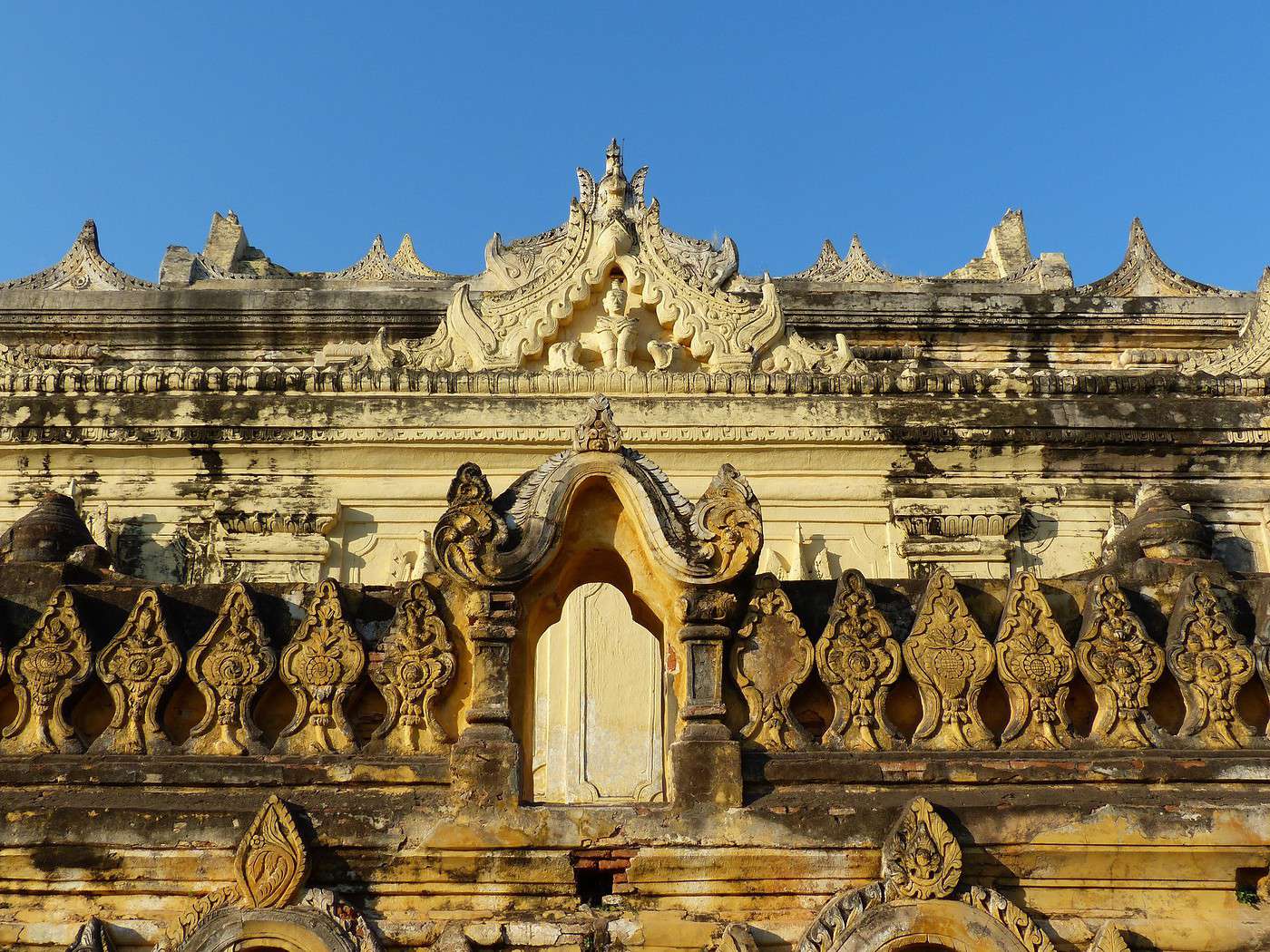
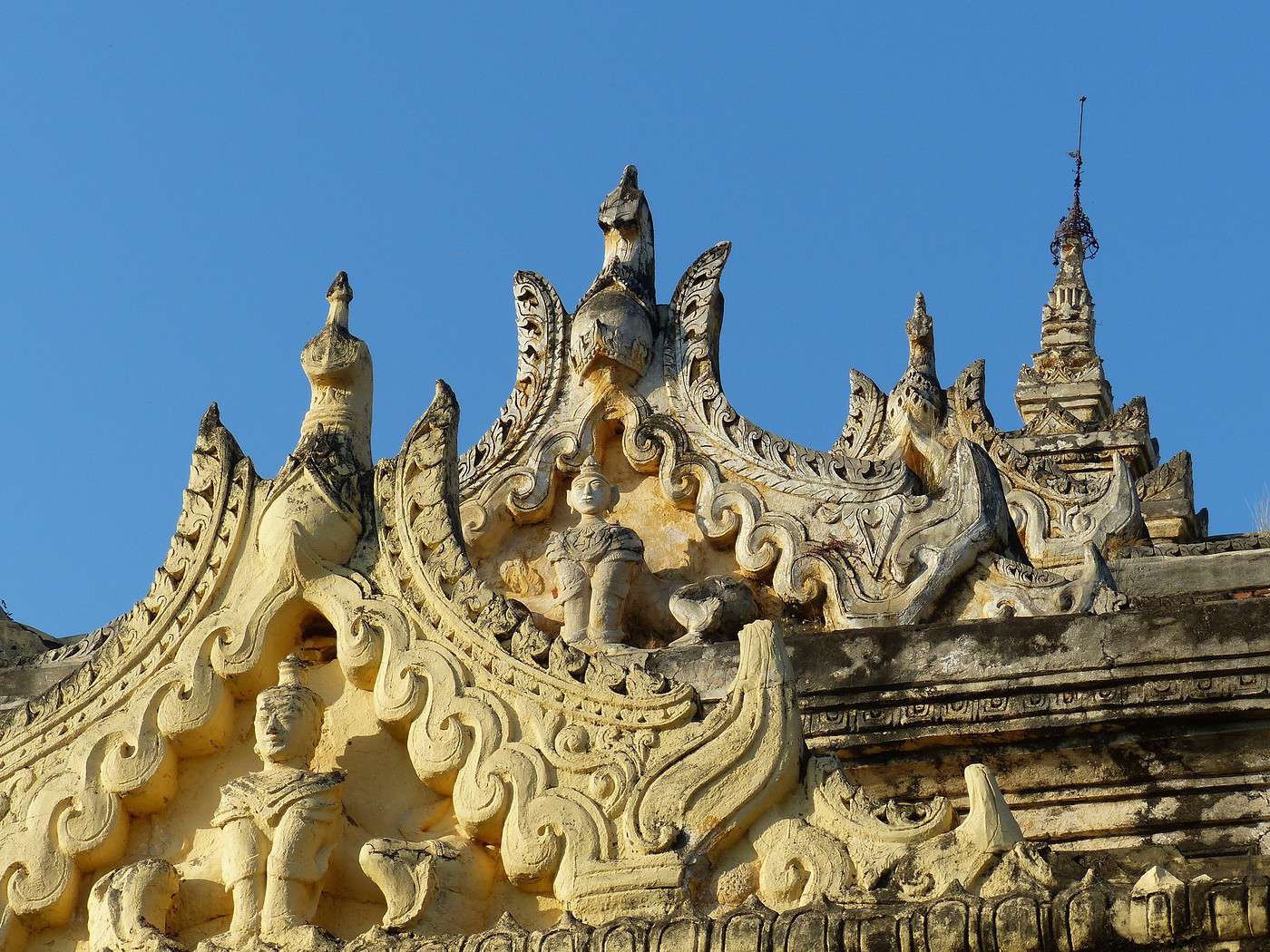
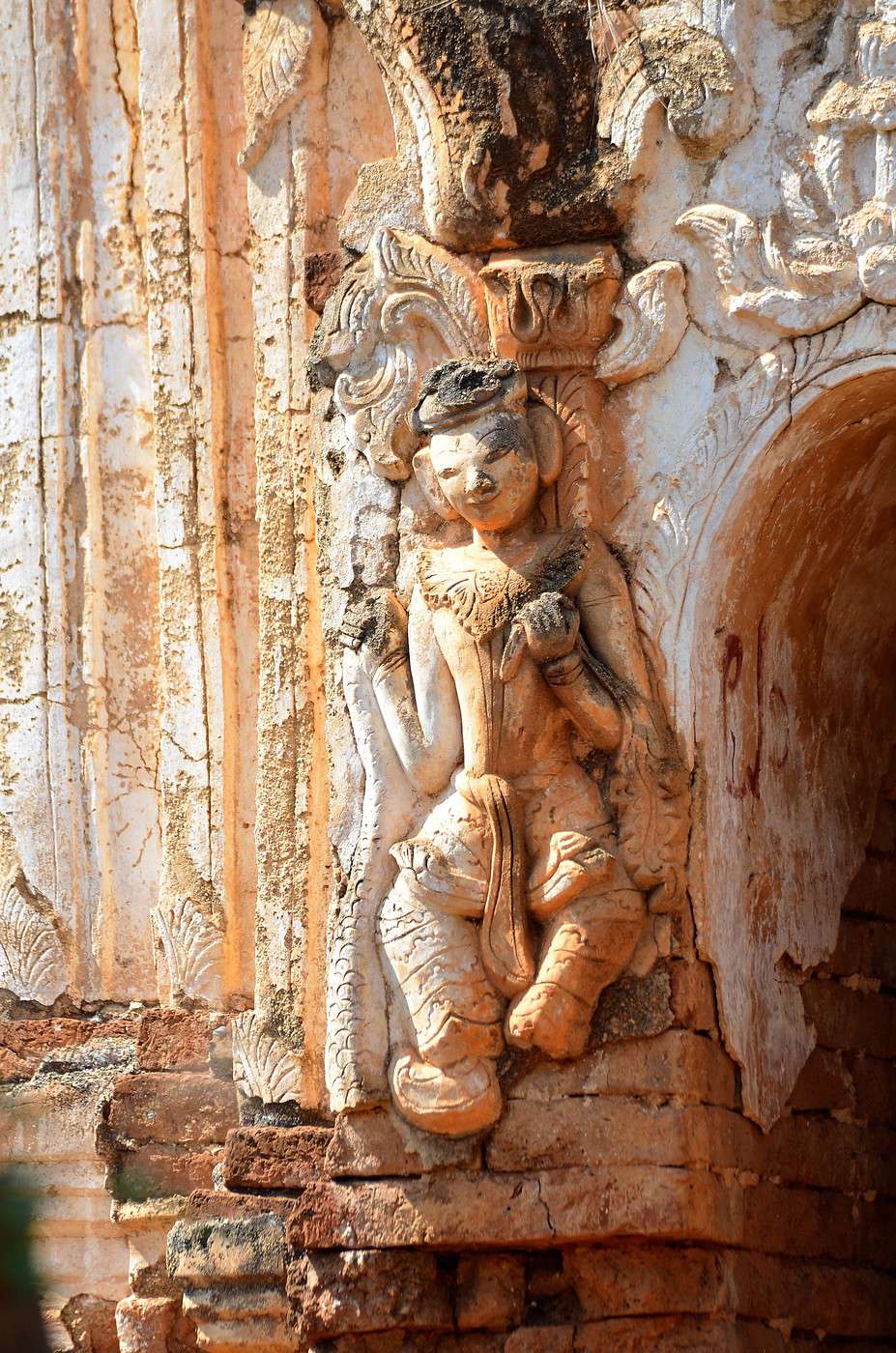
A brick monastery covered in stucco (Maha Aung Bom San, 1819):


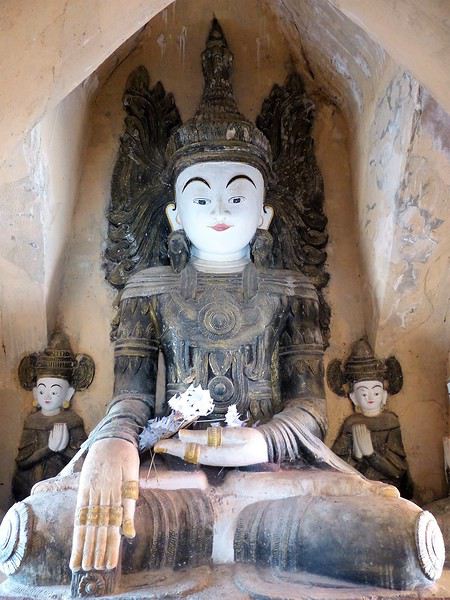
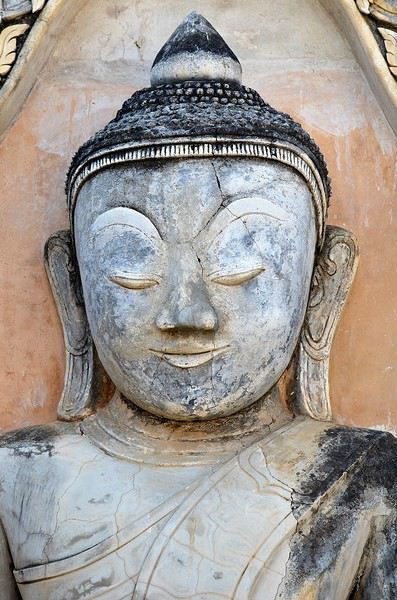
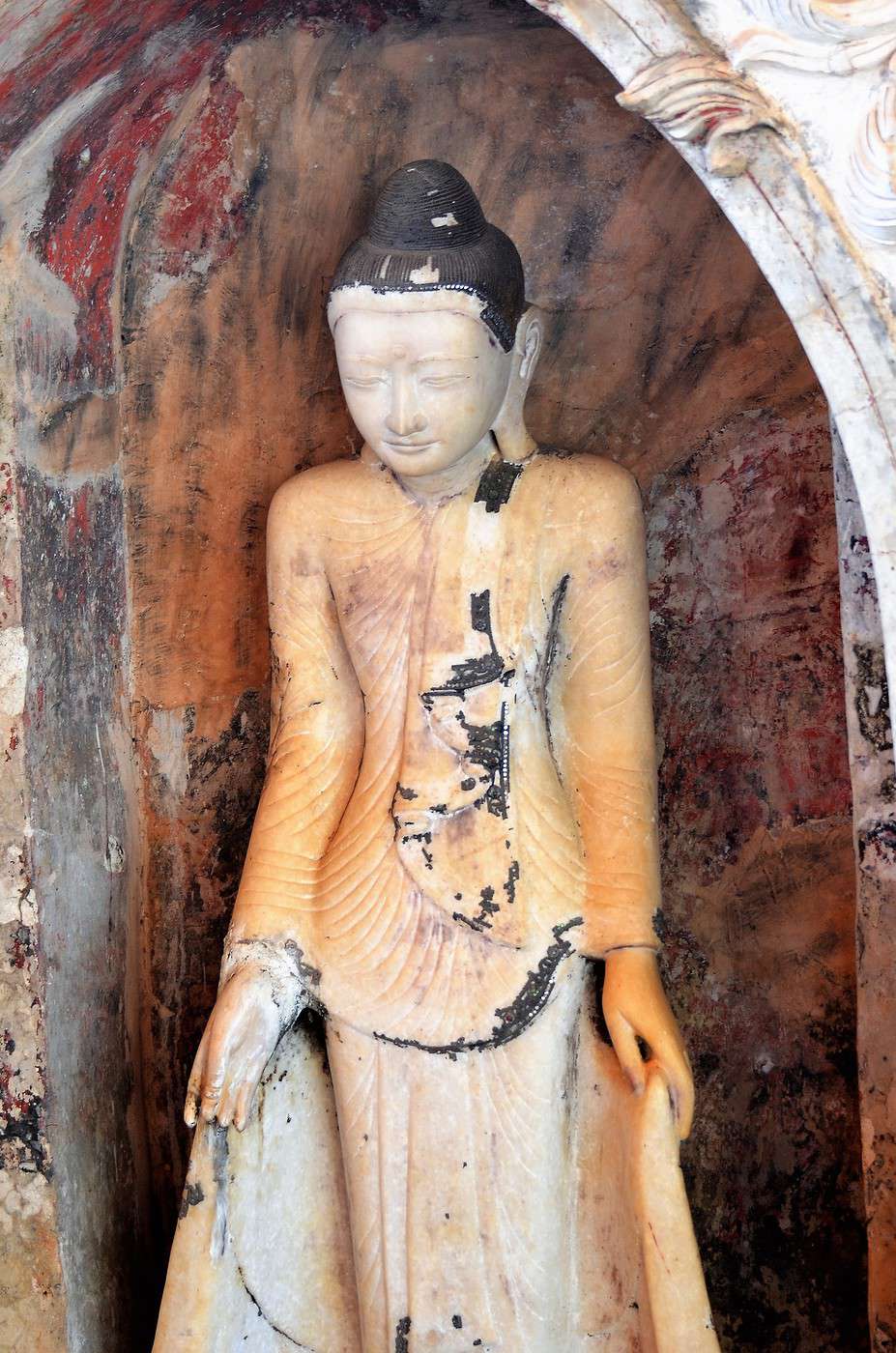
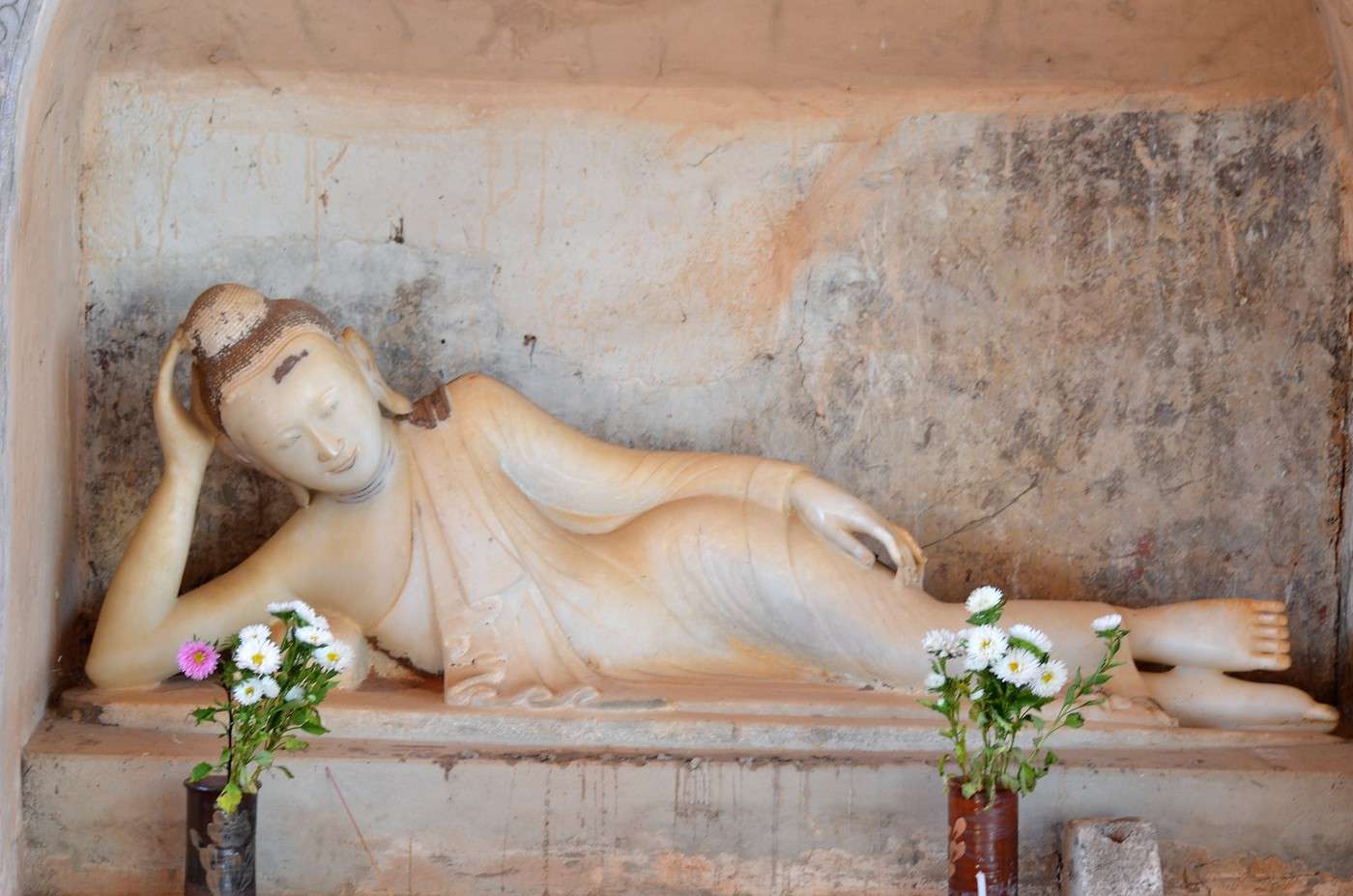
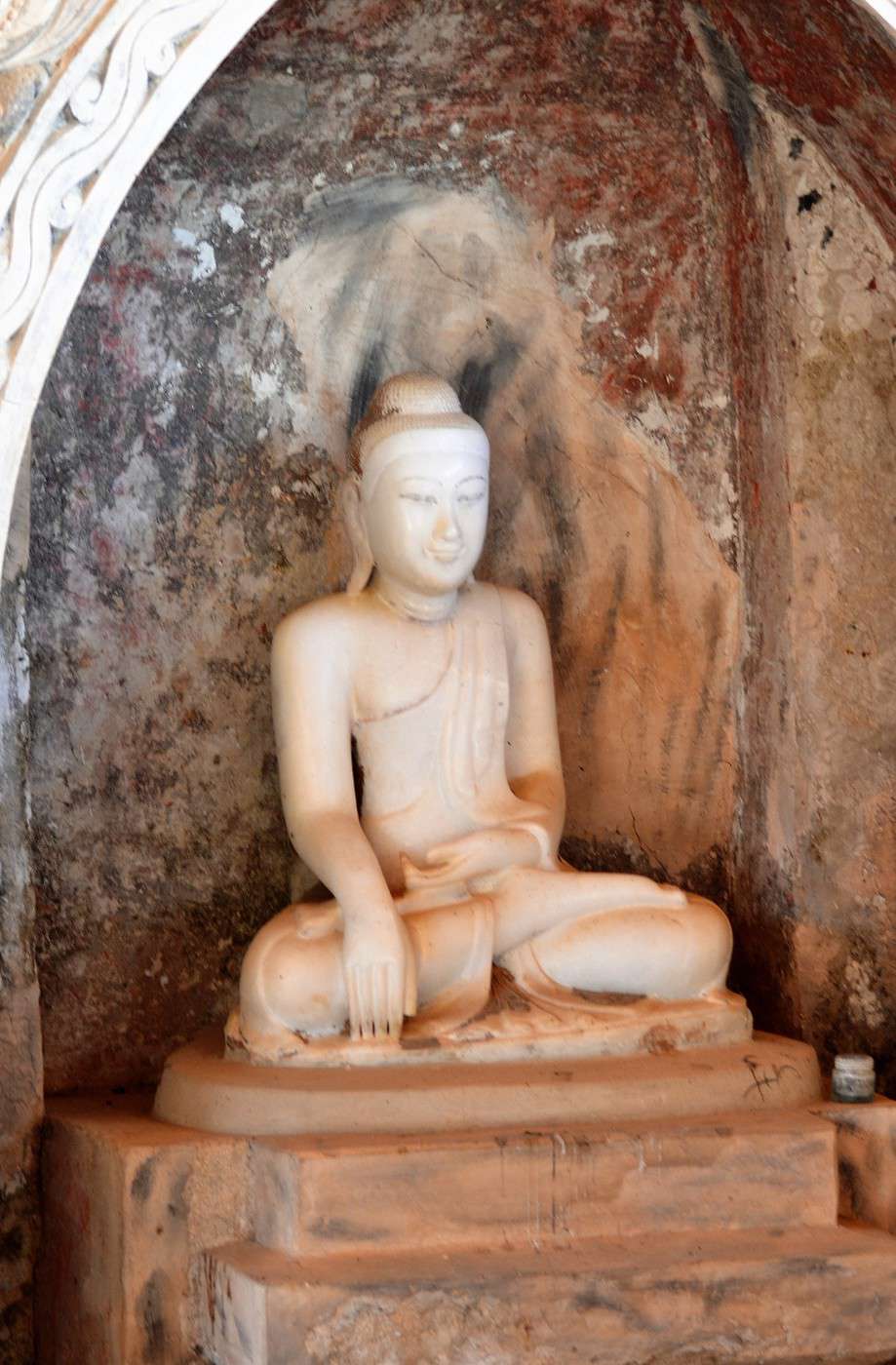
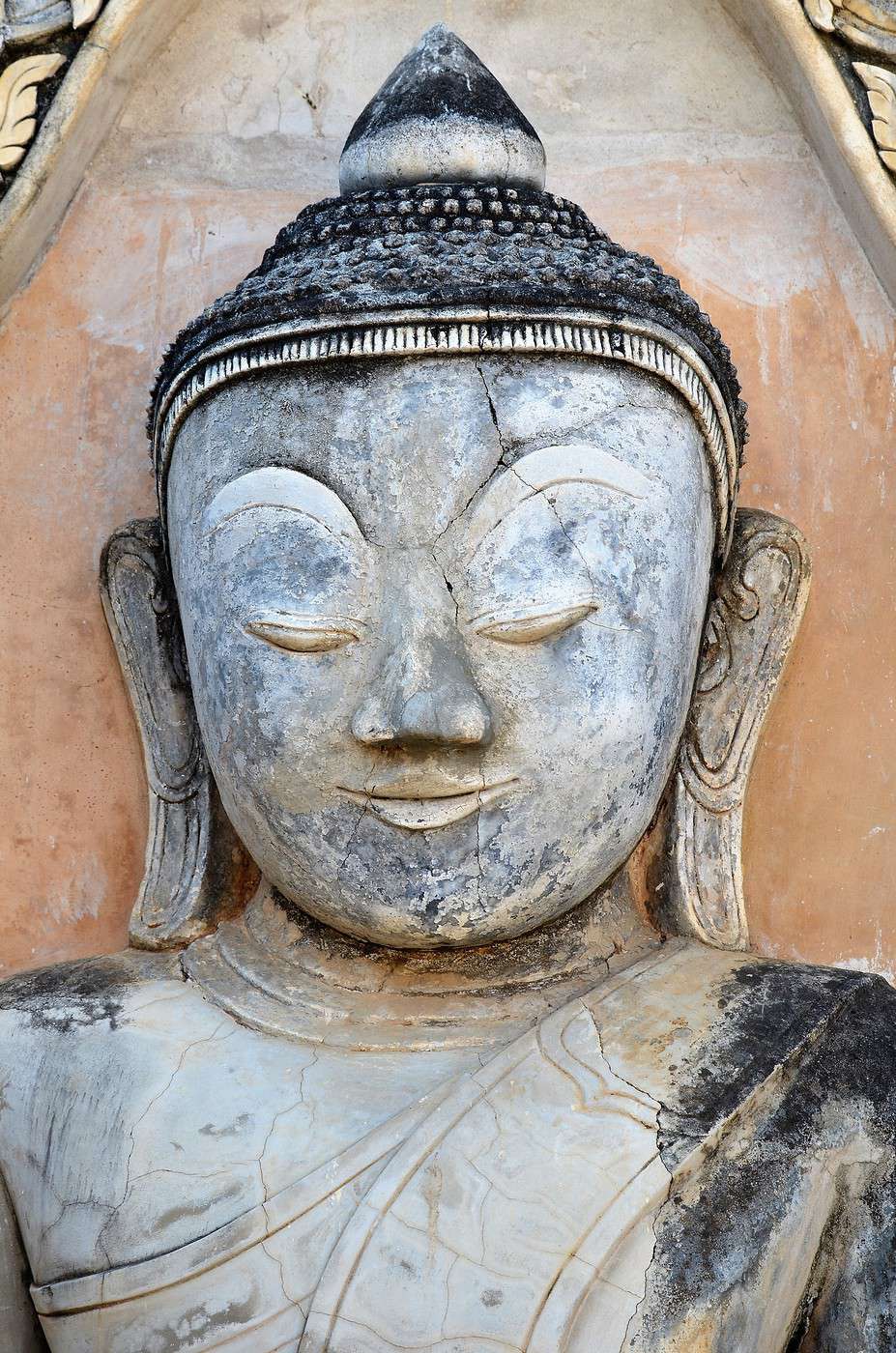
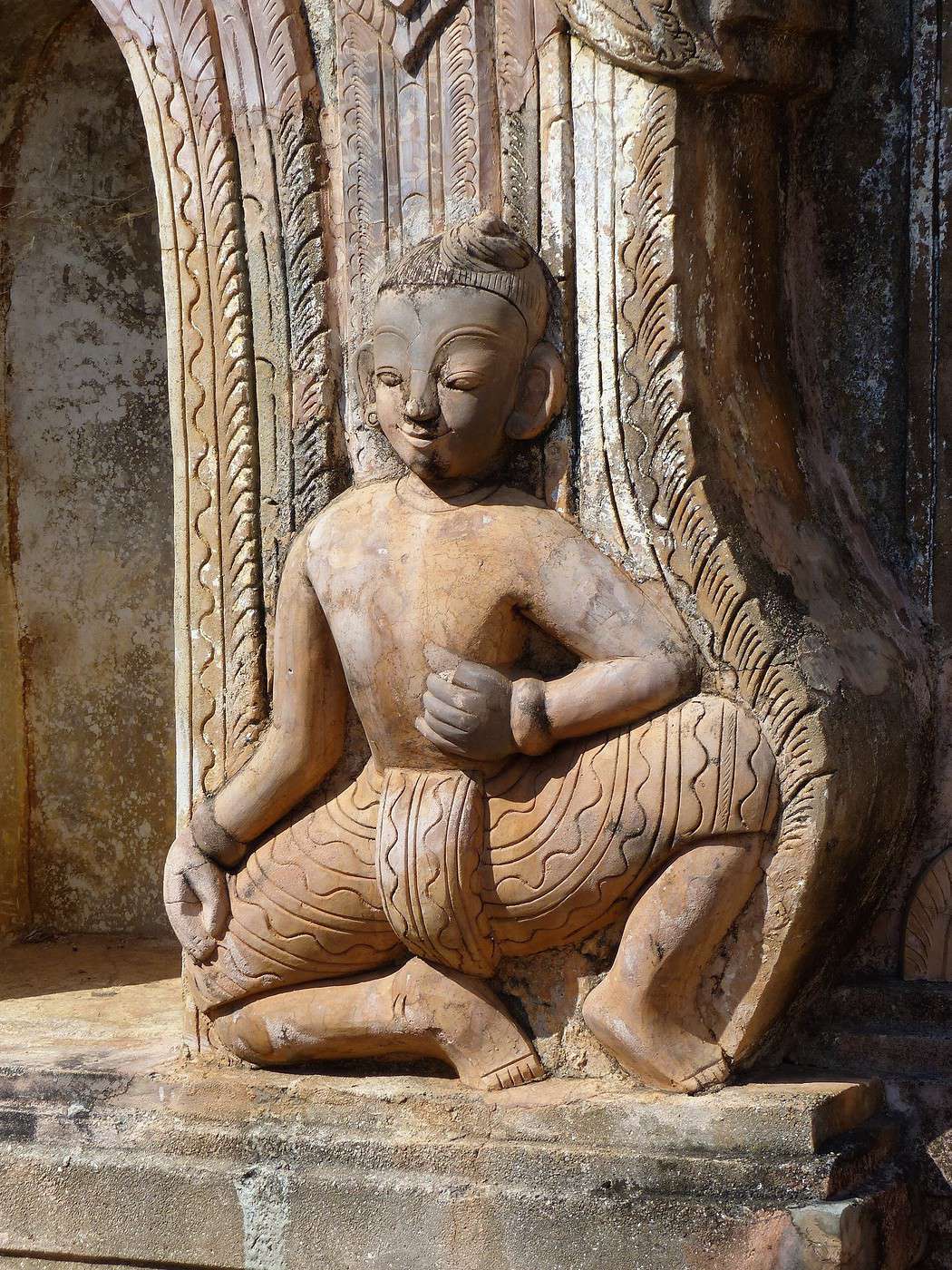
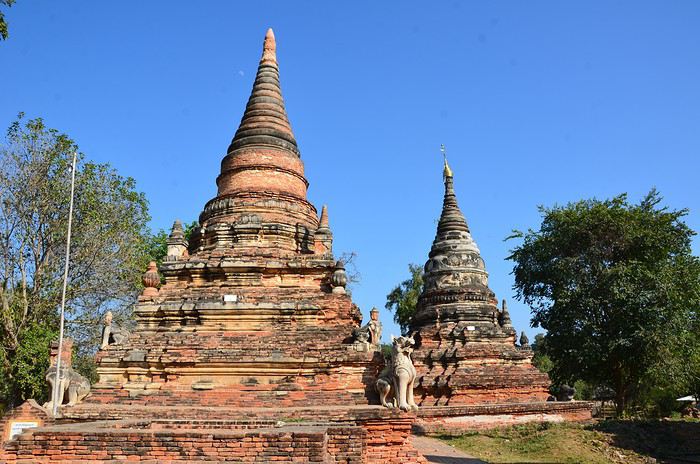
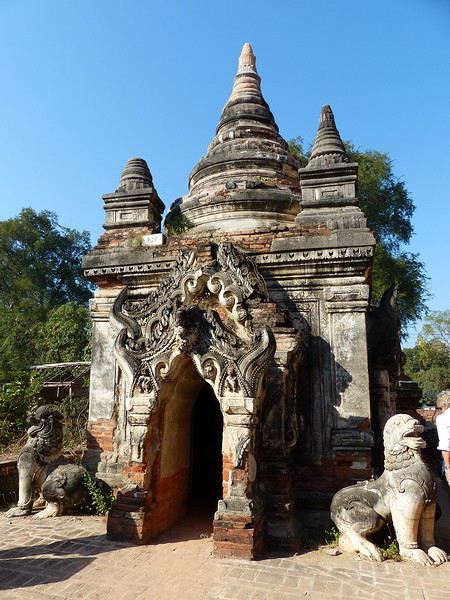
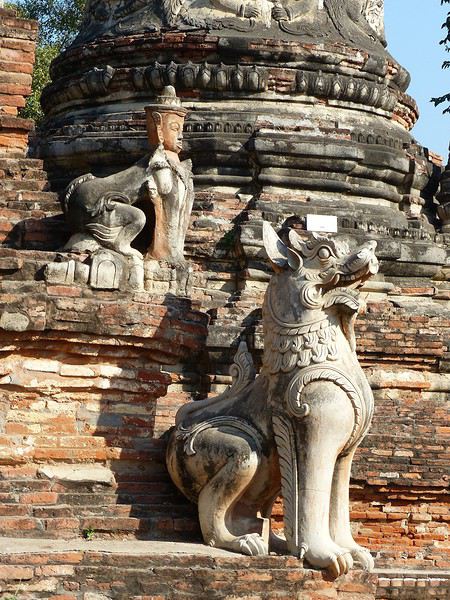
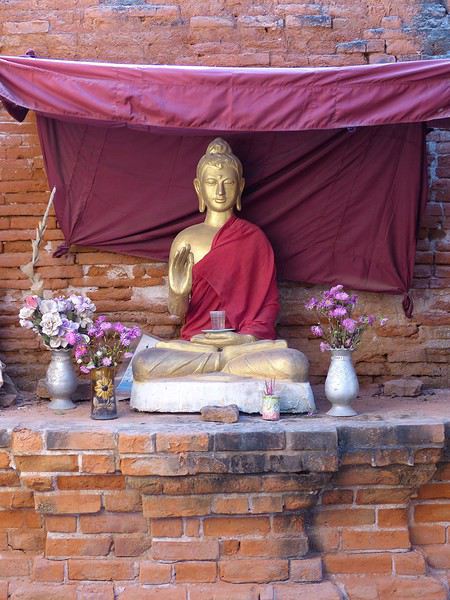
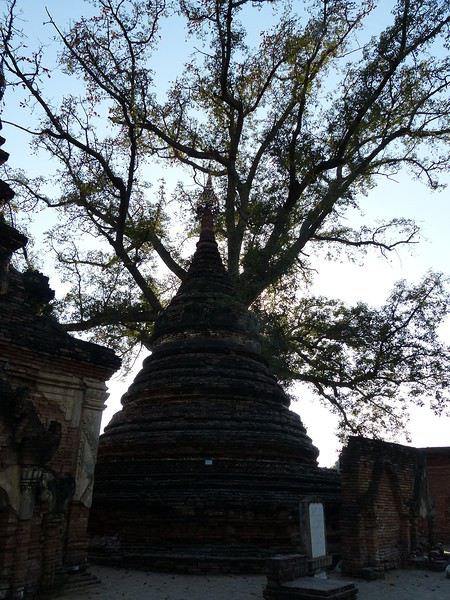
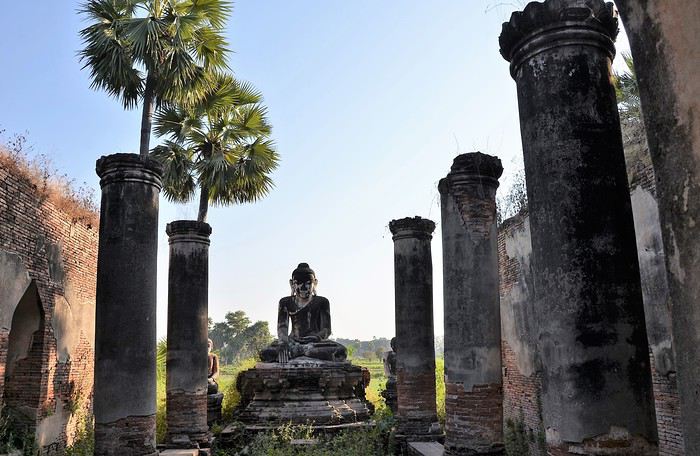
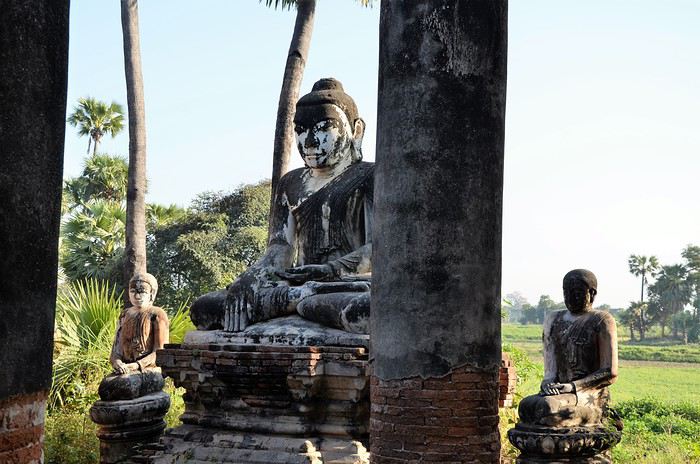
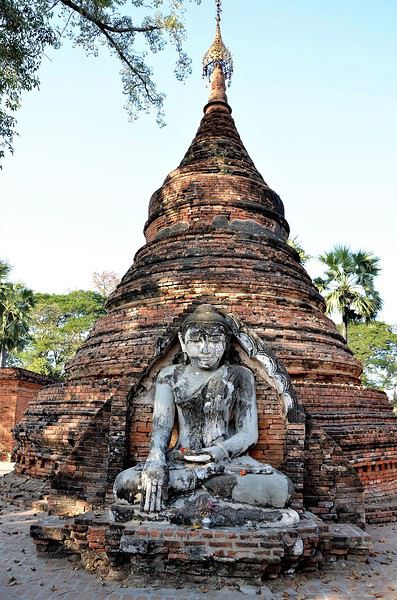
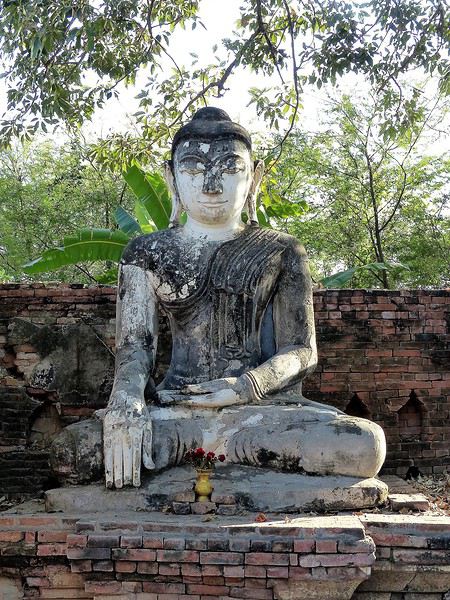
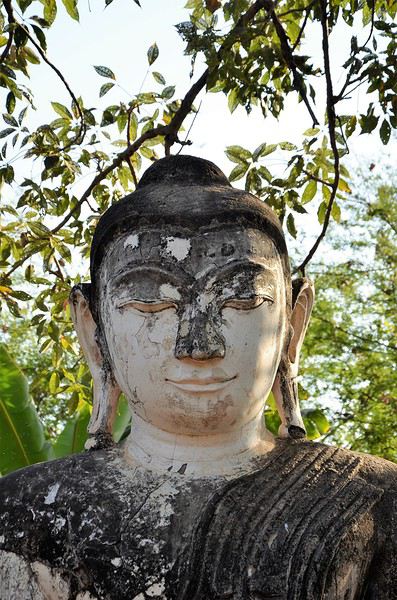
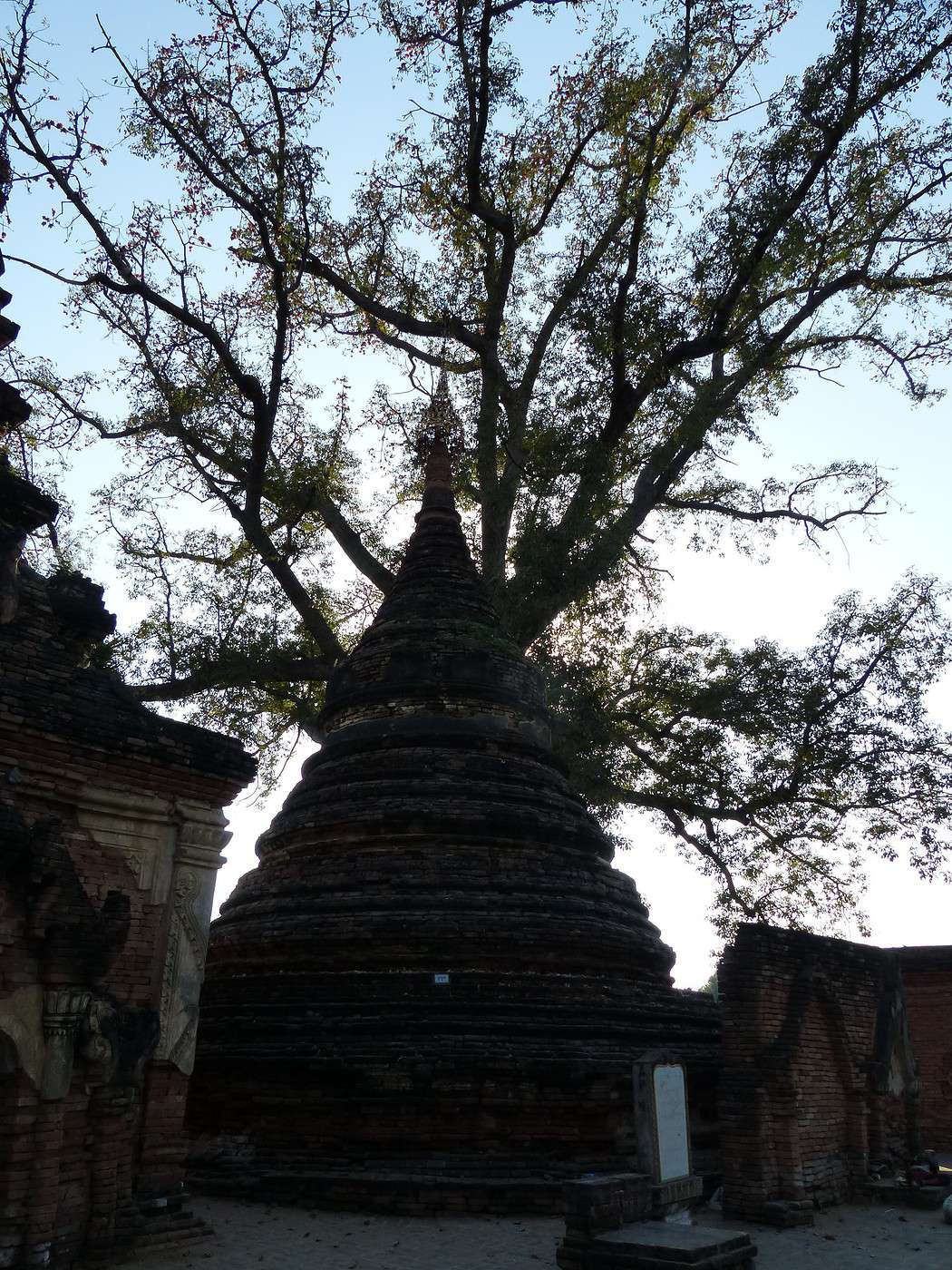
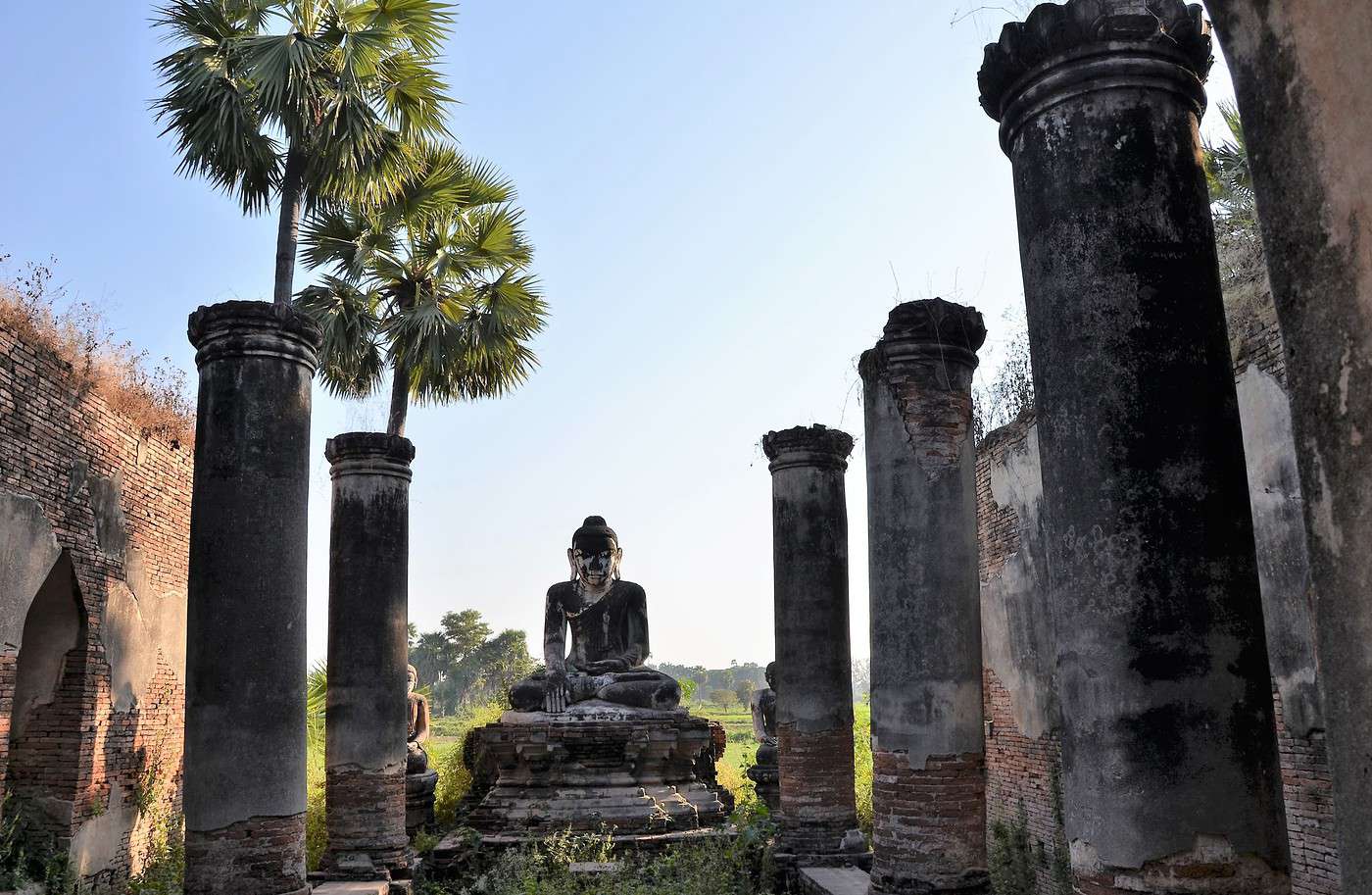
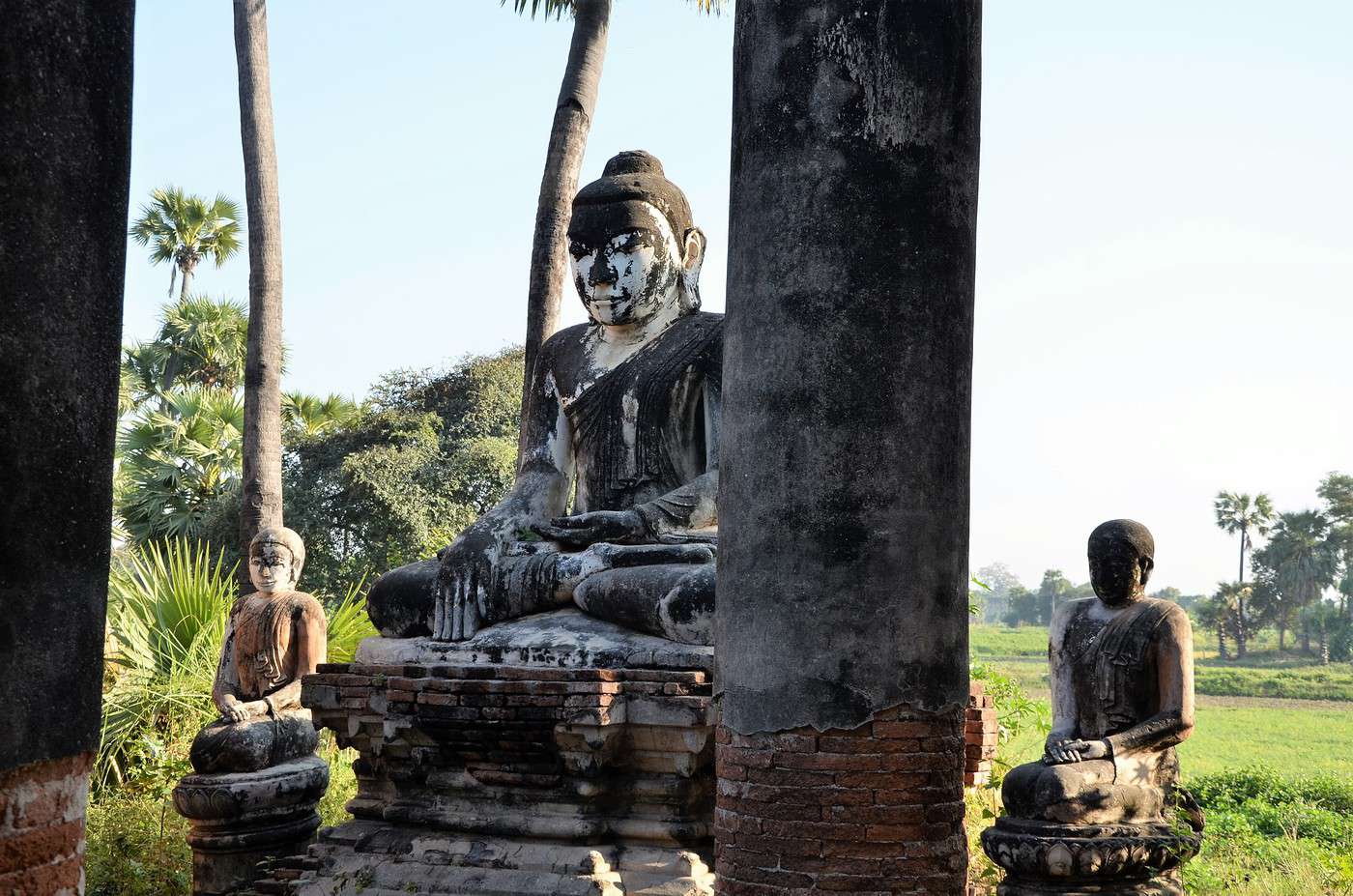
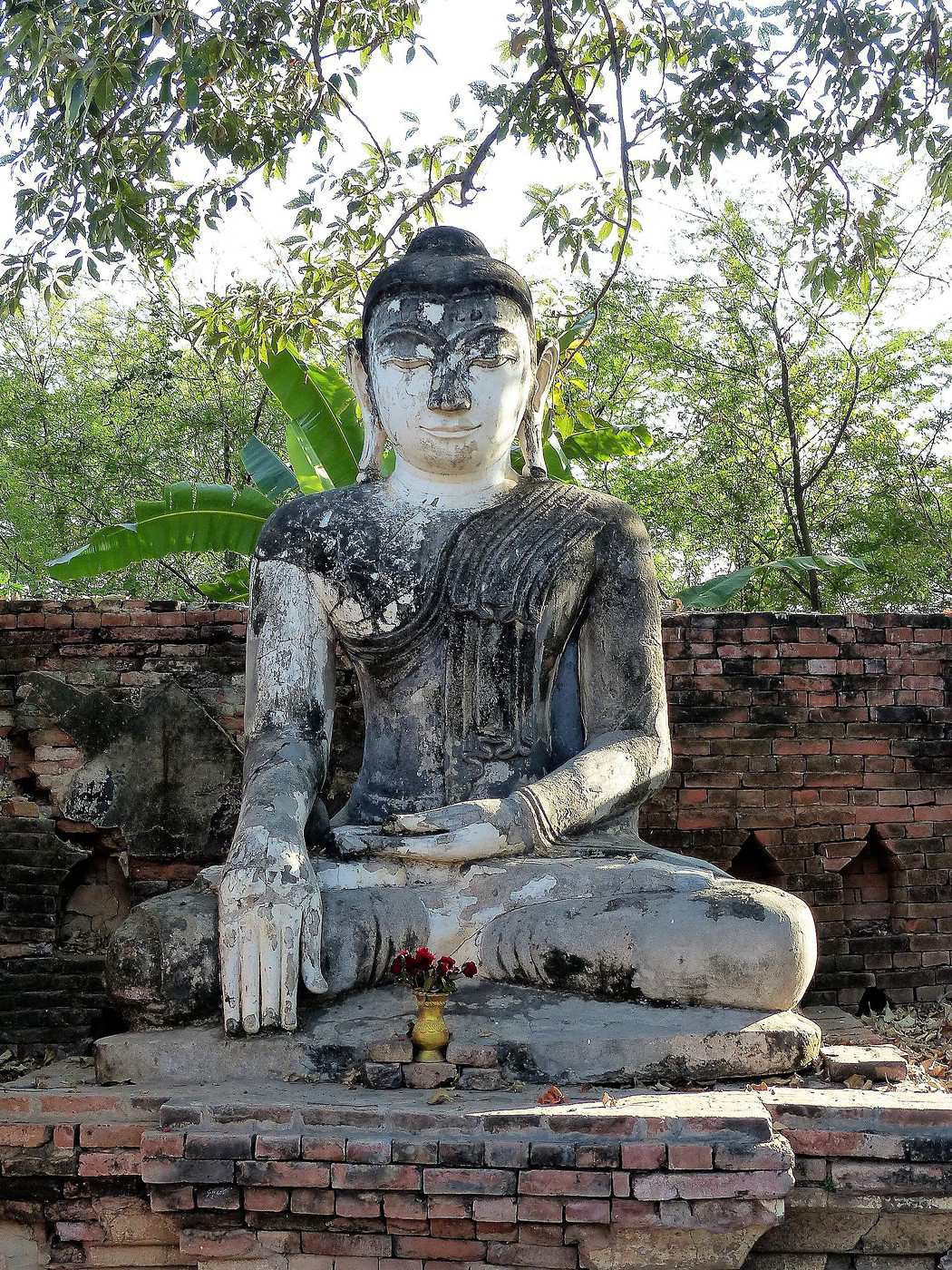
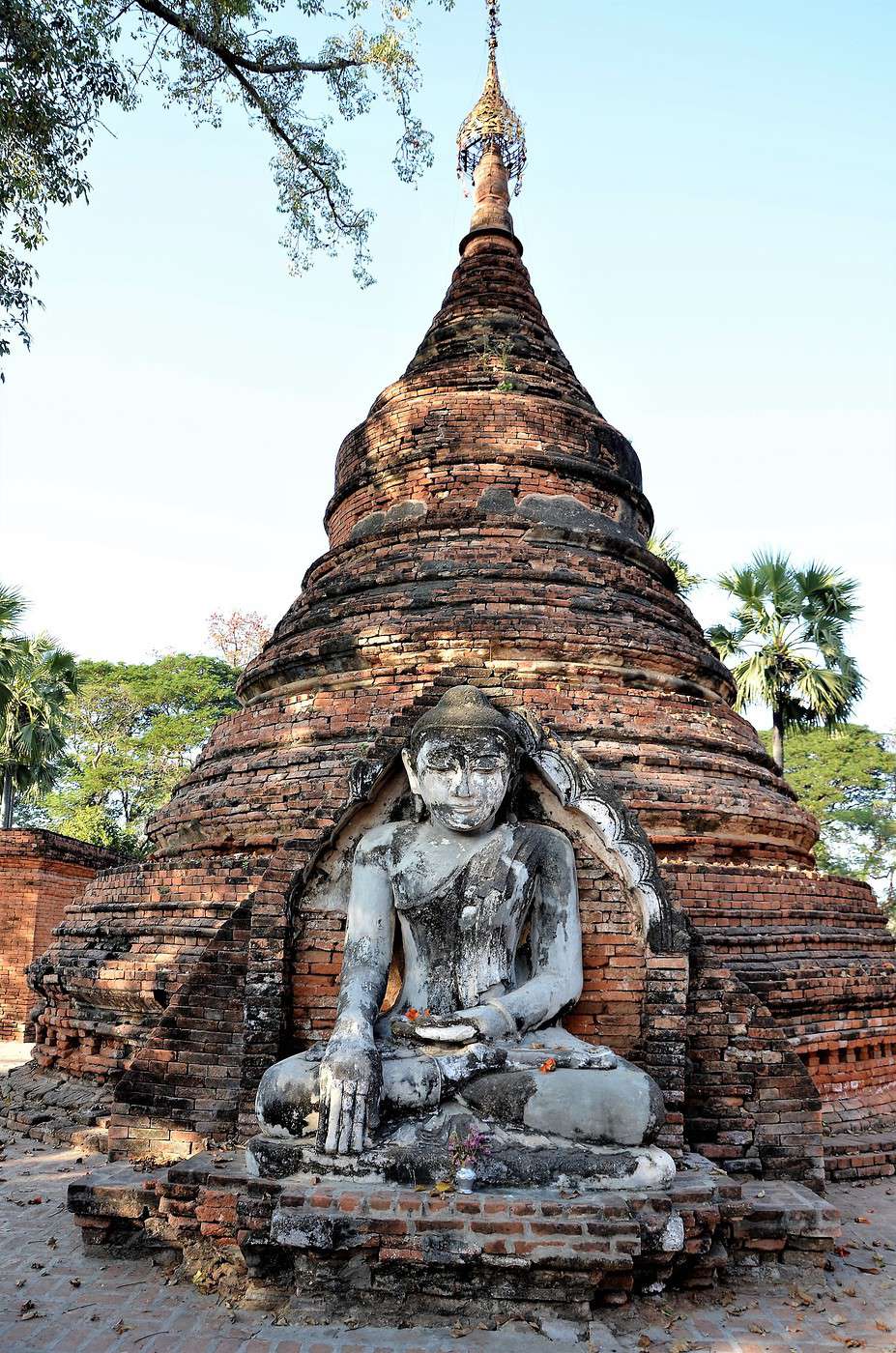
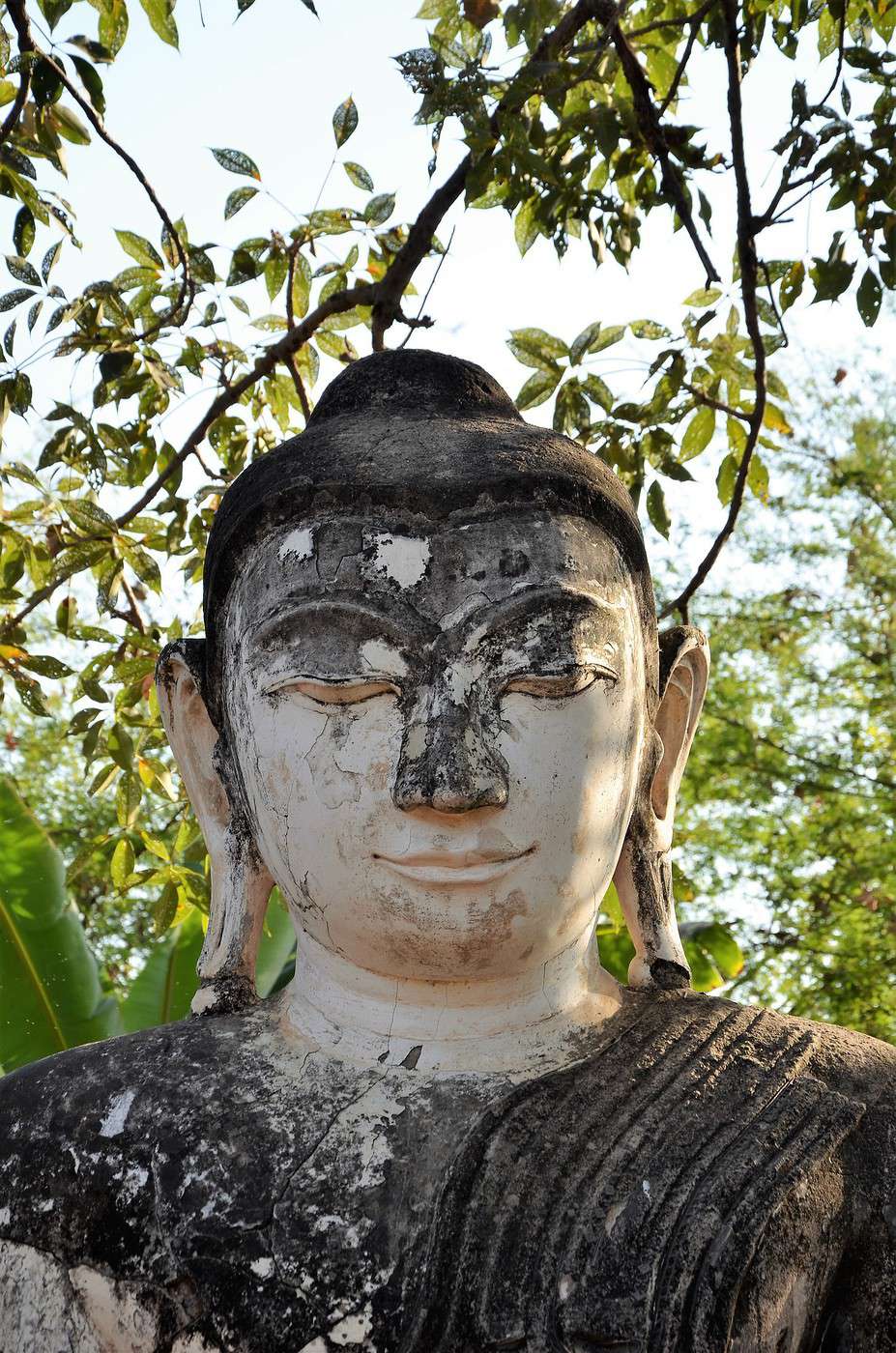
But what we enjoyed most were the older sites—the 14th-century Daw Gyan Pagoda and the Yedanasini Pagoda from the same era, with its magnificent melancholic Buddhas.


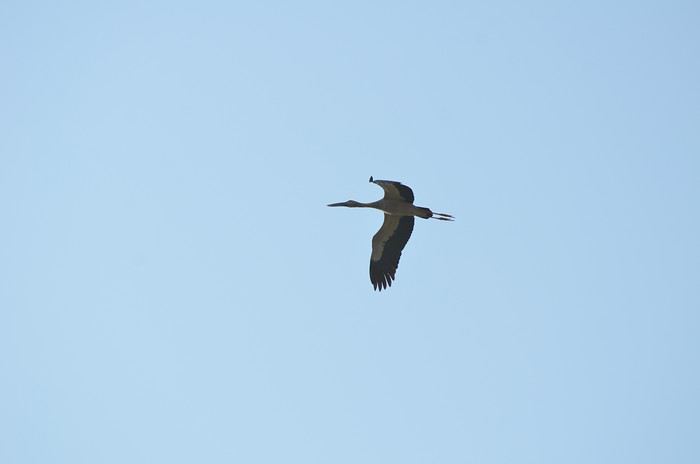
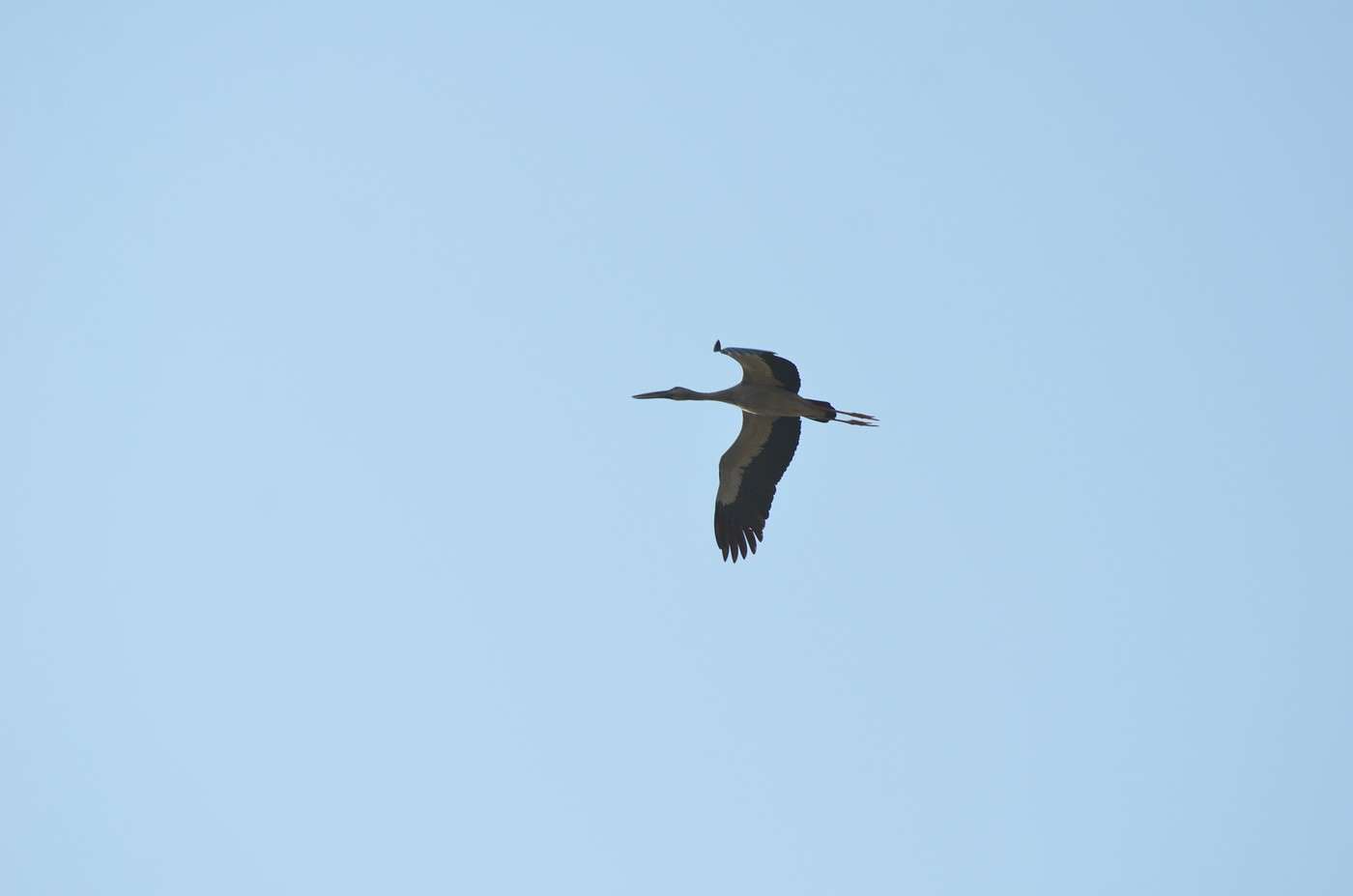
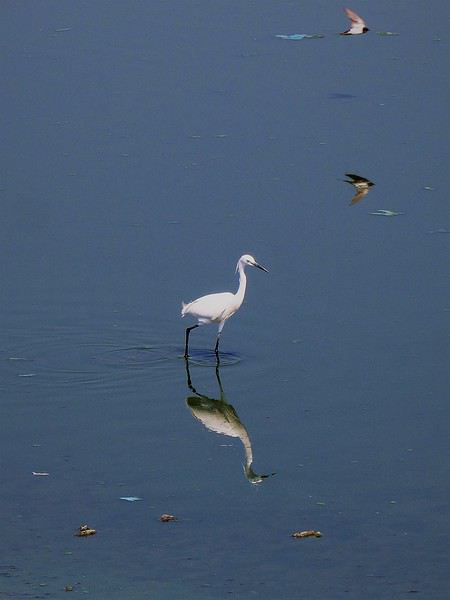
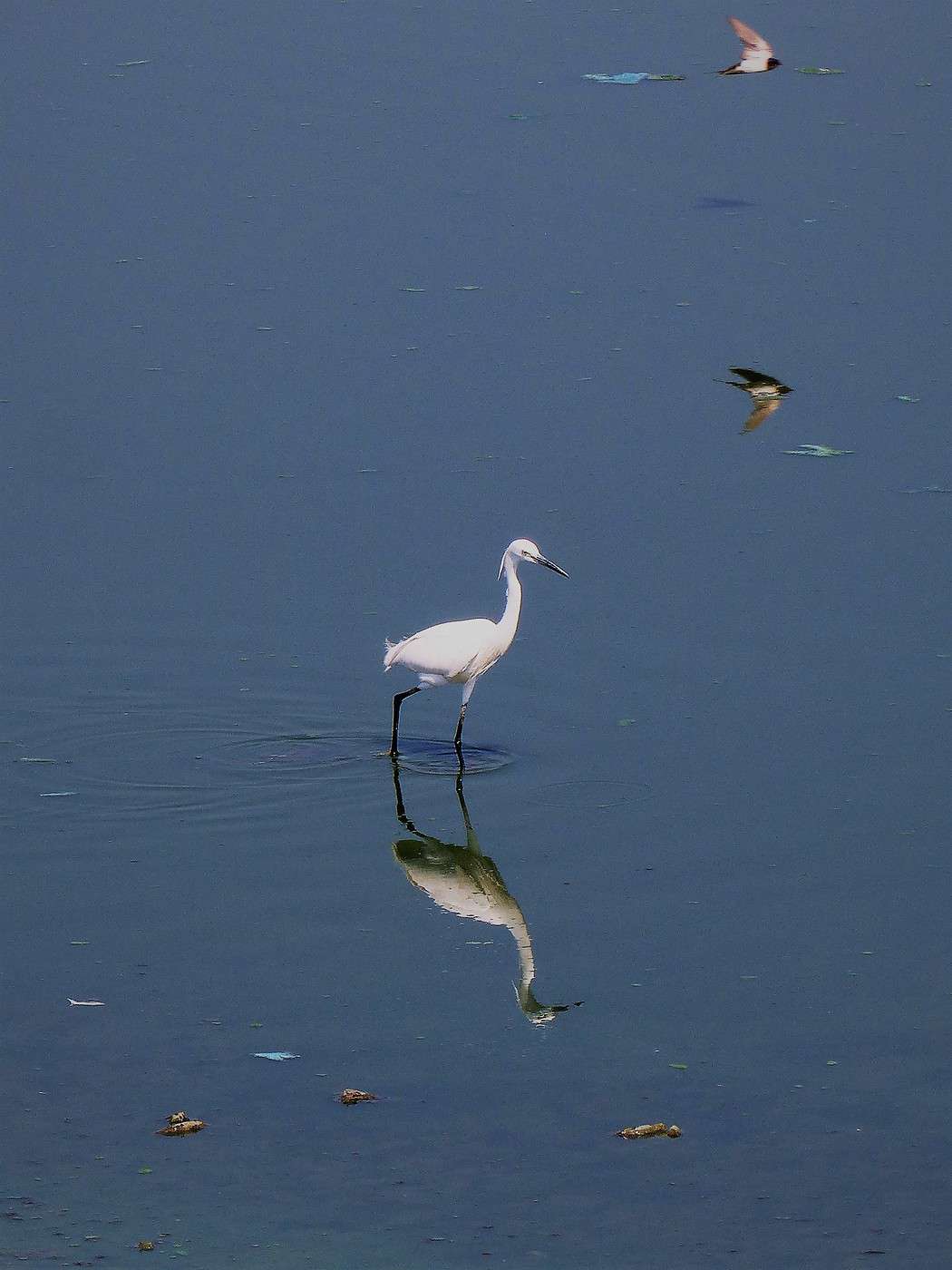
After Inwa’s tranquility, we meet up for the end of the day and sunset at the U Bein Bridge in Amarapura... The world’s longest teak footbridge (1.2 km) spans the muddy waters of a lake on 6-meter-high stilts. Unfortunately, the bridge is a victim of its own success—it’s more crowded than Deauville’s boardwalk in summer, and clusters of tourists in boats wait for the sunset... My powers of abstraction fail me here—the magic doesn’t work... but no big deal, after all! I’m still happy with this photo of a crane, completely unbothered by all the commotion...


That’s it for Mandalay! Next up: Bagan, but first, a stop at Mount Popa...

Burma as we had dreamed of it

Larri · 2017-05-11 · Message 39 of 94

Hi there, and thanks for this lovely travel journal. The photos are gorgeous. I can’t wait to see what’s next!

Maybe I missed it, but could you share the name and contact details of the local tour operator and let us know the cost of this amazing trip?

Thanks in advance! Larri

Burma as we had dreamed of it

Fabhyène · 2017-05-11 · Message 40 of 94

hi Larri, Thanks for your encouragement (and thanks to everyone else who chimed in). I’ll send you the details you asked for in a private message tonight. Best regards, Fabienne

VoyageForum — the largest community of French-speaking travellers.