Back to the discussion

in Entre deux voyages ‹ Carnets de voyage

Self-drive in southwestern Uganda, February 2020 (page 2 of 5)

Discussion started by Brycs23 on 2020-03-10

98 replies

This thread has been translated into English.


Self-drive in southwestern Uganda, February 2020

JeffSam · 2020-03-22 · Message 21 of 99

A self-drive trip in Uganda—I’m in, I’ve been dreaming of this destination!

Your photos and story really make me want to go!

Self-drive in southwestern Uganda, February 2020

Brycs23 · 2020-03-23 · Message 22 of 99

Hello,

It's funny—even though it's not at all on the usual route, you're the second group in a row to have gone to Mgahinga NP and Rushaga in Bwindi 😉

We also did the loop in the opposite direction from what most people do 😛

And I must say, Mgahinga is really tempting me. 😛 By the way, do people say the trek for the young ones is very beautiful, regardless of the difficulty?

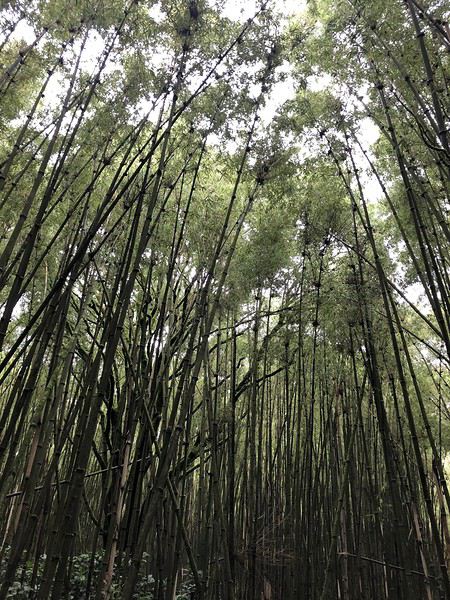
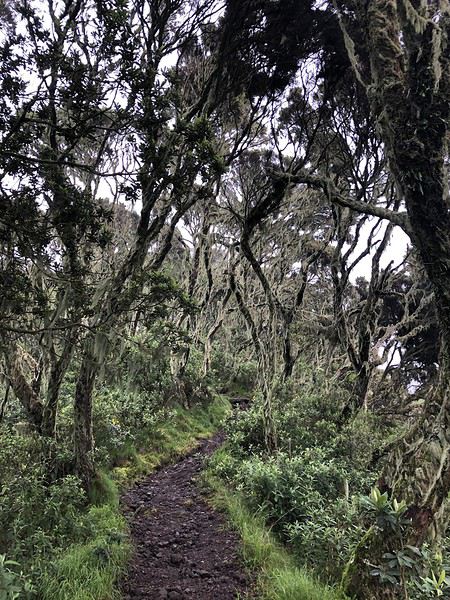
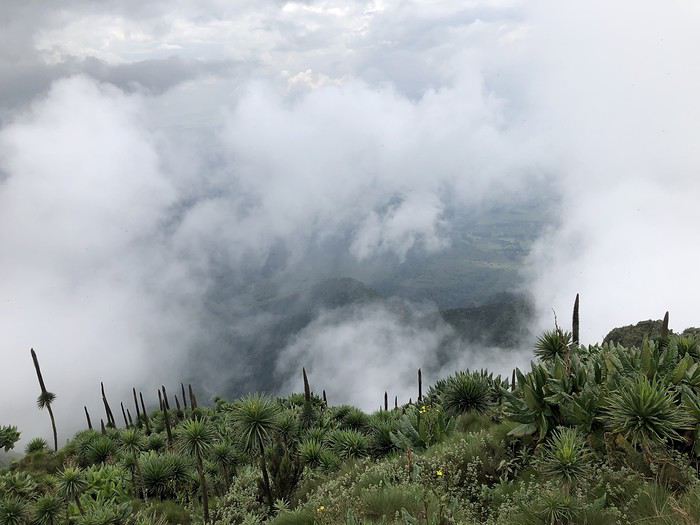
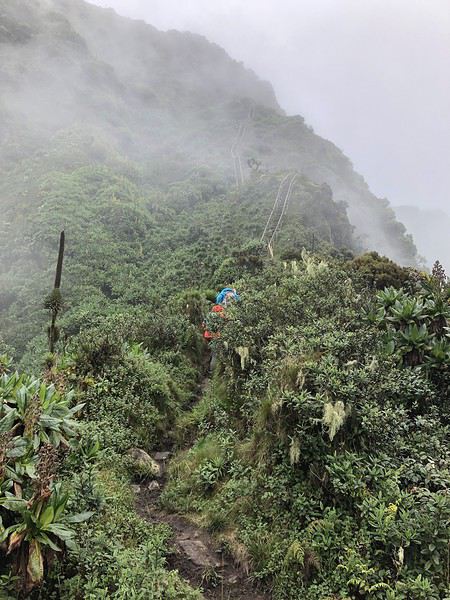
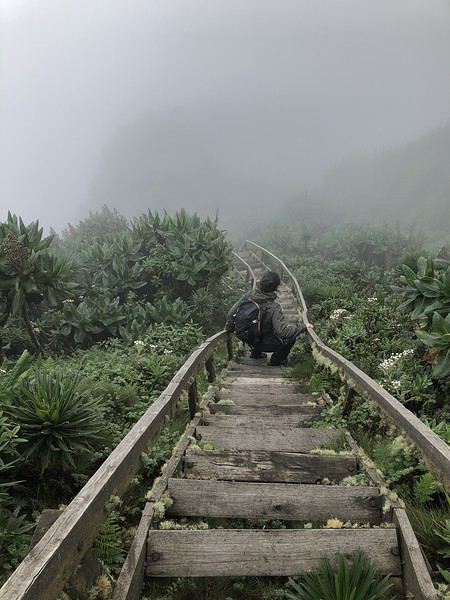
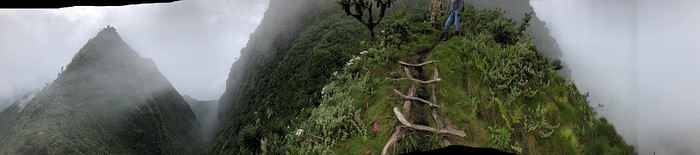
To those who went 😉 : it was really beautiful. They crossed bamboo forests, vine forests, and lots of lichen on the trees. Unfortunately, regarding the views, they had fog all day.


As for the difficulties: it was sometimes very technical, with lots of ladders and passages through very narrow spots with drops on both sides. My son struggled more with the altitude (shortness of breath) than the technical parts. My daughter-in-law had no issues with that but found the descents with ladders and stairs more challenging.


Thanks again for sharing your beautiful trip with us 🙂

My pleasure! And thanks to you too—I also used your travel journal to plan our trip 😉

Self-drive in Southwest Uganda, February 2020

Brycs23 · 2020-03-23 · Message 23 of 99

Welcome aboard!

So happy my travel journal is making you even more excited to go. This country and its people are amazing.

Self-drive in southwestern Uganda, February 2020

Magryelle · 2020-03-23 · Message 24 of 99

Thanks so much for sharing this and for the beautiful photos! It brings back such great memories and is such a delight in these confined times! Can't wait to see the gorillas' faces!

Self-driving in southwestern Uganda, February 2020

Rjulie95 · 2020-03-23 · Message 25 of 99

It's magnificent

Self-driving in southwestern Uganda, February 2020

Muriel18 · 2020-03-23 · Message 26 of 99

Gorgeous, yes... but it doesn’t look easy 😵 Muriel

Self-drive in Southwest Uganda, February 2020

Brycs23 · 2020-03-23 · Message 27 of 99

Thanks for joining us! The gorillas are coming 😉

Self-drive in southwestern Uganda, February 2020

Rjulie95 · 2020-03-23 · Message 28 of 99

That does sound a bit complicated 😏

Reminds me of Kilimanjaro, minus the hiking

Southwest Uganda Self-Drive, February 2020

Brycs23 · 2020-03-23 · Message 29 of 99

February 7 Well, no, the night wasn’t great. But that didn’t stop the team from being ready bright and early 😄 Today is THE BIG day! The weather is dry (yay!) and at this early hour, there’s a bit of mist.

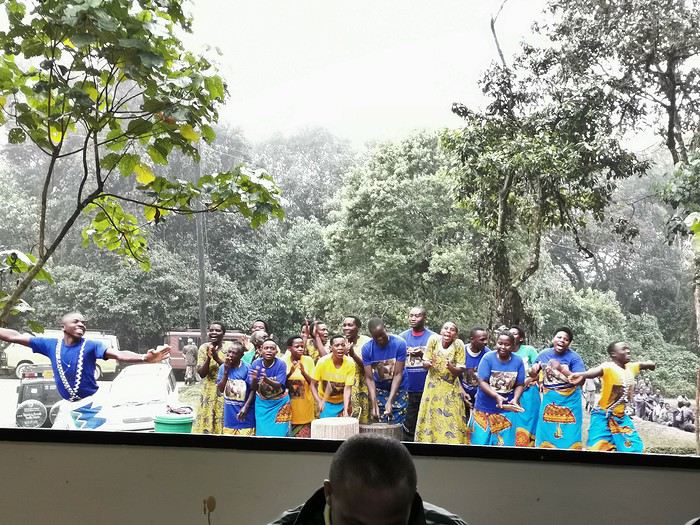
We left the lodge around 7:15 AM. The drive to the park entrance was super short (5 minutes), and we were among the first to arrive. We took the chance to chat with a UWA guide, then settled into the briefing “room.” When the time came, I handed over our permits to the UWA officer in charge of registrations. We were the only tourists there without a driver 😅 There were about fifty people. Before the briefing, we watched traditional dances performed by the local community.


After the instructions and recommendations, the long-awaited moment finally arrived: group assignments. We’d be visiting the Mishaya family and would be with two American couples (around our age) who didn’t know each other. Our guide would be the same one we’d spoken to upon arrival. We hired four porters—first to help us during the trek, but also because we thought it was a good way to support the local community (the Batwa).

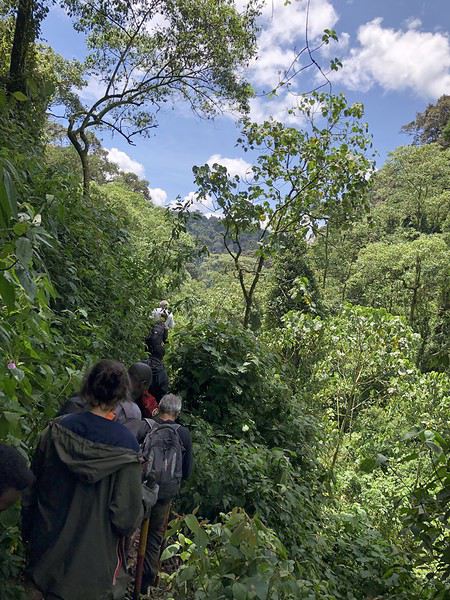
We set off on foot at 8:45 AM from the meeting point. I specify “on foot” because some groups left by car to reach starting points farther from the main entrance. We’d be hiking (mostly uphill) for 2 hours on a trail that was muddy in spots but didn’t have any major difficulties. The pace worked well for us and the Americans (we were relieved—they weren’t any fitter than we were 😄). Still, we had to take breaks now and then so the “six not-so-young” in the group could catch their breath, but overall, my husband and I thought we were managing pretty well. Our two kids, of course, had no issues.


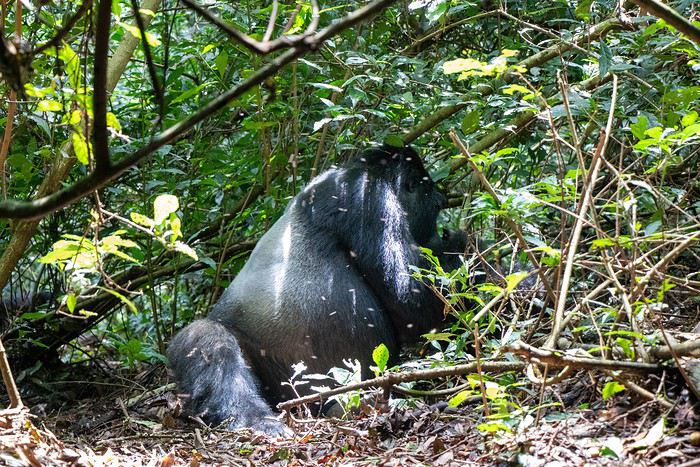
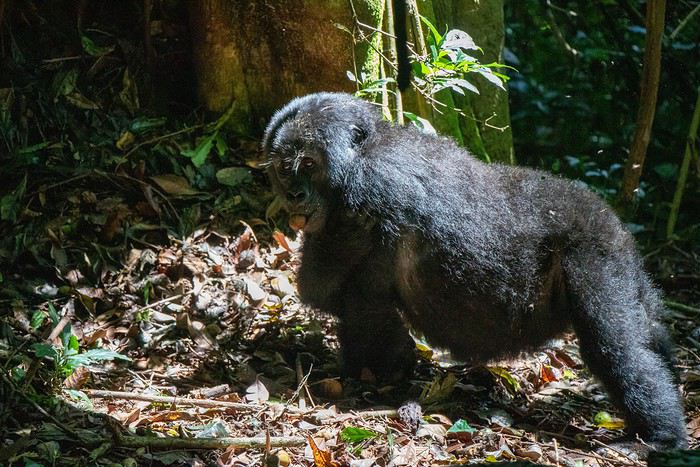
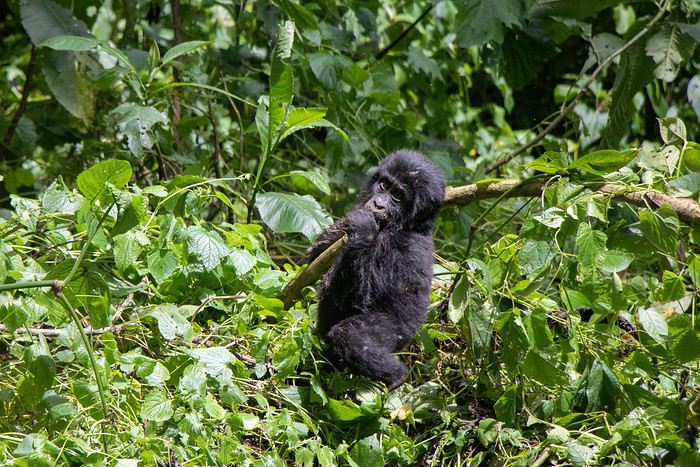
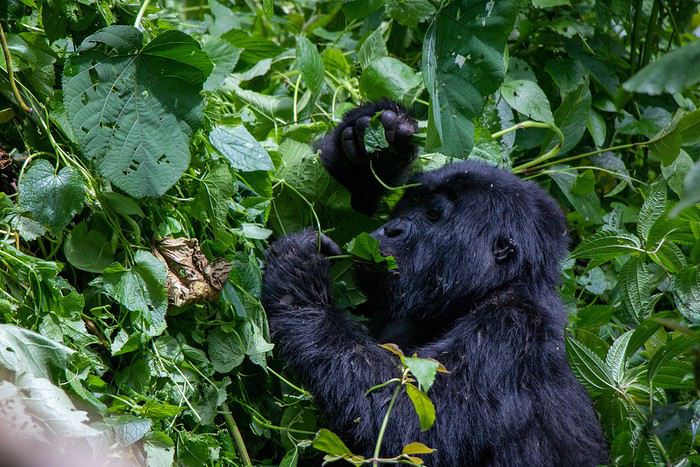
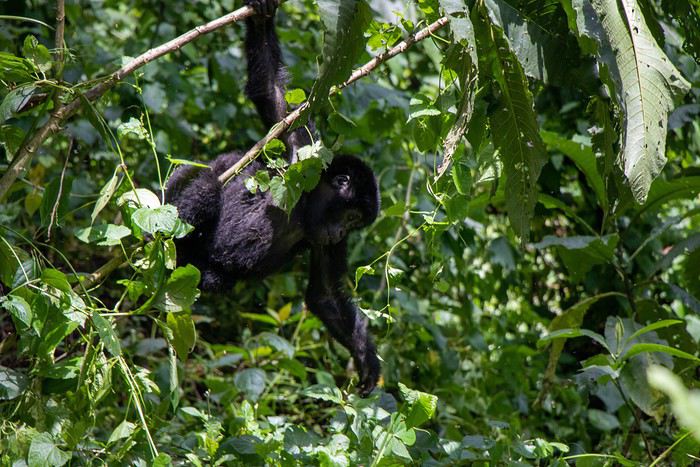
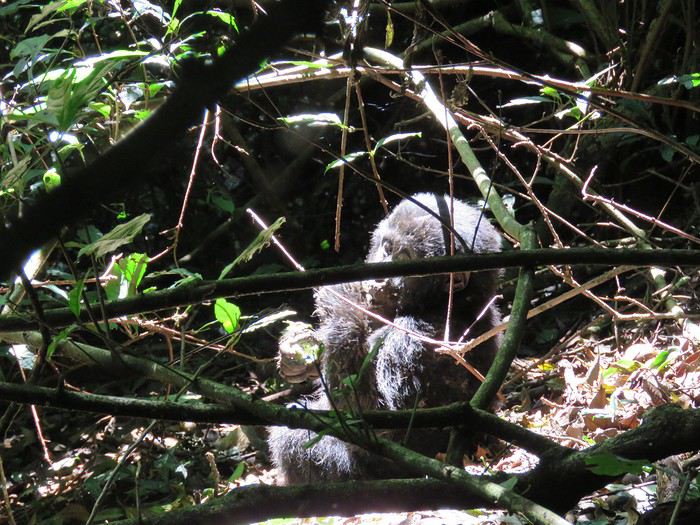
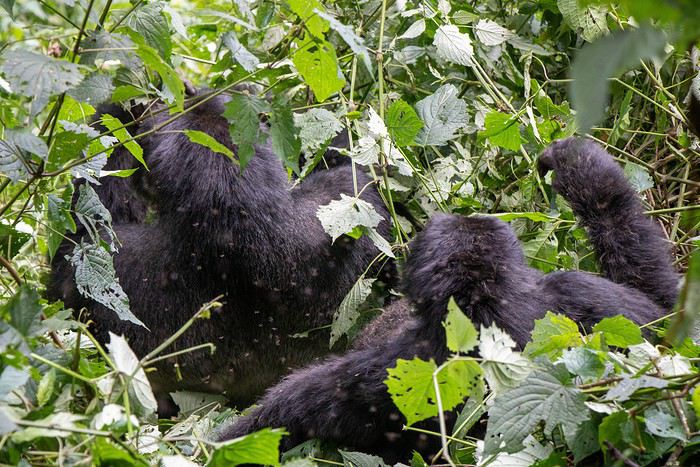
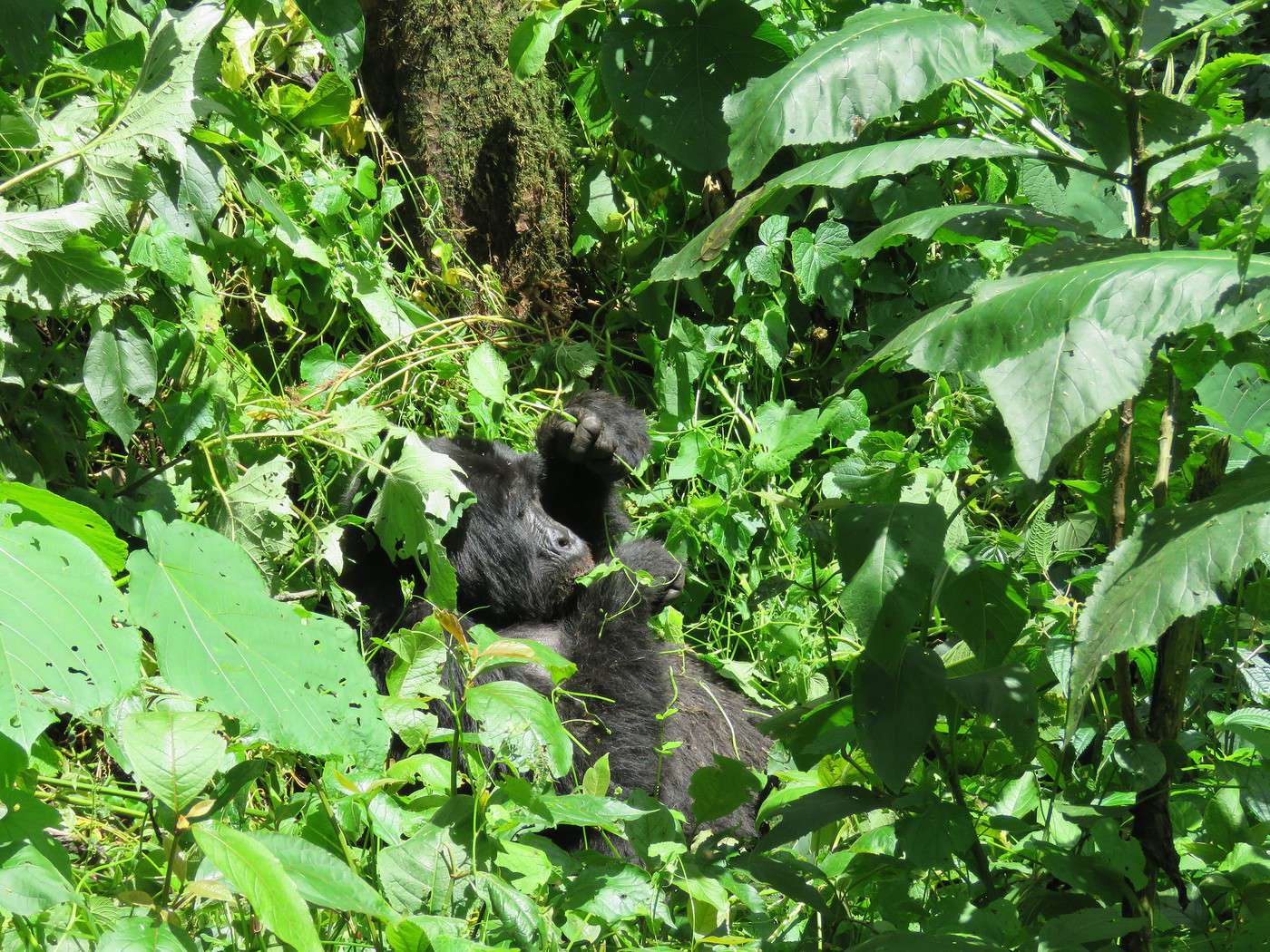
We finally reached the summit, where we met the trackers. We left our porters behind and followed our guide, pushing through the vegetation. We went down a bit, and… there they were—the long-awaited gorillas. The Mishaya family consists of one silverback, five females, one teenager, and four little ones. We first saw two babies—gorgeous and so funny—then the silverback. Unfortunately, they moved pretty quickly. We followed as best we could. The silverback settled at the base of a tree, head to the side, but in a dark, cluttered spot, surrounded by a swarm of flies (not great for photos). He stayed there for about 10 minutes, joined by the teenager and a little one, but they didn’t stick around long, of course 😄 We observed, enjoyed, and asked the guide questions.


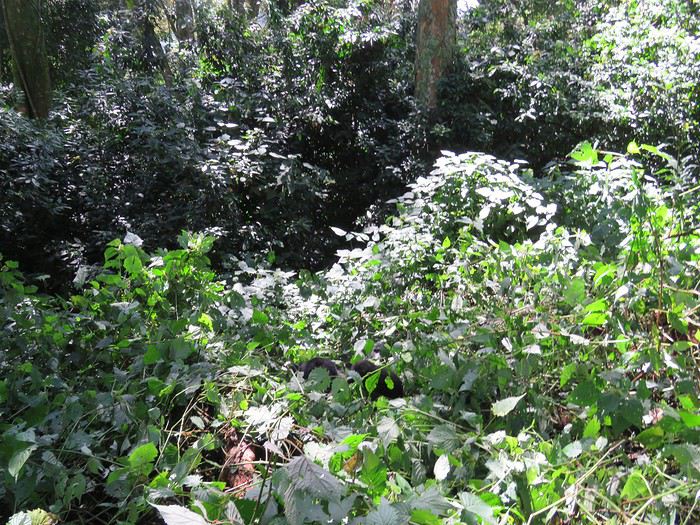
They started moving again, and we followed them for quite a while through very dense vegetation on steep terrain. We couldn’t see where we were stepping, clung to whatever we could, and formed a chain to help each other… it was quite the adventure. We caught glimpses of the females in the distance. We managed a few zoomed-in photos, and then it was already time to say goodbye. I’ll admit, we were a little frustrated at that moment—the hour had flown by (we’d been moving almost the whole time to keep up), and we hadn’t gotten to see them in an open area. But we were well aware of how privileged we were just to be there.


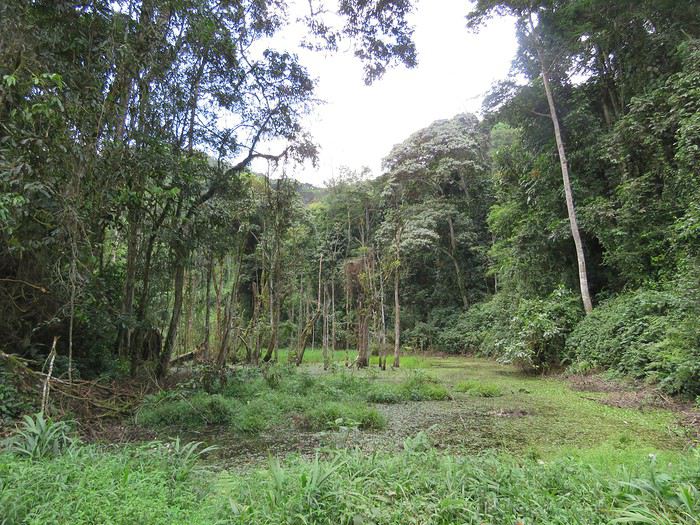
The photos below aren’t here for their quality 😛 but to show you the environment where we saw the gorillas.


Then came the return trip. We continued descending the slope without a path and were joined a little lower down by our porters and the trackers, to whom we said goodbye. We were back on a trail. I thought, “Great, we’ve done the hardest part.” I celebrated too soon. It wasn’t that there were insurmountable obstacles or that we had to climb, but the trail was *very* muddy, super slippery—we walked through little streams, and I realized my shoes were just not cutting it. It was like walking on ice. So yes, I took a few tumbles, but no harm done, and it was all laughs 😛 Mud is good for the skin, right? Thankfully—*a hundred times thankfully*—our porters were there, and they kept me from spending the whole descent sitting down ðŸĪŠ. They also helped my husband a lot. Moral of the story: choose your hiking shoes wisely.

After an hour and a half of descent, we took a 30-minute lunch break. We shared our picnic with the porters and the guide. We had 30 minutes of walking left to the parking lot. It was easy and on dry ground. We reached the starting point around 2:40 PM. We were really lucky with the weather—dry and warm the whole time. We took some group photos and paid our porters. We wouldn’t get the traditional diploma ceremony… they’d run out.


During the day, we had plenty of time to chat with our porters, and my husband learned that three of them came from the same village, 5 km away. Of course, they’d walked there that morning and would have to walk back (adding 10 km to what we’d already done that day—and *they* had our backpacks to carry!). My husband offered to drive them home. He first dropped off my stepdaughter and me at the lodge, then went with our son to pick them up and take them to their village. They couldn’t believe it. It was the first time as porters that *muzungu* had ever made that offer. It was market day in the village, and they warmly invited my husband and son to join them. A really enriching experience.

A quick aside about the porters in Rushaga: there are 120 of them sharing the work, and they’re only allowed to do it once a month—or twice if there’s high demand from tourists. That way, everyone gets a chance to work. If it’s their day and they show up but aren’t “hired,” they can come back the next day. For those of you who might visit Bwindi one day, keep this in mind and don’t hesitate to hire porters. First, because it’ll help you during the trek, and second, because you’ll be giving these people work. The minimum price is 15 $ per porter, but feel free to give more.

This was a wonderful day: our first rain-free day, the long-awaited encounter with the mountain gorillas, and the exchanges with our porters. Tonight, I’m sure, I’ll sleep well ;)

Southwest Uganda self-drive, February 2020

Brycs23 · 2020-03-23 · Message 30 of 99

One last tip for the gorillas: looking back on our experience, if we were to do it again, we’d do the tracking in Mgahinga National Park. First, because there are far fewer people, and it’s not uncommon to find yourself alone with the guide. Then, because the terrain is much more open and visibility is better. The approach hike does start at a higher altitude (2,400 m), but according to the guide we met on-site, it often only takes about an hour. Plus, there are now two habituated gorilla families. One group recently arrived from Rwanda.

Of course, this is just my opinion, and I’m well aware that you can also get lucky and see the gorillas really well in Bwindi 😉

Self-driving in southwestern Uganda, February 2020

Rjulie95 · 2020-03-23 · Message 31 of 99

It's just so beautiful watching these animals—absolute dream come true! :)

Self-drive in Southwest Uganda, February 2020

Muriel18 · 2020-03-23 · Message 32 of 99

Thanks for the photos, it’s still just as magical 😊. I also regret (just a tiny bit, since it’s still great to see them) not having gone to Mgahinga, which does seem much clearer in terms of vegetation. We got the diplomas... but not the dances 😄. And there were far fewer of us (12 in 2 groups), but it’s good that there are people for the porters’ work and all... Muriel

Southwest Uganda self-drive, February 2020

Max68 · 2020-03-23 · Message 33 of 99

The trek was absolutely magnificent—it reminded me of the high-altitude landscapes of the Rwenzoris, except you get to see them in a single day instead of the 3 or 4 it takes in the Rwenzoris.

From what I remember, Ruhija is where you can most "easily" approach the gorillas (we’d hiked for about 1 or 1.5 hours, if I recall correctly).

Your travel journal makes me want to go back to that region—it could be centered around Mgahinga / Virunga.

Thanks a bunch! 😎

Self-drive in southwestern Uganda, February 2020

Ticapi · 2020-03-25 · Message 34 of 99

You’re bringing back such great memories. We were lucky enough to do two gorilla treks—one in Uganda and the other in Rwanda. That was back in 2017, with the "old" prices. In Rwanda, the vegetation is also less dense.

I totally agree with you—it’s absolutely worth having one porter per person. We could’ve managed without, but for the local community, it’s a vital source of income.

Carmen

Self-driving in southwestern Uganda, February 2020

Brycs23 · 2020-03-29 · Message 35 of 99

Thanks for your comments. It’s really great to have people on board the Landcruiser! 😛 I’ll try to post the next day’s update tonight.

Have a lovely evening, everyone!

Southwest Uganda Self-Drive, February 2020

Brycs23 · 2020-03-29 · Message 36 of 99

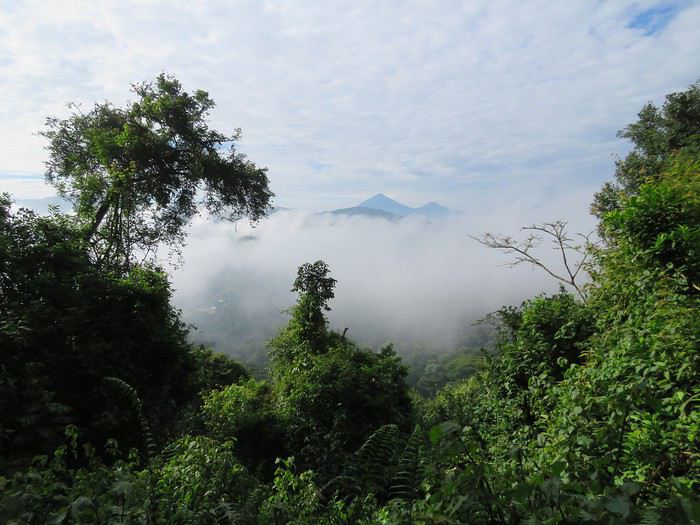
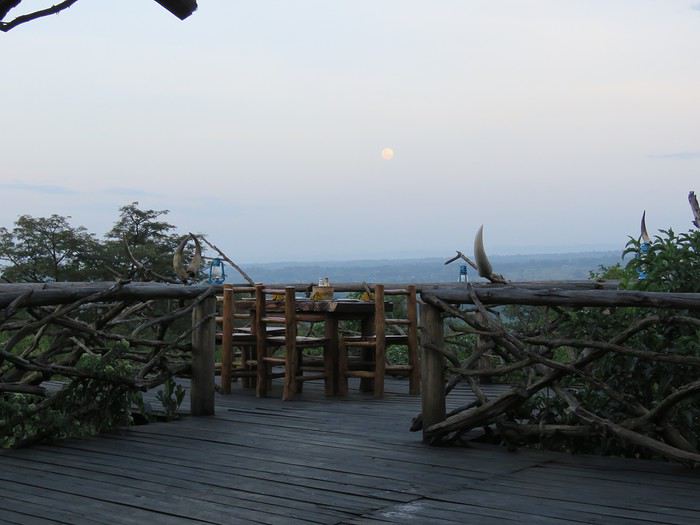
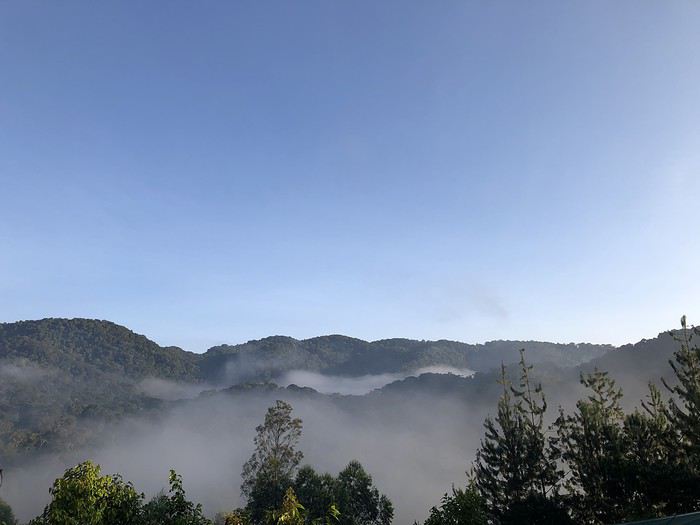
8 February As planned, all four of us slept well. The weather is misty, and the view from the restaurant terrace is stunning. It really feels like "Gorillas in the Mist" 😄


Today is a travel day: we need to go from Rushaga to the southern part of Queen Elizabeth National Park. This is the only part of our Uganda trip that my husband couldn’t quite visualize before we left (he couldn’t figure out if it was possible to reach Ruhija by staying along the Bwindi Forest the whole way). Luckily, Maurice, one of the lodge employees, is here 😊 He’s from the QENP area and shows us which road to take to get to Ruhija. For those who might be interested: it’s not possible to go from Rushaga to Ruhija by staying *only* along the Bwindi Forest.

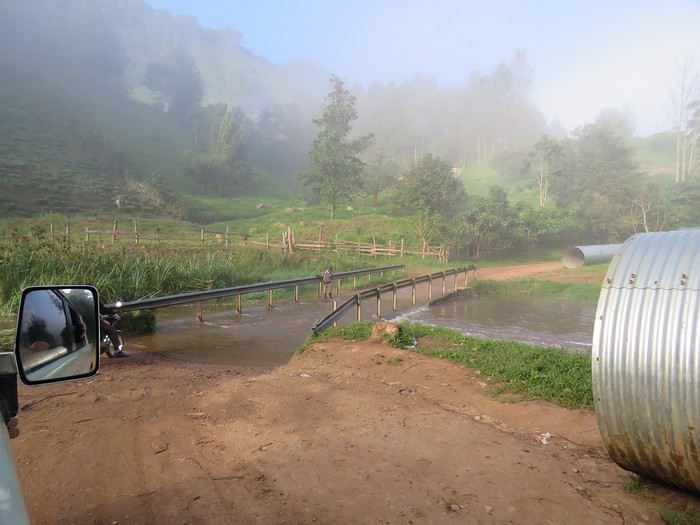
We leave the lodge around 8:20 AM, heading toward Muko. After a few minutes, we have to cross a ford. There’s a motorcycle in front of us. It makes it through. Okay, we should be fine too :P We roll up the windows and go for it.


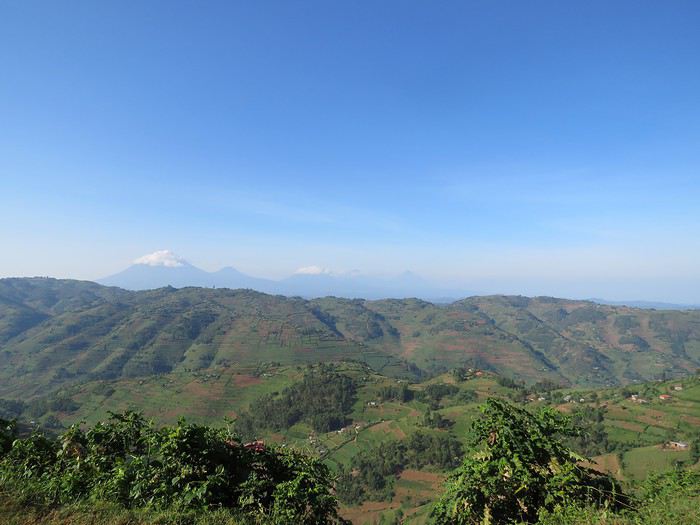
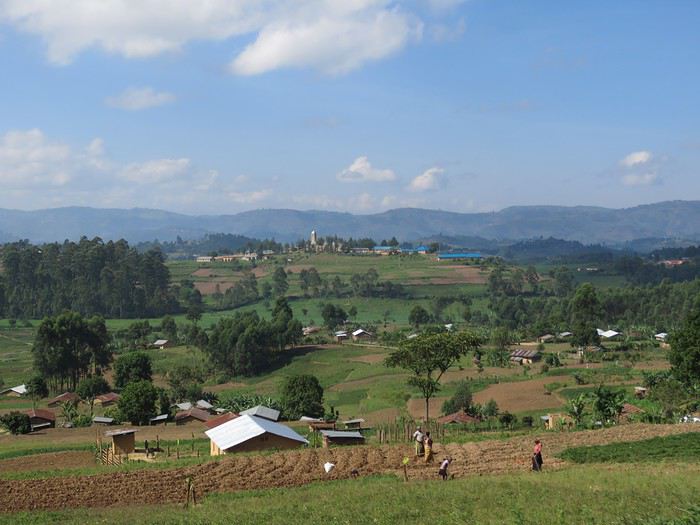
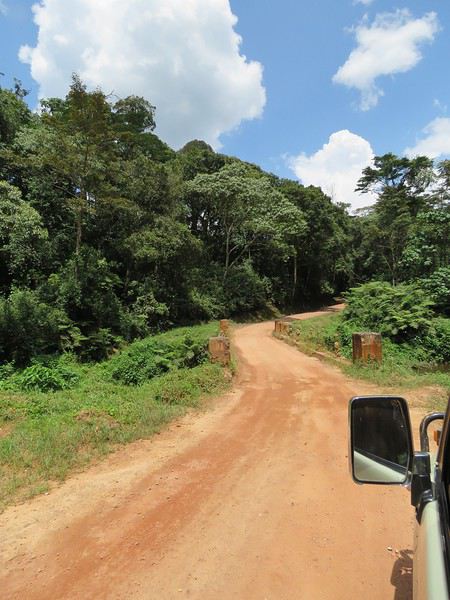
The track we’re following is pretty rough—you have to stay super alert (it’s not recommended in the rain; in that case, you’d have to take the detour via Kisoro). But as usual, the landscapes are gorgeous.


We join the main road from Kisoro to Kabale. After about 18 km, we turn left onto the track leading to Ruhija (it’s well signposted). This time, the track is in good condition—really nice and partly through the Bwindi Forest. There’s a gate at the forest entrance where you have to register. FYI, it took us 3 hours to get from Rushaga to Ruhija.


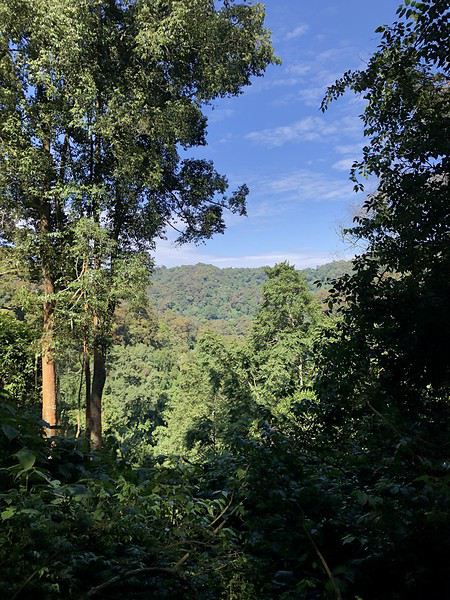
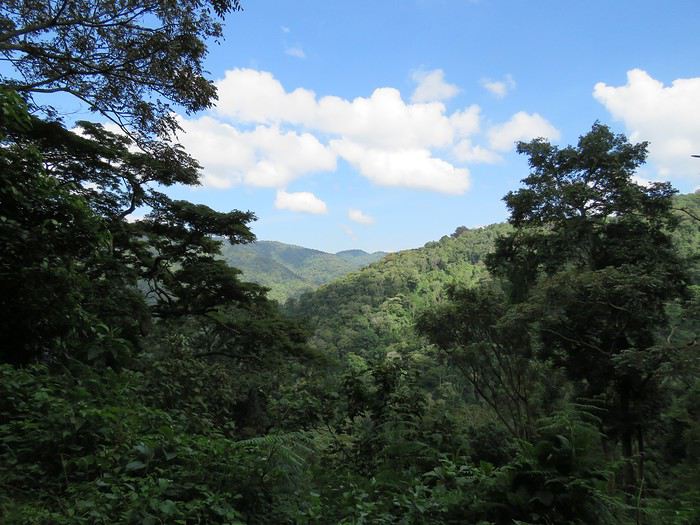
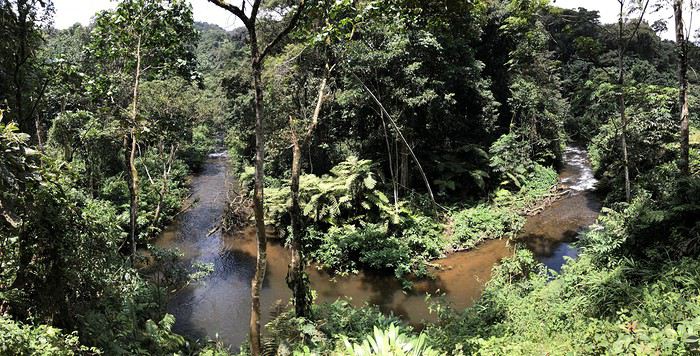
The Bwindi Forest. Hard to believe we trekked through there yesterday ;)


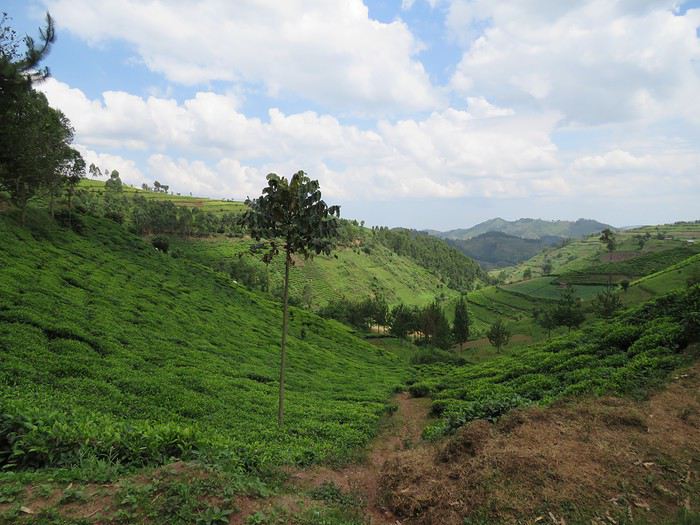
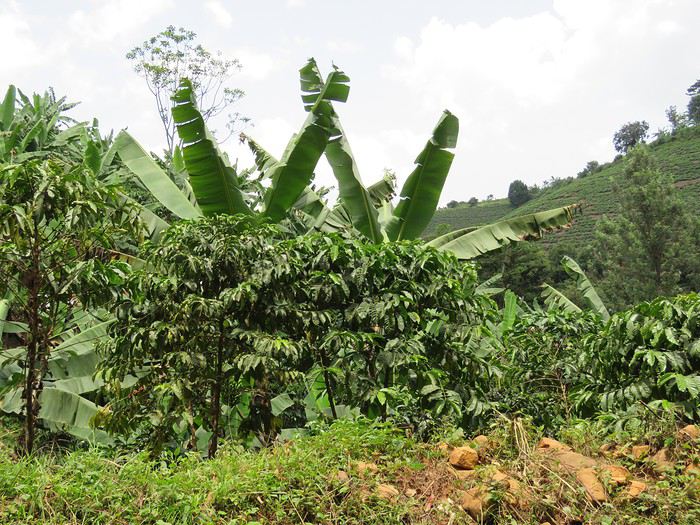
Coffee, tea, or banana... we’ve got options ;)

After Ruhija, the track stays great until the turnoff toward Buhoma and Kihihi.


We head toward Kihihi, and suddenly the track changes completely: corrugated, full of potholes. We get caught in a heavy downpour, but luckily it doesn’t last 😄 At the end of this track, we turn left. Another type of road: very wide, gray, and super dusty, under construction, with countless speed bumps and rocks. Not very pleasant. We finally reach Kihihi, where the main road is also under construction (small detour via the parallel track). We drive through town toward QENP. There are no signs, but it’s easy—just keep going straight ;)

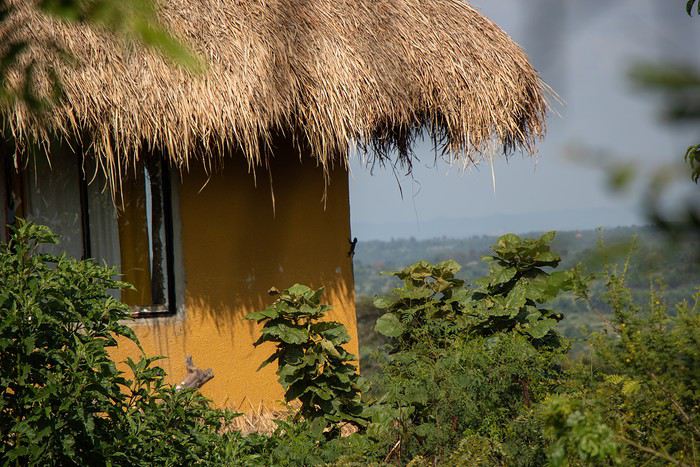
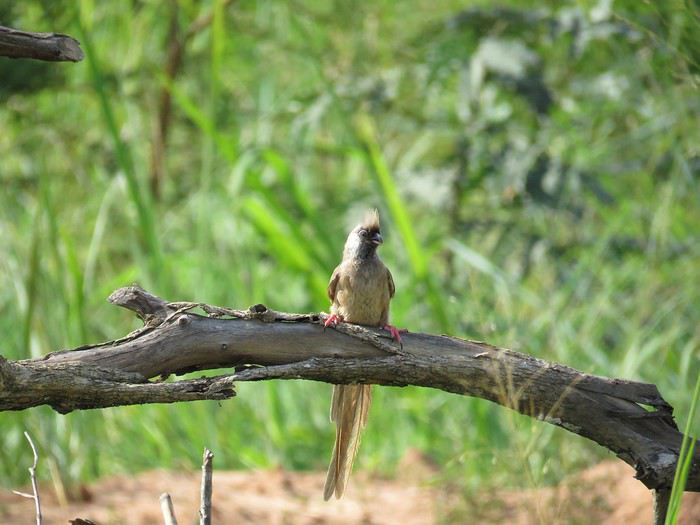
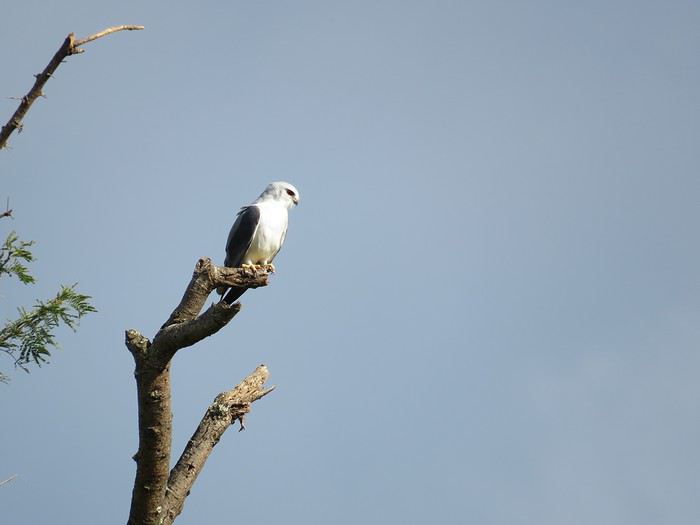
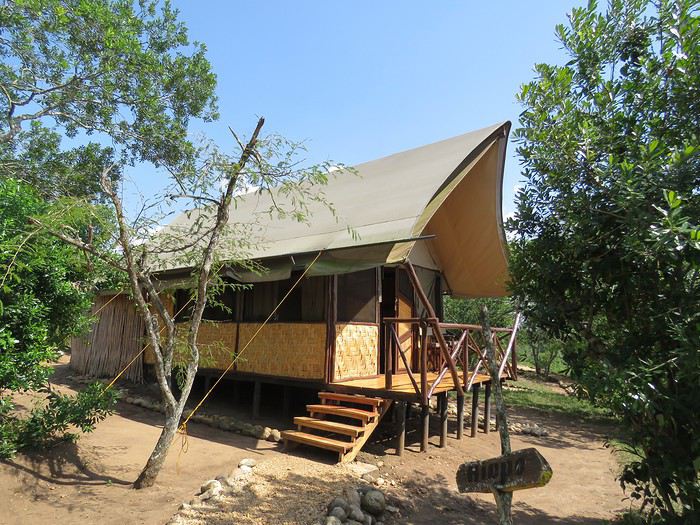
We arrive at Topi Lodge around 2:30 PM. We took our time and made plenty of photo stops. This lodge is just a few minutes from the southern entrance of the park (Ishasha sector). It’s really beautiful. Each cottage is decorated with local crafts and fabrics, they’re well spaced out, with views of QENP on one side and the plains below on the other. It’s so peaceful, and there are *tons* of birds you can watch from the cottage terrace. We’re the only ones staying here tonight 😊 It’s one of the highlights of our trip.


We eat our picnic on the restaurant terrace, then enjoy the terrace of our cottage. The weather is really warm (we’ve gained a few degrees), sunny but gets stormy in the late afternoon.

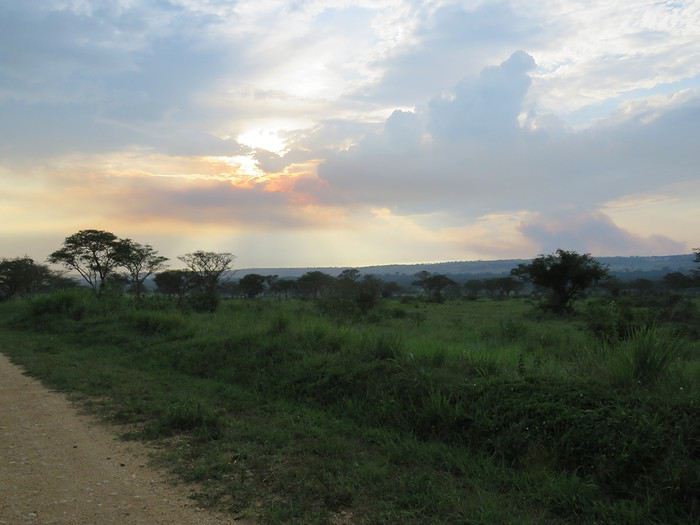
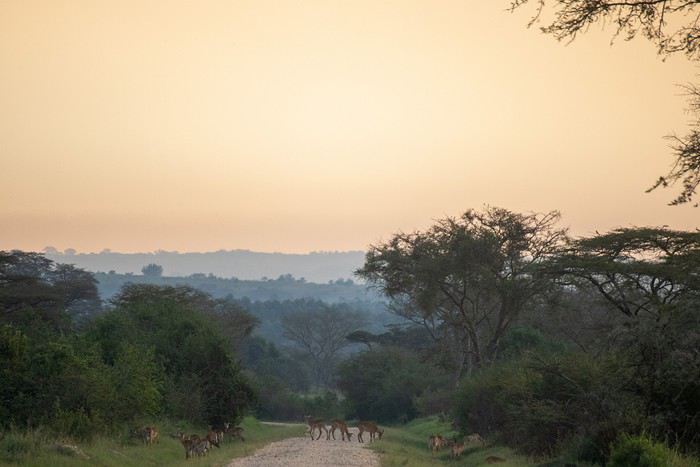
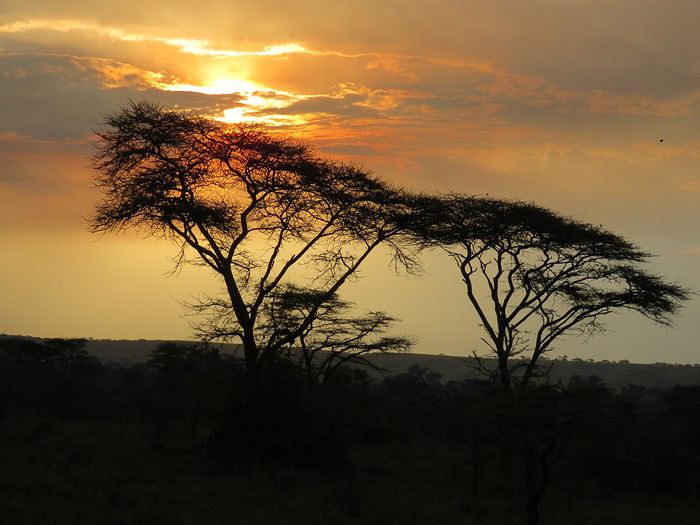
Before dinner, we go for a drive. We see monkeys, kob, impalas, warthogs, and a gorgeous sunset.


Here we are in the savanna.

Back at the lodge for dinner by candlelight. It’s magical.


And we’re falling more and more in love with this country :)

Self-drive in southwestern Uganda, February 2020

Muriel18 · 2020-03-30 · Message 37 of 99

And we're more and more won over by this country 🙂

I wonder if anyone comes back disappointed 😉. Thanks again for letting us relive this trip. Muriel

Self-drive in southwestern Uganda, February 2020

Brycs23 · 2020-03-31 · Message 38 of 99

I wonder if anyone comes back disappointed 😉.

If that’s the case, I’d have a hard time understanding 😉

Thanks again for letting us relive this trip.

It also lets me relive our trip. And thanks again for reading so faithfully 🙂

Self-driving in southwestern Uganda, February 2020

Brycs23 · 2020-03-31 · Message 39 of 99

February 9 Gorgeous sunrise over the plain, with birdsong in the background.
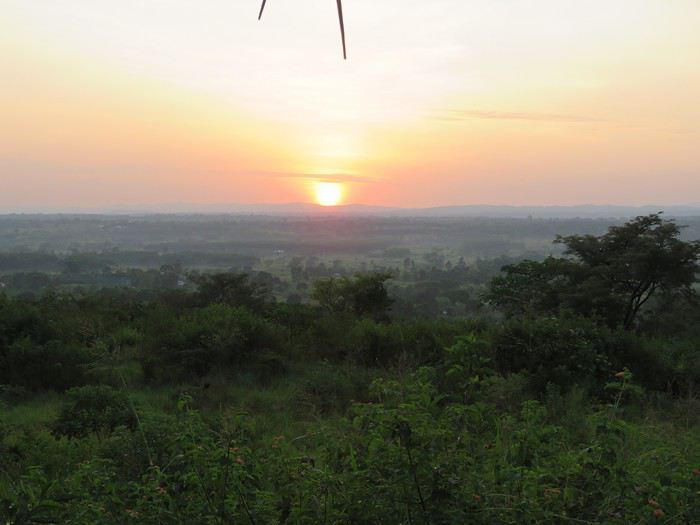


When I try to wash up, no water! Same issue in the other cottage. Turns out it’s a general water outage because a pipe was damaged during roadwork on the main Kihihi road. The lodge staff helps us out by bringing a large jerrycan of water. We have breakfast on the restaurant terrace and enjoy the stunning view of the plain again.

We leave at 9:20 AM, under the sun, heading to the southern entrance of QENP.
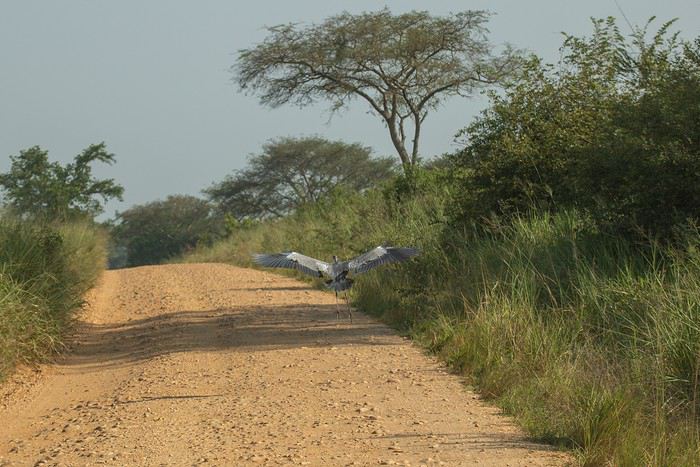


The entry formalities are slow. Even though we’re the only ones there—no other cars in sight—the ranger writes the wrong date on the permit. I notice and point it out. He doubts me, says no, but finally checks a calendar and scribbles the correct date over the other one.

Now we’re in the park.
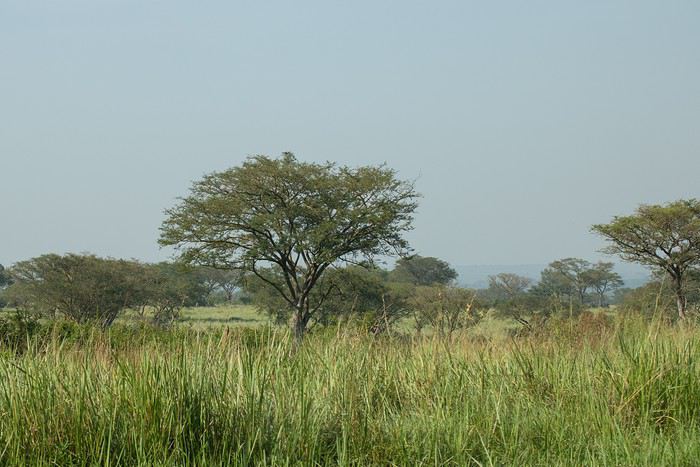


Between the lodge and the park entrance, we passed a car with a guide and a tourist. We asked if they’d seen any tree-climbing lions. The guide’s answer was clear: no, and no one had seen a lion in the area for three weeks. Big disappointment in the car. And I can confirm we didn’t see any either—not us, nor the other cars we stopped to ask along the way. We drive through the Ishasha sector, looking left and right, but very few animals in sight. A few impalas and topis. Some birds.
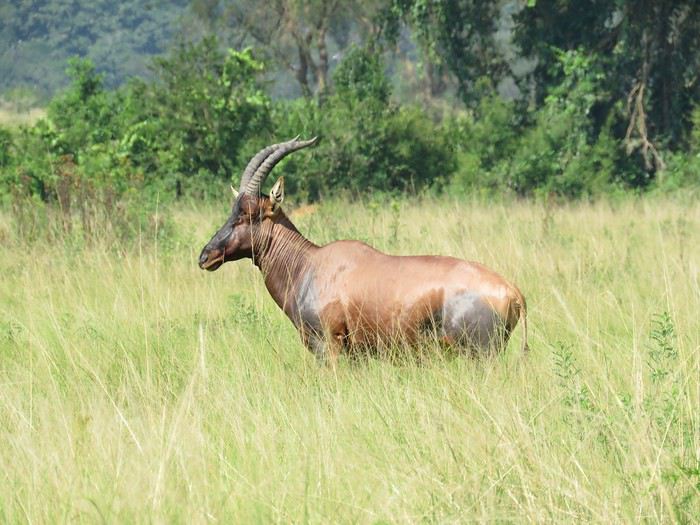
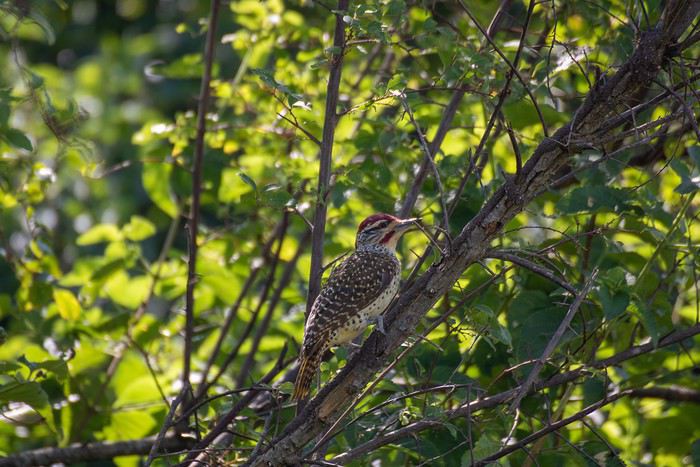
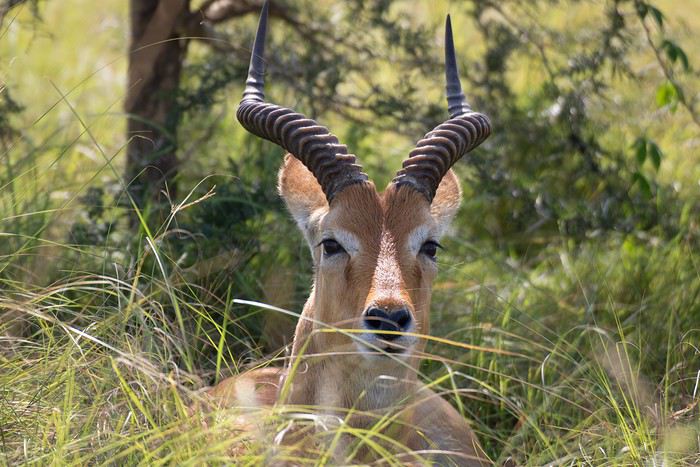


The track is relatively narrow and tricky in places. We have to use 4x4 for a tough water crossing.

We stop at Ishasha River Camp, by the river that marks the border with Congo. No tourists—just soldiers and rangers. We ask if we can see the river. They say yes, but we must be escorted by rangers. We cross the soldiers’ camp and reach the riverbank, where people can pitch tents if they want to camp in the area. FYI, there are no facilities, and soldiers must stay near campers (because of the proximity to Congo and hippos).
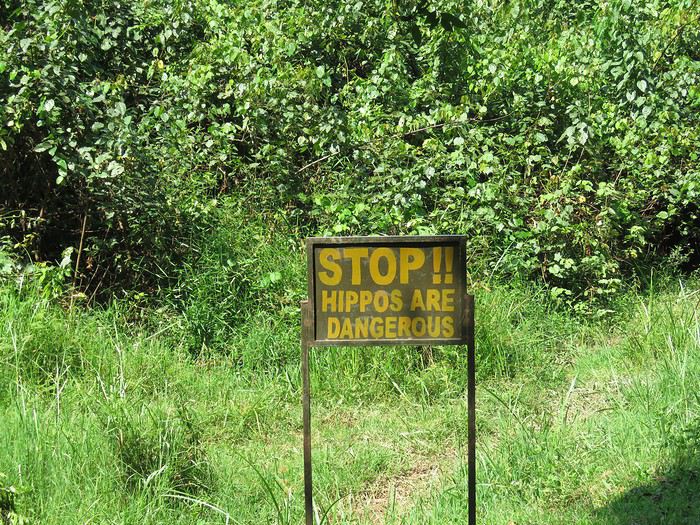


We walk near the river, where hippos are plentiful, and we’re lucky to see our first white-tailed colobus monkeys.
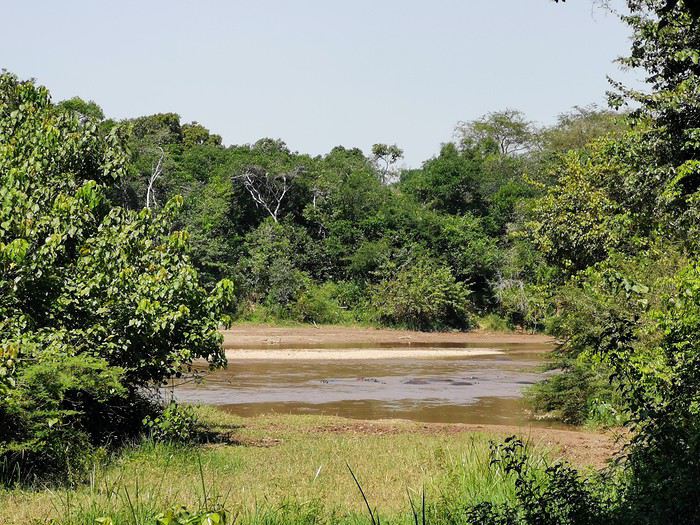
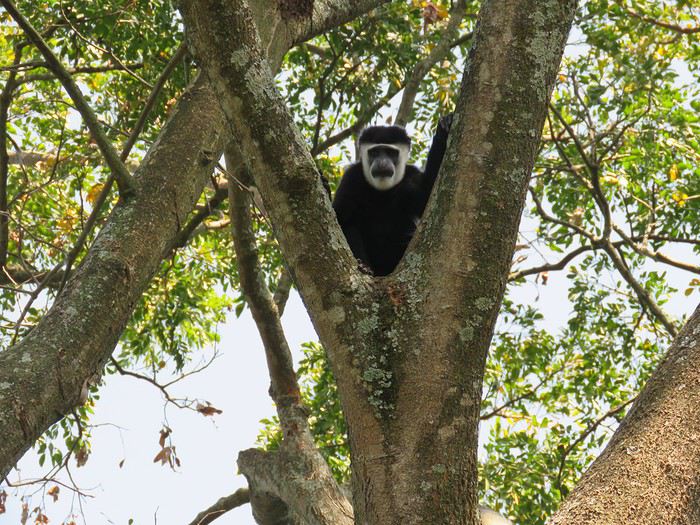


Back to the car, and we head back onto the track. The southern sector is small, and for us, it’s only worth it if the tree-climbing lions are there. But obviously, you don’t know unless you go 😛 And others have been luckier than us—some saw a leopard here.

We leave the Ishasha sector and hit the track leading from Congo to Kasese. This track is brutal. Nothing but potholes and ruts, almost no animals, and it goes on forever. We see a Congolese truck in a tough spot.
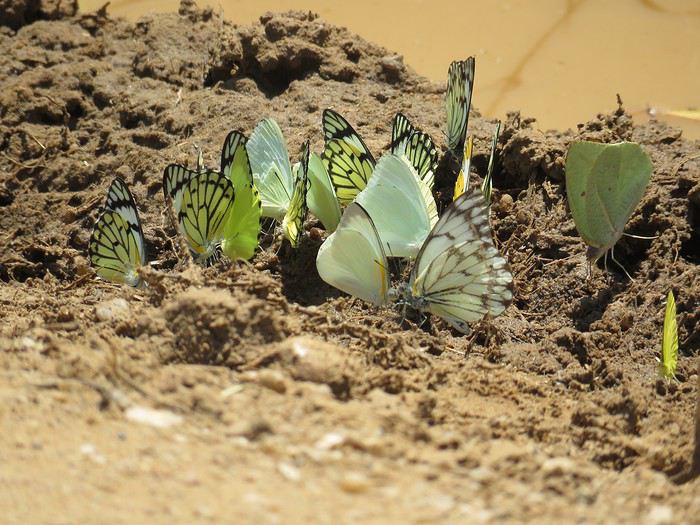
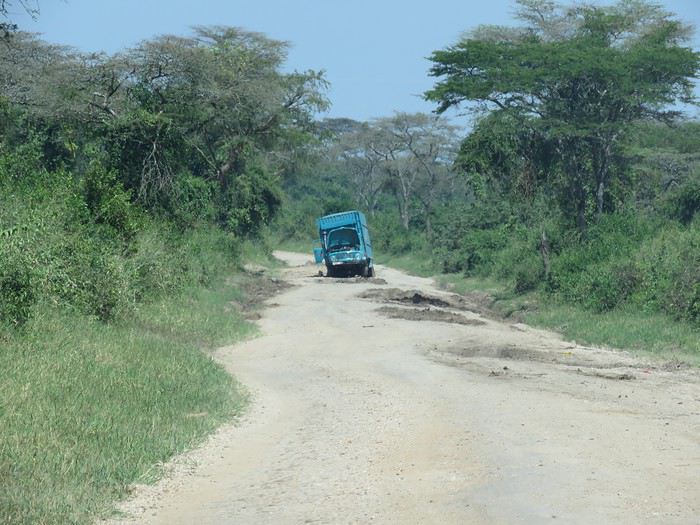


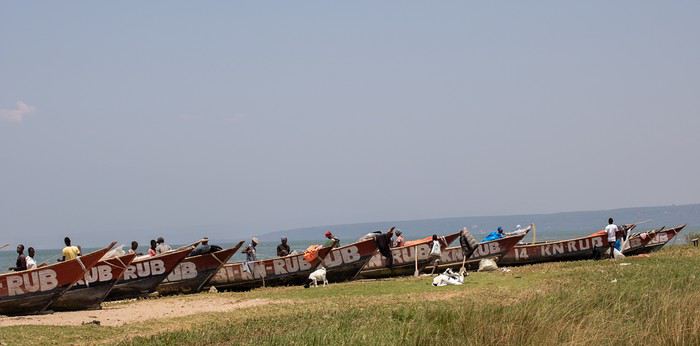
We make a quick detour to see the fishing village of Kisenyi, by Lake Edward. All the boats were back on the sand. Beautiful.


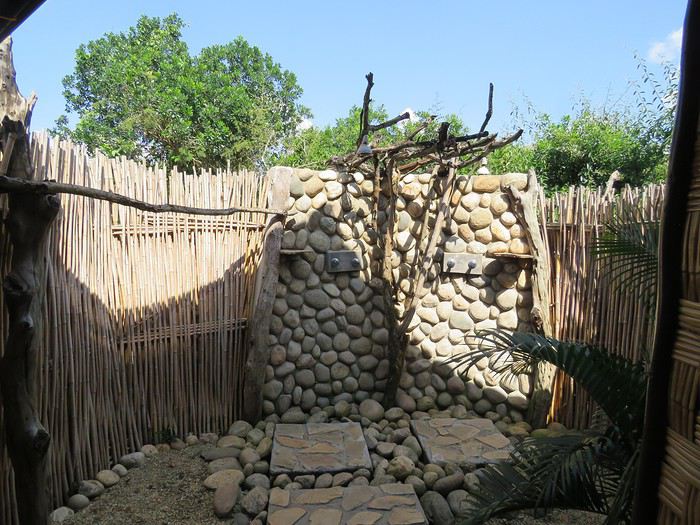
We arrive at Queen Elizabeth Bush Lodge around 2:45 PM. It’s scorching hot. We’ll stay in two bandas with a view of the Kazinga Channel. Bonus: there’s an outdoor shower! 😄 The staff member who welcomes us insists that once it’s dark, we must *not* walk around the camp without an escort. Hippos like to wander here too!


Around 4 PM, we decide to take a quick drive in the park, in the Kasenyi sector. We arrive at the gate. A few cars are there, and again, we’re the only ones without a driver. I show our permit to the ranger, who tells me to wait, goes into the office, then asks me to join him. There’s a problem with our permit. The "boss" says they suspect we tampered with it and changed the date. I explain that’s not true, that we entered the park this morning, and it was a mistake by the guy at the Ishasha gate. She replies that when an employee makes a mistake, they must sign next to the correction, and that’s not the case on our permit. I ask if she can call Ishasha to check. She agrees, and luckily, the guy from this morning is still there and confirms his mistake. She signs next to the correction. **Lesson learned:** always double-check what’s written on the permit and make sure they sign if there’s a mistake.

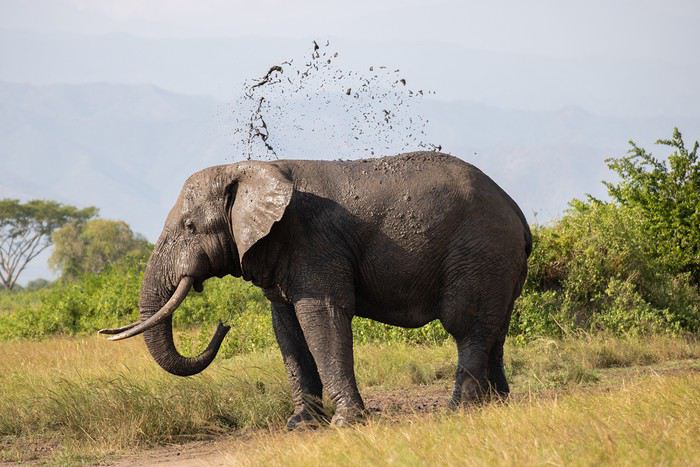
After this forced stop, we enter the park. At first, we’re lucky. We see an elephant up close, then impalas, kob, buffalo, warthogs—all under gorgeous light.
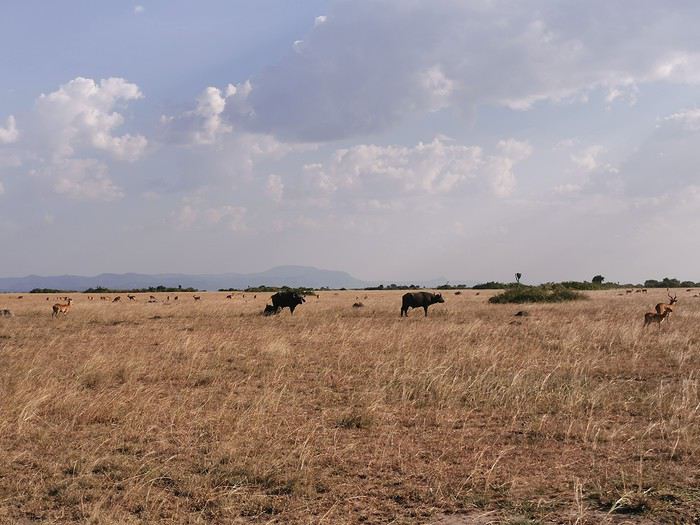
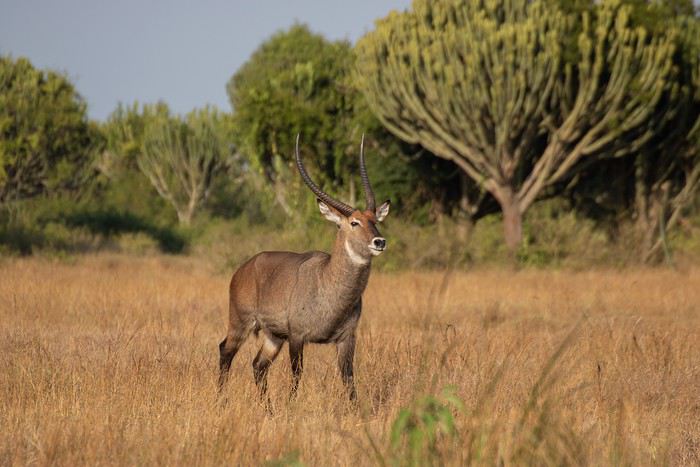


But it’s really hard to navigate the park, even with the map we bought on-site. There are no signs, not a single marker in sight (unlike Kruger 😉). We end up following other cars, hoping their drivers know where they’re going 😄 We see few animals and reach a viewpoint by Lake George. For those who know it, it’s a bit like Sunset Dam in Kruger. People gather here for sunset, there are tons of hippos, but unlike Kruger, here, everyone gets out of their cars!
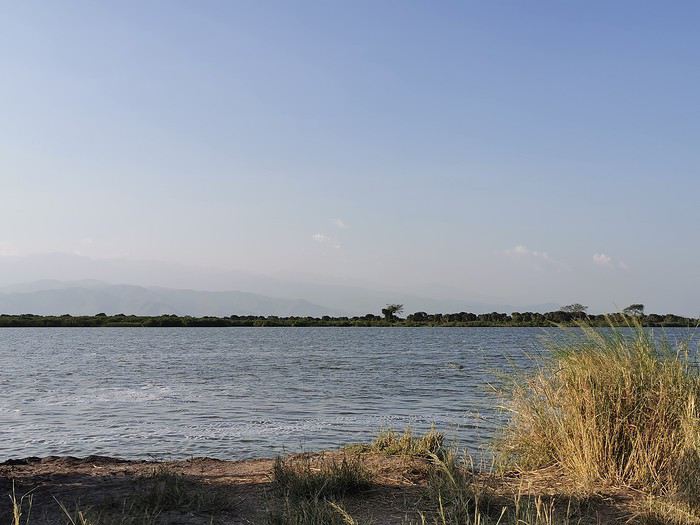


My husband asks a driver if we can follow him when he leaves. He agrees. Thanks to him, we find the park exit in time 😛 We get back to the lodge exhausted and dusty after a day on the tracks.

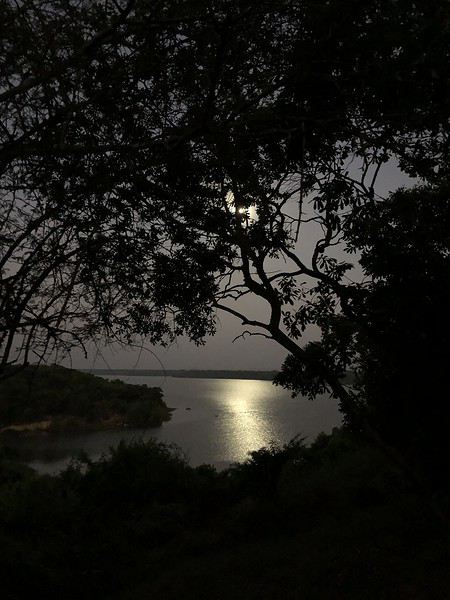
Good news of the day: not a drop of rain!

Self-drive in southwestern Uganda, February 2020

27fifi · 2020-04-01 · Message 40 of 99

Hello,

Thank you for this wonderful travel journal that lets us relive such amazing moments too! We were in Uganda last summer, and this trip is one of our absolute favorites.
It’s really uplifting in these times… Thanks again, and can’t wait for the next part! 🙂😉

VoyageForum — the largest community of French-speaking travellers.