Back to the discussion

in Entre deux voyages › Carnets de voyage

In the midst of Kenya's wildlife, October 2025 (page 3 of 4)

Discussion started by Puma2A on 2026-01-08

74 replies

This thread has been translated into English.


Amidst Kenya's wildlife, October 2025.

Muriel18 · 2026-01-22 · Message 41 of 75

You were really lucky with the cats at Buffalo Springs :) (when I think about how few we saw in the two reserves...🏴‍☠️).

In the midst of Kenya's wildlife, October 2025.

Puma2A · 2026-01-22 · Message 42 of 75

Hi Muriel,

YES! I’ve said it before—it’s clear that Kenyan nature has been incredibly generous to us everywhere during this trip. (And it’s not over yet!!) And Simon was an especially effective intermediary between what nature offered and what we actually saw. A big THANK YOU to him

....

Samburu is the reserve I’ve always prioritized during my previous three trips. I never imagined going to Kenya without stopping in Samburu....!!

Here, we’re staying at "Samburu River Camp": it’s an ultra-basic tented camp, very different from the places we’ve stayed before. I love small (and basic) tented camps like the ones we usually visit when we go to southern Tanzania. But I have to admit, this one is "quite" different in every way. And the welcome was just as basic. I don’t regret coming, but I shouldn’t have saved it for last. If I were to do it again, I’d visit Samburu before Buffalo Springs. It was my choice—I own it.

In the afternoon at Samburu.

We’re now on the opposite bank of the Ewaso N’Giro River....


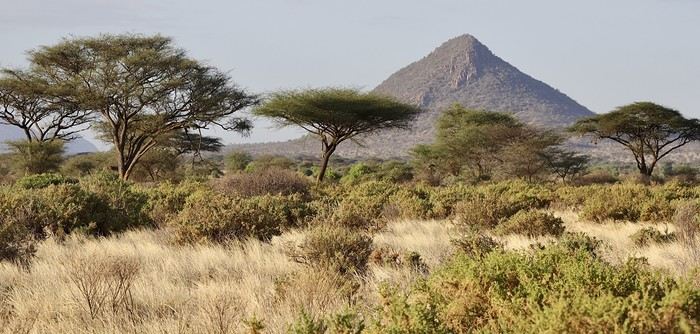
A "classic" view of Samburu that will stay with us during our 4-day stay here:


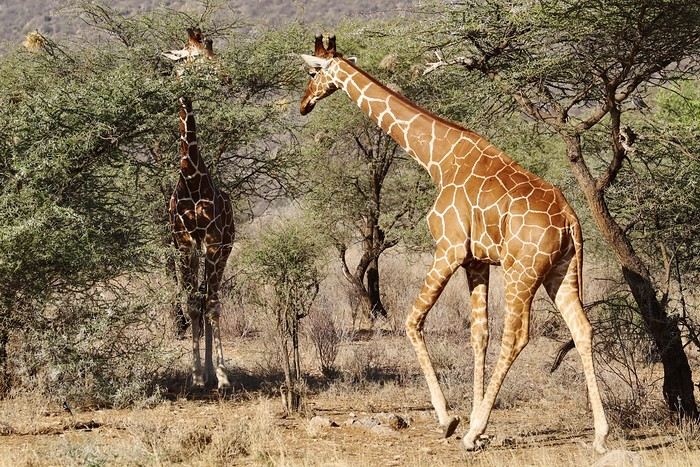
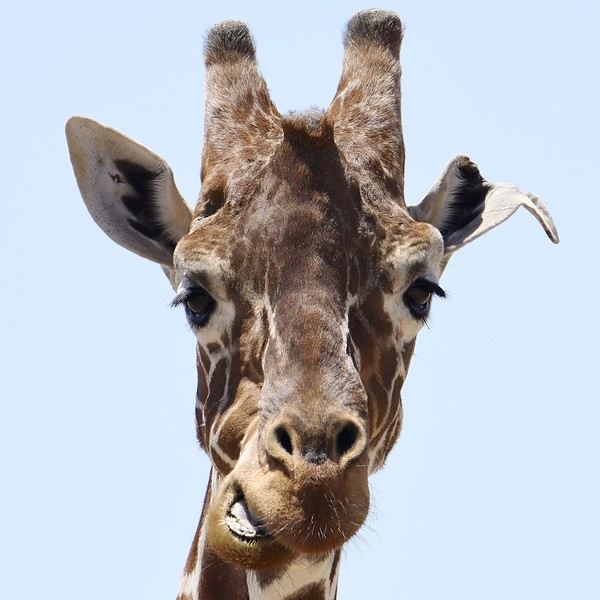
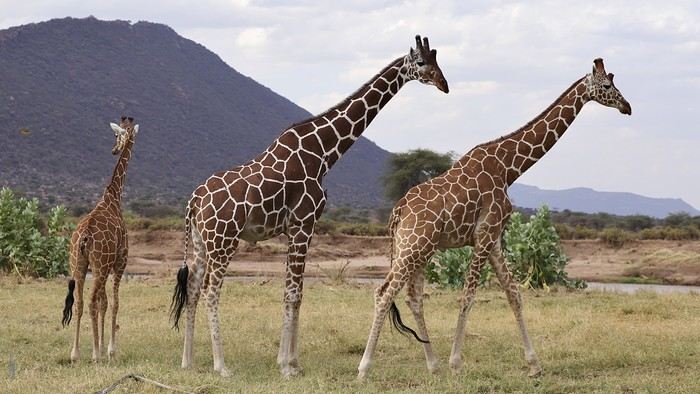
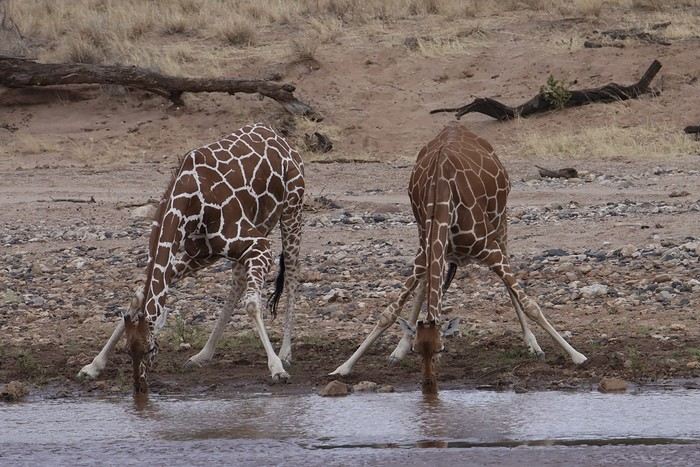
Just as much as the reticulated giraffes:


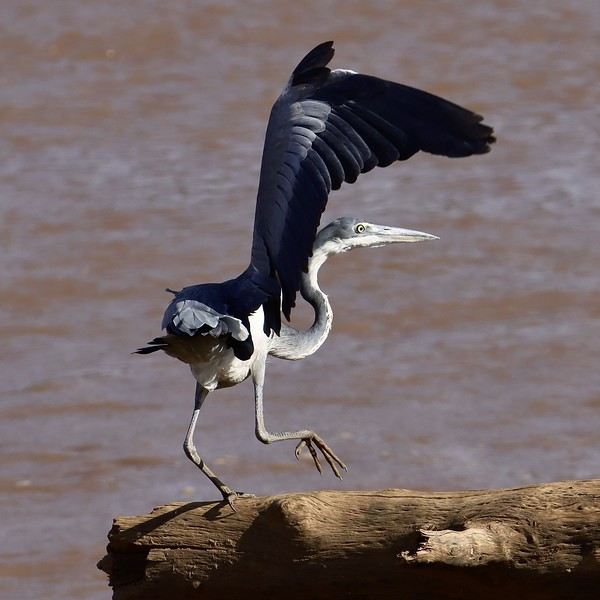
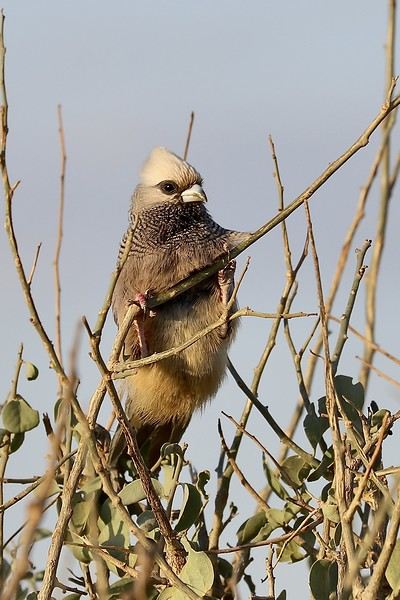
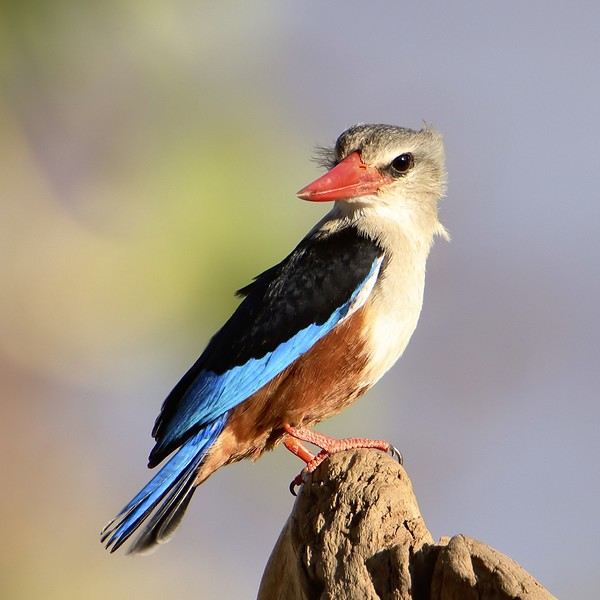
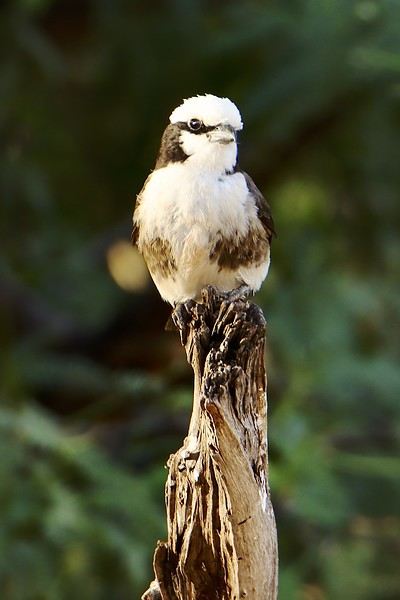
A few birds we spotted in Samburu:

A botched landing by a black-headed heron.... 🤪


A white-headed buffalo weaver, and its characteristic way of "clinging" to branches!! Unfortunately, I can’t show you its long tail hidden by the vegetation!!

A grey-headed kingfisher.


A Rüppell’s white-collared raven....


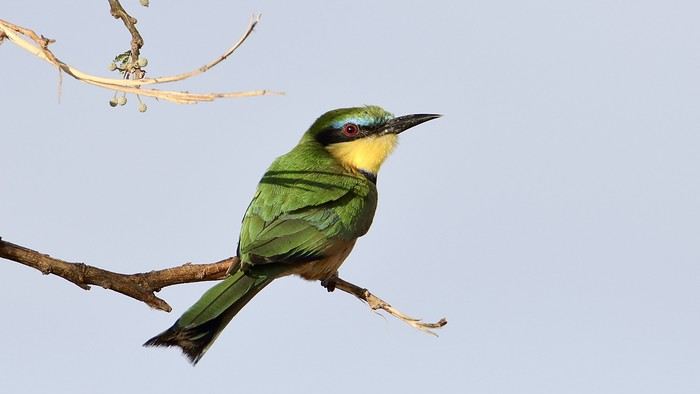
Such a beautiful bird: the little bee-eater.


...

In the midst of Kenya's wildlife, October 2025

Puma2A · 2026-01-23 · Message 43 of 75

...

Compared to the three other reserves we’d visited before, it seemed like Samburu was where we encountered the fewest vehicles.

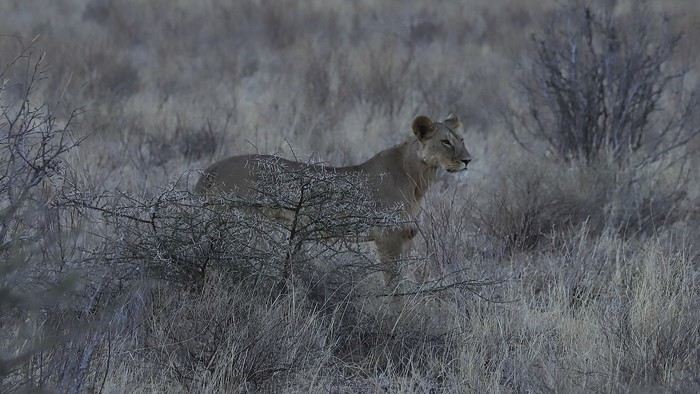
Still, late that afternoon as we were heading back to camp, a large cluster of 4x4s in the distance caught our attention. There were quite a few lions among the bushes, all moving in the same direction—they looked like they were on the hunt...

It was already dusk... here, a female leading the pack (there were about twenty of them).

- Monday, October 20:

One of those scenes I’ll remember for a long time—and a fascinating one at that—unfolded before us:

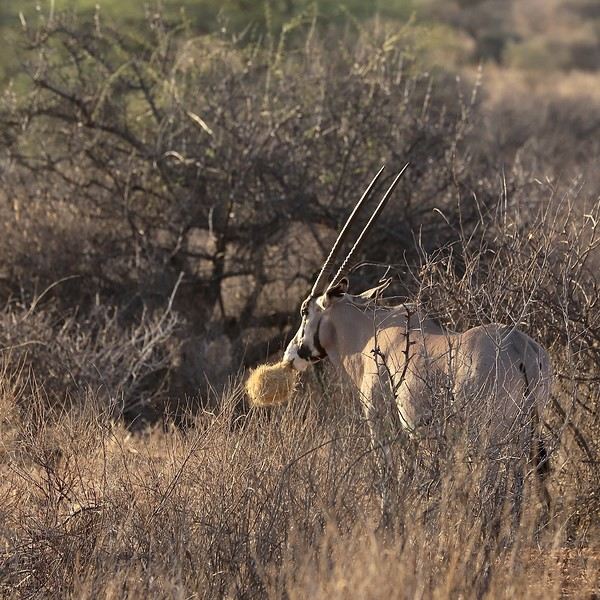
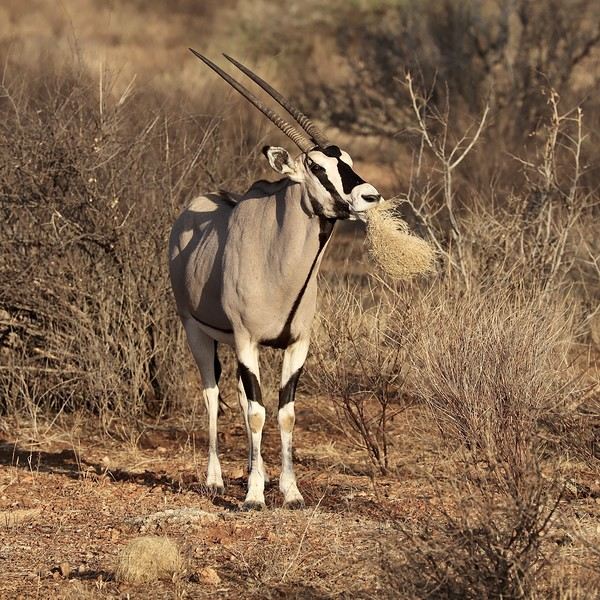
A Beisa oryx grazing is pretty standard... but eating bird nests???


Turns out, it was eating nests that had fallen to the ground, probably blown down by the wind. After all, it’s just hay! Though it was so dense that the oryx had to shake it violently to untangle the structure before it could chew... So weird and funny!


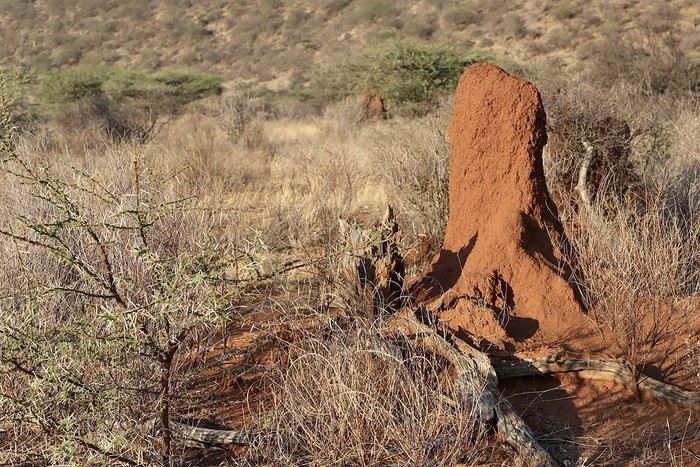
A termitarium (You don’t see much of it on the surface, but here, the soil is red too).


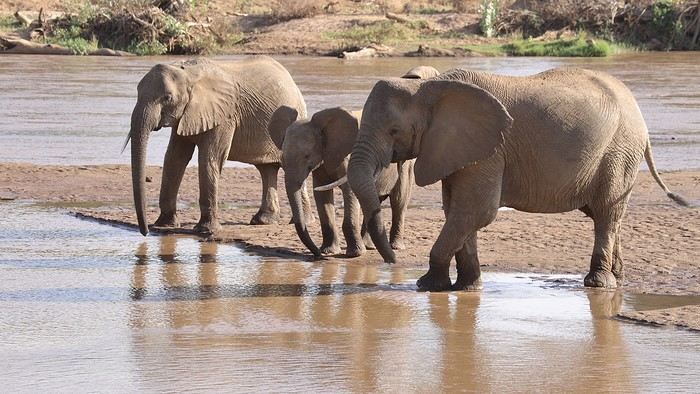
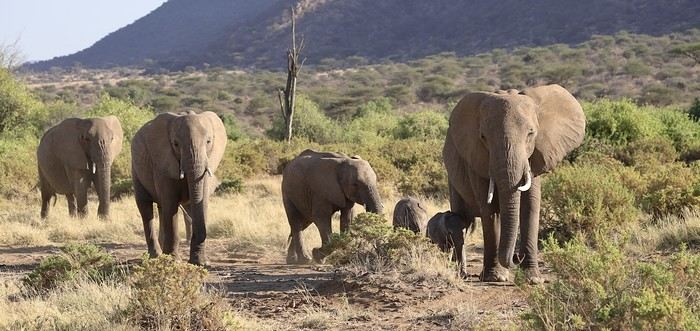
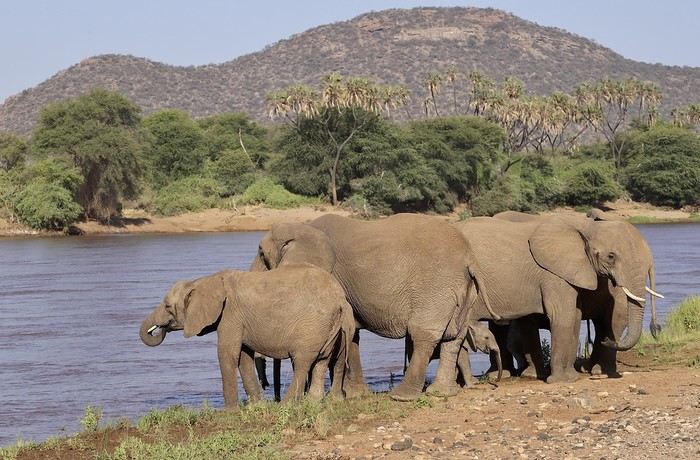
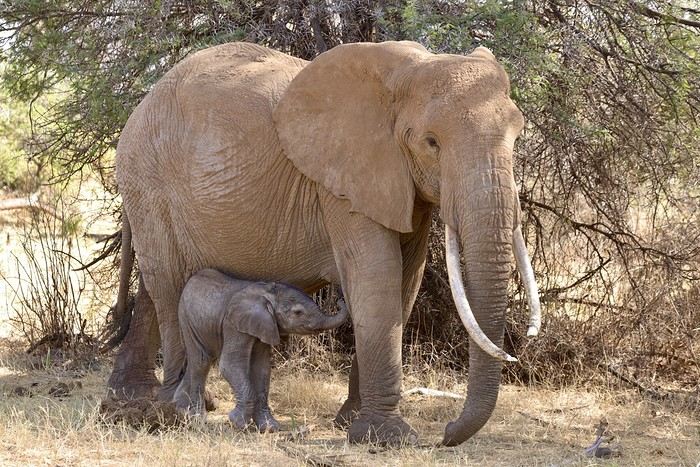
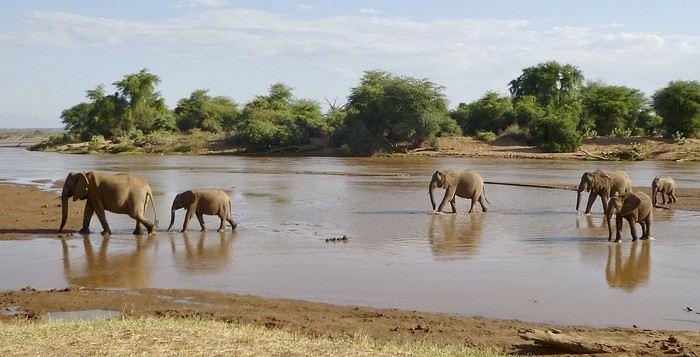
In Samburu, we came across a lot of elephants, always with young ones—some even very young.


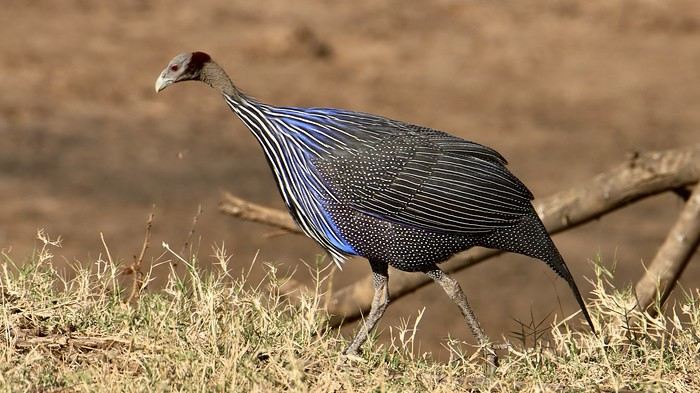
One of Samburu’s emblems: the vulturine guineafowl.


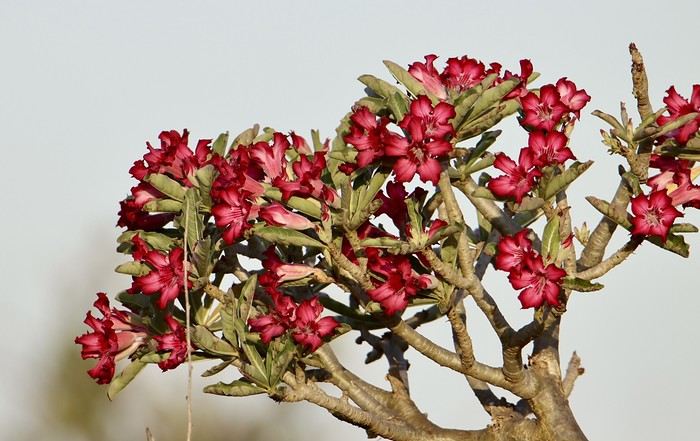
I’m not entirely sure, but this might be a cluster of "desert roses."


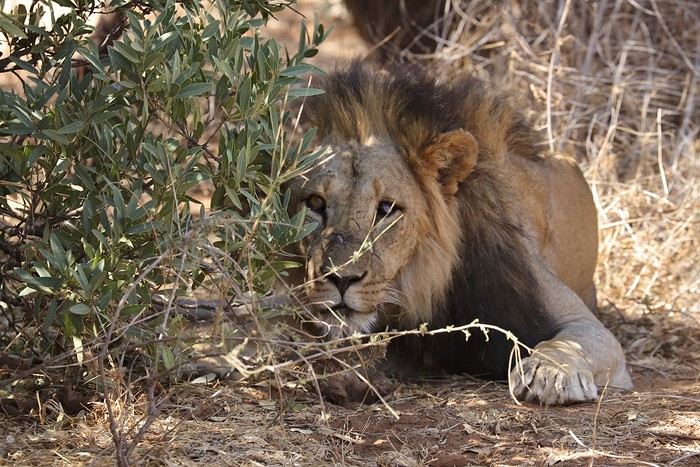
We didn’t stick around long—there was tension in the air!

Behind this lion, we spotted three much calmer females in the bushes.


Were they part of the same pride we’d seen the night before...???? It was just a few hundred meters away!

...

Amidst Kenya's Wildlife, October 2025

Carassou · 2026-01-23 · Message 44 of 75

Yes, those are desert roses or Adenium obesum. Great job on all the photos—they're super sharp and well-framed! You must be using special gear (what kind?). I’ve been brushing up on the names of animals and birds I admired in other parks... in Tanzania over 30 years ago. I hadn’t seen the gerenuk antelope before! Carassou

In the midst of Kenya's wildlife, October 2025

Muriel18 · 2026-01-23 · Message 45 of 75

Hi Françoise

This message is more for Puma 😉

In the midst of Kenya's wildlife, October 2025.

Puma2A · 2026-01-23 · Message 46 of 75

Hi Françoise,

Thanks for your message. And thanks for confirming the Desert Rose and for your kind words. I’ll give you the details about the photo gear at the end of the thread... in 3 days. (Same as what I used for my safari travel journal in southern Tanzania in 2024.) As far as I know, there’s no Gerenuk in Tanzania, neither in the north nor the south. Greetings to you and Muriel.

...

In the midst of Kenya's wildlife, October 2025

Mariachavez · 2026-01-23 · Message 47 of 75

Hi there! Gorgeous photos 😊

Amidst Kenya's wildlife, October 2025.

Puma2A · 2026-01-24 · Message 48 of 75

...

Hello, and thank you Maria for your message!

...

I’d like to share a recap of the various birds we encountered and photographed in Samburu over these past 3 days.

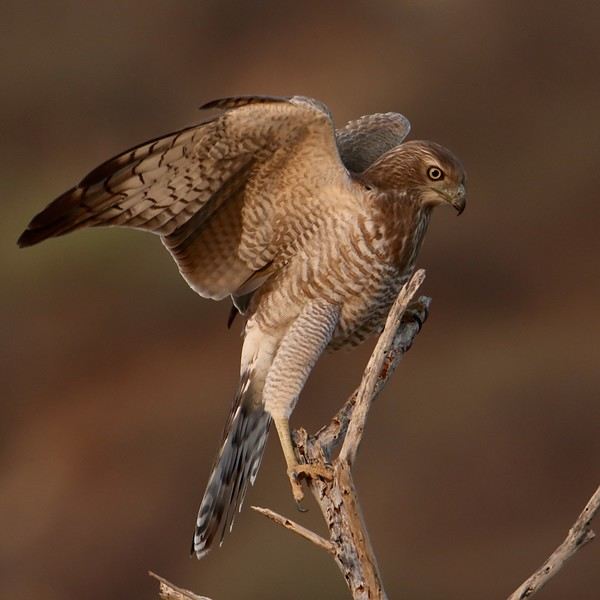
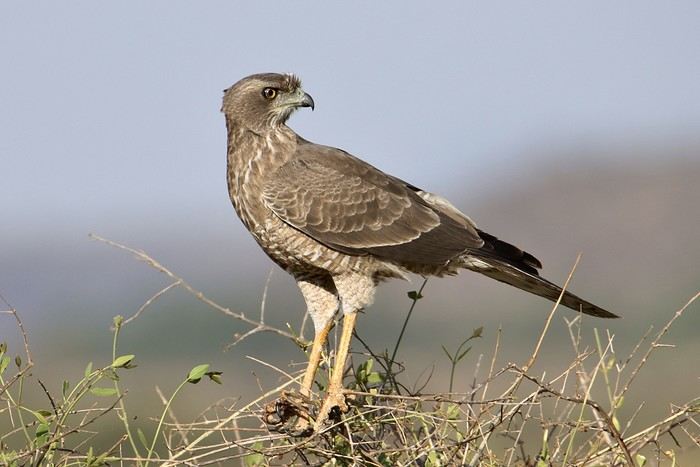
In the soft light of early morning... A juvenile Gabar Goshawk.


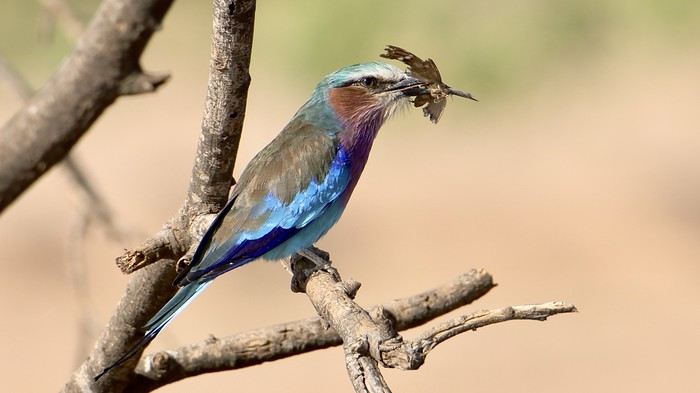
My buddy, the Roller with Long Streamers, caught a big butterfly—he’s about to tear off its wings.


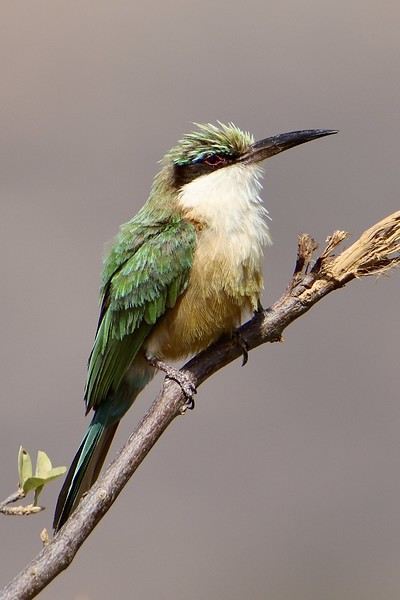
A Somali Bee-eater.


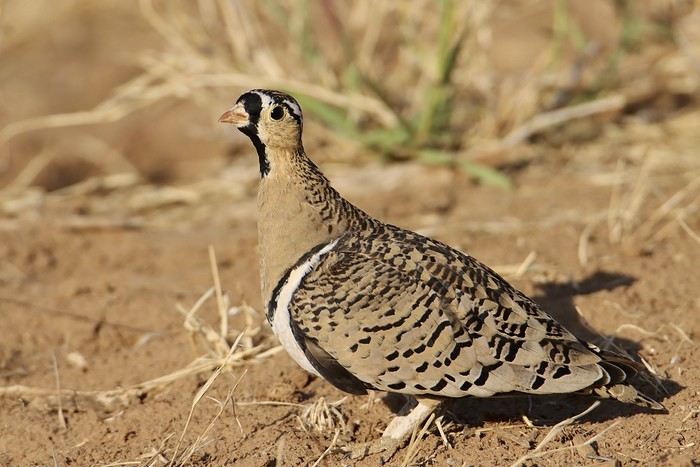
A Black-faced Sandgrouse.


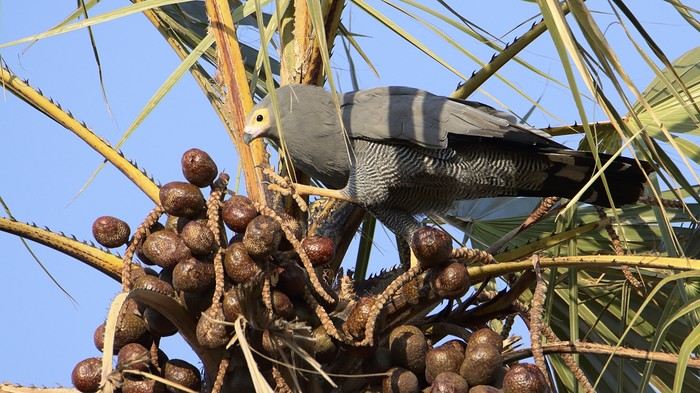
An African Harrier-Hawk (a raptor that’s partly frugivorous and doesn’t mind snacking on lizards or snakes).


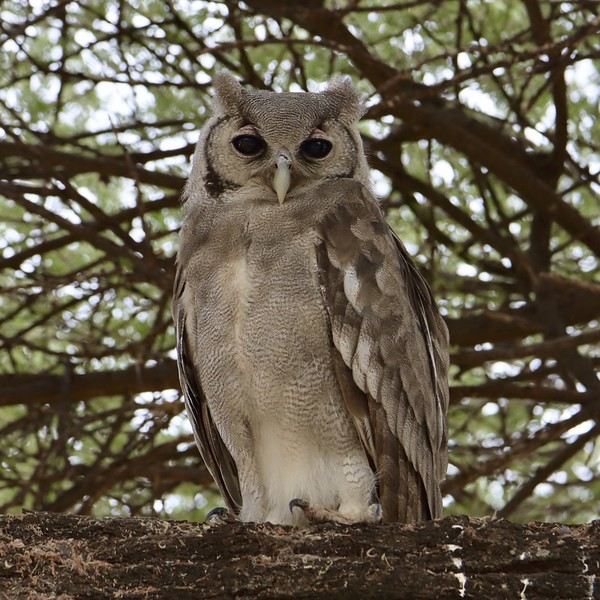
A Verreaux's Eagle-Owl, sizing us up!


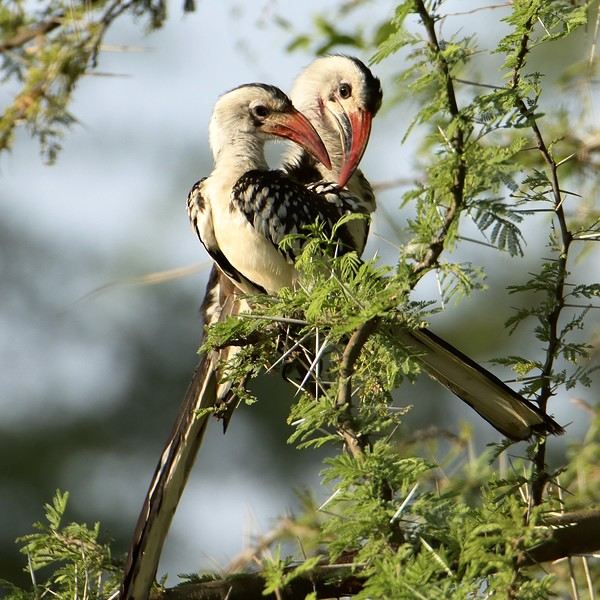
A pair of Southern Red-billed Hornbills (the female in the foreground).


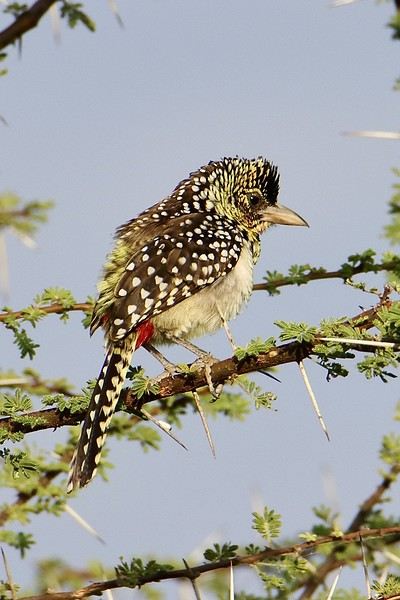
An Arnaud’s Barbet.


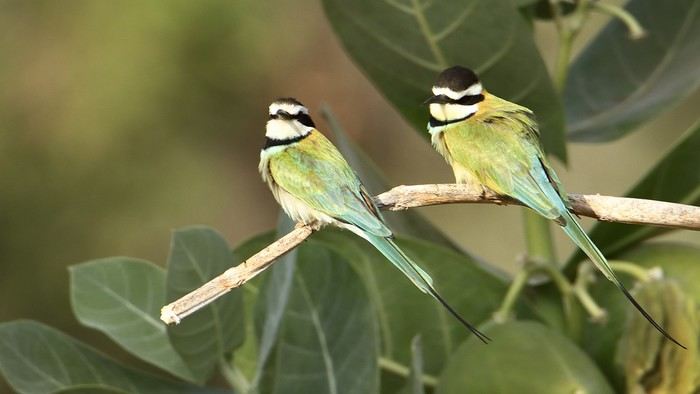
Some White-throated Bee-eaters.


A Grey-winged Fiscal (a juvenile).


...

In the midst of Kenya's wildlife, October 2025.

Puma2A · 2026-01-25 · Message 49 of 75

...

- On Tuesday, October 21, when we left the parking area at Camp... two female Greater Kudu crossed the track right in front of us and immediately disappeared into a dense thicket!! No time to react to grab a picture... these were the only Greater Kudu we spotted during the entire trip ??

(I’ll learn back home that a group of Greater Kudu is usually found around the lodge.... but no one told us that while we were there!! )

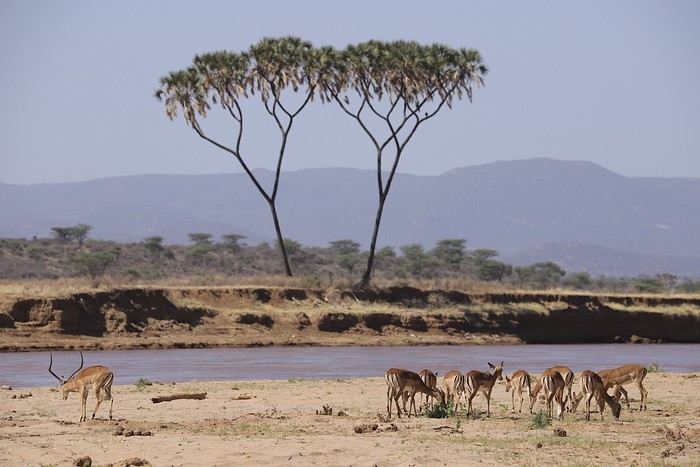
A harem of Impalas by the river:


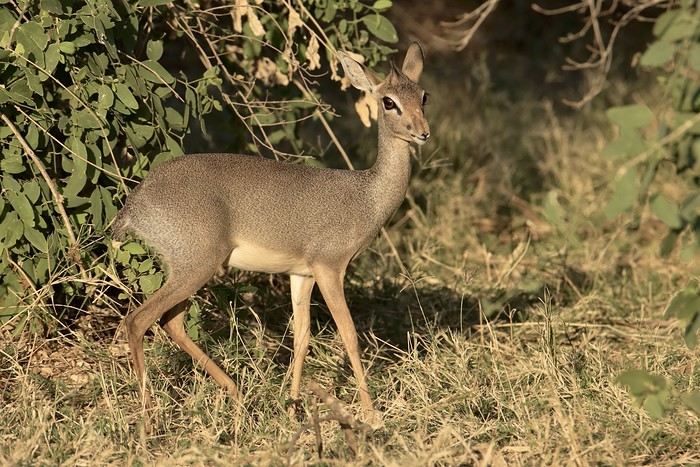
One last image of a Dik-dik: a cute little female...


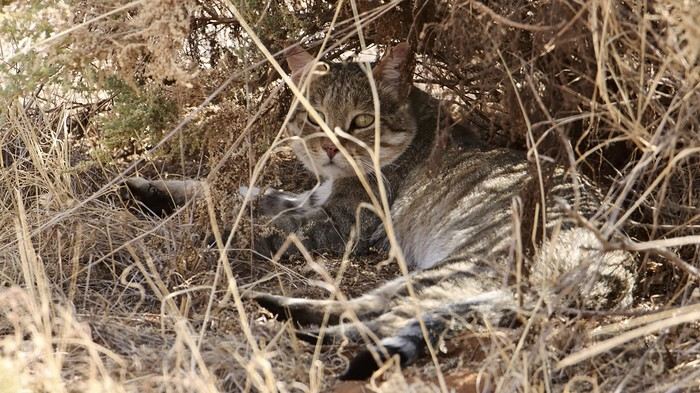
And the last rare feline opportunity (I still wonder how Simon managed to spot the animal in a shadowy thicket???)

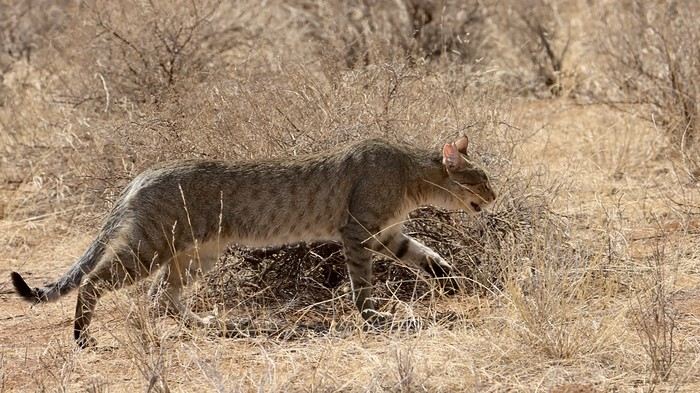
A African wildcat. This is only the third wildcat we’ve encountered on safari in 40 years (the other two were in Namibia: in Etosha and K.T.P.)


This will be the last truly exceptional encounter of the trip!!


In the A.M., Simon took us back near Buffalo Springs (the bridge over the river is close to the camp), and we found some other "big cats" there.

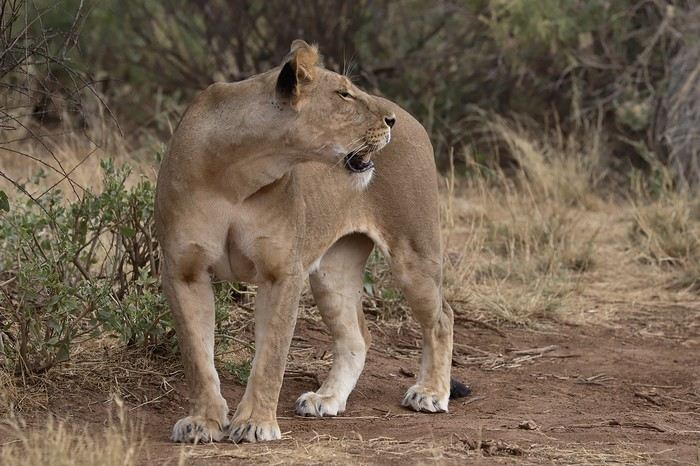
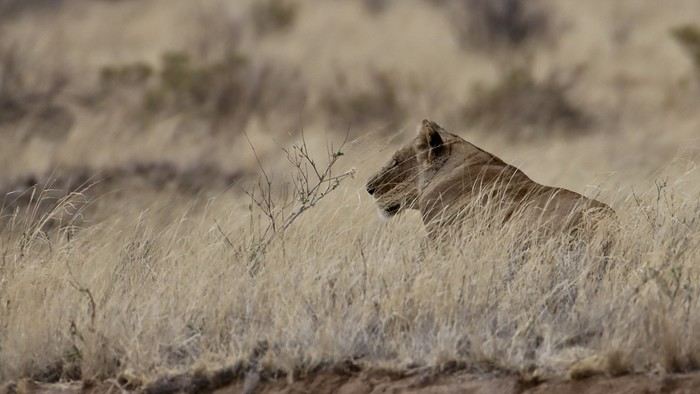
This lioness was hunting... alone.


Another lioness alone later in the day


And just before crossing the bridge again, in nearly twilight light... a scene that’s always a pleasure to watch


- Wednesday, October 22: The stay in Samburu comes to an end.

We leave the "Samburu Riverside Camp". For 4 days/3 nights, we were the only guests at this camp...!! We cross the bridge over the Ewaso N'giro River one last time and drive back through the entire Buffalo Springs reserve toward the exit and... civilization. 🤪 😕

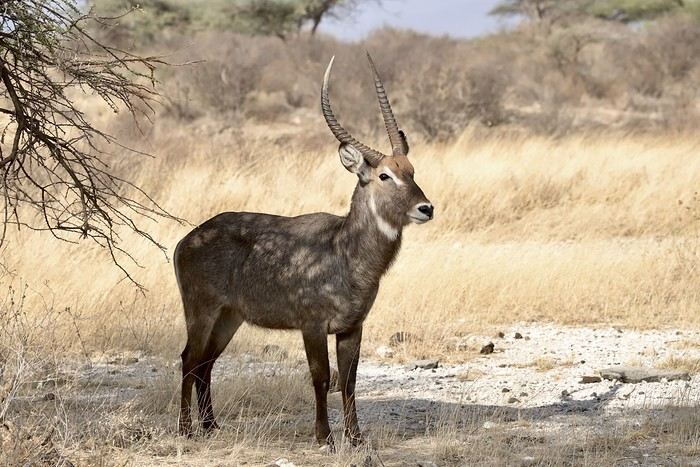
A few brief stops, since we have to respect the exit time limit. A majestic Defassa waterbuck male, alone


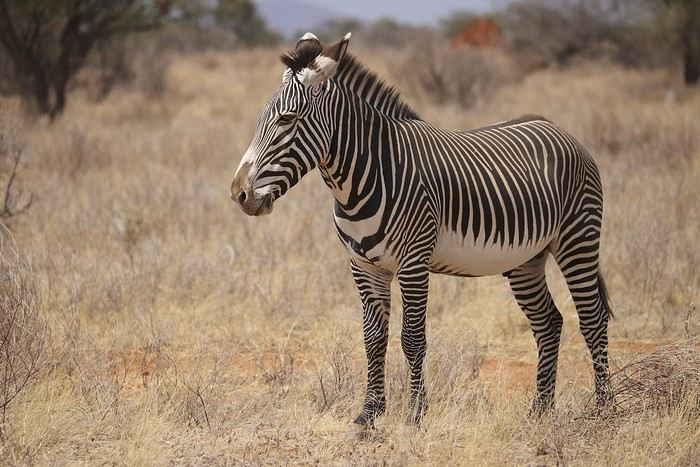
One last Grevy’s zebra...


To be continued in the next update. ...

Amidst Kenya's Wildlife, October 2025

Puma2A · 2026-01-26 · Message 50 of 75

...

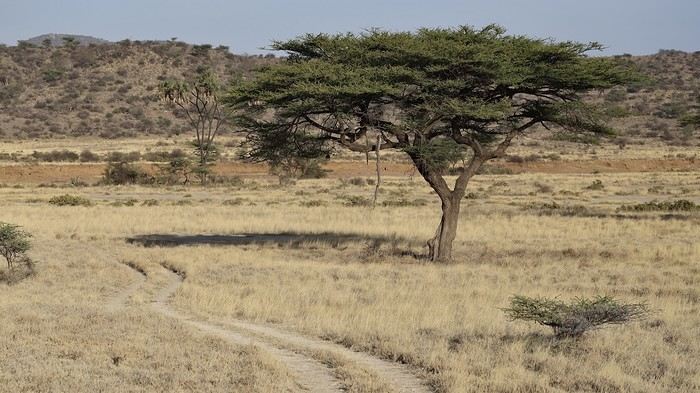
The track winds toward the exit of Buffalo Springs. We tell ourselves that all "this" will be over in a few minutes....


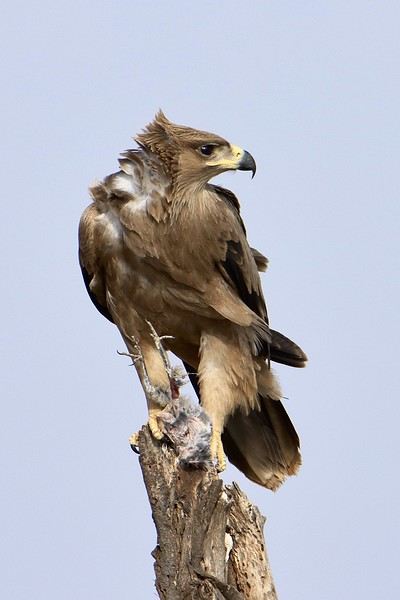
A Martial Eagle plucking a bird it has just caught: nature is beautiful but still wild....


The last impalas we saw: a female in front of her two young males.
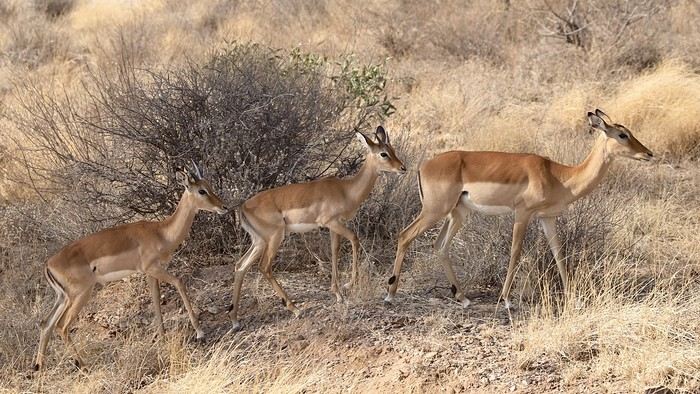


The impala is probably the most commonly seen mammal on safari in Kenya or Tanzania. I have a particular fondness for this animal with its very elegant silhouette, especially for these young males with their small, still-straight horns.

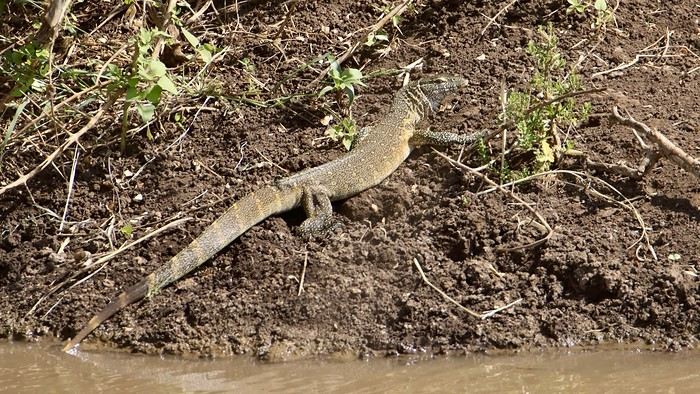
Near a waterhole not far from the exit, several Nile monitors... are basking in the sun!


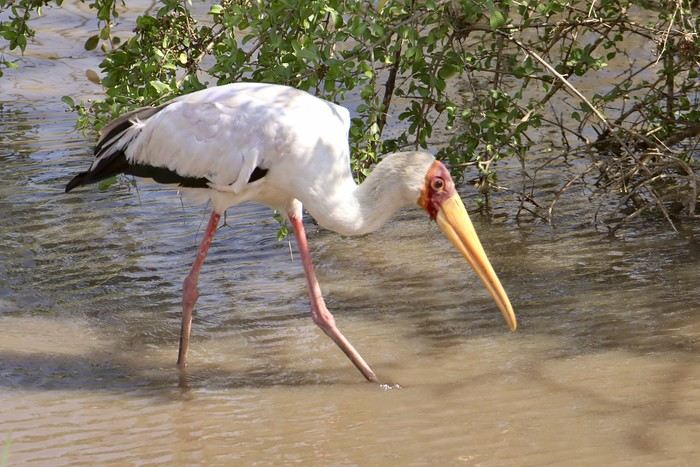
...and a Yellow-billed Stork surprisingly close to the reptiles!!


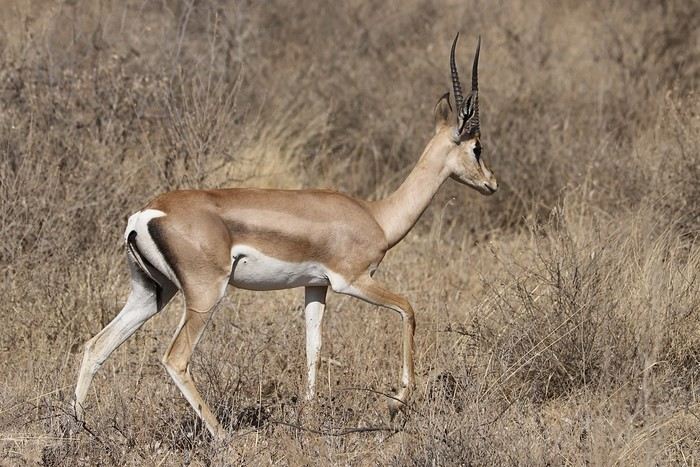
The last mammal we encountered was a female Grant’s gazelle. 🙂


And here we are at the exit, waiting our turn for the checkpoint.
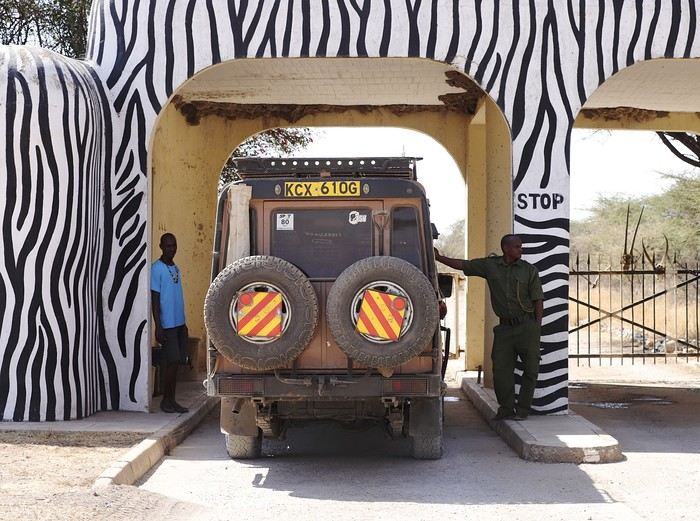


I feel a moment of sadness then, especially since at my age, it’s always possible this could be my last safari.... ???

It’ll take us nearly 8 hours to reach Nairobi, with a lunch stop around noon and another quick stop when crossing the Equator. Then we’ll hit the heavy traffic in the Nairobi area.

Simon will drop us off at the Roussel Guest House in the Karen neighborhood. Sniff!! We’ll say goodbye there!! -- Thank you for EVERYTHING, Simon --.

We’ll have one last dinner with our friends, who are spending the night at this place. For our part, around 10 PM, a taxi will take us to the airport, and we’ll take off at 1:30 AM for Doha, then Nice.

In Nice, we’ll arrive in the middle of a storm on October 23... ...which will delay our return home by 48 hours!!

-- END of the Travel Journal --

...

As with the first part of the trip (in the two Tsavos), I invite anyone who’d like to see more photos taken during this stay to check out the "extended version" of this journal here:

https://spottingaviation.forumactif.com/t15844-safari-photo-au-kenya-2eme-partie-dans-les-reserves-de-buffalo-springs-et-de-samburu

The first part had 12 pages, and there are 17 for the Buffalo Springs and Samburu section (860 photos in total).

This other forum is freely accessible without registration.

Happy reading if you're interested!

THANK YOU to all the visitors of this "journal," whether here on VoyageForum or on the forum hosting the extended version.

Best regards.

...
In the midst of Kenya's wildlife, October 2025

Puma2A · 2026-01-26 · Message 51 of 75

...

Summary of this Kenya Safari trip:

In short, in terms of wildlife encounters, this was one of the most beautiful trips/safaris we’ve ever experienced.

Kenya’s nature was particularly generous with us: honestly, it exceeded all my expectations before the trip. It didn’t allow us to see African wild dogs (the "painted dogs") or rhinos, but it more than made up for it with an unexpected number of leopard sightings.

I only knew Tsavo East from images I’d found in various forums. It was definitely worth going. 😏 I finally got to capture images of "Lesser Kudus" (which had been a frustration for me...) as well as "Fringe-eared Oryx".

As for the "vibe"—something I’m really unable to define—I’m still more drawn to the reserves in southern Tanzania, which feel wilder and less visited. I prefer the small tented camps in that part of southern Tanzania over the large lodges in Kenya, but that’s just a personal preference. You’ve got to sleep and eat whatever’s available locally.

Luck and chance led us to an exceptional guide in Simon, who speaks perfect French. His extensive field experience gives him flawless knowledge of the reserves and wildlife. I really appreciated his expertise and his ability to anticipate animal movements when we needed to relocate.

In the end, THRILLED with this trip/safari... and with rediscovering certain regions of Kenya.

As for regrets or downsides, the long road transfers to and from Nairobi, and the lengthy transition between the southern and northern parts of the trip, were pretty tough on my old bones!! But I knew that full well when I designed this itinerary based on MY desires.

...

I’m not a Kenya expert, but I’m happy to try answering any questions.

Puma2A

...

Amidst Kenya's Wildlife, October 2025

Puma2A · 2026-01-26 · Message 52 of 75

All the photos are very sharp and well-framed, no doubt with some special gear (which one?).. j Carassou

Hello Françoise, And thanks again for your message.

There’s nothing exceptional about my photography gear. At least nothing "professional", which I wouldn’t know how to use to its full potential anyway.

I use two mid-range DSLR bodies from Canon: - An EOS 6D (full-frame) paired with a 70-300mm lens from the same brand. - An EOS 90D (APS-C) paired with a Tamron 150-600mm lens.

My wife uses a very old Panasonic LUMIX 8X compact camera. (Most of the "wide-angle" shots in my report were taken with this camera.)

I also used a few images taken with our old Samsung smartphone.

All of it is old gear (the 70-300mm lens is 13 years old...).

I brought a monopod just in case... but barely used it.

The provider Melting Pot Safari always provides its clients with small canvas "bean-bags" in the vehicles. They’re really handy for steadying your camera on a window or roof edge (when the subject gives you enough time to set it up!).

...

In the midst of Kenya's wildlife, October 2025

Carassou · 2026-01-26 · Message 53 of 75

Hi Alain, Thanks for those details on the gear... you're almost a pro... I can tell you've got a lot of experience with park wildlife, especially with the zoom for close-ups of animals and birds. The African wild dogs will have to wait for another time in other parks—they're not very common. May I ask you something else: have you seen Thomson's gazelles? If so, what’s the difference between them and Grant’s gazelles?... if you have any comparative photos, that’d be great for the comparison. I’m not saying I’m a gazelle expert, but I like to tell them apart. Anyway, bravo for this travel journal. Carassou

I’m using *tu* because you’re from the same generation as me... feel free to do the same!

Amidst Kenya's wildlife, in October 2025.

Puma2A · 2026-01-26 · Message 54 of 75

Hi Françoise,

I don’t have a photo of Thomson’s gazelle on hand. Anyway, I’ve reached the 300-photo limit for this post. I can’t add any more images. I was actually surprised not to come across Thomson’s gazelle, which is so common in the Maasai Mara, for example. I’m not sure if we didn’t see any by chance or if there simply aren’t any in the four reserves we visited??

To tell it apart from Grant’s gazelle, it’s really simple: On the flanks of the Thomson’s gazelle, a wide black stripe separates the beige/brown back from the white belly. Thomson’s gazelle is also a bit smaller than Grant’s. The mnemonic trick is to think of the horizontal black bar in the uppercase "T" of Thomson!! See here: https://www.monde-animal.fr/fiches-animaux/eudorcas-thomsonii/

https://www.manimalworld.net/pages/bovidae/gazelle-de-grant.html

Personally, I sometimes find it harder—from a distance—to tell the difference between a female impala and a female Grant’s gazelle (though the Grant’s has horns, which the female impala doesn’t).

As for African wild dogs, I know it’s really tough to hope to see them. There was a "possibility" in Tsavo West and Samburu, but the opportunity didn’t present itself. I talked about it with lodge staff and other guides on-site: everyone just rolled their eyes and smiled. I got the message that it’s not common at all.

It’s Nature that decides what she wants to show us.

I’ve been lucky enough to encounter "painted dogs" five times during various safaris in southern Tanzania’s reserves... the first time, I almost cried!!

Cheers.

Puma2A

Amidst the wildlife of KENYA, in October 2025.

Sylvie56 · 2026-01-26 · Message 55 of 75

Thanks Alain for this beautiful travel journal. Nature was very generous with you—lovely encounters with felines and so many birds! It’s great that you managed to photograph some species you’d been dreaming of seeing for a long time, like the lesser kudus....

Amidst Kenya's wildlife, October 2025

Carassou · 2026-01-26 · Message 56 of 75

Hi again Alain, Thanks for your explanations about the different gazelles! So the Grant’s gazelle has no particular markings on its flanks. Indeed, the female impala does resemble it from a distance, but its hindquarters have a black decoration that one of my Tanzanian guides called a "MAC DO"—that’s how I tell them apart. The Thomson’s gazelle, on the other hand, has its flanks crossed by a black stripe, like a capital T, as you mentioned... Yet the horns aren’t identical among these gazelles. Since they live in often dense herds and can bolt quickly, telling them apart by their horns is usually impossible—hence these foolproof tricks for identifying them. If you’ve seen the African wild dogs in other parks, that’s the main thing.

Anyway, I was thrilled to see the wildlife and flora of these Kenyan parks again... it’s so much better than TV documentaries!!!

Françoise

Amidst Kenya's wildlife, October 2025

Sylvie56 · 2026-01-26 · Message 57 of 75

Hi Françoise,

I hope Alain won’t mind me answering your question on his thread. In Kenya, Thomson’s gazelles (called *Swala tommi* in Swahili) can be spotted, as far as I know, in the Maasai Mara, Amboseli National Park, and Nairobi National Park. We also saw some a few years ago near Naivasha, including one that was tame at a guest house.

They’re smaller than Grant’s gazelles and need very short grass.

In my signature, you’ll find a link to the travel journal I’m currently writing on another site. There’s a photo of a Thomson’s gazelle in the section about Amboseli NP.

In the midst of Kenya's wildlife, October 2025.

Puma2A · 2026-01-26 · Message 58 of 75

...

Thanks to you Sylvie, for this message (the second-to-last) and even more so for all the information you shared earlier, which really helped us make choices for this trip. And yes, for a few years now in Tanzania, the Lesser Kudu (much shyer there) refused to "make it" onto my SD cards... 😎

If we don’t return to Africa, this last trip to Kenya will remain etched in our memories for a long time, thanks to its richness.

Best regards.

...
About the Thomson’s gazelle, it’s pretty much what I suspected, though I wasn’t sure, regarding the species’ distribution. ...

In the midst of Kenya's wildlife, October 2025

Carassou · 2026-01-26 · Message 59 of 75

Hi Sylvie, Thanks for the details about Thomson’s gazelles, or "Thommis." My visit to Tanzania’s parks was over 30 years ago... Thomson’s and Grant’s gazelles, as well as impalas, were unbelievably abundant back then. All these populations have changed due to various factors, and Thommis are now in the minority or even absent from some parks. Best, Françoise

Amidst Kenya's Wildlife, October 2025

Puma2A · 2026-01-27 · Message 60 of 75

Hello everyone,

Back in February/March 2017, we had previously taken a trip/safari to Kenya, again with Melting Pot Safari. That trip had already taken us to Samburu, Lake Baringo, and the Maasai Mara.

Just to mention, Melting Pot Safari owns a lodge with permanent bungalows at Lake Baringo. It’s a little paradise, not too crowded, perfect for birdwatchers. The main activity there is boat safaris to spot the lake’s many birds.

If you're interested, you can find the trip report via the link below: 40 pages long. (No need to register on this forum to view it) https://forum.image-nature.com/viewtopic.php?f=162&t=61119

And you can see Thomson’s gazelles... in the section about safaris in the Maasai Mara reserve 😏

Back in 2017, we had seen quite a few Greater Kudu in Samburu, but this last time, we didn’t come across any (except for a fleeting glimpse), which is really strange... ??

Safaris and Africa are unpredictable!!

Best regards,

Puma2A

...

VoyageForum — the largest community of French-speaking travellers.