Back to the discussion

in Entre deux voyages › Carnets de voyage

Peru: A Childhood Dream Finally Fulfilled (page 3 of 4)

Discussion started by Larri on 2026-08-10

68 replies

This thread has been translated into English.


Peru: a childhood dream finally come true

Holigirl · 2026-08-28 · Message 41 of 69

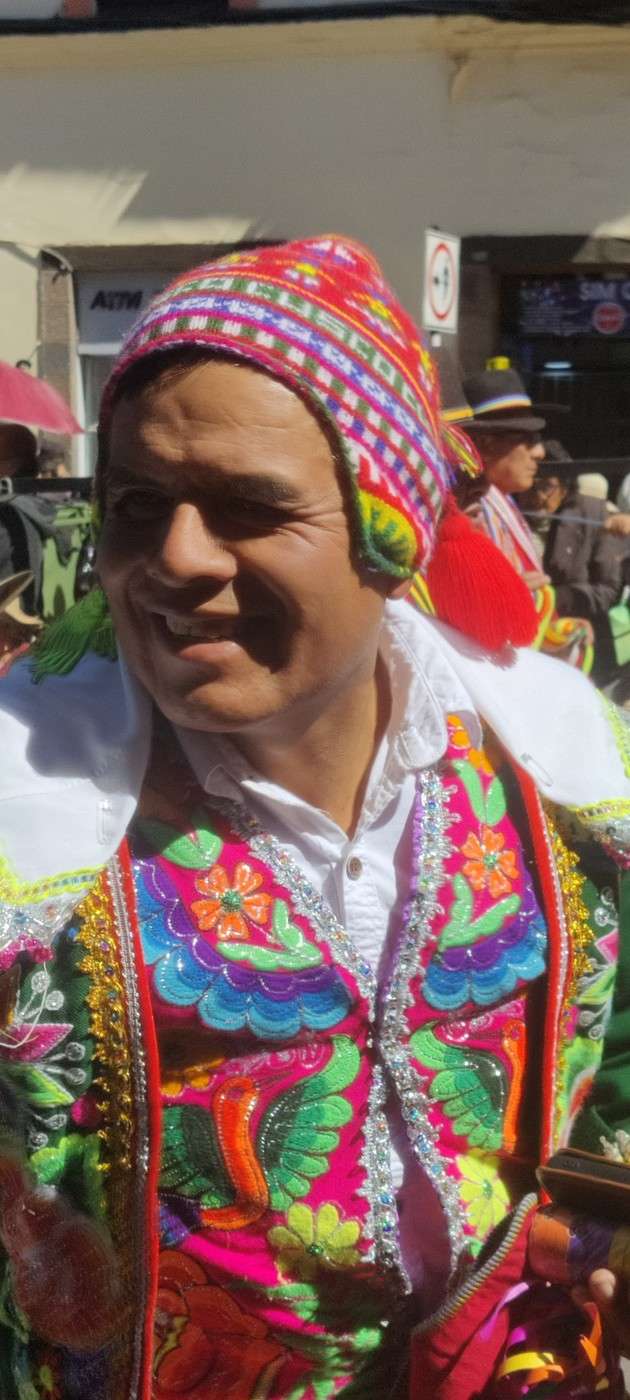
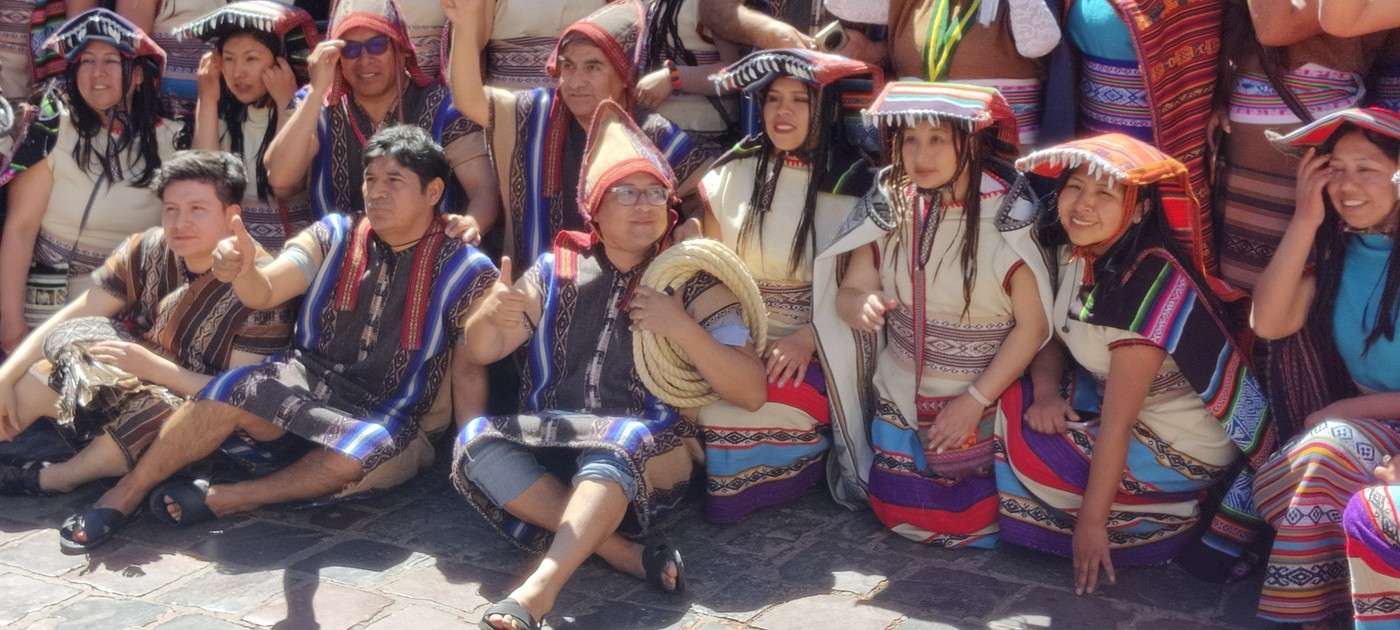
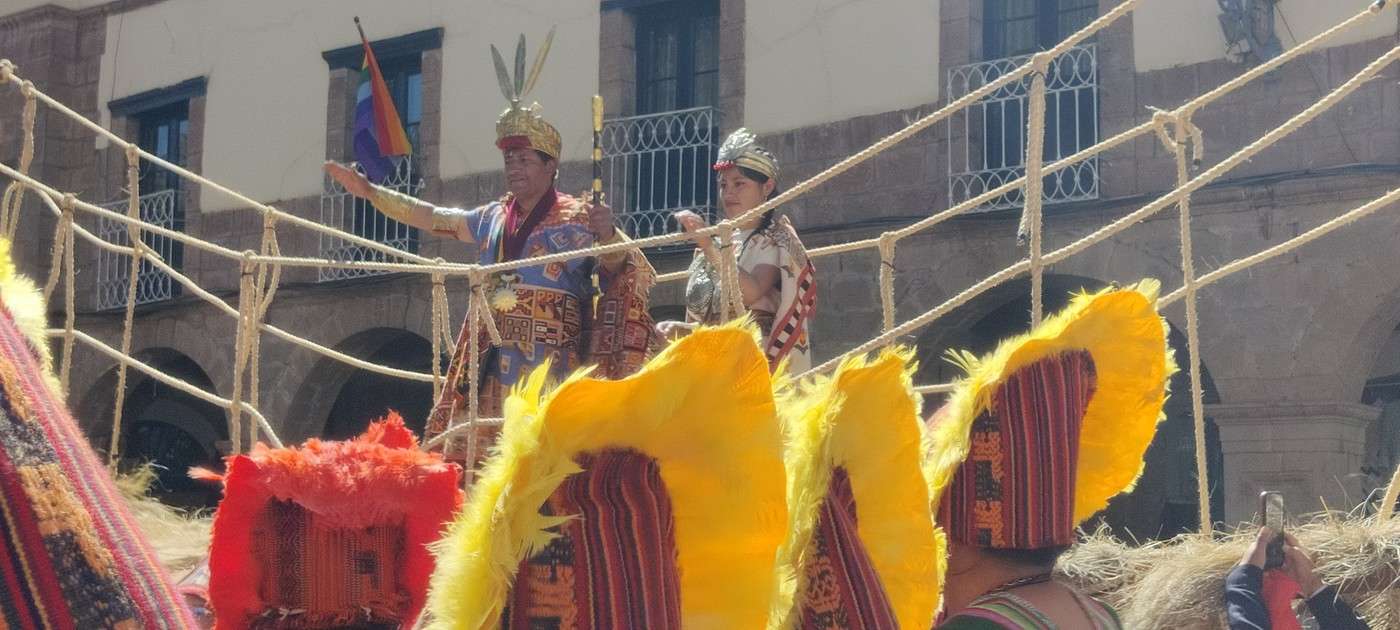
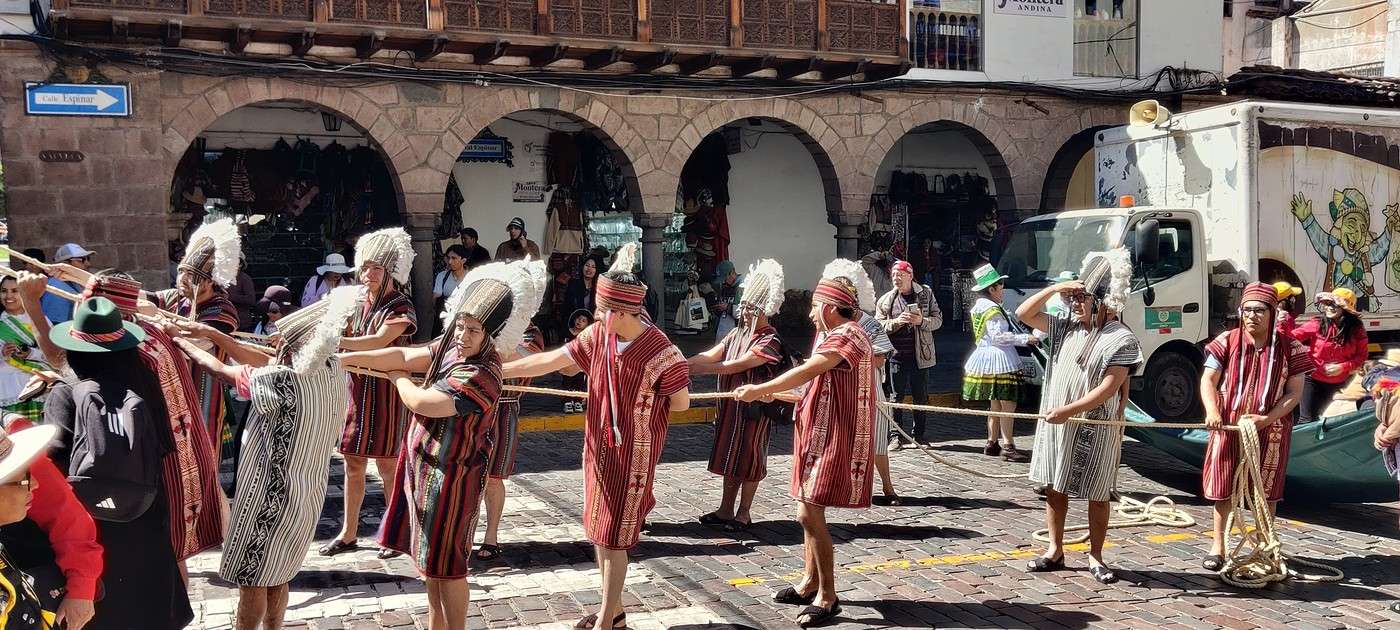
It's always a treat to be there for the festivities. Your photos are so vibrant. I’m the one who should thank you for your travel journal.

Quick question: there are tons of places to visit around Cusco. On the forum, travelers always use drivers to get there. Is renting a car just for Cusco and the surrounding area a bad idea? Did the driving seem dangerous to you?

Peru: A childhood dream finally realized

Larri · 2026-08-29 · Message 42 of 69

Hi Pascale,

There really are so many things to see around Cusco, beyond just the most famous sites—especially if you love history, and the landscapes are beautiful. As for renting a car, it’s possible, but the traffic is chaotic in the city, the streets are very narrow and steep, and I didn’t see any parking lots (though I wasn’t really looking!). Outside of Cusco, the roads are generally fine. Personally, I wouldn’t risk it!

Peru: a childhood dream finally realized

Muriel18 · 2026-08-30 · Message 43 of 69

at least this travel journal interests one person

No, no. More than one ;) Machu Picchu is still just as impressive even in photos, as are the Maras salt mines and the Moray terraces (which I didn’t know about before).

Peru: A childhood dream finally realized

Montagnard74 · 2026-08-30 · Message 44 of 69

Hello, It’s always a treat to revisit places we’ve loved, especially when it’s told so well and illustrated like this… A childhood dream is shared by more people than you think ;)

Peru: A childhood dream finally realized

Montagnard74 · 2026-08-30 · Message 45 of 69

Renting a car just for Cusco and the surrounding area—is it a bad idea? Did the driving seem dangerous?

It’s not a bad idea in itself, but there are so many private transport options or even collectivos at really low prices that the question becomes less relevant. Plus, the distances between sites aren’t huge, so renting a car is less appealing.

Peru: a childhood dream finally realized

Larri · 2026-08-30 · Message 46 of 69

Hi Bruno, Thanks for reading and for your comments. It feels good—you feel less alone. I say that, but like many, I read a lot of travel journals without chiming in. Larri

Peru: A childhood dream finally realized

Larri · 2026-08-30 · Message 47 of 69

Thanks Muriel, It’s true that around Cusco, there are plenty of lesser-known Inca sites that really deserve a visit.

Peru: A Childhood Dream Finally Fulfilled

Larri · 2026-08-30 · Message 48 of 69

Day 16 – Final Day in Cusco

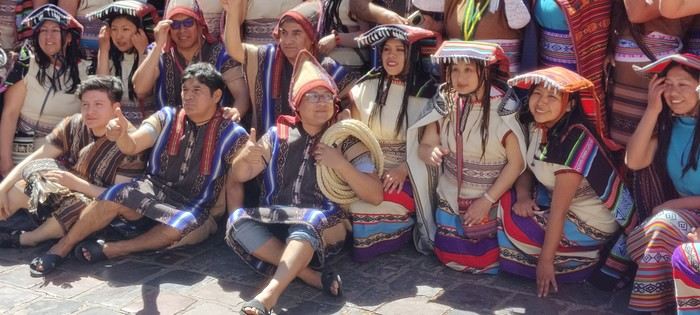
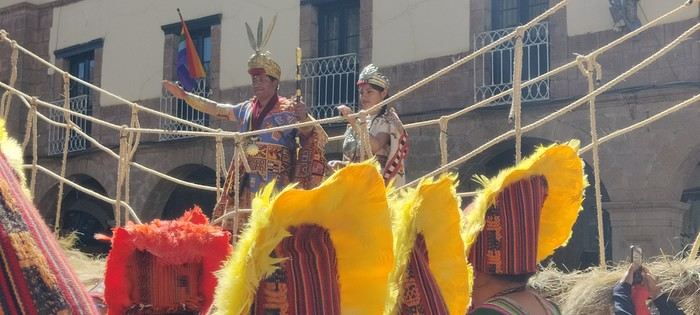
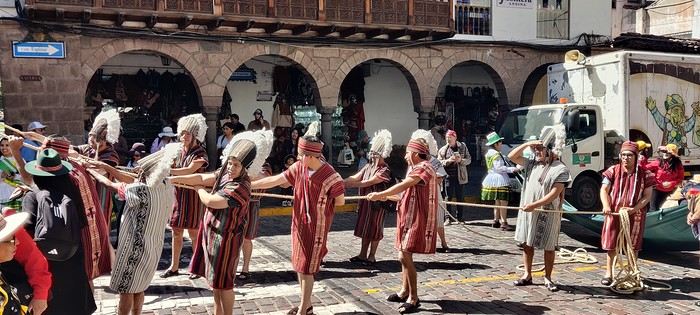
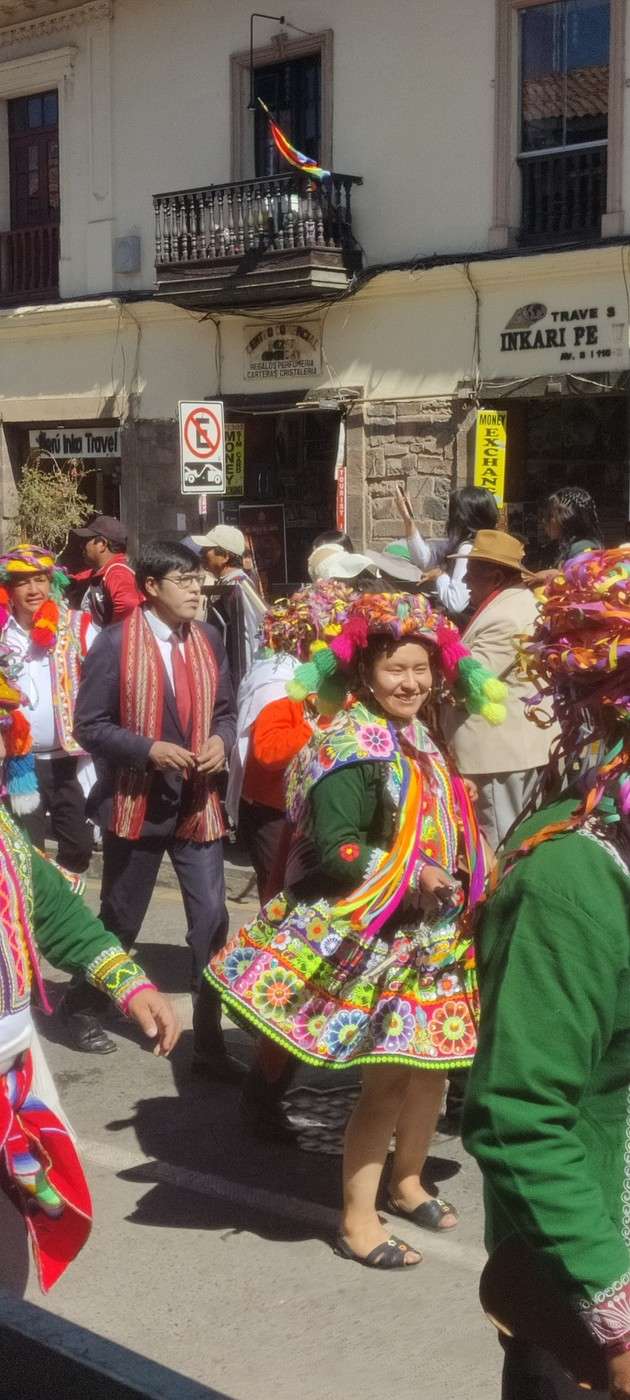
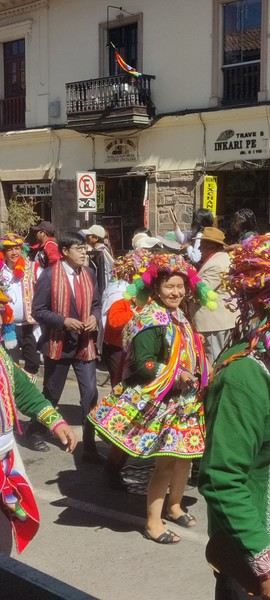
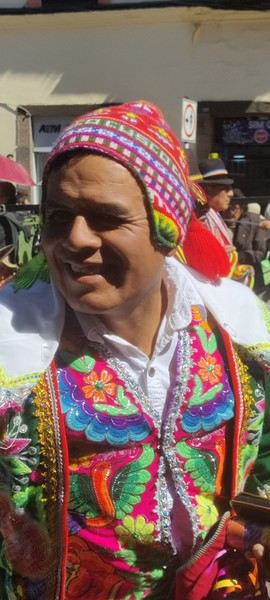
Today, we didn’t plan anything—just a day to rest. We wandered around the city to do some shopping. The festivities are still in full swing.


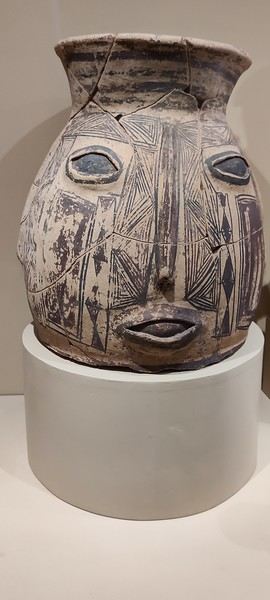
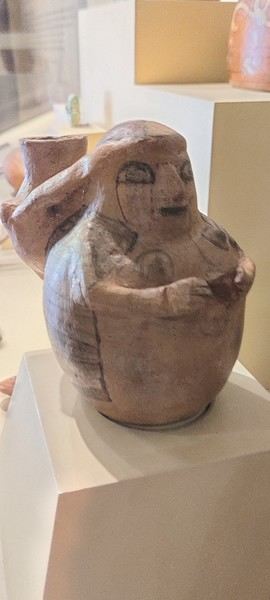
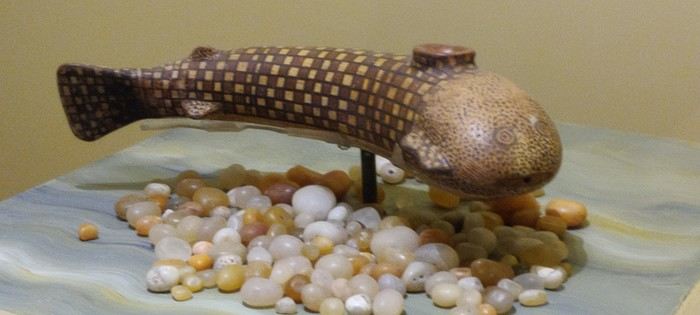
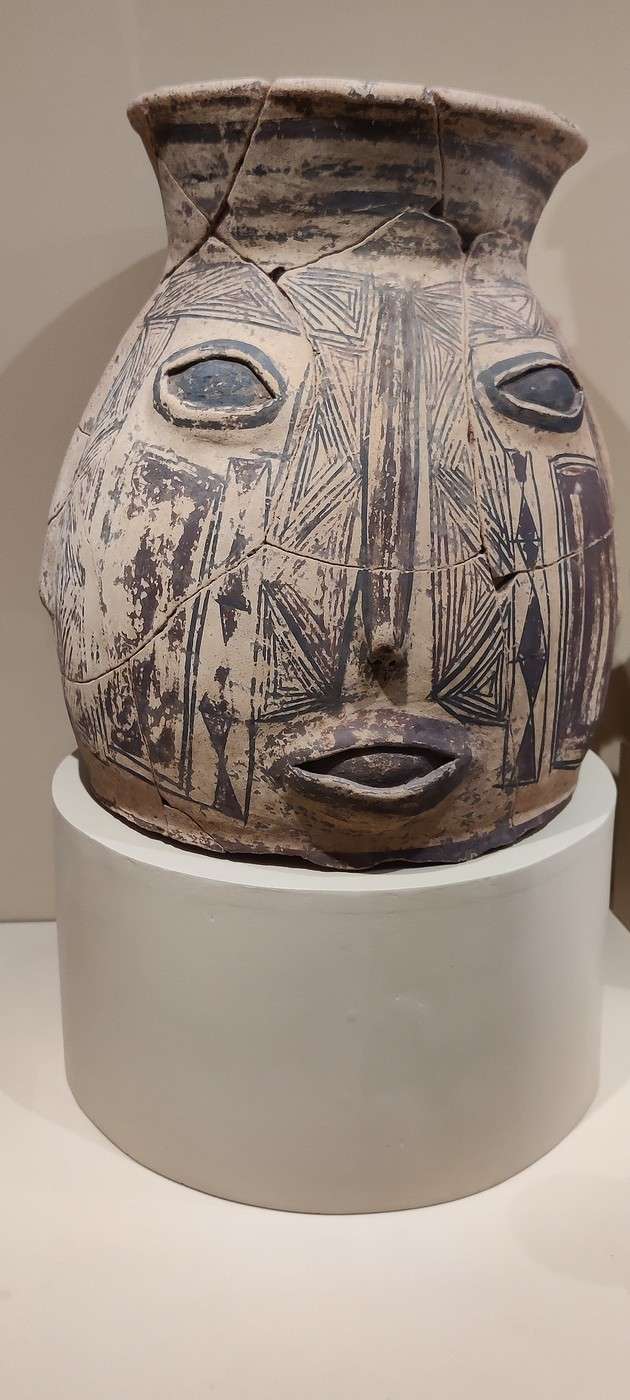
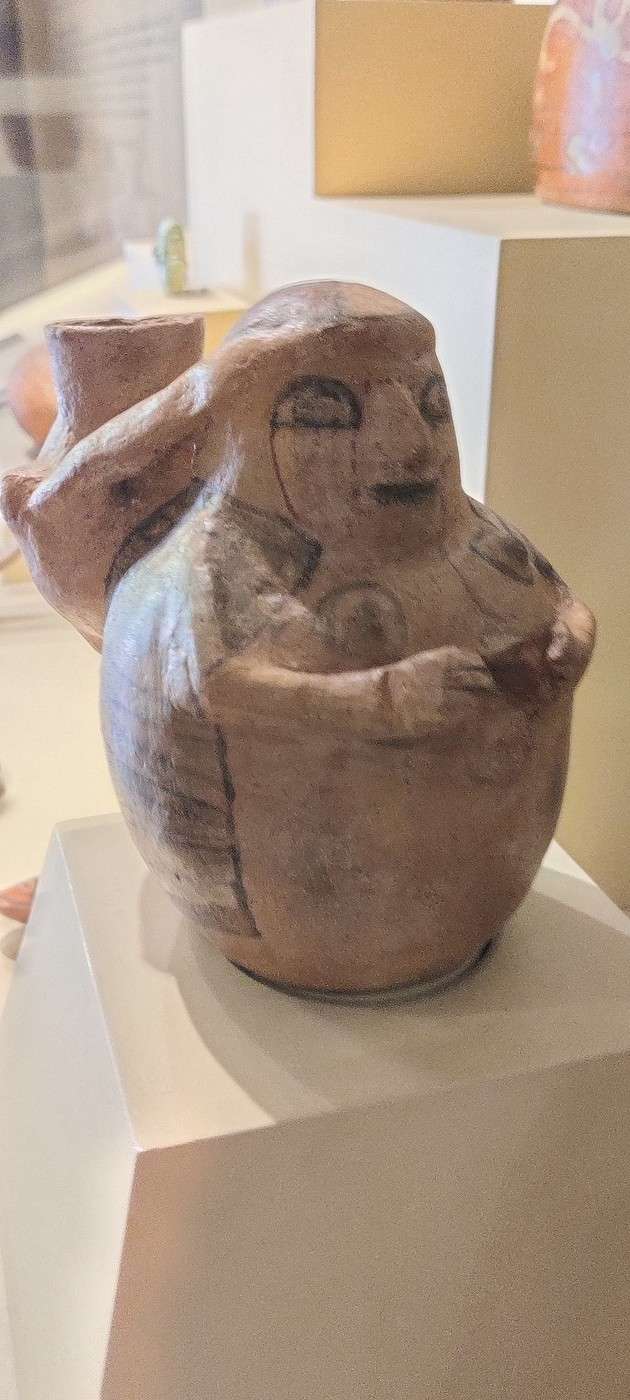
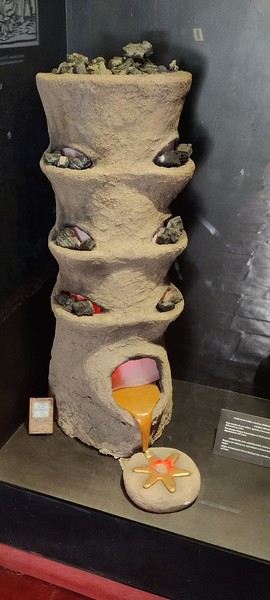
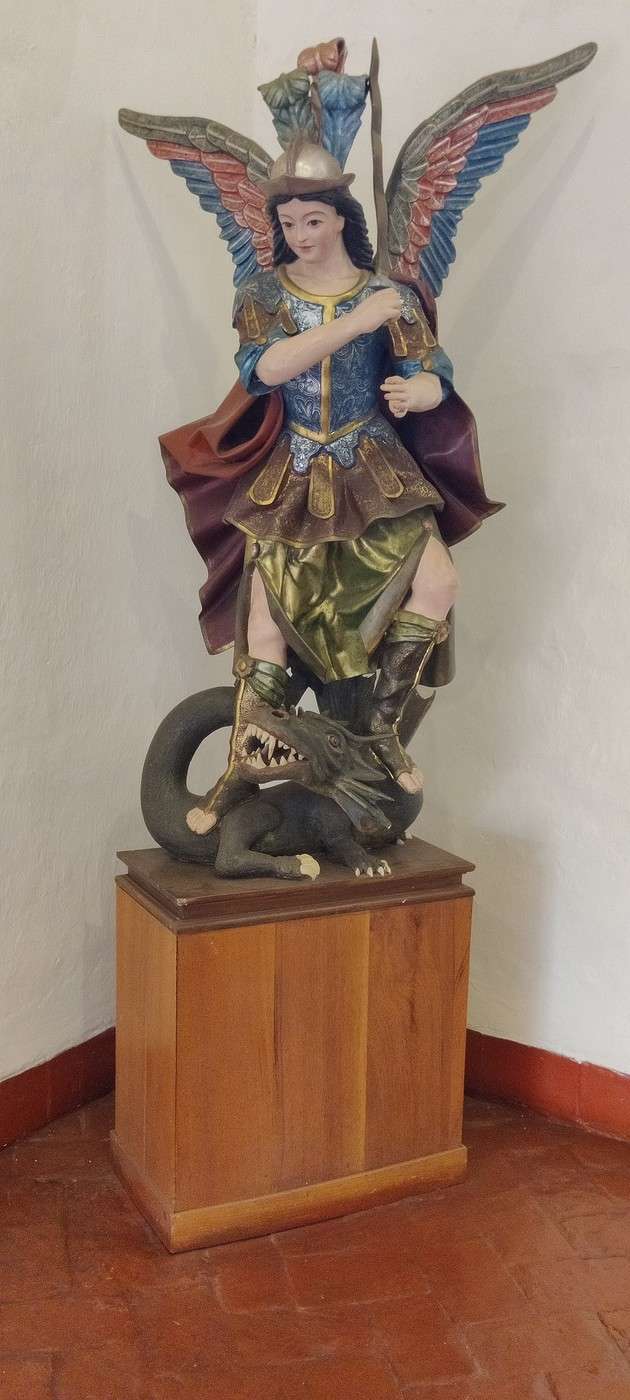
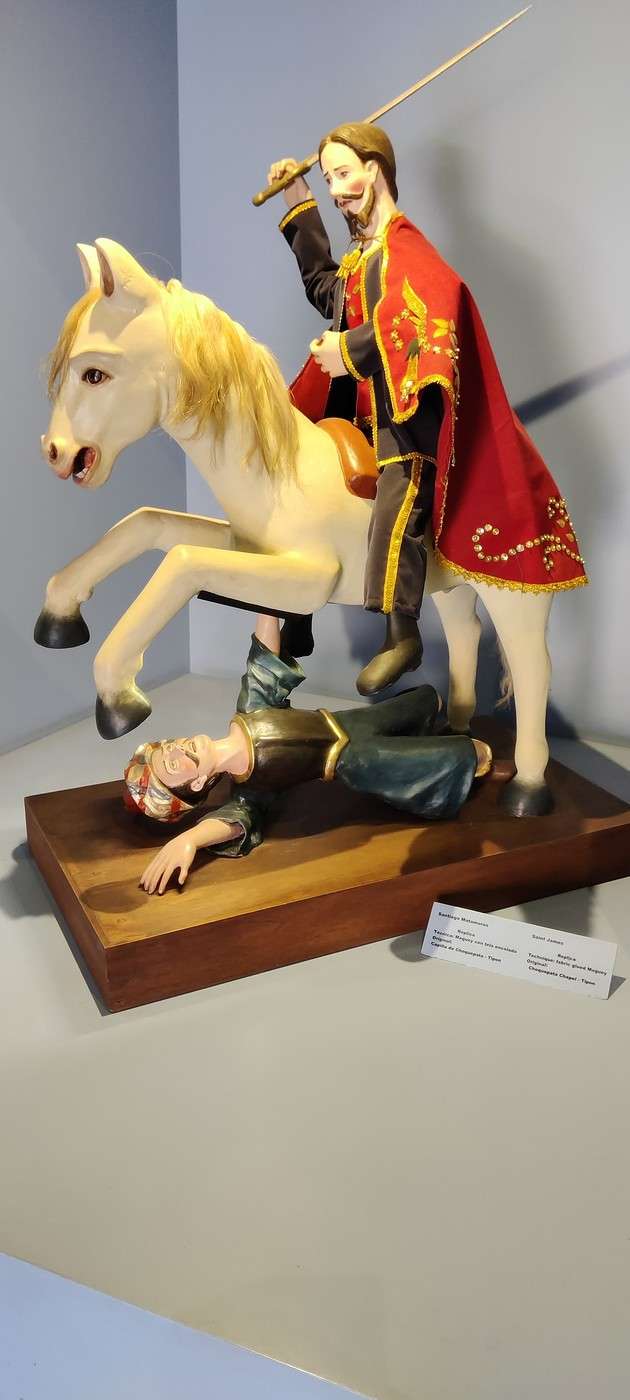
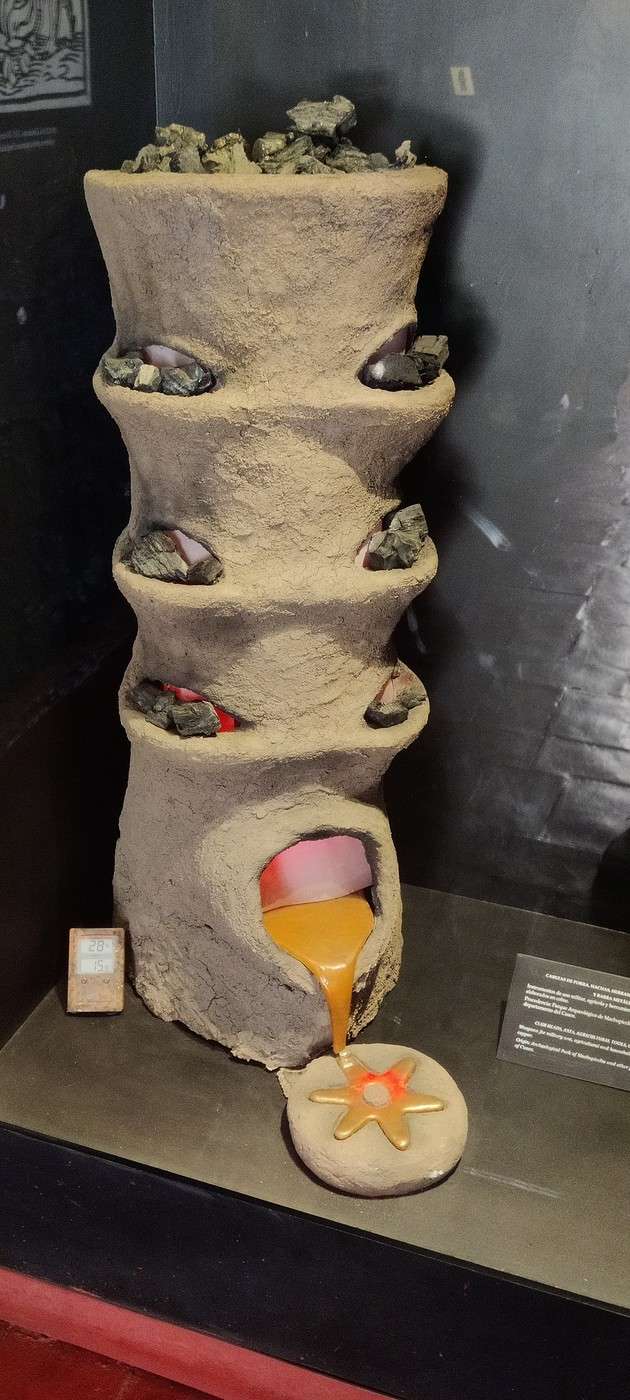
To make the most of our "boleto turístico," we set off to explore two museums recommended by one of our guides. First, we visited the small Qorikancha Museum, located beneath the esplanade of the Temple of the Sun. The entrance, leading to the basement, is made of stone in pure Inca style. The museum displays archaeological finds from the site: ceramics, stone and metal objects, mummies, and skulls that underwent trepanation, showcasing pre-Columbian medical practices. Models also help imagine what Qorikancha looked like before it was turned into a convent.


!

Peru: A childhood dream finally realized

Larri · 2026-08-30 · Message 49 of 69

J17 - Last day in Cusco (continued)

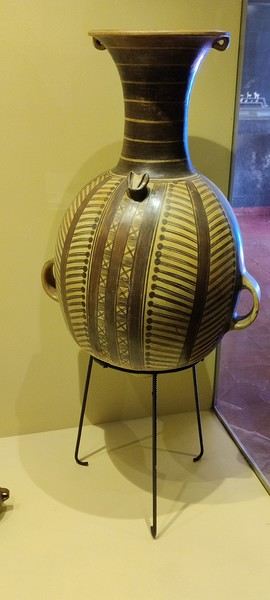
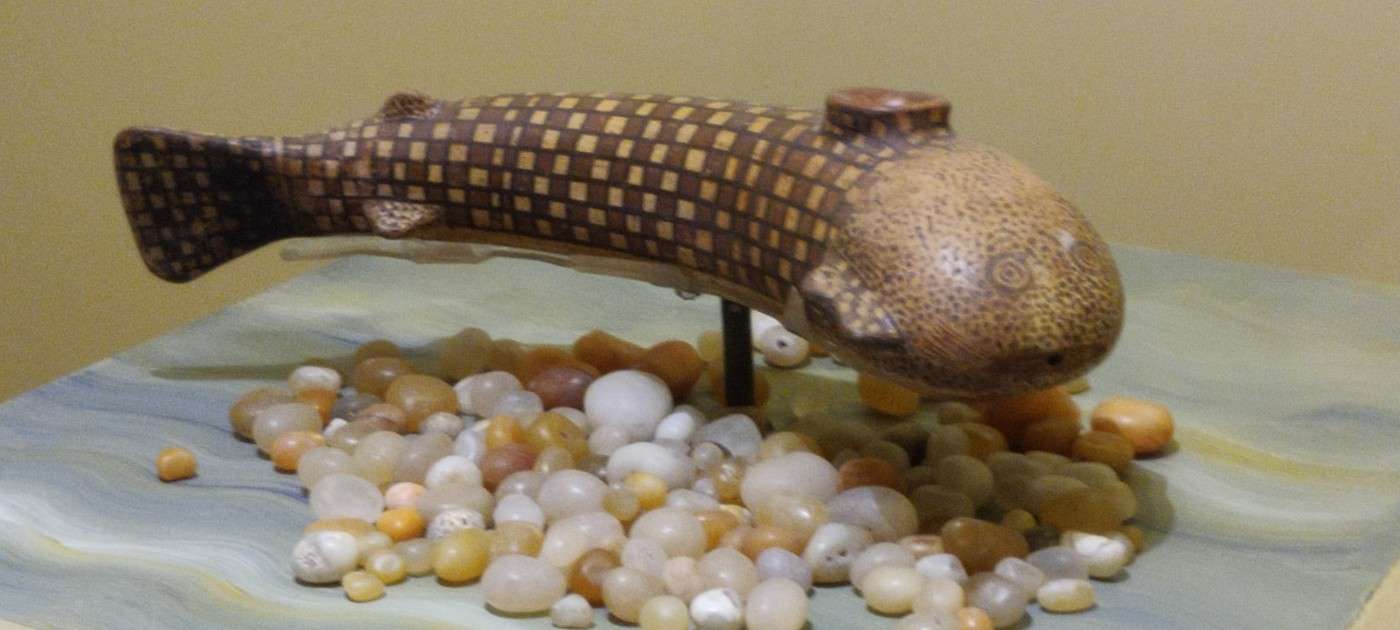
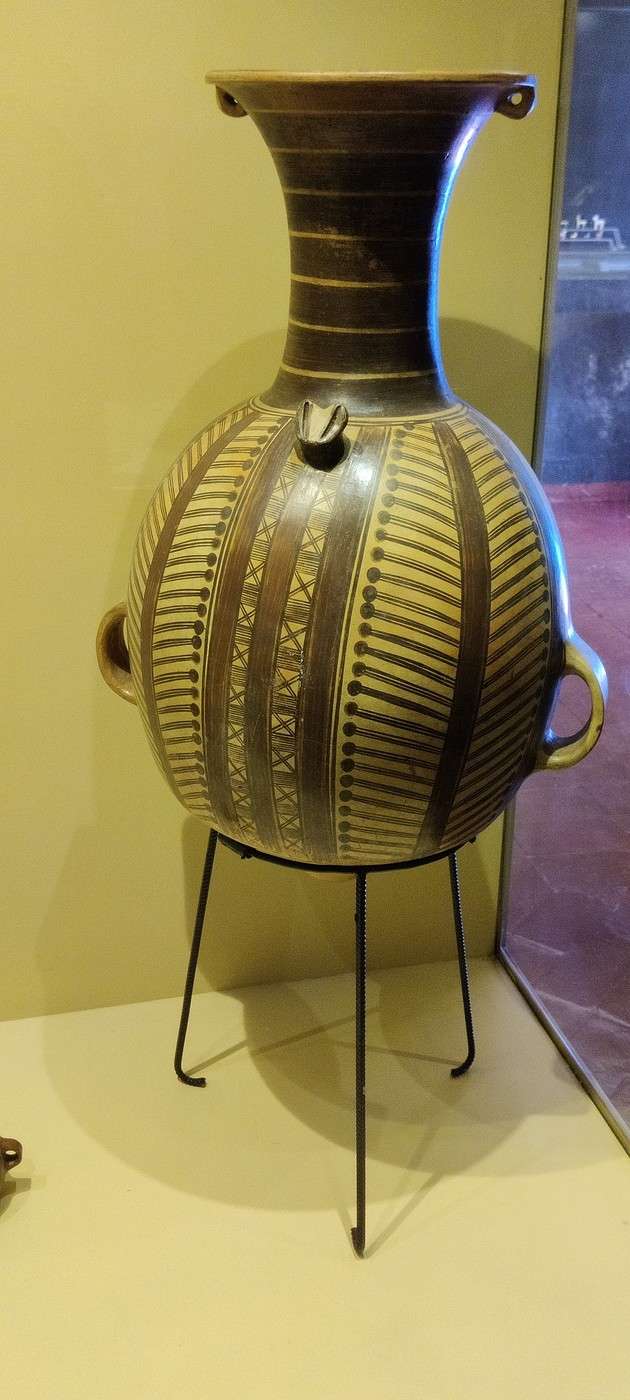
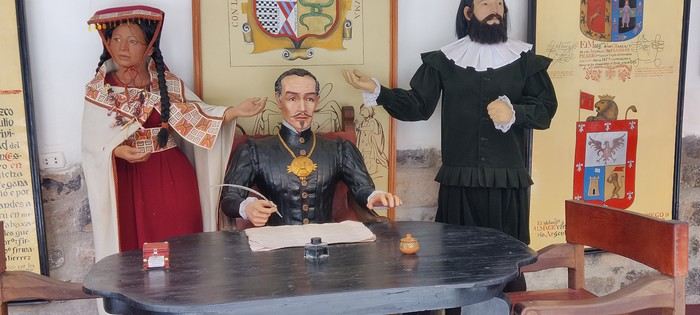
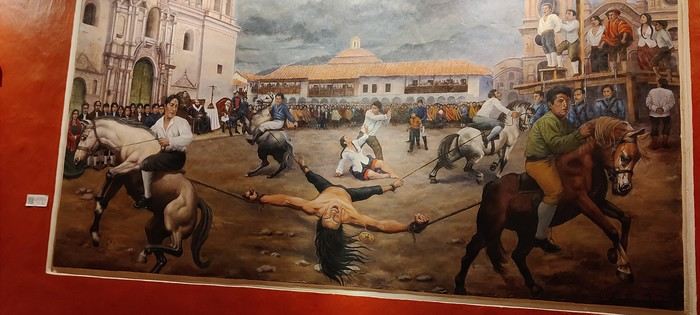
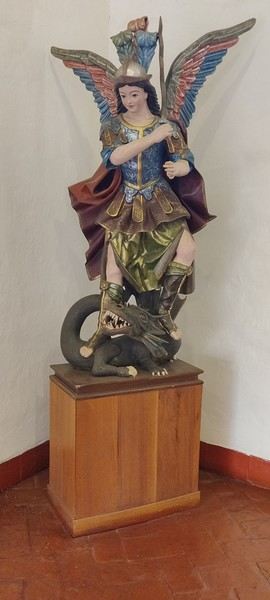
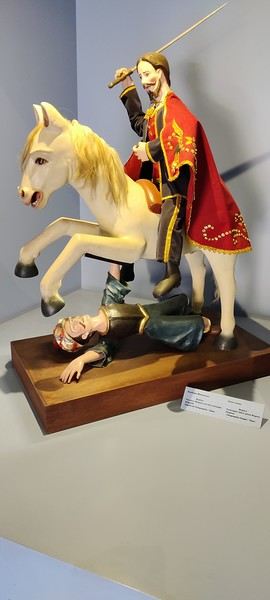
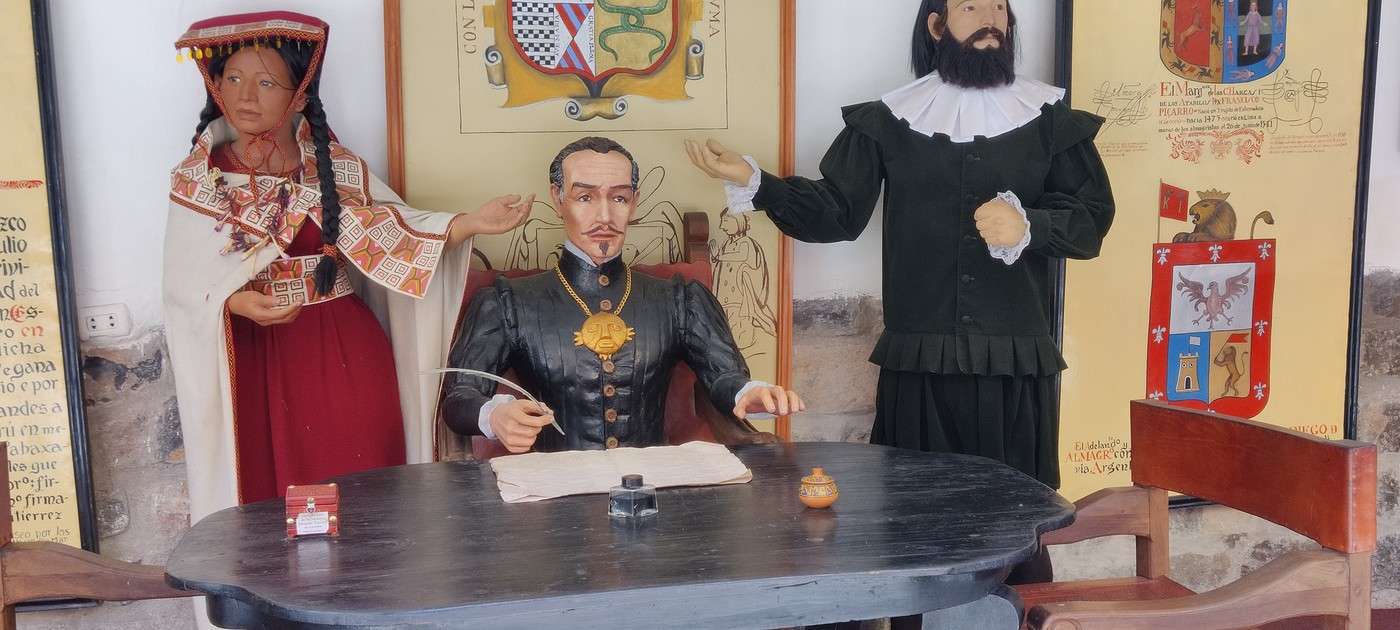
We continue with the Regional Historical Museum, housed in the beautiful home that once belonged to Inca Garcilaso de la Vega. The collections tell the story of the transition from pre-Inca and Inca worlds to the colonial era and the birth of a blended Cusco. Nothing spectacular, but some lovely ceramics, gold objects, and a few works from the Cusco School of painting.


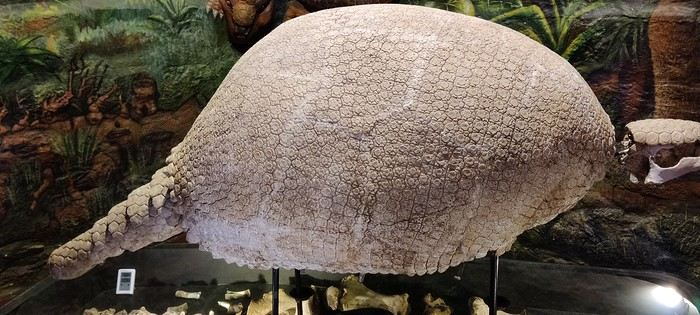
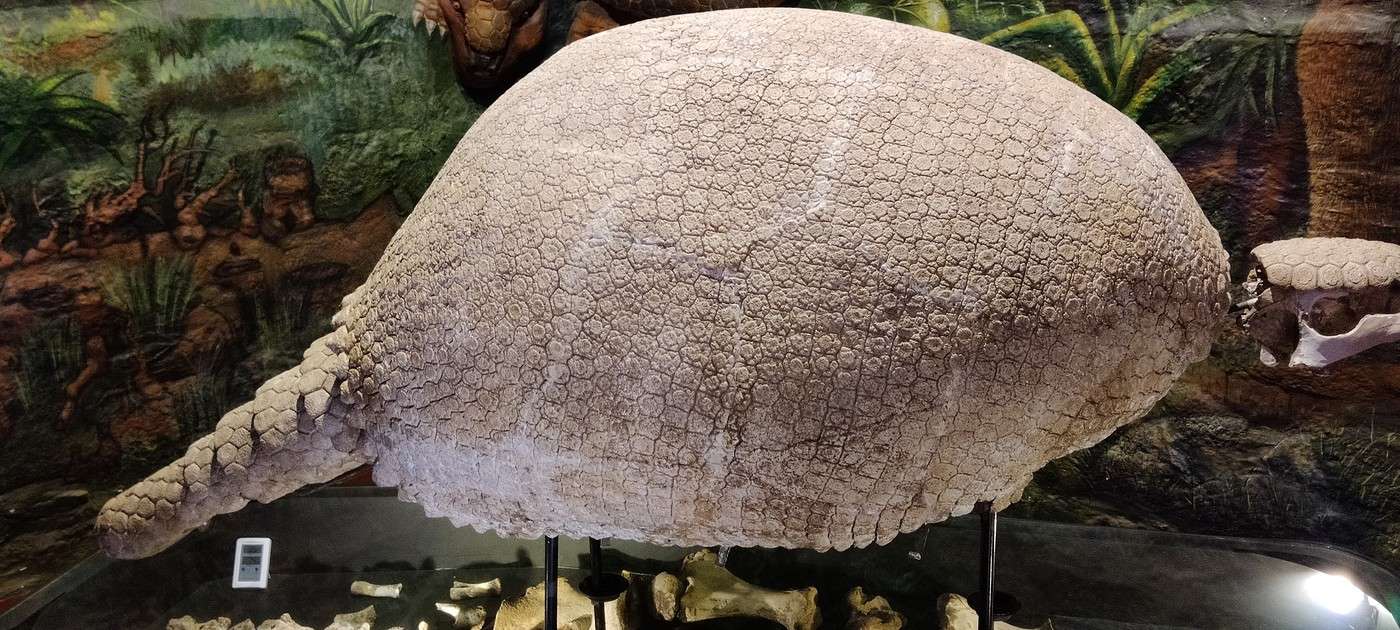
One curiosity catches our attention, though: a glyptodon fossil, a sort of prehistoric armadillo, an herbivore that lived in South America over 10,000 years ago.


Tonight, we dine at Carpe Diem. Not great. And to top it off, when it’s time to pay, our phone shows the bill was debited from our account, but the payment doesn’t appear on the restaurant’s end. The result: half an hour of back-and-forth trying to sort it out. A final evening in Cusco we could’ve done without!

Peru: A childhood dream finally realized

Larri · 2026-08-30 · Message 50 of 69

Day 17 – Back to Lima

The end is near. Following Tout Pérou’s advice—fearing possible afternoon flight cancellations due to weather or technical issues—we booked a late-morning flight.

We left Cusco with regret. We were settled on the plane, but it didn’t move. A technical problem was announced, and we were redirected to an airport parking area. We stayed there for over two hours before returning to a boarding gate and finally taking off. It felt like everything was conspiring to keep us in Cusco!

We managed to notify our driver about our significant delay. Our day was already well underway by the time we arrived at our hotel in the Miraflores district.

We had dinner at a seafood restaurant near the hotel.

Peru: A childhood dream finally realized

FamilleUS · 2026-08-31 · Message 51 of 69

It’s also worth noting that many major monuments were built with consideration for the movements of the Sun or other celestial phenomena. But jumping from that to imagining a hidden order linking great civilizations, suggesting they coordinated their constructions on a global scale, is a big leap that nothing currently supports. Architectural similarities can also be explained by common constraints: the pursuit of spectacular monumentality. It’s also clear that many major monuments were positioned based on the Sun’s path and certain astronomical phenomena.

Love your travel journal (Chinchero had the same effect on us).

The astronomy connection is pretty well-documented. The main reason is that all these peoples were agricultural societies.

Back in the day (not that long ago), farmers worked the fields according to a well-defined calendar: "When Saint So-and-so comes, this plant takes root..." We’ve even kept this tradition with the famous "Ice Saints."

In European Neolithic times (the best-documented example), farmers followed the lunar cycle as a calendar for their tasks (sowing, harvesting, pruning, grape-picking...). But a lunar cycle averages 29.5 days, or 354 days a year. So they had to realign it regularly with the solar cycle. That’s why pinpointing the day when the sun is lowest on the horizon (the winter solstice) was crucial—to reset their lunar calendar at the exact moment the New Sun arrived.

To date, over 200 sites with "astronomical" architecture have been identified in Germany, Austria, Slovenia, and the Czech Republic (the most famous is Goseck for those who want to go the extra mile, but Stonehenge in England also served this purpose).

This type of "luni-solar" calendar was later used by several ancient civilizations like the Chinese, Greeks, Romans, Gauls, Hebrews, and Macedonians… so why not pre-Columbian civilizations?

Fun fact: this winter solstice (the festival of lights dear to the Romans—the "Luminaria," not the one in Lyon tied to the Marian cult) was later adopted by early Christians to set the date of Christ’s birth (Christmas) to erase a powerful pagan ritual while still harnessing its symbolic power (a bit like the Santo Domingo Convent built over the Temple of the Sun)...

End of the France Culture-style tangent 😉

Peru: A childhood dream finally realized

Larri · 2026-08-31 · Message 52 of 69

Hi there, and thanks for reading! A bit of cultural context never hurts. For my part, I deliberately kept these kinds of details brief since they can be a bit tedious for some readers who are more passionate about travel than historical background—even though it’s fascinating.

Peru: A childhood dream finally realized

Jlma · 2026-09-01 · Message 53 of 69

... Day 1 – Paris-Lima ... Note that this day is Peru’s presidential election day. As a result, they refused to serve us a beer: alcohol sales were banned that Sunday.

Hello and thank you for this beautiful travel journal. So your 3-week trip started on April 12 or June 7? April is the low season. In June, the weather is usually better. Best regards, JLMA

Peru: a childhood dream finally realized

Larri · 2026-09-01 · Message 54 of 69

Hi everyone, and thanks for reading.

Our trip took place from June 7th to 24th. June 7th was the day of the second round—the first round was in April, if I remember correctly. We had really great weather. I’d planned to talk about the election in my next post.

Larri

Peru: A childhood dream finally realized

Larri · 2026-09-01 · Message 55 of 69

Day 17 – Final day in Peru. Visit to Lima’s historic center

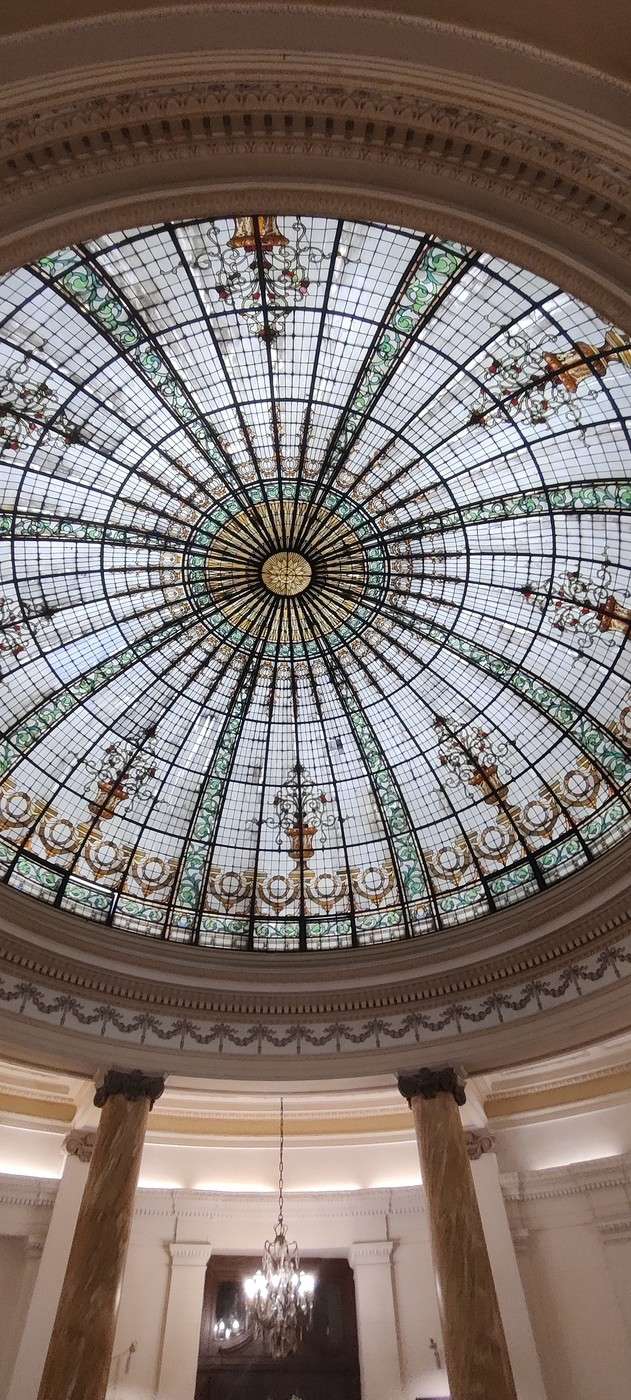
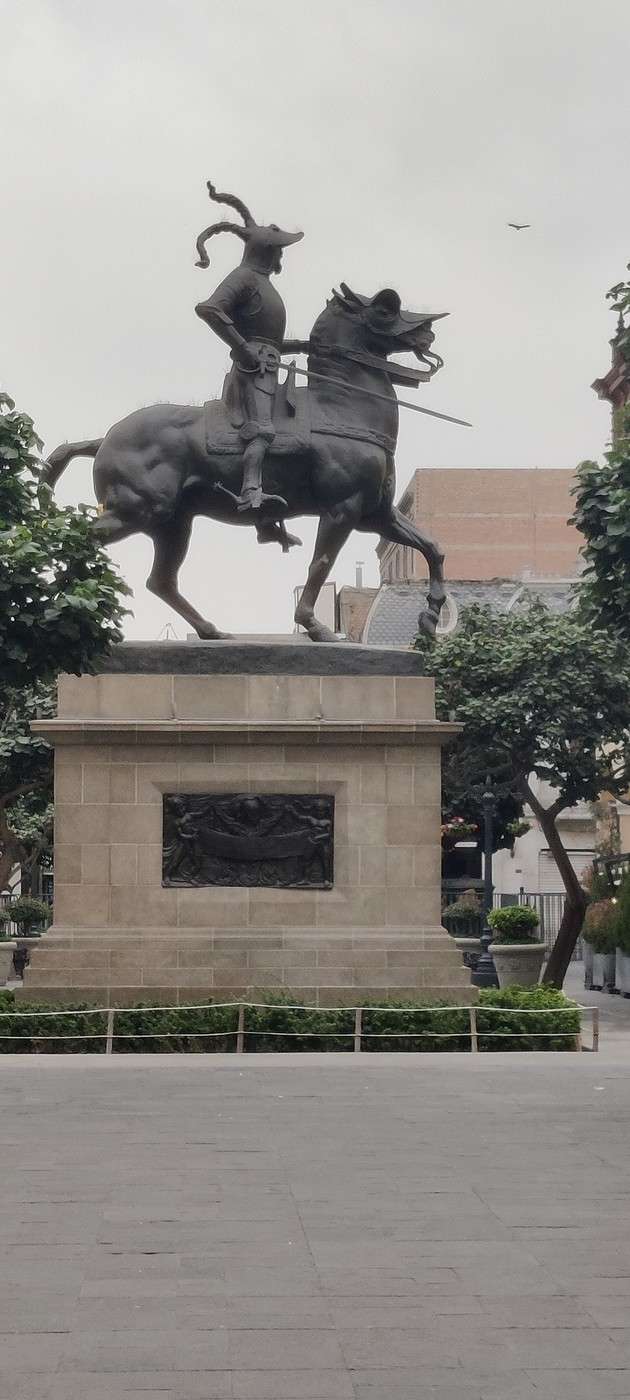
Final day in Peru. Already! As often in Lima, the sky is overcast. After the stunning landscapes and sunshine of the past few days, the contrast is striking. But no matter—we still have one day left to explore the capital before catching our flight. After a good breakfast, we take a taxi to the city center. Despite heavy traffic, we arrive early for our meet-up with our French-speaking guide, Zarela, in front of the grand Hotel Bolívar on Plaza San Martín. At the center of the square stands the equestrian statue of José de San Martín, the man who proclaimed Peru’s independence in 1821. We start with a quick visit to the hotel and its impressive dome.
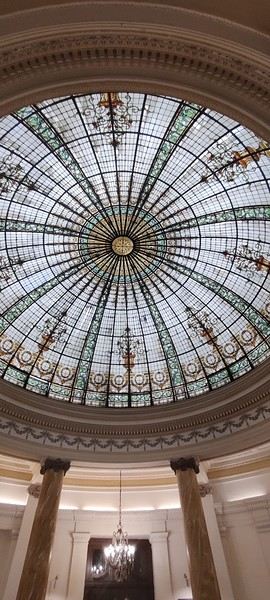


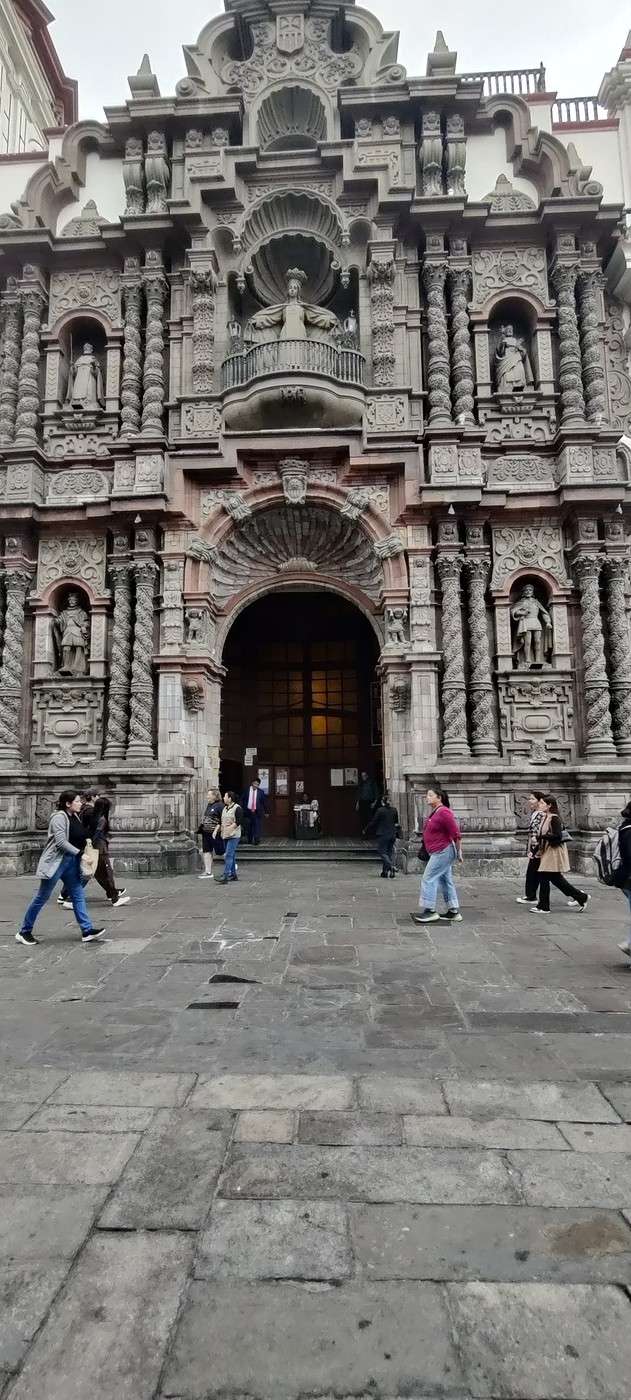
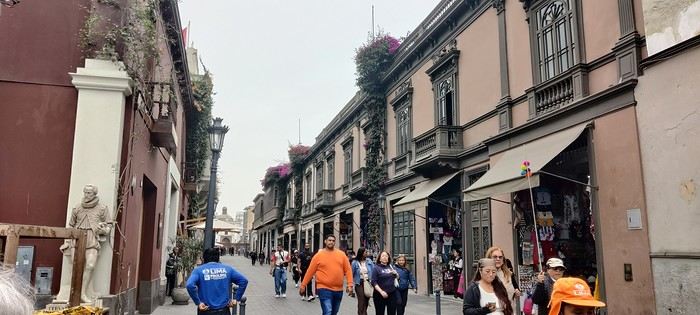
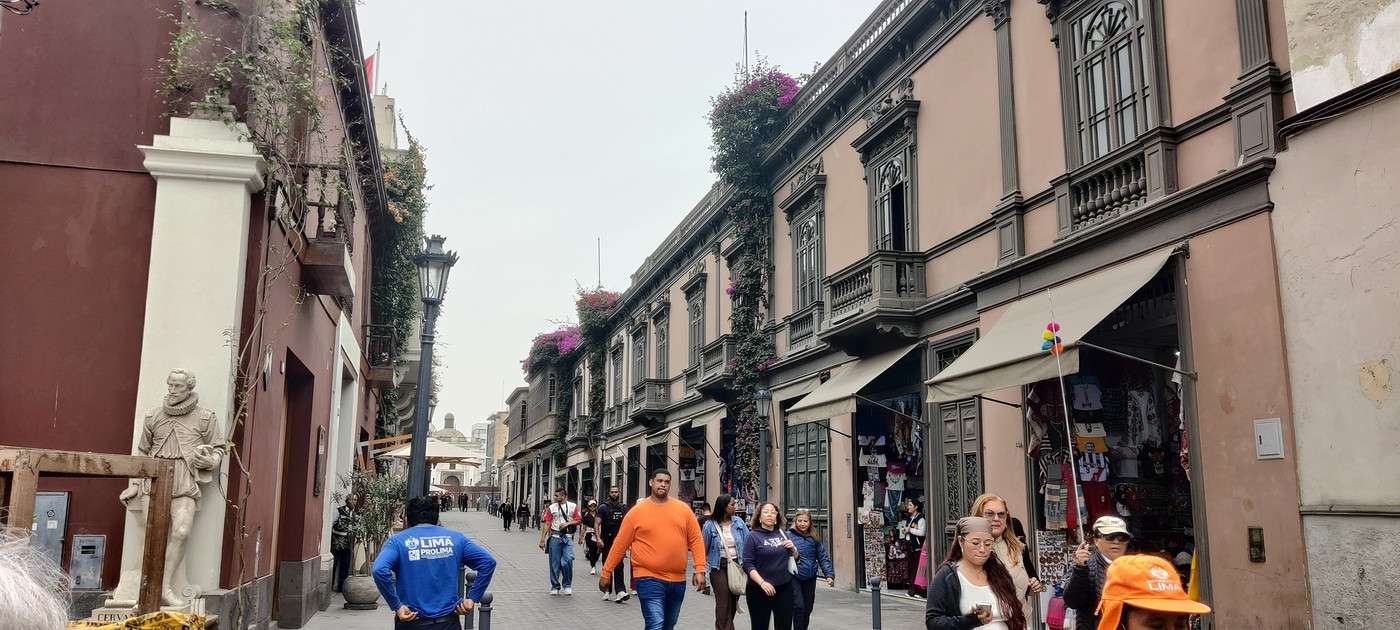
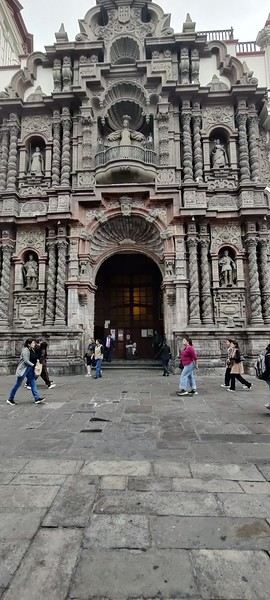
The Grand Hotel Bolívar is a historic establishment in Lima and has hosted many celebrities. Nothing transcendent, though. We don’t linger. We take the legendary pedestrian street Jirón de la Unión toward the Plaza Mayor, or Plaza de Armas. It’s still early, and the street is almost deserted; the shops aren’t open yet. A very different vibe from what we’ll see on the way back. Along the way, we visit the beautiful Basilica of Nuestra Señora de la Merced, with its remarkable façade and rich altars.


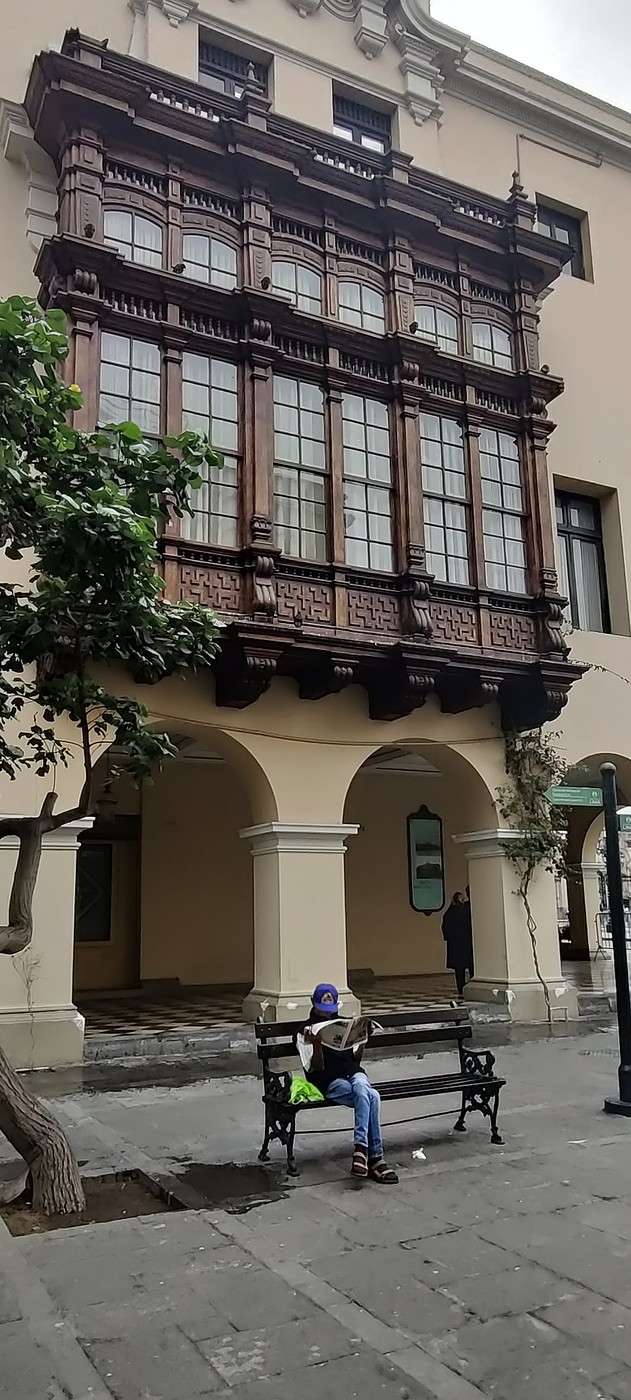
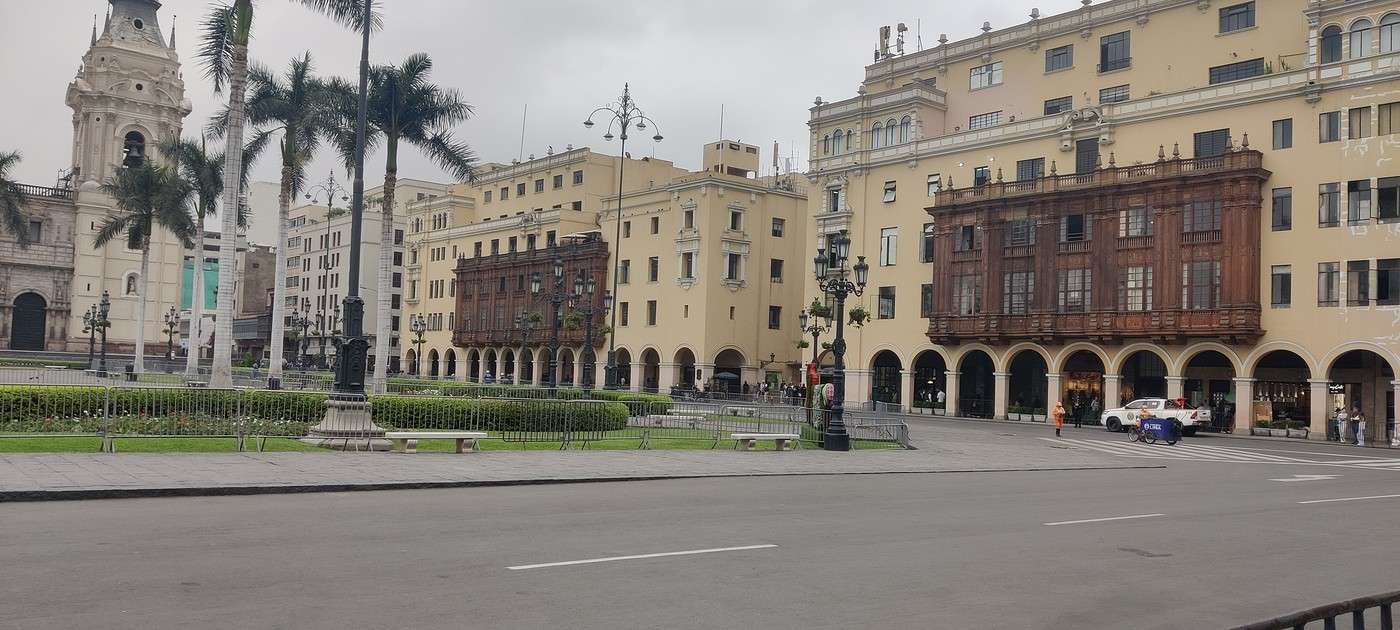
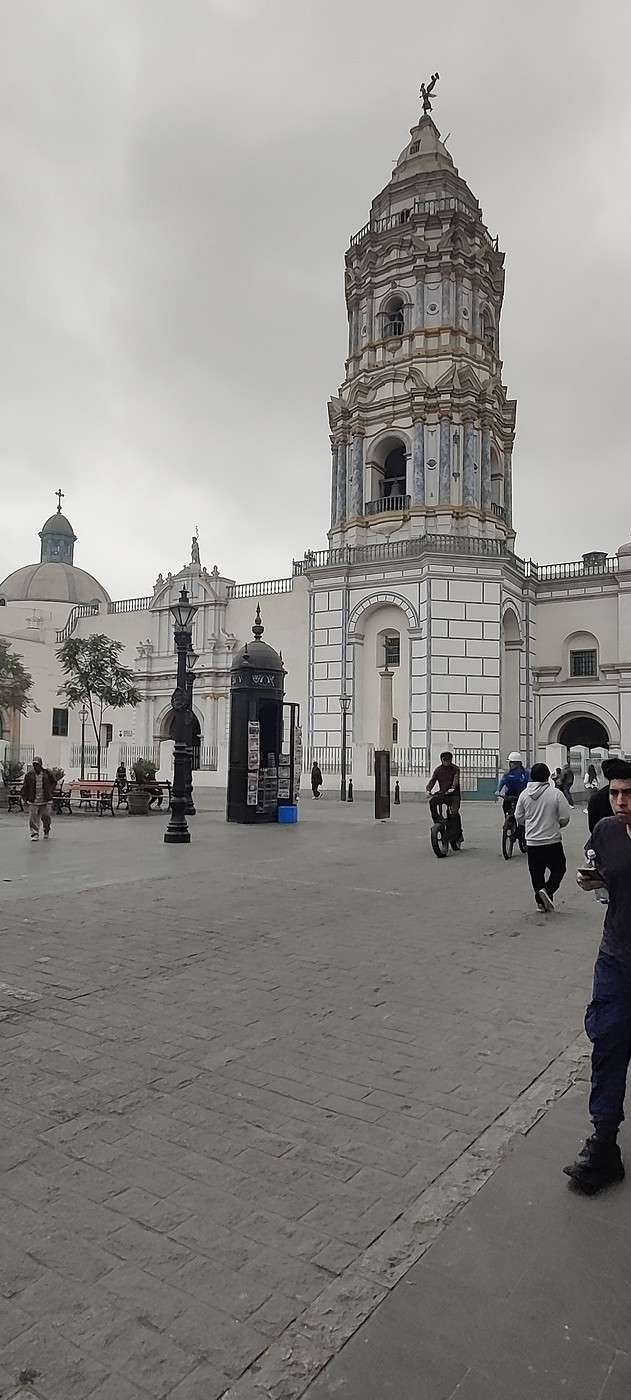
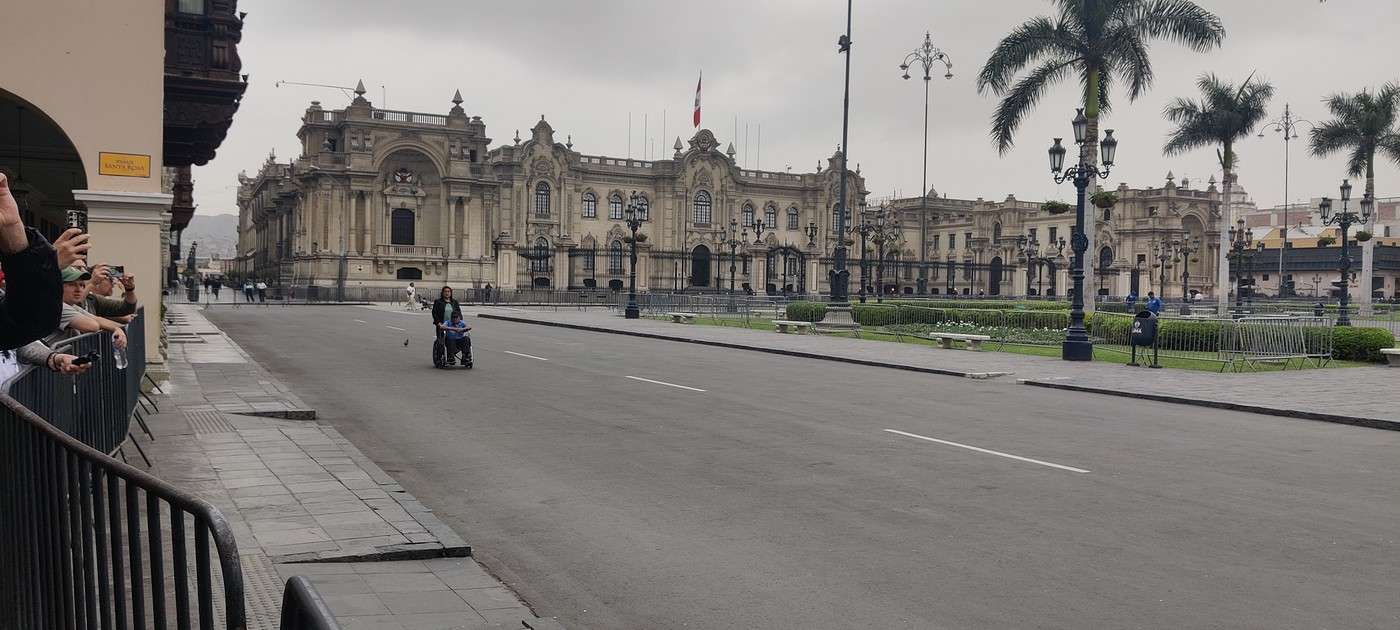
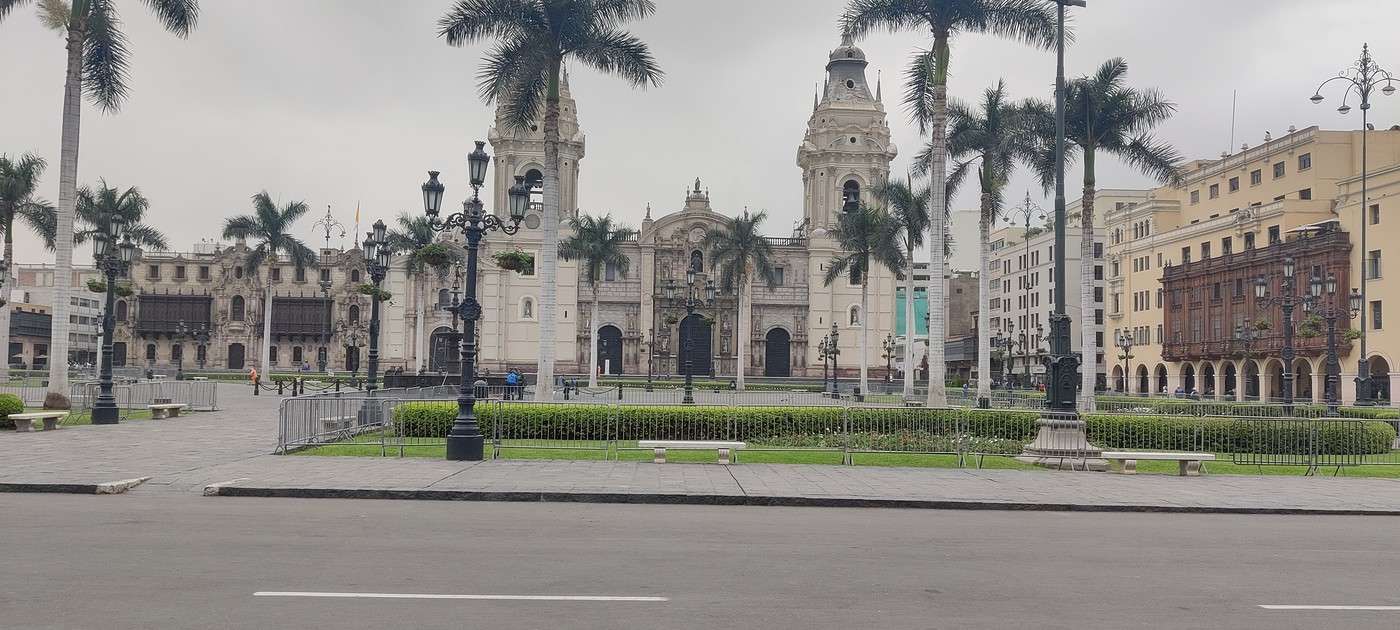
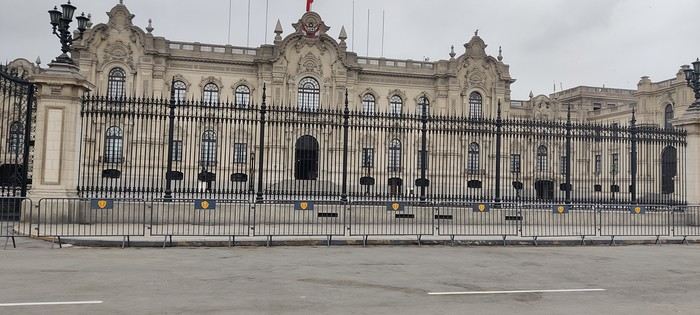
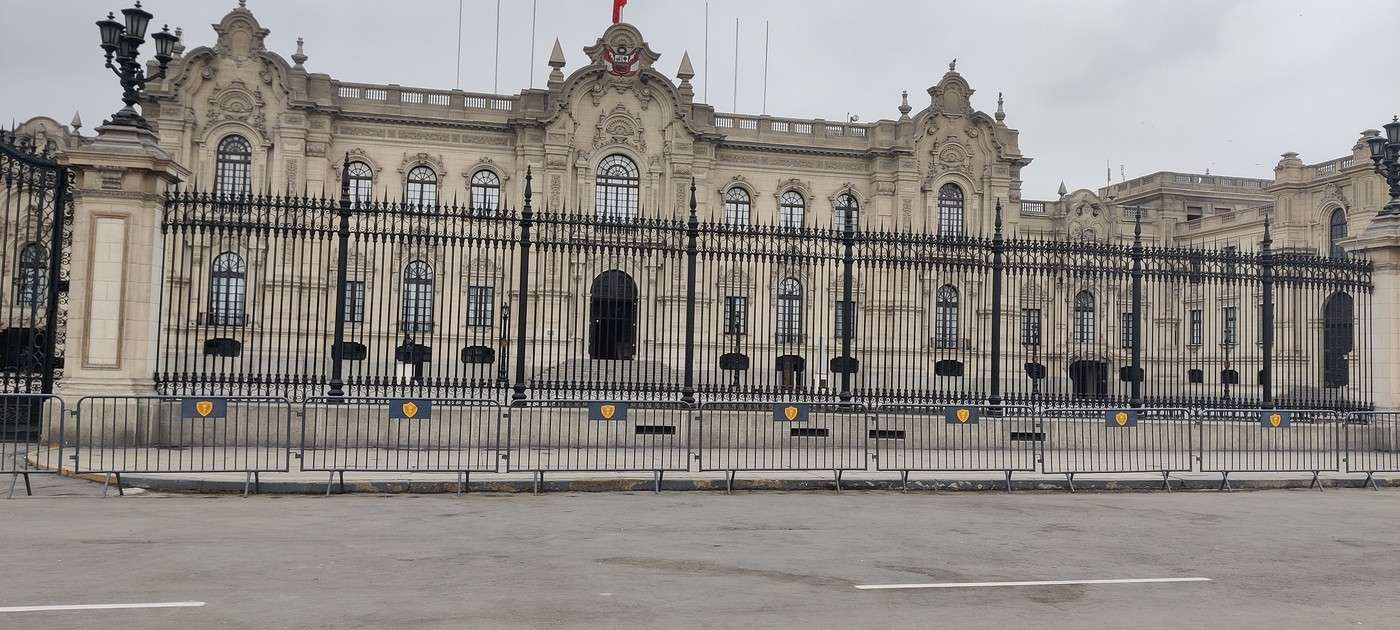
When we arrive at the Plaza Mayor, we get a nasty surprise: lots of barriers and restricted access due to protests. I’d warned you they’re common in this country! Our guide does her best to negotiate access, and her charm often works... Unfortunately, the center of the square is off-limits. We have to settle for admiring it from the edges. It’s surrounded by monuments, each more beautiful than the last: the cathedral, the Government Palace, the Archbishop’s Palace, the city hall, the San Francisco Monastery, and several elegant colonial mansions with intricately carved wooden balconies.
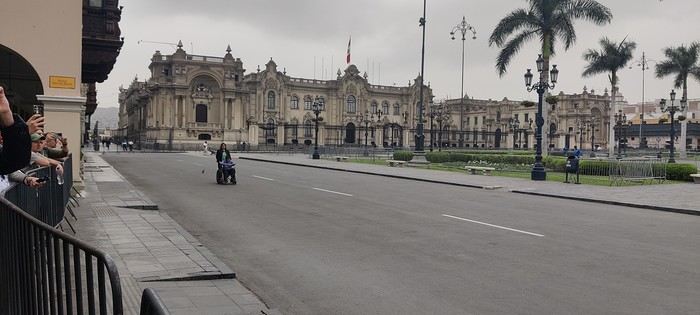
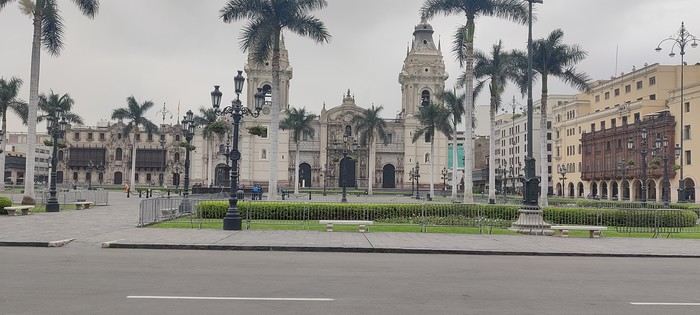
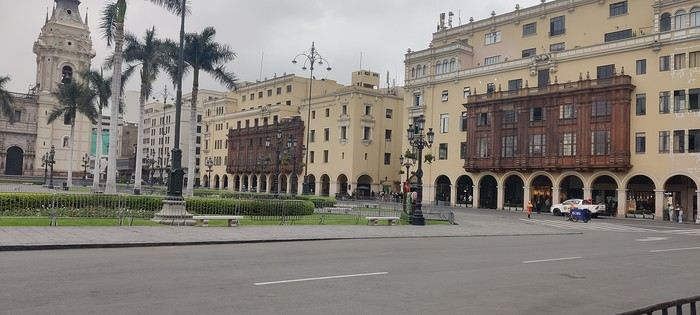
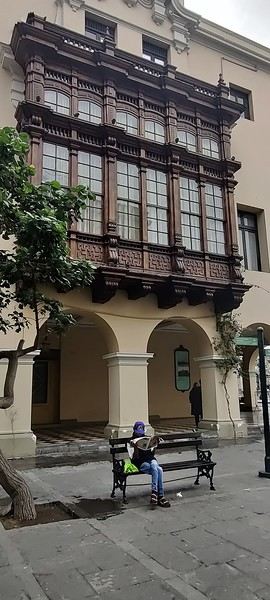
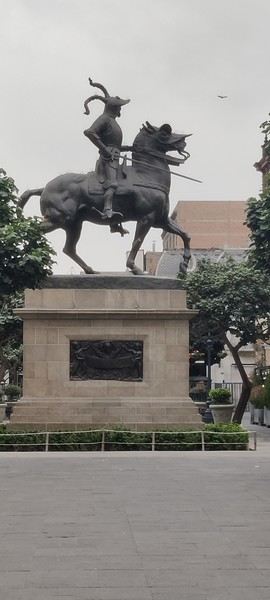


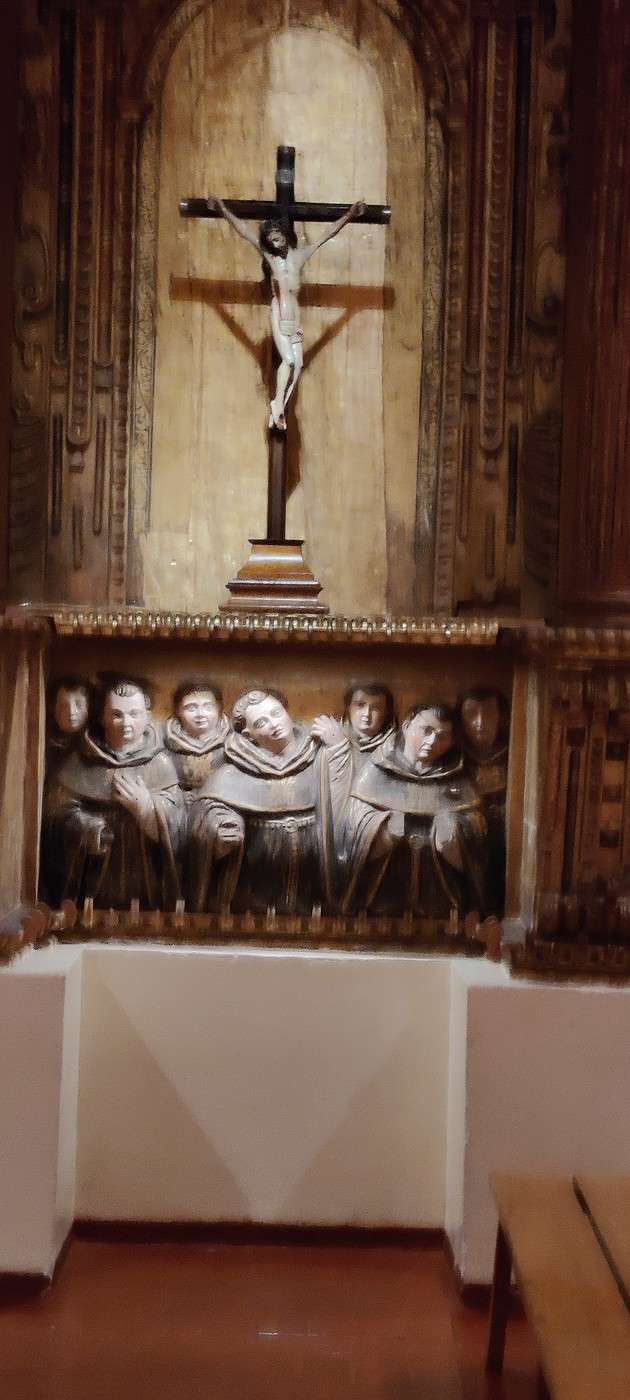
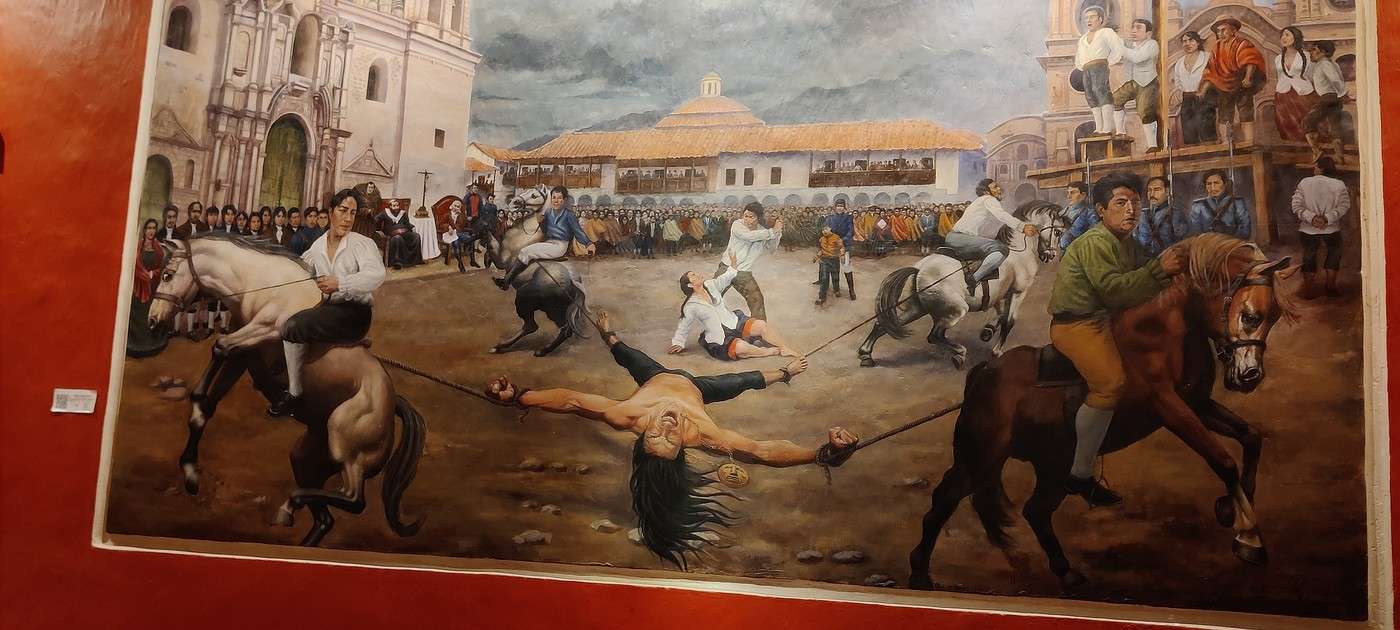
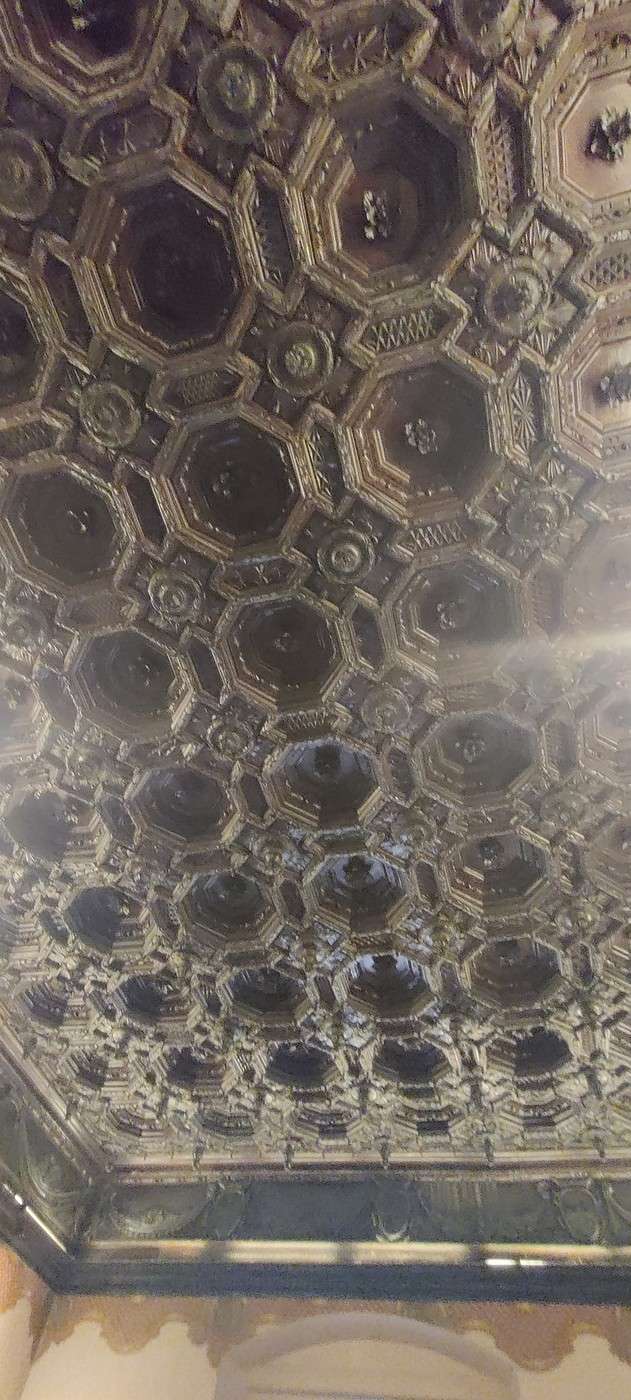
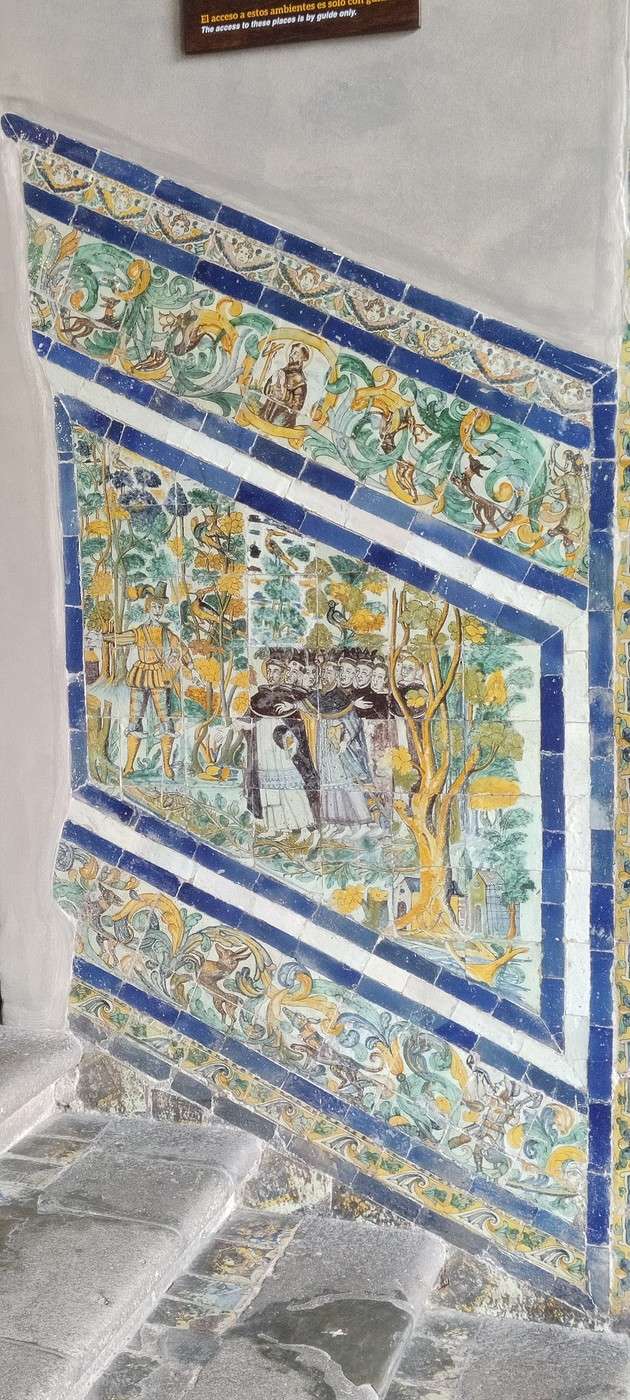
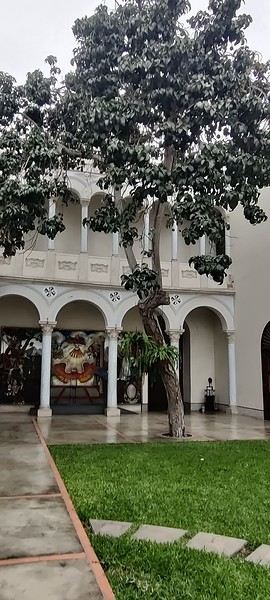
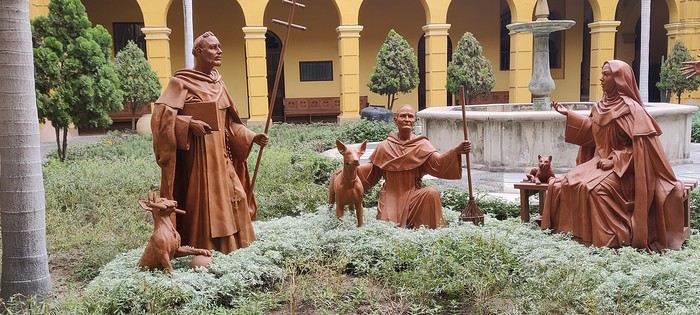
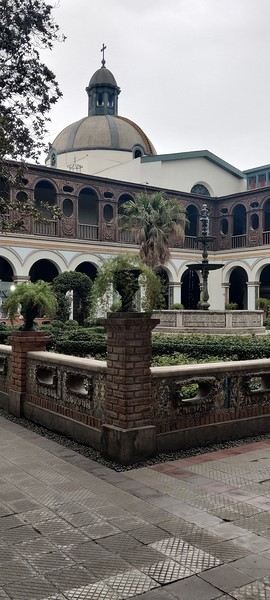
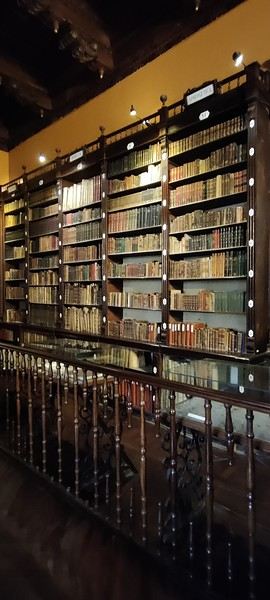
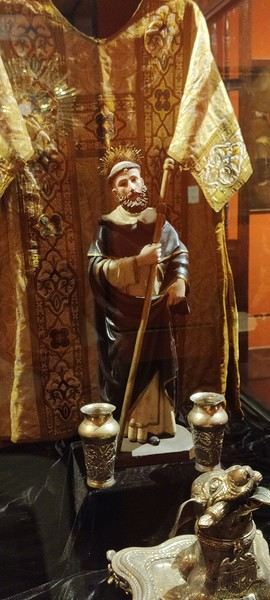
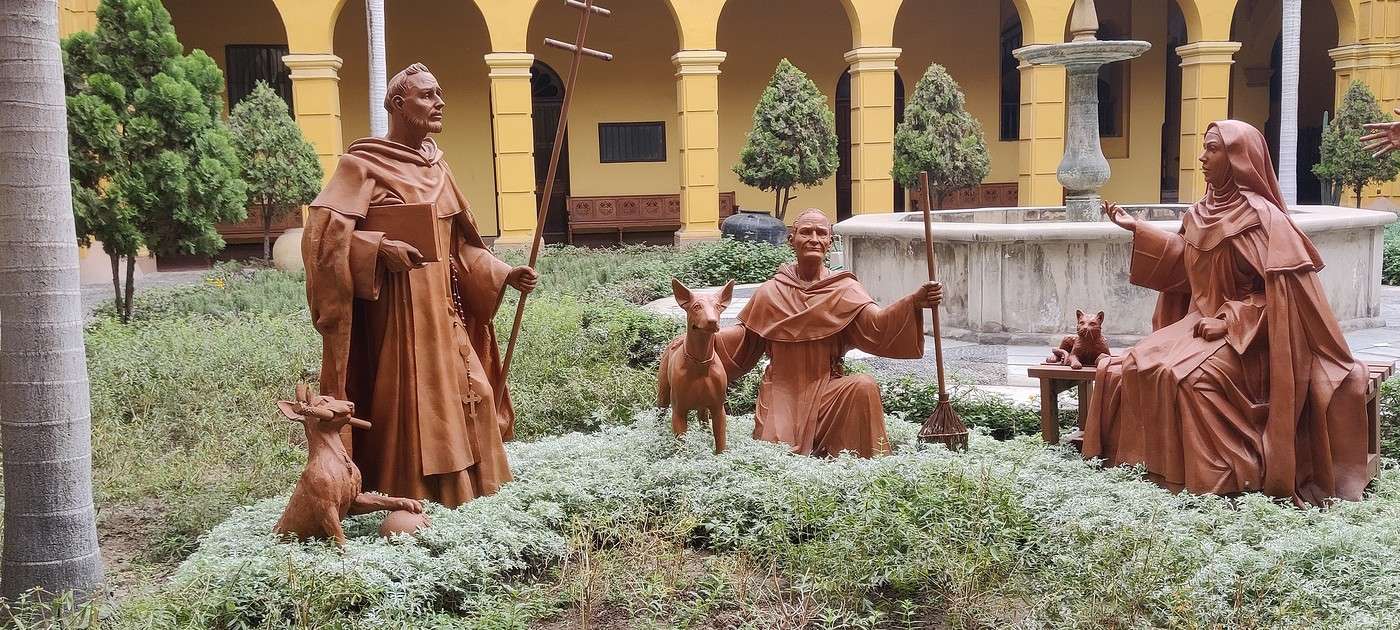
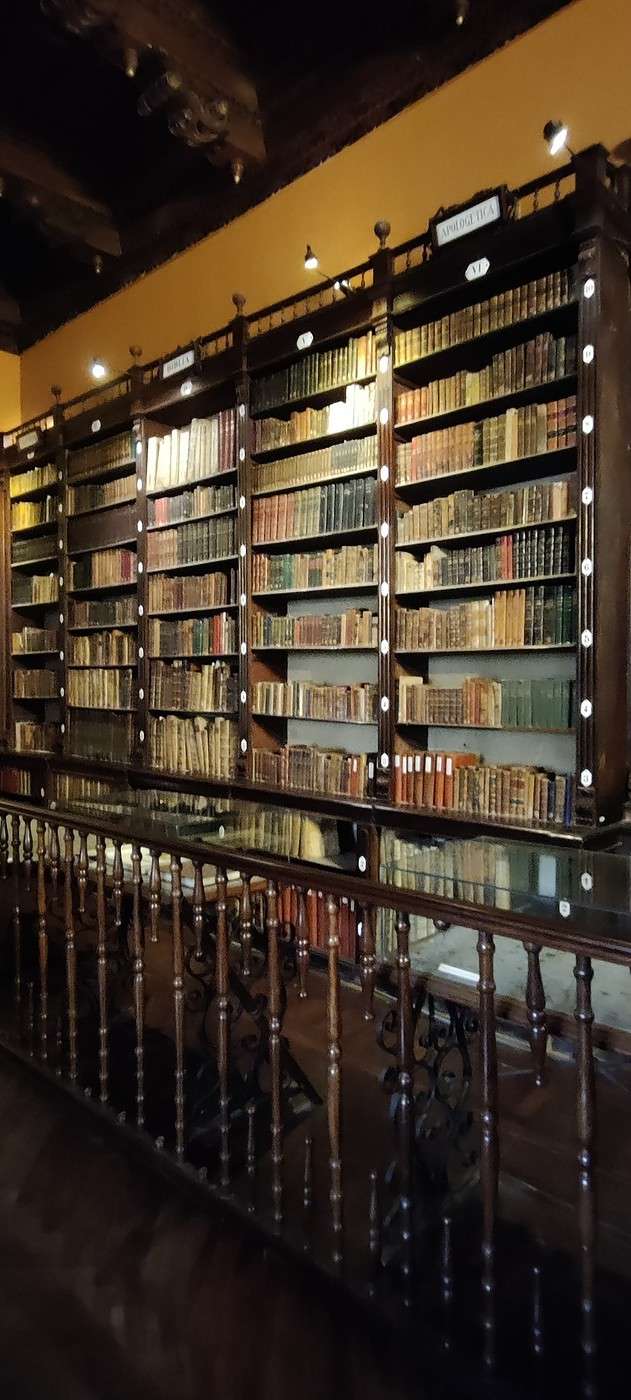
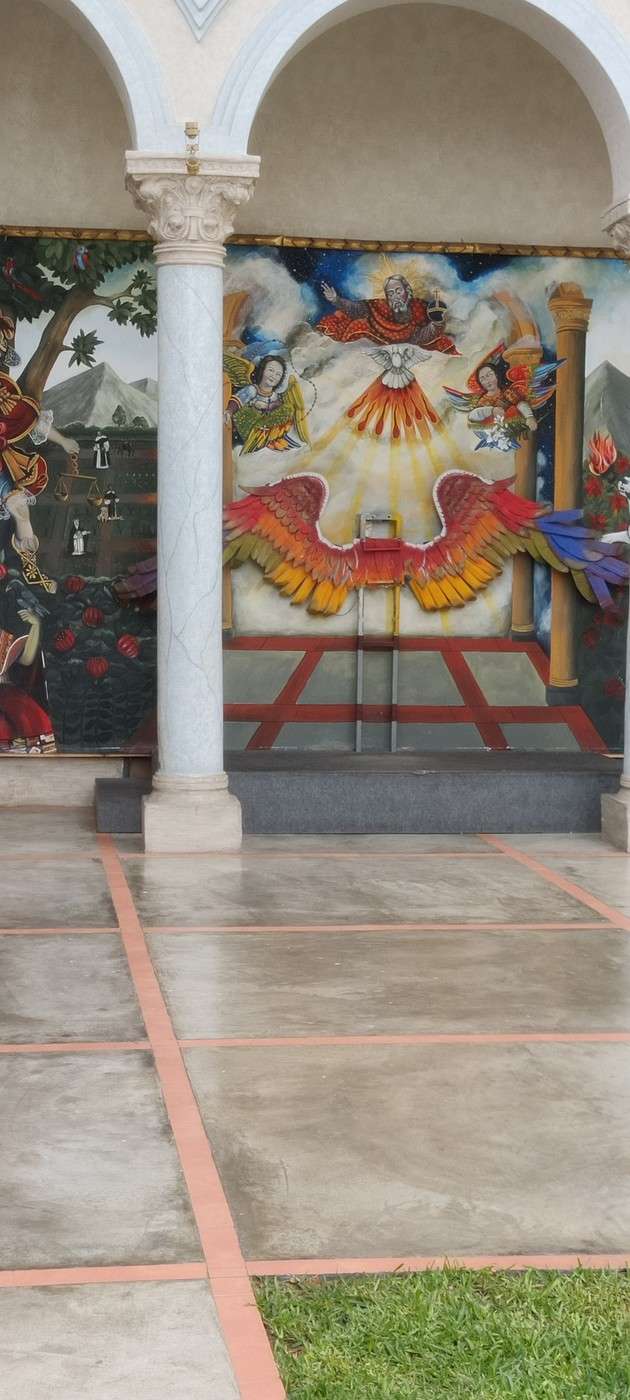
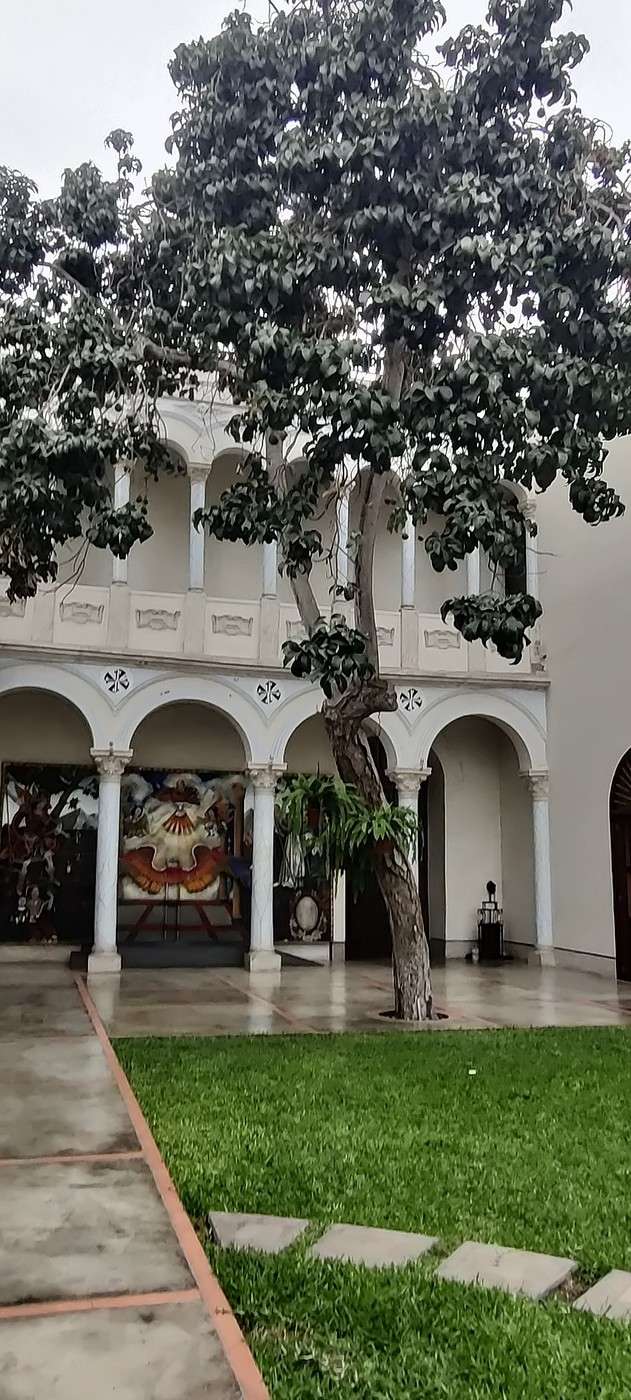
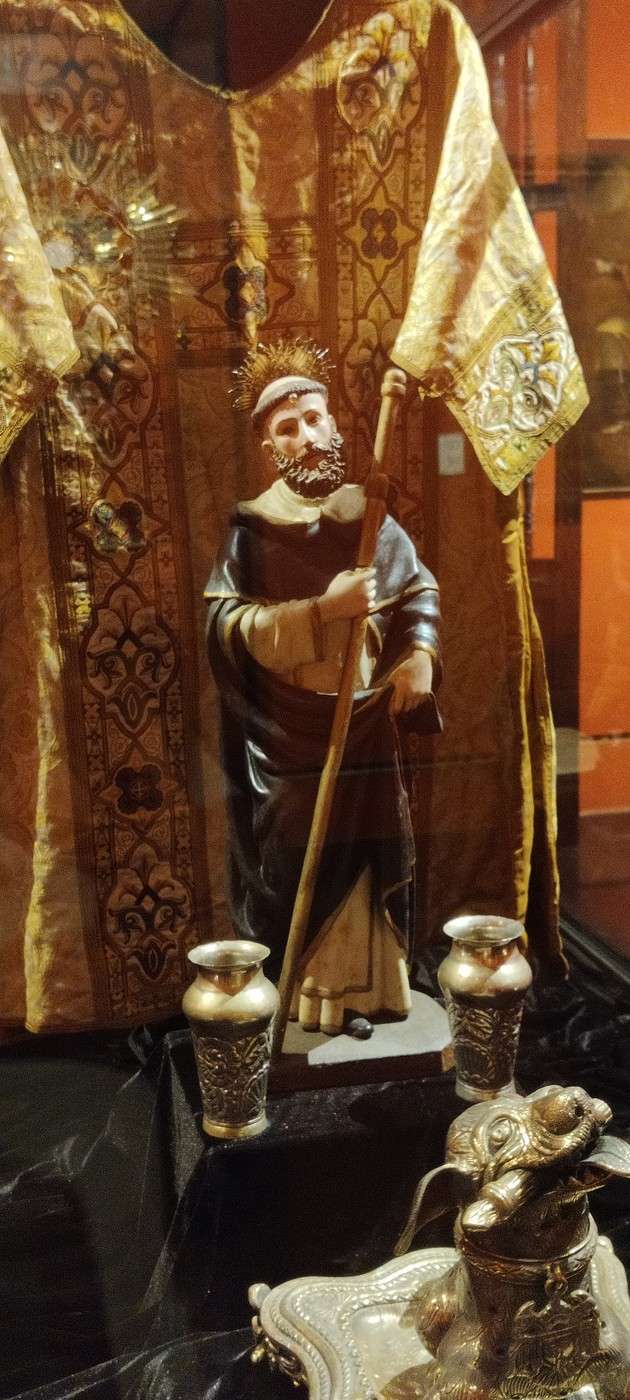
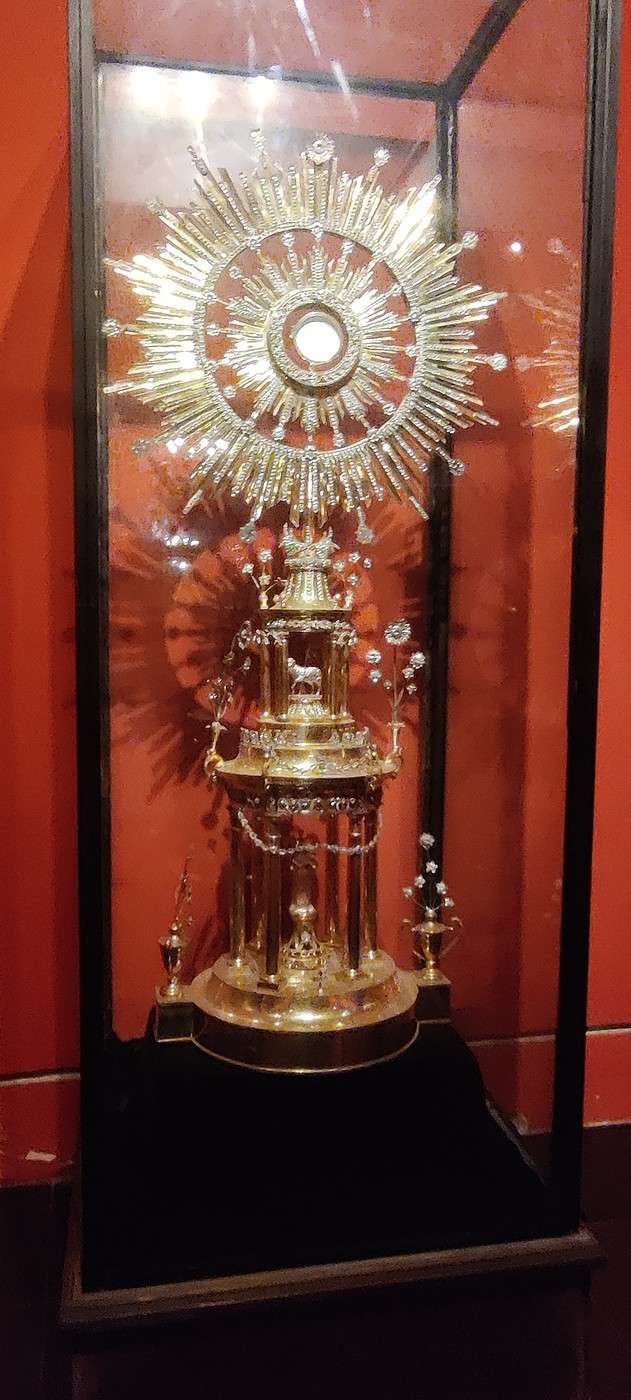
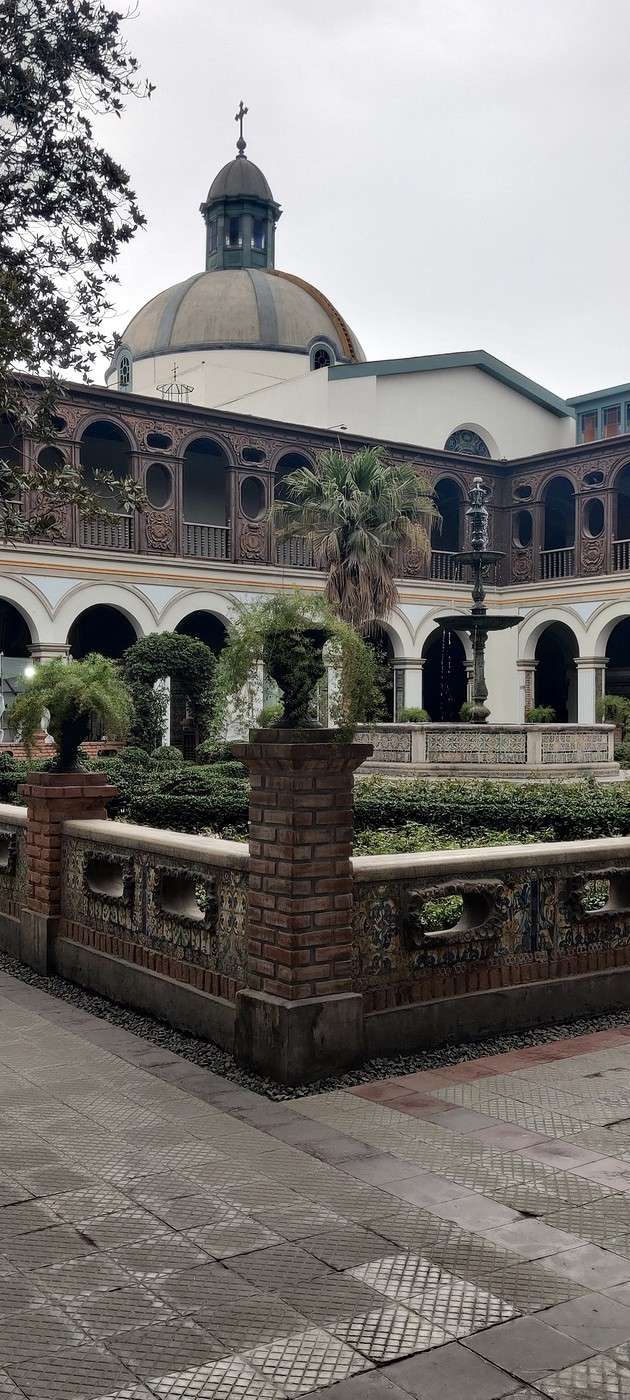
Under a blue sky or lit up at night, it must be incredible. No wonder this remarkable architectural ensemble is a UNESCO World Heritage site. We continue our visit with the stunning San Francisco Convent, which blends Spanish and Moorish influences beautifully. We discover magnificent cloisters decorated with ceramic tiles, carved ceilings, gardens surrounded by patios, a sumptuous old library, and many religious artworks.
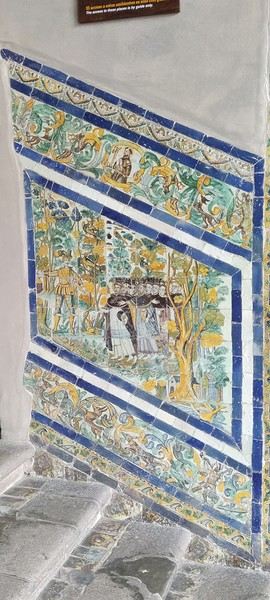
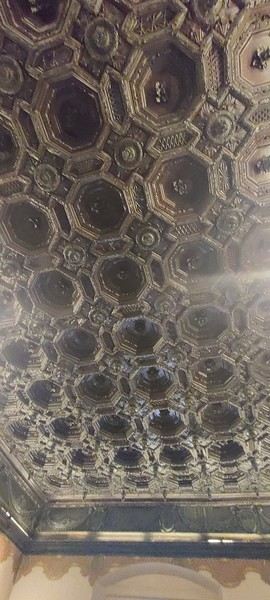


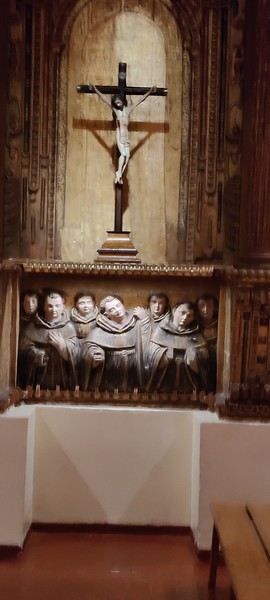
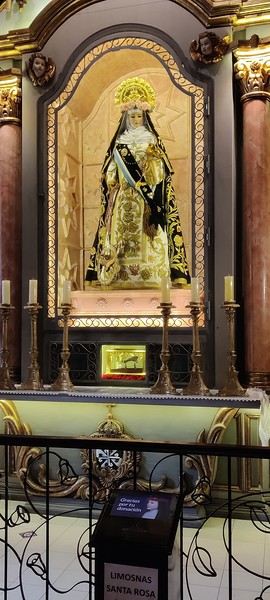
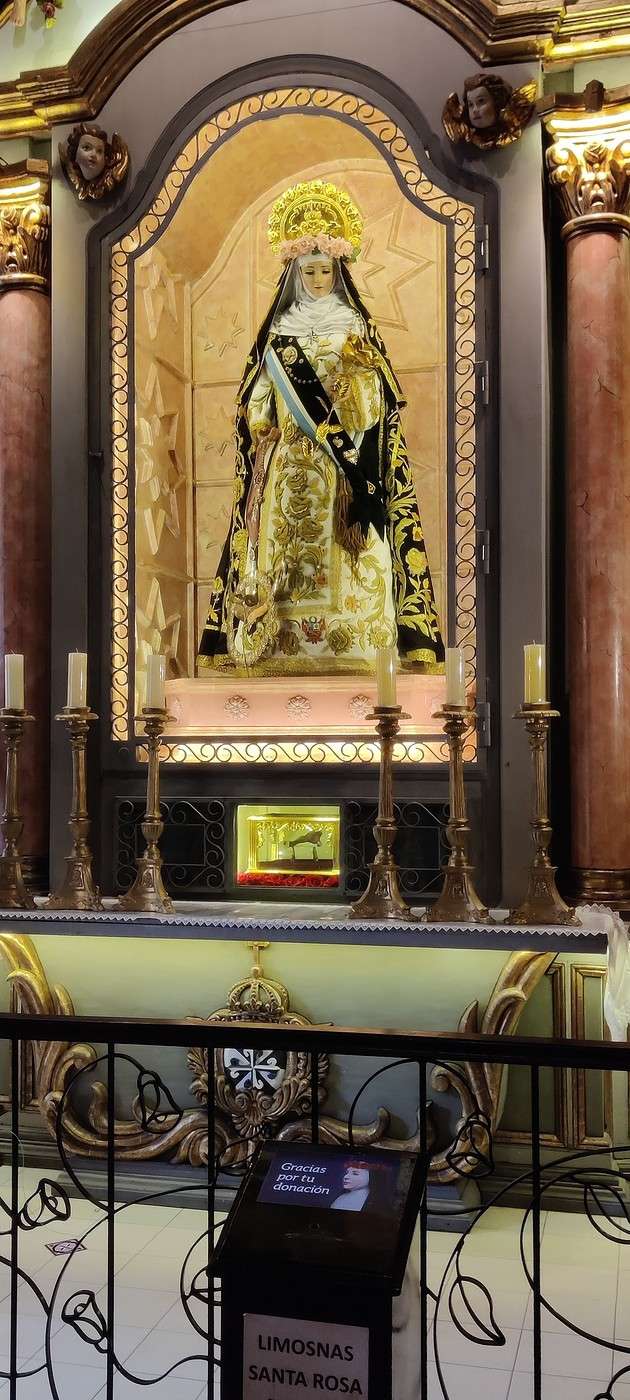
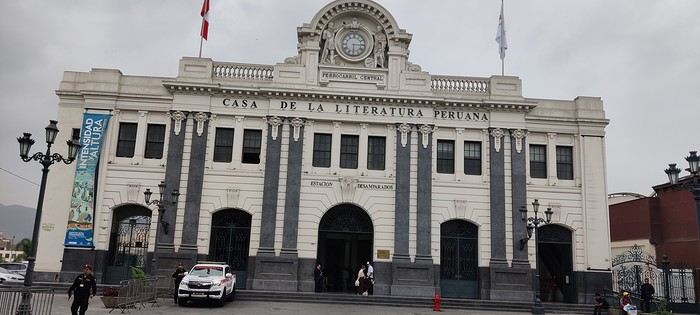
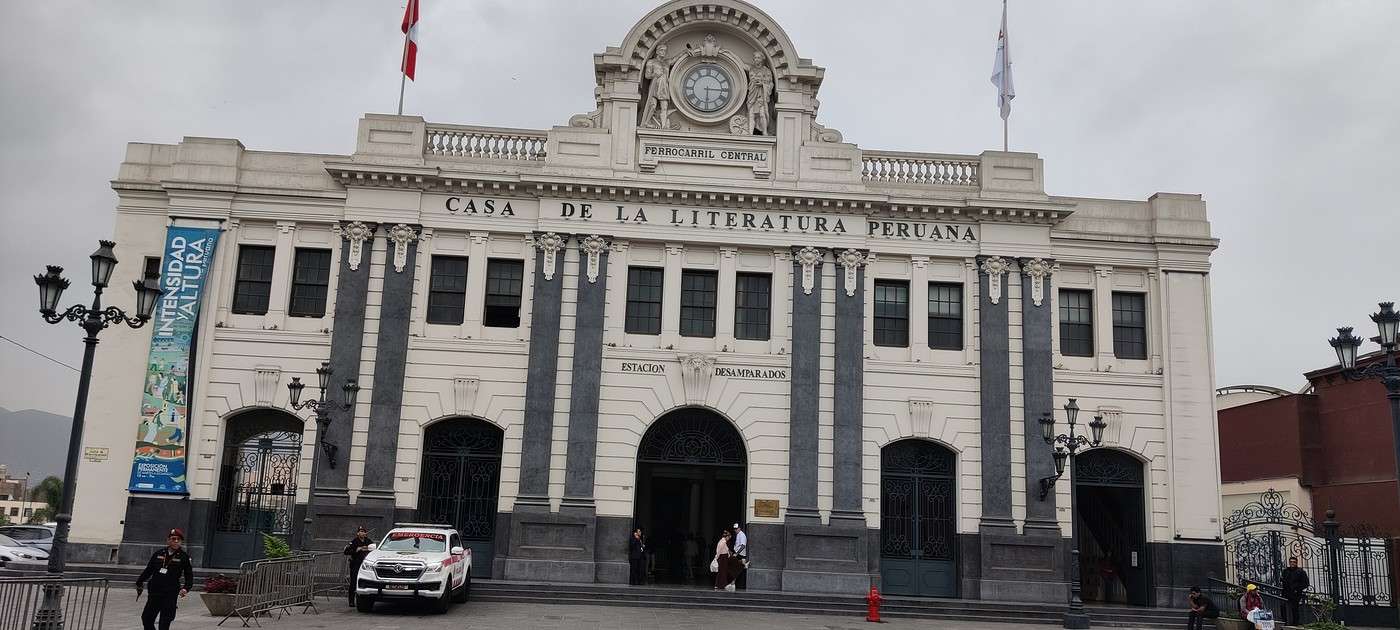
In the basement are the catacombs, which are said to hold the remains of thousands of people. There’s also the tomb of Saint Rose of Lima, an emblematic figure of the city. This convent is a marvel! Next, we pass by the Archbishop’s Palace, whose remarkable façade is adorned with stunning carved wooden balconies. We walk along the cathedral, which unfortunately isn’t accessible today, then head toward the Casa de la Literatura Peruana. Housed in the former Desamparados railway station, this place is now dedicated to Peruvian literature. The building’s conversion is remarkable, and it offers one last glimpse into another side of Peru—its writers and culture. Our guide suggests a pisco tasting. After all, it’s our last day—it’d be a shame to refuse! We retrace our steps along Jirón de la Unión, which has completely transformed. The street is now bustling, shops are open, and the energy is back. In the end, despite the gray sky, the protests, and some restricted access, we really enjoyed discovering the historic center. A great way to wrap up our Peruvian adventure, even if we would’ve happily stayed a few more days. We take a taxi back to Miraflores. We get dropped off at the restaurant Barra Maretazo, not far from our hotel. Jackpot! We enjoy one of the best meals of our trip. The value for money is unbeatable. Our only regret: not discovering this place sooner! We realize, unfortunately, that our trip is coming to an end. There’s no way to delay it this time. It’s time to pack our bags. Our return flight goes smoothly. Paris welcomes us in the middle of the afternoon, at the peak of a heatwave. After several weeks of Andean landscapes, wide-open spaces, and moderate—even chilly—temperatures, the shock is brutal! Peru is already behind us... but what an amazing trip! I fulfilled my childhood dream, and I’m not disappointed—far from it!
Peru: A childhood dream finally realized

FamilleUS · 2026-09-01 · Message 56 of 69

This trip is a childhood dream for many of us. Thanks for sharing it...

Peru: a childhood dream finally realized

Holigirl · 2026-09-01 · Message 57 of 69

Thanks Bruno for your feedback

Peru: A childhood dream finally realized

Holigirl · 2026-09-01 · Message 58 of 69

Thank you so much for this travel journal. So glad to see this country lived up to your expectations. It really was a beautiful trip indeed 🙂

Peru: A childhood dream finally realized

Larri · 2026-09-02 · Message 59 of 69

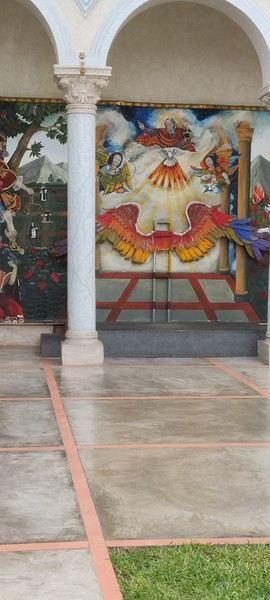
A few photos of the convent and the center of Lima


Peru: A childhood dream finally realized

Larri · 2026-09-02 · Message 60 of 69

and to finish: the government palace


the house of literature

Gijón de la Unión comes alive

VoyageForum — the largest community of French-speaking travellers.