From Awakening to Travel to 1990s Morocco
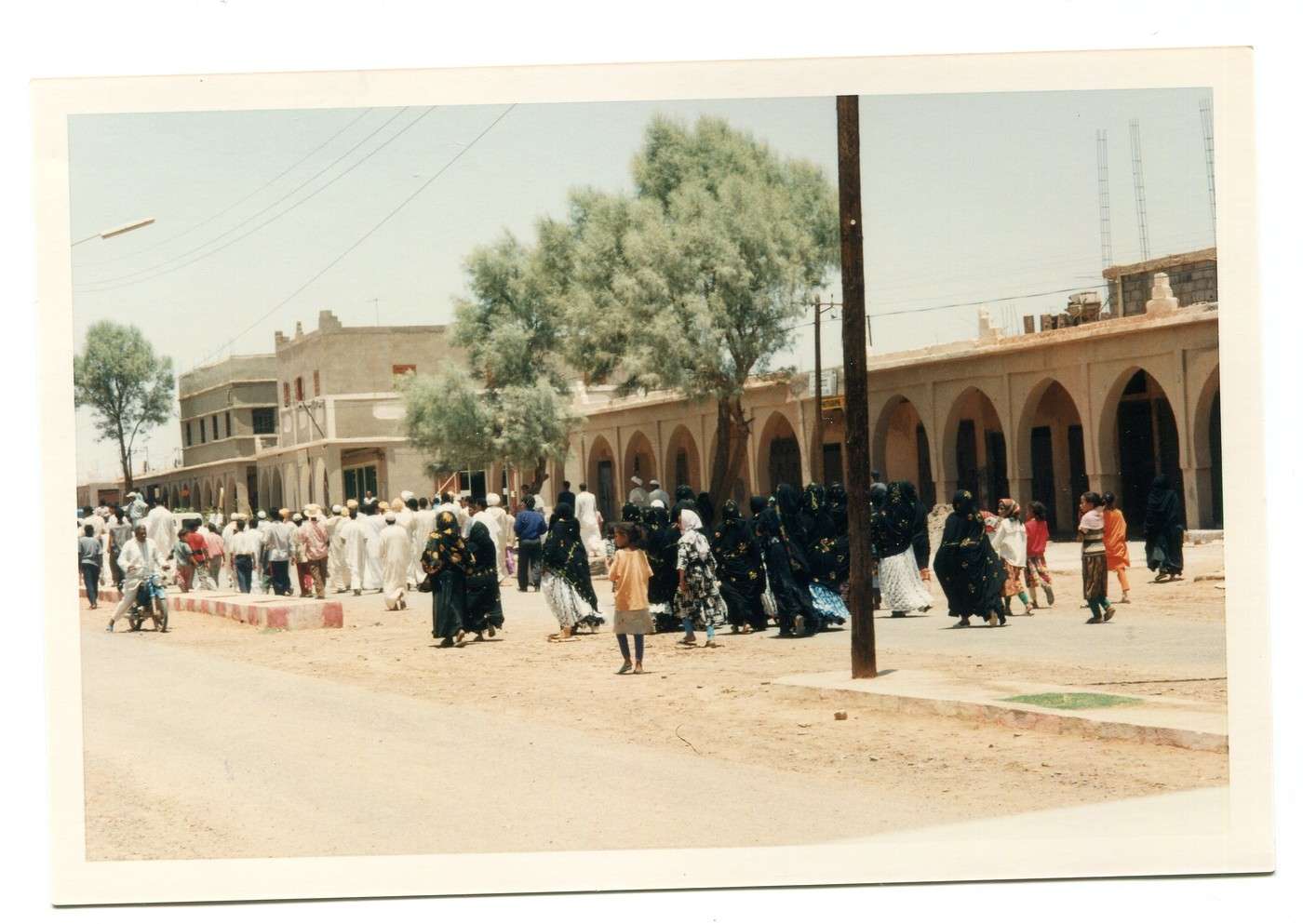
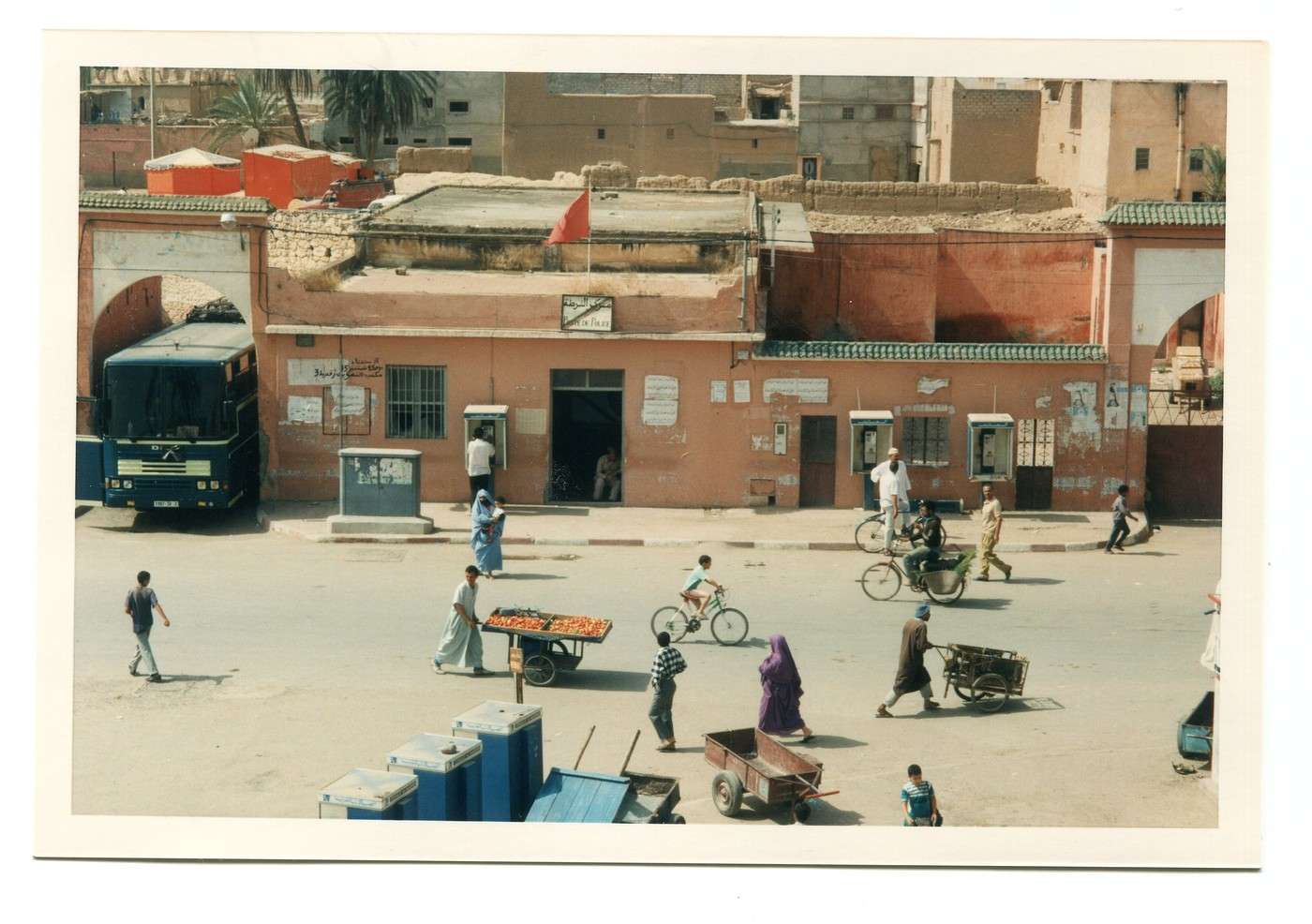
I’d read in the GDR that as you ventured further south, people’s skin became progressively darker. Indeed, we saw this firsthand.
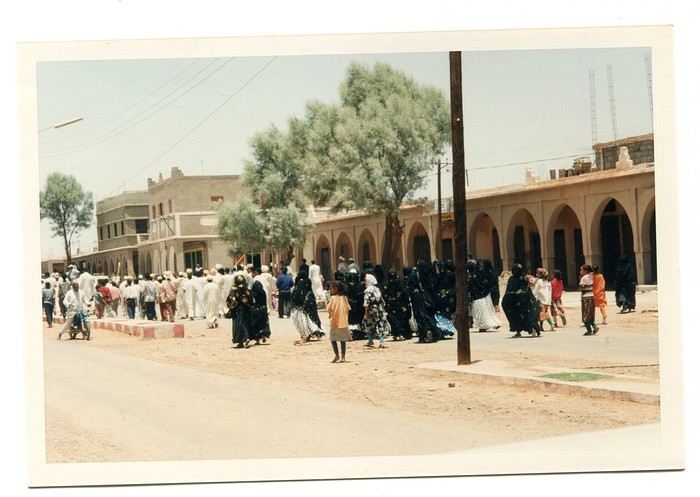
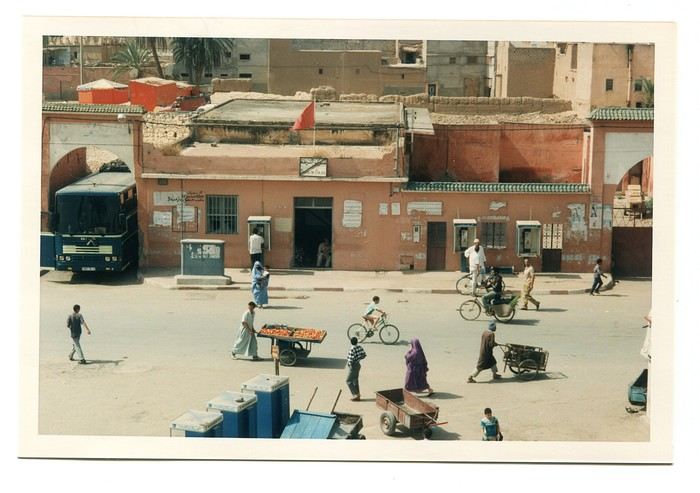
It wasn’t just a myth that you’d sometimes notice a certain hostility toward foreigners. One morning, as we were driving by, some kids actually threw a few stones at us. Oh well, let’s just say they didn’t put much effort into it. Still, just a few dozen kilometers away, attitudes were completely different.
In its historical section, the GDR also explains that over time—and perhaps due to cultural exchanges with other civilizations—the Moroccans of the plains had occasionally broken free from the strong religious, moral, and cultural constraints. Each time, the hardliners would come down from the mountains to restore order and, above all, return things to how they were before. A key element in understanding the reasons behind the persistent stagnation and weight of tradition.
Back in the 90s, I saw a report on M6. It claimed that 50,000 French people or French households had settled in Morocco. I imagine there are at least that many now. Some have beautifully renovated riads, turning them into dream homes. Given the standard of living accessible to the French and the ease of communicating in our native language, I totally get why some of my fellow countrymen made that choice. I wouldn’t have dared take that risk, knowing that Islam could wipe it all away at any moment. Not necessarily in the short term, though. As long as Morocco has enlightened rulers, the country will remain a reliable and trustworthy partner.
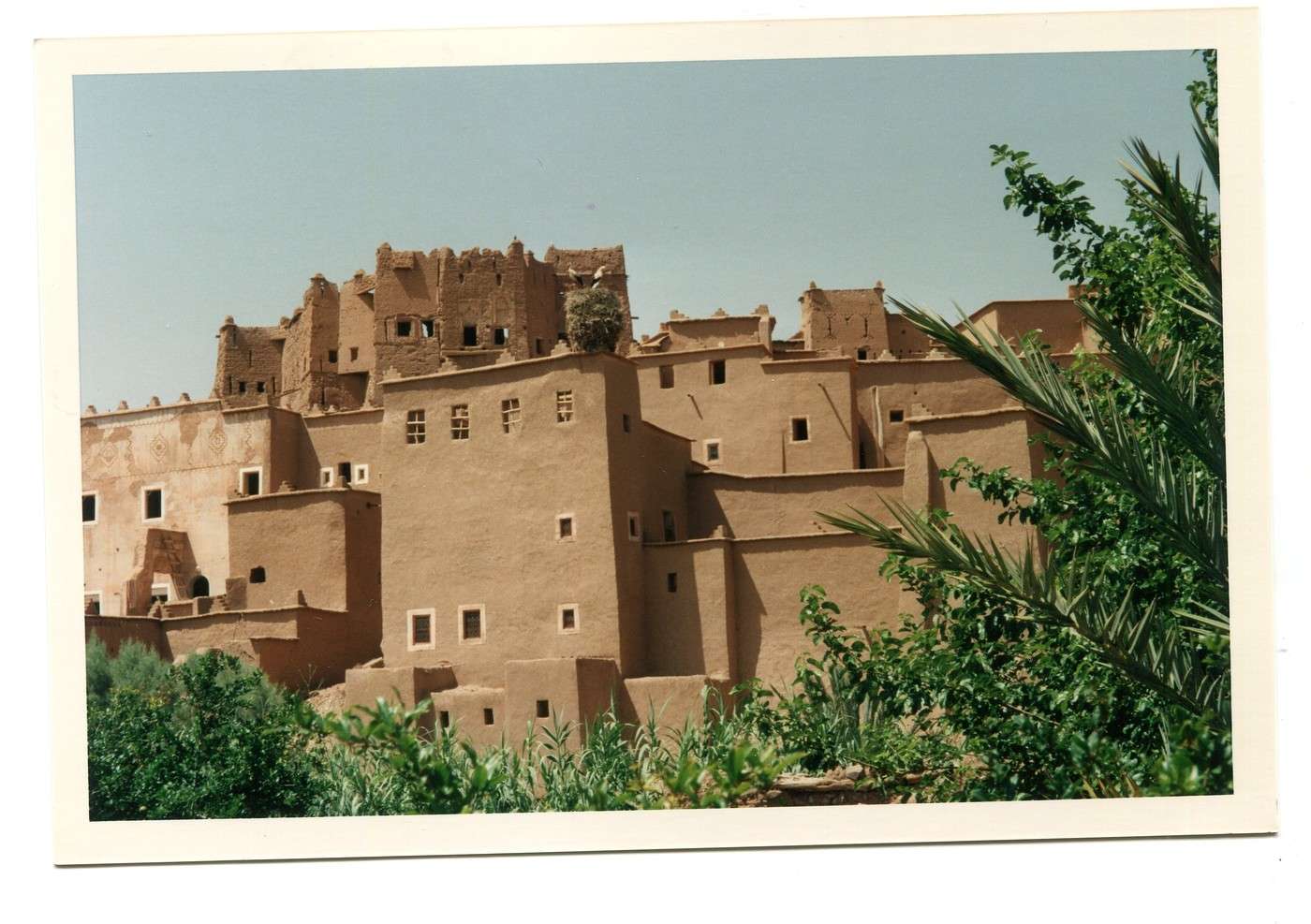
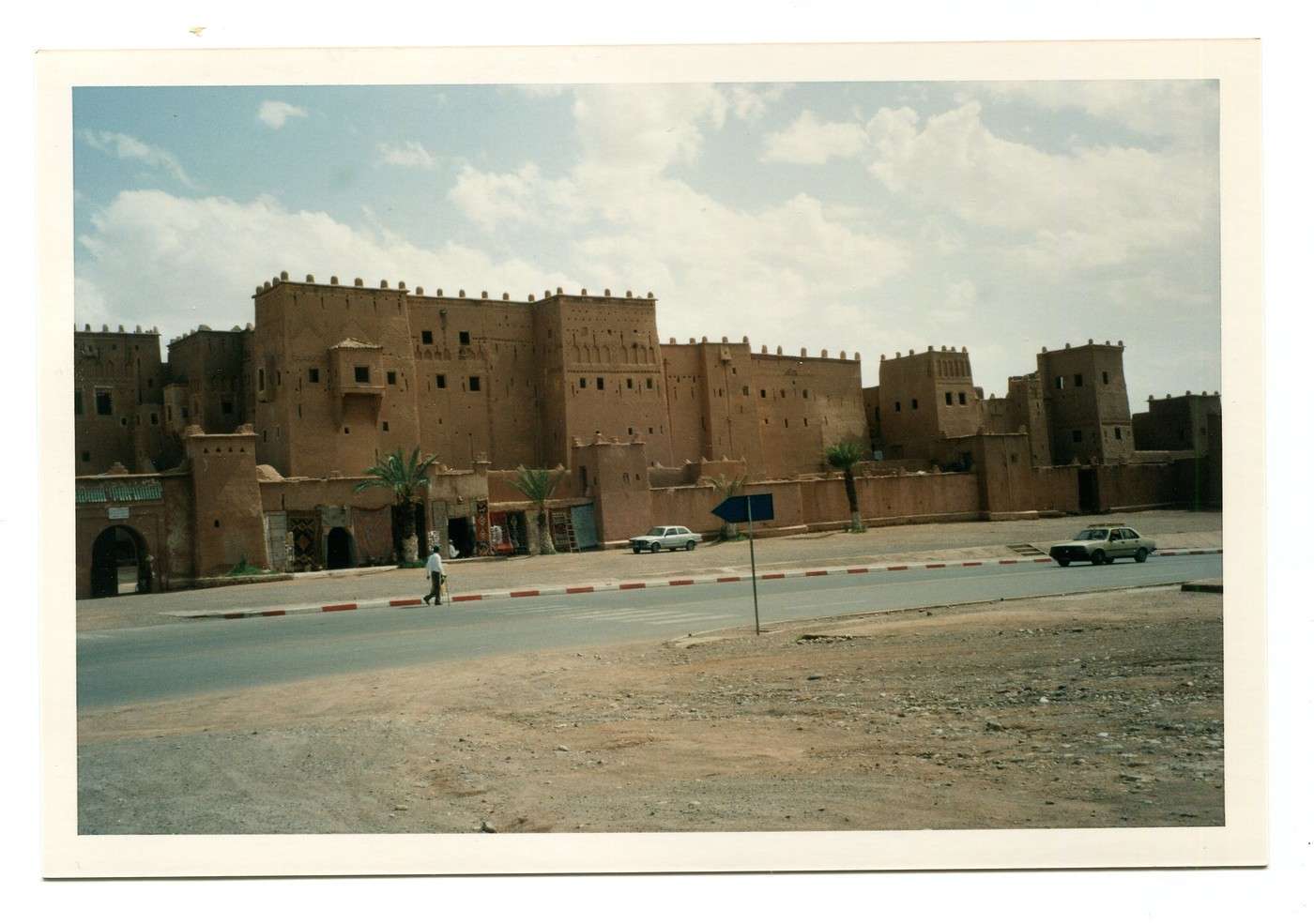
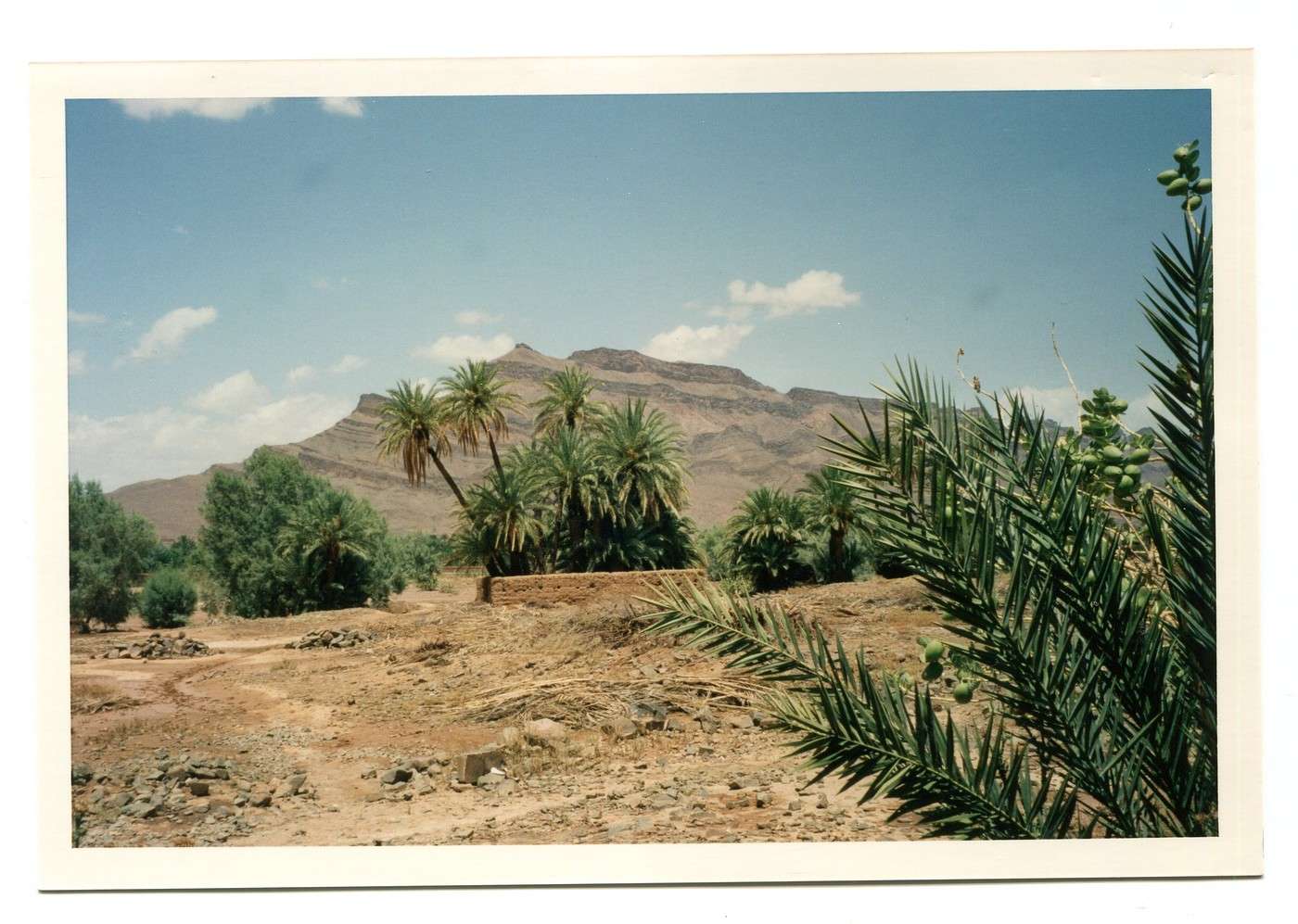
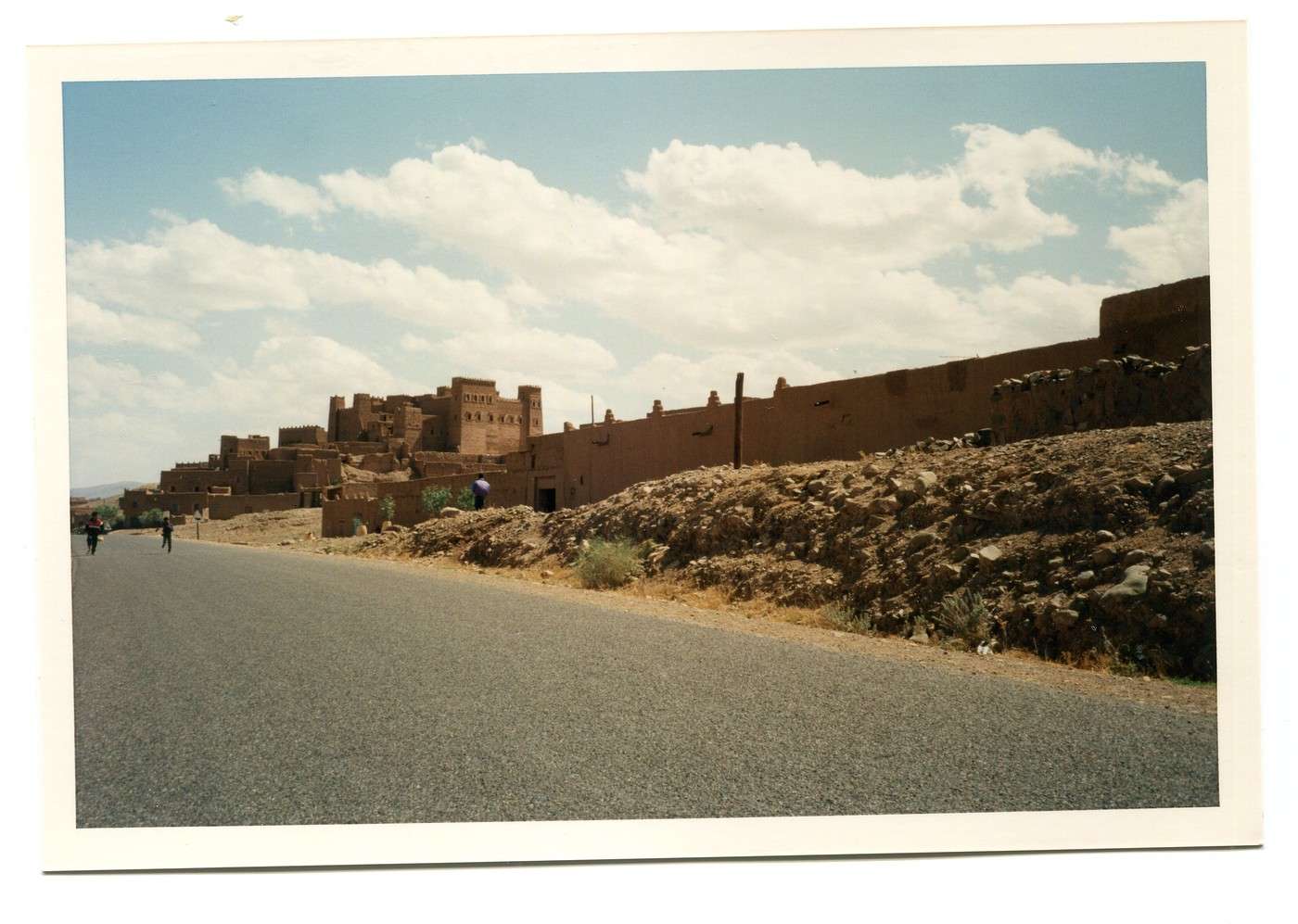
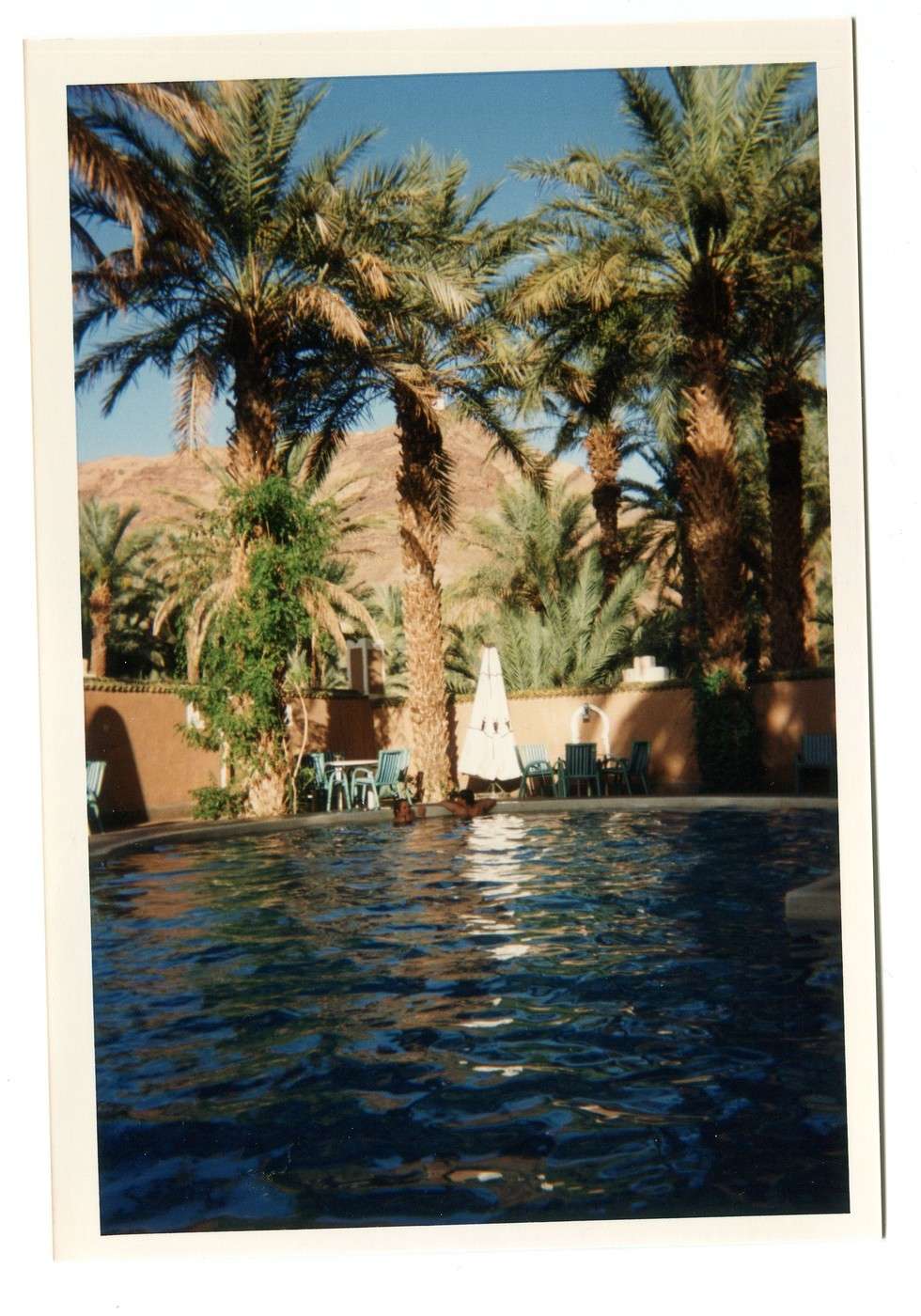
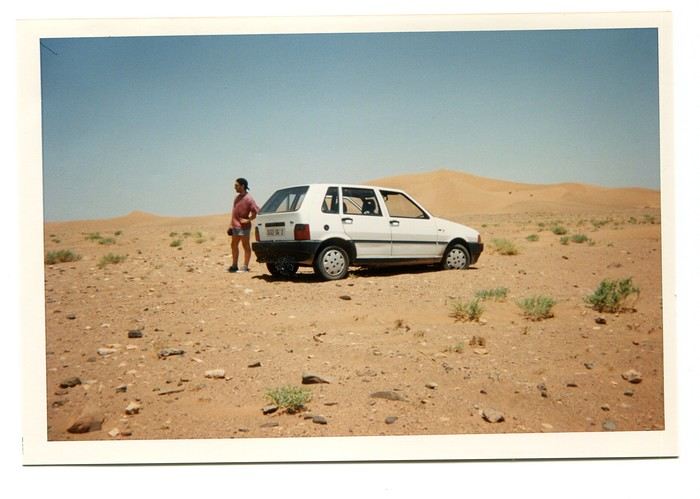
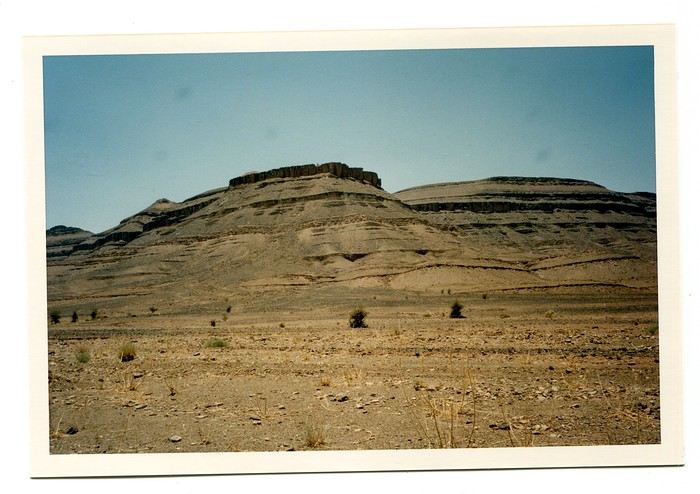
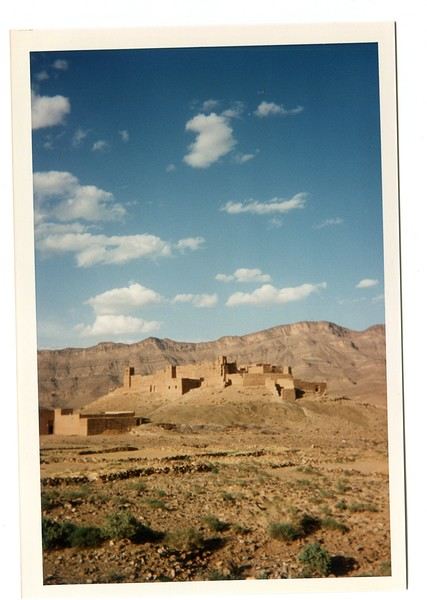
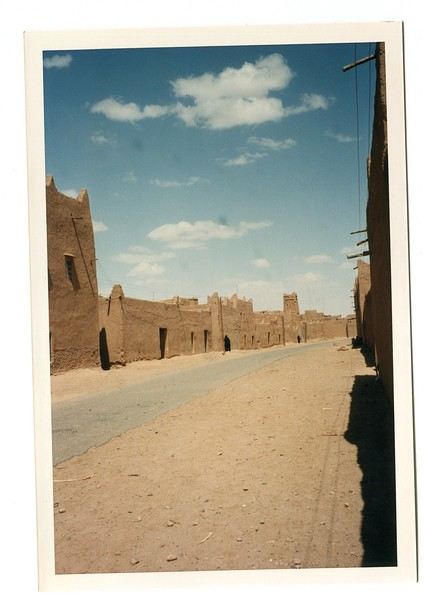
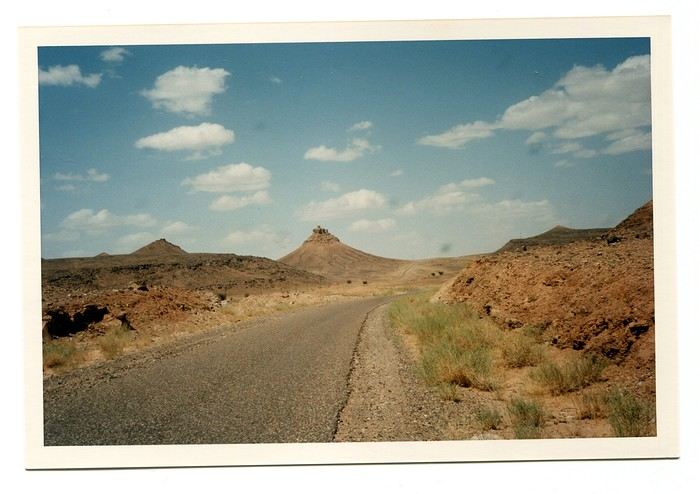
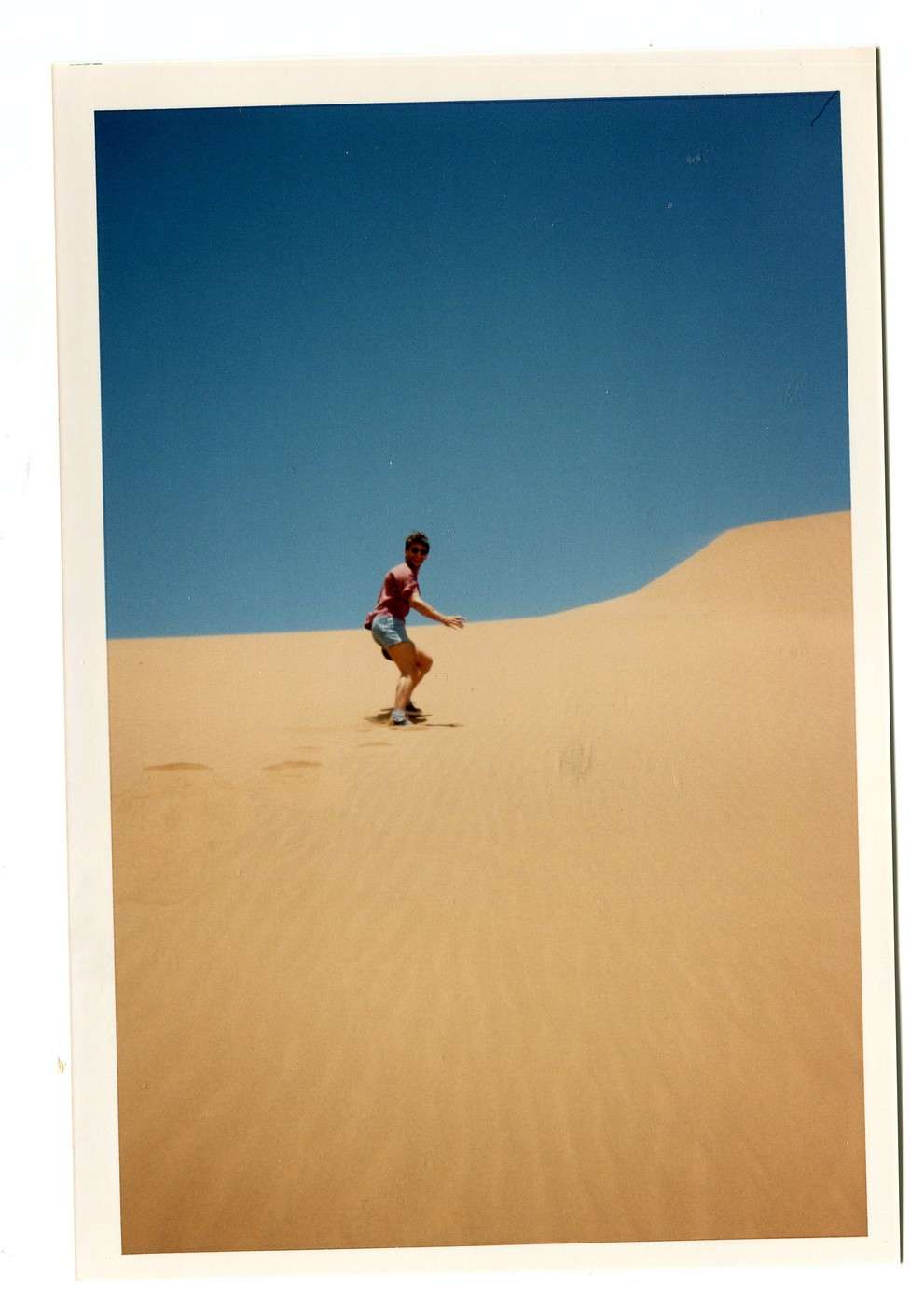
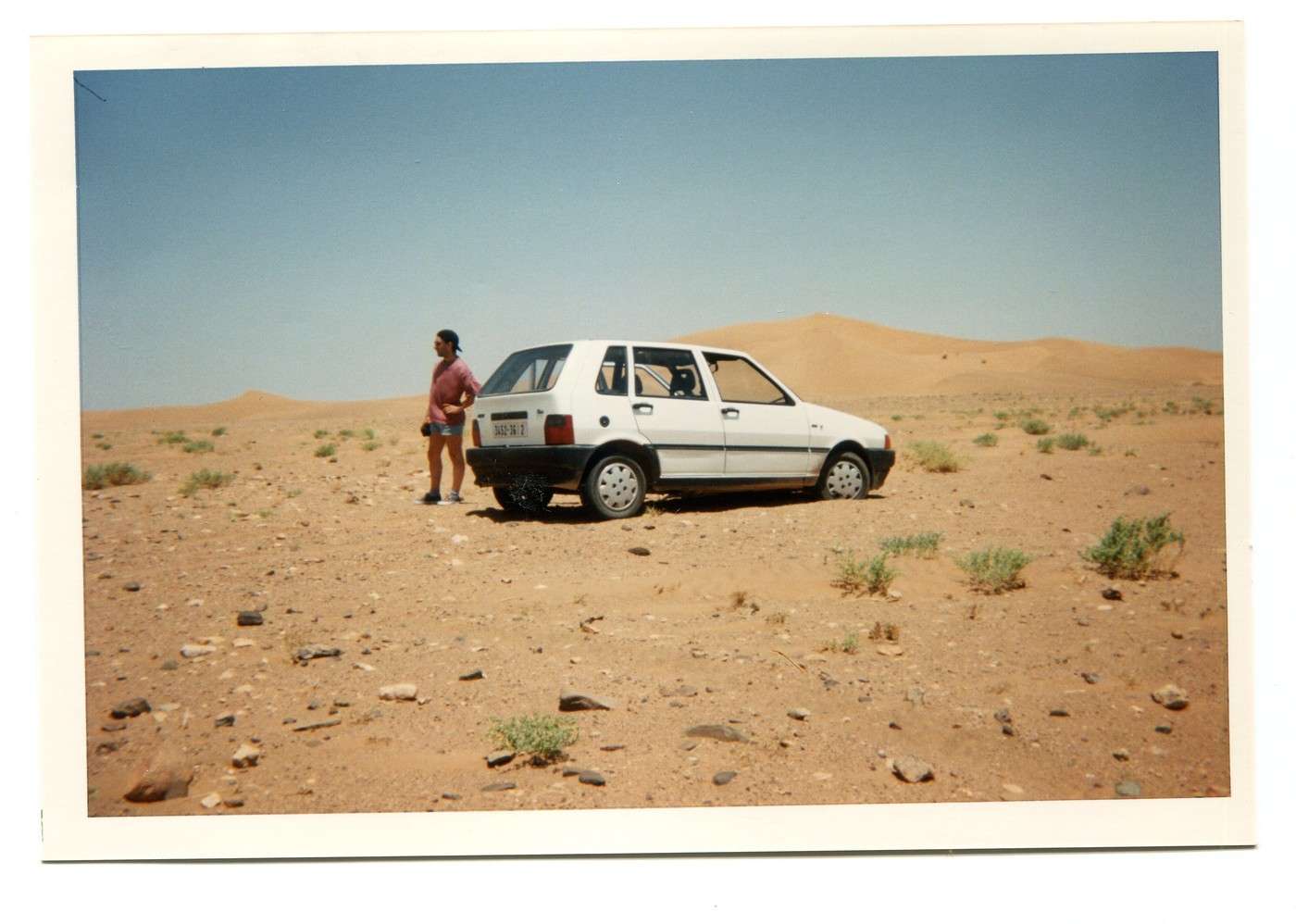
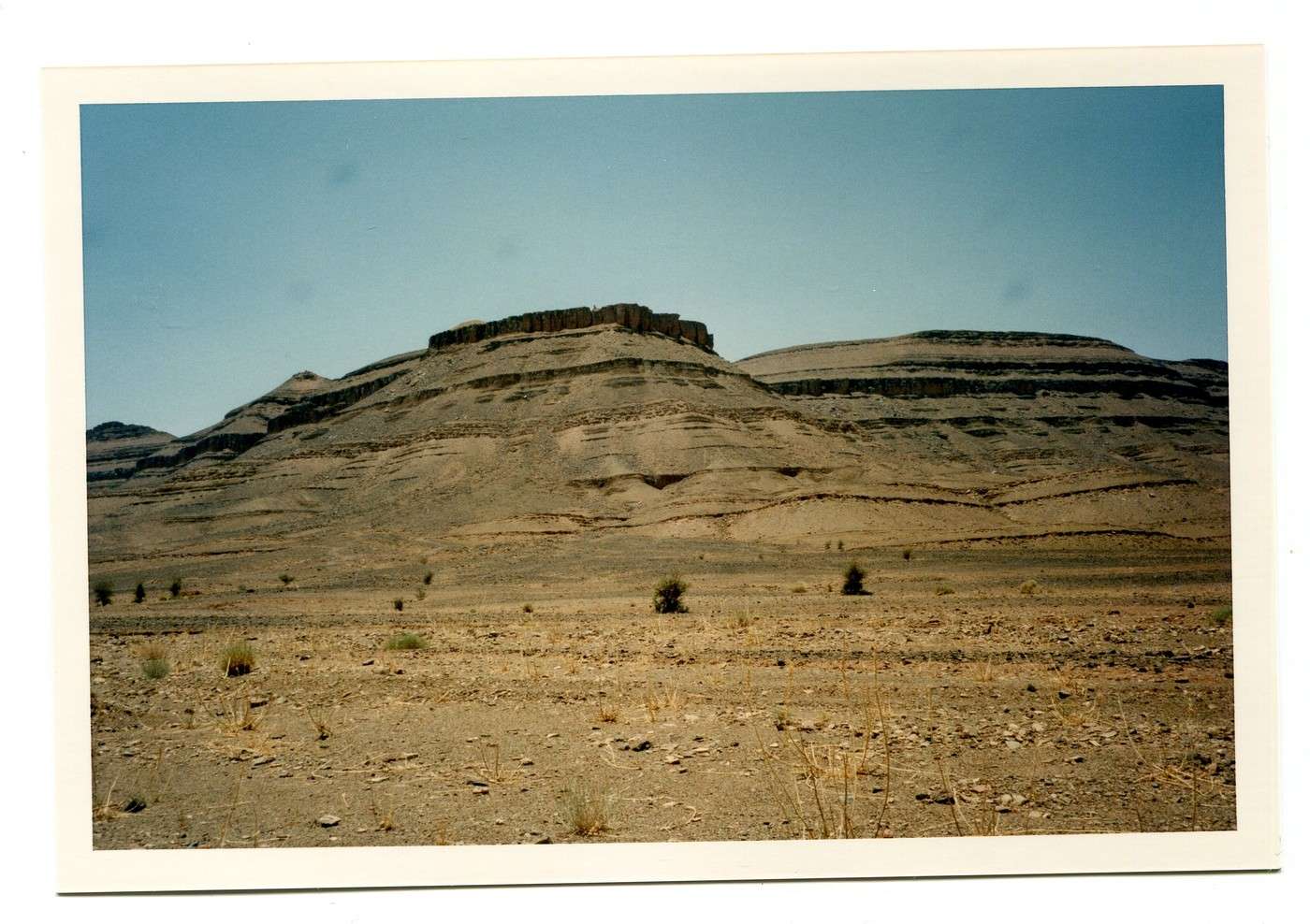
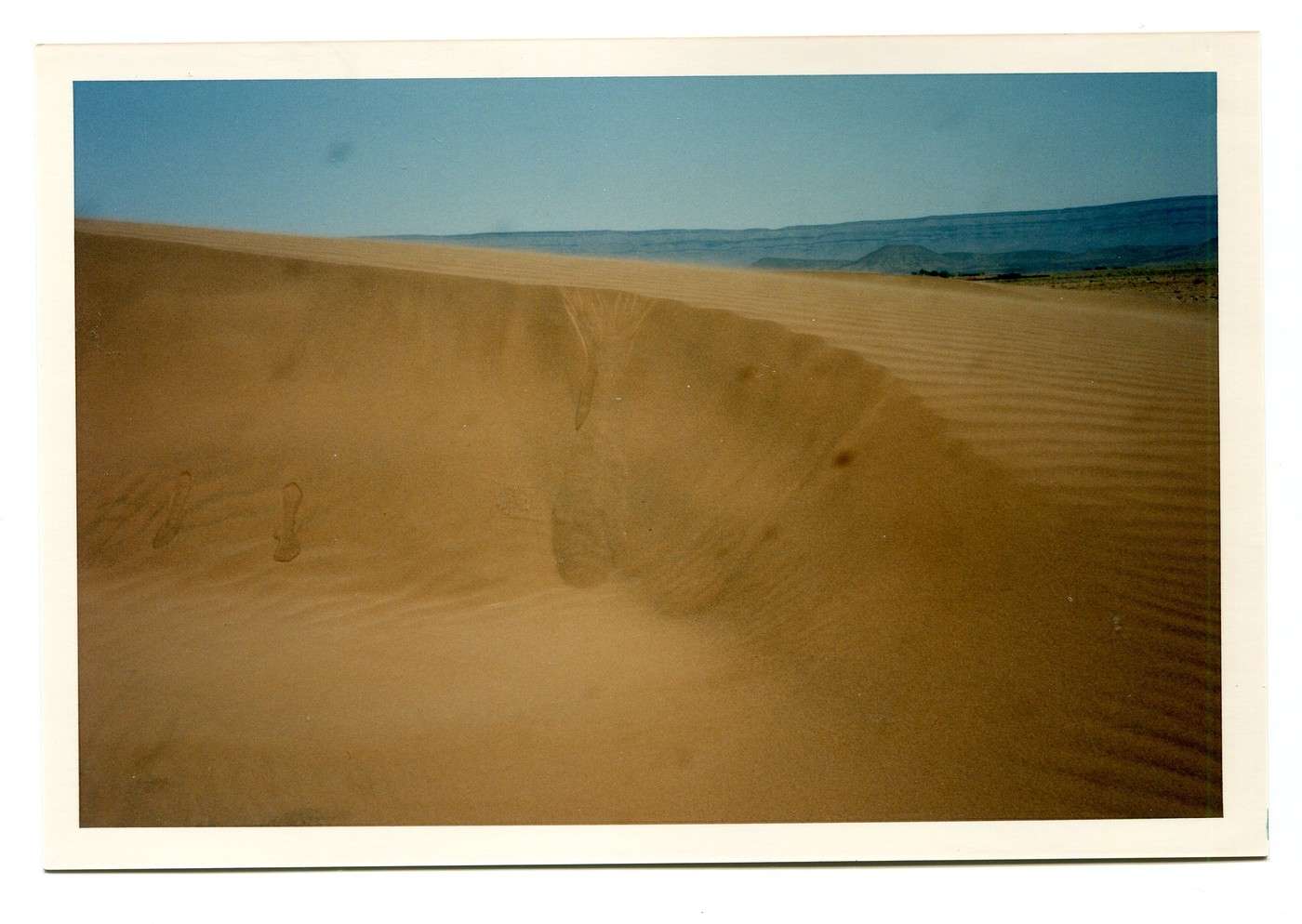
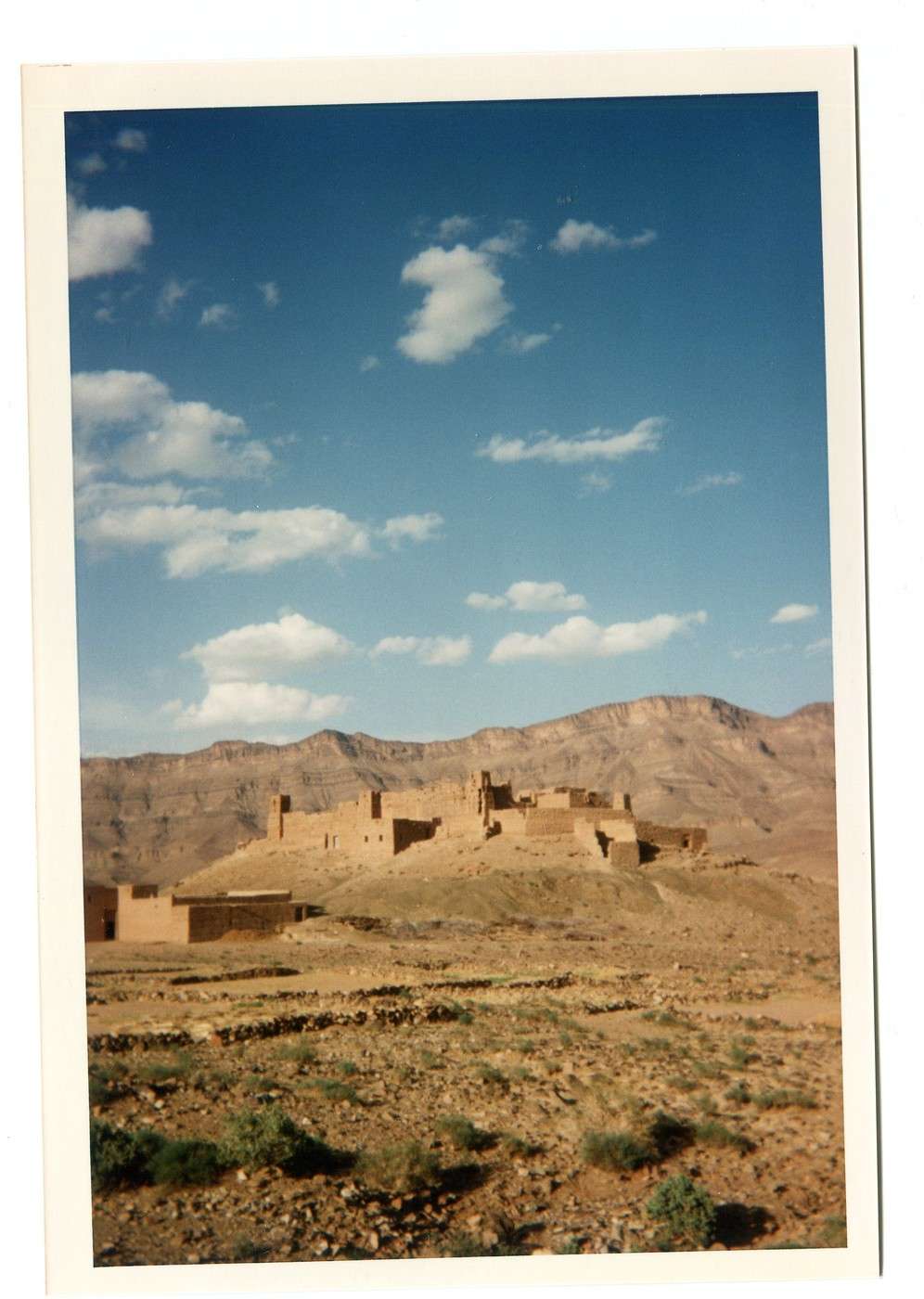
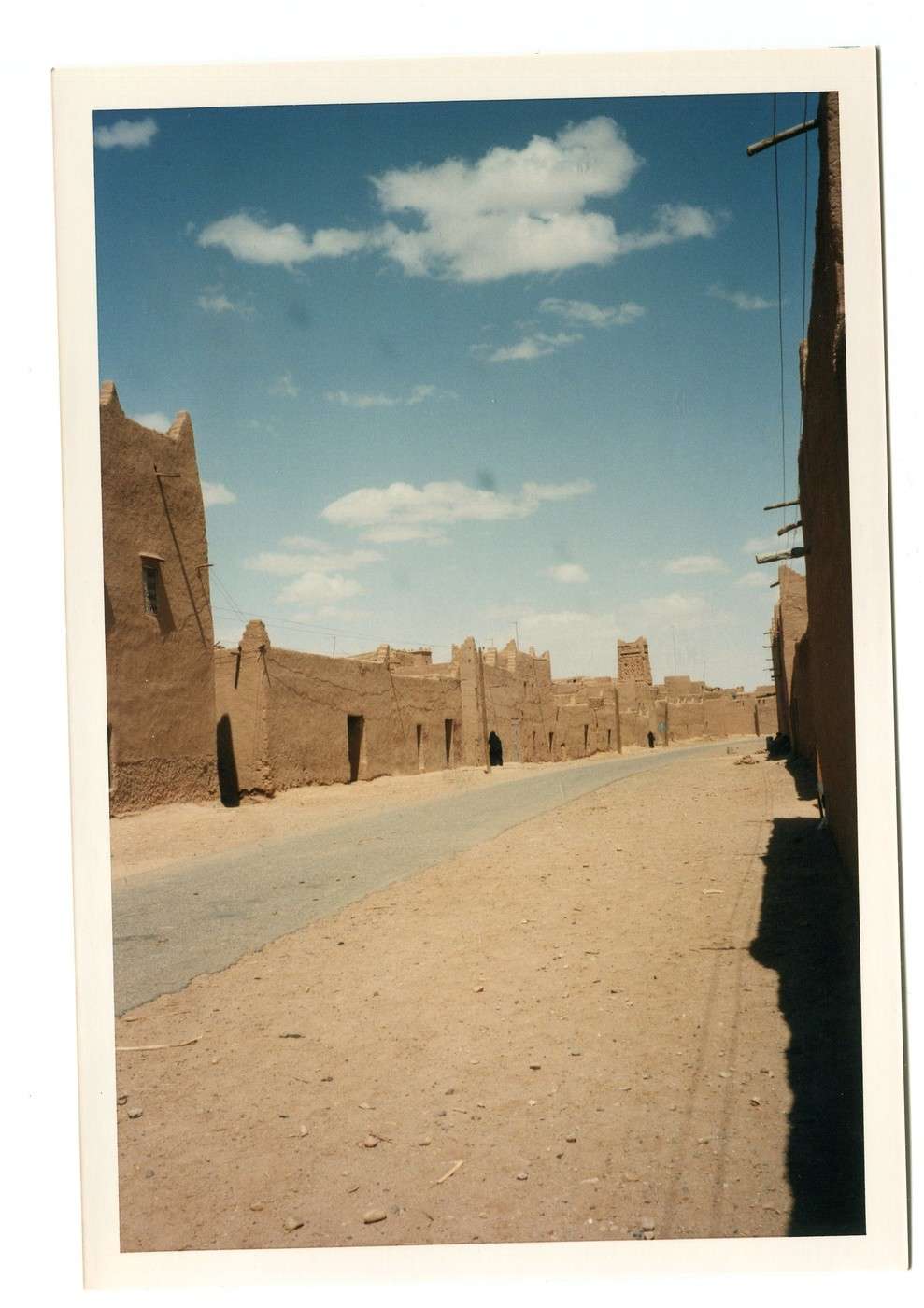
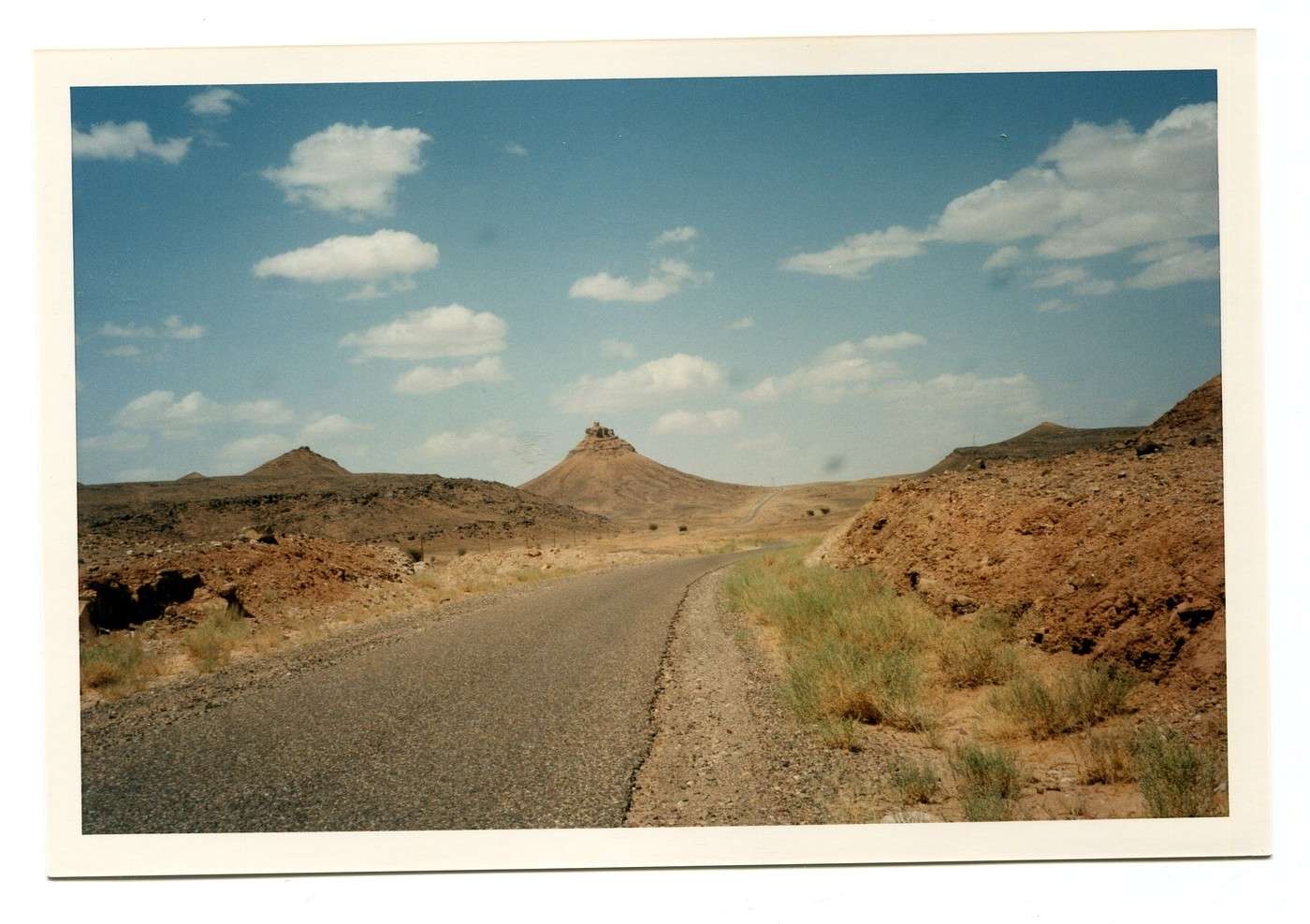
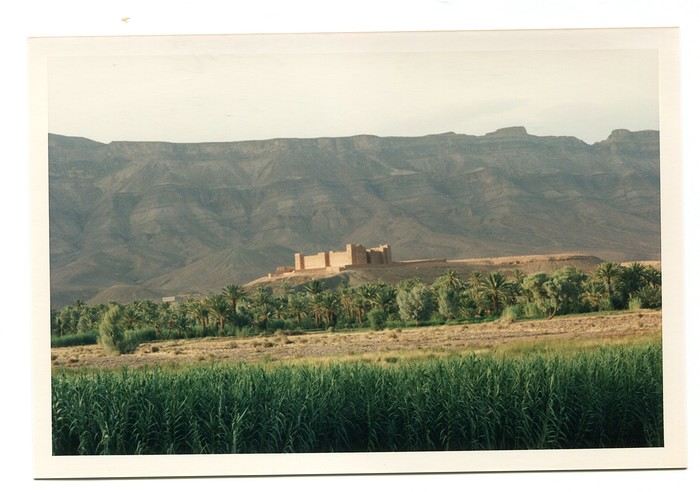
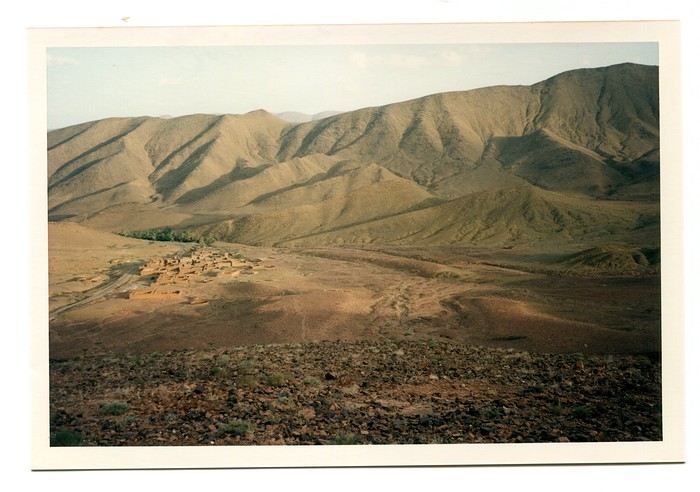
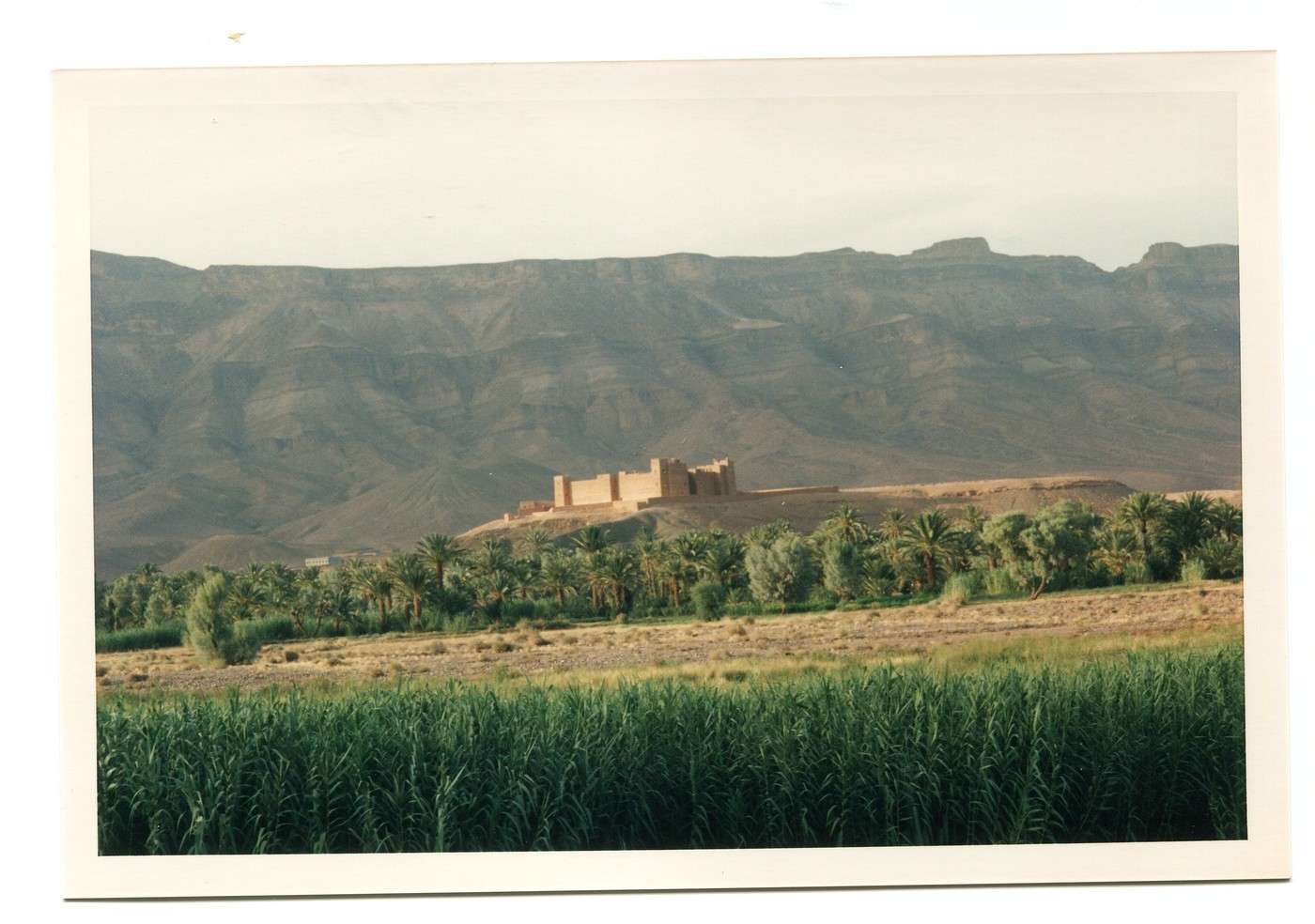
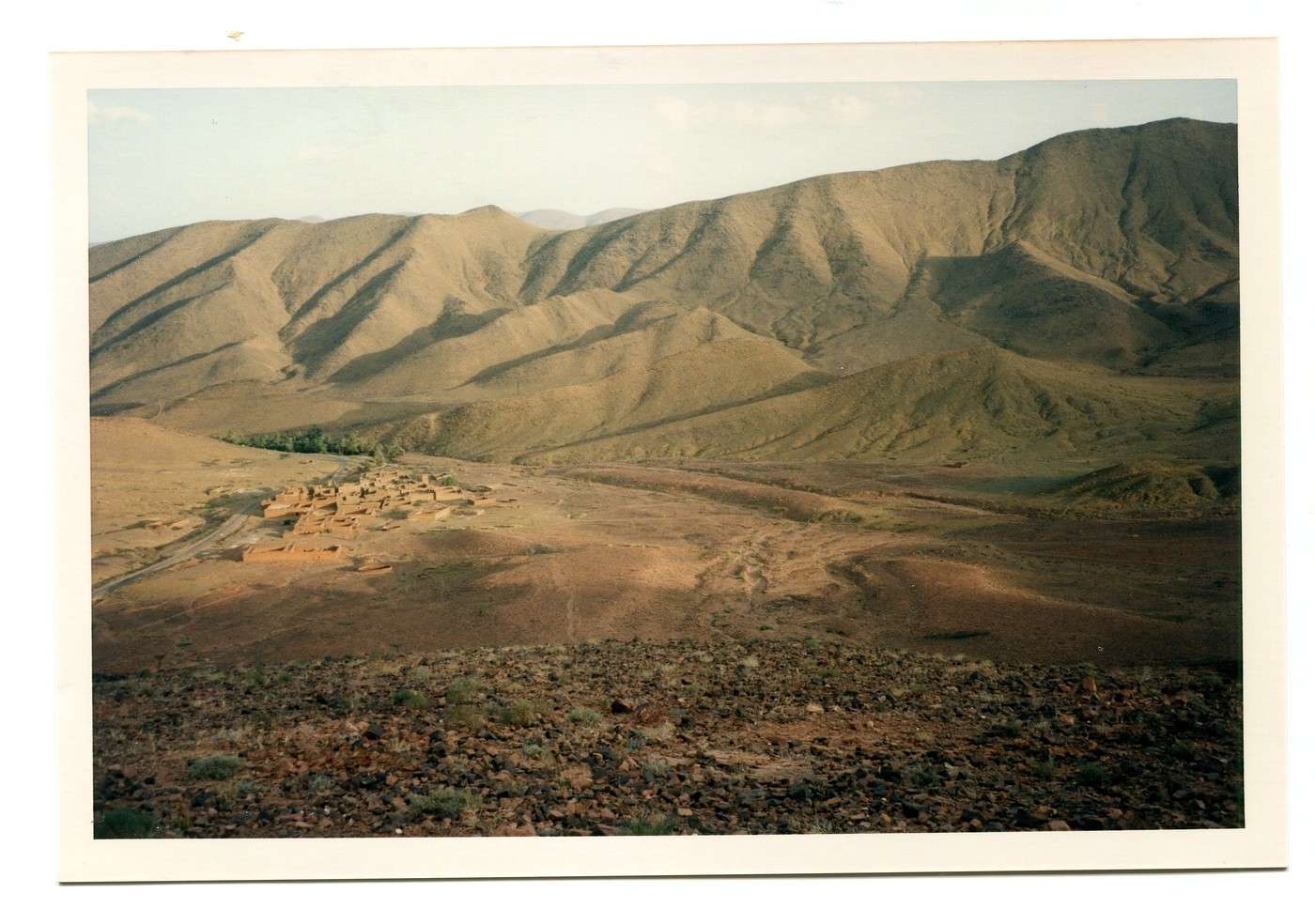
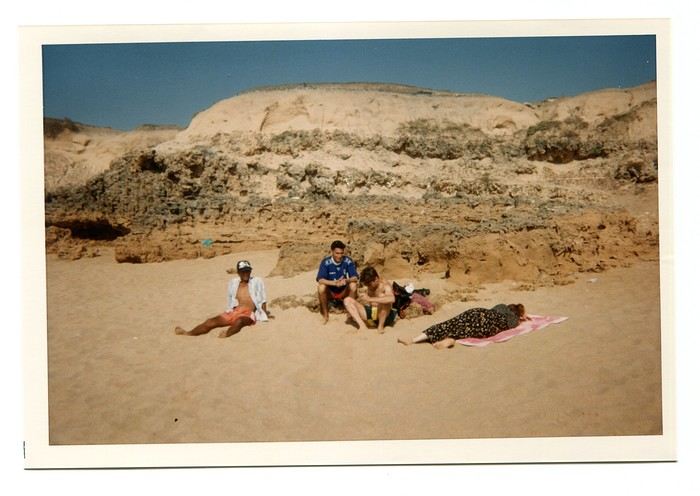
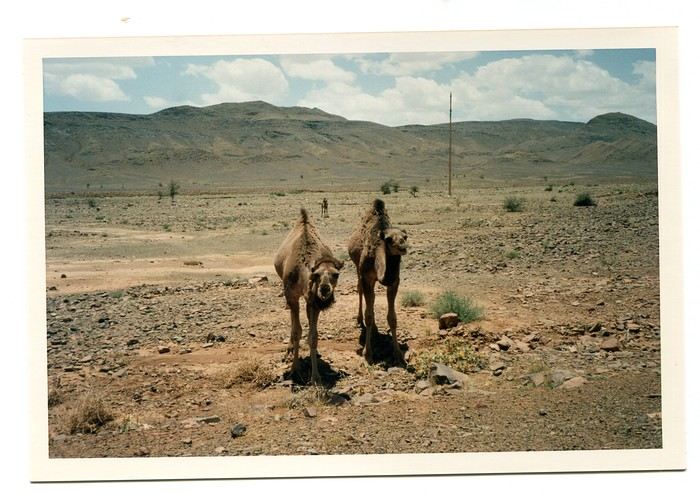
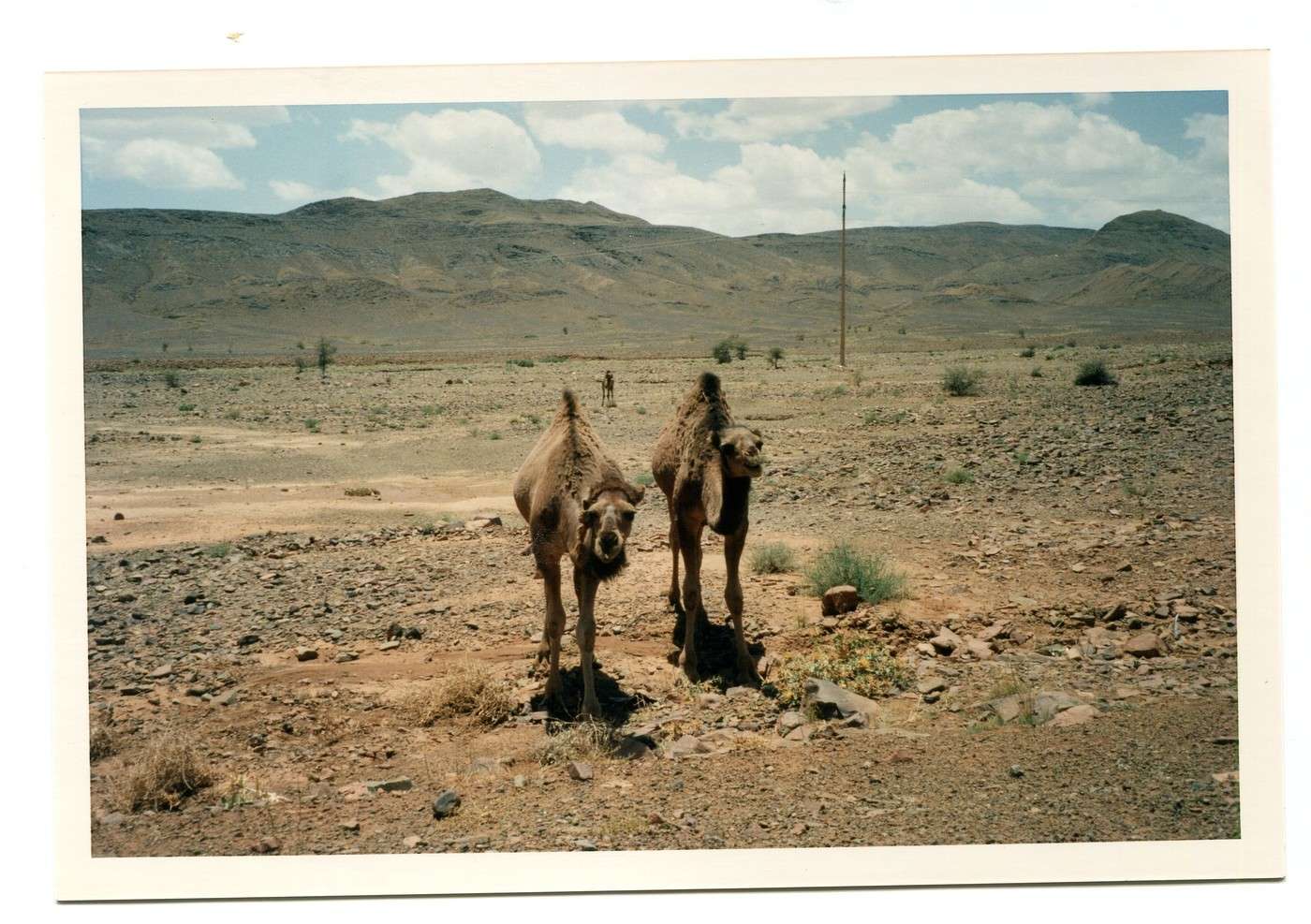
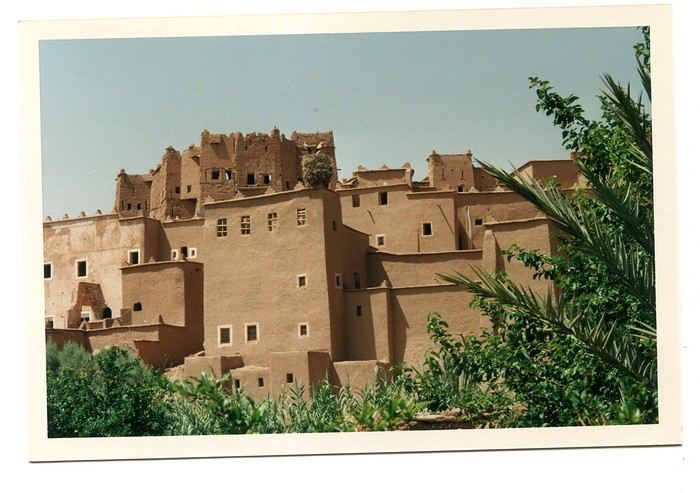
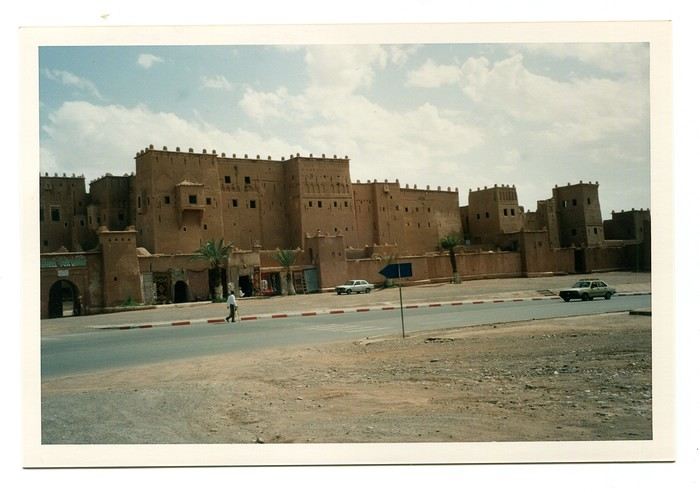
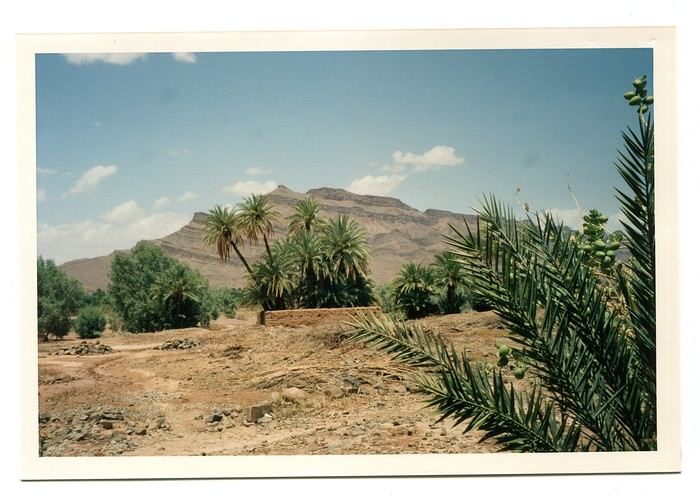
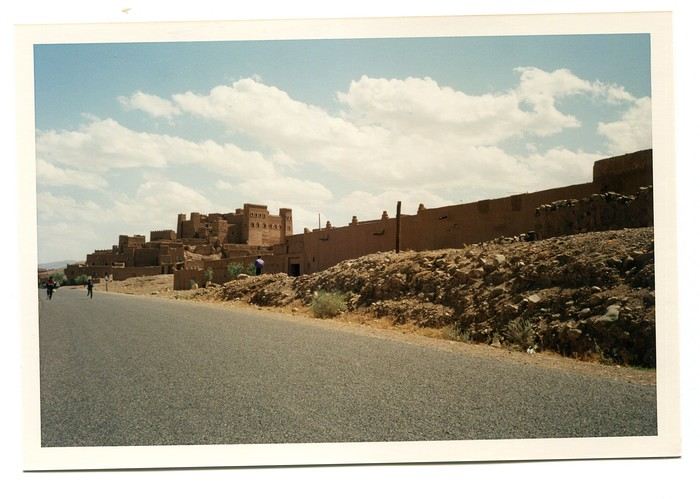
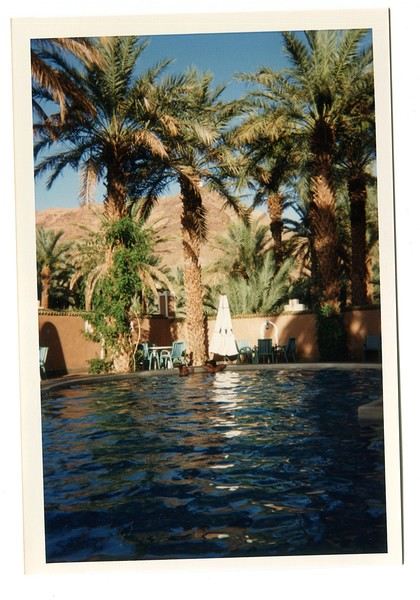
What really struck me at that point in our journey, though, was the dreamlike scenery that unfolded before us—ksars and oases surrounded by sand and rocky terrain. It all seemed unreal but turned out to be undeniably beautiful. A Hollywood set, except it was real life. As I often point out, photos will never capture the temperature... Either way, gazing at southern Morocco is pure wonder. We visited a few ksars, but between the overwhelming commercial pitches and the feeling of intruding on the locals’ privacy, we didn’t linger too long.
In its historical section, the GDR also explains that over time—and perhaps due to cultural exchanges with other civilizations—the Moroccans of the plains had occasionally broken free from the strong religious, moral, and cultural constraints. Each time, the hardliners would come down from the mountains to restore order and, above all, return things to how they were before. A key element in understanding the reasons behind the persistent stagnation and weight of tradition.
Back in the 90s, I saw a report on M6. It claimed that 50,000 French people or French households had settled in Morocco. I imagine there are at least that many now. Some have beautifully renovated riads, turning them into dream homes. Given the standard of living accessible to the French and the ease of communicating in our native language, I totally get why some of my fellow countrymen made that choice. I wouldn’t have dared take that risk, knowing that Islam could wipe it all away at any moment. Not necessarily in the short term, though. As long as Morocco has enlightened rulers, the country will remain a reliable and trustworthy partner.
What really struck me at that point in our journey, though, was the dreamlike scenery that unfolded before us—ksars and oases surrounded by sand and rocky terrain. It all seemed unreal but turned out to be undeniably beautiful. A Hollywood set, except it was real life. As I often point out, photos will never capture the temperature... Either way, gazing at southern Morocco is pure wonder. We visited a few ksars, but between the overwhelming commercial pitches and the feeling of intruding on the locals’ privacy, we didn’t linger too long.